Unlock your full potential by mastering the most common Hand Harvesting interview questions. This blog offers a deep dive into the critical topics, ensuring you’re not only prepared to answer but to excel. With these insights, you’ll approach your interview with clarity and confidence.
Questions Asked in Hand Harvesting Interview
Q 1. What are the optimal conditions for hand harvesting various crops?
Optimal hand harvesting conditions vary significantly depending on the crop. Generally, we aim for conditions that minimize damage and maximize quality. For delicate fruits like strawberries or raspberries, we prefer dry weather to prevent rot and bruising. The ideal time is usually in the morning after the dew has dried, when the fruits are firm and less susceptible to damage. For heartier vegetables like tomatoes, slightly cooler temperatures are preferable to prevent sunscald, again often in the morning or late afternoon. Strong winds can cause damage and should be avoided whenever possible. It’s crucial to check weather forecasts and adapt harvesting schedules accordingly. For example, if rain is predicted, we prioritize harvesting the most susceptible crops first. Finally, the soil conditions also matter, with excessively wet soil making access difficult and increasing the risk of damaging plants during harvest.
Q 2. Describe different hand harvesting techniques for various fruits and vegetables.
Hand harvesting techniques are highly crop-specific. For delicate berries like strawberries and raspberries, we use a gentle pinching or twisting motion to detach the fruit from the plant, minimizing damage to the delicate stem and the surrounding berries. For tomatoes, we carefully twist the fruit from the vine, ensuring the stem is removed cleanly to avoid bruising and disease. With crops like lettuce or spinach, we use a sharp knife or shears to cut the plant cleanly at the base. The technique varies to accommodate the plant’s structure and the fruit’s sensitivity. For apples and other tree fruits, ladders and picking bags are frequently used to safely and efficiently reach the higher branches, and the fruits are gently plucked. In every case, the goal is to harvest the produce without causing damage.
Q 3. How do you ensure the quality and quantity of harvested produce?
Ensuring quality and quantity requires a multi-pronged approach. Firstly, meticulous selection during harvest is vital. Only ripe, undamaged produce is harvested, rejecting anything showing signs of disease, pest damage, or blemishes. We also pay close attention to handling; gentle handling prevents bruising and extends shelf life. Secondly, timely harvesting is crucial. Overripe produce is less desirable and prone to rapid deterioration, impacting both quality and quantity. Thirdly, appropriate harvesting tools and techniques play a role. Properly maintained equipment prevents damage and optimizes efficiency. Regular training for harvest crews focuses on the importance of careful handling and proper selection. Finally, post-harvest handling, including immediate cooling and careful packing, preserves the quality and extends the shelf life of the harvest.
Q 4. Explain your experience with different harvesting tools and equipment.
My experience encompasses a broad range of harvesting tools and equipment. This includes basic hand tools like pruning shears, harvesting knives, and picking bags. For higher crops, we use ladders, extension pickers, and even specialized platforms for tree fruit. For larger scale operations, we might also use conveyors and sorting tables to efficiently move and process the harvest. I’m also familiar with the use of specialized equipment like grape harvesters, but hand harvesting remains crucial for high-quality produce, particularly in specialty crops or when delicate handling is paramount. Proper maintenance and regular inspection of these tools are crucial to both worker safety and product quality. For example, a dull knife can cause crushing damage to delicate fruits and vegetables.
Q 5. How do you identify ripe and ready-to-harvest produce?
Identifying ripe produce requires a combination of visual cues, tactile assessment, and sometimes even olfactory cues. For example, with tomatoes, we look for a deep, rich color, a slight give when gently squeezed, and a pleasant aroma. For berries, we check for full color, plumpness, and the ease with which they detach from the plant. With tree fruits, we assess color, firmness, and the ease of separation from the branch. Each crop has its own specific indicators of ripeness, and experience plays a crucial role. Regular training and quality control checks ensure consistency in identifying ripe produce. There’s even a ‘thumb-nail test’ for some crops like avocados, where gentle pressure reveals the ripeness of the fruit.
Q 6. Describe your experience with post-harvest handling and sorting techniques.
Post-harvest handling is critical to preserving quality. Immediately after harvest, the produce is carefully cleaned, sorted, and graded according to size, quality, and ripeness. Proper cooling is implemented as quickly as possible to slow down respiration and prevent deterioration. We often use refrigerated trucks and storage facilities to maintain the cold chain. The produce is then carefully packed and prepared for transportation or further processing. Sorting tables, especially for larger quantities, are essential. The sorting process involves removing damaged, undersized, or overripe produce. Efficient post-harvest handling is critical for maintaining both quality and quantity throughout the supply chain.
Q 7. How do you maintain efficiency and productivity during harvesting?
Maintaining efficiency and productivity requires careful planning and execution. This begins with a well-defined harvesting plan that considers factors like crop maturity, labor availability, and weather conditions. Effective crew management and clear communication are essential. We use strategies like dividing the field into manageable sections and assigning teams to specific tasks. Proper training of the harvesting crew helps to improve efficiency and reduce losses due to damage or improper selection. Regular breaks and appropriate hydration are provided to keep the team working effectively. Utilizing efficient tools and equipment, along with optimizing workflow, all contribute to maximizing productivity and minimizing waste.
Q 8. How do you prioritize safety during hand harvesting?
Safety is paramount in hand harvesting. It’s not just about avoiding injury; it’s about ensuring a consistently high-quality harvest. My approach is multifaceted and begins long before the first fruit is picked.
- Pre-harvest Planning: This involves thorough site assessments to identify potential hazards – uneven terrain, overhanging branches, wildlife, etc. We then develop a safety plan, which includes designating safe pathways, providing appropriate personal protective equipment (PPE) like gloves, sturdy footwear, and sun protection, and ensuring everyone understands the plan.
- Team Training: Regular safety briefings are crucial. We cover topics like proper lifting techniques to prevent back injuries, the safe use of tools (e.g., pruning shears), and emergency procedures. We emphasize the importance of reporting any hazards immediately.
- On-site Practices: During harvesting, we maintain a watchful eye for potential problems. We take breaks in the shade to avoid heat exhaustion, stay hydrated, and encourage team members to report any discomfort or fatigue. We also implement buddy systems, ensuring no one works alone in isolated areas.
- Post-harvest Review: After each harvesting session, we conduct a debriefing. We discuss what went well, what could be improved, and identify any near misses to prevent future incidents. This fosters a culture of continuous improvement in safety.
For example, during a grape harvest, we might identify a particularly steep slope as a risk. We’d then create a designated path with handrails or assign experienced harvesters to assist others navigating this challenging area.
Q 9. What are the common challenges faced during hand harvesting and how do you overcome them?
Hand harvesting presents unique challenges. Weather, crop variations, and physical demands all contribute to potential difficulties.
- Weather: Extreme heat, rain, or strong winds can significantly impact productivity and safety. We mitigate this through careful planning, flexible scheduling, and the use of appropriate protective gear.
- Crop Variations: Yield and ripeness can vary across a field. We overcome this by implementing a selective harvesting approach, prioritizing ripe fruit and adapting our picking strategies based on the specific conditions of each section of the field. This involves careful observation and a good understanding of the crop’s growth patterns.
- Physical Demands: Hand harvesting is physically demanding. We counteract this by encouraging regular breaks, maintaining good posture, utilizing assistive devices where appropriate, and ensuring adequate hydration and nutrition.
- Pest and Disease: Infestation or disease can affect harvest yields. We prevent this by collaborating with agronomists and growers to ensure the use of preventive measures.
Imagine a berry harvest affected by a sudden downpour. We’d immediately halt operations, protecting the berries from damage and the harvesters from the elements. We’d resume once conditions improved, focusing on the most vulnerable parts of the crop first.
Q 10. Describe your experience working as part of a harvesting team.
Teamwork is fundamental to successful hand harvesting. It’s not just about individual productivity, but about coordinated effort and mutual support.
- Communication: Clear, consistent communication is essential. We use hand signals, verbal cues, and team briefings to keep everyone informed and synchronized.
- Collaboration: We encourage a collaborative atmosphere. Team members help each other, share best practices, and support each other physically and mentally.
- Shared Goals: A common understanding of objectives, quality standards, and deadlines ensures everyone works towards a unified goal.
- Respect & Inclusivity: A respectful and inclusive environment fosters trust and ensures everyone feels valued and empowered.
In one particular blueberry harvest, a new team member struggled with the pace. The more experienced harvesters patiently showed them better techniques and provided encouragement, resulting in improved productivity and team morale.
Q 11. How do you handle variations in crop yield and weather conditions?
Adaptability is key to managing variations in crop yield and weather. It requires careful planning, flexibility, and a willingness to adjust strategies as needed.
- Yield Variation: We anticipate variations by conducting thorough pre-harvest assessments and adjusting the team size and harvesting schedule accordingly. This might involve prioritizing higher-yield areas or re-allocating resources as the harvest progresses.
- Weather Conditions: We monitor weather forecasts closely and implement contingency plans to address unexpected events, such as rain or extreme heat. This includes adjusting working hours, using protective gear, or temporarily suspending operations if conditions become unsafe.
- Contingency Planning: A well-defined plan with alternative strategies accounts for unanticipated issues like equipment failure or sudden changes in weather conditions. This might involve prioritizing the harvest of the most vulnerable crops or switching to alternative techniques.
For instance, during a grape harvest with unexpectedly low yields, we might adjust our picking schedule to focus on the most productive areas first. Likewise, during a heat wave, we’d shorten working hours, schedule more frequent breaks, and provide extra hydration.
Q 12. How do you adapt your harvesting techniques to different terrains and crop layouts?
Terrain and crop layout significantly influence harvesting techniques. Adaptability is essential to maintain efficiency and safety.
- Terrain: Steep slopes, uneven ground, and obstacles require careful navigation. We might use assistive tools, adjust our picking methods, and prioritize safety measures to prevent slips and falls. We could, for example, use elevated platforms or modified picking carts.
- Crop Layout: Different layouts (e.g., rows, trellises, espalier) demand specific approaches. We tailor our techniques to each layout, optimizing our movements and minimizing wasted effort. This might involve specialized tools or adjustments in team formation.
- Accessibility: We assess accessibility for harvesters with disabilities and implement accommodations to ensure inclusivity and safety. This could involve using specialized equipment or assigning tasks appropriately.
During a hop harvest, where vines climb trellises, we employ techniques that allow efficient access to the mature hops at different heights. For a low-growing berry crop in uneven terrain, we might use smaller, more maneuverable picking containers.
Q 13. Explain your knowledge of different crop varieties and their specific harvesting requirements.
My experience encompasses a wide range of crops, each with its unique harvesting needs. This knowledge is crucial for maximizing yield and quality.
- Grapes: Different grape varieties require different handling techniques to prevent damage and preserve quality. Some are more delicate than others, requiring careful pruning and gentle picking.
- Berries: Berries are highly perishable, requiring rapid and careful harvesting to minimize damage and preserve freshness. Specific considerations include avoiding bruising and ensuring even ripeness.
- Tree Fruits (Apples, Pears): The harvesting of tree fruits necessitates careful selection of mature fruit, avoiding bruising and damage during picking and handling. Techniques vary based on tree size and accessibility.
- Vegetables: Vegetable harvesting varies greatly depending on the type of vegetable, with some requiring complete removal from the soil while others involve selective harvesting of specific parts.
For example, delicate table grapes require a gentler approach than those intended for juice production. Similarly, strawberries, susceptible to bruising, require a different picking technique compared to tougher berries like blueberries.
Q 14. Describe your experience with hand harvesting specific crops (e.g., grapes, berries, etc.)
I’ve extensively worked with various crops, developing specialized techniques for each.
- Grapes: I’ve participated in numerous grape harvests, using both hand shears and selective picking methods, adapting to different vine structures and grape varieties. I understand the importance of minimizing damage and maintaining the integrity of the bunches.
- Berries: My experience with berry harvesting encompasses various types – strawberries, blueberries, raspberries. I’m adept at rapidly and efficiently harvesting while prioritizing fruit quality and minimizing losses.
- Stone Fruits (Peaches, Plums): I’ve developed expertise in the careful handling of stone fruits, recognizing the importance of selecting ripe fruits without bruising, and optimizing handling to prevent damage during transportation.
A memorable experience involved a challenging strawberry harvest where inconsistent ripening across the field required a highly selective approach. We adapted our team strategy to ensure we prioritized the ripe fruits while minimizing waste.
Q 15. How do you manage your workload and time effectively during peak harvesting seasons?
Effective workload and time management during peak harvesting seasons is crucial for maximizing yield and minimizing stress. My approach involves a multi-pronged strategy focusing on planning, execution, and team coordination.
Detailed Pre-Harvest Planning: I meticulously assess the field, estimating the ripeness and yield of different sections. This allows for a realistic harvesting schedule, assigning teams to specific areas based on their expertise and the crop’s maturity.
Efficient Team Organization: Clear communication and delegation are key. I establish clear roles and responsibilities, ensuring everyone understands their tasks and deadlines. Regular check-ins and quick problem-solving sessions help maintain momentum.
Prioritization and Flexibility: Unexpected weather changes or equipment malfunctions can disrupt the schedule. I prioritize tasks based on urgency and adjust the plan accordingly, focusing on saving already harvested produce first.
Data-Driven Optimization: Tracking daily harvesting rates and identifying bottlenecks allows me to refine our processes over time. For example, if one team consistently lags behind, I can provide extra training or adjust their assigned area.
For instance, during a particularly busy blueberry harvest, we used a color-coded map to indicate the ripeness of different sections. This allowed us to assign teams efficiently and avoid unnecessary travel time.
Career Expert Tips:
- Ace those interviews! Prepare effectively by reviewing the Top 50 Most Common Interview Questions on ResumeGemini.
- Navigate your job search with confidence! Explore a wide range of Career Tips on ResumeGemini. Learn about common challenges and recommendations to overcome them.
- Craft the perfect resume! Master the Art of Resume Writing with ResumeGemini’s guide. Showcase your unique qualifications and achievements effectively.
- Don’t miss out on holiday savings! Build your dream resume with ResumeGemini’s ATS optimized templates.
Q 16. What are your strategies for minimizing crop damage during harvesting?
Minimizing crop damage during hand harvesting requires a delicate balance of speed and care. My strategies focus on careful handling, appropriate tools, and proper training.
Proper Training and Technique: I emphasize gentle handling techniques during training. This includes proper posture, the use of supportive tools (like harvesting gloves and baskets), and awareness of the fragility of the harvested product. We practice handling techniques on less-ripe produce first.
Tool Selection: Using appropriate harvesting tools is critical. For example, sharp shears for delicate flowers, specialized gloves for thorny plants, and correctly sized baskets that prevent crushing are paramount. The tools are regularly inspected and maintained.
Careful Sorting and Handling: We sort the harvest immediately to separate damaged items from those in prime condition. Damaged produce is set aside for alternative uses, composting, or immediate disposal, preventing the spread of rot.
Environmentally Conscious Practices: Avoiding unnecessary foot traffic on delicate crops and using appropriate ground covering where necessary help minimize damage. This also considers the impact on soil health and future harvests.
For example, during a strawberry harvest, we used small, shallow baskets to prevent bruising and provided training on the proper way to hold and remove the fruit from the plant.
Q 17. How do you identify and address potential problems during harvesting?
Identifying and addressing potential problems proactively is vital for a successful harvest. My approach is based on regular monitoring, communication, and problem-solving.
Regular Field Inspections: Daily inspections of the harvesting area are crucial for identifying signs of pest infestation, disease, or weather damage that might impact the quality or yield of the crop.
Team Communication: Encouraging open communication among team members is key. If a harvester notices an issue—a broken tool, a section of diseased plants, or a change in the crop’s condition—they should report it immediately.
Problem-Solving Framework: I use a structured approach to problem-solving. This involves:
- Identifying the problem.
- Analyzing the causes.
- Developing potential solutions.
- Implementing the chosen solution.
- Evaluating the outcome and making adjustments if necessary.
Adaptive Strategies: Harvesting conditions are dynamic. Flexibility is vital. We might need to adjust harvesting techniques based on weather changes, unexpected pests or diseases, or even changes in market demand.
For example, during an apple harvest, we discovered a sudden infestation of apple maggots in one section of the orchard. We immediately adjusted our approach, carefully inspecting each apple and removing any affected ones to prevent further spread.
Q 18. What is your experience with using harvesting aids or assistive devices?
I have extensive experience using various harvesting aids and assistive devices, both for improving efficiency and ensuring worker safety and comfort.
Harvesting Carts and Baskets: Ergonomically designed carts and baskets are essential for reducing strain on the back and shoulders. These are chosen based on the type and weight of the crop being harvested.
Pruning Shears and Specialized Tools: High-quality, sharp pruning shears and other specialized harvesting tools reduce fatigue and allow for precise cuts, minimizing crop damage. These tools are regularly sharpened and maintained.
Kneeling Pads and Protective Gear: Kneeling pads reduce discomfort and strain during prolonged periods of kneeling or crouching. Protective gear, such as gloves, eye protection, and sun hats, safeguards against hazards in the field.
Assistive Devices for Accessibility: For workers with physical limitations, we explore assistive devices such as reach extenders, ergonomic seating, or customized harvesting tools. This commitment to inclusivity ensures everyone can contribute.
For example, during a grape harvest, we used harvesting carts with wheels designed to traverse uneven terrain, reducing the strain on the harvesters’ backs and increasing efficiency.
Q 19. How do you maintain the cleanliness and hygiene of your harvesting work area?
Maintaining cleanliness and hygiene in the harvesting area is crucial for food safety and worker health. My approach is based on a combination of preventative measures and regular cleaning.
Pre-Harvest Preparation: Before starting the harvest, we clear the area of debris, weeds, and any potential contaminants. This involves removing unwanted plants and ensuring the harvesting area is as clean and organized as possible.
Regular Cleaning: Throughout the harvesting process, we regularly clean and sanitize harvesting tools and equipment. This prevents the spread of contaminants and disease. We also clean spilled produce to prevent attracting pests.
Waste Management: Proper waste management is essential. We separate waste into categories for composting, recycling, and disposal. This helps maintain cleanliness and prevents environmental issues.
Hand Hygiene: Harvesters are required to maintain good hand hygiene by washing their hands regularly with soap and water or using hand sanitizer, especially before handling food.
For example, during a lettuce harvest, we implemented a system for immediately cleaning and disinfecting any harvesting tools that came into contact with damaged or contaminated lettuce.
Q 20. Describe your experience with record-keeping and data collection during harvesting.
Accurate record-keeping and data collection are fundamental to evaluating efficiency and improving future harvests. Our system combines manual recording with digital tools.
Manual Record-Keeping: We maintain detailed logs of daily harvesting activities, including the area harvested, the yield, the time taken, any challenges encountered, and any notable observations about crop quality. This provides a historical context.
Digital Data Collection: We use tablets or smartphones to digitally record the same data, allowing for easier analysis and trend identification. This reduces manual entry errors and provides readily available data for reporting.
Yield Tracking: We meticulously track the yield from different sections of the field, enabling us to identify areas that require improved cultivation techniques or additional resources.
Quality Control Data: Our data also includes measures of quality, such as the percentage of damaged or substandard produce. This provides valuable insights for improving handling procedures and identifying potential issues early.
For example, our data from the previous strawberry harvest revealed that a specific section consistently yielded smaller berries. This led us to investigate the soil conditions and adjust irrigation practices in that area for the following season.
Q 21. What safety precautions do you take when working with harvesting tools and equipment?
Safety is paramount during hand harvesting. Our safety protocols emphasize the proper use of tools, hazard awareness, and preventative measures.
Tool Safety: All harvesting tools are inspected for damage or defects before use. Workers are trained on the proper use and safe handling of all tools, emphasizing sharp object awareness and safe storage.
Personal Protective Equipment (PPE): We provide and enforce the use of appropriate PPE, including gloves, eye protection, sun hats, and protective clothing depending on the specific crop and environmental conditions.
Hazard Awareness: Workers are trained to identify and avoid potential hazards, such as uneven terrain, poisonous plants, stinging insects, and exposure to the elements. First-aid training is essential.
Emergency Procedures: We have established clear emergency procedures, including communication protocols for reporting accidents or injuries, access to first-aid supplies, and a plan for contacting emergency services.
For example, during a corn harvest, we provided workers with sturdy work boots to protect their feet from sharp objects and uneven ground, and we ensured all harvesting knives were properly sheathed when not in use.
Q 22. How do you stay physically fit and healthy for the demanding work of hand harvesting?
Maintaining peak physical condition is crucial for hand harvesting, a physically demanding job. My approach is multifaceted, focusing on preventative measures and ongoing health management.
- Pre-Season Preparation: Before the harvest season begins, I engage in a rigorous fitness regimen. This includes cardiovascular exercises like running or cycling to build stamina, strength training to improve muscle endurance, and flexibility exercises like yoga or Pilates to prevent injuries. I also ensure I’m getting adequate rest and nutrition.
- On-the-Job Strategies: During the harvest, I prioritize proper hydration by carrying water and taking regular breaks to avoid dehydration. I also pay close attention to my posture and lifting techniques to minimize strain on my back and joints. Stretching regularly throughout the day helps prevent muscle stiffness and cramps.
- Post-Harvest Recovery: Following the harvest season, I continue a less intense exercise routine focusing on recovery and injury prevention. This helps to gradually ease my body back to a normal state.
- Nutrition: A balanced diet rich in fruits, vegetables, and lean protein is essential to fuel my body and support muscle repair. I avoid excessive processed foods and sugary drinks.
Think of it like training for a marathon – it’s not just about the race day, but the months of consistent preparation beforehand.
Q 23. How do you communicate effectively with supervisors and team members during harvesting?
Effective communication is the backbone of a successful harvest team. I believe in clear, concise, and respectful communication at all times.
- With Supervisors: I proactively communicate any challenges or concerns, such as equipment malfunctions, difficult terrain, or changes in crop conditions. I always confirm instructions and expectations before commencing any task. For example, if there’s a change in picking standards, I’ll make sure I completely understand them before starting.
- With Team Members: I foster a collaborative environment through teamwork and mutual respect. I actively participate in team discussions and offer assistance when needed. Open communication ensures everyone is on the same page and working towards the shared goal of a successful harvest.
- Nonverbal Communication: I also recognize the importance of nonverbal cues. Maintaining eye contact, active listening, and using appropriate body language ensures clear understanding and fosters a positive team dynamic.
In essence, it’s about actively listening, clearly expressing my needs and observations, and building positive working relationships.
Q 24. How do you handle difficult or challenging situations during harvesting?
Hand harvesting inevitably presents unexpected challenges. My approach involves a calm and methodical problem-solving strategy.
- Assessment: The first step is to accurately assess the situation. This involves identifying the root cause of the problem. For example, if there’s a sudden downpour, I’d immediately assess the impact on the crop and report it.
- Prioritization: I then prioritize actions based on urgency and impact. Addressing immediate safety concerns always takes precedence.
- Problem-Solving: I employ practical solutions within my authority. If a piece of equipment malfunctions, I might attempt basic repairs if I’m trained to do so, or report it to my supervisor immediately.
- Collaboration: If a problem exceeds my capabilities, I immediately communicate with my supervisor and team members to find a collaborative solution.
For instance, if I notice a section of the crop is damaged, I’d report it to my supervisor immediately, suggesting potential solutions like separating the damaged portion for different processing.
Q 25. Describe your experience with compliance with food safety regulations during harvesting.
Food safety is paramount in hand harvesting. I have a proven track record of adhering strictly to all relevant regulations.
- Hygiene: I maintain meticulous personal hygiene, including washing my hands frequently and wearing appropriate protective clothing. This prevents contamination.
- Handling Practices: I carefully handle the produce to avoid damage or bruising, reducing the risk of spoilage and contamination. I strictly adhere to proper picking and sorting procedures to eliminate any unwanted material.
- Reporting: I promptly report any potential food safety issues, such as pest infestations or signs of disease in the crop, to my supervisor.
- Training: I actively participate in all food safety training programs and stay updated on best practices to maintain my skills and knowledge.
I view food safety not just as a set of rules, but as a critical responsibility to ensure the safety of consumers.
Q 26. How do you adapt to changes in harvesting schedules or requirements?
Adaptability is essential in hand harvesting, as schedules and requirements can change rapidly due to weather, crop conditions, or market demands.
- Flexibility: I maintain a flexible approach and am willing to adjust my work schedule as needed to meet changing demands.
- Communication: I regularly check for updates and communicate with my supervisor to stay informed about any schedule changes or adjustments to harvesting requirements.
- Problem-Solving: When faced with sudden changes, I quickly assess the situation and adjust my work plan accordingly. For example, if a sudden rain shower forces a temporary halt, I use the time to perform maintenance tasks or take a break.
My experience has taught me that effectively adapting to change is crucial to maintaining efficiency and productivity in this dynamic environment.
Q 27. What are your salary expectations for a hand harvesting position?
My salary expectations are commensurate with my experience, skills, and the prevailing market rates for experienced hand harvesters in this region. I am open to discussing specific compensation packages that reflect the demands of the role and the contributions I will make to the team.
Q 28. What are your long-term career goals related to hand harvesting?
My long-term goals involve continued professional growth within the hand harvesting sector. I aim to develop my expertise in specialized harvesting techniques and possibly pursue a supervisory role, leveraging my experience and leadership skills to train and mentor others.
I also aspire to enhance my understanding of sustainable agricultural practices and contribute towards environmentally responsible harvesting methods. Ultimately, my goal is to become a respected leader within the industry, contributing to the efficient and sustainable harvesting of high-quality produce.
Key Topics to Learn for Hand Harvesting Interview
- Crop-Specific Knowledge: Understanding the unique characteristics of different crops (e.g., berries, fruits, vegetables) harvested by hand, including optimal harvesting times and techniques.
- Harvesting Techniques: Mastering efficient and safe hand-harvesting methods, including proper pruning, cutting, and picking techniques to minimize damage and maximize yield.
- Quality Control: Identifying and selecting high-quality produce based on size, color, ripeness, and freedom from defects. Understanding grading standards and sorting procedures.
- Safety Procedures: Familiarity with workplace safety regulations, including the use of personal protective equipment (PPE), and safe handling of harvesting tools.
- Teamwork and Communication: Demonstrating the ability to work effectively as part of a harvesting team, communicating clearly with supervisors and fellow workers.
- Environmental Awareness: Understanding sustainable harvesting practices and their impact on the environment, including minimizing waste and preserving soil health.
- Productivity and Efficiency: Demonstrating an understanding of efficient work practices to maximize output while maintaining quality standards. This includes pacing, organization, and effective use of time.
- Problem-Solving: Ability to identify and resolve issues encountered during the harvesting process, such as equipment malfunctions or variations in crop conditions.
Next Steps
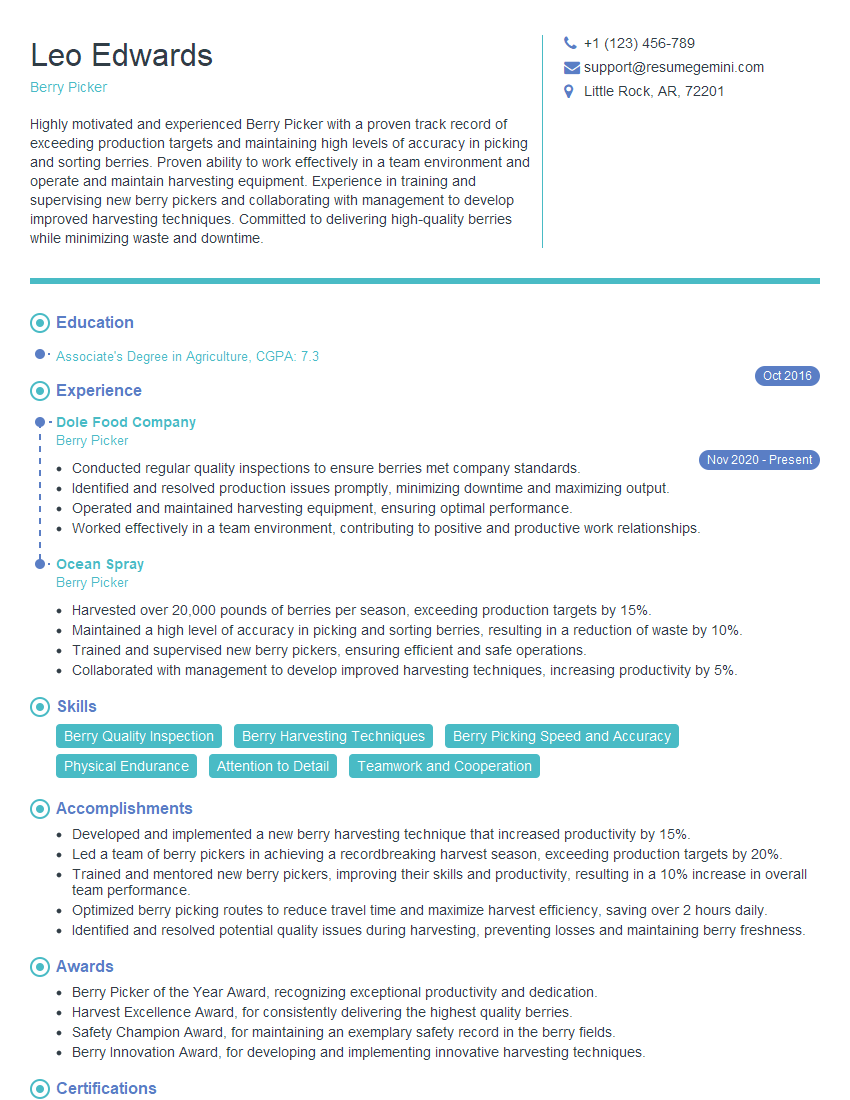
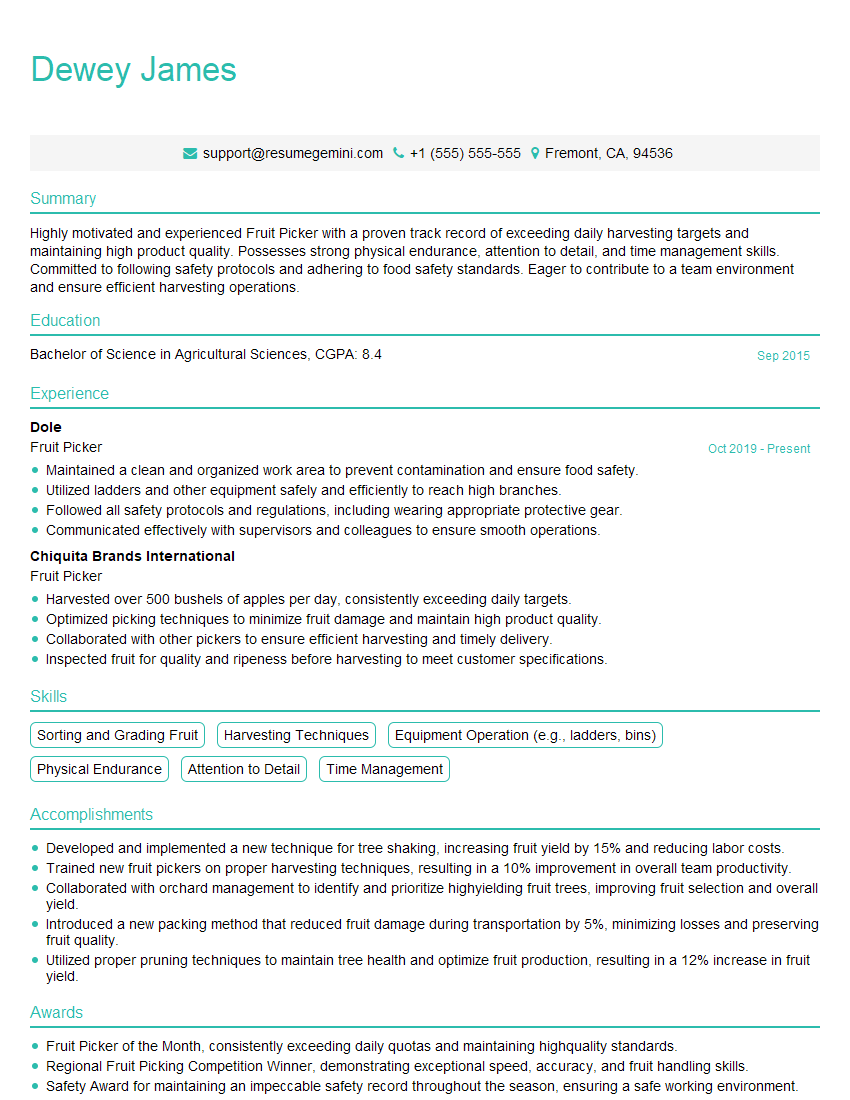
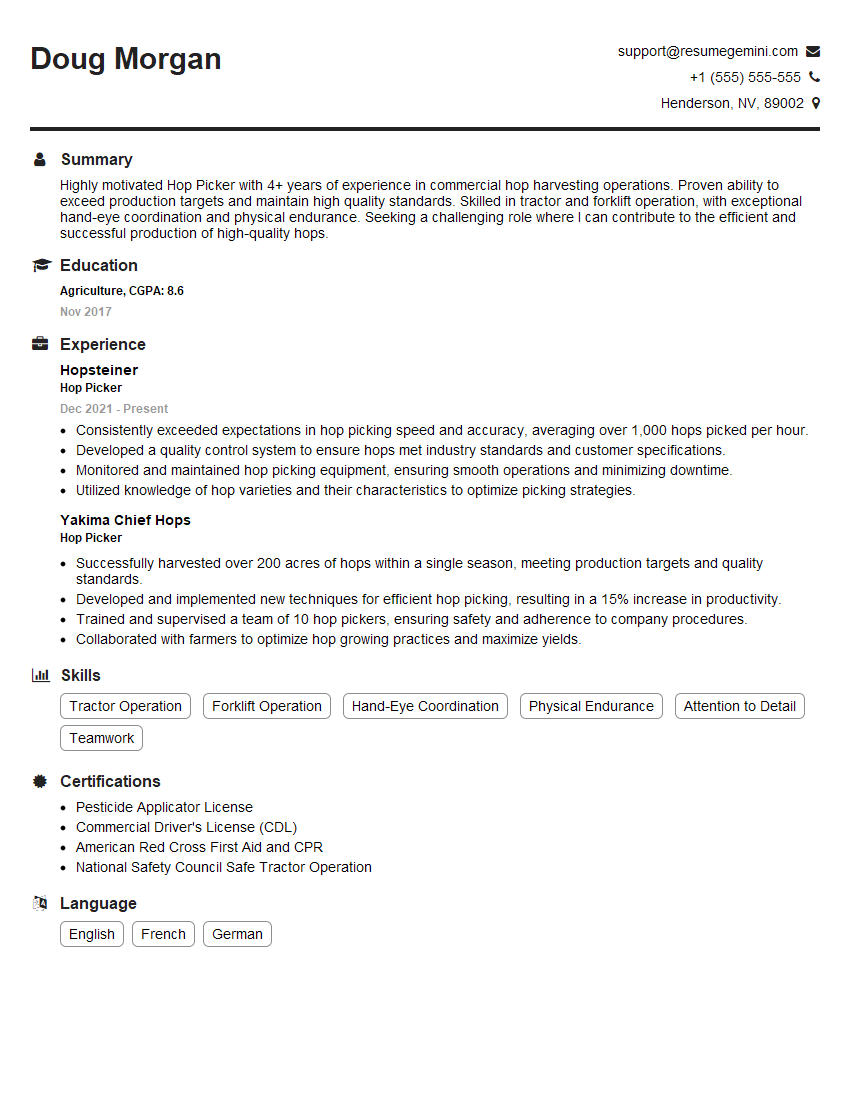
Mastering hand harvesting opens doors to rewarding careers in agriculture, offering opportunities for growth and specialization. A strong resume is crucial for showcasing your skills and experience to potential employers. To maximize your chances, create an ATS-friendly resume that highlights your relevant qualifications and experience. ResumeGemini is a trusted resource to help you build a professional and impactful resume that stands out from the competition. Examples of resumes tailored to Hand Harvesting are available to guide you.

Explore more articles
Users Rating of Our Blogs
Share Your Experience
We value your feedback! Please rate our content and share your thoughts (optional).
What Readers Say About Our Blog
Very informative content, great job.
good