Interviews are opportunities to demonstrate your expertise, and this guide is here to help you shine. Explore the essential Industrial Waste Treatment interview questions that employers frequently ask, paired with strategies for crafting responses that set you apart from the competition.
Questions Asked in Industrial Waste Treatment Interview
Q 1. Explain the different types of industrial wastewater treatment processes.
Industrial wastewater treatment processes are tailored to the specific pollutants present in the wastewater. They can be broadly categorized into:
- Physical Treatment: This involves removing solids and other pollutants through physical means. Examples include screening (removing large debris), sedimentation (allowing solids to settle), and filtration (removing suspended solids).
- Chemical Treatment: This utilizes chemical reactions to remove pollutants. Common methods include coagulation-flocculation (using chemicals to clump smaller particles into larger, settleable ones), neutralization (adjusting pH), and oxidation (breaking down organic matter using oxidizing agents like chlorine or ozone).
- Biological Treatment: This leverages microorganisms (bacteria, fungi) to break down organic pollutants. These methods are crucial for removing biodegradable organic matter and include activated sludge processes, trickling filters, and anaerobic digestion (discussed further in the next answer).
- Advanced Treatment: This is often required for removing recalcitrant pollutants not removed by primary and secondary treatment. Techniques include membrane filtration (microfiltration, ultrafiltration, reverse osmosis), advanced oxidation processes (AOPs), and ion exchange.
The specific combination of these processes depends on the characteristics of the wastewater and the required discharge standards. For instance, a food processing plant might need a combination of physical, biological, and chemical treatment, while a pharmaceutical plant may necessitate advanced treatment methods to remove specific chemical contaminants.
Q 2. Describe your experience with biological wastewater treatment methods.
I have extensive experience with biological wastewater treatment, particularly with activated sludge processes and anaerobic digestion. In my previous role at [Previous Company Name], we implemented and optimized an activated sludge system for a large textile mill. This involved carefully monitoring dissolved oxygen levels, sludge retention time, and the mixed liquor suspended solids (MLSS) concentration to ensure efficient removal of organic pollutants. We also utilized a sophisticated control system to automate the process and optimize energy consumption.
Anaerobic digestion, which I also have firsthand experience with, is a powerful method for treating high-strength wastewater or sludge. This process, carried out in the absence of oxygen, utilizes microorganisms to break down organic matter, producing biogas (a mixture of methane and carbon dioxide) as a byproduct. This biogas can be harnessed for energy generation, reducing the plant’s carbon footprint and operating costs. In one project, we successfully implemented anaerobic digestion, resulting in a 30% reduction in sludge volume and a substantial reduction in greenhouse gas emissions.
Q 3. What are the key parameters monitored in industrial wastewater treatment?
The key parameters monitored in industrial wastewater treatment vary depending on the industry and the specific pollutants present, but some common ones include:
- pH: Measures acidity or alkalinity; crucial for biological processes and corrosion control.
- BOD (Biochemical Oxygen Demand): Indicates the amount of oxygen needed by microorganisms to break down organic matter.
- COD (Chemical Oxygen Demand): Measures the total amount of oxygen required to oxidize organic and inorganic matter.
- Suspended Solids (SS): The amount of solid material suspended in the wastewater.
- Total Dissolved Solids (TDS): The amount of dissolved inorganic minerals and organic matter in the wastewater.
- Specific Pollutants: Depending on the industry, this might include heavy metals (e.g., lead, mercury), oil and grease, specific chemicals (e.g., pesticides, pharmaceuticals), or nutrients (nitrogen and phosphorus).
- Temperature: Affects biological activity and chemical reactions.
Continuous monitoring of these parameters is crucial for ensuring the effectiveness of the treatment process and compliance with environmental regulations.
Q 4. How do you ensure compliance with environmental regulations for wastewater discharge?
Ensuring compliance with environmental regulations for wastewater discharge requires a multi-faceted approach. This involves:
- Regular Monitoring: Consistently monitoring wastewater parameters to ensure they meet the required limits stipulated by the regulatory agencies.
- Record Keeping: Meticulous documentation of all monitoring data, treatment process adjustments, and any incidents.
- Reporting: Submitting regular reports to the relevant authorities, including discharge monitoring reports (DMRs).
- Process Optimization: Continuously optimizing the treatment process to achieve the highest possible level of pollutant removal.
- Emergency Response Plan: Having a detailed plan in place to handle any unexpected events that might lead to non-compliance.
- Staying Updated: Keeping abreast of any changes in regulations or best practices.
For example, our team at [Previous Company Name] implemented a comprehensive environmental management system (EMS) based on ISO 14001, ensuring systematic monitoring, reporting, and continuous improvement in wastewater treatment, leading to consistent compliance.
Q 5. Explain the importance of pH control in wastewater treatment.
pH control is paramount in wastewater treatment for several reasons:
- Biological Processes: Microorganisms in biological treatment processes have an optimal pH range for activity. Significant deviations from this range can inhibit their growth and reduce the effectiveness of treatment.
- Chemical Reactions: Many chemical treatment processes, such as coagulation-flocculation and neutralization, are pH-dependent. Controlling pH ensures the optimal performance of these reactions.
- Corrosion Control: Extreme pH values can be corrosive to treatment equipment, leading to premature failure and increased maintenance costs. Maintaining a neutral or slightly alkaline pH can mitigate this.
- Toxicity Reduction: Some pollutants are more toxic at certain pH ranges. Adjusting the pH can reduce their toxicity and make them easier to treat.
Think of it like baking a cake: you need the right temperature and ingredients (pH and chemicals) for the best result. Improper pH can lead to incomplete treatment and environmental problems.
Q 6. Describe your experience with sludge treatment and disposal methods.
Sludge treatment and disposal is a critical component of wastewater treatment. Sludge, the solid byproduct of the treatment process, contains significant amounts of organic matter and potential pollutants. Common methods include:
- Thickening: Concentrating the sludge to reduce its volume.
- Digestion: Aerobic or anaerobic digestion to reduce organic matter content and potentially produce biogas.
- Dewatering: Removing water from the sludge to further reduce volume and facilitate handling.
- Disposal: Methods include land application (spreading on agricultural land after appropriate testing), landfilling, incineration, or use in other industrial applications.
My experience includes managing the sludge treatment and disposal program at [Previous Company Name], where we optimized our anaerobic digestion process to reduce sludge volume by 40% and generate biogas for on-site energy production. Careful selection of disposal methods is crucial to minimize environmental impact and adhere to regulatory requirements.
Q 7. What are the common challenges faced in industrial wastewater treatment?
Industrial wastewater treatment presents several common challenges:
- Variability in Wastewater Composition: The characteristics of industrial wastewater can change significantly over time, making it difficult to maintain consistent treatment performance.
- Presence of Toxic Pollutants: Some industrial wastewater contains toxic substances that require specialized treatment methods.
- High Treatment Costs: Implementing and operating effective treatment systems can be expensive.
- Sludge Management: Safe and environmentally sound management of sludge is a major challenge.
- Regulatory Compliance: Meeting stringent environmental regulations can be complex and require continuous monitoring and reporting.
- Emerging Contaminants: New and emerging contaminants, such as pharmaceuticals and personal care products, pose significant challenges for traditional treatment methods.
Addressing these challenges often requires a combination of advanced treatment technologies, careful process control, and a proactive approach to regulatory compliance. Innovative solutions, like the integration of AI and machine learning for process optimization and predictive maintenance, are becoming increasingly important in overcoming these challenges.
Q 8. How do you troubleshoot problems in a wastewater treatment plant?
Troubleshooting a wastewater treatment plant requires a systematic approach. Think of it like diagnosing a car problem – you need to identify the symptoms, isolate the cause, and then implement the fix. I typically start with a thorough review of the plant’s operational data, including flow rates, effluent quality parameters (BOD, COD, TSS, ammonia, etc.), and process control readings (e.g., dissolved oxygen levels, pH, sludge age). This helps pinpoint areas of concern.
For example, if I see a sudden increase in BOD in the effluent, I’d investigate several potential causes: inadequate aeration in the activated sludge process, insufficient settling in the clarifier, or an influx of pollutants from an industrial source. I’d then systematically check each area. This may involve inspecting equipment for malfunctions (e.g., a faulty aeration blower), examining sludge characteristics under a microscope (to check for filamentous bulking), or investigating the nature of the industrial influent. Once the problem’s identified, the solution could range from simple repairs (replacing a faulty pump) to process adjustments (altering the aeration rate) to more significant interventions (modifying the pretreatment system).
I also rely heavily on process simulations and modeling to predict the impact of different troubleshooting strategies and prevent future occurrences. A well-documented plant history is crucial, allowing for comparisons with past performance and easier identification of recurring problems and trends.
Q 9. Explain the role of activated sludge in biological wastewater treatment.
Activated sludge is the heart of many biological wastewater treatment processes. Imagine it as a tiny, highly efficient ecosystem within your treatment plant. It’s a mixture of microorganisms (bacteria, fungi, protozoa) that consume organic matter in wastewater. These microorganisms, suspended in wastewater, form flocs – small clumps that effectively trap and break down pollutants.
The process works like this: wastewater is mixed with activated sludge (containing the microorganisms) in an aeration tank. Oxygen is supplied, allowing the microorganisms to aerobically (with oxygen) metabolize the organic matter, converting it into carbon dioxide, water, and stable solids. The treated water then moves to a clarifier where the sludge settles out, a portion of which is recycled back to the aeration tank to maintain a healthy microbial population. Excess sludge is removed (waste activated sludge) and typically undergoes further treatment before disposal.
The efficiency of activated sludge depends on several factors: the sludge age (the average time microorganisms spend in the system), the dissolved oxygen level, the temperature, and the characteristics of the influent wastewater. Optimizing these parameters is crucial for effective treatment. The process is so important that maintaining optimal conditions often dictates many operational decisions in wastewater treatment plants.
Q 10. Describe your experience with membrane filtration technologies in wastewater treatment.
I have extensive experience with membrane filtration technologies, primarily microfiltration (MF), ultrafiltration (UF), and reverse osmosis (RO), in wastewater treatment applications. These technologies provide a high level of treatment efficiency, particularly for removing suspended solids, dissolved organic matter, and even pathogens.
In one project, we integrated UF membranes into a municipal wastewater treatment plant to enhance the removal of turbidity and pathogens before discharge. This significantly improved the effluent quality and minimized environmental impact. We had to carefully consider the membrane fouling characteristics (the buildup of solids on the membrane surface), which often reduces the membrane’s lifespan and efficiency. Regular cleaning and maintenance protocols, including chemical cleaning and backwashing, were implemented to address this challenge.
Another project involved using RO to treat industrial wastewater containing high levels of dissolved salts. This was crucial for recovering valuable water and reducing the overall water footprint of the facility. The selection of appropriate membranes is vital in these applications. Factors such as the chemical composition of the water, operating pressure, and desired permeate quality all influence the membrane choice. Moreover, energy consumption is a significant consideration, as RO is an energy-intensive process.
Q 11. What are the different types of industrial solid waste and their management strategies?
Industrial solid waste encompasses a broad range of materials, each requiring specific management strategies. We can broadly categorize them as:
- Hazardous Waste: This includes materials that are toxic, ignitable, corrosive, or reactive, posing significant risks to human health and the environment. Examples include heavy metals (lead, mercury), solvents, and certain chemicals. Management involves treatment, containment, and disposal in licensed hazardous waste facilities.
- Non-Hazardous Waste: This category is much broader, encompassing materials that don’t meet the definition of hazardous waste. Examples include demolition debris, construction waste, wood, and paper. Management strategies may include recycling, reuse, composting, landfilling, or incineration.
- Special Waste: This encompasses waste streams requiring special handling due to their unique characteristics. Medical waste (sharps, contaminated materials), electronic waste (e-waste), and asbestos are examples. Management often involves strict regulations to minimize environmental and health risks.
The optimal management strategy depends on the waste’s characteristics, its volume, and applicable regulations. A lifecycle assessment (LCA) is often conducted to determine the most environmentally and economically sound approach, considering waste reduction at the source, reuse, recycling, and responsible disposal.
Q 12. Explain the principles of hazardous waste management.
Hazardous waste management is governed by the principles of minimizing waste generation, protecting human health, and safeguarding the environment. The core principles include:
- Waste Minimization: This is the highest priority – reducing waste at its source through process optimization, material substitution, and improved production techniques.
- Treatment and Neutralization: Treating hazardous waste to reduce its toxicity before disposal is often necessary. This may involve physical, chemical, or biological processes.
- Containment and Secure Storage: Proper containment and storage prevent accidental release of hazardous substances into the environment. This includes using secure containers, following strict labeling protocols, and monitoring storage conditions.
- Disposal in Licensed Facilities: Disposal is the last resort. Hazardous waste must be disposed of in facilities that meet stringent environmental regulations.
- Regulatory Compliance: Strict adherence to all relevant environmental regulations, including permitting, record-keeping, and reporting, is paramount.
A strong emphasis is placed on preventing pollution and maintaining a high level of accountability throughout the waste management lifecycle.
Q 13. How do you ensure the safety of workers in an industrial waste treatment facility?
Worker safety is paramount in any industrial waste treatment facility. We implement a multi-layered approach:
- Engineering Controls: This involves designing the facility to minimize hazards. Examples include enclosed systems to reduce exposure to airborne contaminants, emergency shut-off systems, and proper ventilation.
- Administrative Controls: This focuses on procedures and training. We have strict Standard Operating Procedures (SOPs) for all operations, regular safety training programs, and a robust emergency response plan. Workers are provided with appropriate personal protective equipment (PPE), such as respirators, gloves, and protective clothing.
- Personal Protective Equipment (PPE): Appropriate PPE is crucial and must be correctly used at all times.
- Regular Monitoring and Inspections: Routine monitoring of air quality, noise levels, and other potential hazards ensures early detection of problems. Regular inspections of equipment and safety systems prevent accidents.
- Emergency Response Plan: A well-defined emergency response plan and regular drills ensure preparedness for any potential incidents.
Regular safety audits and employee feedback are crucial in maintaining a safe work environment. A strong safety culture, where every employee feels empowered to identify and report hazards, is essential for success.
Q 14. Describe your experience with risk assessment and management in waste treatment.
Risk assessment and management are integral to industrial waste treatment. I use a structured approach, typically following a methodology like HAZOP (Hazard and Operability Study) or FMEA (Failure Mode and Effects Analysis). These methodologies involve systematically identifying potential hazards, assessing their likelihood and severity, and then implementing control measures to mitigate the risks.
For example, in a project involving the treatment of chemically contaminated soil, we conducted a HAZOP study to identify potential risks associated with handling and processing the contaminated material. This identified risks such as worker exposure to hazardous chemicals, accidental spills, and potential explosions. Based on this assessment, we implemented several control measures including the use of specialized equipment for handling the contaminated material, strict adherence to safety protocols, and the development of an emergency response plan.
Risk management involves ongoing monitoring and review. We regularly update our risk assessments to reflect changes in operations, new technologies, or emerging regulations. This iterative process ensures that our control measures remain effective and that the safety of workers and the environment are consistently protected.
Q 15. What are the key considerations for selecting a suitable wastewater treatment technology?
Selecting the right wastewater treatment technology is crucial for effective and cost-efficient pollution control. Several key factors need careful consideration. Think of it like choosing the right tool for a job – a hammer won’t fix a leaky pipe!
- Wastewater Characteristics: This is paramount. What’s in the wastewater? Is it high in organic matter (measured by BOD and COD, which I’ll explain later), heavy metals, suspended solids, or specific toxins? Different technologies excel at handling different pollutants. For example, activated sludge is great for organic waste, while reverse osmosis is better for dissolved salts.
- Treatment Goals: What is the desired effluent quality? Discharge permits dictate minimum standards. Are you aiming for reuse or simply meeting regulatory requirements? More stringent goals necessitate more complex and advanced technologies.
- Site Conditions: Space availability, energy costs, climate, and accessibility to utilities significantly influence technology selection. A large site may accommodate a complex system, but a small, land-constrained area might require a more compact solution.
- Operational Costs: Consider capital costs (initial investment), operational costs (energy, labor, chemicals), and maintenance requirements. Some technologies are energy-intensive, while others are simpler to operate and maintain. A life cycle cost analysis is essential to make a sound financial decision.
- Regulations and Permits: Compliance with local, regional, and national regulations is non-negotiable. The chosen technology must meet all permit requirements to avoid penalties and legal issues.
- Sustainability: Environmental impact should be a primary concern. The technology should minimize its ecological footprint and energy consumption. Sludge management and disposal should be considered as well. A greener option is almost always preferable.
For instance, a food processing plant with high organic load might opt for an activated sludge process, while a metal finishing facility with heavy metal contamination might require chemical precipitation followed by filtration and advanced oxidation processes. Each case requires a tailored approach.
Career Expert Tips:
- Ace those interviews! Prepare effectively by reviewing the Top 50 Most Common Interview Questions on ResumeGemini.
- Navigate your job search with confidence! Explore a wide range of Career Tips on ResumeGemini. Learn about common challenges and recommendations to overcome them.
- Craft the perfect resume! Master the Art of Resume Writing with ResumeGemini’s guide. Showcase your unique qualifications and achievements effectively.
- Don’t miss out on holiday savings! Build your dream resume with ResumeGemini’s ATS optimized templates.
Q 16. Explain the concept of life cycle assessment in waste management.
Life cycle assessment (LCA) in waste management is a holistic approach to evaluating the environmental impacts of a product or process throughout its entire life, from raw material extraction to disposal or recycling. It’s like tracing the environmental footprint of a product from cradle to grave.
An LCA considers various environmental impacts, including:
- Resource Depletion: The amount of raw materials used and their availability.
- Energy Consumption: The energy required for manufacturing, transportation, use, and disposal.
- Greenhouse Gas Emissions: The contribution to climate change.
- Water Consumption and Pollution: Water usage and the generation of wastewater.
- Waste Generation: The amount and type of waste produced.
By quantifying these impacts, an LCA helps identify areas for improvement and facilitates informed decision-making. For example, comparing the environmental impact of incineration versus landfilling of industrial sludge can guide the selection of the most sustainable waste management strategy. A well-conducted LCA will use specific data for each stage of the product’s life, which will include impact assessment methods like ReCiPe.
Q 17. How do you calculate the BOD and COD of wastewater samples?
BOD (Biochemical Oxygen Demand) and COD (Chemical Oxygen Demand) are crucial indicators of organic pollution in wastewater. They represent the amount of oxygen consumed by microorganisms during the decomposition of organic matter. The key difference is how the decomposition occurs.
BOD5 (5-day BOD): This measures the amount of dissolved oxygen consumed by aerobic microorganisms in a 5-day incubation period at 20°C. It’s an indirect measure of biodegradable organic matter. A higher BOD5 value indicates more readily biodegradable organic matter and a greater oxygen demand.
COD: This measures the amount of oxygen required to chemically oxidize all organic matter in a sample, regardless of biodegradability. Strong oxidizing agents, such as potassium dichromate, are used in a reflux process. COD provides a faster and more complete measure of the total organic content than BOD.
Calculation: Both BOD and COD are expressed in milligrams of oxygen per liter (mg/L). Calculations involve titrations or using specialized equipment like a COD reactor. Standard methods are prescribed by organizations like the EPA (Environmental Protection Agency) and ISO (International Organization for Standardization). Essentially, the difference between the initial oxygen content and the remaining oxygen after the incubation (BOD) or reaction (COD) is calculated. It requires careful sample preparation and precise measurements to ensure accuracy.
For example, if a BOD test starts with 8mg/L of dissolved oxygen and ends with 2 mg/L after 5 days, the BOD5 is 6 mg/L (8-2 =6).
Q 18. Describe your experience with data analysis and reporting in wastewater treatment.
Data analysis and reporting are integral to effective wastewater treatment management. I’ve extensively used statistical software (like R or SPSS) and specialized wastewater treatment software to analyze data from various sources, including online sensors, laboratory analyses, and operational logs. This allows for trend identification, performance optimization and regulatory reporting.
My experience includes:
- Real-time monitoring and control: Analyzing sensor data to optimize treatment processes and promptly address potential issues.
- Statistical process control (SPC): Implementing SPC charts to monitor process stability and identify anomalies, helping to predict and prevent issues before they become major problems.
- Performance evaluation: Assessing the efficiency of treatment units by comparing actual performance against design parameters and regulatory standards. This allows for the identification of areas where operational parameters can be adjusted to enhance performance.
- Regulatory compliance reporting: Preparing detailed reports with data visualizations (graphs, charts, and tables) demonstrating adherence to permit limits. Accurate and thorough documentation is crucial for regulatory compliance.
- Predictive modeling: Employing statistical models to forecast future treatment plant performance based on historical data. This can help in proactive planning for maintenance and resource allocation.
For example, in one project, I developed a predictive model that accurately forecast spikes in BOD based on upstream industrial activity, enabling proactive adjustments to the treatment process and preventing exceedances of discharge limits.
Q 19. What are the different types of industrial air pollutants and their control methods?
Industrial air pollutants are diverse and harmful. Their control methods depend on the specific pollutant and its source.
Types of Pollutants:
- Particulate Matter (PM): Solid or liquid particles suspended in the air, ranging in size from coarse to ultrafine. Sources include combustion processes, industrial grinding, and construction activities.
- Gaseous Pollutants: Includes sulfur dioxide (SO2), nitrogen oxides (NOx), carbon monoxide (CO), volatile organic compounds (VOCs), and hazardous air pollutants (HAPs). Sources vary greatly depending on the industry.
- Greenhouse Gases (GHGs): Gases that trap heat in the atmosphere, including carbon dioxide (CO2), methane (CH4), and nitrous oxide (N2O). Major industrial sources include energy production and manufacturing processes.
Control Methods:
- Particulate Matter Control: Cyclone separators, baghouses (fabric filters), electrostatic precipitators, and scrubbers are commonly used. The choice depends on particle size, concentration, and other factors.
- Gaseous Pollutant Control: Methods include absorption (scrubbers), adsorption (activated carbon), combustion (thermal oxidizers), and catalytic converters. For example, scrubbers can remove SO2 and NOx, while activated carbon adsorbs VOCs.
- Greenhouse Gas Reduction: Strategies include energy efficiency improvements, switching to cleaner fuels, carbon capture and storage (CCS), and process optimization.
Choosing the appropriate control method requires a thorough understanding of the pollutant’s properties, emission rate, and the specific industrial process. Often, a combination of techniques is needed for optimal control. For instance, a cement plant might utilize a combination of cyclone separators and baghouses to control PM emissions, alongside the use of low-NOx burners to minimize NOx formation.
Q 20. Explain the principles of waste minimization and reuse.
Waste minimization and reuse are cornerstones of sustainable industrial practices. The goal is to reduce the amount of waste generated at the source and to find valuable uses for materials that would otherwise be discarded.
Waste Minimization: This involves implementing strategies to reduce waste generation at the source. Examples include:
- Process Optimization: Improving efficiency to reduce material usage and by-product generation.
- Material Substitution: Replacing hazardous or non-recyclable materials with more environmentally friendly alternatives.
- Improved Housekeeping: Implementing better practices to minimize spills, leaks, and waste generation.
- Good Manufacturing Practices (GMP): Implementing GMP to minimize waste and maximize the efficiency of raw material use.
Waste Reuse: This focuses on finding productive applications for materials that would otherwise be considered waste. Examples include:
- Recycling: Processing waste materials to recover valuable components for reuse.
- Energy Recovery: Incinerating waste to generate energy (e.g., waste-to-energy plants).
- Material Repurposing: Finding alternative uses for waste materials.
- Wastewater Reuse: Treating wastewater to a suitable quality for reuse in industrial processes or irrigation.
For instance, a metal finishing facility can minimize waste by optimizing cleaning processes and recovering valuable metals from wastewater. The wastewater itself can then be treated for reuse in the facility’s cooling tower.
Q 21. Describe your experience with environmental impact assessments.
Environmental impact assessments (EIAs) are systematic studies evaluating the potential environmental consequences of a project or activity. I have experience conducting and reviewing EIAs, focusing on industrial projects.
My involvement has included:
- Baseline Studies: Characterizing the existing environmental conditions in the project area (air quality, water quality, biodiversity, etc.).
- Impact Prediction: Assessing the potential positive and negative impacts of the project on the environment. This involves using modeling tools and other techniques to predict the magnitude and extent of these impacts.
- Mitigation Planning: Developing strategies to reduce or eliminate the negative impacts of the project. This might involve engineering controls, operational changes, and environmental monitoring.
- Reporting and Documentation: Preparing comprehensive EIA reports that clearly present the findings, conclusions, and recommendations.
- Stakeholder Engagement: Consulting with relevant stakeholders (communities, regulatory agencies, etc.) throughout the EIA process.
In one project, we conducted an EIA for a new chemical plant. We modeled air emissions to predict downwind concentrations of pollutants, identified potential impacts on water resources, and developed a mitigation plan that included advanced air pollution control technologies and wastewater treatment systems. This allowed the project to proceed while minimizing its environmental impact and securing the necessary permits.
Q 22. How do you handle unexpected events or emergencies in a waste treatment facility?
Handling unexpected events in a waste treatment facility requires a proactive and multi-layered approach. Think of it like a well-rehearsed orchestra – each section plays its part to maintain harmony, and when something unexpected happens, they adjust swiftly and efficiently.
Emergency Response Plan: A detailed, regularly updated plan is crucial. This document outlines procedures for various scenarios, from equipment malfunctions to chemical spills. It details responsibilities, contact information, and evacuation procedures. For instance, a sudden power outage would trigger a backup generator activation protocol, outlined in the plan.
Redundancy and Backup Systems: Critical systems should have backups to ensure continued operation. This includes backup generators, pumps, and instrumentation. Think of this as having a spare tire in your car – you don’t want to be stuck on the road.
Real-time Monitoring and Alarms: Sensors and control systems continuously monitor key parameters. Alarms immediately alert operators to deviations from normal operating conditions. This is like having a dashboard in your car that warns of low fuel or tire pressure.
Trained Personnel: Regular training and drills ensure that staff knows how to respond to emergencies effectively. This includes both theoretical knowledge and hands-on practice, like a fire drill in an office building.
Communication Protocols: Clear communication channels are essential for coordinating responses between operators, maintenance personnel, and external agencies. This might involve designated communication channels and established reporting procedures.
Post-Incident Analysis: After an event, a thorough investigation should be conducted to identify root causes and prevent recurrence. This ‘lessons learned’ approach is crucial for continuous improvement, just like a post-game analysis in sports.
Q 23. Explain the role of automation and control systems in modern wastewater treatment plants.
Automation and control systems are the backbone of modern wastewater treatment plants, boosting efficiency, optimizing processes, and ensuring environmental compliance. Imagine a complex recipe that requires precise timing and ingredient amounts – that’s what these systems manage.
SCADA (Supervisory Control and Data Acquisition): SCADA systems provide centralized monitoring and control of various plant processes. Operators can view real-time data from sensors across the plant, adjust setpoints, and manage alarms from a central control room. This gives them a holistic view of the treatment process.
PLC (Programmable Logic Controllers): PLCs automate specific tasks, like controlling pump operations, valve positioning, and chemical dosing. They act as the brains behind many individual pieces of equipment, executing instructions based on pre-programmed logic.
Advanced Process Control (APC): APC algorithms optimize plant performance by automatically adjusting control parameters in response to changing conditions. They use advanced mathematical models to predict and optimize performance. This is like a smart thermostat that adjusts heating and cooling based on external temperature and occupancy.
Data Analytics and Machine Learning: These techniques can help predict equipment failures, optimize energy consumption, and enhance treatment efficiency. By analyzing historical data, patterns can be identified and used for predictive maintenance and process improvement.
These systems significantly improve operational efficiency, reduce manual labor, minimize human error, and provide better data for regulatory compliance. For example, automated chemical dosing ensures precise chemical addition, preventing overdosing and ensuring consistent treatment.
Q 24. What are the latest advancements in industrial wastewater treatment technologies?
The field of industrial wastewater treatment is constantly evolving. Recent advancements focus on sustainability, efficiency, and minimizing environmental impact. Think of it as a constant race to create better and greener solutions.
Membrane Bioreactors (MBRs): MBRs combine biological treatment with membrane filtration, resulting in higher effluent quality and smaller footprints. They are like a highly efficient filter, removing even the smallest particles.
Advanced Oxidation Processes (AOPs): AOPs utilize strong oxidizing agents to degrade persistent organic pollutants, effectively tackling contaminants that traditional methods struggle with. They act like a powerful cleaning agent for stubborn stains.
Electrocoagulation (EC): EC uses electrodes to generate coagulants in situ, reducing chemical usage and sludge production. This is a more environmentally friendly way of removing pollutants.
Anaerobic Digestion: This process breaks down organic matter in the absence of oxygen, producing biogas (a renewable energy source) and significantly reducing sludge volume. It’s like recycling organic waste into energy and less waste.
Bioaugmentation: Introducing specific microorganisms to enhance the biodegradation of targeted pollutants. This is like adding specialized enzymes to break down particularly tough contaminants.
Q 25. Describe your experience with designing and commissioning wastewater treatment plants.
My experience in designing and commissioning wastewater treatment plants spans over [Number] years, encompassing various scales and complexities. I’ve been involved in projects from small-scale industrial facilities to large municipal plants. The process is akin to building a highly specialized machine with many interconnected parts.
Feasibility Studies: Begin with thorough site assessments, wastewater characterization, and regulatory compliance checks to determine the best treatment approach.
Process Design: Develop a detailed process flow diagram, selecting appropriate treatment technologies based on the specific wastewater characteristics and regulatory requirements.
Engineering Design: Prepare detailed engineering drawings, specifications, and equipment lists. This stage is about translating the process design into a tangible plant.
Procurement: Select and procure necessary equipment and materials, ensuring adherence to quality standards and project timelines.
Construction Management: Oversee the construction process, ensuring adherence to design specifications and safety regulations.
Commissioning: Thoroughly test and optimize all plant systems to ensure they meet design performance criteria and regulatory requirements. This is the final crucial step where all parts come together.
For example, I led a project involving the design and commissioning of a new wastewater treatment plant for a food processing facility. This required careful consideration of high organic loads and the presence of specific food processing chemicals. The project was successfully completed, meeting all regulatory requirements and achieving excellent treatment performance.
Q 26. How do you manage and improve the operational efficiency of a wastewater treatment plant?
Improving the operational efficiency of a wastewater treatment plant requires a holistic approach, combining technological advancements with optimized management practices. Think of it as fine-tuning a complex machine for optimal performance.
Data-driven Optimization: Analyze plant performance data to identify areas for improvement, such as energy consumption, chemical usage, and sludge production. This helps target specific areas for enhancement.
Preventive Maintenance: Implement a robust preventative maintenance program to minimize equipment downtime and prolong equipment lifespan. This is crucial for avoiding costly repairs and disruptions.
Process Control Optimization: Fine-tune process control strategies to maximize treatment efficiency and minimize energy consumption. This is about achieving the best possible results while conserving resources.
Energy Efficiency Measures: Implement energy-efficient technologies, such as variable speed drives for pumps and high-efficiency aeration systems. This is about making the plant more environmentally friendly.
Staff Training and Development: Invest in regular training and development programs to improve the skills and knowledge of plant operators. A skilled workforce is essential for optimal operation.
Benchmarking: Compare plant performance to industry benchmarks to identify areas where improvement is needed. This helps to set targets and assess progress.
Q 27. Explain your understanding of different permit requirements for industrial wastewater discharge.
Understanding and adhering to permit requirements for industrial wastewater discharge is paramount. These permits set limits on the types and quantities of pollutants allowed in effluent, acting as a safeguard against environmental damage. Think of it as a set of rules governing responsible waste disposal.
National Pollutant Discharge Elimination System (NPDES) Permits (US): In the US, the NPDES program regulates point source discharges of pollutants into US waters. These permits specify limits for various pollutants, such as BOD, COD, TSS, and specific chemicals, depending on the industry and local environmental conditions.
Equivalent Permits in Other Countries: Similar permit systems exist in other countries, often administered at the national or regional level. Specific requirements vary depending on the location and the nature of the industrial activity.
Permit Application and Renewal: Preparing and submitting a comprehensive permit application, including detailed information on wastewater characteristics, treatment processes, and monitoring plans, is crucial. Regular monitoring and reporting are also required to ensure compliance.
Effluent Monitoring: Regular monitoring of wastewater effluent is vital to ensure compliance with permit limits. This involves collecting samples and analyzing them for specific pollutants.
Compliance and Enforcement: Failure to comply with permit conditions can result in penalties, including fines, facility closure, and legal action. This highlights the critical importance of adhering to permit requirements.
Understanding the specifics of the relevant permits, including the specific pollutant limitations and monitoring requirements, is essential for responsible industrial wastewater management. Compliance ensures the protection of the environment and avoids potential legal repercussions.
Q 28. How do you stay updated with the latest changes in environmental regulations and best practices?
Staying updated on environmental regulations and best practices is crucial in the dynamic field of industrial waste treatment. This ongoing learning process ensures that I remain at the forefront of the profession.
Professional Organizations: Active participation in professional organizations like the Water Environment Federation (WEF) provides access to the latest research, best practices, and networking opportunities.
Conferences and Workshops: Attending industry conferences and workshops allows for learning about the latest technological advancements, regulatory changes, and successful case studies.
Trade Publications and Journals: Regularly reviewing trade publications and scientific journals keeps me informed about current trends and research findings.
Regulatory Websites and Databases: Monitoring relevant government websites and databases ensures up-to-date knowledge of changes in environmental regulations.
Networking and Collaboration: Engaging with other professionals in the field through conferences, workshops, and online forums fosters knowledge sharing and collaboration.
For example, I regularly attend WEF conferences to learn about the latest advancements in wastewater treatment technologies and engage with other experts in the field. This ensures I remain informed about emerging best practices and regulatory changes, thereby enhancing my abilities to deliver innovative and compliant solutions.
Key Topics to Learn for Your Industrial Waste Treatment Interview
- Waste Characterization and Analysis: Understanding different types of industrial waste (hazardous, non-hazardous, etc.), their physical and chemical properties, and appropriate analytical methods for characterization.
- Waste Treatment Technologies: Familiarize yourself with various treatment methods such as biological treatment (aerobic, anaerobic), physical treatment (filtration, sedimentation), chemical treatment (neutralization, oxidation), and thermal treatment (incineration).
- Regulatory Compliance: Deep understanding of relevant environmental regulations (local, national, and international) concerning industrial waste disposal and treatment, including permit applications and reporting.
- Waste Minimization and Prevention Strategies: Explore techniques for reducing waste generation at the source, including process optimization and waste reduction strategies.
- Environmental Impact Assessment: Learn how to assess the environmental impact of waste treatment processes and disposal methods, considering air, water, and soil contamination.
- Process Design and Optimization: Understand the principles of designing and optimizing efficient and cost-effective waste treatment systems.
- Health and Safety: Be prepared to discuss safety protocols and risk management strategies related to handling hazardous industrial waste.
- Sustainable Waste Management Practices: Discuss current trends and best practices in sustainable waste management, including resource recovery and recycling.
- Troubleshooting and Problem-Solving: Be ready to discuss your approach to identifying and resolving issues in industrial waste treatment processes.
- Economic Aspects: Understand the cost implications of different treatment methods and the economic viability of waste management projects.
Next Steps
Mastering Industrial Waste Treatment principles is crucial for a successful and rewarding career in this vital field. It demonstrates your commitment to environmental responsibility and your ability to solve complex technical challenges. To significantly enhance your job prospects, crafting a strong, ATS-friendly resume is essential. ResumeGemini is a trusted resource that can help you build a professional resume that highlights your skills and experience effectively. They even provide examples of resumes tailored specifically to the Industrial Waste Treatment sector. Take the next step towards your dream career – invest in a resume that showcases your potential.
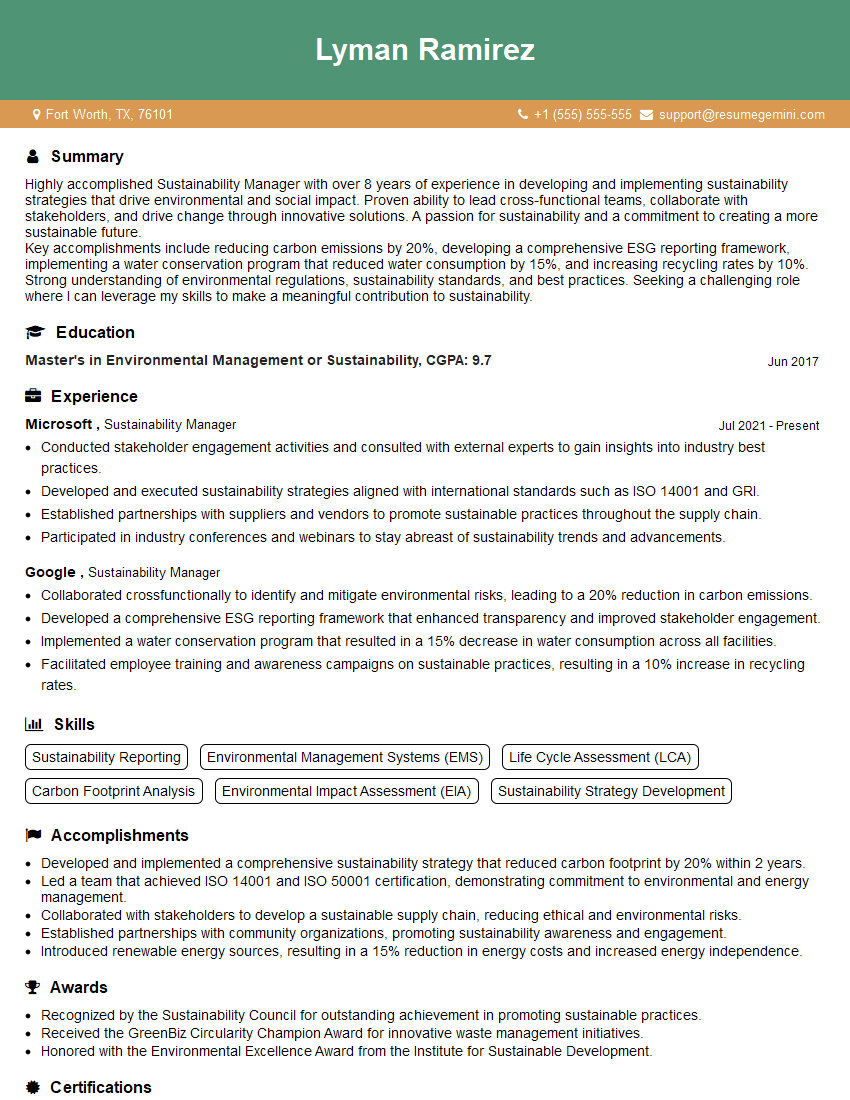
Sustainability Manager Resume Sample
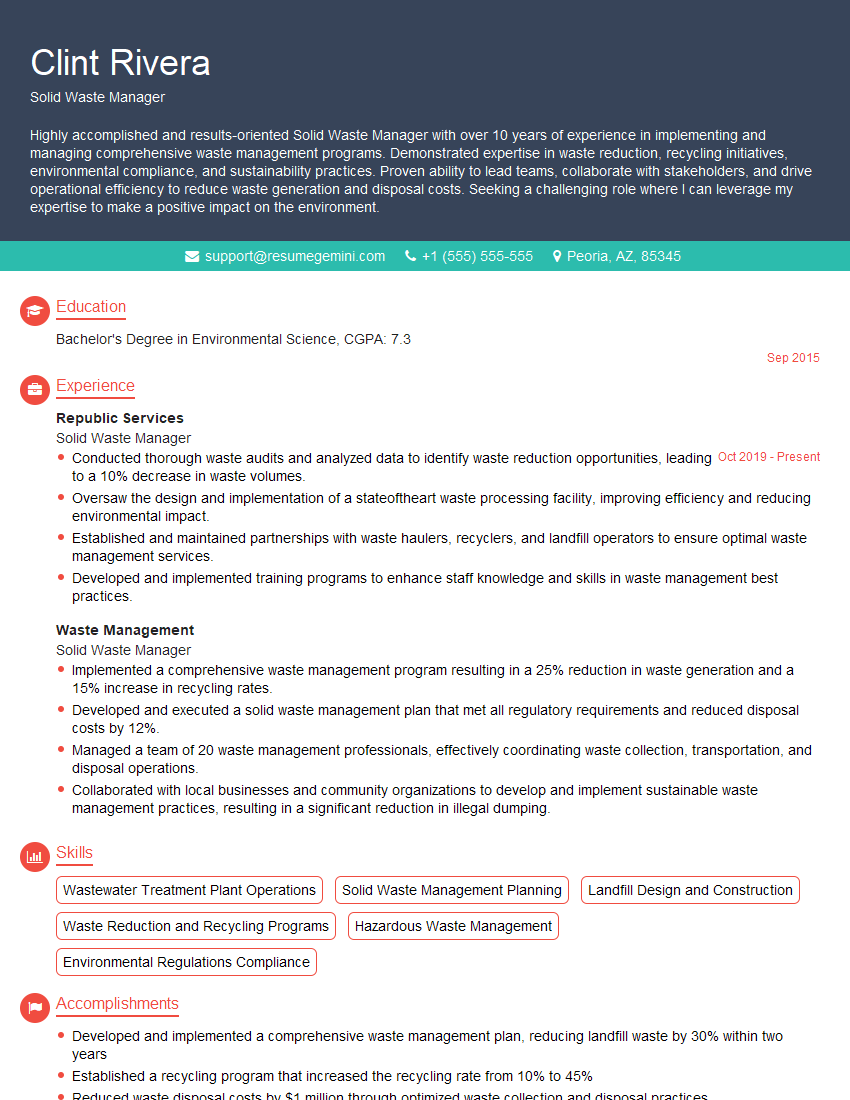
Solid Waste Manager Resume Sample
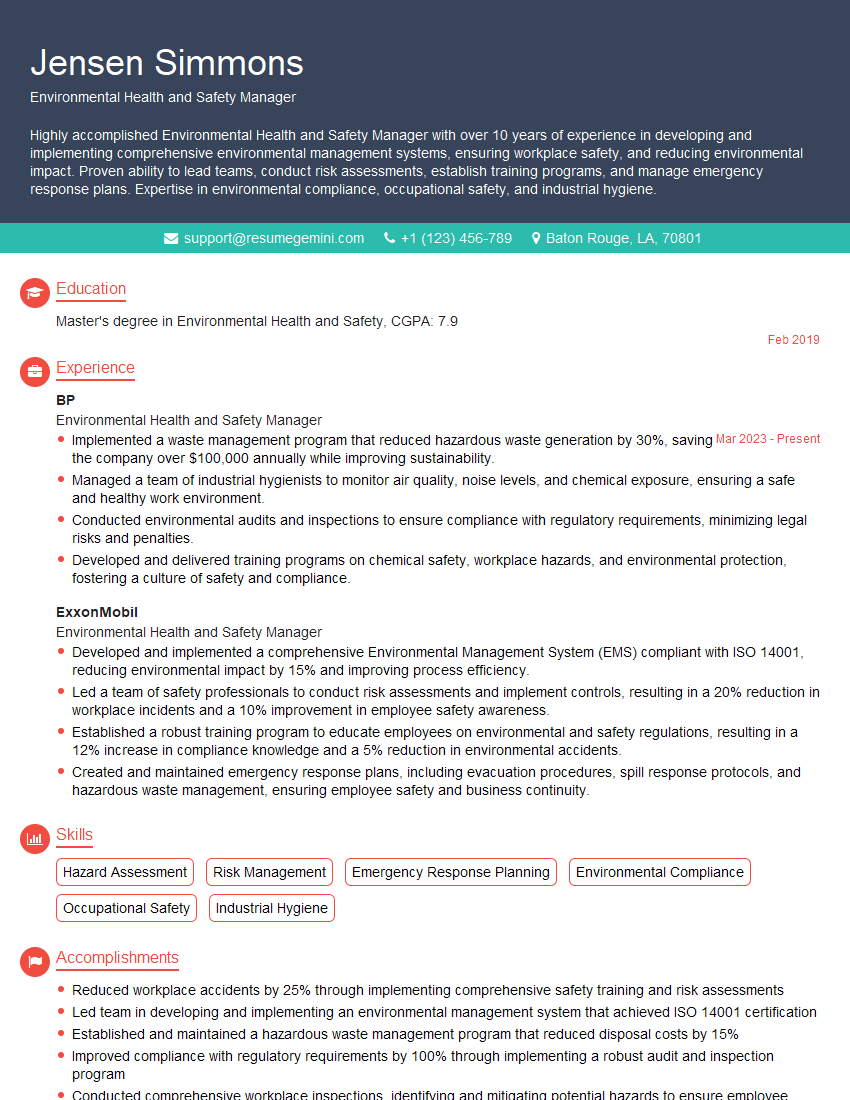
Environmental Health and Safety Manager Resume Sample
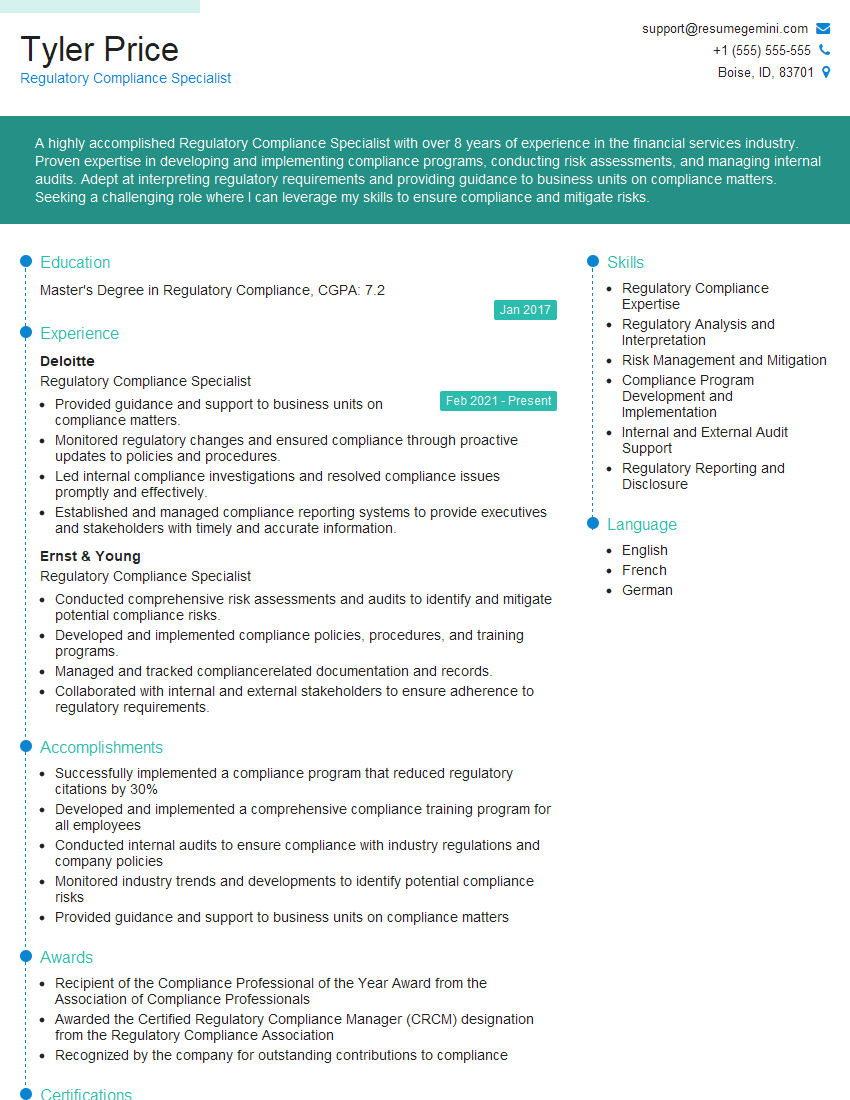
Regulatory Compliance Specialist Resume Sample
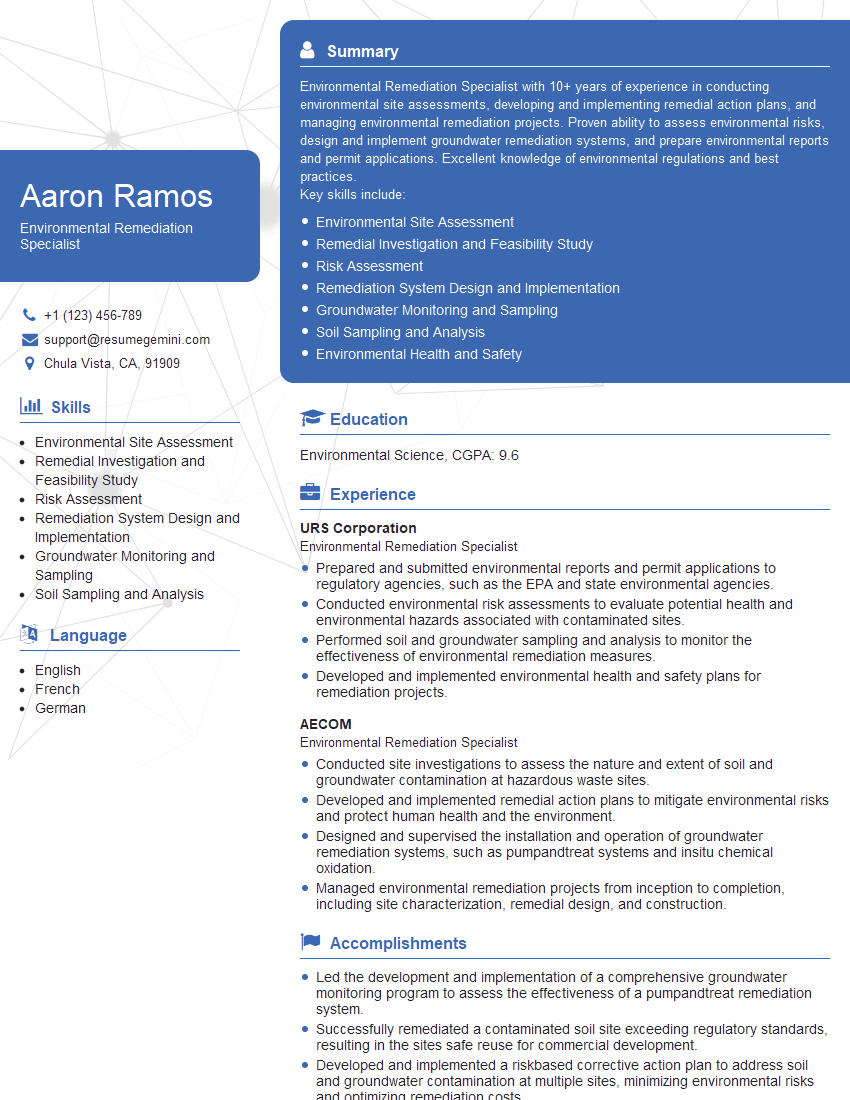
Environmental Remediation Specialist Resume Sample
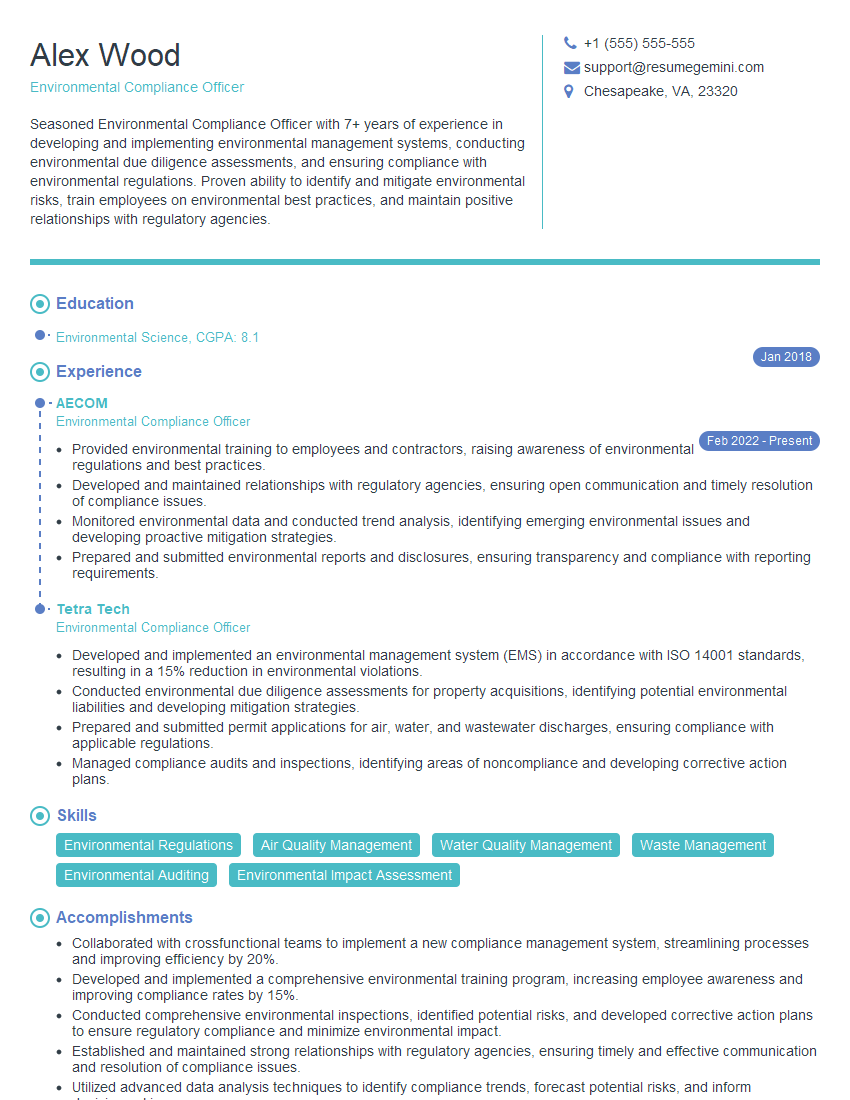
Environmental Compliance Officer Resume Sample
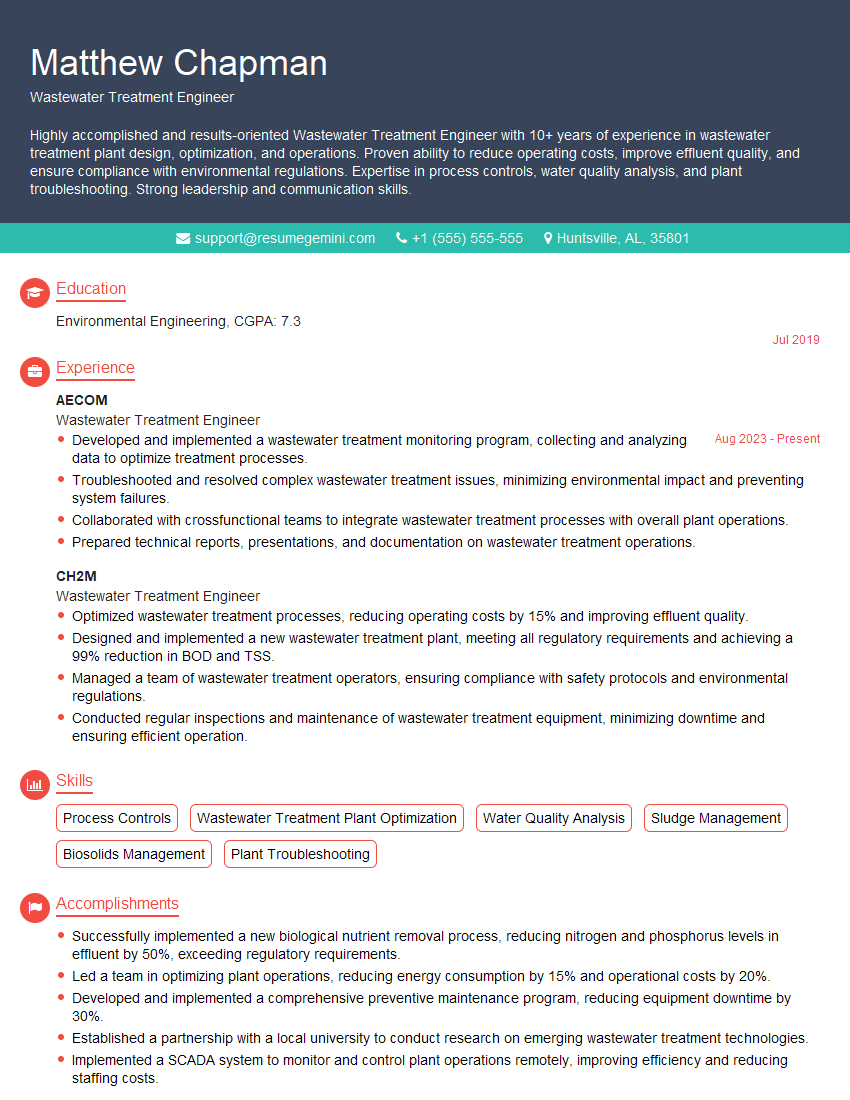
Wastewater Treatment Engineer Resume Sample
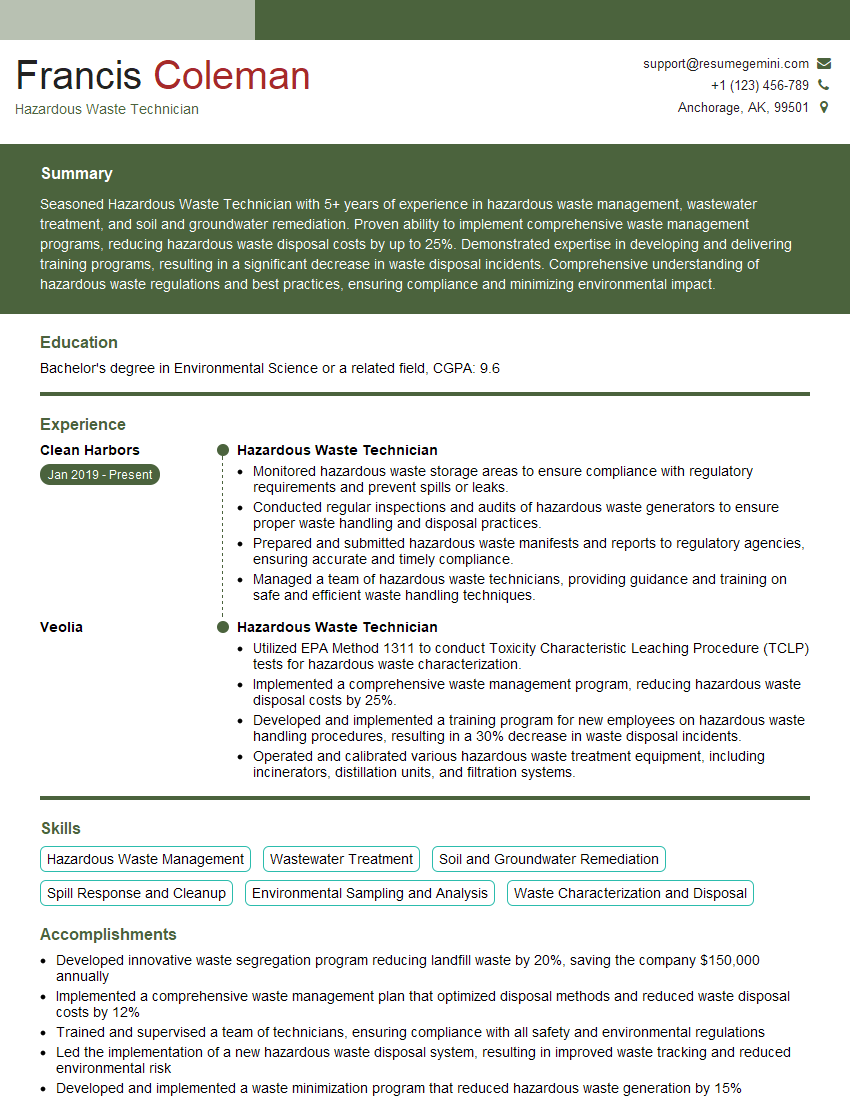
Hazardous Waste Technician Resume Sample
Explore more articles
Users Rating of Our Blogs
Share Your Experience
We value your feedback! Please rate our content and share your thoughts (optional).
What Readers Say About Our Blog
Very informative content, great job.
good