The thought of an interview can be nerve-wracking, but the right preparation can make all the difference. Explore this comprehensive guide to Hand Signal Proficiency interview questions and gain the confidence you need to showcase your abilities and secure the role.
Questions Asked in Hand Signal Proficiency Interview
Q 1. Describe the standard hand signals for stop and go.
The standard hand signals for stop and go are universally recognized and crucial for safety. The stop signal involves extending your arm fully outwards, palm facing the direction you want to stop. Think of it like creating a clear, unmistakable barrier. The go signal is a simple downward sweep of your arm, starting from shoulder height and moving down towards your hip. This motion mimics the act of releasing or allowing movement. Both signals should be performed clearly and with a deliberate movement to ensure visibility, particularly in environments with limited visibility or noisy surroundings.
For added emphasis, you can incorporate a verbal command, especially if the recipient is distant or the environment is noisy. Visual confirmation from the receiving party is always advisable.
Q 2. Explain the importance of clear and consistent hand signals.
Clear and consistent hand signals are paramount for safety and efficiency, especially in situations where verbal communication is difficult or impossible. Inconsistency can lead to misinterpretations and accidents. For example, imagine a construction site where a worker uses a different hand signal for ‘stop’ than the accepted standard. This could easily lead to a serious injury. Clarity ensures that the intended message is understood without ambiguity. Consistency creates a shared understanding and predictability, which helps to maintain a smooth workflow.
Think of it like a shared language, but one expressed through body movements. A reliable vocabulary built on consistent signals reduces miscommunication, promotes cooperation, and dramatically minimizes the risk of accidents.
Q 3. What are the common hand signals used in construction zones?
Construction zones demand a specific set of hand signals due to the complex equipment and hazardous environments. Common signals include:
- Stop: The standard outstretched arm, palm facing the oncoming traffic or equipment.
- Go: The downward sweeping motion.
- Caution/Slow Down: A hand extended downward in a waving motion. This signifies the need for caution and gradual deceleration.
- Backup: A hand moving backward in a rowing-like motion indicates that equipment or personnel need to reverse.
- Emergency Stop: A rapid, emphatic stop signal with arm raised high, often combined with verbal warnings.
These signals often need to be adapted based on specific equipment or job requirements. Proper training on site-specific hand signals is crucial to ensure every worker understands them.
Q 4. How do you adapt hand signals for different environmental conditions (e.g., rain, fog)?
Adapting hand signals for different weather conditions is essential to ensure safety and effective communication. In rain, larger, slower movements are needed to make signals more visible. Consider using high-visibility clothing or vests to improve contrast. In fog, it may be necessary to supplement hand signals with other methods, like flashing lights or horns, because visibility is severely reduced. Additional caution is critical as signals can easily be missed.
In challenging conditions, it’s crucial to supplement your visual communications with other forms of communication whenever possible – verbal instructions (if feasible), alternative signals (like a whistle or horn), or a shift to a less ambiguous method, like radio communication. Safety should always be the priority.
Q 5. What are the limitations of hand signals and when are they ineffective?
Hand signals, while useful, have limitations. They are ineffective over long distances, in noisy environments, or when visibility is impaired. For example, a construction worker high up on scaffolding will have difficulty being seen by workers on the ground relying solely on hand signals. They’re also prone to misinterpretation if not performed correctly or if the receiver’s line of sight is obstructed.
Moreover, hand signals are unsuitable when rapid or complex information needs to be conveyed. Radio communication or other technologies are much more effective in those situations. For instance, directing multiple pieces of heavy machinery with intricate movements relying only on hand signals is highly dangerous and impractical.
Q 6. How do you ensure your hand signals are understood across language barriers?
To ensure understanding across language barriers, standardized, universally understood hand signals should be used. The International Maritime Organisation (IMO) and many other industry bodies have established specific hand signals. Focusing on the visual aspect rather than incorporating cultural nuances or local variations is crucial. The signals should be simple, clear, and unambiguous. Supplementary aids, such as visual aids or drawings, can be extremely helpful for clarifying the meaning of the signals, particularly during initial training.
It’s also vital to engage in thorough training to ensure everyone participating understands the signs. Miming the action associated with the signal (e.g., mime digging to indicate ‘dig here’) can aid comprehension even without shared language.
Q 7. Describe a time you had to improvise hand signals due to equipment failure or unexpected circumstances.
During a large-scale event set-up, the radio communication system malfunctioned shortly before the event’s commencement. We were tasked with guiding several large trucks into their designated parking positions. Given the time constraint and the critical nature of the task, I had to improvise. I established a simple system of directional hand signals combined with light signals from a flashlight. A single arm pointing left, right, forward, or backward conveyed the direction; the flashlight was used to indicate ‘go’ (steady beam) or ‘stop’ (flashing beam).
This improvised system, though basic, proved remarkably effective. The clear, consistent signals worked well, and we successfully guided all the vehicles into their spaces on time. This experience emphasized the need for backup communication systems, but also highlighted the inherent adaptability and effectiveness of clear visual communication even in challenging situations.
Q 8. Explain the hand signals for emergency situations.
Emergency hand signals are crucial for conveying critical information quickly when verbal communication is impossible or impractical. These signals are usually highly standardized and universally understood within specific contexts (e.g., construction sites, emergency services, sailing).
- Stop: A raised hand, palm facing outwards, is the universally recognized signal to halt any activity immediately. This is often reinforced with a firm, assertive movement.
- Emergency Stop: A crossed arms motion across the chest, often coupled with shouts or additional warning signs, indicates a serious and immediate threat requiring an immediate and complete stop.
- Help/Injury: Raising one arm overhead and waving it repeatedly signals a need for urgent assistance. This signal can be accompanied by pointing to the injured person or the location of the emergency.
- Person Down: This signal involves mimicking a person falling to the ground, emphasizing the urgent need for assistance.
- Unclear: If there is a misunderstanding, use a universal sign for ‘wait’ (open hand, palm up, with a slight delay). This signal buys time to assess the situation and try again.
It’s vital to practice these signals regularly so they become second nature. Remember that clarity and assertiveness are key to effective emergency signaling. A hesitant signal may be misunderstood, leading to potentially dangerous delays.
Q 9. How do you maintain safety and awareness when using hand signals in high-traffic areas?
Maintaining safety and awareness when using hand signals in high-traffic areas requires a proactive and multi-faceted approach. Your primary concern is ensuring that your signals are clearly seen while avoiding accidents.
- Positioning: Choose a safe location away from the immediate path of traffic to give your signals. This might involve stepping slightly off the roadway or sidewalk to ensure vehicles and pedestrians can see you.
- Visibility: Wear highly visible clothing, particularly in low-light conditions or inclement weather. Bright colors like orange or yellow are particularly effective. Use additional signaling devices (like a flag or lighted wand) if necessary.
- Observation: Constantly scan your surroundings for approaching vehicles and pedestrians. Maintain eye contact with those who might be affected by your signals.
- Anticipation: Anticipate potential hazards. If you can’t see traffic, don’t give a signal. Make sure traffic has stopped, and that everyone is understanding and complying to the hand signal before proceeding.
- Multiple Signals: Combine hand signals with verbal warnings where feasible to ensure clarity and reinforce your message.
Remember, safety should always be your top priority. If unsure, err on the side of caution and find a safer location to give your signals.
Q 10. What are the proper techniques for giving clear and concise hand signals?
Giving clear and concise hand signals involves more than just making the right gesture. It requires proper technique and a conscious effort to ensure the message is effectively conveyed.
- Large and Slow Movements: Use exaggerated motions to make your signals more easily seen from a distance. Avoid small, quick movements that might be easily missed.
- Maintain Eye Contact: Always make eye contact with the person or people who are receiving your signal to confirm that they have understood the message.
- Proper Posture: Maintain a balanced and visible stance. Avoid obscuring your signals with your body.
- Location: Ensure you’re in a position where you are easily seen, providing good lines of sight for the receiver.
- Repetition: If necessary, repeat the signal until you are confident that it has been understood. Consider giving additional cues through verbal or other means.
Think of it like acting: the more deliberate and expressive your actions, the clearer the message will be.
Q 11. What are the potential safety hazards associated with poorly executed hand signals?
Poorly executed hand signals can create a range of safety hazards, potentially leading to accidents and injuries. The consequences can be severe, depending on the context.
- Misunderstandings: Ambiguous or poorly performed signals can lead to misinterpretations of instructions, resulting in accidents. For example, a hesitant stop signal might cause a vehicle to miss the warning and cause a collision.
- Delayed Responses: Slow or unclear signals can cause delays in critical actions, increasing the risk of exposure to hazards such as falling objects or approaching vehicles.
- Confusion and Chaos: Multiple or conflicting hand signals can lead to confusion and chaos amongst workers or individuals involved in an activity, leading to increased accident rates.
- Collisions and Injuries: A missed or misinterpreted signal is likely to lead to collisions or injuries from equipment or other hazards.
The potential severity increases greatly in high-risk environments such as construction sites, industrial facilities, or emergency response scenarios. Training and practice are crucial to mitigate these risks.
Q 12. How do you ensure visibility of your hand signals, day and night?
Ensuring visibility of hand signals in all conditions requires a combination of techniques and equipment.
- Daytime Visibility: Use bright, contrasting clothing; avoid dark colors that may blend into the background. Use a high-visibility vest or jacket if appropriate to the setting.
- Nighttime Visibility: Use high-visibility clothing with reflective strips. Carry a bright flashlight or illuminated signaling device, such as a wand or flag with lights. In some settings, even glow sticks can be a useful addition.
- Weather Conditions: During inclement weather (rain, snow, fog), additional precautions are crucial. Wear reflective gear and consider the use of illuminated signals or flags to increase visibility despite reduced visibility due to weather.
- Background Contrast: Consider the background; if the background is busy or distracting, increased signal strength (e.g., larger motions, brighter clothing) might be needed.
Remember, the goal is to make your signals unmistakable, regardless of the time of day or weather conditions. Preparation and the use of supplemental tools and equipment should be priority to ensure this.
Q 13. Describe different hand signal systems you are familiar with.
I’m familiar with a variety of hand signal systems, each tailored to specific contexts and requirements.
- Construction and Industrial Settings: These systems often utilize a standardized set of signals for operating machinery, guiding vehicles, and alerting workers to potential hazards. They’re frequently supplemented by verbal commands and warning systems. These are usually visually distinct to maintain clarity in a loud and busy environment.
- Emergency Services: Emergency responders employ specific hand signals for communication during disaster relief or accident scenes, particularly when voice communication is impaired.
- Maritime Signaling: Sailors and boaters utilize a rich tradition of hand and flag signals for communication at sea, many dating back centuries. This system is still relevant for vessels lacking advanced communication technologies.
- Scuba Diving: Divers use a range of hand signals for underwater communication, as verbal communication is obviously impossible underwater. These signals are highly standardized for safety and are often part of diver training.
- Traffic Control: Police officers, traffic directors, and other officials employ hand signals to regulate vehicular and pedestrian traffic, ensuring safety and smooth flow. These signals are strictly defined and used consistently to maintain a logical pattern for traffic control.
Each system prioritizes clarity, consistency, and safety within its specific operational context. The choice of system depends heavily on its use case.
Q 14. How do you handle misunderstandings or misinterpretations of hand signals?
Misunderstandings of hand signals happen, and it’s critical to have a plan for addressing them immediately. Prompt resolution is crucial to prevent accidents and maintain smooth operations.
- Confirmation: Always attempt to confirm understanding immediately after giving a signal. This might involve a verbal check-in, a visual check to confirm the other party’s understanding of the signal or a wait to ensure compliance to the signal.
- Repetition: If you sense a misunderstanding, repeat the signal slowly and clearly, perhaps using a slightly different approach or adding supporting cues.
- Alternative Communication: If the signal continues to be misinterpreted, switch to an alternative communication method such as verbal communication, written communication, or another universally understood system.
- Training and Practice: Regularly practice and reinforce the meaning and execution of the signals to minimize the possibility of future misinterpretations. This ensures that everyone understands the same signal consistently.
- Documentation: Keep a written record of the signals used and their meaning in case of discrepancies.
Remember that preventing misunderstandings starts with good training and constant awareness. Develop clear procedures for handling miscommunication as a critical part of safety protocols.
Q 15. Explain the hand signals related to directional guidance.
Directional hand signals are crucial for communication in situations where verbal communication is difficult or impossible, such as noisy environments or when maintaining visual contact is paramount. They typically involve arm and hand movements to indicate specific directions.
- Pointing: A simple yet effective method. Pointing directly indicates the intended direction.
- Arm Sweeping: A sweeping motion of the arm across a section of space clearly designates a broader area or route. For example, a large circular motion could indicate a need to proceed in a circular path.
- Left/Right Indication: Extending an arm to the side and holding it straight indicates either a left or right turn. To avoid ambiguity, the signal should be clear and held for a sufficient duration.
- Come Here/Go There: An open palm, with fingers curling towards the body, signifies ‘come here.’ The opposite, an open palm moving away from the body, signals ‘go there’.
The key to effective directional hand signals lies in clarity, consistency, and unambiguous body language. The signal should be easily visible against the background, and the signaler should maintain eye contact with the recipient whenever possible.
Career Expert Tips:
- Ace those interviews! Prepare effectively by reviewing the Top 50 Most Common Interview Questions on ResumeGemini.
- Navigate your job search with confidence! Explore a wide range of Career Tips on ResumeGemini. Learn about common challenges and recommendations to overcome them.
- Craft the perfect resume! Master the Art of Resume Writing with ResumeGemini’s guide. Showcase your unique qualifications and achievements effectively.
- Don’t miss out on holiday savings! Build your dream resume with ResumeGemini’s ATS optimized templates.
Q 16. Describe the use of hand signals in a specific industry (e.g., aviation, maritime).
In the maritime industry, hand signals are a critical component of safe and efficient operation, especially when dealing with mooring lines or directing the movement of vessels in confined spaces or low visibility. Imagine a tugboat guiding a large container ship into a busy port. Verbal communication might be hampered by wind and distance, therefore hand signals become essential.
- Mooring Line Handling: Specific hand signals dictate how to handle and secure mooring lines. These signals are often highly standardized to prevent misinterpretations that could lead to damage to equipment or injury to personnel. For example, a clenched fist might indicate ‘stop’ while an open hand with fingers moving in a circular motion might signify ‘pay out slowly’.
- Vessel Movement: Signals guide the vessel’s movement – ‘ahead slowly’, ‘astern’, ‘stop’, ‘hard left’, ‘hard right’—all with their dedicated hand gestures.
- Emergency Signals: Signals are used to alert crew and others of emergency situations.
These signals are rigorously taught, with frequent practice to ensure proficiency and standardization across crews. The International Maritime Organisation (IMO) publishes guidelines that most maritime organizations follow. Deviations could compromise safety and efficiency.
Q 17. What are the legal implications of improper hand signal usage?
The legal implications of improper hand signal usage vary depending on the context. In industries like aviation and maritime, incorrect signals can lead to serious accidents, resulting in potential civil and criminal liability. Safety regulations stipulate the use of standardized hand signals; failure to adhere to these can lead to charges of negligence or recklessness.
- Aviation: Miscommunication during ground operations can cause collisions between aircraft or damage to equipment. This could lead to lawsuits and hefty fines, depending on the severity of the consequences.
- Maritime: Incorrect signals during mooring or navigation could result in damage to ships, injuries, or environmental damage, leading to both civil and criminal penalties depending on the severity and any breaches of international or national maritime law.
- Construction: Improper hand signals on construction sites can lead to accidents causing injuries or fatalities, leading to liability for the employer and potentially criminal prosecution for individuals involved.
In all cases, clear documentation of training, adherence to protocols, and witness statements are crucial when determining liability in legal proceedings involving hand signal miscommunication.
Q 18. How do you maintain personal safety while giving hand signals?
Maintaining personal safety when giving hand signals requires awareness of your surroundings and adopting a proactive approach to risk mitigation. You’re essentially making yourself visible to potentially moving vehicles or equipment, so positioning and visibility are key.
- Visibility: Wear high-visibility clothing, especially in low-light conditions or near heavy machinery. Use additional lighting if needed.
- Positioning: Avoid standing in blind spots of vehicles or equipment. Maintain a safe distance from moving objects.
- Awareness: Pay constant attention to your surroundings; be mindful of potential hazards.
- Communication: When working in a team, ensure other team members are aware of your signal giving and the intended actions. Don’t rely solely on signals; use back up communication if appropriate.
Regular safety briefings and training are essential for all personnel. Never hesitate to stop signaling if you feel unsafe or if your signal isn’t being understood.
Q 19. Explain the process of training others in proper hand signal usage.
Training others in proper hand signal usage requires a structured, multi-faceted approach combining theoretical knowledge and practical application.
- Initial Instruction: Begin with a clear explanation of each signal, using visual aids like diagrams and videos. Provide both theoretical and practical information.
- Demonstrations: Demonstrate each signal multiple times, emphasizing proper form and clarity. Allow trainees to ask questions and clarify doubts.
- Practice Sessions: Organize practice sessions where trainees can practice using the signals in various scenarios and under diverse conditions. Simulate real-world situations to promote realistic training.
- Feedback and Assessment: Provide constructive feedback on each trainee’s performance. Use various assessment methods, such as observation, quizzes, and practical tests, to measure comprehension and proficiency.
- Regular Review: Schedule regular refresher courses to maintain proficiency and address any emerging issues or challenges.
Employ a combination of formal instruction, practical exercises, and ongoing feedback to ensure competence in hand signal usage. Remember that consistency and clear communication are vital for success.
Q 20. What are the key differences between hand signals and other communication methods?
Hand signals, while effective, differ from other communication methods in several key aspects.
- Visual vs. Auditory/Written: Hand signals rely on visual perception, while other methods like radio communication or written instructions rely on auditory or visual (reading) comprehension.
- Context Dependence: Hand signals are highly context-dependent; their meaning can vary based on the environment and the parties involved. A single gesture might have different meanings in aviation and maritime contexts.
- Limited Range: Hand signals have a limited range compared to radio communication or loudspeakers. They are best used in close-proximity situations.
- Ambiguity Potential: The potential for ambiguity exists if signals aren’t executed correctly or are not well understood by the recipient. This risk is less prevalent with well-defined, standardized signals, and clear communication.
Therefore, hand signals are most effective when used as supplementary communication in situations where other methods may be unreliable or impractical. Using multiple communication methods in conjunction can improve safety and reliability.
Q 21. How do you account for variations in individual interpretations of hand signals?
Variations in individual interpretations of hand signals can be addressed through standardization, clear instruction, and ongoing feedback. Ambiguity is the primary concern, and we can mitigate this by establishing clear, well-defined standards and procedures.
- Standardization: Adhering to internationally recognized standards minimizes the likelihood of misinterpretations. Aviation and maritime industries have well-established standards, and following them is crucial.
- Training and Practice: Thorough training with clear demonstrations, detailed explanations, and ample opportunities for practice reduces misinterpretations. Regular assessments can highlight areas requiring improvement.
- Feedback Mechanisms: Establish feedback mechanisms allowing individuals to communicate any ambiguities or challenges they encounter. This may be through discussions with trainers, supervisors, or using incident reporting procedures.
- Contextual Reinforcement: Use additional communication methods to reinforce or clarify hand signals when necessary. Combining hand signals with verbal cues or written instructions can improve accuracy and understanding.
By addressing ambiguity through careful selection and training, you can reduce the chance of misinterpretation and improve communication effectiveness.
Q 22. How would you address a situation where your hand signals are not being followed?
If my hand signals aren’t being followed, I first assess the situation. Is there a communication barrier? Is the individual unfamiliar with the signals? Is there a problem with visibility (e.g., distance, obstructions, poor lighting)?
My approach is systematic:
- Verify Understanding: I’ll repeat the signal slowly and clearly, perhaps verbally confirming its meaning. For example, if signaling ‘stop,’ I’d clearly say, ‘Stop! Hold position!’
- Check for Obstacles: I’ll ensure there are no environmental factors hindering visibility or understanding, like loud machinery or bright sunlight.
- Alternative Communication: If hand signals are still ineffective, I’ll switch to alternative methods, such as verbal instructions, a radio, or even written notes if the situation allows. Safety is paramount, so adapting is key.
- Retraining/Re-enforcement: If the issue is a lack of understanding, I’ll dedicate time to retraining the individual, ensuring they properly understand and can demonstrate the hand signals. This might involve practical exercises and repeated practice.
- Address Underlying Issues: Sometimes, there may be underlying issues like distractions, fatigue, or language barriers. Addressing these root causes is vital for long-term improvement.
For example, once while working on a construction site, a new worker wasn’t responding to my hand signals during a crane operation. After checking for visibility issues, I realized he wasn’t familiar with the industry-standard signals. We took a short break, I demonstrated the signals clearly, and he then understood and successfully participated in the lift.
Q 23. Describe the hand signals for different types of equipment operation.
Hand signals for equipment operation vary depending on the type of equipment and the context (e.g., construction, emergency response). However, there are some commonly used standardized signals. These signals are crucial for safety and efficient teamwork. Improper signaling can lead to accidents.
Common Examples:
- Crane Operations: A raised open hand generally means ‘hoist,’ a closed fist means ‘lower,’ a circular motion indicates ‘swing,’ and a sideways waving motion can mean ‘stop’.
- Excavator Operations: Similar to cranes, upward hand motions often signal digging deeper, downward motions signify raising the bucket, and rotating hand gestures direct the swing.
- Traffic Control: These are highly standardized and often involve flags in addition to hand signals. Common ones include the stop signal (extended arm pointing downwards), the go signal (extended arm pointing upwards), and various directional signals. Variations exist across jurisdictions so proper training is essential.
- Forklift Operations: A signal for ‘go’ would often be a pointing finger in the direction of travel, and a stop signal remains universally as a raised hand and a verbal confirmation.
It’s crucial to note that these are examples, and specific signals can vary across industries and companies. Always adhere to the standardized hand signals established within your workplace or industry.
Q 24. Explain the importance of hand signals in emergency response situations.
In emergency response situations, hand signals are invaluable because they are quick, clear, and work even in noisy or chaotic environments where verbal communication is difficult or impossible. Think of a firefighter battling a blaze – clear communication is essential for the team’s safety and effectiveness.
Importance in Emergency Response:
- Speed and Efficiency: Hand signals convey information instantly, bypassing the delays of verbal communication, especially critical in time-sensitive emergencies.
- Noise Reduction: In loud environments such as disaster relief, or amidst sirens and shouting, hand signals cut through the noise pollution and provide a reliable means of communication.
- Clarity and Precision: Well-defined hand signals minimize the risk of misinterpretations that verbal instructions can have under stress.
- Visual Communication: Hand signals are visually intuitive and relatively easy to understand, even by people from different linguistic backgrounds.
For example, during a search and rescue operation, pre-agreed hand signals could indicate the location of a victim, the need for immediate backup, or the presence of a hazard.
Q 25. What are the best practices for using hand signals in team-based work?
Effective hand signals in team-based work depend on clear communication, standardization, and consistent practice. Think of it like a well-rehearsed play – everyone knows their role and how to communicate effectively with each other.
Best Practices:
- Establish Standardized Signals: The team should agree upon a set of clear, unambiguous hand signals before commencing work, and these should align with industry standards whenever possible.
- Practice Regularly: Regular practice sessions ensure proficiency and help to address any confusion or misunderstandings. This is especially important for new team members.
- Clear Visibility and Positioning: Team members should maintain good visibility of each other and ensure adequate lighting if necessary. Maintaining a good line of sight is crucial.
- Confirm Understanding: After giving a signal, confirm that it has been understood by receiving a clear acknowledgement from the other party, such as a nod or a verbal confirmation.
- Use Supplementary Communication: While hand signals are effective, they should be used in conjunction with verbal communication or other supplementary communication systems where appropriate. This reduces the likelihood of errors.
For instance, in a roofing crew, we use a standardized system of hand signals for passing materials, indicating the need for assistance, and communicating potential hazards.
Q 26. How do you deal with conflicting hand signals from multiple sources?
Conflicting hand signals from multiple sources are a serious safety concern. Imagine a construction worker receiving contradictory instructions from the crane operator and a foreman – the result could be disastrous. My approach prioritizes safety and clear communication.
Resolving Conflicting Signals:
- Identify the Source of Authority: First, I’d identify who holds the ultimate authority in the given situation (e.g., the site supervisor). This establishes a clear chain of command.
- Communicate Directly: I’d immediately attempt to communicate the conflict to all involved parties. This could involve a quick verbal confirmation with all involved.
- Pause Operations: Halt any potentially hazardous operations immediately until the conflict is resolved. Safety is always the priority.
- Clarify and Confirm: I’d work with the individuals involved to clarify the intended meaning of their signals and ensure a common understanding is reached.
- Implement a Clear Hierarchy: Establish a clear hierarchy of hand signal authority to prevent future conflicts. This might involve assigning specific responsibilities to certain personnel.
I remember an incident where a forklift operator received conflicting signals. By immediately halting operations and clarifying the instructions with the involved parties, a potential accident was averted.
Q 27. How would you adapt hand signals for individuals with disabilities?
Adapting hand signals for individuals with disabilities requires sensitivity, creativity, and a commitment to inclusivity. The goal is to ensure everyone can participate safely and effectively.
Adaptation Strategies:
- Alternative Communication Methods: For individuals with hearing impairments, supplementing hand signals with written communication or other visual aids is essential. Using a device with a clear, visible display can be useful.
- Simplified Signals: For individuals with visual impairments or cognitive differences, simpler, more basic hand signals might be necessary. These signals should be highly specific and easily recognized.
- Augmentative and Alternative Communication (AAC): Consider using AAC devices or techniques to supplement hand signals. These could include picture cards, electronic communication boards, or other assistive technologies.
- Individualized Training: Each individual’s needs are unique. Personalized training will ensure the chosen signals are easily understood and used by the individual.
- Verbal Confirmation: Always encourage the use of verbal confirmations alongside hand signals, regardless of the individual’s ability, ensuring mutual understanding.
For example, while working with a team including a visually impaired member, we replaced complex hand signals with simple, unambiguous, and readily understandable verbal and physical gestures.
Key Topics to Learn for Hand Signal Proficiency Interview
- Understanding Signal Systems: Learn the theoretical foundations of various hand signal systems, including their history, evolution, and common variations. Consider the differences between formal and informal systems.
- Practical Application & Context: Explore real-world applications of hand signals across diverse fields. Focus on how context influences signal interpretation and the importance of clear communication. Consider scenarios requiring quick, accurate, and unambiguous signaling.
- Mastering the Basics: Develop fluency in core hand signals, focusing on accuracy, clarity, and speed of execution. Practice until your signals are instinctive and easily understood.
- Advanced Signal Techniques: Investigate advanced techniques such as incorporating body language, situational awareness, and environmental considerations into your signaling. This shows a comprehensive understanding.
- Troubleshooting & Problem Solving: Prepare for questions on how to handle situations with signal interference, misinterpretations, or communication breakdowns. Develop strategies for error correction and maintaining clear communication under pressure.
- Safety and Regulations: Understand safety protocols and regulations associated with hand signals in specific industries or contexts (e.g., construction, aviation). Demonstrate awareness of potential hazards and best practices.
- Adaptability and Learning Agility: Showcase your ability to learn and adapt to new signaling systems quickly and efficiently. Interviewers value candidates who demonstrate a willingness to expand their skill set.
Next Steps
Mastering Hand Signal Proficiency is crucial for career advancement in various fields requiring efficient and precise communication, opening doors to exciting opportunities and greater responsibility. An ATS-friendly resume is essential to maximizing your job prospects. To create a compelling and effective resume, leverage the power of ResumeGemini. ResumeGemini provides the tools and resources to build a professional resume that highlights your Hand Signal Proficiency skills. Examples of resumes tailored to this specific skillset are available within the ResumeGemini platform. Take the next step towards your dream career today!
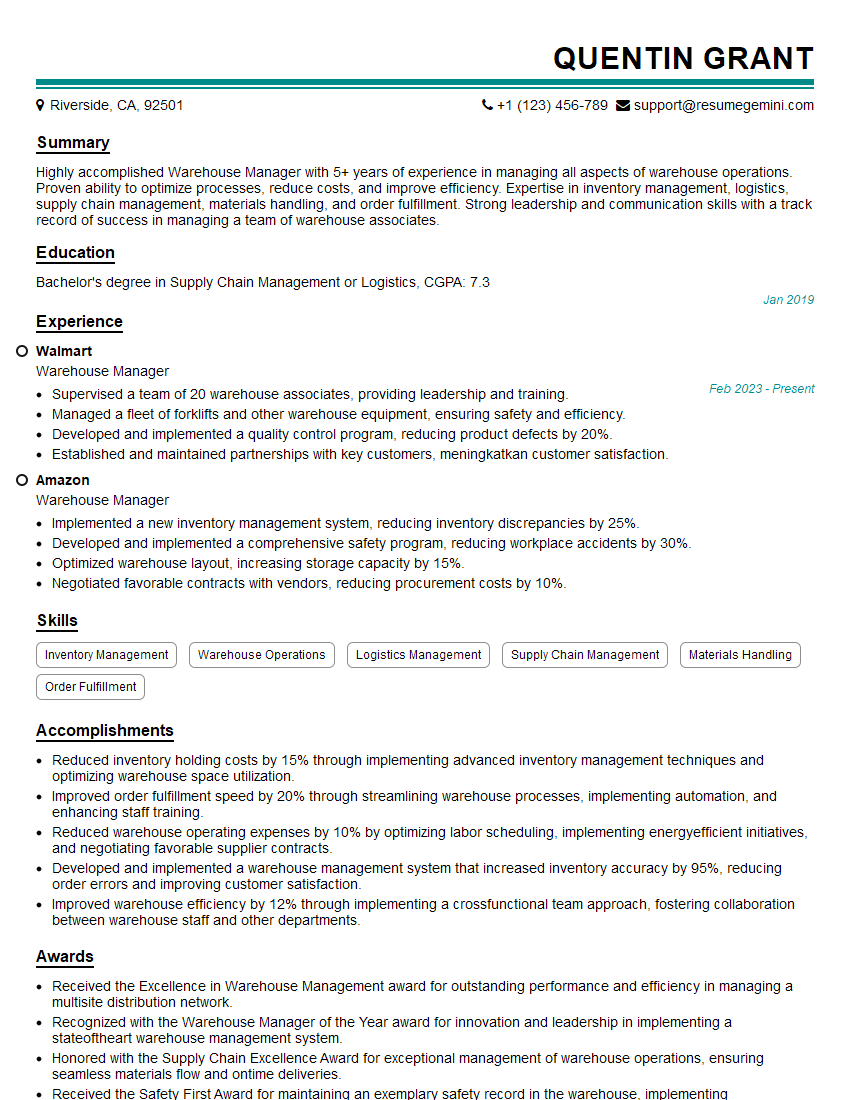
Warehouse Manager Resume Sample
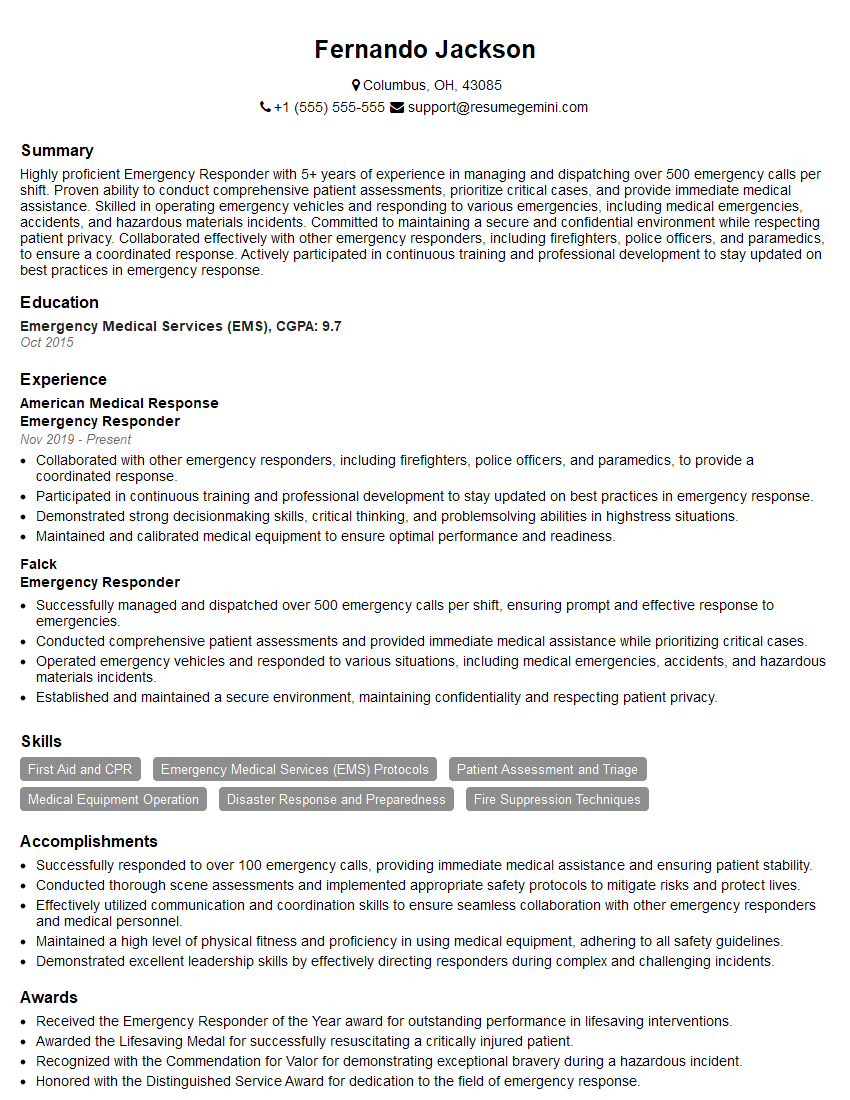
Emergency Responder Resume Sample
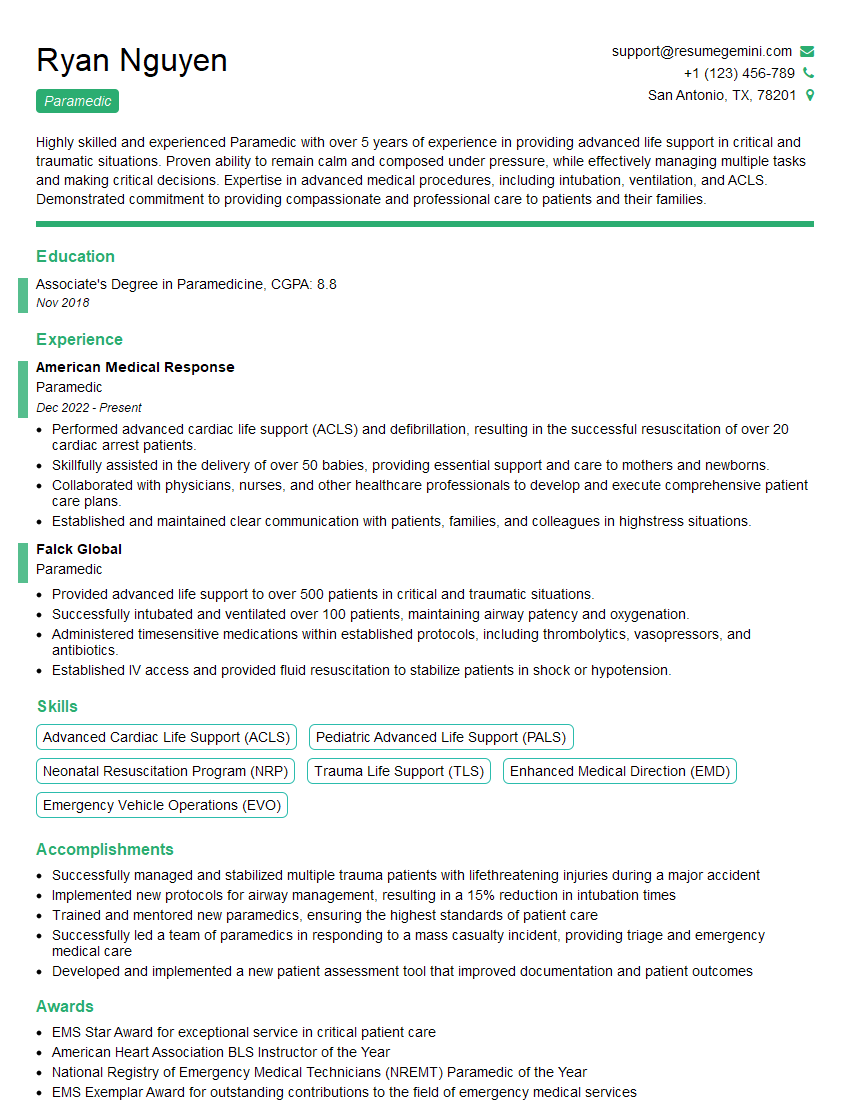
Paramedic Resume Sample
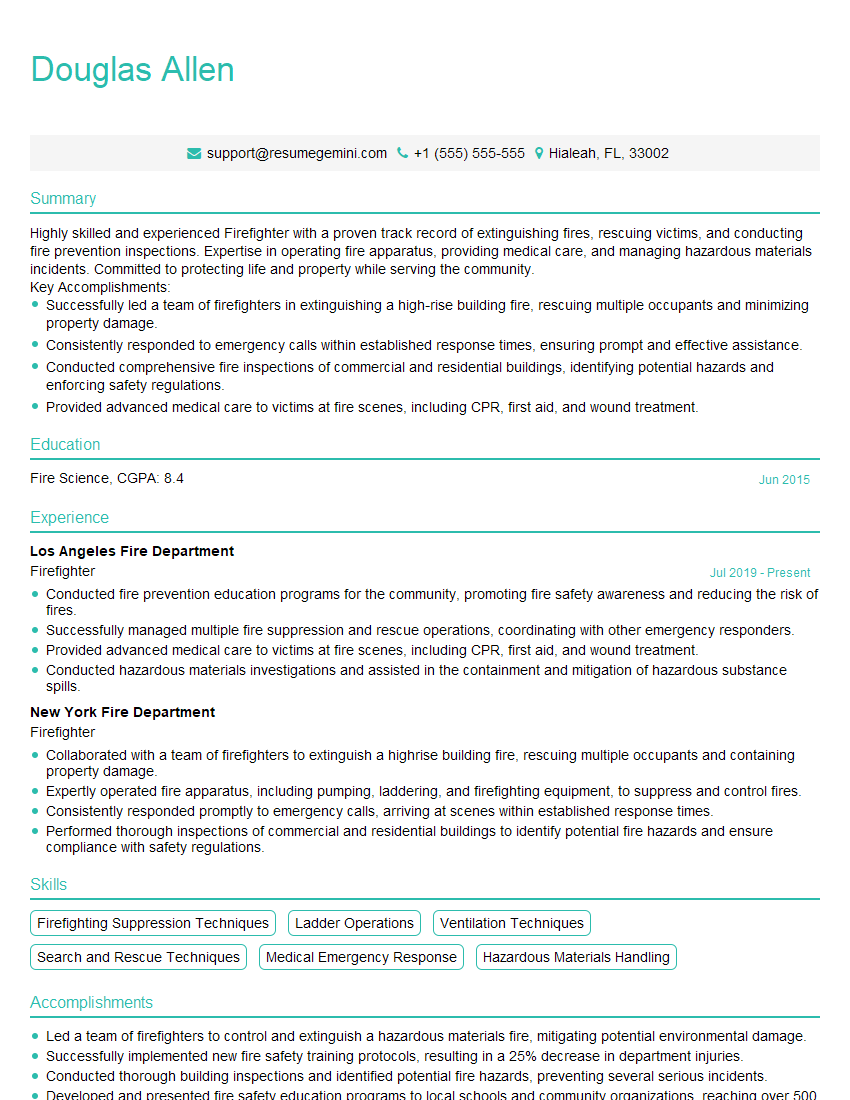
Firefighter Resume Sample
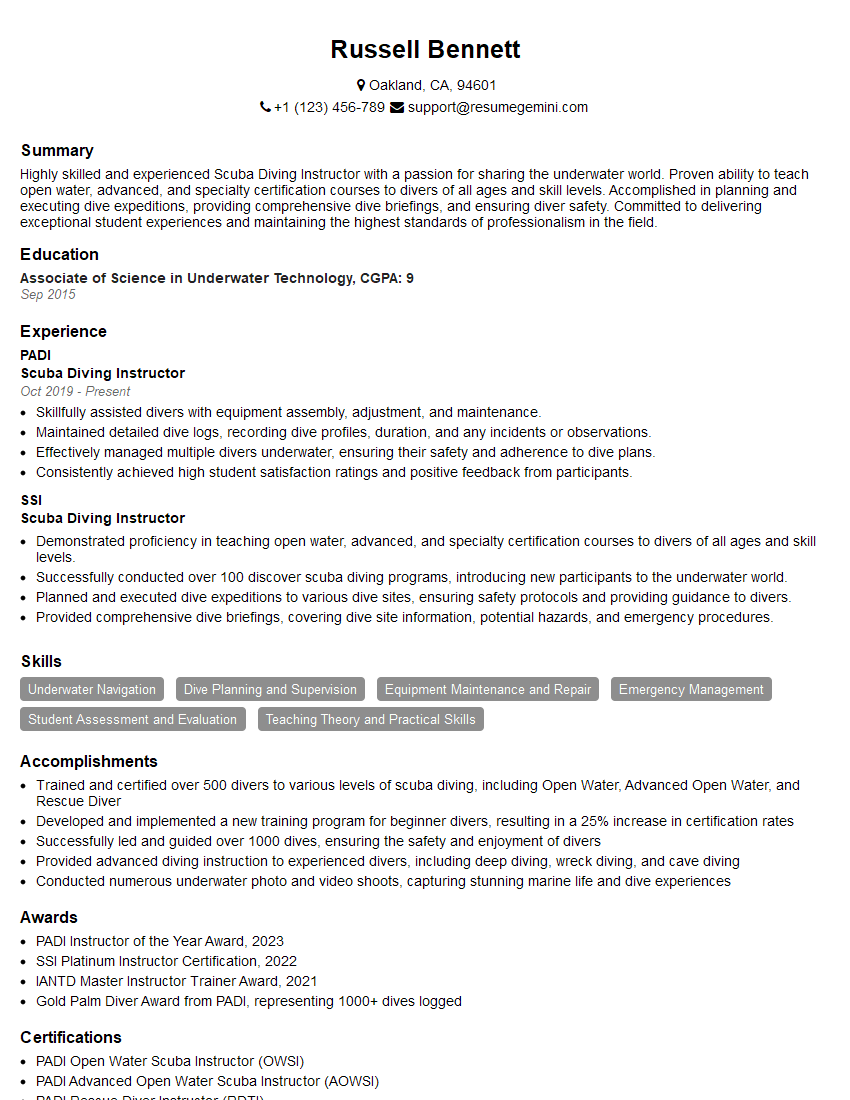
Scuba Diving Instructor Resume Sample
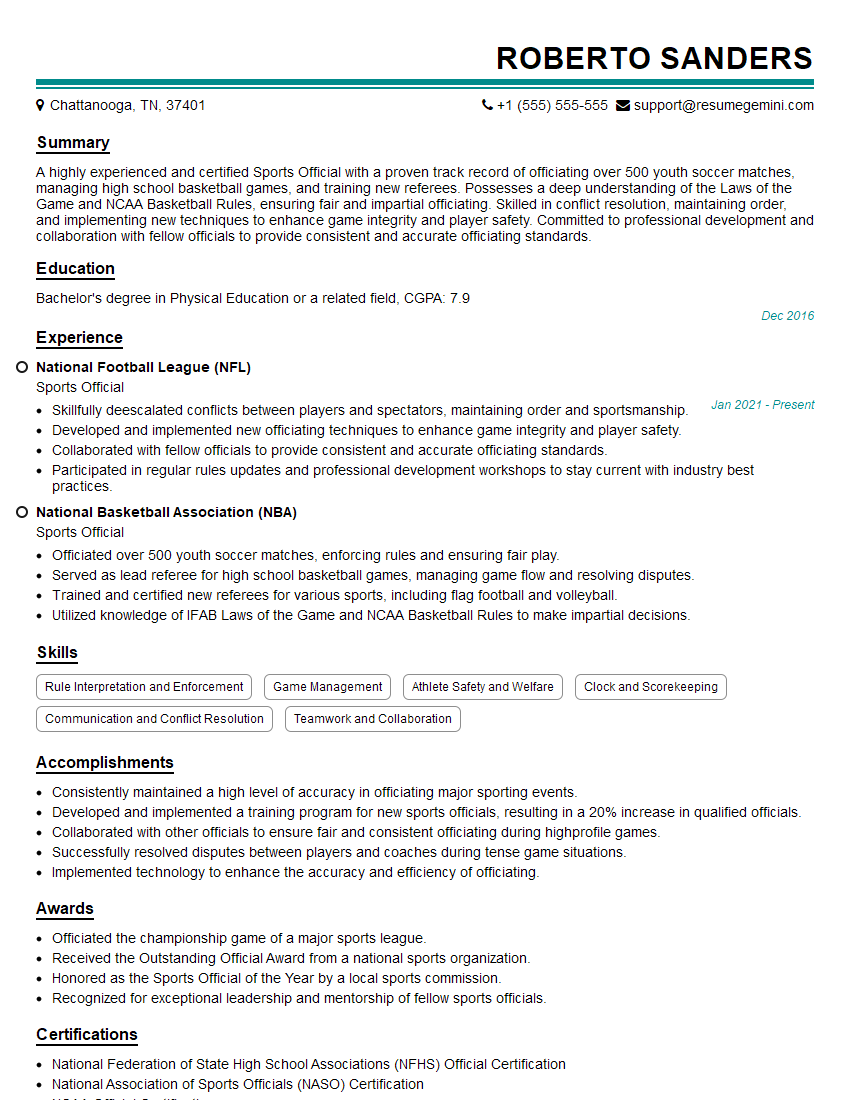
Sports Official Resume Sample
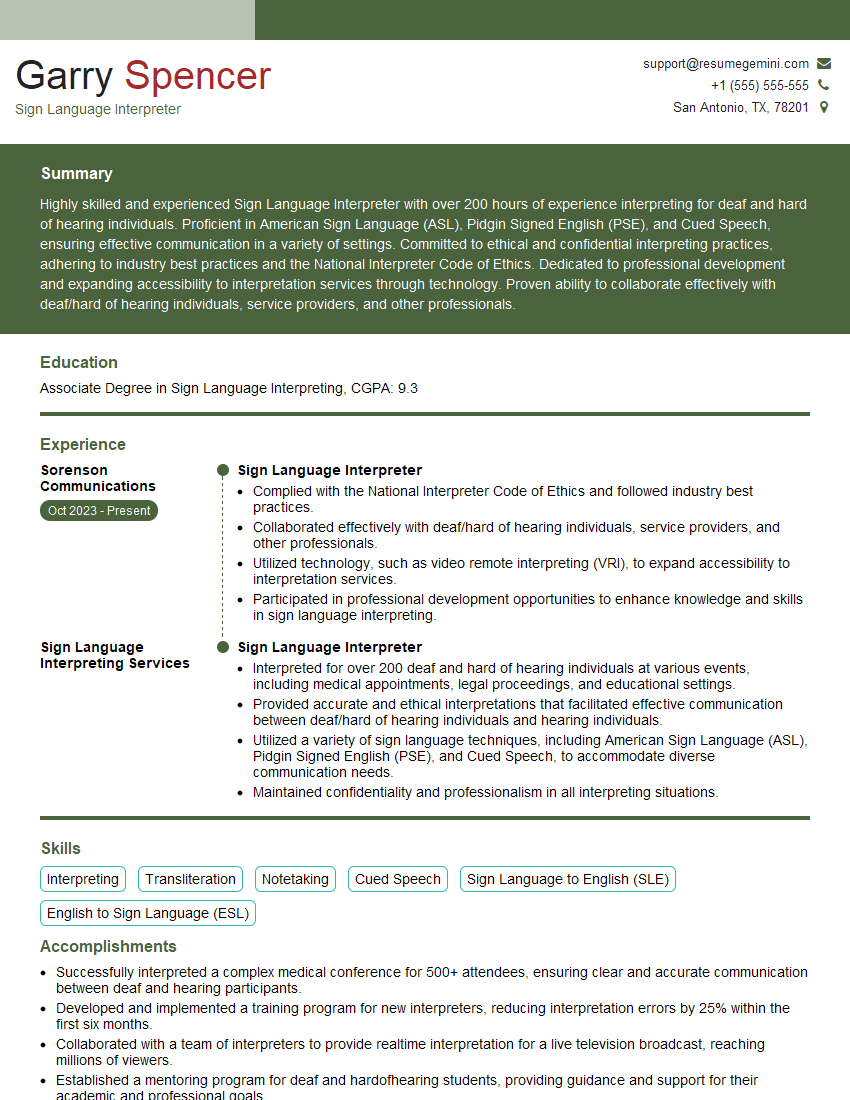
Sign Language Interpreter Resume Sample
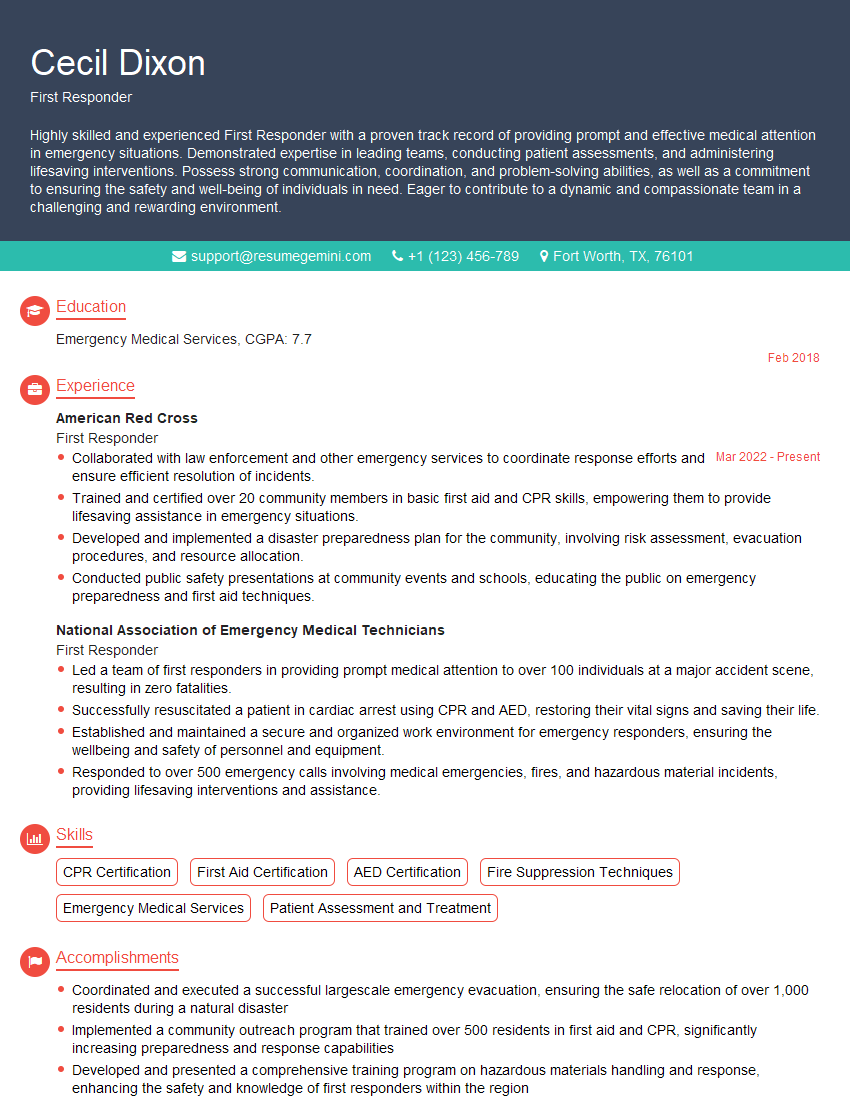
First Responder Resume Sample
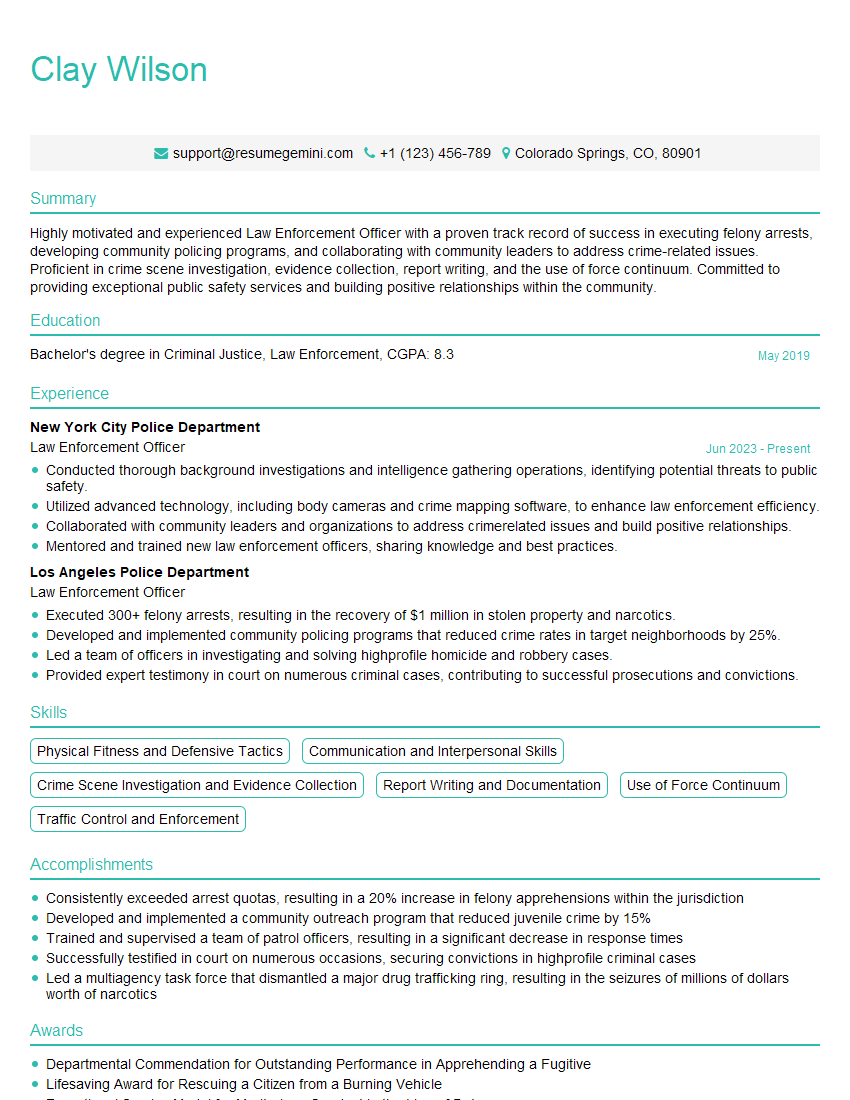
Law Enforcement Officer Resume Sample
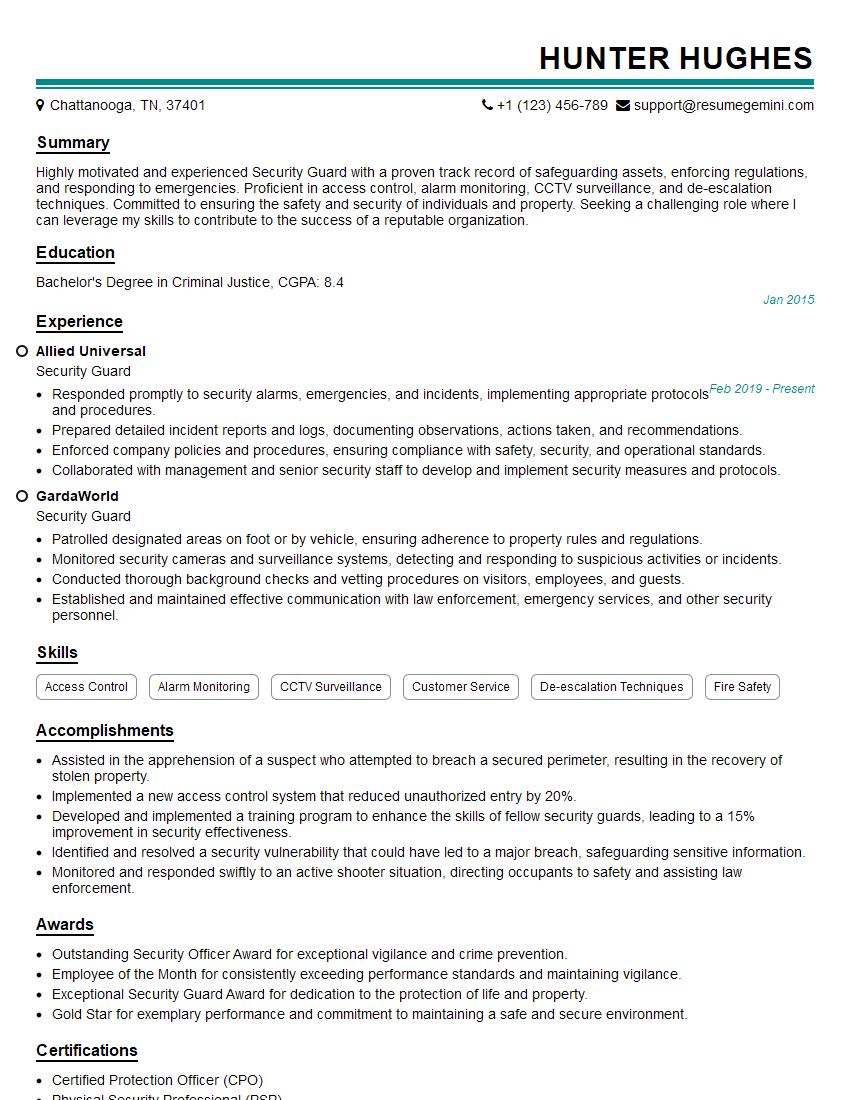
Security Guard Resume Sample
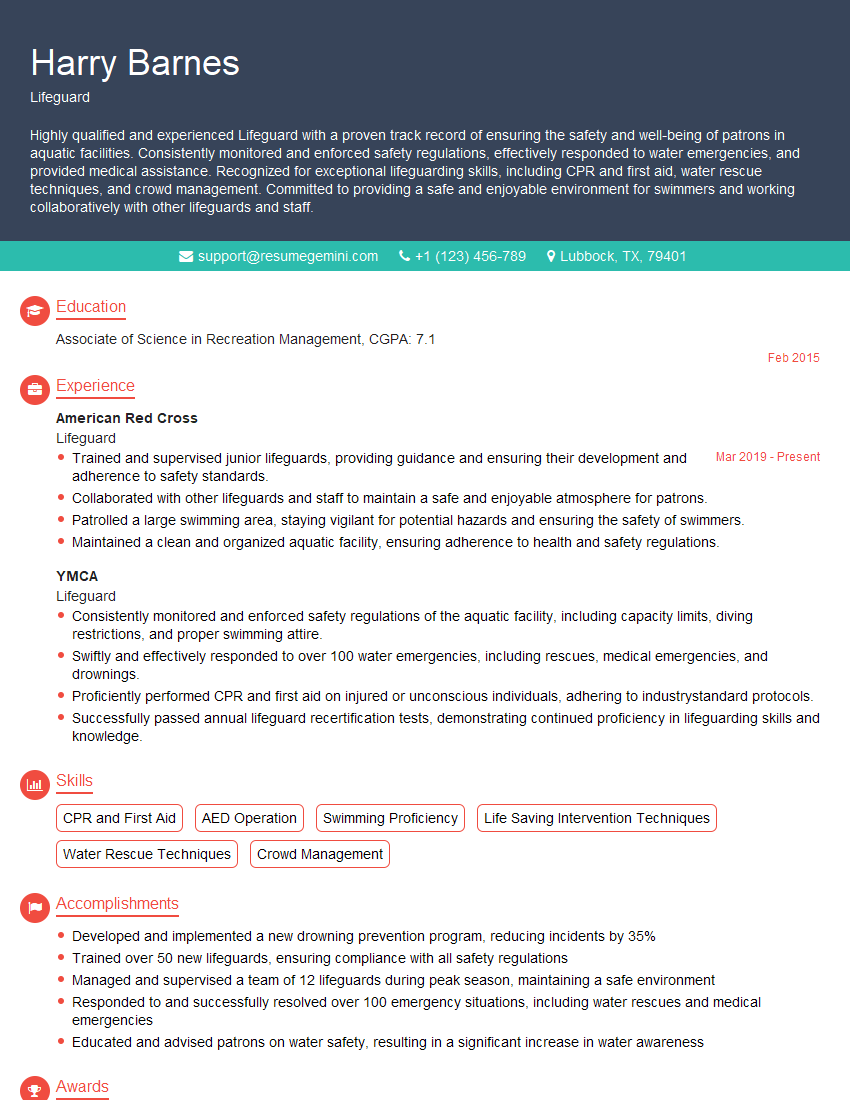
Lifeguard Resume Sample
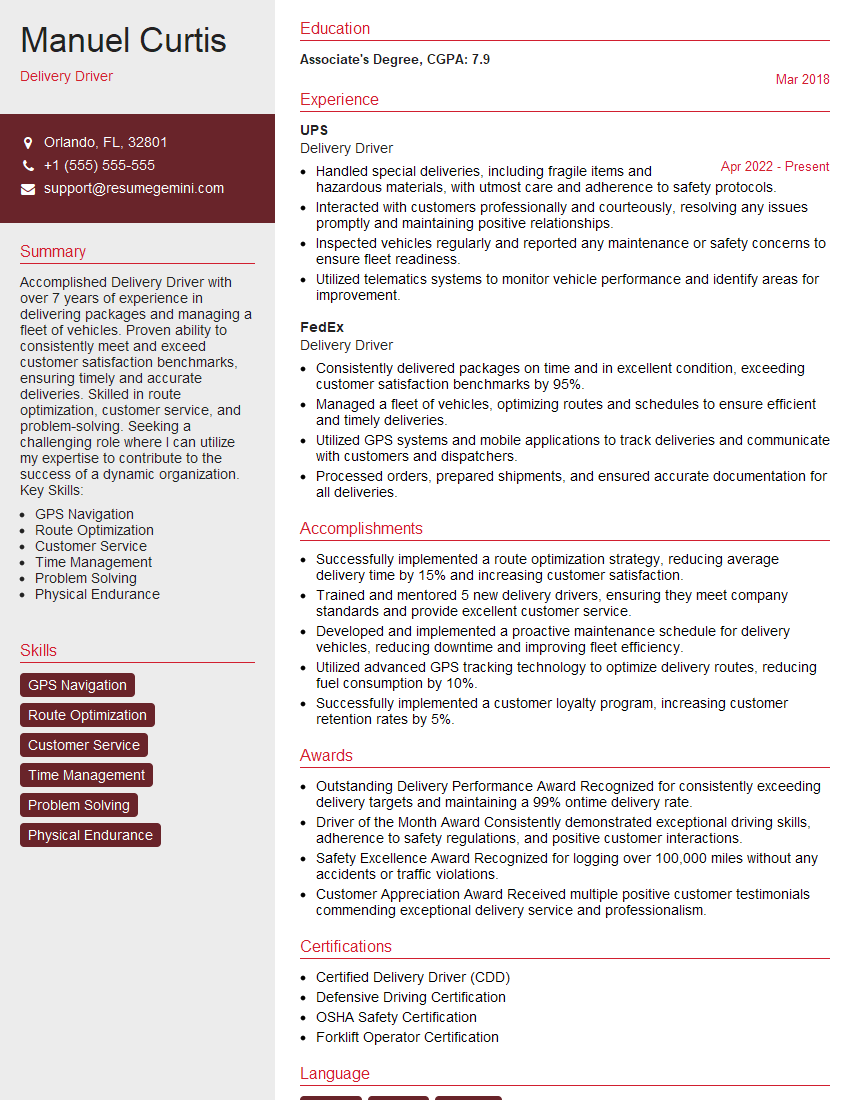
Delivery Driver Resume Sample

Shipping and Receiving Clerk Resume Sample
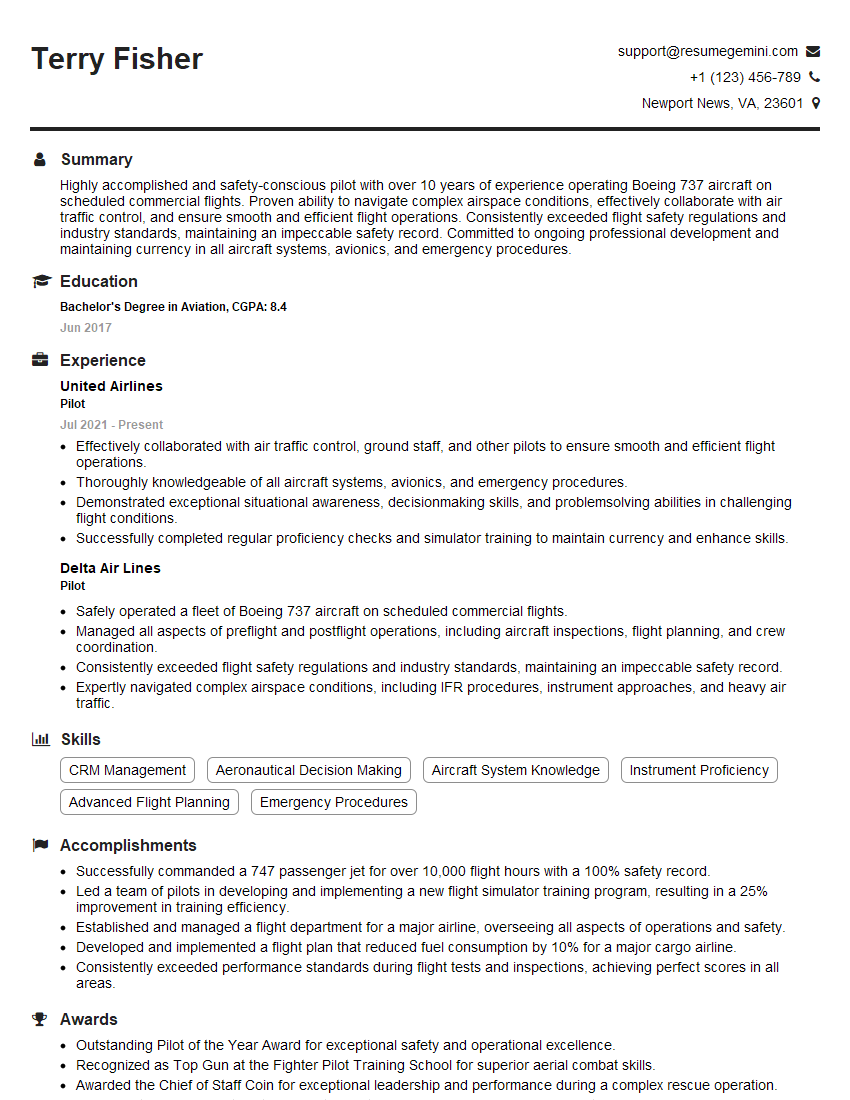
Pilot Resume Sample
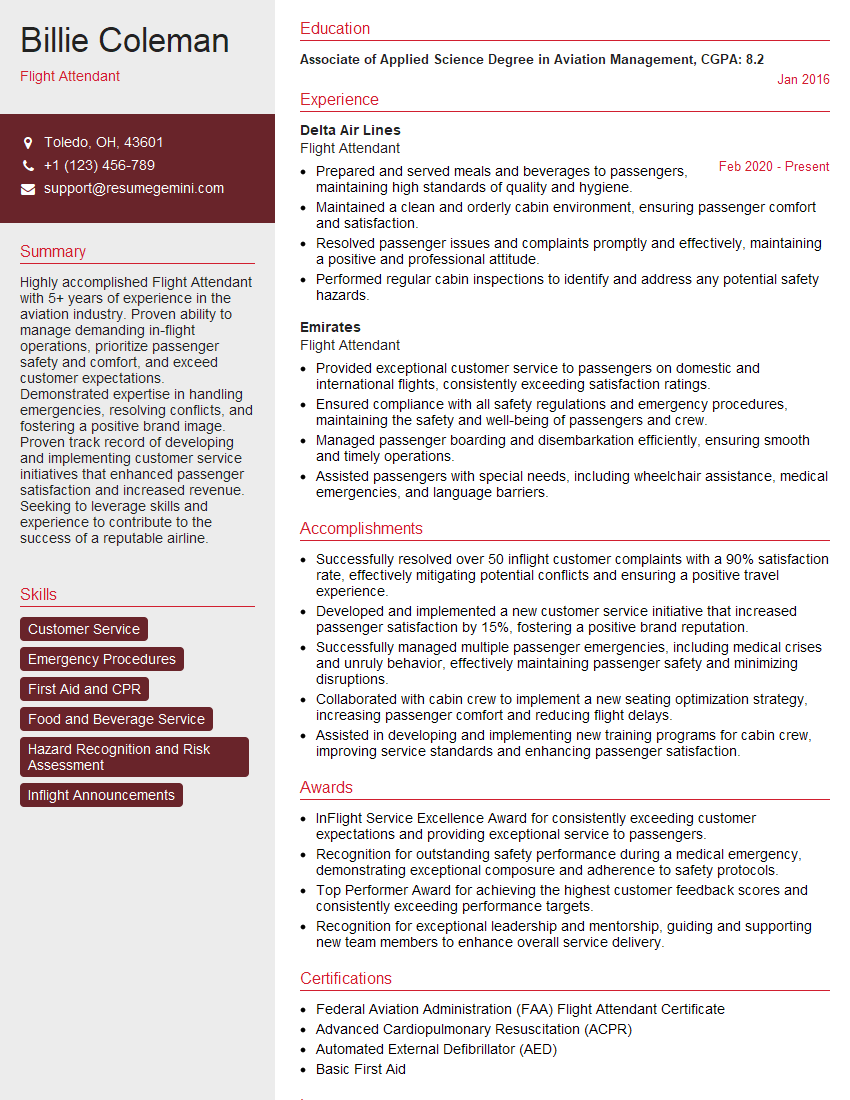
Flight Attendant Resume Sample
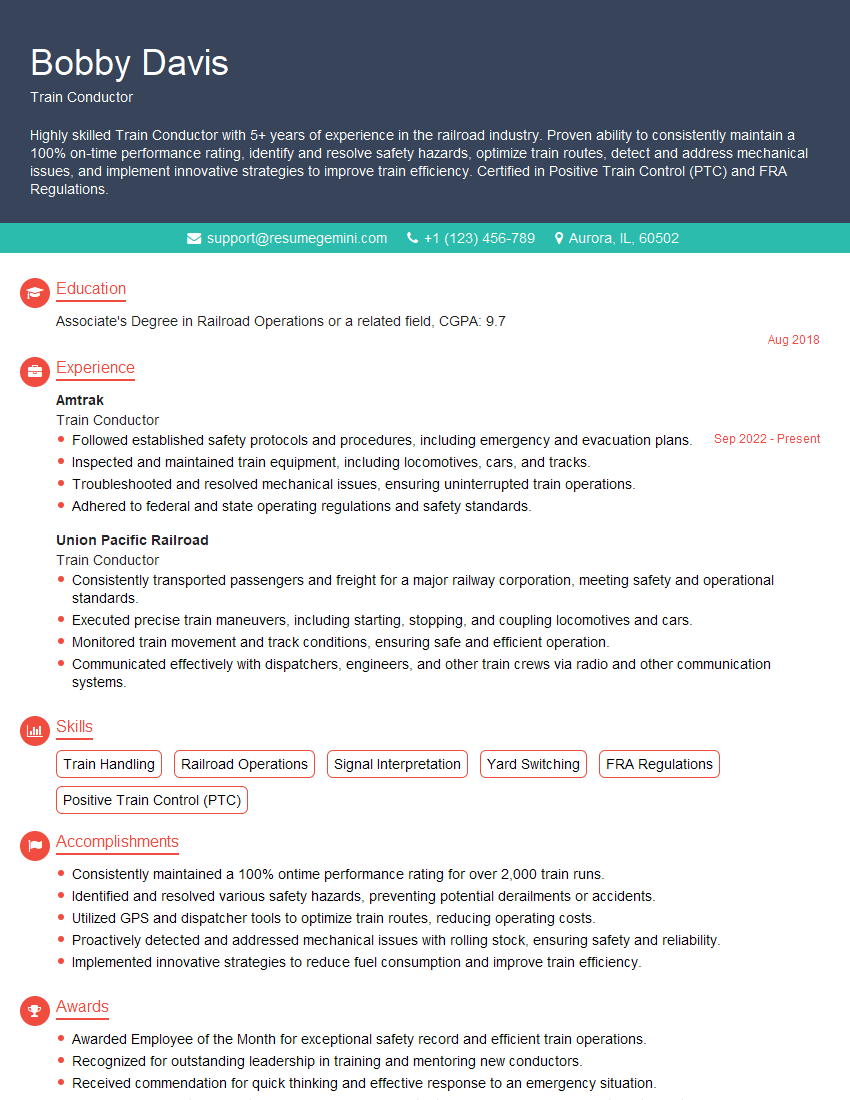
Train Conductor Resume Sample
Explore more articles
Users Rating of Our Blogs
Share Your Experience
We value your feedback! Please rate our content and share your thoughts (optional).
What Readers Say About Our Blog
Very informative content, great job.
good