Feeling uncertain about what to expect in your upcoming interview? We’ve got you covered! This blog highlights the most important Harvest and Post-Harvest Management interview questions and provides actionable advice to help you stand out as the ideal candidate. Let’s pave the way for your success.
Questions Asked in Harvest and Post-Harvest Management Interview
Q 1. Describe your experience in optimizing harvest timing for maximum yield.
Optimizing harvest timing is crucial for maximizing yield and quality. It involves understanding the crop’s physiological maturity and its relationship to marketable quality. This isn’t simply about waiting for the biggest fruits; it’s about harvesting at the precise moment when the balance between size, flavor, nutritional content, and storability is optimal. For example, tomatoes harvested too early lack flavor and color, while those left too long on the vine may be overripe and prone to damage.
My approach involves a multi-faceted strategy: Firstly, I carefully monitor the crop using regular field assessments, recording data on fruit size, color, soluble solids content (using a refractometer), and firmness. I also consider weather patterns – an unexpected heatwave might accelerate ripening, necessitating an earlier harvest. Secondly, I employ predictive models – using historical data and current environmental conditions – to forecast optimal harvest windows. Finally, I implement a tiered harvesting system, harvesting the ripest fruits first and returning to the field for subsequent picks to capture the entire yield. This reduces post-harvest losses significantly by minimizing damage during handling.
For example, in a large-scale strawberry operation, I’d utilize a color chart to standardize the assessment of berry ripeness across all pickers. This ensures consistency and reduces subjective bias, leading to more efficient harvesting and less wastage.
Q 2. Explain the process of pre-harvest assessment and its impact on post-harvest quality.
Pre-harvest assessment is a critical step that directly influences post-harvest quality. It involves a thorough evaluation of the crop’s condition before harvest to identify potential problems and implement preventive measures. Imagine it as a pre-flight checklist for your produce, ensuring a smooth journey from field to consumer.
The assessment encompasses several key areas: visual inspection for diseases, pests, and physical damage; assessment of maturity indices (like sugar content and firmness); and an evaluation of the overall crop uniformity. For instance, I’d check for signs of blossom-end rot in tomatoes or chilling injury in bell peppers. Early detection of these problems allows for timely interventions such as targeted treatments or adjustments to harvesting and handling practices.
The impact on post-harvest quality is significant. By identifying and addressing issues pre-harvest, you reduce losses due to spoilage, decay, and quality degradation during storage and transport. It enables the selection of only the highest quality produce for packaging and distribution, resulting in greater consumer satisfaction and a stronger market position.
Q 3. What are the key factors affecting the shelf life of perishable produce?
The shelf life of perishable produce is significantly impacted by several interacting factors. Think of it like a delicate ecosystem – disrupt one element, and the entire system suffers.
- Respiration Rate: Produce continues to respire (breathe) after harvest, consuming oxygen and releasing carbon dioxide and heat. Higher respiration rates lead to faster spoilage.
- Temperature: Higher temperatures accelerate respiration and enzymatic activity, leading to faster deterioration. Low temperatures can slow down these processes, but chilling injury can occur if temperatures are too low for a specific crop.
- Humidity: Appropriate humidity levels are essential. Too much moisture promotes fungal growth, while insufficient moisture leads to wilting and shriveling.
- Pathogens: Microbial contamination (bacteria, fungi) can cause rapid spoilage and decay.
- Ethylene Production: Ethylene gas, a natural plant hormone, accelerates ripening and senescence. This is why it’s crucial to separate ethylene-sensitive produce (like leafy greens) from ethylene-producing produce (like bananas).
- Mechanical Injury: Bruising during harvest and handling triggers enzymatic activity that hastens spoilage.
Managing these factors through appropriate post-harvest techniques is key to extending shelf life and reducing losses.
Q 4. How do you manage post-harvest losses due to physiological disorders?
Physiological disorders, like chilling injury or blossom-end rot, significantly contribute to post-harvest losses. These are not caused by pathogens but by internal metabolic disruptions. Managing them requires a proactive approach focusing on prevention and mitigation.
My strategy involves several steps:
- Pre-harvest management: Proper irrigation and fertilization practices can minimize the occurrence of disorders like blossom-end rot. Maintaining optimal growing conditions reduces stress on the plants, making them more resilient.
- Careful handling during harvest: Minimizing mechanical injury during harvest is crucial. Gentle handling and proper packaging reduce stress on the produce, slowing the development of disorders.
- Controlled atmosphere storage: Modifying the atmosphere (reducing oxygen and increasing carbon dioxide) can slow respiration and reduce the incidence of some physiological disorders.
- Rapid cooling: Quickly lowering the temperature of the harvested produce after harvest inhibits enzymatic activity and slows the progression of disorders.
- Proper sorting and grading: Removing damaged or affected produce before storage prevents the spread of disorders to healthy fruits or vegetables.
For example, in managing chilling injury in bell peppers, I’d focus on maintaining optimal temperature throughout the supply chain and avoid cold shocks. Regular monitoring of temperature throughout storage and transportation is critical.
Q 5. Describe different post-harvest handling techniques for various produce types.
Post-harvest handling techniques are highly produce-specific. A one-size-fits-all approach simply won’t work. Different produce types have varying sensitivities to temperature, humidity, and mechanical stress.
Fruits: Gentle handling is paramount. Techniques include using padded containers, avoiding stacking too high, and careful sorting to minimize bruising. Rapid cooling, using hydrocooling or forced-air cooling, is often essential to slow respiration and maintain quality. Different types of fruits also have different storage requirements, with some requiring controlled atmosphere storage to maintain freshness. For example, apples need controlled atmosphere storage, while berries are best kept at lower temperatures in a high-humidity environment.
Vegetables: Leafy greens require immediate cooling to prevent wilting and microbial growth. They need to be stored with high humidity to prevent dehydration. Root vegetables, on the other hand, are more tolerant of slightly higher temperatures but are still vulnerable to dehydration. Each vegetable type requires a tailored approach to maintain freshness and quality.
Cut flowers: Cut flowers need immediate hydration and handling to minimize water stress. Using special solutions to extend vase life and proper handling to avoid damage are crucial.
Q 6. What are the critical control points (CCPs) in a post-harvest handling system?
Critical Control Points (CCPs) in a post-harvest handling system are the steps where control is essential to prevent or eliminate hazards that could compromise the safety and quality of the produce. These are the points where things can go seriously wrong, leading to spoilage, illness, or significant economic losses.
Examples of CCPs include:
- Harvesting: Careful handling to minimize mechanical damage.
- Cleaning and sanitization: Ensuring proper cleaning and disinfection of equipment and facilities.
- Cooling: Rapid and effective cooling to slow respiration and microbial growth.
- Storage conditions: Maintaining appropriate temperature and humidity levels.
- Transportation: Ensuring proper temperature control during transport.
- Packaging: Choosing appropriate packaging materials that protect the produce and maintain quality.
Implementing a Hazard Analysis and Critical Control Points (HACCP) system allows for the identification and monitoring of these CCPs. Regular monitoring, record-keeping, and corrective actions are necessary to maintain control at each CCP and ensure a safe and high-quality product. For example, a temperature logger in the cold storage room is critical to monitoring the temperature at a CCP.
Q 7. Explain your understanding of various cooling methods for produce.
Various cooling methods are employed for produce, each with its own advantages and limitations. The choice depends on factors such as the type of produce, scale of operation, and available resources.
- Hydrocooling: Immersion of produce in chilled water. This is very effective for cooling produce rapidly, but it is not suitable for all types of produce, especially those that are easily damaged by water.
- Forced-air cooling: Circulating cold air around the produce. This method is widely used and suitable for a variety of produce. It’s less damaging than hydrocooling but typically takes longer.
- Vacuum cooling: Rapid cooling achieved by evaporative cooling under vacuum. This method is particularly effective for leafy greens and delicate produce.
- Ice cooling: Using ice packs or crushed ice to cool produce during transportation or storage. This method is simple and inexpensive but provides less consistent cooling.
- Controlled Atmosphere (CA) storage: Modifying the storage atmosphere by reducing oxygen and increasing carbon dioxide levels. This method significantly extends the shelf life of many fruits and vegetables but requires specialized facilities and equipment.
The best cooling method will depend on a number of factors. In a large-scale operation, forced-air cooling might be the most economical and efficient method. However, for delicate produce like berries, hydrocooling might be too damaging, and vacuum cooling could be a more appropriate choice.
Q 8. How do you ensure food safety throughout the harvest and post-harvest processes?
Ensuring food safety throughout the harvest and post-harvest processes is paramount. It involves a multi-faceted approach focusing on hygiene, minimizing contamination, and adhering to strict quality control measures. Think of it like building a chain – each link (step) must be strong to prevent the whole chain from breaking (foodborne illness).
- Pre-Harvest: This begins with selecting healthy, disease-free planting materials and implementing good agricultural practices (GAPs), including proper sanitation of equipment and worker hygiene training. This minimizes the initial contamination risk.
- Harvesting: During harvest, careful handling prevents damage to produce, reducing entry points for pathogens. Using clean tools and containers is critical. Workers must adhere to strict hygiene protocols, including hand washing and using protective clothing.
- Post-Harvest Handling: Rapid cooling, proper cleaning, and efficient sorting and grading processes are crucial. Contaminated produce must be promptly removed. Maintaining appropriate temperature throughout storage and transportation prevents the growth of harmful bacteria.
- Packaging and Transportation: Clean packaging materials are essential to protect produce from recontamination during transport. Maintaining the cold chain (refrigerated transport) is vital for perishable goods.
- Hazard Analysis and Critical Control Points (HACCP): Implementing a HACCP plan identifies critical control points in the process where contamination is most likely to occur. This allows for preventative measures to be put in place and monitored to ensure food safety.
For example, during a tomato harvest, we’d ensure workers wear gloves and regularly sanitize equipment to prevent contamination from soil or previous batches. If a single tomato shows signs of decay, it is immediately discarded to prevent spoilage of the entire batch.
Q 9. What are the common pests and diseases affecting post-harvest produce, and how are they controlled?
Common post-harvest pests and diseases vary considerably depending on the produce. They significantly reduce quality and shelf life, leading to economic losses. Effective control relies on a combination of strategies.
- Pests: Insects (e.g., weevils, moths), rodents, and birds can infest stored produce. Control methods include fumigation (using approved chemicals under strict guidelines), using insect-resistant packaging, and maintaining good warehouse hygiene (eliminating harborage sites).
- Diseases: Fungal rots (e.g., gray mold, green mold), bacterial soft rots, and viral diseases can rapidly spread in stored produce. Effective strategies include pre-harvest disease management, proper sanitation, and the use of fungicides (following label instructions meticulously) and controlled-atmosphere storage (CA) to slow down fungal growth.
For instance, imagine a shipment of bananas infested with weevils. Immediate fumigation under strict quarantine conditions, followed by thorough cleaning of the storage facility, could mitigate the infestation and prevent its spread. For fungal rots in strawberries, pre-harvest spraying with approved fungicides, coupled with rapid cooling after harvest and CA storage, would be crucial to maintain quality.
Q 10. Describe your experience with various packaging techniques for maximizing produce shelf life.
Packaging plays a pivotal role in extending produce shelf life. The choice of packaging depends on the product’s characteristics, handling requirements, and storage conditions. It’s like choosing the right clothes for the occasion.
- Modified Atmosphere Packaging (MAP): This involves altering the gas composition within the package to slow respiration and reduce spoilage. This is common for fresh-cut produce and extends shelf life significantly. For example, reducing oxygen and increasing carbon dioxide levels can suppress microbial growth.
- Active Packaging: This incorporates materials that actively absorb ethylene (a ripening hormone) or release antimicrobial substances. This helps to control ripening and inhibit microbial growth.
- Edible Films and Coatings: These provide a barrier against moisture loss and microbial contamination while being biodegradable. This offers a sustainable approach to packaging.
- Traditional Packaging: While simpler, factors like material selection (e.g., breathable vs. non-breathable) and proper sealing are still crucial for maintaining quality.
For example, MAP is often used for lettuce and leafy greens, while edible coatings are being increasingly employed for fruits to maintain freshness and reduce waste. Selecting the right packaging is a crucial decision considering the product’s fragility, susceptibility to bruising, and its respiration rate.
Q 11. How do you ensure proper traceability and quality control throughout the supply chain?
Traceability and quality control are intertwined for maintaining consumer trust and minimizing risks. This is achieved through a well-defined system incorporating technology and meticulous record-keeping.
- Batch Tracking: Each batch of produce should be uniquely identified from harvest to retail. This allows for rapid identification of contaminated batches in case of issues.
- RFID Technology: Radio-frequency identification tags can be used to track individual pallets or containers throughout the supply chain, providing real-time location and condition updates.
- Blockchain Technology: Blockchain can create a secure, transparent, and immutable record of the produce journey, from farm to consumer, enhancing traceability and accountability.
- Regular Quality Checks: Throughout the supply chain, regular quality checks, including visual inspection, weight checks, and microbial testing, ensure that produce meets quality standards.
For instance, if a problem is detected in a particular batch of apples, the batch number allows for rapid identification and recall of all affected products, minimizing risk to consumers and preserving the company’s reputation.
Q 12. Explain your knowledge of different types of storage facilities (e.g., CA storage, controlled atmosphere storage).
Storage facilities play a critical role in maintaining produce quality and extending shelf life. Different types of storage cater to different produce needs.
- Conventional Cold Storage: This involves maintaining a low temperature (typically near 0°C) to slow down respiration and microbial growth. This is the most common type of storage.
- Controlled Atmosphere (CA) Storage: This goes beyond simple refrigeration by controlling the atmosphere inside the storage facility, reducing oxygen and increasing carbon dioxide and nitrogen levels. This drastically slows down respiration and ripening, significantly extending shelf life. It is particularly beneficial for fruits like apples and pears.
- Modified Atmosphere Packaging (MAP) Storage: This involves using MAP packaging stored in a cold storage facility, combining the advantages of both approaches.
- Hypobaric Storage: This involves reducing the pressure within the storage facility, which further slows respiration. It’s suitable for specific sensitive products.
For example, apples stored in CA storage can maintain their quality for months, while conventionally stored apples may deteriorate much sooner. The choice of storage facility needs to be tailored to the specific produce and its requirements.
Q 13. What are the key metrics you use to evaluate the success of harvest and post-harvest operations?
Evaluating the success of harvest and post-harvest operations involves a range of key metrics focusing on quality, efficiency, and economic viability.
- Yield: The amount of produce harvested per unit area.
- Post-Harvest Losses: The percentage of produce lost during handling, storage, and transportation.
- Quality Indices: Measurements such as firmness, color, and sugar content, reflecting the quality of the produce at different stages.
- Shelf Life: The length of time the produce remains marketable.
- Economic Return: The net profit generated from the harvest and post-harvest operations.
For instance, a reduction in post-harvest losses from 20% to 10% translates to significant cost savings and improved profitability. Similarly, extending the shelf life by a week could increase market reach and demand, leading to higher returns.
Q 14. How do you handle and resolve conflicts or problems during harvest or post-harvest processes?
Conflicts and problems can arise at various stages. Effective resolution involves proactive planning and a systematic approach.
- Proactive Communication: Establishing clear communication channels among all stakeholders, including farmers, harvesters, and processors, is crucial to prevent misunderstandings.
- Contingency Planning: Having well-defined plans to address potential issues like equipment malfunction, labor shortages, or weather disruptions minimizes the impact of unexpected events.
- Problem-Solving Framework: Using a structured problem-solving approach, such as the 5 Whys technique, to identify the root cause of a problem, aids in implementing effective solutions.
- Collaboration and Negotiation: Addressing conflicts through open communication, collaboration, and negotiation ensures mutually agreeable solutions.
For instance, if a mechanical breakdown occurs during harvest, a backup plan involving alternative equipment or manual harvesting should be promptly implemented to minimize delays and losses. Open communication between the farmer and the harvesting crew is crucial in resolving any issues related to payment or working conditions.
Q 15. Describe your experience with implementing and managing post-harvest technologies.
My experience with post-harvest technologies spans over 15 years, encompassing a wide range of applications across various fruits and vegetables. I’ve been involved in the implementation and management of technologies like controlled atmosphere storage (CAS), modified atmosphere packaging (MAP), and various types of cooling systems – from hydrocooling to vacuum cooling. For example, in a project involving strawberry production, we implemented a CA storage system which extended the shelf life by 30% compared to conventional storage, minimizing losses and maximizing market reach. Another project involved optimizing MAP for leafy greens using different gas mixtures to prolong freshness and reduce spoilage. I’m adept at selecting the appropriate technology based on the specific produce characteristics, market demands, and available resources, always prioritizing cost-effectiveness and environmental sustainability.
Career Expert Tips:
- Ace those interviews! Prepare effectively by reviewing the Top 50 Most Common Interview Questions on ResumeGemini.
- Navigate your job search with confidence! Explore a wide range of Career Tips on ResumeGemini. Learn about common challenges and recommendations to overcome them.
- Craft the perfect resume! Master the Art of Resume Writing with ResumeGemini’s guide. Showcase your unique qualifications and achievements effectively.
- Don’t miss out on holiday savings! Build your dream resume with ResumeGemini’s ATS optimized templates.
Q 16. What are your strategies for minimizing waste in harvest and post-harvest operations?
Minimizing waste requires a holistic approach, starting from pre-harvest practices all the way through to the consumer. My strategies focus on several key areas: Firstly, proper field management, including timely harvesting at optimal ripeness, careful handling to avoid bruising, and efficient sorting and grading techniques. Secondly, implementing appropriate post-harvest technologies like those mentioned previously, which extend shelf life and maintain quality. Thirdly, effective inventory management and precise demand forecasting help prevent overstocking and spoilage. Fourthly, establishing strong partnerships with distributors and retailers is crucial for efficient product flow and minimal losses during transportation. Finally, promoting innovative waste management techniques, including composting or anaerobic digestion of unusable byproducts, creates value from otherwise lost materials. For example, in a mango processing facility, implementing improved sorting led to a 15% reduction in waste due to damaged fruit, while better logistics reduced transport damage resulting in a further 5% waste reduction.
Q 17. Explain your understanding of Good Agricultural Practices (GAPs) and Good Handling Practices (GHPs).
Good Agricultural Practices (GAPs) encompass all the best practices involved in the cultivation of crops, ensuring safe and high-quality produce. This includes everything from soil health management and water usage to pest and disease control, and the responsible use of fertilizers and pesticides. Good Handling Practices (GHPs) build on this, focusing on maintaining quality and safety throughout the post-harvest process. This involves careful harvesting, transportation, handling, processing, storage, and packaging to minimize damage, prevent contamination, and maintain product integrity. Both GAPs and GHPs are crucial for consumer safety and meeting market demands for fresh, high-quality produce. Failure to adhere to these practices can lead to serious food safety issues, significant economic losses, and damage to reputation.
Q 18. Describe your experience with implementing and monitoring quality control procedures.
My experience in quality control involves establishing stringent procedures at every stage, from the field to the point of sale. This includes regular monitoring of key quality parameters such as firmness, color, weight, and microbial load using both visual inspection and advanced analytical tools. For example, we use near-infrared spectroscopy (NIRS) to rapidly assess the sugar content in fruits, ensuring only produce meeting specific quality standards is processed or shipped. We also maintain detailed records and implement regular audits to identify areas for improvement and maintain consistent quality throughout the supply chain. Implementing a traceability system helps quickly identify the source of any quality issues, facilitating effective corrective actions. Training and certification of personnel ensures everyone understands and adheres to established quality control protocols. This meticulous approach ensures product consistency and meets the high standards demanded by consumers and retailers.
Q 19. How do you ensure compliance with food safety regulations and standards?
Ensuring compliance with food safety regulations and standards requires a comprehensive approach that goes beyond basic hygiene practices. This involves a deep understanding of relevant regulations, such as HACCP (Hazard Analysis and Critical Control Points) and other local or international food safety standards. We implement rigorous hygiene protocols throughout our facilities and regularly monitor critical control points to prevent contamination. Detailed record-keeping, including traceability of all products and processes, helps ensure accountability and facilitates prompt response to any potential food safety incidents. Employee training, focusing on food safety principles and hygiene procedures, is crucial, and periodic audits by external agencies are employed to verify compliance. For instance, we have a robust system in place for pesticide residue testing and metal detection to meet regulatory requirements and ensure consumer safety. Continuous improvement is integral—regularly reviewing our procedures to align with evolving standards and best practices.
Q 20. What are your strategies for managing labor during peak harvest seasons?
Managing labor during peak harvest seasons requires careful planning and resource allocation. This includes accurate forecasting of labor needs based on expected yield, recruitment of temporary workers, and effective training programs. I employ strategies such as staggered harvesting schedules to optimize labor deployment and use of technology like harvesting aids and automated systems wherever possible. Providing fair wages and good working conditions improves morale and reduces absenteeism. I also focus on effective communication and team building to promote productivity and collaboration. The use of labor management software to track working hours and monitor worker performance is crucial. In one instance, we successfully implemented a flexible scheduling system that allowed us to accommodate worker availability and reduce the cost of labor significantly during peak harvest.
Q 21. Explain your experience with using data analytics to improve harvest and post-harvest efficiency.
Data analytics plays a vital role in optimizing harvest and post-harvest efficiency. We collect data from various sources, including yield monitoring systems, sensors in storage facilities, and quality control testing. This data is analyzed using statistical methods and predictive modeling to identify trends, predict quality issues, and optimize resource allocation. For example, we use data analytics to forecast demand and adjust harvest schedules accordingly, minimizing losses from overproduction. We also employ predictive models to anticipate potential spoilage risks based on environmental factors and take preventative measures. Real-time monitoring of storage conditions, combined with data analytics, allows us to fine-tune environmental parameters (temperature, humidity, gas composition) for optimal product preservation. This data-driven approach enables us to make informed decisions, leading to significant improvements in efficiency and reduced waste.
Q 22. How do you handle unexpected challenges or disruptions in the harvest or post-harvest process?
Unexpected challenges in harvest and post-harvest are inevitable. My approach centers around proactive planning and reactive adaptability. This involves developing contingency plans for common issues like adverse weather, equipment malfunction, or labor shortages. For example, if a sudden storm threatens a delicate berry harvest, we’d have pre-arranged alternative harvesting crews and covered transport ready. My strategy emphasizes:
- Risk Assessment: Identifying potential problems before they occur through thorough pre-harvest analysis of weather forecasts, equipment reliability, and labor availability.
- Contingency Planning: Creating backup plans for various scenarios, including alternative transportation, storage facilities, or processing methods.
- Communication: Maintaining clear and constant communication with all stakeholders – from field workers to transportation providers and processing facilities – to ensure rapid response to unexpected events.
- Data-Driven Decision Making: Utilizing real-time data (e.g., weather reports, yield forecasts) to adjust harvesting and post-harvest operations dynamically.
- Flexibility: Embracing flexibility and adjusting plans as needed. Rigidity in a dynamic environment is a recipe for failure.
For instance, during a recent unexpected heatwave, we implemented emergency cooling measures by using refrigerated trucks and pre-cooled storage facilities to prevent spoilage of a large tomato harvest, preventing significant losses.
Q 23. Describe your experience with different types of transportation and their impact on produce quality.
Transportation significantly influences produce quality. I’ve worked with various modes – refrigerated trucks, rail cars, and even air freight – each with its strengths and weaknesses.
- Refrigerated Trucks: Most common for shorter distances. Maintaining proper temperature and humidity is crucial to minimize respiration and decay. I’ve successfully implemented temperature monitoring systems with data logging to track conditions throughout transit and ensure compliance with food safety regulations.
- Rail Cars: Efficient for long distances and large volumes, but require careful loading and unloading to prevent damage. We’ve used climate-controlled rail cars to transport large quantities of apples across states, optimizing conditions to prevent bruising and quality degradation.
- Air Freight: Ideal for highly perishable items needing rapid transport over long distances. Costly but essential for maintaining the quality of extremely delicate produce like fresh-cut flowers or certain tropical fruits. Careful handling and swift processing are critical.
The choice of transportation depends on factors like distance, product type, perishability, cost, and available infrastructure. For example, delicate strawberries would necessitate refrigerated trucks and potentially air freight for longer distances, unlike potatoes which are more durable and can tolerate slightly less stringent transport conditions.
Q 24. How do you ensure the proper storage and handling of different produce types?
Proper storage and handling are paramount to preserving produce quality. Different produce requires specific conditions. For example, apples require controlled atmosphere storage (CAS) to slow down respiration and extend their shelf life, while bananas need specific temperature and humidity levels to prevent ripening too quickly.
- Temperature and Humidity Control: Critical parameters for most produce. We use sophisticated refrigeration systems, humidity controls, and ethylene scrubbers (to remove ethylene, a ripening hormone) to maintain optimal storage conditions.
- Proper Ventilation: Prevents moisture buildup and minimizes the risk of fungal growth.
- Sanitation: Maintaining a clean and hygienic storage environment is crucial to prevent contamination and spoilage. Regular cleaning and disinfection are implemented.
- Handling Practices: Gentle handling throughout the storage process is vital to avoid physical damage. Training workers on proper handling techniques is essential.
- First-In, First-Out (FIFO): Implementing a FIFO system ensures older produce is used or processed before newer produce, reducing the risk of spoilage.
We regularly monitor temperature and humidity levels, conducting regular inspections for signs of spoilage and adjusting storage conditions as needed. We also use data loggers to track these parameters over time, providing evidence of proper storage practices and aiding in continuous improvement.
Q 25. What is your understanding of the different types of packaging materials and their suitability for different produce?
Packaging plays a key role in maintaining produce quality and extending shelf life. The choice of material depends on the produce’s characteristics, storage conditions, and transportation methods.
- Modified Atmosphere Packaging (MAP): Uses specialized films to modify the gas composition inside the package, slowing down respiration and reducing spoilage. Common for leafy greens and fresh-cut produce.
- Ethylene Absorbers: These absorb ethylene gas, delaying ripening and extending shelf life. Often used with MAP.
- Rigid Containers: Suitable for protecting firm produce like apples or potatoes during transportation. Reduces bruising and damage.
- Flexible Packaging: Ideal for lighter produce like berries or leafy greens; it can conform to the product’s shape, minimizing wasted space.
- Biodegradable and Compostable Packaging: Growing trend focusing on sustainability. We are exploring various eco-friendly options while ensuring they provide adequate protection and maintain product quality.
For example, we use MAP for delicate strawberries, ensuring they reach the consumer in optimal condition, while sturdy cardboard boxes are used for apples during transportation to prevent bruising. The selection always balances protection, cost, and environmental considerations.
Q 26. How do you monitor and evaluate the effectiveness of different pest control strategies?
Effective pest control is essential to prevent losses and maintain food safety. My approach involves a combination of strategies, monitored and evaluated for efficacy.
- Integrated Pest Management (IPM): This holistic approach combines various methods, including cultural practices, biological control, and minimal pesticide use, prioritizing prevention. For example, rotating crops can disrupt pest life cycles.
- Monitoring: Regular inspections of fields and storage facilities to detect pest infestations early. Using traps and visual inspection to track pest populations.
- Data Analysis: Tracking pest populations over time allows us to analyze the effectiveness of our control measures and adjust our strategy accordingly. This ensures a tailored approach.
- Biological Control: Introducing natural enemies of pests, such as beneficial insects or nematodes, to control populations. This reduces reliance on chemical pesticides.
- Chemical Control: Used judiciously as a last resort, selecting appropriate pesticides and adhering strictly to label instructions to minimize environmental impact.
We consistently evaluate the effectiveness of our IPM program by measuring pest populations, yield losses, and the presence of pesticide residues. We use statistical analysis to determine which strategies are most effective and adapt our approach to ensure optimal results, always prioritizing sustainable and responsible pest control.
Q 27. Explain your knowledge of different ripening technologies and their applications.
Ripening technologies are crucial for optimizing the quality and extending the shelf life of certain fruits.
- Controlled Atmosphere (CA) Storage: Manipulating the levels of oxygen, carbon dioxide, and nitrogen in storage rooms to slow down respiration and delay ripening. Widely used for apples and pears.
- 1-MCP Treatment (1-methylcyclopropene): A gaseous substance that inhibits ethylene action, thus delaying ripening and extending shelf life. Commonly used for berries and avocados.
- Ethylene Application: Conversely, controlled application of ethylene can accelerate ripening, beneficial for fruits that are harvested before full ripeness, such as bananas and tomatoes.
- Heat Treatment: Used to eliminate pathogens and delay ripening in some fruits. It is critical to carefully control temperature and time to avoid damage.
The selection of ripening technology depends on several factors, including the type of produce, desired ripening stage, storage conditions, and transportation requirements. For instance, we use 1-MCP for berries to maintain their freshness and extend their shelf life during transportation to distant markets, while we employ ethylene application for bananas that haven’t reached full ripeness at harvest.
Q 28. What are the key challenges and opportunities in the future of harvest and post-harvest management?
The future of harvest and post-harvest management presents both exciting opportunities and significant challenges.
- Challenges:
- Climate Change: Increasingly unpredictable weather patterns pose challenges to harvest scheduling and produce quality. Extreme temperatures and more frequent natural disasters can disrupt the entire supply chain.
- Food Waste: Minimizing food loss and waste throughout the supply chain is a crucial sustainability goal. Technological advances are needed to improve efficiency and reduce waste.
- Labor Shortages: Finding and retaining skilled labor for harvesting and post-harvest operations is a growing concern.
- Food Safety: Maintaining high food safety standards while reducing pesticide use is a continuous challenge.
- Opportunities:
- Precision Agriculture: Utilizing data-driven techniques, such as remote sensing and AI, to optimize harvesting and post-harvest practices for improved efficiency and quality.
- Automation and Robotics: Automating processes such as harvesting, sorting, and packaging can improve efficiency, reduce labor costs, and potentially minimize damage.
- Sustainable Practices: Adopting eco-friendly packaging and post-harvest techniques is becoming increasingly important for consumer demand and environmental protection.
- Blockchain Technology: Improving traceability and transparency throughout the supply chain is essential for ensuring food safety and ethical sourcing.
To address these challenges and capitalize on opportunities, continuous innovation, collaboration within the industry, and investment in research and development are critical. Sustainable practices and technological advancements will be essential in shaping the future of efficient, safe, and environmentally friendly harvest and post-harvest management.
Key Topics to Learn for Harvest and Post-Harvest Management Interview
Ace your interview by mastering these key areas of Harvest and Post-Harvest Management. Understanding both the theory and practical application will set you apart.
- Crop Physiology and Development: Understanding plant growth stages, their impact on harvest timing, and optimal harvesting techniques for maximum yield and quality.
- Harvesting Techniques and Machinery: Familiarize yourself with different harvesting methods (manual, mechanical), appropriate machinery for various crops, and their impact on product quality and efficiency. Consider the practical challenges and solutions involved in each method.
- Post-Harvest Handling and Storage: Explore the critical processes involved in maintaining quality after harvest, including cleaning, grading, sorting, and various storage methods (refrigeration, controlled atmosphere). Analyze how these impact shelf-life and minimize losses.
- Quality Assessment and Control: Understand the methods used to assess the quality of harvested produce (sensory evaluation, physical and chemical tests). Explore techniques for maintaining and improving quality throughout the post-harvest chain.
- Supply Chain Management and Logistics: Grasp the complexities of transporting and distributing harvested produce efficiently, minimizing losses and maintaining quality during transit. Consider the impact of different packaging and transportation methods.
- Value Addition and Processing: Explore different processing techniques to extend shelf life, enhance value, and create new product lines. Consider the economic and technical aspects of various processing options.
- Pest and Disease Management (Post-Harvest): Understand strategies to prevent and control pest infestations and diseases during post-harvest handling and storage. Explore effective sanitation and preservation techniques.
- Food Safety and Regulations: Familiarize yourself with relevant food safety regulations and best practices to ensure product safety and compliance throughout the entire process.
- Sustainability and Environmental Impact: Discuss environmentally friendly harvesting and post-harvest practices, minimizing waste and promoting sustainable agriculture.
- Economic Analysis and Cost Optimization: Understand the financial aspects of harvest and post-harvest operations, identifying areas for cost reduction and improved profitability.
Next Steps
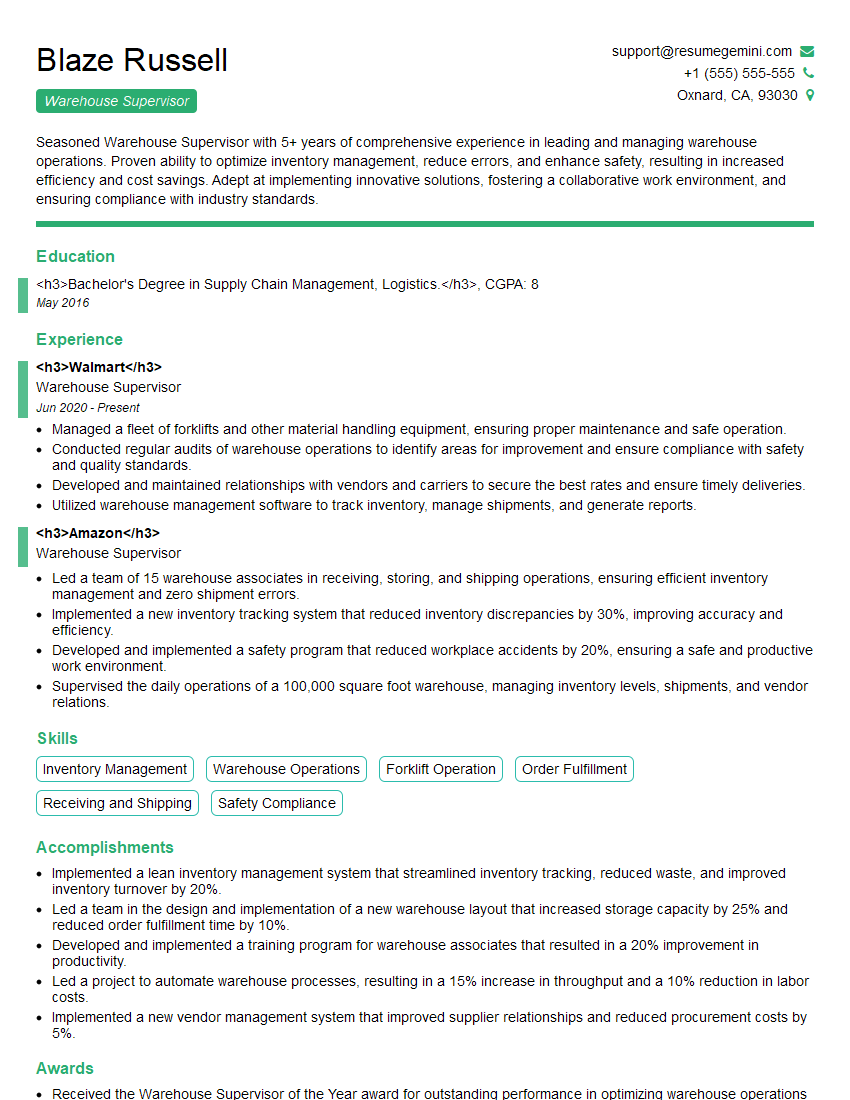
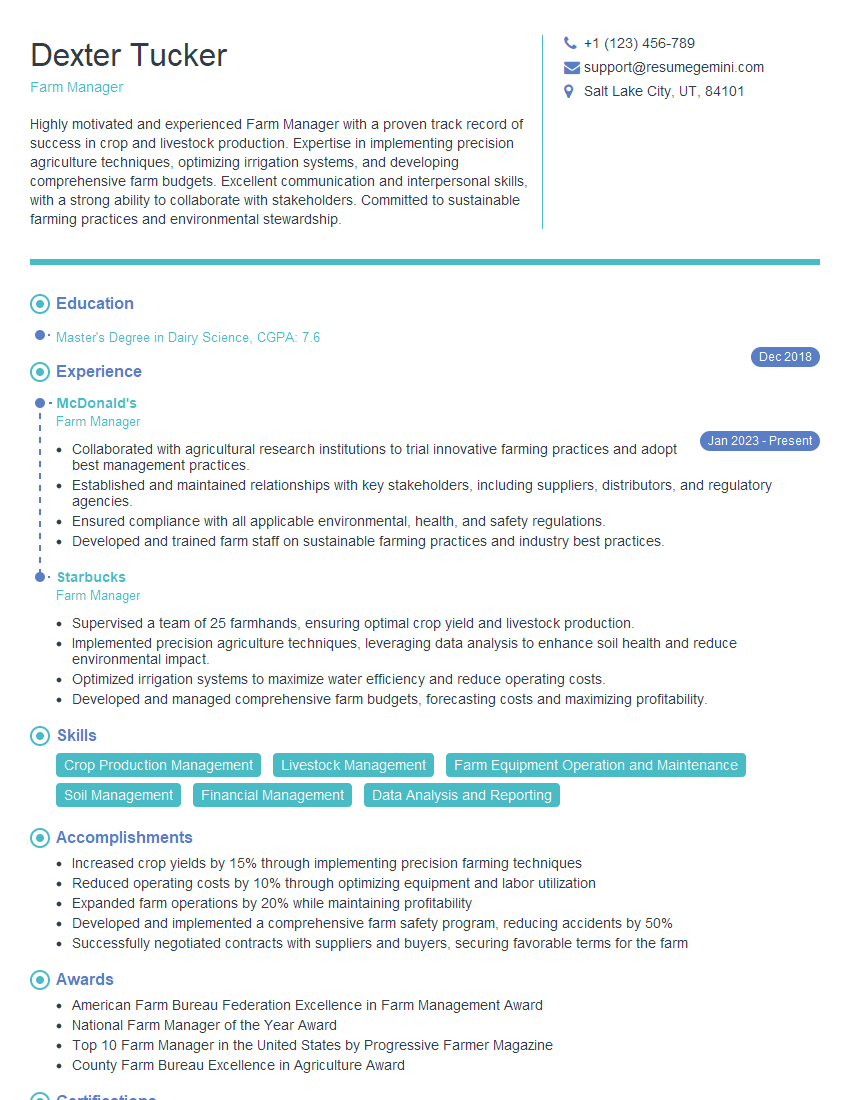
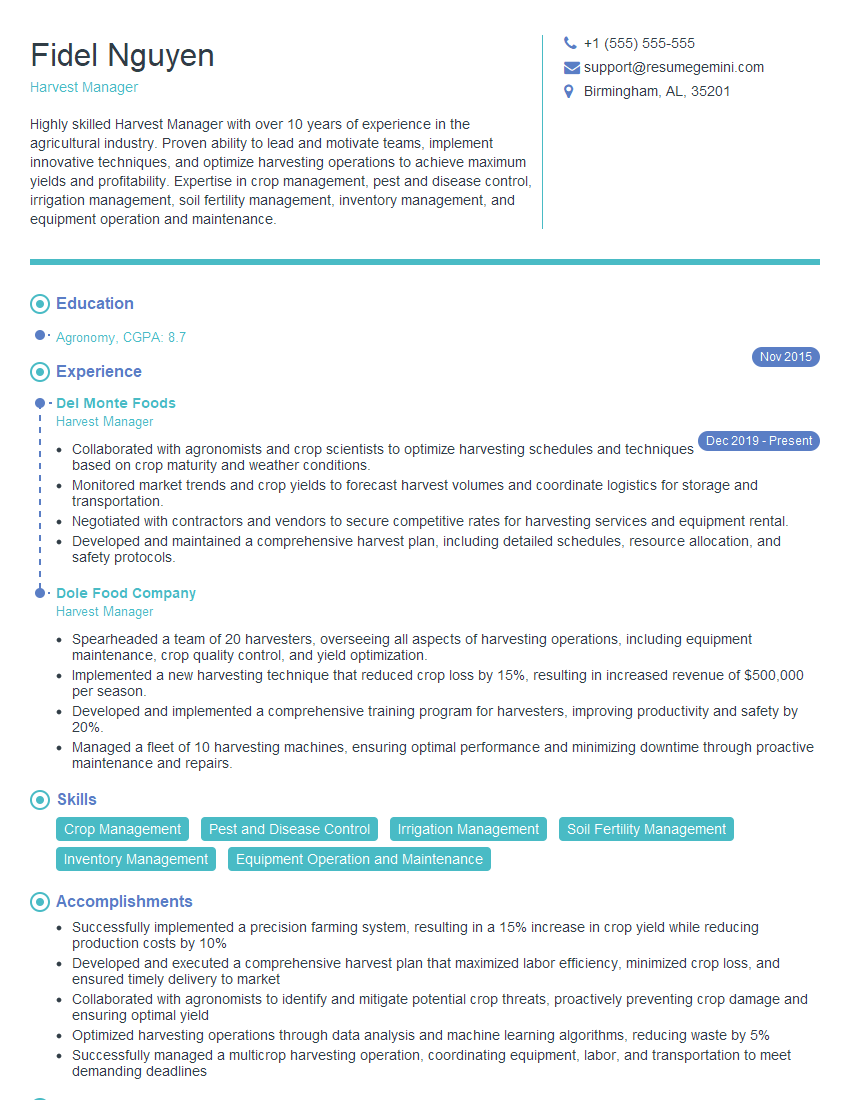
Mastering Harvest and Post-Harvest Management is crucial for a successful career in agriculture and related fields. It demonstrates a comprehensive understanding of the industry and your ability to contribute effectively to optimizing yield, quality, and profitability. To enhance your job prospects, create a strong, ATS-friendly resume that highlights your skills and experience. ResumeGemini is a trusted resource to help you build a professional and impactful resume. Examples of resumes tailored to Harvest and Post-Harvest Management are available to guide you. Take the next step towards your dream career today!

Explore more articles
Users Rating of Our Blogs
Share Your Experience
We value your feedback! Please rate our content and share your thoughts (optional).
What Readers Say About Our Blog
Very informative content, great job.
good