Cracking a skill-specific interview, like one for Health and Safety Program Development, requires understanding the nuances of the role. In this blog, we present the questions you’re most likely to encounter, along with insights into how to answer them effectively. Let’s ensure you’re ready to make a strong impression.
Questions Asked in Health and Safety Program Development Interview
Q 1. Describe your experience in developing and implementing health and safety programs.
Developing and implementing a robust health and safety program is a multi-faceted process requiring a thorough understanding of the workplace, applicable regulations, and human behavior. My experience encompasses all stages, from initial risk assessment and policy creation to training delivery and ongoing monitoring. For example, at my previous role in a manufacturing facility, I spearheaded the development of a new safety program following a series of near-miss incidents. This involved a comprehensive hazard assessment, the creation of new Standard Operating Procedures (SOPs), implementation of a robust PPE program, and the development of tailored training modules for all employees. The result was a 30% reduction in workplace incidents within the first year.
- Needs Analysis: Identifying specific hazards and risks within the organization.
- Policy Development: Creating clear, concise, and legally compliant health and safety policies.
- Training & Education: Developing and delivering engaging safety training to all employees.
- Implementation & Monitoring: Overseeing the implementation of safety protocols and regularly monitoring their effectiveness.
- Continuous Improvement: Regularly reviewing and updating the program based on incident reports, audits, and best practices.
Q 2. Explain your understanding of OSHA regulations and their practical application.
My understanding of OSHA regulations (or equivalent regulatory bodies outside the US) is extensive. I’m familiar with general industry standards, as well as specific regulations pertaining to various industries, including manufacturing, construction, and healthcare. Practical application involves more than just knowing the regulations; it’s about translating them into actionable steps within the workplace. For instance, OSHA’s Hazard Communication Standard (HCS) requires employers to provide employees with information about hazardous chemicals. This translates into creating Safety Data Sheets (SDS) readily available, providing appropriate training on chemical handling, and ensuring proper labeling of all hazardous materials. I’ve successfully audited workplaces for OSHA compliance and helped numerous organizations improve their safety programs to meet and exceed regulatory requirements.
Understanding OSHA is not just about avoiding penalties; it’s about fostering a safety-conscious culture that prevents injuries and protects workers. I approach OSHA compliance as an integral part of a larger strategy to build a safer and more productive workplace.
Q 3. How do you conduct a workplace hazard assessment?
A workplace hazard assessment is a systematic process of identifying potential hazards and evaluating risks. It involves a multi-step approach:
- Walkthrough Surveys: Physically inspecting the workplace to identify potential hazards (e.g., damaged equipment, slippery floors, unguarded machinery).
- Interviews: Talking to employees to gain insights into their experiences and identify any hazards they may have encountered.
- Review of Records: Examining accident reports, near-miss reports, and other relevant documentation to identify trends and patterns.
- Job Hazard Analysis (JHA): Breaking down each job task into steps and identifying potential hazards at each step.
- Hazard Identification and Risk Assessment: Categorizing hazards based on their severity and likelihood of occurrence. This often uses a risk matrix to quantify the overall risk level.
- Documentation: A thorough record of all findings, including identified hazards, risk assessments, and recommended control measures.
For example, during a hazard assessment at a construction site, I identified the risk of falls from heights. This led to implementing safety measures such as guardrails, fall arrest systems, and comprehensive training on fall protection.
Q 4. What methods do you use to prioritize safety risks?
Prioritizing safety risks requires a structured approach. I typically use a risk matrix that combines the likelihood of an incident occurring with the severity of its potential consequences. This allows for a quantitative assessment of risk, which facilitates prioritization. A higher risk score indicates a higher priority for mitigation efforts. For example, a risk with high likelihood and high severity (e.g., working at heights without proper fall protection) would be prioritized over a risk with low likelihood and low severity (e.g., minor cuts from office supplies).
Beyond the risk matrix, I also consider factors such as:
- Regulatory Requirements: Risks that violate safety regulations are always a high priority.
- Past Incidents: If a similar incident has occurred previously, it is given higher priority.
- Employee Input: Employee feedback about their concerns is carefully considered.
Q 5. Describe your experience with developing and delivering safety training programs.
Developing and delivering effective safety training is crucial for a successful safety program. My approach focuses on creating engaging and interactive training materials tailored to the specific needs of the employees. This often involves a blended learning approach combining classroom training, online modules, and on-the-job training. I employ various teaching methods, including presentations, interactive exercises, simulations, and case studies, to cater to different learning styles. For example, for a team working with heavy machinery, I developed a virtual reality (VR) simulation to practice emergency procedures in a safe environment, reducing the risk of accidents during real-world applications.
Post-training assessments are used to evaluate knowledge retention and identify areas requiring further training. Continuous feedback and improvement ensure that the training remains relevant and impactful.
Q 6. How do you ensure compliance with health and safety regulations?
Ensuring compliance involves a multi-pronged approach. It begins with a strong foundation of clearly defined policies and procedures, aligned with all applicable regulations. Regular audits and inspections are essential to identify any non-compliance issues. Corrective actions are promptly implemented and documented. Employee involvement is vital; encouraging them to report hazards and participate in safety initiatives fosters a culture of compliance. Furthermore, maintaining accurate records of training, inspections, and incident reports is crucial for demonstrating compliance to regulatory bodies.
Proactive measures, like regular safety meetings, toolbox talks, and safety campaigns, play a key role in reinforcing compliance and promoting a safety-conscious environment. Regular review and updates of the safety program, using data analysis and lessons learned, ensures ongoing compliance and effectiveness.
Q 7. Explain your experience in investigating and reporting workplace accidents.
Investigating workplace accidents involves a thorough and systematic approach to determine the root cause and prevent future occurrences. My process typically includes:
- Securing the Scene: Ensuring the safety of personnel and preserving evidence.
- Gathering Information: Interviewing witnesses, reviewing documentation (e.g., incident reports, training records), and examining physical evidence.
- Analyzing the Data: Identifying contributing factors, using techniques like fault tree analysis or fishbone diagrams to uncover the root causes.
- Developing Corrective Actions: Implementing measures to prevent recurrence, which could include retraining, improving equipment, or changing procedures.
- Reporting and Documentation: Preparing a detailed report outlining the findings, root causes, and recommended corrective actions.
For instance, in investigating a forklift accident, I found that inadequate training on safe operating procedures was a major contributing factor. This led to updated training programs with more emphasis on safe driving techniques and hazard awareness. This systematic approach ensures accountability and provides valuable insights for continuous improvement in workplace safety.
Q 8. How do you develop and maintain safety policies and procedures?
Developing and maintaining robust safety policies and procedures is crucial for any organization. It’s a cyclical process, not a one-time event. I begin by conducting a thorough hazard identification and risk assessment, analyzing potential workplace hazards and their associated risks. This involves consultations with workers at all levels to ensure comprehensive coverage. Based on this assessment, I develop clear, concise, and accessible policies and procedures, ensuring they align with relevant legislation and best practices. These documents outline responsibilities, emergency procedures, and safe working practices. Crucially, I ensure that the policies are not just created but actively implemented through training and regular communication. Maintaining these policies requires regular review and updates. This includes revisiting the hazard identification and risk assessment process, incorporating feedback from employees, and updating policies to reflect changes in legislation or best practices. For example, after a near-miss incident, a thorough investigation might lead to revisions in a specific operating procedure to prevent similar occurrences in the future. Regular audits ensure the policies remain current and effective.
Q 9. Describe your experience with safety audits and inspections.
My experience with safety audits and inspections is extensive. I utilize a systematic approach, drawing on internationally recognized standards like OSHA or ISO 45001. An audit isn’t just about ticking boxes; it’s about identifying potential hazards and assessing the effectiveness of existing controls. I conduct both planned audits and those triggered by incidents or employee concerns. My methodology involves a combination of document reviews, observations of work practices, interviews with employees, and the examination of physical equipment. For example, during a recent inspection in a manufacturing facility, I noticed a lack of proper guarding on a piece of machinery. This immediately raised a safety concern. I documented this finding, recommending immediate corrective actions, and followed up to ensure these actions were completed promptly and effectively. The documentation of findings, both positive and negative, is crucial, forming the basis of future improvements to the safety program. The goal isn’t just to find fault but to collaboratively improve safety performance.
Q 10. How do you manage safety-related budgets and resources?
Managing safety-related budgets and resources necessitates careful prioritization. I start by aligning budget requests with the organization’s overall strategic goals and the identified risks. This involves creating a detailed budget proposal justifying each expenditure, showing a clear link between the resources requested and the expected safety improvements. For example, if a risk assessment reveals a high probability of slips and falls, a significant portion of the budget might be allocated towards improving flooring and providing anti-slip footwear. Resource allocation also includes personnel. I ensure adequate staffing for safety roles and training programs. Effective resource management involves tracking expenditures, monitoring progress, and making adjustments as needed. This transparency allows for accountability and optimization. Regular reporting on budget utilization helps demonstrate the value of the safety program to stakeholders. Cost-benefit analysis, comparing the cost of safety interventions with the potential costs of accidents or injuries, plays a key role in justifying budget requests.
Q 11. What are the key performance indicators (KPIs) you would use to measure the effectiveness of a health and safety program?
Key Performance Indicators (KPIs) are vital for evaluating the effectiveness of a health and safety program. Instead of relying solely on lagging indicators like accident rates (which are reactive), I focus on leading indicators that predict future performance. Examples include the number of safety training hours completed, the number of near-misses reported (demonstrating a proactive safety culture), the effectiveness of risk assessments (how well they identify hazards), and employee satisfaction with safety measures. Other important metrics include the time taken to investigate incidents, the implementation rate of corrective actions, and the number of safety inspections conducted. By tracking these KPIs, we can identify areas for improvement and demonstrate the program’s value. I also present data visually, using dashboards and reports to communicate performance effectively to stakeholders, and I regularly review the KPIs to adapt the program’s focus as needed.
Q 12. How do you communicate safety information effectively to different audiences?
Effective communication is paramount in health and safety. I tailor my communication style to the audience. For example, when communicating with senior management, I use concise reports and key performance indicators, highlighting financial implications. With employees, I prefer interactive training sessions, toolbox talks, and visual aids to ensure everyone understands the information. For highly technical details, written instructions and diagrams are crucial. I utilize a multi-channel approach, using posters, emails, intranet postings, and safety meetings. Regular feedback mechanisms, such as surveys and suggestion boxes, ensure that communication is two-way and keeps the program relevant to employee needs and concerns. Consistent, clear, and accessible messaging is vital for building a strong safety culture. For example, using consistent safety signage throughout the workplace significantly improves understanding and compliance.
Q 13. Describe your experience with safety data analysis and reporting.
Safety data analysis and reporting is crucial for identifying trends, evaluating program effectiveness, and driving continuous improvement. I use various methods for data analysis, including statistical software and data visualization tools to make sense of the collected data from incident reports, near-misses, audits, and inspections. I’m proficient in identifying trends and patterns that may reveal underlying causes of incidents, allowing for proactive interventions. The reports I generate are clear, concise, and actionable, providing recommendations for improving safety performance. For instance, if the data shows a spike in slips and falls during a particular season, the report would highlight this trend and suggest corrective actions like improved winter maintenance or specialized footwear. Data privacy and confidentiality are always prioritized when handling sensitive safety information.
Q 14. How do you handle conflicts or disagreements regarding safety procedures?
Conflicts regarding safety procedures are inevitable. My approach focuses on collaboration and consensus-building. I facilitate discussions between the conflicting parties, ensuring everyone feels heard and respected. The focus is on finding solutions that align with safety regulations and best practices, rather than focusing on who is right or wrong. Active listening is crucial; understanding the perspectives of all involved is critical to resolving the conflict. I often use a structured approach, such as a root cause analysis to identify the underlying reasons for the disagreement. If a resolution can’t be reached through discussion, I may involve senior management or other relevant stakeholders as mediators. Documenting the conflict, the resolution reached, and any subsequent actions taken is crucial for future reference and continuous improvement of the safety program. The emphasis is always on promoting a positive and collaborative safety culture.
Q 15. Explain your understanding of different risk assessment methodologies.
Risk assessment methodologies are crucial for identifying and controlling hazards in the workplace. Different methods cater to varying complexities and contexts. I’m proficient in several, including:
Qualitative Risk Assessment: This method uses descriptive terms (e.g., low, medium, high) to evaluate likelihood and severity of hazards. It’s simple and quick, ideal for initial screenings or less complex situations. For example, a simple checklist for using a ladder might assess the likelihood of a fall as ‘medium’ and the severity of injury as ‘high’, leading to a ‘medium-high’ overall risk.
Quantitative Risk Assessment: This involves numerical data to express likelihood and severity, often using statistical models. It provides a more precise risk profile, better suited for complex projects or when regulatory compliance requires a numerical approach. For instance, a quantitative risk assessment for a chemical plant might use historical data on leak frequency and the potential impact of a leak to calculate a precise risk score.
HAZOP (Hazard and Operability Study): This systematic approach guides a team through a structured review of a process or system to identify potential hazards and operability problems. It uses guide words (e.g., ‘no,’ ‘more,’ ‘less’) to explore deviations from the intended design or operation. I’ve used HAZOP extensively in process plant design, identifying potential hazards like unexpected pressure surges or equipment failures.
Bow Tie Analysis: This visual method depicts hazards, their causes (threats), and their consequences (events). It also shows how preventive and mitigating controls reduce the likelihood and severity of those consequences. This is particularly useful for communicating risks and controls effectively to stakeholders.
My choice of methodology depends on the specific project, the available resources, and the regulatory requirements. A smaller project might only need a qualitative assessment, while a major construction project would benefit from a more comprehensive HAZOP or Bow Tie analysis.
Career Expert Tips:
- Ace those interviews! Prepare effectively by reviewing the Top 50 Most Common Interview Questions on ResumeGemini.
- Navigate your job search with confidence! Explore a wide range of Career Tips on ResumeGemini. Learn about common challenges and recommendations to overcome them.
- Craft the perfect resume! Master the Art of Resume Writing with ResumeGemini’s guide. Showcase your unique qualifications and achievements effectively.
- Don’t miss out on holiday savings! Build your dream resume with ResumeGemini’s ATS optimized templates.
Q 16. What is your approach to integrating safety into the design and planning of new projects?
Integrating safety into design and planning is paramount – it’s far more cost-effective and efficient to design safety in than to retrofit it later. My approach is proactive and follows a phased methodology:
Hazard Identification: This begins during the initial conceptual design phase. We use tools like HAZOP or preliminary hazard analysis (PHA) to identify potential hazards associated with the design, materials, and processes.
Risk Assessment and Control: We then assess the identified risks, determining their likelihood and severity. This informs the selection of appropriate control measures, prioritizing elimination of hazards where possible, followed by substitution, engineering controls, administrative controls, and finally personal protective equipment (PPE) as a last resort.
Design Review: Safety is built into the project’s design from the outset, and regular design reviews involving safety professionals are crucial to ensure controls are effective and address any emerging hazards.
Documentation: All hazard identification, risk assessments, and control measures are meticulously documented to ensure traceability and accountability. This documentation also helps with training and future audits.
Training and Communication: Workers must be adequately trained on the safe operation of any new equipment or processes. Clear communication throughout the design and planning stages is essential to build a shared safety culture.
For example, in a new factory design, we’d consider factors like safe access and egress, emergency exits, machine guarding, and appropriate ventilation to prevent exposure to hazardous substances, right from the initial blueprints. Integrating safety from the start not only prevents accidents but also streamlines the entire project process.
Q 17. Describe your experience with emergency response planning and preparedness.
Emergency response planning and preparedness is a critical aspect of any comprehensive health and safety program. My experience includes developing and implementing emergency plans for various settings, ranging from small offices to large industrial facilities. This involves:
Hazard Identification and Risk Assessment: Identifying potential emergencies (fire, chemical spills, natural disasters) and assessing their likelihood and potential impact.
Emergency Response Procedures: Developing clear, concise, and well-rehearsed procedures for handling various emergencies, including evacuation plans, emergency contact lists, and roles and responsibilities for emergency response teams.
Training and Drills: Conducting regular training and drills to ensure employees know their roles and are familiar with emergency procedures. Regular drills are critical; a well-rehearsed team responds far more effectively under pressure.
Communication Systems: Establishing reliable communication systems for alerting employees, coordinating responses, and contacting emergency services. This could involve alarm systems, two-way radios, or emergency notification systems.
Post-Incident Review: Conducting thorough post-incident reviews after any emergency to identify areas for improvement and refine the emergency response plan.
In one instance, I developed an emergency response plan for a chemical processing plant that included specific procedures for handling chemical spills, fire suppression, and evacuation. This plan incorporated detailed maps, emergency contact information, and training materials for all employees. Regular drills ensured the plan’s effectiveness, and post-incident reviews helped us continually improve the plan.
Q 18. How do you ensure the engagement and participation of employees in health and safety initiatives?
Employee engagement is crucial for a successful health and safety program. It’s not just about compliance; it’s about fostering a culture where safety is everyone’s responsibility. My approach focuses on:
Communication: Open and transparent communication is key. Regularly sharing information about safety performance, incidents, and planned initiatives ensures everyone is informed and involved.
Participation: Employees should actively participate in safety committees, hazard identification processes, and risk assessments. Their input is invaluable, as they are often closest to the hazards they face.
Training and Education: Providing comprehensive and engaging safety training tailored to specific roles and tasks ensures that everyone has the knowledge and skills to work safely.
Recognition and Incentives: Recognizing and rewarding employees for their contributions to safety promotes positive behavior and encourages ongoing participation.
Feedback Mechanisms: Establishing systems for employees to provide feedback, report hazards, and suggest improvements. This could involve suggestion boxes, regular safety meetings, or online reporting systems.
For example, I’ve implemented a system where employees receive safety training modules online and are then invited to participate in workshops to discuss issues and solutions. This fosters a collaborative environment, increasing employee engagement and ownership of safety.
Q 19. What is your experience with personal protective equipment (PPE) selection and use?
Proper PPE selection and use is critical for protecting workers from hazards. My experience involves a multi-step process:
Hazard Identification and Risk Assessment: Determining the specific hazards present in the workplace and the level of risk they pose.
PPE Selection: Choosing appropriate PPE based on the identified hazards, considering factors such as comfort, durability, and compatibility with other equipment. This often involves referencing relevant standards and regulations.
Training and Fit Testing: Ensuring workers are properly trained in the correct use and limitations of their PPE, and performing fit testing where necessary (e.g., respirators) to ensure a proper seal.
Inspection and Maintenance: Implementing a system for regularly inspecting and maintaining PPE to ensure it remains in good condition and provides adequate protection.
Record Keeping: Maintaining accurate records of PPE issued, training provided, and inspections conducted to ensure compliance with regulations.
For example, I once advised a construction company on selecting appropriate eye protection for welders, ensuring they used appropriate shades for the intensity of the welding arc. I also implemented a system for regular inspection and replacement of the welding helmets.
Q 20. Describe your experience with ergonomic assessments and recommendations.
Ergonomic assessments aim to improve workplace design and practices to prevent musculoskeletal disorders (MSDs). My experience includes conducting ergonomic assessments using various methods:
Job Task Analysis: Observing and documenting the physical demands of a job, including postures, movements, and forces involved.
Rapid Upper Limb Assessment (RULA): A standardized assessment tool to evaluate posture and movement during tasks, helping to identify potential risk factors for MSDs.
Workstation Evaluations: Assessing the design of workstations, considering factors such as chair height, monitor placement, and keyboard position.
Control Recommendations: Based on the assessment findings, developing recommendations for improving the work environment, including modifications to workstations, tools, and work processes.
In one case, I conducted an ergonomic assessment of a manufacturing plant’s assembly line. I identified repetitive movements that were placing strain on workers’ wrists and shoulders. My recommendations included adjusting workstation heights, implementing new tools, and providing employees with regular stretch breaks, significantly reducing the incidence of MSDs.
Q 21. How do you stay up-to-date with current health and safety legislation and best practices?
Staying current with health and safety legislation and best practices is an ongoing process. I utilize several strategies:
Professional Organizations: Actively participating in professional organizations like the Occupational Safety and Health Administration (OSHA) and subscribing to their publications, attending conferences and webinars.
Legislation Tracking Services: Using specialized services that monitor changes in legislation and provide alerts on relevant updates.
Industry Publications and Journals: Staying informed through industry publications, journals, and online resources that provide updates on research, best practices, and emerging hazards.
Networking: Attending industry events and networking with other safety professionals to exchange information and learn about best practices.
Continuing Education: Actively participating in continuing education courses and workshops to maintain and enhance my expertise.
This continuous learning process is essential to ensure that my knowledge and practices are always up-to-date and aligned with current standards. For example, I recently completed training on the latest updates to OSHA’s standards on hazardous waste management, ensuring my expertise remains current and relevant.
Q 22. What is your experience with health and safety management systems, such as ISO 45001?
My experience with health and safety management systems, particularly ISO 45001, is extensive. I’ve been involved in the implementation and maintenance of ISO 45001 compliant systems in various industries, including manufacturing and construction. This includes conducting gap analyses to identify areas needing improvement, developing and delivering training programs for employees at all levels, and performing internal audits to ensure ongoing compliance. I understand the key principles of the standard, such as risk assessment, hazard identification, and the importance of worker participation. For example, in a recent project, I helped a manufacturing company achieve ISO 45001 certification by guiding them through the process of documenting their health and safety procedures, implementing a robust risk assessment system, and establishing a management review process to ensure continuous improvement.
Beyond ISO 45001, I’m familiar with other occupational health and safety standards and best practices, ensuring a comprehensive and adaptable approach.
Q 23. Describe your experience with the development and implementation of safety improvement plans.
Developing and implementing safety improvement plans requires a structured approach. I typically begin with a thorough hazard identification and risk assessment, using methods like Job Safety Analyses (JSAs) and Failure Mode and Effects Analysis (FMEA). This allows for prioritization of risks based on likelihood and severity. For instance, if a risk assessment reveals a high probability of slips, trips, and falls, the improvement plan would prioritize measures like improved lighting, floor maintenance, and employee training on proper footwear and walking techniques.
The plan itself includes specific, measurable, achievable, relevant, and time-bound (SMART) goals and actions. Regular monitoring and evaluation are crucial, using key performance indicators (KPIs) such as incident rates and near-miss reporting to track progress. Finally, I ensure that plans are communicated effectively and that all employees understand their roles in contributing to a safer work environment. For instance, I might use interactive training modules, toolbox talks, and regular safety committee meetings.
Q 24. How do you measure the effectiveness of safety training programs?
Measuring the effectiveness of safety training programs goes beyond simply checking attendance. I use a multi-faceted approach involving pre- and post-training assessments to gauge knowledge retention and skill development. Practical demonstrations, observation of work practices, and feedback from supervisors are also vital. Furthermore, I track the impact of the training on workplace safety performance through KPIs like the reduction in incident rates, near-misses, and lost-time injuries. Analyzing data on these metrics helps determine if the training successfully altered behavior and improved safety outcomes. If, for example, post-training assessments show poor knowledge retention, the training module may need revision to improve engagement and clarity.
Q 25. What is your experience with incident investigation and root cause analysis?
Incident investigation and root cause analysis are essential for preventing future incidents. My approach follows a structured methodology, often utilizing techniques like the ‘5 Whys’ to drill down to the underlying cause of an incident, and fault tree analysis to graphically illustrate causal relationships. I gather data from various sources – incident reports, witness statements, physical evidence – and analyze them objectively to identify contributing factors. For example, a seemingly simple incident like a worker falling from a ladder may have multiple root causes, such as inadequate ladder inspection, insufficient training, and failure to follow safe work procedures. The investigation would uncover these root causes to prevent similar incidents in the future through implementation of corrective actions, such as improved training, new inspection protocols, and better PPE requirements.
Q 26. Describe a time you had to deal with a difficult safety challenge. What was your approach?
In a previous role, we faced a significant challenge with a high rate of musculoskeletal disorders (MSDs) among assembly line workers. The initial approach focused on providing ergonomic assessments and adjusting workstations, but the problem persisted. My approach involved a more holistic strategy. First, we conducted extensive interviews with workers to understand the contributing factors beyond the physical workstation. We uncovered issues with work processes, job rotation, and inadequate communication about proper lifting techniques. Addressing these issues required collaboration with operations management to modify work processes, implement a robust job rotation schedule, and develop and deliver targeted training on proper body mechanics and manual handling techniques. This comprehensive approach, going beyond the initial ergonomic assessment, resulted in a significant reduction in MSD incidents.
Q 27. How do you effectively integrate environmental concerns into your health and safety approach?
Integrating environmental concerns into health and safety is crucial for a comprehensive approach. It’s not a separate issue, but rather an interconnected one. For example, managing hazardous waste is both a safety and an environmental concern. The disposal of chemicals must follow safety protocols to prevent worker exposure and environmental regulations to prevent pollution. Similarly, energy efficiency initiatives, such as improving building insulation, improve both the working environment (reducing energy consumption leading to better indoor temperature control) and the organization’s environmental footprint. By considering both health and safety and environmental protection simultaneously, I develop strategies that deliver synergistic benefits.
Q 28. Describe your experience with contractor safety management.
Contractor safety management is crucial because contractors often work alongside employees on a project, sharing the same work areas and risks. My approach involves pre-qualification of contractors, verifying their safety records and insurance coverage. I ensure that all contractors receive clear safety orientations, understand the site-specific hazards, and adhere to the site safety rules. Regular inspections of contractor work are conducted, along with review of their safety documentation. Communication and collaboration with contractors are paramount. For instance, joint safety meetings enable sharing of information and resolving safety issues proactively. This collaborative approach fosters a shared responsibility for safety amongst all workers, regardless of their employment status.
Key Topics to Learn for Health and Safety Program Development Interview
- Hazard Identification and Risk Assessment: Understanding methodologies like HAZOP, FMEA, and Job Safety Analysis (JSA). Be prepared to discuss practical application in various workplace settings.
- Developing Safety Policies and Procedures: Creating clear, concise, and legally compliant documents. Consider the practical implications of implementation and enforcement.
- Emergency Preparedness and Response: Designing and implementing emergency response plans, including evacuation procedures, emergency communication strategies, and first aid/CPR training programs. Discuss real-world scenarios and problem-solving approaches.
- Training and Communication: Developing and delivering effective safety training programs for diverse employee groups. Consider different learning styles and communication strategies for optimal impact.
- Incident Investigation and Reporting: Mastering root cause analysis techniques to prevent future incidents. Discuss your experience with incident investigation methodologies and reporting requirements.
- Regulatory Compliance: Demonstrate a strong understanding of relevant health and safety legislation and regulations. Be prepared to discuss specific examples and your approach to maintaining compliance.
- Performance Measurement and Continuous Improvement: Discuss key performance indicators (KPIs) used to track safety performance and strategies for continuous improvement of the health and safety program.
- Budgeting and Resource Allocation: Understanding the financial aspects of health and safety program development and justifying resource allocation decisions.
Next Steps
Mastering Health and Safety Program Development opens doors to exciting career advancements, offering opportunities for leadership roles and significant impact on workplace safety. To maximize your job prospects, create a compelling and ATS-friendly resume that showcases your skills and experience effectively. ResumeGemini is a trusted resource to help you build a professional resume that highlights your qualifications. Examples of resumes tailored to Health and Safety Program Development are available to guide you through the process, ensuring your application stands out from the competition.
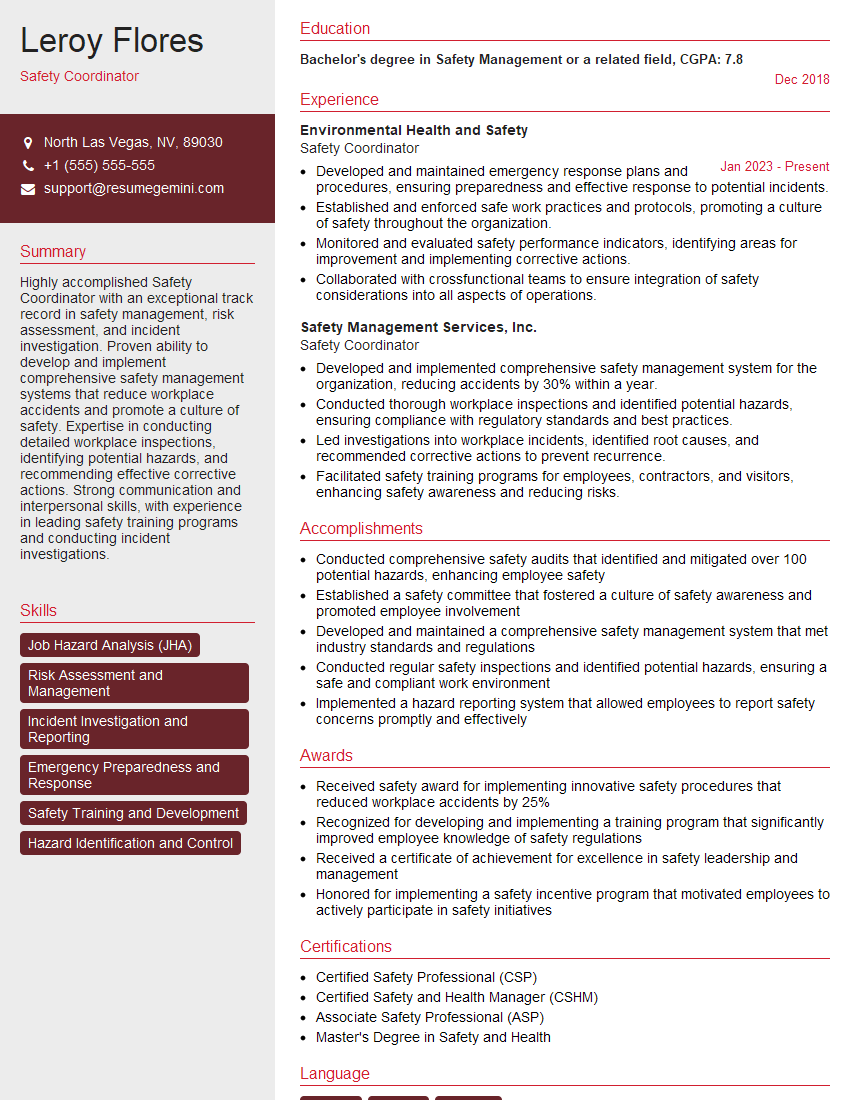
Safety Coordinator Resume Sample
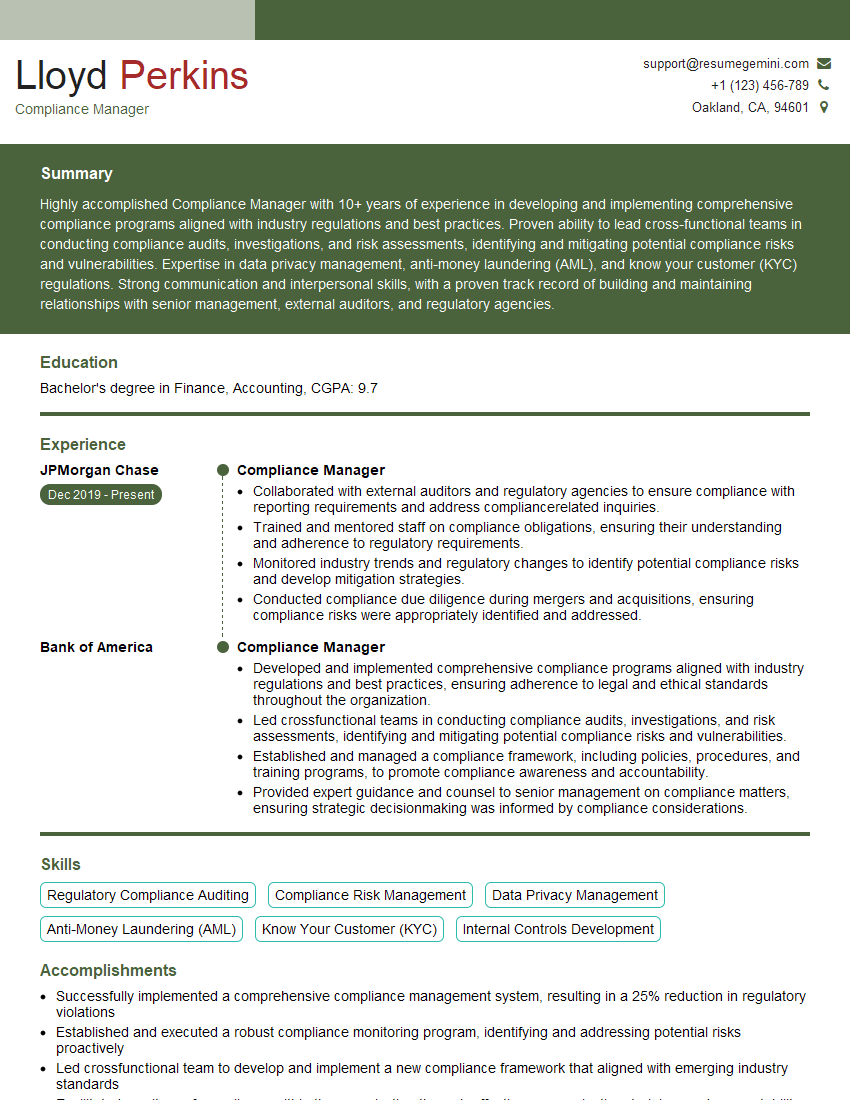
Compliance Manager Resume Sample
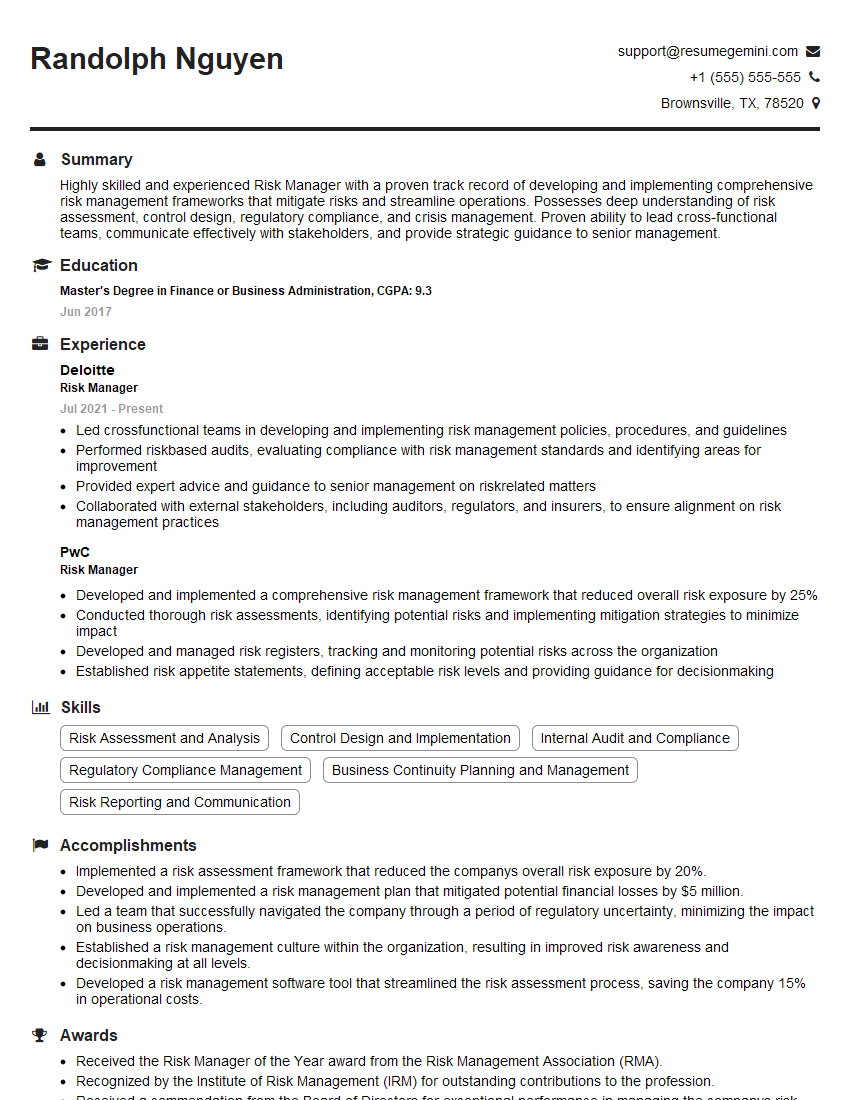
Risk Manager Resume Sample
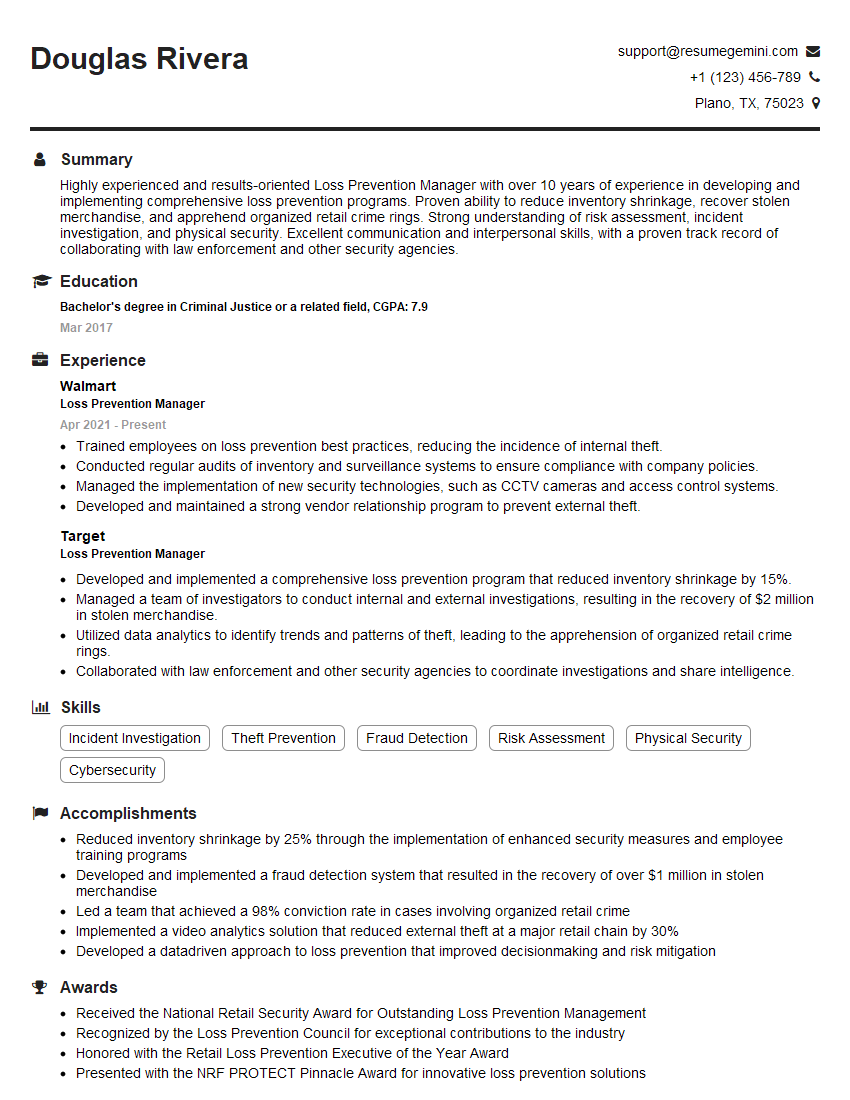
Loss Prevention Manager Resume Sample
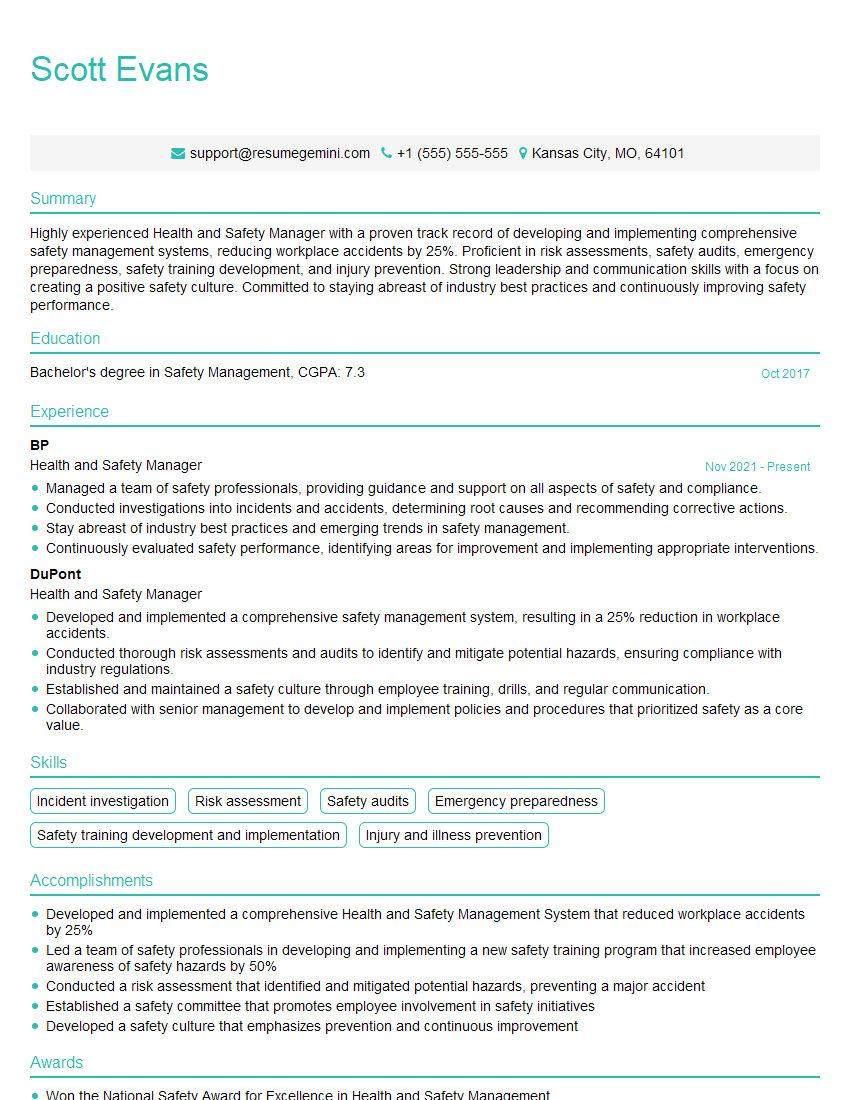
Health and Safety Manager Resume Sample
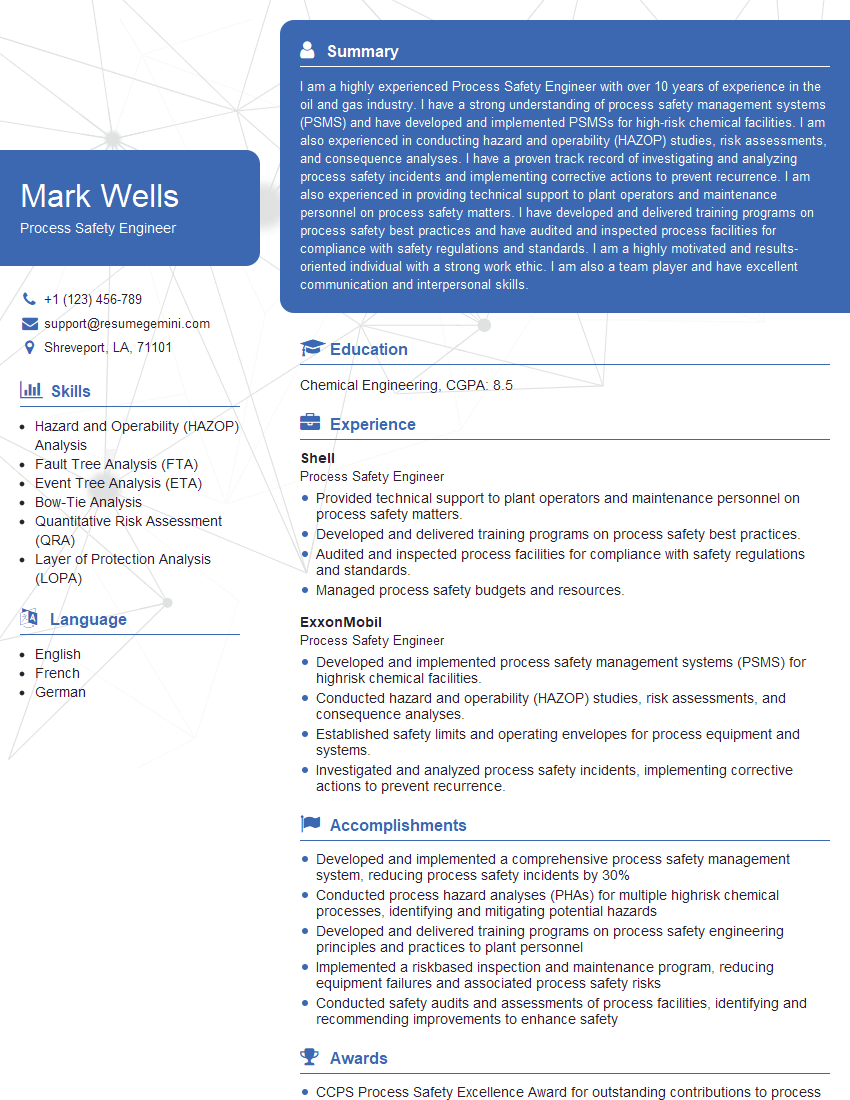
Process Safety Engineer Resume Sample
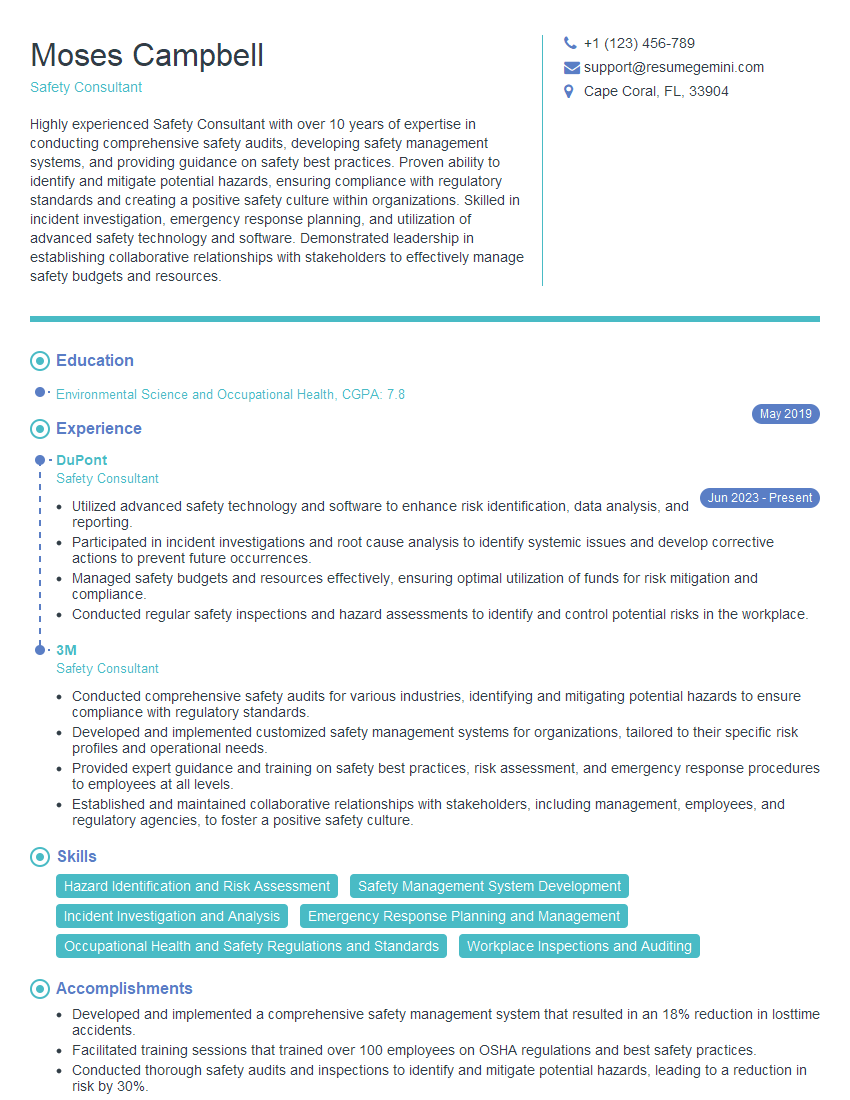
Safety Consultant Resume Sample
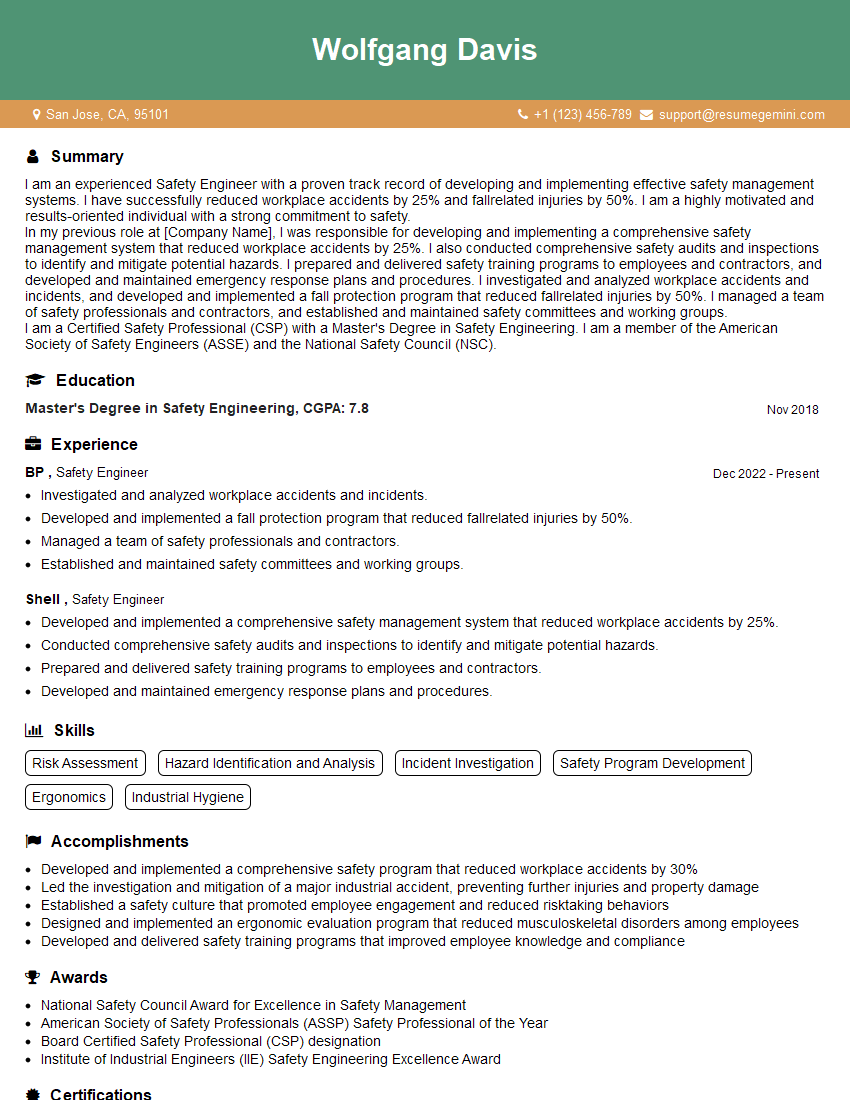
Safety Engineer Resume Sample
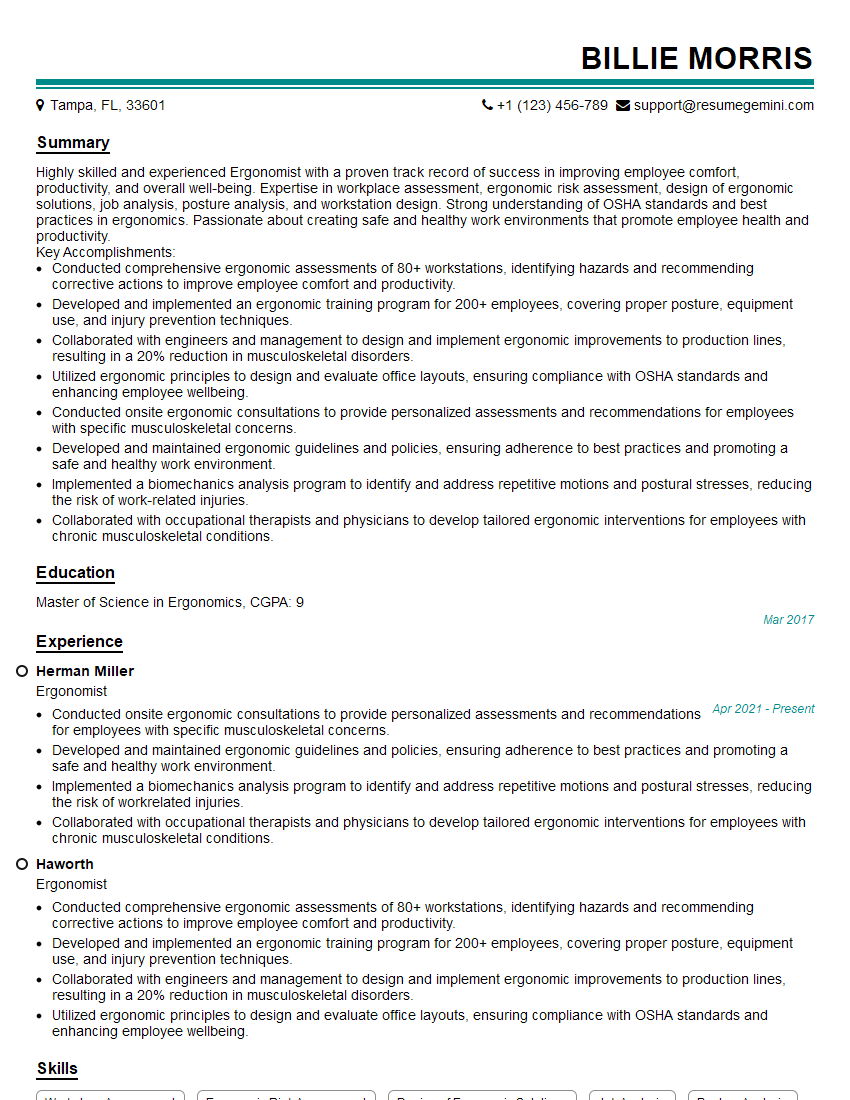
Ergonomist Resume Sample
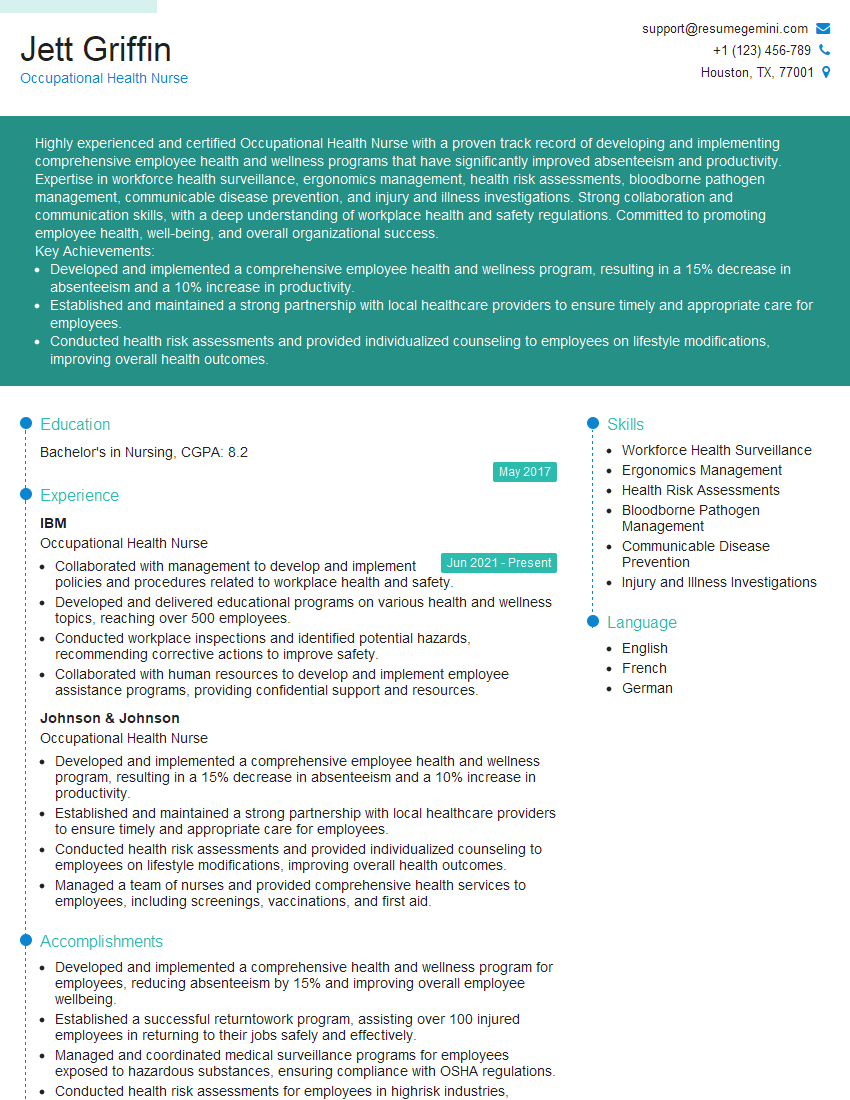
Occupational Health Nurse Resume Sample
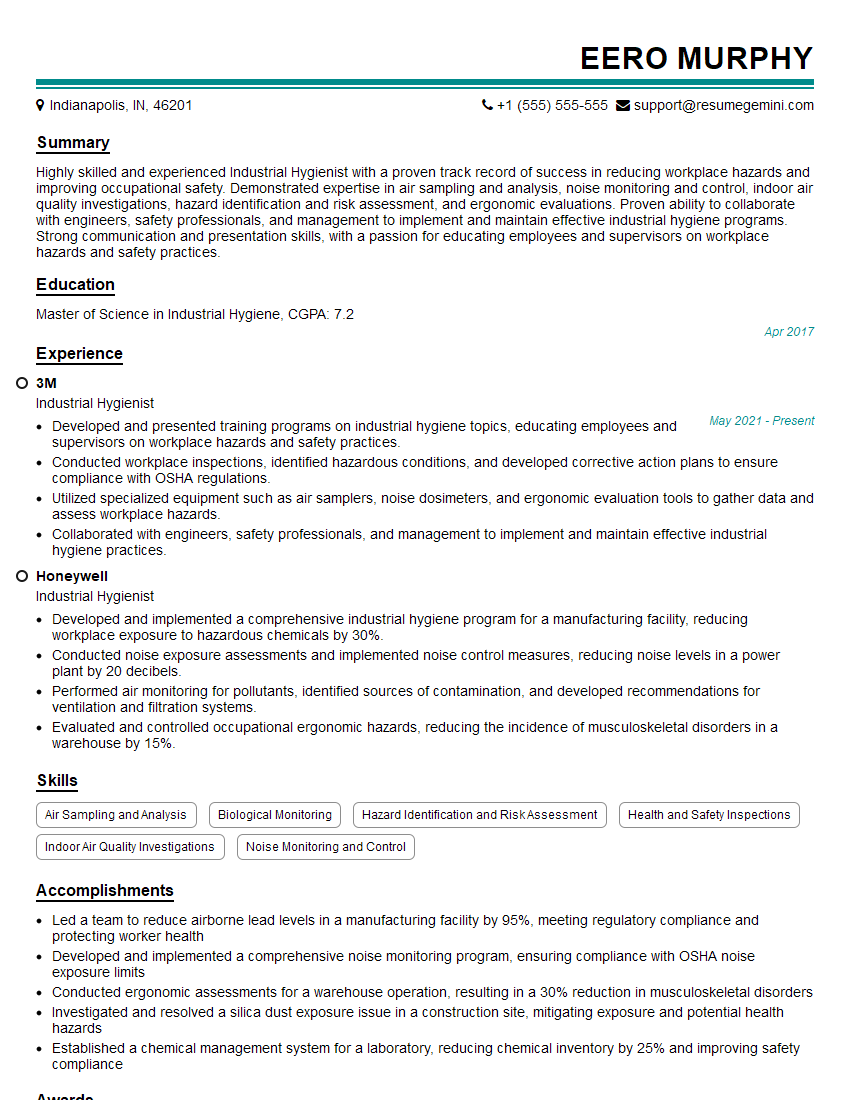
Industrial Hygienist Resume Sample
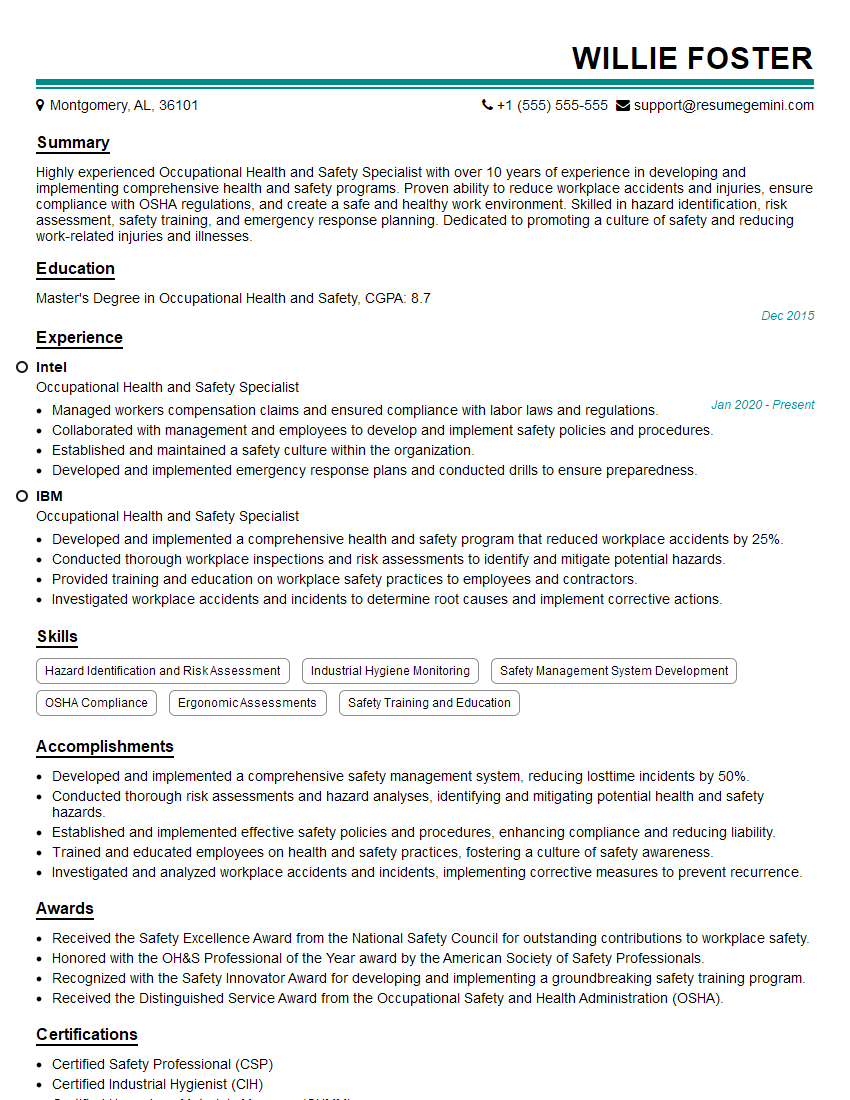
Occupational Health and Safety Specialist Resume Sample
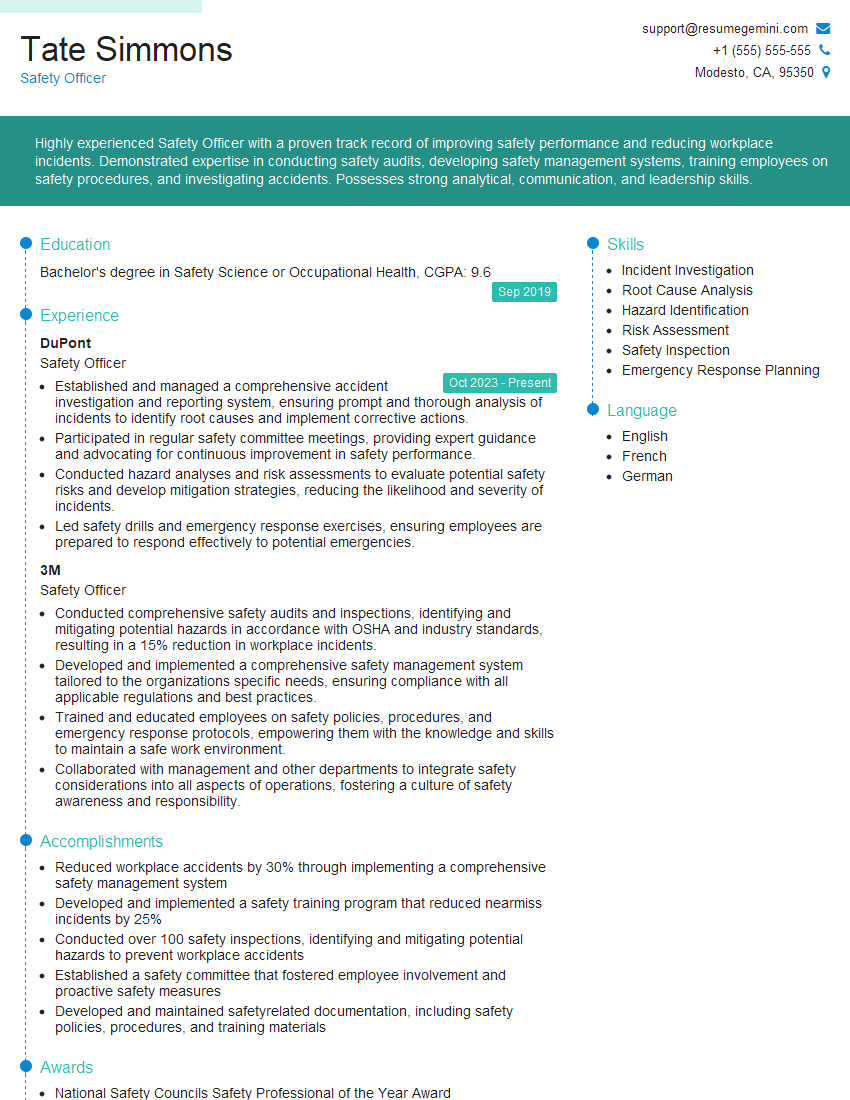
Safety Officer Resume Sample
Explore more articles
Users Rating of Our Blogs
Share Your Experience
We value your feedback! Please rate our content and share your thoughts (optional).
What Readers Say About Our Blog
Very informative content, great job.
good