Preparation is the key to success in any interview. In this post, we’ll explore crucial Heel Adaptability interview questions and equip you with strategies to craft impactful answers. Whether you’re a beginner or a pro, these tips will elevate your preparation.
Questions Asked in Heel Adaptability Interview
Q 1. Define heel adaptability and its significance in human locomotion.
Heel adaptability refers to the foot’s ability to conform to uneven surfaces and adapt its biomechanics during the gait cycle. It’s crucial for efficient and injury-free locomotion. A highly adaptable heel allows for smooth transitions during walking, running, and jumping, absorbing impact forces and providing stability. Imagine walking on a rocky beach – without heel adaptability, each step would be jarring and potentially painful. Conversely, good heel adaptability ensures a smooth, cushioned stride.
Its significance lies in its contribution to shock absorption, balance, and overall gait efficiency. Reduced adaptability increases the risk of injuries like plantar fasciitis, Achilles tendinitis, and stress fractures.
Q 2. Explain the role of the plantar fascia in heel adaptability.
The plantar fascia, a thick band of tissue on the bottom of the foot, plays a vital role in heel adaptability. It acts like a strong bowstring, supporting the arch and distributing forces across the foot. When the heel strikes the ground, the plantar fascia stretches and helps absorb shock, preventing excessive stress on the heel bone and surrounding structures. Its elasticity and resilience are key factors in how well the heel can adapt to different surfaces and impact forces. Think of it as the foot’s natural shock absorber. Weakness or inflammation of the plantar fascia significantly reduces heel adaptability, leading to pain and discomfort.
Q 3. Describe the different types of heel strikes and their impact on adaptability.
There are primarily two types of heel strikes: rearfoot strike (heel first) and midfoot strike (midfoot lands simultaneously). A rearfoot strike is common in many individuals and involves the heel contacting the ground first, followed by a rolling motion through the foot. A midfoot strike distributes impact more evenly across the foot. The impact on adaptability differs significantly. A rearfoot strike with excessive force can place significant stress on the heel, reducing adaptability if not properly managed by the foot’s structures. A midfoot strike generally reduces stress on the heel and enhances adaptability by distributing impact more effectively across the foot.
The type of heel strike also interacts with individual factors like foot structure, muscle strength, and footwear. An individual with limited ankle dorsiflexion may experience reduced adaptability with a rearfoot strike. In contrast, a person with strong intrinsic foot muscles may manage a rearfoot strike effectively, demonstrating excellent adaptability.
Q 4. How does shoe design influence heel adaptability?
Shoe design profoundly influences heel adaptability. Rigid, inflexible shoes restrict the foot’s natural movement and reduce adaptability. Conversely, shoes with flexible soles, good cushioning, and appropriate arch support allow for better shock absorption and adaptation to uneven surfaces. Consider the difference between running in minimalist shoes versus heavy, stiff boots. Minimalist shoes encourage a more natural foot strike and enhance adaptability, while stiff boots restrict movement and reduce it. Ideally, shoes should complement the foot’s natural biomechanics and not impede adaptability.
Features like heel cushioning, outsole flexibility, and arch support are crucial design elements affecting adaptability. A well-designed shoe works in synergy with the foot, optimizing shock absorption and comfort.
Q 5. What are the common causes of reduced heel adaptability?
Reduced heel adaptability can stem from various causes, including plantar fasciitis, Achilles tendinitis, tight calf muscles, obesity, improper footwear, and previous injuries. Plantar fasciitis, for example, directly affects the plantar fascia’s ability to function as a shock absorber. Tight calf muscles limit ankle flexibility, reducing the foot’s capacity to adapt. Obesity puts increased stress on the heel and other structures. Improper footwear can either be too stiff or lack support and cushioning, impairing the natural adaptability of the heel. Finally, previous injuries to the foot or ankle can lead to long-term adaptations that reduce adaptability.
Q 6. Explain the biomechanical principles behind heel-toe gait.
Heel-toe gait, the natural rolling motion of the foot from heel strike to toe-off, is based on several biomechanical principles. It involves a controlled sequence of muscle activation and joint movement. The initial heel strike initiates a chain reaction, distributing impact forces through the foot. The plantar fascia and intrinsic foot muscles help absorb the shock, while the calf muscles and Achilles tendon control ankle plantarflexion. The forefoot muscles are responsible for propulsion and toe-off. This controlled sequence conserves energy and provides a stable, efficient gait cycle.
Think of a perfectly rolled wave—the heel strike is like the initial crest, the midfoot the trough, and the toe-off the final crest. Efficient heel-toe gait relies on the coordinated function of various muscle groups and structural components, showcasing the sophisticated biomechanics of human locomotion.
Q 7. Describe the role of muscle strength and flexibility in maintaining heel adaptability.
Muscle strength and flexibility are paramount in maintaining heel adaptability. Strong calf muscles, for instance, are crucial for controlled ankle plantarflexion during the gait cycle. Similarly, strong intrinsic foot muscles support the arch and help distribute impact forces. Adequate flexibility in the ankle, calf, and foot muscles prevents restricted movement and allows for a smoother transition during the gait cycle. Tight muscles restrict movement and can significantly reduce adaptability. Think of a stiff rubber band compared to a pliable one – the pliable one can adapt much more easily. Regular stretching and strengthening exercises that target the relevant muscles groups are essential for optimal heel adaptability.
Q 8. How do you assess heel adaptability in a clinical setting?
Assessing heel adaptability involves a multi-faceted approach combining clinical observation, palpation, and functional testing. We start with a thorough history, inquiring about the patient’s symptoms, activity levels, and any past injuries. Then, visual inspection assesses the heel’s structure, looking for deformities like plantar fasciitis or heel spurs. Palpation checks for tenderness, muscle tightness (e.g., gastrocnemius and soleus), and the presence of any nodules. Functional tests are crucial; we might assess range of motion at the ankle and subtalar joints, perform a single-leg stance test to evaluate balance and stability, and assess the patient’s gait to identify any compensatory movements. Quantitative measures, such as plantar pressure analysis using an in-shoe pressure plate, can provide objective data on weight distribution and plantar pressure patterns, helping us understand how the heel functions during weight-bearing activities.
For example, a patient with limited dorsiflexion might show reduced heel adaptability, leading to altered gait patterns and pain. By combining these assessment methods, we create a comprehensive profile of the patient’s heel adaptability.
Q 9. What are the common clinical presentations of compromised heel adaptability?
Compromised heel adaptability often presents clinically with pain, particularly in the heel and plantar fascia. Patients might experience plantar fasciitis, characterized by pain at the heel’s base, often worse in the mornings or after periods of rest. Heel spurs, bony growths on the heel bone, can cause localized pain and inflammation. Achilles tendinitis, inflammation of the Achilles tendon, may also be associated with reduced heel adaptability, leading to pain in the back of the heel. Furthermore, patients may exhibit altered gait patterns, such as decreased heel strike during walking, a tendency to walk on their toes, or increased pronation (flattening of the arch). They might also report stiffness in the ankle and foot, reduced range of motion, and difficulties with balance and activities requiring single-leg stance. These clinical presentations necessitate a detailed assessment to pinpoint the underlying causes of the reduced adaptability.
Q 10. Discuss the impact of aging on heel adaptability.
Aging significantly impacts heel adaptability. The process of aging leads to several changes that compromise the heel’s ability to adapt to stresses and strains. These changes include decreased elasticity and hydration of the skin and soft tissues, leading to reduced flexibility and shock absorption capacity. Tendons and ligaments lose their elasticity, resulting in stiffness and reduced range of motion at the ankle and subtalar joints. Furthermore, age-related bone loss (osteoporosis) might lead to weaker heel bones, increasing susceptibility to fractures and stress injuries. Muscle atrophy and weakness contribute to impaired postural stability and diminished ability to control the foot and ankle during movement. Lastly, changes in sensory input from the feet might lead to impaired proprioception (awareness of body position) negatively impacting adaptability and increasing the risk of falls.
Think of it like an old leather boot; it becomes less flexible and loses its cushioning over time, making it harder to move around comfortably. Similarly, the aging process diminishes the heel’s resilience and adaptability.
Q 11. Describe different interventions for improving heel adaptability.
Interventions for improving heel adaptability are tailored to the individual’s needs and the underlying cause of the problem. Conservative approaches often include physical therapy, aiming to improve flexibility, strength, and range of motion in the ankle and foot. This might involve stretching exercises for the gastrocnemius, soleus, and plantar fascia; strengthening exercises for the calf muscles and intrinsic foot muscles; and manual therapy techniques to address soft tissue restrictions. Orthotics, such as custom-made insoles, provide support and cushioning, improving the foot’s biomechanics and reducing stress on the heel. Pain management might include over-the-counter pain relievers (NSAIDs), ice therapy, and, in some cases, corticosteroid injections to reduce inflammation. In more severe cases, surgical intervention might be considered, particularly for conditions like plantar fasciitis or Achilles tendinopathy unresponsive to conservative management.
Q 12. How can orthotics improve heel adaptability and reduce pain?
Orthotics play a vital role in improving heel adaptability and reducing pain by addressing the biomechanical factors contributing to the problem. Custom-made orthotics can provide support to the arch and heel, improving weight distribution and reducing stress on the plantar fascia and other structures. They can also help control pronation and supination (the inward and outward rolling of the foot), optimizing foot and ankle alignment. Furthermore, orthotics can provide cushioning, absorbing impact forces and reducing stress on the heel during weight-bearing activities. By correcting biomechanical imbalances and improving shock absorption, orthotics promote better function and reduce pain associated with conditions such as plantar fasciitis, heel spurs, and Achilles tendinitis.
Imagine an uneven surface; walking on it without support would be uncomfortable. Orthotics provide a level, supportive base, enhancing stability and reducing strain on the heel.
Q 13. Explain the relationship between heel adaptability and postural stability.
Heel adaptability is intrinsically linked to postural stability. A flexible and adaptable heel allows for efficient shock absorption and smooth transition during the gait cycle. This contributes significantly to balance and stability, particularly during single-leg stance and during activities requiring quick adjustments to maintain equilibrium. Conversely, compromised heel adaptability, due to stiffness, reduced flexibility, or pain, can lead to altered gait patterns, impaired shock absorption, and reduced postural control. This increase in instability enhances the risk of falls and injuries. The heel acts as the foundation of the body’s weight-bearing system; its adaptability significantly impacts the overall efficiency and stability of posture and movement.
Q 14. How do you differentiate between intrinsic and extrinsic factors affecting heel adaptability?
Differentiating between intrinsic and extrinsic factors affecting heel adaptability is crucial for effective treatment. Intrinsic factors are those originating within the foot and lower extremity itself. These include anatomical variations, such as foot structure (e.g., high or low arches), muscle weakness or tightness, tendon or ligament pathology, and age-related degenerative changes. Extrinsic factors are external influences. These include footwear, such as inappropriate or ill-fitting shoes; activity levels, with high-impact activities placing excessive stress on the heel; and environmental factors, like uneven surfaces increasing the risk of injuries and postural instability. Understanding these different influences is vital; addressing only the extrinsic factors without considering underlying intrinsic issues might not provide a complete solution.
For example, a patient with a naturally flat foot (intrinsic factor) might benefit from orthotics (extrinsic intervention) to improve their heel’s adaptability and prevent further complications. By carefully evaluating both intrinsic and extrinsic elements we can better support our patients’ overall foot health.
Q 15. Discuss the impact of heel adaptability on running performance.
Heel adaptability, the ability of the heel to conform to uneven surfaces and dynamically adjust during locomotion, significantly impacts running performance. A highly adaptable heel allows for efficient shock absorption, smoother transitions during foot strike, and improved stability. This translates to reduced risk of injury, increased running economy (meaning less energy expenditure for the same distance), and potentially faster running speeds. Imagine a car with excellent suspension – it navigates bumps smoothly, maintaining traction and control. A runner with good heel adaptability experiences a similar benefit, their body adapting seamlessly to the terrain.
Conversely, poor heel adaptability leads to jarring impacts, muscle strain, and reduced efficiency. The heel’s inability to conform properly can force compensation in other parts of the leg and body, potentially causing overuse injuries like plantar fasciitis, Achilles tendonitis, or knee pain.
Career Expert Tips:
- Ace those interviews! Prepare effectively by reviewing the Top 50 Most Common Interview Questions on ResumeGemini.
- Navigate your job search with confidence! Explore a wide range of Career Tips on ResumeGemini. Learn about common challenges and recommendations to overcome them.
- Craft the perfect resume! Master the Art of Resume Writing with ResumeGemini’s guide. Showcase your unique qualifications and achievements effectively.
- Don’t miss out on holiday savings! Build your dream resume with ResumeGemini’s ATS optimized templates.
Q 16. What are the long-term consequences of poor heel adaptability?
Long-term consequences of poor heel adaptability are often cumulative and can severely impact a runner’s long-term health and athletic career. Persistent improper shock absorption leads to chronic inflammation and micro-trauma in the plantar fascia, Achilles tendon, and surrounding muscles. This can result in chronic pain, reduced mobility, and the potential need for invasive interventions like surgery or long-term physical therapy. These issues might not manifest immediately but develop gradually, impacting quality of life and even limiting participation in activities outside running.
Furthermore, compromised proprioception (awareness of body position) due to poor heel adaptability can lead to instability, increasing the risk of falls and other injuries. The cumulative effect of these factors can eventually lead to premature aging of the musculoskeletal system and persistent chronic pain syndromes.
Q 17. How does obesity affect heel adaptability and what interventions can help?
Obesity significantly reduces heel adaptability. The increased weight places excessive stress on the heel and plantar fascia, making it harder for the tissues to conform and absorb shock. This is compounded by often-associated issues like reduced muscle strength and flexibility in the lower limb. The increased load can lead to premature fatigue and reduced ability to adapt to uneven surfaces. Think of trying to bend a stiff, thick piece of metal versus a thin, pliable one – the thicker, heavier metal resists bending significantly more.
Interventions to improve heel adaptability in obese individuals should focus on a multi-pronged approach:
- Weight Management: Gradual weight loss significantly reduces stress on the heel.
- Strength Training: Strengthening the muscles of the lower leg and foot improves support and shock absorption.
- Flexibility Exercises: Improving flexibility in the calf muscles and plantar fascia enhances the heel’s ability to conform.
- Appropriate Footwear: Choosing supportive footwear with good cushioning and arch support is crucial.
- Orthotics: Custom-made orthotics can provide additional support and correct biomechanical issues.
Q 18. What are the key considerations when designing footwear to promote heel adaptability?
Designing footwear to promote heel adaptability requires a deep understanding of biomechanics and material science. Key considerations include:
- Cushioning: The midsole should provide adequate shock absorption without being excessively soft, which could lead to instability. Materials like EVA (ethylene-vinyl acetate) or TPU (thermoplastic polyurethane) are often used.
- Flexibility: The outsole and midsole should have appropriate flexibility in the heel area, allowing for natural movement and adaptation to uneven surfaces. Strategic flex grooves can enhance this flexibility.
- Support: The heel counter should provide sufficient support to stabilize the heel, but not be overly rigid, hindering natural movement. A combination of firmness and flexibility is key.
- Geometry: The shape and curvature of the heel cup should accommodate the natural anatomy of the heel, allowing for optimal pressure distribution.
- Material Selection: Materials should be breathable, lightweight, and durable to withstand the stresses of running while providing the required support and cushioning.
Q 19. Describe different types of footwear that can support or hinder heel adaptability.
Footwear significantly influences heel adaptability.
- Supportive Running Shoes: Well-designed running shoes with adequate cushioning, flexibility, and heel support promote adaptability. However, overly stiff or rigid shoes can hinder it.
- Minimalist Shoes: These shoes offer less cushioning and support, potentially improving proprioception (your awareness of your body in space) and encouraging more natural foot movement for those accustomed to them, but can be detrimental to those lacking strength and prior experience.
- High Heels: High heels severely restrict heel adaptability, placing undue stress on the plantar fascia and leading to various foot problems. The lack of flexibility and the unnatural position of the heel inhibit normal movement and shock absorption.
- Flat Shoes: While generally more adaptable than high heels, flat shoes lacking proper arch support can negatively influence heel adaptability and lead to fatigue. The lack of cushioning can put extra stress on the heel during impact.
Q 20. Explain the role of proprioception in heel adaptability.
Proprioception, the body’s awareness of its position and movement in space, plays a crucial role in heel adaptability. Sensory receptors in the foot, particularly in the plantar fascia and heel, constantly feed information to the brain about ground reaction forces, foot position, and the terrain. This information allows for anticipatory adjustments in muscle activation, enabling the heel to adapt seamlessly to the surface. Think of it like your car’s sensors detecting a pothole and automatically adjusting the suspension – only this happens much faster and more intricately in your body.
Impaired proprioception, often due to injury or aging, reduces the heel’s ability to respond effectively to changes in the environment, leading to poor adaptability and increased injury risk.
Q 21. How can you use gait analysis to assess heel adaptability?
Gait analysis provides a comprehensive assessment of heel adaptability. Using motion capture systems, pressure plates, and electromyography (EMG), we can quantify various aspects of heel function during locomotion.
- Motion Capture: Tracks the movement of the heel and ankle to determine the range of motion, impact forces, and timing of heel contact and lift-off.
- Pressure Plate Analysis: Measures the pressure distribution under the foot, identifying areas of high pressure that indicate poor adaptability. A consistently high pressure under the heel suggests poor shock absorption.
- Electromyography (EMG): Records the electrical activity of muscles around the heel and ankle, revealing muscle activation patterns and imbalances that may be contributing to poor adaptability.
By analyzing these data, we can identify areas of weakness or dysfunction and develop targeted interventions to improve heel adaptability. This might include strengthening exercises, stretching programs, orthotics, or footwear adjustments.
Q 22. Discuss the use of technology in evaluating and improving heel adaptability.
Technology plays a crucial role in both evaluating and improving heel adaptability. We’re moving beyond simple observation and subjective assessments. Advanced imaging techniques like 3D gait analysis and pressure mapping systems offer objective data on foot mechanics and weight distribution. These systems provide detailed information about plantar pressure, gait cycle parameters, and heel strike characteristics, enabling precise identification of biomechanical deficiencies affecting heel adaptability.
For instance, 3D gait analysis allows us to visualize the entire gait cycle in three dimensions, pinpointing any deviations in heel alignment, pronation, and impact absorption. Pressure mapping reveals areas of excessive or insufficient pressure under the heel, which helps diagnose conditions like plantar fasciitis or heel spurs. Further, motion capture technology can quantify subtle movements during walking and running, providing valuable insights into the dynamic aspects of heel function. This data-driven approach allows for more accurate diagnosis and targeted interventions.
Beyond diagnostics, technology also assists in intervention. Custom orthotics, designed using CAD/CAM (Computer-Aided Design/Computer-Aided Manufacturing) systems, can be tailored precisely to individual foot anatomy and biomechanics to improve heel alignment and shock absorption. Furthermore, virtual reality and augmented reality applications are emerging as tools for patient education and rehabilitation, providing interactive and engaging ways to learn about proper foot mechanics and exercise techniques.
Q 23. What are the ethical considerations in recommending interventions to improve heel adaptability?
Ethical considerations are paramount when recommending interventions for heel adaptability. Informed consent is crucial. Patients must fully understand the potential benefits, risks, and alternatives associated with any proposed treatment, including the potential for complications or unexpected outcomes. We must ensure that our recommendations align with the patient’s values and preferences, considering their lifestyle, activity levels, and financial constraints. Avoiding unnecessary interventions is crucial; sometimes simple lifestyle changes, like proper footwear selection and stretching exercises, may suffice.
Another critical ethical aspect is maintaining patient confidentiality. All information collected during assessment and treatment must be protected and handled according to professional guidelines and relevant legislation. Furthermore, we must strive for equitable access to care. We cannot let financial limitations or other social determinants influence our treatment recommendations or the quality of care a patient receives. Open communication and transparency are vital to building trust and ensuring ethical practice.
Q 24. How do you incorporate patient education into improving heel adaptability?
Patient education is a cornerstone of improving heel adaptability. It’s not enough to simply prescribe an intervention; patients need to understand the underlying causes of their condition and how the proposed intervention will address these issues. I employ a multifaceted approach.
Firstly, I use clear, simple language to explain the biomechanics of the foot and the role of the heel in gait and weight bearing. I use visual aids like diagrams and anatomical models to enhance understanding. Secondly, I tailor my explanations to the individual’s level of understanding, ensuring that the information is accessible and relatable. Thirdly, I empower patients by providing them with the knowledge and skills to manage their condition. This includes instruction on proper footwear selection, stretching exercises, and self-massage techniques to reduce pain and improve flexibility.
Finally, I provide ongoing support and encourage open communication. I encourage patients to track their progress and report any issues or concerns. This collaborative approach promotes engagement and helps ensure the long-term success of the intervention.
Q 25. Explain the importance of considering individual variations when assessing heel adaptability.
Individual variations in foot anatomy, biomechanics, and activity levels significantly influence heel adaptability. What works for one person might not work for another. Ignoring these differences can lead to ineffective interventions and potentially harmful outcomes. Therefore, a thorough assessment is crucial.
This includes considering factors like foot type (e.g., high-arched, flat-footed), presence of pre-existing conditions (e.g., arthritis, diabetes), weight, activity level, and occupation. For example, a long-distance runner will have different needs than a sedentary individual. A patient with diabetes may require more careful management to avoid complications. Detailed assessments incorporating subjective information (patient history, symptoms) and objective measures (gait analysis, pressure mapping) provide a comprehensive picture of the individual’s needs, allowing us to personalize the intervention and optimize outcomes.
Q 26. Describe a time you successfully diagnosed and addressed a problem related to heel adaptability.
I recall a patient, a 45-year-old woman, who presented with chronic heel pain and plantar fasciitis. Initial assessment revealed significant plantar pressure under her heel, particularly during the heel strike phase of gait. She had a history of wearing high heels regularly and was moderately overweight. Simple conservative measures such as stretching and over-the-counter orthotics provided little relief.
After a thorough assessment incorporating 3D gait analysis and pressure mapping, we identified excessive pronation and a decreased shock-absorbing capacity in her heels. We then designed custom orthotics utilizing CAD/CAM technology to address these specific issues. In addition, I developed a personalized rehabilitation program involving targeted stretching, strengthening exercises, and gradual weight reduction. After three months, the patient reported significant pain reduction and improved mobility. The objective measures from a follow-up gait analysis confirmed improved weight distribution and reduced pressure under the heel. This demonstrated the value of a thorough, individualized approach utilizing advanced technologies.
Q 27. How do you stay current with the latest research in heel adaptability?
Staying current with the latest research is vital in this field. I regularly review peer-reviewed journals such as the Journal of the American Podiatric Medical Association and Gait & Posture. I actively participate in professional organizations like the American Academy of Orthopaedic Surgeons and the American College of Foot and Ankle Surgeons, attending conferences and workshops to learn about new technologies, treatment modalities, and research findings.
Online resources such as PubMed and research databases are crucial for keeping abreast of the latest advancements. I also actively participate in online communities and forums where podiatrists and researchers share their experiences and insights. Continuing education courses, both online and in-person, are a significant part of my professional development, ensuring that I am proficient in using the latest technologies and techniques.
Q 28. Describe your experience working with different types of patients with heel adaptability issues.
My experience encompasses a diverse range of patients with heel adaptability issues. This includes athletes with overuse injuries, individuals with chronic conditions like plantar fasciitis or heel spurs, patients with diabetes and peripheral neuropathy, and individuals with postural issues impacting their heel alignment. Each case requires a tailored approach. For example, an athlete’s treatment may focus on modifying training regimens and utilizing specialized supportive footwear and orthotics, while a patient with diabetes may require a more conservative approach to prevent complications.
I have worked with patients of all ages and activity levels, adapting my approach based on their individual needs, goals, and functional limitations. Understanding the specific demands placed on the heel in their daily activities and considering co-morbidities are crucial to effectively address their heel adaptability concerns. The common thread throughout all these experiences is the importance of a thorough and patient-centered approach, combining evidence-based interventions with ongoing support and education.
Key Topics to Learn for Heel Adaptability Interview
- Understanding Heel Adaptability: Define and differentiate various types of heel adaptability, exploring the theoretical frameworks and models that explain its mechanisms.
- Practical Applications: Discuss real-world scenarios where heel adaptability is crucial. Consider examples across different industries and roles, illustrating how this skill is applied to solve problems and achieve results.
- Analyzing Data and Trends: Explore how data analysis techniques can be used to understand and improve heel adaptability in specific contexts. This includes identifying patterns, predicting outcomes, and making informed decisions.
- Problem-Solving & Decision-Making: Practice applying frameworks and methodologies for problem-solving and decision-making, focusing on how heel adaptability informs strategic choices and risk assessment.
- Communication & Collaboration: Examine the role of effective communication and collaboration in leveraging heel adaptability. This includes working effectively in teams, sharing insights, and building consensus.
- Adapting to Change: Focus on strategies for navigating change effectively. Explore how to anticipate shifts, manage uncertainty, and proactively adapt to new circumstances.
- Continuous Improvement: Discuss methods for continuous improvement in heel adaptability, including self-reflection, feedback integration, and skill development.
Next Steps
Mastering heel adaptability is crucial for career advancement. It demonstrates your resilience, problem-solving skills, and ability to thrive in dynamic environments – highly sought-after qualities in today’s competitive job market. To significantly boost your job prospects, create an ATS-friendly resume that effectively highlights your skills and experiences. ResumeGemini is a trusted resource to help you build a professional and impactful resume. We provide examples of resumes tailored to highlight Heel Adaptability, enabling you to present your qualifications effectively to potential employers.

Ergonomist Resume Sample
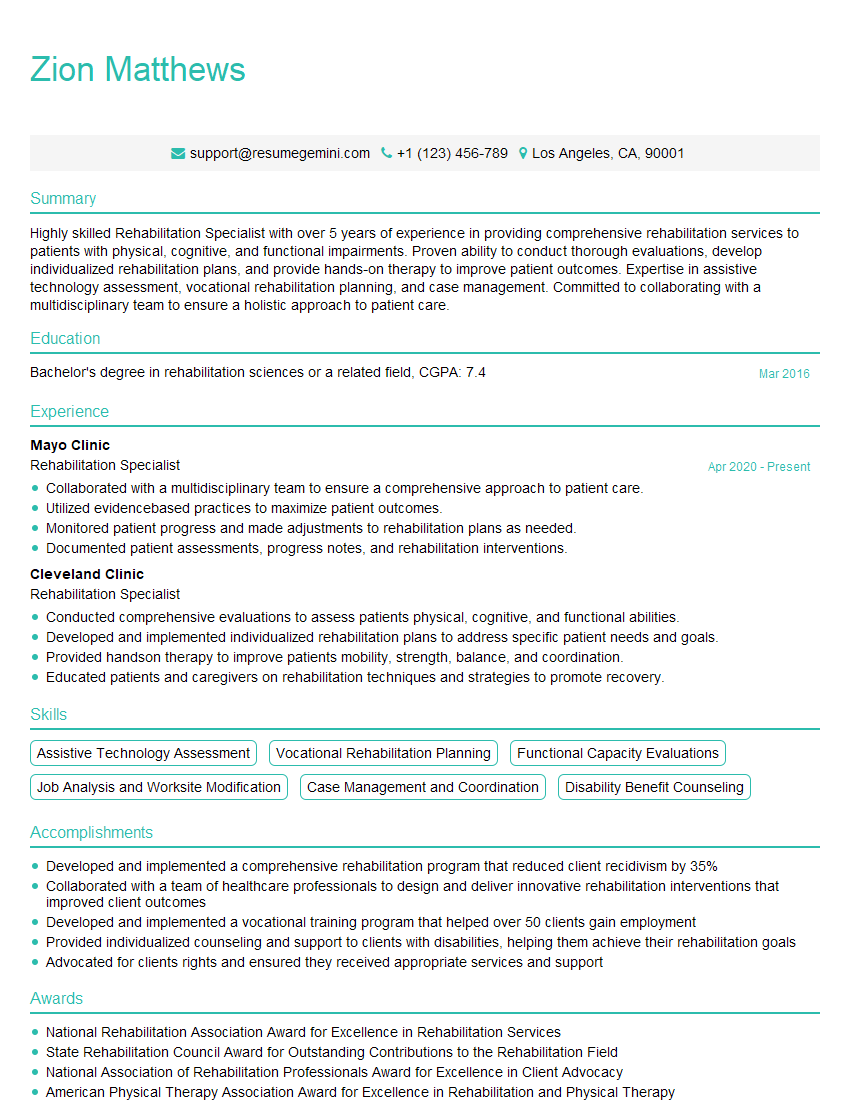
Rehabilitation Specialist Resume Sample

Athletic Trainer Resume Sample
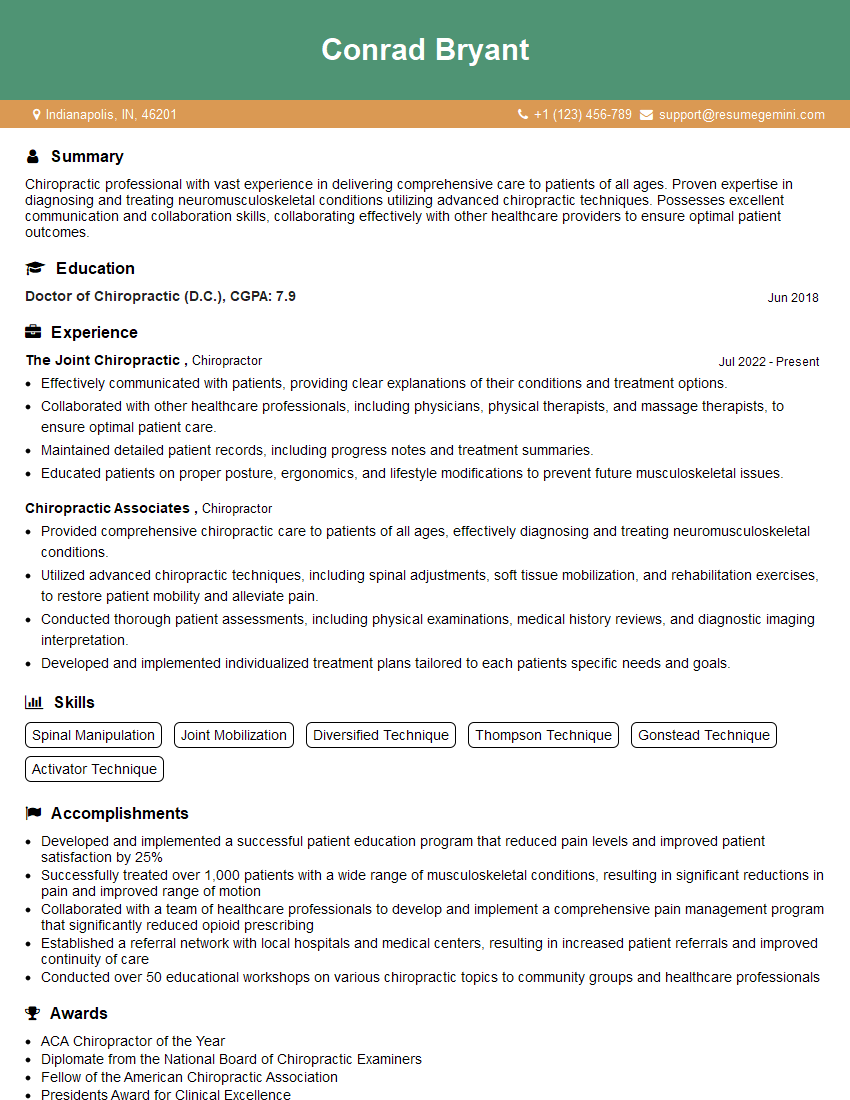
Chiropractor Resume Sample

Orthopedic Surgeon Resume Sample
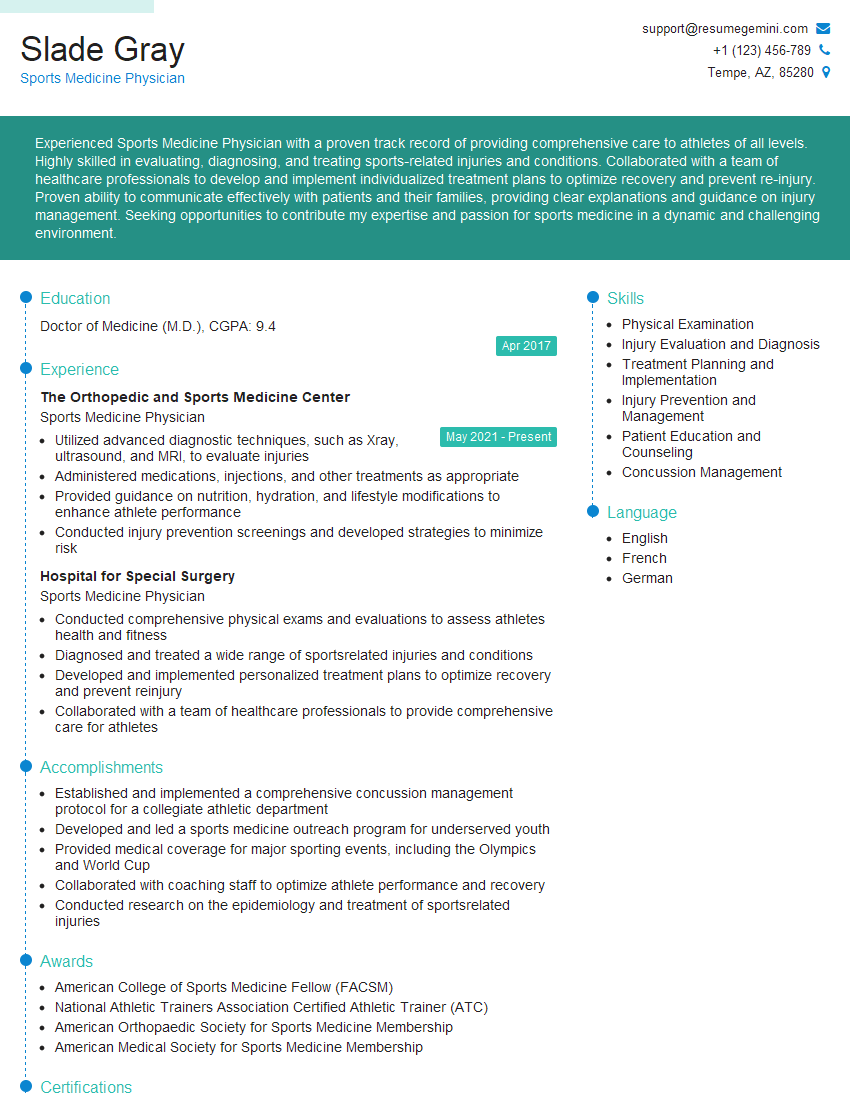
Sports Medicine Physician Resume Sample

Podiatrist Resume Sample

Exercise Physiologist Resume Sample
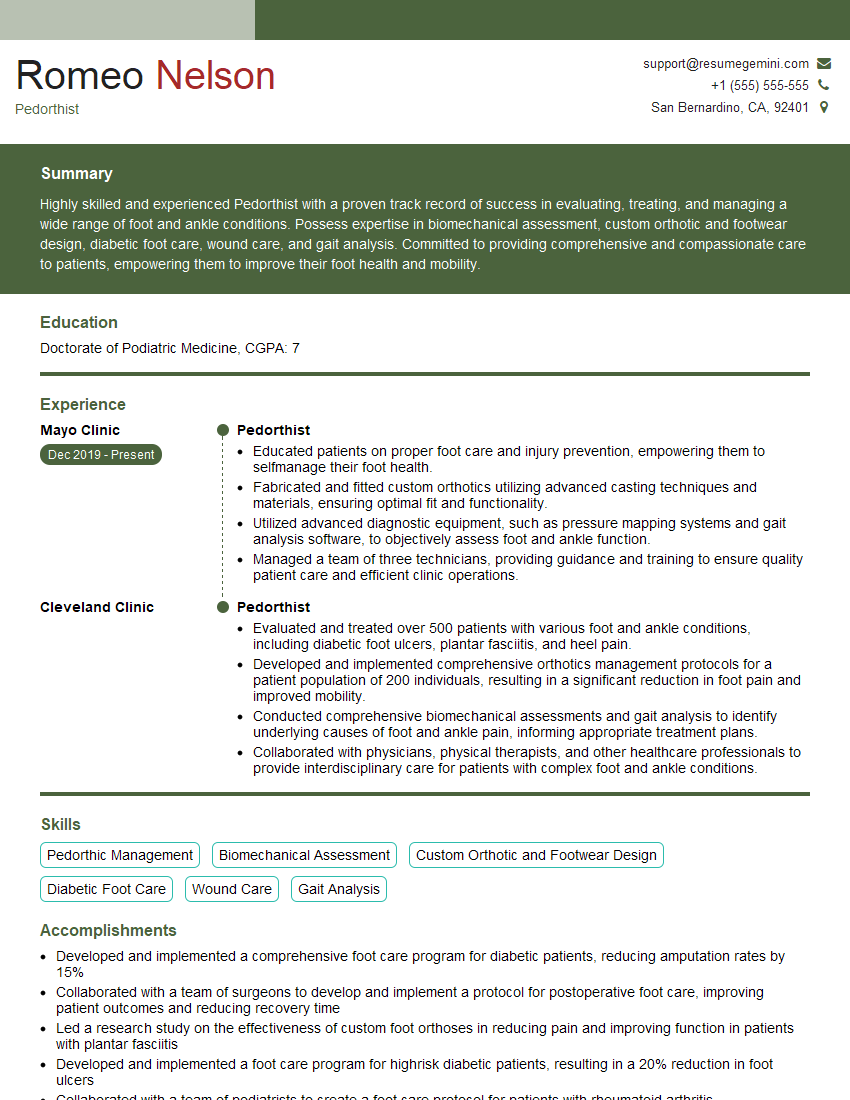
Pedorthist Resume Sample
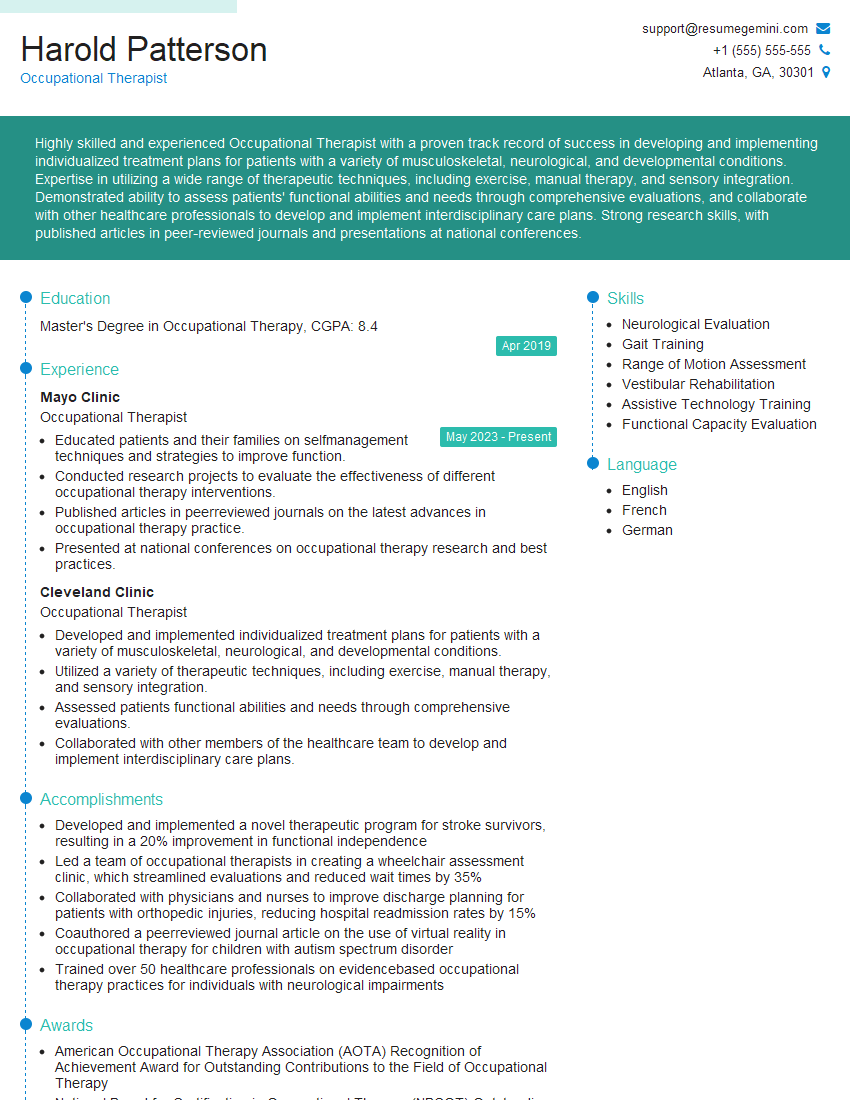
Occupational Therapist Resume Sample

Medical Sales Representative Resume Sample
Explore more articles
Users Rating of Our Blogs
Share Your Experience
We value your feedback! Please rate our content and share your thoughts (optional).
What Readers Say About Our Blog
Very informative content, great job.
good