Are you ready to stand out in your next interview? Understanding and preparing for Heel Conflict Resolution interview questions is a game-changer. In this blog, we’ve compiled key questions and expert advice to help you showcase your skills with confidence and precision. Let’s get started on your journey to acing the interview.
Questions Asked in Heel Conflict Resolution Interview
Q 1. Describe your experience in de-escalating high-stakes conflicts.
De-escalating high-stakes conflicts requires a calm, assertive approach focused on understanding the underlying issues and guiding parties toward a mutually acceptable solution. My experience involves employing active listening, empathy, and strategic communication to diffuse tension. In one instance, a major disagreement arose between two senior executives over a critical project timeline. The tension was palpable, threatening to disrupt the entire company. I intervened by creating a safe space for them to express their concerns without interruption. By actively listening to each executive’s perspective, I identified the root cause – a misunderstanding about resource allocation. I then facilitated a collaborative discussion, guiding them toward a revised timeline that addressed their concerns while maintaining project integrity. This involved reframing the situation, emphasizing shared goals, and offering practical solutions.
Q 2. Explain your approach to identifying the root causes of conflict.
Identifying the root causes of conflict goes beyond surface-level arguments. My approach uses a multi-faceted strategy including active listening, open-ended questioning, and a keen understanding of organizational dynamics. I start by establishing a safe and neutral environment for open communication. Then, through carefully crafted questions, I unravel the layers of the conflict, uncovering hidden resentments, unmet needs, or misinterpretations. For instance, a seemingly simple disagreement over a budget allocation might reveal deeper issues concerning trust, power dynamics, or past experiences. I utilize tools like conflict mapping to visually represent the interconnectedness of issues and identify the core problem. This allows for a more precise and effective solution.
Q 3. How do you prioritize competing interests in a conflict situation?
Prioritizing competing interests requires a balanced approach that considers the needs and concerns of all parties involved. I don’t believe in simply compromising, as this can leave some feeling unheard. My approach focuses on finding solutions that create value for everyone, where possible. I employ a principled negotiation framework, weighing factors such as the urgency of each interest, the impact on stakeholders, and the long-term consequences of different decisions. In cases with irreconcilable differences, I help the parties to clearly articulate their priorities and explore creative options, such as exploring trade-offs and developing win-win solutions, or, when necessary, helping them understand when compromise is unavoidable.
Q 4. What techniques do you use to facilitate productive communication between conflicting parties?
Facilitating productive communication relies heavily on creating a safe and respectful environment where all parties feel heard and understood. I utilize techniques such as active listening, where I reflect back the speaker’s feelings and message to ensure understanding, and empathetic communication, acknowledging and validating the emotions of each person involved. I encourage parties to use ‘I’ statements to express their feelings without blaming others, and I actively manage interruptions and ensure equal speaking time. Furthermore, I facilitate structured discussions, using techniques like brainstorming and collaborative problem-solving to find mutually acceptable outcomes. Sometimes, I might use mediation techniques to help them reframe their perspective and see the situation from the other person’s viewpoint.
Q 5. Describe a time you successfully mediated a conflict.
In a previous role, a major conflict erupted between two departments over the sharing of resources. Each department felt unfairly treated and accused the other of sabotaging their work. The tension was affecting morale and productivity significantly. I facilitated a series of meetings, using a structured approach to first allow each department to explain their perspective without interruption. Then, I carefully guided them through a process of identifying common goals and understanding the root causes of the conflict – it primarily stemmed from a lack of clear communication and a flawed resource allocation policy. Together, we developed a new resource allocation plan and established clear communication protocols to prevent future conflicts. The outcome was a marked improvement in interdepartmental relations and a renewed sense of collaboration.
Q 6. How do you manage your own emotions during tense conflict situations?
Managing my own emotions during tense situations is crucial for effective conflict resolution. I practice self-awareness, regularly checking in with my own emotional state. This allows me to identify early signs of stress and take steps to manage them, such as taking deep breaths or stepping away for a moment if needed. I also employ mindfulness techniques to maintain composure and focus on active listening rather than reacting emotionally. A key part of this is recognizing that my role is to facilitate a resolution, not to take sides or engage in the emotional conflict myself. I maintain neutrality, providing a stable space for others to work through their emotions.
Q 7. What are some common conflict resolution strategies, and when would you use each?
Several conflict resolution strategies exist, and the choice depends on the specific situation and the nature of the conflict.
- Negotiation: A collaborative process where parties work together to find a mutually acceptable solution. I use this when both parties are willing to compromise and find a common ground.
- Mediation: A neutral third party facilitates communication and helps parties reach a resolution. I employ this when parties struggle to communicate effectively or when the conflict involves complex issues.
- Arbitration: A neutral third party makes a binding decision. This is best suited for situations where parties are unable to reach a resolution through other means or when a timely decision is crucial.
- Avoidance: Choosing to withdraw from a conflict. This is appropriate for minor conflicts or when engaging would be counterproductive.
Q 8. How do you assess the power dynamics within a conflict?
Assessing power dynamics in a conflict is crucial for effective resolution. It’s not just about who shouts loudest, but about understanding the influence each party holds – their resources, access to information, social standing, and the perceived legitimacy of their position. I use a multi-faceted approach:
- Observing Communication Patterns: Who speaks more? Who interrupts? Whose opinions are given more weight? This reveals subtle power imbalances.
- Identifying Resources and Influence: Do certain parties control finances, information, or key relationships within the organization? This defines their leverage.
- Assessing Perceived Legitimacy: Does one party hold a formal position of authority or are they seen as an expert in the relevant area? This significantly influences the conflict’s trajectory.
- Analyzing Past Interactions: How have past conflicts between these parties been resolved? Patterns can reveal ingrained power dynamics.
For example, in a workplace conflict between a junior employee and their manager, the manager might hold significant power due to their authority and control over resources. However, if the junior employee possesses specialized knowledge crucial to a project, their power increases. Understanding this nuanced balance is critical for facilitating a fair and equitable resolution.
Q 9. Explain your understanding of different conflict styles (e.g., accommodating, competing).
Conflict styles describe how individuals approach disagreements. Recognizing these styles is vital for tailoring my intervention. Here are a few key ones:
- Competing: This style prioritizes winning, often at the expense of the relationship. It’s assertive and uncooperative. Example: Demanding one’s way regardless of others’ needs.
- Accommodating: This prioritizes the other party’s needs above one’s own, even at personal cost. It’s cooperative but unassertive. Example: Conceding despite strong personal reservations.
- Avoiding: This style involves withdrawing from the conflict, avoiding confrontation. It’s unassertive and uncooperative. Example: Postponing a difficult conversation indefinitely.
- Compromising: This involves finding a middle ground where both parties make concessions. It’s moderately assertive and cooperative. Example: Meeting halfway on a disagreement, both parties making sacrifices.
- Collaborating: This seeks a win-win solution where both parties’ needs are fully met. It’s both assertive and cooperative. Example: Brainstorming solutions that address everyone’s concerns.
Understanding these styles helps me predict how each party might react and adapt my approach accordingly. For instance, with a competing party, I’d focus on building rapport and exploring underlying interests, while with an accommodating party, I might encourage them to articulate their needs more effectively.
Q 10. How do you build trust with conflicting parties?
Building trust is fundamental. It’s about demonstrating impartiality, competence, and respect. I achieve this through:
- Active Listening: Truly hearing and acknowledging each party’s perspective, showing empathy and understanding.
- Transparency and Honesty: Clearly outlining the process, my role, and any limitations.
- Confidentiality: Assuring parties that their information will be treated with strict confidentiality unless legally required otherwise.
- Fairness and Impartiality: Consistently demonstrating a commitment to fair process and equitable outcomes.
- Consistency and Follow-Through: Keeping promises and fulfilling commitments made throughout the process.
For example, I might start by asking each party to share their story without interruption, ensuring they feel heard and validated before moving to solution-oriented discussion.
Q 11. How do you handle situations where parties refuse to cooperate?
When parties refuse to cooperate, I employ a multi-pronged approach:
- Identify Underlying Obstacles: Is it a lack of trust, fear of retribution, or misunderstanding? Addressing these root causes is key.
- Separate the People from the Problem: Focus on the issue at hand, not personal attacks or blame.
- Explore Underlying Interests: What are the underlying needs and goals driving each party’s stance? Often, it’s not the surface issue itself, but underlying anxieties or concerns.
- Mediation or Facilitation: If direct engagement fails, involving a neutral third party can help navigate the impasse. This party can provide a safe space for discussion.
- Setting Boundaries and Consequences: In some cases, clear boundaries and consequences for continued non-cooperation might be necessary. This should be done carefully and transparently.
It’s important to remember that forcing cooperation is rarely effective. Instead, we need to create conditions that incentivize engagement and address the reasons behind refusal.
Q 12. What ethical considerations guide your conflict resolution approach?
Ethical considerations are paramount. My approach is guided by principles of:
- Impartiality and Fairness: Treating all parties with equal respect and avoiding bias.
- Confidentiality: Protecting the privacy of all involved parties.
- Self-Determination: Empowering parties to make their own decisions and take ownership of the outcome.
- Competence: Only undertaking conflicts where I possess the necessary skills and knowledge.
- Transparency: Being open and honest about the process and my role.
For instance, I would never pressure a party into a resolution they are uncomfortable with, even if it might seem beneficial to others. The process must respect individual autonomy.
Q 13. Describe your experience with collaborative problem-solving.
I have extensive experience with collaborative problem-solving. It’s a method that moves beyond compromise to find solutions that meet the needs of all parties. This involves:
- Joint Problem Definition: Working collaboratively to define the problem from all perspectives.
- Interest-Based Negotiation: Focusing on the underlying interests and needs rather than positional bargaining.
- Brainstorming Creative Solutions: Generating a wide range of options before evaluating them.
- Evaluating Options Against Criteria: Developing objective criteria to assess the feasibility and desirability of each solution.
- Developing a Mutually Acceptable Agreement: Creating a written agreement that clearly outlines responsibilities and timelines.
For example, in a community dispute about a new park, collaborative problem-solving might involve bringing together residents, local authorities, and environmental groups to brainstorm design options that address everyone’s needs – recreational space, environmental preservation, and community aesthetics. This fosters stronger relationships and promotes long-term solutions.
Q 14. How do you ensure fairness and impartiality in conflict resolution?
Ensuring fairness and impartiality is crucial. I achieve this by:
- Equal Opportunity for Participation: Providing all parties with equal opportunities to express their views and participate in the process.
- Neutral Facilitation: Avoiding taking sides or expressing personal opinions.
- Objective Evaluation: Using objective criteria to assess solutions and outcomes.
- Transparency and Open Communication: Maintaining clear communication about the process and decisions made.
- Managing Power Imbalances: Being mindful of power dynamics and taking steps to level the playing field, if needed.
For instance, if one party is significantly more powerful than others, I may employ strategies such as using a structured decision-making process, reframing the narrative, or using skilled questioning to ensure all voices are heard. Ultimately, fairness isn’t about treating everyone the same, but about treating everyone equitably given their circumstances and context.
Q 15. How do you document the conflict resolution process?
Comprehensive documentation is crucial for successful conflict resolution. It provides a record of the process, facilitates accountability, and allows for future learning and improvement. My documentation process typically includes:
- Initial Report: A summary of the conflict, including parties involved, the nature of the dispute, and the date it was reported.
- Meeting Minutes: Detailed notes from all meetings, including key discussion points, agreements reached, and action items assigned.
- Communication Log: A record of all communication between the parties involved, whether email, phone calls, or in-person interactions.
- Agreements and Resolutions: Formalized written agreements outlining the solutions reached and the responsibilities of each party.
- Post-Resolution Follow-up: A summary of the outcomes, evaluating the effectiveness of the intervention, and noting any outstanding issues.
For example, in a conflict between two project team members over resource allocation, I’d document the initial complaint, subsequent meetings where we explored perspectives and potential solutions, the final agreement on resource distribution, and a follow-up check-in to ensure the solution is working effectively. This detailed record serves as both a reference point and a testament to the thoroughness of the process.
Career Expert Tips:
- Ace those interviews! Prepare effectively by reviewing the Top 50 Most Common Interview Questions on ResumeGemini.
- Navigate your job search with confidence! Explore a wide range of Career Tips on ResumeGemini. Learn about common challenges and recommendations to overcome them.
- Craft the perfect resume! Master the Art of Resume Writing with ResumeGemini’s guide. Showcase your unique qualifications and achievements effectively.
- Don’t miss out on holiday savings! Build your dream resume with ResumeGemini’s ATS optimized templates.
Q 16. How do you measure the success of a conflict resolution intervention?
Measuring the success of conflict resolution isn’t just about whether an agreement was reached; it’s about the long-term impact on the relationship and the working environment. I use a multi-faceted approach to measure success, including:
- Reduced Conflict Recurrence: Has the underlying cause of the conflict been addressed, preventing future similar incidents?
- Improved Communication and Collaboration: Are the parties communicating more effectively and collaborating more productively?
- Increased Satisfaction: Are the involved parties satisfied with the outcome and the resolution process? I often use feedback surveys or informal check-ins to gauge satisfaction.
- Objective Metrics (if applicable): In workplace scenarios, this might involve tracking improvements in project timelines, team productivity, or customer satisfaction, directly related to the resolved conflict.
For instance, in a dispute over a missed deadline, success wouldn’t just mean an agreement on who’s responsible, but also evidence of improved communication processes preventing future missed deadlines, as measured by on-time project delivery.
Q 17. How do you handle conflicts involving multiple stakeholders?
Conflicts involving multiple stakeholders require a more structured and inclusive approach. I typically employ these strategies:
- Identify all Stakeholders: Begin by thoroughly identifying every individual or group with a vested interest in the outcome of the conflict.
- Establish a Communication Protocol: Designate a clear communication channel (e.g., regular meetings, online forum) to keep all stakeholders informed and engaged.
- Facilitate Open Dialogue: Create a safe space for each stakeholder to express their perspectives and concerns without interruption.
- Identify Common Ground: Focus on finding areas of agreement among the stakeholders, building a foundation for collaborative solutions.
- Develop a Collaborative Solution: Work with stakeholders to develop a solution that addresses the needs and concerns of all parties involved as far as possible.
For example, resolving a conflict over land development plans in a community requires engaging residents, developers, local government, and environmental agencies. Open forums, surveys, and potentially a mediation process are crucial to ensure everyone’s concerns are heard and addressed.
Q 18. What are the limitations of different conflict resolution methods?
Each conflict resolution method has its limitations. Understanding these limitations is critical for choosing the most appropriate approach.
- Negotiation: Can be ineffective if power imbalances exist or parties are unwilling to compromise.
- Mediation: Relies on the willingness of parties to participate and engage constructively; mediator’s impartiality is paramount.
- Arbitration: Can feel less empowering than negotiation or mediation because the decision is imposed; arbitrator’s expertise is vital for a fair outcome.
- Litigation: Expensive, time-consuming, adversarial, and may damage relationships beyond repair.
For example, while negotiation is ideal for simple disputes, it’s unsuitable for situations with significant power imbalances, where a more formal process like mediation or arbitration may be needed to ensure fairness.
Q 19. How do you adapt your approach to different cultural contexts?
Cultural sensitivity is paramount in conflict resolution. My approach adapts to diverse cultural contexts by:
- Understanding Cultural Norms: Researching and understanding the communication styles, decision-making processes, and social hierarchies of the cultures involved.
- Respecting Communication Styles: Adapting my communication style to be respectful of the preferred methods and norms of each culture (e.g., direct vs. indirect communication).
- Considering Power Dynamics: Recognizing and addressing potential power imbalances rooted in cultural differences.
- Seeking Cultural Mediation: Engaging cultural mediators or interpreters when necessary to bridge communication gaps and ensure fairness.
For example, in a conflict between individuals from cultures with varying levels of directness in communication, I would adjust my approach to ensure that all parties feel heard and understood, facilitating communication through careful listening and clarification.
Q 20. Describe your experience using specific conflict resolution models (e.g., principled negotiation).
I have extensive experience applying the Principled Negotiation model, focusing on interests rather than positions. This model emphasizes separating the people from the problem, focusing on interests, generating options for mutual gain, and insisting on objective criteria.
In one case, two departments were locked in a conflict over budget allocation. Instead of focusing on their stated positions (e.g., ‘We need more budget!’), I guided them to articulate their underlying interests (e.g., ‘We need resources to meet our project deadline,’ ‘We need to ensure efficient use of funds’). This allowed us to brainstorm creative solutions that satisfied both departments’ needs, such as reallocating resources from low-priority projects.
This contrasts with positional bargaining, where each side clings to its initial stance, often leading to an impasse. Principled negotiation encourages collaboration and a search for mutually beneficial outcomes.
Q 21. How do you deal with emotional outbursts during conflict resolution?
Emotional outbursts are a common occurrence in conflict situations. My approach focuses on managing the situation with empathy and creating a safe space for emotional expression, while still maintaining the focus on productive resolution:
- Validate Emotions: Acknowledge and validate the emotions expressed, even if you don’t necessarily agree with the source.
- Create Space: Allow the individual to express their emotions without interruption, creating a safe space for emotional release.
- Reframe the Conversation: Once emotions have subsided, gently reframe the conversation to focus on the underlying issues.
- Take a Break if Needed: If the outburst is overwhelming, suggest a short break to allow everyone to calm down before resuming the conversation.
For example, if someone becomes angry during a negotiation, I might say something like, ‘I understand you’re feeling frustrated, and it’s understandable given the situation.’ This validates their feelings without condoning any inappropriate behavior. Then, I would gently guide the conversation back to the core issues using active listening and neutral questioning techniques.
Q 22. How do you prevent future conflicts?
Preventing future conflicts is proactive, not reactive. It involves building strong, healthy relationships and establishing clear communication channels before conflict arises. Think of it like preventative medicine – addressing potential issues before they escalate into full-blown crises.
Establish Clear Expectations and Guidelines: Clearly defined roles, responsibilities, and processes can minimize misunderstandings. For example, in a workplace setting, a detailed job description or project plan can prevent disputes over tasks and deliverables.
Promote Open Communication: Foster a culture where individuals feel comfortable expressing their concerns and opinions without fear of retribution. Regular team meetings, feedback sessions, and open-door policies can facilitate this. Imagine a family where everyone feels safe to voice their needs, leading to fewer arguments.
Develop Conflict Resolution Skills: Training employees or team members in conflict resolution techniques equips them with the tools to handle disagreements constructively. This could involve workshops focusing on active listening, empathy, and negotiation skills.
Address Issues Promptly: Small disagreements should be addressed immediately before they escalate. Ignoring minor issues can create resentment and fuel larger conflicts later on. This is akin to addressing a small leak in a pipe before it bursts.
Regular Team Building Activities: Building camaraderie and trust through social interactions can create a supportive environment less prone to conflict. These activities can range from casual team lunches to more structured retreats focused on team building exercises.
Q 23. Describe your experience with restorative justice practices.
Restorative justice focuses on repairing harm caused by conflict and restoring relationships rather than simply punishing the offender. My experience involves facilitating dialogues between parties involved in disputes, guiding them toward mutually acceptable solutions that address the underlying issues and the impact of the conflict.
In one instance, I facilitated a restorative justice circle involving two colleagues who had a serious disagreement about a project. Instead of a formal disciplinary process, we brought them together with a neutral mediator. The process allowed each colleague to share their perspective, understand the other’s point of view, and collaboratively develop a plan to resolve the issue and prevent future misunderstandings. The result was a renewed working relationship and a greater sense of teamwork.
My approach emphasizes active listening, empathy, and collaborative problem-solving. The focus is on empowering the involved parties to take ownership of the resolution process and to create a plan that addresses the needs of all involved.
Q 24. How do you handle situations where there is a power imbalance between parties?
Power imbalances are a significant challenge in conflict resolution. My approach is to level the playing field by creating a safe and equitable space for all parties to be heard. This often involves actively listening to the less powerful party to ensure their voice is heard and their concerns are validated.
Strategies I employ include:
Empowering the less powerful party: I help them articulate their needs and concerns clearly and effectively, providing support and guidance as needed. This might involve role-playing or providing them with resources or information.
Challenging power dynamics: I directly address the power imbalance and its impact on the conflict. I might ask the more powerful party to reflect on their behavior and its effect on the other party.
Seeking external support: In cases of extreme power imbalances, I may involve other professionals, such as a legal representative or a therapist, to ensure the safety and well-being of the less powerful party.
Focusing on shared interests: Finding common ground and focusing on shared goals can help to build rapport and reduce the sense of opposition.
Remember, fairness doesn’t mean everyone gets exactly what they want; it means everyone feels heard and respected throughout the process.
Q 25. What is your experience with conflict resolution in virtual or remote settings?
Conflict resolution in virtual settings requires adapting traditional techniques to accommodate the limitations of remote communication. I have extensive experience mediating conflicts through video conferencing, utilizing online collaborative tools, and employing asynchronous communication methods when necessary. The key is to ensure clear communication, build rapport virtually, and leverage technology to enhance the process.
Challenges in remote conflict resolution include:
Difficulties in nonverbal communication: It’s harder to read body language and tone, leading to potential misinterpretations. Therefore, careful attention to verbal cues and active listening are even more critical.
Technical difficulties: Interruptions due to connectivity issues can disrupt the flow of the conversation and impact the process. I always have a backup plan in place.
Building rapport virtually: Establishing trust and a sense of connection requires conscious effort. Using video conferencing, sharing personal stories (appropriately), and proactively managing communication styles are important.
To overcome these challenges, I use a structured approach, ensuring clear communication protocols, regular check-ins, and the use of appropriate technology to maintain engagement and manage the process effectively.
Q 26. How do you ensure confidentiality in conflict resolution?
Confidentiality is paramount in conflict resolution. I adhere to strict ethical guidelines and maintain confidentiality unless legally required to disclose information. This includes obtaining informed consent from all parties involved before the process begins, clearly outlining the limits of confidentiality, and ensuring all communications are handled securely.
This may involve using secure communication channels (e.g., encrypted emails or video conferencing platforms), keeping records confidential and only sharing relevant information with other involved professionals (therapists, lawyers, HR etc.) when necessary and after obtaining consent.
Transparency about the limits of confidentiality is essential. I always inform clients that while I will maintain confidentiality to the extent possible, there may be exceptional circumstances where legal obligations might require disclosure. This upfront transparency builds trust and minimizes misunderstandings later on.
Q 27. What professional development have you pursued to enhance your conflict resolution skills?
I’ve consistently pursued professional development to enhance my skills. This includes:
Advanced training in mediation and negotiation: I’ve completed certifications in mediation and negotiation techniques, focusing on both collaborative and transformative approaches. These courses have broadened my knowledge and toolkit, enabling me to tailor my approach to specific conflict scenarios.
Workshops on restorative justice practices: I’ve attended workshops focused on restorative justice principles and techniques, further developing my skills in facilitating restorative circles and dialogue-based conflict resolution processes.
Continuing education in communication and interpersonal skills: I participate in ongoing professional development courses on communication, active listening, and conflict de-escalation, ensuring that my skills remain current and relevant.
Staying current in the field is essential. The techniques and approaches in conflict resolution are constantly evolving, and I believe continued learning is crucial to providing effective and ethical service.
Q 28. How do you define ‘success’ in a conflict resolution scenario?
Success in conflict resolution isn’t necessarily about achieving a ‘win-win’ outcome, although that is often the ideal. Instead, success is measured by whether the process empowers the involved parties to address the underlying issues, fosters improved communication, and promotes a more constructive relationship moving forward.
Key indicators of success include:
Improved communication: Parties can communicate more effectively and respectfully, even if they don’t agree on everything.
Resolution of the immediate conflict: A mutually acceptable solution is reached, or at least, a path towards a solution is identified. This might involve compromise, concessions, or agreements to disagree productively.
Increased understanding and empathy: Parties demonstrate a better understanding of each other’s perspectives, even if their underlying opinions remain different.
Reduced tension and hostility: The atmosphere between parties shifts from one of animosity to one of respect and cooperation.
Preventative measures in place: Agreement on strategies for handling future conflicts to reduce the chances of reoccurrence.
Ultimately, success is about creating a more positive and productive relationship between the involved parties, regardless of the specific outcome.
Key Topics to Learn for Heel Conflict Resolution Interview
- Understanding Conflict Dynamics: Explore the various types of conflict (e.g., interpersonal, intrapersonal, intergroup) and the underlying causes. Analyze how individual personalities and communication styles influence conflict escalation.
- Communication Strategies: Master active listening techniques, assertive communication, and non-violent conflict resolution methods. Practice delivering constructive feedback and managing difficult conversations.
- Negotiation and Mediation Skills: Learn effective negotiation strategies, including identifying interests, generating options, and finding mutually acceptable solutions. Understand the principles of mediation and its role in resolving disputes.
- Conflict Resolution Models: Familiarize yourself with various conflict resolution models (e.g., collaborative, competitive, avoidance) and their application in different contexts. Be prepared to discuss the strengths and weaknesses of each approach.
- Ethical Considerations: Understand the ethical implications of conflict resolution, including impartiality, fairness, and confidentiality. Consider how power dynamics influence conflict and resolution strategies.
- Practical Application: Prepare case studies or examples demonstrating your ability to apply conflict resolution techniques in real-world scenarios. Think about situations where you successfully resolved conflict and analyze your approach.
- Cultural Sensitivity: Recognize the influence of cultural differences on conflict styles and resolution approaches. Be aware of potential biases and strive for culturally sensitive conflict resolution practices.
Next Steps
Mastering Heel Conflict Resolution is crucial for career advancement in many fields, opening doors to leadership roles and improving team collaboration. A strong understanding of these principles demonstrates valuable interpersonal skills and problem-solving capabilities highly sought after by employers. To maximize your job prospects, invest time in creating an ATS-friendly resume that showcases your skills and experience effectively. ResumeGemini is a trusted resource for building professional resumes that stand out. They offer examples of resumes tailored to Heel Conflict Resolution to help you get started. Take the next step towards your career success by crafting a compelling resume that highlights your expertise in this critical area.
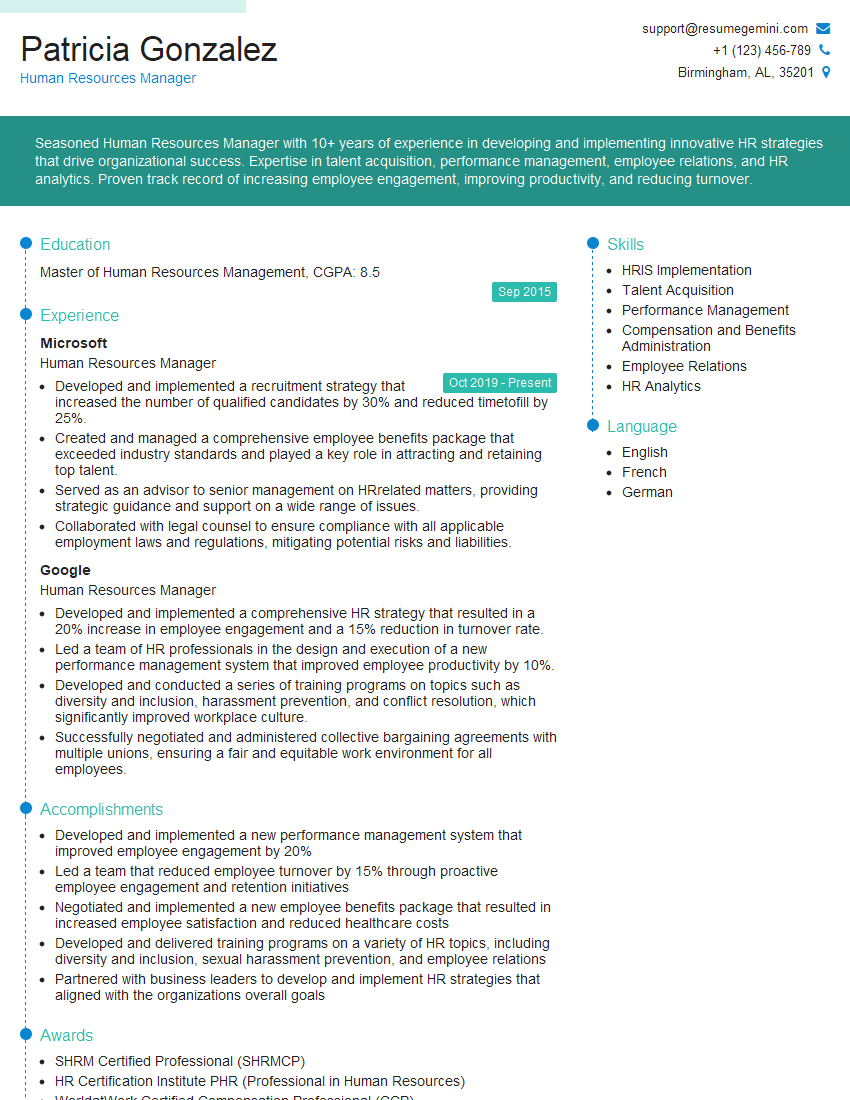
Human Resources Manager Resume Sample
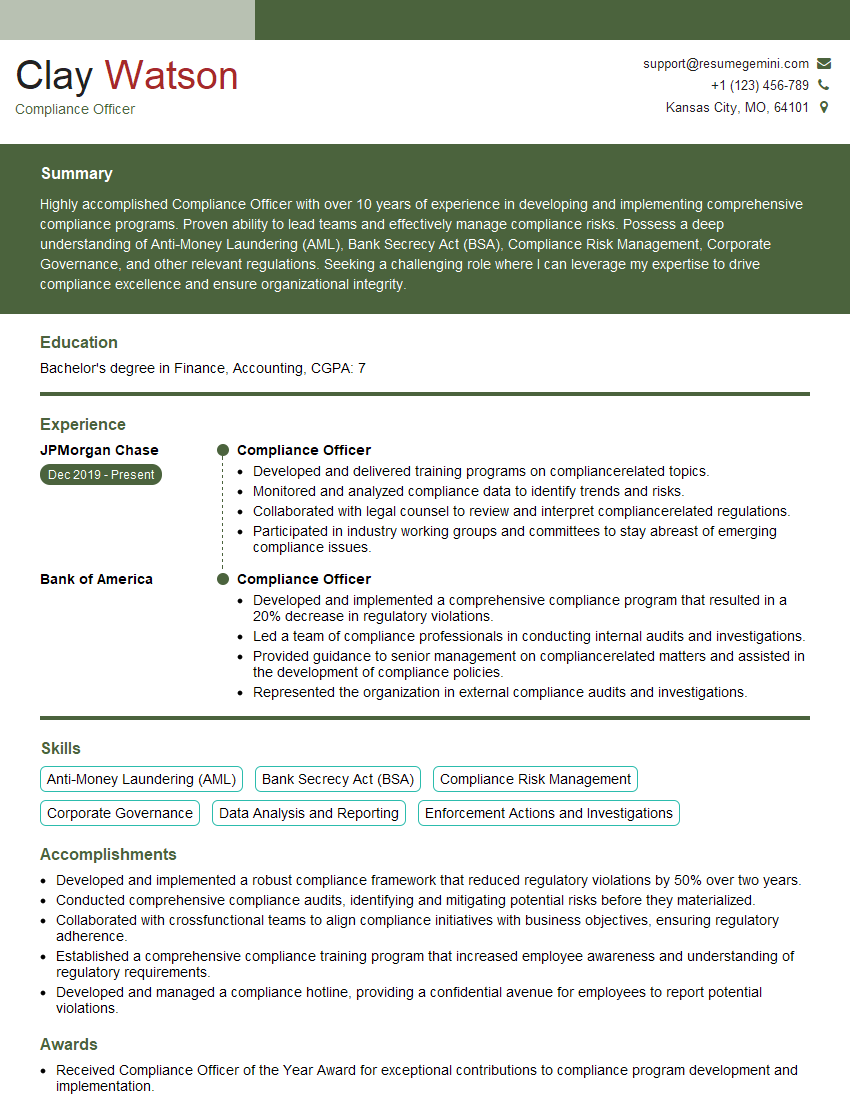
Compliance Officer Resume Sample
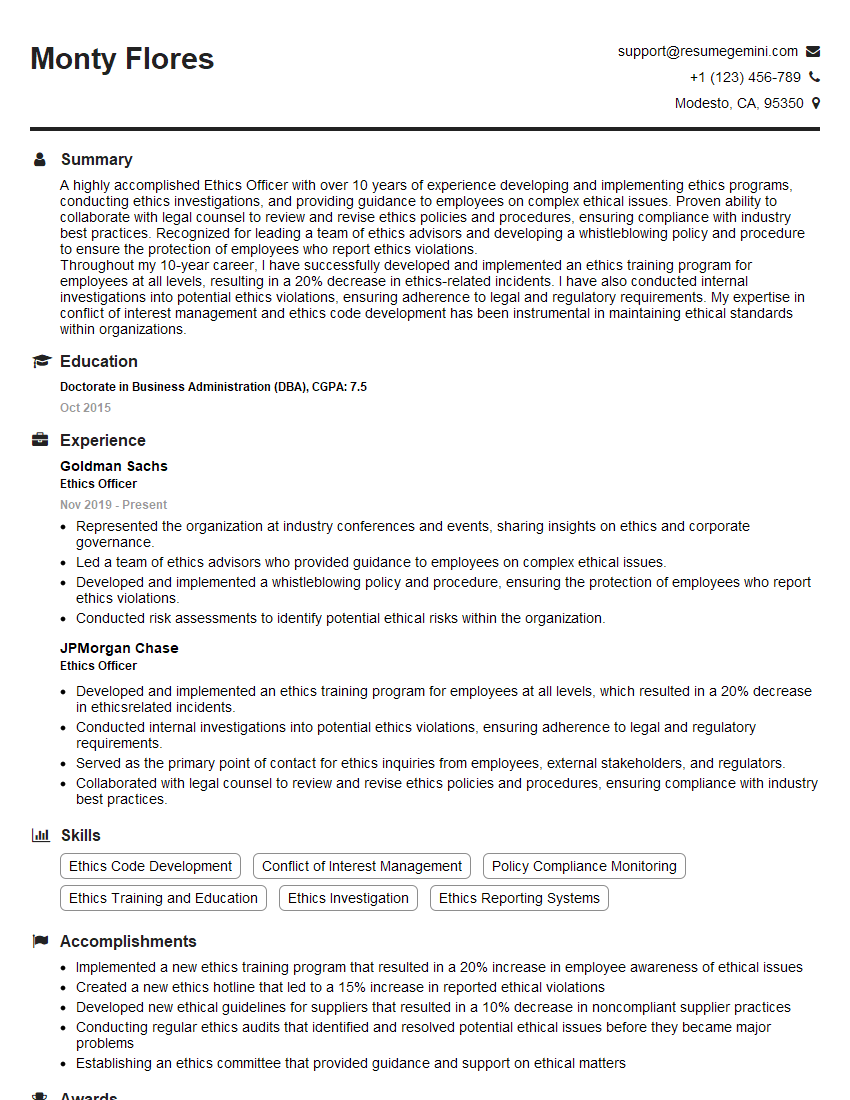
Ethics Officer Resume Sample
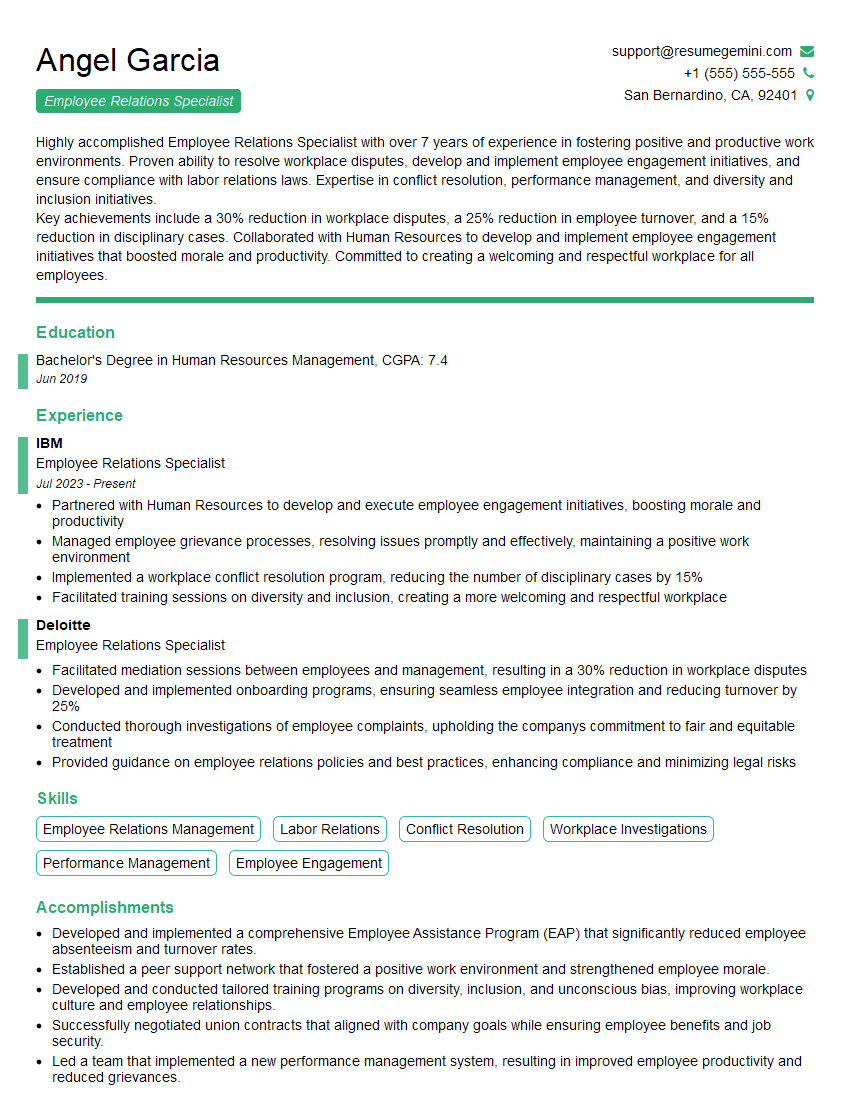
Employee Relations Specialist Resume Sample
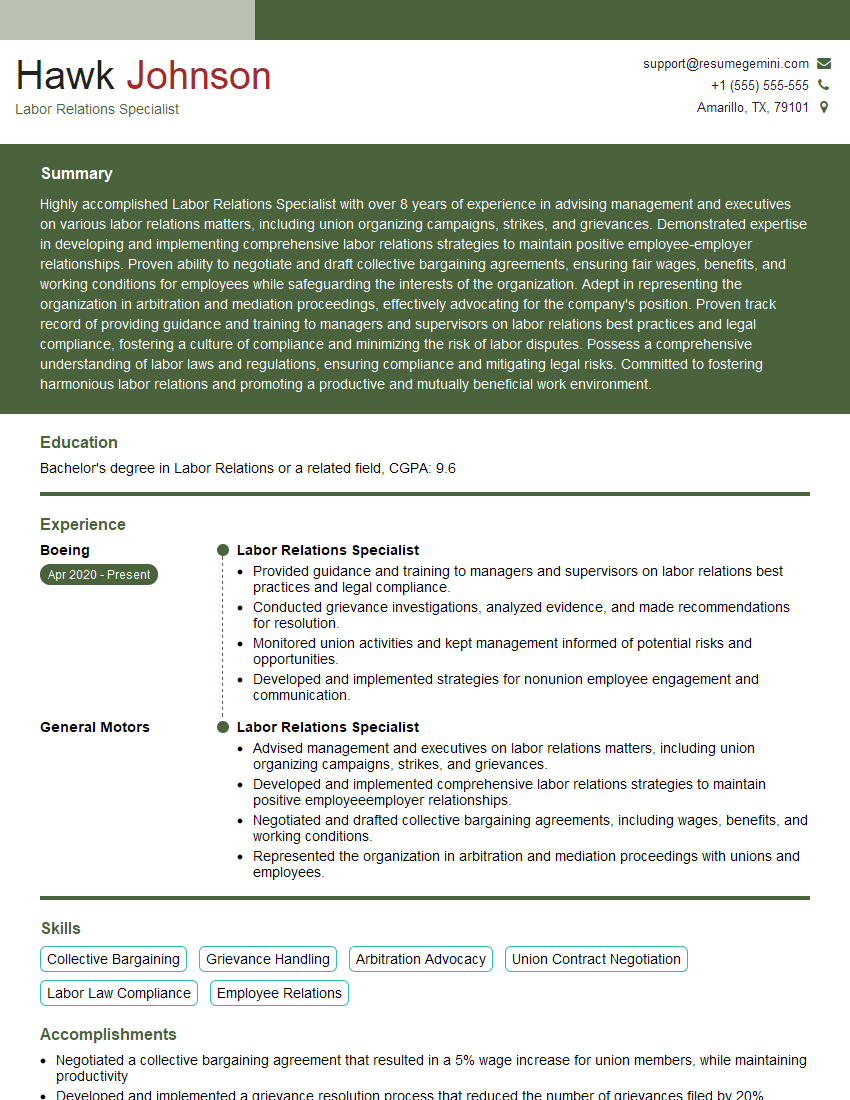
Labor Relations Specialist Resume Sample
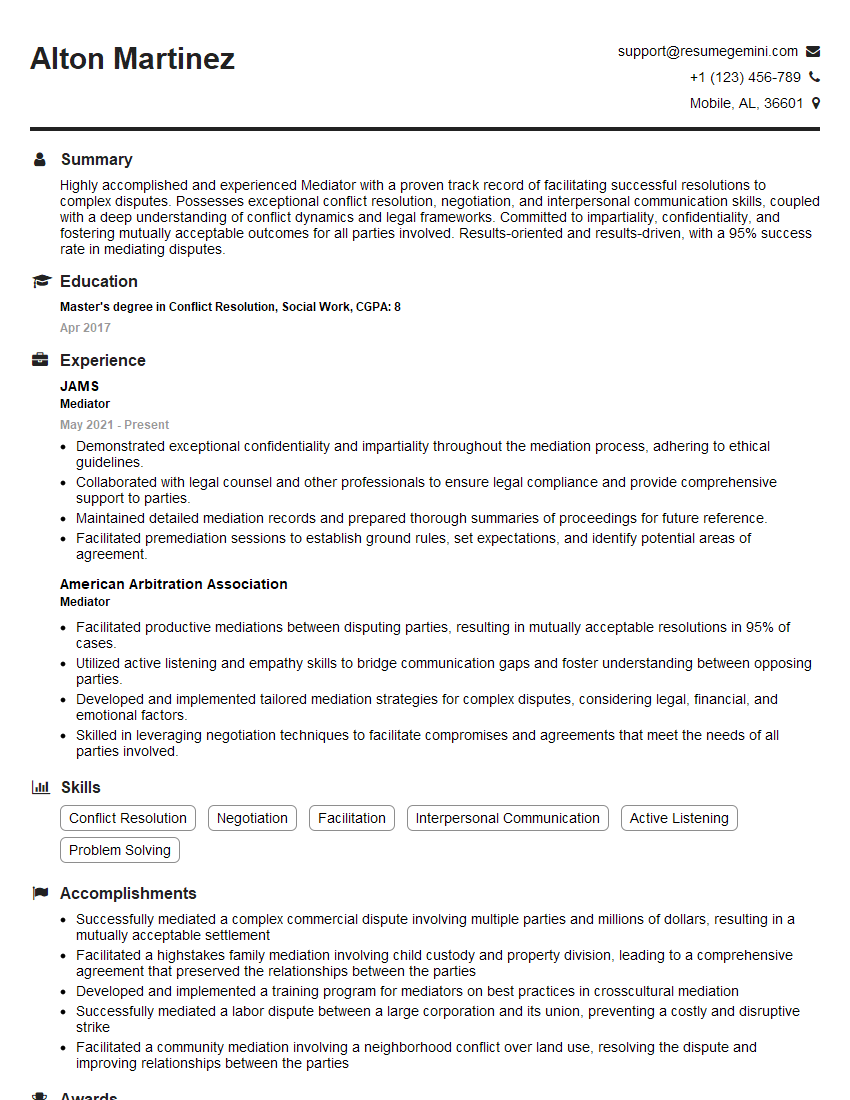
Mediator Resume Sample
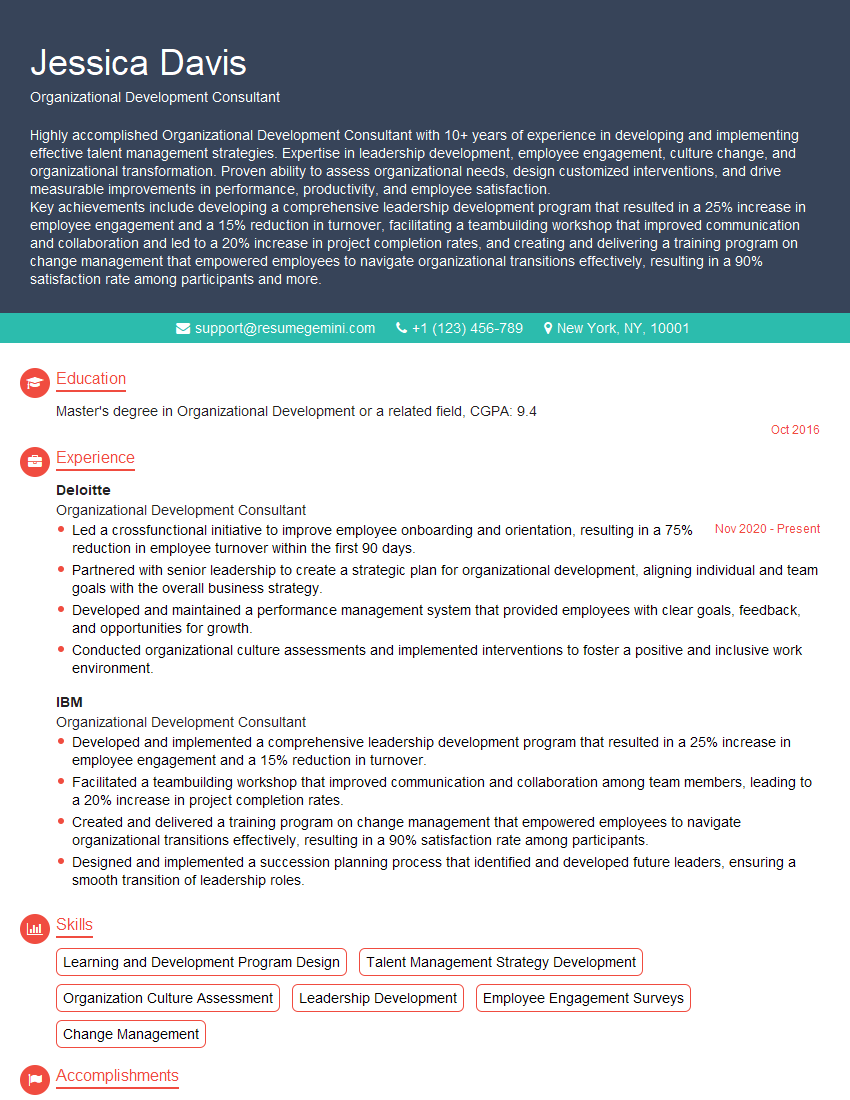
Organizational Development Consultant Resume Sample
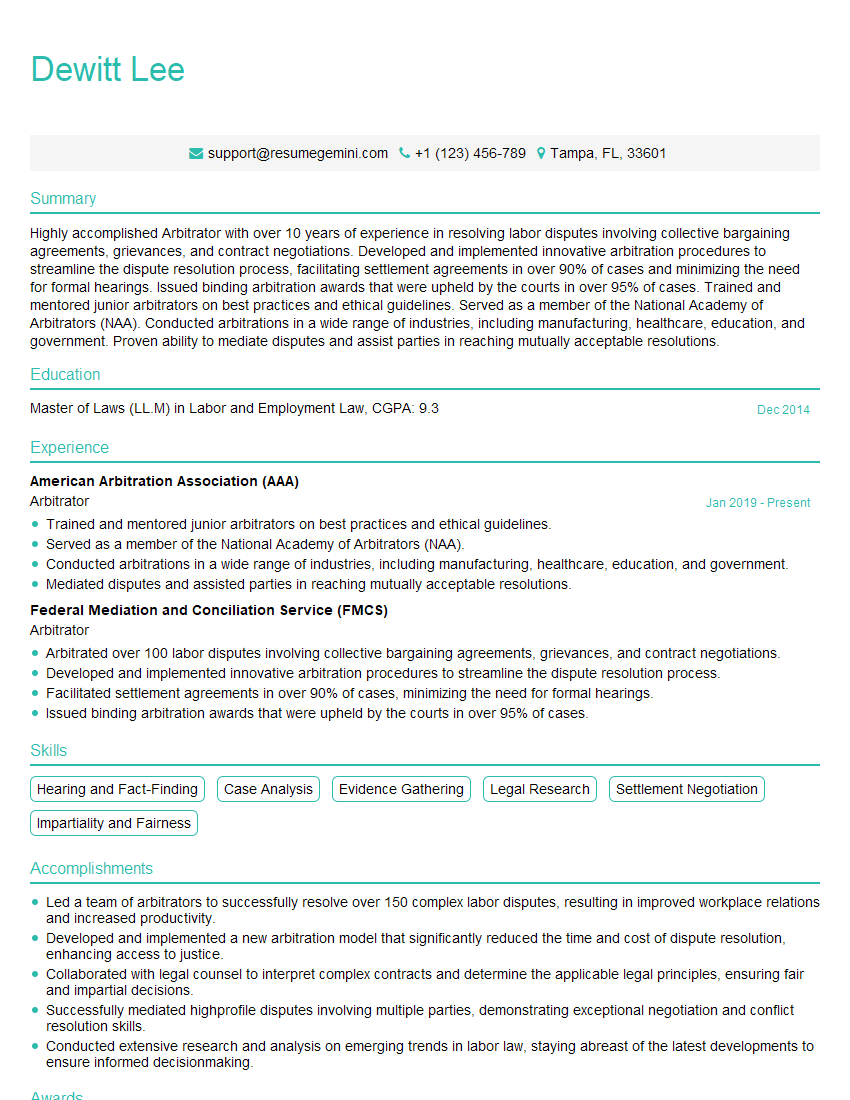
Arbitrator Resume Sample
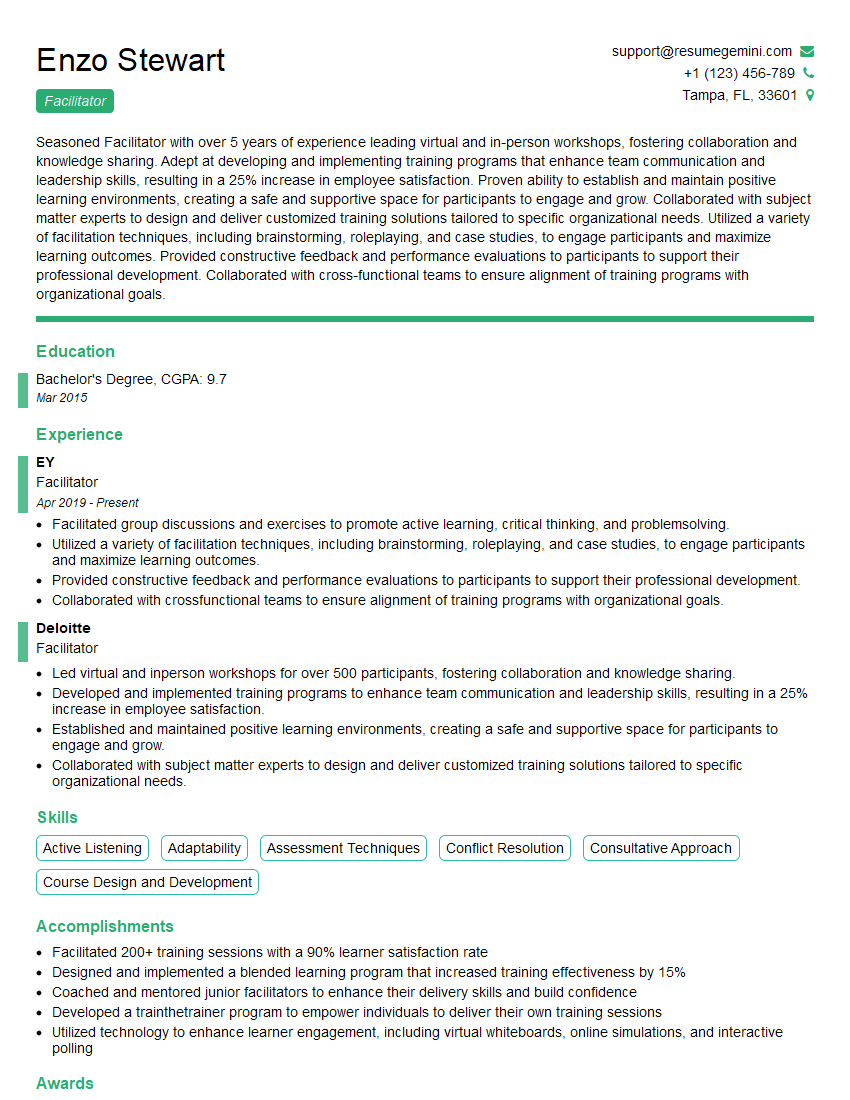
Facilitator Resume Sample
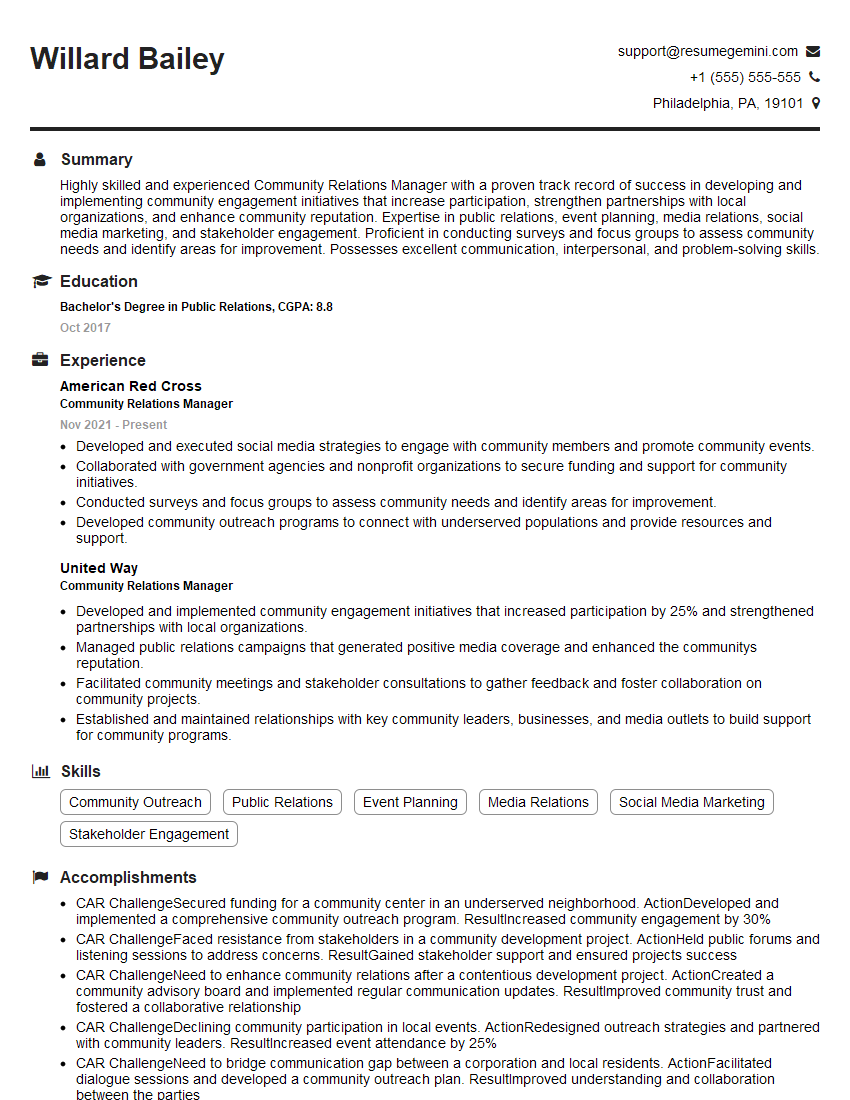
Community Relations Manager Resume Sample
Explore more articles
Users Rating of Our Blogs
Share Your Experience
We value your feedback! Please rate our content and share your thoughts (optional).
What Readers Say About Our Blog
Very informative content, great job.
good