The right preparation can turn an interview into an opportunity to showcase your expertise. This guide to Heel Teamwork interview questions is your ultimate resource, providing key insights and tips to help you ace your responses and stand out as a top candidate.
Questions Asked in Heel Teamwork Interview
Q 1. Describe a situation where you supported a teammate’s success.
Supporting a teammate’s success is a cornerstone of effective teamwork. It’s about recognizing their strengths, providing assistance where needed, and celebrating their achievements. In one instance, a junior member of my team was struggling with a complex data analysis task for a crucial client presentation. I recognized their analytical skills were strong but they lacked experience with a specific statistical software package. Instead of simply doing it for them, I offered to pair program, guiding them through the software and explaining the underlying statistical concepts. We worked together, solving problems collaboratively. The result? Not only did they successfully complete the analysis, meeting the deadline, but they also gained valuable experience and confidence in their abilities. The presentation was a resounding success, and my teammate received significant praise for their contribution.
Q 2. How do you handle disagreements within a team?
Disagreements are inevitable in any team, but how they’re handled determines the team’s overall effectiveness. My approach is rooted in respectful communication and collaborative problem-solving. I believe that every perspective holds value, even if it differs from my own. I encourage open dialogue, ensuring everyone feels heard and respected. We actively listen to each other, identify the root of the disagreement, and explore solutions collaboratively, focusing on finding common ground rather than placing blame. A structured approach, such as brainstorming possible solutions, can be really helpful in resolving disagreements constructively.
Q 3. Explain your approach to resolving conflicts within a team.
Resolving conflicts requires a proactive and empathetic approach. My strategy involves several key steps. First, I identify the source of the conflict, often through individual conversations to understand each person’s perspective without judgment. Next, I facilitate a meeting where team members can openly discuss their concerns in a safe and respectful environment. I act as a neutral facilitator, ensuring everyone has a chance to speak and is heard. Then, we collaboratively brainstorm potential solutions, weighing the pros and cons of each option. The team then decides on the best course of action, ideally one that addresses everyone’s concerns. Finally, we establish clear communication channels and expectations to prevent similar conflicts in the future. This process emphasizes collaboration and mutual respect, leading to stronger team cohesion.
Q 4. How do you contribute to a positive team environment?
Contributing to a positive team environment involves fostering open communication, mutual respect, and a sense of shared purpose. I strive to create an inclusive environment where everyone feels valued and empowered. I actively listen to my team members, acknowledging their contributions and providing regular feedback. I encourage open dialogue and ensure that everyone has a voice. I also celebrate both individual and team successes, building camaraderie and a sense of accomplishment. Small gestures, like acknowledging birthdays or providing support during challenging times, can go a long way in fostering a positive team dynamic. Regular team-building activities can also be very effective.
Q 5. Give an example of a time you had to adapt your approach to suit a team’s needs.
Adaptability is crucial in dynamic team settings. In one project, my team initially adopted an Agile methodology, focusing on short sprints and iterative development. However, we encountered a significant challenge: a key stakeholder preferred a more traditional, waterfall approach. Instead of rigidly sticking to the initial plan, I facilitated a team discussion to understand the stakeholder’s concerns and identify the best way to integrate both methodologies. We adapted by combining the iterative nature of Agile with the structured phases of the waterfall approach, creating a hybrid model that met both the team’s need for flexibility and the stakeholder’s need for a predictable timeline. This successful adaptation demonstrated our ability to adjust our approach to meet external demands while maintaining the team’s productivity and efficiency.
Q 6. Describe a time you had to influence a team to adopt a new strategy.
Influencing a team to adopt a new strategy requires strong communication, clear articulation of the benefits, and the ability to address concerns effectively. In a previous role, our team was using an outdated project management system. I proposed transitioning to a new, cloud-based system that offered improved collaboration, reporting, and task management capabilities. To influence the team, I presented a compelling case, highlighting the benefits of the new system using data and practical examples. I also actively addressed the team’s concerns regarding the learning curve and potential disruptions to workflow, providing training and support to ensure a smooth transition. I demonstrated the value of the new system through pilot projects, proving its efficacy. This phased approach, focusing on clear communication and addressing anxieties, ultimately led to the successful adoption of the new system, increasing our overall productivity.
Q 7. How do you identify and leverage each team member’s strengths?
Identifying and leveraging team member strengths is essential for optimal performance. My approach starts with active listening and observation, paying close attention to each individual’s skills and contributions. I hold regular one-on-one meetings to discuss career aspirations and identify areas where they excel. This helps them understand their strengths and how they can be best utilized within the team. We use this information to assign tasks based on individual expertise, ensuring everyone has the opportunity to shine and contribute meaningfully to the team’s success. This also boosts morale and promotes a sense of ownership and responsibility. Regular feedback and recognition further reinforce the value of each individual’s contribution.
Q 8. Describe your experience with different teamwork models (e.g., Agile).
My experience spans various teamwork models, most notably Agile methodologies like Scrum and Kanban. In Scrum, I’ve thrived in the iterative sprint cycles, participating in daily stand-ups, sprint planning, reviews, and retrospectives. This framework’s emphasis on collaboration and frequent feedback loops has been incredibly effective. With Kanban, I’ve appreciated the focus on visualizing workflow and limiting work in progress, leading to improved efficiency and reduced bottlenecks. I’ve also worked in less structured environments, adapting my approach to the specific needs of the team and project. For example, in one project involving a complex software integration, we adopted a hybrid approach, leveraging Kanban’s visual workflow management alongside Scrum’s iterative development cycles. This allowed us to manage both the ongoing maintenance tasks and the development of new features effectively.
Q 9. How do you ensure everyone on the team understands their roles and responsibilities?
Clearly defined roles and responsibilities are crucial for effective teamwork. I ensure understanding through a multi-faceted approach. First, a detailed project charter or team agreement is created, outlining individual roles, responsibilities, and reporting structures. This document is collaboratively developed and reviewed by the entire team, ensuring everyone is on the same page. Second, I utilize regular team meetings, both formal and informal, to discuss progress, address any ambiguities, and reaffirm roles. Third, I leverage visual aids like RACI matrices (Responsible, Accountable, Consulted, Informed) to graphically represent ownership and involvement in tasks. Finally, I’m always available for one-on-one discussions to answer questions and provide clarification. For instance, in a recent project, a RACI matrix helped clarify who was ultimately responsible for approving design changes, preventing confusion and delays.
Q 10. How do you handle a situation where a team member is underperforming?
Addressing underperformance requires a sensitive yet firm approach. I begin with a private conversation, focusing on understanding the root cause. Is it a lack of skills, insufficient support, personal issues, or something else? Once the cause is identified, I collaborate with the team member to develop a performance improvement plan (PIP). This plan outlines specific, measurable, achievable, relevant, and time-bound (SMART) goals, along with the necessary resources and support. Regular check-ins are conducted to monitor progress and provide ongoing feedback. If the improvement is not seen, further steps may be necessary, involving HR or management. It’s crucial to maintain open communication and ensure the team member feels supported throughout the process. For instance, one time a team member was struggling due to a lack of specific technical skills. We identified this through conversation, created a training plan, and provided the necessary resources. Within a few weeks, their performance improved significantly.
Q 11. How do you facilitate effective communication within a team?
Effective communication is the backbone of any successful team. I facilitate this through various channels and strategies. Regular team meetings are essential, utilizing diverse formats such as stand-ups for quick updates or more in-depth brainstorming sessions. I encourage open and honest communication, fostering a culture of psychological safety where team members feel comfortable expressing their opinions and concerns. We use collaboration tools like project management software (e.g., Jira, Asana) for task assignments, progress tracking, and file sharing. Instant messaging platforms are used for quick questions and updates. Finally, I emphasize active listening and clear, concise communication in all interactions. For example, in a remote team, we used daily video calls for informal check-ins to maintain a strong sense of connection and boost morale.
Q 12. How do you provide constructive feedback to your teammates?
Constructive feedback is crucial for growth. I prioritize delivering feedback that is specific, actionable, and focused on behavior rather than personality. I use the SBI (Situation-Behavior-Impact) model, describing the situation, the specific behavior observed, and the impact of that behavior. I frame the feedback positively, focusing on improvement rather than criticism. I also encourage two-way communication, allowing the recipient to share their perspective and ask clarifying questions. Finally, I ensure the feedback is delivered privately and respectfully. For instance, instead of saying ‘You’re always late,’ I’d say, ‘I noticed you were late to the last two meetings. This impacted the team’s ability to start on time, leading to a slight delay in our progress. How can we work together to ensure punctuality in the future?’
Q 13. How do you manage your time effectively in a collaborative environment?
Effective time management in a collaborative environment requires planning, prioritization, and clear communication. I utilize various techniques, including time blocking, prioritizing tasks based on urgency and importance (Eisenhower Matrix), and setting realistic deadlines. I regularly review my schedule and adjust it as needed, anticipating potential conflicts and adjusting accordingly. I also proactively communicate my availability to my teammates, ensuring everyone is aware of my commitments and potential time constraints. Transparent communication about deadlines and expectations helps to avoid conflicts and delays. For example, using a shared calendar and project management tool allows everyone to see deadlines and availability at a glance, preventing scheduling conflicts.
Q 14. How do you ensure team members feel valued and respected?
Making team members feel valued and respected is paramount. I create a culture of appreciation by acknowledging individual and team contributions regularly. This includes both formal recognition, like highlighting achievements in team meetings, and informal gestures, like expressing gratitude for specific efforts. I actively listen to their concerns and feedback, showing that their opinions matter. I promote a sense of shared ownership and celebrate successes together. Empowering team members to take ownership of tasks and make decisions within their areas of expertise also demonstrates trust and respect. Providing opportunities for professional development further reinforces their value to the team. For example, regularly recognizing achievements during our team meetings and providing opportunities for skill-building workshops are some ways I foster a culture of respect.
Q 15. Describe your experience working on cross-functional teams.
My experience with cross-functional teams has been extensive, spanning various projects in the healthcare sector. I’ve consistently found that success hinges on clear communication, mutual respect, and a shared understanding of project goals. For example, during a recent project involving the implementation of a new patient management system, our team comprised clinicians, IT specialists, and project managers. Effective collaboration involved regular meetings, utilizing tools like shared online documents and project management software to ensure transparency and accountability. We established clear roles and responsibilities from the outset, minimizing confusion and maximizing individual contributions. Understanding each team member’s unique expertise and leveraging their strengths was crucial to the project’s success. This approach fostered a collaborative atmosphere where everyone felt valued and empowered to contribute their unique skills to the collective effort.
Career Expert Tips:
- Ace those interviews! Prepare effectively by reviewing the Top 50 Most Common Interview Questions on ResumeGemini.
- Navigate your job search with confidence! Explore a wide range of Career Tips on ResumeGemini. Learn about common challenges and recommendations to overcome them.
- Craft the perfect resume! Master the Art of Resume Writing with ResumeGemini’s guide. Showcase your unique qualifications and achievements effectively.
- Don’t miss out on holiday savings! Build your dream resume with ResumeGemini’s ATS optimized templates.
Q 16. How do you build trust and rapport with team members?
Building trust and rapport is fundamental to high-performing teams. I approach this by actively listening to team members, understanding their perspectives, and valuing their contributions. Open and honest communication is key. I prioritize transparency, sharing both successes and challenges openly. This fosters a sense of shared vulnerability, strengthening bonds. I also make a point of getting to know my team members on a personal level, understanding their motivations and aspirations. For instance, I might engage in informal conversations outside of project discussions, building relationships that extend beyond task completion. Recognizing and celebrating individual contributions, both big and small, fosters a culture of appreciation and enhances team morale. This includes acknowledging their achievements during team meetings or via informal feedback. Showing genuine interest in their professional development also demonstrates care and respect, strengthening trust.
Q 17. How do you motivate team members to achieve common goals?
Motivating a team requires a multi-faceted approach. Firstly, I ensure that everyone has a clear understanding of the goals and their individual roles in achieving them. I foster a sense of ownership and purpose by involving team members in the planning and decision-making processes. This allows them to feel invested in the project’s outcome. Secondly, I provide regular feedback, both positive reinforcement and constructive criticism, delivered in a supportive and encouraging manner. Recognizing individual contributions and celebrating milestones boosts morale and keeps motivation high. Finally, I encourage a healthy work-life balance, recognizing that overworked team members are less productive and more prone to burnout. In one project, we successfully achieved a tight deadline by implementing short, focused work sprints followed by short breaks, allowing for increased focus and a sense of accomplishment during each phase.
Q 18. How do you handle pressure and deadlines in a team setting?
Handling pressure and deadlines effectively necessitates proactive planning and clear communication. We use project management tools to track progress, identify potential roadblocks, and adjust our timelines as needed. Open communication about challenges is vital, allowing the team to collaboratively problem-solve. I often encourage short, focused work periods, interspersed with breaks, to maintain energy and focus. Regular check-ins ensure that everyone is on track and any emerging issues are addressed promptly. Prioritizing tasks based on urgency and impact ensures that the most critical aspects are addressed first. Finally, fostering a supportive and collaborative environment reduces individual stress levels and builds resilience to pressure.
Q 19. How do you deal with conflicts between team members?
Conflict is inevitable in any team setting. My approach is to address conflicts directly but constructively. I facilitate open dialogue, encouraging each party to express their perspective without interruption. I focus on understanding the root cause of the conflict rather than assigning blame. Mediation, where I guide the team to find a mutually agreeable solution, is often effective. In instances where a resolution cannot be reached through dialogue, I might involve a senior manager or HR to facilitate a more formal conflict resolution process. However, I always aim to resolve conflicts within the team whenever possible, reinforcing the importance of teamwork and mutual respect.
Q 20. Describe a time you had to make a difficult decision that impacted your team.
In one instance, we faced a significant budget shortfall midway through a project. The decision to cut certain features, while painful, was necessary to ensure project completion. Before making the decision, I held a series of meetings with the team to explain the situation transparently and gather their input on which features could be prioritized or reduced. This participatory approach ensured that the team felt involved in the decision-making process, mitigating potential resentment. We carefully documented the reasoning behind each choice, and this was communicated to all stakeholders. Although the decision was difficult, the team rallied together, understanding the situation and adapting effectively. The project was successfully completed, demonstrating the team’s resilience and adaptability in the face of adversity.
Q 21. How do you measure the success of a team project?
Measuring the success of a team project involves a multifaceted approach, going beyond simply meeting deadlines. We typically use a combination of quantitative and qualitative metrics. Quantitative measures include project completion within budget and timeframe, the number of successful outcomes, and improvements made in efficiency or process. Qualitative measurements focus on team member satisfaction, the overall experience, and the impact of the project on the organization’s goals. Post-project reviews and feedback sessions with team members help to assess the effectiveness of the team’s processes and identify areas for improvement. This comprehensive approach ensures that we evaluate not only the project’s outcomes but also the team’s effectiveness and overall well-being.
Q 22. How do you identify potential problems within a team before they escalate?
Proactive identification of potential team problems relies on consistent observation, open communication, and a proactive approach. Think of it like preventative maintenance for a machine – addressing small issues before they become major breakdowns.
- Regular Check-ins: Frequent, informal team meetings (even short stand-ups) allow for early detection of roadblocks or frustrations. These shouldn’t be solely focused on progress reports but also on team morale and individual challenges.
- Active Listening: Paying close attention to both verbal and non-verbal cues from team members is crucial. Are individuals becoming withdrawn? Are there frequent disagreements on seemingly small points? These subtle shifts can signal underlying issues.
- Data Analysis: Tracking key performance indicators (KPIs) can highlight trends indicating potential problems. For example, a consistent drop in productivity or a rise in error rates might point to underlying workflow issues or a lack of resources.
- Feedback Mechanisms: Implementing anonymous feedback surveys or suggestion boxes can provide valuable insights without fear of retribution. This ensures open and honest communication.
For example, in a previous project, I noticed a consistent delay in one stage of our workflow. By actively listening to the team member responsible, I discovered they were struggling with a new software tool. Addressing this training need early prevented further delays and project setbacks.
Q 23. How do you contribute to the decision-making process within a team?
My approach to team decision-making emphasizes collaborative problem-solving and informed choices. I don’t believe in dominating discussions but rather in fostering an environment where everyone feels comfortable contributing their expertise.
- Data-Driven Decisions: I always strive to base decisions on facts and data, rather than gut feelings. This ensures objectivity and minimizes bias.
- Diverse Perspectives: I actively encourage all team members to share their perspectives, even if they differ from my own. This leads to more creative and well-rounded solutions.
- Structured Discussion: I believe in using structured methods, such as brainstorming sessions or decision matrices, to ensure all options are considered thoroughly.
- Clear Communication: I ensure everyone understands the decision-making process, the criteria used, and the rationale behind the final choice. This promotes transparency and accountability.
In one instance, our team faced a critical deadline and needed to prioritize tasks. Instead of imposing my own solution, I facilitated a discussion where we used a prioritization matrix based on urgency and impact, leading to a consensus-based decision that everyone understood and supported.
Q 24. How do you delegate tasks effectively?
Effective delegation is about empowering team members while ensuring task completion and maintaining project quality. It’s not about dumping tasks, but rather assigning them strategically.
- Match Skills to Tasks: I carefully analyze team members’ skills and experience to assign tasks that align with their strengths. This increases efficiency and job satisfaction.
- Clear Expectations: When delegating, I provide clear instructions, deadlines, and desired outcomes. This reduces ambiguity and avoids misunderstandings.
- Provide Support and Resources: I ensure team members have the necessary resources, training, and support to complete their tasks effectively. I’m readily available for questions and guidance.
- Regular Check-ins: I schedule regular check-ins to monitor progress, address any challenges, and provide necessary support. This avoids potential problems and ensures tasks stay on track.
For example, during a complex project, I delegated certain data analysis tasks to a team member with strong analytical skills. By providing clear guidelines and regular check-ins, I ensured the tasks were completed accurately and on time.
Q 25. How do you handle criticism and feedback from teammates?
I view criticism and feedback as opportunities for growth and improvement, both personally and for the team. My response isn’t defensive but rather receptive and solution-oriented.
- Active Listening: I listen carefully to the feedback, asking clarifying questions to ensure I fully understand the concerns.
- Seek Clarification: If the feedback is unclear, I politely ask for more specific examples to understand the context better.
- Acknowledge and Validate: I acknowledge the feedback, even if I don’t fully agree, showing respect for the other person’s perspective.
- Identify Actions: Based on the feedback, I identify specific actions I can take to address the concerns and improve my performance.
- Follow-up: I follow up with the person who provided the feedback to demonstrate that I’ve taken their comments seriously and implemented changes.
Once, I received feedback that my communication style was sometimes too direct. Instead of becoming defensive, I actively listened, acknowledged the feedback, and actively worked on making my communication more considerate and inclusive.
Q 26. Describe a time when you mentored or coached a teammate.
I mentored a junior team member who was struggling with time management and prioritization during a particularly busy project. We worked together using a structured approach.
- Needs Assessment: I first identified their specific challenges, focusing on their individual needs and learning style.
- Skill-Building: We implemented several strategies, including using project management tools like Kanban boards, time-blocking techniques, and setting realistic daily goals. I provided examples from my own experience.
- Regular Check-ins and Feedback: We had regular one-on-one meetings to track their progress, provide feedback, and adapt our strategies as needed. This allowed for continuous improvement and monitoring.
- Goal Setting: We worked together to create achievable goals, celebrating milestones along the way to maintain motivation and build confidence.
The result was a significant improvement in their organizational skills, and more importantly, a boost in their confidence and job satisfaction. It was incredibly rewarding to see their growth and success.
Q 27. How do you stay organized and manage multiple projects simultaneously?
Managing multiple projects simultaneously requires a structured approach and effective time management skills. It’s akin to conducting an orchestra – ensuring each section plays harmoniously, reaching the ultimate goal.
- Prioritization: I use prioritization techniques like Eisenhower Matrix (Urgent/Important) to focus on high-impact tasks first.
- Project Management Tools: I leverage project management software (e.g., Asana, Trello) to track tasks, deadlines, and progress across all projects. This allows for clear visualization and easy access to information.
- Time Blocking: I dedicate specific blocks of time to each project, minimizing context switching and improving focus.
- Delegation: I effectively delegate tasks to other team members, spreading the workload and ensuring all projects receive the necessary attention.
- Regular Review and Adjustment: I regularly review my progress, adjusting my schedule and priorities as needed to maintain efficiency and meet deadlines.
In a previous role, I successfully managed three concurrent projects with overlapping deadlines by using a combination of these techniques. The clear overview provided by the project management software, combined with effective time blocking, allowed me to stay organized and deliver all projects successfully.
Q 28. How do you adapt your communication style to different team members?
Adapting communication style is crucial for effective teamwork. It’s like speaking different languages – tailoring your approach to ensure clear understanding and strong relationships.
- Understanding Communication Styles: I am aware of different communication styles (e.g., direct, indirect, visual, auditory) and adjust my approach accordingly.
- Active Listening: I pay close attention to how each team member communicates and respond in a way that resonates with them.
- Clarity and Conciseness: I strive to communicate clearly and concisely, avoiding jargon or technical terms that some team members may not understand.
- Preferred Channels: I consider each team member’s preferred communication channels (e.g., email, instant messaging, face-to-face) and adjust accordingly.
- Feedback and Openness: I encourage open feedback so I can understand how my communication is perceived and make necessary adjustments.
For instance, when communicating with a visual learner, I’d use charts and diagrams. With someone who prefers concise written communication, I’d favor emails over long meetings. This personalized approach fostered stronger relationships and improved understanding.
Key Topics to Learn for Heel Teamwork Interview
- Understanding Heel Teamwork Principles: Define and explain the core tenets of effective Heel Teamwork, including communication, collaboration, and conflict resolution within a team environment.
- Practical Application in Diverse Scenarios: Discuss how Heel Teamwork principles translate into real-world work situations, providing examples from project management, problem-solving, and team leadership roles. Consider scenarios with varying team dynamics and challenges.
- Identifying and Addressing Team Conflicts: Explore strategies for proactively identifying potential conflicts, mediating disagreements, and fostering a positive and productive team environment. Illustrate your understanding with examples of conflict resolution techniques.
- Measuring Team Effectiveness: Discuss metrics and methods for assessing team performance, identifying areas for improvement, and demonstrating the impact of effective Heel Teamwork on overall outcomes. Consider both quantitative and qualitative measures.
- Adaptability and Flexibility in Heel Teamwork: Analyze how Heel Teamwork principles adapt to changing project requirements, team compositions, and organizational structures. Demonstrate your understanding of agility and responsiveness within a team context.
- The Role of Individual Contributions within Heel Teamwork: Explain how individual strengths and contributions are integrated into a cohesive team effort, and how to maximize individual potential within a collaborative framework.
Next Steps
Mastering Heel Teamwork is crucial for career advancement. It demonstrates valuable skills highly sought after by employers, enabling you to excel in collaborative environments and contribute significantly to team success. To maximize your job prospects, creating an ATS-friendly resume is paramount. This ensures your application is effectively screened and reaches the right hiring managers. We strongly encourage you to leverage ResumeGemini, a trusted resource, to build a professional and impactful resume tailored to your skills and experience. Examples of resumes specifically tailored to highlight Heel Teamwork expertise are available below.
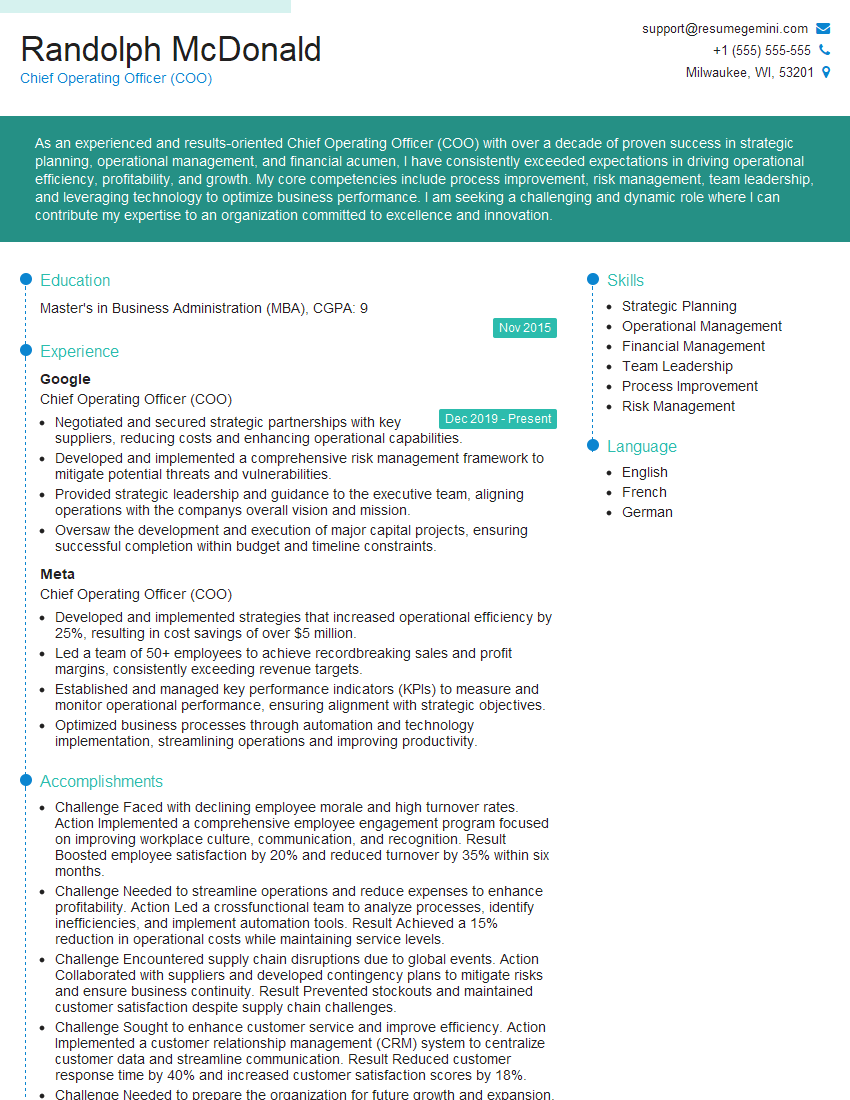
Chief Operating Officer (COO) Resume Sample

Operations Manager Resume Sample
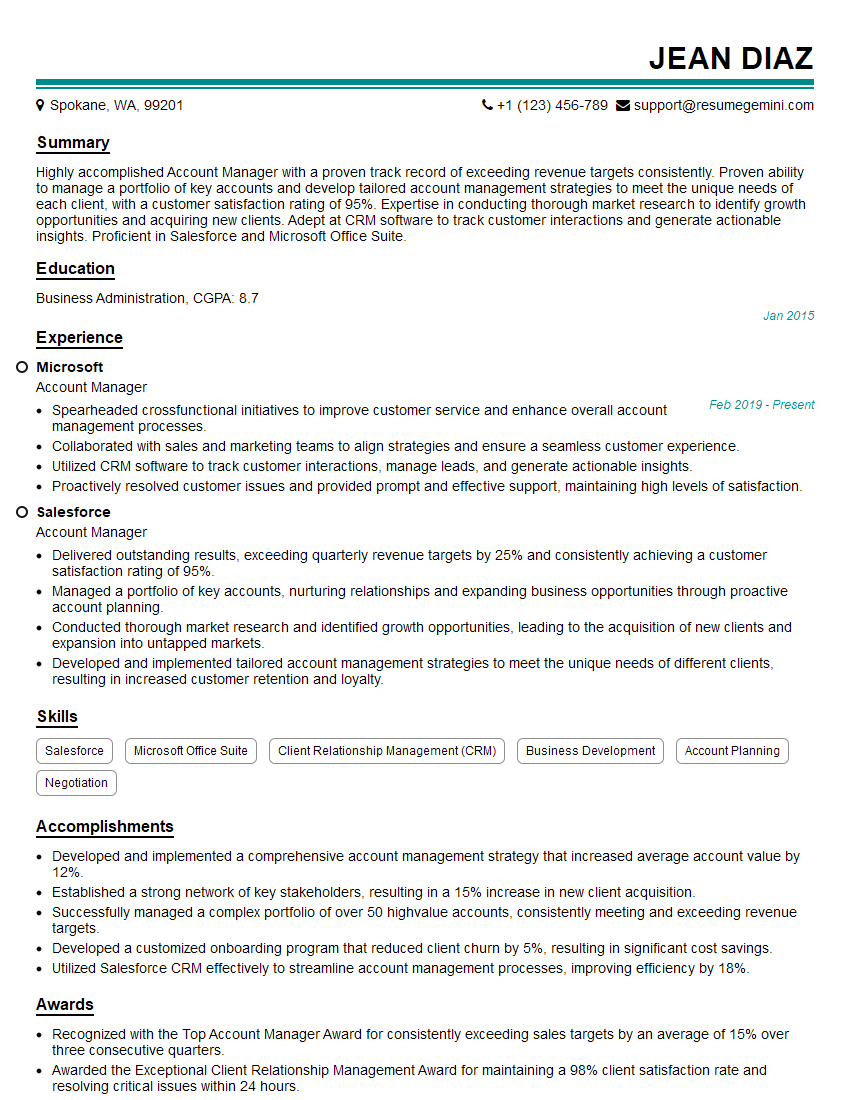
Account Manager Resume Sample
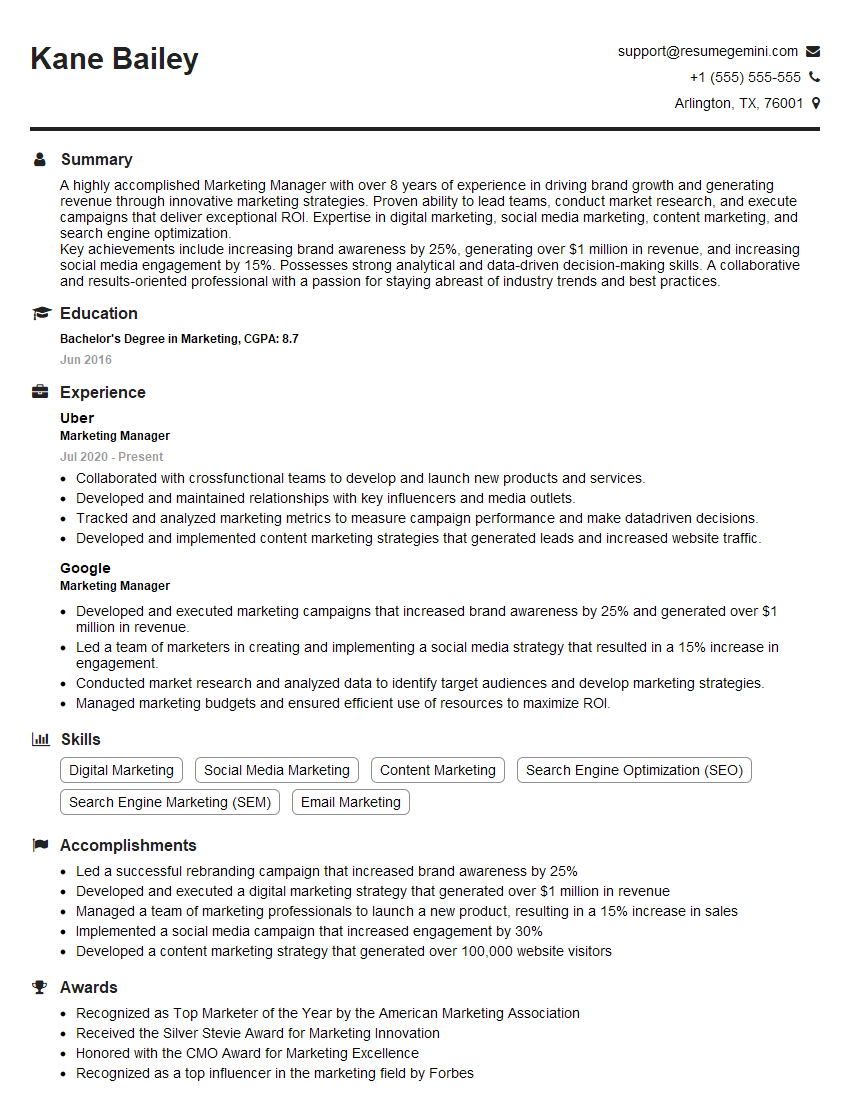
Marketing Manager Resume Sample
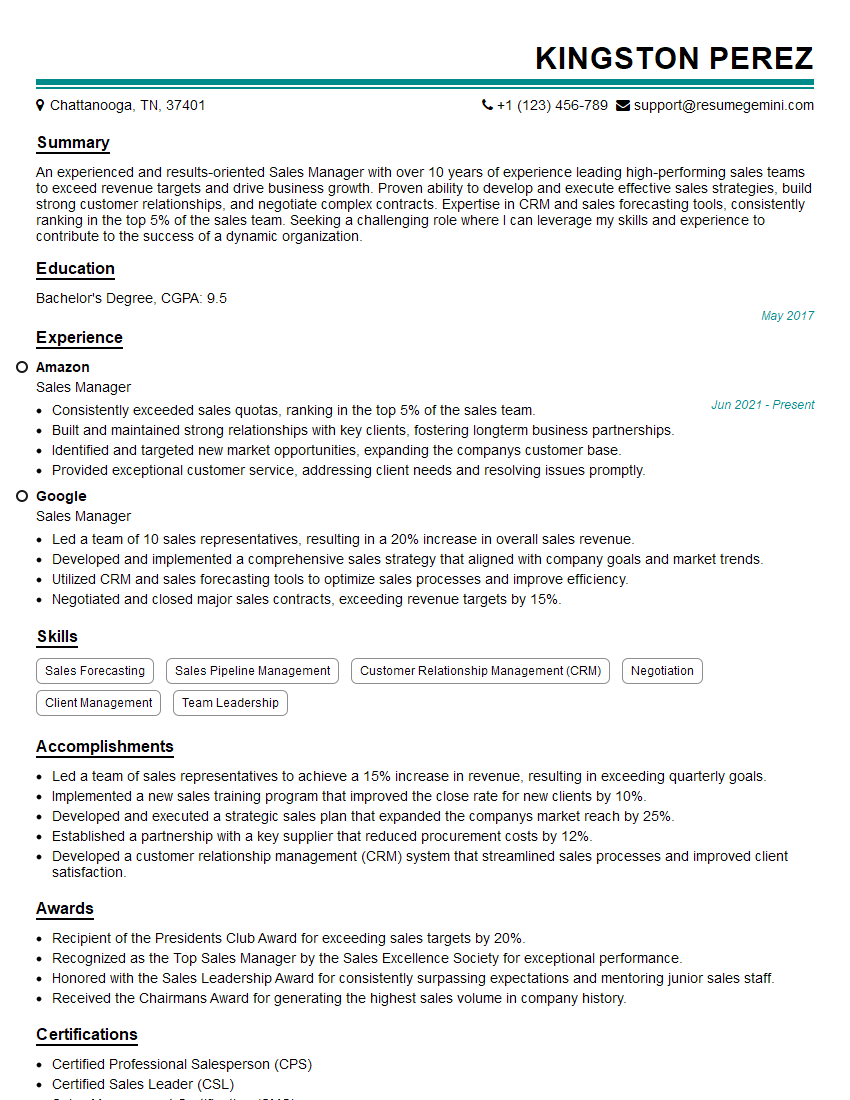
Sales Manager Resume Sample
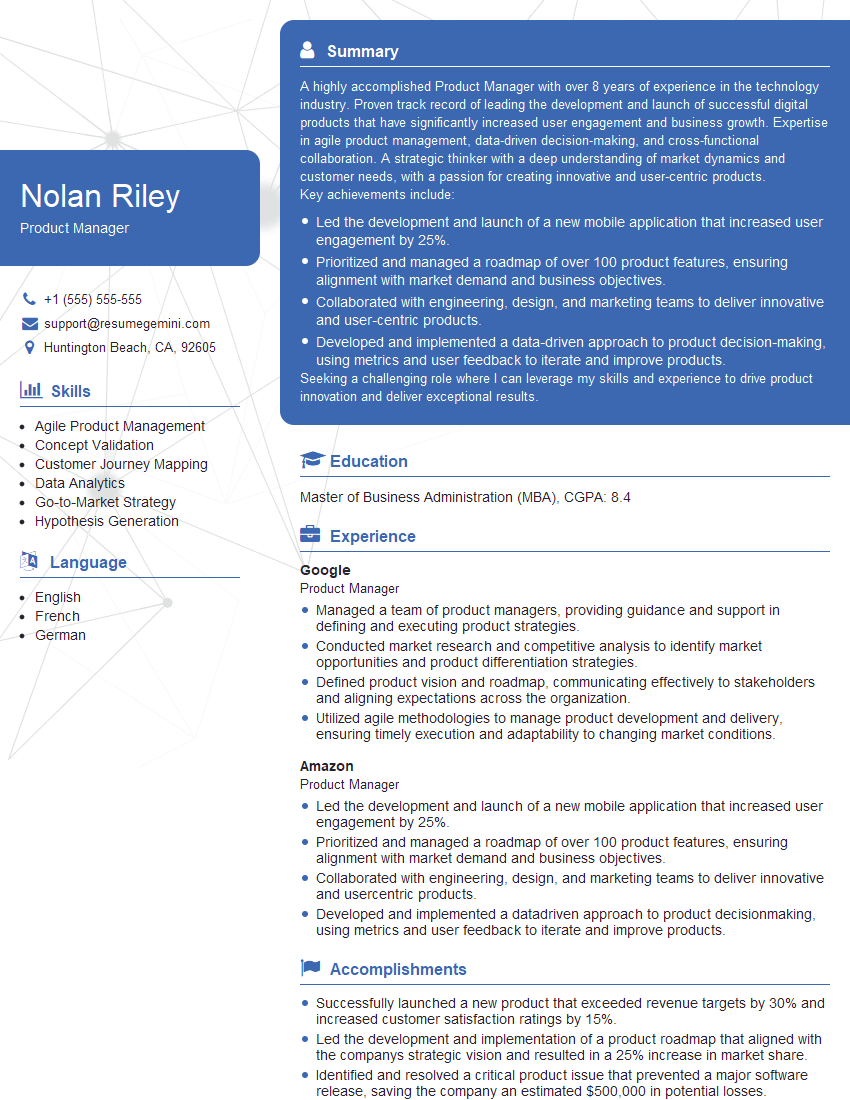
Product Manager Resume Sample
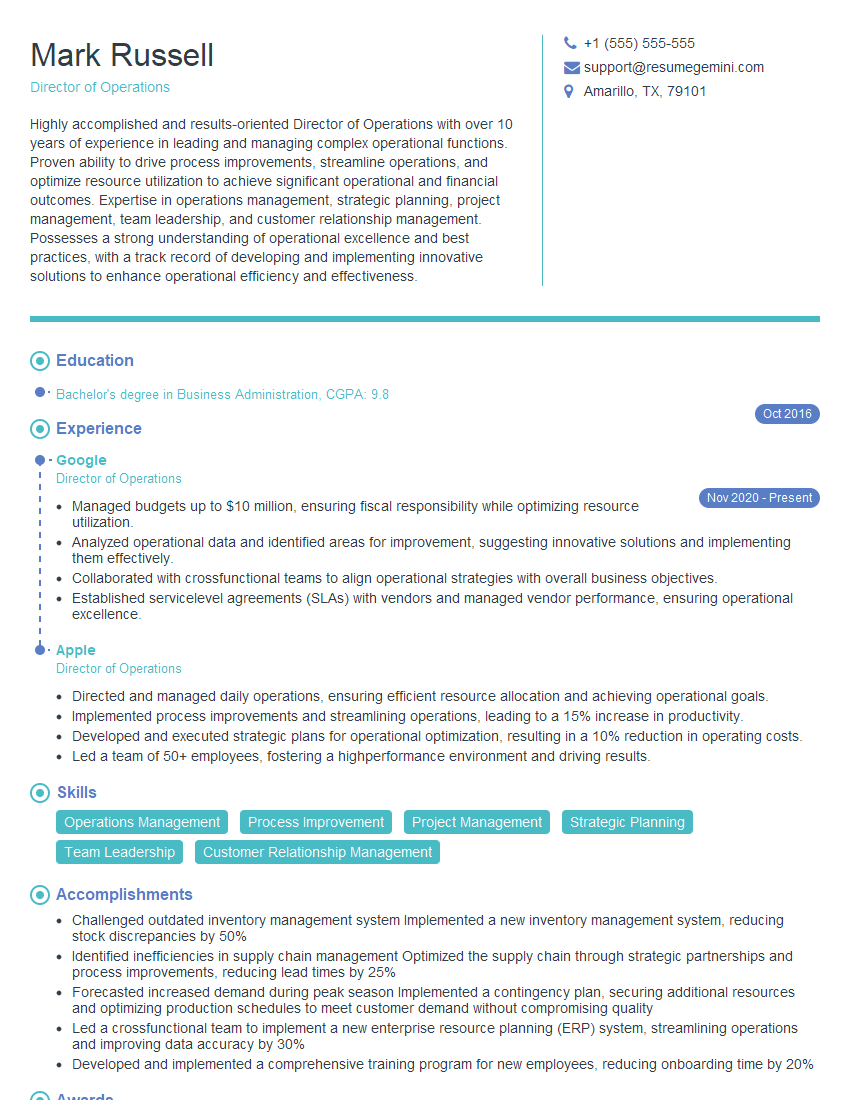
Director of Operations Resume Sample
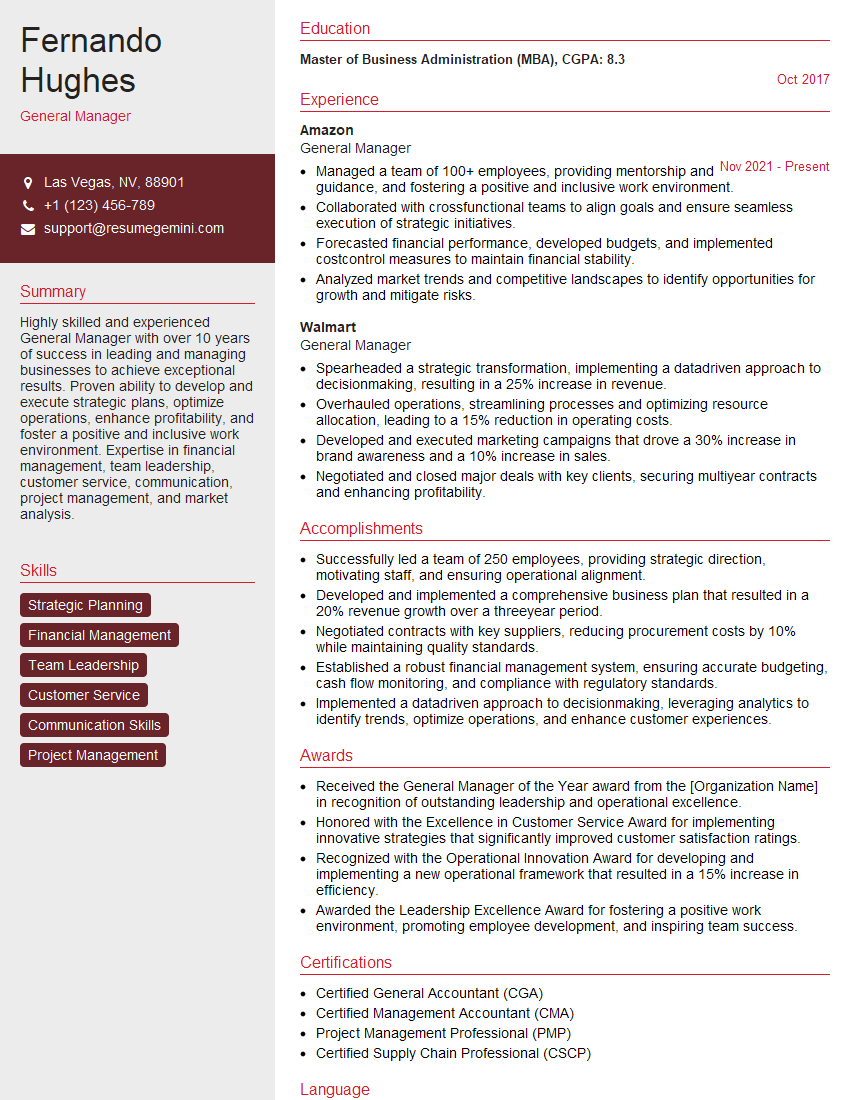
General Manager Resume Sample
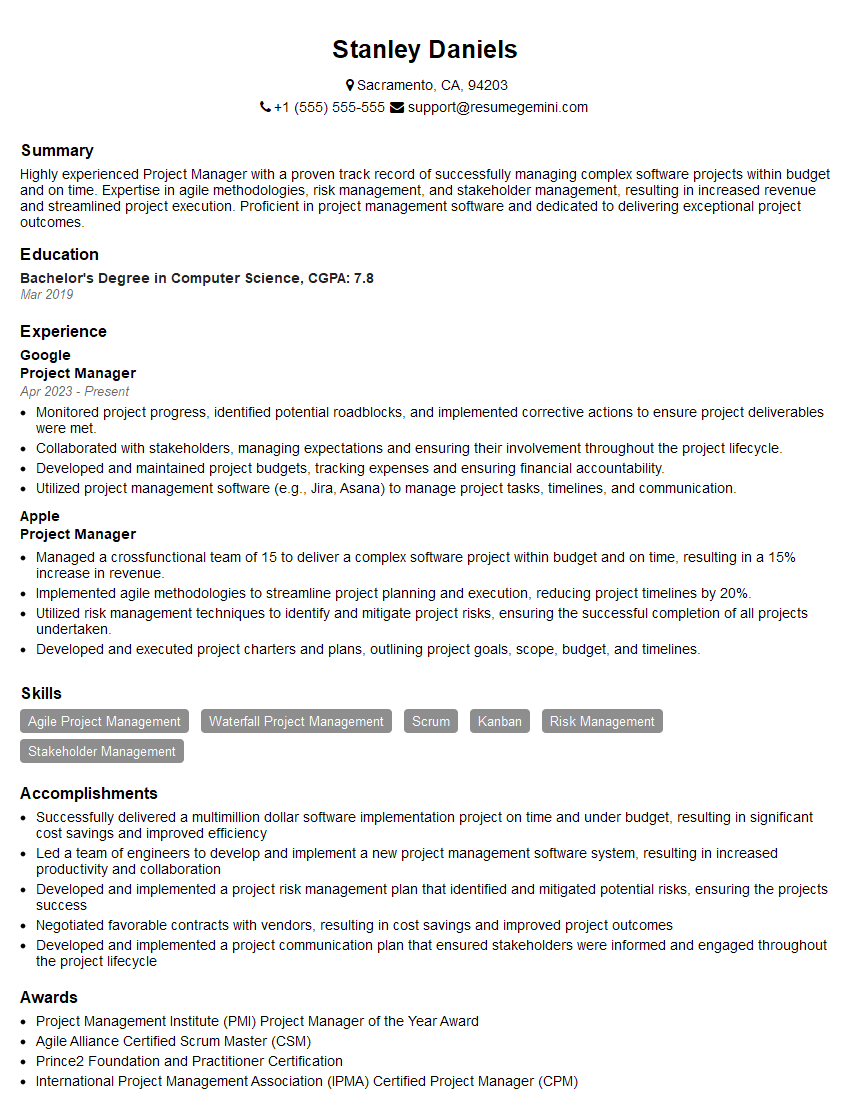
Project Manager Resume Sample
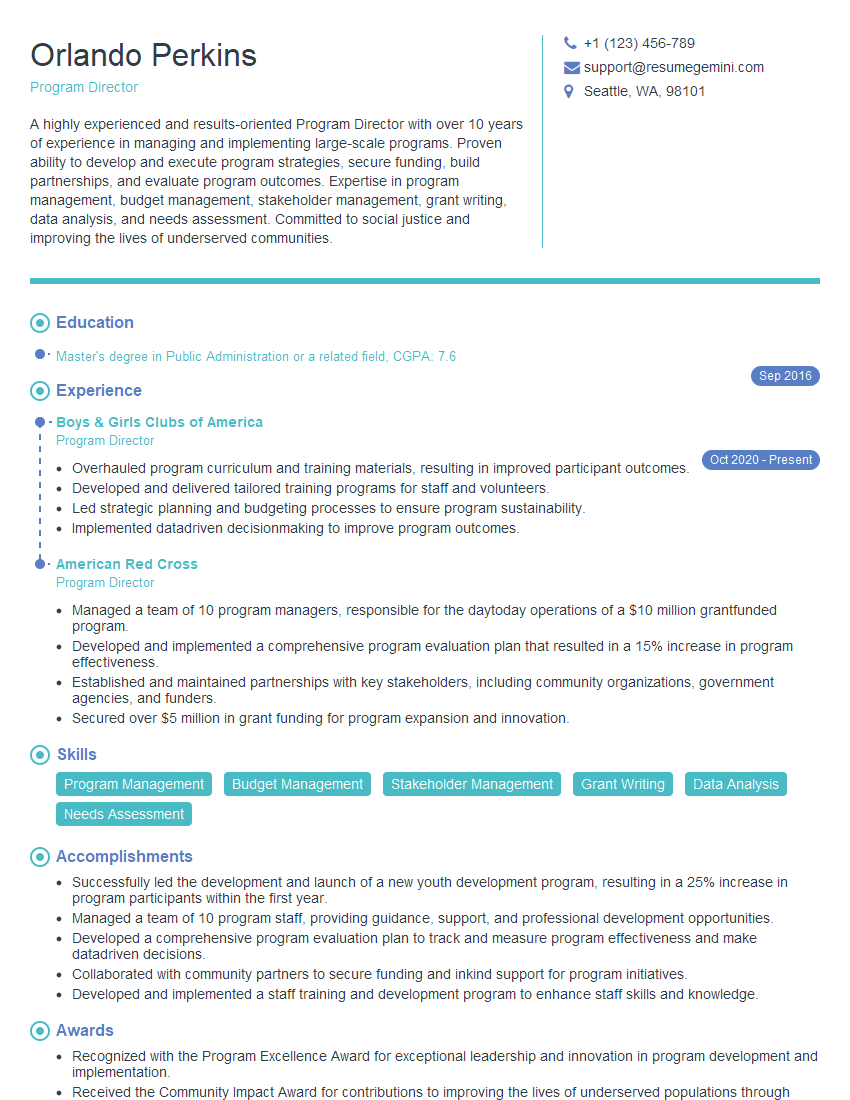
Program Director Resume Sample
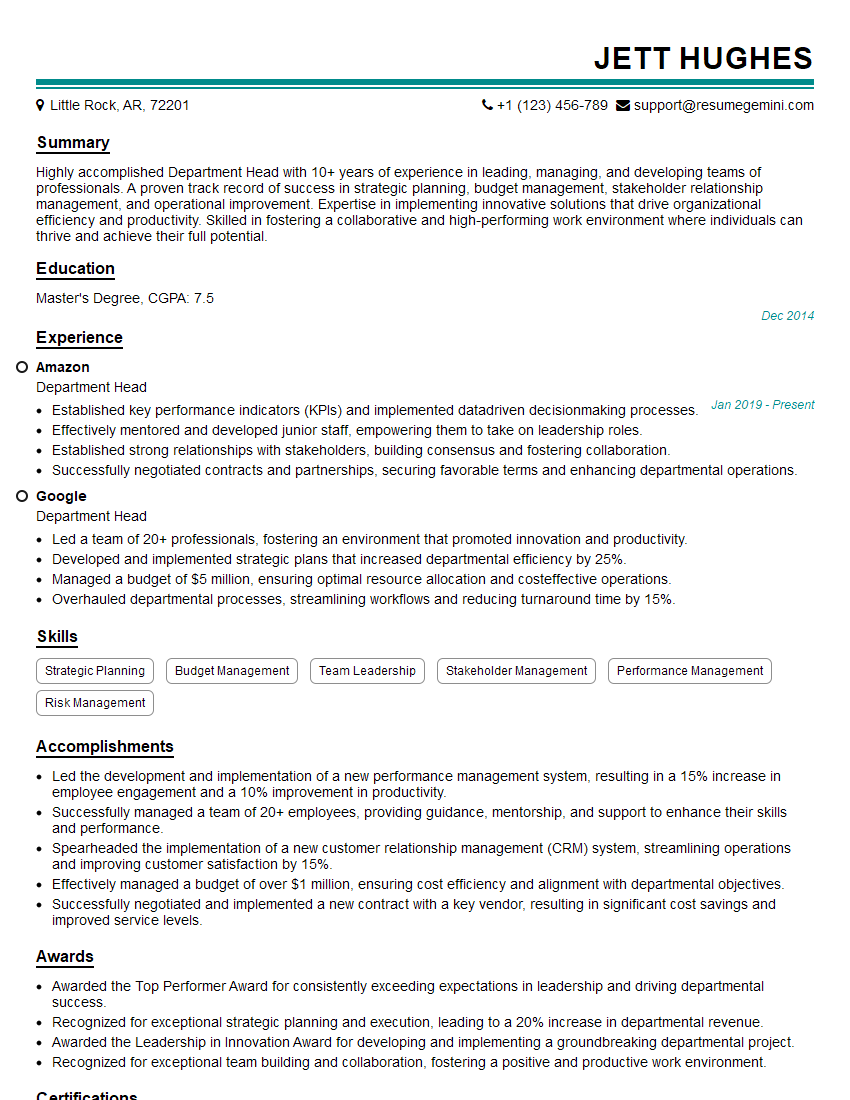
Department Head Resume Sample
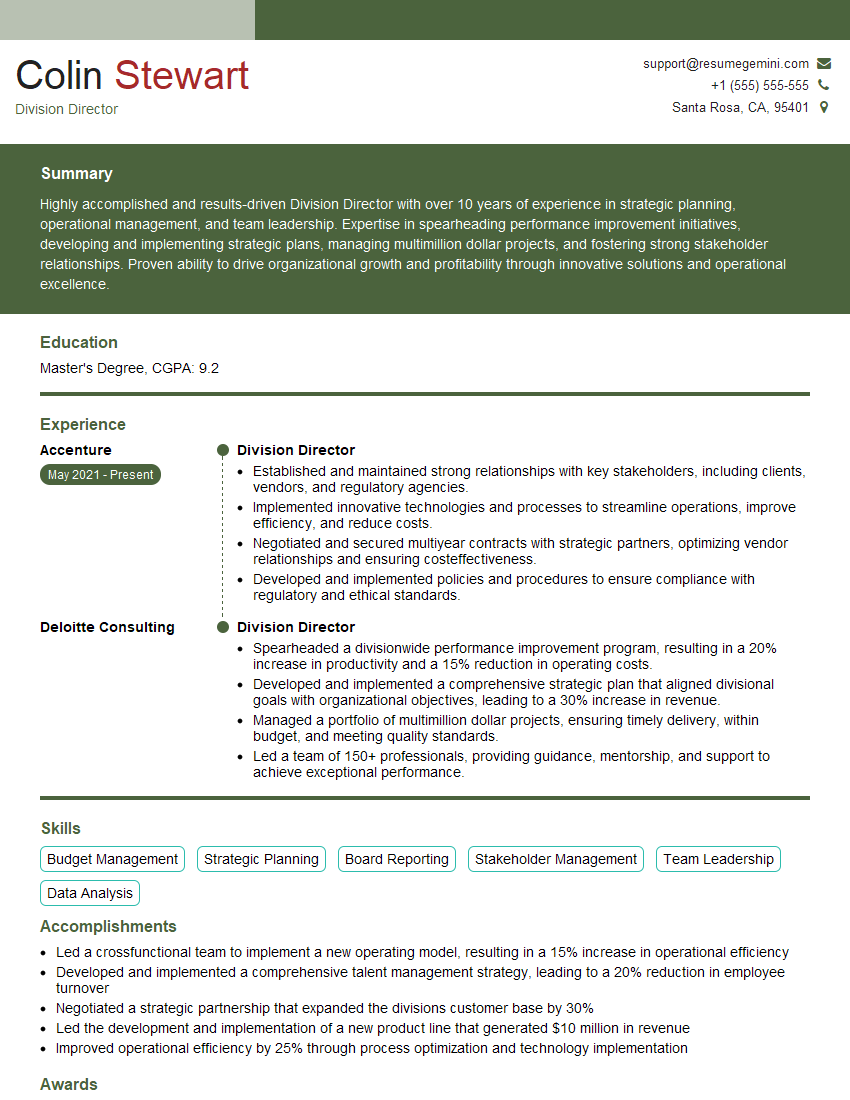
Division Director Resume Sample
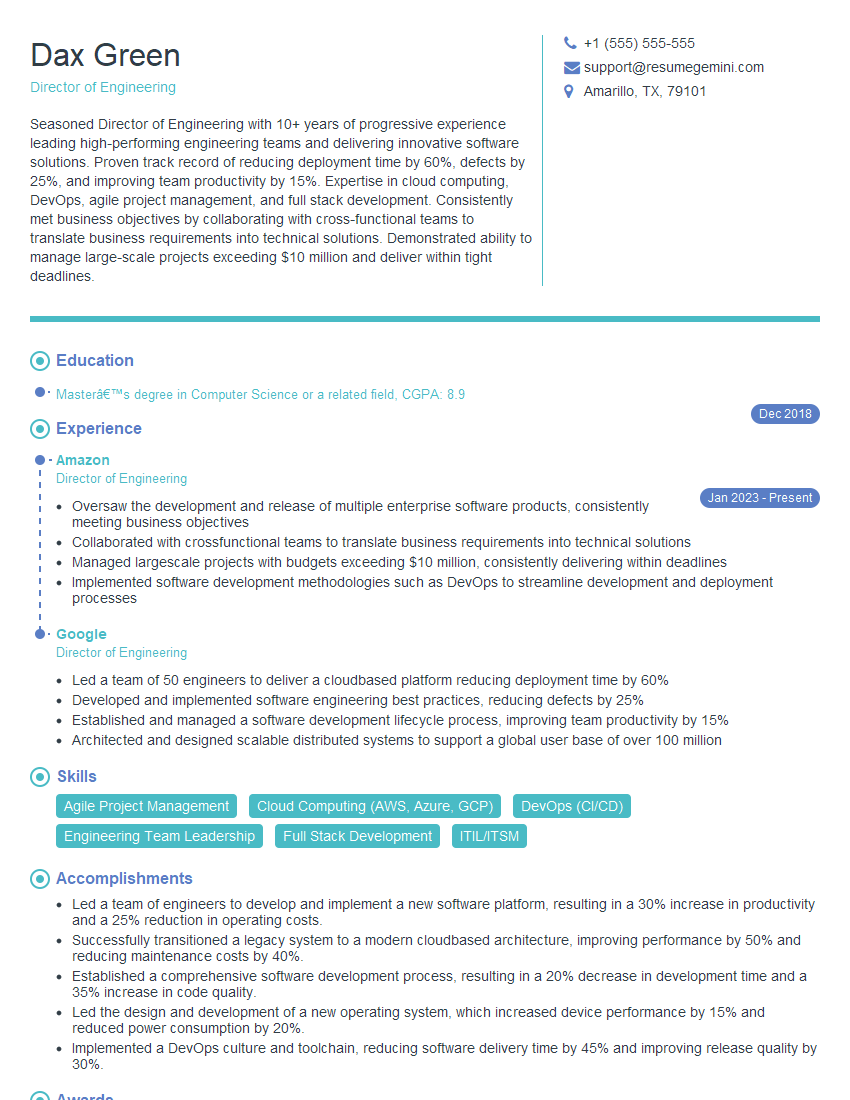
Director of Engineering Resume Sample
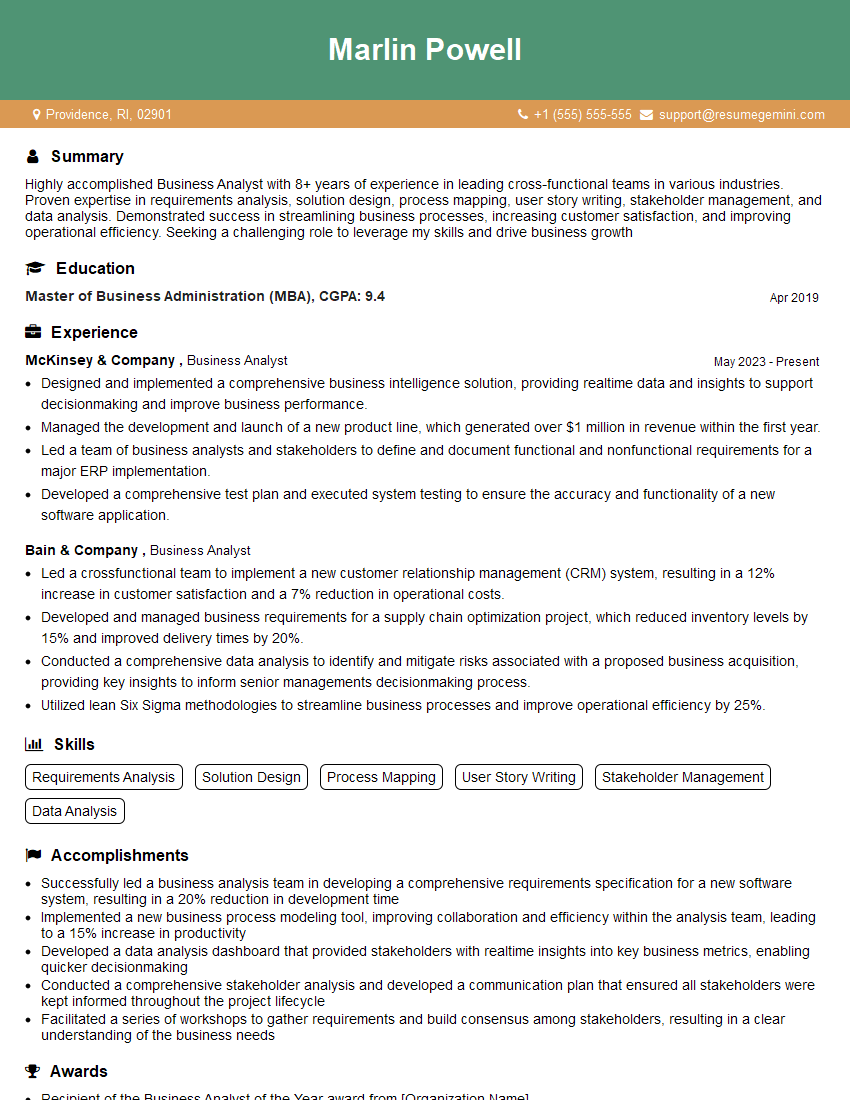
Business Analyst Resume Sample

Senior Software Engineer Resume Sample
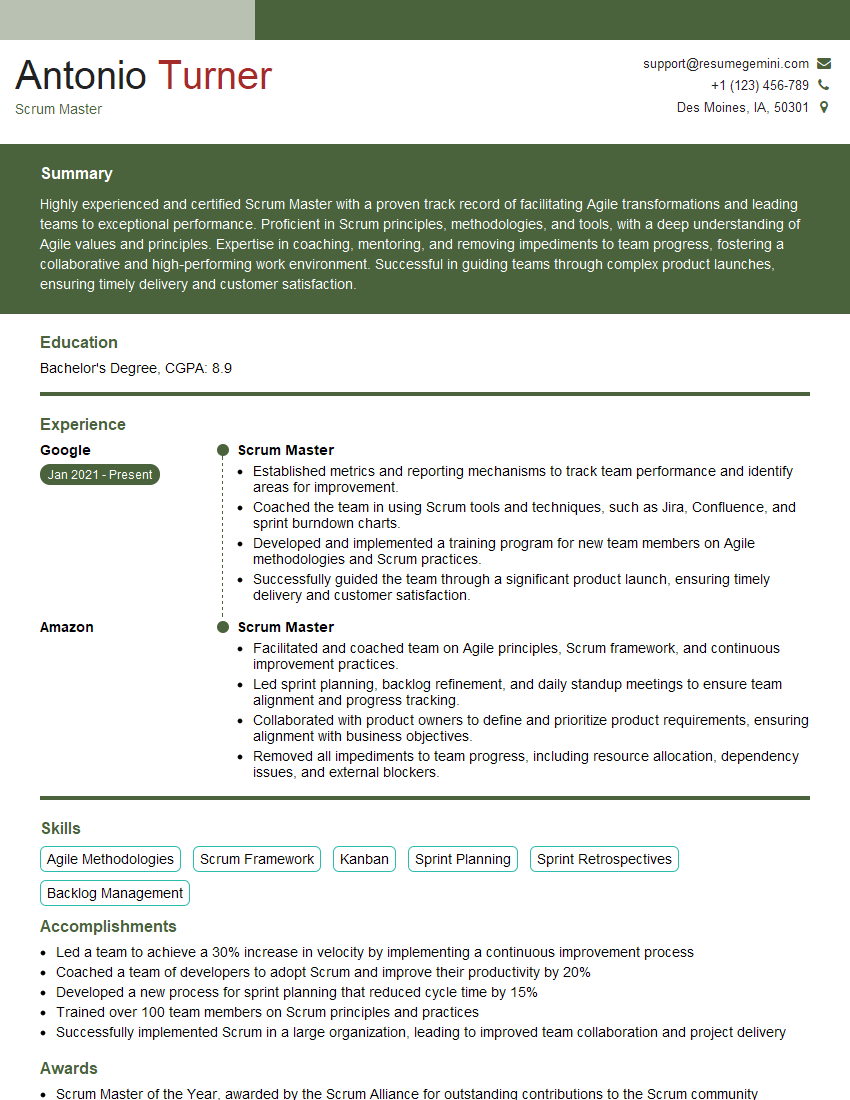
Scrum Master Resume Sample
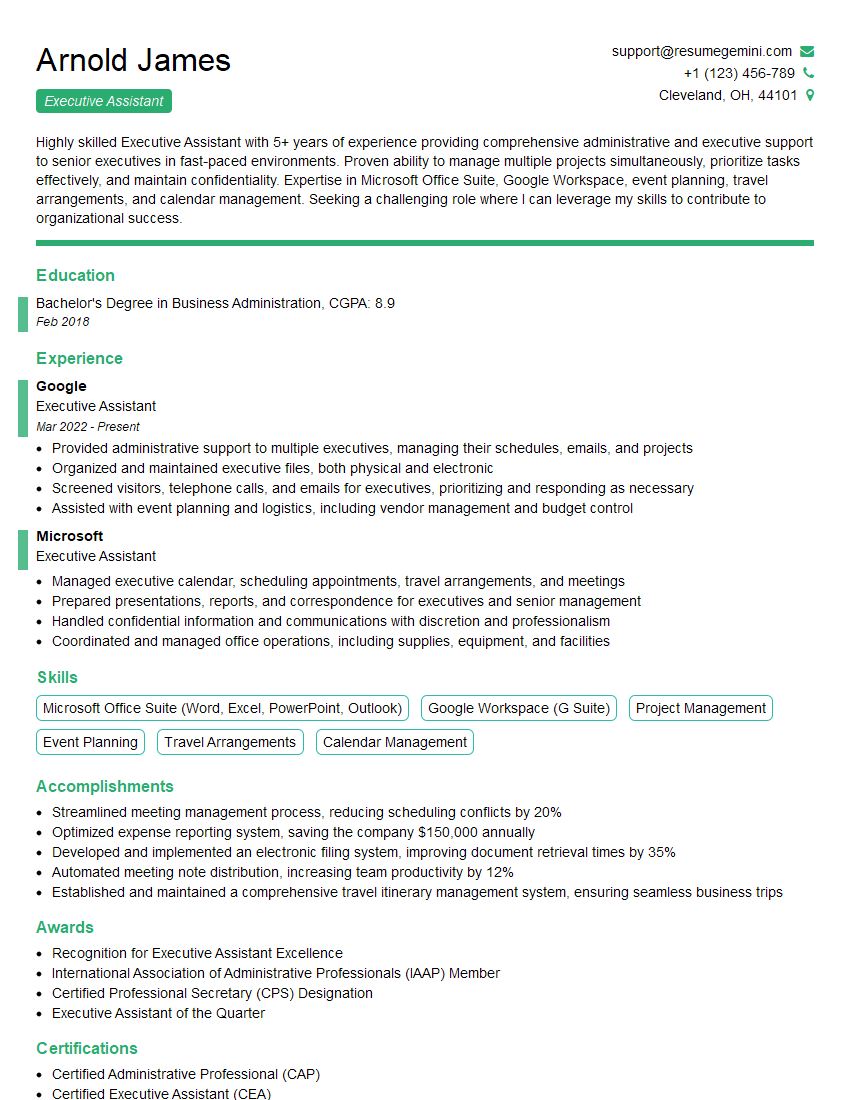
Executive Assistant Resume Sample
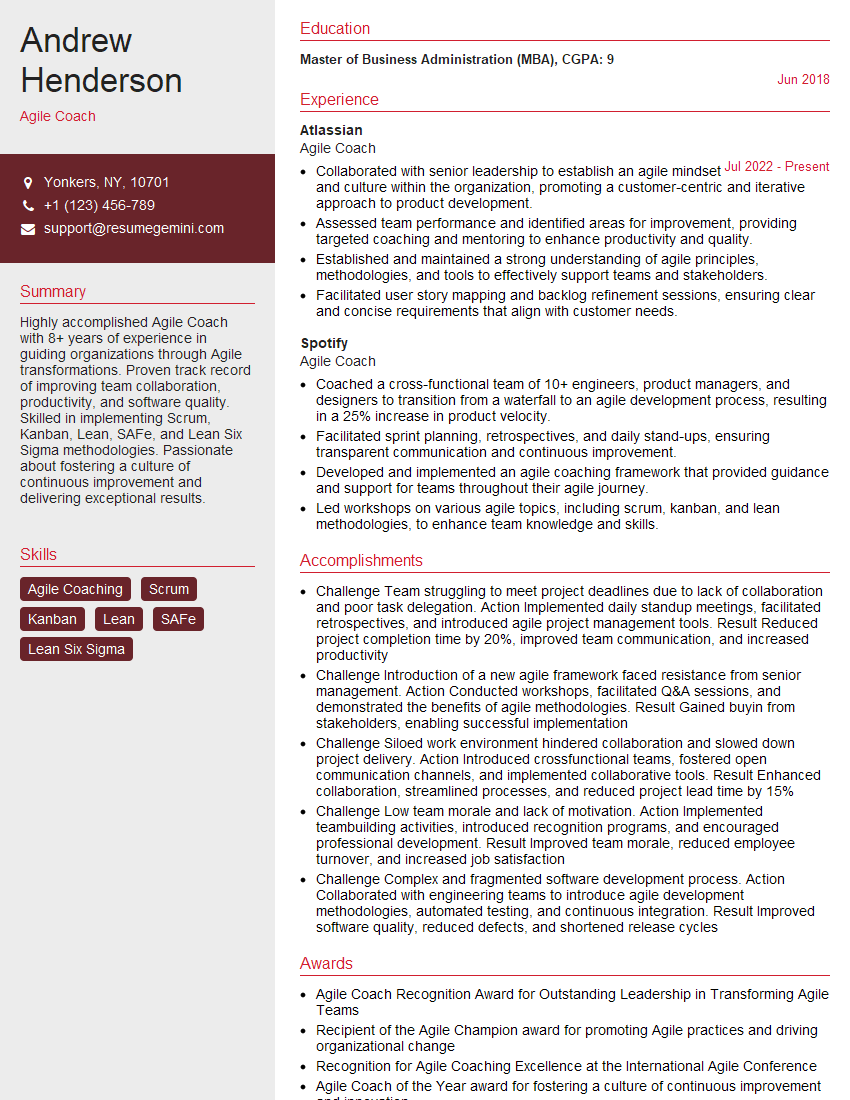
Agile Coach Resume Sample
- Chief Operating Officer (COO)
- Operations Manager
- Account Manager
- Marketing Manager
- Sales Manager
- Product Manager
- Director of Operations
- General Manager
- Project Manager
- Program Director
- Department Head
- Division Director
- Director of Engineering
- Business Analyst
- Senior Software Engineer
- Scrum Master
- Executive Assistant
- Agile Coach
Explore more articles
Users Rating of Our Blogs
Share Your Experience
We value your feedback! Please rate our content and share your thoughts (optional).
What Readers Say About Our Blog
Very informative content, great job.
good