Cracking a skill-specific interview, like one for High Threat Environment Operations, requires understanding the nuances of the role. In this blog, we present the questions you’re most likely to encounter, along with insights into how to answer them effectively. Let’s ensure you’re ready to make a strong impression.
Questions Asked in High Threat Environment Operations Interview
Q 1. Describe your experience conducting threat assessments in high-risk environments.
Threat assessments in high-risk environments require a multi-faceted approach, going beyond simple risk identification. It involves a deep dive into the specific geopolitical landscape, understanding local power dynamics, and identifying potential threats ranging from opportunistic crime to state-sponsored actors. My experience includes conducting comprehensive assessments for multinational corporations operating in volatile regions, NGOs working in conflict zones, and high-net-worth individuals traveling to high-threat areas.
My methodology starts with open-source intelligence (OSINT) gathering, analyzing news reports, social media, and academic publications for indicators of instability or threats. Then, I utilize human intelligence (HUMINT) sources, relying on a network of trusted contacts on the ground for real-time insights. This is followed by a detailed on-site reconnaissance, focusing on potential vulnerabilities in security infrastructure and identifying escape routes and safe havens. Finally, I synthesize all gathered information, producing a tailored threat matrix prioritizing risks and outlining potential responses.
For example, during a recent assessment for a client operating in a region with high kidnapping risk, our analysis revealed a pattern of attacks targeting expatriates traveling along specific routes. This intelligence led to revised travel plans, incorporating alternative routes and enhanced security details.
Q 2. Explain your methodology for developing and implementing security protocols for VIP protection.
Developing security protocols for VIP protection is a meticulous process that requires understanding the individual’s threat profile and adapting strategies to the specific context. My approach is based on a layered security model, combining proactive measures with reactive planning.
- Threat Assessment: This is the cornerstone. We deeply analyze the VIP’s profile, identifying potential threats based on their profession, public profile, and personal history. This informs all subsequent planning.
- Route Planning & Reconnaissance: Every detail is meticulously planned, from travel routes and accommodation to meeting locations. Thorough reconnaissance is carried out to identify potential vulnerabilities and alternative escape routes.
- Security Detail: The composition of the security detail is tailored to the specific threat. This may involve close protection officers, surveillance detection specialists, and intelligence analysts. Training and coordination are paramount.
- Communication & Coordination: Clear communication channels and protocols are established among all team members and with local authorities. Real-time situational awareness is vital.
- Contingency Planning: Detailed plans are prepared for various scenarios, including medical emergencies, kidnapping attempts, and hostile attacks.
For instance, during the protection of a prominent CEO traveling to a potentially hostile region, we used a decoy vehicle and multiple routes to mitigate the risk of ambush. We employed advanced surveillance countermeasures and coordinated closely with local law enforcement.
Q 3. How would you respond to a hostile situation involving a VIP client?
Responding to a hostile situation involving a VIP client demands immediate, decisive action based on thorough training and pre-planned protocols. My response will be guided by the following principles:
- Prioritize Immediate Safety: The paramount concern is the safety of the VIP and the protection team. This involves immediate evacuation to a safe location or taking defensive measures if necessary.
- Situational Awareness: Rapid assessment of the threat, including the number of attackers, their weapons, and their intentions, is crucial. Communication with the team and local authorities is paramount.
- Controlled Response: While decisive action is needed, restraint is vital to avoid escalating the situation unnecessarily. The goal is to neutralize the threat while minimizing casualties.
- Post-Incident Procedures: After the immediate threat is neutralized, detailed procedures are followed, including securing the scene, collecting evidence, and providing medical assistance if necessary.
In a past incident, a client’s vehicle was targeted in a drive-by shooting. Our pre-planned procedures led to immediate defensive maneuvers, a tactical withdrawal to a secure location, and the subsequent cooperation with local law enforcement to apprehend the suspects. Post-incident analysis led to refined security protocols.
Q 4. Detail your experience in risk mitigation strategies in high-threat environments.
Risk mitigation in high-threat environments involves proactive measures to reduce vulnerabilities and reactive strategies to manage crises. My experience encompasses a broad range of strategies.
- Preemptive Intelligence Gathering: Continuous monitoring of potential threats through OSINT, HUMINT, and SIGINT (signals intelligence) is crucial.
- Physical Security Measures: This includes secure facilities, access control systems, perimeter security, and surveillance technology.
- Personnel Security: Thorough background checks, security training, and the implementation of strict confidentiality protocols for all personnel are essential.
- Cybersecurity Measures: Protecting sensitive data and systems from cyberattacks is a critical aspect, especially given the rise of sophisticated cyber threats.
- Emergency Response Planning: Developing comprehensive plans for various scenarios, including medical emergencies, evacuations, and hostage situations, is critical.
For example, during the protection of a major infrastructure project in a conflict zone, we implemented a multi-layered security system including armed guards, surveillance drones, and robust cybersecurity protocols, drastically reducing the risk of sabotage and terrorist attacks.
Q 5. What are the key elements of a comprehensive security plan for a high-value asset?
A comprehensive security plan for a high-value asset must be holistic and adaptable, considering the unique characteristics of the asset and the threat environment.
- Asset Identification and Valuation: Understanding the nature of the asset, its value, and its potential impact if compromised is paramount.
- Threat Assessment: A rigorous analysis of potential threats, including internal and external actors, as well as natural disasters.
- Security Measures: A layered approach encompassing physical security (perimeter protection, access control), cybersecurity (network security, data protection), personnel security (vetting, training), and contingency planning.
- Communication and Coordination: Establishing clear communication protocols and coordinating with relevant stakeholders, including law enforcement and emergency services.
- Regular Review and Updates: Security plans are not static; they must be continuously reviewed and updated in response to changing circumstances and new threats.
Consider a large data center housing sensitive financial information. A robust security plan would involve physical access control, robust network security with intrusion detection systems, regular penetration testing, backup and disaster recovery plans, and comprehensive personnel security policies.
Q 6. How do you prioritize threats and allocate resources during a crisis?
Prioritizing threats and allocating resources during a crisis requires a calm, methodical approach based on a clear understanding of the situation and available resources.
- Threat Assessment: Rapid assessment of the immediacy and severity of each threat. The most imminent and critical threats are prioritized.
- Resource Allocation: Strategic allocation of personnel, equipment, and other resources based on the prioritized threats. This may involve shifting resources dynamically based on evolving situations.
- Communication and Coordination: Maintaining clear communication channels and coordinating with all stakeholders, including emergency services and other relevant organizations.
- Decision Making: Making informed decisions based on the available information and the evolving situation. This may involve accepting calculated risks in order to achieve the most favorable outcome.
Imagine a scenario where a facility is under attack, with simultaneous threats of fire and an active shooter. The priority would be to secure the immediate vicinity of the shooter to prevent casualties, while simultaneously initiating evacuation protocols to address the fire hazard. Resource allocation would reflect this prioritization.
Q 7. Explain your knowledge of different types of surveillance and counter-surveillance techniques.
Surveillance and counter-surveillance are critical skills in high-threat environments. My knowledge encompasses a wide range of techniques.
- Surveillance Techniques: This includes traditional methods like visual observation, audio surveillance, and photographic documentation, as well as advanced technologies like GPS tracking, cyber surveillance, and social media monitoring.
- Counter-Surveillance Techniques: These techniques are designed to detect and evade surveillance efforts. They range from simple methods like route variation and security sweeps to more advanced techniques like electronic countermeasures and the use of encrypted communications.
- Technical Aspects: I possess a strong understanding of electronic countermeasures (ECM), bug detection, and the use of various surveillance and anti-surveillance technologies. This includes knowledge of frequency analysis, signal jamming, and the use of covert communication devices.
For example, during a protection detail, we identified a suspicious vehicle repeatedly following the VIP’s motorcade. Using counter-surveillance techniques, we confirmed the vehicle was involved in surveillance and took appropriate action, such as altering routes and increasing security measures to break surveillance.
Q 8. Describe your experience working with local law enforcement and international security agencies.
My experience collaborating with local law enforcement and international security agencies spans over a decade, encompassing various high-threat environments. This collaboration has been crucial for intelligence sharing, coordinated operations, and effective threat mitigation. For instance, while working on a protection detail for a high-profile individual in a politically unstable region, we collaborated closely with the local police force to establish secure routes and checkpoints, leveraging their intimate knowledge of the local terrain and potential threats. Similarly, during a multinational counter-terrorism exercise, I worked alongside agencies from several countries, coordinating strategies and sharing best practices for dealing with improvised explosive devices (IEDs). This collaborative approach is paramount to ensuring comprehensive security in complex and challenging situations.
- Intelligence Sharing: Regular briefings and information exchange are vital for situational awareness.
- Joint Operations: Coordinating activities with multiple agencies necessitates clear communication and defined roles.
- Resource Optimization: Combining local expertise with specialized international capabilities maximizes efficiency.
Q 9. How do you handle information obtained from confidential sources?
Handling information from confidential sources requires utmost discretion and adherence to strict protocols. My approach begins with verifying the source’s credibility and assessing the reliability of the information provided. This often involves cross-referencing data with other intelligence sources and employing various verification techniques. Protecting the identity of the source is paramount, and I employ methods such as compartmentalized information sharing and anonymization techniques. The information is always handled within a secure environment, with access strictly controlled on a need-to-know basis, and documented meticulously for audit trails. Breaking confidentiality could jeopardize the source and compromise future intelligence gathering efforts, and I take this responsibility incredibly seriously.
Q 10. What is your understanding of geopolitical risks and their impact on security?
Geopolitical risks significantly impact security by creating volatile and unpredictable environments. Factors such as political instability, armed conflicts, terrorism, and economic sanctions directly influence the threat landscape. For example, a sudden shift in government policy can create a ripple effect, impacting local security forces’ capabilities and potentially increasing the risk to personnel and assets. Similarly, escalating regional tensions can lead to increased terrorist activity or cross-border conflicts, necessitating proactive adjustments to security strategies. Analyzing geopolitical factors through open-source intelligence (OSINT) and human intelligence (HUMINT) is critical for preemptive risk mitigation and proactive security planning. This includes understanding power dynamics, potential flashpoints, and the influence of non-state actors.
Understanding these geopolitical risks allows for the development of more robust security plans, considering not only immediate threats but also potential future scenarios and their impact.
Q 11. Describe your proficiency in close protection techniques and tactics.
My proficiency in close protection techniques and tactics is rooted in years of practical experience and continuous training. This encompasses advanced driver training, evasive driving maneuvers, and route planning to minimize exposure to threats. I’m proficient in various hand-to-hand combat techniques, firearms proficiency, and risk assessment. The most crucial aspect of close protection is anticipation and proactive threat mitigation. For example, during a high-risk detail in a crowded marketplace, I would constantly scan the environment, identify potential threats, and adjust the principal’s route accordingly. The goal is to create a protective barrier around the principal without causing undue alarm. This involves constant communication with the security team, utilizing advanced communication systems and surveillance technology to maintain situational awareness. Regular training and drills are critical to maintain these skills.
Q 12. How would you manage a security breach in a high-threat environment?
Managing a security breach in a high-threat environment requires immediate and decisive action. The first step is to establish control and secure the scene to prevent further compromise. This may involve implementing lockdowns, evacuations, and establishing a perimeter. Simultaneously, I would initiate emergency response procedures, alerting relevant authorities and medical personnel as needed. A thorough investigation will be launched to determine the nature and extent of the breach, tracing the point of compromise, and identifying any vulnerabilities. Lessons learned will be applied immediately to enhance future security protocols. The key is swift response, accurate assessment, and a measured approach to contain the damage and ensure the safety of personnel.
Q 13. Explain your experience in conducting security audits and identifying vulnerabilities.
Conducting security audits involves a systematic review of security protocols, physical infrastructure, and personnel practices to identify vulnerabilities. I employ a methodical approach, reviewing security plans, assessing physical barriers, and interviewing personnel to understand their understanding of security procedures. Technical assessments may involve penetration testing and vulnerability scanning, exploring potential weaknesses in network security and data protection. For example, a recent audit revealed inadequate access control measures in a data center, leading to the implementation of multi-factor authentication and stricter access protocols. The goal is to provide actionable recommendations that strengthen the overall security posture and minimize risks.
Q 14. Describe your knowledge of different types of weaponry and their effectiveness in high-threat scenarios.
My knowledge of weaponry extends to a wide range of firearms, explosives, and non-lethal weapons. This includes understanding their effectiveness in various scenarios, considering factors such as range, accuracy, lethality, and collateral damage. For instance, in a high-threat situation, selecting the appropriate firearm involves balancing stopping power, accuracy, and the potential for unintended consequences. Understanding the limitations and potential risks associated with each type of weapon is critical for effective deployment. My expertise also includes recognizing improvised explosive devices (IEDs) and understanding their potential impact. It is crucial to always follow strict safety procedures and regulations when handling any type of weaponry.
Q 15. How would you develop and maintain a secure communication system in a high-threat environment?
Establishing secure communication in high-threat environments requires a multi-layered approach focusing on confidentiality, integrity, and availability. Think of it like building a fortress – you need strong walls (encryption), secure gates (access control), and reliable messengers (communication protocols).
Encryption: End-to-end encryption is paramount. This means only the sender and receiver can understand the message, even if intercepted. We’d use robust algorithms like AES-256 or the latest versions of established protocols. Think of this as using a code that only you and the recipient know.
Network Security: We would leverage VPNs (Virtual Private Networks) to create a secure tunnel through potentially hostile networks. This is like creating a hidden passageway through enemy territory. Furthermore, implementing firewalls and intrusion detection systems is crucial to prevent unauthorized access and detect malicious activities.
Communication Protocols: Selecting the right communication protocol is vital. For example, we might use highly secure messaging apps with built-in encryption and features like self-destructing messages, or employ satellite communication for situations where terrestrial networks are unreliable or compromised. The choice depends on the specific threat landscape and operational needs.
Redundancy and Resilience: We need backup systems. If one communication channel fails, we need others ready to take over. This could involve multiple communication platforms, redundant satellite links, or mesh networking capabilities.
Comms Security Discipline: Training and strict operational procedures are critical. Personnel must understand the risks, protocols, and security measures. This includes secure handling of devices, password management, and awareness of social engineering tactics.
Career Expert Tips:
- Ace those interviews! Prepare effectively by reviewing the Top 50 Most Common Interview Questions on ResumeGemini.
- Navigate your job search with confidence! Explore a wide range of Career Tips on ResumeGemini. Learn about common challenges and recommendations to overcome them.
- Craft the perfect resume! Master the Art of Resume Writing with ResumeGemini’s guide. Showcase your unique qualifications and achievements effectively.
- Don’t miss out on holiday savings! Build your dream resume with ResumeGemini’s ATS optimized templates.
Q 16. What is your experience with emergency response planning and execution?
Emergency response planning isn’t just about having a checklist; it’s about anticipating challenges, establishing clear roles, and rehearsing procedures until they become second nature. My experience includes developing comprehensive plans, incorporating risk assessments, communication protocols, evacuation strategies, and medical protocols. I’ve led and participated in numerous drills and real-world responses, focusing on minimizing casualties and ensuring the safety of personnel and assets. One example involved coordinating a response to a simulated chemical spill at a high-security facility; this required integrating emergency services, implementing containment procedures, and managing the flow of information to both internal and external stakeholders.
We used a tiered response system, with a rapid initial response team, a broader support team, and then a long-term recovery phase. The success depended on clear communication channels, pre-assigned roles, and regular rehearsals. The simulation highlighted the importance of robust communication and the need for clear, concise instructions during crisis situations.
Q 17. Explain your familiarity with various security technologies and equipment.
My familiarity with security technologies and equipment spans various domains. This includes experience with:
Physical Security: Access control systems (biometrics, card readers, etc.), CCTV systems, intrusion detection systems, perimeter security, and physical barriers.
Cybersecurity: Network security devices (firewalls, intrusion prevention systems), endpoint protection, data loss prevention (DLP) tools, encryption technologies, and security information and event management (SIEM) systems.
Communication Systems: Secure satellite communications, encrypted radio systems, secure messaging applications, and VPNs.
Surveillance Technology: Various types of cameras (infrared, thermal, etc.), drones, and other surveillance equipment.
I understand the limitations of each technology and how they can be integrated effectively to create a holistic security posture. For instance, integrating biometric access control with CCTV and intrusion detection systems provides multiple layers of protection, creating a far more robust security system.
Q 18. How would you coordinate security efforts across multiple locations or teams?
Coordinating security across multiple locations or teams requires a structured approach and robust communication channels. I would establish a central command center or a coordinated network using secure communication platforms. This command center would be responsible for overseeing all operations, disseminating information, and coordinating responses. Think of it as an air traffic control tower for security operations.
Standardized Procedures: All teams must adhere to the same security protocols and reporting procedures. Consistency is key to seamless integration and avoids confusion in critical situations.
Real-time Communication: Regular updates and situational awareness are vital. Utilizing secure communication channels, such as encrypted chat platforms or dedicated radio systems, ensures that all teams are informed and coordinated.
Data Sharing: Secure data sharing mechanisms are needed to ensure everyone has the information they need to make informed decisions. This might involve secure databases or cloud-based platforms with role-based access control.
Regular Training and Drills: Conducting regular joint training exercises ensures that teams are familiar with each other’s procedures and capabilities, promoting smooth coordination during real-world events.
Q 19. Describe your experience in conducting post-incident analyses and reports.
Post-incident analysis is crucial for learning from mistakes and improving future security measures. My approach involves a systematic investigation, gathering evidence, and producing a comprehensive report detailing the incident, its causes, and recommendations for improvement. This process is akin to performing an autopsy on a security breach, identifying the cause of death and preventing future occurrences.
Evidence Collection: This involves securing relevant logs, data, and physical evidence, ensuring its integrity and chain of custody.
Timeline Reconstruction: Creating a detailed timeline of events leading up to, during, and after the incident helps to understand the sequence of events and identify critical points of failure.
Root Cause Analysis: We use techniques like the “5 Whys” to delve deeper into the underlying causes, going beyond surface-level observations to identify systemic vulnerabilities.
Recommendation Development: The report will contain specific, actionable recommendations to prevent similar incidents in the future. This could involve technical upgrades, policy changes, or training enhancements.
Q 20. How would you manage the psychological stress associated with high-threat environments?
Managing psychological stress in high-threat environments requires a multifaceted approach prioritizing both individual well-being and team cohesion. Ignoring this aspect can lead to burnout, decreased performance, and ultimately, compromise safety.
Stress Management Training: Providing personnel with training on stress management techniques such as mindfulness, breathing exercises, and resilience building is essential. This empowers individuals to cope with pressure more effectively.
Peer Support Networks: Establishing strong peer support networks enables individuals to share experiences and receive emotional support from colleagues who understand the unique challenges of the environment. This fosters a sense of camaraderie and reduces feelings of isolation.
Access to Mental Health Services: Providing easy access to professional mental health services is crucial. This could involve readily available counseling, therapy, or other support mechanisms.
Debriefing Sessions: Following particularly stressful incidents, conducting debriefing sessions allows individuals to process their experiences, share concerns, and receive support from peers and supervisors. This can be a crucial step in preventing long-term psychological trauma.
Rotation and Rest: Implementing a system of regular rotations and periods of rest allows individuals to recover and reduces the risk of burnout. This is especially critical in high-intensity operations.
Q 21. Explain your understanding of international security laws and regulations.
My understanding of international security laws and regulations is comprehensive, encompassing areas such as the laws of armed conflict (LOAC), international human rights law, and relevant national legislation. I am familiar with the legal frameworks governing the use of force, the treatment of detainees, data protection, and the handling of classified information. Understanding these laws is crucial to ensuring compliance and maintaining ethical conduct in operations, no matter the threat level.
For example, I understand the principles of proportionality and distinction in the LOAC and how they apply to targeting decisions. I also know the importance of complying with data privacy regulations like GDPR or CCPA when handling sensitive information gathered during operations. Furthermore, I’m aware of the varying legal standards across different nations and how these impact operations spanning multiple jurisdictions.
Q 22. Describe your experience in personal protection training and certifications.
My personal protection training encompasses a broad spectrum, exceeding basic certifications. I’ve completed advanced courses in close protection, including those focusing on executive protection, dignitary protection, and high-risk environments. My certifications include [mention specific certifications, e.g., Professional Protective Agent, Advanced Close Protection, etc.], all obtained from reputable institutions with a proven track record. This training isn’t just about tactical skills; it incorporates extensive threat assessment, risk mitigation strategies, emergency medical response, and advanced driving techniques. For example, during a recent advanced driving course, we simulated evasive maneuvers in high-speed pursuit scenarios, preparing us to react effectively under extreme pressure. The rigorous training also emphasized the importance of observation skills, communication protocols, and ethical conduct under duress.
Q 23. What are the ethical considerations in high-threat environment operations?
Ethical considerations in high-threat environments are paramount. They underpin everything we do. Maintaining the highest ethical standards is critical not only for professional integrity, but also for operational success. This includes strict adherence to the law, respecting human rights, and ensuring that all actions are proportionate and necessary. For instance, the use of force must always be justified and documented, with a focus on de-escalation techniques before resorting to physical intervention. Maintaining client confidentiality, even in challenging circumstances, is vital. We also have a responsibility to ensure the safety of bystanders and to avoid any actions that could cause unnecessary harm or put innocent people at risk. A real-world example would be prioritizing the safety of civilians during an extraction operation, even if it means altering the plan.
Q 24. How do you maintain situational awareness in dynamic and unpredictable situations?
Maintaining situational awareness (SA) in dynamic environments is a constant, active process, not a passive one. It’s like being a conductor of an orchestra, constantly monitoring every instrument and adjusting accordingly. It involves a combination of observation, listening, and anticipation. I utilize a 360-degree awareness scan, constantly checking my surroundings, identifying potential threats, and assessing the behavior of individuals and groups. This includes actively listening for unusual sounds or conversations, noting environmental changes, and analyzing body language. I employ specific techniques, like ‘scanning’ – a systematic observation method to identify potential threats and hazards, and ‘listening’ – to detect unusual sounds or conversations. Regularly reassessing the situation and adapting my plan based on new information is crucial. For example, if I notice an unusual increase in pedestrian traffic in a certain area, I would adjust the route or protective measures accordingly.
Q 25. Describe your experience with route planning and risk assessment for VIP movements.
My experience in route planning and risk assessment for VIP movements is extensive. It begins with a thorough threat assessment, identifying potential risks specific to the VIP, the location, and the event. This assessment involves studying intelligence reports, analyzing historical data on past incidents, and considering potential adversaries and their capabilities. The route is then planned with multiple contingencies and escape routes, minimizing exposure to threats. We use various tools and technologies including geographic information systems (GIS) to visually model the area, identifying potential chokepoints, blind spots, and escape routes. We also consider the timing of the movement, taking into account traffic patterns, public gatherings, and potential protests. A real example involved planning a motorcade route through a city known for its high crime rate. We chose less congested roads, pre-inspected potential ambush points, and had backup routes planned to circumvent any unexpected delays or blockades.
Q 26. How would you manage conflicts between different security personnel or stakeholders?
Conflict management between security personnel or stakeholders requires clear communication, diplomacy, and a collaborative approach. I start by identifying the root cause of the conflict and actively listening to each party’s perspective, ensuring all voices are heard. Then, I facilitate a discussion to find common ground and explore mutually acceptable solutions. I emphasize the importance of working toward a common goal – the safety and security of the VIP – and stress the need for cooperation. If the conflict escalates, I will intervene in a calm and assertive manner, ensuring that all parties maintain professional conduct and follow established protocols. Formal mediation may be necessary in more complex situations. For example, during a high-profile event, I had to mediate a disagreement between the local police and our security team regarding the deployment of personnel. By carefully presenting different viewpoints and finding a compromise, we successfully averted a potentially disruptive conflict.
Q 27. Explain your knowledge of different types of protective equipment and its application.
My knowledge of protective equipment is comprehensive. This includes personal protective equipment (PPE) such as bullet-resistant vests, helmets, and communication devices, as well as specialized equipment like armored vehicles, electronic countermeasures, and surveillance systems. The selection of equipment depends heavily on the specific threat assessment. For example, in a high-risk environment, the team might use Level III or IV ballistic vests providing greater protection. In a less volatile environment, Level IIA might suffice. The application extends beyond the individual; it includes environmental security measures, like securing a venue or checking for electronic surveillance, and having dedicated escape vehicles ready in case of emergency. Proper maintenance and regular inspection of all equipment are critical to ensure their effectiveness in high-pressure situations.
Q 28. How do you stay current with the latest threats and trends in high-threat environments?
Staying current with the latest threats and trends is crucial. I accomplish this through a multi-faceted approach. I regularly review intelligence reports from reputable sources, participate in industry conferences and workshops, and maintain a network of contacts within the security community. This network includes sharing best practices and staying informed on emerging threats. I also utilize online resources, professional journals, and government publications to remain updated on current geopolitical events and technological advancements that could impact security operations. Furthermore, I conduct regular self-assessment and participate in training exercises to ensure my skills are sharp and adaptable to new challenges. For example, recent awareness of increased drone activity in urban environments has necessitated training in counter-drone measures and incorporating these technologies into our risk assessments.
Key Topics to Learn for High Threat Environment Operations Interview
- Risk Assessment & Mitigation: Understanding threat identification, vulnerability analysis, and the development of comprehensive mitigation strategies. Practical application includes scenario-based exercises and developing contingency plans.
- Security Protocols & Procedures: Mastering established security protocols, emergency response plans, and communication procedures. Practical application focuses on demonstrating knowledge of best practices and adapting to various scenarios.
- Teamwork & Leadership in High-Stress Situations: Analyzing the dynamics of team performance under pressure, effective communication, and leadership techniques in crisis management. Practical application involves discussing past experiences showcasing collaborative problem-solving and leadership skills.
- Technological Security Measures: Understanding and applying various technological security measures, including surveillance systems, communication technologies, and data security protocols. Practical application might include explaining the strengths and weaknesses of different technologies.
- Ethical Considerations & Legal Frameworks: Navigating ethical dilemmas and adhering to relevant legal frameworks within high-threat environments. This involves understanding the implications of decisions and actions.
- Physical Security & Protection: Knowledge of physical security measures, including perimeter security, access control, and personal protection techniques. Practical applications involve demonstrating understanding of physical security vulnerabilities and countermeasures.
- Crisis Management & Incident Response: Developing and executing effective crisis management plans and incident response protocols. This includes demonstrating proficiency in decision-making under pressure.
Next Steps
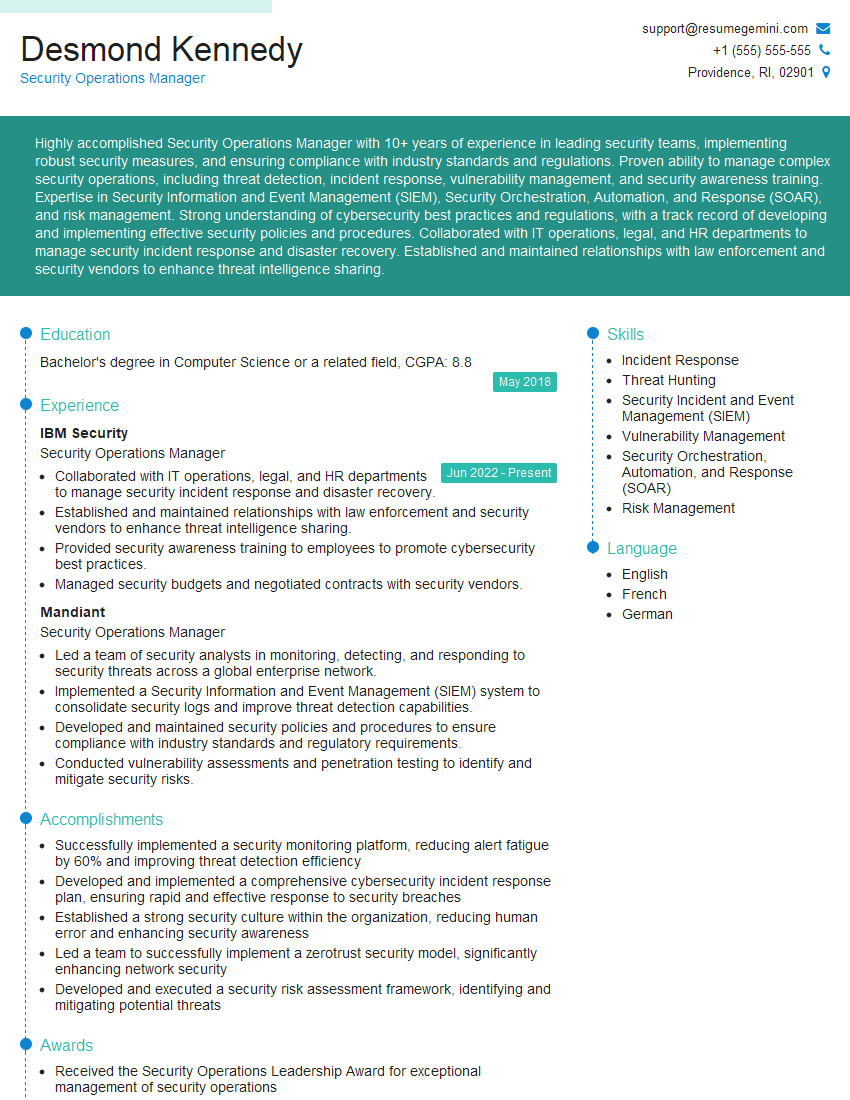
Mastering High Threat Environment Operations opens doors to exciting and impactful careers, offering opportunities for personal and professional growth. To significantly increase your job prospects, it’s crucial to present your skills and experience effectively through an ATS-friendly resume. ResumeGemini is a trusted resource to help you build a professional and impactful resume that highlights your unique qualifications. We provide examples of resumes tailored to High Threat Environment Operations to guide you through the process. Take the next step towards your dream career – build your best resume with ResumeGemini.
Explore more articles
Users Rating of Our Blogs
Share Your Experience
We value your feedback! Please rate our content and share your thoughts (optional).
What Readers Say About Our Blog
Very informative content, great job.
good