The thought of an interview can be nerve-wracking, but the right preparation can make all the difference. Explore this comprehensive guide to Highvolume production line experience interview questions and gain the confidence you need to showcase your abilities and secure the role.
Questions Asked in Highvolume production line experience Interview
Q 1. Describe your experience with high-volume production line processes.
My experience encompasses over ten years working in high-volume production lines, primarily in the electronics manufacturing industry. I’ve been involved in all aspects, from initial product design for manufacturability to ongoing process optimization and troubleshooting. This includes managing teams, overseeing production schedules, implementing quality control measures, and resolving production bottlenecks. I’ve worked with lines producing tens of thousands of units daily, requiring meticulous planning, real-time monitoring, and rapid response to any disruptions.
For instance, in my previous role at Acme Electronics, I managed a line producing circuit boards at a rate of 15,000 units per day. This required a deep understanding of the entire process, from component sourcing and assembly to testing and packaging. My responsibilities included ensuring optimal throughput, minimizing downtime, and maintaining high quality standards.
Q 2. Explain your understanding of Lean manufacturing principles.
Lean manufacturing is a philosophy focused on eliminating waste and maximizing value for the customer. It’s not just about cost reduction, but also about improving quality, speed, and flexibility. Key principles include:
- Value Stream Mapping: Identifying and eliminating non-value-added steps in the production process.
- Just-in-Time (JIT) Inventory: Minimizing inventory by receiving materials only when needed, reducing storage costs and waste.
- Kaizen (Continuous Improvement): Constantly seeking small, incremental improvements to processes.
- 5S Methodology: Organizing the workplace to improve efficiency and reduce errors (Sort, Set in Order, Shine, Standardize, Sustain).
- Poka-Yoke (Error-Proofing): Designing processes to prevent defects from occurring in the first place.
I’ve applied these principles extensively, leading initiatives to streamline processes, reduce lead times, and improve overall efficiency. For example, by implementing a Kanban system, we significantly reduced work-in-progress inventory and improved the flow of materials through our production line.
Q 3. How have you improved efficiency on a high-volume production line?
In one instance, we experienced significant delays on the assembly line due to a poorly designed workstation layout. Operators had to reach across the line to access certain components, creating bottlenecks and reducing throughput. To improve efficiency, I spearheaded a project to redesign the workstation using ergonomic principles and 5S methodology. This involved reorganizing the workspace, optimizing the placement of components, and implementing a new workflow. The result was a 20% increase in output and a significant reduction in operator fatigue and errors.
Another example involved implementing a new automated testing system. The previous manual testing method was slow and prone to human error. By transitioning to an automated system, we reduced testing time by 50% and significantly improved accuracy, leading to a dramatic reduction in defects and rework.
Q 4. What experience do you have with Six Sigma methodologies in a manufacturing setting?
I’m proficient in Six Sigma methodologies, particularly DMAIC (Define, Measure, Analyze, Improve, Control). I’ve led several Six Sigma projects focused on reducing defects, improving process capability, and enhancing overall efficiency. This includes defining critical process parameters, collecting and analyzing data, identifying root causes of variation, implementing corrective actions, and monitoring process performance over time.
One project involved reducing the defect rate in the soldering process of circuit boards. By using statistical process control (SPC) techniques and analyzing process parameters like temperature and solder paste consistency, we identified the root causes of defects and implemented process adjustments. This resulted in a 75% reduction in defect rate and significant cost savings.
Q 5. Describe a time you solved a production line bottleneck.
A major bottleneck arose on our production line due to a faulty component feeder malfunctioning frequently. This caused significant downtime and disrupted the entire assembly process. My approach involved a systematic troubleshooting process:
- Identify the Problem: Clearly defined the issue as intermittent failure of the component feeder.
- Analyze the Root Cause: Investigated the feeder’s mechanics, analyzed maintenance logs, and interviewed operators to pinpoint the root cause (worn-out parts causing inconsistent feeding).
- Develop Solutions: Explored multiple solutions, including immediate repair, preventative maintenance, and potential replacement of the feeder with a more robust model.
- Implement the Solution: We opted for a combination of immediate repair and a preventative maintenance schedule. The faulty parts were replaced, and a rigorous maintenance schedule was implemented to prevent future occurrences.
- Monitor and Control: We tracked the feeder’s performance closely after the repairs and implemented continuous monitoring to prevent future issues.
This systematic approach resolved the bottleneck, restoring production to its previous levels and preventing future disruptions.
Q 6. How do you ensure quality control in a high-speed production environment?
Maintaining quality control in a high-speed environment requires a multi-pronged approach. This involves a combination of preventative measures, in-process controls, and final product inspection.
- Preventative Measures: Implementing robust quality checks during the design and procurement phases, focusing on supplier selection and robust component specifications.
- In-process Controls: Utilizing statistical process control (SPC) charts to monitor key process parameters in real-time. Implementing automated inspection systems at critical stages to identify and reject defective products immediately.
- Final Product Inspection: Employing a combination of automated and manual inspection methods at the end of the production line to ensure all products meet quality standards.
- Data Analysis: Continuous monitoring and analysis of defect data to identify trends and patterns, allowing for proactive corrective actions.
For example, we implemented an automated vision system to inspect for solder defects on circuit boards, catching errors instantly and preventing them from progressing further down the line.
Q 7. What are your experience with different types of automation equipment?
My experience spans various automation equipment including:
- Robotic Arms: Extensive experience with robotic arms for material handling, assembly, and packaging tasks. I’m familiar with programming and troubleshooting various robotic systems, such as Fanuc and ABB robots.
- Automated Guided Vehicles (AGVs): I’ve worked with AGVs to transport materials and finished goods within the production facility, optimizing material flow and minimizing transportation time.
- Computer Numerical Control (CNC) Machines: Experience with CNC machines for precision machining and part fabrication. I’m familiar with programming and operating various CNC machines.
- Automated Assembly Machines: Experienced in using and maintaining various automated assembly machines tailored to specific production processes.
- Automated Testing Equipment: Proficient in implementing and utilizing automated testing equipment for various purposes such as functional testing and quality control checks.
I understand the importance of selecting the right automation equipment for a specific production process and have successfully integrated various automated systems to improve efficiency and quality.
Q 8. How do you handle production line downtime?
Production line downtime is the enemy of efficiency and profitability. My approach to handling it is proactive and multi-faceted, focusing on prevention and swift resolution. It starts with meticulous preventative maintenance schedules. Think of it like regularly servicing your car – it prevents major breakdowns. We schedule routine inspections, lubrications, and part replacements to minimize unexpected failures.
When downtime does occur, my first step is to swiftly identify the root cause. This often involves a systematic investigation, using techniques like the 5 Whys (asking ‘why’ five times to get to the root of a problem) to get to the core issue, not just the surface symptom. We utilize a detailed tracking system to log downtime events, including the cause, duration, and the steps taken to resolve it. This data allows for trend analysis and proactive adjustments to prevent future occurrences. For example, if we repeatedly experience downtime due to a specific machine component, we can explore preventative measures like upgrading the component or implementing a redundancy system.
Finally, efficient recovery is key. We have pre-defined emergency procedures and a well-trained team ready to address various failure scenarios. This might involve switching to backup equipment, reassigning tasks, or contacting external specialists for complex repairs. Clear communication channels are crucial during these situations – keeping the team, management, and potentially clients informed of the progress is paramount. This entire process emphasizes minimizing the impact of downtime on overall production targets and maintaining customer satisfaction.
Q 9. How familiar are you with Kanban systems?
I’m very familiar with Kanban systems and have extensive experience implementing and optimizing them in high-volume production lines. Kanban, at its core, is a visual system for managing workflow. Imagine a supermarket shelf – you only replenish what’s been taken, preventing overstocking and waste. In production, Kanban uses cards or digital equivalents to signal the need for more materials or components. This ‘pull’ system ensures that production is demand-driven, preventing overproduction and minimizing inventory.
My experience includes designing and implementing Kanban boards, both physical and digital, tailored to specific production processes. I’ve also worked on optimizing Kanban systems by adjusting the number of cards (representing work-in-progress), improving cycle times, and identifying bottlenecks. For instance, in a previous role, we implemented a Kanban system for assembling electronic components. By carefully managing the flow of materials using Kanban, we reduced lead times by 20% and significantly improved overall efficiency. This involved working closely with the team to define the appropriate work-in-progress limits and continuously monitoring and adjusting the system based on real-time data.
Q 10. Explain your experience with safety protocols in a high-volume production line.
Safety is never a compromise in high-volume production. My experience encompasses rigorous adherence to and enforcement of safety protocols, from the initial design phase of the production line to daily operational practices. This begins with comprehensive training for all personnel. Employees receive regular refreshers on safe operating procedures, the use of personal protective equipment (PPE), and emergency response protocols. We incorporate regular safety audits and inspections to identify and mitigate potential hazards.
Furthermore, we actively promote a safety-first culture within the team. This includes open communication channels where employees feel empowered to report any safety concerns without fear of reprisal. We meticulously document all safety incidents, conduct thorough root cause analyses, and implement corrective actions to prevent recurrence. This includes implementing improved machine guarding, ergonomic workstations, and enhancing safety training programs based on identified weaknesses. For example, after a minor incident involving a hand injury, we immediately reviewed our procedures, implemented additional machine guarding, and provided additional training on the proper usage of safety equipment. This proactive approach has led to a significant reduction in workplace accidents and a demonstrably safer work environment.
Q 11. Describe your experience with troubleshooting machinery and equipment failures.
Troubleshooting machinery and equipment failures is a critical skill in high-volume production. My approach is systematic and data-driven. It involves a combination of practical experience, technical knowledge, and problem-solving skills. When a machine malfunctions, my first step is to gather data – observing the problem, checking error logs, and interviewing the operators who witnessed the failure. This helps me pinpoint the potential source of the problem.
Following that, I use a structured troubleshooting process, often starting with the most likely causes. This might involve checking power supplies, examining wiring diagrams, inspecting mechanical components, or running diagnostic tests. I’m proficient in using various diagnostic tools and software, enabling a more precise identification of the fault. For instance, in a recent situation, a packaging machine malfunctioned. By analyzing the error logs, I quickly isolated the issue to a faulty sensor. Replacing this sensor resolved the problem, minimizing downtime and avoiding costly repairs. Throughout the process, detailed documentation is maintained, ensuring repeat failures can be prevented, and learnings are incorporated into preventative maintenance programs.
Q 12. How do you manage a team in a fast-paced production environment?
Managing a team in a fast-paced production environment requires a blend of strong leadership, clear communication, and collaborative teamwork. I believe in leading by example, setting clear expectations, and fostering a culture of mutual respect and support. Open communication is paramount; I regularly hold team meetings to discuss progress, challenges, and potential improvements. This provides opportunities for feedback and ensures everyone is aligned with the overall goals.
I also employ various strategies to motivate and empower the team. This includes recognizing and rewarding good performance, providing opportunities for professional development, and delegating responsibility effectively. I believe in fostering a sense of ownership and accountability amongst team members, enabling them to take pride in their work and contribute their unique skills. In a previous role, I successfully managed a team of 20 production line workers during a period of high demand. By clearly defining roles, providing regular feedback, and encouraging teamwork, we exceeded production targets and maintained high levels of employee morale and productivity.
Q 13. How do you prioritize tasks in a high-pressure production setting?
Prioritizing tasks in a high-pressure setting involves a structured approach that combines urgency and importance. I use a prioritization matrix, often a variation of the Eisenhower Matrix (urgent/important), to categorize tasks. This helps me identify which tasks require immediate attention, which are important but can be scheduled, and which can be delegated or eliminated altogether. This process is not static; it’s dynamically adjusted based on real-time changes in production demands and unexpected challenges.
Furthermore, I use visual tools like Kanban boards or task management software to track progress and ensure visibility across the team. This allows everyone to understand priorities and enables proactive problem-solving. For example, if a critical machine breaks down, that immediately becomes the top priority, regardless of pre-existing schedules. The team rallies to address it, while less critical tasks are temporarily re-prioritized or delegated. Effective communication is essential here, making sure the team understands the rationale behind the changing priorities.
Q 14. What metrics do you use to assess production line performance?
Assessing production line performance requires a holistic approach, using a combination of key performance indicators (KPIs) tailored to the specific goals and context. Some essential metrics include:
- Overall Equipment Effectiveness (OEE): This measures the effectiveness of equipment utilization, combining availability, performance, and quality.
- Throughput: The rate of production, measured in units per hour or per day.
- Defect Rate: The percentage of defective products produced, indicating quality control effectiveness.
- Cycle Time: The time taken to complete a single production cycle.
- Lead Time: The time between order placement and product delivery.
- Inventory Turnover: The rate at which inventory is sold and replenished.
- Employee Safety Incidents: This is a crucial metric highlighting the effectiveness of safety measures and training.
By tracking these KPIs, we can identify areas for improvement and make data-driven decisions to optimize the production line. Regularly reviewing these metrics and analyzing trends allows for proactive adjustments to processes, ensuring continued high performance and efficiency. For example, a sudden increase in the defect rate might indicate a problem with a particular machine or a need for additional employee training.
Q 15. Describe your experience with production scheduling and planning.
Production scheduling and planning are crucial for optimizing efficiency and meeting deadlines in high-volume manufacturing. It involves forecasting demand, allocating resources, and sequencing production tasks to minimize bottlenecks and maximize output. My experience encompasses utilizing various scheduling methodologies, including MRP (Material Requirements Planning) and Kanban systems, to create detailed production schedules.
For instance, in my previous role at Acme Manufacturing, we implemented a Kanban system for our assembly line. This involved visualizing workflow, limiting work-in-progress, and constantly monitoring production flow. This resulted in a 15% reduction in lead times and a 10% decrease in inventory costs. We also utilized MRP to accurately forecast material needs, preventing stockouts and minimizing waste. This system factored in lead times for raw materials, projected demand, and production capacity to generate a schedule that balanced efficiency with meeting customer orders.
Beyond software, effective scheduling also means understanding the capabilities of your equipment and your workforce. For example, anticipating and scheduling preventative maintenance to avoid production downtime is just as crucial as scheduling the tasks themselves. It’s a holistic approach that requires constant monitoring, adjustment, and communication across all teams.
Career Expert Tips:
- Ace those interviews! Prepare effectively by reviewing the Top 50 Most Common Interview Questions on ResumeGemini.
- Navigate your job search with confidence! Explore a wide range of Career Tips on ResumeGemini. Learn about common challenges and recommendations to overcome them.
- Craft the perfect resume! Master the Art of Resume Writing with ResumeGemini’s guide. Showcase your unique qualifications and achievements effectively.
- Don’t miss out on holiday savings! Build your dream resume with ResumeGemini’s ATS optimized templates.
Q 16. How do you ensure compliance with regulatory requirements in manufacturing?
Ensuring regulatory compliance in manufacturing is paramount. This involves adhering to a range of standards, depending on the industry and product, including safety regulations, environmental standards, and quality control mandates. My approach is proactive, involving thorough documentation, regular audits, and continuous training for the production team.
Specifically, I’ve been involved in implementing ISO 9001 quality management systems and adhering to FDA regulations for food-grade products. This includes establishing detailed Standard Operating Procedures (SOPs), conducting regular internal audits to identify potential non-compliances, and maintaining comprehensive records of all processes. We also participate in regular external audits to ensure continued certification. We implemented a system of checks and balances including electronic signatures for all critical steps in the manufacturing process. Each step is documented, reviewed, and approved. This comprehensive approach ensures we meet or exceed all regulatory standards, minimizing risk and protecting the company’s reputation.
Q 17. What is your experience with inventory management in a high-volume production environment?
Effective inventory management is critical in a high-volume production setting. It’s a balancing act between avoiding stockouts that halt production and preventing excess inventory that ties up capital and increases storage costs. My experience includes using various inventory management techniques such as Just-in-Time (JIT) inventory systems and ABC analysis.
In a previous role, we implemented a JIT system, focusing on procuring materials only when needed for immediate production. This significantly reduced warehousing costs and minimized the risk of obsolescence. We also used ABC analysis to categorize inventory items based on their value and consumption rate. This allowed us to focus our resources on managing high-value, frequently used items more closely, optimizing stock levels and minimizing storage costs for less critical items. Regular cycle counting and accurate forecasting are also vital components of a robust inventory management system in our high-volume environment.
Technology plays a crucial role, with ERP systems providing real-time visibility into inventory levels, allowing for more precise demand forecasting and proactive adjustments to prevent disruptions.
Q 18. How do you handle conflict resolution within a production team?
Conflict resolution is an inevitable part of team management, especially in high-pressure production environments. My approach centers on open communication, active listening, and a focus on finding mutually beneficial solutions. I believe in addressing conflicts promptly and directly, fostering a culture of respect and collaboration.
When conflicts arise, I encourage team members to clearly articulate their perspectives and concerns. I facilitate a structured discussion, ensuring everyone feels heard and valued. My goal isn’t to assign blame but to identify the root cause of the conflict and collaborate on a solution that addresses the underlying issue. This might involve mediating between individuals, adjusting work processes, or providing additional training. For example, in one situation, a conflict arose between two teams over resource allocation. By facilitating a collaborative session, we identified a more efficient workflow that addressed the needs of both teams and eliminated the resource conflict.
Q 19. How do you contribute to continuous improvement initiatives?
Continuous improvement is integral to maintaining a competitive edge in high-volume manufacturing. I actively participate in Lean methodologies, such as Kaizen events, to identify and eliminate waste, improve efficiency, and enhance product quality. My contributions involve brainstorming with the team, analyzing production processes, and implementing data-driven solutions.
For instance, in one Kaizen event, we focused on streamlining the assembly process. By analyzing the workflow and identifying bottlenecks, we implemented several improvements like rearranging workstations, optimizing tool placement, and simplifying certain tasks. This led to a 12% increase in productivity and a reduction in defects. My role involves not only identifying areas for improvement but also championing the implementation of new procedures and training team members to adopt the new processes.
Q 20. Explain your experience with root cause analysis in a production setting.
Root cause analysis is essential for resolving production issues effectively and preventing recurrence. I utilize various techniques, such as the 5 Whys, fishbone diagrams, and Pareto analysis, to systematically investigate the root causes of defects or inefficiencies.
For instance, when facing a high defect rate in a particular product, I would initiate a root cause analysis. Using the 5 Whys, we would repeatedly ask “why” to delve deeper into the underlying causes. This might reveal issues with machine calibration, operator error, or material defects. We would then use a fishbone diagram to visually represent the potential causes, facilitating a more comprehensive investigation. Pareto analysis helps to identify the most significant contributing factors, allowing us to focus our efforts on the issues with the greatest impact.
The objective is not just to solve the immediate problem but to understand and address the underlying issues to prevent similar problems from occurring in the future. This often involves implementing preventative measures, modifying processes, and improving training protocols. Documentation is key to ensure lessons learned are retained and shared within the team.
Q 21. Describe your familiarity with different manufacturing processes (e.g., injection molding, assembly).
My experience encompasses a wide range of manufacturing processes, including injection molding, assembly, and automated packaging. I understand the intricacies of each process, from material selection and machine operation to quality control and process optimization.
In injection molding, I’m familiar with various molding techniques, material properties, and machine parameters. This includes setting up molds, troubleshooting issues like flash or short shots, and optimizing cycle times. In assembly, my experience ranges from manual assembly lines to highly automated systems, with knowledge of various assembly techniques, including robotic assembly and automated screw driving. I understand the importance of ergonomics, standardized work, and minimizing motion waste. In automated packaging, I’ve worked with various packaging machines and systems, ensuring efficient packaging, labeling, and palletizing to meet customer requirements. My knowledge extends to understanding different packaging materials and their impact on product protection and sustainability.
This broad understanding allows me to effectively manage and optimize the entire production process, from raw material input to finished goods output.
Q 22. What software or systems are you proficient in using in a production setting (e.g., ERP, MES)?
In high-volume production, efficient software is crucial. My proficiency spans several systems. I’m highly experienced with Enterprise Resource Planning (ERP) systems like SAP and Oracle, leveraging their modules for production planning, materials management, and inventory control. For real-time monitoring and control of the production line, I’m adept at using Manufacturing Execution Systems (MES) such as Siemens Opcenter or Rockwell Automation FactoryTalk. These systems allow for tracking key performance indicators (KPIs), identifying bottlenecks, and optimizing production schedules. Furthermore, I have extensive experience with SCADA (Supervisory Control and Data Acquisition) systems for monitoring and controlling automated equipment and processes. For example, in a previous role, using SAP’s production planning module, I successfully optimized our raw material ordering process, reducing lead times by 15% and minimizing inventory holding costs.
Beyond these core systems, I’m also comfortable with data analysis tools like Microsoft Excel and Power BI to extract insights from production data, identify trends, and support data-driven decision-making. This helps in proactively addressing potential issues and continually improving efficiency.
Q 23. How do you delegate tasks effectively in a production line environment?
Effective delegation in a production line environment requires a clear understanding of individual strengths and the overall production goals. I follow a structured approach. First, I clearly define tasks, setting specific, measurable, achievable, relevant, and time-bound (SMART) goals. Then, I match tasks to individual team members based on their skills and experience. For example, a highly experienced technician might handle complex troubleshooting, while a newer team member could focus on routine tasks under supervision. This approach ensures efficient use of resources and allows for employee development.
Open communication is key. I provide clear instructions, answer questions, and ensure everyone understands their responsibilities and how their work contributes to the overall objective. Regular check-ins and feedback sessions are crucial to monitor progress, address any challenges, and provide necessary support. Think of it like conducting an orchestra – each musician has a specific part, but the conductor ensures harmony and efficiency.
Q 24. What is your approach to training new employees on production line procedures?
Training new employees is a vital part of maintaining a high-performing production line. My approach emphasizes a combination of theoretical knowledge and hands-on practical training. I start with a comprehensive overview of production line procedures, safety regulations, and quality standards. This might involve presentations, videos, and written materials. Then, I move to on-the-job training, where new employees work alongside experienced team members, gradually taking on more responsibility under close supervision.
I use a ‘buddy system,’ pairing each new employee with an experienced mentor who can provide personalized guidance and support. Regular assessments and feedback sessions are essential to track progress and identify areas needing further attention. For instance, I’ve successfully implemented a tiered training program where new hires progress through different levels of competency, culminating in a final assessment before independent work. This structured approach ensures consistent quality and minimizes errors.
Q 25. How do you maintain a safe and productive work environment?
Maintaining a safe and productive work environment is paramount. My approach is proactive and multifaceted. First, I ensure strict adherence to all safety regulations and company policies. This includes regular safety inspections, enforcing the use of Personal Protective Equipment (PPE), and providing ongoing safety training. I also implement a robust system for reporting and addressing safety hazards, ensuring prompt investigation and corrective actions.
Beyond safety, productivity is boosted by a positive and supportive work environment. I foster open communication, encourage teamwork, and recognize and reward good performance. I actively address any workplace conflicts promptly and fairly. Think of it as preventative maintenance – addressing minor issues before they escalate into major problems. A well-maintained, safe, and positive atmosphere directly translates into increased efficiency and reduced workplace accidents.
Q 26. Describe your experience with preventative maintenance in a production setting.
Preventative maintenance is critical for minimizing downtime and maximizing the lifespan of equipment in a high-volume production setting. My experience involves developing and implementing preventative maintenance schedules based on equipment specifications and historical data. This includes regular inspections, lubrication, cleaning, and component replacements according to a pre-defined schedule. For example, in a previous role, I implemented a computerized maintenance management system (CMMS) that automated scheduling, tracking, and reporting of maintenance activities, which resulted in a significant reduction in unplanned downtime.
I also involve production line personnel in the preventative maintenance process through training and empowerment. This fosters ownership and encourages early identification of potential problems. Using a CMMS, combined with regular visual inspections by line operators, helps prevent catastrophic failures and minimizes disruptions to the production process. This proactive approach significantly reduces costly repairs and extends the useful life of production equipment.
Q 27. How do you handle unexpected changes in production schedules or demands?
Handling unexpected changes in production schedules or demands requires flexibility and a systematic approach. My strategy involves first assessing the nature and extent of the change. Then, I communicate the change clearly and transparently to the team. Next, I prioritize tasks based on urgency and impact, working closely with relevant departments (e.g., procurement, logistics) to secure necessary resources. This might involve adjusting work schedules, reallocating personnel, or sourcing alternative materials.
For example, if a sudden increase in demand occurs, I would immediately analyze available capacity and identify any bottlenecks. I would then prioritize production of the highest-demand items and potentially implement overtime or temporary staffing solutions. Effective communication and a collaborative spirit are vital to navigating these unforeseen challenges successfully and minimizing disruption to production targets.
Q 28. What are your salary expectations for this role?
My salary expectations for this role are commensurate with my experience, skills, and the responsibilities involved. Based on my research of comparable positions and my extensive experience in high-volume production, I am targeting a salary range of [Insert Salary Range Here]. However, I am open to discussing this further based on the specifics of the role and the overall compensation package. Ultimately, I’m more interested in a challenging and rewarding role where I can contribute my skills and expertise to achieve organizational success.
Key Topics to Learn for High-Volume Production Line Experience Interviews
- Production Line Processes: Understanding the flow of materials, stages of production, and overall line efficiency. Think about how you’ve contributed to optimizing these processes.
- Quality Control and Assurance: Discuss your experience with quality checks, defect identification, and implementing corrective actions. Highlight instances where you improved quality control procedures.
- Safety Procedures and Regulations: Emphasize your knowledge and adherence to safety protocols, including PPE usage and hazard identification. Describe your role in maintaining a safe work environment.
- Teamwork and Collaboration: Production lines demand teamwork. Showcase examples of your ability to collaborate effectively with colleagues to achieve production goals. Highlight leadership roles if applicable.
- Troubleshooting and Problem-Solving: Describe instances where you identified and resolved production line issues, emphasizing your analytical and problem-solving skills. Quantify your impact whenever possible.
- Productivity and Efficiency: Discuss your experience with improving production line efficiency. Examples could include suggesting improvements, streamlining processes, or reducing downtime.
- Data Analysis and Reporting: Highlight your ability to interpret production data, identify trends, and communicate findings to supervisors or management. Mention any relevant software or tools used.
- Continuous Improvement Methodologies (e.g., Lean Manufacturing, Six Sigma): If applicable, discuss your experience with these methodologies and how they have improved your work processes.
Next Steps
Mastering high-volume production line experience is crucial for career advancement in manufacturing and related fields. It demonstrates valuable skills in efficiency, teamwork, problem-solving, and adherence to safety regulations – highly sought-after attributes by employers. To significantly boost your job prospects, creating an ATS-friendly resume is essential. ResumeGemini is a trusted resource that can help you craft a professional and impactful resume tailored to highlight your achievements and skills. Examples of resumes tailored to high-volume production line experience are available to help guide your resume creation.

Operations Manager Resume Sample
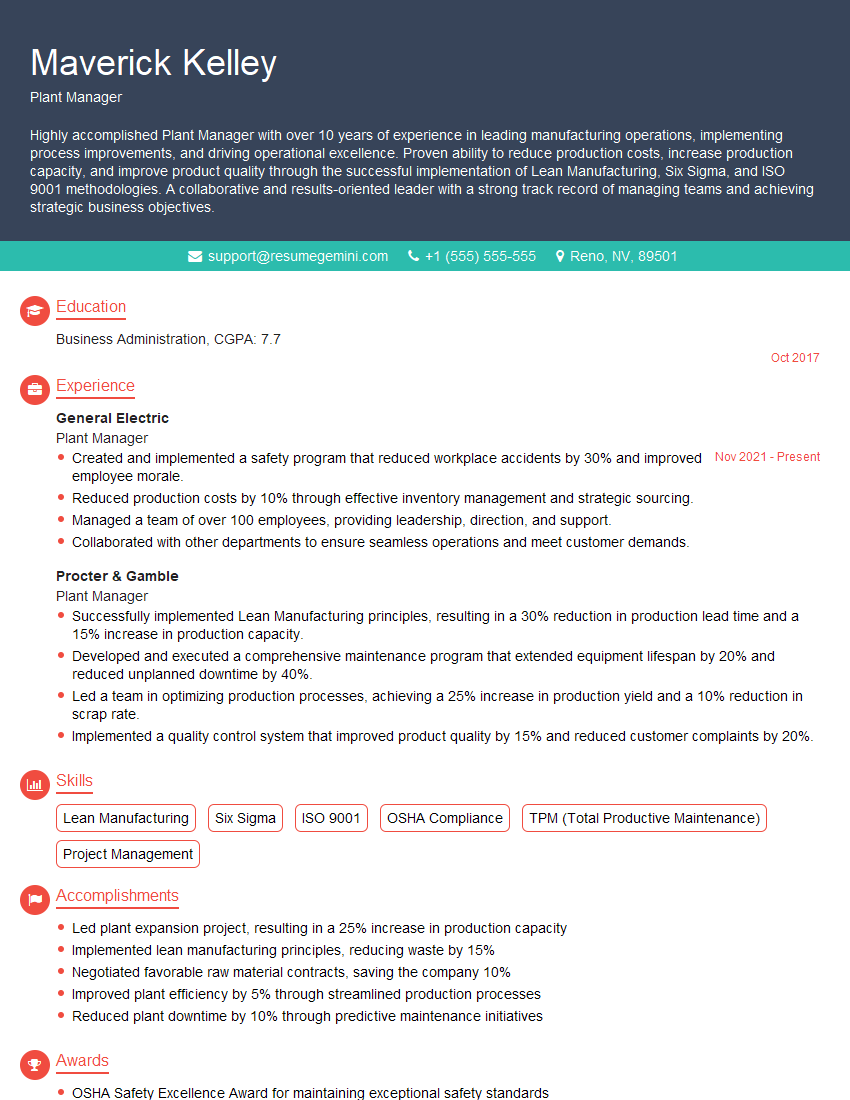
Plant Manager Resume Sample
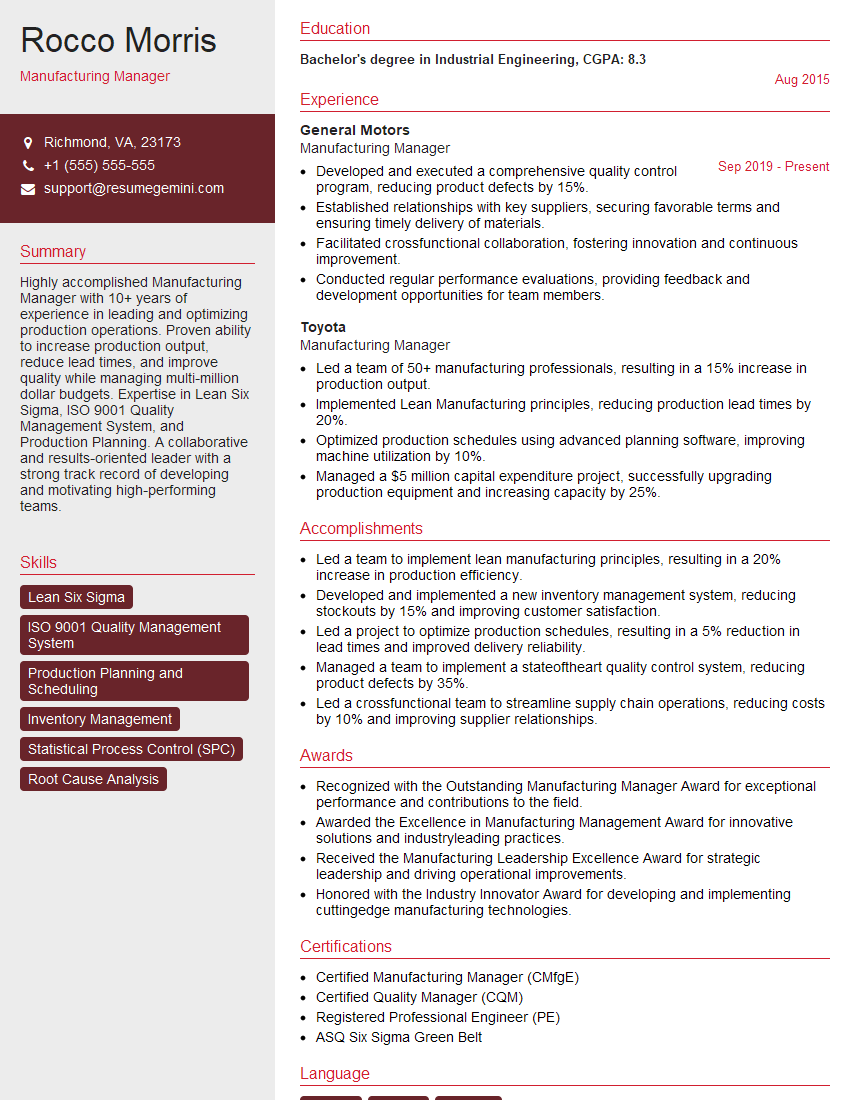
Manufacturing Manager Resume Sample
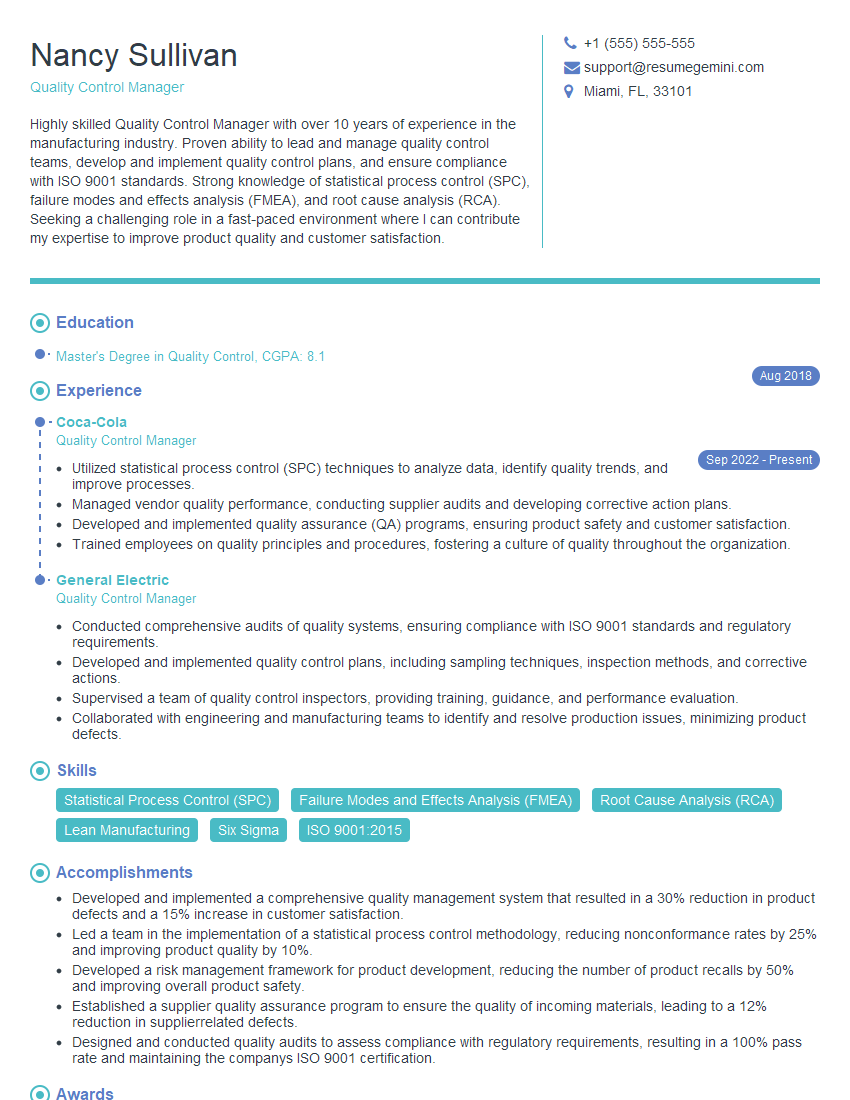
Quality Control Manager Resume Sample
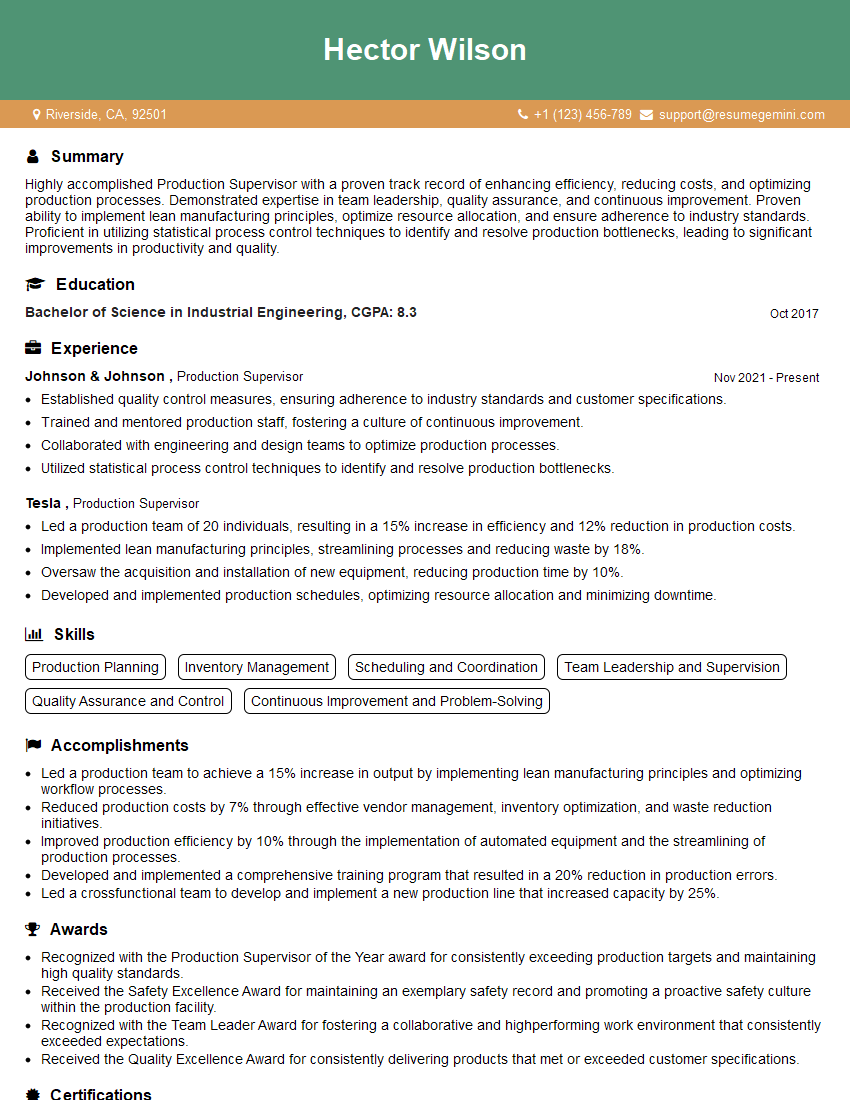
Production Supervisor Resume Sample
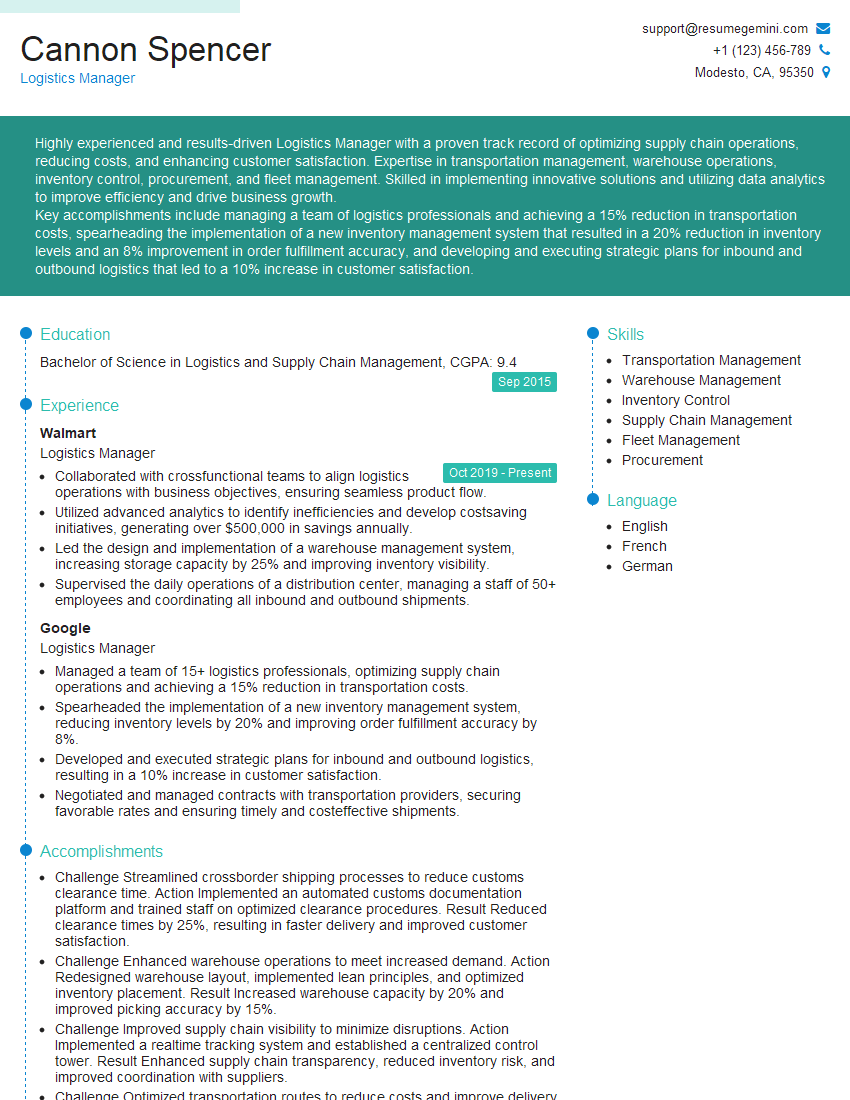
Logistics Manager Resume Sample
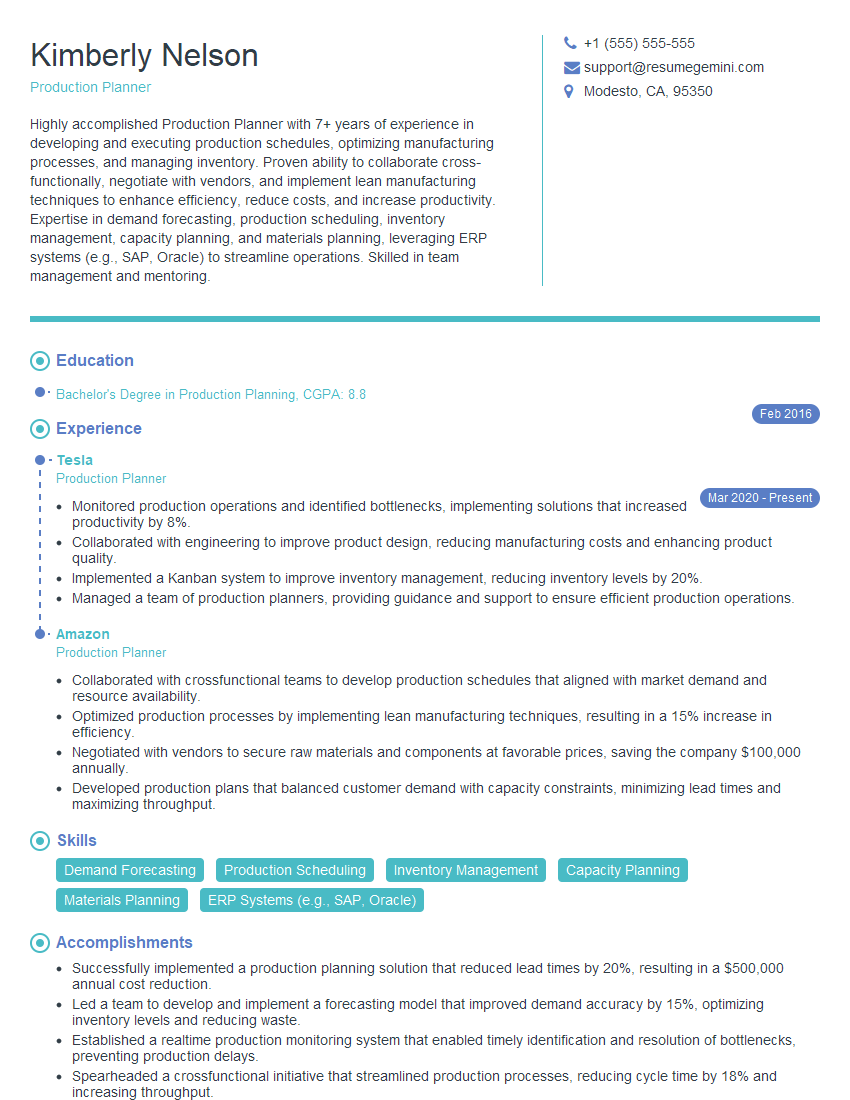
Production Planner Resume Sample
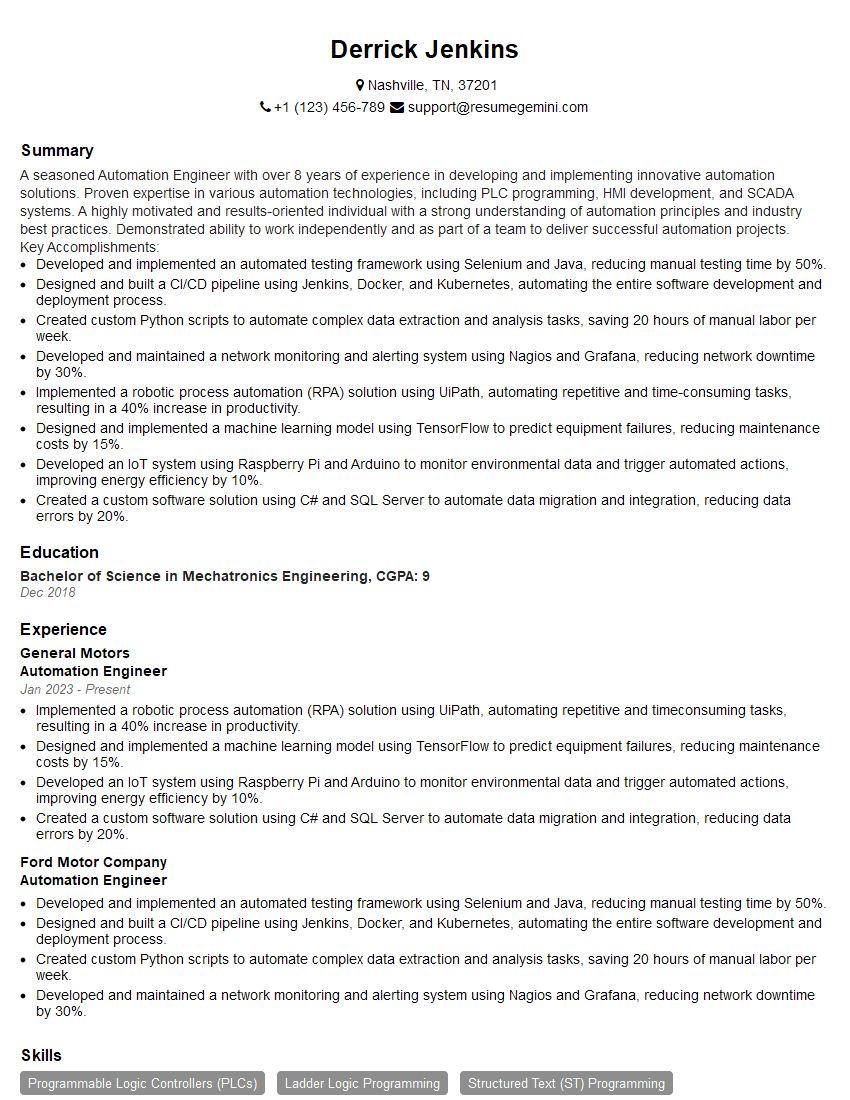
Automation Engineer Resume Sample
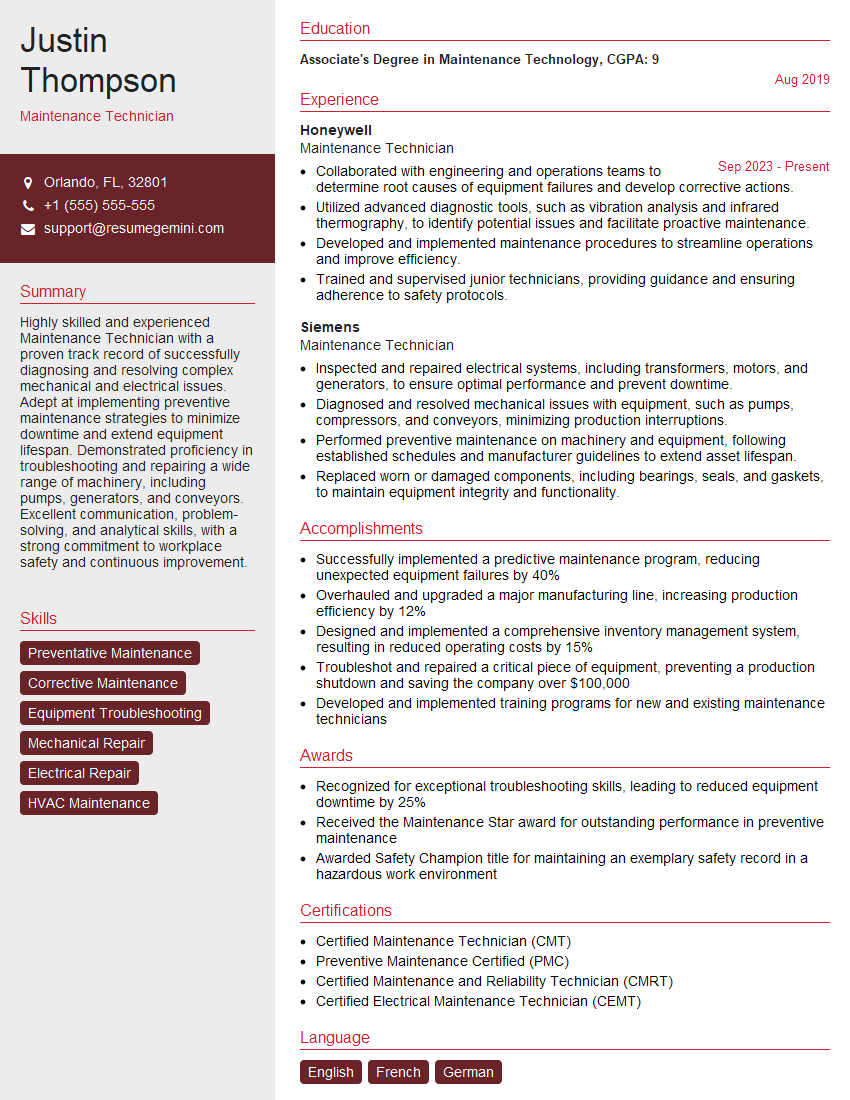
Maintenance Technician Resume Sample
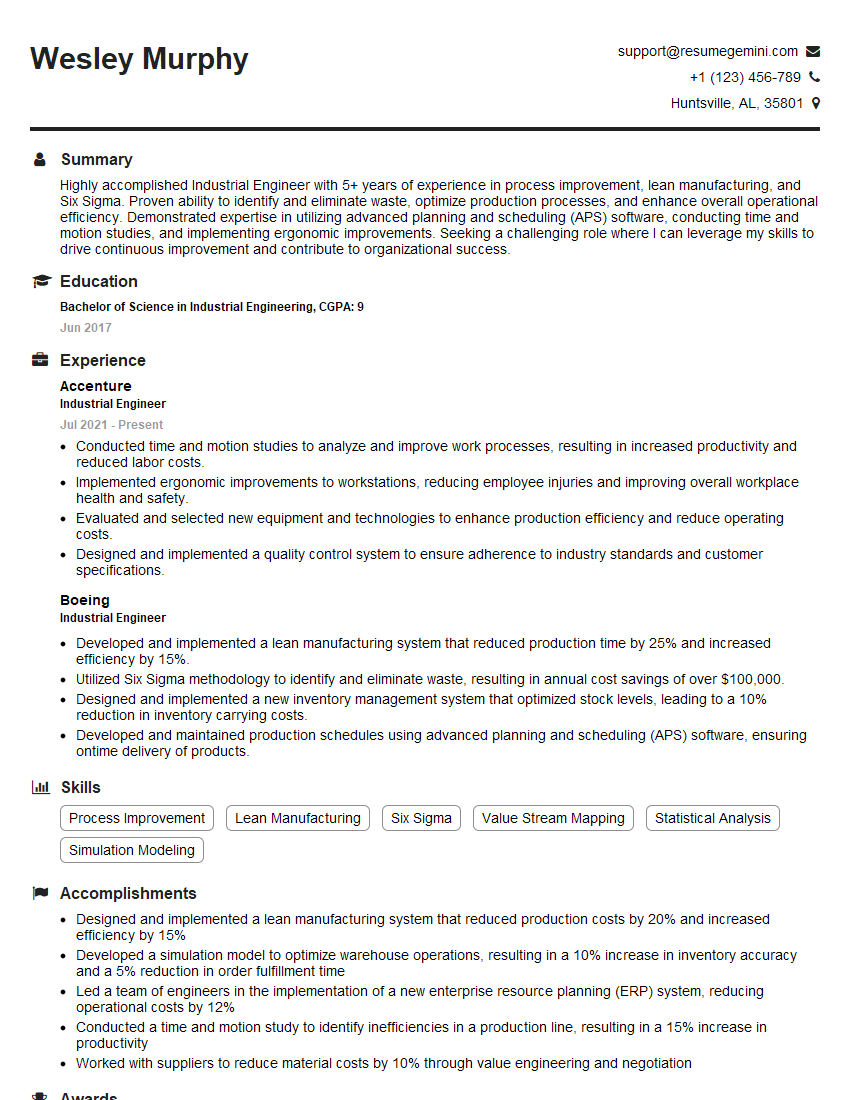
Industrial Engineer Resume Sample
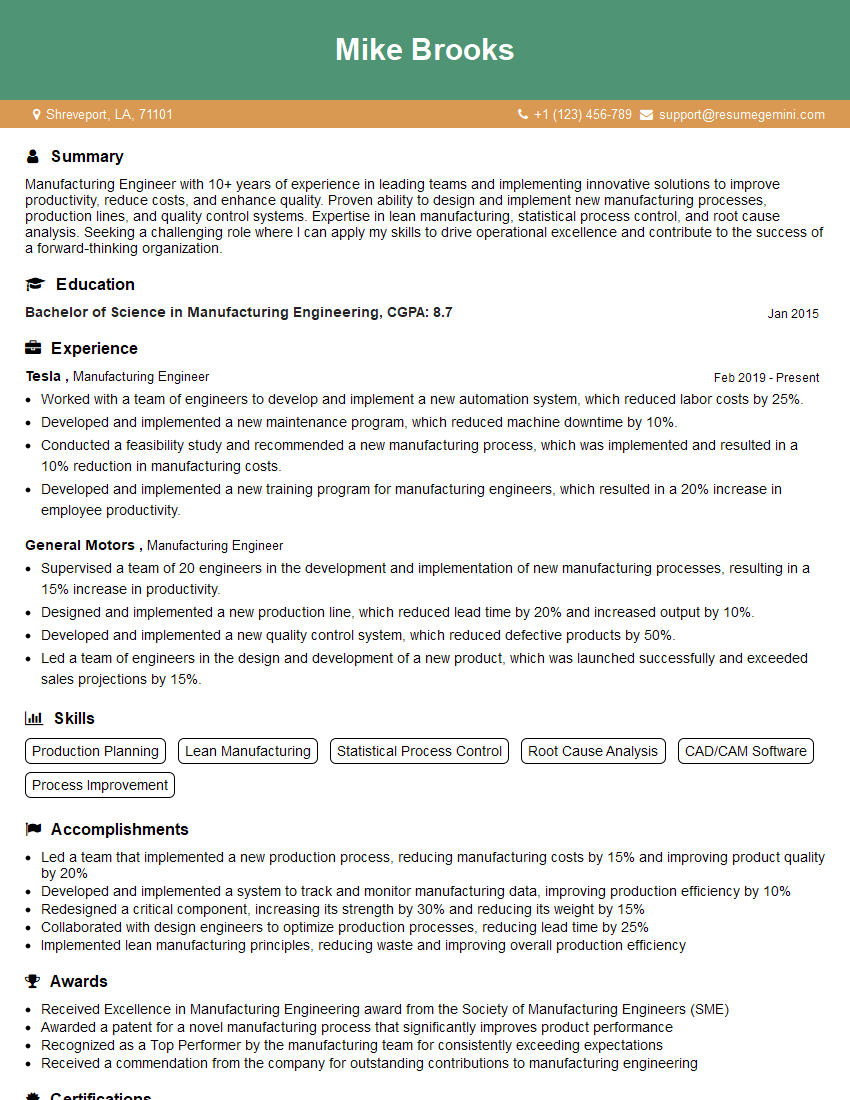
Manufacturing Engineer Resume Sample
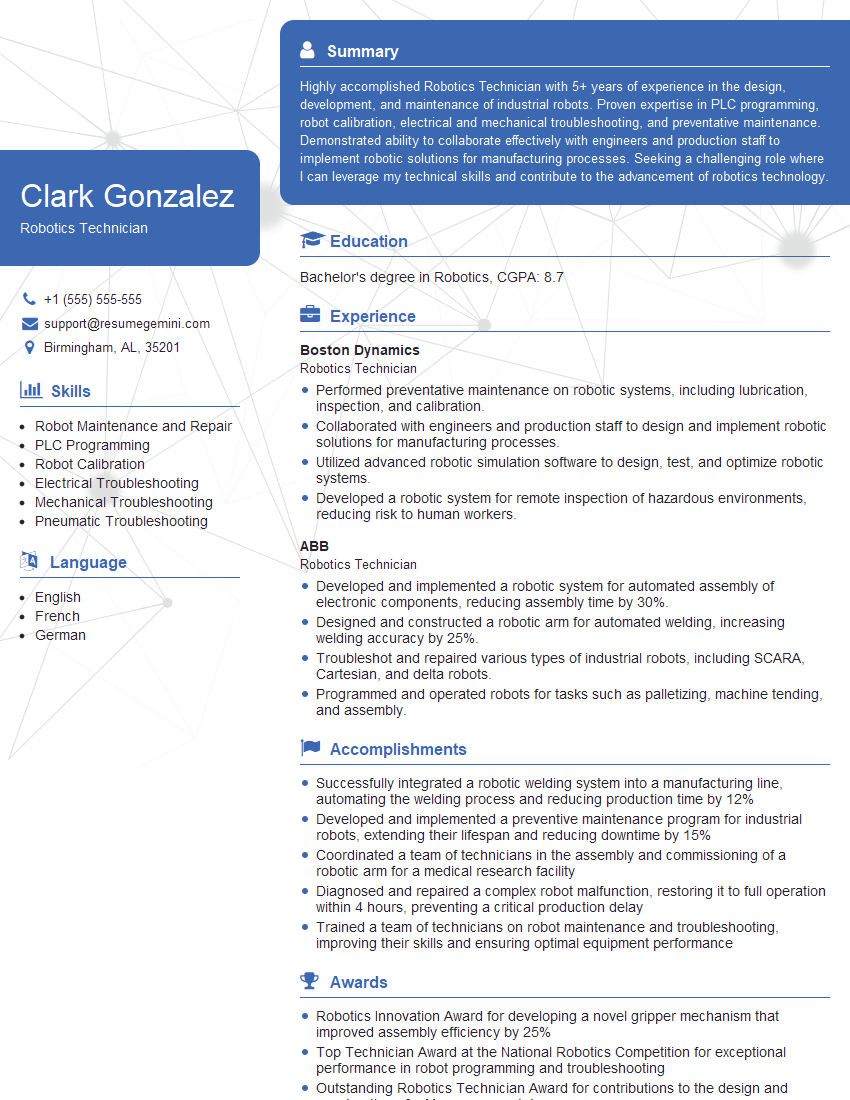
Robotics Technician Resume Sample
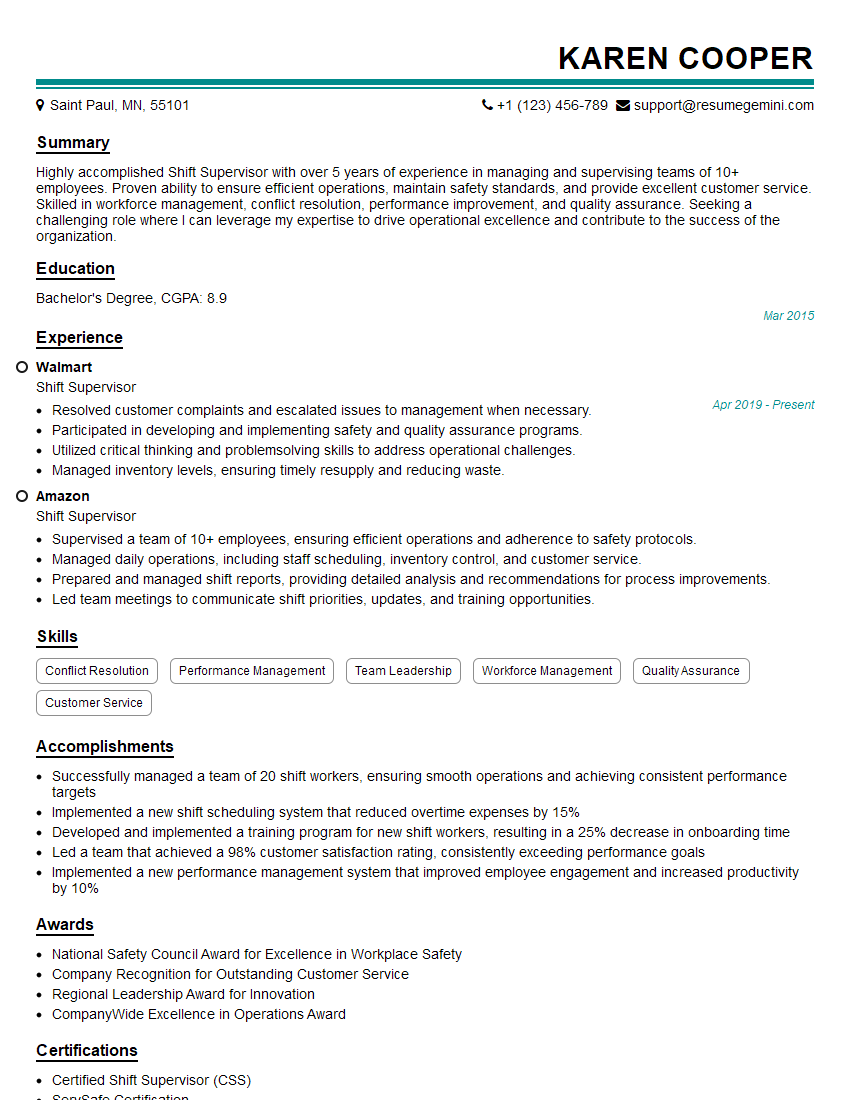
Shift Supervisor Resume Sample
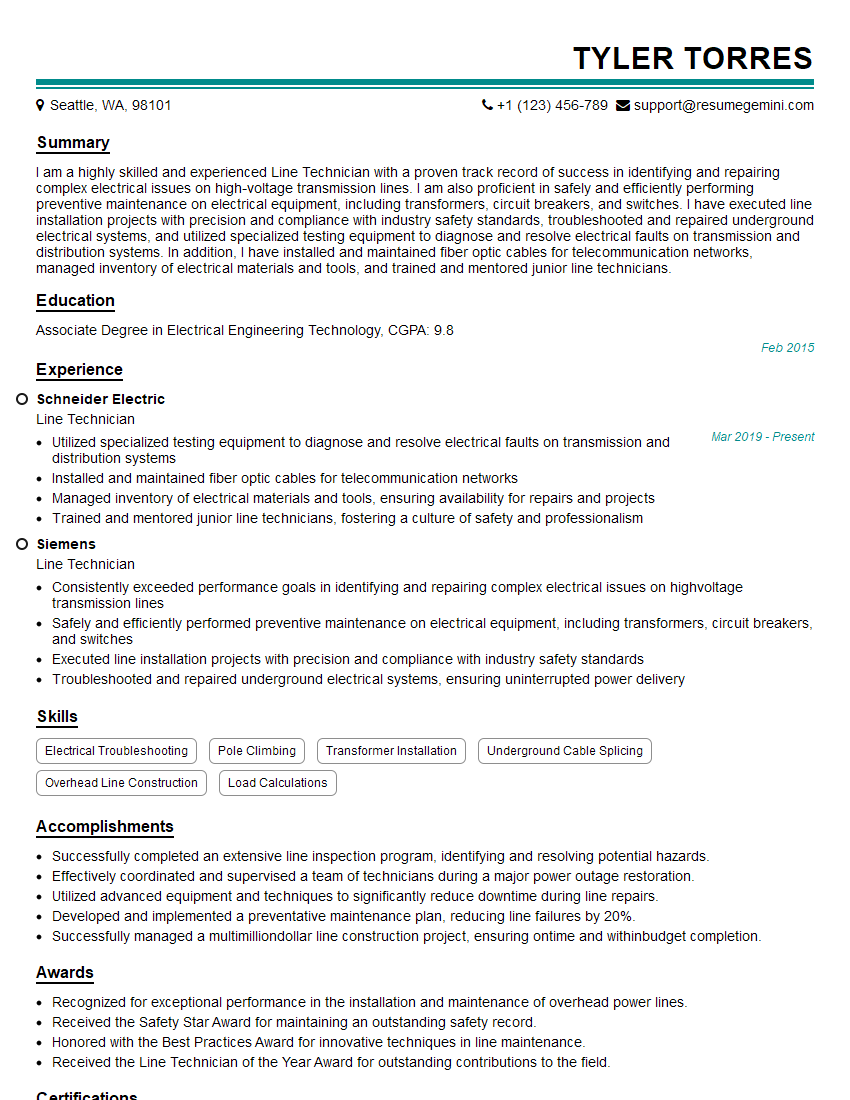
Line Technician Resume Sample
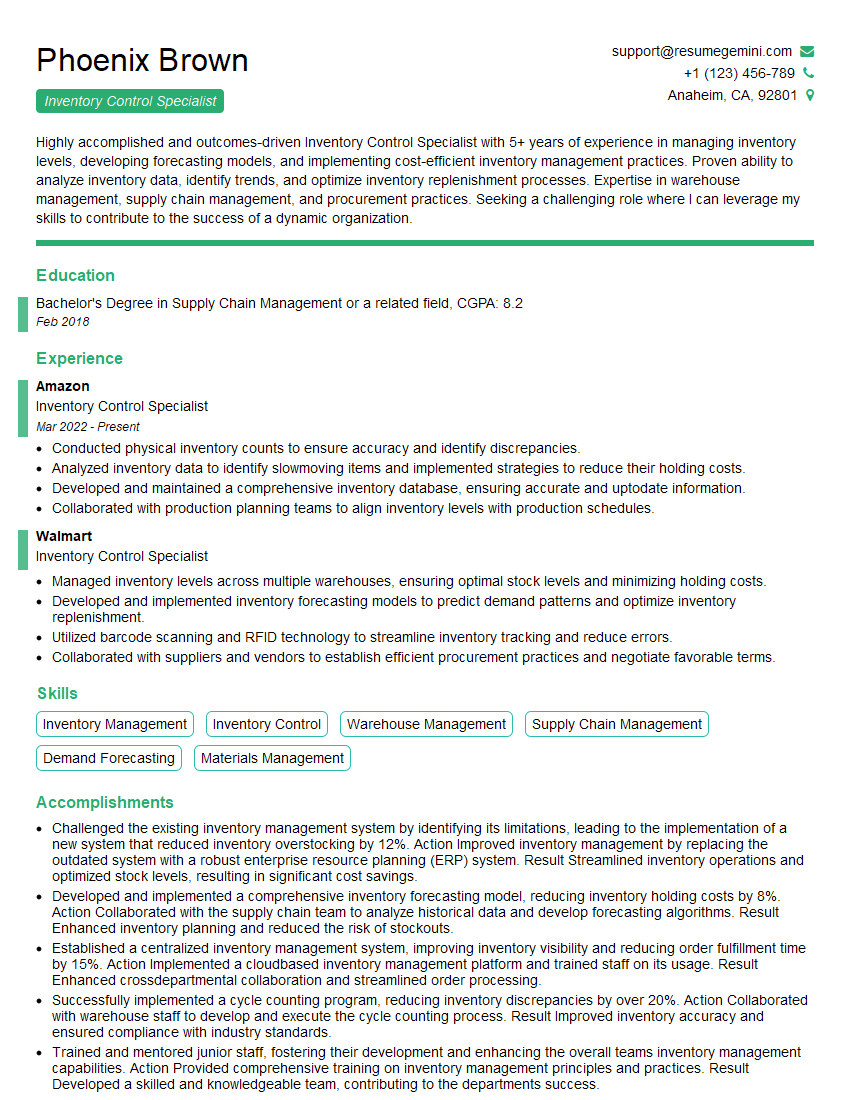
Inventory Control Specialist Resume Sample
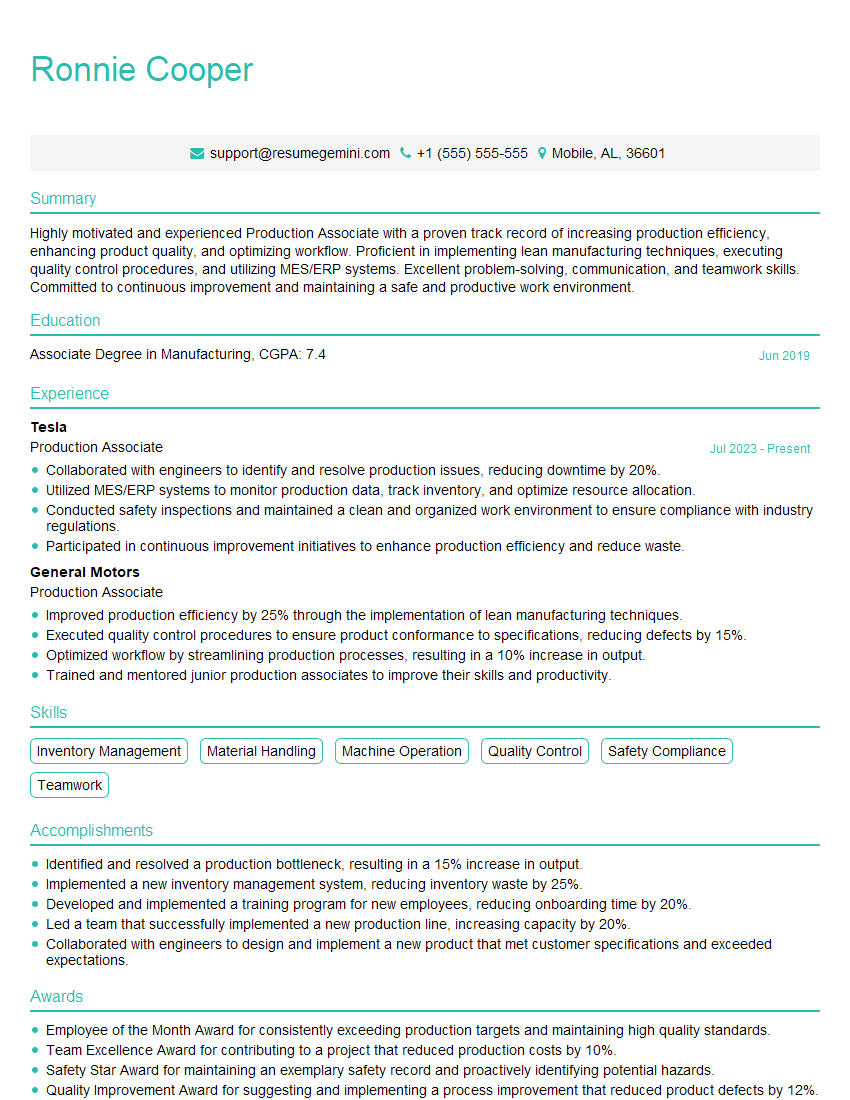
Production Associate Resume Sample
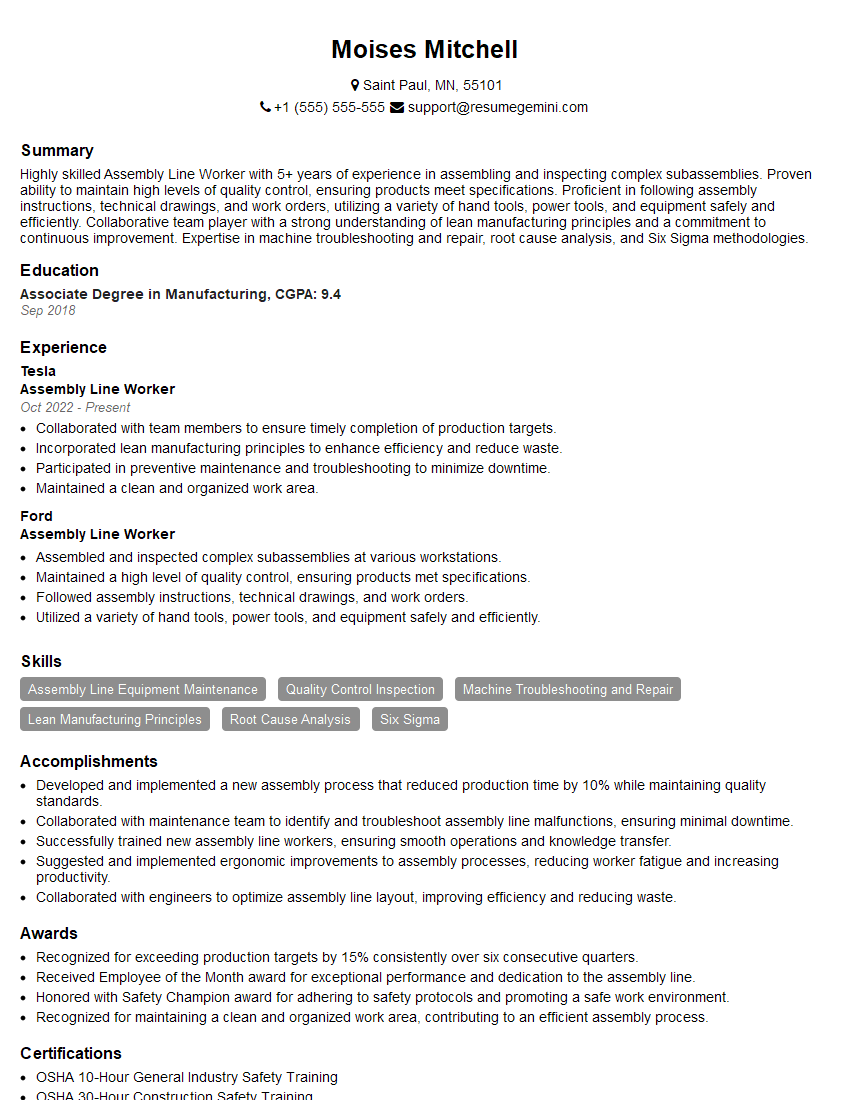
Assembly Line Worker Resume Sample
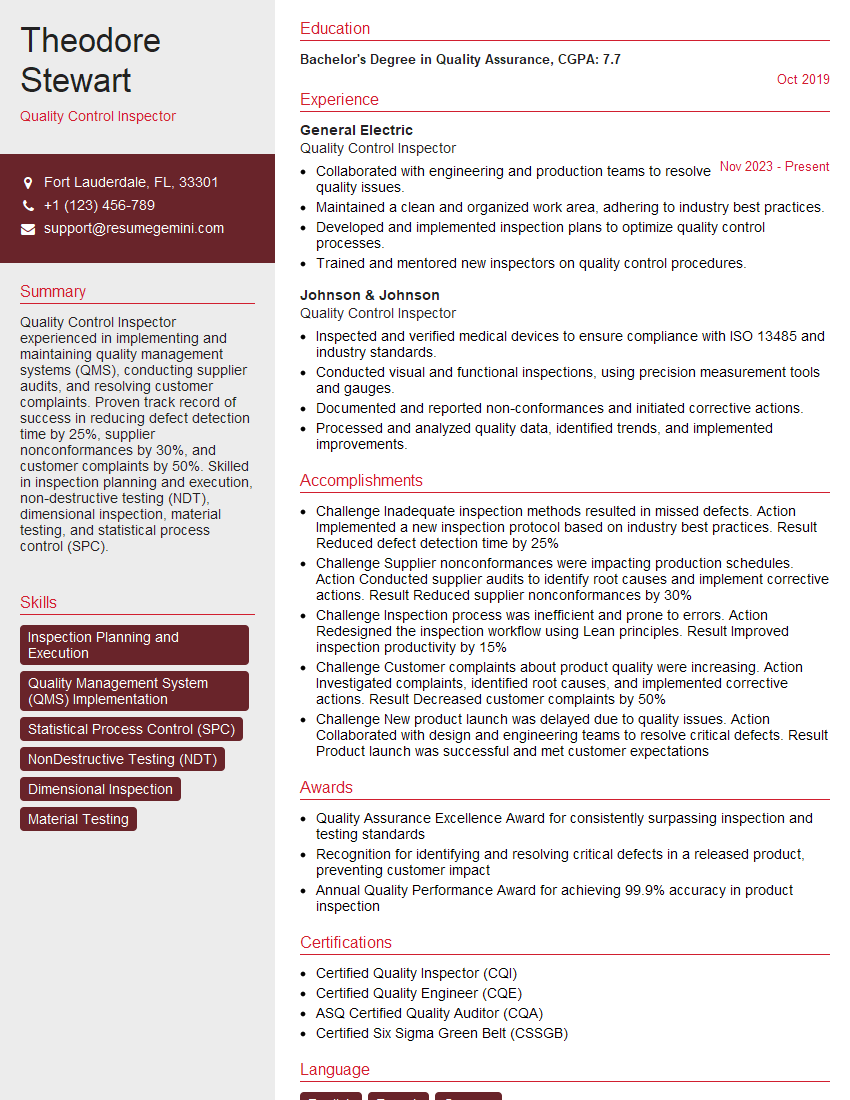
Quality Control Inspector Resume Sample
- Operations Manager
- Plant Manager
- Manufacturing Manager
- Quality Control Manager
- Production Supervisor
- Logistics Manager
- Production Planner
- Automation Engineer
- Maintenance Technician
- Industrial Engineer
- Manufacturing Engineer
- Robotics Technician
- Shift Supervisor
- Line Technician
- Inventory Control Specialist
- Production Associate
- Assembly Line Worker
- Quality Control Inspector
Explore more articles
Users Rating of Our Blogs
Share Your Experience
We value your feedback! Please rate our content and share your thoughts (optional).
What Readers Say About Our Blog
Very informative content, great job.
good