Interviews are opportunities to demonstrate your expertise, and this guide is here to help you shine. Explore the essential Product Safety Investigations interview questions that employers frequently ask, paired with strategies for crafting responses that set you apart from the competition.
Questions Asked in Product Safety Investigations Interview
Q 1. Describe your experience with hazard analysis techniques (e.g., FMEA, FTA).
Hazard analysis techniques are crucial for proactively identifying potential safety issues in products. I have extensive experience using Failure Mode and Effects Analysis (FMEA) and Fault Tree Analysis (FTA). FMEA is a systematic approach to identifying potential failure modes in a product or process, analyzing their effects, and estimating their severity, occurrence, and detectability. This results in a Risk Priority Number (RPN) that helps prioritize corrective actions. For example, in analyzing a coffee maker, an FMEA might identify a failure mode like a malfunctioning heating element, which could lead to a burn hazard. FTA, on the other hand, is a top-down, deductive approach that graphically represents the relationships between different events leading to a specific undesired outcome (top event). It helps determine the probability of the top event occurring. For example, a FTA for a car crash might explore different contributing factors such as brake failure, road conditions, and driver error.
I’ve utilized both FMEA and FTA in various projects, from medical device design to consumer electronics, creating detailed analyses, risk mitigation plans, and presenting these findings to cross-functional teams to drive design improvements.
Q 2. Explain your understanding of different product safety standards (e.g., ISO 14971, IEC 60601).
My understanding of product safety standards is comprehensive, particularly regarding ISO 14971 and IEC 60601. ISO 14971 is an internationally recognized standard for medical device risk management, providing a framework for identifying, analyzing, evaluating, controlling, and monitoring risks associated with medical devices throughout their lifecycle. It emphasizes a systematic approach to risk management, focusing on the entire process, from design to disposal. IEC 60601, on the other hand, specifically addresses the safety of medical electrical equipment, outlining detailed requirements for electrical safety, electromagnetic compatibility, and mechanical hazards.
I’ve applied these standards in various projects, ensuring compliance by conducting thorough risk assessments, implementing control measures, and creating comprehensive documentation. For example, in a recent project involving a new heart monitor, we followed IEC 60601 to ensure the device met the necessary safety and performance standards, including rigorous testing and verification processes. Understanding these standards allows for the development of safe, reliable, and compliant products.
Q 3. How do you conduct a root cause analysis of a product safety incident?
Conducting a root cause analysis (RCA) of a product safety incident is a crucial step in preventing future occurrences. My approach typically follows a structured methodology, often using techniques like the ‘5 Whys’ or ‘Fishbone’ diagrams. The ‘5 Whys’ involves repeatedly asking ‘why’ to uncover the underlying causes, drilling down from the initial incident until the root cause is identified. For example, if a product malfunctions, the first question might be ‘Why did it malfunction?’. The subsequent four questions would further uncover underlying causes such as design flaws, manufacturing defects, or user error. The ‘Fishbone’ diagram helps visualize potential causes categorized by factors like people, machines, methods, materials, environment, and measurements.
My process always includes thorough data collection, evidence gathering, and interviews with involved parties to gain a complete picture of the event. A detailed report is then created outlining the findings, root causes, and recommended corrective actions to prevent recurrence.
Q 4. What is your experience with product recall procedures and regulations?
I possess considerable experience with product recall procedures and regulations, understanding the complexities involved in managing a recall effectively and compliantly. This includes familiarity with various regulatory bodies, such as the Consumer Product Safety Commission (CPSC) in the US or equivalent agencies in other regions. My experience encompasses all stages of the recall process, from initial identification and assessment of the risk to notification of customers, product retrieval, and remediation efforts.
I’ve been involved in both voluntary and mandatory recalls, managing communication with regulatory bodies, coordinating with internal and external stakeholders, and implementing effective recall strategies to minimize risks and protect consumers. This also includes working with legal counsel to ensure compliance with all relevant regulations and to manage associated liabilities. A critical aspect is post-recall analysis to learn from mistakes and improve future products and processes.
Q 5. Describe your experience with risk assessment and mitigation strategies.
Risk assessment and mitigation are fundamental to my work. I utilize various techniques, including quantitative and qualitative risk analysis methods, to assess the likelihood and severity of potential hazards. This involves systematically identifying hazards, evaluating their risks, and determining appropriate control measures. For instance, a quantitative analysis might use statistical data to assess the probability of failure, while a qualitative analysis might involve expert judgment to determine the severity of a potential injury.
Mitigation strategies depend on the nature of the risk and may include design modifications, changes to manufacturing processes, improved labeling and instructions, safety warnings, training programs, or a combination of these. I’ve successfully implemented mitigation strategies resulting in significantly reduced risks and improved product safety across various product categories.
Q 6. How familiar are you with regulatory requirements related to product safety in [specific region/industry]?
Please specify the region or industry.
Q 7. How do you evaluate the effectiveness of existing safety measures?
Evaluating the effectiveness of existing safety measures requires a multi-faceted approach. This involves regularly reviewing safety data, analyzing incident reports, conducting audits, and performing periodic inspections. Key performance indicators (KPIs) are established to track the effectiveness of the measures. These KPIs might include the number of incidents, the severity of incidents, and the cost associated with incidents. Regular monitoring of these metrics helps identify areas where improvements are needed.
Furthermore, conducting periodic safety audits provides an independent assessment of the effectiveness of safety systems. The data gathered through these various methods is then analyzed to identify trends, areas of weakness, and opportunities for improvement, ultimately leading to enhanced product safety and risk mitigation.
Q 8. How do you communicate complex technical information to non-technical audiences?
Communicating complex technical information to non-technical audiences requires a strategic approach focusing on clarity, simplicity, and relatable analogies. I avoid jargon and technical terms whenever possible, opting instead for plain language and visual aids. For instance, instead of saying “the system experienced a catastrophic failure due to tensile stress exceeding the yield strength,” I might explain it as: “The part broke because it was under too much pressure and couldn’t withstand it.”
I often use metaphors and real-world examples to illustrate complex concepts. For example, explaining a circuit’s function by comparing it to a water pipe system, where voltage is water pressure and current is water flow. Visual aids like diagrams, charts, and presentations are essential. I tailor my communication style to the audience’s level of understanding, ensuring the information is both accessible and engaging. Finally, I encourage questions and allow for interactive discussions to ensure comprehension.
Q 9. Explain your approach to investigating product failures and malfunctions.
My approach to investigating product failures and malfunctions is systematic and follows a structured methodology. It begins with a thorough understanding of the product’s design, intended use, and operating conditions. This involves reviewing documentation such as schematics, manuals, and test reports. Next, I carefully examine the failed product, looking for visible signs of damage or malfunction. I then gather evidence, including witness statements, photographs, and any available data logs. This evidence is used to formulate a hypothesis about the root cause of the failure.
My investigation proceeds by testing and validating my hypothesis through experiments or simulations. I might use techniques such as material analysis, electrical testing, or stress analysis to pinpoint the precise cause of the malfunction. The entire process is meticulously documented, ensuring transparency and traceability. The final step involves creating a comprehensive report detailing the findings, root cause analysis, and recommendations for corrective actions or preventative measures.
Q 10. Describe your experience with data analysis related to product safety investigations.
Data analysis plays a crucial role in my product safety investigations. I’m proficient in using statistical software packages (like R or Python) and data visualization tools to analyze large datasets. For example, I might analyze sensor data from a malfunctioning device to identify patterns or anomalies that indicate the root cause of failure. In one investigation involving a series of battery fires, I analyzed temperature and voltage data from multiple devices to identify a correlation between high charging rates and elevated temperatures, ultimately leading to the identification of a flawed charging algorithm as the root cause.
I often utilize various statistical methods including regression analysis, time series analysis, and anomaly detection to uncover patterns and trends. Data visualization techniques, such as histograms, scatter plots, and control charts, are vital in communicating the findings in a clear and understandable manner, even to non-technical stakeholders. My experience ensures I can effectively extract meaningful insights from complex data sets to support my conclusions.
Q 11. How do you prioritize safety risks in a product development lifecycle?
Prioritizing safety risks throughout the product development lifecycle (PDLC) is crucial. I utilize a risk assessment framework that combines hazard identification, risk analysis, and risk mitigation. Hazard identification involves brainstorming potential hazards associated with the product’s design, materials, and intended use. Risk analysis involves evaluating the likelihood and severity of each identified hazard. This is often done using risk matrices that plot likelihood against severity, leading to a numerical risk score.
Prioritization is based on these risk scores – higher scores indicate higher-priority risks demanding immediate attention. For example, a hazard with a high likelihood and high severity (e.g., fire hazard) would be prioritized over a hazard with low likelihood and low severity (e.g., minor cosmetic defect). Risk mitigation involves implementing control measures, such as design modifications, warnings, or safety features to reduce the likelihood or severity of hazards. This process is iterative, repeated throughout the PDLC to ensure continuous improvement in product safety.
Q 12. What are your strategies for preventing product safety incidents?
Preventing product safety incidents requires a multi-faceted approach. Firstly, a robust design process is fundamental. This includes incorporating safety considerations from the initial design phase, using appropriate materials and manufacturing processes, and rigorously testing the product to ensure it meets safety standards. Secondly, effective quality control measures are essential. This involves regularly inspecting and testing products throughout the manufacturing process to identify and rectify any defects. Thirdly, clear and comprehensive instructions and warnings must be provided to users to ensure safe operation.
Furthermore, a system for reporting and investigating incidents is necessary. This allows for timely identification of potential safety issues and implementation of corrective actions. Finally, ongoing monitoring and analysis of post-market data are crucial for identifying emerging safety issues and implementing preventative measures. A proactive approach, encompassing thorough design, rigorous testing, and continuous monitoring, is key to minimizing the risk of product safety incidents.
Q 13. Describe a time you had to make a critical safety decision under pressure. What was the outcome?
During an investigation of a potentially faulty medical device, preliminary data suggested a critical component failure could lead to life-threatening consequences. Under immense pressure to deliver a timely assessment, I had to make a critical decision to immediately halt further distribution of the product, despite lacking conclusive evidence. This decision was based on a precautionary principle, prioritizing patient safety above all else. My recommendation triggered an immediate recall of the product, while the investigation continued. The subsequent, more thorough analysis confirmed the initial concerns, highlighting a potential fatal defect that could have had catastrophic results had the product remained in circulation. The outcome was a successful prevention of further harm, reinforcing the importance of decisive action when patient safety is at risk.
Q 14. How familiar are you with different testing and inspection methods used in product safety?
I am highly familiar with a wide range of testing and inspection methods used in product safety. My experience encompasses both destructive and non-destructive testing techniques. Destructive testing methods, such as tensile testing, impact testing, and fatigue testing, provide valuable data on material properties and product strength. Non-destructive methods, such as X-ray inspection, ultrasonic testing, and visual inspection, allow for the examination of products without causing damage.
Specific techniques I’m proficient in include flammability testing (e.g., UL-94), electrical safety testing (e.g., IEC 60950), mechanical testing (e.g., ASTM standards), and chemical analysis (e.g., RoHS compliance). I understand the importance of selecting appropriate testing methods based on the product’s characteristics and intended use. My knowledge extends to various international and national safety standards and regulations, ensuring that testing and inspections are conducted in accordance with best practices and legal requirements.
Q 15. Explain your understanding of the legal and ethical implications of product safety violations.
Product safety violations carry significant legal and ethical weight. Legally, companies can face hefty fines, lawsuits, product recalls, and even criminal charges depending on the severity of the violation and the resulting harm. This can range from minor infractions resulting in warnings to major penalties leading to business closure. Ethical implications are equally important, extending beyond legal ramifications. A company that compromises safety prioritizes profit over the well-being of its customers, damaging its reputation and eroding public trust. This can lead to long-term negative consequences, impacting brand loyalty and future market success. For example, a company knowingly selling a faulty car part that causes accidents faces severe legal consequences, including massive lawsuits and potentially criminal indictments for negligence or even manslaughter, along with devastating reputational damage and loss of consumer confidence.
Think of it like this: a bridge collapsing due to substandard materials is not only a legal disaster for the construction company but also a profound ethical failure, resulting in loss of life and trust. A company’s responsibility extends to ensuring its products are safe, even if it means incurring additional costs.
Career Expert Tips:
- Ace those interviews! Prepare effectively by reviewing the Top 50 Most Common Interview Questions on ResumeGemini.
- Navigate your job search with confidence! Explore a wide range of Career Tips on ResumeGemini. Learn about common challenges and recommendations to overcome them.
- Craft the perfect resume! Master the Art of Resume Writing with ResumeGemini’s guide. Showcase your unique qualifications and achievements effectively.
- Don’t miss out on holiday savings! Build your dream resume with ResumeGemini’s ATS optimized templates.
Q 16. How do you handle conflicting priorities between safety and cost/time constraints?
Balancing safety with cost and time is a constant challenge in product development. The key is a proactive, risk-based approach. I prioritize safety first. This involves identifying potential hazards early in the design process through thorough risk assessments, using tools like Failure Mode and Effects Analysis (FMEA). Then, I meticulously evaluate different mitigation strategies, weighing their cost and time implications against the potential severity and likelihood of harm. Sometimes, compromises need to be made, but these are always carefully documented and justified. We might choose a slightly more expensive material or an extra testing phase if the safety benefits outweigh the added costs. However, we never compromise on essential safety features. For instance, a manufacturer might choose a slightly more expensive brake system for a car if the increased safety justifies the higher cost, even if it means a slight delay in the production schedule. The cost of a recall or lawsuit far surpasses any savings gained by cutting corners on safety.
Q 17. Describe your experience using safety management systems (e.g., ISO 45001).
I have extensive experience implementing and auditing safety management systems, specifically ISO 45001. This standard provides a framework for proactively managing occupational health and safety risks. My experience includes developing and implementing risk assessments, conducting internal audits, and improving safety procedures based on audit findings. I’ve also been involved in creating comprehensive safety documentation, including hazard identification, risk control measures, and emergency response plans. In one project, we used ISO 45001 to streamline our incident reporting system, making it easier to track and analyze incidents, leading to a 20% reduction in workplace accidents within a year. This involved training employees on proper reporting procedures, establishing clear communication channels, and regularly reviewing incident data to identify trends and implement corrective actions. The systematic approach provided by ISO 45001 ensures ongoing improvement and fosters a safety-conscious culture within the organization.
Q 18. How do you ensure compliance with relevant product safety regulations?
Compliance is paramount. My approach involves staying updated on all relevant regulations and standards, which vary greatly depending on the product and its intended market. This includes regularly reviewing legislation, attending industry conferences, and actively participating in industry working groups. We use a combination of internal audits, external certifications (like ISO 9001 or industry-specific standards), and third-party testing to ensure continued compliance. We maintain detailed records of all compliance activities and implement corrective actions swiftly when non-compliances are identified. For example, when dealing with children’s toys, we rigorously test to meet standards like EN 71, meticulously documenting every step in the process to ensure compliance with toy safety regulations.
Q 19. What metrics do you use to track and measure the effectiveness of product safety programs?
We use a variety of metrics to track our product safety programs’ effectiveness. Key indicators include the number and severity of reported incidents (both internal and external), the number of non-conformances identified during audits, the effectiveness of corrective actions, and customer satisfaction scores related to product safety. We also track the cost of safety initiatives to demonstrate return on investment. We analyze these metrics regularly to identify trends and areas for improvement. For example, a decrease in the number of reported incidents could suggest an effective safety training program, while an increase in the severity of incidents might indicate a need for enhanced hazard controls. We use data visualization tools to present these metrics clearly and concisely to stakeholders.
Q 20. Describe your experience with incident reporting and investigation processes.
Incident reporting and investigation is a critical part of our process. We have a clearly defined procedure for reporting incidents, ensuring swift and accurate reporting of any potential safety issues. Investigations follow a structured methodology, including securing the scene (if applicable), interviewing witnesses, collecting evidence, and analyzing data. Root cause analysis is always performed to identify underlying factors contributing to the incident, not just the immediate causes. Corrective actions are implemented to prevent recurrence. All findings are documented comprehensively and shared with relevant teams. For instance, if a product malfunction resulted in an injury, we’d conduct a thorough investigation, examining design specifications, manufacturing processes, and user manuals to determine the root cause, potentially leading to design modifications, improved manufacturing procedures, or clearer warnings in the instruction manual.
Q 21. How do you collaborate with different teams (engineering, legal, marketing) during a product safety investigation?
Collaboration is key during investigations. I work closely with engineering to understand the technical aspects of the product and identify potential design flaws. Legal counsel provides guidance on legal compliance and potential liabilities. The marketing team assists in communicating information accurately and transparently to customers. Regular meetings, shared documentation, and a well-defined communication plan help to ensure everyone is informed and coordinated. Open communication and a collaborative spirit are crucial for efficiently conducting investigations and implementing effective corrective actions. For example, during a product recall, the engineering team would assess the technical issues, the legal team would handle communication with regulatory bodies and legal proceedings, and the marketing team would design and execute the recall communication strategy to customers.
Q 22. How do you ensure the confidentiality and integrity of sensitive safety information?
Confidentiality and integrity of sensitive safety information are paramount in product safety investigations. We employ a multi-layered approach, starting with strict access control. Only authorized personnel with a legitimate need-to-know have access to sensitive data. This is managed through role-based access controls and secure data storage systems, often involving encryption both in transit and at rest. For example, incident reports might be stored in encrypted databases accessible only via secure network connections and two-factor authentication.
Further, we adhere to strict data handling protocols. This includes detailed documentation of all data access, modification, and destruction events, providing an audit trail for accountability. Data is anonymized whenever possible to protect individual identities while retaining the value of the information for analysis. Finally, we comply with all relevant data privacy regulations, such as GDPR and CCPA, ensuring compliance with legal and ethical obligations. For instance, we might redact personally identifiable information (PII) from incident reports before sharing them with external stakeholders.
Q 23. What are your skills in using statistical analysis tools for product safety data?
My skillset in statistical analysis for product safety data is extensive. I’m proficient in using software like R, SAS, and SPSS to analyze large datasets, identifying trends and patterns that might indicate safety issues. I regularly use descriptive statistics to summarize data, inferential statistics to draw conclusions about populations based on samples, and regression analysis to model relationships between variables.
For instance, in one investigation, I used survival analysis to determine the failure rate of a specific component, allowing us to predict potential failures and implement preventative measures. In another case, I employed control charts to monitor the rate of defects during manufacturing, instantly alerting us to deviations from acceptable limits. My statistical modeling expertise allows for proactive risk assessment and mitigation rather than reactive problem-solving.
Q 24. How do you stay current with evolving product safety regulations and best practices?
Staying current with product safety regulations and best practices is an ongoing process. I actively participate in professional organizations like the American Society for Quality (ASQ) and subscribe to industry-leading publications and newsletters to remain informed about legislative changes and emerging safety concerns. I also attend relevant conferences and workshops to learn from experts and network with peers.
Furthermore, I meticulously track changes in regulations, such as those issued by the FDA, CPSC, and similar bodies worldwide. This involves regularly reviewing official government websites and staying informed about proposed legislation. This proactive approach helps my organization maintain compliance and anticipate potential challenges before they become significant issues. A recent example was proactively updating our safety procedures based on the new EU chemical regulations.
Q 25. Describe your experience with developing and implementing safety training programs.
I have extensive experience designing and implementing safety training programs. My approach emphasizes a needs-based assessment, identifying specific knowledge gaps and skills deficiencies within the organization. I then develop targeted training materials, including presentations, workshops, and online modules, tailored to the specific needs of different employee groups.
For example, I once developed a comprehensive training program on hazard identification and risk assessment for manufacturing personnel, incorporating interactive simulations and real-life case studies to enhance learning and retention. The program included post-training assessments to ensure understanding and competency. This training resulted in a significant reduction in workplace accidents and near-miss incidents, highlighting the success of a well-structured safety training program.
Q 26. What is your experience with conducting post-market surveillance activities?
Post-market surveillance is crucial for identifying and addressing safety concerns after a product is released. My experience includes establishing and managing surveillance systems, using various methods such as data collection from customer feedback, warranty claims, and field reports. I utilize statistical analysis to identify trends and potential issues, enabling prompt investigation and corrective actions.
For example, I established a system for tracking customer complaints relating to a particular medical device. Through statistical analysis of these complaints, we identified a previously unknown pattern indicating a potential safety risk related to the device’s user interface. This enabled the company to issue a timely recall, averting potential harm to users and minimizing reputational damage.
Q 27. How do you utilize safety data for continuous improvement in product safety?
Safety data is a goldmine for continuous improvement. I utilize various techniques to leverage this information, including root cause analysis (RCA) to identify underlying causes of incidents and implementing corrective and preventative actions (CAPA). This systematic approach involves carefully documenting incidents, analyzing contributing factors, developing solutions to prevent recurrence, and verifying the effectiveness of these solutions.
For instance, following a product recall, we utilized RCA to pinpoint the flaws in the manufacturing process that led to the defect. The CAPA plan included process improvements, enhanced quality control checks, and new operator training, resulting in a significant decrease in future defects and reinforcing our commitment to product safety.
Q 28. Describe your experience with product liability claims and litigation.
My experience with product liability claims and litigation encompasses assisting legal counsel in investigations, providing expert testimony, and collaborating with insurance providers. This involves meticulously documenting all aspects of the investigation, ensuring all relevant evidence is gathered and preserved. I am adept at understanding the legal requirements and procedures surrounding product liability cases.
In one case, I worked closely with legal counsel to investigate a claim of product malfunction. Through thorough analysis of the product, its usage history, and relevant safety standards, we were able to demonstrate that the alleged malfunction was not attributable to a design or manufacturing defect, successfully resolving the claim. My role involves not only understanding the technical aspects but also communicating complex information effectively to legal professionals and judges.
Key Topics to Learn for Product Safety Investigations Interview
- Regulatory Compliance: Understanding relevant safety standards (e.g., ISO, FDA, CE) and their practical application in investigations.
- Root Cause Analysis Techniques: Mastering methodologies like the 5 Whys, fault tree analysis, and fishbone diagrams to identify the root cause of product failures.
- Data Analysis & Interpretation: Analyzing failure data, test results, and incident reports to draw accurate conclusions and support your findings.
- Incident Reporting & Documentation: Developing comprehensive, accurate, and legally sound reports detailing investigation findings and recommendations.
- Investigation Methodologies: Understanding different investigative approaches and selecting the most appropriate method based on the specific incident.
- Communication & Presentation Skills: Effectively communicating complex technical information to both technical and non-technical audiences.
- Risk Assessment & Mitigation: Identifying potential hazards and implementing strategies to minimize risks associated with product design, manufacturing, and use.
- Product Design & Manufacturing Processes: Understanding how product design and manufacturing processes can influence product safety and contribute to failures.
- Legal & Ethical Considerations: Navigating legal and ethical issues related to product safety investigations, ensuring compliance and protecting confidentiality.
- Case Studies & Best Practices: Reviewing real-world examples of successful product safety investigations to learn from past experiences and best practices.
Next Steps
Mastering Product Safety Investigations opens doors to exciting and impactful career opportunities in a field dedicated to protecting consumers. A strong understanding of these crucial topics will significantly enhance your interview performance and position you as a highly desirable candidate. To further strengthen your application, creating an ATS-friendly resume is vital to getting your application noticed by recruiters. We highly recommend using ResumeGemini to build a professional and impactful resume that highlights your skills and experience effectively. ResumeGemini provides examples of resumes tailored to Product Safety Investigations to guide you through the process.
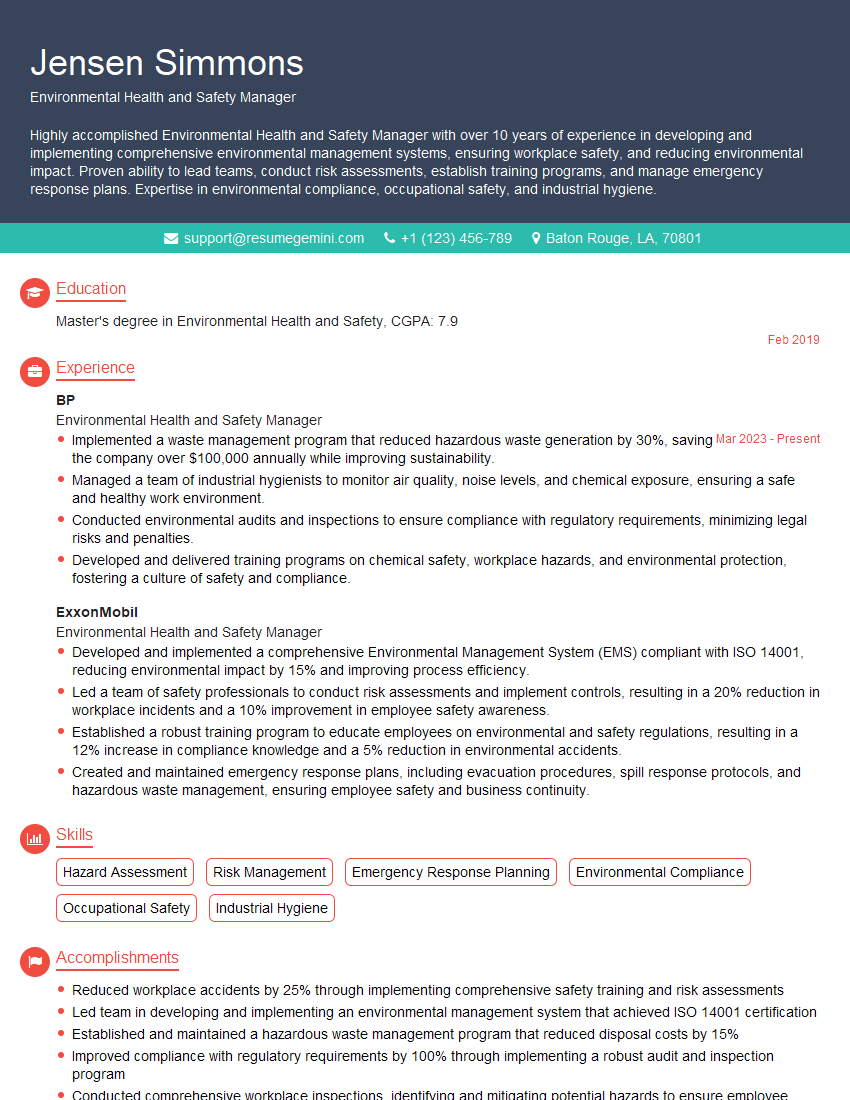
Environmental Health and Safety Manager Resume Sample
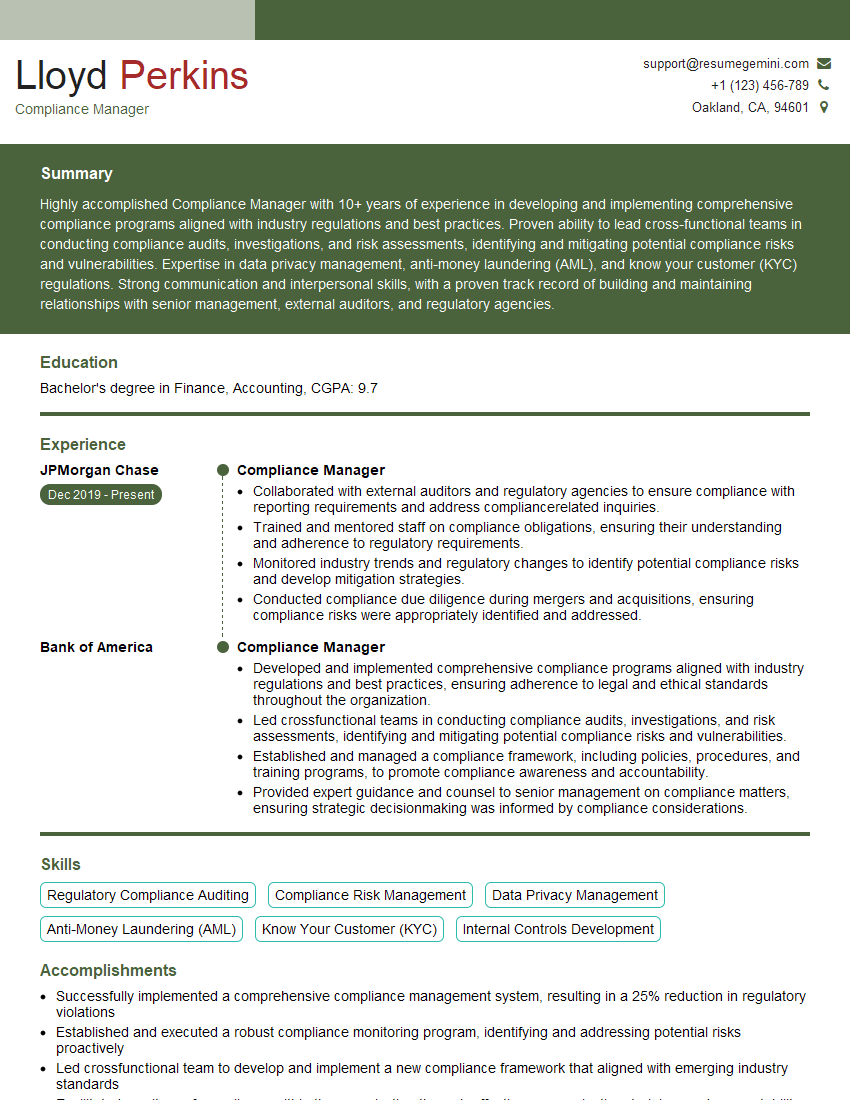
Compliance Manager Resume Sample
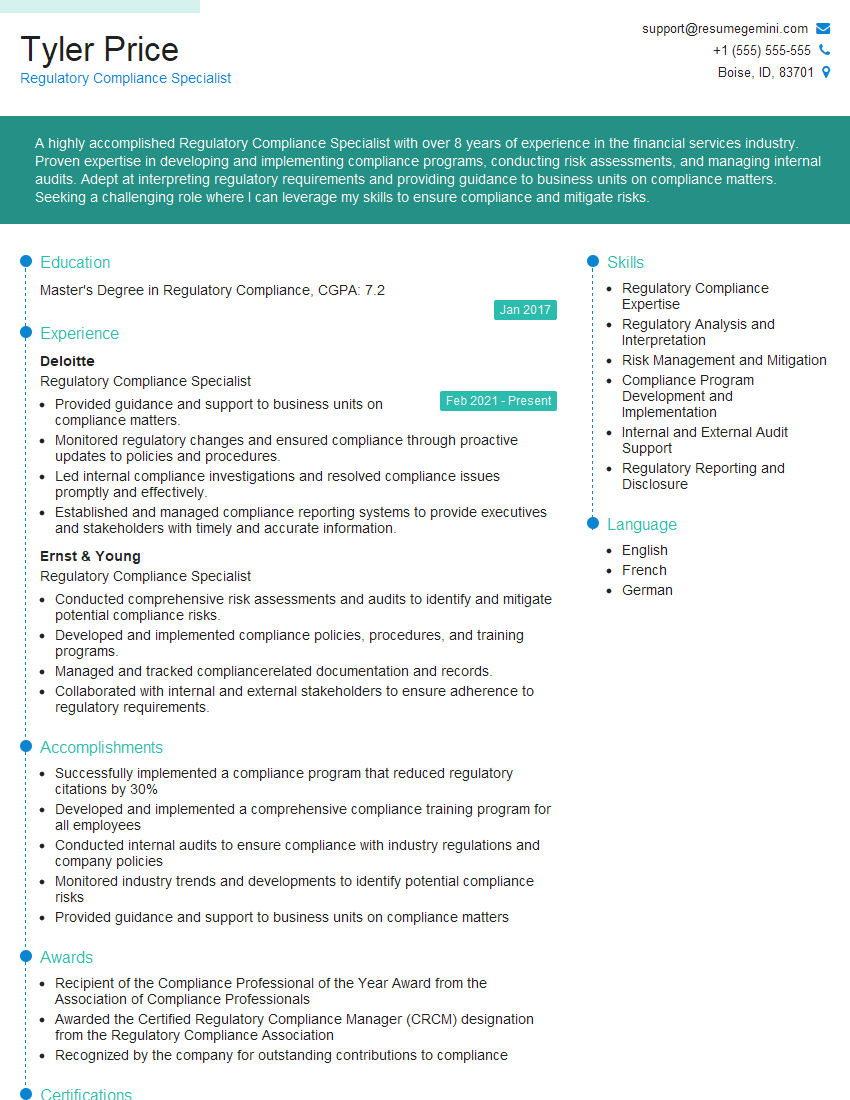
Regulatory Compliance Specialist Resume Sample
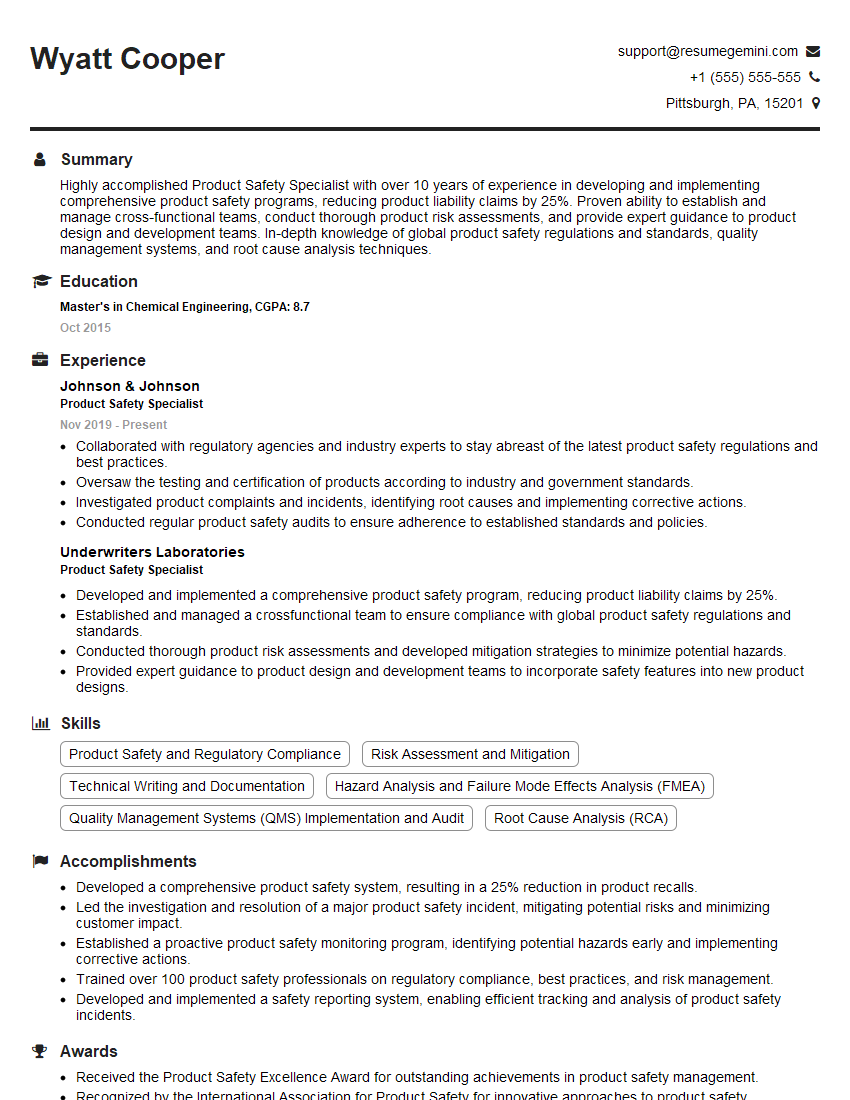
Product Safety Specialist Resume Sample
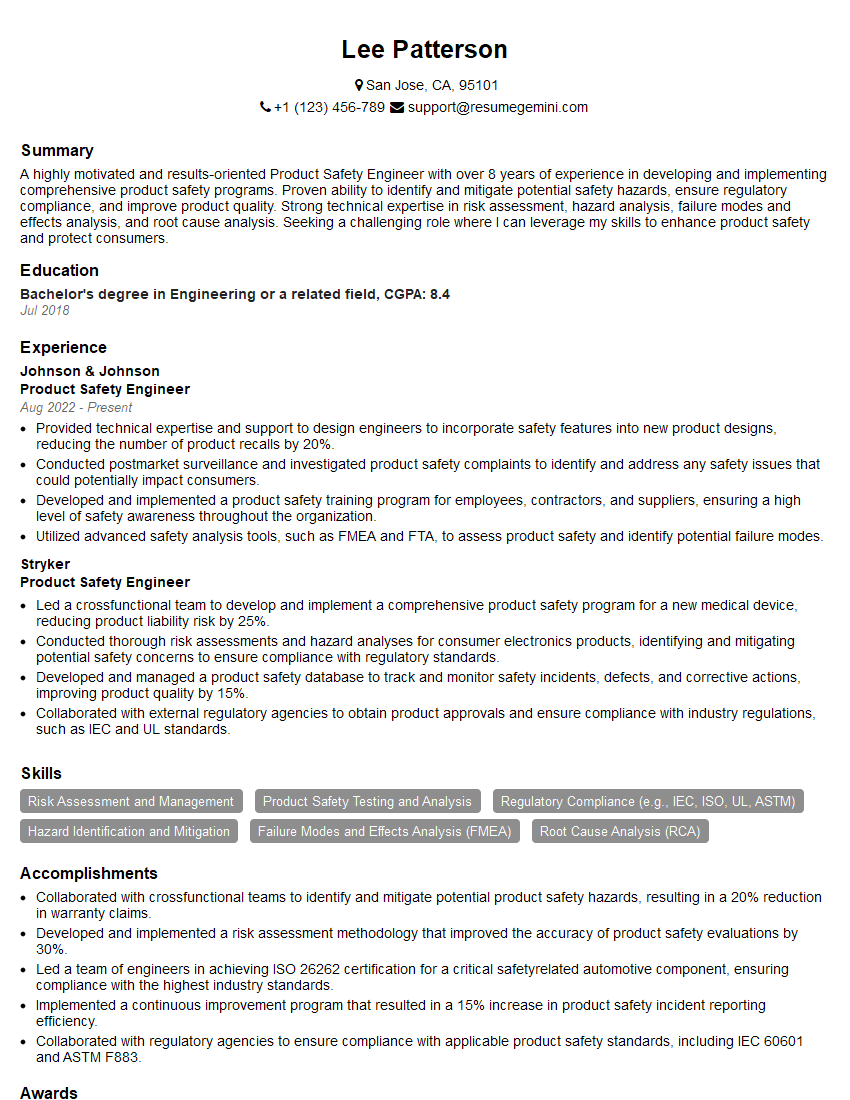
Product Safety Engineer Resume Sample
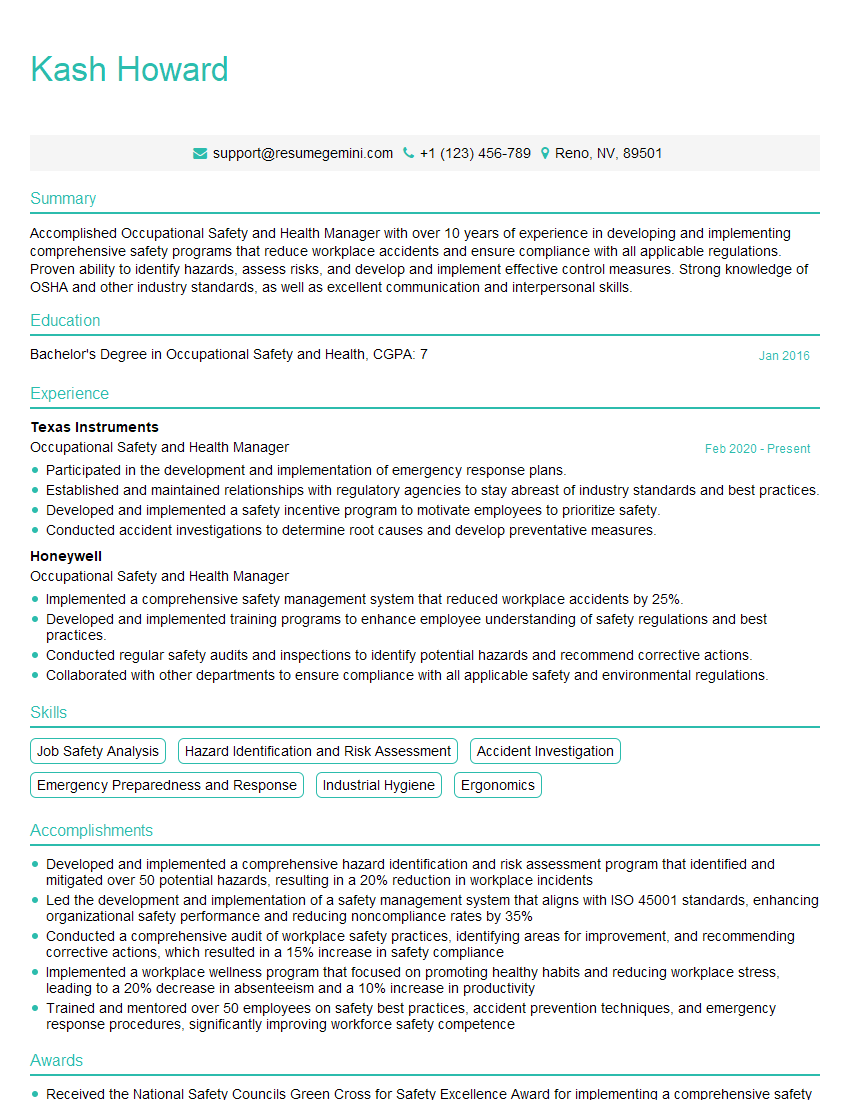
Occupational Safety and Health Manager Resume Sample
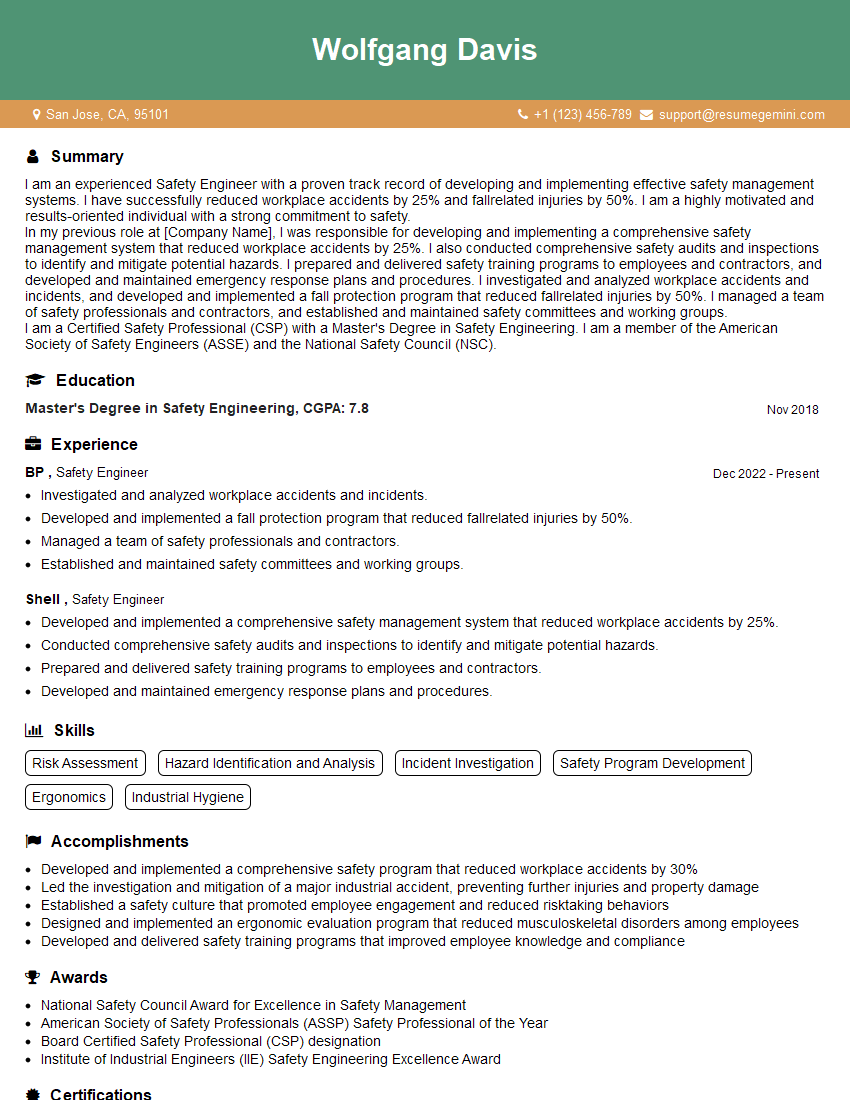
Safety Engineer Resume Sample
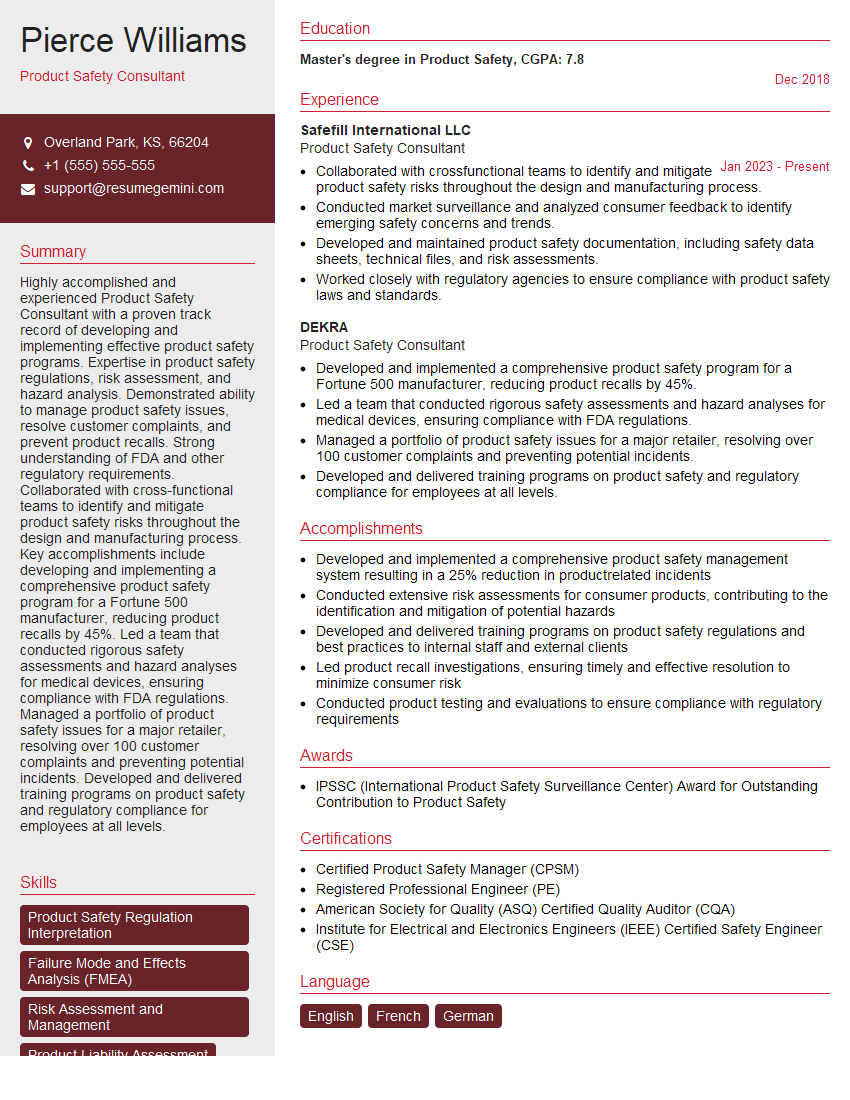
Product Safety Consultant Resume Sample
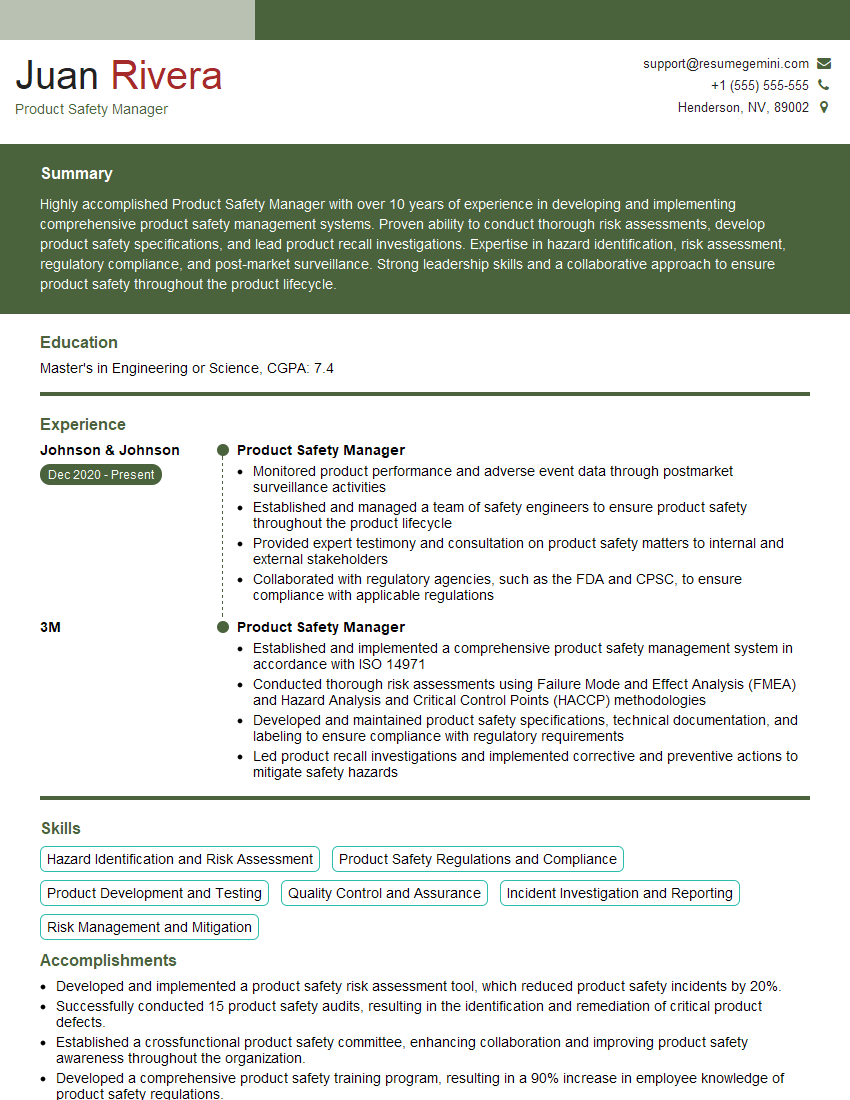
Product Safety Manager Resume Sample
Explore more articles
Users Rating of Our Blogs
Share Your Experience
We value your feedback! Please rate our content and share your thoughts (optional).
What Readers Say About Our Blog
Very informative content, great job.
good