Cracking a skill-specific interview, like one for Hopper Calibration, requires understanding the nuances of the role. In this blog, we present the questions you’re most likely to encounter, along with insights into how to answer them effectively. Let’s ensure you’re ready to make a strong impression.
Questions Asked in Hopper Calibration Interview
Q 1. Explain the purpose of hopper calibration.
Hopper calibration is the process of accurately determining the relationship between the volume of material in a hopper and its measured weight or level. This is crucial for ensuring consistent and accurate dispensing of materials in various industrial processes, from food manufacturing to pharmaceuticals to chemical processing. Think of it like calibrating a kitchen scale to ensure you’re adding the correct amount of ingredients to a recipe. Inaccurate hopper calibration can lead to significant variations in product quality, waste of materials, and even safety hazards.
Q 2. Describe the different types of hopper calibration methods.
There are several methods for hopper calibration, each with its own strengths and weaknesses:
- Weight Calibration: This is the most common and accurate method. It involves filling the hopper with a known weight of material and measuring the corresponding level sensor reading. This data is then used to create a calibration curve.
- Volume Calibration: This method involves filling the hopper with a known volume of material and measuring the resulting level sensor reading. It’s suitable when precise weight measurement is difficult or impractical.
- Linear Calibration: This simpler method assumes a linear relationship between the material level and the weight or volume. While easier to implement, it’s less accurate than other methods, and only suitable for hoppers with relatively consistent material density and flow characteristics.
- Non-linear Calibration: This method uses more complex mathematical models to account for non-linear relationships between level and weight/volume, often required for hoppers with complex geometries or material behavior.
The choice of method depends on factors such as the hopper’s design, the material being handled, and the required accuracy.
Q 3. What are the common sources of error in hopper calibration?
Several sources can introduce errors in hopper calibration:
- Material Variations: Differences in material density, particle size, and moisture content can significantly affect the weight-to-level relationship. For example, a hopper filled with slightly damp grains will weigh more than one filled with dry grains at the same level.
- Sensor Drift: Level sensors can drift over time due to wear and tear, temperature changes, or other environmental factors. Regular sensor checks and calibration are essential.
- Hopper Geometry: Irregularities in the hopper’s shape can affect the accuracy of volume measurements, particularly with volume calibration.
- Material Flow and Settling: The way the material settles in the hopper can influence the level reading. This is especially relevant for materials with poor flowability.
- Measurement Errors: Inaccurate weight or volume measurements during the calibration process will directly affect the final calibration curve.
Careful attention to detail during the calibration process and regular maintenance of equipment are essential to minimize these errors.
Q 4. How do you ensure accuracy during hopper calibration?
Ensuring accuracy during hopper calibration requires a systematic approach:
- Use high-precision instruments: Employ calibrated scales, accurate volume measuring devices, and high-resolution level sensors.
- Control environmental factors: Maintain consistent temperature and humidity to minimize their impact on material properties and sensor readings.
- Multiple measurements: Take multiple measurements at various levels and average the results to reduce random errors. A larger sample size produces a more statistically reliable result.
- Statistical analysis: Use statistical methods to assess the quality of the calibration data and identify potential outliers.
- Calibration curve fitting: Select an appropriate mathematical model to fit the calibration data accurately. Consider polynomial fits or other models depending on the data’s non-linearity.
- Regular recalibration: Perform periodic recalibrations to account for sensor drift and material property changes.
Documenting the entire process is vital for traceability and future reference.
Q 5. What tools and equipment are used in hopper calibration?
Hopper calibration utilizes various tools and equipment:
- High-precision scales: For accurate weight measurements.
- Volume measuring devices: Such as calibrated containers or flow meters, depending on the method used.
- Level sensors: Various types are available, including ultrasonic, radar, capacitive, and optical sensors. The choice depends on the material and application.
- Data acquisition system: For recording and processing the calibration data.
- Calibration software: For curve fitting and generating calibration curves.
- Material handling equipment: Such as conveyors or loaders for filling the hopper consistently.
Q 6. Explain the importance of traceability in hopper calibration.
Traceability in hopper calibration is essential for ensuring the reliability and validity of the calibration process. It establishes a chain of custody, demonstrating that the calibration was performed correctly and the results are accurate and verifiable. This is critical for regulatory compliance in industries with stringent quality control requirements, such as pharmaceuticals and food processing. A traceable calibration ensures that if an issue arises, it’s possible to trace it back to the source and identify any potential problems in the process. Think of it as keeping meticulous records in a scientific experiment, allowing others to replicate the results.
Q 7. How often should hopper calibration be performed?
The frequency of hopper calibration depends on several factors, including the material being handled, the operating conditions, the accuracy requirements, and the history of the equipment. For critical applications, monthly or even weekly calibrations might be necessary. For less critical applications, calibrations might be performed quarterly or annually. Regular monitoring of the sensor readings and any observed changes in material handling can help determine the need for more frequent calibration.
A well-defined calibration schedule, documented in a maintenance plan, is essential for ensuring consistent accuracy and compliance with standards.
Q 8. What are the safety precautions to consider during hopper calibration?
Safety is paramount during hopper calibration. Before starting, always ensure the hopper is completely isolated from the process line – power down and lock out any associated equipment to prevent accidental activation. Wear appropriate personal protective equipment (PPE), including safety glasses, gloves, and closed-toe shoes, to protect against spills and potential hazards. If dealing with powders, a respirator may be necessary, especially if the material is hazardous or produces dust. Thoroughly inspect the hopper for any damage or structural issues before commencing calibration. Finally, work in a well-ventilated area, especially when working with potentially volatile materials.
Think of it like this: you wouldn’t attempt to fix a car engine without disconnecting the battery and using safety tools. Hopper calibration is no different; safety first always prevents accidents and injury.
Q 9. How do you document hopper calibration procedures?
Comprehensive documentation is crucial for traceability and regulatory compliance. Calibration records should include the date and time of calibration, the equipment used (including serial numbers and calibration certificates), the method employed (volumetric or gravimetric), step-by-step procedures followed, detailed observations, and the final calibration results. Any deviations from standard procedures must be meticulously noted. Photographs of the setup and readings are also beneficial. A formal calibration certificate, signed by the technician performing the calibration and approved by a supervisor, is the final product and forms the basis of a verifiable audit trail.
Imagine you’re a scientist running an experiment. You document every step because you need that detailed record for accuracy and repeatability. Hopper calibration requires the same rigorous record-keeping.
Q 10. Describe the process of calibrating a hopper using a volumetric method.
The volumetric method involves filling the hopper to its maximum capacity with a known volume of a calibration material, usually a material similar in properties (flow, density) to the material normally handled. The volume is accurately determined using calibrated measuring tools like graduated cylinders, level sensors, or even precise water displacement measurements. The process involves several carefully measured fills, and the average volume is calculated. This average volume represents the calibrated capacity of the hopper. The accuracy heavily depends on the precision of the measuring equipment and the consistency in filling the hopper.
For example, we might use a calibrated tank to fill a hopper with a specific volume of grains, repeating the process multiple times to account for small variations in filling technique. The average of these fills provides our calibrated volume.
Q 11. Describe the process of calibrating a hopper using a gravimetric method.
The gravimetric method is considered more precise than the volumetric method. It involves weighing the calibration material used to fill the hopper. High-precision scales are used to determine the mass of the material accurately. The density of the calibration material needs to be known to calculate the volume. The mass divided by the density yields the volume of the material, representing the calibrated volume of the hopper. Multiple weighing cycles help improve the accuracy and reduce measurement error.
In essence, we use a known weight and the density of the material to calculate the volume of the hopper, similar to how we would calculate the volume of an irregularly shaped object using water displacement, but with greater precision through the use of scales.
Q 12. How do you troubleshoot common issues encountered during hopper calibration?
Troubleshooting involves systematically examining potential sources of error. Inconsistent readings could be due to faulty measuring instruments (scales or volume measurement devices), improper filling techniques, static electricity (affecting weight measurements, particularly with powders), or even temperature fluctuations influencing density. Inspecting the hopper for any leaks or blockages is also crucial. If problems persist, cross-checking with a different calibration method or instrument can help identify the source of discrepancies. A thorough calibration log helps in pinpointing any systematic issues.
Think of it as diagnosing a car problem – you’d systematically check different parts until you find the culprit. With hopper calibration, systematic troubleshooting is key.
Q 13. What are the different types of hoppers and how does calibration differ?
Hoppers come in various designs—from simple conical hoppers to complex screw feeders and surge hoppers. Calibration procedures adapt to the hopper’s geometry and operational characteristics. A conical hopper, for instance, might be more challenging to fill uniformly than a cylindrical one. Surge hoppers, which are used for bulk storage and handling, require more extensive calibration procedures due to their large size and the associated challenges in ensuring consistent filling. The choice of calibration method (volumetric or gravimetric) and the level of precision needed may also vary based on the hopper type and application. For example, a high-precision hopper in a pharmaceutical setting will need stricter calibration than a simpler hopper in a construction setting.
Q 14. How do you determine the appropriate calibration standards?
Calibration standards are chosen based on the properties of the materials normally handled by the hopper. The ideal calibration material should closely mimic the flow characteristics, density, and particle size distribution of the process material. Traceable standards with known and certified properties are preferred to ensure accuracy and compliance with regulations. The precision of the standard should also be commensurate with the required precision of the hopper calibration. A material that is too dissimilar might lead to inaccurate results and defeat the purpose of the calibration process.
For instance, calibrating a hopper designed for fine powders would require a calibration material that’s also a fine powder, to reflect the material’s behaviour. Using a coarser material would lead to significant errors.
Q 15. What is the role of statistical process control (SPC) in hopper calibration?
Statistical Process Control (SPC) is crucial for maintaining the accuracy and reliability of hopper calibration. Think of it as a system of checks and balances to ensure your hopper consistently delivers the intended amount of material. SPC involves regularly collecting data on hopper performance – for example, the weight of material dispensed in each batch – and analyzing it using statistical methods like control charts. This helps to detect any shifts in the hopper’s performance early on, before they lead to significant errors or product quality issues. For instance, an upward trend in dispensed weight might indicate wear and tear, requiring recalibration. Conversely, a downward trend might suggest a material blockage. By identifying these trends early, preventative maintenance can be scheduled, reducing downtime and ensuring consistent product quality.
Control charts visually represent the data, highlighting when variations exceed acceptable limits (defined by control limits). They allow us to distinguish between common cause variation (natural fluctuations) and special cause variation (indicating a problem requiring investigation). This enables proactive maintenance and correction, leading to higher process efficiency and reduced waste.
Career Expert Tips:
- Ace those interviews! Prepare effectively by reviewing the Top 50 Most Common Interview Questions on ResumeGemini.
- Navigate your job search with confidence! Explore a wide range of Career Tips on ResumeGemini. Learn about common challenges and recommendations to overcome them.
- Craft the perfect resume! Master the Art of Resume Writing with ResumeGemini’s guide. Showcase your unique qualifications and achievements effectively.
- Don’t miss out on holiday savings! Build your dream resume with ResumeGemini’s ATS optimized templates.
Q 16. How do you handle calibration discrepancies or out-of-tolerance results?
Calibration discrepancies, or out-of-tolerance results, are addressed systematically. The first step involves verifying the results. Were the measurements taken correctly? Was the correct calibration procedure followed? Were the calibration instruments properly maintained and calibrated themselves? Addressing these procedural questions is critical. If the procedure was followed correctly, and errors are still present, a thorough investigation is needed to find the root cause. This could involve inspecting the hopper for damage, wear and tear, or blockages. It might also involve checking the accuracy of associated equipment like sensors or scales. Once the root cause is identified, corrective action is taken. This could include repairing or replacing damaged parts, adjusting sensor settings, or even replacing the hopper altogether. After corrections are made, the hopper undergoes a complete recalibration to verify the accuracy. Detailed records of the discrepancy, the investigation, the corrective actions, and the recalibration results must be meticulously documented.
Q 17. Explain the concept of calibration uncertainty.
Calibration uncertainty quantifies the doubt associated with a measurement result. It’s essentially a measure of how much the actual value might differ from the reported value. Imagine trying to measure the exact height of a table using a ruler. There’s always a degree of uncertainty because of the limitations of the measuring tool itself, the skill of the person taking the measurement, and environmental factors. Similarly, in hopper calibration, uncertainty reflects the combined effect of all the factors that can influence the accuracy of the measurement, including the accuracy of the calibration equipment, the measurement process, and environmental conditions. It’s expressed as a range of values (e.g., ±0.5 kg) around the measured value, providing a realistic representation of the precision attainable. A smaller uncertainty value indicates higher confidence in the measurement.
Understanding calibration uncertainty is crucial because it directly impacts the quality of the product. A high uncertainty level suggests a greater risk of non-conformances, and this should be considered when setting tolerance limits.
Q 18. How do you maintain calibration records and ensure their integrity?
Maintaining the integrity of calibration records is paramount. We use a comprehensive system that combines paper and digital records. All calibration activities are recorded in detail, including the date, time, equipment used, personnel involved, calibration procedures followed, and the results obtained. This information is entered into a database, often with version control and audit trails to track changes. These digital records are backed up regularly to prevent data loss. Physical copies of important documents are also archived in a secure location. Access to calibration records is restricted to authorized personnel, and procedures are in place to ensure the accuracy and authenticity of the records. A calibration certificate, including uncertainty information, is issued after each calibration procedure. This certificate serves as proof that the hopper meets specified accuracy requirements and is vital for traceability.
Q 19. Describe the importance of regular calibration verification.
Regular calibration verification is critical for ensuring ongoing accuracy and reliability. Even meticulously calibrated hoppers can drift out of tolerance over time due to wear and tear, environmental factors, or other unforeseen events. Think of it like getting your car’s tires rotated regularly even though they appear fine. Regular verification involves conducting periodic checks to see if the hopper continues to meet its specified accuracy requirements. This usually involves repeat measurements under controlled conditions, comparing them against the original calibration data. If discrepancies exceed pre-defined limits, recalibration or investigation of the root cause is needed. The frequency of verification depends on factors such as the criticality of the application, the expected rate of wear and tear, and regulatory requirements. It might range from daily checks for high-precision applications to monthly or even yearly checks for less critical ones. The goal is to detect subtle shifts early, preventing larger issues and ensuring consistent product quality.
Q 20. What are the regulatory requirements related to hopper calibration?
Regulatory requirements concerning hopper calibration vary depending on the industry and the specific application. For example, in the pharmaceutical industry, Good Manufacturing Practices (GMP) mandates strict adherence to calibration procedures and record-keeping practices. Similarly, in the food and beverage industry, the requirements might be driven by Hazard Analysis and Critical Control Points (HACCP) principles. These regulations typically specify requirements for calibration frequency, equipment accuracy, traceability, and record-keeping practices. Failure to comply with these regulations can lead to significant penalties, including product recalls, fines, and even legal action. It’s essential to stay updated on all relevant regulations and ensure full compliance.
Q 21. How do you select the appropriate calibration equipment?
Selecting appropriate calibration equipment involves several considerations. The primary factors are the accuracy and resolution required for the specific hopper application, along with the range of materials handled. For example, a hopper used for dispensing high-value pharmaceutical ingredients needs far more precise calibration equipment than one used for dispensing bulk materials. The equipment’s traceability to national or international standards is also crucial, ensuring accurate and reliable measurements. Other considerations include ease of use, cost, and the availability of support and calibration services for the equipment itself. Before making a purchase, you should perform a thorough evaluation of different equipment options, ensuring that their specifications meet the requirements of the application. In some cases, it may be more cost-effective to rent specialized equipment rather than purchase it outright, especially if the calibration is infrequent.
Q 22. What are the different types of calibration certificates?
Calibration certificates document the accuracy and reliability of a hopper’s measurement system. Different types exist, primarily categorized by their scope and level of detail. A simple Certificate of Conformance might just state that the hopper passed a calibration check against a standard. More detailed certificates, like those following ISO 17025, provide extensive information including: the equipment used, the specific procedures followed, uncertainty analysis, and traceability to national or international standards. A Traceable Calibration Certificate is crucial for industries with stringent regulatory requirements, showing a clear chain of custody back to a recognized metrology institute. Finally, a Calibration Report offers a comprehensive overview of the entire calibration process, including all data and observations, frequently used for detailed analysis and troubleshooting.
- Certificate of Conformance: Simple pass/fail statement.
- Traceable Calibration Certificate: Demonstrates traceability to national standards.
- Calibration Report: Detailed documentation of the entire calibration process.
Q 23. Explain the difference between calibration and verification.
While both calibration and verification aim to ensure accurate measurement, they differ significantly in their approach and purpose. Calibration is an adjustment process. It involves comparing a hopper’s measurements to a known standard and then adjusting the hopper’s mechanism to minimize any discrepancies. Think of it like adjusting a watch to keep accurate time. Verification, on the other hand, is a confirmation process. It checks if the hopper’s measurement system is within acceptable tolerance limits without making any adjustments. It simply confirms whether the system is still performing as expected after a period of use. If verification reveals significant deviations, then a full calibration is needed. It’s like checking the watch’s accuracy without adjusting it; if it’s consistently off, you’ll need to calibrate it.
Q 24. How do you address issues with hopper material flow during calibration?
Addressing material flow issues during hopper calibration is crucial for accurate results. Problems like bridging (material arching), rat-holing (material channeling), or inconsistent flow can lead to significant errors. My approach is multifaceted. First, I visually inspect the hopper for any obstructions or design flaws that might impede flow. This might involve checking for build-up of material, damaged internal components, or improper hopper geometry. I’d then carefully examine the material’s properties, looking for factors such as particle size distribution, moisture content, and flowability. Sometimes, simple solutions like vibrating the hopper or using air assist can solve the issue. For more persistent problems, I’d consider modifying the hopper design—perhaps installing flow aids like angled sides or baffles to ensure a consistent discharge. Thorough documentation of all observed issues and solutions is vital for traceability and future calibrations. For example, I might use a high-speed camera to record material flow patterns during calibration runs, providing valuable insights for troubleshooting.
Q 25. How do you handle unexpected downtime during hopper calibration?
Unexpected downtime during hopper calibration is a challenge, but a well-structured plan can mitigate its impact. The first step is to identify the cause of downtime. It could range from equipment malfunction to power outages or unforeseen safety concerns. My immediate actions would focus on troubleshooting the problem, ensuring safety, and protecting the calibrated components from damage. A detailed log is always maintained documenting the downtime duration, its cause, and any actions taken. This is crucial for analysis and future prevention measures. I would reassess the calibration schedule and determine the best course of action – whether to resume the calibration, reschedule it completely, or implement interim validation procedures. Communication is paramount, keeping stakeholders informed about delays and any potential consequences. In some cases, we might need to use alternative methods or equipment to minimize delays and get back on track as quickly and safely as possible.
Q 26. Describe your experience with different calibration software and systems.
I have extensive experience with several calibration software and systems, including both proprietary and open-source options. For example, I’ve worked extensively with LabVIEW for automated data acquisition and analysis during hopper calibrations, creating custom programs to control sensors, record data, and generate reports. I’m also familiar with specialized software packages designed for process instrumentation, allowing for streamlined calibration and data management. My experience also includes working with various data logging systems and hardware, ensuring seamless integration with various hopper types and configurations. Choosing the right software and system depends on the specific requirements of the hopper and the overall process. This includes considering factors like measurement accuracy, data storage capabilities, reporting requirements, and integration with other systems in the plant.
Q 27. How do you stay updated on the latest developments and best practices in hopper calibration?
Staying updated on the latest advancements in hopper calibration is vital for maintaining my expertise. I actively participate in professional organizations and attend industry conferences and workshops focused on measurement science and process instrumentation. This allows me to network with other experts and learn about new techniques, technologies, and best practices. I regularly review industry publications, journals, and online resources, seeking out new research and developments in hopper design, material flow analysis, and calibration methodologies. Additionally, I stay abreast of changes in relevant standards and regulations, ensuring compliance in all my calibration procedures. Continuous learning allows me to improve my efficiency, accuracy and problem-solving skills in this rapidly evolving field.
Q 28. How would you train a new technician on hopper calibration procedures?
Training a new technician involves a structured approach combining theory and practical application. I would start with a comprehensive overview of hopper calibration principles, covering theoretical concepts, measurement uncertainties, and relevant standards. This would be followed by hands-on training, gradually introducing the technician to different calibration procedures and equipment. The training would include demonstrations, supervised practice sessions, and progressively challenging scenarios. Emphasis is placed on safety procedures, proper documentation practices, and troubleshooting common problems. A mentorship program would be incorporated, pairing the new technician with an experienced colleague to further develop their skills and knowledge. Throughout the training, regular assessments and feedback sessions are conducted to ensure the technician’s understanding and competency before they handle independent calibrations. Practical exercises would involve real-world scenarios to simulate different calibration challenges, fostering problem-solving abilities.
Key Topics to Learn for Hopper Calibration Interview
- Understanding Hopper Design and Functionality: Explore different hopper types, material flow characteristics, and the impact of geometry on calibration.
- Calibration Methods and Techniques: Learn about various calibration procedures, including weight-based, volumetric, and flow rate methods. Understand the selection criteria for appropriate methods based on application.
- Instrumentation and Measurement Principles: Familiarize yourself with common instruments used in hopper calibration (e.g., load cells, flow meters) and their limitations. Understand the principles behind accurate measurement and data acquisition.
- Data Analysis and Interpretation: Practice analyzing calibration data to identify trends, outliers, and potential sources of error. Develop skills in statistical analysis relevant to calibration processes.
- Troubleshooting and Problem-Solving: Learn to identify and troubleshoot common issues encountered during hopper calibration, such as inaccurate measurements, inconsistent flow rates, and equipment malfunctions.
- Safety Procedures and Regulations: Understand relevant safety protocols and industry regulations pertaining to hopper calibration and handling of materials.
- Calibration Reporting and Documentation: Learn how to effectively document calibration procedures, results, and any corrective actions taken. Understand the importance of clear and concise reporting.
- Impact of Hopper Calibration on Process Efficiency: Analyze how accurate hopper calibration contributes to overall process efficiency, reduced waste, and improved product quality.
Next Steps
Mastering hopper calibration is crucial for advancing your career in industrial automation and process engineering. A strong understanding of these principles will significantly enhance your value to potential employers. To maximize your job prospects, it’s essential to create an ATS-friendly resume that highlights your skills and experience effectively. We strongly encourage you to utilize ResumeGemini, a trusted resource, to build a professional resume that showcases your capabilities. Examples of resumes tailored to Hopper Calibration roles are available to help guide you.
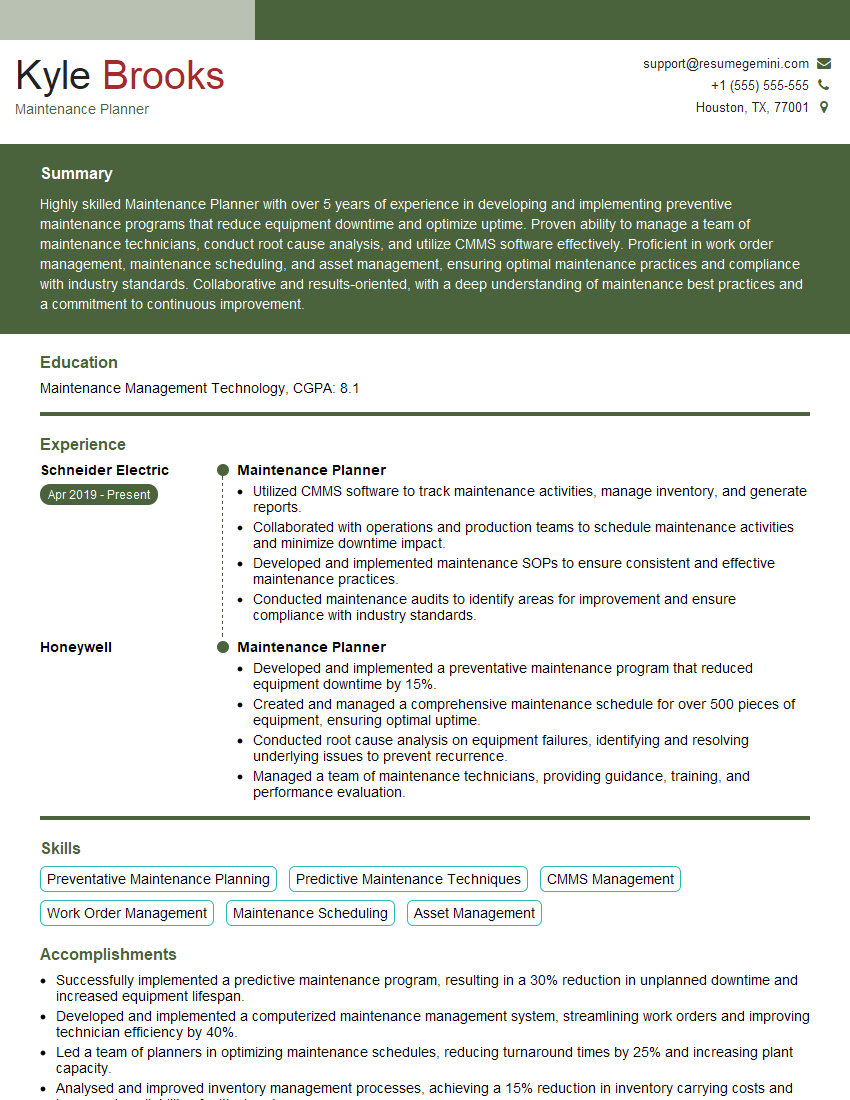
Maintenance Planner Resume Sample
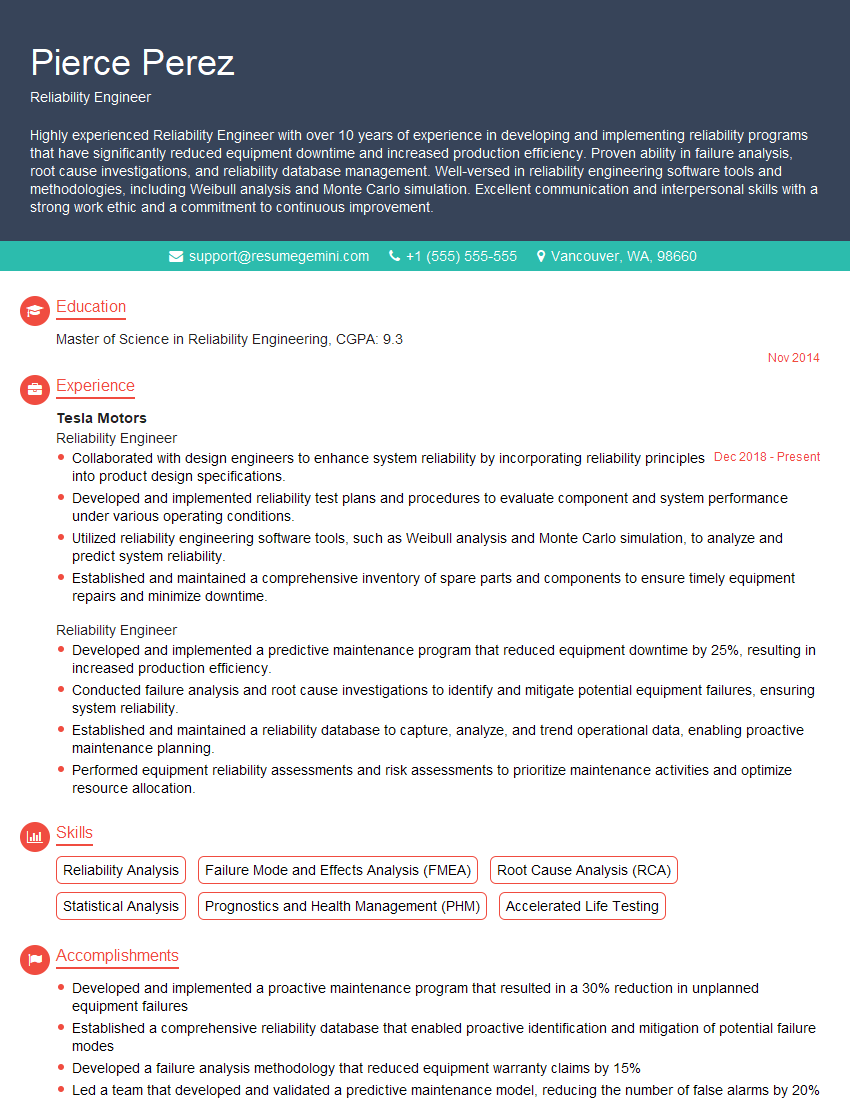
Reliability Engineer Resume Sample
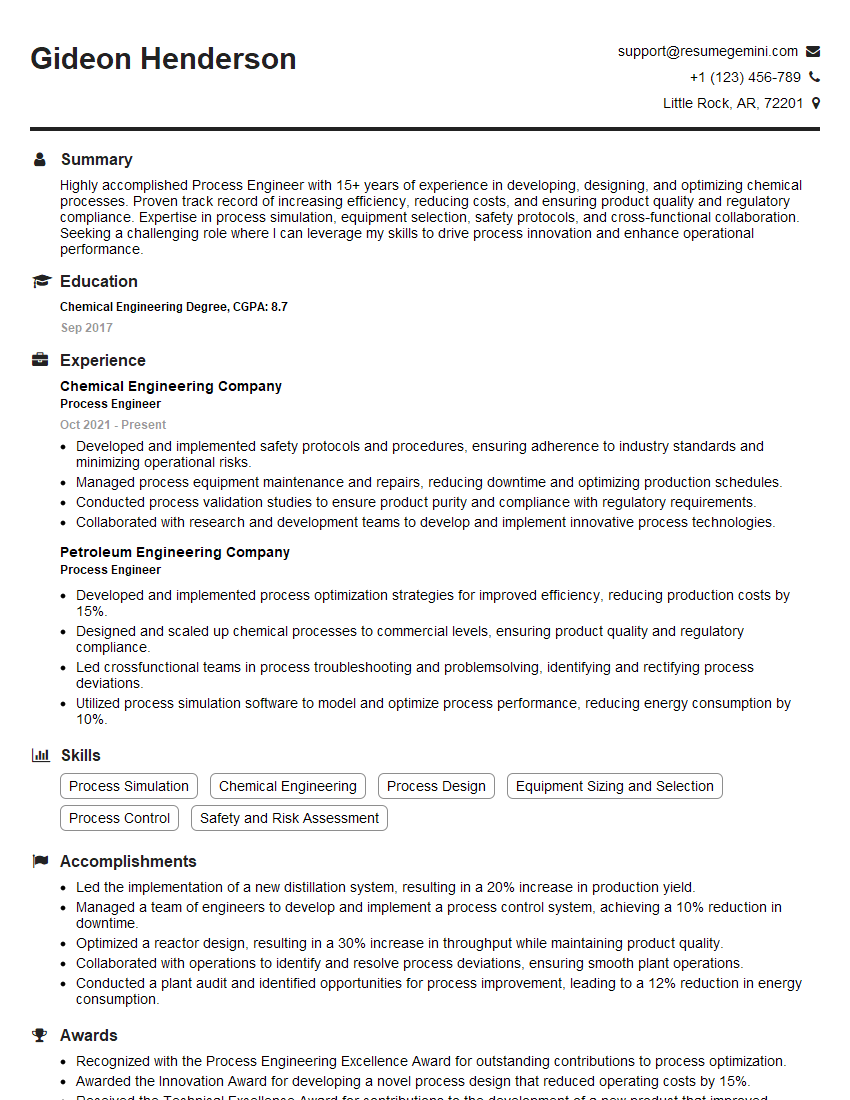
Process Engineer Resume Sample
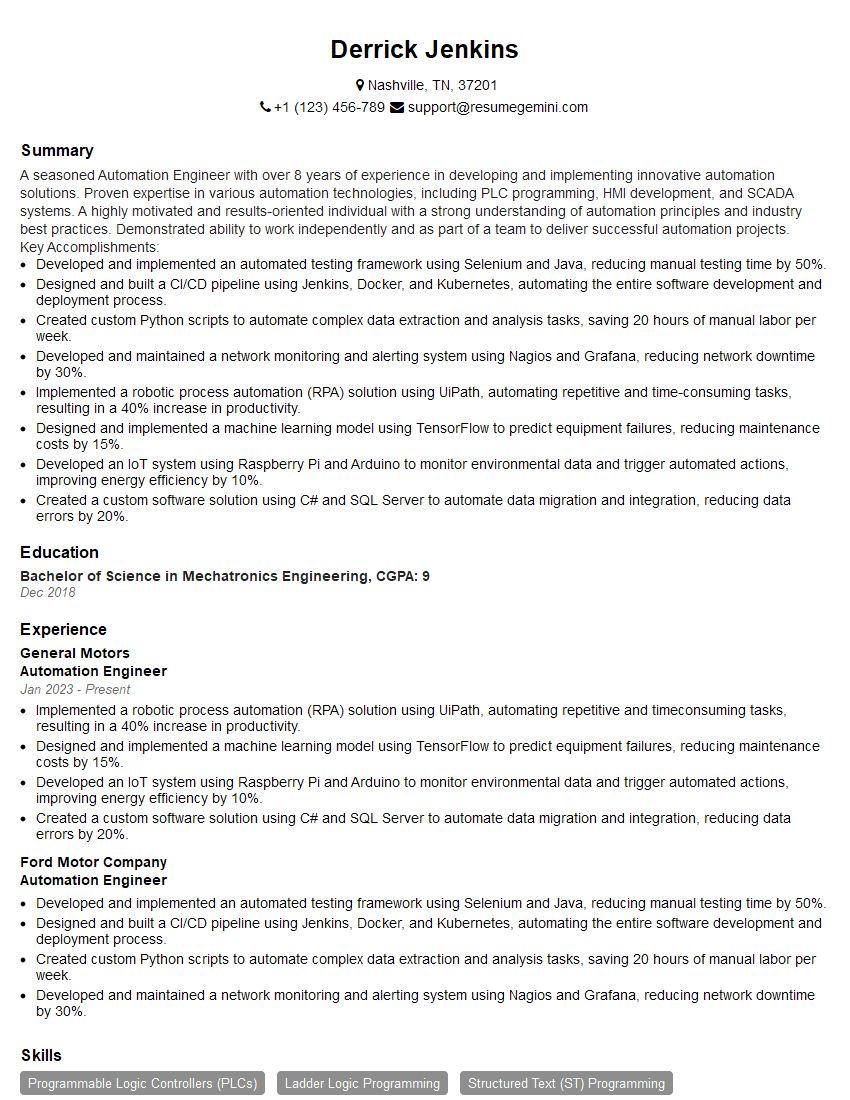
Automation Engineer Resume Sample
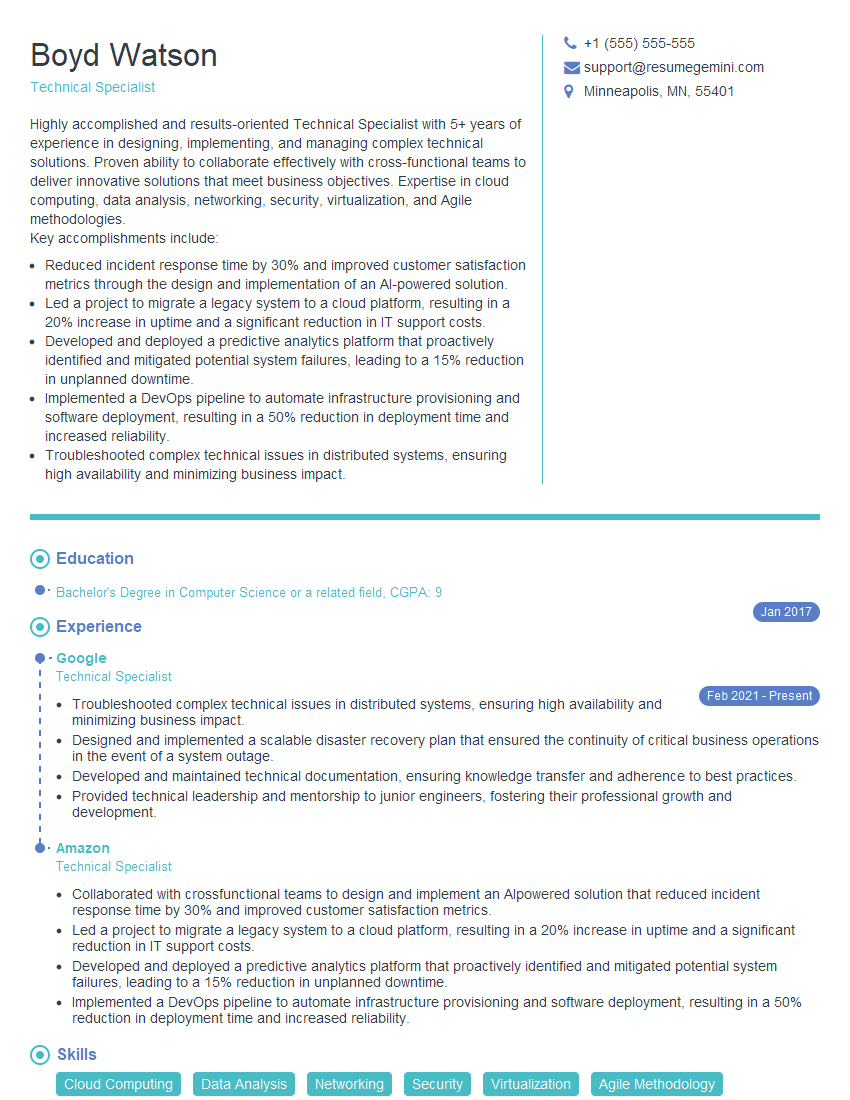
Technical Specialist Resume Sample
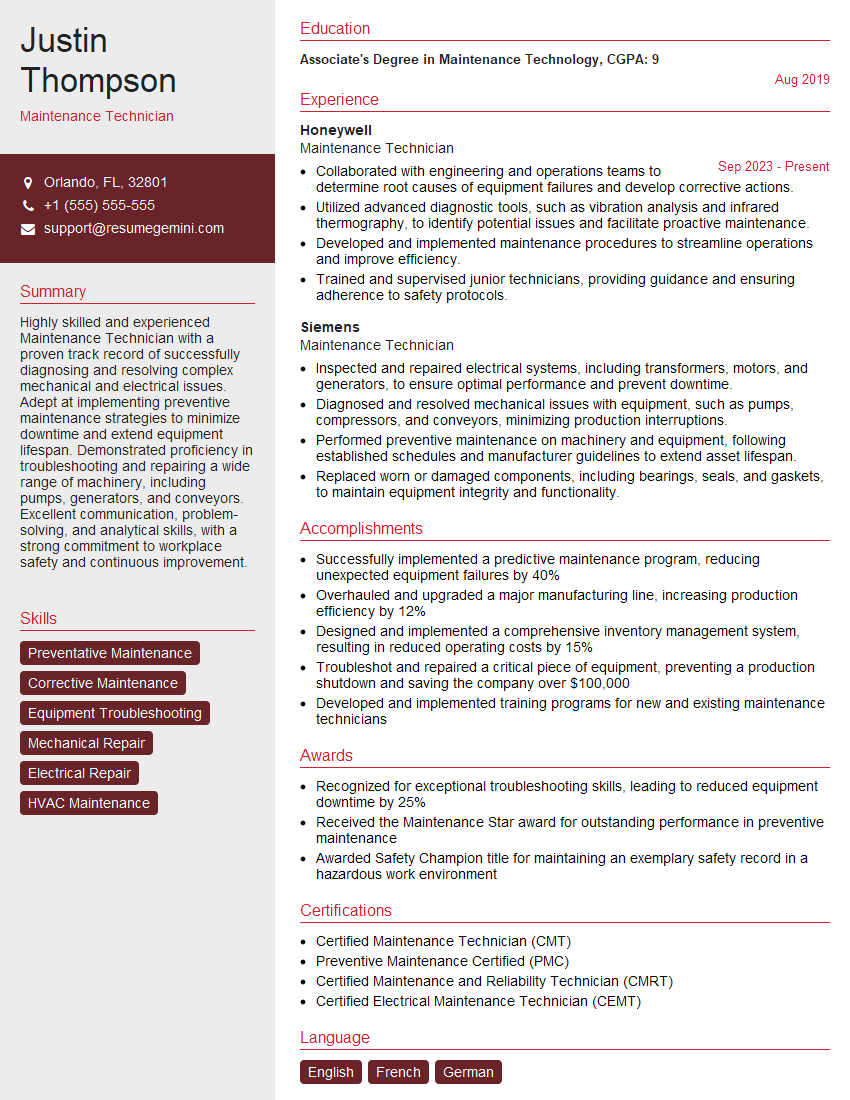
Maintenance Technician Resume Sample
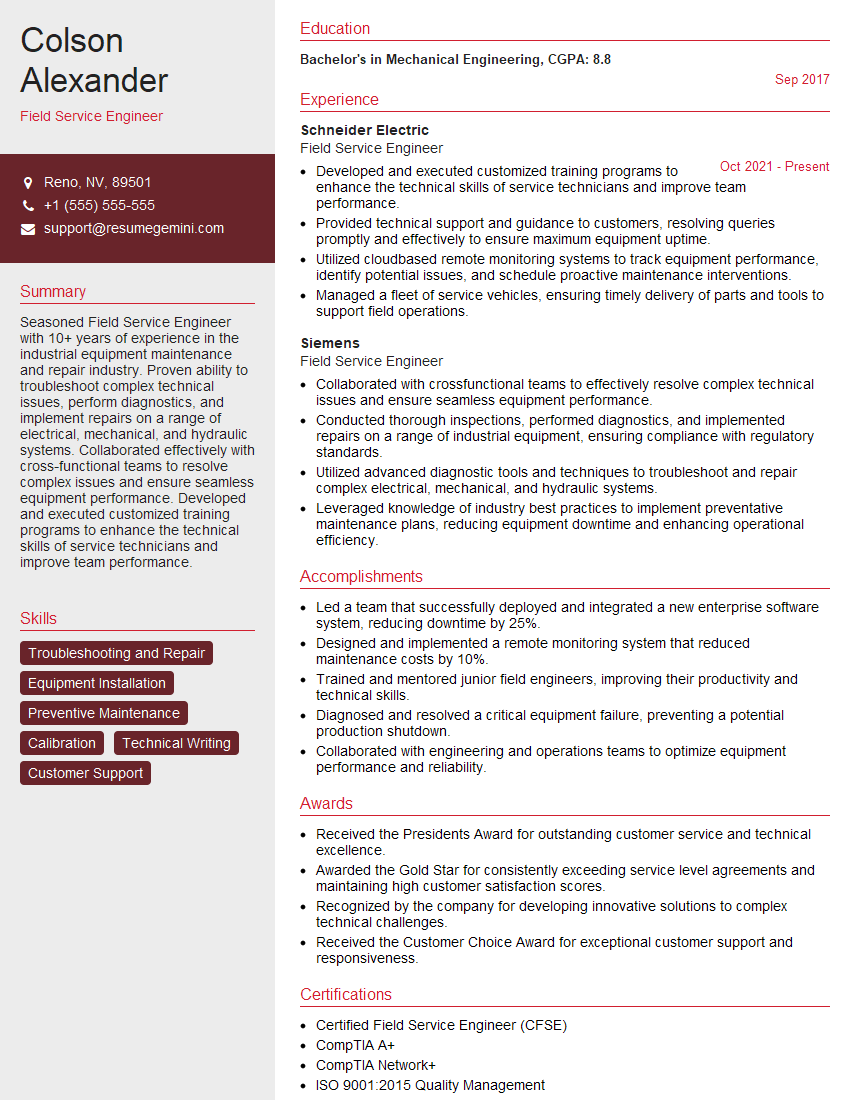
Field Service Engineer Resume Sample
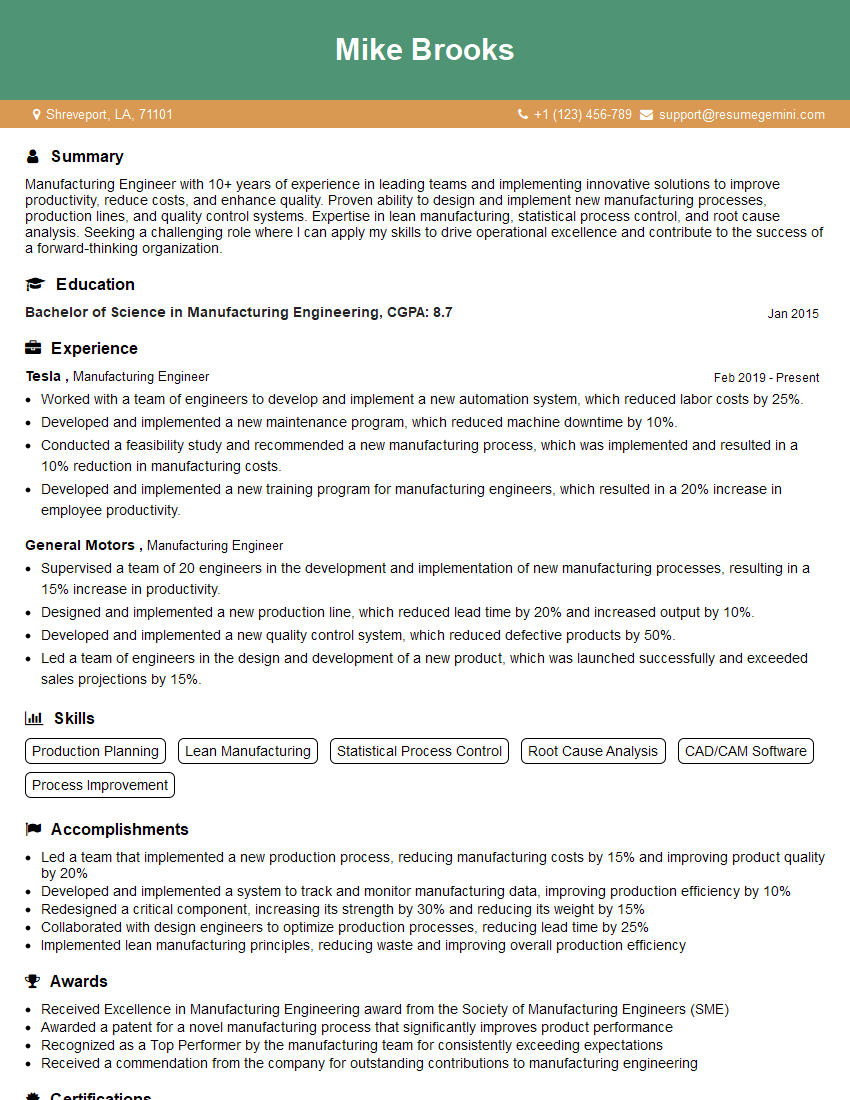
Manufacturing Engineer Resume Sample
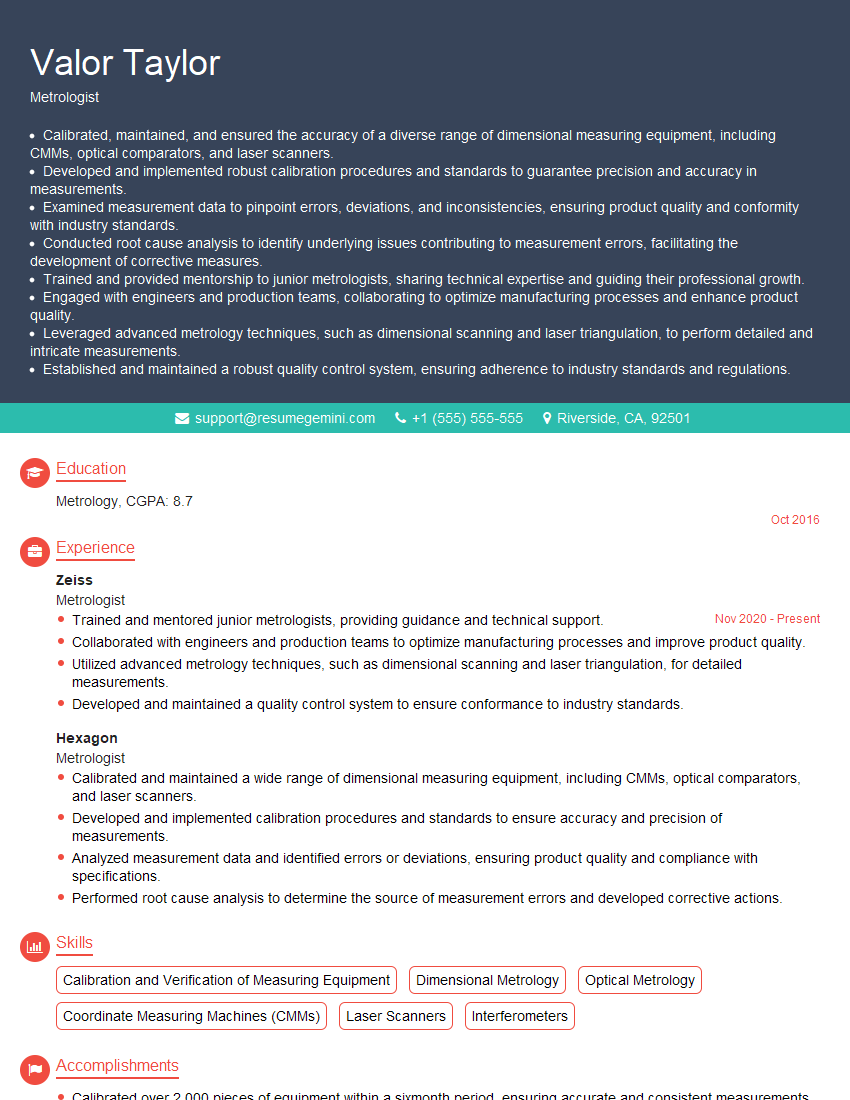
Metrologist Resume Sample
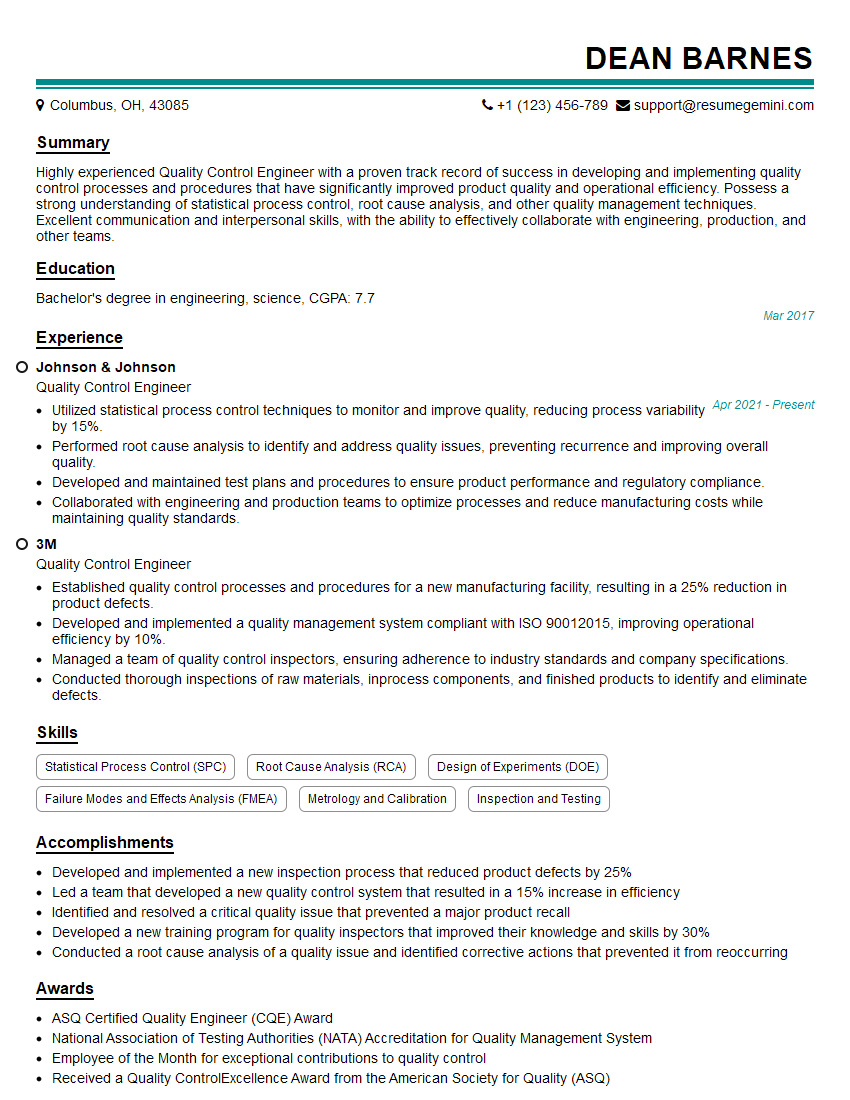
Quality Control Engineer Resume Sample
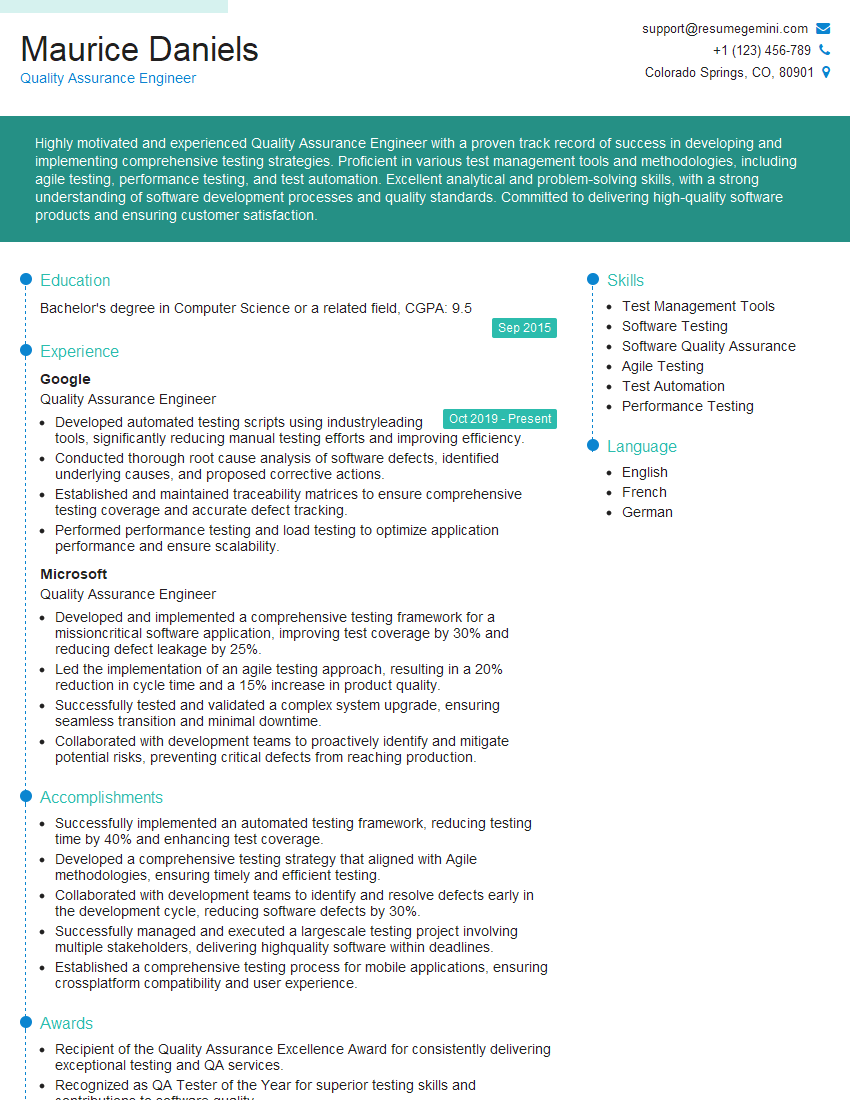
Quality Assurance Engineer Resume Sample
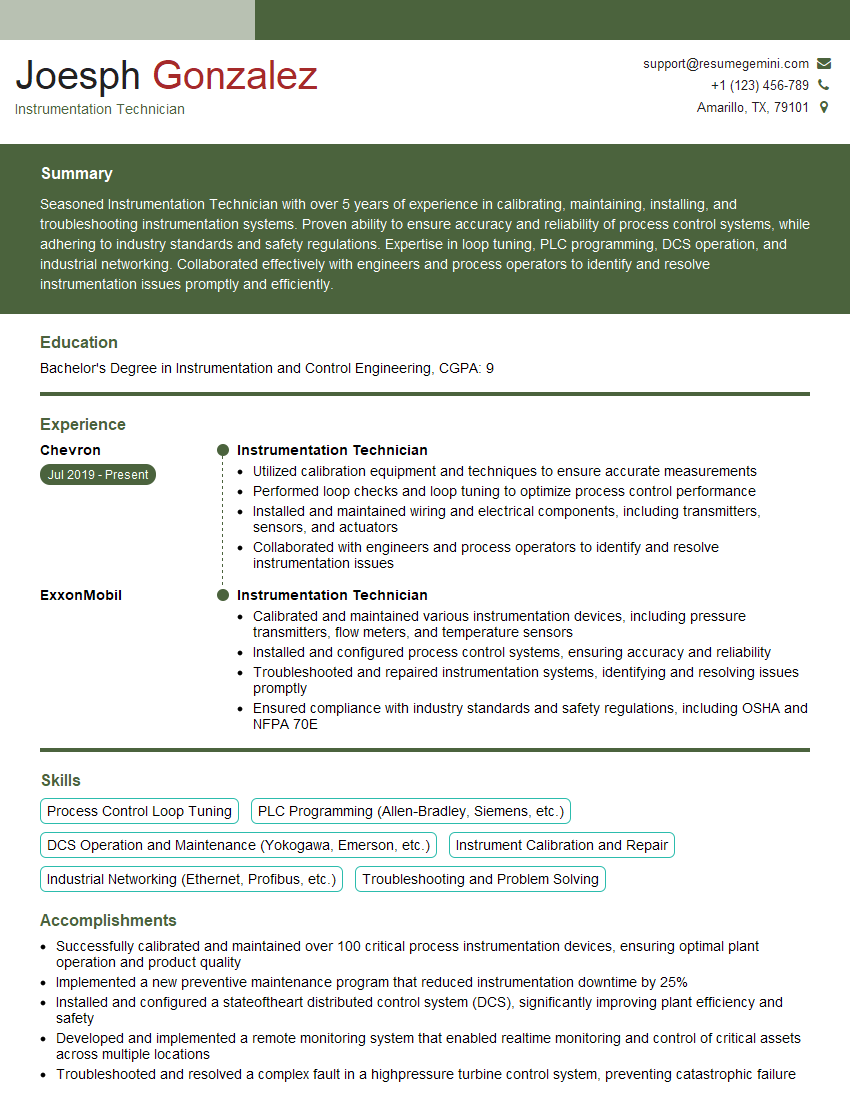
Instrumentation Technician Resume Sample
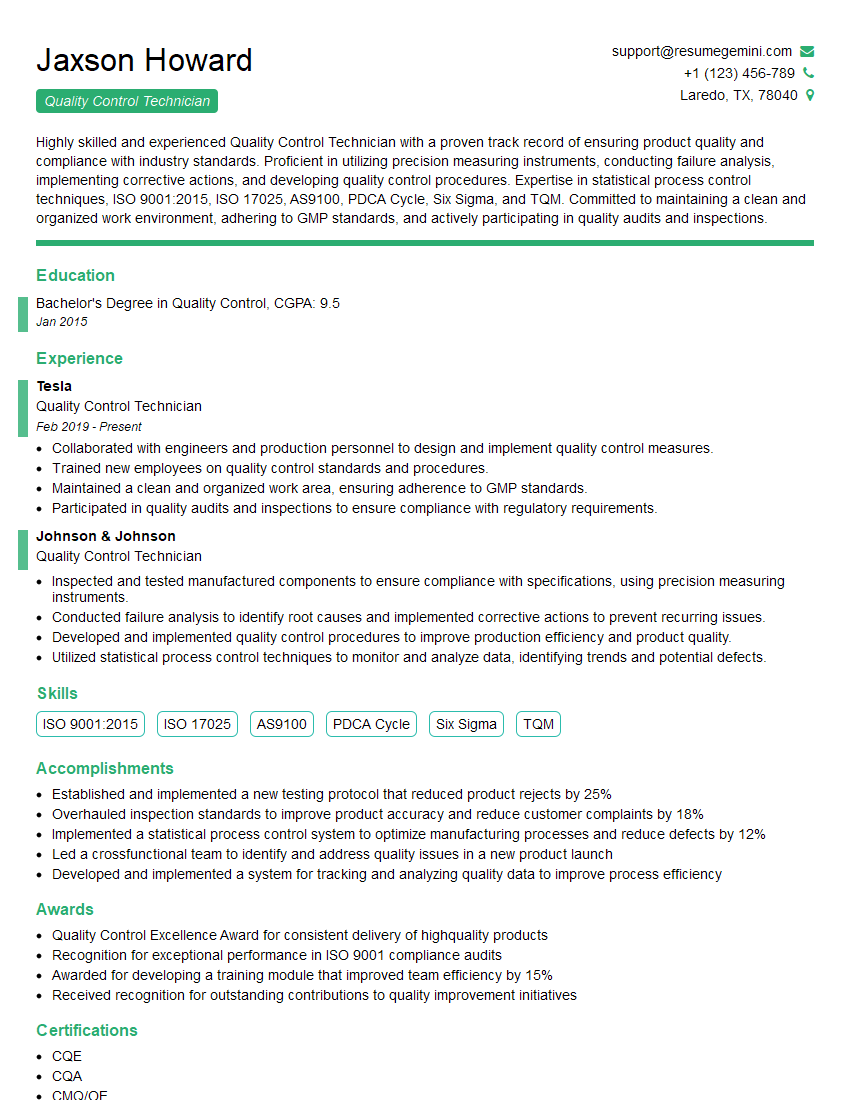
Quality Control Technician Resume Sample
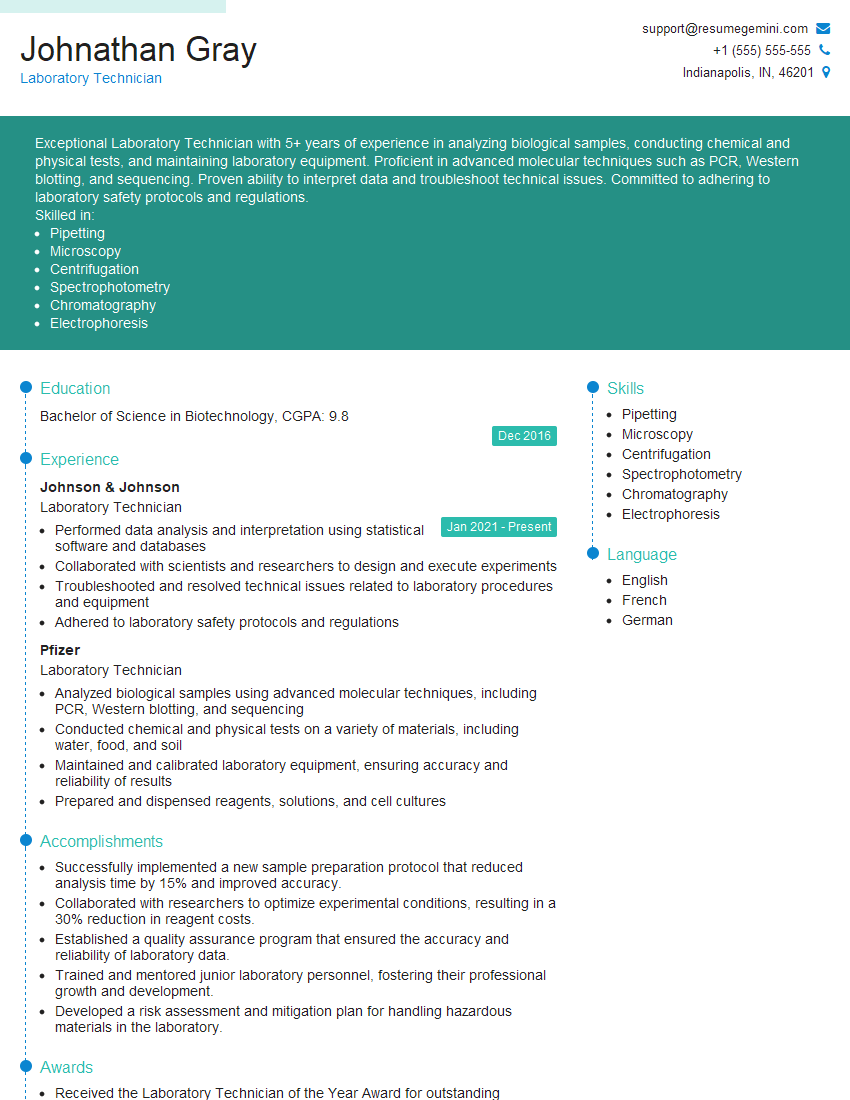
Laboratory Technician Resume Sample
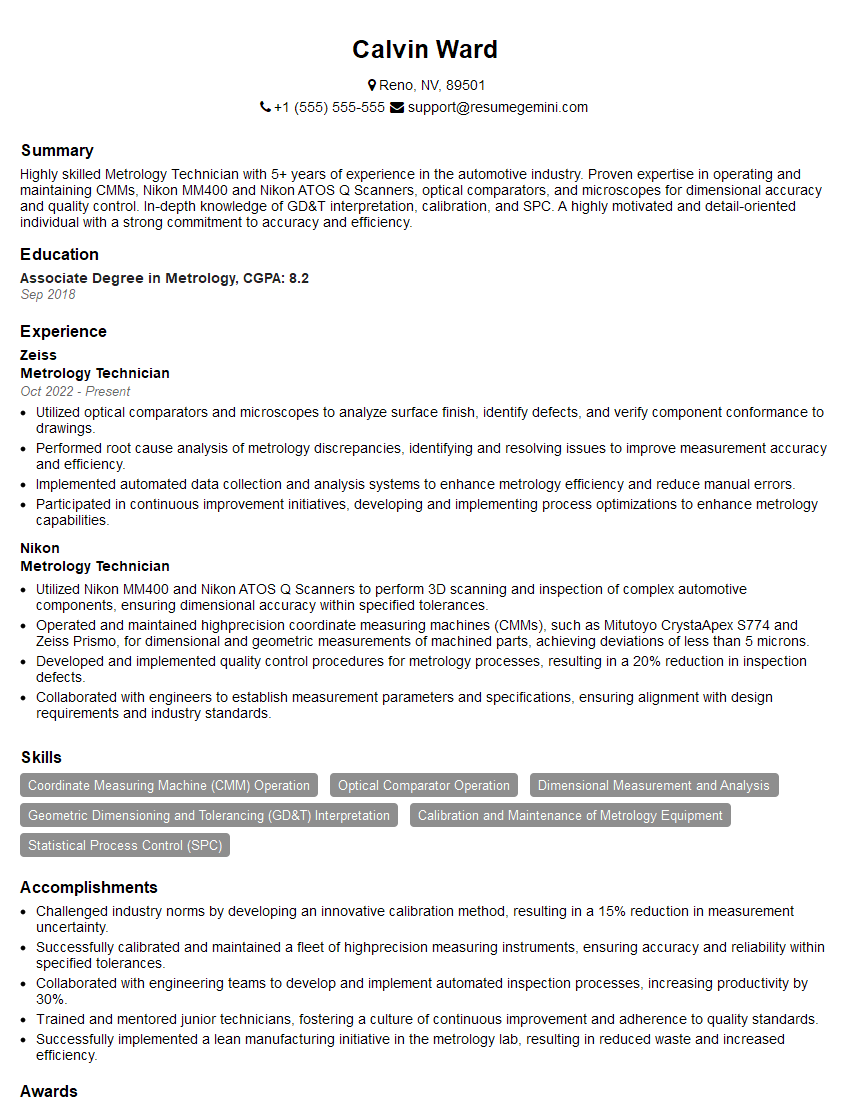
Metrology Technician Resume Sample
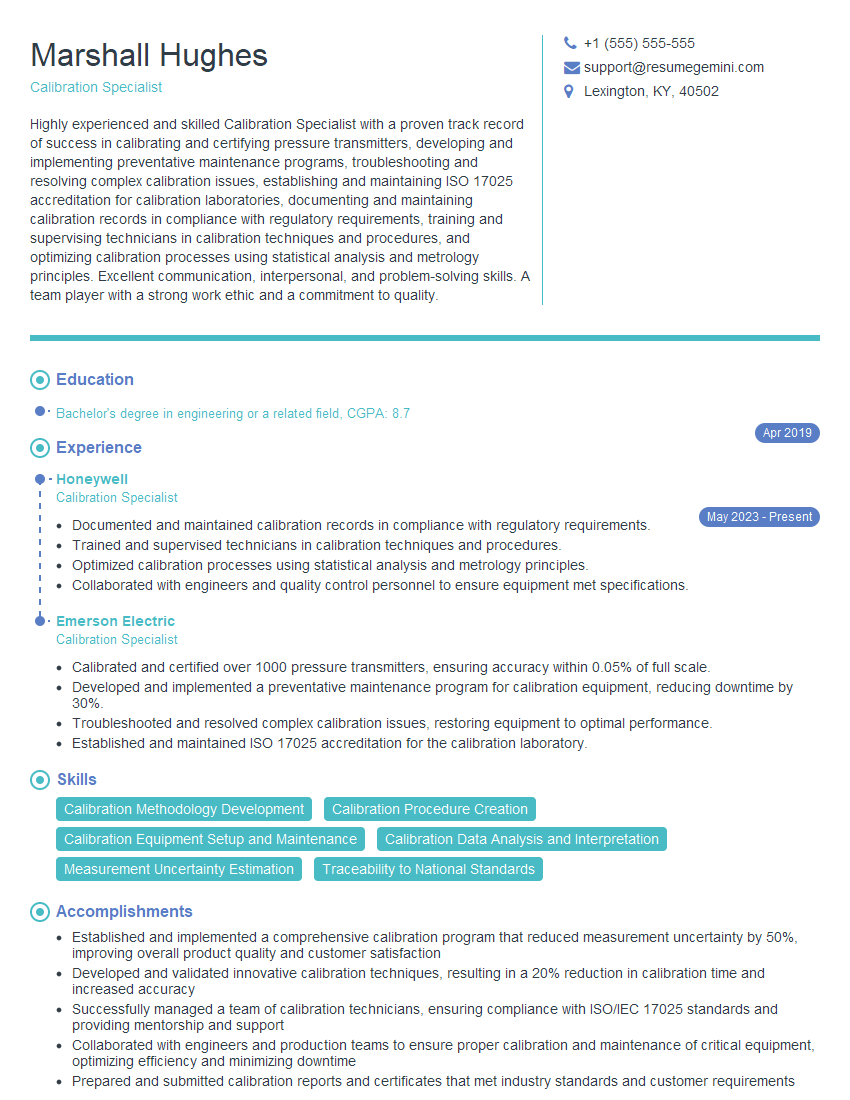
Calibration Specialist Resume Sample
- Maintenance Planner
- Reliability Engineer
- Process Engineer
- Automation Engineer
- Technical Specialist
- Maintenance Technician
- Field Service Engineer
- Manufacturing Engineer
- Metrologist
- Quality Control Engineer
- Quality Assurance Engineer
- Instrumentation Technician
- Quality Control Technician
- Laboratory Technician
- Metrology Technician
- Calibration Specialist
Explore more articles
Users Rating of Our Blogs
Share Your Experience
We value your feedback! Please rate our content and share your thoughts (optional).
What Readers Say About Our Blog
Very informative content, great job.
good