The thought of an interview can be nerve-wracking, but the right preparation can make all the difference. Explore this comprehensive guide to Horse Care and Training interview questions and gain the confidence you need to showcase your abilities and secure the role.
Questions Asked in Horse Care and Training Interview
Q 1. Describe your experience with different horse breeds and their unique care requirements.
My experience encompasses a wide range of horse breeds, from the powerful draft horses like Clydesdales and Percherons, requiring robust diets and careful management of their weight, to the elegant and sensitive Thoroughbreds, demanding meticulous attention to their training and conditioning. I’ve also worked extensively with warmbloods, known for their versatility in disciplines like dressage and jumping, and smaller breeds like Arabians and Morgans, each with their own unique temperaments and health considerations.
- Draft Horses: These breeds require high-calorie diets to support their size and musculature. Overfeeding can lead to metabolic issues, so careful monitoring of weight and feed intake is crucial. Their hooves also need regular trimming and shoeing due to their size and weight.
- Thoroughbreds: Known for their athleticism, Thoroughbreds are prone to injuries. Preventive care, including regular veterinary checkups and careful management of their training schedule, is essential. Their sensitive nature requires a calm and consistent approach during handling and training.
- Warmbloods: Highly versatile, warmbloods need a balanced diet and training regimen tailored to their chosen discipline. Their conformation should be carefully monitored to prevent injuries. Good hoof care is vital for performance and soundness.
- Arabians and Morgans: These breeds are often known for their stamina and intelligence. While generally hardy, they still require proper nutrition, dental care and regular veterinary checkups to maintain their health and well-being.
Understanding the breed-specific characteristics allows me to tailor care plans to optimize each horse’s health, performance, and well-being.
Q 2. Explain your approach to handling a horse exhibiting signs of colic.
Colic, a general term for abdominal pain in horses, is a veterinary emergency. My approach begins with immediate assessment of the horse’s vital signs—heart rate, respiratory rate, and capillary refill time. I observe the horse’s posture and behavior, noting signs such as pawing, rolling, kicking at the abdomen, and sweating. I will also check for signs of abdominal distension.
My immediate actions include:
- Contacting a veterinarian immediately: This is paramount, as colic can be life-threatening.
- Keeping the horse calm and quiet: Avoid unnecessary movement or stress, which can worsen the condition.
- Monitoring vital signs and documenting any changes: This information is crucial for the vet.
- Removing feed and water: To reduce the risk of further complications.
- Walking the horse (if appropriate): Gentle exercise can sometimes relieve mild colic, but only if the vet approves and the horse isn’t showing signs of severe distress. This should never be attempted without veterinary guidance.
Once the vet arrives, I will assist with any necessary procedures, such as administering fluids or medications, and follow their instructions carefully. Preventing colic involves a balanced diet, regular parasite control, and avoiding sudden changes in diet or exercise routines.
Q 3. How do you identify and address lameness in a horse?
Identifying lameness involves careful observation and a systematic approach. I look for subtle signs like uneven weight distribution, head bobbing during gait, reluctance to move, shortened stride, or altered gait, such as stumbling or dragging a leg. I’ll observe the horse at rest, during walking, trotting, and sometimes even cantering, noting any abnormalities in their movements.
Assessment Techniques:
- Visual Inspection: I examine the horse’s legs and hooves for any swelling, heat, cuts, or deformities.
- Palpation: Carefully feeling the leg and hoof for heat, pain, or swelling.
- Flexion Tests: Bending the leg joints to elicit pain or discomfort.
- Hoof Testers: Using hoof testers to pinpoint the location of pain within the hoof.
- Local Anaesthesia (performed by a vet): This technique involves administering local anesthetic to specific areas to determine the source of lameness.
Addressing lameness requires veterinary intervention. The vet will conduct a thorough examination, potentially using radiographs (X-rays), ultrasound, or other diagnostic imaging to determine the cause. Treatment can range from conservative approaches such as rest and medication to more involved procedures like surgery, depending on the severity and nature of the lameness. Regular hoof care and maintaining a proper level of fitness also greatly reduces the risk of developing lameness.
Q 4. What are the common signs of equine respiratory disease, and how would you manage them?
Equine respiratory disease (ERD) encompasses several conditions affecting the horse’s respiratory system, including influenza, rhinopneumonia, and recurrent airway obstruction (RAO). Common signs include:
- Cough: Often a persistent, harsh cough, sometimes producing mucus.
- Nasal Discharge: Clear, mucoid, or purulent (pus-like) discharge from the nostrils.
- Elevated Respiratory Rate: Faster than normal breathing.
- Nostril flaring: Widening of the nostrils during breathing.
- Exercise Intolerance: Difficulty breathing during or after exercise.
- Fever: Elevated body temperature.
Management of ERD involves:
- Veterinary Consultation: Prompt veterinary attention is vital to diagnose the specific condition and implement appropriate treatment.
- Respiratory Isolation: Quarantine the affected horse to prevent the spread of infection.
- Medication: Antibiotics, bronchodilators, and other medications may be prescribed depending on the diagnosis.
- Supportive Care: Providing adequate rest, hydration, and a comfortable environment.
- Environmental Control (for RAO): Managing dust, mold, and allergens in the horse’s environment.
Prevention includes vaccination, appropriate environmental management, and prompt treatment of underlying health problems. Regular veterinary check-ups are also important for early detection and management of respiratory issues.
Q 5. Detail your experience with administering medications to horses, both orally and intravenously.
Administering medications to horses requires careful attention to safety and technique. Oral medication is generally administered using a balling gun or a paste syringe. Intravenous (IV) administration requires sterile technique and knowledge of equine anatomy.
Oral Medication:
- Balling Gun: A device used to deposit a pill or bolus into the back of the horse’s mouth.
- Paste Syringes: Used to administer liquid or paste medications directly into the mouth.
Intravenous (IV) Medication:
- Jugular Vein: The most common site for IV injections in horses.
- Sterile Technique: Essential to prevent infection, including using sterile needles, gloves, and preparation of the injection site.
- Proper Vein Selection and Catheter Placement: Ensuring accurate placement to avoid complications.
I have extensive experience with both methods and am comfortable administering a wide range of medications. Safety and proper technique are paramount to ensure the horse’s well-being and avoid potential complications. I would never attempt administration without proper training and knowledge of the specific medication and dosage.
Q 6. Explain your understanding of equine hoof care and the role of a farrier.
Equine hoof care is essential for a horse’s health and performance. The hoof is a complex structure that requires regular attention to maintain its integrity and prevent problems. A farrier is a highly skilled professional who specializes in trimming, shaping, and shoeing horse hooves.
Role of the Farrier:
- Trimming: Removing excess hoof wall and maintaining proper balance and conformation.
- Shoeing: Fitting and applying horseshoes to protect the hoof and provide traction.
- Therapeutic Shoeing: Using specialized shoes to address specific hoof problems, such as lameness or imbalances.
- Foot Balance and Conformation: Ensuring the hoof is correctly balanced to minimize stress and strain on the leg and joint structures.
My understanding of equine hoof care includes recognizing signs of hoof problems, such as cracks, abscesses, or thrush. I collaborate closely with farriers to ensure the horse receives appropriate and timely hoof care. Regular visits from a qualified farrier are crucial for maintaining healthy hooves and preventing problems.
Q 7. Describe your experience with different types of horse tack and their proper use.
My experience with horse tack is extensive, ranging from basic bridles and saddles to more specialized equipment used in various equestrian disciplines.
Common Tack Items and Their Use:
- Bridle: Used to control the horse’s head and direct its movement, comprised of a bit, reins, headstall, and sometimes a noseband.
- Saddle: Provides a seat for the rider and distributes weight evenly across the horse’s back. Different saddle types are suited to various disciplines (e.g., English, Western, dressage).
- Reins: Used by the rider to control the horse’s direction and speed.
- Girth: Secures the saddle to the horse’s body.
- Halter: Used for leading and controlling the horse when not ridden.
- Bits: Placed in the horse’s mouth, used for steering and controlling the horse. Various bit types cater to different horses and riding styles.
- Protective Boots: Used to protect the horse’s legs from injury.
Proper tack fitting is crucial for both horse and rider safety and comfort. Incorrectly fitted tack can cause pain and discomfort to the horse, leading to behavioral issues and potential injury. Regular inspection and maintenance of tack are essential to ensure it remains in good condition and safe to use.
Q 8. How would you handle a spooked or aggressive horse?
Handling a spooked or aggressive horse requires a calm, confident approach prioritizing safety. Your body language is crucial; avoid sudden movements or loud noises, which can exacerbate the situation. Understanding the *root cause* of the spook or aggression is key. Was it a sudden noise? A perceived threat? A medical issue?
- Spooked Horse: Gently soothe the horse, speaking in a quiet, reassuring tone. Give it space to regain composure. Once calm, slowly approach, offering physical reassurance (gentle stroking, if the horse allows it). If the horse remains agitated, seek assistance from an experienced handler.
- Aggressive Horse: Prioritize your safety and distance. Never approach an aggressive horse head-on. Assess the situation: Is there a clear trigger? Is the aggression directed at a specific person or object? If possible, try to remove the trigger. If the aggression is severe or you feel unsafe, immediately seek help from an experienced handler or veterinarian.
Remember, each horse is an individual, and their reactions will vary. Patience, understanding, and prioritizing safety are paramount.
Q 9. What are the key elements of a safe and effective horse riding lesson?
A safe and effective horse riding lesson balances safety instruction with skill development. It should be tailored to the rider’s skill level and experience. Key elements include:
- Thorough Risk Assessment: The lesson plan should consider the horse’s temperament, the rider’s skill level, and the riding environment. Appropriate safety equipment (helmets, boots, etc.) is mandatory.
- Warm-up and Cool-down: Gentle warm-up exercises prepare both horse and rider, preventing injuries. A thorough cool-down afterwards allows the horse to recover gradually.
- Progressive Skill Development: Lessons should follow a structured approach, building on previously mastered skills. Simple exercises are gradually increased in difficulty.
- Clear Instructions and Demonstrations: Clear, concise instructions, supplemented by visual demonstrations, ensure effective learning. Regular feedback is critical.
- Emphasis on Safety: Proper mounting, dismounting, and handling procedures are consistently reinforced. The instructor constantly monitors the rider’s position and actions, providing guidance and corrections as needed.
- Horse Management: The instructor incorporates appropriate instruction on grooming, tacking up, and general horse care, emphasizing responsible handling.
A well-structured lesson, combined with clear communication and consistent positive feedback, creates a positive learning experience that fosters both riding ability and a responsible relationship with the horse.
Q 10. Explain your approach to training horses using positive reinforcement methods.
My approach to horse training utilizes positive reinforcement extensively. This method focuses on rewarding desired behaviors instead of punishing undesirable ones. The horse learns to associate specific actions with positive consequences, making the training process more enjoyable and effective.
- Clear Communication: I use consistent aids (verbal cues, body language) to communicate what I expect from the horse. Clear, concise signals are crucial for the horse to understand.
- Positive Reinforcement: I employ a variety of rewards, such as verbal praise, pats, treats, and release of pressure (e.g., releasing the reins after a correct response). The reward should be immediate and consistent.
- Shaping: I break down complex tasks into smaller, manageable steps, rewarding the horse for each successful step. This process of gradual learning builds confidence and avoids frustration.
- Desensitization: I gradually expose the horse to new situations and stimuli (e.g., new environments, unusual objects), rewarding calm behavior. This builds resilience and reduces fear-based reactions.
- Consistency is Key: Maintaining a consistent training regimen is crucial for the horse to understand and respond appropriately to cues. Inconsistent commands will result in confusion and lack of progress.
For instance, to teach a horse to yield to pressure on the reins, I would start by applying very light pressure, releasing it immediately when the horse responds by taking a step back. Gradually, I’d increase the duration of pressure, always rewarding the correct response. This approach promotes a strong bond between horse and trainer based on mutual trust and understanding.
Q 11. How would you develop a training program for a young horse?
A training program for a young horse emphasizes gentle, consistent handling and gradual introduction to riding. Early training establishes a strong foundation for future work and helps develop the horse’s physical and mental capabilities in a safe and responsible manner.
- Groundwork: This phase focuses on building a strong handler-horse relationship through groundwork exercises like leading, desensitization, and basic obedience (yielding to pressure, backing up).
- Basic Handling: Early on, introducing the horse to the saddle, bridle, and other tack helps get them used to these items. This is done gradually and positively.
- Lunging: Lunging improves the horse’s balance, suppleness, and responsiveness to cues. It is excellent preparation for riding.
- Introduction to Riding: Begin with short, calm riding sessions focusing on basic movements like walking, trotting, and halting. The horse should not be pushed beyond its ability at this stage.
- Progressive Training: As the horse matures, the training progressively advances to more challenging exercises, always focusing on correctness and maintaining the horse’s comfort and well-being.
Regular veterinary check-ups are essential throughout the young horse’s training to monitor its development and ensure its fitness. A patient, understanding approach, prioritizing the horse’s welfare, is crucial for creating a well-trained and confident young horse.
Q 12. Describe your experience with various riding disciplines.
My experience encompasses several riding disciplines, each presenting unique challenges and rewards:
- Dressage: I have extensive experience in dressage, focusing on developing the horse’s suppleness, balance, and obedience through refined movements. Dressage requires precision, patience, and a deep understanding of equine biomechanics.
- Jumping: I’ve worked with horses in jumping, emphasizing correct technique and building confidence in the horse and rider to overcome obstacles safely. Understanding the horse’s mental state and ability is crucial for successful jumping.
- Western Riding: I am familiar with Western disciplines such as reining and trail riding, appreciating the partnership and communication aspects inherent in these styles. The emphasis on sensitivity and cooperation is important in Western riding.
- Trail Riding: My experience extends to trail riding, which requires a horse that is calm, confident, and sure-footed in varied terrains. The focus here is on the horse’s ability to navigate difficult terrain and remain under control.
This diverse experience allows me to adapt my training approach to individual horses and riders, regardless of the discipline.
Q 13. How do you assess a horse’s fitness level?
Assessing a horse’s fitness level involves a multifaceted approach combining observation, physical examination, and possibly further diagnostics. A thorough evaluation is crucial before starting any intense training or competition.
- Visual Assessment: Observe the horse’s body condition, muscle tone, and overall conformation. A fit horse will have a healthy weight, well-defined muscle groups, and a bright, alert demeanor.
- Physical Examination: Assess the horse’s heart rate and respiratory rate, both at rest and after exercise. An abnormally high or low rate could indicate a problem. Check the horse’s hooves for soundness and the joints and muscles for any abnormalities.
- Performance Evaluation: Observe the horse’s performance during exercise. Does it maintain a consistent pace? Does it tire easily? A fit horse will be able to maintain a steady pace and won’t show excessive fatigue.
- Advanced Diagnostics (if needed): In some cases, further tests like blood work, ultrasound, or other diagnostic imaging may be necessary to assess the horse’s fitness in more detail.
It’s essential to remember that what constitutes “fit” varies greatly depending on the horse’s breed, age, discipline, and current training level. A thorough and individualized assessment is crucial.
Q 14. What are the signs of dehydration in a horse, and how would you treat it?
Dehydration in horses can be serious and requires prompt attention. Recognizing the signs early is crucial for effective treatment.
- Signs of Dehydration: These can include loss of skin elasticity (the skin takes longer to return to its normal position after being pinched), sunken eyes, dry gums and mucous membranes, decreased urination, and lethargy or weakness. In severe cases, the horse may show signs of colic (abdominal pain), or shock.
- Treatment: Mild dehydration can often be treated by providing access to fresh, clean water. Encourage the horse to drink by offering small amounts of cool, clean water frequently. Electrolyte solutions can help replenish lost electrolytes. For moderate to severe dehydration, intravenous fluid therapy administered by a veterinarian is necessary.
- Preventing Dehydration: Always ensure access to fresh, clean water. Provide electrolytes, particularly after strenuous exercise or in hot weather. Monitor water intake, especially in young, old, or sick horses.
If you suspect your horse is dehydrated, seek veterinary attention promptly. Dehydration can rapidly worsen, so timely intervention is vital.
Q 15. Explain your understanding of equine nutrition and the importance of a balanced diet.
Equine nutrition is crucial for a horse’s health, performance, and overall well-being. A balanced diet provides the necessary energy, nutrients, and fiber to support all bodily functions. This isn’t just about preventing deficiency; it’s about optimizing health. Think of it like building a house – you need strong foundations (fiber), bricks (protein), and mortar (vitamins and minerals) to make it stable and functional. A deficient diet can lead to a range of issues, from poor coat condition and weight loss to weakened immunity and serious metabolic disorders.
A balanced diet typically consists of high-quality forage (hay or pasture), a source of energy (grains like oats or barley – often adjusted based on workload), and supplements tailored to individual needs. For example, a performance horse requires more energy and protein than a retired horse, and a pregnant mare needs increased calcium and minerals. The amount and type of feed should always be adjusted to the horse’s age, breed, workload, and body condition. Regular body condition scoring is vital to monitor a horse’s weight and adjust their diet accordingly. Veterinary guidance is invaluable in creating a tailored feeding plan, especially for horses with specific health conditions or performance goals.
- Forage: The cornerstone of any equine diet. High-quality hay provides essential fiber for digestive health.
- Concentrates: Grains and supplements providing energy and additional nutrients. These are added strategically, not as the primary feed source.
- Supplements: Vitamins, minerals, and other additives to address specific nutritional needs, always based on veterinarian recommendation.
Ignoring proper nutrition can lead to serious problems. For example, I once had a client whose horse suffered from recurrent laminitis due to a diet high in sugary treats. By switching to a carefully controlled diet low in non-structural carbohydrates and high in fiber, we significantly improved the horse’s health.
Career Expert Tips:
- Ace those interviews! Prepare effectively by reviewing the Top 50 Most Common Interview Questions on ResumeGemini.
- Navigate your job search with confidence! Explore a wide range of Career Tips on ResumeGemini. Learn about common challenges and recommendations to overcome them.
- Craft the perfect resume! Master the Art of Resume Writing with ResumeGemini’s guide. Showcase your unique qualifications and achievements effectively.
- Don’t miss out on holiday savings! Build your dream resume with ResumeGemini’s ATS optimized templates.
Q 16. How would you manage a horse with a wound or injury?
Managing a horse wound or injury requires a systematic approach, prioritizing cleanliness and preventing infection. The first step is always to assess the injury’s severity and location. Minor abrasions can often be treated with topical antiseptic solutions, but more serious wounds may require veterinary intervention. This includes deep wounds, those involving bone or tendon damage, or wounds showing signs of infection (swelling, heat, redness, pus).
My approach involves:
- Assessment: Thoroughly examine the wound, noting its depth, size, and the presence of any foreign bodies.
- Cleaning: Gently clean the area with a mild antiseptic solution, like saline. Avoid using harsh chemicals that can damage healthy tissue. Debridement (removal of dead or damaged tissue) is often necessary, and may require veterinary assistance.
- Bandaging (if necessary): Appropriate bandaging techniques are crucial to promote healing and prevent further damage. The type of bandage depends on the location and severity of the injury.
- Pain Management: Depending on the injury, pain medication might be necessary. This is always under veterinary guidance.
- Veterinary Care: For serious injuries, immediate veterinary attention is critical. This ensures prompt diagnosis, appropriate treatment, and monitoring for complications.
- Monitoring: Regular observation is vital to identify any signs of infection or complications. This often includes monitoring for swelling, changes in the wound appearance, lameness or changes in behavior.
I’ve handled several situations involving lacerations, abscesses, and soft tissue injuries. In one case, a horse suffered a deep gash to his leg. Prompt cleaning, appropriate bandaging, and veterinary care, including stitches, led to a complete recovery. Ignoring such an injury could have resulted in infection, serious complications, and even permanent lameness.
Q 17. Describe your experience with parasite control in horses.
Parasite control is a vital aspect of preventative equine healthcare. Internal parasites, such as strongyles and tapeworms, and external parasites, like lice and mites, can significantly impact a horse’s health and performance. Effective parasite control involves a multifaceted approach, including regular fecal egg counts (FECs) to assess parasite burdens, strategic deworming, pasture management, and good hygiene practices. Relying solely on blanket deworming is outdated and contributes to anthelmintic resistance.
My experience involves using a targeted deworming strategy based on FEC results, rather than a routine, calendar-based approach. FECs help determine the level of parasite infestation and tailor deworming treatments accordingly. This reduces the reliance on deworming medications and minimizes the risk of developing resistant parasites. It’s also important to consider the specific parasites prevalent in the region; different parasites will need different deworming strategies.
Pasture management plays a significant role. Regularly rotating pastures, allowing for rest periods, and managing manure properly can significantly reduce parasite burdens. Good hygiene practices also contribute to parasite control. This includes regular cleaning and disinfection of stables, tack, and grooming equipment. I often advise clients on manure management techniques, including composting or proper disposal to break the parasite life cycle.
One particularly challenging case involved a group of horses with significant encysted strongyle burdens. By implementing a tailored deworming program based on FECs, combined with pasture management changes, we were able to effectively manage the parasite population and improve the horses’ health. This demonstrates the importance of a comprehensive and targeted approach to parasite control rather than a one-size-fits-all solution.
Q 18. What are the common signs of equine dental problems?
Equine dental problems are common and can significantly impact a horse’s ability to eat, leading to weight loss, poor performance, and even behavioral changes. Early detection is crucial for effective management.
Common signs of equine dental problems include:
- Difficulty chewing or quidding: Dropping food from the mouth while eating.
- Weight loss: Inability to effectively process food leads to weight loss.
- Changes in behavior: Irritability, head tossing while eating.
- Bad breath: Often indicates infection or dental disease.
- Drooling: Excess saliva production can signal pain or discomfort.
- Facial swelling: Often a sign of infection or abscesses.
- Abnormal tooth wear: Sharp points or hooks on the teeth can injure the soft tissues of the mouth.
A regular dental examination by a qualified equine dentist is essential for preventative care. Many problems can be avoided or managed effectively with early intervention. I encourage regular dental checks, particularly for older horses and those with conformational issues that may affect their bite.
Q 19. How do you ensure the safety and wellbeing of horses in your care?
Ensuring the safety and well-being of horses under my care is paramount. My approach focuses on preventative measures and proactive monitoring, ensuring safe handling, proper housing, and nutritional care.
Safety measures include:
- Secure fencing and paddocks: Preventing escapes and injuries from barbed wire or other hazards.
- Safe handling practices: Correct and calm handling techniques to minimize the risk of injury to both horse and handler.
- Regular health checks: Monitoring for any signs of illness or injury.
- Safe stable management: Regular stable cleaning and inspection for potential hazards.
- Appropriate turnout management: Careful planning of pasture allocation to allow for rest and reduce the risk of overgrazing.
Well-being focuses on:
- Providing appropriate nutrition: Meeting the individual dietary needs of each horse.
- Comfortable housing: Providing shelter from the elements and appropriate bedding.
- Regular veterinary care: Routine vaccinations and parasite control programs.
- Socialization: Allowing for appropriate social interaction, if suitable for the individual horse.
- Mental stimulation: Providing opportunities for exploration and interaction to keep them mentally engaged.
For example, I once noticed a subtle change in a horse’s gait. Through careful observation and immediate veterinary consultation, a minor lameness was identified and treated promptly before it became a significant issue. This proactive approach highlights the importance of ongoing monitoring for early detection of any potential problems.
Q 20. Explain your experience with preventative health measures for horses.
Preventative health measures are fundamental in equine care. My approach centers on routine care and early detection to prevent illness and injury. This includes vaccination, deworming (as described earlier), regular dental care, and farrier services.
Vaccinations protect against potentially fatal diseases like tetanus, influenza, and rhinopneumonitis. The vaccination schedule varies depending on the horse’s age, location, and exposure risk, and it’s always tailored in accordance with veterinary recommendations.
Routine hoof care is also crucial. Regular trimming and shoeing by a qualified farrier prevent lameness and ensure proper foot function. I emphasize the importance of early detection of hoof abnormalities, such as abscesses or cracks.
Regular parasite control is a core element of preventative healthcare, as is regular health monitoring. I encourage owners to observe their horses daily for any changes in behavior, appetite, or physical condition. Early detection is key for effective intervention and prevention of more serious health issues. For example, consistent monitoring led to early detection of a subtle lameness in one horse that was found to be caused by an early stage of navicular disease, allowing for early intervention which slowed the progression significantly.
Q 21. How would you handle an emergency situation involving a horse?
Handling an equine emergency requires swift action and a calm, organized approach. The first step is always to assess the situation and prioritize the horse’s safety. This might involve anything from a minor colic episode to a serious injury.
My emergency response involves:
- Assess the situation: Determine the nature of the emergency and the horse’s condition.
- Ensure safety: Secure the area to prevent further injury to the horse or yourself.
- Contact veterinary services: Immediate veterinary assistance is vital in most equine emergencies.
- Provide first aid (if appropriate): Basic first aid may be necessary before veterinary arrival, such as controlling bleeding or applying a temporary bandage.
- Remain calm: A calm and controlled approach is crucial to manage both the horse and the situation.
- Follow veterinary instructions: Closely follow the instructions provided by the veterinarian.
I’ve encountered various emergencies, including colic, lacerations, and severe lameness. In one case, a horse suffered a severe colic attack. Prompt veterinary intervention, including surgery, was crucial in saving the horse’s life. Rapid response, clear communication, and following veterinary instructions are paramount in successful emergency management.
Q 22. Describe your experience with managing a stable or barn.
My experience managing stables encompasses over 15 years, starting with a small family-run operation and progressing to managing a large equestrian center with over 50 horses. This involved overseeing all aspects of daily stable management, from scheduling and assigning staff to maintaining meticulous health and feeding records. I’ve developed robust protocols for preventative healthcare, including vaccination schedules, parasite control, and hoof care. For instance, I implemented a color-coded system for identifying horses with specific health concerns, ensuring immediate attention when needed. I also have extensive experience in budgeting, purchasing supplies, and maintaining the physical infrastructure of the stable, ensuring a safe and comfortable environment for the horses.
One significant challenge I addressed was improving the efficiency of our mucking process. By introducing a new scheduling system and providing additional training to the staff, we reduced the time spent on this critical task by 20%, improving overall productivity and staff morale.
Q 23. What is your experience with horse transportation and safety protocols?
Safe and efficient horse transportation is paramount. My experience includes transporting horses for competitions, sales, and veterinary appointments, utilizing both trailers and specialized equine transport vehicles. I’m proficient in securing horses correctly within the trailer, ensuring adequate ventilation and preventing injury during transit. This includes understanding and adhering to weight limits, proper loading and unloading techniques, and the necessity of appropriate head and tail protection. I always prioritize the horse’s comfort and safety; for example, I always provide water and breaks during long journeys. Furthermore, I have experience in dealing with emergency situations, such as minor injuries during transit, and ensuring quick access to veterinary care if needed.
I’ve also worked with various transportation companies and have developed relationships with reliable and safe operators.
Q 24. Describe your experience with horse breeding and reproductive management.
My experience in equine breeding and reproductive management includes overseeing breeding programs, performing artificial insemination (AI), managing pregnancy diagnostics, and assisting with foaling. I’m familiar with various breeding techniques, including natural cover and AI, and understand the importance of accurate record-keeping to track lineage, breeding cycles, and pregnancy progress. I’ve successfully managed several pregnancies, including high-risk cases requiring specialized care. For example, I once managed a mare with a complicated pregnancy that required continuous monitoring and specialized nutrition. Through careful attention and intervention, we ensured a healthy delivery of a strong foal.
I’m also experienced in post-foaling care, including neonatal health checks, colostrum management, and early weaning strategies. This includes understanding mare and foal behavior to prevent conflict and ensure optimum bonding.
Q 25. How would you address behavioral problems in horses?
Addressing behavioral problems in horses requires a systematic approach, focusing on understanding the root cause of the behavior before implementing any solutions. This involves careful observation of the horse in various situations, considering factors such as its environment, past experiences, and overall health. For instance, a horse exhibiting aggression might be reacting to pain, fear, or lack of proper training.
- Identify the behavior: Document the specific behavior, frequency, and context.
- Investigate underlying causes: Rule out medical issues through veterinary examination and consider environmental factors (crowding, inadequate feed).
- Implement a training plan: Use positive reinforcement methods focusing on rewarding desired behaviors rather than punishing unwanted ones.
- Consistency is key: A consistent approach from all handlers is crucial for successful behavior modification.
For example, a horse exhibiting cribbing behavior might be addressed by providing adequate forage, using a cribbing collar (used with caution and under veterinary supervision), or addressing underlying anxiety through desensitization techniques.
Q 26. What is your knowledge of equine anatomy and physiology?
My knowledge of equine anatomy and physiology is extensive. I understand the musculoskeletal system, including the intricate workings of joints, ligaments, and tendons, which is crucial for identifying lameness and other musculoskeletal issues. I also have a strong grasp of the digestive system, respiratory system, and cardiovascular system, allowing me to recognize signs of illness and implement appropriate management strategies. For example, understanding the horse’s digestive system is vital for managing feed, preventing colic, and recognizing signs of digestive upset.
I understand the importance of recognizing subtle changes in behavior and physical condition that can indicate underlying health problems. I can accurately interpret vital signs, such as heart rate and respiration, and use this information to make informed decisions about the horse’s care. This knowledge is fundamental to providing preventative and reactive care.
Q 27. How do you stay updated on the latest advancements in equine care and training?
Staying updated on advancements in equine care and training is a continuous process. I actively participate in continuing education courses and workshops, attending both local and national equine conferences and seminars. I subscribe to leading equine veterinary and scientific journals and follow industry experts and organizations on social media to stay abreast of new research and best practices.
I also actively seek out mentorship opportunities from experienced equine professionals, attending training events and observing practices of leading professionals. Furthermore, I engage with online resources, including webinars and articles, to deepen my understanding in specialized areas, like equine nutrition or advanced therapeutic techniques. Continuous learning is critical in this dynamic field.
Q 28. Describe your experience with working in a team environment related to horse care.
My experience working in team environments related to horse care is extensive. I’ve worked collaboratively with veterinarians, farriers, dentists, and other equine professionals to provide holistic care for horses. Effective teamwork is vital for the safe and efficient management of any equine facility. For example, I’ve collaborated with veterinarians to develop and implement preventative health programs, and I’ve worked closely with farriers to ensure the horses’ hooves are properly cared for. Effective communication is crucial in this context, ensuring everyone is on the same page regarding the horse’s health and well-being.
I value clear communication, shared responsibility, and mutual respect in a team setting. I’ve always focused on creating a positive and supportive work environment that encourages open communication and collaborative problem-solving. Successfully navigating challenging situations, such as unexpected injuries or illnesses, requires a collaborative effort and a high level of trust amongst team members.
Key Topics to Learn for Horse Care and Training Interview
- Equine Anatomy and Physiology: Understanding horse anatomy is fundamental. Be prepared to discuss common health issues, signs of illness, and basic first aid procedures.
- Equine Nutrition and Feeding: Discuss different types of feed, nutritional requirements based on age, workload, and breed, and how to recognize signs of malnutrition or digestive problems.
- Stable Management and Hygiene: Explain best practices for maintaining a clean and safe stable environment, including stall cleaning, manure management, and disease prevention.
- Basic Horse Handling and Safety: Detail safe techniques for approaching, leading, catching, and restraining horses. Highlight the importance of body language and communication.
- Groundwork and Basic Training Techniques: Discuss different training methods, focusing on positive reinforcement and ethical practices. Be prepared to discuss desensitization and the importance of building trust.
- Common Equine Health Problems and Treatments: Be familiar with common ailments such as colic, laminitis, and respiratory issues. Understand basic preventative measures and when veterinary intervention is necessary.
- Farrier Care and Hoof Health: Explain the role of a farrier and how to identify signs of hoof problems requiring professional attention.
- Emergency Procedures: Describe your approach to handling emergencies, such as injuries or sudden illness, including contacting veterinary services.
- Riding Styles and Disciplines (if applicable): If your role involves riding, be ready to discuss your experience in specific disciplines and the principles of safe riding.
Next Steps
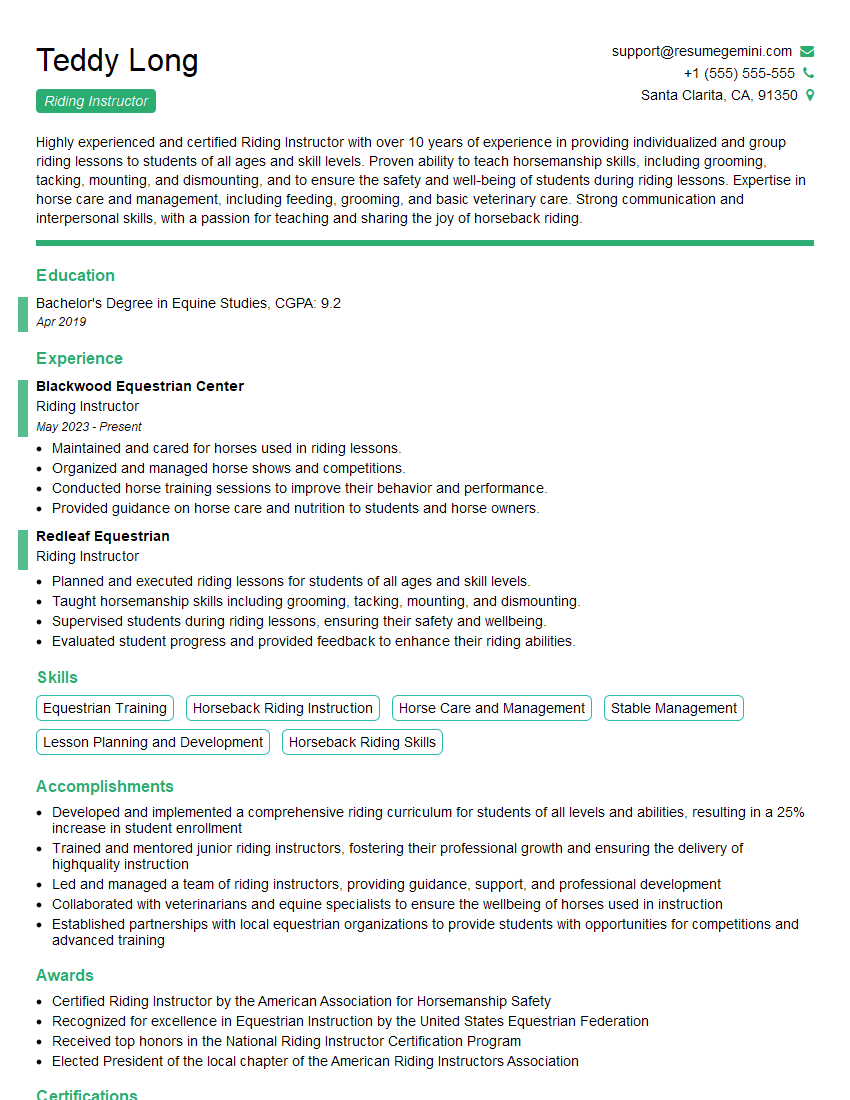
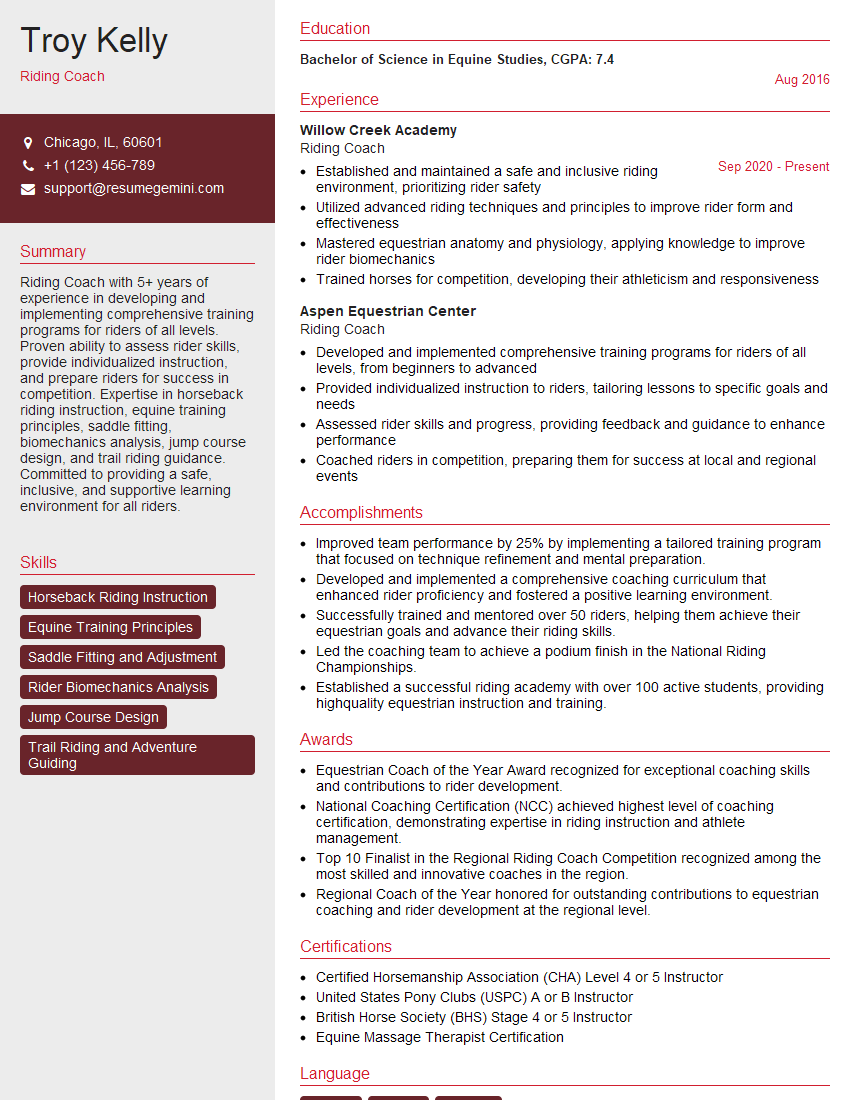
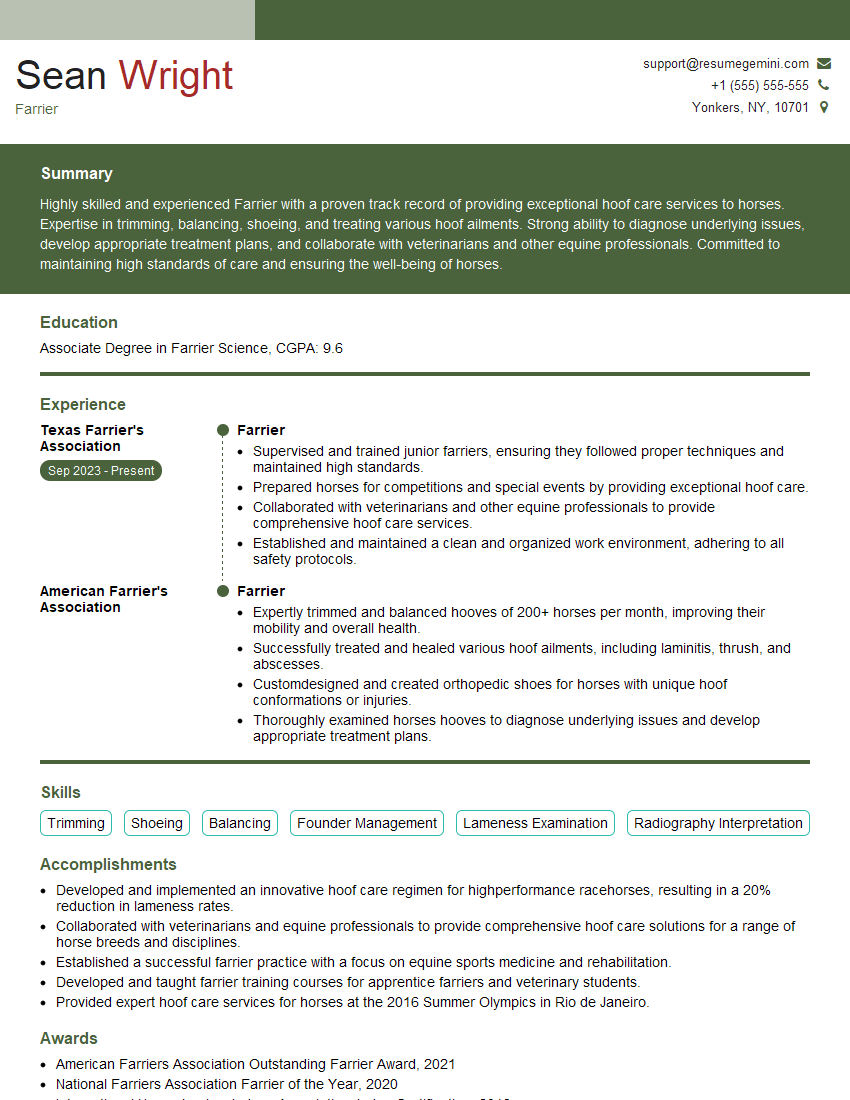
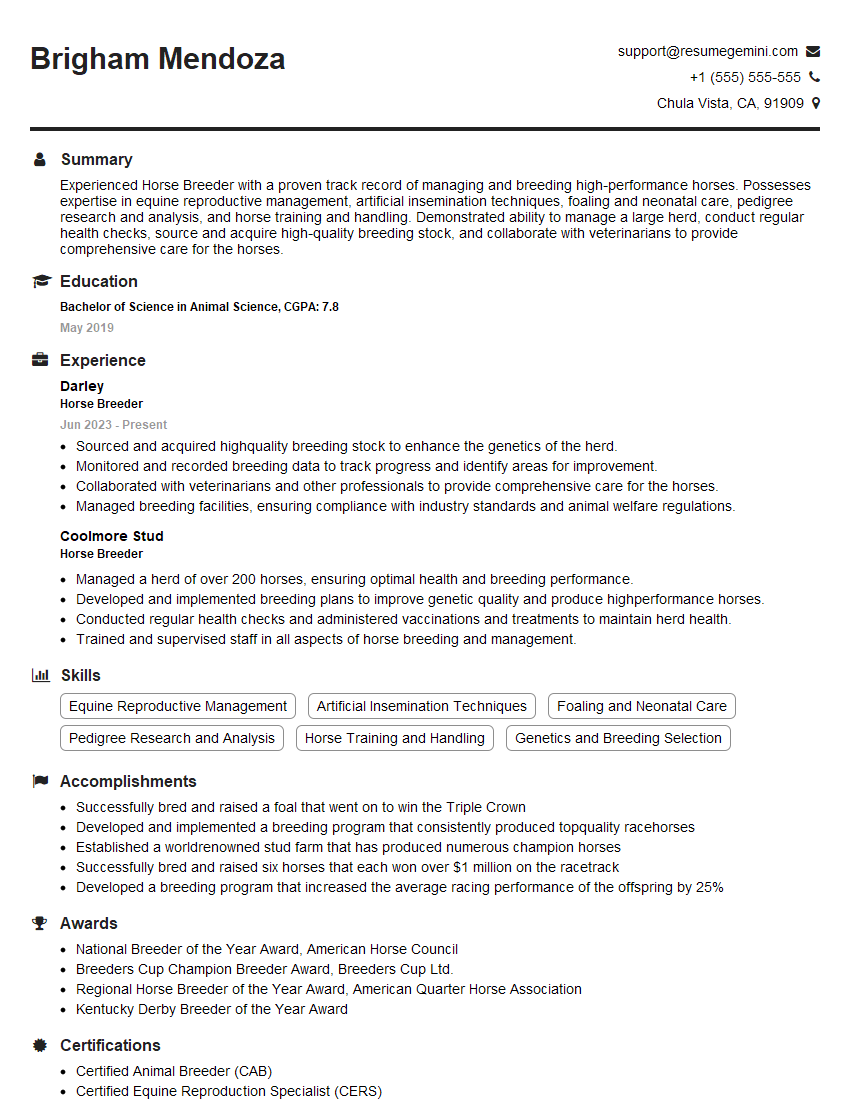
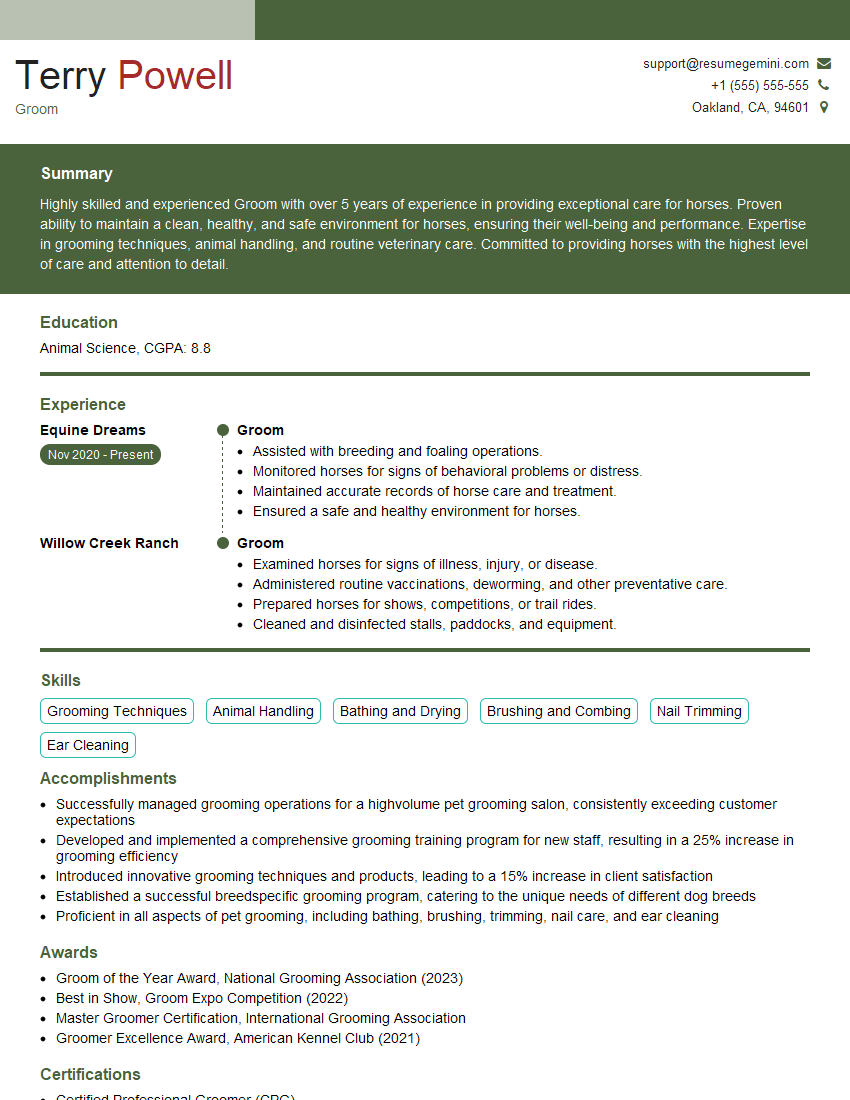
Mastering Horse Care and Training opens doors to a fulfilling career with diverse opportunities. From working at prestigious stables to leading your own training business, your expertise is highly valued. To maximize your job prospects, creating a strong, ATS-friendly resume is crucial. ResumeGemini is a trusted resource that can help you craft a professional and impactful resume tailored to your skills and experience. They even provide examples of resumes specifically designed for Horse Care and Training professionals, giving you a head start in your job search. Take the next step towards your dream career today!



Explore more articles
Users Rating of Our Blogs
Share Your Experience
We value your feedback! Please rate our content and share your thoughts (optional).
What Readers Say About Our Blog
Very informative content, great job.
good