Interviews are more than just a Q&A session—they’re a chance to prove your worth. This blog dives into essential Hovercraft Operations interview questions and expert tips to help you align your answers with what hiring managers are looking for. Start preparing to shine!
Questions Asked in Hovercraft Operations Interview
Q 1. Explain the principle of lift generation in a hovercraft.
Hovercraft lift is generated by a phenomenon called ‘ground effect’. A powerful fan blows air downwards, creating a cushion of high-pressure air beneath the craft. This high-pressure air pushes against the ground or water, generating an upward force that lifts the vehicle. Imagine blowing air under a sheet of paper – the paper rises due to the pressure difference. A hovercraft works on the same principle, but on a much larger scale, using a powerful fan and a flexible skirt to contain the air cushion. The skirt seals the air cushion, preventing significant air leakage and maintaining lift even over uneven terrain.
The amount of lift generated is directly proportional to the volume and pressure of the air cushion. Factors influencing this include fan power, the size of the plenum chamber (the space beneath the craft), and the design and condition of the flexible skirt.
Q 2. Describe the different types of hovercraft propulsion systems.
Hovercraft propulsion systems typically combine lift and thrust generation. There are primarily two types:
- Lift Fan and Propeller/Jet Propulsion: This is the most common configuration. A large, powerful fan generates the air cushion for lift. Separate propellers or jet engines provide thrust for forward movement. This system offers excellent maneuverability and speed capabilities.
- Ducted Fan System: In this system, a single ducted fan provides both lift and thrust. The air is channeled through a duct, which allows for efficient control of both lift and direction. This system is generally more compact and simpler but may offer slightly less performance in some scenarios.
Some specialized hovercraft may use combinations of these or incorporate other techniques like water-jet propulsion for operation in shallow water.
Q 3. What are the common maintenance procedures for a hovercraft engine?
Regular maintenance for a hovercraft engine is critical for safety and operational efficiency. It closely mirrors the procedures for other high-power engines, but with added considerations for the unique hovercraft environment. Key aspects include:
- Regular Oil Changes: Following the manufacturer’s recommended schedule is paramount. Engine oil acts as lubrication and cooling, and neglecting changes can lead to catastrophic failure.
- Filter Replacement: Air filters, oil filters, and fuel filters must be changed regularly to prevent contamination and maintain optimal engine performance. A dirty air filter can reduce engine power and increase wear.
- Spark Plug Inspection/Replacement: Regularly inspect and replace spark plugs as needed. Worn or fouled spark plugs can affect engine performance and fuel efficiency.
- Belt Inspection and Tension: Inspect all belts for wear and tear, and ensure proper tension. Slipping or broken belts can cause serious damage.
- Cooling System Checks: Regularly check coolant levels and the cooling system for leaks. Overheating is a major concern for hovercraft engines.
- Skirt Inspection: Inspect the skirt for wear and tear. Tears or punctures can lead to significant air loss and loss of lift.
Detailed maintenance logs are essential for tracking work done and scheduling future services. Proactive maintenance is always cheaper than reactive repairs.
Q 4. How do you troubleshoot a loss of lift in a hovercraft?
A loss of lift in a hovercraft can be a serious issue and requires immediate attention. Troubleshooting involves a systematic approach:
- Check the Lift Fan: Verify that the lift fan is operating correctly. A malfunctioning fan is the most common cause of lift loss. Listen for unusual noises and check the fan’s RPM.
- Inspect the Skirt: Thoroughly examine the skirt for any punctures, tears, or debris. Even small holes can significantly reduce lift.
- Examine the Plenum Chamber: Check for obstructions in the plenum chamber that could restrict airflow. Debris or water can accumulate here and compromise lift.
- Check Air Intake: Ensure there is no blockage at the air intake. A restriction here will reduce the airflow to the lift fan.
- Assess the Engine Performance: If the lift fan is operating correctly but still low lift exists, it may be that the fan isn’t receiving sufficient power from the engine. Check engine performance and identify the root cause.
- Check Air Pressure Sensors and Gauges: Modern hovercrafts utilize pressure sensors. Confirm that the readings are within the normal operating range.
Always prioritize safety. If the cause isn’t readily apparent, it’s best to seek professional assistance.
Q 5. Explain the safety procedures for hovercraft operation in various weather conditions.
Safety procedures during hovercraft operation vary significantly depending on weather conditions. Here’s a summary:
- High Winds: Avoid operation in high winds. Strong winds can affect stability and control. Always consult wind forecasts before any operation.
- Heavy Rain or Fog: Reduced visibility presents significant dangers. Operation should be suspended until visibility improves. Navigation systems become crucial in low visibility conditions.
- Rough Seas or Waves: Operating in rough seas or waves can result in loss of control and damage to the hovercraft. It’s critical to assess the sea conditions carefully and only proceed if the conditions are safe.
- Ice Conditions: Operate with extreme caution in icy conditions. Ice can damage the skirt and the structure of the craft. The lift fan can also throw up ice, creating additional hazards.
A comprehensive pre-flight check is vital in all weather conditions. This includes verifying the functionality of all systems, including communication, navigation, and emergency equipment.
Q 6. Describe the navigation systems used in hovercraft.
Navigation systems used in hovercraft range from basic to sophisticated depending on the application and operational area. Common systems include:
- GPS (Global Positioning System): Provides accurate positioning information and is critical for navigation, especially in areas with poor visibility.
- Charts and Maps: Traditional paper charts and electronic navigation charts (ENCs) are used for planning routes and situational awareness.
- Compass: A magnetic compass is a vital backup navigation instrument.
- Depth Sounders: Essential for shallow water navigation, indicating water depth to avoid groundings.
- Radar: Used to detect obstacles and other vessels, particularly important in low visibility conditions.
- AIS (Automatic Identification System): Used for detecting and tracking other vessels equipped with AIS transponders.
Modern hovercraft may integrate these systems into an integrated navigation system with electronic displays and chart plotters.
Q 7. What are the limitations of hovercraft operation?
Hovercraft operation has certain limitations:
- Sensitivity to Wind and Waves: High winds and rough seas can significantly affect performance and stability. This limits operational capability in adverse weather conditions.
- Grounding Risk: Hovercraft can ground if the air cushion is lost or damaged. This risk is heightened in shallow water or uneven terrain.
- Skirt Damage: The skirt is vulnerable to damage from sharp objects or debris. Damage can result in loss of lift and air cushion.
- Operational Cost: Hovercraft are complex machines with high operational costs associated with fuel, maintenance, and specialized crew training.
- Environmental Concerns: The noise generated by the powerful lift and propulsion systems can cause environmental impacts.
Understanding these limitations is essential for safe and efficient hovercraft operation.
Q 8. How do you handle emergencies, such as engine failure or water ingress?
Emergency procedures in hovercraft operations are paramount. Our response depends on the nature of the emergency. For example, an engine failure necessitates immediate assessment of the remaining engines and the craft’s momentum. We would initiate a controlled descent, prioritizing a safe landing in a clear area, away from obstacles and shallow water. A checklist ensures we systematically address communications, passenger safety, and potential secondary issues. In the case of water ingress, the priority is damage control and preventing further flooding. This involves quickly identifying the source of the leak, activating bilge pumps (if equipped), and employing temporary patching materials where possible. Simultaneously, we’d initiate a mayday call to dispatch, detailing the situation and our location. Regular training drills ensure the crew reacts efficiently and effectively, minimizing risk to both passengers and the craft.
Imagine this: We’re crossing a shallow, rocky area when one engine sputters and dies. Instead of panic, we immediately switch to the auxiliary systems, initiate our emergency descent checklist, and radio for assistance. Our training ensures a smooth, controlled landing minimizing any potential damage. This calm, systematic approach is the result of extensive training and regular drills.
Q 9. Explain the process of pre-flight checks for a hovercraft.
Pre-flight checks for a hovercraft are comprehensive and critical for safe operation. They cover various systems, from the propulsion units to the air cushion and safety equipment. The process begins with a visual inspection of the hull, skirt, and structure for any damage. Then, we check fluid levels: engine oil, fuel, and hydraulic fluids are rigorously examined. We test all controls, including the throttle, steering, and lift fans, ensuring their smooth and responsive operation. Next, we verify the air cushion system integrity, including pressure gauges, fans, and skirt seals. Finally, we inspect safety equipment such as life jackets, fire extinguishers, and communication systems.
Think of it as a car pre-flight check, but far more critical. We don’t just check the oil; we are meticulously ensuring the entire system that keeps the vehicle airborne, buoyant, and functional is ready for operation. Failing to properly inspect the lift system before takeoff could result in disastrous results. A detailed checklist guides this process, and every item must be verified before commencing any flight.
Q 10. Describe your experience with hovercraft maintenance logs and reporting.
Maintenance logs are the backbone of hovercraft safety and operational efficiency. My experience involves meticulously documenting every inspection, maintenance task, repair, and operational incident. These logs include dates, times, the nature of the work, the parts used (with serial numbers if applicable), and the signatures of the personnel involved. We adhere to strict regulatory guidelines on logbook management, employing digital systems in many cases to streamline the process and minimize errors. This detailed record-keeping is crucial for tracking maintenance schedules, identifying recurring issues, and ensuring compliance with safety regulations. Reporting involves submitting regular summaries of maintenance activities and any significant incidents or near-misses to relevant authorities. This proactive reporting helps identify potential safety concerns and informs ongoing maintenance strategies.
For example, a recurring issue with a specific component might be flagged by analyzing maintenance logs, which could lead to preventative measures, reducing costly repairs and downtime. Accurate and timely reporting is essential for safety and regulatory compliance, and I’m proficient in both aspects of this crucial task.
Q 11. What are the legal requirements for operating a hovercraft?
Legal requirements for operating a hovercraft vary depending on the location and the type of operation (commercial, recreational, etc.). However, several universal aspects are common. These include possessing the appropriate licenses and certifications for both the operator and the vessel. Hovercrafts usually require adherence to navigational rules, similar to those governing boats or aircraft, depending on the area of operation. Further, there are often stringent safety regulations concerning passenger capacity, safety equipment, and operational procedures. Regular inspections and maintenance are mandatory, and record-keeping is essential. Insurance requirements also vary significantly based on the operational context. Always confirm the specific local, regional, and national regulations that apply to your area of operation before commencing any flight.
Failure to comply with these regulations can result in hefty fines, license suspension, or even criminal charges. Regular review of the governing regulations is essential to maintain legal compliance.
Q 12. Explain the different types of hovercraft skirts and their functions.
Hovercraft skirts are crucial for maintaining the air cushion and achieving efficient operation. Several skirt types exist, each tailored to specific needs. The simplest is the ‘finger’ skirt, which is relatively inexpensive but has a shorter lifespan and isn’t as effective in rough terrain. ‘Bag’ skirts are more durable and flexible, offering better performance in varied conditions. Segmented skirts allow for easier maintenance and repair, as individual sections can be replaced without needing to replace the entire skirt. Finally, ‘Modular’ skirts are designed for ease of assembly and rapid changes for adapting the hovercraft to different operational conditions or terrains. The choice of skirt type often depends on factors like the intended use, environmental conditions, cost considerations, and maintenance requirements.
Imagine a bag skirt acting like a giant inflatable bumper, protecting the vehicle and maintaining a stable air cushion, allowing it to glide smoothly across varied terrains. By contrast, a finger skirt would be more efficient in calm water environments but could be prone to punctures on rough terrain.
Q 13. How do you calculate the air cushion pressure in a hovercraft?
Air cushion pressure in a hovercraft is critical for maintaining lift and stability. It’s usually measured using pressure gauges located within the hovercraft’s control system. The calculation isn’t a simple formula; rather, it is monitored and adjusted based on factors like the hovercraft’s weight, speed, and the type of terrain it’s traversing. The desired pressure is determined through a combination of manufacturer specifications, operational experience, and real-time adjustments made by the pilot based on feedback from the craft. Maintaining the correct pressure is crucial; insufficient pressure results in loss of lift, while excessive pressure puts strain on the skirt and other components.
It’s not simply a matter of plugging numbers into a formula. Experienced operators constantly monitor pressure gauges and make fine adjustments based on the environmental conditions and operating needs. It’s a dynamic process, not a static calculation.
Q 14. Describe the procedures for refueling a hovercraft.
Refueling a hovercraft requires strict adherence to safety procedures. First, the engines must be completely shut down and allowed to cool adequately. The area surrounding the fuel point needs to be clear of any ignition sources, and appropriate safety measures such as grounding straps need to be in place to prevent static discharge. The fuel is transferred carefully, avoiding spillage, and the fuel tanks are never completely filled to allow for thermal expansion. After refueling, a thorough inspection checks for leaks or spillage and to ensure that all equipment has been properly secured. Detailed records of the refueling process are documented in the maintenance logs, including the amount of fuel added, the date, and the personnel involved.
Refueling is a serious operation and requires meticulous attention to detail. Following safe refueling procedures prevents serious hazards like fire or explosions.
Q 15. What are the environmental considerations when operating a hovercraft?
Environmental considerations in hovercraft operation are paramount, impacting both the environment and the hovercraft’s performance. We must consider potential harm to sensitive ecosystems and the impact of emissions.
- Water Quality: The discharge of engine exhaust and lubricating oils can pollute waterways. Strict adherence to environmental regulations and regular maintenance of the engine and lubrication systems are crucial. For example, in sensitive wetland areas, we might need to use bio-degradable lubricants and implement stricter oil-change protocols.
- Noise Pollution: Hovercraft engines are loud. Operations near residential areas or wildlife habitats require careful planning and noise mitigation strategies, such as scheduling flights during less sensitive times or using noise-reducing technologies.
- Habitat Disturbance: The air cushion and the vessel’s passage can disturb wildlife and their habitats, especially in shallow waters and sensitive ecosystems like coral reefs. Choosing flight paths carefully and maintaining safe distances from wildlife are vital. For instance, on a marine survey, we’d meticulously plan routes to avoid nesting sites of endangered birds.
- Air Quality: Exhaust emissions contribute to air pollution. Regular maintenance of the engine to ensure optimal combustion and the use of cleaner fuels are essential. We also explore alternative fuel sources like biofuels to minimize environmental impact.
Ultimately, environmentally responsible hovercraft operation necessitates a holistic approach, integrating best practices and adhering to all relevant environmental regulations.
Career Expert Tips:
- Ace those interviews! Prepare effectively by reviewing the Top 50 Most Common Interview Questions on ResumeGemini.
- Navigate your job search with confidence! Explore a wide range of Career Tips on ResumeGemini. Learn about common challenges and recommendations to overcome them.
- Craft the perfect resume! Master the Art of Resume Writing with ResumeGemini’s guide. Showcase your unique qualifications and achievements effectively.
- Don’t miss out on holiday savings! Build your dream resume with ResumeGemini’s ATS optimized templates.
Q 16. How do you ensure the structural integrity of a hovercraft?
Ensuring the structural integrity of a hovercraft involves a multifaceted approach combining rigorous inspection, maintenance, and adherence to operational limits.
- Regular Inspections: Pre-flight and post-flight inspections are mandatory, checking for signs of wear and tear on the skirt, hull, and other structural components. This includes visual inspections and sometimes non-destructive testing (NDT) techniques to detect hidden damage.
- Maintenance Schedules: Adherence to a strict maintenance schedule is critical. This includes regular servicing of the propulsion system, skirt replacement or repair, and inspections of the hull for corrosion and fatigue. Maintaining accurate logs of all maintenance activities is paramount.
- Material Selection and Construction: The choice of materials during manufacturing and construction significantly influences the hovercraft’s longevity. High-quality, durable materials resistant to corrosion and impact are essential. Proper construction techniques, ensuring seamless joints and strong welds, are equally important.
- Operational Limits: Operating the hovercraft within its design limitations is crucial. Exceeding weight limits, speed limits, or operating in conditions outside the craft’s design specifications can compromise its structural integrity. We use a variety of sensors and data loggers to monitor these parameters and prevent overloading.
Think of it like maintaining an aircraft; regular inspections and diligent maintenance prevent accidents and ensure years of safe and reliable operation.
Q 17. Explain your experience with hovercraft communication systems.
My experience encompasses a range of communication systems used in hovercraft operations, emphasizing safety and efficient communication.
- VHF Radio: This is the primary means of communication for most hovercraft operations, allowing communication with other vessels, air traffic control, and shore-based facilities. We use standard maritime VHF channels and, in some cases, dedicated frequencies for specific operations. I’m proficient in using VHF radios for both voice communication and distress calls. Understanding the various distress call protocols is crucial.
- Satellite Communication: For longer-range operations or areas with limited VHF coverage, satellite communication systems provide reliable connectivity. These systems allow for data transmission and position reporting, adding an extra layer of safety and operational efficiency.
- Internal Communication Systems: Within the hovercraft, intercom systems ensure clear communication between the pilot, crew, and passengers. These are vital for coordinating tasks during flight and emergency situations.
- AIS (Automatic Identification System): AIS transponders provide position and identification information to other vessels, improving situational awareness and reducing the risk of collisions.
Experience with these systems ensures safe and efficient coordination during all phases of a hovercraft operation, from pre-flight checks to emergency responses.
Q 18. Describe your experience with different types of hovercraft control systems.
My experience with hovercraft control systems spans various types, ranging from simpler analog systems to sophisticated digital systems.
- Analog Systems: Older hovercraft often utilized analog control systems. These systems, though simpler, require a greater level of pilot skill and understanding. The pilot has more direct control and feel for the craft.
- Digital Systems: Modern hovercraft increasingly incorporate digital control systems featuring computer-aided flight control, automated functions, and integrated monitoring systems. These systems can provide enhanced stability, improved fuel efficiency, and easier pilot workload management, making complex operations safer and more manageable. For instance, systems might automatically adjust the lift to maintain a constant height over varying terrain.
- Fly-by-Wire Systems: Some advanced hovercraft use fly-by-wire systems. These systems use electronic signals to control the flight surfaces, offering enhanced precision and control responsiveness, particularly important during challenging maneuvers.
Understanding the intricacies of each system is essential for safe and efficient operation. My expertise allows me to adapt to various types of control systems, ensuring that I can effectively operate and maintain them.
Q 19. What are the factors affecting hovercraft fuel efficiency?
Several factors impact hovercraft fuel efficiency, and optimizing them is crucial for cost-effectiveness and environmental responsibility.
- Operating Speed: Fuel consumption rises sharply with speed. Maintaining a moderate and efficient cruising speed is essential. We use fuel consumption models to determine the optimal speed for a given mission.
- Load: Heavier loads require more power and consequently consume more fuel. Careful load planning is crucial. Overloading should be strictly avoided.
- Environmental Conditions: Wind, waves, and currents can significantly impact fuel consumption. Adverse conditions require more power to maintain the desired course and speed, leading to higher fuel consumption. Weather forecasting and route planning are very important.
- Craft Maintenance: Regular maintenance ensures the propulsion system operates at peak efficiency, minimizing fuel wastage. Neglecting maintenance can lead to increased fuel consumption and potential engine failure.
- Hull Design and Skirt Condition: The design of the hull and the condition of the skirt affect the amount of air needed to maintain lift. A well-maintained skirt with minimal wear and tear reduces fuel consumption.
By carefully considering these factors and employing efficient operational strategies, fuel efficiency can be significantly improved.
Q 20. How do you perform a post-flight inspection of a hovercraft?
A thorough post-flight inspection is critical for ensuring the safety and continued airworthiness of the hovercraft. It’s a systematic process focusing on detecting any potential issues.
- External Inspection: Begin with a comprehensive visual inspection of the entire hovercraft. This includes checking the skirt for damage (tears, punctures, wear), the hull for any signs of impact or corrosion, and the propeller(s) for damage or debris.
- Internal Inspection: Inspect the engine compartment for leaks, damage, or loose components. Check fluid levels (engine oil, hydraulic fluid, etc.) and look for any unusual signs.
- Systems Check: Verify the functionality of all systems – navigation, communication, safety equipment, and control systems. Document any anomalies.
- Documentation: Meticulously record all findings during the inspection, including photos or videos of any damage or issues. This documentation is crucial for maintenance scheduling and future reference.
- Maintenance Actions: Based on the inspection, prioritize any necessary maintenance or repairs. This might involve simple adjustments or extensive repairs, depending on the severity of the issues identified.
This rigorous process ensures that potential problems are identified and addressed promptly, preventing accidents and ensuring the continued safe operation of the hovercraft.
Q 21. Describe your experience with hovercraft navigation in restricted waters.
Navigating restricted waters in a hovercraft demands a high level of skill, situational awareness, and adherence to strict regulations.
- Chart Knowledge: Thorough knowledge of the charts, including the location of all obstacles, navigational aids, and restricted areas, is essential. We use detailed nautical charts and electronic navigational systems.
- Tide and Current Awareness: Understanding the effects of tides and currents is crucial, particularly in shallow or narrow waterways. Improper consideration of these factors can lead to grounding or collision. We carefully study tidal charts and current predictions before operations.
- Communication: Maintain constant communication with other vessels and relevant authorities, especially in busy waterways. This is crucial for avoiding collisions and ensuring safe passage.
- Speed Management: Speed needs to be carefully adjusted based on the conditions and the proximity to other vessels or obstacles. Slowing down in confined areas is often necessary. Radar and other navigation aids assist in maintaining safe distances.
- Manoeuvrability: Hovercraft can be highly maneuverable, but the pilot must anticipate any potential obstacles. We utilize the craft’s responsiveness to navigate safely, avoiding any collisions with obstacles.
My experience in navigating restricted waters ensures safe and efficient operation, minimizing environmental impact and adhering to all applicable regulations.
Q 22. What are the common causes of hovercraft malfunctions?
Hovercraft malfunctions can stem from a variety of sources, impacting both the propulsion system and the lift system. Let’s break it down:
- Propulsion System Issues: These often involve problems with the engines (be it gas turbine, diesel, or even electric), the propellers, or the transmission system. Engine failure, propeller damage (from debris or impact), and gearbox malfunctions are common culprits. For instance, a failure to properly maintain engine lubrication could lead to catastrophic engine failure.
- Lift System Issues: This is critical for the hovercraft’s ability to float. Malfunctions here relate to the air cushion generation and management. Leaks in the skirt system are a major concern, leading to loss of lift and potentially grounding the craft. Similarly, issues with the lift fans, their bearings, or the air intake can severely impair hovercraft operation. Imagine a small puncture in the skirt – it might seem insignificant, but over time, it could compromise the entire air cushion.
- Control System Problems: Problems with the craft’s steering, speed control, or other control mechanisms can stem from electrical failures, hydraulic leaks, or software glitches in more advanced systems. This might manifest as unpredictable steering or a sudden loss of control.
- Environmental Factors: Extreme weather conditions (heavy seas, strong winds) can stress the craft, exceeding its operational limits and causing damage. Ingestion of debris by the engines or lift fans is another common issue.
Regular maintenance, thorough pre-flight checks, and skilled operation are key to minimizing these malfunctions.
Q 23. Explain your experience with hovercraft maintenance using Computerized Maintenance Management Systems (CMMS).
My experience with CMMS in hovercraft maintenance is extensive. I’ve used several systems, including [Name of System 1] and [Name of System 2], to track maintenance schedules, manage parts inventory, and record repairs. This is crucial for ensuring timely maintenance and reducing downtime. We use these systems to schedule preventative maintenance on critical components like engines and lift fans, ensuring these are serviced according to the manufacturer’s recommendations. The systems also help track the life cycle of parts, allowing for proactive replacements before failure. For example, the system might alert us when a particular engine part is nearing its recommended service life, prompting us to order a replacement in advance. This prevents unexpected downtime and ensures the craft remains operational. The detailed record-keeping capability of CMMS allows for trend analysis, helping us identify patterns and address recurring issues proactively. This has proven invaluable in improving operational efficiency and reducing maintenance costs.
Example CMMS entry: Work Order ID: 1234, Description: Lift fan bearing lubrication, Due Date: 2024-03-15, Status: CompletedQ 24. Describe a situation where you had to troubleshoot a complex hovercraft problem.
During a cross-channel operation, we experienced a sudden loss of lift on one side of the hovercraft. Initial diagnostics pointed to a possible skirt puncture, but visual inspection revealed nothing obvious. The problem worsened, creating a dangerous list. We systematically proceeded with troubleshooting:
- Safety First: We immediately reduced speed and assessed the crew and passengers, ensuring everyone was safe.
- Systematic Checks: We divided into teams, one focusing on the lift system (checking for leaks in the skirt using pressure gauges and visual inspections), another focusing on the engine and propulsion systems (checking fuel flow and pressure), and a third managing communication and emergency procedures.
- Isolation and Testing: We isolated sections of the skirt to pinpoint the leak. It turned out to be a very small puncture, barely visible to the naked eye, hidden within a complex fold of the skirt. It was caused by a piece of marine debris.
- Temporary Repair: Using specialized repair kits, we managed a temporary fix, allowing us to return safely to port, using minimal air cushion on the damaged side.
- Permanent Repair: Once back in port, we performed a thorough inspection and carried out permanent repairs to the skirt.
This incident underscored the importance of meticulous inspection, systematic troubleshooting, and teamwork during emergencies.
Q 25. How do you manage a team during a hovercraft operation?
Managing a hovercraft team requires strong leadership, clear communication, and adherence to safety protocols. My approach focuses on:
- Clear Roles and Responsibilities: Each crew member has well-defined duties, ensuring everyone understands their contribution to safe and efficient operation.
- Effective Communication: Clear and concise communication is vital, especially during emergencies. We use established communication channels and procedures to ensure timely information flow.
- Safety-First Mentality: Safety is paramount. We conduct thorough pre-flight checks, adhere strictly to safety procedures, and foster a culture where reporting potential hazards is encouraged.
- Teamwork and Collaboration: Hovercraft operations are inherently team-based. I foster a cooperative environment where crew members work together effectively, supporting each other.
- Continuous Training and Development: Regular training is essential to maintain proficiency and enhance skills. We conduct regular drills and refresher courses.
Leading by example is essential – I actively participate in all aspects of operation, showing commitment to safety and operational excellence.
Q 26. Explain your understanding of hovercraft aerodynamics.
Hovercraft aerodynamics are fascinating. The craft’s ability to hover is achieved by creating a high-pressure air cushion beneath it. This cushion is generated by powerful lift fans that force air downwards, creating a pressure difference. This pressure difference, according to Bernoulli’s principle, generates an upward force that lifts the craft. The flexible skirt surrounding the underside of the craft contains this pressurized air, preventing it from escaping and maintaining the cushion. The shape and design of the skirt are crucial for optimizing this air cushion. The interaction between the air cushion, the craft’s weight, and the surrounding environment (water, ground, wind) governs the hovercraft’s behaviour. Furthermore, the propulsion system—usually propellers or fans—generates thrust, allowing for forward, backward, and sideways movement. Understanding the complex interplay between lift, thrust, and the environment is key to efficient and safe operation.
Q 27. What are the different types of hovercraft used for various applications?
Hovercraft designs vary depending on their intended application. Here are some examples:
- Military Hovercraft: Often larger, heavily armored, and designed for troop transport or amphibious assault. They typically have enhanced speed and maneuverability.
- Commercial Hovercraft: Used for passenger transport (e.g., in areas with shallow water or marshy terrain), cargo transport, and even search and rescue missions. These might be smaller and more focused on efficiency.
- Utility Hovercraft: Smaller and more versatile, these are used for a range of tasks, including surveying, environmental monitoring, and law enforcement.
- Recreational Hovercraft: Designed for leisure activities, these emphasize simplicity, affordability, and ease of use.
Design variations focus on things like size, engine type, payload capacity, speed, and the material and design of the skirt.
Q 28. How would you train new crew members on hovercraft safety procedures?
Training new crew members on hovercraft safety procedures is a crucial aspect of responsible operation. My approach incorporates:
- Classroom Instruction: Theoretical knowledge is fundamental, covering hovercraft systems, operational principles, and emergency procedures. We use presentations, videos, and interactive exercises.
- Simulator Training: Simulators allow trainees to experience various operating conditions and emergencies in a controlled environment. This provides valuable hands-on experience without the risks of real-world operation.
- On-the-Job Training: Practical training with experienced crew members is vital. Trainees initially observe, gradually taking on more responsibility under supervision.
- Regular Drills and Exercises: Regular practice is essential for reinforcing learned procedures and enhancing teamwork during emergencies. We include scenarios such as engine failure, skirt puncture, and navigation difficulties.
- Continuous Assessment: Throughout the training process, we evaluate performance, ensuring proficiency in all aspects of safety procedures before granting independent operation privileges. This includes both theoretical and practical assessments.
Safety is not merely a checklist; it’s a mindset ingrained throughout the training process. The goal is to produce highly skilled and safety-conscious crew members.
Key Topics to Learn for Your Hovercraft Operations Interview
- Hovercraft Dynamics and Aerodynamics: Understanding the principles of lift, propulsion, and stability in hovercraft operation. Consider how different environmental factors (wind, water conditions) affect performance.
- Navigation and Piloting: Practical application of navigation techniques, including chart reading, GPS usage, and safe piloting procedures in diverse conditions. Think about emergency procedures and how to respond to unexpected situations.
- Engine Systems and Maintenance: Familiarize yourself with the operation and maintenance of hovercraft engines, including troubleshooting common issues and performing preventative maintenance. Be prepared to discuss engine types and their respective strengths and weaknesses.
- Safety Procedures and Regulations: In-depth knowledge of safety regulations, emergency protocols, and risk assessment procedures specific to hovercraft operation. Consider passenger safety and environmental protection aspects.
- Cargo Handling and Logistics: Understanding the safe and efficient loading, unloading, and securing of cargo on a hovercraft. Explore different cargo types and their handling requirements.
- Communication and Teamwork: Effective communication strategies in a team environment, especially during challenging operations or emergency situations. Discuss your experience working collaboratively under pressure.
- Environmental Considerations: Awareness of the environmental impact of hovercraft operations and best practices for minimizing environmental damage. This includes fuel efficiency and noise reduction strategies.
Next Steps
Mastering Hovercraft Operations opens doors to exciting career opportunities in a specialized and rewarding field. To maximize your job prospects, creating a strong, ATS-friendly resume is crucial. ResumeGemini can significantly enhance your resume-building experience, helping you present your skills and experience effectively. We provide examples of resumes tailored specifically to Hovercraft Operations to guide you in crafting a compelling application. Take the next step towards your dream career – build a resume that stands out!
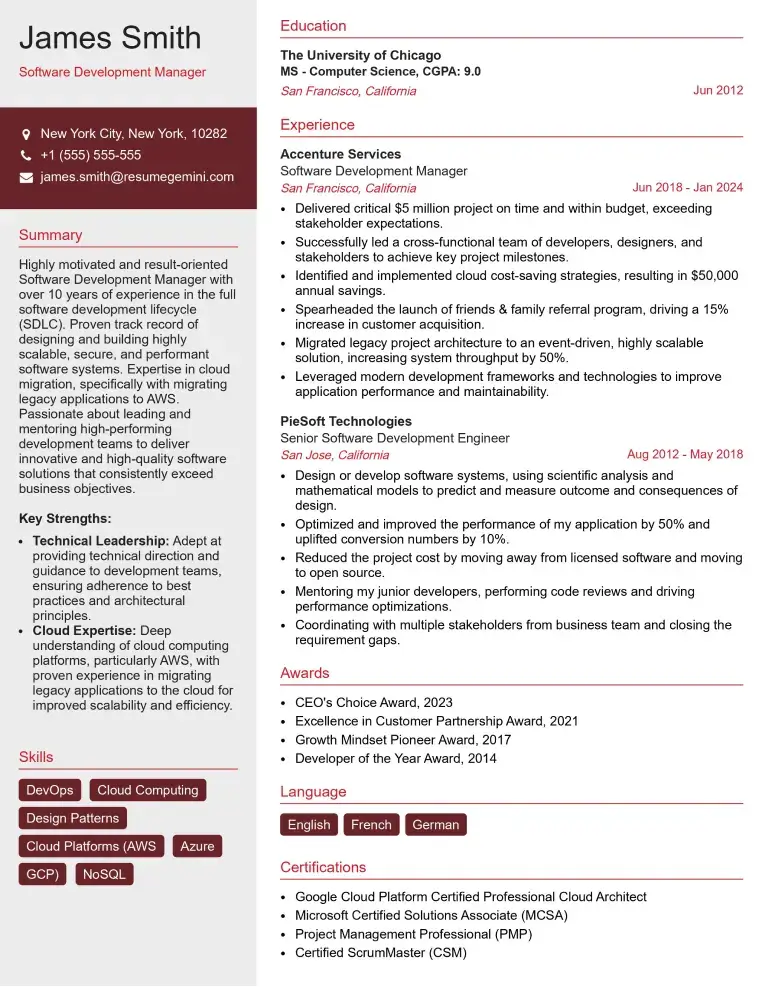
Check Out Resume Samples at ResumeGemini

Check Out Resume Samples at ResumeGemini
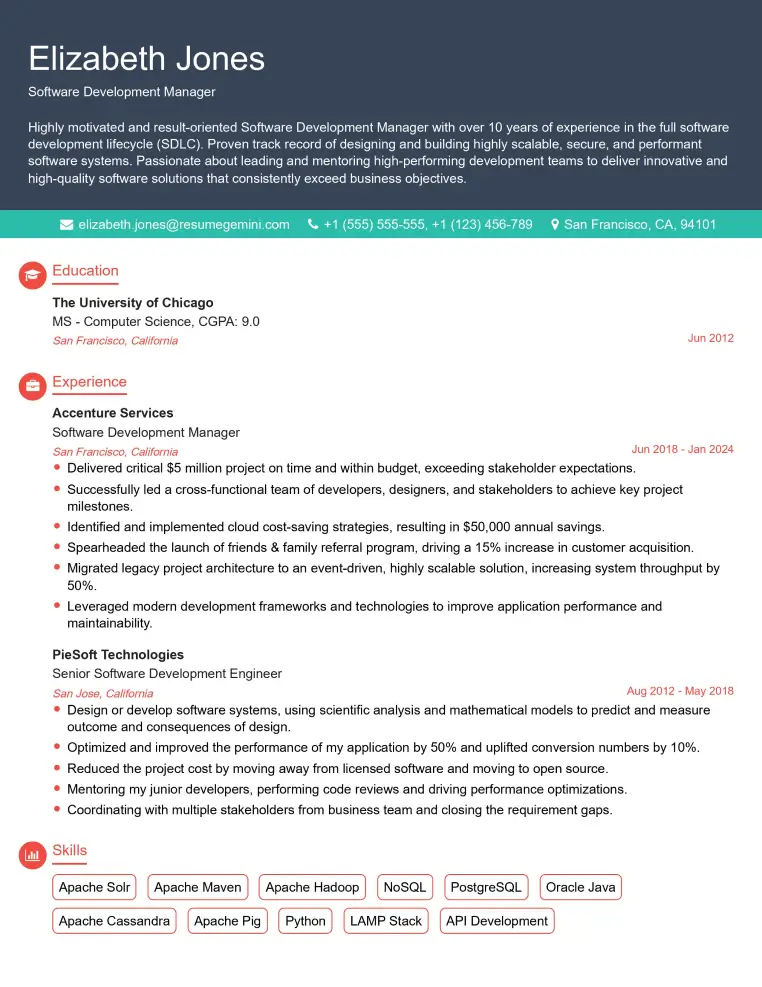
Check Out Resume Samples at ResumeGemini

Check Out Resume Samples at ResumeGemini

Check Out Resume Samples at ResumeGemini
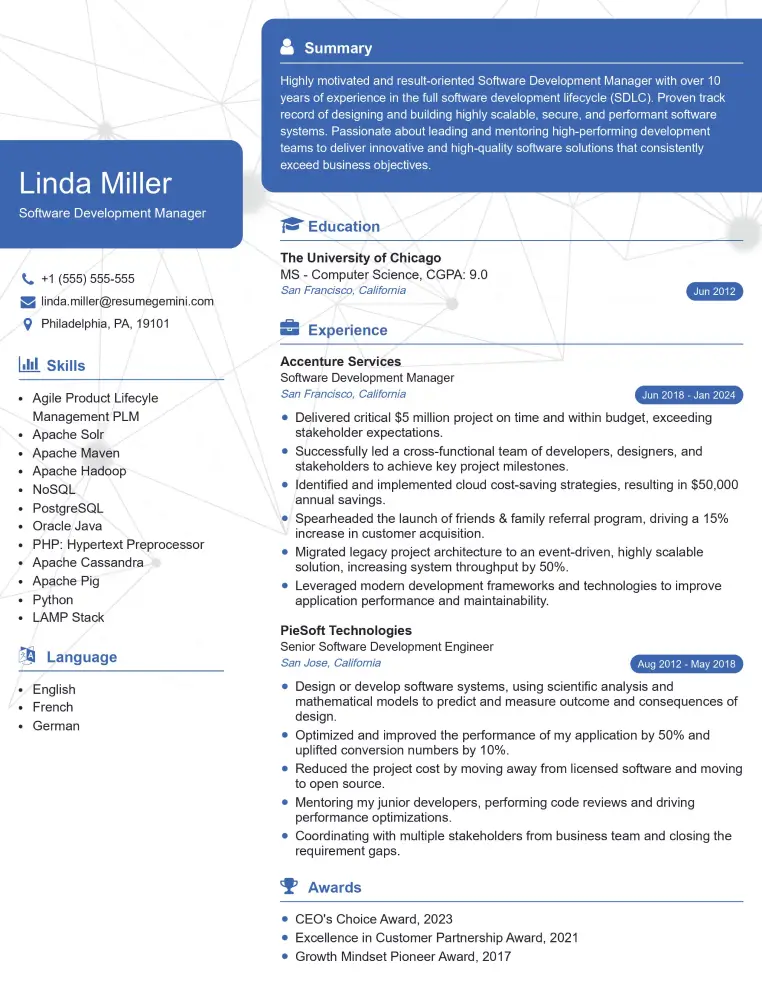
Check Out Resume Samples at ResumeGemini

Check Out Resume Samples at ResumeGemini
Explore more articles
Users Rating of Our Blogs
Share Your Experience
We value your feedback! Please rate our content and share your thoughts (optional).
What Readers Say About Our Blog
Very informative content, great job.
good