Feeling uncertain about what to expect in your upcoming interview? We’ve got you covered! This blog highlights the most important Human intelligence management interview questions and provides actionable advice to help you stand out as the ideal candidate. Let’s pave the way for your success.
Questions Asked in Human intelligence management Interview
Q 1. Describe your experience with various recruitment strategies.
My experience encompasses a wide range of recruitment strategies, tailored to the specific needs of the organization and the roles being filled. I’ve successfully implemented both traditional and innovative approaches.
Traditional methods include job postings on major job boards (Indeed, LinkedIn, etc.), utilizing university recruitment programs, and leveraging employee referrals – a consistently high-yielding source of quality candidates. For example, in my previous role, we increased employee referrals by 25% by implementing a robust referral bonus program and streamlining the referral process.
Modern strategies involve utilizing Applicant Tracking Systems (ATS) to manage the recruitment pipeline efficiently, leveraging social media platforms like LinkedIn and Twitter for targeted advertising and employer branding, and employing data-driven sourcing techniques to identify passive candidates through platforms like LinkedIn Recruiter. We used this approach to fill a highly specialized technical role, reaching out to individuals based on specific skill sets and experience, resulting in a significantly shorter time-to-hire.
Beyond these, I’ve also explored niche recruitment strategies like attending industry conferences and career fairs, partnering with recruitment agencies for specialized roles, and even using internal mobility programs to promote from within. This last point proved invaluable in boosting morale and fostering a sense of career progression within the team.
Q 2. How do you measure the effectiveness of your talent acquisition process?
Measuring the effectiveness of talent acquisition goes beyond simply filling roles. I use a multi-faceted approach that includes both quantitative and qualitative metrics.
Quantitative metrics focus on key performance indicators (KPIs) like cost-per-hire, time-to-hire, quality-of-hire (measured through performance reviews and retention rates), source of hire analysis (to identify the most effective channels), and application-to-hire ratio. For instance, a high cost-per-hire might indicate a need to optimize our recruitment process or explore less expensive channels. A low application-to-hire ratio could point to issues with our job descriptions or company branding.
Qualitative metrics delve into the candidate experience. We conduct regular surveys and interviews with candidates to understand their perception of the process and identify areas for improvement. Feedback on things like communication, the interview process, and the overall responsiveness of the team provides crucial insights. For example, if candidates consistently report negative experiences during the interview process, we can address any communication gaps or improve the efficiency of scheduling.
By analyzing both sets of data, I create a comprehensive picture of our talent acquisition effectiveness and can make data-driven adjustments to improve performance. It’s a continuous process of improvement.
Q 3. Explain your approach to performance management and employee development.
My approach to performance management and employee development is holistic and focuses on continuous improvement and growth. It’s not just about annual reviews; it’s about creating a culture of feedback and development.
Performance Management: I advocate for regular check-ins, not just annual reviews. These provide opportunities for both positive reinforcement and constructive feedback. I utilize the SMART goal-setting framework (Specific, Measurable, Achievable, Relevant, Time-bound) to ensure goals are clearly defined and progress can be tracked objectively. Regular feedback sessions also allow for timely course correction and prevent performance issues from escalating.
Employee Development: I believe in providing employees with opportunities for both formal and informal training. This includes identifying skill gaps through performance reviews and then creating a development plan to address those gaps. This plan might include mentorship programs, professional development courses, job shadowing opportunities, or even attending industry conferences. For example, I helped an employee achieve a promotion by creating a personalized training program that focused on developing their leadership and presentation skills. We worked collaboratively to identify and address the skills gap, culminating in their advancement.
The key is to foster a culture where employees feel supported, challenged, and empowered to grow within the organization.
Q 4. How do you handle employee conflict resolution?
Employee conflict resolution requires a fair, consistent, and timely approach. My strategy involves a combination of proactive measures and reactive responses.
Proactive measures include establishing clear communication protocols, fostering a culture of respect and open communication, providing training on conflict resolution techniques, and clearly outlining company policies on workplace conduct. This includes creating a safe space for employees to voice concerns without fear of reprisal.
Reactive responses involve mediating conflicts directly, facilitating discussions between involved parties, and providing guidance on reaching mutually acceptable solutions. In cases of serious misconduct, I follow established disciplinary procedures. I always strive for a solution that addresses the root cause of the conflict, not just the symptoms. A recent example involved two team members with clashing work styles. Through mediation, we identified misunderstandings and collaboratively developed strategies for improved teamwork. Both employees learned valuable communication and compromise skills.
The goal is always to resolve conflict fairly, efficiently, and in a manner that preserves positive working relationships and maintains productivity.
Q 5. What are your strategies for improving employee engagement and retention?
Improving employee engagement and retention requires a comprehensive strategy that addresses several key areas. It’s about creating a positive and rewarding work environment.
Recognition and rewards: Implementing a robust recognition program, incorporating both formal and informal methods of acknowledging employee contributions, and offering competitive compensation and benefits packages are crucial. Regular employee feedback is integral to identifying what motivates each individual.
Career development opportunities: Providing opportunities for professional growth, skill development, and advancement strengthens employee loyalty. This includes mentorship programs, training, and clear career paths. Investing in their future invests in the organization’s future.
Work-life balance: Promoting a healthy work-life balance through flexible work arrangements, generous vacation time, and employee wellness programs demonstrates respect and helps prevent burnout. This is particularly crucial in today’s demanding work environment.
Open and transparent communication: Regular communication, transparency in company decisions, and fostering a culture of feedback and open dialogue helps employees feel valued and informed. Creating forums for suggestions and feedback shows employees their input matters.
By focusing on these areas, I aim to create a workplace where employees feel appreciated, engaged, and motivated to contribute their best work – ultimately leading to higher retention rates.
Q 6. Describe your experience with compensation and benefits administration.
My experience with compensation and benefits administration includes developing and managing competitive compensation structures, ensuring compliance with legal requirements, and administering various benefits programs. This involves a deep understanding of market trends, internal equity, and employee needs.
Compensation structure development: I’ve developed and implemented compensation plans that are internally equitable and externally competitive, using salary surveys and benchmarking data to ensure that we attract and retain top talent. This includes designing incentive schemes to motivate employees and align their interests with company goals. For example, we successfully implemented a performance-based bonus program, linking employee performance directly to company-wide achievements.
Benefits administration: I’ve managed the administration of various employee benefits programs, including health insurance, retirement plans, paid time off, and other perks. This includes educating employees about their benefits, ensuring accurate enrollment and processing, and staying current on legislative changes related to benefits administration.
My focus is on creating a comprehensive compensation and benefits package that attracts and retains high-performing employees while remaining fiscally responsible for the organization.
Q 7. How do you ensure compliance with relevant employment laws and regulations?
Ensuring compliance with employment laws and regulations is paramount. My approach is proactive and multi-faceted.
Staying informed: I actively monitor and stay abreast of all relevant employment laws and regulations at both the federal and state levels. This includes regularly reviewing updates and changes to legislation impacting employment practices. Subscriptions to relevant legal updates and participation in HR compliance training are critical.
Policy development and review: I ensure that our company’s policies and procedures are compliant with all applicable laws and regulations. This includes reviewing and updating policies regularly, and seeking legal counsel when necessary. This encompasses areas like equal opportunity employment, non-discrimination, wage and hour laws, safety regulations, and data privacy (e.g., GDPR, CCPA).
Training and education: I provide regular training to managers and employees on relevant employment laws and compliance procedures. This includes addressing topics such as harassment prevention, discrimination awareness, and data privacy. This training aims to build a culture of compliance from the ground up.
Record-keeping and auditing: I maintain meticulous records and conduct regular audits to ensure ongoing compliance. This includes documenting all employment-related actions, such as hiring, performance reviews, disciplinary actions, and terminations.
Compliance is not merely a legal requirement; it is a fundamental aspect of fostering a fair, equitable, and ethical work environment.
Q 8. How do you build and maintain positive employee relations?
Building and maintaining positive employee relations is crucial for a thriving workplace. It’s about fostering a culture of respect, trust, and open communication where employees feel valued and heard. This isn’t a one-time effort; it’s an ongoing process that requires consistent attention and proactive strategies.
- Open Communication Channels: Regular employee surveys, suggestion boxes, town hall meetings, and accessible management create avenues for feedback and concerns. For example, I implemented a monthly ‘pulse survey’ in my previous role, capturing employee sentiment on key aspects like workload and team dynamics. This data informed targeted improvements.
- Fair and Consistent Treatment: Ensure consistent application of policies and procedures, promoting fairness and equity across the board. Transparency is key; employees need to understand the rationale behind decisions impacting them.
- Employee Recognition and Rewards: Acknowledging individual and team achievements fosters a sense of appreciation and motivates employees. This could range from informal praise to formal awards and bonuses, tailored to individual preferences.
- Conflict Resolution Mechanisms: Establish clear processes for addressing conflicts and grievances, ensuring fair and timely resolution. This often involves mediation or conflict coaching to help parties find mutually acceptable solutions.
- Work-Life Balance Initiatives: Supporting employees in maintaining a healthy work-life balance improves morale and productivity. This could include flexible work arrangements, generous vacation time, and wellness programs. In one organization, we implemented a successful ‘results-only work environment’ policy, boosting employee satisfaction and retention.
Ultimately, positive employee relations translate to higher engagement, lower turnover, and improved productivity. It requires a holistic approach, actively listening to employees, addressing concerns promptly, and investing in their well-being.
Q 9. What is your experience with HRIS systems and data analysis?
My experience with HRIS systems and data analysis is extensive. I’m proficient in using several leading HRIS platforms, including Workday, BambooHR, and SAP SuccessFactors. My skills extend beyond basic data entry; I’m adept at extracting meaningful insights from HR data to inform strategic decision-making.
For example, in my previous role, I used HRIS data to identify patterns in employee turnover. By analyzing factors like tenure, department, and performance reviews, we were able to pinpoint specific areas of concern and develop targeted retention strategies, leading to a 15% reduction in turnover within a year. I’m also comfortable creating dashboards and reports to visualize key HR metrics, such as employee satisfaction, absenteeism, and recruitment costs. This allows for data-driven decision-making across various HR functions.
Beyond descriptive analysis, I have experience with predictive modeling. For instance, I used regression analysis to predict employee attrition risk, allowing proactive interventions to retain high-performing employees. My proficiency extends to data cleaning, validation, and ensuring data integrity, which is crucial for accurate and reliable HR analytics.
Q 10. Explain your understanding of organizational development and change management.
Organizational development (OD) and change management are interconnected disciplines focused on improving organizational effectiveness and adapting to change. OD is a long-term strategy focusing on enhancing processes, culture, and employee capabilities, while change management focuses on the people side of organizational change initiatives, ensuring a smooth transition.
My understanding of OD involves diagnosing organizational issues, designing interventions, and evaluating their impact. This might involve team building exercises, leadership development programs, or process improvement initiatives. For example, in a previous role, I facilitated a series of workshops to improve cross-functional collaboration in a newly merged organization. This involved using tools like appreciative inquiry to identify best practices and build shared understanding.
In terms of change management, I use models like Kotter’s 8-Step Change Model to guide organizational transitions. This involves creating a sense of urgency, building a coalition, developing a vision, communicating the change effectively, empowering action, generating short-term wins, consolidating gains, and anchoring new approaches in the culture. For example, during a significant organizational restructuring, I played a key role in communicating the rationale behind the changes, addressing employee concerns, and providing support throughout the transition period. This included workshops, Q&A sessions, and regular updates to minimize anxiety and resistance.
Q 11. Describe your approach to diversity and inclusion initiatives.
My approach to diversity and inclusion (D&I) initiatives is multifaceted and focuses on creating a truly inclusive workplace where everyone feels valued, respected, and has equal opportunities. It’s not just about representation; it’s about fostering a culture of belonging.
- Data-Driven Approach: I start by analyzing the current state of diversity within the organization. This includes examining representation across different demographic groups at various levels and identifying any gaps or disparities. This allows for targeted interventions.
- Inclusive Recruitment Practices: Implementing blind resume screening, diverse interview panels, and targeted recruitment strategies to attract candidates from underrepresented groups. For example, I’ve worked with organizations to partner with diverse professional networks and organizations to expand their talent pool.
- Employee Resource Groups (ERGs): Supporting and empowering ERGs, providing them with resources and opportunities to network, share experiences, and advocate for their interests. ERGs provide vital feedback and insights.
- Bias Awareness Training: Conducting regular training programs to raise awareness about unconscious biases and promote inclusive behaviours. This is crucial for creating an environment where everyone feels respected.
- Mentorship and Sponsorship Programs: Developing mentorship and sponsorship programs to support the career development of employees from underrepresented groups. This helps address systemic barriers to advancement.
Successful D&I requires ongoing commitment, consistent monitoring, and a focus on creating a culture where diversity is valued and inclusion is prioritized at all levels of the organization.
Q 12. How do you identify and develop high-potential employees?
Identifying and developing high-potential employees (HiPos) is crucial for organizational success. It requires a systematic approach that combines talent assessment, performance management, and development planning.
- Performance Reviews and 360 Feedback: Utilizing performance reviews and 360-degree feedback to identify individuals who consistently exceed expectations, demonstrate leadership potential, and possess high levels of engagement.
- Assessment Centers: Employing assessment centers to evaluate key competencies such as problem-solving, decision-making, and communication skills in a realistic setting.
- Talent Reviews and Succession Planning: Participating in talent reviews to discuss the potential of high-performing employees and map out their career paths. Succession planning ensures the organization has a pipeline of talent to fill critical roles.
- Mentorship and Coaching: Providing HiPos with access to mentorship and coaching programs to accelerate their development and provide personalized guidance.
- High-Impact Development Assignments: Giving HiPos challenging assignments and stretch projects that allow them to learn, grow, and demonstrate their abilities. This builds confidence and practical experience.
Developing HiPos is an investment in the future of the organization. By nurturing their talent and providing opportunities for growth, organizations can ensure a strong pipeline of future leaders.
Q 13. How do you handle employee grievances and disciplinary actions?
Handling employee grievances and disciplinary actions requires a fair, consistent, and transparent approach. The goal is to resolve issues quickly and effectively while ensuring due process and protecting the organization’s interests.
- Clear Policies and Procedures: Having clearly defined policies and procedures for addressing grievances and disciplinary actions is essential. Employees need to understand their rights and responsibilities.
- Prompt and Thorough Investigation: Conducting a prompt and thorough investigation of any grievance or alleged misconduct. Gathering evidence and obtaining statements from all relevant parties.
- Fair Hearing: Providing employees with a fair opportunity to present their side of the story. This might involve a formal hearing or meeting with management.
- Consistent Application of Discipline: Applying disciplinary actions consistently, ensuring fairness and avoiding bias. The severity of the disciplinary action should align with the severity of the misconduct.
- Documentation: Maintaining meticulous documentation throughout the entire process, including all communications, evidence, and decisions. This protects the organization and ensures transparency.
In situations involving serious misconduct, I always consult with legal counsel to ensure compliance with relevant laws and regulations. The aim is not just to address the immediate issue but also to prevent similar situations from occurring in the future through improved policies or training.
Q 14. What is your experience with succession planning and talent pipelines?
Succession planning and talent pipelines are critical for ensuring organizational continuity and sustainability. They involve identifying, developing, and tracking employees who have the potential to fill critical roles in the future.
My experience with succession planning includes conducting talent assessments, identifying high-potential employees, and developing tailored development plans to prepare them for future leadership roles. I use a variety of tools and techniques, including competency modeling, leadership assessments, and performance reviews, to identify and evaluate potential successors.
Building talent pipelines involves creating a pool of qualified candidates who can fill various roles within the organization. This might involve recruiting from external sources, internal promotions, and developing employees through training and development programs. I’ve successfully implemented several talent pipeline initiatives that have helped organizations fill critical roles quickly and efficiently. For example, I established a rotational program for entry-level employees that provided them with diverse experiences and prepared them for future opportunities. This also increased employee engagement and reduced turnover.
Effective succession planning and talent pipeline development require a long-term perspective and a commitment to investing in employees’ growth and development. Regular reviews, proactive identification of potential gaps, and agile adaptation to changing business needs are essential.
Q 15. Explain your approach to onboarding new employees.
My approach to onboarding is multifaceted and focuses on integrating new hires seamlessly into the company culture and their roles. It’s not just about paperwork; it’s about fostering a sense of belonging and setting them up for success from day one.
- Pre-boarding: Before the first day, I ensure new hires receive a welcome package, access to relevant systems, and maybe even a virtual introduction to the team. This proactive step minimizes initial confusion.
- Structured First Week: The first week is crucial. It involves a detailed orientation covering company policies, benefits, and introductions to key personnel. We also establish clear expectations and goals for the first 30, 60, and 90 days.
- Mentorship and Buddy System: I believe in pairing new hires with experienced employees who can act as mentors and guides, answering questions and offering support. This fosters a sense of community.
- Ongoing Check-ins and Feedback: Regular check-ins during the first few months are vital for addressing any challenges, providing ongoing support, and ensuring alignment with expectations. We utilize 360-degree feedback mechanisms to gather insights from multiple sources.
- Performance Goals and Training: We set clear performance goals and link them to relevant training opportunities. This helps new hires develop necessary skills and quickly contribute to the team.
For example, in my previous role, we implemented a gamified onboarding program with quizzes and interactive modules, resulting in a 20% increase in employee engagement during the initial onboarding period. This interactive approach significantly improved knowledge retention and fostered a more positive initial experience.
Career Expert Tips:
- Ace those interviews! Prepare effectively by reviewing the Top 50 Most Common Interview Questions on ResumeGemini.
- Navigate your job search with confidence! Explore a wide range of Career Tips on ResumeGemini. Learn about common challenges and recommendations to overcome them.
- Craft the perfect resume! Master the Art of Resume Writing with ResumeGemini’s guide. Showcase your unique qualifications and achievements effectively.
- Don’t miss out on holiday savings! Build your dream resume with ResumeGemini’s ATS optimized templates.
Q 16. Describe your experience with employee training and development programs.
Employee training and development is a strategic imperative, not just a cost. My experience spans developing and implementing programs that align with both individual and organizational goals. I focus on a blended learning approach, combining various methods to cater to different learning styles.
- Needs Assessment: I begin by assessing the skills gap through performance reviews, surveys, and observation. This ensures training is targeted and effective.
- Program Design: I design programs that are engaging, relevant, and aligned with business objectives. This can include online courses, workshops, mentoring, job shadowing, and on-the-job training.
- Technology Integration: I leverage learning management systems (LMS) to track progress, deliver content, and assess learning outcomes. This ensures scalability and efficiency.
- Evaluation and Feedback: Regular evaluation of training programs using both quantitative and qualitative methods is critical to ensure effectiveness and make improvements.
- Succession Planning: I incorporate training into succession planning, identifying high-potential employees and investing in their development to prepare them for future leadership roles.
For instance, I once spearheaded a leadership development program that significantly improved the managerial skills of our frontline supervisors, resulting in a 15% reduction in employee turnover within their teams. This success demonstrated the direct link between investment in training and improved organizational performance.
Q 17. How do you measure the ROI of HR initiatives?
Measuring the ROI of HR initiatives requires a multifaceted approach that goes beyond simply looking at cost savings. We need to quantify both tangible and intangible benefits.
- Quantitative Metrics: These include reduced turnover rates, improved employee productivity (measured via KPIs), increased employee engagement (measured through surveys), faster time-to-hire, and cost savings (e.g., reduced recruitment costs).
- Qualitative Metrics: These are equally important and include improved employee satisfaction, enhanced company culture, stronger employer branding, and improved employee morale.
- Benchmarking: Comparing our results against industry benchmarks helps us understand our relative performance and identify areas for improvement.
- Attribution Modeling: Linking HR initiatives to specific business outcomes, such as increased sales or improved customer satisfaction, is crucial for demonstrating true ROI.
For example, to measure the ROI of an employee engagement program, we might track changes in employee satisfaction scores, turnover rates, and productivity metrics before and after the program’s implementation. We would also look for qualitative evidence of improved team collaboration and communication. The analysis will include a cost-benefit comparison to establish the overall return.
Q 18. What is your experience with workforce planning and forecasting?
Workforce planning and forecasting is about proactively anticipating future talent needs and ensuring we have the right people with the right skills at the right time. My experience includes utilizing various techniques and tools to achieve this.
- Demand Forecasting: Analyzing historical data, business plans, and market trends to predict future workforce requirements.
- Supply Analysis: Assessing the current workforce’s skills and capabilities, including potential for internal mobility.
- Gap Analysis: Identifying discrepancies between future demand and current supply, highlighting skill gaps.
- Talent Acquisition Strategies: Developing recruitment strategies to address identified gaps, considering internal promotions, external hiring, and training.
- Scenario Planning: Developing contingency plans for various potential future scenarios, such as economic downturns or unexpected growth.
In a previous role, I used workforce planning models to anticipate a surge in demand due to a new product launch. This allowed us to proactively recruit and train additional staff, ensuring a smooth product rollout and avoiding costly delays. The proactive approach avoided project delays and minimized potential productivity losses.
Q 19. How do you utilize data analytics to inform HR decision-making?
Data analytics plays a crucial role in evidence-based HR decision-making. I utilize data to identify trends, make predictions, and improve HR processes. This includes:
- HR Analytics Dashboards: Creating dashboards that visualize key HR metrics, such as turnover rates, time-to-hire, employee satisfaction, and training effectiveness.
- Predictive Modeling: Using statistical models to predict future trends, such as employee attrition or recruitment needs.
- Data-Driven Insights: Analyzing data to identify root causes of problems and inform decision-making related to compensation, benefits, talent acquisition, and performance management.
- People Analytics Tools: Utilizing HR software and analytical platforms to gather, analyze, and interpret data.
For example, by analyzing employee attrition data, we were able to identify specific factors contributing to turnover, such as lack of career development opportunities or low levels of managerial support. This led to the implementation of targeted interventions to improve employee retention.
Q 20. Describe your experience with building a strong employer brand.
Building a strong employer brand is about creating a compelling narrative that attracts, engages, and retains top talent. It’s about showcasing your company’s unique culture, values, and employee value proposition (EVP).
- Employer Value Proposition (EVP): Defining a clear and compelling EVP that articulates what it’s like to work for the organization.
- Employee Testimonials and Storytelling: Showcasing employee experiences through videos, blogs, and social media.
- Recruitment Marketing: Using targeted advertising and content marketing to reach potential candidates.
- Social Media Presence: Maintaining an active and engaging presence on social media platforms to showcase company culture and employee experiences.
- Candidate Experience: Ensuring a positive candidate experience throughout the recruitment process.
In a previous role, we revamped our employer branding strategy, focusing on highlighting our commitment to employee development and work-life balance. This resulted in a significant increase in applications from high-quality candidates and a reduction in the time-to-hire.
Q 21. How do you manage employee performance issues?
Managing employee performance issues requires a fair, consistent, and constructive approach. It’s about addressing issues promptly, providing support, and promoting improvement.
- Early Intervention: Addressing performance issues early on, before they escalate.
- Performance Improvement Plans (PIPs): Developing tailored PIPs with clear goals, timelines, and support mechanisms.
- Regular Feedback and Coaching: Providing regular feedback, coaching, and mentoring to support employee development.
- Documentation: Maintaining accurate records of performance issues, corrective actions, and progress.
- Fair and Consistent Discipline: Implementing consistent disciplinary measures when necessary, following established company policies.
I believe in a progressive discipline approach, starting with verbal warnings and moving to more formal measures only if necessary. The goal is always to help employees improve and succeed. For example, in one situation, I worked closely with an underperforming employee, identifying the root causes of their difficulties. By providing additional training and mentoring, we were able to turn their performance around, highlighting the importance of support and collaboration in addressing performance issues.
Q 22. Explain your approach to creating a positive and productive work environment.
Creating a positive and productive work environment is a multifaceted process that hinges on fostering a culture of respect, trust, and open communication. It’s about building a workplace where employees feel valued, supported, and empowered to contribute their best.
- Open Communication Channels: I prioritize establishing transparent communication channels, encouraging regular feedback sessions, both upwards and downwards. This ensures everyone feels heard and understood. For example, I’ve implemented weekly team meetings with dedicated time for open discussion and anonymous feedback surveys to gather insights.
- Employee Recognition and Rewards: Recognizing and rewarding employees for their hard work and achievements is crucial. This goes beyond financial incentives; it includes public acknowledgement, opportunities for professional development, and creating a culture where contributions are celebrated. I’ve implemented a peer-to-peer recognition program where employees can nominate and reward colleagues.
- Work-Life Balance: Promoting a healthy work-life balance is essential to prevent burnout and improve overall well-being. This includes offering flexible work arrangements where possible, encouraging employees to utilize their vacation time, and creating a supportive environment that values personal time.
- Team Building Activities: Regular team-building activities help strengthen relationships among colleagues, fostering collaboration and camaraderie. These could be anything from informal social gatherings to more structured team-building exercises.
- Employee Empowerment: Providing employees with autonomy and the opportunity to contribute creatively boosts morale and productivity. This involves delegating tasks effectively, trusting employees with decision-making, and providing opportunities for skill development.
By implementing these strategies, I strive to create a workplace where employees feel engaged, motivated, and ultimately, more productive.
Q 23. How do you adapt your approach to managing people across different generations and cultures?
Managing people across different generations and cultures requires adaptability and a deep understanding of individual needs and preferences. It’s about recognizing that different generations and cultures have unique communication styles, work ethics, and expectations.
- Understanding Generational Differences: I tailor my communication and management style to the specific generation. For instance, I might use different communication methods for Millennials (email, instant messaging) than for Baby Boomers (face-to-face meetings). I also try to incorporate the strengths of each generation. Younger employees often bring innovation, while older employees bring experience and wisdom.
- Cultural Sensitivity: I strive to create an inclusive environment that values diversity and respects cultural differences. This involves learning about different cultural norms and practices, avoiding assumptions, and creating space for respectful dialogue. For example, I ensure that team activities are inclusive and consider religious or cultural holidays in scheduling.
- Individualized Approach: I focus on understanding each employee as an individual, recognizing that their work style, preferences, and motivations may vary regardless of age or culture. This includes conducting regular one-on-one meetings to discuss goals, challenges, and progress. I use active listening techniques to understand their perspectives.
- Mentorship Programs: Mentorship programs can be particularly helpful in bridging generational gaps, enabling knowledge transfer and fostering collaborative relationships.
By focusing on understanding and adapting my approach to individual needs, I aim to create a cohesive and productive team where everyone feels respected and valued.
Q 24. Describe your experience with creating and implementing HR policies and procedures.
My experience in creating and implementing HR policies and procedures involves a collaborative and data-driven approach, ensuring alignment with legal compliance and organizational goals.
- Needs Assessment: I begin by conducting a thorough needs assessment to identify any gaps in existing policies and procedures. This often involves reviewing current practices, analyzing employee feedback, and benchmarking best practices within the industry.
- Policy Development: Once the needs are identified, I work collaboratively with stakeholders (legal counsel, management, and employees) to develop clear, concise, and legally compliant policies and procedures. I ensure that these policies are easily accessible and understandable for all employees.
- Implementation and Training: Effective implementation requires thorough training and communication. This includes providing clear guidelines, conducting training sessions, and creating easily accessible resources (e.g., handbooks, online tutorials). I track employee comprehension through quizzes and feedback mechanisms.
- Regular Review and Updates: Policies and procedures are not static; they require regular review and updates to reflect changes in legislation, organizational goals, and best practices. I schedule regular reviews to ensure our policies remain relevant and effective.
For example, I recently led the development of a new performance management policy that incorporated 360-degree feedback, focusing on continuous improvement rather than solely on annual evaluations. This involved extensive stakeholder consultation and resulted in a policy that is both fairer and more effective.
Q 25. How do you handle sensitive employee data and maintain confidentiality?
Handling sensitive employee data requires strict adherence to privacy regulations and ethical guidelines. Confidentiality is paramount.
- Data Security Measures: We employ robust security measures to protect employee data, including access controls, encryption, and regular security audits. Access to sensitive information is strictly limited to authorized personnel on a need-to-know basis.
- Compliance with Regulations: We ensure strict compliance with relevant data protection regulations, such as GDPR or CCPA, depending on the jurisdiction. This includes implementing data minimization principles, obtaining consent where necessary, and establishing procedures for data breaches.
- Employee Training: All employees handling sensitive data undergo comprehensive training on data privacy and security protocols. This includes training on how to handle sensitive information responsibly and understanding the consequences of data breaches.
- Data Minimization and Retention Policies: We maintain strict data minimization and retention policies, only collecting and retaining necessary data for specific business purposes. Data is securely disposed of according to established procedures.
For instance, I implemented a new system for securely storing and accessing employee medical information, ensuring that only authorized personnel – such as designated HR staff and medical professionals – could access it. The system is regularly audited and compliant with all relevant regulations.
Q 26. What are your strategies for reducing employee turnover?
Reducing employee turnover requires a proactive, multifaceted strategy that addresses both the root causes of attrition and enhances employee satisfaction and engagement.
- Competitive Compensation and Benefits: Offering competitive salaries and benefits packages is a cornerstone of retention. This involves conducting regular salary benchmarking and ensuring that our benefits are attractive and competitive within the industry.
- Career Development Opportunities: Providing opportunities for professional growth and development is crucial. This includes offering training programs, mentorship opportunities, and clear career progression paths. Employees who feel valued and see a future with the company are less likely to leave.
- Employee Engagement Initiatives: Engaging employees is essential. This includes fostering a positive work environment, providing regular feedback and recognition, and creating opportunities for employees to contribute and share their ideas. Employee surveys and feedback sessions can help identify areas for improvement.
- Exit Interviews: Conducting thorough exit interviews with departing employees helps identify the underlying reasons for their departure. This information can be invaluable in making improvements and preventing future attrition.
- Manager Training: Effective management plays a significant role in retention. Investing in manager training, focusing on communication, feedback, and leadership skills, can significantly reduce turnover.
In one case, by implementing a new mentorship program and offering more opportunities for skill development, we reduced employee turnover among our junior staff by 15% within a year.
Q 27. How do you leverage technology to improve HR processes and efficiency?
Leveraging technology to improve HR processes and efficiency is critical in today’s fast-paced business environment. This involves adopting HR technology solutions that streamline tasks, automate processes, and provide valuable data insights.
- Applicant Tracking Systems (ATS): Using an ATS streamlines the recruitment process, automating tasks such as job posting, candidate screening, and interview scheduling. This saves time and ensures a more efficient recruitment process.
- Human Capital Management (HCM) Systems: HCM systems integrate various HR functions, including payroll, benefits administration, performance management, and talent management, into a single platform. This improves efficiency, reduces administrative burden, and provides valuable data insights.
- Learning Management Systems (LMS): LMSs facilitate employee training and development by providing access to online courses, tutorials, and assessments. This allows for flexible and cost-effective training programs.
- Data Analytics: Using data analytics tools can provide valuable insights into employee trends, such as turnover rates, performance patterns, and engagement levels. This data can inform decision-making and improve HR strategies.
- Employee Self-Service Portals: Employee self-service portals allow employees to access HR information, submit requests, and manage their own data, freeing up HR staff to focus on more strategic initiatives.
For example, implementing an HCM system reduced our payroll processing time by 50% and provided real-time data on employee benefits usage, allowing us to optimize our benefits offerings.
Q 28. Describe your experience with navigating complex HR challenges and finding effective solutions.
Navigating complex HR challenges requires a structured approach that combines analytical thinking, strategic planning, and effective communication.
- Problem Definition and Analysis: The first step involves clearly defining the challenge and gathering all relevant information. This may include analyzing data, conducting interviews, and reviewing relevant policies and procedures.
- Stakeholder Engagement: Engaging all relevant stakeholders is crucial. This includes employees, managers, and senior leadership. Open communication and collaborative problem-solving are essential.
- Solution Development and Implementation: Once the problem is understood and stakeholders are engaged, I develop potential solutions, considering both short-term and long-term implications. The chosen solution is then implemented, with clear timelines and accountability.
- Monitoring and Evaluation: After implementation, the solution is monitored and evaluated to assess its effectiveness. Data is gathered to measure the impact and identify any areas for improvement.
For example, I successfully navigated a complex situation involving a workplace conflict that involved multiple parties and sensitive allegations. I used a structured approach, involving confidential interviews, mediation, and clear communication with all parties. The situation was resolved fairly and amicably, preserving workplace harmony and maintaining employee morale.
Key Topics to Learn for Human Intelligence Management Interview
- Strategic Workforce Planning: Understanding forecasting techniques, talent acquisition strategies, and succession planning to meet organizational needs. Practical application includes developing a talent pipeline for future leadership roles.
- Talent Acquisition & Selection: Mastering effective recruitment methods, interview techniques, and assessment tools for identifying top talent. Consider the ethical implications and legal compliance in hiring practices.
- Performance Management & Development: Designing and implementing performance appraisal systems, providing constructive feedback, and developing employee growth plans. Explore different performance management philosophies and their application in diverse organizational contexts.
- Compensation & Benefits: Understanding compensation structures, benefits packages, and their impact on employee motivation and retention. Analyze the market trends and design competitive compensation strategies.
- Employee Engagement & Retention: Exploring strategies to foster a positive work environment, boost employee morale, and reduce turnover. Analyze the role of employee experience and organizational culture in retention.
- Learning & Development: Designing and implementing training programs to enhance employee skills and knowledge. Focus on aligning learning and development initiatives with organizational goals.
- Diversity, Equity, and Inclusion (DE&I): Understanding and implementing DE&I initiatives to create a fair and inclusive workplace. Analyze the impact of unconscious bias and develop strategies to mitigate it.
- Change Management in HRM: Developing strategies to manage organizational change effectively, minimizing employee disruption, and maximizing buy-in. Practical application includes navigating mergers, acquisitions or restructuring.
- Data Analytics in HRM: Utilizing data to track key metrics, identify trends, and inform decision-making in HR. This includes understanding workforce analytics and using HRIS systems.
- Legal Compliance in HRM: Understanding and adhering to relevant employment laws and regulations to minimize legal risks. This includes familiarity with relevant labor laws and compliance requirements.
Next Steps
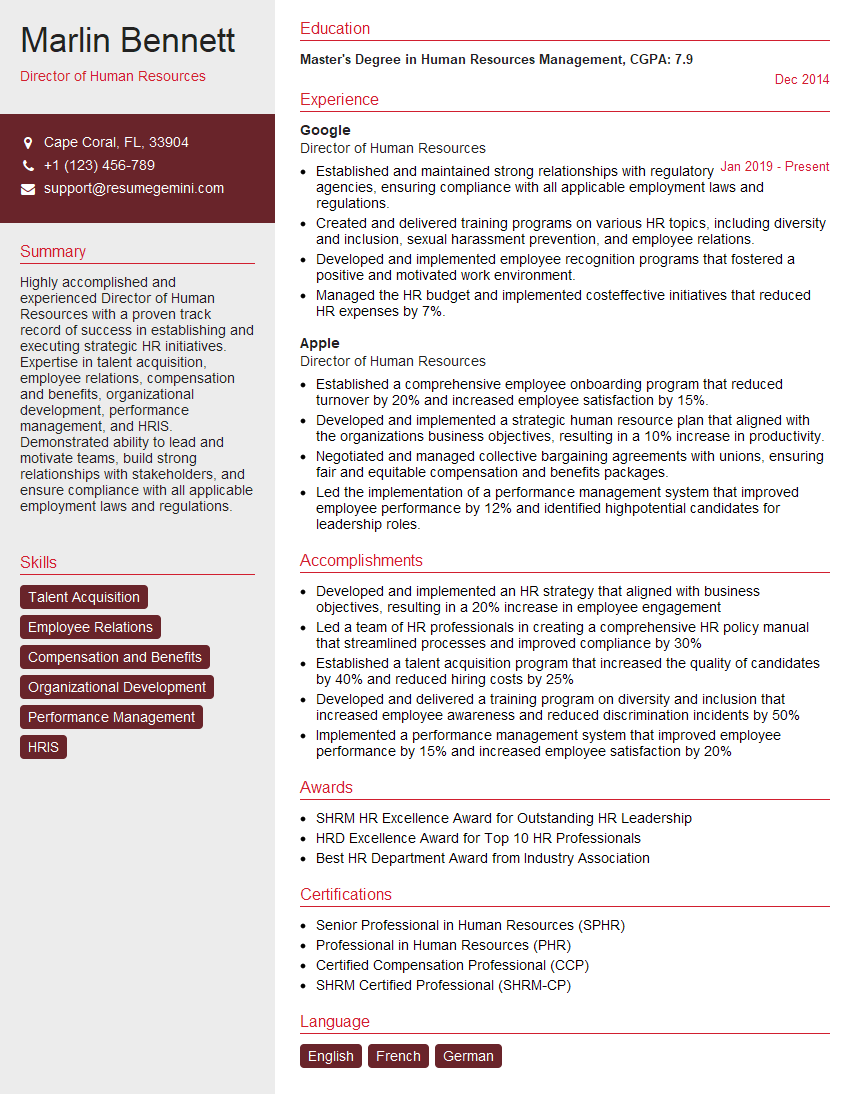
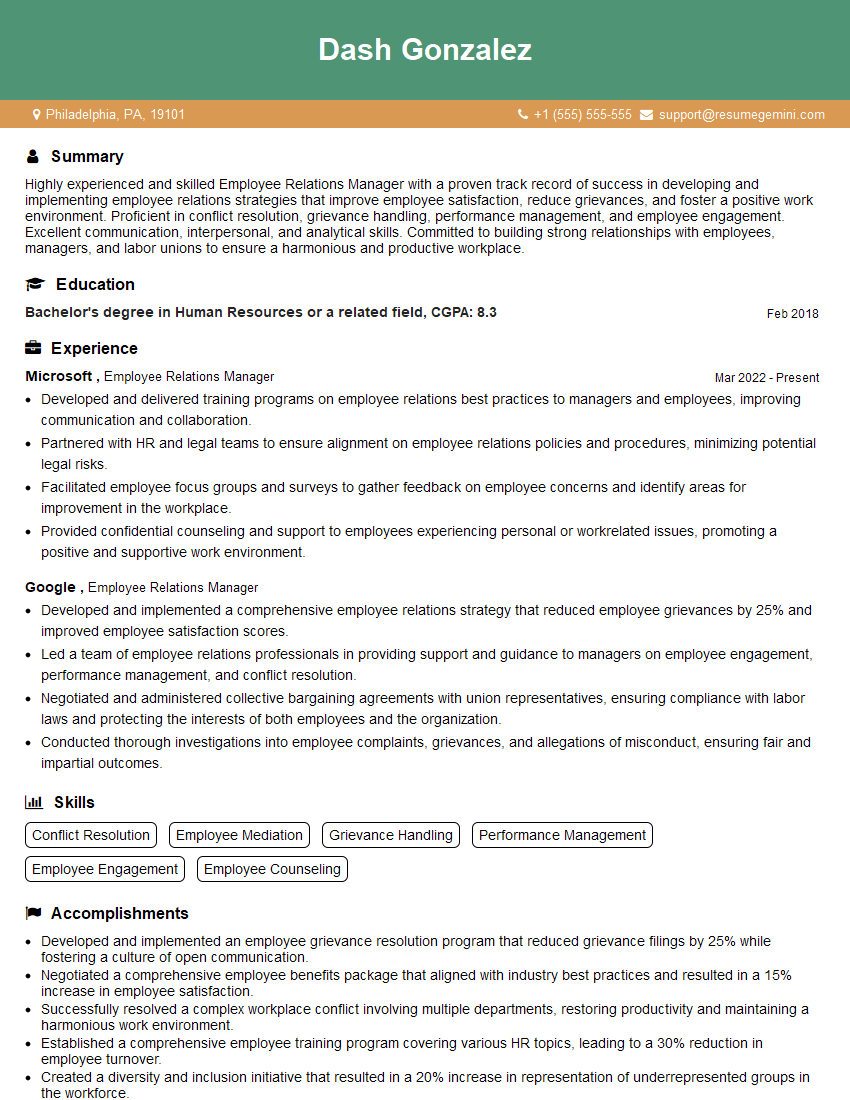
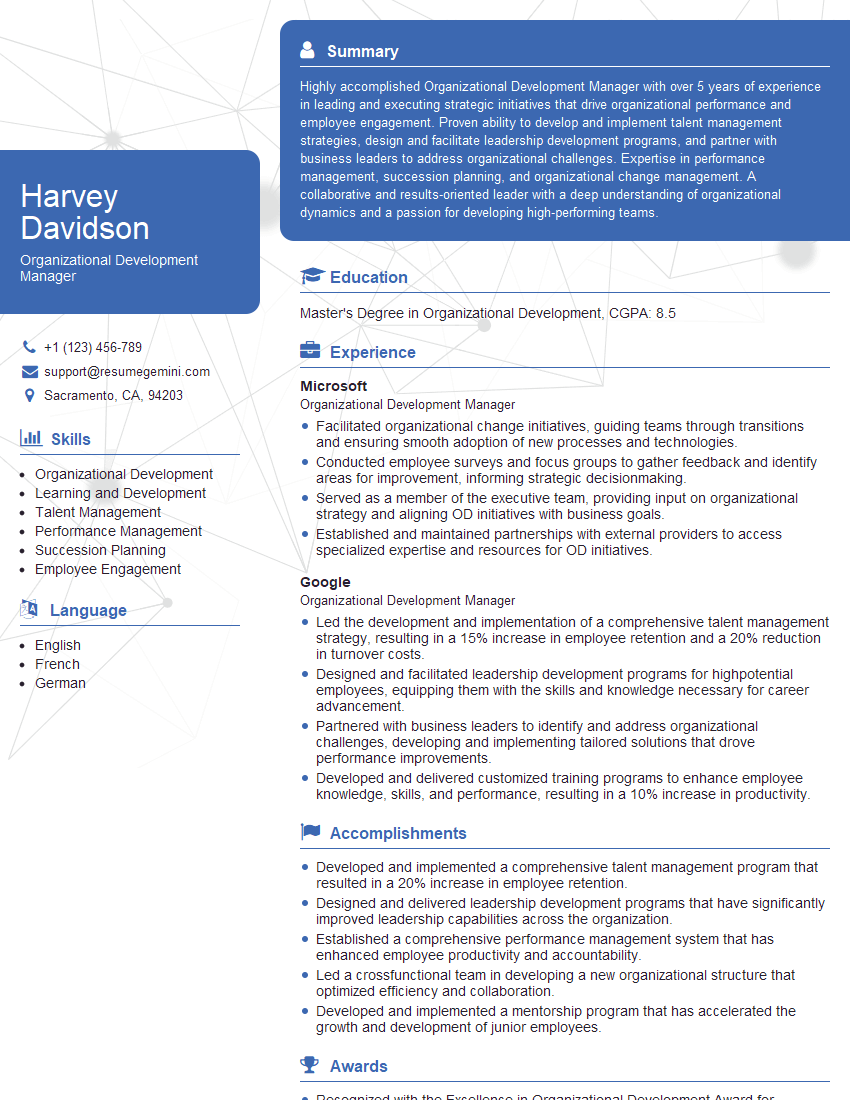
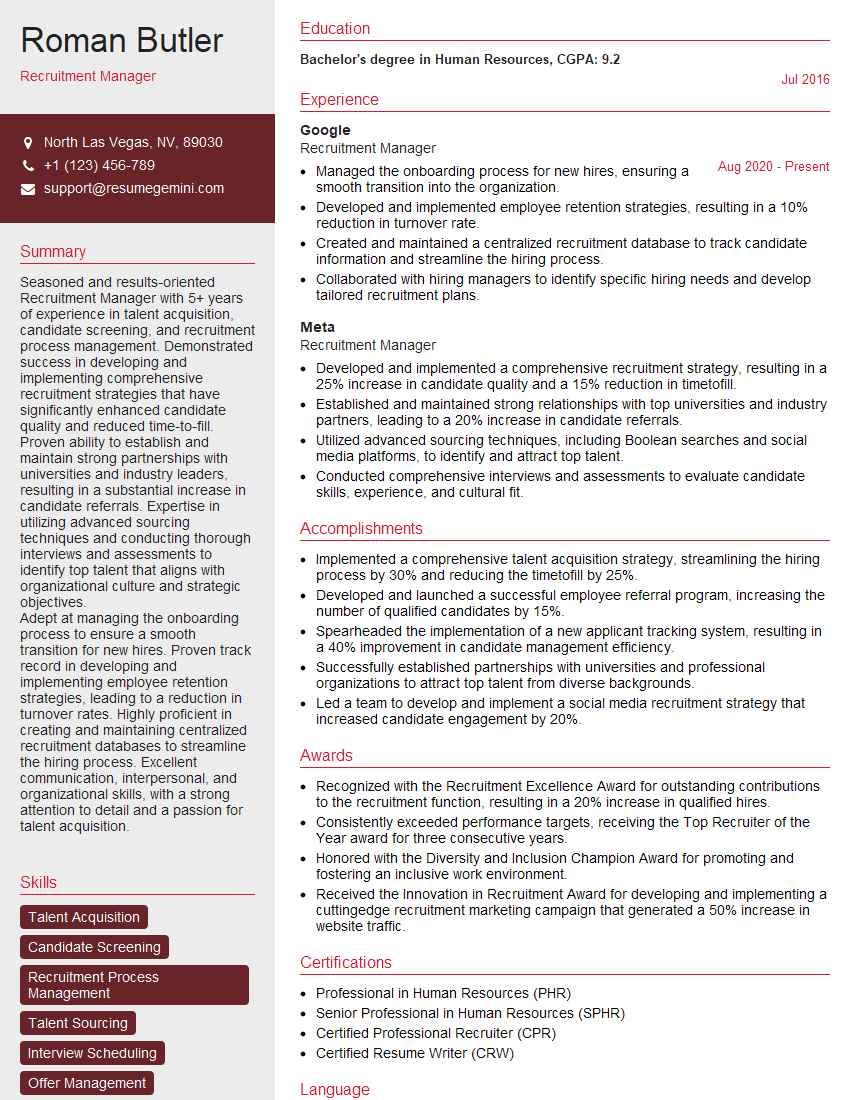
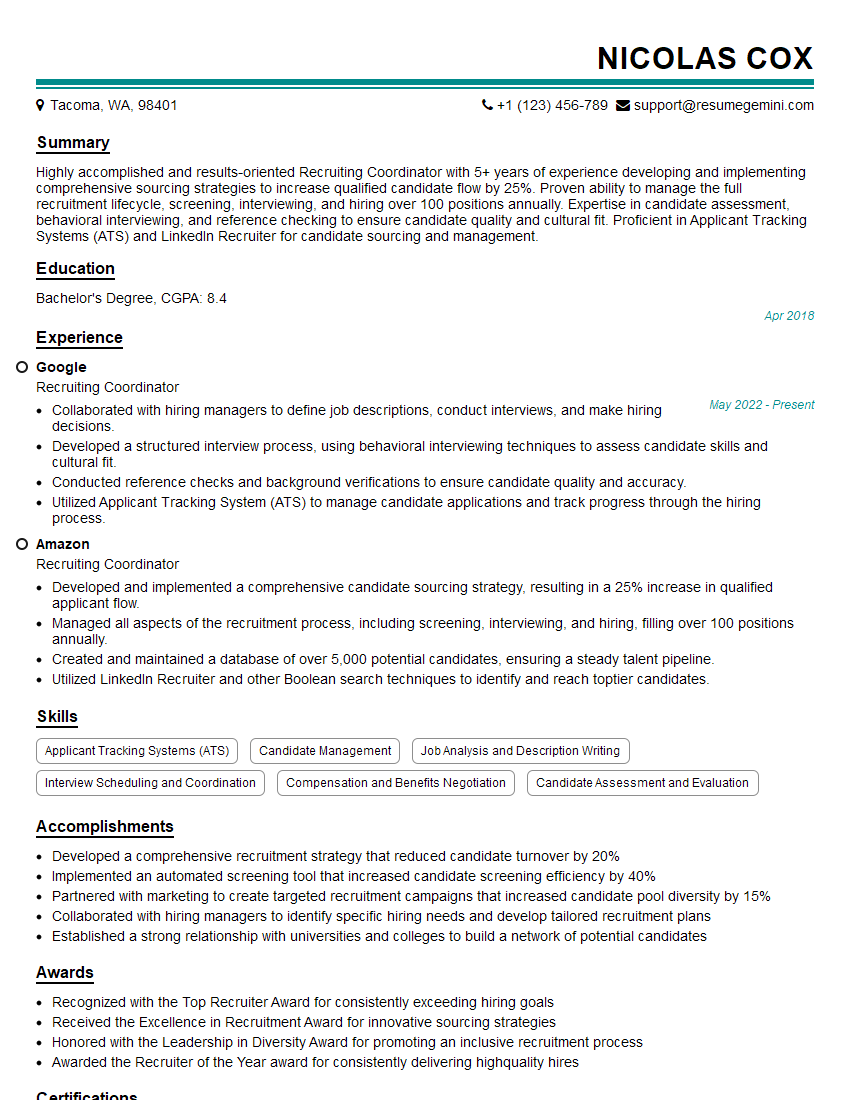
Mastering Human Intelligence Management is crucial for career advancement, opening doors to leadership roles and impactful contributions within organizations. A strong resume is your first impression; an ATS-friendly resume significantly increases your chances of getting noticed by recruiters. To create a compelling and effective resume that highlights your skills and experience in Human Intelligence Management, leverage the power of ResumeGemini. ResumeGemini provides a user-friendly platform and offers examples of resumes tailored to Human Intelligence Management, ensuring your application stands out.
Explore more articles
Users Rating of Our Blogs
Share Your Experience
We value your feedback! Please rate our content and share your thoughts (optional).
What Readers Say About Our Blog
Very informative content, great job.
good