The thought of an interview can be nerve-wracking, but the right preparation can make all the difference. Explore this comprehensive guide to Human Source Recruitment and Handling interview questions and gain the confidence you need to showcase your abilities and secure the role.
Questions Asked in Human Source Recruitment and Handling Interview
Q 1. Explain your experience with different recruitment methodologies (e.g., direct sourcing, agency recruitment).
My experience encompasses a wide range of recruitment methodologies, each with its own strengths and weaknesses. Direct sourcing allows for a more targeted approach, focusing on specific individuals identified through research, networking, and professional platforms like LinkedIn. This method allows me to bypass the costs and potential delays associated with agencies and build relationships directly with candidates. I’ve successfully used this to fill niche technical roles where specialized skills are required. Agency recruitment, conversely, leverages the expertise of external recruiters who have access to a broader pool of candidates and often handle much of the initial screening process. This is particularly helpful for large-scale hiring or when specific specialized expertise is needed. For example, I’ve used agencies to fill numerous roles during periods of rapid company growth where internal resources were stretched. Finally, I’m also proficient in using recruitment platforms like Indeed and specialized job boards, balancing cost-effectiveness with reach. The choice of methodology depends heavily on the specific role, the urgency of the hire, the size of the budget and the desired speed and scale of the recruitment process.
Q 2. Describe your process for screening resumes and selecting candidates for interviews.
My resume screening process is a multi-stage approach that prioritizes efficiency and accuracy. First, I use Applicant Tracking Systems (ATS) to filter applications based on keyword matching against job descriptions. This helps identify candidates whose skills and experience closely align with the role’s requirements. Next, I review the remaining resumes manually, paying close attention to career progression, accomplishments, and any red flags that might indicate a mismatch. I look for quantifiable achievements to gauge their impact. For instance, instead of just ‘Managed social media accounts’, I look for metrics like ‘Increased social media engagement by 30% in six months.’ I also assess cultural fit based on the information provided in resumes and cover letters, looking for alignment with company values. This streamlined process allows me to quickly identify top candidates for interviews while ensuring thorough evaluation of all applications. Candidates selected for the next stage are contacted directly with information on the interview process.
Q 3. How do you handle a high volume of applications?
Handling a high volume of applications requires a well-structured and efficient process. Automation plays a crucial role; I leverage ATS to streamline the initial screening and ranking of candidates. Creating detailed job descriptions with specific keywords helps filter out unqualified applications. I also use pre-screening questions in online application forms to quickly assess essential skills and qualifications. This helps eliminate candidates who don’t meet minimum requirements at an early stage. Following this, I implement a tiered interview process. This involves initial phone screens to quickly assess candidates before moving on to more in-depth interviews. This approach reduces the time spent on candidates who are not a good fit. Collaboration with hiring managers is key, ensuring a consistent message and evaluation process.
Q 4. What strategies do you use to attract passive candidates?
Attracting passive candidates requires a multi-pronged approach that goes beyond simply posting job ads. Building a strong employer brand is crucial, showcasing company culture and values to attract top talent who may not be actively seeking new opportunities. I use LinkedIn extensively to directly connect with and engage potential candidates. I regularly participate in industry events and conferences to network and build relationships. Content marketing, such as blog posts and articles related to the industry, can also attract passive candidates. Creating referral programs to encourage current employees to refer qualified candidates from their network is another strategy that often proves highly successful. Personalized outreach emails highlighting specific opportunities and the company’s unique selling points have a higher success rate than generic emails. It’s important to make a personal connection and showcase what makes your company unique.
Q 5. How do you assess a candidate’s cultural fit within an organization?
Assessing cultural fit is crucial for long-term success. It goes beyond simply evaluating skills and experience; it’s about understanding if a candidate’s values, work style, and personality align with the company culture. I incorporate behavioral questions into the interview process, exploring how candidates have handled past situations requiring teamwork, problem-solving, and adaptability. I also pay close attention to their communication style and overall demeanor. For example, I might ask a question like, ‘Tell me about a time you had a conflict with a coworker. How did you resolve it?’ This reveals much about the candidate’s communication and problem-solving abilities. I encourage open conversations about company culture during interviews, allowing candidates to ask questions and express their expectations. This reciprocal approach provides a good understanding of both perspectives.
Q 6. What are your preferred methods for conducting candidate interviews?
My preferred interview methods incorporate a mix of approaches to get a comprehensive understanding of the candidate. I often start with a phone screening to assess basic qualifications and conversational skills, filtering out candidates who are not a good fit. This is followed by a structured in-person or video interview, using a standardized set of questions to ensure consistent evaluation. This aids in direct comparison between candidates. Behavioral questions, focusing on past experiences, are crucial in assessing the candidate’s skills and how they approach challenges. For some roles, skills-based assessments or technical tests are included to evaluate specific competencies. Finally, I frequently include a panel interview to gain multiple perspectives and allow the candidate to interact with potential future colleagues.
Q 7. How do you evaluate the effectiveness of your recruitment strategies?
Evaluating recruitment strategy effectiveness involves tracking key metrics across the entire process. Time-to-hire measures the efficiency of the process. Cost-per-hire provides insights into the financial impact. Source of hire shows which channels are most effective in attracting qualified candidates. Candidate satisfaction surveys measure the candidate experience. New hire retention rates gauge the quality of the hires. Finally, employee performance reviews help assess the long-term success of the hires. By analyzing these metrics regularly and comparing them to previous periods, I can identify areas for improvement and adjust recruitment strategies accordingly. For instance, if time-to-hire is excessively high, it might be necessary to streamline the interview process. Similarly, low retention rates may highlight problems with candidate selection or onboarding.
Q 8. Describe your experience with applicant tracking systems (ATS).
Applicant Tracking Systems (ATS) are software applications designed to manage the entire recruitment process, from initial application to offer acceptance. My experience spans several years using various ATS platforms, including Taleo, Workday, and Greenhouse. I’m proficient in all aspects of ATS functionality, from posting jobs and screening resumes to managing candidate pipelines and generating reports. For example, in my previous role at Acme Corp, I utilized Taleo to streamline our recruitment process, resulting in a 20% reduction in time-to-hire. This involved configuring custom workflows, leveraging Boolean search operators to refine candidate searches (e.g., "project management" AND "agile" AND "Scrum" to target specific skill sets), and integrating the system with our HRIS for seamless data transfer. I also utilize ATS reporting features to track key metrics like time-to-fill, cost-per-hire, and source of hire, allowing for data-driven improvements to our recruitment strategies.
Q 9. Explain your process for negotiating job offers with candidates.
Negotiating job offers requires a delicate balance of understanding the candidate’s expectations and the company’s budget and needs. My process begins with thorough research into market salary ranges for the specific role and location. I then engage in a collaborative conversation with the candidate to understand their compensation expectations and priorities. This often involves discussing not only salary but also benefits, bonuses, and other perks. I always aim to present a compelling offer that reflects the candidate’s value and aligns with the company’s budget. If a candidate’s expectations exceed our budget, I explore alternative options, such as offering a different compensation structure or benefits package. I always maintain open and honest communication throughout the negotiation process, ensuring the candidate feels valued and respected. For instance, I recently negotiated an offer for a senior software engineer where the candidate initially requested a higher salary than our initial offer. By clearly explaining the rationale behind our offer and highlighting the benefits package, along with the career growth potential, we reached a mutually agreeable salary. Transparency is key; I always ensure the candidate understands every aspect of the offer.
Q 10. How do you ensure a positive candidate experience throughout the recruitment process?
A positive candidate experience is crucial for attracting and retaining top talent. I ensure a positive experience by providing timely communication throughout the entire process. This includes acknowledging receipt of applications, providing regular updates on the timeline, and offering feedback, regardless of the outcome. I strive to make the interview process efficient and engaging, avoiding unnecessary delays or confusing procedures. For example, I always send detailed interview itineraries in advance, including the names and titles of interviewers, and the format of each interview stage. I also actively seek feedback from candidates after each stage of the process, using this information to continuously improve our recruitment practices. Finally, maintaining professionalism and courtesy, even when delivering negative news, is paramount. In short, I treat every candidate with the respect and consideration I would expect myself.
Q 11. How do you handle rejection of candidates?
Rejecting candidates is an unavoidable part of the recruitment process. I handle rejections with professionalism and empathy. I always deliver the news promptly and directly, avoiding vague or ambiguous language. I explain, concisely, the reason for the rejection, without being overly critical or detailed. This might include explaining that another candidate was a better fit for the specific role requirements. Crucially, I offer constructive feedback whenever possible, focusing on aspects the candidate can improve for future opportunities. I also express appreciation for their time and consideration, leaving them with a positive final impression of the company. For instance, I might say, “While your skills and experience are impressive, we’ve decided to move forward with another candidate whose experience more closely aligns with the specific requirements of this role. We appreciate you taking the time to interview with us, and wish you all the best in your job search.” I believe this approach not only respects the candidate but also maintains a positive brand image for future recruitment efforts.
Q 12. How do you identify and mitigate potential biases in the recruitment process?
Bias in recruitment can significantly impact the diversity and fairness of the hiring process. To mitigate bias, I employ several strategies. Firstly, I utilize standardized application forms and structured interviews, reducing the reliance on subjective judgment. Secondly, I use blind resume screening, removing identifying information like names and addresses to reduce unconscious bias based on demographics. Thirdly, I train interviewers on techniques to identify and mitigate personal biases. This training covers topics like unconscious bias, confirmation bias, and affinity bias. Regularly reviewing our recruitment data to identify any patterns of bias in hiring outcomes is also crucial. For example, if we notice a disproportionate number of candidates from a particular background being rejected at a specific stage, we investigate potential sources of bias in that stage of the process. Building diverse interview panels can also broaden perspectives and reduce the influence of individual biases.
Q 13. What is your experience with diversity and inclusion initiatives in recruitment?
Diversity and inclusion are paramount in effective recruitment. My experience involves actively participating in and leading diversity and inclusion initiatives. This includes developing and implementing strategies to attract and retain diverse talent, partnering with employee resource groups (ERGs), and participating in diversity training programs. I have experience using inclusive language in job descriptions, targeting diverse recruitment channels, and partnering with organizations that champion diversity in the workforce. I also collaborate with hiring managers to ensure our interview processes are inclusive and welcoming to candidates from all backgrounds. For example, I’ve implemented strategies to increase representation from underrepresented groups by attending industry events targeting specific demographics, partnering with diversity-focused recruitment agencies, and implementing mentorship programs to support the career advancement of diverse employees. Tracking diversity metrics throughout the recruitment funnel helps to identify areas for improvement and measure the success of our initiatives.
Q 14. Describe your experience with different interview techniques (e.g., behavioral, competency-based, technical).
I have extensive experience using various interview techniques, each serving a unique purpose. Behavioral interviewing focuses on past behaviors to predict future performance. Questions like “Tell me about a time you failed” are designed to assess problem-solving skills and resilience. Competency-based interviewing assesses how candidates meet specific job requirements, focusing on skills and knowledge relevant to the position. Technical interviews evaluate the candidate’s technical skills, usually via coding challenges or practical assessments, depending on the role. For example, a software engineer would face coding challenges while a data analyst might undergo a statistical analysis test. I often combine these techniques to gain a comprehensive understanding of the candidate. For a marketing manager role, I might use behavioral questions to assess their leadership experience, competency-based questions to gauge their digital marketing expertise, and potentially a case study to test their strategic thinking. Adapting the interview style and the questions based on the specific role and level is crucial for successful candidate selection.
Q 15. How do you build and maintain relationships with hiring managers?
Building and maintaining strong relationships with hiring managers is crucial for successful recruitment. It’s about becoming a trusted advisor, understanding their needs beyond just the job description, and proactively contributing to their team’s success.
Proactive Communication: I initiate regular check-ins, not just when there’s a vacancy. This allows me to understand their evolving needs and upcoming projects, enabling me to proactively source suitable candidates.
Understanding Business Needs: I go beyond the job description to understand the team dynamics, company culture, and the overall strategic goals. This helps me find candidates who are not only skilled but also a good cultural fit.
Transparency and Feedback: I keep hiring managers updated on the progress of the recruitment process, providing regular feedback on candidate quality and the overall market landscape. I also actively solicit their feedback on candidates to ensure alignment.
Building Trust: This takes time and consistent effort. By demonstrating my expertise, delivering on my promises, and being a reliable partner, I build a foundation of trust that strengthens our working relationship.
For example, in my previous role, I built a strong relationship with a VP of Engineering by regularly attending their team meetings, understanding their technical challenges, and proactively sourcing candidates with specific niche skills they needed.
Career Expert Tips:
- Ace those interviews! Prepare effectively by reviewing the Top 50 Most Common Interview Questions on ResumeGemini.
- Navigate your job search with confidence! Explore a wide range of Career Tips on ResumeGemini. Learn about common challenges and recommendations to overcome them.
- Craft the perfect resume! Master the Art of Resume Writing with ResumeGemini’s guide. Showcase your unique qualifications and achievements effectively.
- Don’t miss out on holiday savings! Build your dream resume with ResumeGemini’s ATS optimized templates.
Q 16. How do you prioritize multiple requisitions simultaneously?
Prioritizing multiple requisitions requires a structured approach and effective time management. I use a combination of techniques to effectively juggle competing priorities:
Urgency and Importance Matrix: I categorize requisitions based on urgency (immediate need vs. future need) and importance (impact on business goals). This helps me focus on the most critical roles first.
Time Blocking: I allocate specific time blocks in my day to focus on particular requisitions, minimizing context switching and improving efficiency.
Using a Recruitment CRM: A CRM system allows me to track all requisitions, candidates, and communication in one place, providing a clear overview and allowing for efficient prioritization.
Regular Review and Adjustment: I regularly review my priorities and adjust my schedule as needed based on changing business needs and the progress of each requisition. This ensures that I remain flexible and responsive to evolving situations.
Think of it like a project manager juggling multiple projects. Each requisition is a project with its own deadlines and tasks. Using tools and strategies ensures everything stays on track.
Q 17. How do you stay current with recruitment best practices and industry trends?
Staying current with recruitment best practices and industry trends is essential for remaining competitive. I actively engage in several strategies to ensure my knowledge is up-to-date:
Industry Publications and Blogs: I regularly read industry publications like SHRM, HR Dive, and Recruiter.com to stay informed about emerging trends and best practices.
Webinars and Conferences: I attend webinars and conferences to learn from industry experts and network with other recruiters.
Professional Development Courses: I actively pursue professional development courses and certifications to enhance my skills and knowledge in areas such as sourcing, candidate assessment, and diversity and inclusion.
Networking: I actively engage in networking activities, both online and offline, to learn from other recruiters and stay abreast of industry developments.
Experimentation and Data Analysis: I regularly experiment with new sourcing techniques and analyze the data to determine what’s working best and adapt my strategies accordingly.
It’s a continuous learning process. The recruitment landscape is constantly evolving, so continuous professional development is not just beneficial but necessary.
Q 18. What metrics do you use to track recruitment success?
Tracking recruitment success involves analyzing various metrics to understand the efficiency and effectiveness of our recruitment strategies. Key metrics I use include:
Time-to-Fill: The time taken to fill a vacant position. A shorter time-to-fill indicates efficiency.
Cost-per-Hire: The total cost of recruiting a candidate, including advertising, agency fees, and internal costs. Lower cost-per-hire is desirable.
Source of Hire: Tracking where successful candidates are sourced from (e.g., LinkedIn, job boards, referrals) helps optimize recruitment channels.
Candidate Quality: Assessing the quality of candidates throughout the pipeline, including their skills, experience, and cultural fit.
Offer Acceptance Rate: The percentage of candidates who accept job offers. A high acceptance rate indicates a strong employer brand and competitive compensation package.
New Hire Retention Rate: Tracking how long new hires stay with the company. High retention rates indicate a successful onboarding and integration process.
By analyzing these metrics, I can identify areas for improvement and refine my recruitment strategies to achieve better outcomes.
Q 19. What is your experience with recruitment marketing?
Recruitment marketing is crucial for attracting top talent. My experience encompasses various strategies to build the employer brand and reach potential candidates:
Employer Branding: Developing and promoting a strong employer brand through compelling content that highlights our company culture, values, and employee experiences.
Social Media Marketing: Using platforms like LinkedIn, Twitter, and Instagram to engage with potential candidates, share company updates, and promote job openings.
Content Marketing: Creating informative and engaging content, such as blog posts, articles, and videos, to attract passive candidates and position the company as a thought leader in its industry.
Search Engine Optimization (SEO): Optimizing job postings and company websites to improve search engine rankings and increase visibility to potential candidates.
Paid Advertising: Utilizing paid advertising campaigns on job boards and social media platforms to reach a wider audience.
For instance, I spearheaded a campaign using LinkedIn to target passive candidates with specific skills we needed, resulting in a significant increase in high-quality applications.
Q 20. How do you manage candidate expectations throughout the recruitment process?
Managing candidate expectations is key to a positive candidate experience. This involves clear, consistent, and timely communication throughout the recruitment process:
Setting Clear Expectations: Providing candidates with a realistic timeline for the recruitment process, outlining the interview stages and what to expect at each stage.
Prompt Communication: Responding to candidates promptly, keeping them updated on the progress of their application and providing timely feedback.
Transparency and Honesty: Being transparent about the company, the role, and the challenges involved. Avoid misleading candidates to maintain trust.
Providing Feedback: Providing constructive feedback to candidates, even if they are not selected, helps maintain a positive relationship.
Over-Communication is Key: Many recruiters think they communicate enough, but it’s almost always better to over-communicate than under-communicate.
For example, I always send a thank-you email after every interview and provide feedback to all candidates within 24 hours of completing each stage of the process.
Q 21. Describe your experience with onboarding new hires.
Onboarding is crucial for new hires to successfully integrate into the company. My experience involves a structured approach that focuses on both administrative and cultural aspects:
Pre-boarding: Starting the onboarding process before the new hire’s first day, by sending welcome materials and ensuring their workspace is ready.
Orientation: Providing a comprehensive orientation program that covers company policies, procedures, and culture.
Role-Specific Training: Delivering role-specific training to ensure new hires have the skills and knowledge needed to perform their jobs effectively.
Mentorship and Buddy Programs: Pairing new hires with mentors or buddies to provide guidance and support during their initial months.
Regular Check-ins: Conducting regular check-ins with new hires to assess their progress, address any challenges, and provide ongoing support.
In my previous role, I developed a comprehensive onboarding program that reduced new hire turnover by 15% within the first year.
Q 22. How do you handle difficult or challenging candidates?
Handling challenging candidates requires a blend of empathy, professionalism, and firm boundaries. It’s not about avoiding difficult individuals, but about managing the interaction effectively to gather the necessary information and make an informed hiring decision. My approach involves active listening to understand their concerns or anxieties, addressing their questions transparently and honestly, and setting clear expectations for the interview process.
For example, if a candidate is overly aggressive or demanding, I’ll calmly redirect the conversation, emphasizing the company’s culture and values. If a candidate seems hesitant or lacks confidence, I might adjust my questioning style to create a more comfortable environment, focusing on their strengths and past achievements. Ultimately, I aim to assess their suitability for the role while maintaining a respectful and professional demeanor, even if we determine they’re not the right fit.
Sometimes, a candidate’s challenging behavior might stem from a legitimate concern or a misunderstanding. Addressing these proactively can transform a negative interaction into a positive one, showcasing the company’s commitment to transparency and fairness.
Q 23. How do you measure the ROI of recruitment activities?
Measuring the ROI of recruitment activities requires a multi-faceted approach. It’s not simply about the cost per hire; we need to consider the long-term value each new employee brings to the organization. I use several key metrics:
- Cost per hire (CPH): This is a basic metric, calculated by dividing the total cost of recruitment by the number of hires. A lower CPH generally indicates efficiency.
- Time to fill: This measures the time taken to fill a vacancy, reflecting the efficiency of the recruitment process. A shorter time to fill reduces costs and improves business continuity.
- Quality of hire: This is arguably the most important metric. It evaluates the performance and retention rate of new hires. This could be measured through performance reviews, employee satisfaction surveys and employee turnover rates. A high quality of hire signifies the success of the recruitment process in identifying and onboarding talent that aligns with the company’s needs.
- Source of hire: Tracking where successful candidates are sourced from (e.g., LinkedIn, job boards, employee referrals) helps optimize recruitment strategies by focusing on the most effective channels.
By tracking these metrics, I can identify areas for improvement in the recruitment process and demonstrate the tangible impact of recruitment initiatives on the bottom line. For instance, if employee referrals consistently yield high-quality hires with low CPH, we can invest more in that recruitment channel.
Q 24. What is your experience with background checks and reference verification?
Background checks and reference verification are crucial components of a robust recruitment process. My experience involves managing the entire process, from selecting reputable third-party providers to interpreting the results and communicating findings to hiring managers. I’m familiar with various types of background checks, including criminal record checks, credit checks (where legally permissible and relevant to the role), education verification, and employment history verification.
I understand the importance of legal compliance throughout the process, ensuring that all checks are conducted ethically and in accordance with relevant regulations like the Fair Credit Reporting Act (FCRA) in the US or equivalent legislation in other jurisdictions. I carefully review the results of background checks and reference checks, considering the context of the information provided and avoiding biases. I also communicate any concerns or discrepancies to the hiring manager, allowing them to make an informed decision.
For example, in a previous role, I uncovered a discrepancy in a candidate’s resume during the verification process. By addressing this discrepancy transparently and professionally, we avoided hiring a candidate who could have posed a significant risk to the organization.
Q 25. Describe a time you had to improve a recruitment process.
In a previous role, our recruitment process was slow and inefficient, leading to high costs and extended time-to-fill. We relied heavily on outdated methods, such as only using job boards, and lacked a structured approach to candidate evaluation. To improve this, I implemented a multi-pronged strategy:
- Streamlined application process: We simplified the online application form, reducing the number of required fields to only essential information.
- Applicant Tracking System (ATS) implementation: We implemented an ATS to automate the tracking of applicants, reducing manual workload and improving organization.
- Improved candidate screening process: We introduced a standardized screening process using behavioral-based interview questions to identify candidates who best fit our company’s culture.
- Diversification of sourcing channels: We expanded our recruitment strategy beyond job boards to include LinkedIn Recruiter, employee referrals, and networking events.
The results were significant: Our time-to-fill decreased by 40%, the cost per hire was reduced by 25%, and the quality of hire improved substantially, as measured by employee performance reviews and retention rates. This demonstrated the power of a well-structured and efficient recruitment process.
Q 26. How do you handle situations where a suitable candidate is not found?
When a suitable candidate isn’t found, it’s crucial to analyze why and adjust the strategy accordingly. This might involve re-evaluating the job description, adjusting salary or benefits, expanding the search criteria, or even reconsidering the urgency of the hiring need.
For example, if the initial search fails to attract qualified candidates, I would review the job description to ensure it accurately reflects the role’s requirements and appeals to the target audience. I might also consult with the hiring manager to explore the possibility of adjusting the salary or benefits package to be more competitive. If necessary, I’ll expand the search beyond the initial target location or consider alternative recruitment channels.
In some cases, it’s necessary to accept that the ideal candidate may not be readily available. In such scenarios, I might suggest prioritizing the recruitment process for critical roles, while less critical roles might be put on hold or filled temporarily through interim solutions.
Q 27. How do you ensure compliance with relevant employment laws and regulations?
Ensuring compliance with employment laws and regulations is paramount. My approach involves staying up-to-date on all relevant legislation, including equal opportunity employment laws, data protection regulations, and laws pertaining to compensation and benefits. I regularly attend industry events and training sessions to enhance my knowledge of best practices and legal updates.
In the recruitment process itself, I focus on fair and unbiased practices. This includes using objective criteria for candidate selection, avoiding discriminatory language in job descriptions, and ensuring that all candidates are treated equally throughout the process. I am meticulous in ensuring that data protection measures are implemented effectively, safeguarding the privacy of candidates’ personal information. I carefully review all recruitment materials, job descriptions, and interview questions to ensure they are compliant with anti-discrimination laws.
Furthermore, I collaborate closely with HR and legal departments to ensure that our recruitment practices are compliant and to receive guidance on any complex legal issues. Regular audits of our recruitment process help identify potential compliance gaps and address them proactively.
Q 28. What is your salary expectation for this role?
My salary expectation for this role is commensurate with my experience, skills, and the market rate for similar positions. I’m open to discussing this further once I have a clearer understanding of the full scope of responsibilities and benefits package offered. My primary focus is on finding a mutually beneficial arrangement that aligns with both my career aspirations and the needs of your organization.
Key Topics to Learn for Human Source Recruitment and Handling Interview
- Recruitment Strategies: Understanding various sourcing methods (e.g., Boolean search, LinkedIn Recruiter), candidate pipelines, and the importance of diversity and inclusion in recruitment.
- Candidate Assessment & Selection: Mastering techniques for evaluating candidate qualifications, conducting effective interviews (behavioral, competency-based), and utilizing assessment tools to predict job fit and performance.
- Onboarding & Integration: Developing and implementing effective onboarding programs to ensure new hires quickly become productive and engaged members of the team.
- Employer Branding & Candidate Experience: Understanding the importance of creating a positive employer brand to attract top talent and managing the candidate experience throughout the recruitment process.
- Legal Compliance & HR Policies: Familiarity with relevant employment laws, regulations, and company policies related to recruitment and hiring practices to mitigate legal risks.
- Metrics & Reporting: Tracking key recruitment metrics (e.g., time-to-hire, cost-per-hire, offer acceptance rate) and using data to improve recruitment efficiency and effectiveness.
- Technology in Recruitment: Understanding and utilizing Applicant Tracking Systems (ATS), recruiting software, and other technologies to streamline the recruitment process.
- Problem-Solving in Recruitment: Developing strategies to address challenges such as low applicant quality, long hiring times, and high turnover rates.
Next Steps
Mastering Human Source Recruitment and Handling is crucial for career advancement in HR and related fields. A strong understanding of these principles positions you as a valuable asset to any organization. To increase your chances of securing your dream role, crafting an ATS-friendly resume is essential. This ensures your qualifications are effectively communicated to recruiters and hiring managers. We highly recommend using ResumeGemini, a trusted resource, to build a professional and impactful resume. Examples of resumes tailored to Human Source Recruitment and Handling are available to help you get started.

Sourcing Specialist Resume Sample
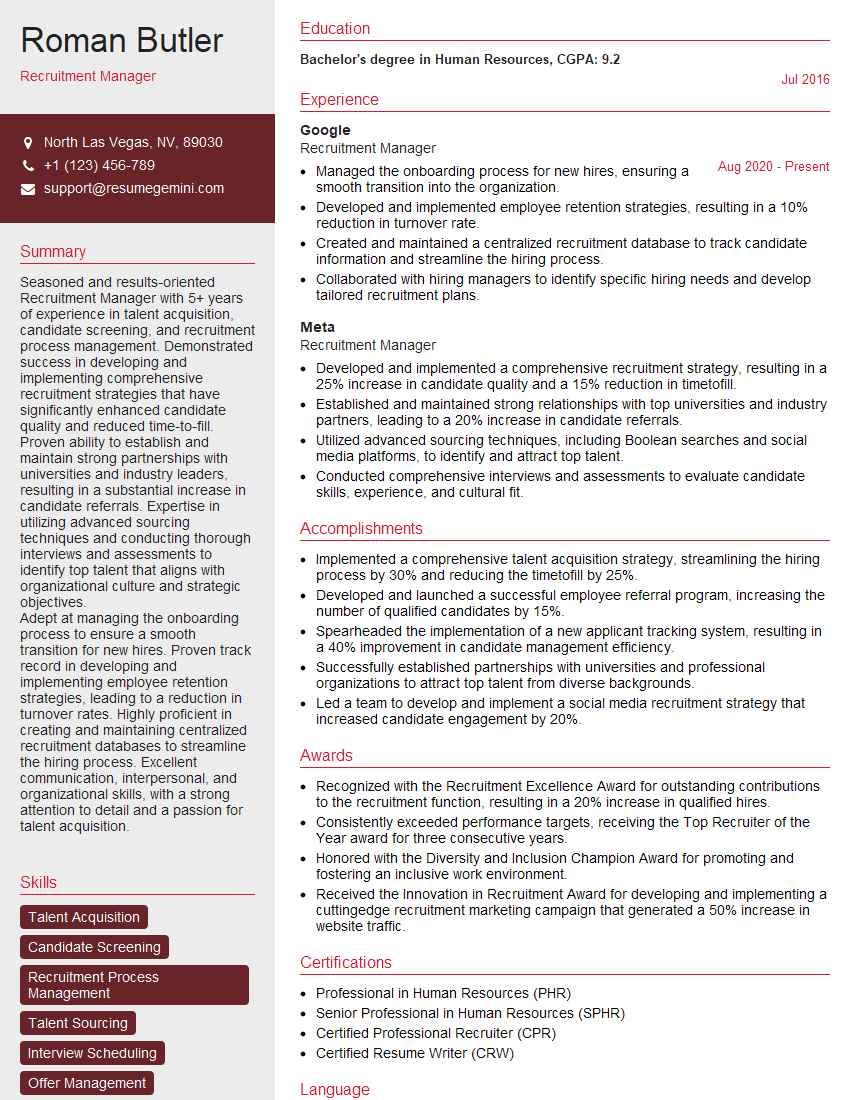
Recruitment Manager Resume Sample
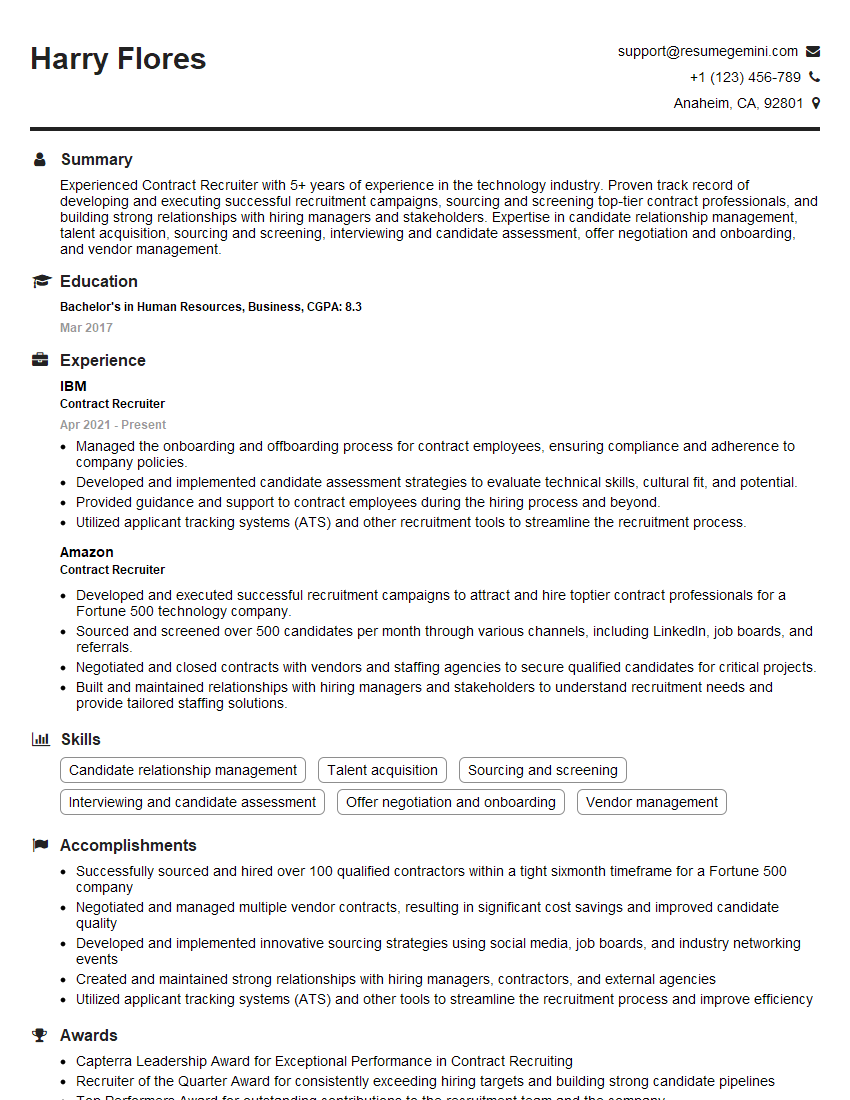
Contract Recruiter Resume Sample
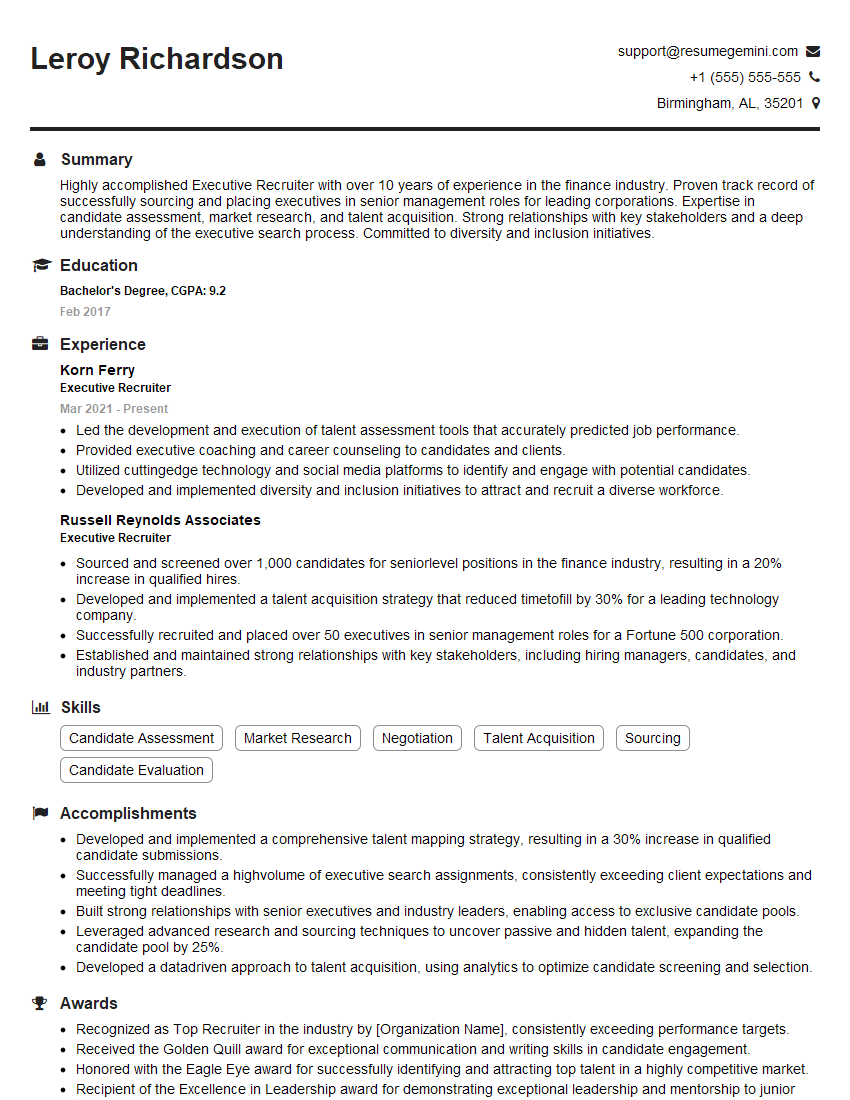
Executive Recruiter Resume Sample
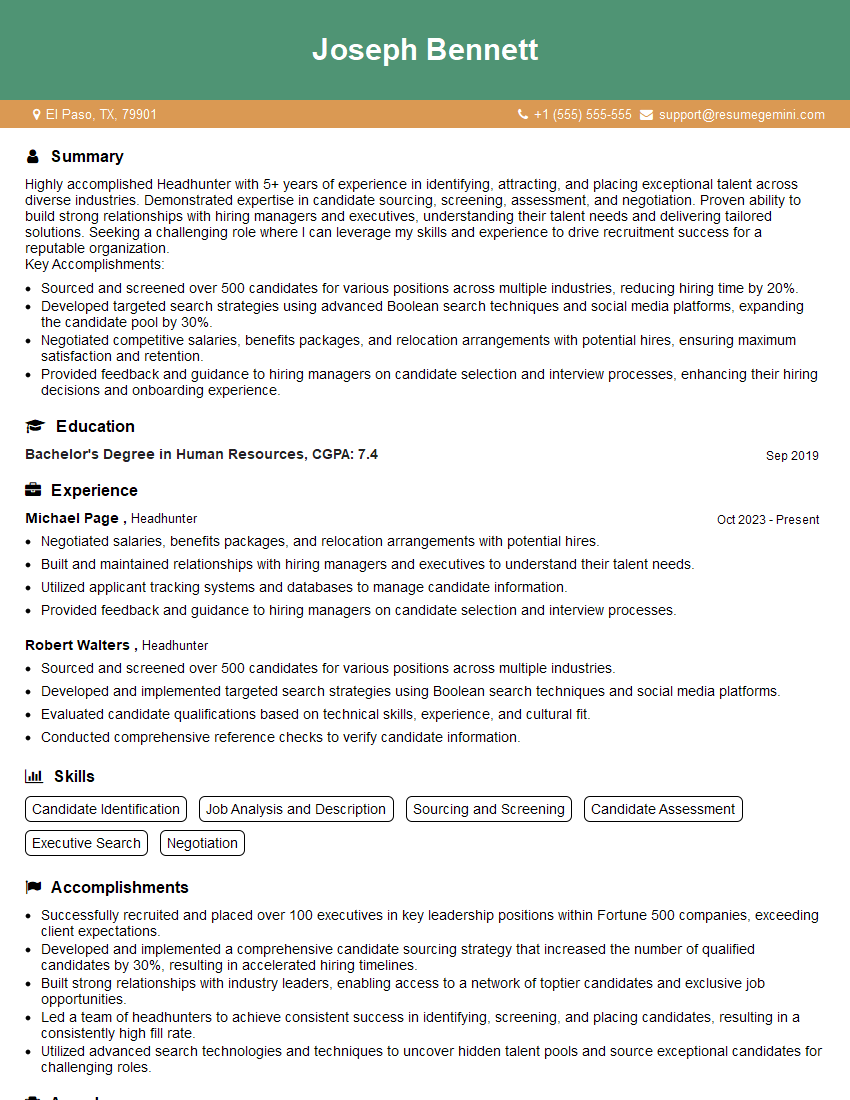
Headhunter Resume Sample
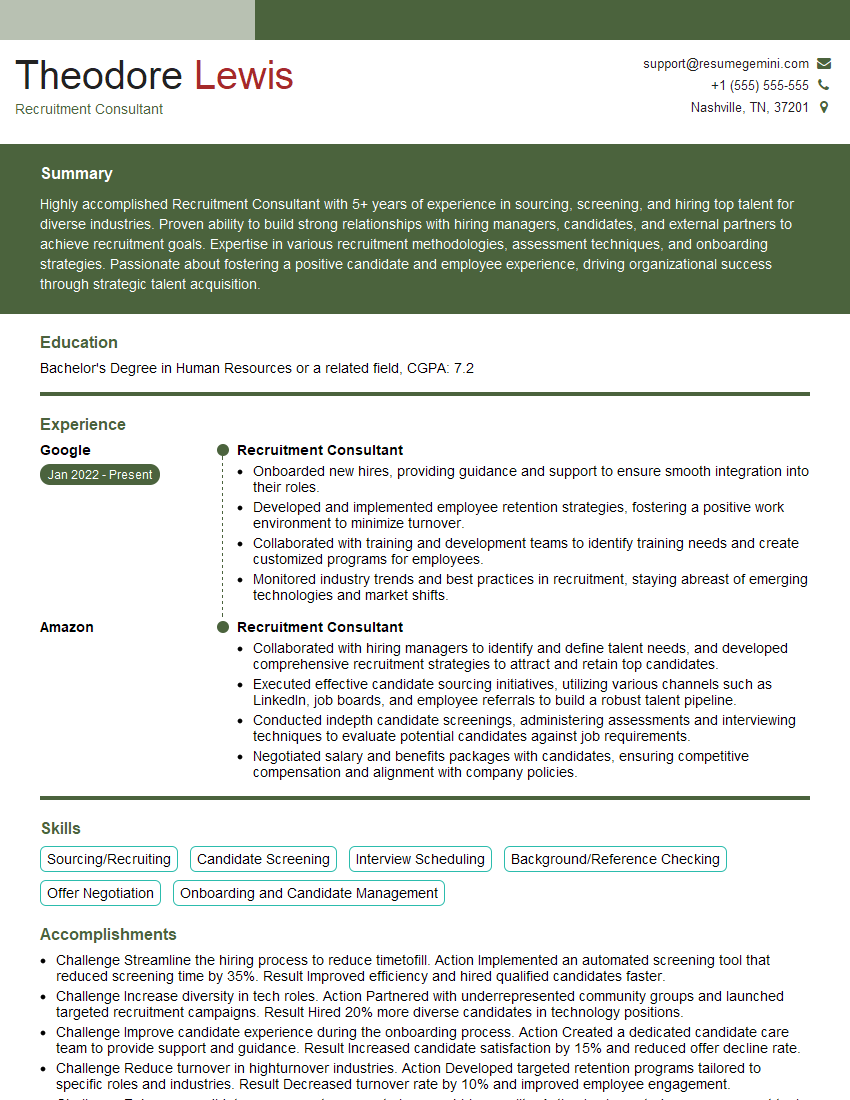
Recruitment Consultant Resume Sample
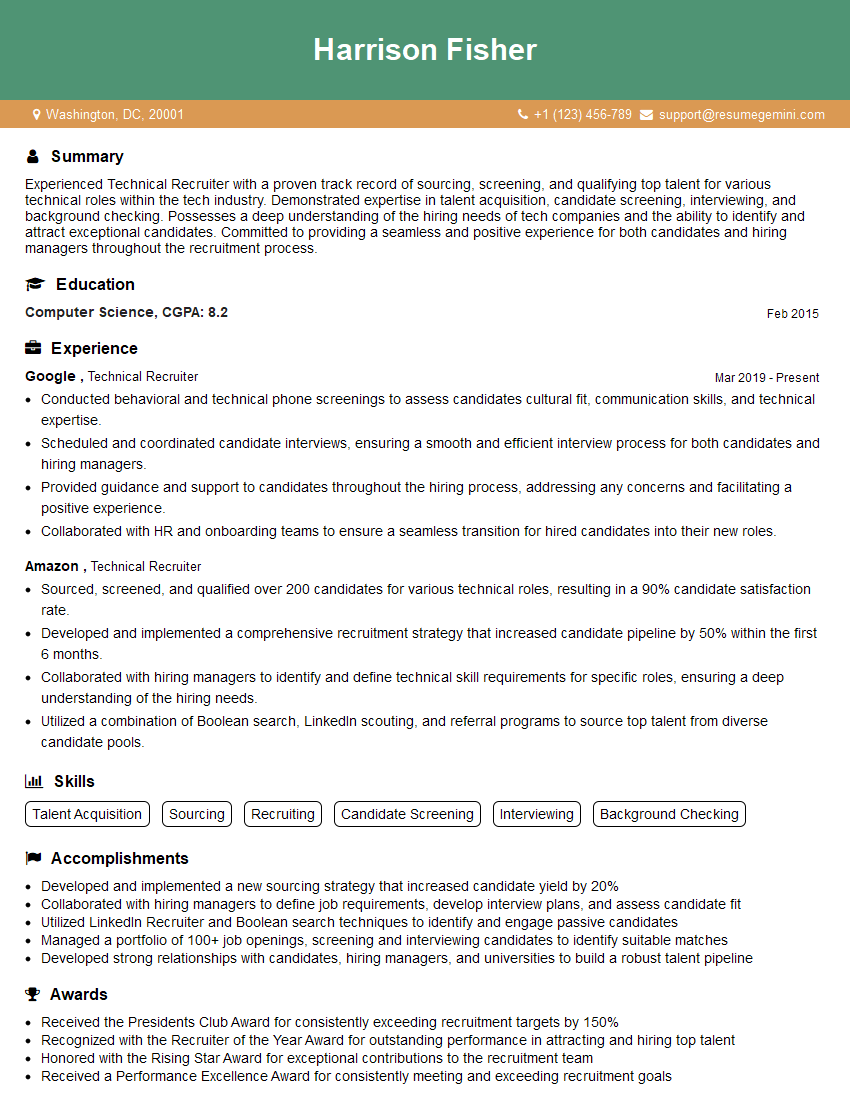
Technical Recruiter Resume Sample
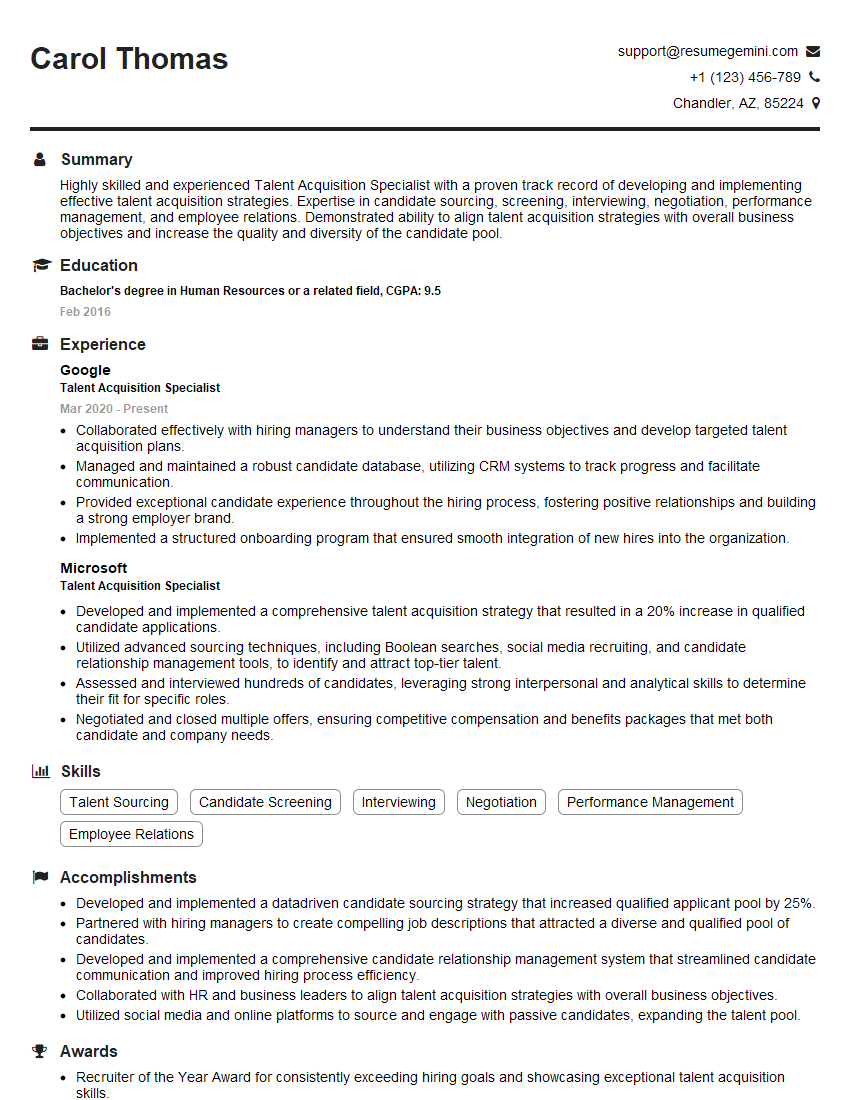
Talent Acquisition Specialist Resume Sample
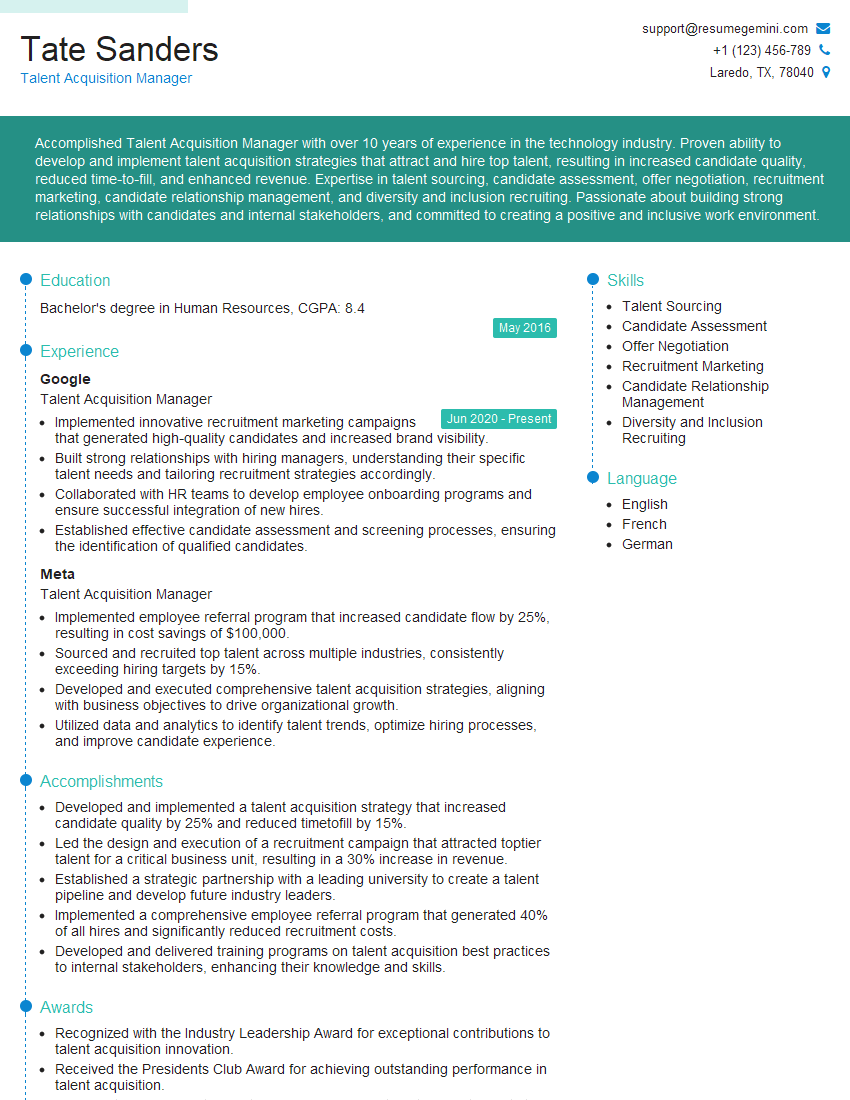
Talent Acquisition Manager Resume Sample
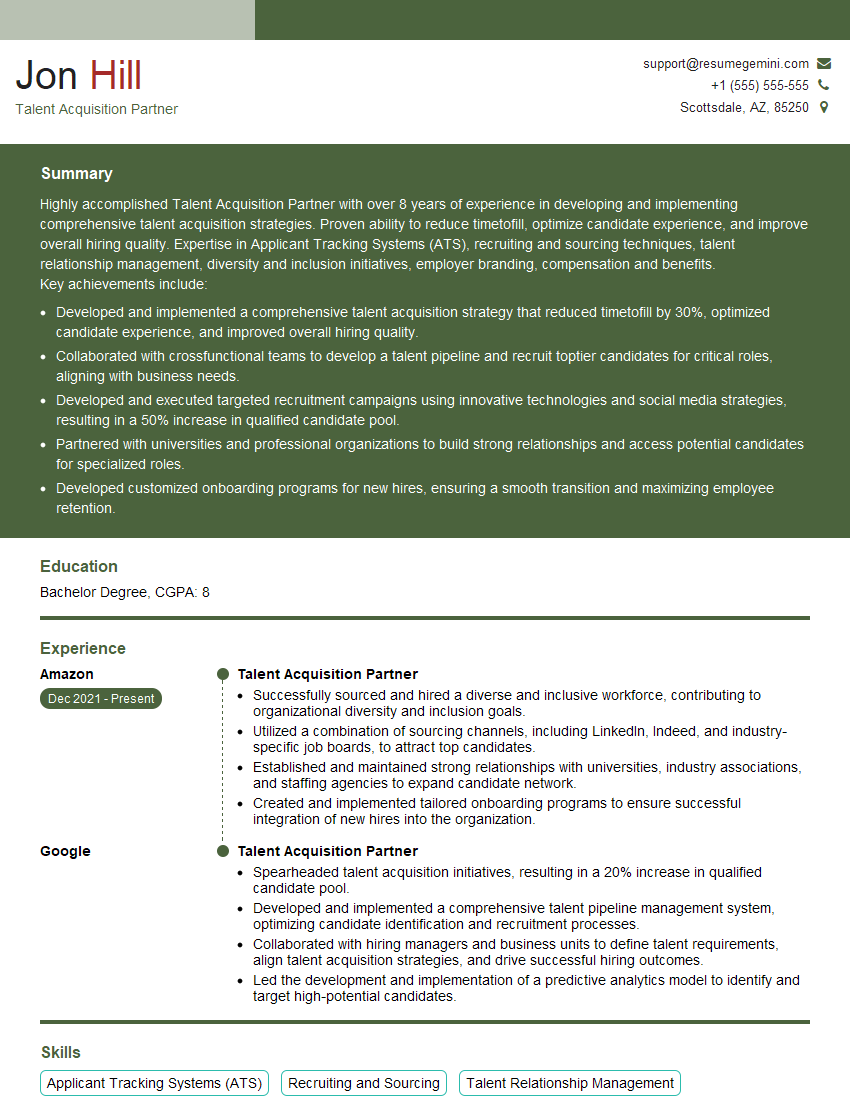
Talent Acquisition Partner Resume Sample
Explore more articles
Users Rating of Our Blogs
Share Your Experience
We value your feedback! Please rate our content and share your thoughts (optional).
What Readers Say About Our Blog
Very informative content, great job.
good