Cracking a skill-specific interview, like one for ICS/FEMA Command Structure, requires understanding the nuances of the role. In this blog, we present the questions you’re most likely to encounter, along with insights into how to answer them effectively. Let’s ensure you’re ready to make a strong impression.
Questions Asked in ICS/FEMA Command Structure Interview
Q 1. Describe the five functional areas within the ICS organizational structure.
The Incident Command System (ICS) utilizes five functional areas to organize and manage resources effectively during incidents. Think of them as the key departments within a large-scale emergency response operation. These areas work collaboratively to ensure a coordinated and efficient response.
- Command: This area is responsible for overall incident management and establishes the incident action plan. It includes the Incident Commander and their support staff.
- Operations: This section manages all tactical operations, directly overseeing firefighting, search and rescue, or other on-scene actions. They are the ‘boots on the ground’ coordinators.
- Planning: This crucial section prepares and monitors the incident action plan, collects information, and manages resources. They’re like the strategic thinkers, looking ahead and adapting to changing conditions.
- Logistics: This area handles procurement, maintenance, and supply of resources such as equipment, personnel, and food. They’re the supply chain managers, making sure everything runs smoothly on the logistical front.
- Finance/Administration: This function tracks costs, manages time reporting, and handles legal aspects and documentation. They ensure accountability and transparency in all aspects of the response.
For example, during a wildfire, Operations would manage the firefighting crews, Planning would track the fire’s spread and predict its behavior, Logistics would ensure enough water and equipment were available, and Finance/Administration would track the costs incurred.
Q 2. Explain the roles and responsibilities of the Incident Commander.
The Incident Commander (IC) is the leader in charge of all incident operations. Their authority is absolute within the incident area. The IC’s responsibilities are multifaceted and crucial for a successful response.
- Overall Command and Control: The IC is ultimately responsible for all aspects of the incident, from resource allocation to strategic decision-making.
- Establishing Objectives: They define the overall goals and strategy for the incident response.
- Resource Management: The IC determines what resources are needed and where to deploy them most effectively.
- Coordination and Communication: Effective communication between different agencies and personnel is critical; the IC ensures smooth information flow.
- Safety: The IC is accountable for the safety of all personnel involved in the incident response.
- Accountability: They are responsible for documenting actions, expenditures, and outcomes for post-incident review.
Imagine a hurricane hitting a coastal city. The IC would coordinate the evacuation, manage emergency shelters, and oversee search and rescue operations, all while prioritizing the safety of residents and responders.
Q 3. What are the key principles of the ICS?
ICS operates on several key principles that ensure effective incident management. These principles are fundamental to its success and promote consistency across different incidents and jurisdictions.
- Common Terminology: Standardized vocabulary ensures clear communication among responders from various agencies.
- Modular Organization: The system is flexible and adaptable to different incident sizes and complexities, allowing for scalability.
- Management by Objectives: Clear goals and objectives are established to guide the response and measure progress.
- Integrated Communications: Open and efficient communication channels prevent confusion and ensure timely information flow.
- Consolidated Planning: Planning processes are streamlined and collaborative to generate a unified approach.
- Flexible and Expandable: The structure can be easily adapted to various needs, from small incidents to large-scale disasters.
These principles work together to create a structured and efficient system capable of handling a wide range of emergencies. They enable seamless collaboration, even among agencies that may not typically work together.
Q 4. How does the ICS integrate with the National Incident Management System (NIMS)?
ICS is a core component of the National Incident Management System (NIMS). NIMS provides a comprehensive framework for managing all types of emergencies, and ICS is its operational backbone. Essentially, ICS is how NIMS is implemented on the ground.
NIMS establishes national standards and best practices for incident management, while ICS provides the organizational structure and processes to apply those standards. They are inherently linked, creating a cohesive and standardized approach to emergency response across the United States. This ensures interoperability between different agencies and jurisdictions.
For example, during a large-scale disaster, agencies from different states may respond, and NIMS, using the ICS structure, ensures they can effectively coordinate their efforts despite their diverse backgrounds and procedures.
Q 5. Describe the process of establishing an ICS organization at an incident scene.
Establishing an ICS organization at an incident scene is a systematic process that begins with the arrival of the first responders.
- Size-up: The first arriving unit assesses the situation, determining the nature and scope of the incident.
- Incident Commander Designation: A designated individual takes charge and initiates the ICS structure.
- Establishing Command Post: A suitable location is chosen for coordinating efforts and communication.
- Initial Resource Assessment: Available resources (personnel, equipment) are identified and assigned to initial tasks.
- Incident Action Plan (IAP) Development: The IC, with input from other sections, develops a plan to address the incident.
- Communication Plan: Clear communication protocols and channels are established for effective information flow.
- Resource Ordering: Additional resources (if needed) are requested through established channels.
- Ongoing Monitoring and Evaluation: The IC continuously monitors the effectiveness of the plan and makes adjustments as needed.
This process is iterative and adapts to the evolving situation. A small brush fire may only need a simple ICS structure, while a major earthquake necessitates a much larger and more complex organization.
Q 6. What are the different command levels within ICS and when would you utilize each?
ICS command levels are designed to handle incidents of varying complexity. The level selected depends on the size and scope of the event.
- Single Resource: A single resource (e.g., one fire engine) operates independently under its own supervisor. This is appropriate for minor incidents.
- Branch: A Branch is used for geographically separate or functionally distinct operations within a larger incident. For instance, in a wildfire, one branch may focus on containment, another on evacuations.
- Division: Divisions are used to subdivide geographical areas within an incident, such as sectors of a large-scale search and rescue operation.
- Group: Groups are for functional resources that work together such as a hazardous materials team, or technical rescue group.
- Unified Command: This involves multiple agencies sharing command authority, which is necessary when the incident involves multiple jurisdictions or disciplines.
The decision to escalate from a single resource to a more complex structure depends entirely on the needs of the incident. A small house fire might only require a single resource, while a major disaster requires a fully established ICS structure with multiple branches and divisions.
Q 7. Explain the concept of Unified Command and its benefits.
Unified Command (UC) is a collaborative approach where representatives from different agencies share command authority and work together to make decisions. It’s vital when multiple jurisdictions or agencies have overlapping responsibilities in an incident response.
Benefits of Unified Command:
- Improved Coordination: Unified Command eliminates conflicting instructions and ensures a coordinated response.
- Enhanced Communication: Open lines of communication prevent misunderstandings and duplication of effort.
- Shared Resources: Resources are allocated efficiently, optimizing use and avoiding competition.
- Shared Accountability: Clear lines of responsibility ensure accountability among participating agencies.
- Improved Public Perception: Unified Command fosters a sense of collaboration and strengthens public trust.
For instance, during a major flood, the Unified Command might include representatives from the local fire department, police department, state emergency management agency, and the National Guard. Each agency brings unique expertise and resources to the table, working under a shared command structure for a more effective response.
Q 8. How does the ICS address resource management?
ICS addresses resource management through a structured, systematic approach ensuring the right resources are in the right place at the right time. This involves several key components:
- Resource Tracking: A comprehensive system tracks all resources – personnel, equipment, supplies – using standardized forms and databases. This allows for real-time visibility of resource availability and deployment.
- Resource Ordering & Acquisition: A clear process ensures requests for additional resources are submitted through proper channels, tracked, and fulfilled efficiently. This might involve requesting additional firefighters from neighboring jurisdictions or ordering more medical supplies.
- Resource Deployment: Resources are strategically assigned based on need and capability. This requires understanding resource capabilities (e.g., a specific type of bulldozer for debris removal) and the current needs on the ground.
- Resource Staging: Resources are often staged at designated locations before deployment to ensure they are readily available when needed and to prevent congestion at the incident scene. This could be a staging area for ambulances or a location for storing backup generators.
- Demobilization: Once the incident is over, a systematic process ensures resources are accounted for, released, and returned to their originating agencies. This includes proper documentation and the return of equipment.
Imagine a large wildfire: ICS would track the number of firefighters, water tankers, bulldozers, and communication equipment available. Resource ordering would involve requesting more air tankers if the fire spreads rapidly. Deployment would involve strategically positioning resources to create firebreaks or protect homes.
Q 9. Describe the process of transferring command within ICS.
Transferring command in ICS is a formal process ensuring continuity and accountability. It typically involves:
- Notification: The outgoing Incident Commander (IC) notifies the incoming IC and relevant personnel.
- Briefing: A thorough briefing takes place, covering the current situation, strategic objectives, resource status, and any outstanding issues.
- Documentation: The transfer is formally documented, often with a signed transfer-of-command document.
- Acceptance: The incoming IC formally accepts command and responsibility.
For instance, if an incident commander becomes incapacitated, a pre-designated individual, perhaps the operations section chief, will assume command following this structured process. This ensures a smooth transition, maintaining operational efficiency and preventing chaos.
Q 10. What are the common communication methods used within ICS?
ICS utilizes a variety of communication methods to ensure clear, efficient information flow. The choice depends on the context, scale, and technology availability:
- Radios: Portable and mobile radios are crucial for immediate, real-time communication within the incident area.
- Phones: Cellular phones and landlines provide communication with external agencies and individuals.
- Satellite Phones: Used in areas with limited or no cellular service.
- Computer Systems: Shared databases and digital mapping systems allow for real-time updates on resource location, incident progress, and other relevant information.
- Email and Text Messaging: Used for less time-critical communication and coordination.
- Common Operating Picture (COP): Shared digital maps and situation reports enable everyone to visualize the incident and understand current objectives.
During a hurricane response, for example, radios would be used for rapid communication between field crews, while satellites might be necessary for remote areas, and a COP would be vital for coordinating rescue efforts across multiple agencies.
Q 11. How does ICS handle safety concerns on an incident scene?
Safety is paramount in ICS. It’s addressed through proactive measures and ongoing risk assessments:
- Safety Officer: A dedicated Safety Officer is assigned to monitor and enforce safety protocols throughout the operation.
- Hazard Identification & Risk Assessment: Ongoing assessments identify potential hazards (e.g., downed power lines, structural instability) and mitigation strategies.
- Personal Protective Equipment (PPE): Appropriate PPE is provided and used by personnel based on identified hazards.
- Safety Briefings: Regular briefings emphasize safe work practices and hazard awareness.
- Emergency Response Plans: Clear procedures are in place for handling accidents and emergencies.
- Incident Action Plan (IAP): The IAP specifically addresses safety concerns, including emergency evacuation plans and procedures.
Imagine a building collapse: The Safety Officer would ensure structural engineers assess the scene for further collapses, and firefighters would use appropriate PPE to prevent injuries during rescue operations. The IAP would outline evacuation routes and emergency communication procedures.
Q 12. What are the critical components of an effective ICS briefing?
Effective ICS briefings are crucial for coordinating actions and maintaining situational awareness. They should include:
- Situation Overview: A concise summary of the incident, including location, time, and nature of the event.
- Objectives: Clearly stated goals and tasks to be accomplished.
- Assignments: Specific tasks assigned to individual units or personnel.
- Resource Status: Overview of available and deployed resources.
- Communication Plan: Information on communication frequencies, contact information, and reporting procedures.
- Safety Concerns: Highlighting potential hazards and safety precautions.
A briefing for a wildfire might include the fire’s size, rate of spread, and current threats, assigned tasks for firefighting crews, the location of water sources and equipment, communication channels, and safety concerns related to extreme heat and terrain.
Q 13. Explain the importance of a clear span of control in ICS.
A clear span of control in ICS ensures effective supervision and accountability. It typically means a supervisor directly manages a limited number of subordinates (usually 3-7) to avoid overextension and enhance efficiency. This is often represented as a hierarchical organizational chart. A wider span of control leads to poor communication, confusion, and reduced effectiveness.
Think of it like a tree: the branches (teams) all report back to a single trunk (supervisor). If the trunk is trying to manage too many branches, it becomes overwhelmed, leading to weakness in the overall structure. A clear span of control ensures effective communication and coordination among personnel.
Q 14. How does ICS ensure accountability for personnel and resources?
ICS ensures accountability through several mechanisms:
- Chain of Command: A clear hierarchical structure establishes lines of authority and responsibility.
- Incident Action Plan (IAP): This document assigns responsibilities and tracks progress toward objectives.
- Resource Tracking Systems: Accurate tracking ensures that all resources are accounted for and properly utilized.
- Personnel Check-In/Check-Out: Procedures ensure that the location and status of all personnel are known.
- After-Action Reports (AARs): These reports evaluate performance, identify areas for improvement, and document accountability.
In a major disaster, these accountability measures ensure that no one is lost or unaccounted for, and that resources are used effectively and efficiently. For example, detailed records of resource usage and personnel assignments would allow for later auditing and review of effectiveness.
Q 15. What are the key elements of an Incident Action Plan (IAP)?
The Incident Action Plan (IAP) is the roadmap for managing an incident. Think of it as a dynamic, evolving playbook that guides all response efforts. Key elements include:
- Incident Objectives: Clearly defined goals for the incident response, such as containment, stabilization, or recovery.
- Strategies: High-level approaches to achieving the objectives. For example, a strategy might involve establishing a perimeter around a hazardous materials spill.
- Tactical Actions: Specific actions taken by individual teams or resources to support the strategies. This might include deploying specialized equipment or evacuating residents.
- Resource Assignments: Allocation of personnel, equipment, and other resources to specific tasks and locations. This section meticulously details who is doing what and where.
- Communication Plan: Outlines how information will be gathered, disseminated, and managed throughout the incident. Clear communication is paramount.
- Safety Plan: Prioritizes the safety of responders and the public. This includes protocols for personal protective equipment (PPE), hazard mitigation, and emergency response procedures.
- Medical Plan (if applicable): Outlines procedures for handling injuries and illnesses related to the incident.
For instance, in a wildfire, the objectives might be to contain the fire’s spread, protect structures, and ensure public safety. Strategies would focus on firebreaks and water drops, while tactical actions would include deploying firefighters to specific locations and using aerial support.
Career Expert Tips:
- Ace those interviews! Prepare effectively by reviewing the Top 50 Most Common Interview Questions on ResumeGemini.
- Navigate your job search with confidence! Explore a wide range of Career Tips on ResumeGemini. Learn about common challenges and recommendations to overcome them.
- Craft the perfect resume! Master the Art of Resume Writing with ResumeGemini’s guide. Showcase your unique qualifications and achievements effectively.
- Don’t miss out on holiday savings! Build your dream resume with ResumeGemini’s ATS optimized templates.
Q 16. How does ICS utilize technology to enhance effectiveness?
Technology significantly enhances ICS effectiveness. Improved communication, data collection, and resource management are key benefits.
- Communication Systems: Mobile data terminals (MDTs), radios, and satellite phones enable real-time communication between incident commanders and field teams, significantly improving coordination.
- Geographic Information Systems (GIS): GIS software allows for mapping of incidents, resource deployment, and real-time updates, providing a clear visual representation of the situation.
- Data Management Systems: Software solutions facilitate the efficient tracking of resources, personnel, and incident progress, helping maintain accountability and optimize deployment.
- Predictive Modeling: Using historical data and weather forecasts, predictive models can help anticipate future needs and plan ahead, enabling proactive responses.
- Drones and Unmanned Aerial Vehicles (UAVs): Offer aerial views and situational awareness in challenging terrain or hazardous areas.
For example, during a hurricane, GIS mapping can show evacuation zones, resource locations, and areas of potential flooding. Predictive modeling can help forecast the path and intensity of the storm, enabling proactive evacuation plans.
Q 17. Describe the role of the Planning Section Chief in developing an IAP.
The Planning Section Chief is the brains behind the IAP. They are responsible for collecting, analyzing, and disseminating information needed to develop and maintain the plan. Their role is crucial for effective incident management.
- Information Gathering: The Planning Section Chief gathers data from various sources, including field reports, intelligence agencies, and other relevant stakeholders.
- Plan Development: They translate this information into actionable plans, including strategies, tactics, and resource assignments.
- Resource Tracking: They ensure adequate resources are available and effectively deployed.
- Documentation: They maintain accurate records of the incident’s progress, including changes to the IAP.
- Situation Analysis: They constantly monitor the situation and adapt the IAP as needed, ensuring its relevance and effectiveness throughout the response.
Imagine a large-scale industrial accident. The Planning Section Chief would coordinate with various specialists (environmental, medical, etc.) to assess the situation, determine immediate priorities, and create a plan that ensures timely mitigation and safety.
Q 18. Explain the importance of establishing clear objectives in an incident response.
Clear objectives are the foundation of successful incident response. They provide a common goal and guide all actions. Without clear objectives, efforts can become disjointed and ineffective.
- Focus and Coordination: Well-defined objectives focus everyone’s efforts, promoting coordination and preventing duplication of work.
- Resource Allocation: Clear objectives allow for efficient allocation of resources—personnel, equipment, and funding—to the most critical areas.
- Measurement of Success: Objectives provide a framework for measuring the success of response efforts. If the objectives are met, the response is considered successful.
- Accountability: Clearly defined objectives enhance accountability by specifying who is responsible for achieving each goal.
For example, in a terrorist attack, a clear objective might be to secure the scene, rescue survivors, and apprehend the perpetrators. Without this clarity, efforts might be scattered, leading to missed opportunities and a less effective response.
Q 19. How does ICS incorporate lessons learned from previous incidents?
ICS incorporates lessons learned through after-action reviews (AARs) and post-incident analyses. This continuous improvement cycle ensures future responses are more effective and efficient.
- After-Action Reviews (AARs): Formal reviews are conducted after every incident to identify what worked well, what could be improved, and how to prevent similar issues in the future. These are crucial for identifying weaknesses in training, equipment, or procedures.
- Data Analysis: Detailed analysis of incident data, including response times, resource utilization, and communication effectiveness, helps pinpoint areas for improvement. Data-driven insights are key to improving future responses.
- Training and Development: Lessons learned are incorporated into training programs to improve responder skills and preparedness. Regular training keeps everyone up to date on best practices and latest procedures.
- Policy and Procedure Updates: New policies and procedures are developed and implemented based on the findings of AARs and data analysis, ensuring continuous improvement in the ICS system.
For instance, after a major earthquake, analysis might reveal weaknesses in communication systems or emergency shelters. The findings would then be used to upgrade infrastructure, improve training, and refine emergency plans for subsequent earthquakes.
Q 20. What are some common challenges encountered during ICS implementation?
Implementing ICS can present several challenges:
- Interoperability Issues: Different agencies may use different communication systems and protocols, hindering effective collaboration. Standardization is key.
- Resource Constraints: Limited personnel, equipment, or funding can affect the response capacity, requiring careful prioritization and resource allocation.
- Communication Breakdown: Ineffective communication can lead to confusion, delays, and safety risks. Clear communication protocols are essential.
- Lack of Training: Inadequate training among personnel can hinder effective implementation. Regular and comprehensive training is crucial.
- Jurisdictional Issues: Overlap in responsibilities between different agencies or jurisdictions can create conflicts. Clear delineation of responsibilities and cooperation are needed.
- Information Overload: The sheer volume of information during a large-scale incident can be overwhelming. Effective information management systems are necessary.
For example, during a major flood, differing radio frequencies between local, state, and federal agencies could cause delays in coordinating rescue efforts. Proper training on unified communication systems is necessary to mitigate this.
Q 21. Describe how you would manage conflicting priorities within the ICS structure.
Managing conflicting priorities within ICS requires a structured approach:
- Prioritization Matrix: Develop a matrix to rank priorities based on factors like urgency, impact, and feasibility. Consider using tools like a decision matrix or a weighted scoring system.
- Incident Commander Authority: The Incident Commander (IC) has ultimate authority for making decisions. The IC makes the final call, balancing competing priorities and ensuring overall incident objectives are met.
- Open Communication: Facilitate open and honest communication among stakeholders to identify and address conflicting priorities collaboratively. Transparency is critical in such situations.
- Negotiation and Mediation: Utilize negotiation and mediation techniques to find common ground and reach consensus where possible. Compromise might be necessary to resolve conflict efficiently.
- Documentation: Keep detailed records of all decisions and justifications to ensure transparency and accountability. A clear audit trail is essential.
For example, during a hazardous materials spill, conflicting priorities might arise between immediate evacuation and the need to contain the spill. The IC, after considering all factors, might prioritize evacuation of the most vulnerable populations first, while simultaneously deploying resources to contain the spill.
Q 22. Explain the process of demobilizing an ICS organization after an incident.
Demobilizing an ICS organization is a structured process that ensures a smooth transition back to normal operations after an incident. It’s not simply a matter of everyone going home; it involves a systematic winding down of resources and personnel, ensuring accountability and lessons learned are captured. Think of it like carefully dismantling a complex machine – each part needs to be addressed in a specific order.
- Stand-Down Meetings: Regular briefings with all personnel and agencies involved to coordinate the demobilization plan. This might include setting deadlines for equipment return, personnel release, and facility closures.
- Resource Release: This involves systematically releasing equipment, personnel, and supplies. It’s crucial to track everything to ensure no assets are lost or left behind. For example, a detailed inventory check of all vehicles, communications gear, and supplies is essential.
- Administrative Closure: This includes completing all necessary paperwork, submitting reports (after-action reports are critical), processing reimbursement requests, and ensuring all personnel receive appropriate compensation and leave.
- Post-Incident Analysis: A critical step, this involves reviewing the incident response, identifying areas for improvement, and documenting lessons learned. This might involve formal after-action reports and debriefings, utilizing tools like the FEMA After-Action Report Template.
- Communications: Maintain open communication channels throughout the process, informing all stakeholders – both internal and external – about the demobilization phases. This avoids confusion and ensures a coordinated withdrawal.
For instance, imagine a large-scale wildfire. Demobilization would start with releasing firefighters from their assignments, followed by the return of equipment to fire stations. Then, administrative tasks like processing payroll and compiling incident reports take place. Finally, a post-incident review would analyze the response effectiveness and improve future preparedness.
Q 23. How does the Logistics Section support the overall incident response?
The Logistics Section is the backbone of any successful incident response. It’s responsible for providing all the resources needed to support the operations, planning, and other sections of the ICS. Think of them as the supply chain and logistics experts for a massive, time-sensitive project.
- Resource Acquisition: The Logistics Section procures and manages all resources needed, from equipment (like generators, communication systems, and vehicles) to supplies (food, water, medical equipment).
- Resource Tracking: They maintain a detailed inventory of all resources, tracking their location, availability, and status. This ensures efficient allocation and minimizes waste.
- Resource Transportation: Logistics personnel plan and execute the transportation of resources to where they are needed, coordinating with transportation providers and ensuring timely delivery.
- Support Services: They provide critical support services such as ground support, communications support, and facilities management.
- Waste Management: The Logistics Section also handles waste management from the incident scene to ensure environmental safety and compliance.
For example, during a hurricane, the Logistics Section would be responsible for procuring and distributing emergency supplies like food, water, and medical kits; for managing the deployment of generators to power critical infrastructure; and coordinating the transportation of personnel to affected areas.
Q 24. How does the Finance/Administration Section handle incident expenses?
The Finance/Administration Section manages all the financial aspects of an incident. This includes tracking expenses, processing reimbursements, and ensuring compliance with financial regulations. It’s essentially the accounting department for the incident response.
- Budget Management: The section develops and manages the incident budget, tracking all expenditures and ensuring funds are used efficiently and effectively. This often involves securing funding from various sources.
- Procurement: They handle the purchasing of goods and services needed during the incident response, ensuring compliance with procurement rules and regulations.
- Timekeeping and Payroll: They track personnel time and ensure accurate and timely payroll processing for all involved personnel.
- Cost Reimbursement: The section processes reimbursement claims from participating agencies and individuals. They verify expenses and ensure they align with established guidelines and policies.
- Financial Reporting: They provide regular financial reports on incident expenses, budget status, and other relevant financial information. This helps monitor the financial health of the incident response and aids in resource allocation.
Imagine a large-scale earthquake. The Finance/Administration Section would be responsible for tracking all expenses related to search and rescue, medical aid, temporary housing, and debris removal. They’d also ensure that all participating agencies and individuals are properly reimbursed for their expenses.
Q 25. What are the key performance indicators used to evaluate the effectiveness of an ICS organization?
Evaluating the effectiveness of an ICS organization requires a multi-faceted approach using key performance indicators (KPIs). These KPIs should reflect various aspects of the response, from efficiency and resource management to effectiveness and community impact.
- Timeliness of Response: How quickly did the ICS organization mobilize and deploy resources?
- Resource Utilization: Were resources efficiently allocated and utilized? Were there any significant shortages or surpluses?
- Incident Containment: How effectively was the incident contained and mitigated?
- Lives Saved/Injuries Prevented: This is a critical KPI, measuring the direct impact of the ICS response on human lives.
- Property Damage Minimized: Did the response minimize property damage and economic losses?
- Community Satisfaction: Did the community perceive the ICS response as effective and helpful? Feedback mechanisms, like surveys, are essential here.
- Compliance with Regulations: Did the ICS organization adhere to all applicable rules, regulations, and legal requirements?
For example, in a flood response, a successful ICS would demonstrate rapid response times, efficient resource allocation (e.g., minimizing delays in delivering sandbags), effective flood mitigation measures leading to lower property damage and fewer injuries, and high community satisfaction with communication and support received.
Q 26. Explain the role of the Public Information Officer in managing communications during an incident.
The Public Information Officer (PIO) plays a vital role in managing communications during an incident. They are the primary point of contact for the media and the public, ensuring accurate and timely information dissemination. Think of them as the incident’s spokesperson.
- Media Relations: The PIO manages communication with the media, providing regular updates on the incident and answering their questions.
- Public Information Dissemination: They use various channels (press releases, social media, websites, public service announcements) to keep the public informed about the situation, safety precautions, and recommended actions.
- Rumor Control: They actively work to counter misinformation and rumors that can spread during crises, maintaining trust and confidence.
- Community Engagement: They engage with the community to address their concerns and provide support.
- Coordination with Other Agencies: They collaborate with other agencies involved in the incident to maintain consistent messaging and ensure information accuracy.
For instance, during a hazardous materials spill, the PIO would coordinate media briefings, inform the public about evacuation procedures and health risks via various media channels, and directly address public concerns and alleviate anxieties by providing accurate and regular updates.
Q 27. Describe how you would manage a complex incident involving multiple agencies and jurisdictions.
Managing a complex incident involving multiple agencies and jurisdictions requires a robust understanding of ICS principles, strong leadership, and excellent communication skills. The key is establishing a Unified Command structure.
- Establish Unified Command: This is critical; it brings together representatives from all involved agencies and jurisdictions under a single operational structure. Each agency retains authority over its own personnel and resources, but decisions are made collaboratively.
- Develop a Common Operating Picture: This shared understanding of the incident, its impact, and the response efforts is crucial for effective coordination. Regular briefings, shared maps, and data systems are vital tools.
- Clearly Defined Roles and Responsibilities: Ensure that all agencies understand their roles and responsibilities within the Unified Command. A detailed plan outlining who is responsible for what task will prevent duplication of effort and confusion.
- Establish Communication Protocols: Set up clear and efficient communication channels among all agencies to ensure rapid information exchange and coordination.
- Regular Meetings and Briefings: Hold regular meetings to coordinate activities, share information, and resolve conflicts. This ensures everyone is aligned on the overall strategy.
- Incident Action Plan: Develop a comprehensive incident action plan collaboratively, outlining objectives, strategies, and assigned responsibilities. This serves as the roadmap for the response.
For example, a large-scale power outage affecting multiple counties would necessitate a Unified Command, bringing together utility companies, emergency services, and local governments. The unified structure would coordinate restoration efforts, public information dissemination, and resource allocation across jurisdictions.
Q 28. How do you ensure effective coordination and collaboration within a unified command structure?
Effective coordination and collaboration in a unified command structure hinges on several key elements: Open communication, clearly defined roles, shared situational awareness, and mutual trust and respect. It’s about teamwork at its highest level.
- Unified Command Structure: Establishing a Unified Command is paramount, ensuring that all agencies work together under a single operational structure, not as independent entities.
- Open and Transparent Communication: Regular briefings, shared information systems, and readily accessible communication channels are essential for maintaining situational awareness and avoiding misunderstandings.
- Clearly Defined Roles and Responsibilities: Each agency must understand its role and responsibilities, preventing overlap and confusion. This involves clear delegation of authority and accountability.
- Mutual Respect and Trust: Collaboration is impossible without trust. Agencies must value each other’s expertise and work collaboratively to achieve shared goals. This involves recognizing diverse perspectives and conflict resolution mechanisms.
- Regular Meetings and Debriefings: Regular meetings facilitate information sharing, coordination, and problem-solving. Debriefings after the incident help in identifying areas for improvement in future collaborative efforts.
For instance, a wildfire impacting a national park and surrounding communities would require a unified command involving park rangers, local fire departments, and state emergency management agencies. Successful coordination would mean seamless sharing of resources (e.g., fire engines, personnel), effective communication between agencies, and coordinated strategies for evacuations and fire suppression.
Key Topics to Learn for ICS/FEMA Command Structure Interview
- Incident Command System (ICS): Understanding the fundamental principles of ICS, including its modular organization, common terminology, and the roles and responsibilities within the command structure.
- Unified Command: Learn how multiple agencies coordinate effectively under a unified command structure, sharing resources and responsibilities during complex incidents.
- Command Staff: Master the roles of the Public Information Officer (PIO), Safety Officer, Liaison Officer, and others, and how they contribute to overall incident management.
- General Staff: Familiarize yourself with the roles and responsibilities of the Operations Section Chief, Planning Section Chief, Logistics Section Chief, and Finance/Administration Section Chief, and how they support the incident commander.
- Branch Structure: Understand how branches are established to manage larger, more complex incidents, and how they report to the Operations Section.
- ICS Forms and Documentation: Become comfortable with common ICS forms and the importance of accurate and timely documentation throughout the incident lifecycle.
- Resource Management: Learn how resources (personnel, equipment, supplies) are requested, tracked, and deployed efficiently during an incident.
- Communication and Coordination: Understand the critical role of clear and effective communication within the ICS structure and with external stakeholders.
- Incident Action Planning (IAP): Familiarize yourself with the development and implementation of IAPs, a crucial element of incident management.
- Practical Application: Consider how these concepts would apply to real-world scenarios, such as a wildfire, hurricane, or other large-scale emergency.
- Problem-Solving: Practice applying your knowledge to solve hypothetical problems that might arise within the ICS structure, such as resource allocation challenges or communication breakdowns.
Next Steps
Mastering the ICS/FEMA Command Structure is crucial for career advancement in emergency management and related fields. It demonstrates a commitment to professional development and preparedness, opening doors to leadership opportunities and higher-level positions. To maximize your job prospects, it’s vital to create a resume that effectively showcases your skills and experience to Applicant Tracking Systems (ATS). ResumeGemini is a trusted resource that can help you build a professional, ATS-friendly resume that highlights your expertise in ICS/FEMA Command Structure. Examples of resumes tailored to this field are available to help guide you.
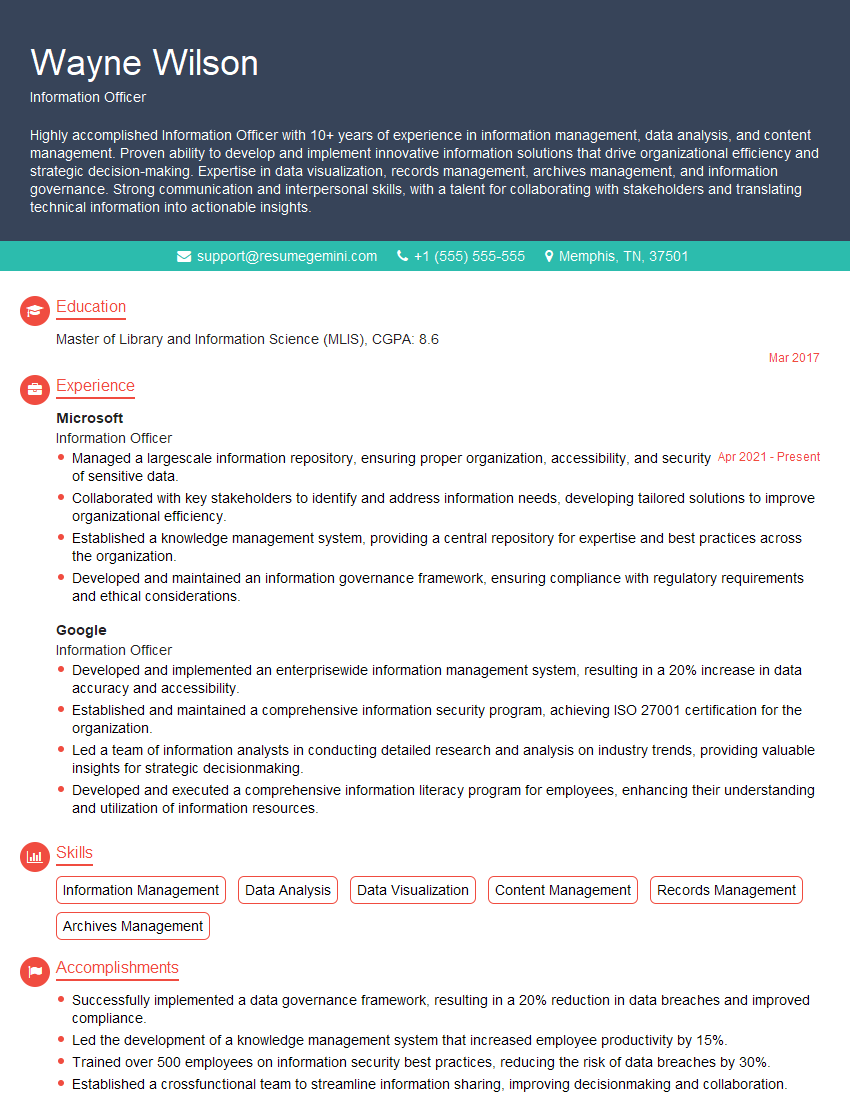
Information Officer Resume Sample
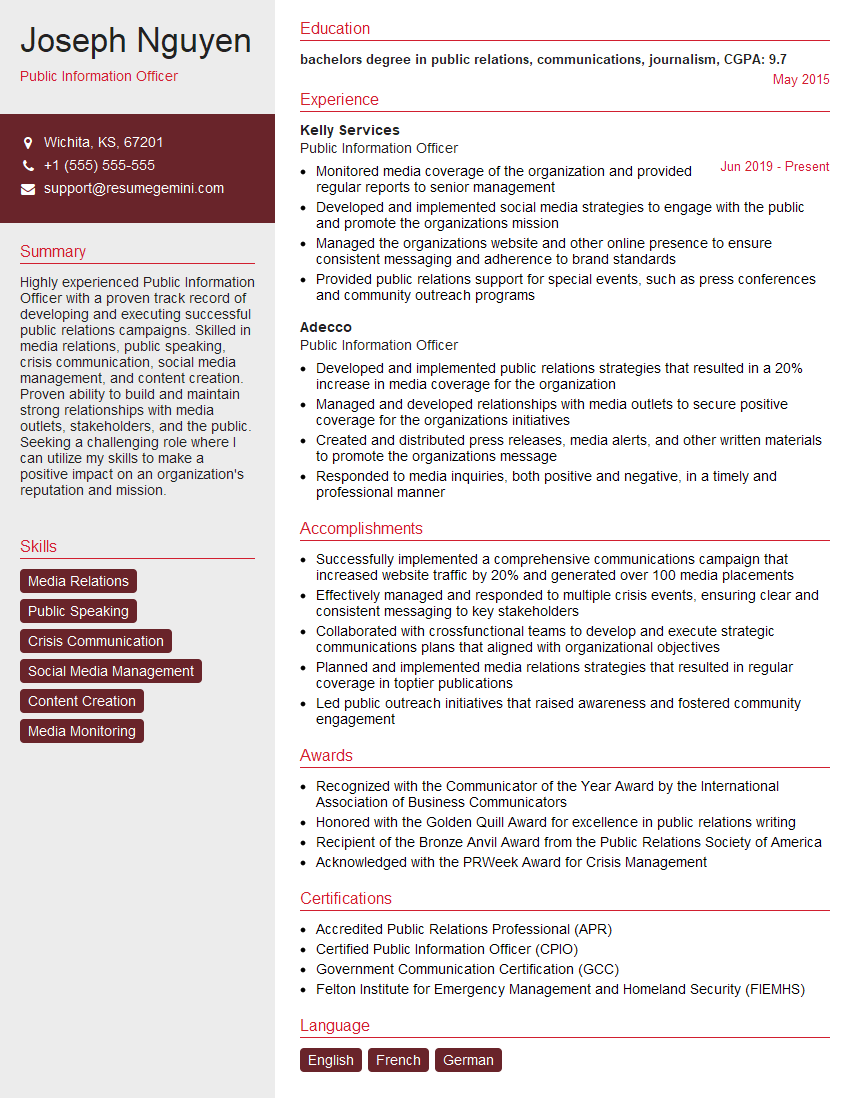
Public Information Officer Resume Sample
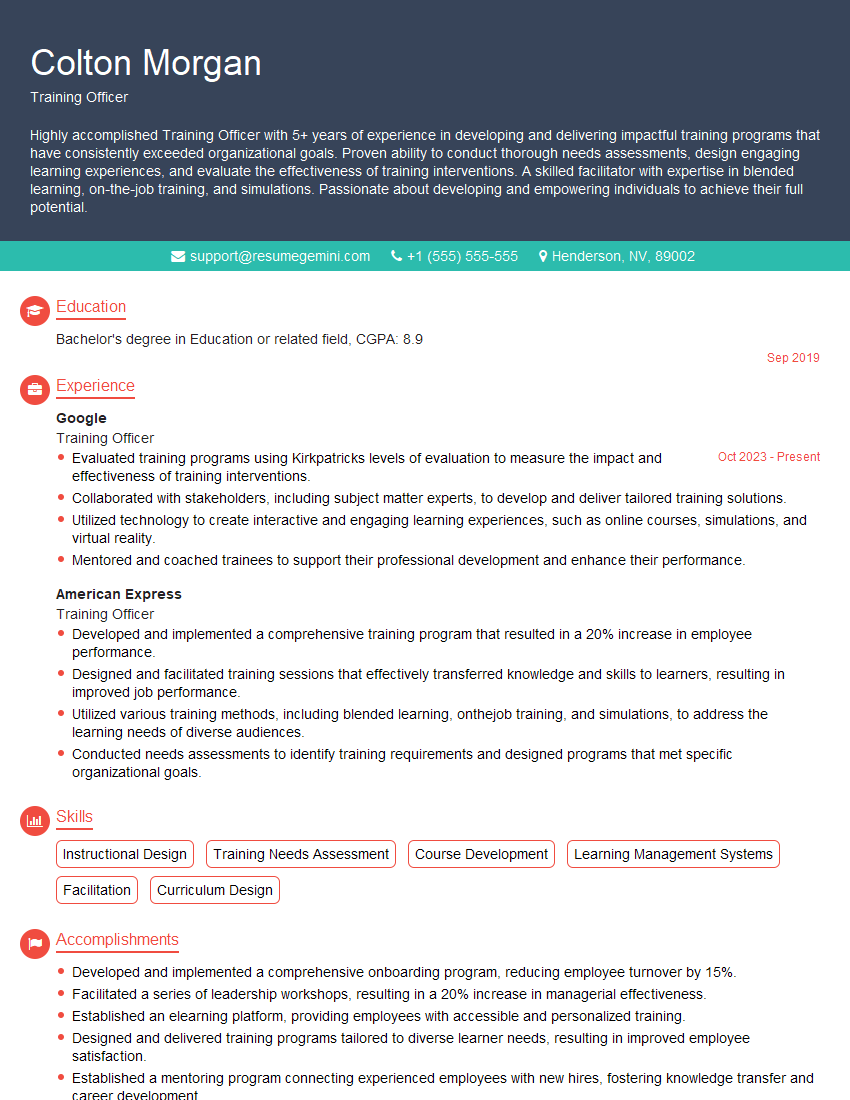
Training Officer Resume Sample
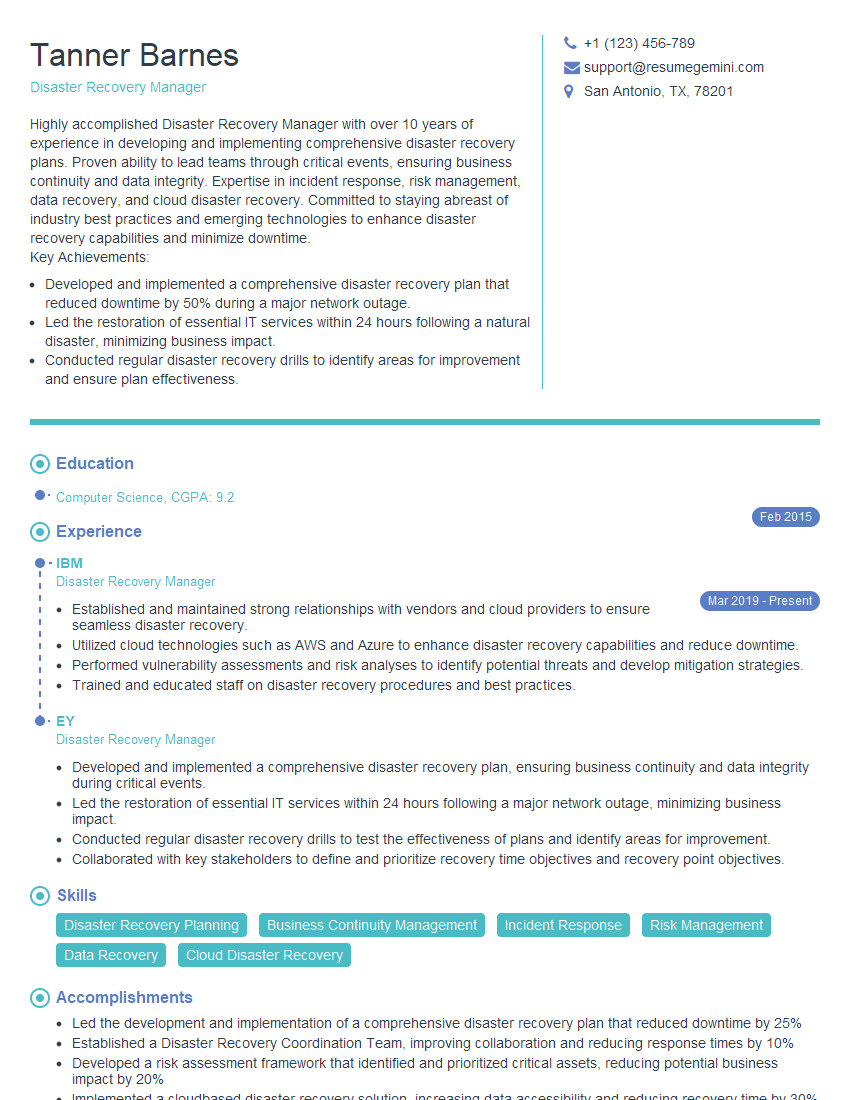
Disaster Recovery Manager Resume Sample
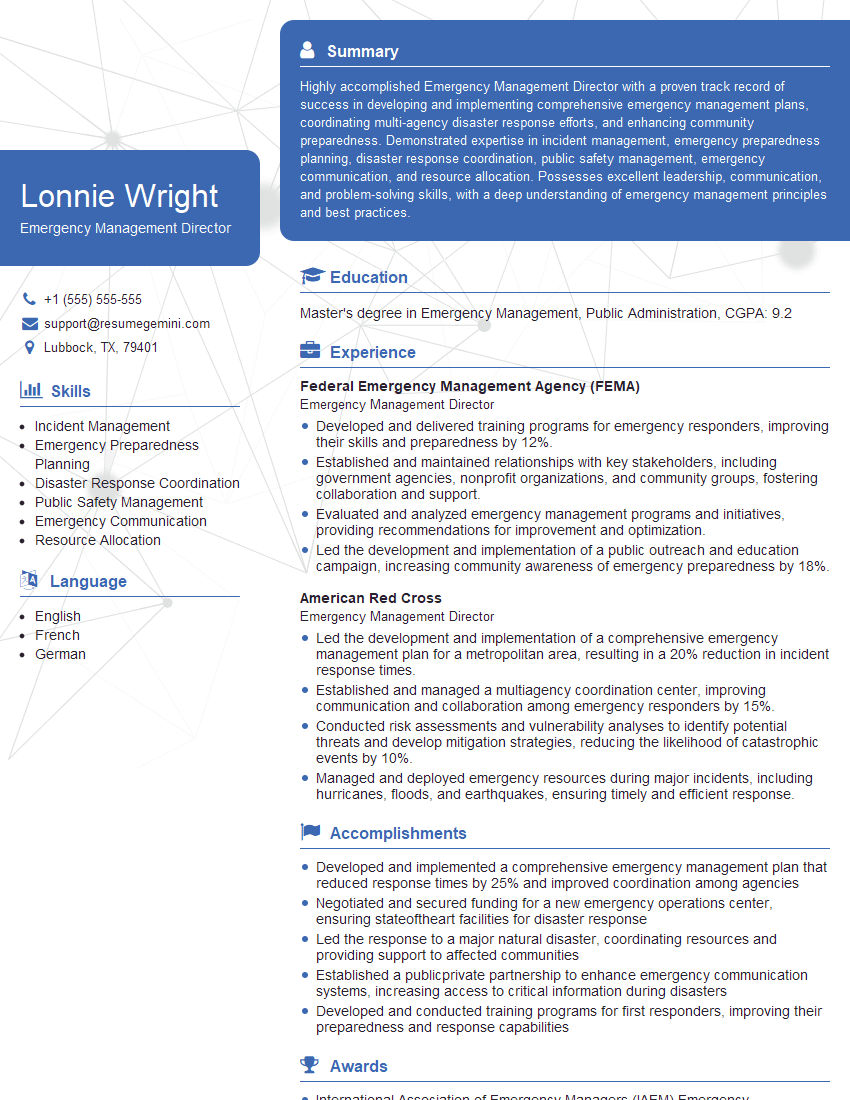
Emergency Management Director Resume Sample
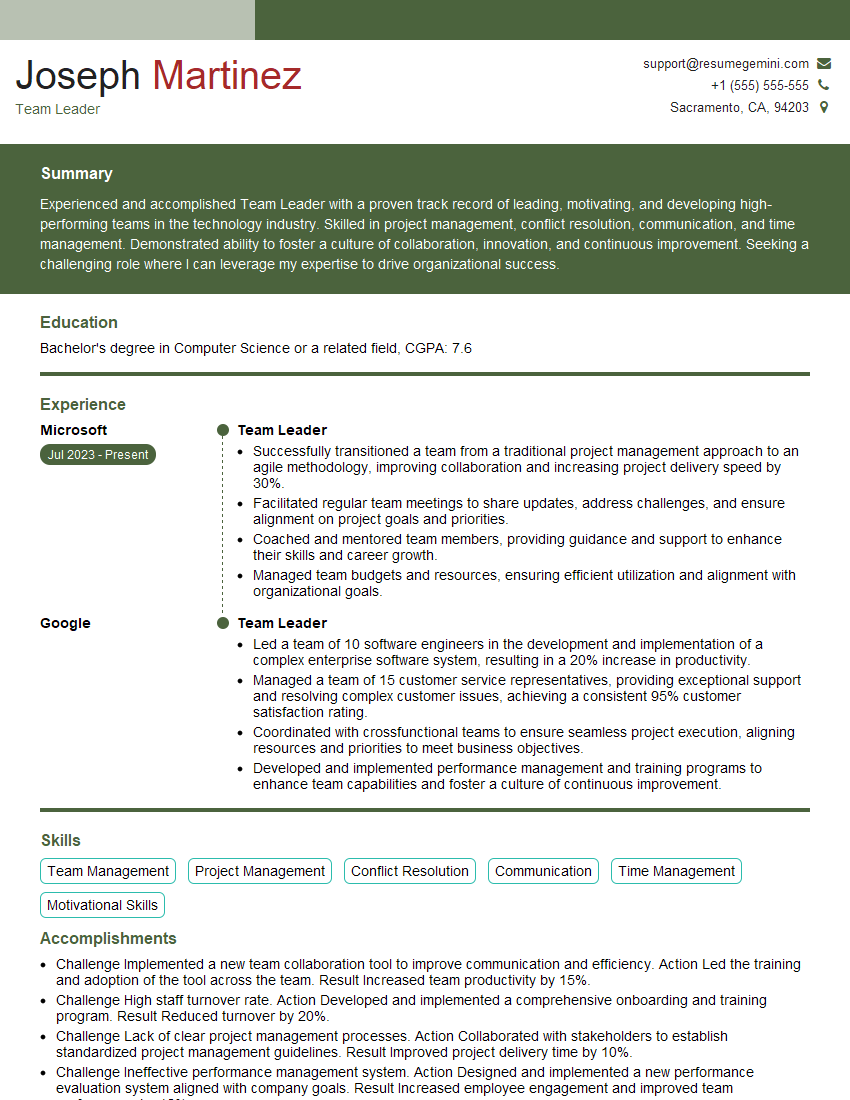
Team Leader Resume Sample
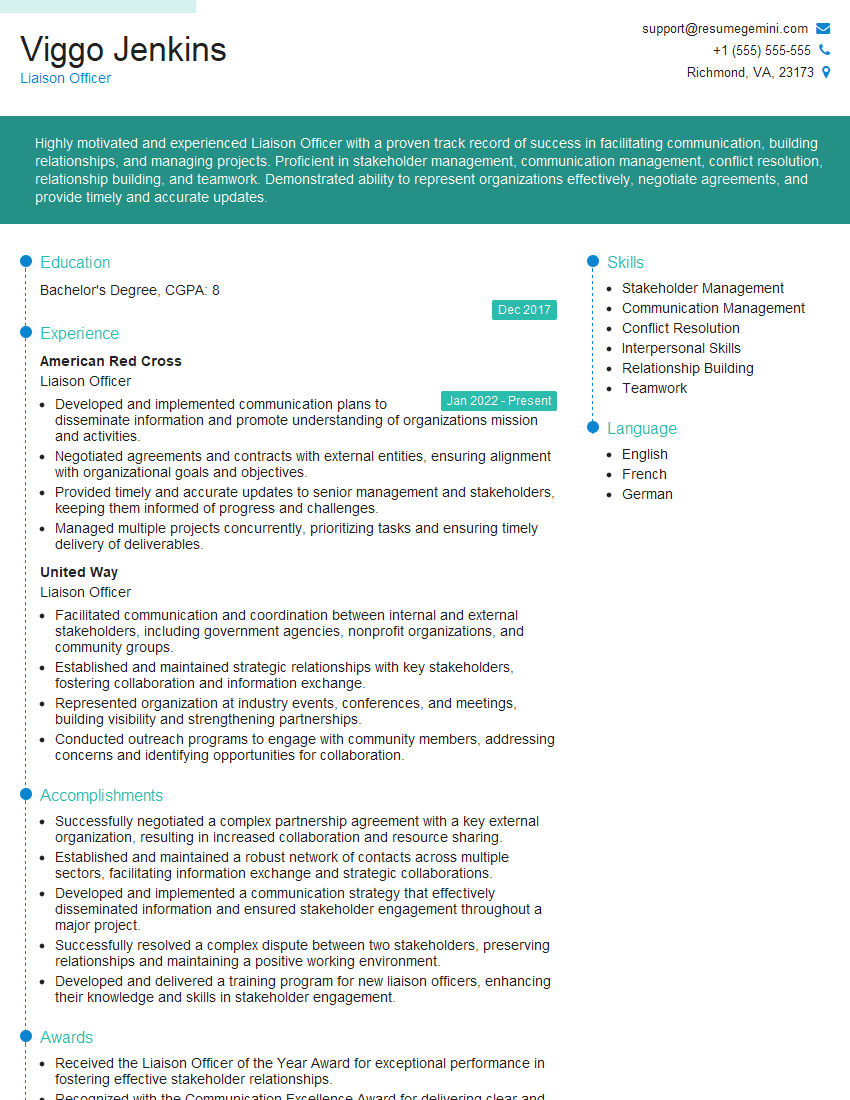
Liaison Officer Resume Sample
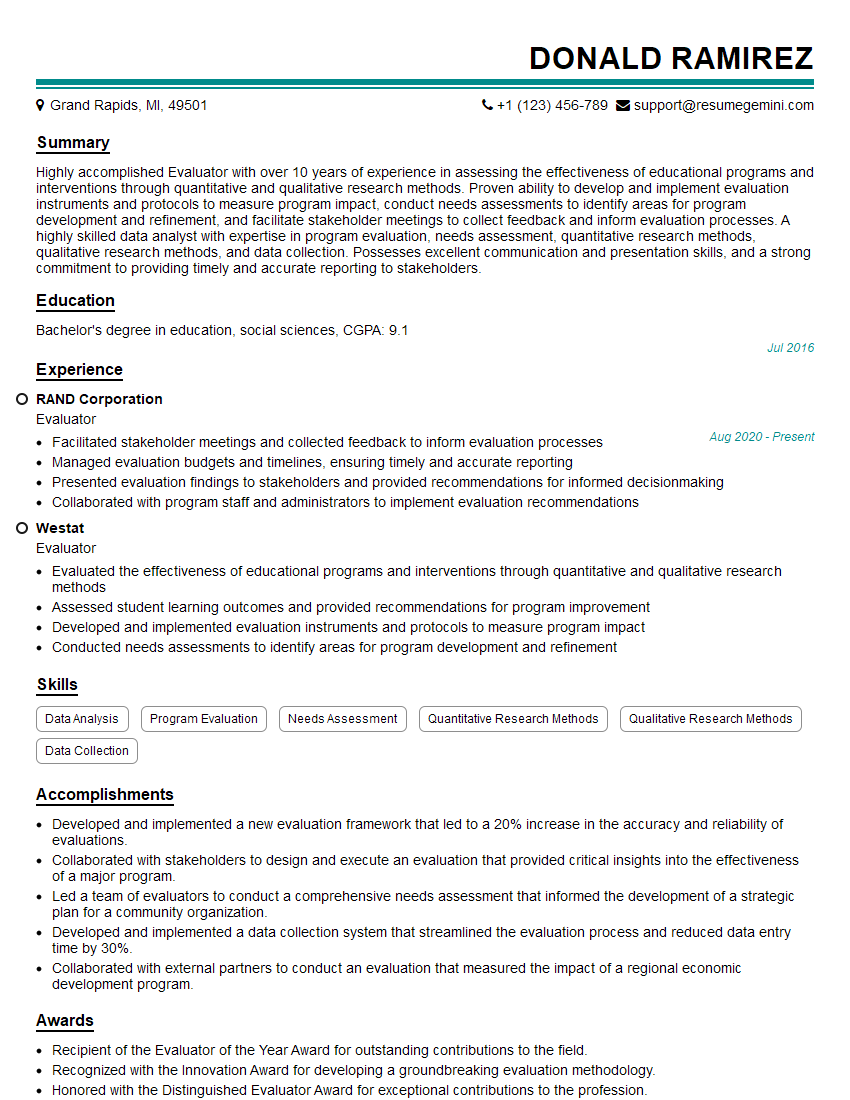
Evaluator Resume Sample
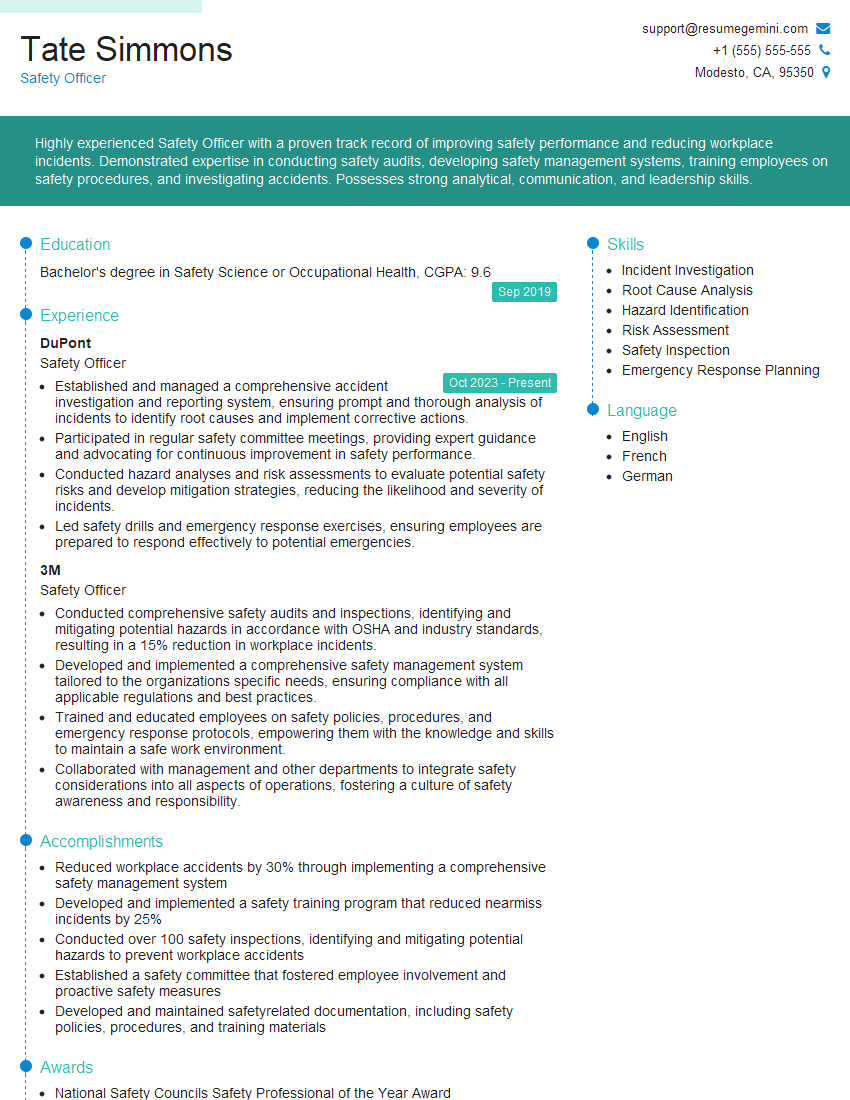
Safety Officer Resume Sample
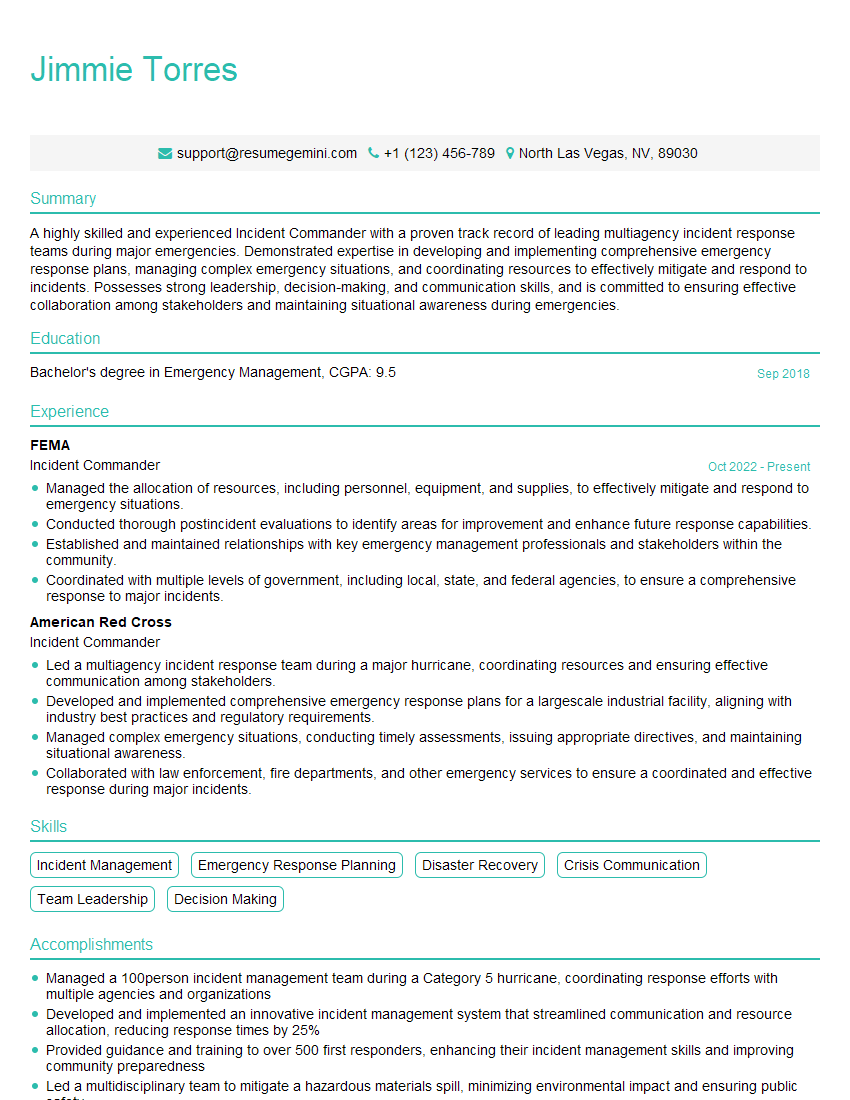
Incident Commander Resume Sample
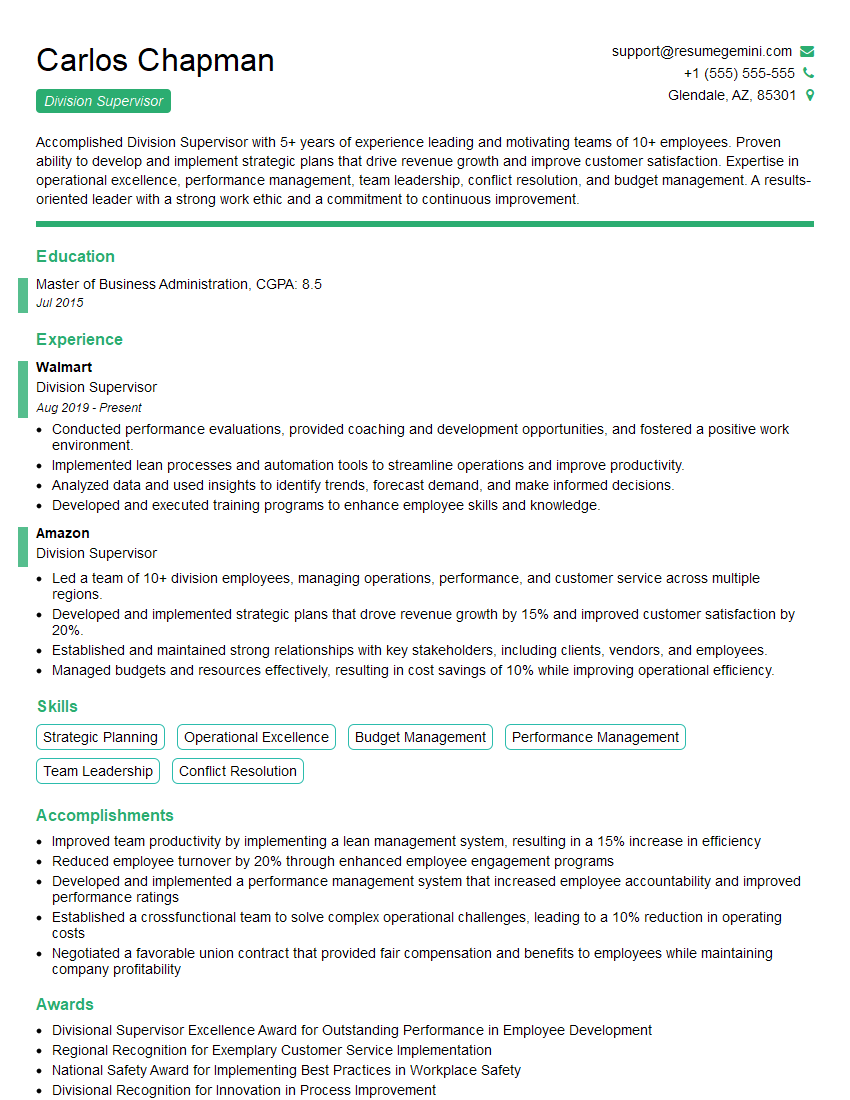
Division Supervisor Resume Sample
Explore more articles
Users Rating of Our Blogs
Share Your Experience
We value your feedback! Please rate our content and share your thoughts (optional).
What Readers Say About Our Blog
Very informative content, great job.
good