Every successful interview starts with knowing what to expect. In this blog, we’ll take you through the top Ecosystem Monitoring and Assessment interview questions, breaking them down with expert tips to help you deliver impactful answers. Step into your next interview fully prepared and ready to succeed.
Questions Asked in Ecosystem Monitoring and Assessment Interview
Q 1. Explain the difference between ecosystem monitoring and assessment.
Ecosystem monitoring and assessment are closely related but distinct processes. Think of monitoring as the continuous tracking of an ecosystem’s vital signs, while assessment is the interpretation of that data to understand the ecosystem’s health and status.
Ecosystem Monitoring: This involves the regular and systematic collection of data on various aspects of an ecosystem over time. This data can include physical parameters (e.g., temperature, water flow), chemical parameters (e.g., nutrient levels, pollutants), and biological parameters (e.g., species abundance, biodiversity). The goal is to detect changes and trends. It’s like taking your patient’s temperature and blood pressure regularly – you’re tracking the vital signs.
Ecosystem Assessment: This involves analyzing the collected monitoring data, alongside other relevant information, to evaluate the overall health, condition, and function of the ecosystem. It considers the interactions between different components and assesses the impacts of stressors. This is like a doctor interpreting the patient’s vital signs along with other test results to diagnose the illness.
For example, monitoring a coral reef might involve regularly measuring water temperature, coral cover, and fish populations. Assessment would then interpret these data to determine whether the reef is healthy, degraded, or recovering, considering factors like climate change, pollution, and fishing pressure.
Q 2. Describe your experience with various ecosystem monitoring methods.
My experience encompasses a wide range of ecosystem monitoring methods, both traditional and modern. I’ve worked extensively with:
- Field surveys: This includes direct observation and sampling of vegetation, soil, water, and animals. For example, using quadrats to assess plant diversity or trapping methods for small mammals.
- Remote sensing: I’ve utilized satellite imagery and aerial photography to monitor large areas, assessing deforestation, habitat fragmentation, or changes in water quality through spectral analysis. This is particularly useful for inaccessible or large-scale monitoring.
- Sensor networks: I’ve deployed various sensor networks to continuously monitor environmental parameters like temperature, humidity, and water level. Data is often transmitted wirelessly for real-time analysis and alerts.
- Citizen science initiatives: I’ve incorporated data collected by volunteers, which helps expand monitoring efforts, particularly across large geographical areas. Proper training and quality control are crucial in these situations.
- Laboratory analysis: I’ve conducted laboratory analyses of water, soil, and biological samples to assess chemical properties, nutrient levels, and pollutant concentrations.
The specific methods employed depend heavily on the ecosystem type, the research questions, and the available resources. For example, while remote sensing is ideal for large-scale forest monitoring, detailed vegetation surveys are necessary for smaller, more specific studies.
Q 3. How do you select appropriate indicators for ecosystem monitoring?
Selecting appropriate indicators for ecosystem monitoring is critical for efficient and effective assessments. The choice depends on the specific ecosystem, the monitoring objectives, and the available resources.
My approach involves a multi-step process:
- Defining the goals and objectives: What specific aspects of the ecosystem are we trying to understand? Are we interested in biodiversity, water quality, or the impact of a specific disturbance?
- Identifying key ecosystem components: Which species, habitats, or processes are most important for the ecosystem’s function and health?
- Choosing indicators: This involves selecting variables that are sensitive to change and can be readily measured. Indicators should be relevant to the objectives, easy to measure, cost-effective, and provide information about the overall ecosystem health. Examples include species richness, water clarity, or soil nutrient levels.
- Considering data availability and limitations: We need to choose indicators that can be reliably measured using available resources and technologies.
- Testing and validation: Once indicators are selected, it’s important to test their effectiveness and sensitivity to change through pilot studies.
For example, monitoring the health of a grassland might involve indicators like plant species diversity, soil organic matter content, and grazing intensity. These indicators reflect different aspects of the grassland’s functioning and help us understand its overall health.
Q 4. What are the key challenges in long-term ecosystem monitoring?
Long-term ecosystem monitoring faces several significant challenges:
- Funding: Sustained funding is crucial, yet often difficult to secure for long-term projects. This can lead to inconsistencies in data collection.
- Data management and storage: Managing large datasets over decades requires robust infrastructure and archiving strategies. Ensuring data accessibility and compatibility over time is a considerable challenge.
- Personnel changes: Maintaining consistent methodologies and data quality requires experienced personnel. Staff turnover can lead to inconsistencies in data collection and analysis.
- Technological advancements: Monitoring technologies are constantly evolving. Integrating new technologies into existing long-term monitoring programs requires careful planning and consideration.
- Environmental variability: Natural fluctuations in climate and other environmental factors can make it difficult to distinguish between natural variability and anthropogenic impacts.
- Political and social changes: Political priorities and social perceptions can influence funding and access to monitoring sites.
Addressing these challenges requires careful planning, collaboration among stakeholders, and the development of sustainable data management and funding strategies. For instance, establishing robust data management systems, securing long-term funding commitments, and investing in staff training and development are all essential steps.
Q 5. How do you ensure data quality and accuracy in ecosystem monitoring?
Data quality and accuracy are paramount in ecosystem monitoring. My approach involves a multi-pronged strategy:
- Standardized protocols: Using standardized and well-documented methods for data collection ensures consistency and comparability over time.
- Quality control procedures: Implementing rigorous quality control checks at every stage, from data collection to analysis, helps identify and correct errors.
- Data validation and verification: Comparing data from multiple sources and using independent verification methods improves data reliability.
- Data cleaning and processing: Employing appropriate data cleaning and processing techniques removes outliers and inconsistencies in the datasets.
- Appropriate statistical analysis: Employing statistical methods helps account for uncertainty and variability in the data.
- Metadata management: Creating detailed metadata records that describe the data collection methods, location, and any relevant contextual information is crucial.
For example, in a water quality monitoring program, we would use standardized protocols for sampling, laboratory analysis, and data entry. Regular calibration of equipment and blind sample analysis would be crucial quality control measures. Any deviations from protocols would be meticulously documented.
Q 6. Explain your experience with GIS software in environmental data analysis.
I have extensive experience using GIS software (e.g., ArcGIS, QGIS) for environmental data analysis. GIS allows me to integrate and visualize spatial data from various sources, including remote sensing imagery, field surveys, and sensor networks.
My applications include:
- Spatial analysis: Assessing spatial patterns of habitat fragmentation, species distribution, and environmental stressors.
- Data visualization: Creating maps and charts to communicate complex environmental data effectively to both technical and non-technical audiences.
- Overlay analysis: Combining different datasets (e.g., land cover, elevation, and soil type) to identify areas of high ecological value or areas vulnerable to specific threats.
- Modeling: Using GIS-based spatial modeling tools to predict the future distribution of species or the impact of climate change on ecosystems.
For example, I used GIS to analyze the spatial distribution of invasive plant species, overlaying this data with land use and elevation data to identify factors driving their spread. This enabled the development of targeted management strategies.
Q 7. Describe your experience with remote sensing techniques for ecosystem monitoring.
I have significant experience employing remote sensing techniques for ecosystem monitoring, primarily using satellite and aerial imagery. My experience spans various applications:
- Vegetation monitoring: Assessing vegetation cover, biomass, and health using spectral indices (e.g., NDVI, EVI) derived from multispectral imagery. This helps monitor deforestation, forest degradation, and vegetation responses to climate change.
- Water quality monitoring: Analyzing water clarity, turbidity, and chlorophyll concentration using spectral reflectance data. This is particularly useful for monitoring large water bodies.
- Habitat mapping: Creating detailed habitat maps using high-resolution imagery, which are crucial for species conservation and biodiversity assessments.
- Change detection: Monitoring changes in land cover, vegetation patterns, and water bodies over time to detect trends and identify areas experiencing significant change.
For example, I used Landsat imagery to monitor changes in forest cover over a 20-year period in a tropical rainforest. By analyzing spectral indices and conducting change detection analysis, I identified areas of deforestation and degradation, which allowed for the development of conservation strategies.
The choice of sensor and imagery depends on the specific application. For example, high-resolution imagery is crucial for detailed habitat mapping, while coarser resolution imagery is suitable for monitoring large areas.
Q 8. How do you interpret and analyze ecosystem monitoring data?
Interpreting and analyzing ecosystem monitoring data involves a multi-step process that begins with data cleaning and quality control. We check for outliers, errors, and inconsistencies. Then, we explore the data using descriptive statistics like means, medians, and standard deviations to understand central tendencies and variability. This initial exploration helps identify potential trends and patterns.
Next, we move to more sophisticated analysis. This could involve time-series analysis to identify temporal trends in species populations or environmental parameters. Spatial analysis, using techniques like GIS, allows us to map the distribution of species or environmental variables and understand spatial patterns and correlations. For example, we might map the spread of an invasive species over time to understand its rate of expansion and potential impact on native species.
Finally, we use statistical modeling to test hypotheses and draw inferences. This might involve regression analysis to determine the relationship between environmental variables and species abundance or generalized linear models (GLMs) for count data like the number of birds observed in a particular area. The choice of statistical method always depends on the type of data and the research questions. We carefully consider statistical power and potential biases when interpreting our results.
Q 9. How do you communicate complex environmental data to stakeholders?
Communicating complex environmental data effectively requires tailoring the message to the specific audience. For scientists, detailed technical reports with statistical analyses are appropriate. However, for policymakers or the general public, we need simpler, visually engaging presentations.
We use a variety of methods: infographics, maps, charts, and short videos are very effective. Analogies are powerful tools; for example, explaining biodiversity loss using the analogy of a library losing books helps make complex concepts more relatable. Storytelling, by focusing on specific species or environmental changes, can also increase engagement.
Interactive dashboards allow stakeholders to explore data themselves, empowering them to understand the results in their own way. We always prioritize clarity and transparency, ensuring our communication accurately reflects the data and its limitations. A key aspect is actively seeking feedback to refine communication strategies and ensure the information is well-understood.
Q 10. What statistical methods are you familiar with for analyzing ecological data?
My statistical toolbox for ecological data analysis includes a wide range of methods. For example, I frequently use linear regression to model relationships between variables, such as the effect of rainfall on plant growth. For count data (e.g., the number of nests found), I use Poisson or negative binomial regression.
Generalized Linear Mixed Models (GLMMs) are crucial when dealing with hierarchical data, like repeated measurements on individual animals. Time-series analysis, including ARIMA models, is essential for understanding trends in data collected over time. I also utilize non-parametric methods, such as Mann-Whitney U tests or Kruskal-Wallis tests, when assumptions of normality are violated.
Multivariate analysis techniques, such as Principal Component Analysis (PCA) and ordination methods (e.g., Non-metric Multidimensional Scaling or NMDS), are vital for exploring relationships between many variables simultaneously. These methods help uncover patterns in complex datasets and reveal underlying structures in community data.
Q 11. Describe your experience with data visualization techniques for environmental data.
Data visualization is paramount for effective communication. I’m proficient in using software like R and ArcGIS to create various visualizations. For instance, I use line graphs to show temporal trends in species abundance, bar charts to compare different groups, and scatter plots to explore correlations between variables.
Geographic Information Systems (GIS) are critical for spatial data visualization. I can create maps illustrating species distribution, habitat fragmentation, or pollution levels. Interactive dashboards, built using tools like Tableau or Shiny (R), allow stakeholders to explore data dynamically, filtering by different parameters and generating customized visualizations.
Choosing the appropriate visualization method is crucial. For example, a heatmap can effectively display the distribution of a particular environmental parameter across a landscape, while a choropleth map can highlight spatial patterns in species richness. The ultimate goal is to create clear, accurate, and easily interpretable visualizations.
Q 12. How do you assess the effectiveness of ecosystem management strategies?
Assessing the effectiveness of ecosystem management strategies requires a before-and-after comparison, often using a control group. We establish baseline data before implementing management actions, then monitor changes over time. This involves analyzing ecological indicators, such as species diversity, habitat quality, or water quality, to see if they respond positively to management efforts.
Statistical methods like ANOVA or t-tests can be used to compare changes in indicators between the managed area and a control area. If the management strategy is successful, we should observe significant improvements in the indicators within the managed area compared to the control. It is crucial to acknowledge that ecological systems are complex and responses may be delayed or subtle, requiring long-term monitoring and adaptive management strategies.
For example, if we are assessing the effectiveness of a reforestation project, we might measure tree density, species richness, and soil properties over several years. A robust assessment also considers potential confounding factors, such as climate variability, and incorporates stakeholder feedback to better understand the social and economic impacts of the management interventions.
Q 13. What are the ethical considerations in ecosystem monitoring and assessment?
Ethical considerations in ecosystem monitoring and assessment are paramount. Firstly, we must ensure data integrity and transparency; all data collection methods and analyses must be clearly documented and accessible. Any potential biases or limitations must be openly acknowledged.
Secondly, we need to consider the potential impact of our monitoring activities on the ecosystem. Minimizing disturbance during data collection is crucial. For instance, using non-invasive methods like camera traps instead of direct observation can reduce the risk of disrupting wildlife.
Furthermore, equity and justice are key. Monitoring and assessment should be inclusive, involving all relevant stakeholders. This includes indigenous communities and other marginalized groups, who often possess valuable traditional ecological knowledge. Data should be used to benefit all people and should not exacerbate existing inequalities. Finally, the results should be used responsibly, informing management decisions that promote sustainability and biodiversity conservation.
Q 14. How do you incorporate stakeholder input into ecosystem monitoring and management?
Incorporating stakeholder input is vital for successful ecosystem monitoring and management. It ensures relevance and increases the likelihood of successful implementation. We engage stakeholders through participatory approaches. This might involve workshops, focus groups, interviews, or online surveys to gather input on monitoring priorities, data collection methods, and interpretation of results.
We employ collaborative mapping exercises to understand local perceptions of ecosystem changes and to identify areas of importance for conservation. We actively seek feedback on draft reports and management plans to ensure that our findings are relevant and actionable. Transparent communication channels are essential, ensuring that stakeholders are informed throughout the process.
Adaptive management is a key concept, meaning that we regularly review management strategies and adjust them based on stakeholder feedback and new data. This iterative approach ensures that the monitoring and management efforts are responsive to changing conditions and the needs of all stakeholders.
Q 15. Describe your experience with specific ecosystem types (e.g., forest, wetland, marine).
My experience spans a wide range of ecosystem types, focusing primarily on forest, wetland, and marine environments. In forest ecosystems, I’ve been involved in projects assessing the impact of logging practices on biodiversity, using techniques like vegetation surveys, tree diameter measurements, and species inventories. This includes utilizing remote sensing data for large-scale forest monitoring. For wetlands, my work has involved monitoring water quality parameters (e.g., pH, dissolved oxygen, nutrient levels), assessing plant communities, and tracking amphibian populations to understand the health and functioning of these vital ecosystems. In marine settings, I have experience with monitoring coral reef health through visual surveys, assessing fish populations using underwater video transects, and analyzing water samples to assess pollution levels. This often involves collaboration with marine biologists and oceanographers.
- Example: In a recent project assessing the impact of a proposed dam on a riparian forest, we conducted detailed vegetation surveys upstream and downstream of the proposed dam site, comparing species richness and abundance to determine potential impacts.
- Example: In a coastal wetland study, we used drone imagery to monitor changes in wetland extent and vegetation cover over time, providing valuable data for conservation efforts.
Career Expert Tips:
- Ace those interviews! Prepare effectively by reviewing the Top 50 Most Common Interview Questions on ResumeGemini.
- Navigate your job search with confidence! Explore a wide range of Career Tips on ResumeGemini. Learn about common challenges and recommendations to overcome them.
- Craft the perfect resume! Master the Art of Resume Writing with ResumeGemini’s guide. Showcase your unique qualifications and achievements effectively.
- Don’t miss out on holiday savings! Build your dream resume with ResumeGemini’s ATS optimized templates.
Q 16. How do you handle uncertainty and variability in ecosystem data?
Uncertainty and variability are inherent in ecosystem data. To handle this, I employ a combination of strategies. First, I utilize robust statistical methods that account for data variability, such as mixed-effects models or generalized linear models. These models allow us to incorporate random effects (e.g., site-to-site variability) and account for non-normal data distributions. Second, I employ multiple lines of evidence. This means integrating data from diverse sources, such as remote sensing, field measurements, and citizen science initiatives, to cross-validate findings and reduce reliance on any single, potentially unreliable, dataset. Finally, I explicitly incorporate uncertainty into my analyses and reporting. This involves calculating confidence intervals and error bars, and acknowledging limitations in data availability or methodology. This transparent approach ensures that the limitations of the data are clearly understood.
- Example: When assessing water quality in a river, we might use multiple sampling locations and times to account for spatial and temporal variation. We’d also acknowledge that our sampling represents a subset of the whole river and might not capture all potential sources of pollution.
Q 17. What are the limitations of current ecosystem monitoring technologies?
Current ecosystem monitoring technologies, while advanced, still face limitations. One significant challenge is the difficulty in obtaining comprehensive, spatially explicit data over large areas. While remote sensing provides broad coverage, resolution and data availability can be limiting factors. Another limitation lies in the difficulty of capturing the complexities of ecological interactions and processes through direct measurement. Many crucial interactions, such as those between soil microbes and plants, are hard to observe and quantify directly. Furthermore, many monitoring technologies are expensive and require specialized expertise to operate and analyze the resulting data, limiting accessibility, especially in resource-constrained environments. Finally, data integration across different sources and platforms remains a challenge, hindering the development of comprehensive and holistic ecosystem assessments.
- Example: While drones provide high-resolution imagery, cloud cover can limit data acquisition, and processing large datasets can be computationally intensive and require specialized software.
Q 18. How do you identify and prioritize monitoring needs based on management goals?
Prioritizing monitoring needs starts with clearly defined management goals. I typically work collaboratively with stakeholders to articulate these goals, which might range from protecting biodiversity to restoring degraded habitats or ensuring sustainable resource use. Once goals are established, I develop a monitoring framework that directly addresses them. This framework considers the key ecological indicators that reflect progress towards the goals (e.g., species abundance, water quality parameters, habitat extent). Indicators are then prioritized based on their sensitivity to change, cost-effectiveness of measurement, and relevance to management decisions. This may involve using cost-benefit analysis to evaluate the effectiveness of different monitoring strategies. The resulting plan outlines the specific data to be collected, the methods used, the frequency of monitoring, and how the data will be analyzed and used for adaptive management.
- Example: If the management goal is to reduce erosion in a watershed, key indicators might include soil loss rates, vegetation cover, and stream sediment loads. Monitoring efforts would focus on measuring these indicators at regular intervals.
Q 19. Describe your experience with environmental impact assessments.
My experience with environmental impact assessments (EIAs) involves applying ecosystem monitoring principles to predict and evaluate the potential effects of projects on the environment. This includes identifying potential impacts on various ecosystem components (e.g., flora, fauna, water quality, air quality), designing baseline studies to characterize the pre-project condition, developing monitoring plans to track changes during and after the project, and assessing the significance of observed impacts. I utilize various tools and techniques, such as GIS-based spatial analysis, habitat suitability models, and statistical analyses to assess ecological impacts. A key aspect is ensuring that the EIA process is transparent and involves effective communication with stakeholders to integrate diverse perspectives.
- Example: In an EIA for a wind farm, we assessed potential impacts on bird populations by conducting bird surveys to establish baseline data and modeling bird flight patterns to predict potential collisions with wind turbines.
Q 20. How do you incorporate climate change considerations into ecosystem monitoring?
Incorporating climate change considerations is crucial for effective ecosystem monitoring. This requires accounting for projected changes in climate variables (temperature, precipitation, sea level) and their likely impacts on ecosystem structure and function. I integrate climate projections into monitoring plans by: (1) Selecting indicators sensitive to climate change, such as species distribution shifts, changes in phenology (timing of biological events), or altered hydrological regimes. (2) Designing monitoring programs with a longer temporal scale to capture gradual changes caused by climate change. (3) Employing climate models to predict future conditions and assess the vulnerability of ecosystems to climate change impacts. This information is crucial for developing adaptation and mitigation strategies to ensure ecosystem resilience.
- Example: In a coastal wetland monitoring project, we’d include indicators such as changes in salinity levels, seagrass distribution, and the frequency and intensity of flooding events to assess the impact of sea-level rise.
Q 21. What is your experience with different types of sampling designs?
My experience encompasses various sampling designs, each tailored to specific research questions and ecosystem characteristics. Common designs I utilize include:
- Random sampling: Provides an unbiased representation of the population when the study area is homogenous.
- Stratified random sampling: Improves precision by dividing the study area into strata based on relevant characteristics (e.g., vegetation types, elevation). This is useful for heterogeneous ecosystems.
- Systematic sampling: Involves sampling at regular intervals, which can be efficient but may miss important spatial patterns if the intervals align with hidden environmental gradients.
- Adaptive sampling: Increases sampling intensity in areas of high variability or interest, often guided by preliminary data or expert knowledge. This is cost-effective when resources are limited.
- Example: When assessing the distribution of a rare plant species across a forest, stratified random sampling would be appropriate, stratifying based on different forest types (e.g., hardwood, conifer).
Q 22. How do you develop a monitoring plan?
Developing a robust ecosystem monitoring plan requires a systematic approach. Think of it like building a house – you need a solid foundation and a detailed blueprint. First, we define clear objectives: What specific ecological questions are we trying to answer? What are the key indicators of ecosystem health we’ll track? This could include things like water quality parameters, biodiversity indices (like species richness or evenness), or habitat characteristics.
Next, we identify the key ecosystem components and the spatial and temporal scales relevant to our objectives. Are we focusing on a small stream, a forest patch, or a larger landscape? How frequently will we collect data (daily, monthly, annually)? We then select appropriate monitoring methods, considering factors like cost-effectiveness, feasibility, and data quality. This might involve field surveys, remote sensing (satellite imagery, drones), or laboratory analyses.
A crucial step is designing a sampling strategy to ensure data representativeness and statistical power. This might involve establishing a grid of sampling locations, using stratified random sampling to account for habitat variability, or employing other statistically sound techniques. Finally, the plan includes data management protocols, quality control procedures, and a schedule for data analysis and reporting. It’s essential to build in flexibility to adapt the plan as needed, based on the data collected and any new information or insights gained.
For example, in a project monitoring the impact of a dam on a river ecosystem, we might monitor water flow, temperature, dissolved oxygen levels at multiple sites upstream and downstream from the dam, along with fish species abundance and diversity. We’d use a combination of physical measurements, biological sampling, and possibly remote sensing to assess changes in riparian vegetation.
Q 23. Describe your experience with data management and archiving for long-term studies.
Effective data management and archiving are paramount for long-term ecosystem monitoring studies. Imagine trying to build a reliable understanding of climate change without consistent, well-organized temperature records over decades! My experience involves establishing robust database systems, usually relational databases like PostgreSQL or MySQL. We carefully document all data, including metadata (information about the data itself, such as location, date, and methods used), ensuring data provenance and traceability. This metadata is critical for ensuring data quality and enabling future researchers to understand how the data were collected and processed.
Data are regularly backed up using multiple redundant systems (onsite and offsite) to prevent loss due to hardware failures or other unforeseen events. We utilize version control systems like Git to track changes in data and analysis scripts, allowing us to revert to previous versions if necessary. Data are archived in a standardized format (e.g., using NetCDF or HDF5 for spatial data) to ensure long-term accessibility and compatibility with future software.
We also follow established data management best practices, adhering to FAIR principles (Findable, Accessible, Interoperable, Reusable) to maximize the value and impact of the data for both current and future research. This might involve using ontologies and controlled vocabularies for consistent data annotation, and creating clear documentation and metadata standards within the project.
Q 24. How do you ensure the sustainability of ecosystem monitoring programs?
Ensuring the sustainability of ecosystem monitoring programs requires a multifaceted strategy. First and foremost is securing long-term funding. This often involves developing strong partnerships with government agencies, non-profit organizations, and private sectors, clearly demonstrating the value of the program and its outputs.
Secondly, building institutional capacity and fostering local ownership are vital. Training local personnel and building their expertise in monitoring methods and data analysis ensures the program can continue even after initial funding ends. This also strengthens community involvement and increases the likelihood of continued support. It’s like planting a seed – you need to nurture it to make it grow!
Thirdly, creating user-friendly data visualization and reporting tools makes the monitoring data accessible and relevant to a wider audience, including policymakers, stakeholders, and the public. Demonstrating the practical value of the data, whether it’s informing conservation efforts, guiding environmental management decisions, or tracking the effectiveness of restoration projects, is crucial for gaining continued support. Finally, a well-designed monitoring program should incorporate adaptive management principles; this means regularly reviewing and updating the plan based on new information and insights gained during the monitoring process, adapting to changing circumstances and ensuring long-term relevance.
Q 25. What software and tools are you proficient in for ecosystem monitoring?
My proficiency in software and tools for ecosystem monitoring encompasses a broad range. For data analysis, I am highly skilled in statistical programming languages like R and Python, using packages such as ggplot2, vegan (for community ecology analysis), and statsmodels. I’m also proficient in GIS software like ArcGIS and QGIS for spatial data analysis, mapping, and visualization. This includes working with various geospatial data formats (shapefiles, rasters).
For data management, I’ve extensive experience with relational databases (PostgreSQL, MySQL) and data management systems. I use cloud-based platforms like Google Earth Engine for processing and analyzing large remote sensing datasets. I’m familiar with data visualization tools such as Tableau and Power BI for creating effective reports and presentations.
Furthermore, I’m comfortable using various field data loggers and sensors for environmental data collection (e.g., water quality meters, GPS devices). I possess expertise in using image processing and analysis software for interpreting satellite and aerial imagery.
Q 26. Describe a time you had to troubleshoot a problem in data collection or analysis.
During a long-term study on forest bird populations, we experienced unexpected challenges with our acoustic monitoring equipment. Initially, we were using automated recording units to collect bird songs, aiming to identify species using automated sound recognition software. However, we discovered that consistent background noise (primarily wind and traffic) significantly impacted the accuracy of the automated species identification.
To troubleshoot this, we first carefully examined the recordings, identifying the types of noise interference. We then experimented with different noise reduction techniques, using spectral analysis to isolate bird songs from the background noise within the R environment. We adjusted the placement of recording units to minimize wind noise and employed software filters designed to suppress traffic noise. We also invested in higher quality microphones and sound-dampening equipment. Finally, we incorporated manual quality control checks, where experts reviewed recordings flagged by the software to validate the automated identifications.
This experience highlighted the importance of careful planning and the need for robust quality control procedures in ecosystem monitoring. The solution involved a combination of technological adjustments and human expertise, emphasizing the interdisciplinary nature of ecological research.
Q 27. How do you stay updated on the latest developments and best practices in ecosystem monitoring?
Staying updated in the rapidly evolving field of ecosystem monitoring is crucial. I actively participate in professional organizations such as the Ecological Society of America and the Society for Conservation Biology. I regularly attend conferences and workshops to learn about the latest methodological advancements and best practices. This includes attending webinars and online courses offered by various institutions.
I closely follow relevant scientific journals (e.g., Ecology, Ecological Applications, Conservation Biology) and review articles summarizing current research and trends. I also utilize online resources, such as those provided by government agencies and international organizations (like the IUCN), which often offer valuable data, reports, and guidelines. Keeping abreast of technological advancements in remote sensing, data analysis, and data management is an ongoing process, requiring continuous learning and adaptation.
Furthermore, collaborating with other researchers and participating in peer review processes allows for a constant exchange of knowledge and insights. This collaborative approach helps in sharing experiences, troubleshooting challenges, and staying at the forefront of the field. It’s a dynamic field, and I’m committed to continuous learning and adaptation to ensure I’m using the most effective and up-to-date methods.
Key Topics to Learn for Ecosystem Monitoring and Assessment Interview
- Ecosystem Structure and Function: Understanding key ecological concepts like biodiversity, trophic levels, and ecosystem services. Practical application: Analyzing data to assess the health of a specific ecosystem.
- Monitoring Techniques: Familiarize yourself with various methods including remote sensing (e.g., satellite imagery), field surveys, and data logging. Practical application: Designing a monitoring plan for a specific environmental challenge.
- Data Analysis and Interpretation: Mastering statistical analysis and data visualization techniques to interpret ecological data effectively. Practical application: Identifying trends and patterns in ecosystem health data over time.
- Spatial Data Analysis (GIS): Understanding the use of Geographic Information Systems (GIS) for mapping and analyzing spatial data related to ecosystems. Practical application: Creating maps illustrating changes in habitat distribution or pollution levels.
- Modeling and Prediction: Exploring different ecological models used for predicting future ecosystem states and responses to environmental change. Practical application: Using models to assess the impact of a proposed development project on a local ecosystem.
- Environmental Regulations and Policy: Understanding relevant environmental laws and regulations related to ecosystem monitoring and assessment. Practical application: Evaluating compliance with environmental regulations.
- Communication and Reporting: Developing clear and concise communication skills to effectively present complex ecological data to diverse audiences. Practical application: Preparing reports summarizing findings from an ecosystem assessment.
Next Steps
Mastering Ecosystem Monitoring and Assessment opens doors to a rewarding career with significant impact on environmental conservation and sustainability. To maximize your job prospects, it’s crucial to present your skills and experience effectively. Creating an ATS-friendly resume is key to getting noticed by potential employers. ResumeGemini is a trusted resource that can help you build a professional and impactful resume that highlights your unique qualifications. Examples of resumes tailored to Ecosystem Monitoring and Assessment are available to guide you through the process. Take the next step toward your dream career today!
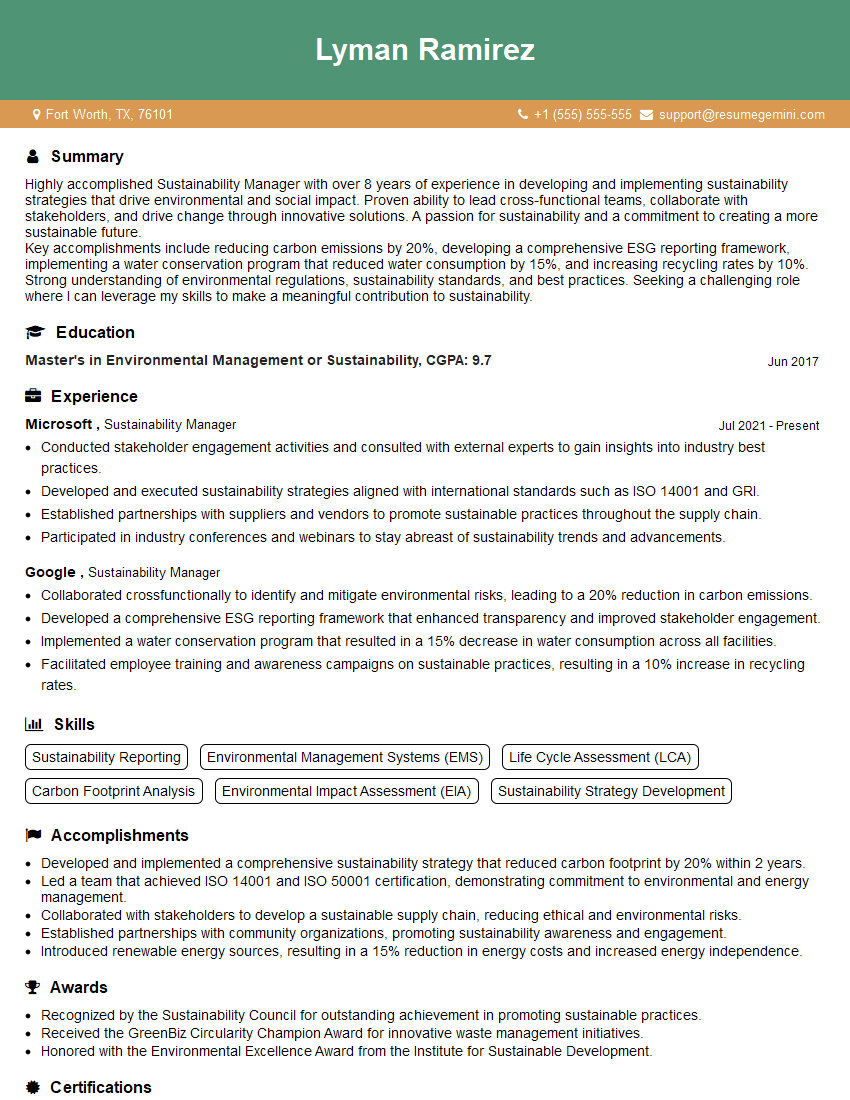
Sustainability Manager Resume Sample
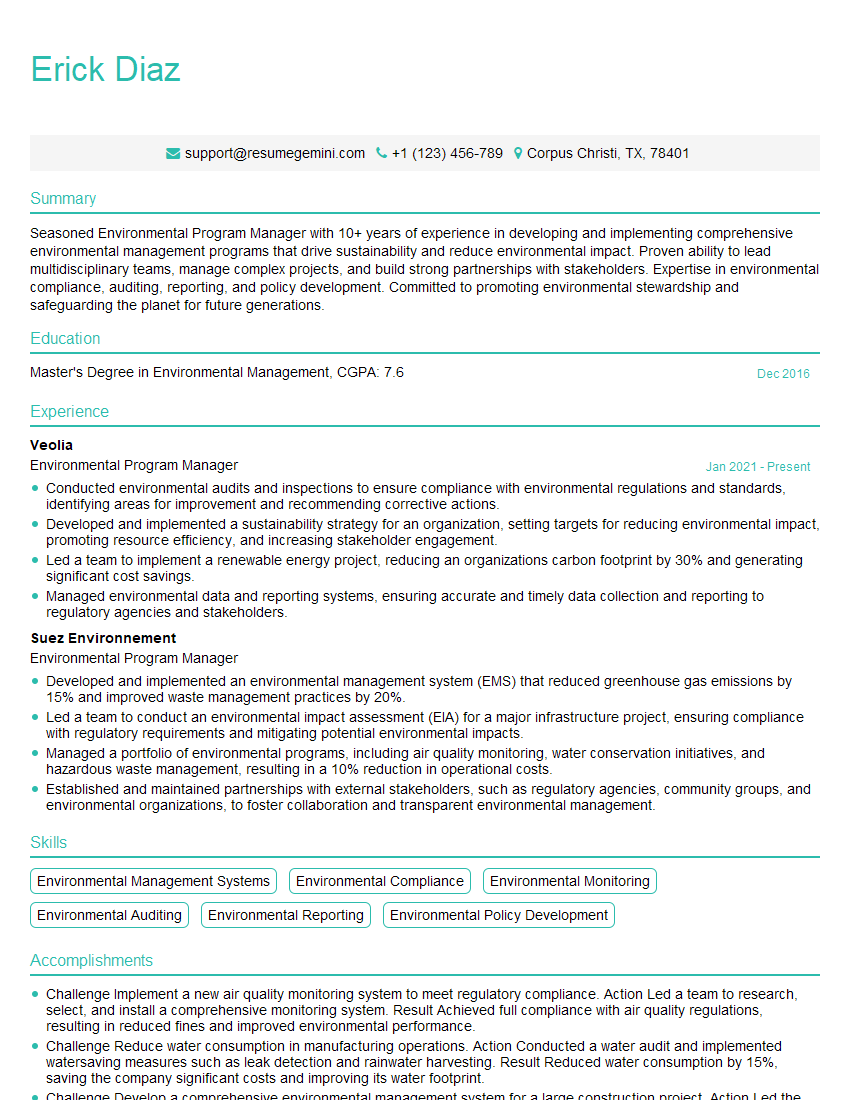
Environmental Program Manager Resume Sample
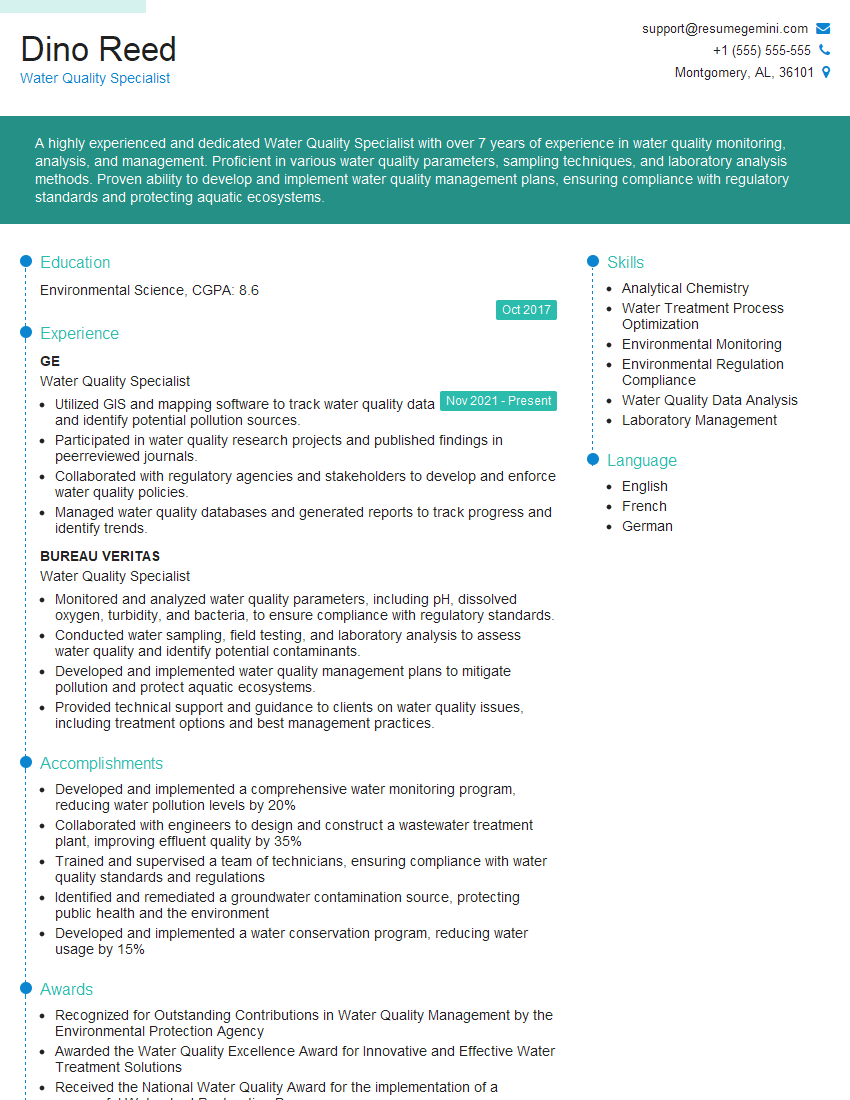
Water Quality Specialist Resume Sample
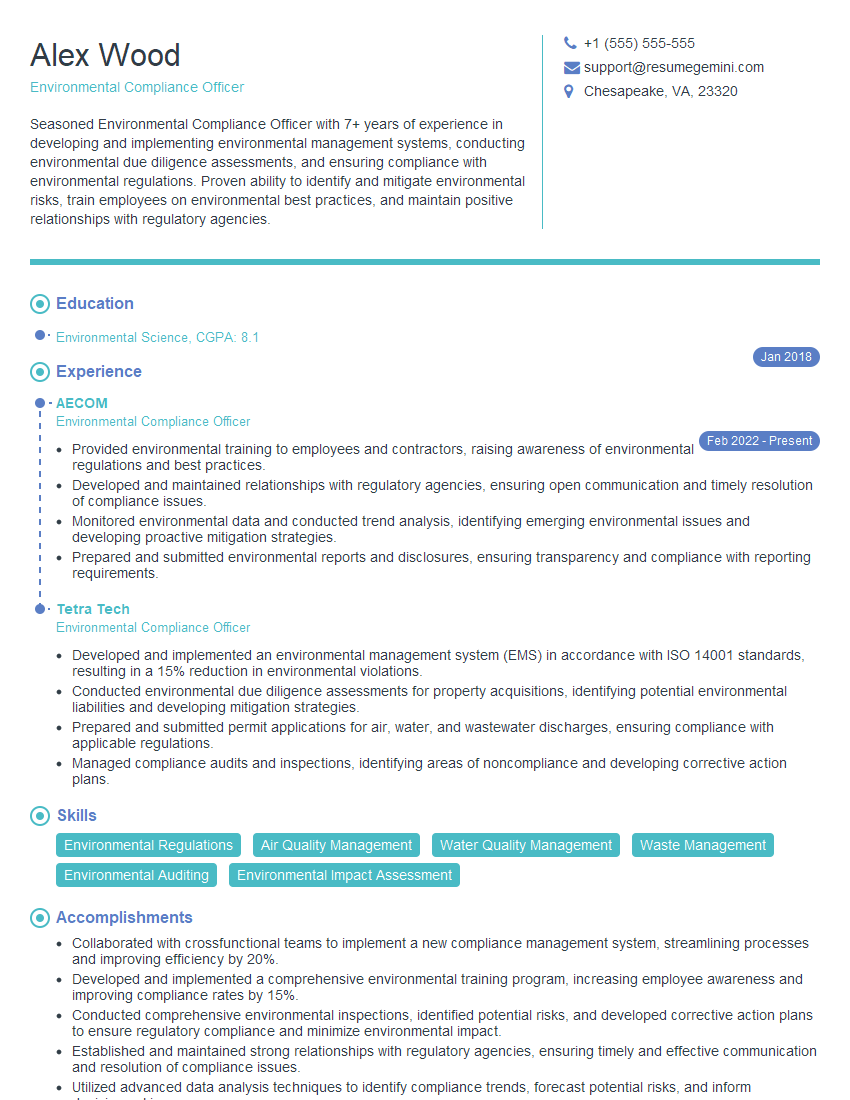
Environmental Compliance Officer Resume Sample
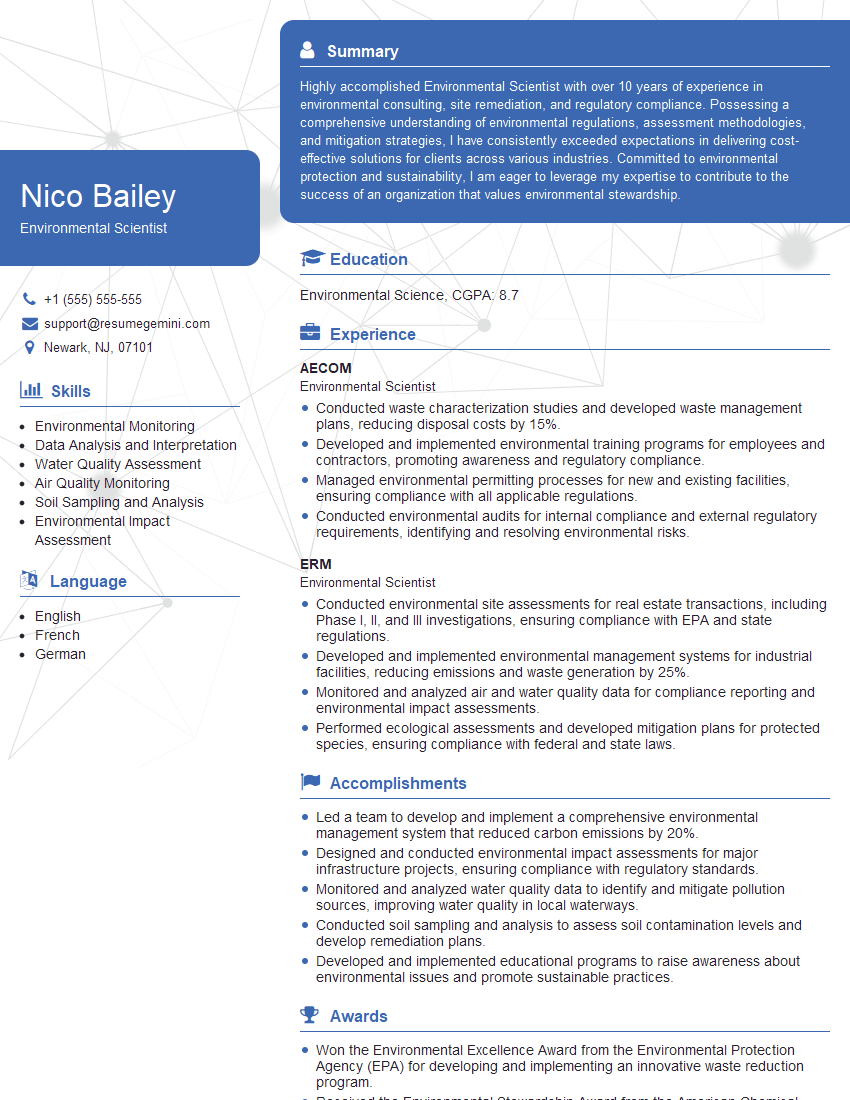
Environmental Scientist Resume Sample

Sustainability Consultant Resume Sample
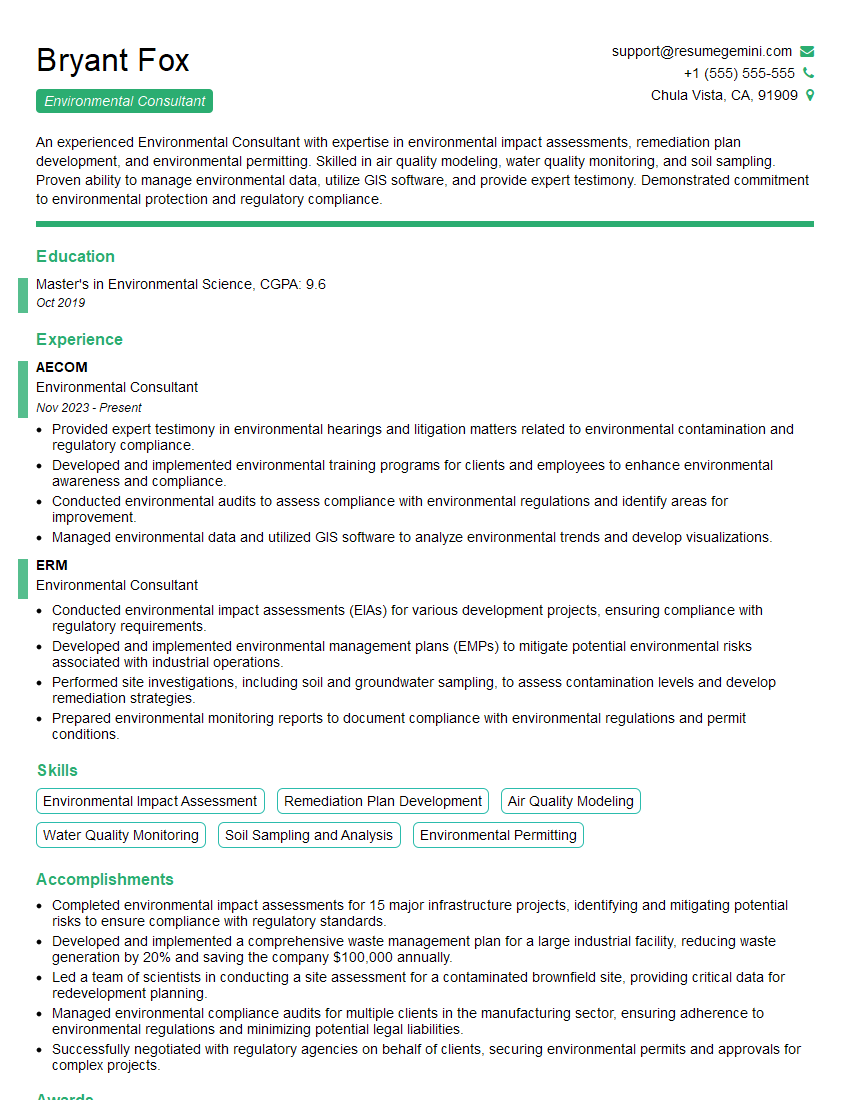
Environmental Consultant Resume Sample

Wildlife Biologist Resume Sample
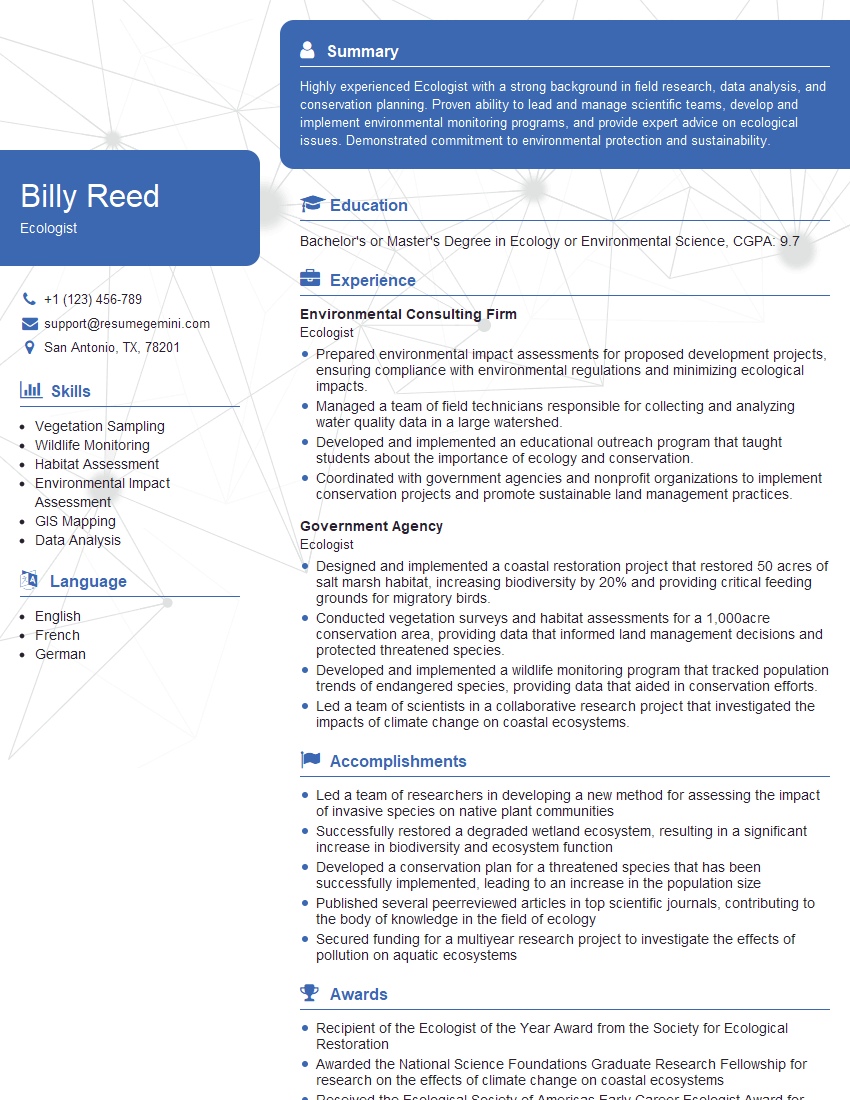
Ecologist Resume Sample
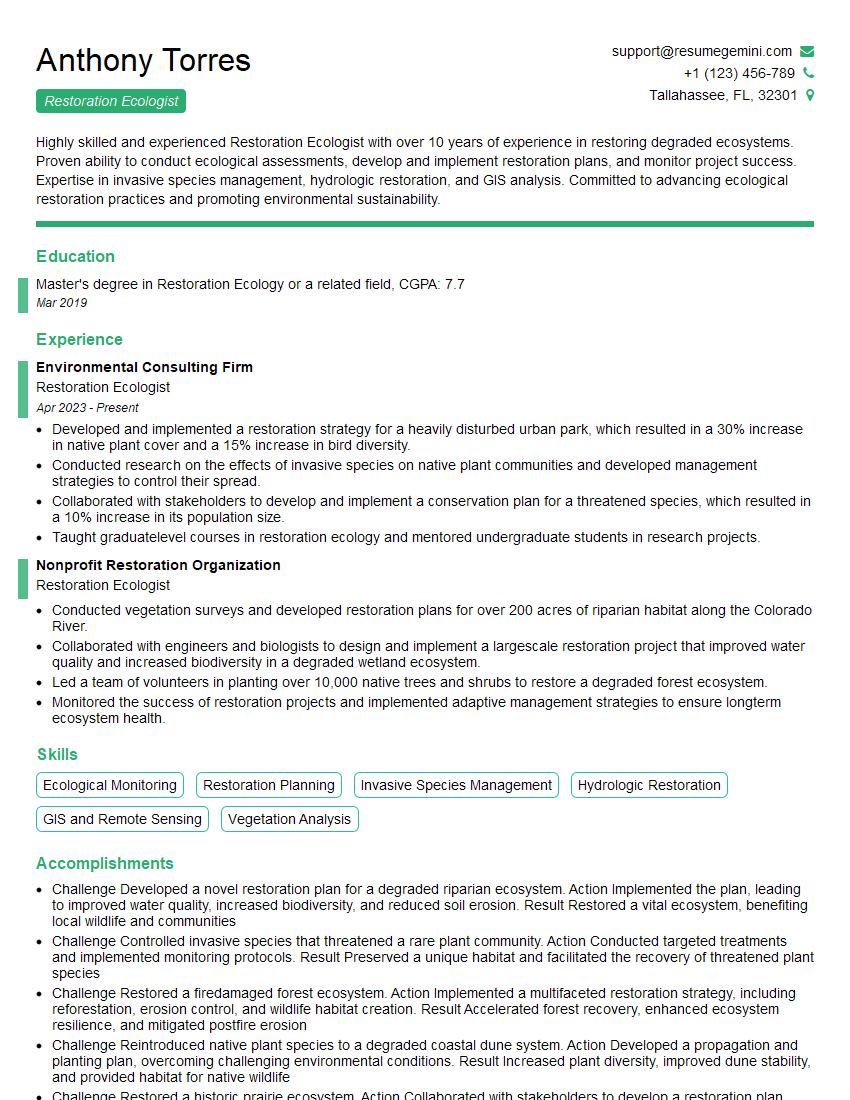
Restoration Ecologist Resume Sample
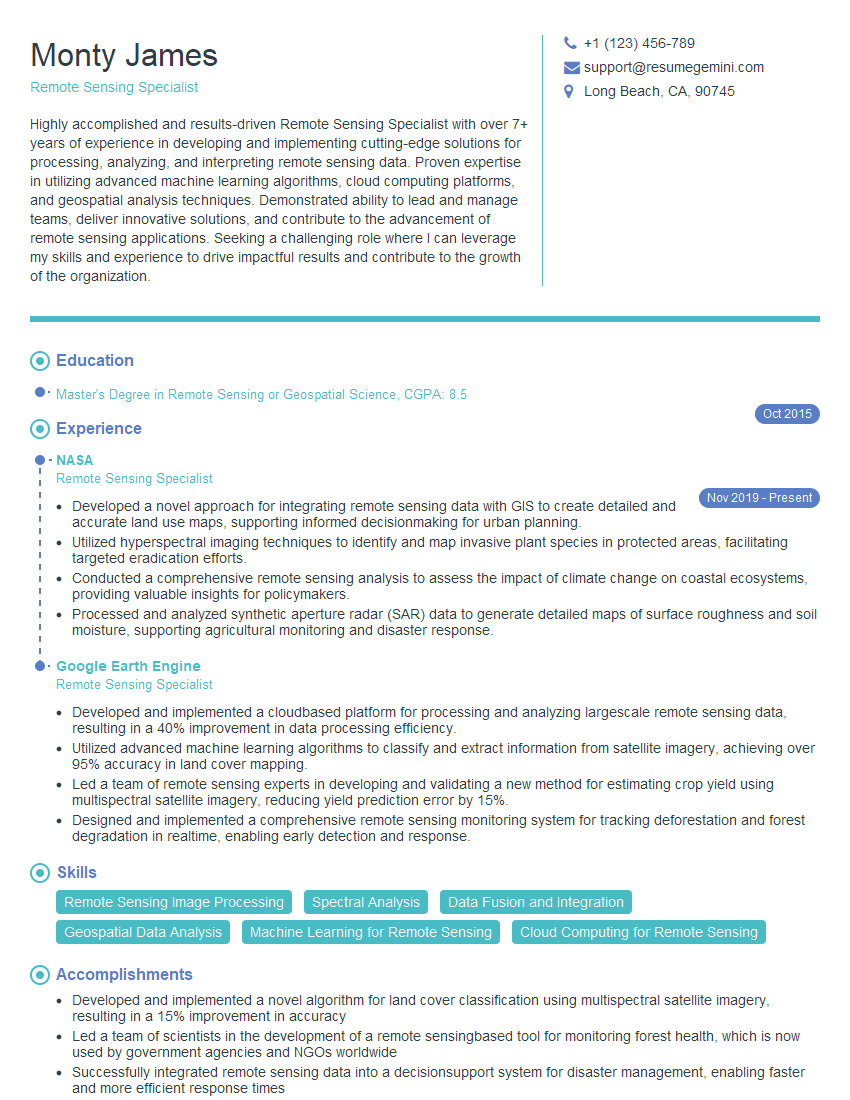
Remote Sensing Specialist Resume Sample
Explore more articles
Users Rating of Our Blogs
Share Your Experience
We value your feedback! Please rate our content and share your thoughts (optional).
What Readers Say About Our Blog
Very informative content, great job.
good