Preparation is the key to success in any interview. In this post, we’ll explore crucial IEEE Standard 1547-2018 for Grid Interconnection interview questions and equip you with strategies to craft impactful answers. Whether you’re a beginner or a pro, these tips will elevate your preparation.
Questions Asked in IEEE Standard 1547-2018 for Grid Interconnection Interview
Q 1. Explain the key differences between IEEE 1547-2003 and IEEE 1547-2018.
IEEE 1547-2018 represents a significant advancement over its predecessor, IEEE 1547-2003, primarily by addressing the evolving landscape of distributed energy resources (DERs), including the rise of inverter-based renewable energy sources like solar and wind power. The 2003 standard focused largely on smaller, simpler systems, while the 2018 standard accommodates the larger scale, more complex interactions, and advanced functionalities of modern DERs.
Increased focus on grid support: IEEE 1547-2018 places much greater emphasis on the active participation of DERs in supporting grid stability and reliability. This includes functionalities like voltage and frequency ride-through capabilities, reactive power support, and low-voltage ride-through (LVRT).
Enhanced islanding detection: The 2018 standard mandates more robust and sophisticated islanding detection methods, reducing the risk of unintentional islanding and improving grid safety.
Harmonics and power quality: IEEE 1547-2018 significantly strengthens requirements for managing harmonic distortion and other power quality issues introduced by DERs, leading to cleaner and more stable grid power.
Advanced communication capabilities: The standard incorporates advanced communication protocols for better integration and control of DERs, allowing for more dynamic grid management.
Interoperability: It promotes interoperability among various DER types and control systems, creating a more seamless and efficient grid integration process.
In essence, IEEE 1547-2018 transitions from a primarily safety-focused standard to one that actively integrates DERs as valuable contributors to grid stability and resilience. Think of it as upgrading from a basic car to a self-driving car with advanced safety features. The older standard was sufficient for its time, but the newer version is essential for a modern, resilient grid.
Q 2. Describe the requirements for islanding detection and mitigation according to IEEE 1547-2018.
IEEE 1547-2018 mandates that all interconnected DERs have effective islanding detection and mitigation strategies. Islanding occurs when a portion of the grid becomes electrically isolated from the main grid, often due to a fault. This can pose significant risks to utility workers and equipment if undetected. The standard requires both passive and active islanding detection methods to be employed.
Passive detection: These methods rely on monitoring grid characteristics such as frequency, voltage, and rate of change of frequency (ROCOF). If these parameters deviate from pre-defined thresholds, it suggests potential islanding. These methods are simpler to implement but may be less reliable.
Active detection: Active detection involves actively injecting signals or perturbations onto the grid to test for islanding. This is more reliable than passive detection but may introduce other complexities.
Upon detecting islanding, the DER must disconnect from the grid within a specified time frame (typically less than 2 seconds). This disconnection is crucial to prevent further hazards. The specific methods used for detection and mitigation depend on the size and type of the DER and the specific grid conditions. For example, a large-scale solar farm may employ more sophisticated methods compared to a smaller residential solar system.
Q 3. What are the requirements for anti-islanding protection for different DER types?
Anti-islanding protection requirements vary slightly depending on the DER type, but the overarching goal is to ensure reliable and rapid islanding detection and disconnection. The standard does not dictate a specific method but rather sets performance criteria that must be met.
Inverter-based DERs (e.g., solar inverters, wind turbines): These are the most common DERs and require robust islanding detection and mitigation measures, usually employing a combination of passive and active detection techniques. The specific algorithms used will depend on the inverter design and control system.
Synchronous Generators: While less common in distributed generation, synchronous generators may also need islanding protection. They often rely on more traditional protective relays that monitor grid frequency and voltage.
Other DER Types: The principles apply similarly to other DER types, with the specific requirements adapted to the unique characteristics of the technology. For example, micro-hydro systems or fuel cells will require different protective measures.
Irrespective of the DER type, the key is to ensure that the islanding detection and mitigation system is effectively tested and validated to meet the performance criteria laid out by IEEE 1547-2018. This often involves extensive testing and simulations to demonstrate compliance.
Q 4. Explain the various methods of frequency and voltage ride-through (FVRT).
Frequency and Voltage Ride-Through (FVRT) is a critical capability for DERs, especially during grid disturbances. It ensures that DERs remain connected to the grid during voltage sags or frequency deviations, contributing to grid stability. Several methods are employed to achieve FVRT:
Inverter Control Strategies: Advanced control algorithms within the DER inverters are designed to maintain power output despite fluctuations in grid voltage and frequency. This can involve sophisticated control schemes that manage reactive power injection, voltage regulation, and current limiting.
Low-Voltage Ride-Through (LVRT): Specific techniques are used to allow DERs to continue operating during low-voltage conditions, preventing widespread cascading outages. This often involves careful control of reactive power to support the grid voltage.
Under-Frequency Load Shedding (UFLS): While not strictly FVRT, UFLS is a coordinated effort between DERs and the grid operator to shed non-critical loads to prevent a complete system collapse during severe frequency deviations. This helps to maintain the grid frequency within acceptable limits.
High-Voltage Ride-Through (HVRT): Similarly, HVRT protects the system during high voltage conditions. Often, this is managed through limiting power output.
The chosen FVRT method depends on factors like DER type, size, and grid characteristics. Sophisticated simulations and extensive testing are usually required to verify the effectiveness of the chosen strategy.
Q 5. How does IEEE 1547-2018 address the issue of harmonic distortion?
IEEE 1547-2018 addresses harmonic distortion, a power quality issue caused by non-linear loads like many DERs, by establishing limits on harmonic currents injected into the grid. It emphasizes the importance of employing harmonic filtering and mitigation techniques within DERs to minimize their impact on the overall power quality.
The standard specifies limits for various harmonic orders based on the size and type of the DER. For example, larger DERs are subject to stricter harmonic limits than smaller ones. This is achieved by utilizing various mitigation methods:
Passive filters: These use passive components like inductors and capacitors to absorb harmonic currents.
Active filters: These utilize power electronics to actively compensate for harmonic currents.
Optimized PWM (Pulse Width Modulation) Techniques: Improved PWM techniques in inverters can reduce the harmonic content in the output waveform.
Compliance with these limits is crucial for maintaining grid stability and avoiding adverse effects on other connected loads. The standard facilitates the process by providing clear guidelines and acceptable methodologies for assessing and mitigating harmonic distortion.
Q 6. What are the requirements for power factor correction in IEEE 1547-2018?
IEEE 1547-2018 encourages power factor correction to improve the overall efficiency and stability of the grid. While it doesn’t mandate specific power factor values, it emphasizes that DERs should operate with a power factor as close to unity (1.0) as reasonably achievable. A low power factor increases current demands without necessarily increasing real power delivery, leading to greater losses and reduced efficiency.
Methods for achieving this include:
Reactive power control: DER inverters can be controlled to inject or absorb reactive power to improve the power factor. This is often achieved using advanced control algorithms that adjust the inverter’s output to compensate for reactive power demand.
Power factor correction capacitors: These can be added to the DER system to compensate for inductive loads and improve the power factor.
The specific approach to power factor correction will depend on the DER type, size, and grid characteristics. A high power factor is generally beneficial to both the DER owner (reduced energy costs) and the grid operator (improved efficiency and stability).
Q 7. Describe the requirements for overvoltage and undervoltage protection.
IEEE 1547-2018 outlines requirements for overvoltage and undervoltage protection to prevent damage to the DER and other grid equipment. These protections ensure that the DER disconnects or limits its power output when voltage levels exceed or fall below acceptable limits.
Overvoltage Protection: This usually involves mechanisms to automatically disconnect or reduce the output power of the DER when the grid voltage exceeds a specified threshold. This protects against potential damage from overvoltages due to faults or other disturbances. This might involve things like surge arresters or disconnecting relays.
Undervoltage Protection: This involves mechanisms to disconnect or limit the output power of the DER when the grid voltage falls below a specified threshold. This helps to prevent damage from undervoltages, and in some cases, prevents contributing to a larger voltage collapse. This might involve disconnecting relays that trip once voltage drops too low.
The specific thresholds for overvoltage and undervoltage protection are usually determined based on the DER type, grid characteristics, and equipment limitations. These protections are crucial for the safe and reliable operation of DERs and the overall grid.
Q 8. Explain the role of communication protocols in IEEE 1547-2018.
Communication protocols are the backbone of IEEE 1547-2018, enabling seamless interaction between distributed energy resources (DERs), like solar inverters and wind turbines, and the utility grid. They dictate how DERs receive commands from the grid and report their status. Without reliable communication, grid stability and efficient operation are compromised. Think of it like a sophisticated conversation system ensuring everyone on the grid is ‘talking’ and understanding each other.
IEC 61850: This is a widely used standard for communication in the power system automation field. IEEE 1547 acknowledges its importance, allowing for seamless integration of DERs into existing infrastructure. It defines how DERs can exchange data, like voltage and frequency, and receive control signals.
DNP3 (Distributed Network Protocol 3): Another common protocol used for monitoring and control of power systems, DNP3 offers robust capabilities for data exchange, even in challenging network conditions. IEEE 1547 implicitly supports its use for grid communication.
Proprietary Protocols: While standardized protocols are preferred, IEEE 1547 allows for the use of proprietary protocols, provided they meet the functional requirements outlined in the standard. This adds flexibility, but thorough testing and validation are essential to ensure interoperability and safety.
The choice of communication protocol depends on factors such as existing grid infrastructure, cost, and the specific requirements of the DER. Effective communication is crucial for features like Volt/VAR control, frequency regulation, and rapid response to grid disturbances.
Q 9. What are the requirements for fault ride-through capability of inverters?
Fault ride-through (FRT) capability is a critical safety and performance requirement for inverters connected to the grid. It ensures that the inverter remains connected to the grid during transient faults, like short circuits, preventing widespread power outages. Think of it as the inverter’s ability to ‘weather the storm’ without disconnecting from the grid.
IEEE 1547-2018 specifies several requirements for FRT, including:
Minimum Ride-Through Time: Inverters must remain connected to the grid for a minimum specified time after a fault occurs. This time varies depending on the grid’s characteristics and fault type.
Voltage and Frequency Limits: The inverter must continue operating within defined voltage and frequency ranges during the fault. Exceeding these limits can lead to instability.
Power Injection Capability: The inverter should maintain or even increase its power injection during the fault to support grid stability. This active participation can help mitigate the severity of the disturbance.
Reactive Power Support: Inverters may be required to provide reactive power during and after a fault to help regulate voltage.
Failure to meet these requirements can result in inverter disconnection, potentially cascading failures, and a reduction in the grid’s overall reliability. Therefore, rigorous testing and validation are performed to ensure compliance.
Q 10. How does IEEE 1547-2018 address the safety requirements for interconnection?
Safety is paramount in IEEE 1547-2018. The standard addresses safety requirements from several perspectives ensuring both worker and public safety.
Arc Flash Mitigation: IEEE 1547-2018 addresses arc flash hazards that can occur during the operation of inverters. This often involves employing specific grounding practices and implementing protective devices.
Grounding and Bonding: The standard mandates specific grounding and bonding procedures to minimize the risk of electrical shock and equipment damage. It emphasizes creating a safe electrical path to the earth in the event of a fault.
Overcurrent Protection: The standard mandates the use of protective devices, such as fuses and circuit breakers, to protect the inverter and the grid from overcurrent conditions. These devices are designed to automatically disconnect the inverter if a dangerous current level is exceeded.
Isolation and Interlocks: Safety interlocks and isolation procedures are often required during installation, maintenance, and testing to prevent accidental contact with energized components.
Equipment Design and Testing: Inverters must undergo rigorous testing to ensure that they comply with relevant safety standards and to provide evidence that they meet the requirements of the standard.
The overall goal is to create a safe operating environment for all individuals interacting with the DER and the grid, incorporating features that mitigate risks throughout the lifespan of the equipment.
Q 11. Explain the concept of grid-forming and grid-following inverters.
The terms ‘grid-forming’ and ‘grid-following’ refer to the control strategies employed by inverters connected to the grid. It determines how the inverter interacts with the existing grid and its ability to contribute to the overall stability of the system.
Grid-Following Inverters: These inverters synchronize their output voltage and frequency to the existing grid. Think of them as ‘followers,’ adapting to the grid’s characteristics. They primarily inject real and reactive power as directed by a control algorithm. They are simpler to implement, but their contribution to grid stability during faults is limited.
Grid-Forming Inverters: These inverters can control both voltage and frequency, essentially acting as a virtual synchronous generator. Imagine them as ‘leaders,’ capable of setting the pace of the grid. This capability is particularly crucial in grids with high penetration of DERs, as they can help maintain stability during faults and blackouts. They are more complex to design and control.
The choice between grid-forming and grid-following depends on various factors, including the grid’s characteristics, the desired level of grid support, and cost considerations. The trend is towards increased adoption of grid-forming inverters to enhance grid resilience and support the integration of higher levels of renewable energy.
Q 12. Describe the process of interconnection studies and approvals.
Interconnection studies and approvals are a crucial step in connecting DERs to the grid. They ensure the DER operates safely and reliably, without compromising grid stability. It’s like getting a building permit before constructing a house; you need to demonstrate that your project meets the necessary standards.
The process typically involves these steps:
Initial Application: Submit an application to the utility company outlining the DER project’s details, including its capacity, location, and technical specifications.
Interconnection Study: The utility conducts studies to assess the impact of the DER on the grid. This typically includes power flow studies, transient stability studies, and protection coordination studies. These studies ensure the DER’s addition won’t overload equipment or cause instability.
Protection Coordination: Ensuring the protection systems of the DER and the grid interact safely to avoid cascading outages during faults.
Negotiation and Agreement: Once the studies are completed, the utility and the DER owner negotiate the interconnection agreement, which outlines the technical requirements, responsibilities, and costs associated with the interconnection.
Construction and Testing: The DER is constructed and tested to ensure it meets the interconnection requirements.
Commissioning and Approval: Once the DER is successfully tested and commissioned, the utility grants approval for interconnection.
The entire process can be quite complex, involving multiple stakeholders and technical experts. The goal is to ensure the seamless integration of the DER into the grid while maintaining its reliable and safe operation.
Q 13. What are the key considerations for the interconnection of renewable energy sources?
Interconnecting renewable energy sources (RES), such as solar PV and wind turbines, presents unique challenges and considerations. These sources are often intermittent and dispersed, requiring careful planning and management to ensure grid stability.
Intermittency: RES output fluctuates depending on weather conditions. This intermittency needs to be addressed through forecasting, energy storage, and demand-side management.
Voltage Regulation: RES can impact voltage levels on the grid, requiring voltage regulation techniques, such as reactive power control.
Frequency Regulation: Maintaining grid frequency requires coordination with the RES and other grid resources. Grid-forming inverters are key to this.
Protection and Safety: Protecting the grid and RES from faults and ensuring personnel safety during operation and maintenance are vital considerations.
Power Quality: RES can introduce harmonics and other power quality issues, requiring the use of filtering techniques to maintain the grid’s power quality.
Grid Infrastructure Upgrades: Integrating large amounts of RES may necessitate upgrades to the existing grid infrastructure, such as transformers and transmission lines.
Effective integration of RES requires careful planning, robust protection systems, and advanced control strategies to ensure the stability, reliability, and safety of the entire grid system. It is a balance of leveraging the benefits of clean energy while maintaining grid integrity.
Q 14. Explain how IEEE 1547-2018 addresses the impact of distributed generation on the grid.
IEEE 1547-2018 directly addresses the impact of distributed generation (DG), which primarily consists of RES, on the grid. The standard provides a framework for connecting DG resources safely and reliably while ensuring grid stability. It helps prevent the challenges posed by the increase in dispersed generation.
Here’s how it addresses the impact:
Anti-Islanding Protection: This is critical to prevent DG from continuing to energize a section of the grid after a fault, potentially endangering repair crews. IEEE 1547 mandates robust anti-islanding protection schemes.
Voltage and Frequency Regulation: The standard mandates that DG resources participate in voltage and frequency regulation, helping to maintain the grid’s stability even with fluctuating RES output.
Fault Ride-Through Capability: DG resources must maintain connection during grid faults, preventing widespread outages.
Power Quality: The standard addresses power quality issues that can be introduced by DG, requiring compliance with specific harmonic limits.
Communication Protocols: Effective communication is essential for managing the interaction of numerous DG resources and the grid.
Interconnection Procedures: The standard outlines a systematic interconnection process to ensure DG resources are integrated safely and reliably.
By setting clear requirements for DG interconnection, IEEE 1547-2018 enables the safe and efficient integration of renewable energy sources, leading to a cleaner, more resilient, and sustainable power grid.
Q 15. What are the implications of non-compliance with IEEE 1547-2018?
Non-compliance with IEEE 1547-2018, the standard for interconnecting distributed energy resources (DERs) with electric power systems, carries significant implications. It can lead to instability on the grid, potentially causing power outages or equipment damage. Think of it like building a house without following building codes – it might look fine, but could be unsafe and prone to collapse.
- Safety Hazards: Non-compliant DERs might not disconnect during grid faults, leading to potential electrocution or fire hazards for personnel.
- Grid Instability: The lack of proper control and protection functions can contribute to frequency and voltage instability, leading to widespread blackouts.
- Financial Penalties: Utility companies typically enforce compliance, resulting in fines or disconnection for non-compliant systems.
- Liability Issues: In case of incidents caused by non-compliant DERs, the owner or installer may face legal repercussions.
- Insurance Complications: Insurance companies may refuse coverage or increase premiums for systems that don’t meet the standard.
Essentially, compliance is not just a suggestion; it’s crucial for the safe and reliable operation of the grid.
Career Expert Tips:
- Ace those interviews! Prepare effectively by reviewing the Top 50 Most Common Interview Questions on ResumeGemini.
- Navigate your job search with confidence! Explore a wide range of Career Tips on ResumeGemini. Learn about common challenges and recommendations to overcome them.
- Craft the perfect resume! Master the Art of Resume Writing with ResumeGemini’s guide. Showcase your unique qualifications and achievements effectively.
- Don’t miss out on holiday savings! Build your dream resume with ResumeGemini’s ATS optimized templates.
Q 16. Describe the various testing procedures required for compliance with IEEE 1547-2018.
IEEE 1547-2018 mandates rigorous testing to verify DER compliance. These tests cover various aspects of performance and safety, ensuring seamless integration with the grid. Imagine a thorough car inspection before it’s allowed on the road; DER testing is similarly crucial.
- Protection System Testing: This verifies the operation of overcurrent, undervoltage, and other protective relays ensuring the DER disconnects swiftly during grid faults.
- Islanding Prevention Testing: This checks that the DER disconnects automatically from the grid when it becomes islanded (disconnected from the main grid), preventing unsafe situations for utility workers.
- Frequency and Voltage Ride-Through Testing: Tests ensure the DER remains connected during temporary voltage or frequency disturbances, supporting grid stability.
- Power Quality Testing: This assesses the DER’s impact on the grid’s power quality, checking for harmonic distortion and voltage fluctuations.
- Anti-Islanding Protection Testing:This verifies the ability of the DER to detect islanding conditions and disconnect from the grid promptly.
- Interoperability Testing: Tests that confirm the DER communicates correctly with the utility’s grid management system.
These tests are often conducted by independent testing laboratories accredited by relevant organizations to ensure impartiality and reliability.
Q 17. How does IEEE 1547-2018 handle dynamic events on the grid?
IEEE 1547-2018 addresses dynamic events—sudden changes in grid conditions—by outlining specific requirements for DER behavior. These requirements are designed to ensure DERs contribute positively to grid stability during these events, rather than exacerbating problems. Think of it as a well-rehearsed team responding to an emergency.
The standard specifies how DERs should respond to events like:
- Voltage Sags and Swells: DERs must either ride through these events or disconnect in a controlled manner, preventing further disturbances.
- Frequency Deviations: DERs must adjust their output to support grid frequency, preventing large deviations.
- Grid Faults: DERs must rapidly disconnect to isolate the fault, preventing its propagation and minimizing the impact on the rest of the system.
These responses are often achieved using advanced control algorithms and protective relays within the DER system. The aim is to enhance the resilience of the power grid.
Q 18. Explain the role of protective relays in ensuring grid stability with DERs.
Protective relays are crucial for ensuring grid stability with DERs by acting as the first line of defense against faults and abnormal operating conditions. They are essentially the ‘sentinels’ of the electrical system, constantly monitoring various parameters.
When a fault occurs, protective relays quickly detect the abnormality and initiate the appropriate response, such as tripping a circuit breaker to isolate the faulty equipment. This prevents the fault from spreading to the rest of the grid, minimizing damage and preventing widespread outages.
In the context of DERs, protective relays are essential for:
- Islanding Detection: Preventing DERs from continuing to operate when separated from the main grid.
- Overcurrent Protection: Protecting DERs and the grid from excessive current flow during faults.
- Under/Overvoltage Protection: Protecting against low or high voltage conditions.
- Frequency Protection: Responding to abnormal frequency deviations.
Properly configured and coordinated protective relays are vital in maintaining the integrity and stability of the power system with increasing DER penetration.
Q 19. How do you assess the impact of large-scale DER penetration on grid stability?
Assessing the impact of large-scale DER penetration on grid stability requires a multifaceted approach. Think of it like analyzing the effect of a large number of new cars on traffic flow: you need to consider many factors.
Here’s a framework:
- Modeling and Simulation: Use power system simulation software to model the grid with various levels of DER penetration, simulating different operating conditions and fault scenarios. This helps predict potential stability issues.
- Dynamic Stability Studies: Evaluate how the grid responds to disturbances with varying DER penetration. This assesses the system’s ability to recover from transient events.
- Small-Signal Stability Analysis: Examine the system’s response to small fluctuations, such as load changes, identifying potential points of instability.
- Power Flow Studies: Analyze voltage levels and power flows under different loading conditions and DER configurations. This helps to identify potential voltage violations and overloading.
- Control System Design and Analysis: Investigate the performance of control systems designed to manage DERs and maintain grid stability under high DER penetration.
By combining these techniques, engineers can quantify the impact of DERs on grid stability and identify necessary upgrades or control strategies to maintain reliable operation.
Q 20. Describe different types of fault detection and protection schemes.
Fault detection and protection schemes are essential for ensuring the safe and reliable operation of the power grid. These schemes use various methods to detect faults and initiate appropriate responses to isolate them and minimize their impact.
Here are some types:
- Overcurrent Protection: This is the most common type, using current transformers to monitor current flow. If the current exceeds a predetermined threshold, a circuit breaker trips to isolate the faulty section.
- Differential Protection: This compares current entering and leaving a protected zone. Any discrepancy indicates an internal fault within the zone.
- Distance Protection: This measures the impedance between the relay and the fault location. This allows for the isolation of faults at a specific distance from the relay.
- Pilot Wire Protection: This uses communication links between relays at opposite ends of a transmission line. This is used to trip both ends of the line in case of a fault.
- Busbar Protection: This protects the main busbar of a substation by monitoring current flowing to and from each feeder connected to the bus.
- Transformer Protection: Specific schemes are designed to protect transformers from internal faults, considering parameters like winding temperature and gas pressure.
The selection of appropriate schemes depends on the specific application, considering factors such as the type of equipment, fault levels and system topology.
Q 21. Explain the concept of rate of change of frequency (ROCOF).
The Rate Of Change Of Frequency (ROCOF) is a crucial parameter used in grid monitoring and protection, providing a measure of how quickly the system frequency is changing. Think of it like the speed of a car’s speedometer – a rapid change indicates something is wrong.
It’s calculated as the derivative of frequency with respect to time (Δf/Δt). A large ROCOF value typically signifies a significant imbalance between generation and load, indicating a potential grid instability. This imbalance could arise from a sudden loss of generation, a large increase in load, or a grid fault.
ROCOF is important for:
- Fault Detection: A sudden and significant change in ROCOF often precedes a major grid fault, providing an early warning signal.
- Protection System Activation: High ROCOF values can trigger under-frequency load shedding schemes to prevent a system-wide blackout.
- Grid Stability Assessment: ROCOF data assists in analyzing the stability of the power system and identifying vulnerabilities.
- Renewable Energy Integration: Monitoring ROCOF is crucial for managing the impact of variable renewable generation, which can cause fluctuations in frequency.
By monitoring ROCOF, grid operators can respond quickly to disturbances, minimizing their impact and preventing cascading failures.
Q 22. Describe the methods to ensure safe and reliable operation of DERs.
Ensuring the safe and reliable operation of Distributed Energy Resources (DERs), like solar panels and wind turbines, is paramount for grid stability. IEEE 1547-2018 outlines several methods to achieve this. These methods focus on preventing issues like islanding (the DER continuing to operate after the grid disconnects), overvoltage, and frequency instability. Key approaches include:
- Protective Relaying: Sophisticated relays monitor voltage, current, and frequency. If abnormalities are detected, they rapidly disconnect the DER from the grid, preventing cascading failures. Imagine a circuit breaker in your home – it’s a similar concept, but on a much larger and more complex scale.
- Islanding Prevention: DERs must incorporate mechanisms to detect grid disconnections and shut down within a specified time frame (typically less than 2 seconds). This prevents the DER from powering a section of the grid in isolation, which could endanger utility workers.
- Voltage and Reactive Power Control: DER inverters should be capable of regulating voltage and providing reactive power support to maintain grid stability. This is like having a ‘governor’ on an engine, ensuring consistent power output even under fluctuating conditions.
- Frequency Control: DERs can participate in frequency regulation, helping to maintain the grid’s frequency at 60 Hz (or 50 Hz in Europe). Think of this as keeping the rhythm of the grid steady, preventing power outages from occurring.
- Communication Protocols: Advanced communication systems allow for real-time monitoring and control of DERs, enabling grid operators to remotely manage and coordinate their operation.
These measures, when implemented correctly, significantly enhance the overall resilience and security of the power system with DER integration.
Q 23. What are the challenges in integrating DERs with different characteristics onto the grid?
Integrating DERs with diverse characteristics presents significant challenges. The variability in generation sources (solar, wind, etc.) creates intermittency issues, while differing power electronic interfaces introduce complexities in control and protection. Consider these challenges:
- Intermittency and Predictability: Solar and wind power are inherently intermittent; their output fluctuates based on weather conditions. Accurately forecasting their output is crucial for grid management but remains a challenge.
- Variable Power Quality: Different DERs may introduce varying levels of harmonic distortion and other power quality issues. This requires careful filtering and mitigation strategies.
- Protection Coordination: Protecting the grid from faults becomes more complex with a multitude of DERs connected at various points. Effective coordination of protective relays is critical to prevent cascading outages.
- Communication Infrastructure: Robust communication infrastructure is needed to monitor and control a large number of DERs across a wide geographical area. This involves coordinating various communication protocols and ensuring data security.
- Distributed Generation Ownership and Control: The decentralized nature of DER ownership can create challenges in coordinating their operation and managing grid services.
Addressing these challenges requires advanced control algorithms, robust communication systems, and well-defined grid codes like IEEE 1547-2018 to standardize interconnection requirements.
Q 24. How does IEEE 1547-2018 address the potential for cascading failures?
IEEE 1547-2018 addresses the potential for cascading failures through several key provisions. Cascading failures occur when a single fault triggers a chain reaction, leading to widespread outages. The standard helps prevent this by:
- Rapid Isolation of Faults: The standard mandates fast response times for protective relays and islanding prevention mechanisms, minimizing the impact of a fault.
- Voltage and Frequency Support: DERs are required to provide voltage and frequency support during disturbances, helping to stabilize the grid and prevent further failures.
- Enhanced Communication: Real-time communication allows grid operators to monitor the system’s health and take corrective actions before a minor fault escalates.
- Standardized Interconnection Requirements: By standardizing how DERs connect to the grid, IEEE 1547-2018 ensures interoperability and reduces the potential for unforeseen interactions that could trigger cascading failures.
Think of it as a well-orchestrated fire drill – each component of the system is designed to react appropriately and minimize the damage from an initial incident.
Q 25. Explain the different types of grid interconnection agreements.
Grid interconnection agreements are legally binding contracts between DER owners and the utility companies. These agreements specify the technical requirements, responsibilities, and financial arrangements related to connecting DERs to the grid. Common types include:
- Standard Interconnection Agreements: These agreements cover typical DER installations with relatively low power ratings. They often include pre-approved interconnection procedures and standardized terms.
- Custom Interconnection Agreements: For larger or more complex DER installations, custom agreements are tailored to the specific technical characteristics of the project. This could include special requirements for voltage regulation, protection, or power quality.
- Power Purchase Agreements (PPAs): PPAs are distinct from interconnection agreements but often accompany them. They outline the terms under which the utility company purchases power from the DER owner.
Each type of agreement ensures that the interconnection process is safe, reliable, and financially viable for both parties. The specific details depend greatly on local regulations and utility company policies.
Q 26. Discuss the importance of real-time monitoring of DER performance.
Real-time monitoring of DER performance is crucial for ensuring grid stability and maximizing the benefits of distributed generation. Continuous monitoring allows for:
- Early Fault Detection: Real-time data can reveal anomalies or incipient failures before they escalate into major outages.
- Optimized Grid Management: Accurate data on DER output enables grid operators to better forecast power supply and demand, preventing overloading or shortages.
- Improved Power Quality: Real-time monitoring helps identify and address power quality issues caused by DERs, ensuring a reliable power supply for consumers.
- Performance Optimization: Tracking DER performance over time helps identify areas for improvement and maximize energy production.
- Fraud Prevention: Monitoring can detect attempts to tamper with DER systems or misuse grid resources.
Real-time monitoring effectively transforms DER management from reactive to proactive, optimizing both operational efficiency and grid resilience.
Q 27. Describe the role of advanced metering infrastructure (AMI) in grid management.
Advanced Metering Infrastructure (AMI) plays a vital role in grid management, especially in the context of integrating DERs. AMI systems utilize smart meters to collect real-time data on energy consumption and generation. This data provides critical information for:
- Demand-Side Management: AMI data allows utilities to better understand and manage electricity demand, reducing peak loads and improving grid efficiency.
- DER Integration: AMI enables real-time monitoring of DER output, allowing for better integration and control of distributed generation resources.
- Improved Grid Reliability: By detecting anomalies and faults early, AMI can help prevent outages and ensure a reliable power supply.
- Enhanced Customer Engagement: AMI provides customers with detailed information about their energy consumption, empowering them to make informed decisions about energy use.
- Optimized Renewable Energy Integration: By providing visibility into renewable energy generation, AMI enables utilities to effectively integrate variable renewable energy sources and maintain grid stability.
AMI acts as the ‘nervous system’ of the modern grid, allowing for efficient and proactive management in response to both consumer demand and the dynamic nature of distributed energy resources.
Q 28. Explain the challenges in managing the intermittency of renewable energy sources.
Managing the intermittency of renewable energy sources, like solar and wind, is a significant challenge for grid operators. The variability in output necessitates sophisticated strategies to ensure grid stability and reliability. Key challenges include:
- Predictability and Forecasting: Accurately forecasting the output of renewable energy sources is difficult due to their dependence on weather patterns. Inaccurate forecasts can lead to imbalances between supply and demand.
- Ramp Rate Limits: Rapid changes in renewable energy output can strain the grid. Managing the rate at which generation increases or decreases is critical to prevent instability.
- Reserve Capacity: Traditional power plants can quickly adjust their output to compensate for fluctuations. Renewables require sufficient reserve capacity from other sources to cover periods of low generation.
- Grid Integration Technologies: Integrating intermittent sources effectively requires advanced grid technologies, including energy storage systems, smart grids, and advanced control systems.
- Economic Considerations: The cost of maintaining sufficient reserve capacity and grid infrastructure to accommodate variable renewables needs to be carefully considered.
Addressing these challenges requires a combination of technological advancements, improved forecasting techniques, and market mechanisms that incentivize grid stability.
Key Topics to Learn for IEEE Standard 1547-2018 for Grid Interconnection Interview
- Overview and Purpose: Understand the standard’s goals and the overall context of grid interconnection for distributed energy resources (DERs).
- Interconnection Requirements: Master the requirements for connecting DERs to the grid, including voltage and frequency ride-through capabilities.
- Protection and Safety: Grasp the protective relaying schemes and safety measures mandated by the standard to ensure grid stability and personnel safety.
- Power Quality: Learn about the requirements for maintaining power quality, including harmonic limits and voltage fluctuations.
- Islanding Prevention: Understand the methods and technologies used to prevent islanding and ensure grid stability during abnormal conditions.
- Testing and Compliance: Familiarize yourself with the testing procedures and compliance requirements for demonstrating adherence to the standard.
- Grid Synchronization: Understand the principles of grid synchronization and the role of DERs in maintaining grid frequency and phase.
- Communication Protocols: Become familiar with the communication protocols used for grid interconnection and DER control.
- Practical Application: Analyze case studies and real-world examples of DER interconnection to reinforce your understanding.
- Problem-Solving: Practice solving hypothetical scenarios related to grid interconnection issues and troubleshooting potential problems.
Next Steps
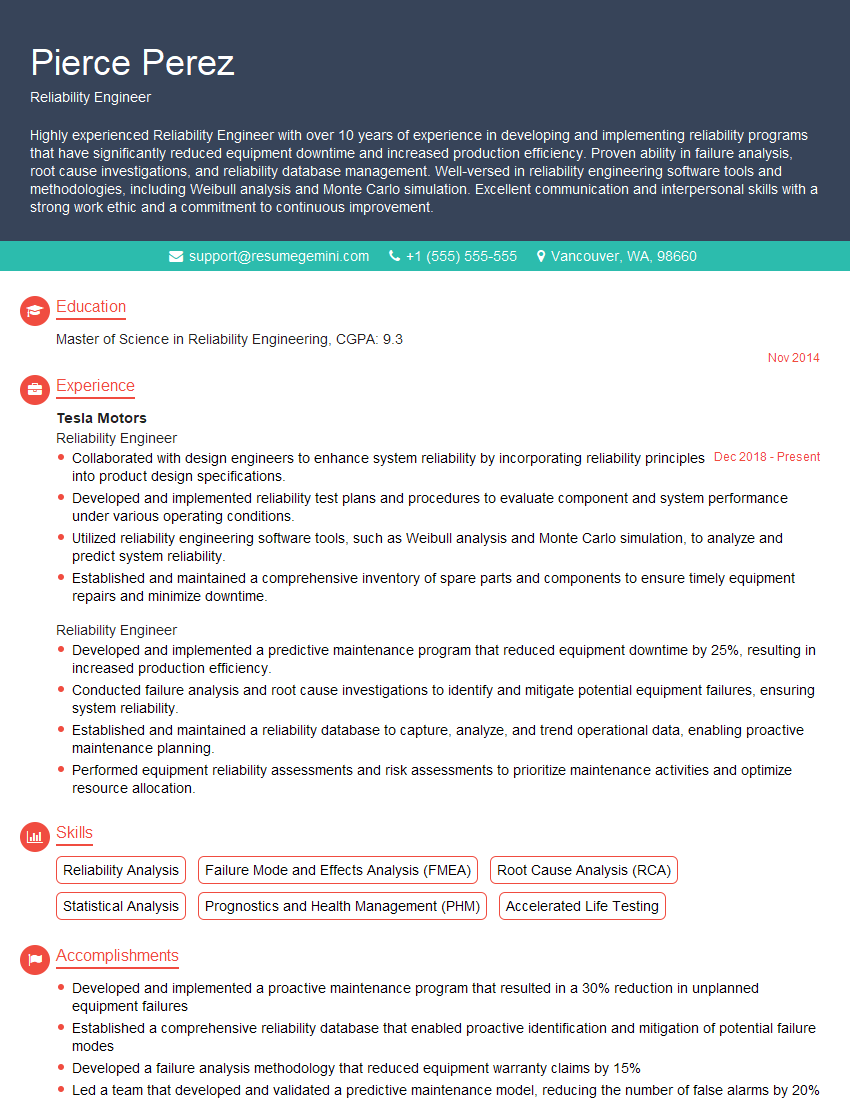
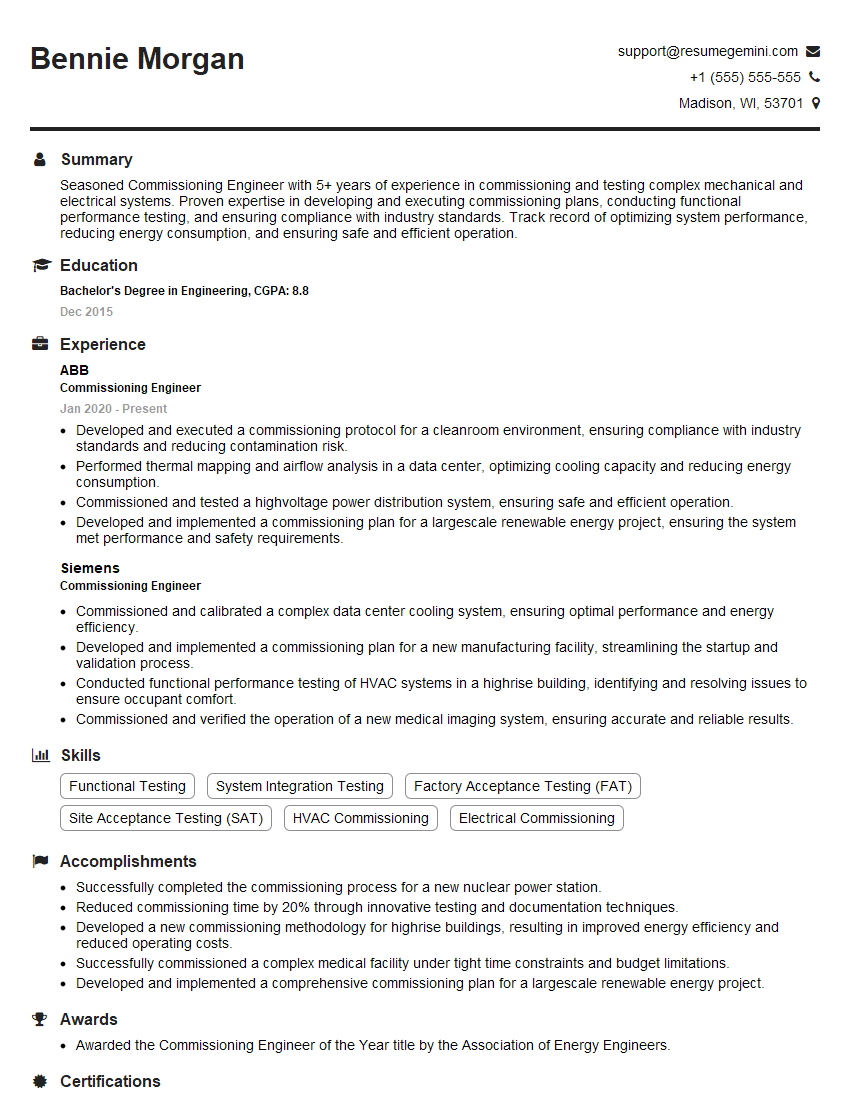
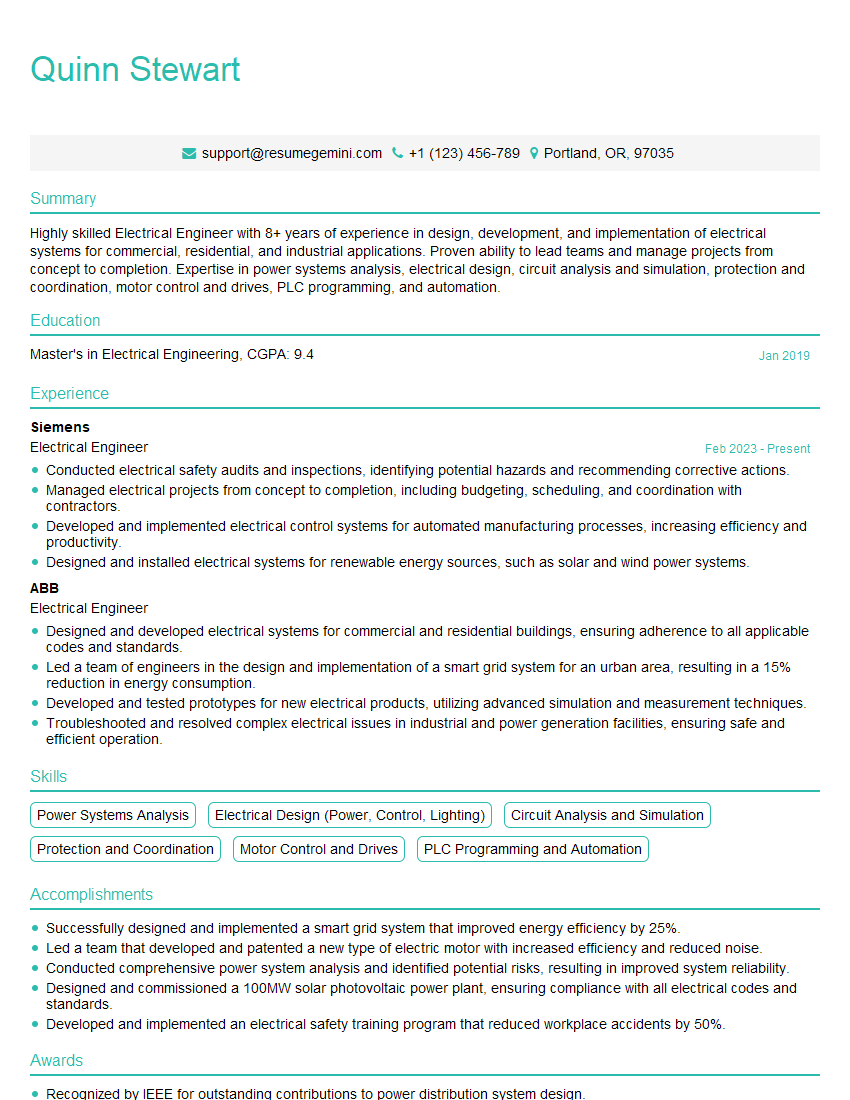
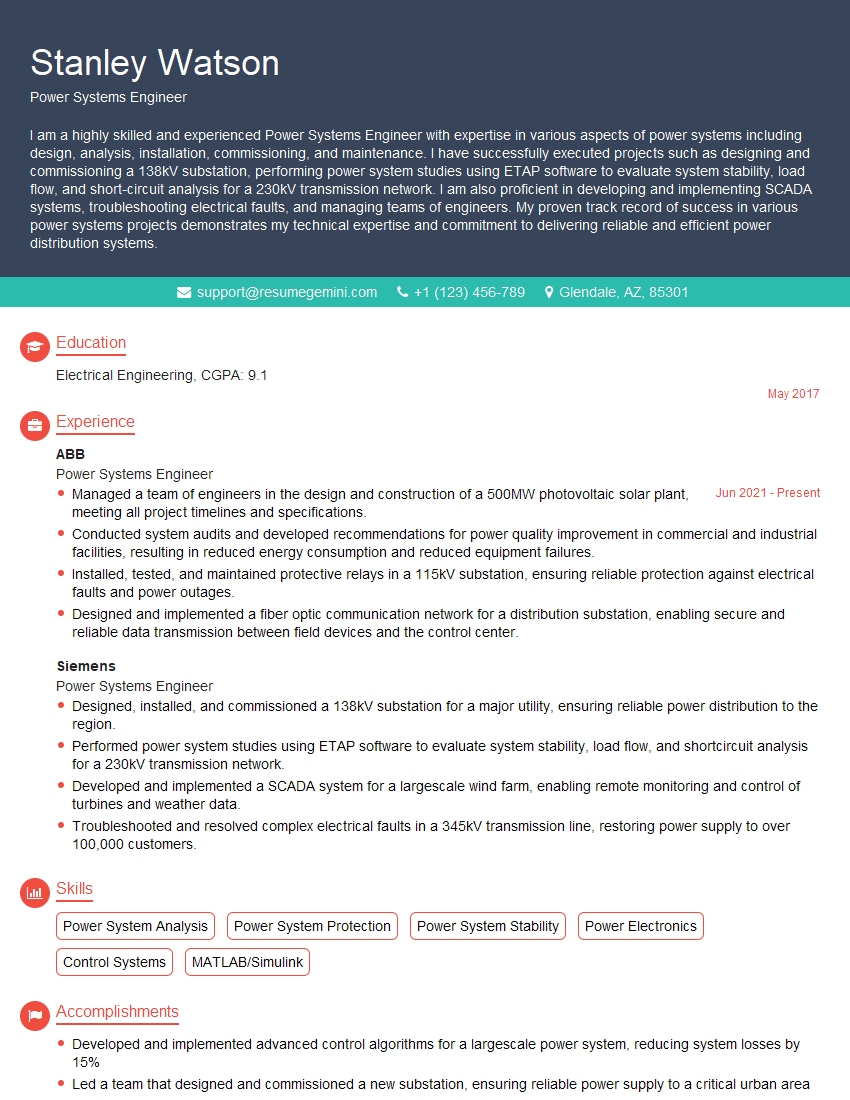
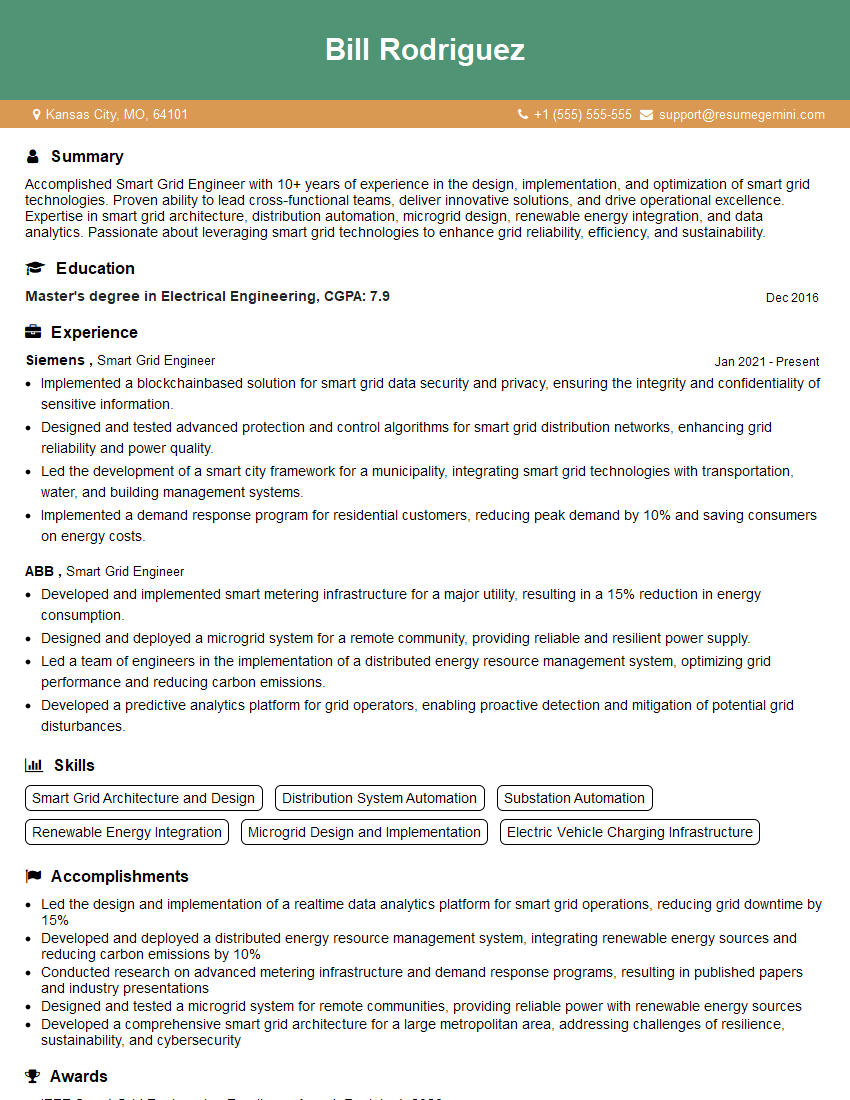
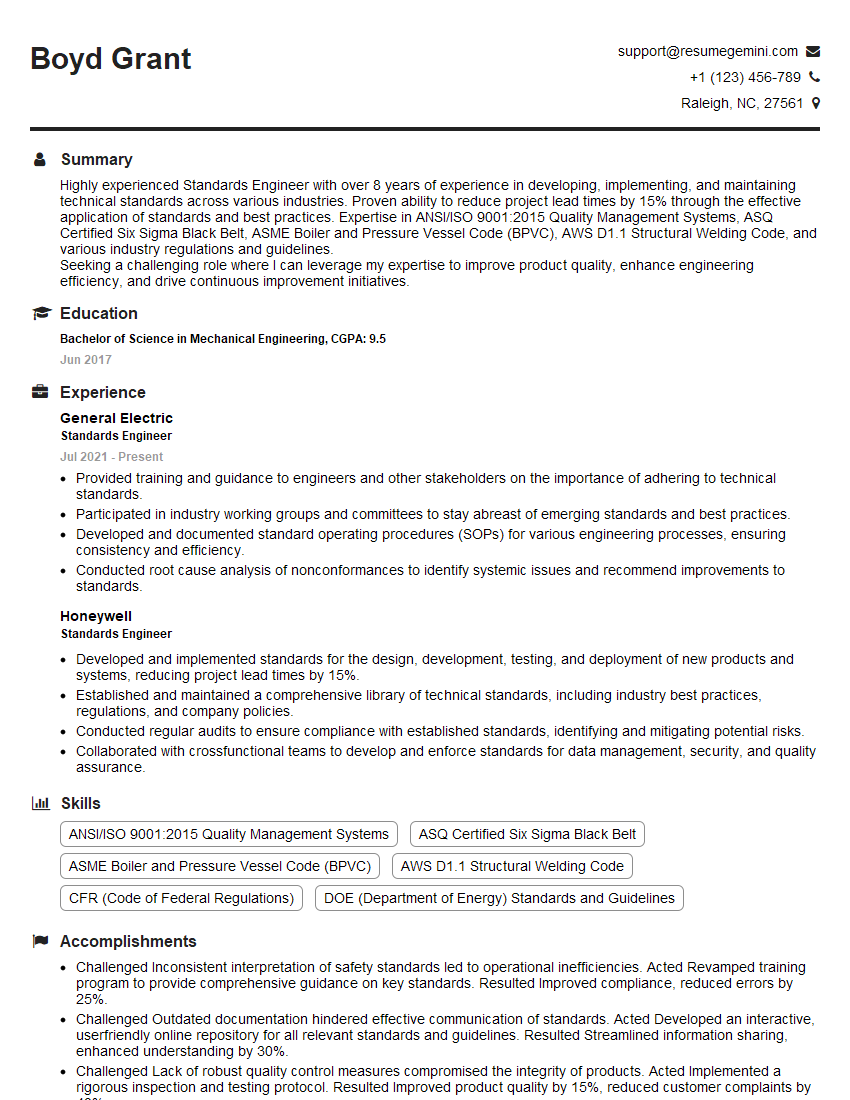
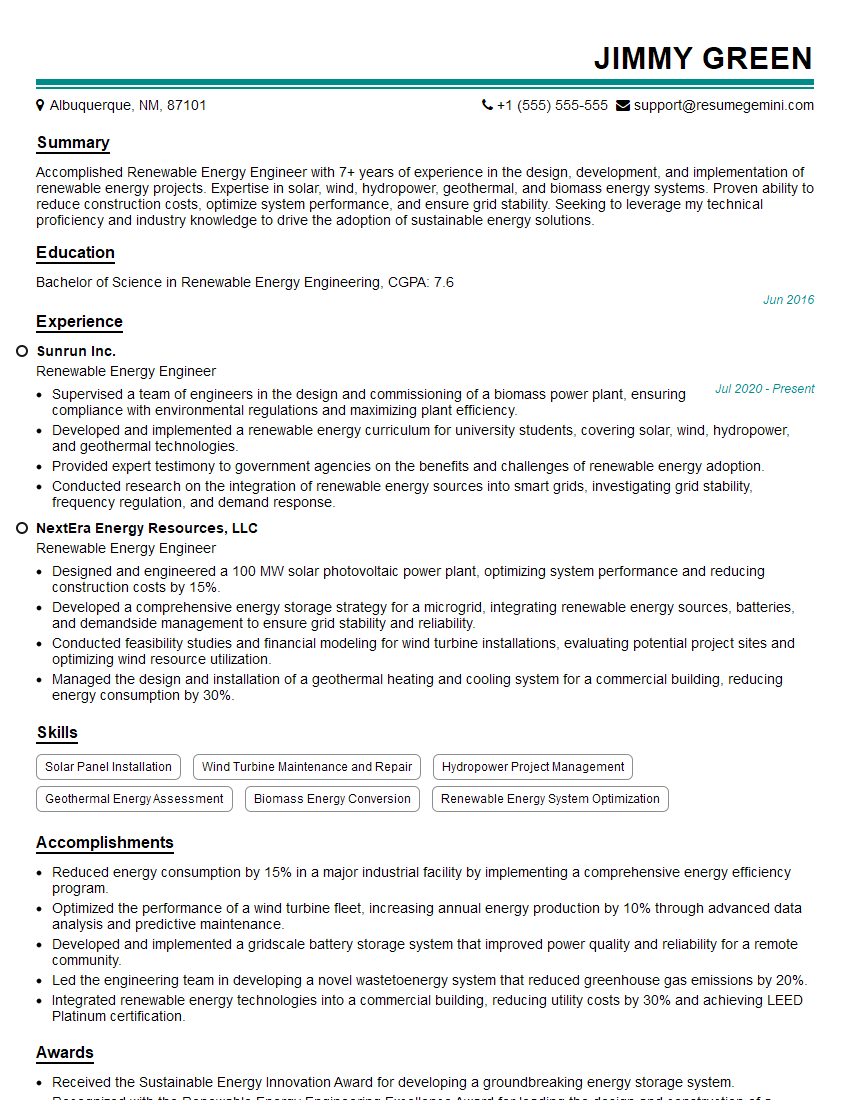
Mastering IEEE Standard 1547-2018 is crucial for career advancement in the renewable energy and power systems sectors. Demonstrating this expertise significantly enhances your candidacy for roles requiring deep technical knowledge. To maximize your job prospects, create an ATS-friendly resume that effectively highlights your skills and experience. ResumeGemini is a trusted resource to help you build a professional and impactful resume. We offer examples of resumes tailored to IEEE Standard 1547-2018 for Grid Interconnection to guide your preparation. Invest time in crafting a compelling resume – it’s your first impression on potential employers.
Explore more articles
Users Rating of Our Blogs
Share Your Experience
We value your feedback! Please rate our content and share your thoughts (optional).
What Readers Say About Our Blog
Very informative content, great job.
good