Cracking a skill-specific interview, like one for ilderness Leadership and Expedition Planning, requires understanding the nuances of the role. In this blog, we present the questions you’re most likely to encounter, along with insights into how to answer them effectively. Let’s ensure you’re ready to make a strong impression.
Questions Asked in ilderness Leadership and Expedition Planning Interview
Q 1. Describe your experience in risk assessment and mitigation in wilderness settings.
Risk assessment and mitigation in wilderness settings is a systematic process that begins long before the expedition starts and continues throughout. It involves identifying potential hazards, analyzing their likelihood and severity, and developing strategies to avoid or minimize their impact. I use a hierarchical approach, starting with a comprehensive pre-trip planning phase.
- Hazard Identification: This involves brainstorming potential dangers – weather (e.g., flash floods, sudden storms), terrain (e.g., rockfalls, crevasses), wildlife encounters (e.g., bear attacks, venomous snakes), human factors (e.g., illness, injury, equipment failure), and navigation challenges (e.g., getting lost). I utilize checklists and past experience to systematically cover all bases.
- Risk Analysis: For each identified hazard, I assess its likelihood and severity, often using a matrix. For example, a high-likelihood, low-severity hazard might be minor injuries from slips and falls, which we mitigate with proper footwear and training. A low-likelihood, high-severity hazard, like a flash flood, requires detailed route planning, weather monitoring, and contingency plans.
- Risk Mitigation: This involves implementing strategies to reduce or eliminate risks. This could include choosing safer routes, carrying appropriate safety equipment (first-aid kit, satellite communication device, emergency shelter), establishing clear communication protocols, conducting thorough training, and having well-defined emergency procedures.
For example, during a recent expedition in the Rockies, we anticipated potential encounters with grizzly bears. Our mitigation strategy involved carrying bear spray, understanding bear behavior, practicing food storage techniques, and conducting bear awareness training sessions for the team.
Q 2. Explain your approach to team building and leadership in challenging outdoor environments.
Team building in challenging outdoor environments relies on establishing trust, clear communication, and shared responsibility. My approach is based on a combination of pre-trip preparation and on-the-ground leadership.
- Pre-trip Team Building: Before the expedition, I conduct pre-trip meetings to get to know the team members, understand their skills and experience, and establish clear roles and responsibilities. We also discuss expectations, communication protocols, and emergency procedures.
- Shared Leadership: In challenging situations, I foster a shared leadership model, empowering team members to take initiative and contribute their expertise. This strengthens team cohesion and builds confidence.
- Open Communication: I encourage open communication, ensuring that everyone feels comfortable voicing concerns and sharing ideas. Regular team check-ins and debriefs help address any challenges and prevent conflicts.
- Collaborative Problem-Solving: During challenges, I encourage the team to work together to find solutions, promoting a sense of shared responsibility and accomplishment. For example, if we encounter a difficult terrain passage, we would collectively brainstorm solutions and implement the safest and most efficient strategy as a team.
In one instance, a team member’s unexpected anxiety surfaced during a challenging climb. By openly discussing it, the team created supportive strategies, improving both the climber’s confidence and the overall team morale. This strengthened the team bond and made them more resilient.
Q 3. How would you handle a medical emergency far from medical assistance?
Handling a medical emergency far from assistance requires a calm, systematic approach that prioritizes immediate care and evacuation planning.
- Immediate Assessment and Care: First, conduct a thorough assessment of the situation, including the nature and severity of the injury or illness. Provide immediate first aid, stabilizing the patient as best as possible.
- Communication: Activate emergency communication devices (satellite phone, personal locator beacon) to contact emergency services and provide location coordinates.
- Evacuation Planning: Develop a plan for evacuation, considering the terrain, weather conditions, and available resources. This might involve self-evacuation, if feasible, or waiting for rescue.
- Team Support: Delegate tasks to team members based on their skills and abilities. This may include providing support for the injured person, maintaining communication, or helping with shelter and supplies.
For instance, if a team member experienced a serious leg fracture, I would use a satellite phone to alert emergency services. While waiting for rescue, I would use improvised splints to immobilize the leg, administer pain relief, and keep the patient warm and comfortable. The team would assist in setting up a shelter and maintaining morale.
Q 4. What are your strategies for navigating in remote areas using map and compass or GPS?
Navigation in remote areas requires proficiency in map and compass skills, supplemented by GPS technology. I employ a multi-faceted approach ensuring redundancy.
- Map and Compass Navigation: I emphasize the fundamental skills of map reading, orientation, and route planning using a topographic map and compass. We practice these skills regularly before and during expeditions.
- GPS Utilization: GPS devices offer valuable supplementary information and are helpful in challenging conditions. However, I stress that GPS should not be the sole reliance due to potential battery failure or signal loss.
- Route Planning: Before any expedition, we carefully plan our route, using both maps and GPS data to identify potential challenges and establish waypoints. We also create backup routes and contingency plans.
- Natural Navigation: I also integrate natural navigation techniques, using celestial bodies, terrain features, and vegetation patterns to confirm our location and progress. This acts as a valuable backup for when technology may fail.
For example, on a recent trek, our GPS malfunctioned in a dense forest. Using the topographic map, compass, and our understanding of the terrain, we successfully navigated to our planned waypoint.
Q 5. How do you ensure the safety and well-being of your team members during an expedition?
Ensuring team safety and well-being is paramount. My approach is proactive and multi-layered.
- Pre-trip Preparation: This includes thorough medical checks, equipment inspections, and comprehensive training on safety protocols and emergency procedures. I also gather relevant personal information from each team member, including any medical conditions or allergies.
- On-the-Ground Monitoring: Throughout the expedition, I monitor the physical and mental well-being of each team member, addressing concerns promptly. We maintain regular communication, and I encourage team members to report any issues or concerns without hesitation.
- Environmental Awareness: We are always mindful of environmental hazards and take preventative measures to reduce risks. This includes safe water purification techniques, proper waste disposal, and awareness of potential wildlife encounters.
- Risk Management: Continuous risk assessment is critical. If a situation arises that requires a change in plans, we reassess the risks and adapt accordingly, prioritizing the safety and well-being of the team.
For example, during a challenging climb, I noticed a team member displaying signs of altitude sickness. We immediately descended to a lower altitude, providing fluids and oxygen, and carefully monitored their progress. This proactive approach prevented a more serious medical emergency.
Q 6. Describe your experience with trip planning, including logistics and resource management.
Trip planning is a meticulous process involving several key steps.
- Destination Selection and Route Planning: The first step involves identifying a suitable destination based on the team’s experience and goals. This includes studying maps, weather patterns, and potential hazards. We carefully plan our route, considering access points, campsites, water sources, and potential challenges.
- Logistics and Resource Management: This includes securing permits, making reservations for accommodation (if applicable), arranging transportation, and procuring necessary supplies and equipment. We create detailed packing lists and ensure that everyone understands their individual responsibilities for carrying and managing resources.
- Budgeting and Finances: A detailed budget is essential, accounting for all expenses, including permits, transportation, equipment, food, and contingency funds. We usually have a dedicated team member responsible for tracking our budget.
- Contingency Planning: We develop comprehensive contingency plans for various scenarios, such as weather delays, equipment failure, medical emergencies, or unexpected changes in terrain. This ensures that we are prepared for any eventuality.
For instance, while planning a kayaking expedition, we considered weather forecasts, water levels, potential rapids, and suitable campsites. We meticulously planned our route, prepared for potential equipment failures, and ensured we had enough emergency supplies. We also had a backup plan in case of unforeseen weather conditions.
Q 7. How do you adapt your leadership style to different team dynamics and personalities?
Adapting leadership style to different team dynamics requires flexibility and understanding. My leadership style is adaptable and situational.
- Understanding Team Dynamics: Before the expedition, I assess the team’s strengths, weaknesses, and individual personalities through pre-trip meetings and informal interactions. This helps me anticipate potential challenges and adjust my approach accordingly.
- Situational Leadership: I adjust my leadership style based on the specific situation. In times of crisis, I adopt a more directive approach, providing clear instructions and guidance. During less challenging periods, I adopt a more collaborative and participative style, encouraging teamwork and shared decision-making.
- Individualized Support: I tailor my approach to the needs of each individual team member. Some may require more guidance and support, while others may prefer more autonomy and responsibility. Open communication is crucial to understand each team member’s comfort level.
- Conflict Resolution: I actively address any conflicts that may arise, using a fair and equitable approach. This often involves mediating disputes, fostering understanding, and finding solutions that satisfy all parties.
In one expedition, I led a team with vastly different skill levels and personalities. By recognizing these differences, I assigned roles and responsibilities accordingly, providing support and guidance where needed while fostering independence in experienced team members. This approach built trust and ensured the successful completion of the expedition.
Q 8. What are your methods for addressing conflict within a wilderness expedition team?
Conflict resolution in a wilderness setting requires a proactive and empathetic approach. My method centers around preventative measures and a structured response to conflict when it arises. Before the expedition, I facilitate team-building activities to foster trust and open communication. This includes discussions around shared goals, risk assessment, and individual expectations. During the expedition, I emphasize active listening and encourage team members to express their concerns openly and respectfully.
If conflict does arise, I follow a structured approach: 1. Identify the issue: Clearly define the source of the disagreement. 2. Facilitate discussion: Create a safe space for each member to share their perspective without interruption. 3. Find common ground: Identify shared goals and values to build consensus. 4. Brainstorm solutions: Explore different options to address the issue collaboratively. 5. Implement and evaluate: Put the chosen solution into practice and assess its effectiveness. If the conflict involves safety or significantly impacts team cohesion, I may need to take more direct action, such as separating individuals temporarily or adjusting roles to mitigate further problems. For example, during a recent expedition, a disagreement arose regarding pacing. By facilitating open dialogue, we discovered one member was struggling physically and we adjusted the daily itinerary to accommodate them.
Q 9. Explain your knowledge of Leave No Trace principles and how you apply them.
Leave No Trace (LNT) principles are fundamental to responsible wilderness travel. They guide us to minimize our impact on the environment. The seven principles are: Plan Ahead and Prepare; Travel and Camp on Durable Surfaces; Dispose of Waste Properly; Leave What You Find; Minimize Campfire Impacts; Respect Wildlife; Be Considerate of Other Visitors.
I apply these principles in every expedition by: meticulously planning routes and campsites to avoid sensitive areas; utilizing existing trails and campsites; packing out all trash and human waste; leaving natural and cultural artifacts undisturbed; using a lightweight stove instead of open fires whenever possible; maintaining a safe distance from wildlife; and always being respectful of other users of the wilderness area. For instance, we use bear canisters to securely store food, preventing wildlife encounters and potential damage to the environment. We also educate our team members extensively on LNT before the expedition begins, ensuring everyone understands and actively contributes to minimizing our impact.
Q 10. How do you handle unexpected weather changes or equipment failures during an expedition?
Unexpected weather changes and equipment failures are inevitable in wilderness expeditions. My approach focuses on preparedness and adaptable problem-solving. Before departure, we conduct thorough weather forecasts and pack contingency gear for various scenarios. This includes extra layers of clothing for cold snaps, rain gear, and emergency shelters. We also have a comprehensive equipment checklist and ensure all gear is in optimal working condition before leaving.
If unexpected weather arises, we adjust our plans accordingly. This may involve seeking shelter, altering our route, or changing the pace of our travel. In case of equipment failure, we rely on our pre-planned contingencies: backup gear, repair kits, and problem-solving skills. For example, if a tent pole breaks, we might utilize trekking poles and cordage as a temporary repair or utilize a bivy sack as a backup shelter. Effective communication and collaboration within the team is crucial in managing such situations. We regularly assess risks and make informed decisions based on the available resources and safety considerations.
Q 11. Describe your experience with wilderness survival skills and techniques.
My wilderness survival skills are extensive and encompass navigation, shelter building, fire starting, water procurement, food acquisition, and first aid. I am proficient in map and compass navigation, including using GPS as a supplementary tool. I can construct various types of shelters using natural materials, adapt to different terrains, and create emergency signals using readily available materials. My fire-starting skills involve multiple methods, including friction-based techniques and using various fire starters. I know how to identify safe water sources, purify water effectively, and find or create appropriate containers. My experience includes foraging for edible plants, trapping small animals and other food acquisition methods, while always prioritizing safety and ethical considerations.
I’ve completed advanced wilderness first aid and survival courses, and my experience includes multiple solo and group expeditions in diverse environments. For example, during a solo expedition in the Alaskan wilderness, I had to improvise a shelter using a tarp and branches during an unexpected blizzard, successfully navigating back to safety using my compass and map after losing the trail.
Q 12. How would you respond to a member exhibiting signs of hypothermia or heatstroke?
Recognizing and responding to hypothermia or heatstroke is critical for ensuring team safety. Hypothermia is characterized by shivering, confusion, and slowed breathing, while heatstroke involves high body temperature, rapid pulse, and altered mental state. My response involves immediately moving the affected individual to a sheltered location, protecting them from further exposure to the elements, and providing appropriate first aid.
For hypothermia, this means removing wet clothing, wrapping the person in warm blankets, providing warm fluids (if conscious), and seeking additional warmth. For heatstroke, this involves cooling the person down quickly using methods like cold compresses, water immersion (if available and safe), and fanning. I would then monitor their vital signs, documenting any changes and seeking appropriate medical evacuation if the situation warrants it. Prior to every expedition, I conduct thorough briefings on recognizing and treating these conditions, ensuring all team members are aware of the signs and procedures.
Q 13. What are your strategies for maintaining team morale and motivation during long expeditions?
Maintaining team morale and motivation during long expeditions is vital for success and safety. My strategies involve fostering a positive team dynamic, encouraging open communication, setting achievable goals, celebrating milestones, and providing opportunities for rest and recreation.
Before the expedition, team-building activities create bonds and shared expectations. During the expedition, I promote a supportive environment, encouraging team members to help each other and share their experiences. We set daily goals and celebrate completing them to maintain a sense of accomplishment. We also incorporate rest days or relaxed activities to reduce fatigue and stress. Storytelling, sharing music, and simple games are employed to lighten the mood and boost morale. Recognizing individual contributions and offering support during challenging moments is essential. For example, during a challenging river crossing, we worked together as a team, relying on each other for encouragement and support. This experience strengthened our bonds and increased our trust in one another.
Q 14. How do you ensure the environmental sustainability of your expeditions?
Environmental sustainability is paramount in all my expeditions. This is achieved through rigorous adherence to Leave No Trace principles, minimizing waste generation, and opting for sustainable practices.
We prioritize using reusable items over single-use plastics, pack out all trash, treat wastewater properly, and avoid damaging vegetation or disturbing wildlife. We choose eco-friendly equipment and gear whenever possible, supporting companies committed to sustainability. Educating participants about environmental responsibility is a key element of the expedition preparation. Before each trip, we discuss sustainable practices and the environmental consequences of irresponsible behavior. Selecting routes that minimize environmental impact and avoiding sensitive ecosystems are also important. For example, we might choose a trail that avoids areas with fragile vegetation or nesting bird populations. By prioritizing sustainability, we strive to leave a minimal footprint and encourage responsible exploration of the wilderness.
Q 15. How do you manage communication with expedition members and support staff?
Effective communication is the bedrock of any successful expedition. My approach is multifaceted and relies on pre-expedition briefing, consistent in-field updates, and clear channels for both formal and informal communication.
- Pre-Expedition Briefing: Before embarking, I hold comprehensive briefings outlining roles, responsibilities, communication protocols, and emergency procedures. This includes establishing clear reporting structures and designating communication officers.
- In-Field Communication: We utilize a mix of methods depending on the terrain and technology availability. This might include satellite phones, two-way radios, pre-arranged check-in points with GPS coordinates, and even established signal flags for visual communication in situations where electronic devices are impractical or unreliable.
- Regular Updates: Daily or even more frequent updates are crucial, depending on the expedition’s complexity and risk level. These updates inform support staff of our progress, any challenges encountered, and our overall wellbeing. Similarly, I ensure the team is informed about logistical changes, potential risks, and weather updates.
- Open Dialogue: Fostering open and honest communication within the team is paramount. I encourage members to voice concerns or difficulties immediately rather than allowing small issues to escalate. Regular team meetings allow for collaborative problem-solving and ensure everyone feels heard.
For example, during a recent Himalayan trek, daily satellite phone check-ins with base camp were essential for coordinating resupply drops and updating family members back home. A clear chain of command and designated communication officer ensured quick and efficient information flow during an unexpected blizzard.
Career Expert Tips:
- Ace those interviews! Prepare effectively by reviewing the Top 50 Most Common Interview Questions on ResumeGemini.
- Navigate your job search with confidence! Explore a wide range of Career Tips on ResumeGemini. Learn about common challenges and recommendations to overcome them.
- Craft the perfect resume! Master the Art of Resume Writing with ResumeGemini’s guide. Showcase your unique qualifications and achievements effectively.
- Don’t miss out on holiday savings! Build your dream resume with ResumeGemini’s ATS optimized templates.
Q 16. Describe your experience with emergency communication systems in remote areas.
Emergency communication in remote areas requires redundancy and a layered approach. My experience encompasses various technologies and techniques.
- Satellite Phones: These are crucial for contacting external support in areas without cellular service. I ensure each expedition carries multiple devices with pre-programmed emergency contacts and sufficient battery life.
- Two-Way Radios: Ideal for short-range communication within the team, especially useful for navigating challenging terrain or responding to immediate emergencies.
- Personal Locator Beacons (PLBs): PLBs transmit a distress signal to emergency response services, pinpointing the location of the user. These are life-saving devices and are always included in my expedition kit.
- High-Frequency (HF) Radios: Useful for long-range communication, especially over significant distances or in areas with challenging terrain, they require expertise to operate correctly.
- InReach Devices: These offer satellite communication allowing messaging and location sharing with pre-programmed contacts and emergency services.
In a past expedition in the Amazon rainforest, the satellite phone proved invaluable when a team member suffered a serious injury. We successfully contacted a medical evacuation helicopter, thanks to the pre-planned coordinates and emergency contact list. The backup two-way radios ensured we could coordinate team efforts during the emergency.
Q 17. What is your approach to decision-making in high-pressure situations in the wilderness?
Decision-making in high-pressure wilderness situations necessitates a structured approach balancing speed, accuracy, and collaboration.
- Assess the Situation: Quickly gather information about the problem, assessing its urgency and potential impact. This involves analyzing available data, consulting with the team, and considering various perspectives.
- Develop Options: Brainstorm several possible solutions, considering potential risks and benefits associated with each. Prioritize solutions based on their potential effectiveness, safety, and feasibility.
- Choose the Best Option: Based on the assessment and options analysis, select the most appropriate course of action. This involves weighing factors such as risk tolerance, available resources, and the team’s capabilities. Time constraints often need consideration.
- Implement and Monitor: Once a decision is made, implement it swiftly and effectively. Monitor the situation closely to assess the effectiveness of the decision and make any necessary adjustments.
- Debriefing: After the situation is resolved, conduct a thorough debriefing to learn from the experience, identify areas for improvement, and refine decision-making strategies for future situations.
For instance, during a sudden flash flood while river trekking, I rapidly assessed the situation, identified a nearby elevated area for safety, and swiftly guided the team to higher ground. The decision prioritized immediate safety over more deliberate planning, demonstrating the importance of rapid response in critical situations.
Q 18. How do you assess and manage the physical and mental fitness of expedition members?
Physical and mental fitness are non-negotiable for successful expeditions. My assessment and management strategies are proactive and multi-layered.
- Pre-Expedition Fitness Assessment: I require potential members to undergo a thorough physical assessment, including cardiovascular tests, strength evaluations, and a medical check-up. This helps identify potential risks and tailor training programs accordingly.
- Mental Fitness Evaluation: I also assess mental resilience through questionnaires and interviews, understanding an individual’s ability to handle stress, pressure, and potential setbacks. Experience in teamwork and self-reliance are significant factors.
- Customized Training Programs: Based on the assessments, I develop individualized training programs focusing on strength, endurance, and mental preparedness. This includes physical conditioning, navigation training, and wilderness survival skills.
- Ongoing Monitoring: During the expedition, I continuously monitor each member’s physical and mental state, watching for signs of exhaustion, stress, or injury. Regular rest days are incorporated into the itinerary, and psychological support is offered as needed.
- Team Dynamics: I focus on building a strong team dynamic where members support each other, fostering a sense of camaraderie and shared responsibility. This is key to enhancing both physical and mental resilience during the challenges of an expedition.
For example, I once noticed subtle signs of exhaustion in a member during an Arctic expedition, implementing rest days and adjusting his tasks to ensure both his safety and the success of the expedition. Early identification and intervention prevented a more significant issue.
Q 19. Explain your knowledge of different wilderness terrains and their associated risks.
Understanding different wilderness terrains and their associated risks is fundamental. My knowledge encompasses diverse environments.
- Mountainous Regions: These present challenges such as altitude sickness, unpredictable weather, steep terrain, and the risk of falls and avalanches. Planning involves careful route selection, altitude acclimatization strategies, and training in avalanche safety.
- Desert Environments: Extreme temperatures, water scarcity, and sandstorms pose significant risks. Careful water management, appropriate clothing and sun protection, and navigation skills are crucial.
- Arctic and Antarctic Regions: Exposure to extreme cold, icy conditions, and potential wildlife encounters are major concerns. Appropriate cold-weather gear, survival training, and wildlife awareness are essential.
- Tropical Rainforests: Challenges include humidity, dense vegetation, insects, diseases, and potential for getting lost. Navigation skills, understanding local flora and fauna, and appropriate insect protection are vital.
- Aquatic Environments: Risks range from drowning and hypothermia to strong currents and marine life. Swimming proficiency, boating skills, and appropriate safety equipment are crucial.
For instance, during a Patagonia expedition, I thoroughly briefed the team on the dangers of glacial crevasses and implemented safety procedures, including rope techniques and crevasse rescue training, thereby preventing a potential accident.
Q 20. How do you plan for and manage food, water, and other essential resources during an expedition?
Resource management is crucial for expedition success and safety. My approach is meticulous and based on precise calculations and contingency planning.
- Food Planning: Food is selected considering nutritional value, weight, perishability, and ease of preparation. Calorie requirements are carefully calculated based on the activity level and duration of the expedition. Meal planning incorporates variety to maintain morale.
- Water Management: Water availability is assessed, considering sources like rivers, streams, snowmelt, or the need for water purification or carrying sufficient supplies. Water rationing strategies might be implemented based on availability.
- Fuel and Equipment: Fuel for cooking and heating is carefully calculated, accounting for altitude and weather conditions. Equipment is selected based on durability, weight, and functionality, ensuring sufficient spares and repair tools.
- Waste Management: A plan for minimizing and properly disposing of waste is essential, considering environmental impact and the remote nature of the location. This frequently involves carrying out all waste.
- Contingency Planning: Contingency plans for resource shortages are developed, including alternative food sources and water purification methods.
During a trans-Alaskan expedition, we meticulously planned food rations, factoring in calorie needs for extreme cold conditions and incorporating high-energy foods. We also carried multiple water purification methods to account for varying water source quality.
Q 21. What are your strategies for preventing and responding to wildlife encounters?
Wildlife encounters can range from minor inconveniences to life-threatening situations. My strategies emphasize prevention and responsible response.
- Wildlife Awareness Training: Before the expedition, I provide comprehensive training on identifying local wildlife, understanding their behavior, and recognizing potential threats. This involves discussions about habitat awareness and safe distances.
- Respectful Distance: Maintaining a safe distance from wildlife is crucial. We are taught to observe animals without approaching or disturbing them, using binoculars and telephoto lenses when necessary.
- Food Storage: Proper food storage techniques are crucial to avoid attracting animals to the camp. This includes storing food securely in bear canisters or elevated platforms. All food odors should be contained.
- Emergency Procedures: We develop clear procedures to follow in case of wildlife encounters, including strategies for deterring aggressive animals (e.g., bear spray) and ensuring team safety.
- Leave No Trace: Minimizing human impact on the environment is essential. We follow Leave No Trace principles, aiming to avoid disturbing wildlife habitats and maintaining a minimal footprint.
In a recent trip to Yellowstone National Park, we strictly adhered to bear safety guidelines, using bear spray and storing food appropriately. We maintained a respectful distance from bison and other large mammals, ensuring both our safety and the animals’ well-being.
Q 22. Describe your experience in designing and delivering outdoor education programs.
Designing and delivering effective outdoor education programs requires a meticulous approach, blending pedagogical principles with wilderness expertise. My experience spans over ten years, encompassing various program formats, from short, introductory courses to multi-week expeditions. I begin by clearly defining learning objectives, aligning them with participant skill levels and experience. This involves careful assessment of the group’s needs and expectations. For instance, a program for novice backpackers will focus on fundamental skills like navigation, shelter building, and Leave No Trace principles, while a program for experienced mountaineers might emphasize advanced glacier travel techniques and rescue scenarios.
Program delivery involves a strong emphasis on experiential learning. Participants actively engage in the learning process through hands-on activities, problem-solving exercises, and reflection sessions. I use a variety of teaching methods, including demonstrations, simulations, and guided discussions, to cater to diverse learning styles. For example, teaching navigation might involve a classroom session on map and compass use, followed by practical application in the field, culminating in a guided navigation exercise where participants plan and execute a route. Post-program evaluation, using feedback forms and informal conversations, is crucial for continuous improvement. I analyze participant feedback to refine the curriculum, enhance teaching techniques, and ensure the program remains relevant and engaging.
Q 23. How do you ensure the legal compliance of your expeditions?
Legal compliance is paramount in wilderness expeditions. My approach involves a multi-layered strategy that begins with meticulous trip planning and risk assessment. This includes identifying potential hazards and developing mitigation strategies for each. For instance, for a river trip, I would assess water levels, potential weather hazards, and the group’s paddling proficiency to develop a safety plan that includes appropriate equipment, contingency plans, and communication protocols. I ensure all participants receive comprehensive briefings on safety procedures, trip protocols, and potential risks. This briefing emphasizes risk management, personal responsibility, and emergency procedures. I secure all necessary permits and licenses well in advance of the expedition, verifying compliance with all relevant regulations, which vary widely depending on the location and activity. This may include permits from national parks, forest services, or other land management agencies, as well as any required licenses for activities such as climbing or guiding.
I maintain comprehensive trip records, including participant information, permits, emergency contacts, and a detailed itinerary. These records are crucial for accountability and emergency response. Furthermore, I regularly update myself on relevant legislation and best practices to guarantee continuous compliance. Failure to comply with these regulations can result in serious legal repercussions, including fines, suspension of licenses, and even criminal charges.
Q 24. What is your understanding of different types of expedition permits and regulations?
Expedition permits and regulations vary significantly based on location, activity, and group size. Understanding these nuances is crucial for legal compliance and responsible wilderness travel. Common permit types include wilderness permits (allowing access to designated wilderness areas), climbing permits (for mountaineering activities), special use permits (for activities like commercial guiding or filming), and boating permits (for river trips or paddling). Each permit requires specific information, such as trip dates, route plans, group size, and contact details. Regulations often address issues like fire safety, Leave No Trace principles (minimizing environmental impact), wildlife protection, and waste disposal. For example, in some areas, campfire restrictions might be in place during dry seasons, or there may be restrictions on camping near water sources to protect water quality. Ignoring these regulations can lead to fines, legal action, and environmental damage. My approach involves thorough research of specific regulations governing the expedition’s location and activities, well in advance of the trip, to ensure complete compliance.
Q 25. How do you conduct post-expedition debriefings and evaluations?
Post-expedition debriefings and evaluations are essential for continuous improvement and learning. These sessions provide a platform for reflection, feedback, and identification of areas for improvement. I typically conduct these debriefings soon after the expedition concludes, while experiences are still fresh in participants’ minds. The debriefing involves a structured process, combining group discussion with individual reflections. I encourage open communication, creating a safe space for participants to share their thoughts and experiences – both positive and negative. Key areas explored include trip logistics, safety procedures, team dynamics, problem-solving approaches, environmental impacts, and overall participant satisfaction. I utilize a combination of qualitative and quantitative data gathering methods, including questionnaires, informal interviews, and observations during the expedition.
Evaluation goes beyond the debriefing; I analyze collected data to identify areas where processes can be improved. This might involve refining risk assessment strategies, improving communication protocols, or adapting the expedition’s itinerary or curriculum. For instance, if feedback reveals a weakness in navigation skills, I might incorporate additional navigation training into future programs. This continuous evaluation process ensures the safety and effectiveness of future expeditions.
Q 26. Describe a time you failed in a wilderness leadership situation and what you learned from it.
During a backcountry skiing trip, I underestimated the avalanche risk despite having access to avalanche forecasting and safety training. While we had avalanche safety gear and training, I didn’t stress the importance of consistent avalanche awareness enough. We encountered unexpectedly unstable snow conditions, resulting in a near-miss avalanche. Fortunately, no one was injured, but the experience served as a powerful reminder of the importance of thorough risk assessment and clear communication. I failed to effectively communicate the level of risk, allowing for complacency to creep in among team members.
The key learning from this experience was the critical need for proactive, ongoing risk management, not just a one-time assessment. My revised approach now emphasizes consistent risk communication and reiteration throughout the trip, adapting safety procedures based on changing conditions and team dynamics. I’ve since incorporated more rigorous avalanche safety drills into my training programs and emphasize the importance of continuous vigilance and decision-making, even in seemingly benign conditions. The near-miss reinforced that leadership in wilderness settings requires continuous adaptation and a healthy dose of humility.
Q 27. What are your professional development goals in the field of wilderness leadership?
My professional development goals focus on enhancing my expertise in wilderness risk management and crisis leadership. I plan to pursue advanced training in wilderness medicine and rescue techniques, including certifications in wilderness first responder and advanced wilderness first aid. I am also committed to broadening my knowledge of various wilderness environments and activities, participating in expeditions to expand my experience and further develop my leadership skills in diverse contexts. Finally, I aim to contribute to the field through research and publication, focusing on improving safety practices and training methodologies in wilderness leadership.
Q 28. How do you stay current with best practices in wilderness safety and leadership?
Staying current with best practices in wilderness safety and leadership is an ongoing process. I actively engage in professional development opportunities, including attending conferences and workshops, taking advanced training courses, and reading peer-reviewed research articles and publications. I maintain memberships in professional organizations such as the Wilderness Risk Management Conference (WRMC) and participate in online forums and communities dedicated to wilderness safety and leadership. These platforms provide access to the latest research, best practices, and discussions on emerging challenges in the field. Furthermore, I regularly review and update my personal safety protocols and equipment, staying informed about technological advancements and new gear that can enhance safety and efficiency. This commitment to ongoing learning ensures that my skills and knowledge remain at the forefront of wilderness safety and leadership best practices.
Key Topics to Learn for Wilderness Leadership and Expedition Planning Interview
- Risk Assessment and Management: Understanding and applying various risk assessment methodologies in wilderness environments. Practical application includes developing contingency plans for potential hazards like weather changes, injuries, or equipment failures.
- Team Dynamics and Leadership: Exploring effective communication, conflict resolution, and decision-making strategies within a team setting. This includes understanding different leadership styles and their applicability in challenging situations.
- Navigation and Route Planning: Mastering map and compass skills, GPS utilization, and route planning considering terrain, weather, and time constraints. Practical application includes designing efficient and safe routes for expeditions of varying difficulty.
- Wilderness First Aid and Emergency Response: Understanding wilderness-specific medical procedures and emergency response protocols. This involves knowing how to assess, treat, and evacuate injured individuals in remote locations.
- Leave No Trace Principles: Demonstrating a commitment to environmental stewardship and minimizing the impact of expeditions on the natural environment. This includes understanding and applying Leave No Trace ethics in planning and execution.
- Expedition Logistics and Supply Management: Planning and managing resources effectively, including food, water, equipment, and fuel, considering the duration and demands of the expedition. This also involves understanding weight considerations and efficient packing strategies.
- Environmental Awareness and Adaptability: Demonstrating knowledge of various ecosystems and the ability to adapt plans based on changing environmental conditions. Understanding weather patterns and their impact on expedition safety is crucial.
Next Steps
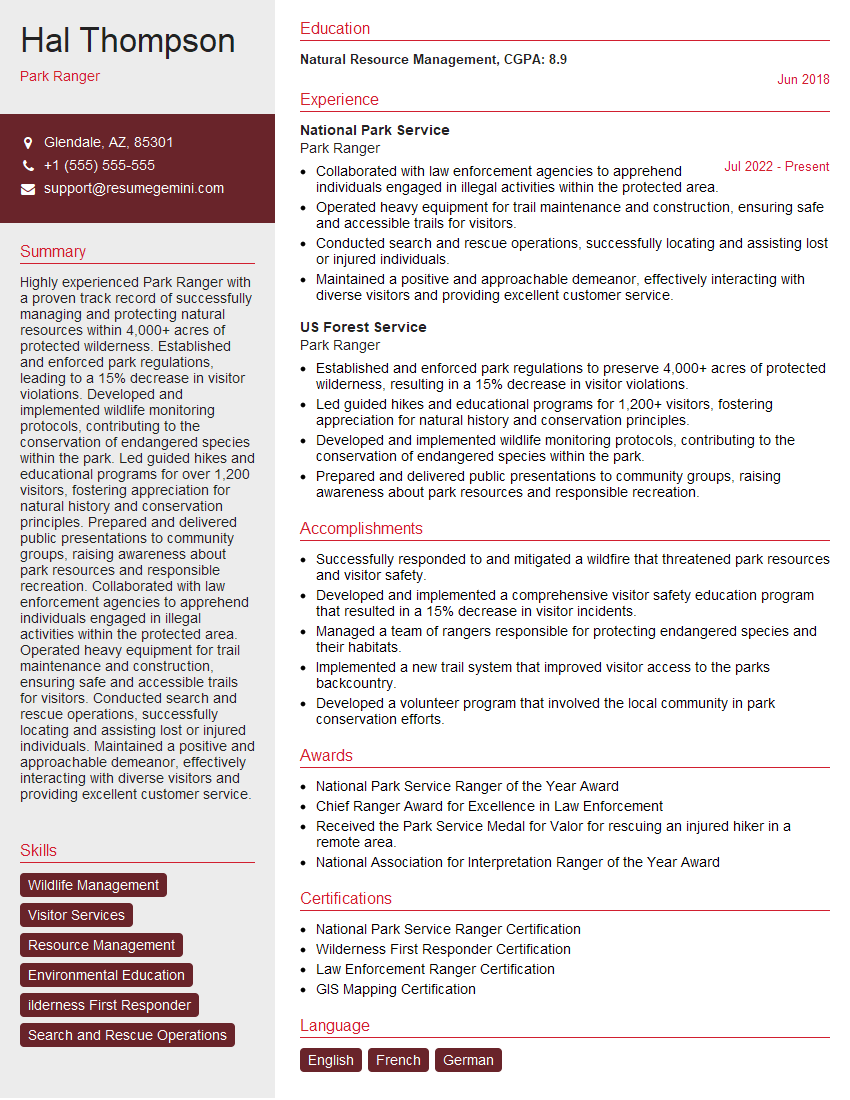
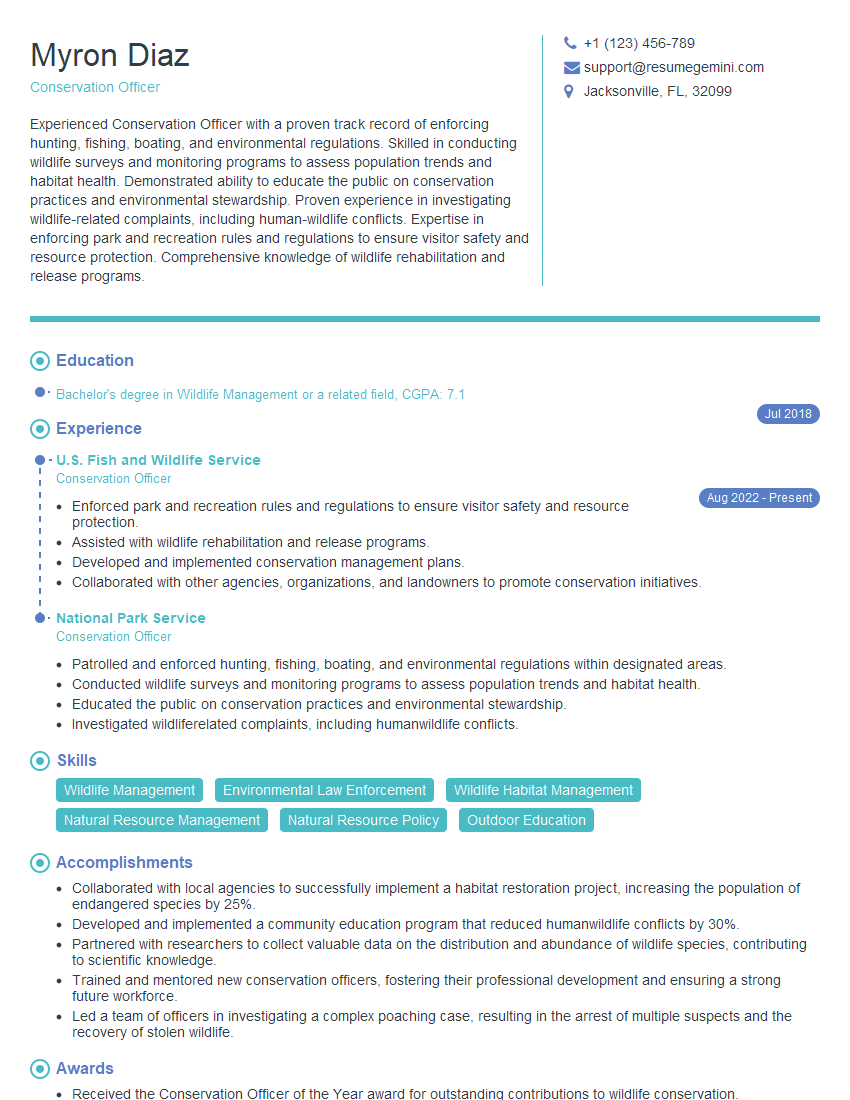
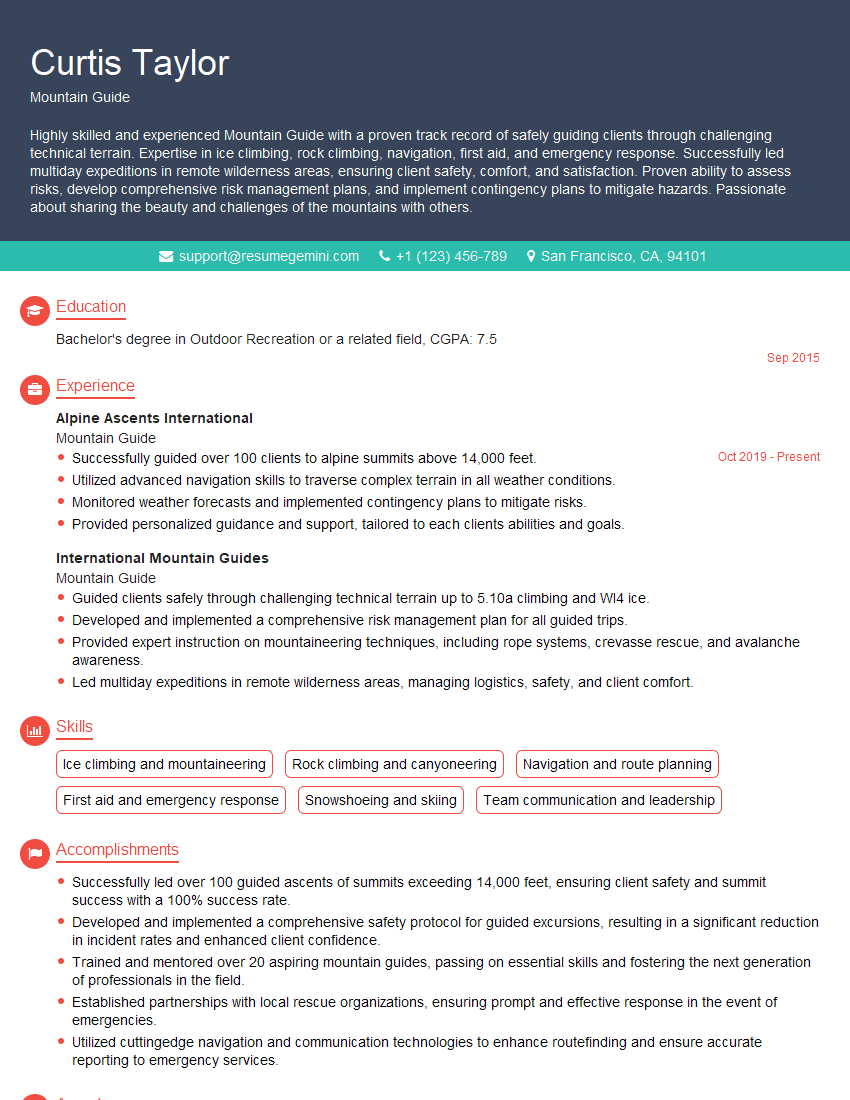
Mastering Wilderness Leadership and Expedition Planning is crucial for career advancement in this exciting field. It opens doors to diverse opportunities and showcases your commitment to safety, teamwork, and environmental responsibility. To significantly boost your job prospects, crafting an ATS-friendly resume is essential. ResumeGemini is a trusted resource that can help you build a professional and impactful resume, tailored to highlight your skills and experience. Examples of resumes specifically designed for Wilderness Leadership and Expedition Planning positions are available to guide you. Take the next step towards your dream career today!
Explore more articles
Users Rating of Our Blogs
Share Your Experience
We value your feedback! Please rate our content and share your thoughts (optional).
What Readers Say About Our Blog
Very informative content, great job.
good