Interviews are opportunities to demonstrate your expertise, and this guide is here to help you shine. Explore the essential Toy Manufacturing Processes interview questions that employers frequently ask, paired with strategies for crafting responses that set you apart from the competition.
Questions Asked in Toy Manufacturing Processes Interview
Q 1. Explain the different stages involved in toy manufacturing.
Toy manufacturing is a multi-stage process, much like building with LEGOs – you need each step to create a complete, functional, and safe final product. It typically involves:
- Design & Development: This initial phase focuses on creating the toy’s concept, sketching designs, building prototypes, and conducting thorough testing to ensure functionality and safety.
- Material Sourcing: Selecting appropriate materials is crucial. We consider factors like durability, safety (non-toxic plastics, for instance), cost-effectiveness, and environmental impact. This often involves working closely with suppliers to guarantee consistent quality.
- Manufacturing: This is where the actual production happens. Methods vary drastically depending on the toy – injection molding for plastic toys, die-casting for metal parts, sewing for plush toys, and assembly lines for complex toys involving multiple components.
- Quality Control: Rigorous quality checks are performed at each stage to catch defects early. This includes visual inspections, functional tests, and sometimes even destructive testing to ensure durability. This is critical for maintaining product quality and brand reputation.
- Packaging & Distribution: Once the toys are manufactured and inspected, they’re packaged attractively and safely for shipping to retailers and consumers. This step involves designing appropriate packaging, ensuring proper labeling (with safety information, etc.), and managing logistics for efficient distribution.
Think of making a teddy bear: First, you design it, then source the fabric and stuffing, sew the pieces together, add eyes and nose, inspect for defects, and package it ready for sale.
Q 2. Describe your experience with Lean Manufacturing principles in a toy production setting.
In my previous role, we implemented Lean Manufacturing principles to streamline our plush toy production. We focused on eliminating waste (muda) in seven key areas: transport, inventory, motion, waiting, over-production, over-processing, and defects. For example, we optimized the layout of our assembly line to reduce unnecessary worker movement (motion). We used Kanban systems to manage inventory, preventing overproduction of components and reducing storage costs. This resulted in a 15% increase in efficiency and a 10% reduction in manufacturing lead times. We also implemented 5S methodologies (Sort, Set in Order, Shine, Standardize, Sustain) to maintain a cleaner, more organized workspace improving workflow and reducing errors.
A specific example involved reducing the time spent waiting for materials. We reorganized our supply chain and implemented a just-in-time delivery system, ensuring materials arrived precisely when needed. This minimized storage space and reduced the risk of materials becoming obsolete or damaged.
Q 3. How would you manage a production line experiencing a significant defect rate?
A high defect rate is a serious issue demanding immediate attention. My approach involves a structured problem-solving methodology:
- Identify the Root Cause: We’d conduct a thorough investigation, using tools like Pareto charts (to identify the most frequent defect types), fishbone diagrams (to analyze potential causes), and data analysis to pinpoint the source of the problem. Is it a faulty machine? Inadequate training? Substandard materials?
- Implement Corrective Actions: Once the root cause is identified, we’d implement targeted corrective actions. This could involve repairing or replacing faulty equipment, retraining staff, changing suppliers, or adjusting production parameters.
- Monitor and Control: We’d closely monitor the defect rate after implementing corrective actions to ensure the problem is resolved. Control charts and regular inspections would help track progress and identify any recurring issues.
- Preventative Measures: Finally, we’d implement preventative measures to prevent similar issues from happening in the future. This might involve upgrading equipment, improving quality control procedures, or enhancing worker training.
For instance, if the defect is consistently related to a particular machine, we might need to schedule maintenance, replace worn parts, or even invest in a new, more reliable machine. If it stems from inadequate training, focused retraining programs would be necessary.
Q 4. What are the common quality control checks during toy production?
Quality control in toy manufacturing is paramount for ensuring safety and customer satisfaction. Checks are conducted at various stages:
- Incoming Material Inspection: Verification of raw materials, components, and packaging to meet specified quality standards.
- In-Process Inspection: Regular checks during the manufacturing process to detect defects early. This might involve visual inspections, dimensional checks, and functional tests.
- Final Product Inspection: A comprehensive inspection of the finished toy to ensure it meets all safety and quality requirements before packaging.
- Statistical Process Control (SPC): Using statistical methods to monitor the manufacturing process and identify potential problems before they lead to defects.
- Testing for Safety and Compliance: Toys are subjected to various safety tests to meet relevant regulations such as those set by the CPSC (US Consumer Product Safety Commission) or EN71 (European standard).
For example, a plush toy would be checked for loose parts, appropriate stitching, the absence of small parts that could be choking hazards, and the flammability of materials.
Q 5. Explain your experience with different types of plastics used in toy manufacturing.
Experience with various plastics is vital in toy manufacturing. The choice of plastic depends on the toy’s design, function, and target age group. Common plastics include:
- ABS (Acrylonitrile Butadiene Styrene): Strong, durable, and impact-resistant, often used for building blocks and action figures.
- PVC (Polyvinyl Chloride): Versatile and relatively inexpensive, but concerns regarding its plasticizers (phthalates) exist; its use is increasingly regulated for children’s toys.
- PP (Polypropylene): Lightweight, flexible, and resistant to chemicals, often used for toys that need to withstand repeated use and cleaning, such as buckets and shovels.
- PE (Polyethylene): Used in many toys, especially those needing flexibility and low cost; comes in different densities (high-density polyethylene, HDPE and low-density polyethylene, LDPE).
Selecting the right plastic is a balance between cost, durability, and safety. For instance, a toy intended for a toddler would need to be made from a non-toxic, easily cleanable, and durable plastic, such as PP, while a more complex action figure might use ABS for its strength and rigidity.
Q 6. How do you ensure compliance with safety regulations in toy manufacturing?
Safety compliance is non-negotiable in toy manufacturing. We must adhere to strict national and international regulations, including those relating to:
- Material Safety: Using non-toxic materials and avoiding the use of substances like lead, phthalates, and other harmful chemicals. Regular testing of materials is critical.
- Small Parts: Ensuring toys are free of small parts that could pose a choking hazard, particularly for young children. Strict size limits are defined by standards like ASTM F963 (US) and EN71 (EU).
- Flammability: Testing toys to meet flammability standards to minimize fire risks.
- Mechanical Safety: Ensuring toys are structurally sound and free of sharp edges or points that could cause injury.
- Electrical Safety: For electronic toys, rigorous testing is needed to ensure electrical components are safe and comply with relevant regulations.
We maintain comprehensive documentation of all safety testing and compliance procedures, work closely with regulatory bodies, and conduct regular internal audits to ensure consistent adherence to regulations.
Q 7. What are your strategies for minimizing waste in toy manufacturing?
Minimizing waste is crucial for environmental sustainability and cost reduction. Our strategies include:
- Lean Manufacturing Principles: Implementing Lean principles, as discussed earlier, reduces waste in all aspects of the production process, including material waste, energy waste and time waste.
- Efficient Material Usage: Optimizing material usage through precise cutting, efficient molding processes, and minimizing scrap generation. Using computer-aided design (CAD) software for precise design can drastically cut down on excess material.
- Recycling and Repurposing: Implementing recycling programs for plastic scrap and other reusable materials. Exploring opportunities to repurpose waste materials into other products or components.
- Sustainable Sourcing: Partnering with suppliers committed to sustainable practices, using recycled materials whenever possible, and favoring materials with lower environmental impact.
- Waste Audits and Tracking: Regular audits and tracking mechanisms to monitor waste generation and identify areas for improvement. This data-driven approach helps in continuous improvement and reduction of waste.
For example, we might switch to a different molding technique that generates less plastic waste or implement a program to collect and recycle plastic scrap from the factory floor.
Q 8. Describe your experience with Six Sigma methodologies in a manufacturing environment.
Six Sigma is a data-driven methodology focused on minimizing defects and maximizing efficiency. In toy manufacturing, this translates to reducing production errors, improving product quality, and streamlining processes. My experience involves leading projects using DMAIC (Define, Measure, Analyze, Improve, Control) to address critical quality issues. For example, in one project, we identified a high rate of paint defects on a popular toy car. Using DMAIC, we defined the problem, measured the defect rate, analyzed the root cause (a faulty paint sprayer nozzle), improved the process by replacing the nozzle and retraining operators, and implemented controls to prevent recurrence, ultimately reducing defects by 75%.
- Define: Clearly defining the problem and project goals.
- Measure: Collecting data to understand the current state.
- Analyze: Identifying root causes through statistical methods like control charts.
- Improve: Implementing solutions and testing their effectiveness.
- Control: Establishing processes to maintain the improvements.
Q 9. How would you troubleshoot a production bottleneck in a toy manufacturing facility?
Troubleshooting a production bottleneck starts with identifying the constraint. This often involves a systematic approach. Imagine a bottleneck in the assembly line of a plush toy. I would first visually inspect the line, looking for areas with large piles of unfinished work or idle workers. I would then use data – production records, downtime logs, and machine performance data – to pinpoint the exact location and cause. This could be due to a malfunctioning machine, insufficient raw materials, operator errors, or a poorly designed workflow. Next, I would prioritize solutions based on their impact and feasibility. For example, if a specific machine is consistently failing, I would prioritize repair or replacement. If the bottleneck is due to operator errors, retraining or improved work instructions might be the solution. Implementing a solution requires careful monitoring to ensure the improvement is sustained. The key is to avoid quick fixes and instead find the root cause to achieve long-term efficiency.
Q 10. Explain your understanding of different injection molding processes.
Injection molding is a crucial process in toy manufacturing, particularly for plastic components. There are several variations:
- Standard Injection Molding: This is the most common method, where molten plastic is injected into a mold cavity under high pressure, then cooled and ejected. It’s suitable for most toy parts.
- Gas-Assisted Injection Molding: A gas is injected into the mold cavity alongside the plastic, creating hollow parts with reduced weight and improved structural properties. This is ideal for larger, lighter toys.
- Reaction Injection Molding (RIM): Two or more liquid components are mixed and injected into a mold, reacting to form a solid part. It’s useful for creating larger parts with complex geometries.
- Multi-Shot Injection Molding: Different materials are injected into the mold in sequential steps, creating parts with multiple materials or colors in a single process. This is useful for toys with intricate designs or multiple components.
The choice of process depends on factors like part design, material properties, production volume, and cost considerations. I have extensive experience with all these techniques and selecting the most appropriate one for specific toy components.
Q 11. What are the key performance indicators (KPIs) you track in toy manufacturing?
Key Performance Indicators (KPIs) in toy manufacturing are critical for monitoring efficiency and product quality. The specific KPIs will vary depending on the product and production line, but generally include:
- Production Output: Units produced per hour/day/week.
- Defect Rate: Percentage of defective products.
- On-Time Delivery: Percentage of orders delivered on schedule.
- Inventory Turnover: How quickly inventory is sold or used.
- Machine Uptime: Percentage of time machines are operational.
- Production Costs: Cost per unit produced.
- Customer Satisfaction: Feedback from customers about product quality and service.
Regularly monitoring these KPIs allows for proactive adjustments to maintain efficiency and meet production targets.
Q 12. How do you manage inventory effectively in a toy manufacturing facility?
Effective inventory management is vital to avoid stockouts and excessive storage costs. In toy manufacturing, this involves a combination of strategies:
- Demand Forecasting: Predicting future demand based on historical sales data and market trends.
- Just-in-Time (JIT) Inventory: Receiving materials only when needed to minimize storage costs and reduce waste.
- Kanban Systems: A visual signaling system to manage material flow and prevent overproduction.
- Inventory Tracking: Using software or systems to accurately track inventory levels and locations.
- Regular Inventory Audits: Periodically checking inventory to identify discrepancies and ensure accuracy.
By implementing a robust inventory management system, we can optimize stock levels, minimize waste, and ensure timely production.
Q 13. Describe your experience with automated assembly lines in toy manufacturing.
Automated assembly lines are increasingly common in toy manufacturing, offering significant advantages in efficiency and consistency. My experience includes designing, implementing, and troubleshooting automated lines for various toy types. For example, I oversaw the automation of a line producing building blocks, which involved integrating robotic arms for precise part placement, automated quality checks, and conveyor systems for efficient material handling. This reduced labor costs, increased production output, and improved product consistency. Challenges in automation often involve integrating different machines, programming robots, and ensuring safety protocols are followed. However, the benefits – improved speed, precision, and quality – far outweigh the complexities. Success hinges on careful planning, system integration, and ongoing maintenance.
Q 14. Explain your experience with different types of finishing processes for toys (painting, coating, etc.).
Finishing processes are critical for creating appealing and durable toys. These can include:
- Painting: Applying paint to enhance appearance and provide protection. Different techniques like airbrushing, dipping, and silk-screening are employed, depending on the design and material.
- Coating: Applying protective layers, such as varnish or lacquer, to improve durability and water resistance.
- Printing: Using techniques like pad printing or screen printing to add designs and logos.
- Textile Finishing: For plush toys, this involves processes like dyeing, printing, and applying flame-retardant treatments.
My experience covers various finishing techniques, including optimizing processes to minimize waste, reduce environmental impact, and meet regulatory requirements. Selecting the appropriate finishing techniques is crucial for achieving the desired look, feel, and durability of the toy, while keeping costs under control.
Q 15. How would you address a supplier issue that impacts toy production?
Addressing supplier issues is crucial for maintaining a smooth production line. My approach involves a structured process. First, I’d clearly define the problem: Is it a quality issue, a delivery delay, or a price discrepancy? Then, I’d immediately communicate with the supplier, seeking clarification and understanding the root cause. This involves active listening and collaborative problem-solving. For example, if a supplier is facing raw material shortages, I might explore alternative suppliers, negotiate revised delivery schedules, or explore adjusting our order specifications. If the issue is a quality problem, I’d implement rigorous quality checks on incoming materials and collaborate with the supplier to identify and correct the source of the defect. We might even involve an external quality inspector for independent verification. Finally, I document all communications, agreements, and corrective actions, ensuring transparency and accountability. We might implement a formal supplier performance management system to track performance and identify potential issues early on. This proactive approach prevents recurring problems and fosters strong supplier relationships.
Career Expert Tips:
- Ace those interviews! Prepare effectively by reviewing the Top 50 Most Common Interview Questions on ResumeGemini.
- Navigate your job search with confidence! Explore a wide range of Career Tips on ResumeGemini. Learn about common challenges and recommendations to overcome them.
- Craft the perfect resume! Master the Art of Resume Writing with ResumeGemini’s guide. Showcase your unique qualifications and achievements effectively.
- Don’t miss out on holiday savings! Build your dream resume with ResumeGemini’s ATS optimized templates.
Q 16. What is your experience with Root Cause Analysis (RCA) in a manufacturing setting?
Root Cause Analysis (RCA) is fundamental to preventing recurring problems. My experience involves employing various RCA methodologies, including the 5 Whys, Fishbone diagrams, and Fault Tree Analysis. For example, if a specific toy’s paint was chipping, I wouldn’t just address the immediate problem (repainting). Instead, I’d use the 5 Whys: Why is the paint chipping? (Because the paint is too thin). Why is the paint too thin? (Because the supplier used a lower-grade thinner). Why was a lower-grade thinner used? (Because of cost-cutting measures). Why were cost-cutting measures implemented? (Because of a recent increase in raw material prices). This reveals the root cause: supplier cost pressures. Then, I’d address that root cause by renegotiating contracts, exploring alternative suppliers, or even adjusting the toy design to be compatible with a less expensive, yet durable, paint. I document the entire RCA process meticulously, including the findings, recommendations, and implemented solutions. This detailed documentation forms a historical record to avoid repeating past mistakes.
Q 17. Explain your understanding of Total Productive Maintenance (TPM).
Total Productive Maintenance (TPM) is a philosophy that aims to maximize equipment effectiveness and minimize downtime. It involves proactive maintenance strategies rather than reactive repairs. In a toy manufacturing setting, this could involve regular inspections of injection molding machines, ensuring timely lubrication, and preventative cleaning to avoid breakdowns. TPM also encourages operator involvement in maintenance tasks, empowering them to identify and address minor issues before they escalate into major problems. For example, I’ve implemented programs where machine operators are trained to perform basic maintenance tasks, such as cleaning and lubrication, reducing downtime and improving their understanding of the equipment they use. This collaborative approach leads to better-maintained equipment, reduced production losses, and improved overall equipment effectiveness (OEE). A critical component of TPM is setting clear maintenance schedules and tracking metrics, such as Mean Time Between Failures (MTBF) and Overall Equipment Effectiveness (OEE), to continuously improve processes.
Q 18. How would you improve the efficiency of a toy manufacturing process?
Improving efficiency in toy manufacturing requires a holistic approach. This includes optimizing the production process flow, reducing waste, and leveraging technology. For instance, analyzing production bottlenecks using process mapping techniques can highlight areas for improvement. We can utilize Lean Manufacturing principles, such as eliminating non-value-added steps and reducing lead times. Investing in automation, such as robotic arms for assembly or automated painting systems, can significantly increase output and reduce labor costs. Additionally, implementing a robust quality control system can minimize rework and scrap. Another key area for efficiency improvement is optimizing inventory management. This involves implementing a Just-in-Time (JIT) inventory system to reduce storage costs and minimize waste. This approach necessitates strong relationships with suppliers to ensure timely delivery of materials. Finally, regular training for employees can improve skills and efficiency on the production floor.
Q 19. Describe your experience with implementing new technologies in toy manufacturing.
I have extensive experience implementing new technologies in toy manufacturing, focusing on improving quality, efficiency, and safety. For example, I oversaw the implementation of 3D printing technology for prototyping new toy designs, significantly reducing the lead time for design iterations and allowing for rapid experimentation. I also introduced a computer-integrated manufacturing (CIM) system, which improved production planning, scheduling, and monitoring, ultimately streamlining the entire manufacturing process. Furthermore, I’ve incorporated automated quality control systems, using computer vision to detect defects automatically during assembly, reducing human error and increasing the speed of quality checks. These new technologies resulted in improved product quality, reduced production costs, and increased overall efficiency. Each technology implementation was accompanied by a comprehensive training program for employees to ensure smooth adoption and efficient utilization. The success of these implementations was heavily reliant on careful planning, stakeholder buy-in, and robust change management processes.
Q 20. What are the common challenges in managing a toy manufacturing supply chain?
Managing a toy manufacturing supply chain presents unique challenges. One primary challenge is the fluctuating demand, particularly around peak seasons like Christmas. This requires flexible manufacturing capabilities and efficient forecasting to avoid stockouts or overstocking. Another significant challenge is the global nature of the supply chain; sourcing raw materials and components from various countries introduces risks related to geopolitical instability, trade regulations, and transportation delays. Maintaining high quality standards while dealing with diverse suppliers across different regions is also vital. Ensuring compliance with stringent safety and ethical standards regarding child labor and materials sourcing requires robust supplier audits and rigorous quality control measures. The variability in material availability and price fluctuations poses additional challenges that necessitate proactive risk management strategies, such as diversifying suppliers and securing long-term contracts with reliable partners.
Q 21. How do you ensure the timely delivery of toys to market?
Ensuring timely delivery to market requires a well-coordinated effort across the entire supply chain. This begins with accurate demand forecasting and production planning. Utilizing advanced planning and scheduling (APS) software can help optimize production schedules and minimize delays. Collaborating closely with suppliers to ensure on-time delivery of materials is crucial. Regular communication with logistics providers is necessary to monitor shipments and address any potential delays. A robust inventory management system helps track stock levels and identify potential shortages early on, allowing for proactive interventions. Implementing a clear escalation process for addressing unforeseen delays ensures quick responses to potential problems. Finally, a strong focus on continuous improvement, through analyzing past delivery performance and identifying areas for optimization, is essential for achieving consistent on-time delivery.
Q 22. What is your experience with different types of packaging materials and processes for toys?
My experience encompasses a wide range of packaging materials and processes, tailored to different toy types and target markets. We consider factors like material cost, environmental impact, shelf appeal, and protection during shipping and handling.
- Cardboard boxes: The industry standard for many toys, offering good protection and cost-effectiveness. We often explore options like corrugated cardboard for added durability and recycled content for sustainability. For instance, a larger toy might use a double-walled cardboard box, while a smaller, lighter toy could use a single-walled box with added inserts for protection.
- Plastic packaging: Used extensively for smaller toys and playsets, often involving blister packs (thermoformed plastic shells) or clamshell packaging. We carefully assess the type of plastic used (e.g., PET, PP) based on recyclability and product requirements. For example, toys with small parts might use a blister pack to prevent loss or accidental ingestion.
- Shrink wrap: A cost-effective way to bundle multiple items or enhance the presentation of a single toy. We select shrink wrap films based on their clarity, shrink temperature, and ability to seal securely.
- Specialized packaging: For certain delicate or high-value toys, we may utilize custom-designed inserts, foam padding, or even hard plastic cases for superior protection during transport and storage.
Our process involves selecting the optimal material, designing the packaging to minimize waste, and ensuring that it meets all relevant safety and environmental standards. We often conduct drop tests and compression tests to validate the effectiveness of the chosen packaging design.
Q 23. Explain your understanding of environmental regulations related to toy manufacturing.
Environmental regulations in toy manufacturing are stringent and rightly so. We adhere to several key areas:
- Material restrictions: This includes limitations on the use of certain phthalates (chemicals that can leach from plastics and pose health risks), heavy metals (lead, cadmium, mercury), and other harmful substances. We source materials from certified suppliers who can guarantee compliance with regulations like CPSIA (Consumer Product Safety Improvement Act) in the US and REACH (Registration, Evaluation, Authorisation and Restriction of Chemicals) in the EU.
- Waste management: We aim to minimize waste generation throughout the manufacturing process through efficient production techniques and recycling programs. This involves separating different waste streams (plastics, cardboard, metal) for proper disposal or recycling. We regularly audit our waste streams to identify areas for improvement.
- Packaging regulations: We must comply with regulations concerning packaging materials, including recyclability and biodegradability. We actively seek out sustainable packaging options, such as recycled cardboard and plant-based plastics.
- Energy efficiency: We strive to reduce our carbon footprint by implementing energy-efficient manufacturing processes and technologies. This includes investing in energy-efficient machinery and adopting best practices for energy conservation. We frequently monitor our energy consumption and identify areas for reduction.
Staying updated on evolving regulations is critical; we dedicate resources to ongoing compliance training and regulatory updates to ensure we remain compliant and environmentally responsible.
Q 24. How do you maintain a safe and productive work environment in a toy manufacturing plant?
Maintaining a safe and productive work environment is paramount. Our approach is multifaceted:
- Safety training: All employees receive comprehensive safety training upon hire and regularly thereafter. This includes training on the safe operation of machinery, handling of materials, and emergency procedures.
- Ergonomics: We design workstations to minimize physical strain and promote good posture. This involves the use of ergonomic chairs, adjustable work surfaces, and proper lifting techniques.
- Machine guarding: All machinery is fitted with appropriate safety guards to prevent accidents. Regular inspections and maintenance ensure that these guards remain effective.
- Personal Protective Equipment (PPE): Appropriate PPE (e.g., safety glasses, hearing protection, gloves) is provided and its correct usage is enforced.
- Cleanliness and organization: A clean and organized workspace reduces the risk of accidents and improves efficiency. We have a rigorous cleaning schedule and implement 5S methodology (Sort, Set in Order, Shine, Standardize, Sustain).
- Emergency response plan: A comprehensive emergency response plan is in place, and employees are regularly trained on evacuation procedures and the use of emergency equipment.
Regular safety audits and employee feedback are essential to identify and address potential hazards proactively. A safe environment fosters a positive and productive workforce.
Q 25. Describe your experience with project management in a toy manufacturing context.
My project management experience in toy manufacturing revolves around delivering projects on time, within budget, and to the required quality standards. I utilize Agile methodologies, often employing Scrum or Kanban, to manage the complexity of toy production.
Example: In a recent project involving the launch of a new toy line, I used Scrum to break down the project into smaller, manageable sprints. Each sprint focused on a specific aspect of production, such as design, tooling, manufacturing, and packaging. Regular sprint reviews and retrospectives ensured that the project stayed on track and that any issues were addressed promptly.
Key aspects of my approach include:
- Detailed planning: This involves defining clear objectives, timelines, and resource allocation.
- Risk management: Identifying and mitigating potential risks throughout the project lifecycle.
- Communication: Maintaining clear and consistent communication with all stakeholders (design, engineering, manufacturing, marketing).
- Monitoring and control: Tracking progress, identifying deviations from the plan, and taking corrective actions.
My goal is always to deliver a high-quality product that meets market demands and exceeds customer expectations.
Q 26. How would you handle a situation where a toy fails safety testing?
A toy failing safety testing is a serious matter demanding immediate action. My approach would be systematic:
- Identify the root cause: Conduct a thorough investigation to determine precisely why the toy failed the test. This might involve examining the materials used, the manufacturing process, or the design itself. We’d use techniques like Failure Mode and Effects Analysis (FMEA).
- Implement corrective actions: Based on the root cause analysis, implement corrective actions to address the issue. This could involve modifying the design, changing the materials, or improving the manufacturing process. Thorough documentation of these changes is critical.
- Retesting: Once the corrective actions have been implemented, the toy must be retested to ensure that it now meets all safety standards. This testing should be conducted by a third-party lab to ensure impartiality.
- Recall (if necessary): If the problem is significant and cannot be easily rectified, a product recall may be necessary. This involves notifying relevant authorities and retailers, and implementing a recall plan to retrieve affected products from the market. This is a costly but essential step to protect consumers.
- Communication: Transparency is vital. We’d proactively communicate with stakeholders – retailers, distributors, and customers – regarding the issue and the steps taken to resolve it.
The primary focus is to ensure consumer safety and maintain the integrity of our brand. A thorough and decisive response is crucial in such situations.
Q 27. What is your experience with capacity planning in a toy manufacturing setting?
Capacity planning in toy manufacturing involves determining the optimal level of production capacity to meet anticipated demand while minimizing costs. This requires careful consideration of various factors:
- Demand forecasting: Accurate demand forecasts are crucial. We use historical sales data, market research, and anticipated trends to predict future demand. This often involves sophisticated forecasting models.
- Production capacity: Assessing the current production capacity of our facilities and machinery. This includes analyzing machine throughput, labor availability, and production bottlenecks.
- Resource availability: Evaluating the availability of raw materials, skilled labor, and other essential resources. We work closely with our suppliers to ensure a reliable supply chain.
- Seasonality: The toy industry is highly seasonal, with peak demand during holiday seasons. Capacity planning must account for these fluctuations to avoid stockouts during peak seasons and unnecessary inventory during off-seasons.
- Growth projections: Planning for future growth by considering expansion options, such as investing in new equipment or facilities.
Using this information, we develop a capacity plan that balances production costs with the ability to meet market demand. This might involve adjusting production schedules, investing in new equipment, or outsourcing certain production processes.
Q 28. How do you ensure the quality and consistency of raw materials used in toy production?
Ensuring consistent quality and reliability of raw materials is critical. We employ a robust system that includes:
- Supplier selection: We select suppliers based on their reputation, quality control processes, and ability to meet our requirements consistently. This often involves rigorous audits of their facilities and production processes.
- Incoming inspection: All incoming raw materials are subjected to thorough inspection to verify that they meet our specifications. This may involve visual inspection, dimensional checks, material testing (e.g., testing for heavy metals or phthalates), and other quality control measures.
- Material certification: We require suppliers to provide certifications demonstrating compliance with relevant safety and quality standards (e.g., ISO 9001, CPSIA compliance).
- Regular audits: We conduct regular audits of our suppliers to ensure that their quality control systems remain effective and that they continue to meet our requirements. We may even conduct unannounced audits to ensure compliance.
- Inventory management: Effective inventory management prevents material spoilage and ensures that we always have the right materials available when needed.
This multi-layered approach helps us maintain the highest standards of quality and consistency in our raw materials, ultimately resulting in superior-quality toys.
Key Topics to Learn for Toy Manufacturing Processes Interview
- Material Selection & Properties: Understanding the characteristics of various plastics, metals, wood, textiles, and other materials commonly used in toy manufacturing, including their suitability for different toy types and safety regulations.
- Manufacturing Techniques: Gaining familiarity with injection molding, blow molding, rotational molding, die-casting, 3D printing, sewing, and other relevant processes. Consider the advantages and limitations of each method in relation to cost, production volume, and toy design.
- Design for Manufacturing (DFM): Learn how to design toys that are manufacturable efficiently and cost-effectively. This includes understanding tolerances, assembly methods, and minimizing material waste.
- Quality Control & Testing: Explore the importance of quality assurance throughout the manufacturing process, including inspections, testing for safety and durability (e.g., impact resistance, flammability), and compliance with relevant standards (e.g., CPSIA).
- Supply Chain Management: Understand the flow of materials and processes from raw materials to finished goods, including sourcing, logistics, and inventory management.
- Automation & Robotics: Explore the role of automation in modern toy manufacturing, including robotic assembly, automated painting, and computer-aided manufacturing (CAM).
- Safety Regulations & Compliance: Familiarize yourself with relevant safety standards and regulations related to toy manufacturing, both domestically and internationally. This includes understanding labeling requirements and potential hazards.
- Cost Optimization & Production Efficiency: Develop an understanding of strategies for minimizing production costs while maintaining quality and meeting deadlines. This includes lean manufacturing principles and process improvement techniques.
- Troubleshooting & Problem-Solving: Practice identifying and resolving common manufacturing challenges, such as material defects, assembly issues, and production bottlenecks.
Next Steps
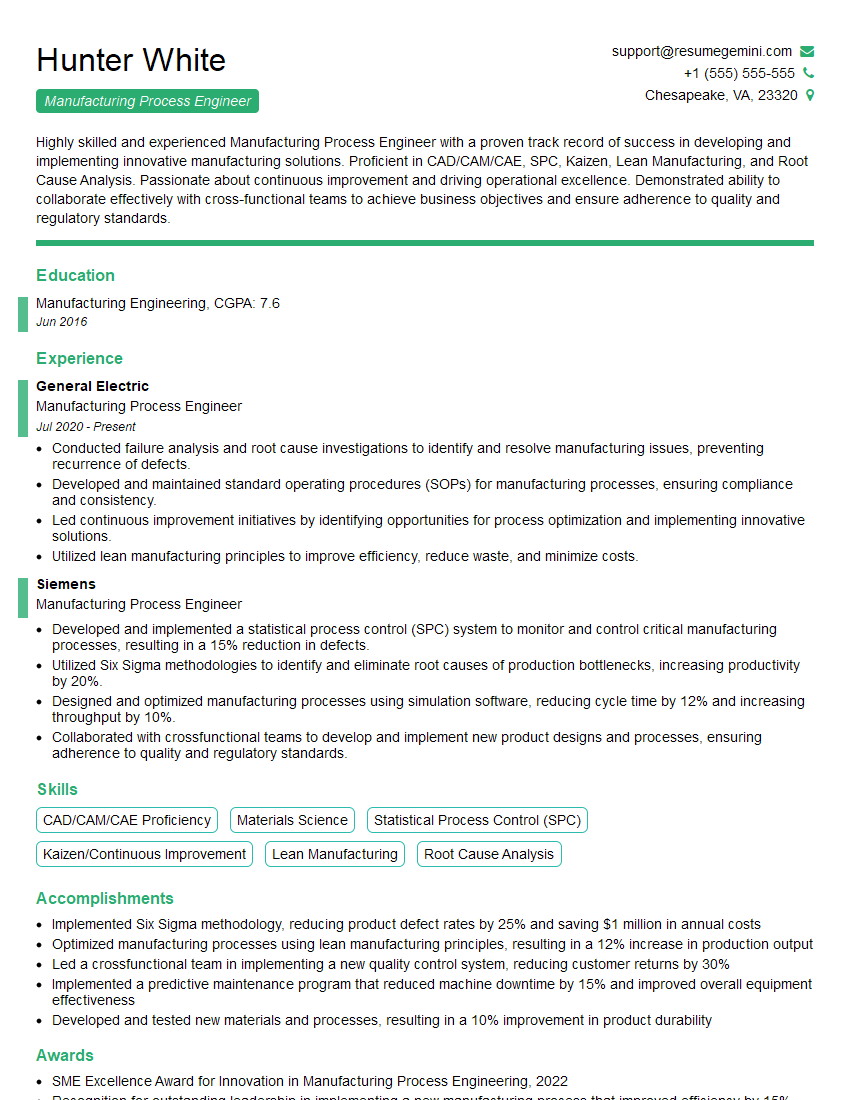
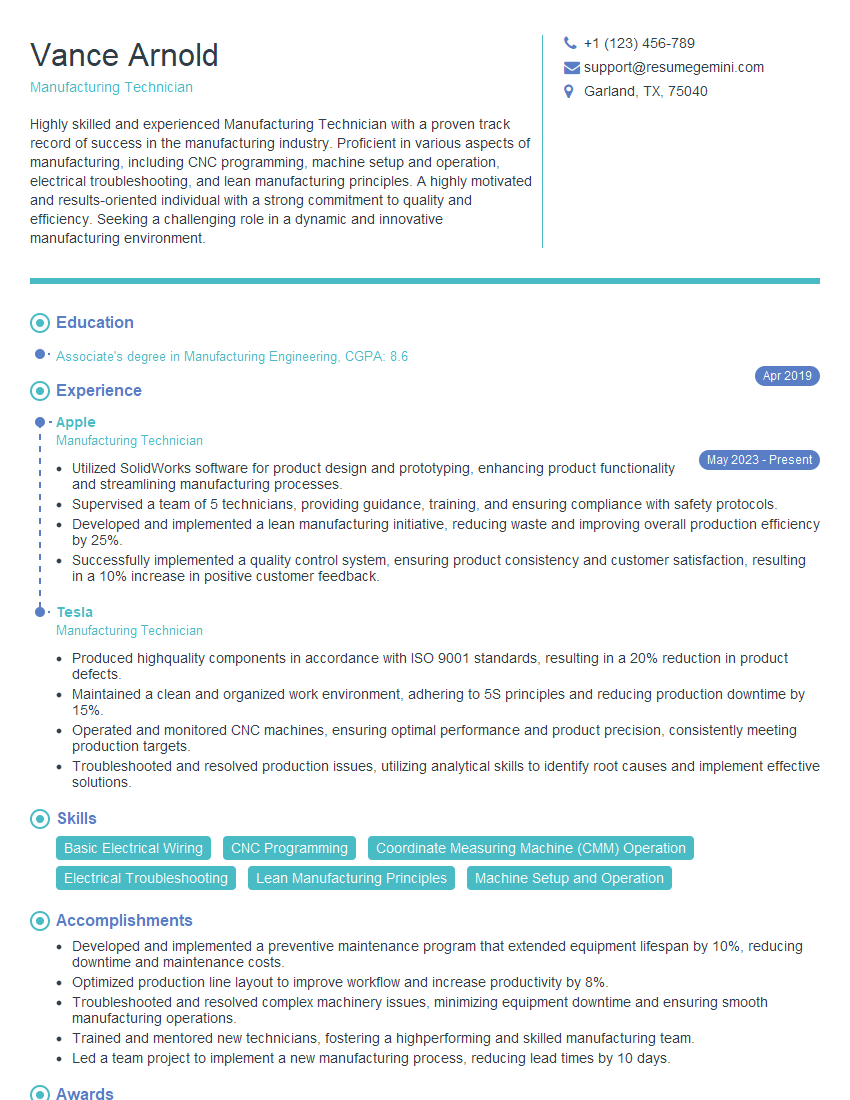
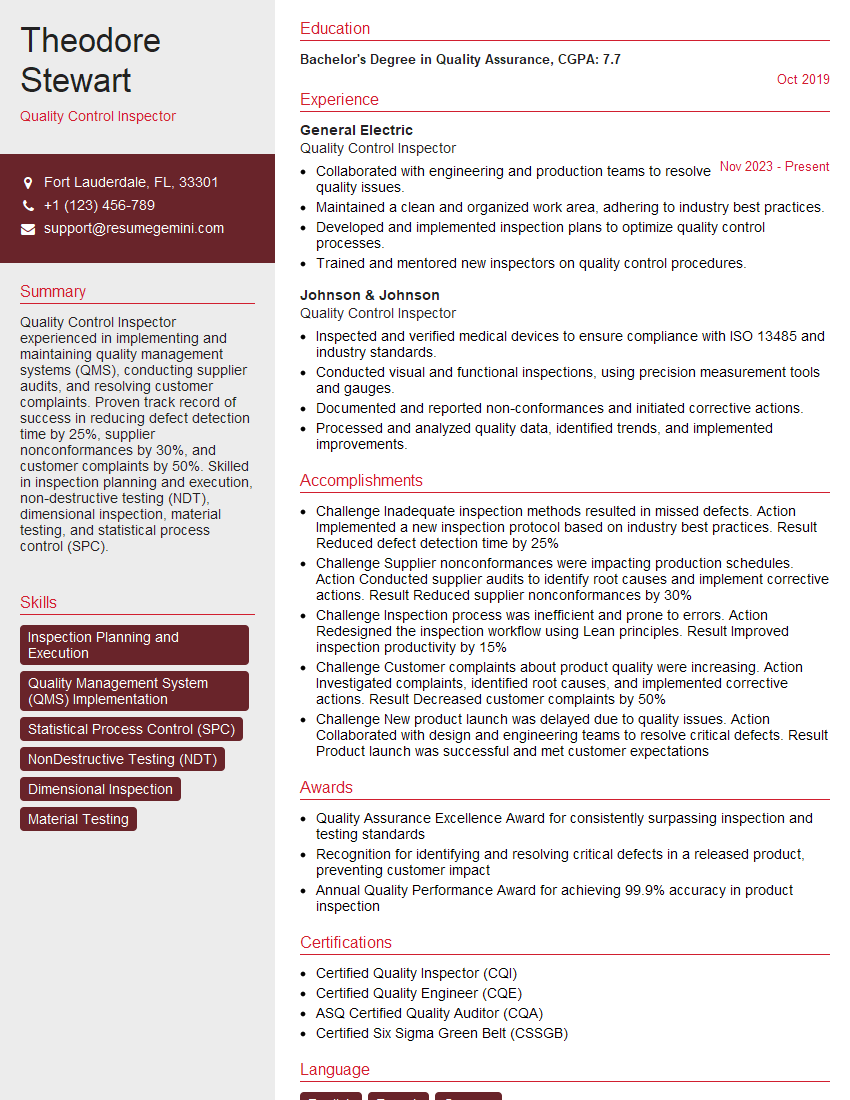
Mastering toy manufacturing processes is crucial for career advancement in this dynamic industry. A strong understanding of these processes demonstrates valuable technical skills and problem-solving abilities, making you a highly competitive candidate. To significantly boost your job prospects, create an ATS-friendly resume that highlights your relevant skills and experience. ResumeGemini is a trusted resource to help you build a professional and impactful resume. Examples of resumes tailored to Toy Manufacturing Processes are available to guide you through the process.
Explore more articles
Users Rating of Our Blogs
Share Your Experience
We value your feedback! Please rate our content and share your thoughts (optional).
What Readers Say About Our Blog
Very informative content, great job.
good