The right preparation can turn an interview into an opportunity to showcase your expertise. This guide to Immobilization and Chemical Restraint interview questions is your ultimate resource, providing key insights and tips to help you ace your responses and stand out as a top candidate.
Questions Asked in Immobilization and Chemical Restraint Interview
Q 1. Describe the different types of immobilization techniques.
Immobilization techniques aim to restrict a person’s movement, either physically or chemically. They range from simple positioning to complex restraint methods. The choice depends heavily on the individual’s behavior, medical condition, and the environment.
- Physical Restraints: These involve using physical devices like belts, straps, or cuffs to limit movement. Examples include wrist restraints, ankle restraints, and vests. The type of restraint used will depend on the specific need, for example, a patient at risk of falling might need a bed rail, while a highly agitated patient might require more restrictive measures such as four-point restraints.
- Manual Restraint: This involves staff physically holding a patient to prevent harmful actions, typically employed as a temporary measure until other interventions can be implemented. It requires multiple trained staff for safety and requires constant assessment and reassessment of the situation.
- Environmental Controls: Modifying the environment to reduce the likelihood of injury or disruptive behavior is a form of immobilization. This could include removing hazardous objects, implementing calm lighting, or using calming music.
- Seclusion: This involves placing a person in a designated, secured room alone to de-escalate their behavior. Seclusion should only be used as a last resort and in accordance with strict guidelines.
It’s crucial to remember that immobilization should always be used as a last resort and only when less restrictive methods have failed. The goal is to minimize risk of harm to the patient and others, not to punish.
Q 2. Explain the proper procedure for applying restraints.
Applying restraints requires a systematic approach prioritizing patient safety and dignity. Improper application can lead to injury or further agitation.
- Assessment: Thoroughly assess the patient’s behavior, medical condition, and the reason for restraint. Document this thoroughly.
- Least Restrictive Method: Always try less restrictive options first, such as verbal de-escalation, repositioning, distraction, and environmental modifications.
- Team Approach: Multiple trained staff are generally needed, especially for physical restraints. This ensures patient safety and prevents injuries to staff.
- Proper Application: Apply restraints correctly, ensuring they are snug but not too tight, allowing for circulation and range of motion as much as possible. Never use knots that are difficult to quickly undo.
- Continuous Monitoring: Closely monitor the patient’s vital signs, skin condition, and comfort level. Regularly assess the need for continued restraint.
- Documentation: Meticulously document the reason for restraint, the type of restraint used, the time of application and release, patient’s response, and any interventions provided.
- Release: Remove restraints as soon as it’s safe to do so. Regularly reassess the patient’s behavior to determine the appropriateness of continued restraints.
For example, when applying wrist restraints, ensure that two fingers can fit comfortably between the restraint and the wrist. Regularly check for skin breakdown or discoloration.
Q 3. What are the legal and ethical considerations surrounding the use of restraints?
The use of restraints is governed by strict legal and ethical guidelines that prioritize patient autonomy, dignity, and safety. These guidelines vary by jurisdiction but generally emphasize the least restrictive approach and the need for informed consent (when possible).
- Legal Considerations: Restraint use must be justified, documented, and compliant with relevant laws and regulations. Unlawful restraint can lead to legal repercussions for the involved individuals and institutions.
- Ethical Considerations: Restraints should only be used when absolutely necessary, after all less restrictive measures have failed. The use of restraints should never be punitive or used as a means of convenience for staff. Patient dignity and privacy must always be respected.
- Informed Consent: If the patient is competent, they must give informed consent to any form of restraint. In situations where the patient is not capable of giving consent, a surrogate decision-maker may be involved.
Failing to follow legal and ethical guidelines can result in serious consequences, including lawsuits, disciplinary actions, and reputational damage. Therefore, robust policies and procedures, coupled with proper staff training, are crucial.
Q 4. How do you assess the need for chemical restraint?
The decision to use chemical restraint requires a careful assessment of the patient’s behavior and medical condition. It should only be considered when less restrictive methods have proved ineffective and there’s a significant risk of harm to the patient or others.
The assessment should include:
- Behavioral Assessment: Document the severity, frequency, and duration of the patient’s disruptive behavior. Assess the risk of harm posed by this behavior.
- Medical Evaluation: Determine if the patient’s behavior is related to an underlying medical condition (e.g., delirium, dementia, withdrawal) that might require medication.
- Risk-Benefit Analysis: Weigh the potential benefits of chemical restraint against the risks and side effects of the medication. Consider whether the potential benefits outweigh the risks.
- Alternative Interventions: Explore and document all less restrictive methods attempted prior to considering chemical restraint. This demonstrates that the decision to restrain is not made hastily or without due diligence.
A thorough assessment and documentation are vital to ensure the ethical and legal justification of this intervention.
Q 5. What are the common medications used for chemical restraint?
The choice of medication for chemical restraint depends on the patient’s specific needs and the nature of their behavior. Prescriptions are always made by a physician or other qualified healthcare professional. Commonly used medications include:
- Antipsychotics (e.g., haloperidol, olanzapine): Used to manage agitation, aggression, and psychosis. They act on neurotransmitters to calm the nervous system.
- Benzodiazepines (e.g., lorazepam, diazepam): Used to manage anxiety, agitation, and seizures. They work by enhancing the effects of a neurotransmitter that promotes relaxation.
- Other Medications: Depending on the presenting problem, other medications might be used such as anti-depressants (for patients experiencing severe depression or anxiety) or mood stabilizers (for individuals with bipolar disorders).
It’s essential to emphasize that these medications are not used indiscriminately, and careful monitoring is essential. The dosage and choice of medication should always be determined by a qualified healthcare professional and based on the specific situation. It is important to consider the patient’s history and potential drug interactions before administering any medication.
Q 6. What are the potential risks and side effects associated with chemical restraint?
Chemical restraint, while sometimes necessary, carries potential risks and side effects. These can vary depending on the medication, dosage, and the patient’s individual characteristics and pre-existing health conditions.
- Sedation: Excessive drowsiness or lethargy.
- Respiratory Depression: Slowed breathing, potentially leading to respiratory failure.
- Hypotension: Low blood pressure.
- Tardive Dyskinesia: A potentially irreversible movement disorder that can occur with long-term use of antipsychotics.
- Extrapyramidal Symptoms: Movement disorders like tremor, rigidity, and dystonia.
- Allergic Reactions: Adverse reactions ranging from mild skin rashes to severe anaphylaxis.
- Drug Interactions: Interactions with other medications the patient may be taking.
The potential for adverse events is why close monitoring is essential for any patient undergoing chemical restraint.
Q 7. How do you monitor a patient who is chemically restrained?
Monitoring a patient under chemical restraint is crucial to ensure their safety and well-being. This involves frequent and thorough observations and documentation.
- Vital Signs: Regular monitoring of heart rate, blood pressure, respiratory rate, and oxygen saturation.
- Mental Status: Assess level of consciousness, orientation, and any changes in behavior.
- Skin Condition: Check for pressure ulcers or skin breakdown, especially at pressure points.
- Hydration and Nutrition: Ensure adequate fluid and food intake.
- Comfort Level: Assess for pain, discomfort, or any other needs.
- Elimination: Monitor bowel and bladder function.
- Side Effects: Observe for any signs or symptoms of adverse drug reactions.
The frequency of monitoring will depend on the patient’s condition and the medication used. Changes in any of these parameters must be documented promptly and reported to the appropriate medical staff.
For example, if a patient’s respiratory rate decreases significantly, immediate action is needed, which may include administering oxygen or contacting a physician.
Q 8. What are the signs of potential complications during restraint?
Recognizing potential complications during restraint is crucial for patient safety. Signs can be broadly categorized into physiological and psychological responses. Physiological complications might include cyanosis (bluish discoloration of the skin), respiratory distress (difficulty breathing), changes in heart rate or blood pressure (tachycardia, bradycardia, hypertension, hypotension), and changes in oxygen saturation levels. Psychological complications can manifest as increased anxiety, agitation, fear, panic, or even post-traumatic stress. For instance, a patient restrained too tightly might experience impaired circulation leading to cyanosis, while a patient struggling excessively against restraints might experience a significant increase in heart rate and blood pressure. Regular monitoring of vital signs and careful observation of the patient’s behavior are essential.
- Respiratory distress: Difficulty breathing, shallow breathing, gasping.
- Circulatory compromise: Pale or bluish skin (cyanosis), weak pulse, low blood pressure.
- Increased agitation or anxiety: Heightened distress, increased struggling.
- Injury: Bruises, abrasions, pressure sores, or pain complaints.
Q 9. Describe your experience with de-escalation techniques.
De-escalation is my cornerstone approach before resorting to any form of restraint. My experience involves employing a calm and empathetic demeanor, active listening, and clear communication. I focus on understanding the patient’s needs and concerns, validating their feelings, and offering choices whenever possible. For instance, if a patient is agitated, I’ll calmly ask about what’s upsetting them and try to collaboratively find a solution. This might involve removing triggers like loud noises or bright lights. I also utilize verbal de-escalation techniques such as using a low and soothing tone of voice, speaking slowly and clearly, and employing simple language. Physical de-escalation techniques, such as creating physical space, should be used only when necessary and with appropriate training. I’ve found that building rapport, offering comfort items, and actively seeking help from colleagues are effective in many situations. Each situation is unique, and tailoring my approach to the individual is essential.
One instance I recall involved a patient experiencing severe anxiety. By actively listening, validating her feelings, and offering her a warm blanket, I helped de-escalate her distress. We collaboratively found a quiet space, and she calmed down significantly, avoiding the need for any form of restraint.
Q 10. How do you document the use of restraints?
Documentation of restraint use is critical for legal and ethical reasons. My documentation includes the time the restraint was initiated and released, the type of restraint used (physical or chemical, specifying the exact method and device), the reason for restraint (patient behavior that necessitated restraint), the patient’s response to the restraint, any interventions employed during restraint, and the patient’s condition upon release. I also document the ongoing monitoring of vital signs and any adverse reactions or complications. This documentation is done meticulously, clearly, and concisely, adhering to all organizational policies and legal requirements. For example, if a patient was restrained using wrist restraints, I’d note the exact time of application, the reason (e.g., risk of self-harm), the method of monitoring, and any observations of discomfort or complications. The entire process, including observations before, during, and after the restraint, is recorded in the patient’s chart.
Q 11. What are the reporting requirements for the use of restraints?
Reporting requirements for restraint use vary depending on the setting (hospital, nursing home, etc.) and jurisdiction. However, there are common elements across most settings. Generally, any use of restraint must be reported to the appropriate supervisor, often immediately or within a specific timeframe. In many jurisdictions, there are also mandated reporting requirements for incidents involving restraints, including any injuries or complications. The specifics of these reports will vary, but typically include a detailed account of the events leading to the restraint, the type of restraint used, and the outcome. Serious incidents will often require incident reports that are reviewed by a multidisciplinary team. Failure to follow reporting protocols can lead to disciplinary action and legal consequences.
Q 12. How would you handle a situation where a patient becomes aggressive while restrained?
If a patient becomes aggressive while restrained, my priority is to ensure the safety of both the patient and the staff. I would immediately call for additional assistance and try to de-escalate the situation using verbal techniques, while ensuring that the restraint is properly applied to prevent injury. If de-escalation is unsuccessful, further interventions might be necessary, depending on the level of aggression and the patient’s condition. This could involve adjusting the restraint method to minimize harm, administering medication as permitted by protocols, or contacting emergency medical services. Every action taken must be documented meticulously, including all attempts at de-escalation and the rationale for subsequent interventions. It is crucial to remember to maintain a safe distance and minimize unnecessary physical contact whenever possible.
Q 13. What are the contraindications for the use of specific chemical restraints?
Contraindications for chemical restraints vary greatly depending on the specific medication used and the patient’s medical history. For example, certain antipsychotic medications might be contraindicated in patients with a known allergy or a history of specific side effects like prolonged QT interval (a cardiac condition). Sedatives might be avoided in patients with respiratory issues or those prone to falls. Always consult the medication’s prescribing information and the patient’s medical record before administering any chemical restraint. Patient’s age and overall health are also taken into serious consideration. A thorough assessment and consultation with the medical team are crucial before choosing and administering chemical restraints.
Q 14. Describe the process for obtaining consent for restraint.
Obtaining consent for restraint is a complex process that depends on the patient’s capacity to understand the situation and make informed decisions. If the patient is deemed competent, informed consent is required before initiating restraint. This involves explaining the reasons for the restraint, the procedures involved, potential risks and benefits, and alternative options. The patient’s understanding of the information provided should be assessed. If the patient is deemed incompetent, consent may be obtained from a legally authorized surrogate decision-maker such as a family member or guardian. Documentation of the consent process is essential, including the date and time, the individuals involved, and the specific details discussed. The least restrictive form of restraint must always be used.
Q 15. What is the difference between physical and chemical restraints?
Physical restraints are devices used to restrict a patient’s movement, such as wrist restraints, ankle restraints, or vests. They physically limit the patient’s ability to move freely. Chemical restraints, on the other hand, involve the use of medications to sedate or subdue a patient, thereby reducing their agitation and potential for harm to themselves or others. The key difference lies in the method of restriction: one is physical, involving devices, the other is pharmacological, using medication.
Think of it like this: a physical restraint is like a seatbelt – it restricts movement. A chemical restraint is more like a sleeping pill – it alters the patient’s state of consciousness.
Career Expert Tips:
- Ace those interviews! Prepare effectively by reviewing the Top 50 Most Common Interview Questions on ResumeGemini.
- Navigate your job search with confidence! Explore a wide range of Career Tips on ResumeGemini. Learn about common challenges and recommendations to overcome them.
- Craft the perfect resume! Master the Art of Resume Writing with ResumeGemini’s guide. Showcase your unique qualifications and achievements effectively.
- Don’t miss out on holiday savings! Build your dream resume with ResumeGemini’s ATS optimized templates.
Q 16. Explain the importance of patient safety during restraint procedures.
Patient safety is paramount during any restraint procedure. Unnecessary or improperly applied restraints can lead to serious complications, including injury, pressure sores, reduced circulation, suffocation, and even death. Furthermore, the psychological impact of restraint can be significant, leading to increased anxiety, fear, and feelings of helplessness. Therefore, all restraint procedures must be conducted with the utmost care and attention to minimizing risks. This includes careful assessment of the patient’s condition, selection of the least restrictive option, proper application and monitoring, and vigilant observation for any adverse effects. Regular reassessment is crucial to ensure the continued necessity of the restraint.
For example, improperly applied wrist restraints can restrict blood flow, leading to nerve damage. Similarly, a vest restraint that’s too tight can cause breathing difficulties.
Q 17. How do you ensure the proper fit and application of restraints?
Ensuring the proper fit and application of restraints is crucial for both patient safety and effectiveness. Restraints should never be too tight, as this can restrict circulation and cause discomfort. They should also not be too loose, as this renders them ineffective. The specific type of restraint and its application will vary depending on the patient’s needs and the situation. However, general principles include:
- Using the appropriate size of restraint for the patient’s body size.
- Applying the restraint securely but not tightly. Two fingers should easily fit between the restraint and the patient’s skin.
- Ensuring that the restraint is not interfering with circulation or breathing.
- Regularly checking the patient’s skin for signs of pressure sores or irritation.
- Following all manufacturer’s instructions for the specific restraint device.
Imagine trying to fasten a seatbelt that’s too tight – it’s uncomfortable and potentially dangerous. Similarly, a loose restraint provides little to no protection.
Q 18. What are the steps to take if a restraint becomes dislodged?
If a restraint becomes dislodged, immediate action is required. The steps to take include:
- Assess the patient’s immediate condition and safety. Are they at risk of harm to themselves or others?
- If the patient is at risk, attempt to reapply the restraint safely and correctly, prioritizing patient safety. If you cannot do so safely alone, summon assistance.
- Document the incident thoroughly, including the time of dislodgement, the actions taken, and the patient’s response.
- Re-evaluate the patient’s need for restraint and consider alternative strategies.
- Report the incident to the appropriate supervisor or healthcare provider.
For instance, if a patient’s wrist restraint comes loose and they are agitated, safely reapplying the restraint might involve obtaining help from a colleague to prevent potential injury.
Q 19. How do you address the psychological impact of restraint on the patient?
The psychological impact of restraint can be profound. Patients may experience feelings of humiliation, isolation, fear, anxiety, and loss of dignity. It’s crucial to acknowledge these feelings and address them empathetically. Strategies to mitigate the psychological impact include:
- Frequent monitoring and interaction with the patient, providing reassurance and emotional support.
- Explaining the rationale for the restraint in a clear and calm manner.
- Offering comfort measures, such as a warm blanket or a comforting touch (if appropriate and safe).
- Ensuring that the patient’s basic needs (such as hydration, toileting, and pain management) are consistently met.
- Involving family members in the care plan, whenever possible and appropriate.
- Providing regular opportunities for the patient to move around safely, as soon as it’s feasible.
Remember, empathy and respect are essential. Imagine how you would feel if you were restrained; that empathy should guide your approach.
Q 20. What is your understanding of the least restrictive alternative principle?
The least restrictive alternative principle is a fundamental ethical and legal guideline in the use of restraints. It dictates that the least restrictive means necessary should always be employed to ensure patient safety and prevent harm. This means that before resorting to any restraint, all less restrictive options must be considered and exhausted. These alternatives might include environmental modifications (e.g., reducing stimulation), behavioral interventions (e.g., distraction techniques, de-escalation strategies), medication adjustments, or increased observation.
For example, if a patient is agitated, we should first try to de-escalate the situation through calm communication before considering physical or chemical restraints.
Q 21. Describe your experience with different types of restraint equipment.
My experience encompasses a wide range of restraint equipment, including:
- Wrist restraints: Various types, from soft fabric restraints to more robust leather or plastic alternatives. I’m familiar with their proper application, ensuring appropriate tightness and avoiding pressure points.
- Ankle restraints: Similar to wrist restraints, these are used to limit lower extremity movement and prevent falls or kicking.
- Vest restraints: These are often used for patients who are at risk of falling or harming themselves. Proper fitting is critical to prevent discomfort or restricted breathing.
- Belt restraints: These are typically used to secure patients to wheelchairs or beds to prevent falls. They provide added security without immobilizing the entire body.
- Mittens: These are soft restraints used to prevent scratching or harming oneself, usually for patients with dementia or cognitive impairment.
In addition to physical restraints, I have experience with the administration and monitoring of chemical restraints, always adhering to strict protocols and documenting everything meticulously. My experience extends to various types of medication used as chemical restraints, each with its own specific side effect profile and requirements for close observation.
Q 22. What are the key elements of a comprehensive restraint policy?
A comprehensive restraint policy is the cornerstone of safe and ethical care. It’s not just a document; it’s a living framework guiding every decision related to immobilization and chemical restraint. Key elements include:
- Clear Definition of Restraint: The policy must precisely define what constitutes physical and chemical restraint, including the types of restraints allowed (e.g., wrist restraints, lap belts, medications). This prevents ambiguity.
- Indications and Contraindications: It must clearly outline the specific situations where restraint is justified (e.g., immediate risk of harm to self or others) and when it’s absolutely prohibited (e.g., as punishment, for convenience).
- Assessment and Documentation Protocols: A detailed process for assessing the patient’s behavior, needs, and risks before, during, and after restraint. This includes meticulous documentation of the rationale, type of restraint used, patient response, and any interventions attempted before resorting to restraint.
- Training and Competency Requirements: Staff must receive regular, comprehensive training on the proper application, monitoring, and removal of restraints, alongside de-escalation techniques. Competency should be regularly assessed.
- Emergency Procedures: The policy should outline clear procedures for handling emergencies where immediate restraint may be necessary, along with post-incident reporting and review.
- Review and Updates: The policy must be regularly reviewed and updated to reflect best practices, legal changes, and feedback from staff and stakeholders.
- Legal and Ethical Considerations: The policy must address the legal and ethical implications of restraint, ensuring compliance with relevant laws and regulations and emphasizing the least restrictive approach.
Imagine a hospital without a clear restraint policy: chaos. This policy acts as a safety net, guiding staff through difficult situations while protecting both patients and caregivers.
Q 23. How do you adapt your approach to restraint depending on the patient’s age and physical condition?
Adapting my approach to restraint depends critically on the individual’s age and physical condition. It’s about understanding vulnerabilities and tailoring interventions accordingly.
- Children and Adolescents: These patients require a particularly sensitive and individualized approach. Restraint should be used as an absolute last resort, prioritizing de-escalation techniques and engaging parents/guardians. The type and duration of restraint must be carefully considered, minimizing any potential for psychological trauma. Close monitoring for signs of distress is paramount.
- Older Adults: Older adults are often more vulnerable to injury from falls and restraint-related complications. Underlying medical conditions (e.g., dementia, osteoporosis) must be factored in. Alternatives to physical restraints, like environmental modifications (e.g., bed alarms, bedside commode), should be prioritized. Regular monitoring for skin breakdown, circulation compromise, and discomfort is crucial.
- Patients with Physical Disabilities: The presence of physical disabilities influences both the choice and application of restraints. Appropriate padding and support must be used to prevent injury. Restraint techniques must be adapted to accommodate the individual’s specific limitations.
For instance, a child experiencing a tantrum might respond to distraction and calming strategies before restraint is even considered. Conversely, an elderly patient with dementia who is at risk of falling may benefit from a bed alarm rather than a physical restraint.
Q 24. How do you communicate effectively with colleagues and supervisors regarding restraint procedures?
Effective communication is vital during restraint procedures. It prevents errors, ensures patient safety, and facilitates proper documentation.
- Pre-Restraint Communication: Before initiating restraint, I communicate the situation, the planned intervention, and the rationale clearly with my colleagues. I ensure everyone understands their roles and responsibilities.
- During Restraint: Continuous communication is crucial, monitoring the patient’s condition and providing updates to the team. Any changes in the patient’s behavior or response to restraint are immediately communicated.
- Post-Restraint Communication: After the restraint is removed, I document the entire process meticulously. A debrief with the team is essential, reviewing the event, identifying areas for improvement, and documenting any learnings.
- Communication with Supervisors: I promptly report any incidents, unusual occurrences, or concerns to my supervisor, ensuring transparency and accountability.
Imagine a scenario where a patient becomes agitated. Effective communication means everyone knows their role, whether it’s de-escalation, applying the restraint, or monitoring vital signs. It prevents confusion and ensures a coordinated response.
Q 25. What are the common legal challenges associated with the use of restraints?
Legal challenges associated with restraint use frequently center around issues of consent, negligence, and human rights violations.
- Lack of Consent: Restraint without proper consent, particularly informed consent, is a significant legal risk. Exceptions exist in emergency situations, but they must be carefully documented and justified.
- Negligence: Improper application of restraints, inadequate monitoring, or failure to follow established protocols can lead to negligence claims. Injuries resulting from restraint, like pressure sores or fractures, can have serious legal ramifications.
- Assault and Battery: Using restraint inappropriately, without justifiable reason, or using excessive force can constitute assault and battery.
- Violation of Human Rights: Restraint can infringe on a patient’s rights to dignity, autonomy, and freedom from cruel and unusual treatment. This is a growing concern legally, emphasizing the importance of using the least restrictive means possible.
A strong defense against legal challenges hinges on meticulous documentation, following established protocols, and demonstrating a commitment to using restraint only as a last resort. This includes demonstrating all reasonable alternatives were considered before resorting to restraint.
Q 26. Explain your understanding of the duty to care in relation to restraint.
The duty of care in relation to restraint is paramount. It’s the legal and ethical obligation to protect patients from harm, while also respecting their rights and dignity. This means:
- Prioritizing Patient Safety: Restraint should only be used when absolutely necessary to prevent imminent harm to the patient or others. All other reasonable alternatives must be exhausted first.
- Minimizing Risk of Harm: The chosen restraint method should be the least restrictive option available, minimizing the risk of physical and psychological harm. Proper application and monitoring are essential to prevent injury.
- Respecting Patient Rights: Even when restraint is necessary, the patient’s rights and dignity must be respected. This includes providing explanations (where possible), ensuring privacy, and providing comfort and support.
- Maintaining Adequate Documentation: Thorough and accurate documentation is critical, demonstrating that the decision to use restraint was justified, the procedure was properly executed, and the patient was adequately monitored.
Imagine a patient with dementia who is wandering. Our duty of care isn’t just to stop the wandering but to do so safely, respectfully, and with meticulous documentation justifying every step.
Q 27. How do you ensure the ongoing assessment and reassessment of the need for restraints?
Ongoing assessment and reassessment of the need for restraints are not just good practice—they’re essential. This continuous evaluation ensures restraints are used only when truly necessary and removed as soon as it’s safe.
- Initial Assessment: A thorough assessment should occur before any restraint is applied, documenting the rationale, the specific risks, and the chosen restraint method.
- Regular Monitoring: Frequent checks should be made to assess the patient’s physical and psychological well-being while restrained. This includes checking for skin integrity, circulation, comfort, and signs of distress.
- Regular Reassessment: The need for restraint should be reassessed at regular intervals (e.g., every 1-2 hours), or more frequently if the patient’s condition changes. Documentation of each reassessment is crucial.
- Documentation of Attempts at Alternatives: Records should document any attempts to de-escalate the situation or use less restrictive interventions before resorting to restraint.
- Removal of Restraints: As soon as the need for restraint ceases, it should be removed. This should be documented, along with any interventions put in place to prevent recurrence.
Think of it like a thermostat: regular checks ensure the temperature remains optimal. Similarly, regular assessments ensure that restraint is used only as long as truly necessary.
Q 28. Describe a situation where you had to use restraint and the outcome.
I once cared for a patient with severe dementia who was repeatedly trying to remove their intravenous (IV) line. This posed a significant risk of bleeding and infection. After exhausting all less restrictive options (e.g., distraction, repositioning the IV line), we used a soft wrist restraint, with careful padding to prevent skin damage. The restraint was applied according to protocol, with detailed documentation, and the patient was closely monitored. The IV line remained intact, preventing a potentially serious complication. The restraint was removed as soon as the patient calmed and was no longer at risk of pulling out the IV. Post-incident review highlighted the importance of meticulous documentation and the need to explore alternative methods of securing the IV line, such as specialized IV dressings or alternative sites.
Key Topics to Learn for Immobilization and Chemical Restraint Interview
- Legal and Ethical Considerations: Understanding the legal framework surrounding the use of immobilization and chemical restraint, including patient rights, informed consent, and documentation requirements. Explore potential legal ramifications of improper use.
- Types of Immobilization Techniques: Mastering various physical restraint techniques, their appropriate application, and potential risks and complications. Consider the differences in techniques for various patient populations (e.g., pediatric, geriatric).
- Chemical Restraint Medications: Familiarize yourself with common medications used for chemical restraint, their mechanisms of action, side effects, contraindications, and monitoring requirements. Understand the importance of proper administration and dosage.
- Patient Assessment and Risk Factors: Learn to accurately assess patient behavior, identify risk factors for aggression or self-harm, and determine the appropriate level of intervention. Develop skills in de-escalation techniques.
- Documentation and Reporting: Understand the importance of meticulous documentation, including the rationale for restraint, the type of restraint used, the patient’s response, and any adverse events. Know reporting procedures and regulatory compliance.
- Emergency Response and Crisis Management: Develop skills in managing crisis situations involving patients requiring immobilization or chemical restraint. Practice responding effectively and safely in emergency scenarios.
- Post-Restraint Care and Debriefing: Understand the importance of post-restraint care, including monitoring for adverse effects and providing emotional support. Know the importance of debriefing sessions with the care team.
Next Steps
Mastering Immobilization and Chemical Restraint demonstrates crucial skills in patient safety and crisis management, significantly enhancing your value to any healthcare setting. This expertise is highly sought after, opening doors to advanced roles and increased career opportunities. To maximize your job prospects, it’s essential to create an ATS-friendly resume that highlights your qualifications effectively. ResumeGemini is a trusted resource to help you build a professional and impactful resume that stands out from the competition. We provide examples of resumes tailored to the Immobilization and Chemical Restraint field to guide you in crafting your own compelling application.
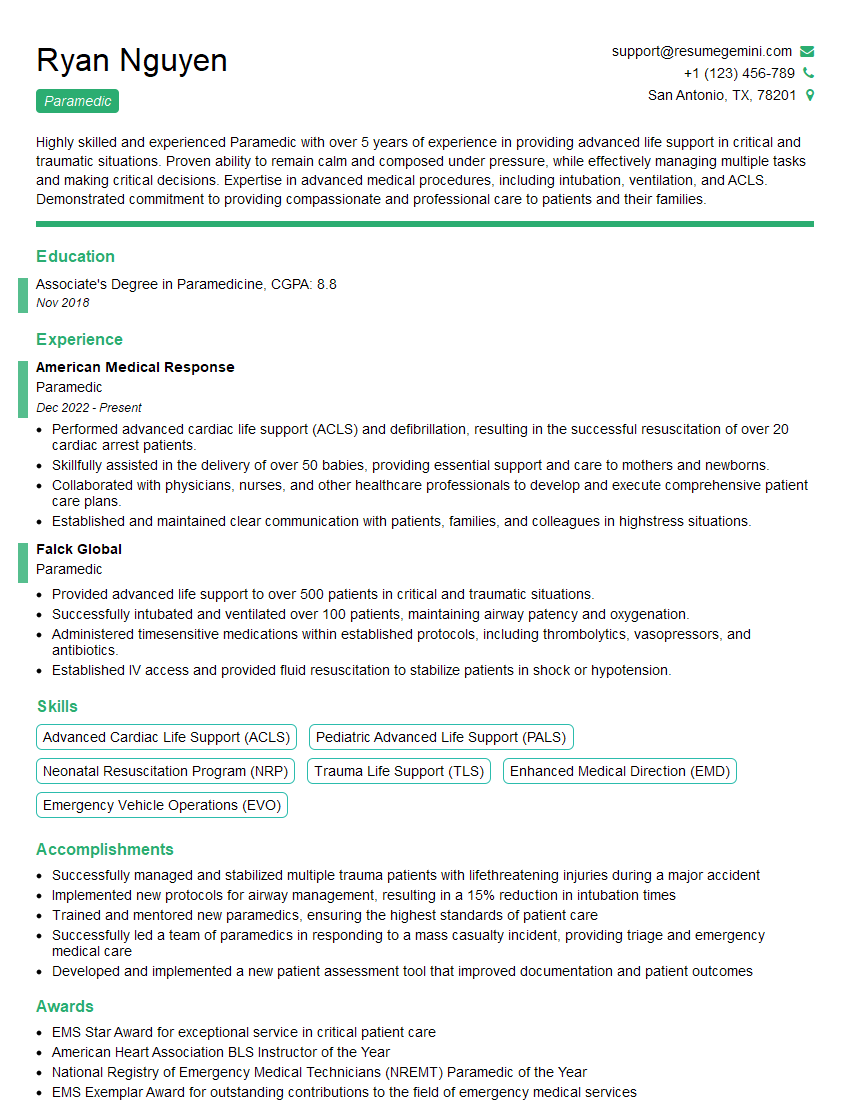
Paramedic Resume Sample
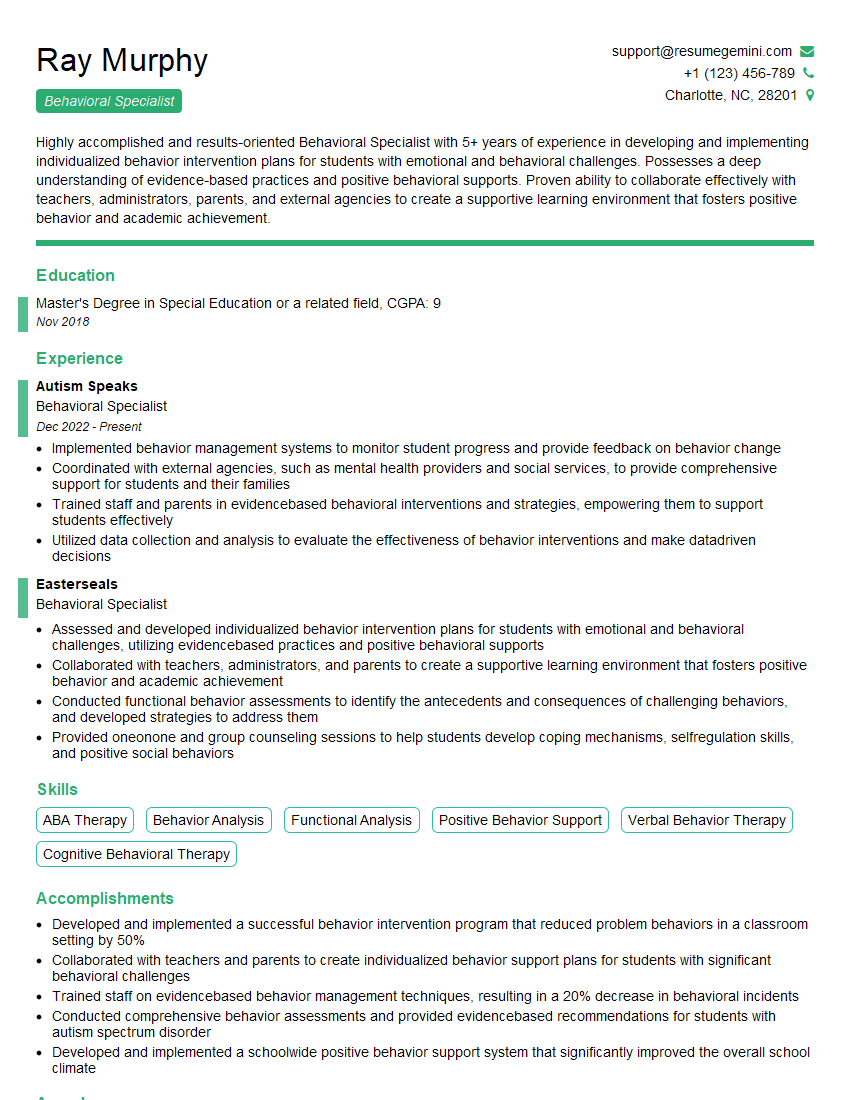
Behavioral Specialist Resume Sample
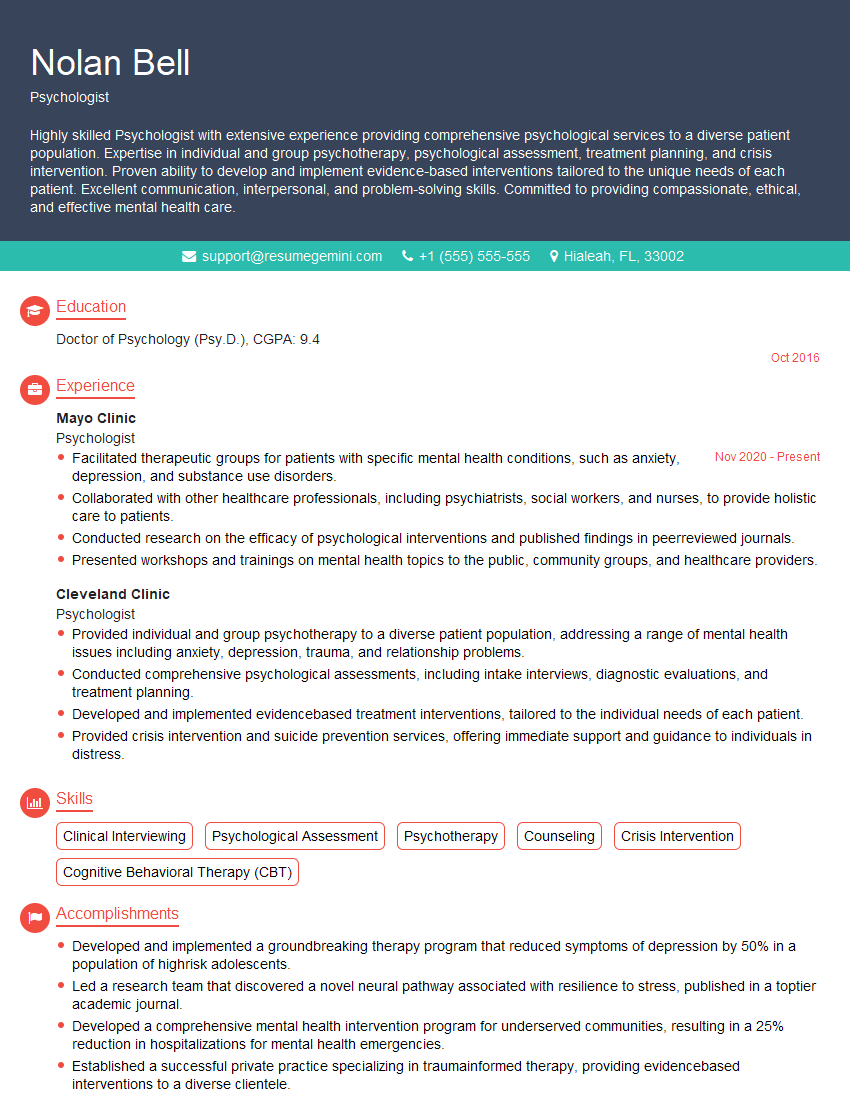
Psychologist Resume Sample
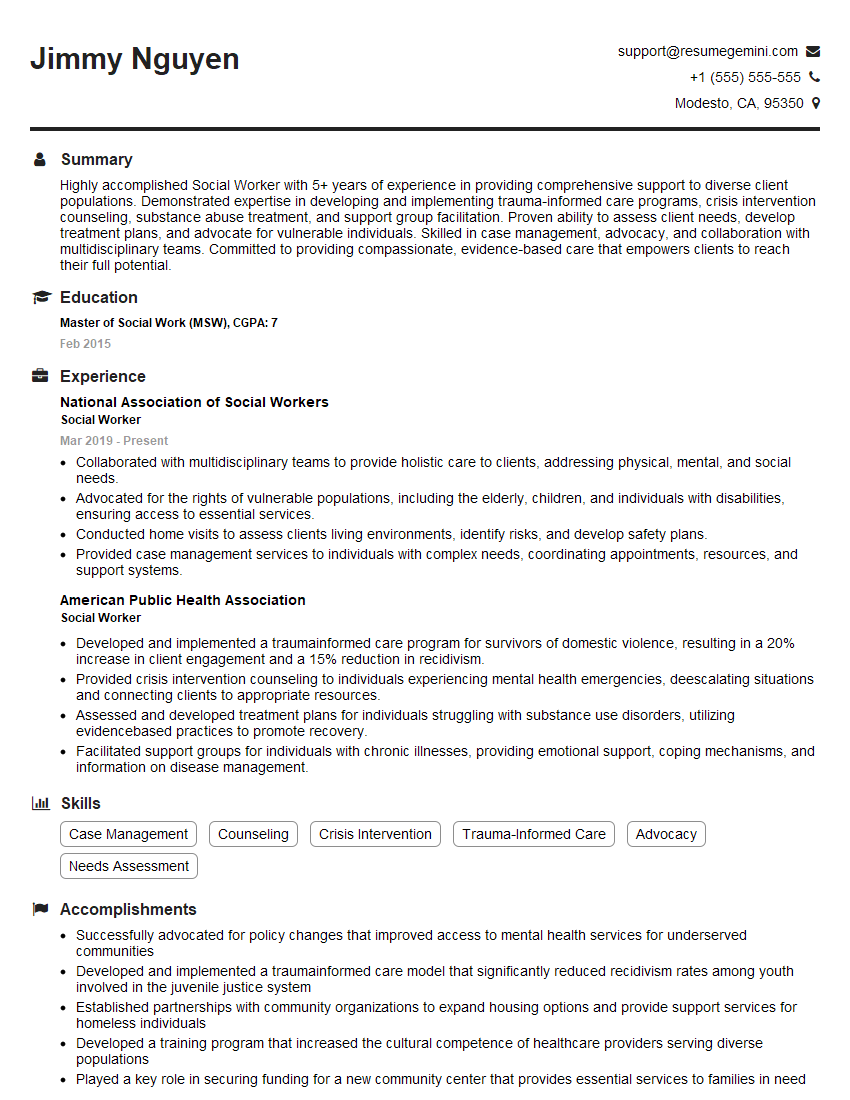
Social Worker Resume Sample

Crisis Intervention Specialist Resume Sample
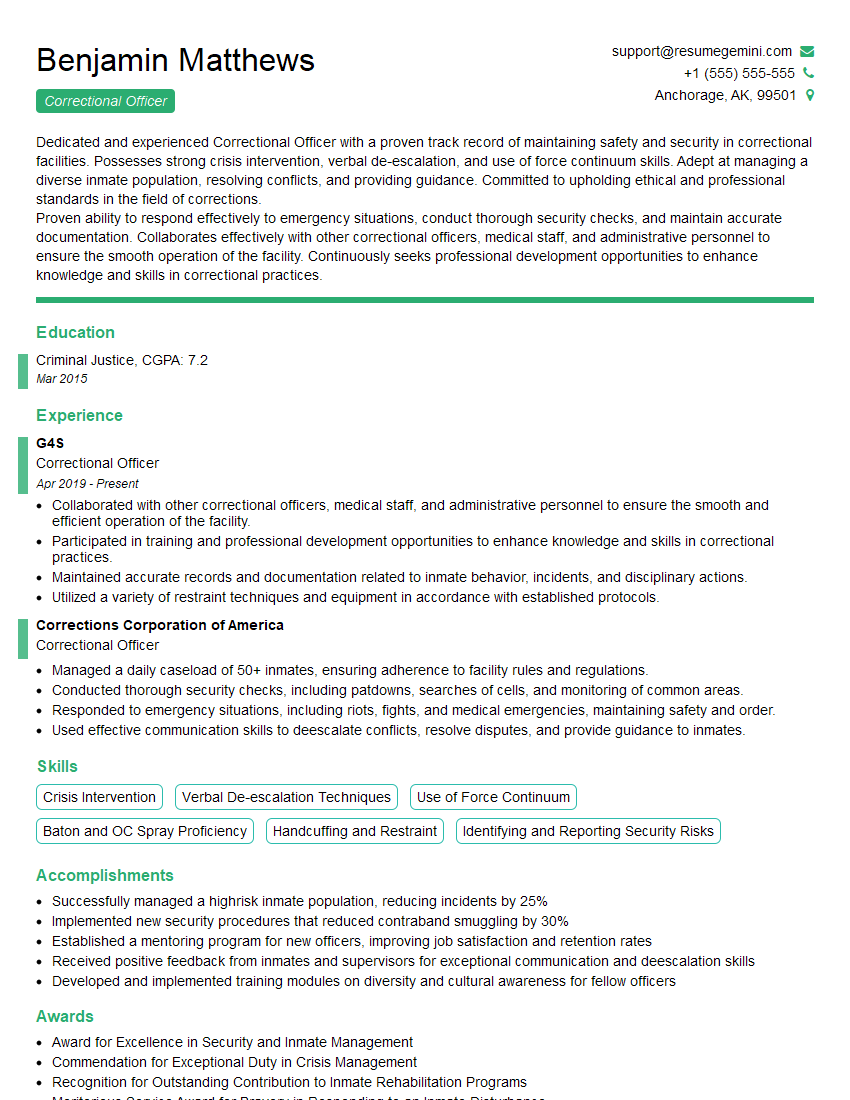
Correctional Officer Resume Sample
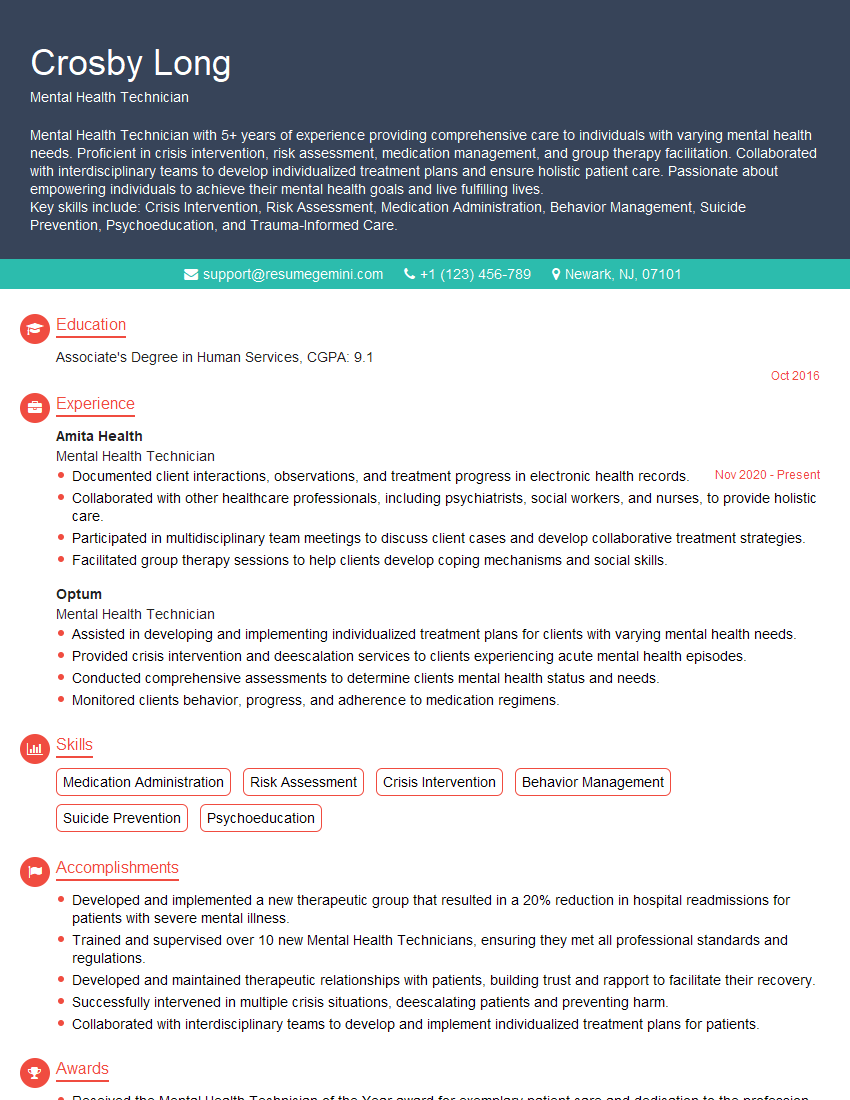
Mental Health Technician Resume Sample
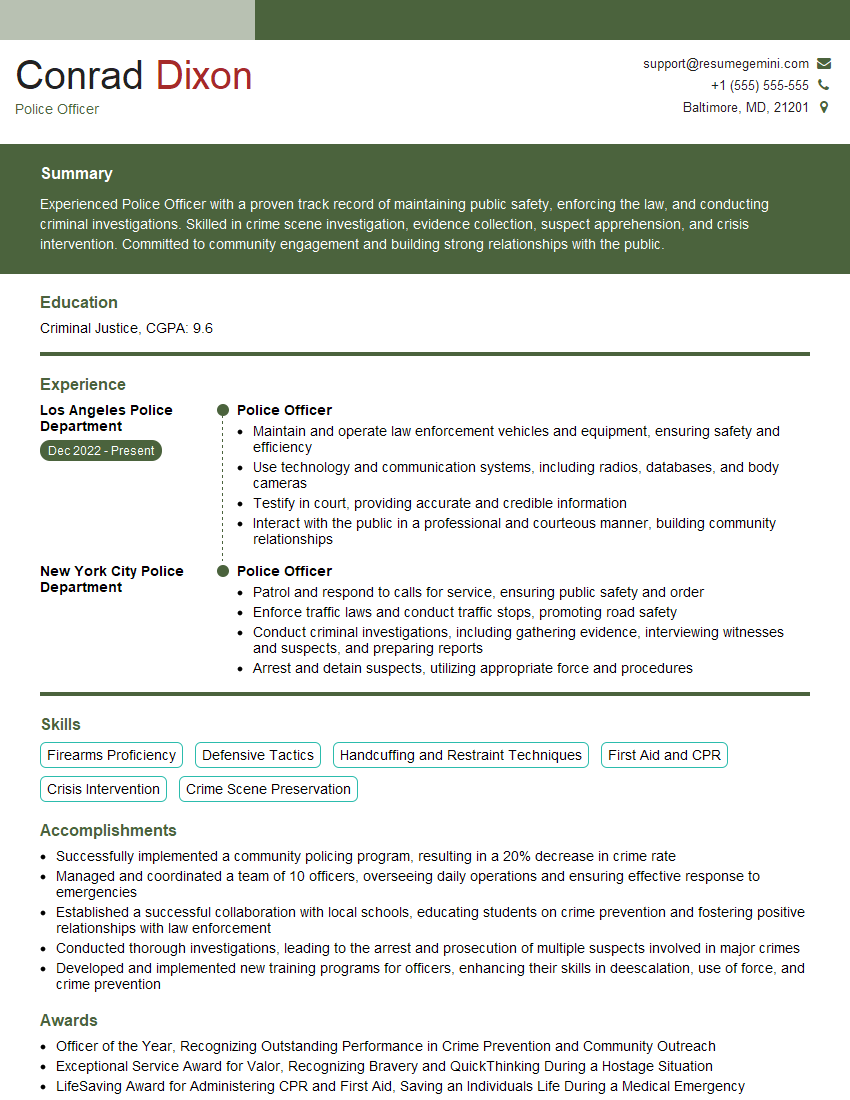
Police Officer Resume Sample
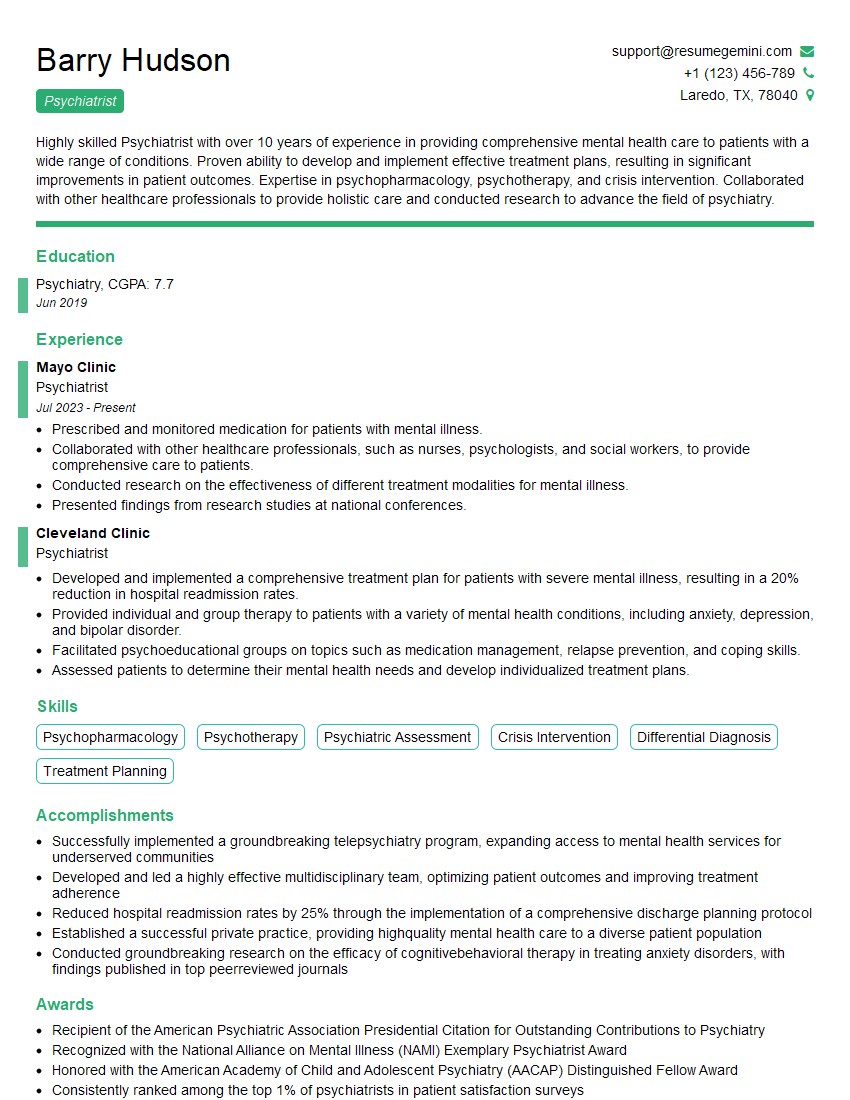
Psychiatrist Resume Sample
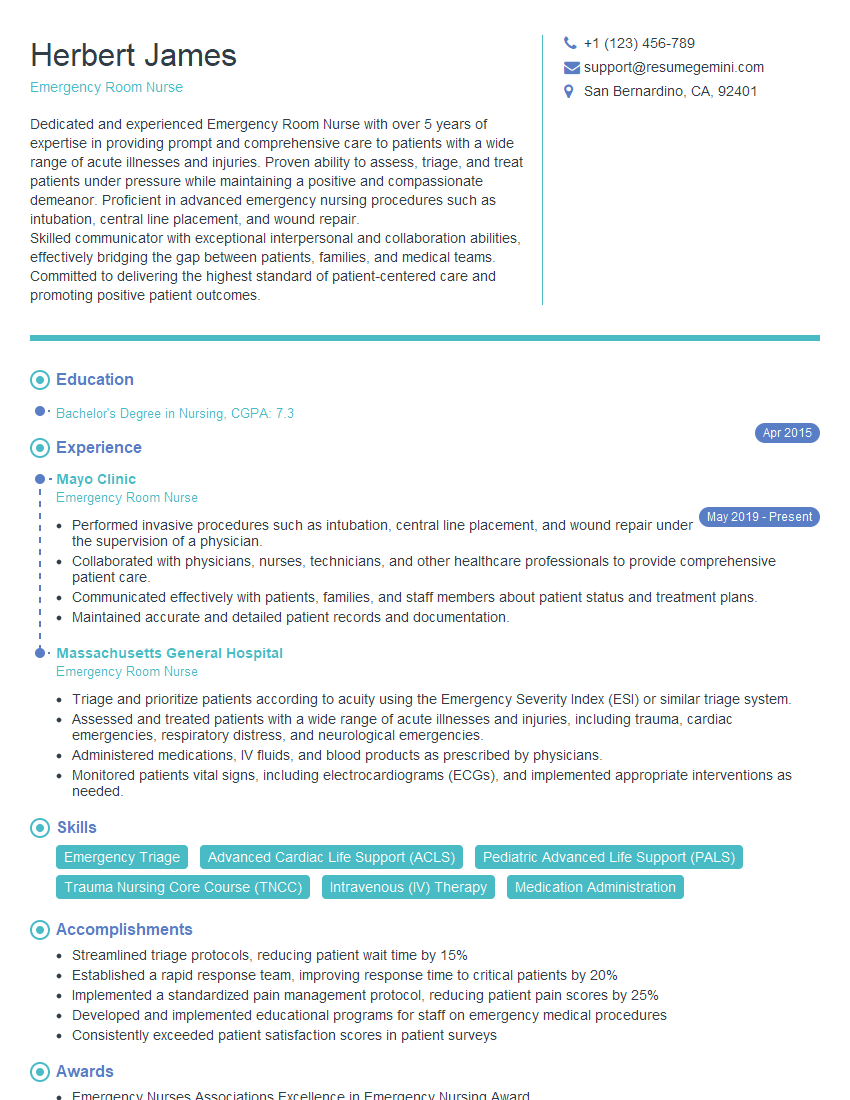
Emergency Room Nurse Resume Sample
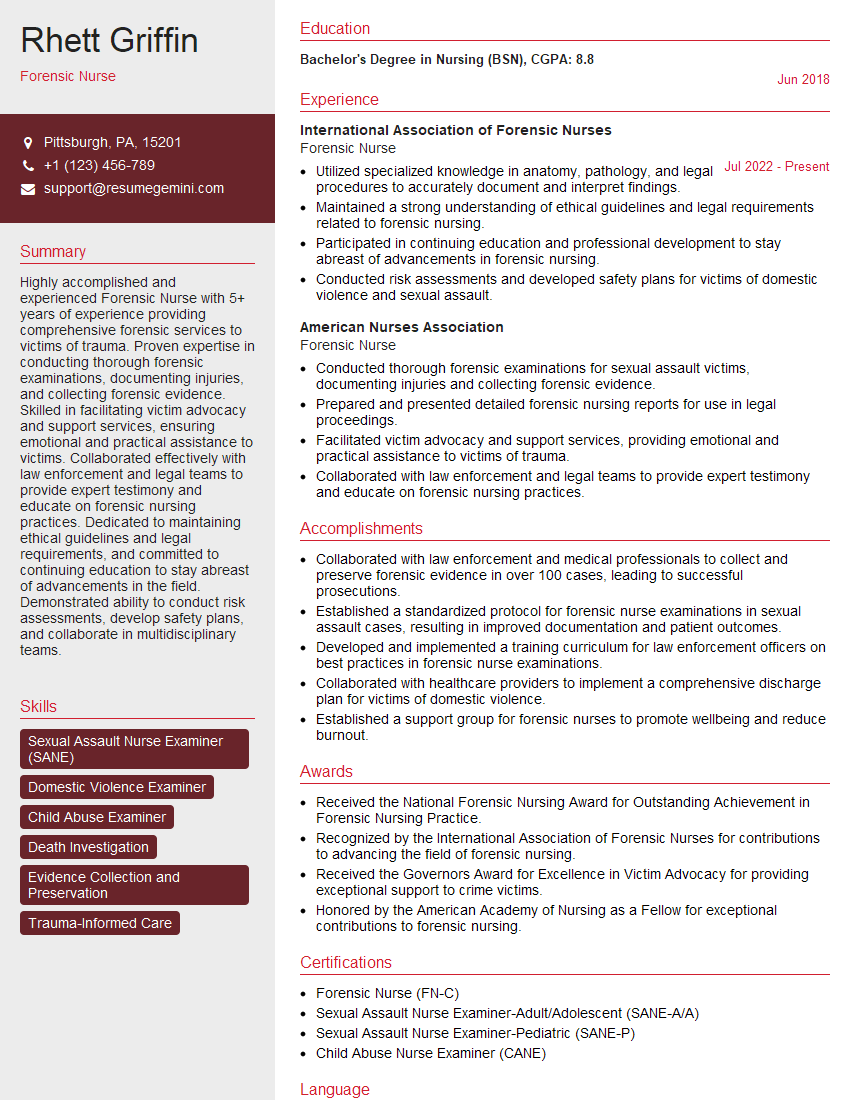
Forensic Nurse Resume Sample
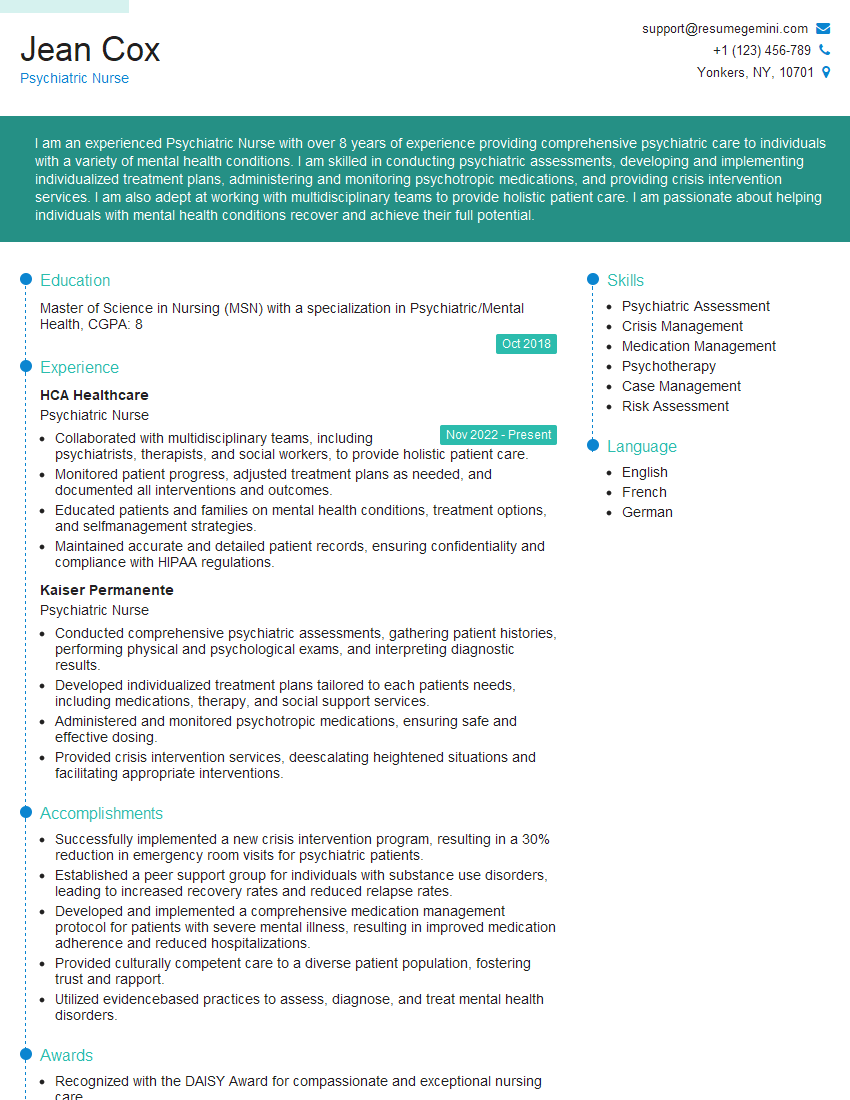
Psychiatric Nurse Resume Sample
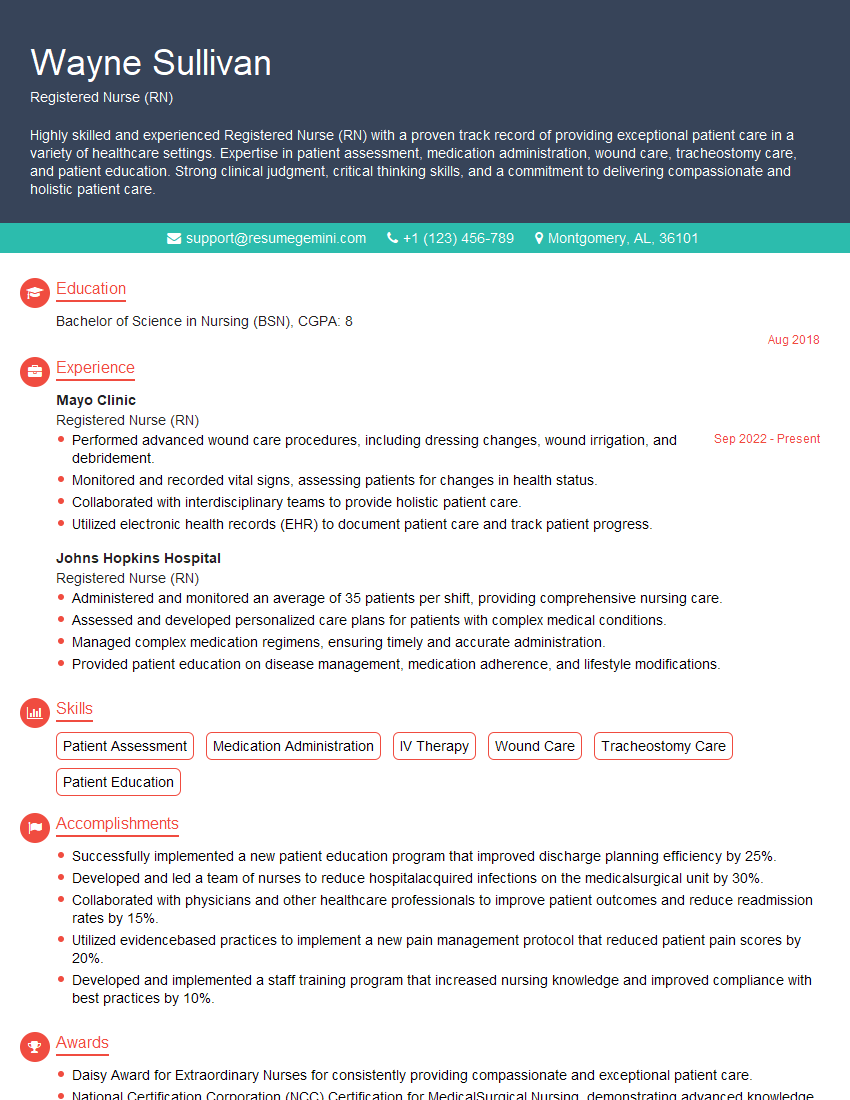
Registered Nurse (RN) Resume Sample
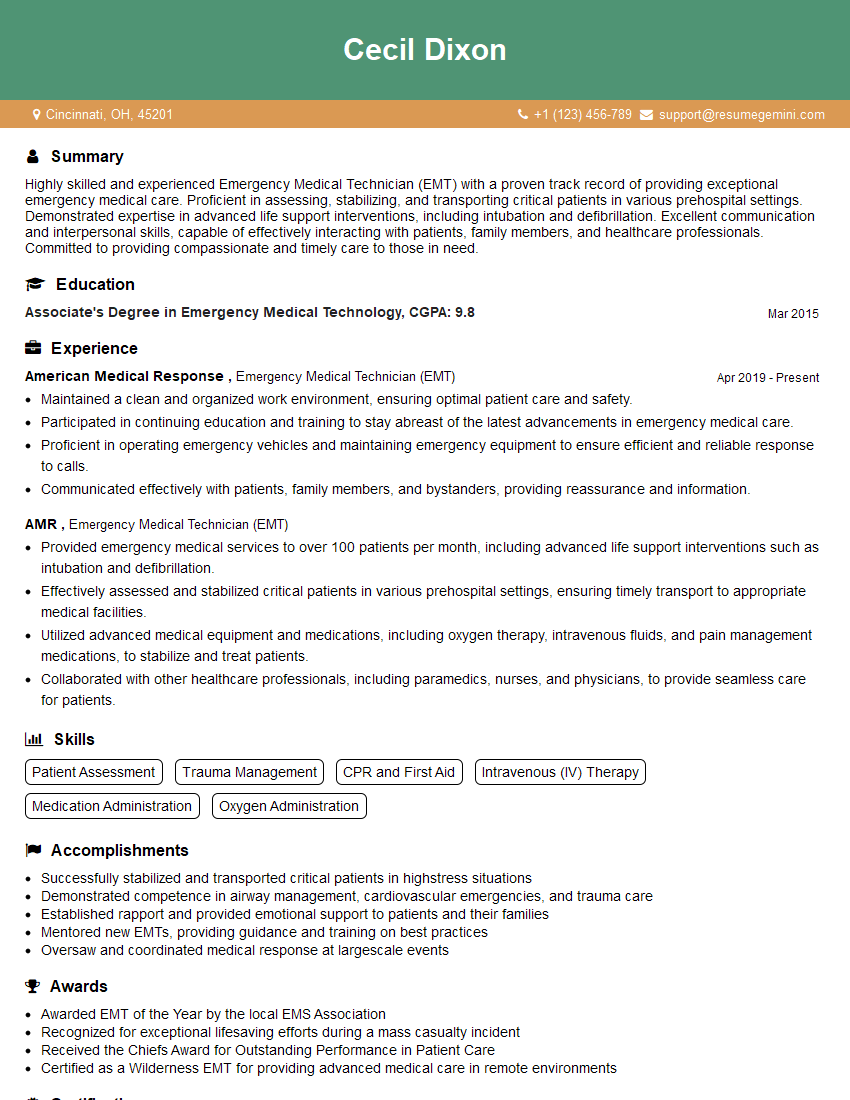
Emergency Medical Technician (EMT) Resume Sample
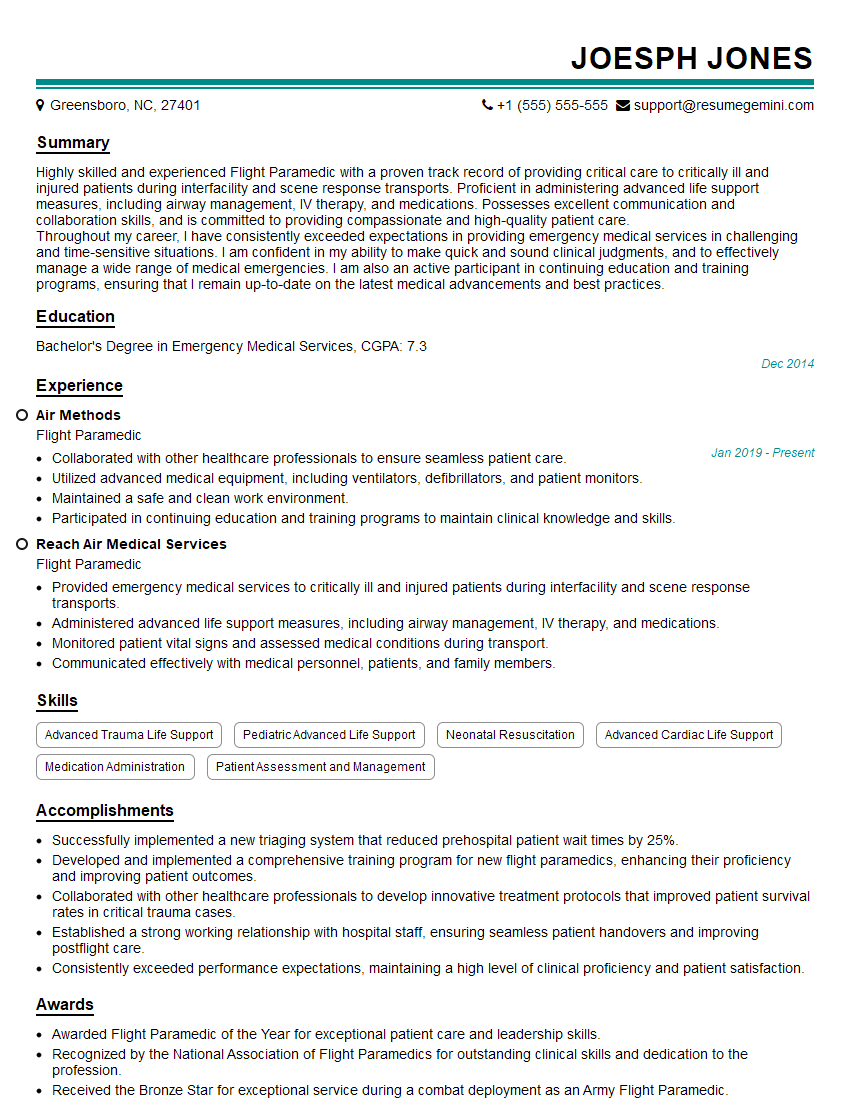
Flight Paramedic Resume Sample
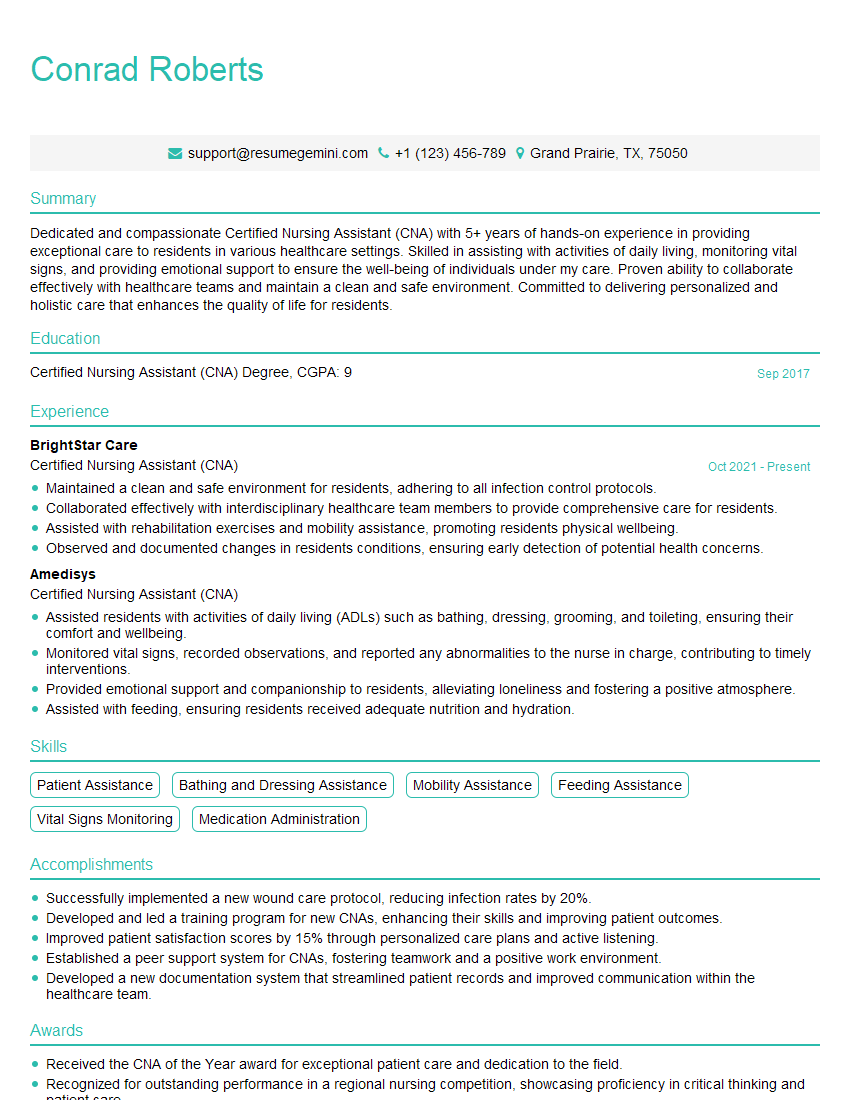
Certified Nursing Assistant (CNA) Resume Sample
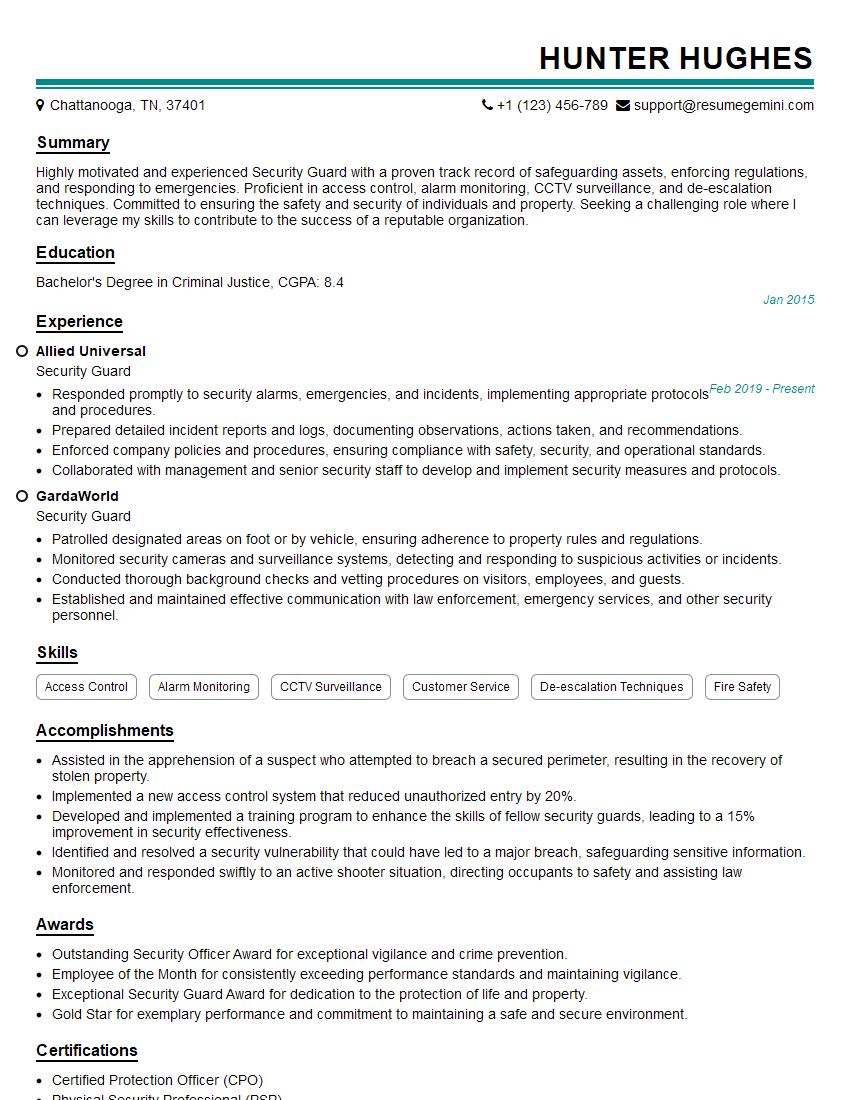
Security Guard Resume Sample
- Paramedic
- Behavioral Specialist
- Psychologist
- Social Worker
- Crisis Intervention Specialist
- Correctional Officer
- Mental Health Technician
- Police Officer
- Psychiatrist
- Emergency Room Nurse
- Forensic Nurse
- Psychiatric Nurse
- Registered Nurse (RN)
- Emergency Medical Technician (EMT)
- Flight Paramedic
- Certified Nursing Assistant (CNA)
- Security Guard
Explore more articles
Users Rating of Our Blogs
Share Your Experience
We value your feedback! Please rate our content and share your thoughts (optional).
What Readers Say About Our Blog
Very informative content, great job.
good