The right preparation can turn an interview into an opportunity to showcase your expertise. This guide to Stock Maintenance interview questions is your ultimate resource, providing key insights and tips to help you ace your responses and stand out as a top candidate.
Questions Asked in Stock Maintenance Interview
Q 1. Explain the FIFO (First-In, First-Out) inventory method.
FIFO, or First-In, First-Out, is an inventory accounting method where the oldest items in stock are recorded as sold first. Imagine a stack of pancakes; you eat the bottom one (the oldest) first, then the next, and so on. In inventory, this means the cost of goods sold (COGS) reflects the cost of the oldest items purchased. This method is particularly useful for perishable goods, ensuring that older items are used before they expire.
Example: Let’s say you purchased 10 units at $10 each on January 1st and another 10 units at $12 each on January 15th. If you sell 15 units during the month, under FIFO, the COGS would be calculated as (10 units * $10) + (5 units * $12) = $160. The remaining 5 units in inventory would be valued at $12 each.
Practical Application: FIFO provides a more accurate reflection of current inventory value, especially in industries with fluctuating prices, as the ending inventory is valued at the most recent costs. It’s also beneficial for businesses that need to manage perishable goods effectively.
Q 2. Describe the LIFO (Last-In, First-Out) inventory method.
LIFO, or Last-In, First-Out, is an inventory accounting method where the newest items in stock are recorded as sold first. Think of a stack of plates; you use the top plate (the newest) first. Under LIFO, the cost of goods sold reflects the cost of the most recently purchased items. This method is less commonly used due to tax implications in many countries, but it can be beneficial in specific situations.
Example: Using the same scenario as above (10 units at $10 on January 1st and 10 units at $12 on January 15th, and 15 units sold), under LIFO, the COGS would be (10 units * $12) + (5 units * $10) = $170. The remaining 5 units in inventory would be valued at $10 each.
Practical Application: LIFO can be advantageous during periods of inflation as it results in a higher COGS, thus reducing taxable income. However, it can misrepresent the value of ending inventory because it’s valued at older, potentially lower costs.
Q 3. What is the difference between FIFO and LIFO?
The key difference between FIFO and LIFO lies in the order they assume items are sold. FIFO assumes the oldest items are sold first, while LIFO assumes the newest items are sold first. This difference leads to variations in the calculation of COGS and the valuation of ending inventory. FIFO typically results in a higher net income during periods of inflation because the cost of goods sold is lower (based on older, cheaper prices), while LIFO results in a lower net income (due to higher COGS based on recent, potentially higher prices). The choice between FIFO and LIFO significantly impacts financial reporting and tax obligations. Additionally, FIFO provides a more accurate representation of the current market value of inventory.
Q 4. How do you perform cycle counting?
Cycle counting is a process of regularly counting a small portion of your inventory rather than performing a full inventory count at once. This makes stocktaking a continuous process instead of a disruptive event. It’s more efficient and allows for quicker identification and correction of discrepancies.
How to perform cycle counting:
- Develop a schedule: Determine which items will be counted and how frequently, prioritizing high-value or fast-moving items.
- Assign responsibilities: Designate individuals or teams to perform the counts, providing them with clear instructions and training.
- Use a systematic approach: Employ a documented process to ensure consistency and completeness. This might involve using checklists, scanning barcodes, or dedicated inventory management software.
- Document and reconcile: Record the counted quantities and compare them to the system records. Investigate and resolve any discrepancies immediately.
- Analyze results: Regularly review the cycle counting data to identify areas needing improvement in stock control or process optimization.
Example: A warehouse might count 10% of its SKUs daily, rotating through the entire inventory over a 10-day period. This method prevents large-scale disruptions and enables proactive inventory management.
Q 5. What are the benefits of using a barcode scanning system for stock maintenance?
Barcode scanning systems significantly improve stock maintenance efficiency and accuracy. They automate data collection, reducing human error and speeding up processes.
Benefits:
- Reduced errors: Manual data entry is prone to mistakes; scanners eliminate this risk.
- Increased efficiency: Scanning is much faster than manual counting and data entry.
- Improved accuracy: Real-time data ensures inventory records are always up-to-date.
- Better stock control: Enables efficient tracking of stock levels, facilitating better forecasting and ordering.
- Streamlined processes: Integrates seamlessly with inventory management software, automating various tasks.
- Real-time visibility: Provides immediate insights into inventory levels, enabling quick decision-making.
Example: Imagine a retail store using barcode scanners at the point of sale (POS). This automatically updates inventory levels, preventing stockouts and overstocking. In a warehouse setting, scanners can speed up receiving, put-away, and picking processes dramatically.
Q 6. How do you handle stock discrepancies?
Stock discrepancies, the difference between the recorded inventory and the physical count, require immediate attention. The process involves investigation, correction, and preventative measures.
Handling stock discrepancies:
- Identify the discrepancy: Pinpoint the location and extent of the difference.
- Investigate the cause: Determine the reason for the discrepancy – this might involve checking for data entry errors, theft, damage, or incorrect stock placement.
- Correct the records: Adjust the inventory records to reflect the actual physical count.
- Implement corrective actions: Address the root cause to prevent future discrepancies. This could involve improved training for staff, enhanced security measures, or better inventory management processes.
- Document the process: Maintain a record of the discrepancy, investigation, and corrective actions taken.
Example: If a cycle count reveals 5 fewer units of a particular item than recorded, investigation might uncover a misplacement of the items. After relocating the items, the records are updated, and procedures are reviewed to prevent future misplacements (e.g., improving labeling or storage location organization).
Q 7. Describe your experience with inventory software.
Throughout my career, I’ve worked extensively with various inventory management software solutions, including [mention specific software names, e.g., SAP, Oracle, NetSuite, Fishbowl]. My experience spans from basic inventory tracking to advanced features like demand forecasting and lot tracking. I’m proficient in configuring and customizing these systems to meet specific business requirements. For example, in my previous role at [Company Name], I implemented [Software Name] to streamline our inventory processes, resulting in a [quantifiable result, e.g., 15% reduction in stockouts and a 10% increase in order fulfillment speed]. I’m comfortable with data analysis within these systems to identify trends, optimize stock levels, and improve overall efficiency. My skills encompass data import/export, report generation, and user training. I’m always eager to learn and adapt to new software solutions as needed.
Q 8. Explain your experience with Warehouse Management Systems (WMS).
Warehouse Management Systems (WMS) are the backbone of efficient stock maintenance. My experience spans several years working with various WMS platforms, from implementing and configuring systems to daily operation and troubleshooting. I’m proficient in using WMS to manage everything from receiving and putaway to picking, packing, and shipping. This includes:
- Inventory tracking: Utilizing barcode scanning, RFID, and other technologies for accurate real-time inventory visibility.
- Location management: Optimizing warehouse layout and storage strategies using WMS features to minimize travel time and maximize space utilization. For example, I implemented a zone-picking strategy in a previous role, leading to a 15% increase in order fulfillment speed.
- Order fulfillment: Managing order processing, picking lists generation, and route optimization within the WMS. I’ve worked with both first-in-first-out (FIFO) and last-in-first-out (LIFO) inventory management strategies, adapting to the specific requirements of different products.
- Reporting and analytics: Leveraging WMS reporting capabilities to track key performance indicators (KPIs) like inventory turnover, order accuracy, and warehouse productivity. This data-driven approach is crucial for continuous improvement.
In one instance, I successfully migrated a company from a legacy system to a cloud-based WMS, significantly improving data accuracy and reducing manual errors. The transition was meticulously planned and executed to minimize disruptions to operations.
Q 9. How do you manage obsolete or slow-moving inventory?
Managing obsolete or slow-moving inventory requires a proactive approach. Simply letting it sit on shelves is costly. My strategy involves a multi-step process:
- Identification: Regularly review inventory data, identifying items with low turnover rates and approaching their expiration dates (if applicable). ABC analysis, classifying inventory based on value and usage, helps prioritize attention to high-value, slow-moving items.
- Analysis: Determine the reason for obsolescence or slow movement. Is it due to changing market demand, technological advancements, or poor forecasting? This analysis informs the best course of action.
- Action Plan: This could include:
- Price reductions/promotions: To stimulate demand and clear the inventory.
- Return to supplier: If possible, negotiate a return or credit with the supplier.
- Donation or disposal: If the items are no longer viable for sale, explore options like donating to charity or responsible disposal in accordance with environmental regulations.
- Repurposing or repackaging: In some cases, items can be repurposed or repackaged to extend their shelf life or appeal to a different market segment.
- Documentation: Maintaining detailed records of the disposition of obsolete or slow-moving inventory is crucial for accurate financial reporting and auditing.
For example, I once spearheaded a campaign to clear out slow-moving seasonal merchandise by creating a targeted promotional campaign that resulted in a 70% reduction in obsolete inventory within three months.
Q 10. What is your experience with physical inventory counts?
Physical inventory counts are essential for verifying the accuracy of stock records. My experience includes conducting both full and cycle counts. A full count involves a complete inventory check, while cycle counting involves counting smaller sections of inventory on a more frequent basis. I’m skilled in:
- Planning and preparation: Defining the scope of the count, assembling a team, creating checklists, and allocating resources.
- Count execution: Utilizing barcode scanners or handheld devices to efficiently record inventory quantities and locations.
- Reconciliation: Comparing physical counts with system records, identifying discrepancies, and investigating the root causes of variances.
- Reporting: Generating reports summarizing the results of the inventory count, including any discrepancies and their potential impact.
I’ve led several successful physical inventory counts, achieving high levels of accuracy and minimizing downtime. In one instance, I implemented a cycle counting system that reduced inventory discrepancies by 50% while minimizing disruption to daily operations. The key was a well-defined schedule and effective team training.
Q 11. How do you maintain accurate stock records?
Maintaining accurate stock records is paramount. This is achieved through a combination of:
- Real-time updates: Integrating the WMS with other systems, such as the Point of Sale (POS) system and accounting software, to ensure that stock levels are updated immediately after every transaction.
- Regular reconciliation: Performing frequent checks (cycle counting) to compare physical counts against system records, identifying and addressing discrepancies promptly.
- Data validation: Implementing data validation rules to prevent errors during data entry and ensure data integrity.
- Proper stock handling: Establishing clear procedures for receiving, storing, and issuing stock to minimize errors and loss.
- Periodic audits: Conducting regular audits to review stock records and identify any potential issues or areas for improvement.
Think of it like a meticulous ledger: every transaction needs to be accurately recorded and balanced. Ignoring small discrepancies can snowball into significant issues.
Q 12. Explain your experience with different stock tracking methods.
I’ve worked with various stock tracking methods, each with its strengths and weaknesses. These include:
- Barcode scanning: A cost-effective and widely used method, providing quick and accurate identification of individual items. Simple to implement and widely compatible.
- RFID (Radio-Frequency Identification): Offers more advanced capabilities than barcode scanning, allowing for simultaneous tracking of multiple items. Ideal for high-volume or fast-moving inventory, offering increased accuracy and speed. However, it has a higher initial investment cost.
- Lot tracking: Useful for tracking specific batches of products, particularly essential in industries with strict quality control requirements or perishable goods. This provides traceability in case of product recalls or quality issues.
- Serial number tracking: Provides the highest level of tracking accuracy, assigning a unique serial number to each item. Primarily used for high-value or sensitive items where detailed traceability is crucial.
The choice of method depends on factors like budget, inventory characteristics, and business requirements. I choose the optimal method based on a thorough assessment of each situation.
Q 13. How do you prevent stock pilferage?
Preventing stock pilferage requires a multi-pronged approach combining technology, security measures, and employee management practices:
- Security cameras: Installing a robust CCTV system to monitor warehouse activity and deter theft.
- Access control: Limiting access to the warehouse to authorized personnel only using keycard or biometric systems.
- Inventory tracking: Employing sophisticated inventory tracking systems (like RFID) to immediately detect discrepancies and trigger alerts.
- Regular audits: Conducting surprise inventory checks to detect irregularities.
- Strong internal controls: Implementing strict procedures for receiving, storing, and issuing stock, including dual authorization for high-value items.
- Employee training: Educating employees about the importance of preventing pilferage and the consequences of theft.
A positive work environment and fair compensation significantly reduce the likelihood of internal theft. In my experience, focusing on employee relations and trust is just as important as the security measures.
Q 14. What metrics do you use to assess stock maintenance efficiency?
Several metrics are crucial for assessing stock maintenance efficiency. These include:
- Inventory turnover rate: Measures how quickly inventory is sold or used. A higher turnover rate indicates efficient inventory management.
- Inventory accuracy: Measures the difference between the recorded inventory and the actual physical inventory. Higher accuracy reflects better stock control.
- Order fulfillment rate: Measures the percentage of orders fulfilled on time and accurately. High rates show effective stock availability and order processing.
- Stockout rate: Indicates the frequency of items being out of stock. Lower rates demonstrate better forecasting and stock planning.
- Holding cost: Represents the cost of storing inventory, including storage space, insurance, and obsolescence. Minimizing holding costs is a key objective.
- Carrying cost: The total cost associated with storing and maintaining inventory, including holding cost, insurance, taxes and more. Lower carrying costs highlight efficient inventory management.
By tracking these metrics and regularly analyzing trends, I can identify areas for improvement and optimize stock management processes to maximize efficiency and minimize losses.
Q 15. How do you prioritize tasks in a busy stockroom?
Prioritizing tasks in a busy stockroom requires a systematic approach. I use a combination of methods, prioritizing tasks based on urgency, importance, and impact. Think of it like a triage system in a hospital – some situations need immediate attention, while others can wait.
- Urgency: Tasks with immediate deadlines, such as fulfilling urgent customer orders or addressing critical stock shortages, take precedence.
- Importance: Tasks vital for smooth operations, like cycle counting or receiving high-demand items, are highly prioritized.
- Impact: Tasks with the greatest potential impact on business outcomes, such as preventing stockouts or minimizing damage, are prioritized.
I often use a Kanban board or a similar visual management system to track tasks, their priority levels, and progress. This provides a clear overview of the workload and helps me allocate resources efficiently. For example, if a crucial component for a high-value product is running low, I would immediately prioritize receiving and stocking that component over other less critical tasks.
Career Expert Tips:
- Ace those interviews! Prepare effectively by reviewing the Top 50 Most Common Interview Questions on ResumeGemini.
- Navigate your job search with confidence! Explore a wide range of Career Tips on ResumeGemini. Learn about common challenges and recommendations to overcome them.
- Craft the perfect resume! Master the Art of Resume Writing with ResumeGemini’s guide. Showcase your unique qualifications and achievements effectively.
- Don’t miss out on holiday savings! Build your dream resume with ResumeGemini’s ATS optimized templates.
Q 16. Describe your experience working with different types of inventory.
Throughout my career, I’ve managed a wide variety of inventory, including perishable goods, electronics, raw materials, and finished products. Each type presents unique challenges.
- Perishable goods (e.g., food, pharmaceuticals) require careful temperature control, FIFO (First-In, First-Out) management, and close monitoring of expiration dates. I’ve implemented systems to ensure proper rotation and minimize waste.
- Electronics necessitate secure storage to prevent theft or damage. We use RFID tagging or barcoding for accurate tracking. Managing serial numbers and keeping track of software versions is crucial.
- Raw materials require organized storage to ensure efficient retrieval during production. Knowing the exact location of each material is key for a seamless workflow.
- Finished goods require careful handling and storage according to their fragility and specific storage requirements.
My experience working with these diverse inventory types has given me a strong foundation in adapting my techniques and processes to suit the specific needs of each item. For example, I developed a customized inventory management system to improve the tracking and rotation of perishable goods, reducing waste by 15% in one instance.
Q 17. How do you handle damaged or returned goods?
Handling damaged or returned goods involves a structured process to minimize losses and maintain inventory accuracy. First, I assess the condition of the returned items. Documentation is key – taking photos and noting the reason for return are crucial steps.
- Damaged Goods: Depending on the severity of damage and the possibility of repair, items may be disposed of, repaired, or marked down for sale. We maintain a detailed record of disposal in compliance with all relevant regulations.
- Returned Goods: These are inspected for defects, cleaned if necessary, and returned to stock. Any discrepancies between the return and original order are investigated and documented. I ensure these items are properly marked to differentiate them from new stock.
We utilize a designated area for processing damaged and returned goods to maintain a clean and efficient stockroom. This system reduces clutter and improves workflow, helping us to prevent further damage and misplacement. For example, we implemented a quality control check for all returns, reducing errors in restocking by 10%.
Q 18. What are your strategies for improving inventory accuracy?
Improving inventory accuracy is a continuous process requiring a multi-faceted approach.
- Regular Cycle Counting: Rather than a full annual inventory count, we perform regular cycle counts of specific areas or items. This is more efficient and allows for quicker identification and correction of discrepancies.
- Barcode/RFID Scanning: Using barcode or RFID technology ensures accurate tracking of items as they move through the stockroom.
- Inventory Management Software: Utilizing a robust inventory management system allows for real-time tracking, automated alerts for low stock, and detailed reporting.
- Staff Training: Regular training ensures that all staff members understand and follow proper inventory procedures.
In a previous role, we implemented a new inventory management system and integrated it with our point-of-sale system, leading to a significant improvement in inventory accuracy – reducing discrepancies by 20% within six months.
Q 19. How do you coordinate with other departments regarding inventory?
Effective coordination with other departments is crucial for smooth inventory management. Communication is key.
- Sales/Marketing: Close collaboration with the sales and marketing teams helps anticipate demand and ensure sufficient stock levels. I participate in sales forecasting meetings and provide inventory projections.
- Purchasing/Procurement: I work closely with purchasing to ensure timely ordering of stock, minimizing lead times and preventing stockouts. I provide them with accurate inventory levels and upcoming demand forecasts.
- Production/Manufacturing: In manufacturing settings, regular communication with production ensures a consistent supply of raw materials and timely handling of finished goods. I maintain close communication about inventory levels for production processes.
We use regular meetings, email updates, and shared inventory management systems to maintain clear and consistent communication across departments. For instance, by proactively sharing sales forecasts, we successfully avoided a major stockout during a promotional campaign.
Q 20. Describe a time you had to resolve a significant stock discrepancy.
Once, we discovered a significant discrepancy in our raw material inventory – a shortfall of approximately 15% of a key component used in our primary product. This threatened production and potential order fulfillment.
To resolve this, we implemented a step-by-step approach:
- Inventory Reconciliation: We conducted a thorough physical count of the affected material, meticulously comparing the physical count to our inventory records.
- Root Cause Analysis: We investigated potential reasons for the discrepancy, considering issues like inaccurate record-keeping, theft, or damage. We discovered an error in our inventory software’s data entry process.
- Corrective Actions: We corrected the software error, implemented more rigorous data entry protocols, and increased our cycle counting frequency. We also enhanced security measures to prevent theft or damage.
- Communication: We communicated the issue and the corrective actions transparently to all relevant departments, including production and purchasing, minimizing disruption.
By swiftly addressing the issue, we prevented a production halt and minimized the impact on our customers. This experience reinforced the importance of robust inventory management systems and thorough staff training.
Q 21. How do you stay organized in a fast-paced environment?
Staying organized in a fast-paced environment requires a combination of strategies. It’s about creating systems that work for you.
- Organized Storage: Maintaining a well-organized stockroom, with clear labeling and designated locations for items, is crucial. We use a logical shelving system to ensure efficient retrieval of stock.
- Inventory Management System: Our inventory management system is the backbone of our organization. It provides real-time visibility into stock levels and helps us track movement.
- Task Management System: I use a task management system (like a Kanban board or project management software) to keep track of all tasks and their priorities.
- Regular Clean-up: We allocate time for regular clean-up and organization of the stockroom to prevent clutter and maintain efficiency.
In a previous role, implementing a 5S methodology (Sort, Set in Order, Shine, Standardize, Sustain) in the stockroom led to a significant improvement in organization and efficiency, reducing time spent searching for items by approximately 25%.
Q 22. What is your experience with safety procedures in a warehouse?
Safety is paramount in warehouse operations. My experience encompasses a comprehensive understanding and strict adherence to all safety protocols, including OSHA regulations. This involves regular safety training, proper use of equipment like forklifts (with certifications), and consistent implementation of procedures such as proper lifting techniques, maintaining a clean and organized workspace to prevent slips and falls, and the use of appropriate PPE (Personal Protective Equipment) such as safety glasses, gloves, and steel-toe boots. I’ve actively participated in safety audits, identifying potential hazards and contributing to the development of improved safety measures. For instance, in my previous role, I noticed a recurring issue with pallet stacking instability. I proposed a solution involving improved training on proper stacking methods and the introduction of visual aids, which significantly reduced near-miss incidents.
- Regular safety training participation.
- Consistent use of PPE.
- Active involvement in safety audits and hazard identification.
- Proactive suggestions for improving safety procedures.
Q 23. Explain your experience with receiving and shipping processes.
My experience in receiving and shipping encompasses the entire process, from verifying incoming shipments against purchase orders and inspecting goods for damage, to accurately picking, packing, and shipping orders according to customer specifications. This includes managing the receiving dock, overseeing the unloading and check-in of goods, and ensuring proper documentation. On the shipping side, I’m proficient in using shipping software to generate labels, track shipments, and manage carrier relationships. I’m also experienced in handling various shipping methods, including LTL (Less Than Truckload), FTL (Full Truckload), and courier services. For example, in one role, I implemented a new barcode scanning system that significantly improved accuracy and reduced processing time for both inbound and outbound shipments, leading to a 15% increase in efficiency.
- Proficient in using shipping software and generating labels.
- Experienced in handling various shipping methods.
- Implementation of barcode scanning system, boosting efficiency.
- Managing the receiving dock and overseeing unloading.
Q 24. How do you ensure compliance with relevant regulations?
Compliance with regulations is non-negotiable. My experience includes familiarity with and adherence to regulations such as OSHA (Occupational Safety and Health Administration), FDA (Food and Drug Administration) – if applicable to the product handled, and other industry-specific requirements. This involves maintaining accurate inventory records, ensuring proper labeling and handling of hazardous materials, and staying updated on any changes in regulations. I’ve implemented and maintained record-keeping systems to ensure traceability and compliance audits. For example, I developed a system to track the expiry dates of perishable goods and automatically generate alerts when nearing expiry, preventing loss and ensuring compliance with food safety standards.
- Maintaining accurate inventory records.
- Proper handling of hazardous materials.
- Regularly reviewing and updating knowledge on regulatory changes.
- Implementing and maintaining systems to ensure traceability.
Q 25. How do you use data analysis to inform inventory decisions?
Data analysis is crucial for informed inventory decisions. I utilize data from various sources, including sales history, inventory levels, lead times, and demand forecasts, to identify trends, optimize stock levels, and minimize waste. I employ techniques such as ABC analysis (categorizing inventory by value and frequency of use) to prioritize management efforts. I also use statistical modeling to predict future demand and optimize reorder points. For instance, by analyzing historical sales data, I identified a seasonal surge in demand for a specific product. By adjusting inventory levels in advance, we avoided stockouts during the peak season, resulting in increased sales and customer satisfaction.
- Utilizing ABC analysis to prioritize inventory management.
- Employing statistical modeling to predict future demand.
- Analyzing sales history and inventory levels to identify trends.
- Optimizing reorder points to minimize waste and stockouts.
Q 26. What is your experience with forecasting inventory needs?
Forecasting inventory needs involves predicting future demand based on historical data, market trends, and external factors. I utilize a combination of quantitative methods like time series analysis and qualitative methods like expert opinion to develop accurate forecasts. Software tools are also crucial in this process. Factors like seasonality, promotional campaigns, and economic conditions are all considered when building a forecast. For example, anticipating a potential supply chain disruption due to a natural disaster, I adjusted our forecast and increased our safety stock levels for critical components, mitigating the potential impact on production.
- Utilizing time series analysis and other quantitative methods.
- Considering qualitative factors like expert opinion and market trends.
- Adapting forecasts based on external factors like economic conditions.
- Adjusting safety stock levels based on potential disruptions.
Q 27. Describe your experience with different types of inventory software.
My experience includes working with various inventory management software, including ERP (Enterprise Resource Planning) systems like SAP and Oracle, and specialized warehouse management systems (WMS) like Fishbowl and NetSuite. I’m proficient in using these systems to manage inventory, track shipments, generate reports, and analyze data. Each system has its strengths and weaknesses, and my ability lies in adapting to different interfaces and functionalities to maximize efficiency. I understand the importance of data integrity and system optimization for accurate inventory control. For instance, I migrated our company from a legacy system to a cloud-based WMS, resulting in improved data accuracy, enhanced reporting capabilities, and significant cost savings.
- Proficient in using various ERP and WMS systems.
- Experience migrating between inventory management systems.
- Understanding of data integrity and system optimization.
- Adaptability to different software interfaces and functionalities.
Q 28. How do you handle pressure and meet tight deadlines in a stock maintenance role?
Handling pressure and meeting tight deadlines is a common aspect of stock maintenance. I approach this by prioritizing tasks effectively, utilizing time management techniques, and maintaining clear communication with colleagues and stakeholders. Proactive problem-solving is key; identifying potential bottlenecks early allows for mitigation strategies. I’m also adept at delegating tasks when appropriate, and I leverage technology to automate processes wherever possible. For example, during a period of unexpectedly high demand, I prioritized the most critical orders, delegated less urgent tasks, and utilized automation tools to streamline the picking and packing process, ensuring we met all deadlines without compromising accuracy.
- Prioritizing tasks and utilizing time management techniques.
- Proactive problem-solving and identification of bottlenecks.
- Effective delegation of tasks.
- Leveraging technology to automate processes.
Key Topics to Learn for Stock Maintenance Interview
- Inventory Management Systems (IMS): Understanding different IMS software and their functionalities, including data entry, tracking, and reporting. Practical application: Explain your experience with specific IMS software and how you optimized its use for accuracy and efficiency.
- Stock Control Procedures: Mastering procedures for receiving, storing, issuing, and disposing of stock. Practical application: Describe your approach to maintaining accurate stock levels and minimizing waste or loss.
- Data Analysis & Reporting: Analyzing stock data to identify trends, predict demand, and optimize inventory levels. Practical application: Detail how you’ve used data analysis to inform purchasing decisions or improve stock rotation.
- Cycle Counting & Stock Takes: Understanding the importance of regular stock checks and reconciliation processes. Practical application: Explain your experience with cycle counting methodologies and how you ensured accuracy and minimized disruption to operations.
- Warehouse Management & Logistics: Knowledge of warehouse layout, organization, and efficient stock movement strategies. Practical application: Describe your experience optimizing warehouse space or improving the efficiency of stock picking and packing processes.
- Inventory Forecasting & Demand Planning: Applying forecasting techniques to predict future stock requirements and avoid shortages or overstocking. Practical application: Explain your experience using forecasting methods and the impact on inventory management.
- Problem-Solving & Troubleshooting: Identifying and resolving discrepancies in stock levels, addressing stock losses, and implementing corrective actions. Practical application: Describe a time you identified and solved a significant stock-related problem.
Next Steps
Mastering Stock Maintenance is crucial for career advancement in logistics, supply chain management, and warehousing. A strong understanding of these concepts demonstrates valuable skills to potential employers. To maximize your job prospects, create an ATS-friendly resume that highlights your key achievements and skills. ResumeGemini is a trusted resource to help you build a professional and impactful resume. Examples of resumes tailored to Stock Maintenance positions are available to help you get started.
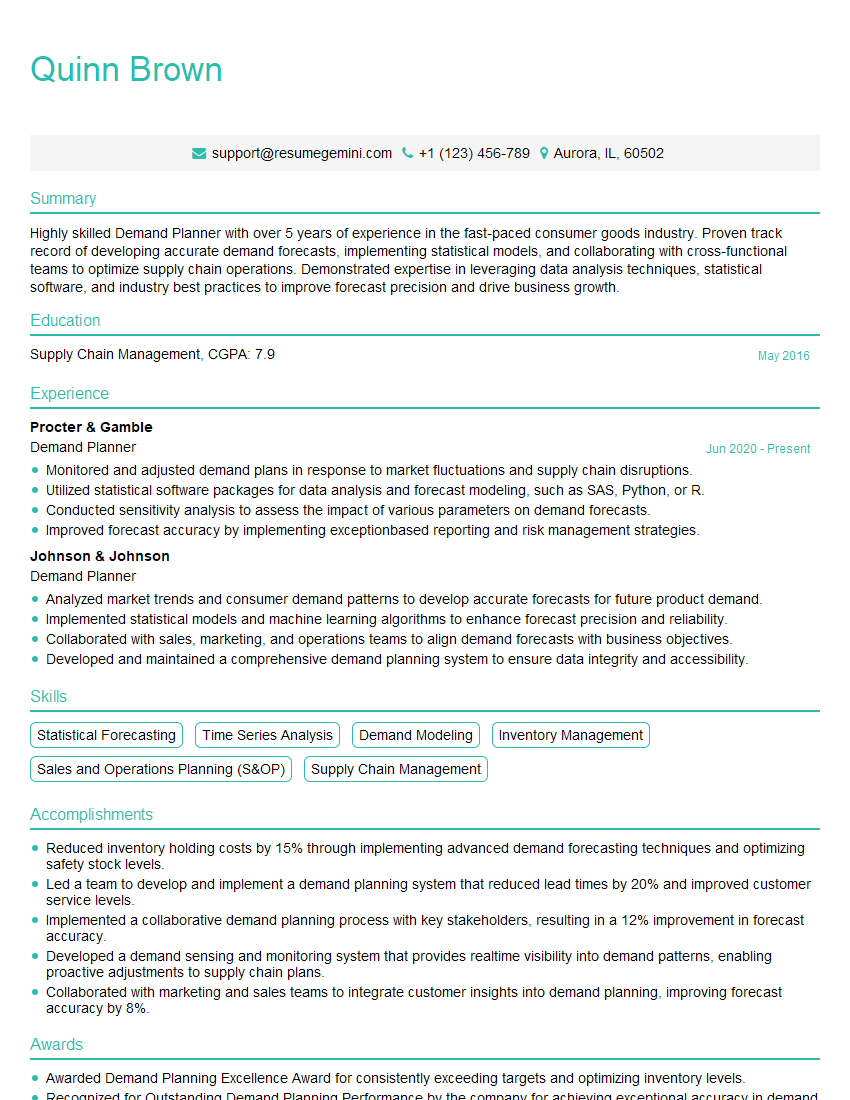
Demand Planner Resume Sample
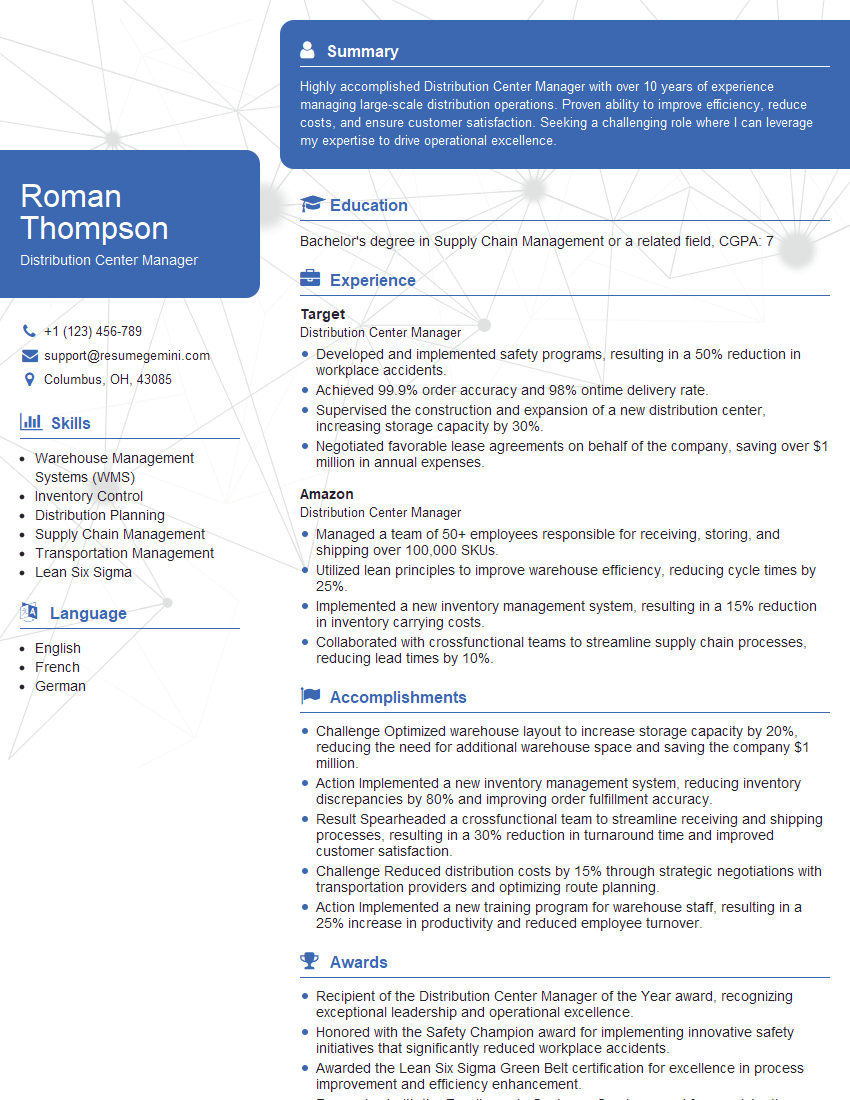
Distribution Center Manager Resume Sample
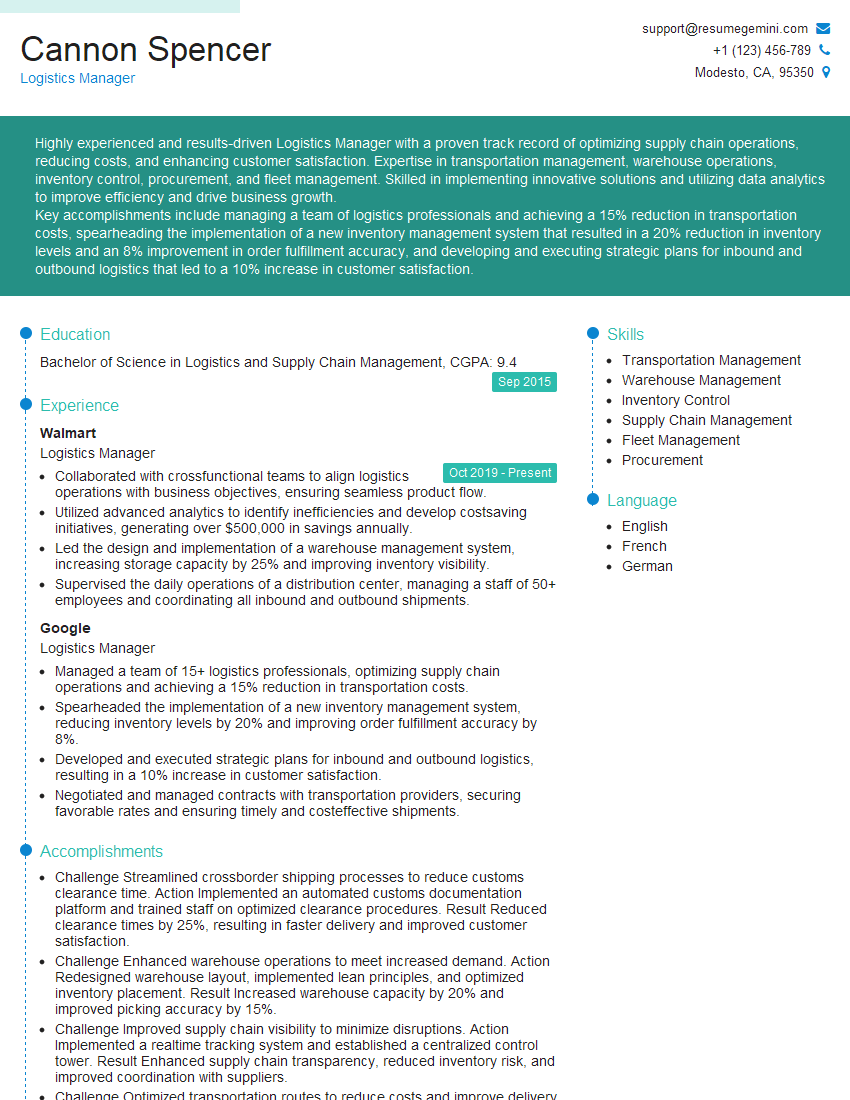
Logistics Manager Resume Sample
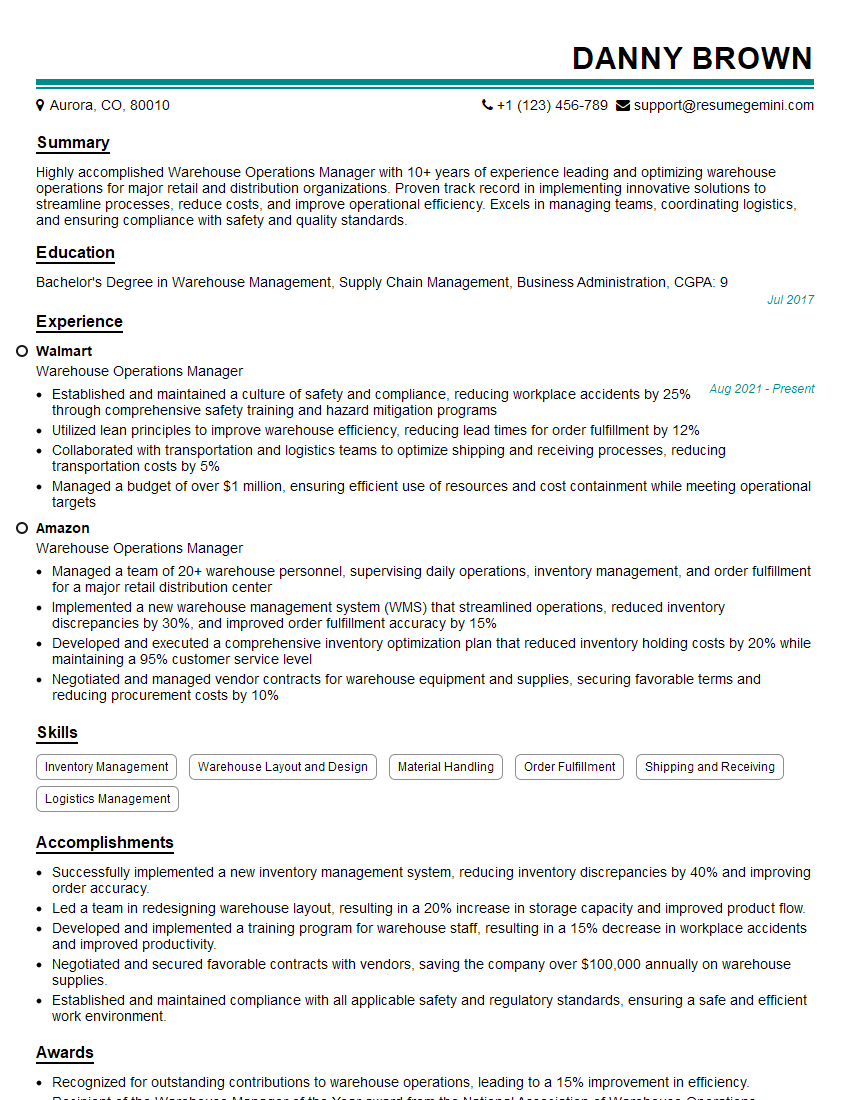
Warehouse Operations Manager Resume Sample
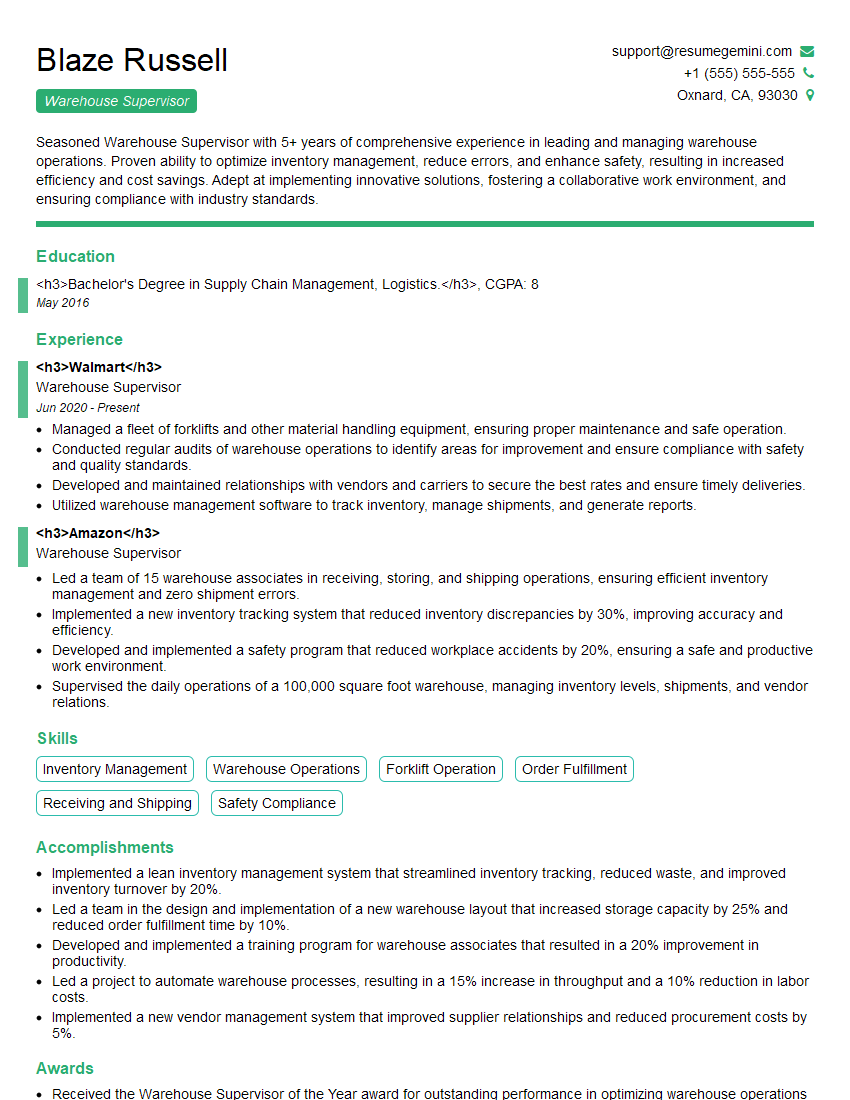
Warehouse Supervisor Resume Sample
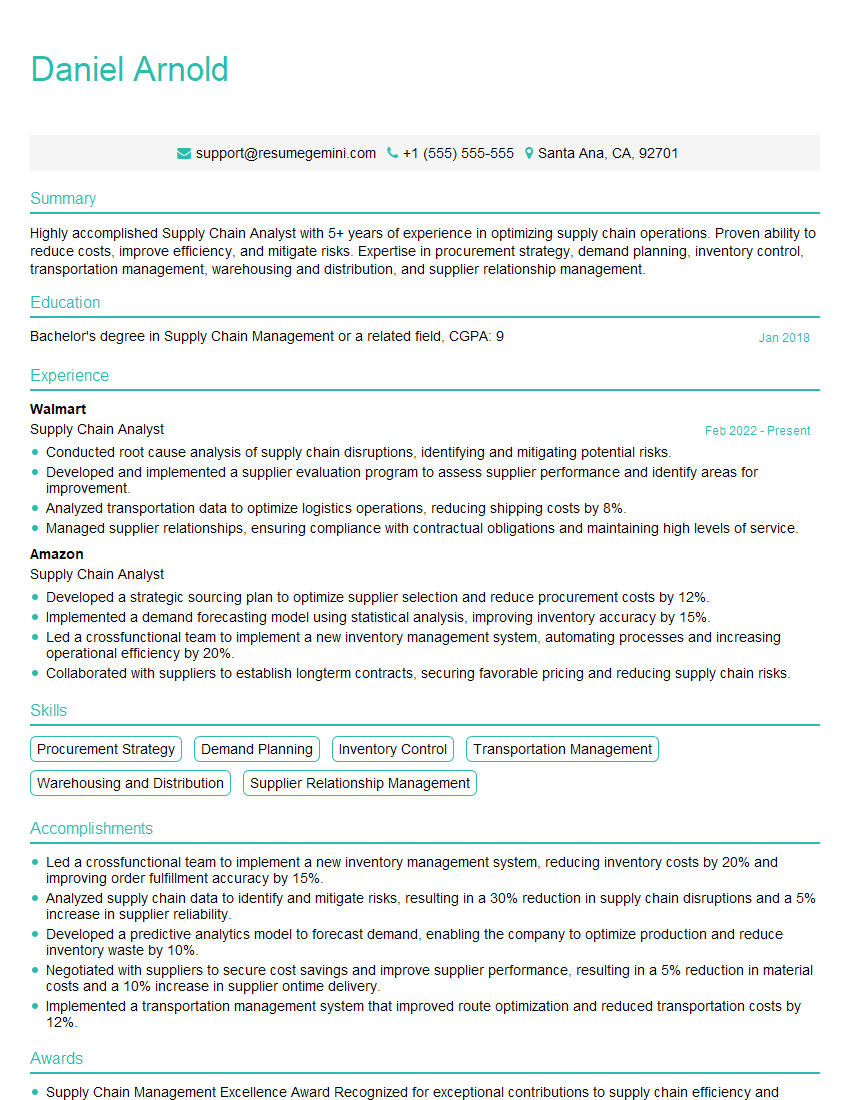
Supply Chain Analyst Resume Sample
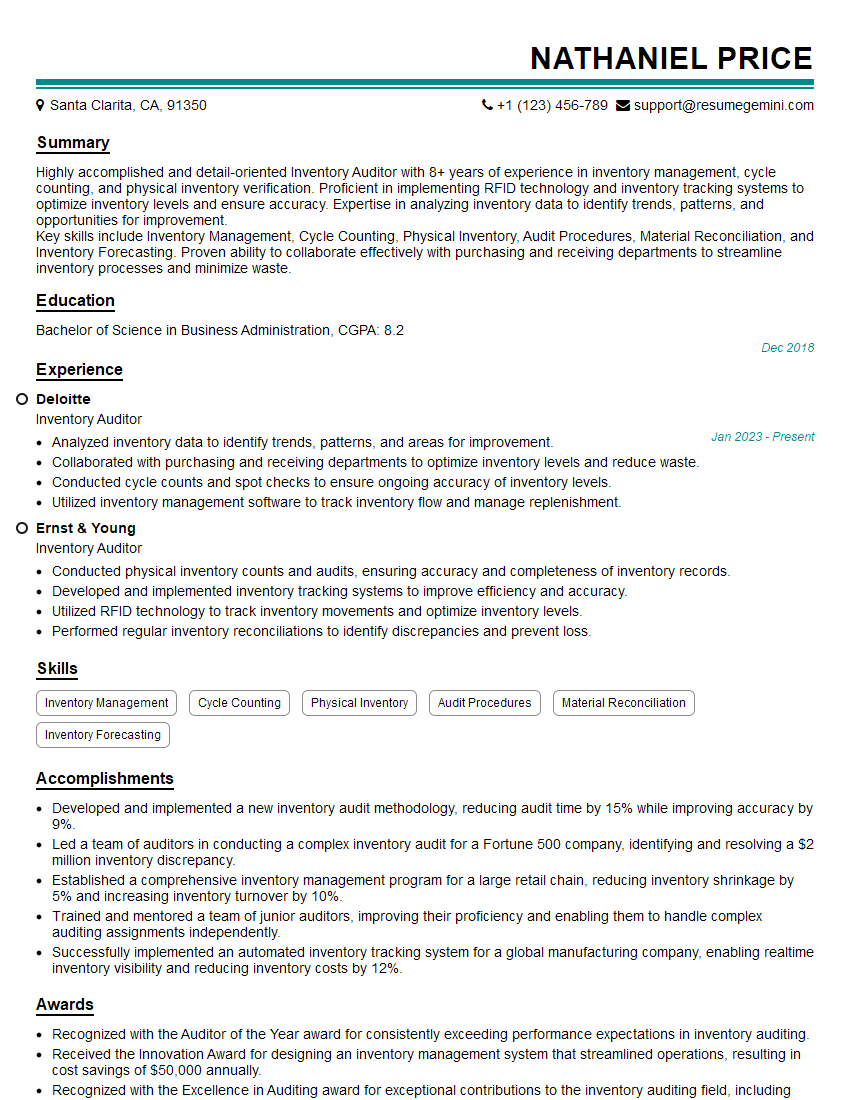
Inventory Auditor Resume Sample
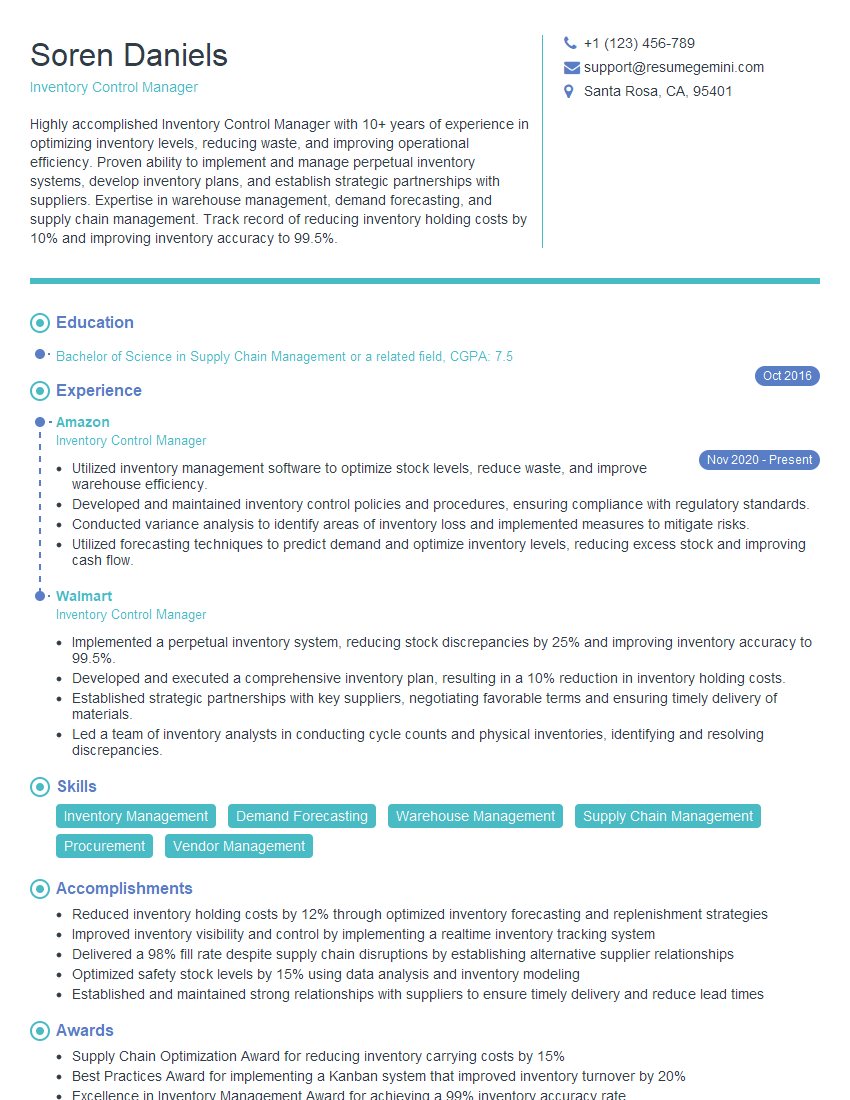
Inventory Control Manager Resume Sample
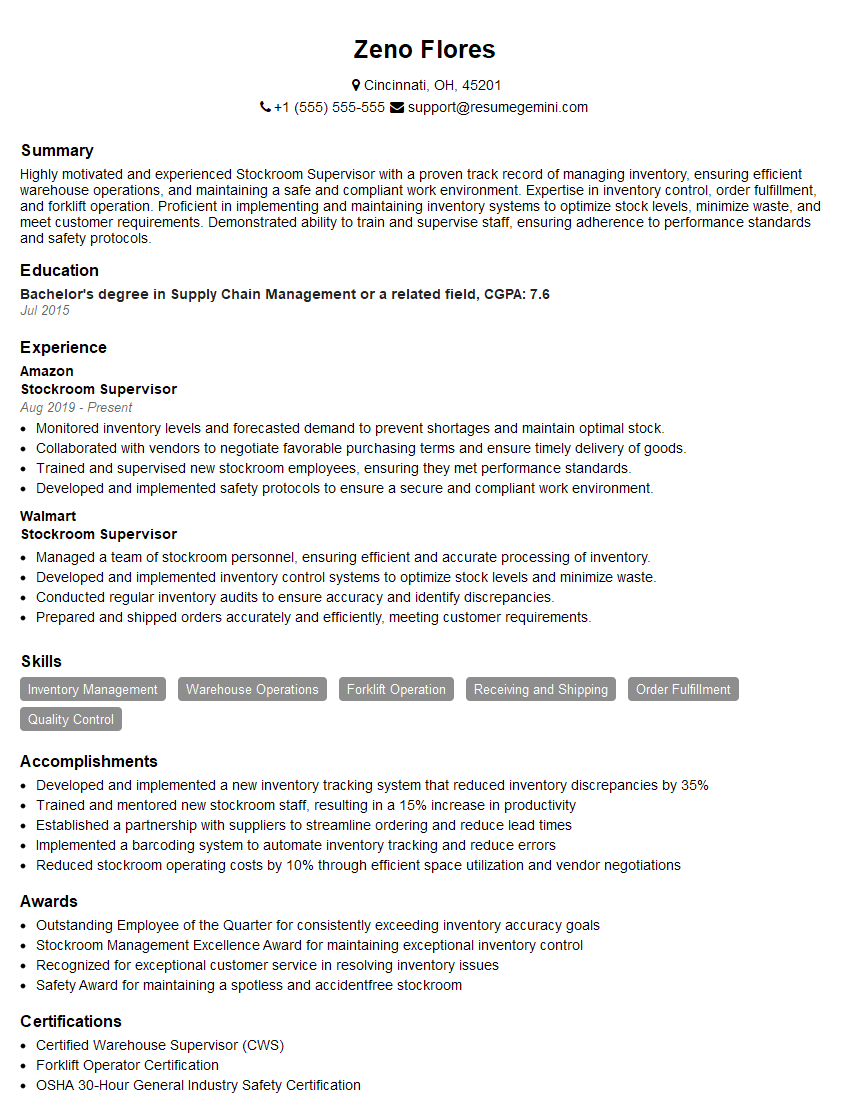
Stockroom Supervisor Resume Sample
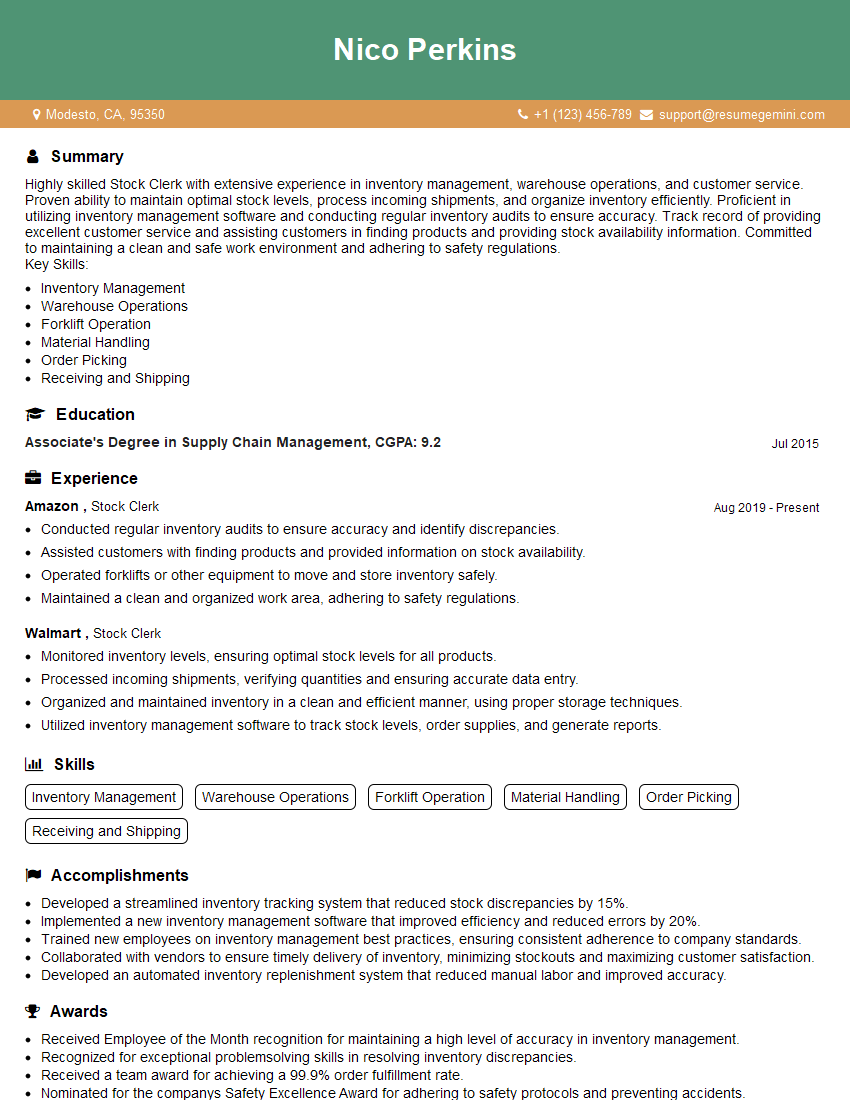
Stock Clerk Resume Sample
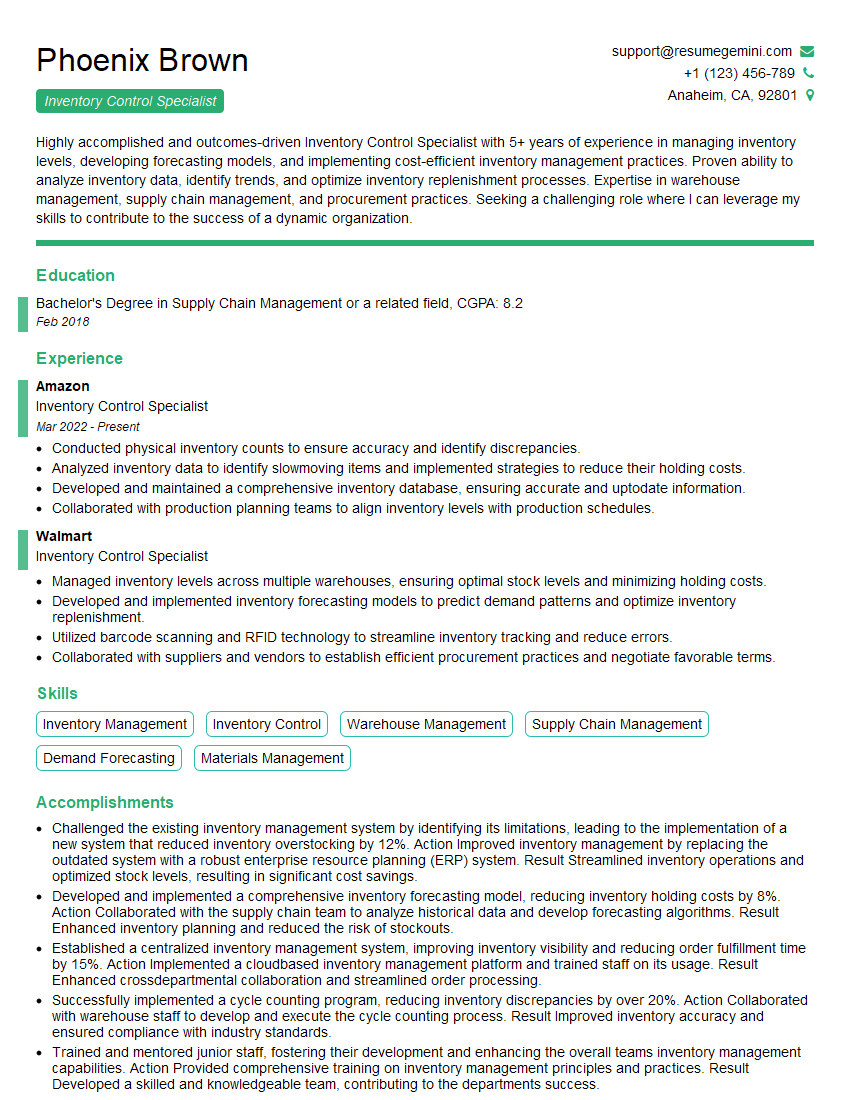
Inventory Control Specialist Resume Sample
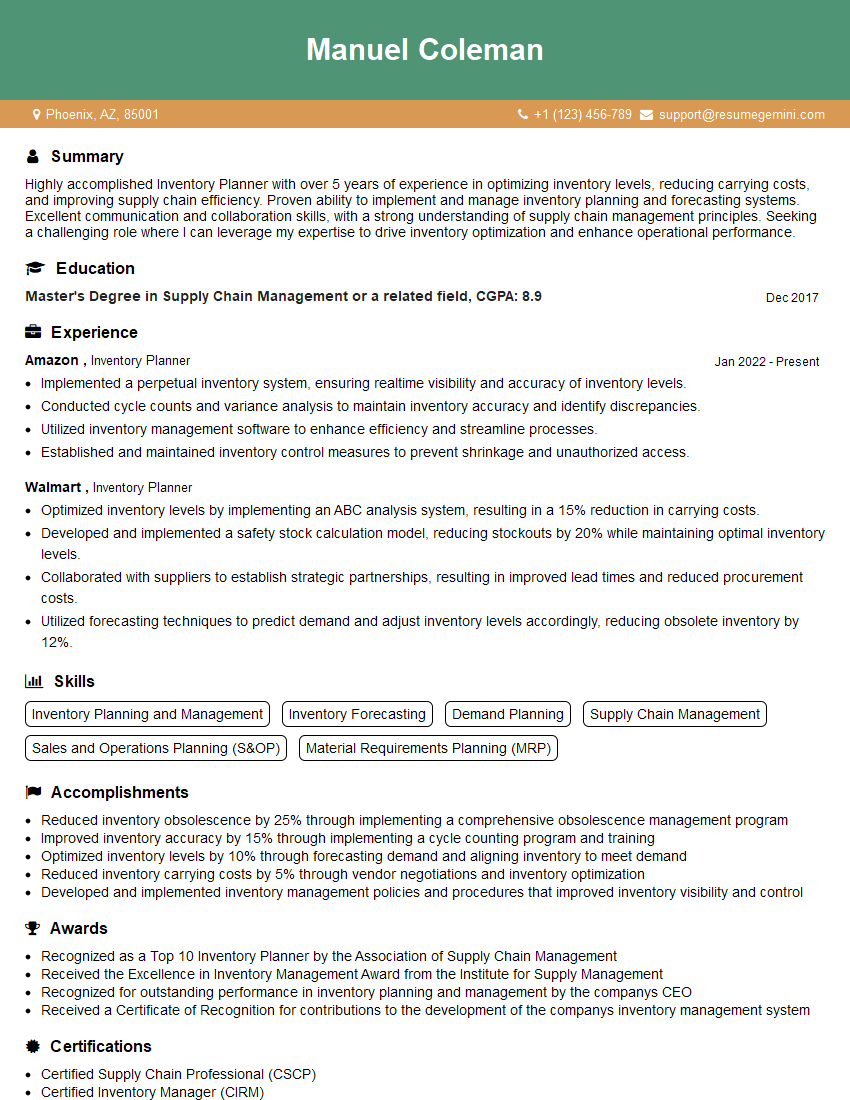
Inventory Planner Resume Sample
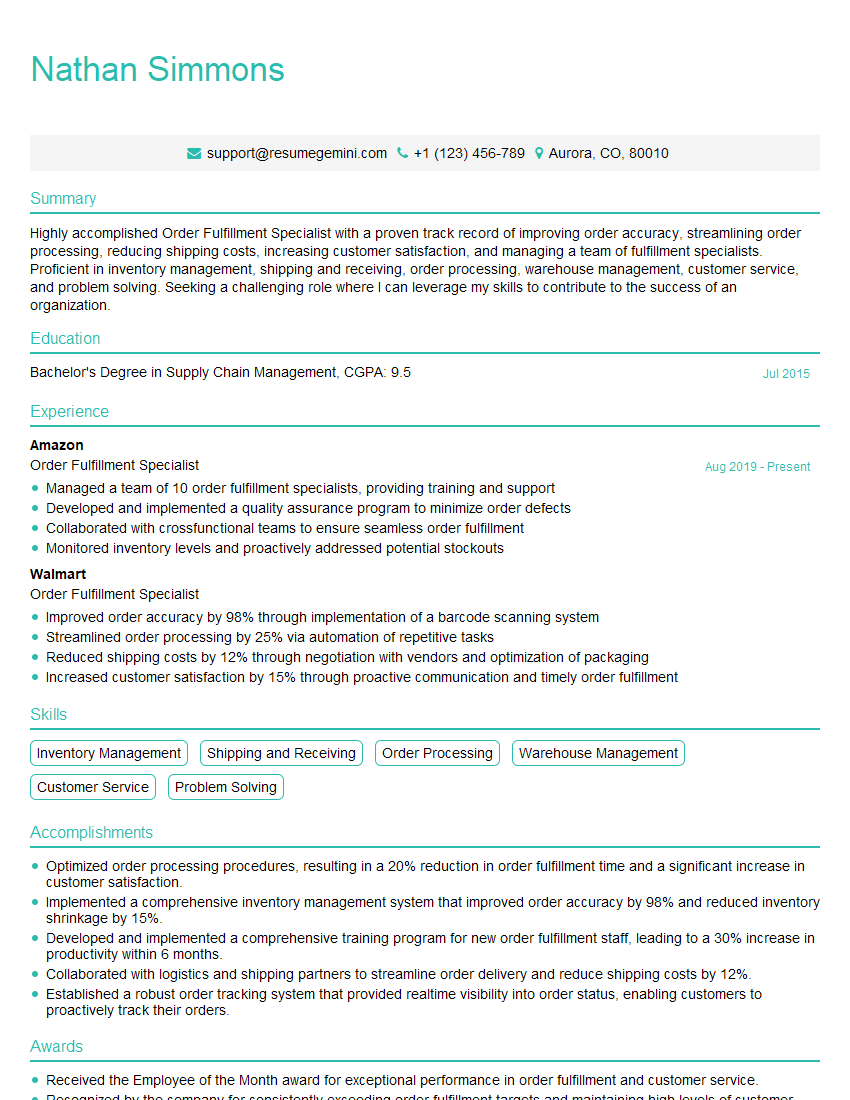
Order Fulfillment Specialist Resume Sample
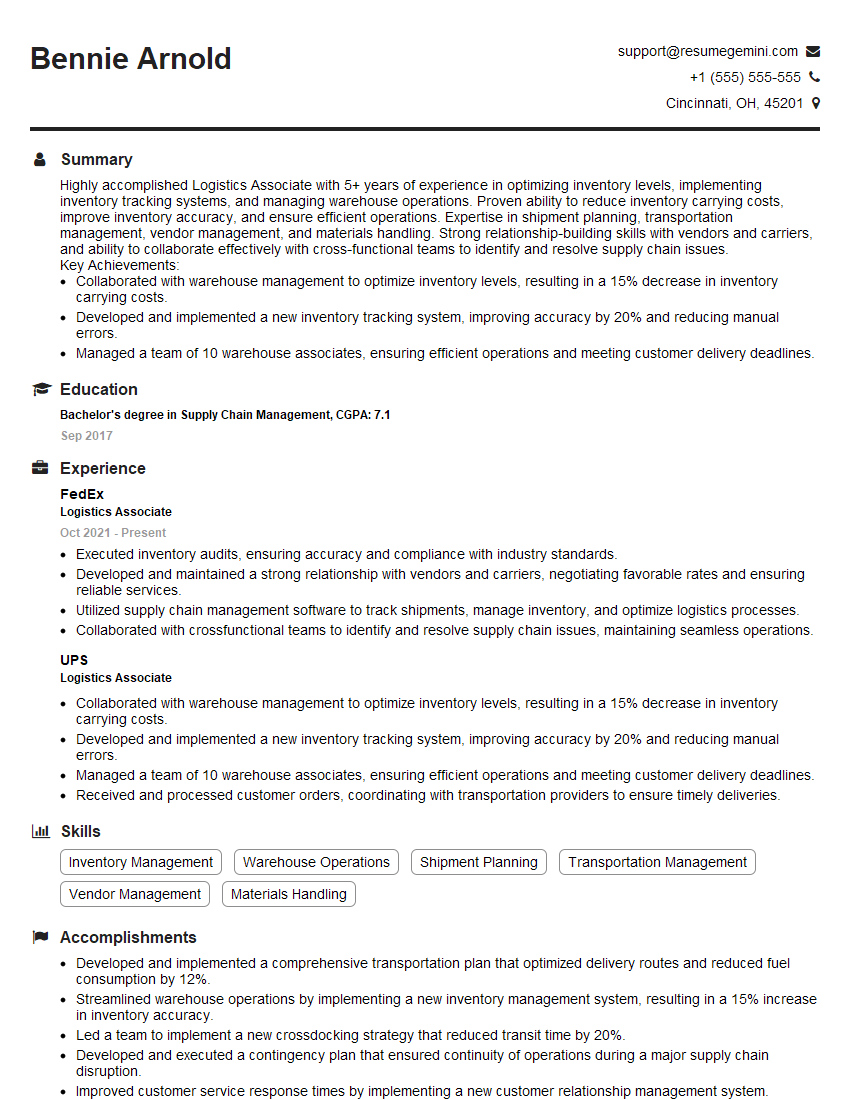
Logistics Associate Resume Sample
- Demand Planner
- Distribution Center Manager
- Logistics Manager
- Warehouse Operations Manager
- Warehouse Supervisor
- Supply Chain Analyst
- Inventory Auditor
- Inventory Control Manager
- Stockroom Supervisor
- Stock Clerk
- Inventory Control Specialist
- Inventory Planner
- Order Fulfillment Specialist
- Logistics Associate
Explore more articles
Users Rating of Our Blogs
Share Your Experience
We value your feedback! Please rate our content and share your thoughts (optional).
What Readers Say About Our Blog
Very informative content, great job.
good