Are you ready to stand out in your next interview? Understanding and preparing for Incident Reporting and Tracking interview questions is a game-changer. In this blog, we’ve compiled key questions and expert advice to help you showcase your skills with confidence and precision. Let’s get started on your journey to acing the interview.
Questions Asked in Incident Reporting and Tracking Interview
Q 1. Describe your experience with incident tracking systems (e.g., Jira, ServiceNow).
I have extensive experience with various incident tracking systems, most notably Jira and ServiceNow. My experience spans from configuring and customizing these systems to managing workflows, reporting, and leveraging their functionalities for effective incident management. In Jira, I’ve implemented custom workflows to streamline incident triage and resolution, using JQL (Jira Query Language) to generate reports and dashboards that provided key insights into our incident trends. For example, I created a custom workflow that automatically escalated incidents based on severity and predefined SLAs. In ServiceNow, I’ve worked with the ITSM module, configuring incident, problem, and change management processes. This included setting up automated notifications, integrating with other systems like monitoring tools, and creating custom reports to track key performance indicators (KPIs). A specific example includes using ServiceNow’s reporting capabilities to identify bottlenecks in our incident resolution process and subsequently implement improvements to reduce resolution times.
Q 2. What metrics do you use to measure the effectiveness of an incident response process?
Measuring the effectiveness of an incident response process relies on several key metrics. Think of it like assessing a sports team – you need to look at various aspects of their performance. We use a combination of metrics to get a holistic view. These include:
- Mean Time To Acknowledge (MTTA): How quickly we acknowledge an incident. A shorter MTTA signifies faster response times.
- Mean Time To Resolution (MTTR): The average time taken to resolve an incident. A lower MTTR indicates efficiency.
- Incident Resolution Rate: The percentage of incidents resolved within a specified time frame. This showcases our overall success rate.
- Number of Incidents per Category: Identifying trends, whether it’s a recurring issue or a new type of problem.
- Customer Satisfaction (CSAT) Scores: Feedback from affected users is crucial. High scores reflect positive experiences.
- Number of Escalations: High escalation rates could pinpoint weaknesses in our first-line support.
By tracking these metrics over time, we can identify areas for improvement and demonstrate the effectiveness of our incident management strategy. For instance, a consistently high MTTR might indicate a need for additional training or process improvements.
Q 3. Explain the difference between an incident and a problem.
The difference between an incident and a problem is crucial for effective IT service management. Think of an incident as a single event that disrupts service, while a problem is the underlying cause of multiple similar incidents.
An incident is a single occurrence that interrupts service, like a server outage. It requires immediate attention and resolution. It has a defined start and end time.
A problem is the root cause of one or more incidents. It’s the ‘why’ behind repeated issues. For example, if several servers crash due to insufficient RAM, the problem is insufficient RAM, while each individual server crash is an incident. Solving the problem prevents further incidents.
We manage incidents to restore service quickly, while we investigate problems to prevent recurrence. This distinction is key to proactive incident management.
Q 4. How do you prioritize incidents during a high-volume event?
During high-volume events, prioritizing incidents is critical. We employ a tiered system based on impact and urgency, often using a prioritization matrix.
Impact: How many users or systems are affected? A widespread outage affecting thousands has higher impact than a single user reporting a problem.
Urgency: How quickly does the issue need to be addressed? A critical system failure requiring immediate action is higher urgency than a minor UI bug.
Using this matrix, incidents are categorized (e.g., Critical, High, Medium, Low). Critical incidents, for example, receive immediate attention, while low-impact, low-urgency issues are addressed after higher-priority incidents are resolved. This ensures that resources are focused on the most pressing issues first, minimizing disruption.
Q 5. What is your process for escalating incidents?
Our escalation process is defined and documented, ensuring consistent handling of incidents that require more expertise or resources. The process is typically structured hierarchically.
- First-line support: Attempts initial troubleshooting and resolution.
- Second-line support: More specialized teams tackle complex issues.
- Third-line support: Experts handle critical issues and complex problems often requiring deep technical knowledge.
- Management: Significant issues that require strategic intervention or communication are escalated to management.
Escalation triggers can be automated (e.g., if an incident remains unresolved after a certain time) or manual (e.g., when a technician determines they lack the expertise to resolve an issue). Clear communication and documentation at each escalation level are crucial for efficient resolution.
Q 6. How do you ensure accurate and complete incident documentation?
Accurate and complete incident documentation is vital for efficient resolution, analysis, and prevention of future incidents. We use a structured approach:
- Detailed Description: A clear and concise description of the incident, including all relevant symptoms.
- Steps to Reproduce (if applicable): If the issue is reproducible, these steps help identify the root cause quickly.
- Affected Users/Systems: Identifies the scope of the impact.
- Timeline: Records when the incident occurred, when it was reported, and key milestones in the resolution process.
- Resolution Steps: A detailed account of actions taken to resolve the incident.
- Root Cause Analysis (RCA): Once resolved, the RCA is documented to help prevent recurrence.
Templates and checklists are used to ensure consistency and completeness. Regular reviews of documentation ensure our processes remain accurate and efficient. This documentation becomes a valuable resource for ongoing improvement and knowledge sharing.
Q 7. Describe your experience using root cause analysis techniques.
I’m proficient in various root cause analysis (RCA) techniques, including the ‘5 Whys,’ fishbone diagrams (Ishikawa diagrams), and fault tree analysis. The choice of technique depends on the complexity of the incident.
The ‘5 Whys’ is a simple yet effective technique for identifying the root cause by repeatedly asking ‘why’ until the fundamental issue is uncovered. This approach is suitable for simpler incidents. For example, if a website is down (‘Why? The server crashed. Why? The hard drive failed. Why? It was old and hadn’t been replaced. Why? Our maintenance schedule wasn’t updated. Why? Lack of prioritization.’ The root cause: Inadequate maintenance schedule).
Fishbone diagrams are helpful for visualizing potential causes and their relationships, which is beneficial for more complex incidents involving multiple factors. We use these to brainstorm potential causes and identify relationships between them.
Fault tree analysis is used for critical incidents where a comprehensive understanding of potential failures is required. This is a more formal and detailed technique used for incidents that pose a higher risk.
Regardless of the technique used, the goal is to identify the root cause, implement a solution, and document the findings to prevent similar incidents in the future.
Q 8. How do you communicate incident updates to stakeholders?
Communicating incident updates effectively is crucial for maintaining transparency and minimizing disruption. My approach involves a multi-pronged strategy tailored to the specific stakeholders and the urgency of the situation.
For critical incidents impacting many users, I utilize a combination of methods: immediate alerts via email or SMS to key personnel, regular updates through a dedicated communication channel (e.g., Slack, Microsoft Teams) accessible to the broader team, and perhaps even a public-facing status page for customer updates. These updates follow a consistent template, providing a clear summary of the incident, its current status, the impact on users, and the anticipated resolution time.
For less critical incidents, email or internal communication tools suffice. The key is to prioritize information based on its importance and the audience. I always ensure updates are concise, accurate, and easily understandable, avoiding technical jargon whenever possible. For example, instead of saying “DNS propagation is delayed,” I might say, “We’re working to restore access to our website as quickly as possible. We’re experiencing a slight delay in updating our website’s address information.”
Q 9. What are some common challenges you’ve faced in incident reporting and tracking?
Challenges in incident reporting and tracking are common. One frequent hurdle is maintaining accurate and up-to-date information. This requires diligent documentation from all involved parties and robust systems to capture all details. Another challenge is balancing the need for speed with the need for accuracy – we must act quickly, but not so quickly that we introduce errors in our reports. Furthermore, inconsistent reporting practices across teams can lead to difficulties in consolidating information and analyzing trends. Lastly, a lack of adequate tools or a poorly designed system can significantly hamper the effectiveness of the reporting process. For example, during one incident, a poorly designed tracking system led to duplicate entries and missing information, significantly slowing our incident resolution time.
Q 10. How do you handle conflicting priorities during an incident?
Handling conflicting priorities during an incident requires a structured approach. My strategy centers around prioritization based on impact and urgency. I use a framework that considers the potential damage, the number of affected users, and the criticality of the affected system. We utilize a prioritization matrix to visualize these factors, enabling the team to objectively assess and rank competing issues. Open communication is key; I make sure all stakeholders are aware of the prioritization decisions and the reasoning behind them. This transparent approach prevents misunderstandings and ensures everyone is working towards the same goal. For instance, if a minor outage on a non-critical system conflicts with resolving a major service disruption, the major disruption will get top priority. We might temporarily postpone less critical tasks and clearly communicate the delay to those involved.
Q 11. Explain your experience with ITIL incident management best practices.
My experience with ITIL incident management best practices is extensive. I’ve worked within frameworks emphasizing incident identification, categorization, prioritization, and resolution. I am familiar with the incident lifecycle, from initial logging to closure and post-incident review. I’ve actively participated in the implementation of ITIL-aligned processes, including establishing clear service level agreements (SLAs), creating robust knowledge bases to reduce recurring incidents, and conducting regular training for team members to ensure consistent application of these practices. For example, I’ve implemented a system that uses a standardized form to categorize incidents, leading to more accurate analysis and faster resolution times.
Q 12. How do you contribute to post-incident reviews?
Post-incident reviews are critical for continuous improvement. My contribution to these reviews involves actively participating in the analysis of the incident, identifying root causes, and proposing preventative measures. I facilitate the discussion, ensuring all relevant team members contribute their insights. I analyze the incident timeline, looking for areas where processes could be improved. I also review the effectiveness of our communication strategies and suggest refinements. I prepare a detailed report summarizing the incident, its impact, root causes, and recommendations for future improvement. This report helps create a knowledge base that prevents similar incidents in the future. For instance, during a recent post-incident review, I noticed a recurring pattern in incidents caused by user errors. My recommendations included developing more comprehensive training materials and improving user documentation to prevent similar incidents.
Q 13. What tools or technologies have you used for incident reporting and tracking?
Throughout my career, I’ve utilized various tools and technologies for incident reporting and tracking. These include ServiceNow, Jira Service Desk, and PagerDuty. ServiceNow, for instance, provides a comprehensive platform for managing the entire incident lifecycle, from initial reporting to resolution and post-incident review. Jira Service Desk offers a similar, though perhaps less comprehensive, functionality with strong integration capabilities with other development tools. PagerDuty is mainly used for alerting and on-call scheduling during critical incidents. Each tool has its strengths and weaknesses; the best choice depends on the specific needs of the organization and the complexity of its IT infrastructure. The choice is guided by factors such as scalability, integration with other systems, and the specific needs of our team.
Q 14. How do you ensure data integrity in incident reports?
Data integrity in incident reports is paramount. My approach emphasizes accuracy, completeness, and consistency. We use standardized forms and templates to ensure all relevant information is captured consistently. Data validation rules are implemented within the reporting systems to prevent erroneous entries. Regular data audits are conducted to identify and correct inconsistencies or missing data. Access controls are in place to prevent unauthorized modification or deletion of records. Version control is used for all significant changes or updates to incident reports. Finally, regular training is provided to team members on proper data entry procedures and the importance of maintaining data integrity. For example, if we notice discrepancies between reported downtime and monitoring system logs, we investigate immediately to identify and resolve the source of the inconsistency, ensuring a complete and accurate record of the incident.
Q 15. Describe a time you had to manage a critical incident. What was your role, and what was the outcome?
During my time at [Previous Company Name], we experienced a major service outage affecting our primary e-commerce platform. As the lead Incident Manager, my role involved immediately activating our incident response plan. This involved:
- Initial Assessment: Gathering information from various sources (monitoring tools, customer reports, support teams) to understand the scope and impact of the outage.
- Communication: Establishing clear communication channels with stakeholders, including customers, executive leadership, and technical teams, providing regular updates on progress and estimated restoration time.
- Team Coordination: Leading a cross-functional team of developers, network engineers, and database administrators to diagnose the root cause and implement the appropriate fix. This involved prioritizing tasks based on criticality and coordinating efforts across various teams with differing expertise.
- Problem Resolution: Guiding the team through a systematic troubleshooting process, ensuring all potential solutions were evaluated before implementing a fix. We used a combination of logging analysis, network diagnostics, and database checks to pinpoint the issue, which turned out to be a misconfiguration in our load balancer.
- Post-Incident Review (PIR): After restoring service, I led a post-incident review meeting to document the incident, identify root causes, and recommend preventative measures. This involved creating a comprehensive report detailing the timeline, impact, and corrective actions.
The outcome was a swift restoration of service, minimizing customer impact and reputational damage. The PIR led to significant improvements in our infrastructure monitoring and configuration management processes, directly reducing the likelihood of similar incidents occurring in the future.
Career Expert Tips:
- Ace those interviews! Prepare effectively by reviewing the Top 50 Most Common Interview Questions on ResumeGemini.
- Navigate your job search with confidence! Explore a wide range of Career Tips on ResumeGemini. Learn about common challenges and recommendations to overcome them.
- Craft the perfect resume! Master the Art of Resume Writing with ResumeGemini’s guide. Showcase your unique qualifications and achievements effectively.
- Don’t miss out on holiday savings! Build your dream resume with ResumeGemini’s ATS optimized templates.
Q 16. How familiar are you with different incident severity levels and their impact?
Incident severity levels are crucial for prioritizing responses and allocating resources effectively. They typically range from low to critical, each with a defined impact on business operations.
- Low: Minor inconveniences with minimal impact on business operations (e.g., a minor UI bug).
- Medium: Noticeable impact on some users or processes, potentially causing some disruption (e.g., slow database response time affecting certain functionalities).
- High: Significant disruption affecting many users and processes, requiring immediate attention (e.g., a partial service outage).
- Critical: Major disruption resulting in complete service outage or substantial financial loss (e.g., a complete website crash).
Understanding these levels allows us to quickly assess the situation, escalate appropriately, and mobilize the necessary resources for effective resolution. For instance, a low-severity incident might be handled by a single engineer, whereas a critical incident would require a large, cross-functional team.
Q 17. What is your approach to identifying and mitigating potential risks associated with incidents?
My approach to risk identification and mitigation focuses on proactive measures and continuous improvement. This includes:
- Risk Assessment: Regularly reviewing our systems and processes to identify potential vulnerabilities and weaknesses. This might involve vulnerability scanning, security audits, and reviewing incident history.
- Mitigation Planning: Developing and documenting mitigation strategies for identified risks. This includes creating runbooks, defining escalation procedures, and establishing communication plans.
- Monitoring and Alerting: Implementing robust monitoring systems that provide real-time visibility into the health and performance of our systems. This allows for early detection of potential incidents and enables proactive intervention.
- Security Best Practices: Implementing and enforcing security best practices, including regular patching, access control management, and data backups.
- Incident Simulation: Regularly conducting incident simulations or drills to test our response plans and identify areas for improvement. This helps teams practice their roles and enhances coordination.
Think of it like a homeowner regularly checking smoke detectors, having a fire escape plan, and practicing fire drills – it’s proactive risk management that minimizes potential damage.
Q 18. Describe your experience with creating and maintaining incident management procedures.
I have extensive experience in developing and maintaining incident management procedures. My approach involves:
- Documentation: Creating clear, concise, and easily accessible documentation that outlines the steps involved in handling incidents of different severities. This includes detailed runbooks and checklists for various scenarios.
- Process Improvement: Regularly reviewing and updating the procedures based on lessons learned from past incidents and feedback from the team. This ensures the procedures remain effective and efficient.
- Training: Providing regular training to team members on the procedures and ensuring they understand their roles and responsibilities during incident response.
- Tool Selection: Selecting and implementing appropriate tools to support the incident management process. This might include ticketing systems, monitoring tools, and collaboration platforms.
- Version Control: Using a version control system to manage the incident management documentation, ensuring that everyone is working with the most up-to-date version.
Well-defined procedures are the backbone of effective incident management; they ensure consistency, reduce response time, and minimize the impact of incidents.
Q 19. How do you ensure compliance with relevant regulations and standards in incident reporting?
Ensuring compliance with relevant regulations and standards is paramount in incident reporting. This involves:
- Understanding Regulations: Staying informed about applicable regulations (e.g., HIPAA, GDPR, PCI DSS) and industry best practices (e.g., ITIL). These regulations often dictate specific requirements for incident reporting, including data retention policies and notification procedures.
- Policy Implementation: Developing and implementing internal policies and procedures that align with these regulations and standards. This includes defining roles and responsibilities, escalation paths, and data handling procedures.
- Auditing and Monitoring: Regularly auditing our processes to ensure ongoing compliance. This might involve internal audits and external assessments by regulatory bodies.
- Documentation: Maintaining thorough documentation of all incidents, including the actions taken and the outcome. This documentation serves as evidence of compliance.
- Training: Ensuring that all personnel involved in incident reporting are adequately trained on relevant regulations and procedures.
Compliance is not just a matter of avoiding penalties; it also demonstrates our commitment to protecting sensitive data and maintaining the trust of our customers and stakeholders.
Q 20. What is your approach to collaboration and teamwork during incident response?
Effective collaboration is crucial during incident response. My approach involves:
- Clear Communication: Establishing clear communication channels and ensuring that all team members are informed and updated regularly. This involves using a variety of communication tools, such as instant messaging, email, and conference calls.
- Role Definition: Clearly defining roles and responsibilities for each team member to avoid confusion and ensure efficient coordination.
- Shared Goals: Fostering a collaborative environment where team members work together towards a common goal – resolving the incident quickly and effectively.
- Open Communication: Encouraging open communication and feedback, creating a safe space for team members to share ideas and concerns.
- Post-Incident Debrief: Conducting a post-incident debrief to review the incident response and identify areas for improvement in teamwork and collaboration.
Think of it as a well-orchestrated orchestra – each musician plays their part, but their individual efforts contribute to a harmonious and effective performance. The same is true for incident response.
Q 21. How do you measure the efficiency of the incident management process?
Measuring the efficiency of the incident management process involves tracking several key metrics:
- Mean Time To Detection (MTTD): The average time it takes to detect an incident. A lower MTTD indicates a more efficient monitoring system.
- Mean Time To Acknowledgement (MTTA): The average time it takes to acknowledge an incident after detection. Quick acknowledgement shows responsiveness.
- Mean Time To Resolution (MTTR): The average time it takes to resolve an incident. Reducing MTTR is a primary goal.
- Incident Frequency: The number of incidents occurring over a specific period. A decrease in frequency indicates improved system stability and preventative measures.
- Customer Impact: The impact of incidents on customers, measured through metrics such as downtime and service disruptions. Minimizing customer impact is critical.
- Cost of Incidents: The total cost associated with resolving an incident, including labor, downtime, and remediation efforts. Reducing costs demonstrates efficiency.
By tracking these metrics, we can identify areas for improvement in our incident management process and demonstrate the effectiveness of our efforts. Regular reporting and analysis of these metrics provide valuable insights for continuous improvement.
Q 22. How do you handle situations where incident information is incomplete or inaccurate?
Incomplete or inaccurate incident information is a common challenge in incident management. My approach involves a systematic process to ensure we gather the necessary details while maintaining a focus on timely resolution. First, I’d prioritize immediate actions to contain the impact of the incident, minimizing further damage. Then, I engage in a structured process of information gathering, using a combination of techniques.
Direct questioning: I carefully question the reporter and any other relevant individuals involved, using open-ended questions to encourage detailed responses and avoid leading them to specific answers. I’d focus on the 5 Ws and 1 H (Who, What, When, Where, Why, How).
Log analysis: I review system logs, application logs, and any other available data sources to identify missing pieces of information. This can provide objective details about the incident’s root cause and timeline.
Cross-referencing: I compare the information provided with data from other sources, including previous incident reports, monitoring tools, and knowledge bases, to identify discrepancies or missing context.
Escalation: If necessary, I escalate the incident to more experienced team members or subject matter experts who can provide insights or expertise that could fill in the gaps in information.
For example, if an incident report mentions a website outage but lacks specifics on the affected pages, I would delve deeper by analyzing website logs to identify which sections were unavailable, and I’d then use this data to enrich the initial report. Throughout the process, I maintain meticulous documentation to build a complete and accurate picture of the incident.
Q 23. Describe your experience with automating incident reporting and tracking processes.
I have extensive experience in automating incident reporting and tracking using a variety of tools and technologies. In my previous role, we implemented a system using a combination of ServiceNow and custom scripting. This automation significantly improved our efficiency and accuracy. The automated system helped us in several key areas:
Automated ticket creation: System alerts automatically triggered incident tickets, eliminating manual entry and ensuring timely reporting.
Example: If a server went down, an alert would automatically create a ticket with initial details like the server name and the time of failure.Automated notifications: The system sent automated notifications to relevant teams and individuals at various stages of the incident lifecycle, ensuring prompt response and collaboration.
Example: Notifications to the on-call engineer, team lead, and relevant stakeholders upon incident creation, status changes, and resolution.Centralized data repository: The system provided a centralized repository for all incident-related information, allowing for easier tracking, analysis, and reporting. This drastically reduced the reliance on disparate spreadsheets and email threads.
Automated reporting: The system generated automated reports, providing valuable insights into incident trends, frequencies, and resolution times, facilitating proactive problem resolution and process improvement.
This automation not only saved significant time but also increased the accuracy and consistency of incident reporting, which in turn led to faster resolution times and reduced service disruptions.
Q 24. How do you stay updated on the latest incident management best practices and technologies?
Keeping up with the latest best practices and technologies in incident management is crucial for maintaining a high level of effectiveness. I accomplish this through a multi-faceted approach:
Industry publications and conferences: I regularly read industry publications such as ITIL, ITSM blogs, and attend relevant conferences to learn about new trends and best practices.
Professional certifications: Pursuing and maintaining relevant certifications, such as ITIL 4 Foundation, demonstrates a commitment to staying current with evolving industry standards.
Online courses and webinars: I frequently participate in online courses and webinars offered by reputable organizations to deepen my knowledge of specific tools and techniques.
Networking with peers: I actively network with colleagues and other professionals in the field to share knowledge, discuss challenges, and learn from their experiences.
Vendor resources: I regularly review resources provided by vendors of incident management tools and platforms to stay abreast of new features and capabilities.
For example, I recently completed a course on using AI-powered incident management tools to improve root cause analysis and automation. This keeps my skillset sharp and allows me to leverage the latest advancements in this ever-evolving field.
Q 25. What are your strengths and weaknesses when it comes to incident management?
My strengths in incident management include my strong analytical abilities, my methodical approach to problem-solving, and my excellent communication skills. I thrive in high-pressure situations and am able to remain calm and focused even when dealing with multiple critical incidents simultaneously. I’m also proficient in utilizing various incident management tools and technologies.
However, a weakness I am actively working on is delegating tasks effectively. While I’m highly capable of handling various aspects of incident management independently, I recognize the value of empowering my team members and fostering a collaborative environment. I’m actively working on improving my delegation skills through training and practice, striving to balance individual contributions with effective team leadership.
Q 26. How would you handle a situation where an incident impacts multiple systems or departments?
When an incident impacts multiple systems or departments, a coordinated and collaborative approach is essential. My strategy would involve the following steps:
Establish a central communication hub: This could be a dedicated conference call, a collaboration platform, or a shared document, to facilitate communication and information sharing among all impacted parties.
Identify all impacted systems and departments: This ensures everyone is aware of the scope of the incident and their individual roles in resolving it.
Form a cross-functional incident response team: The team would comprise representatives from each impacted department, providing diverse expertise and perspectives.
Prioritize tasks based on business impact: The team focuses on resolving the most critical issues first to minimize overall disruption.
Establish clear communication channels: Regular updates and status reports to all stakeholders are vital to maintain transparency and prevent information silos.
Post-incident review: A thorough post-incident review to identify areas for improvement in cross-functional coordination and incident response procedures.
For instance, if a network outage affects both the e-commerce and customer support systems, I would assemble a team including network engineers, e-commerce developers, and customer support representatives to coordinate the resolution and manage communications with customers.
Q 27. What is your experience with using dashboards and reporting tools for incident management?
I have extensive experience utilizing dashboards and reporting tools for incident management. I find these tools invaluable for providing real-time visibility into incident trends, performance metrics, and overall system health. In my experience, effective dashboards should showcase key metrics like:
Open incidents: Number of open incidents, categorized by severity and status.
Resolution time: Average and median resolution times for different incident types.
Mean Time To Resolution (MTTR): A crucial metric highlighting efficiency in resolving incidents.
Incident types: Frequency of different types of incidents, enabling identification of recurring problems.
Affected systems: Identifying systems frequently affected by incidents for proactive maintenance and improvement.
These dashboards allow for proactive identification of recurring issues, enabling us to implement preventative measures. Reporting tools allow for detailed analysis, generating reports that highlight long-term trends and support continuous improvement initiatives. In a previous role, we used dashboards to identify a recurring issue with a specific application, prompting a code review and ultimately resolving the recurring problem.
Q 28. How do you balance the need for speed in incident resolution with the need for thorough investigation?
Balancing speed and thoroughness in incident resolution is a critical aspect of effective incident management. A purely speed-focused approach can lead to incomplete fixes and recurring problems, while an overly thorough approach may cause unacceptable delays. My approach involves a structured process that prioritizes both:
Initial containment: Focus on immediate actions to contain the incident’s impact, minimizing further damage while gathering essential information.
Rapid triage: Quickly assess the incident’s severity and potential impact to prioritize resolution efforts. This determines whether we need a rapid fix (even if temporary) or a more detailed investigation.
Parallel investigation and remediation: If possible, conduct preliminary investigation and remediation simultaneously. This can speed up the process while still ensuring a thorough root cause analysis is performed later.
Post-incident review: A thorough post-incident review allows for a deep dive into the incident’s root cause, identifying areas for improvement in processes, training, and technology.
Documentation: Meticulous documentation throughout the incident lifecycle supports both speed and thoroughness, providing context for rapid response and detailed analysis later.
Imagine a situation where a critical application crashes. The immediate priority is to restore service as quickly as possible, perhaps by reverting to a previous version. Following the restoration, a thorough investigation can determine the root cause and prevent future occurrences. This balanced approach ensures both timely recovery and long-term prevention.
Key Topics to Learn for Incident Reporting and Tracking Interview
- Incident Classification and Categorization: Understanding different incident types (security breaches, system failures, etc.) and applying appropriate categorization methods for efficient analysis and reporting.
- Incident Reporting Procedures: Mastering the steps involved in reporting incidents, including data collection, documentation, and escalation procedures. Consider the practical application of using various reporting tools and templates.
- Data Analysis and Trend Identification: Learn how to analyze reported incident data to identify patterns, trends, and root causes. Practice using data visualization techniques to present findings effectively.
- Incident Tracking Systems and Software: Familiarize yourself with popular incident tracking systems (e.g., Jira, ServiceNow) and their functionalities. Understand how to utilize these systems for effective case management and reporting.
- Root Cause Analysis (RCA) Methodologies: Learn and apply different RCA techniques (e.g., 5 Whys, Fishbone diagrams) to effectively determine the underlying causes of incidents and prevent recurrence.
- Communication and Collaboration: Practice clear and concise communication skills for effectively conveying incident information to stakeholders at various technical levels. Understand the importance of collaboration during incident response.
- Metrics and Key Performance Indicators (KPIs): Understand how to track and report on relevant metrics to measure the effectiveness of incident management processes. Be prepared to discuss how KPIs demonstrate improvement and efficiency.
- Incident Response Planning and Procedures: Gain a solid understanding of incident response plans, playbooks, and standard operating procedures. Be prepared to discuss your approach to proactive mitigation strategies.
Next Steps
Mastering Incident Reporting and Tracking is crucial for career advancement in IT and related fields. Proficiency in these skills demonstrates your ability to handle critical situations effectively, mitigate risks, and improve overall system reliability. To increase your job prospects, creating an ATS-friendly resume is essential. ResumeGemini is a trusted resource to help you build a professional and impactful resume that highlights your skills and experience. Examples of resumes tailored to Incident Reporting and Tracking are available within ResumeGemini to help guide your creation.

Operations Manager Resume Sample
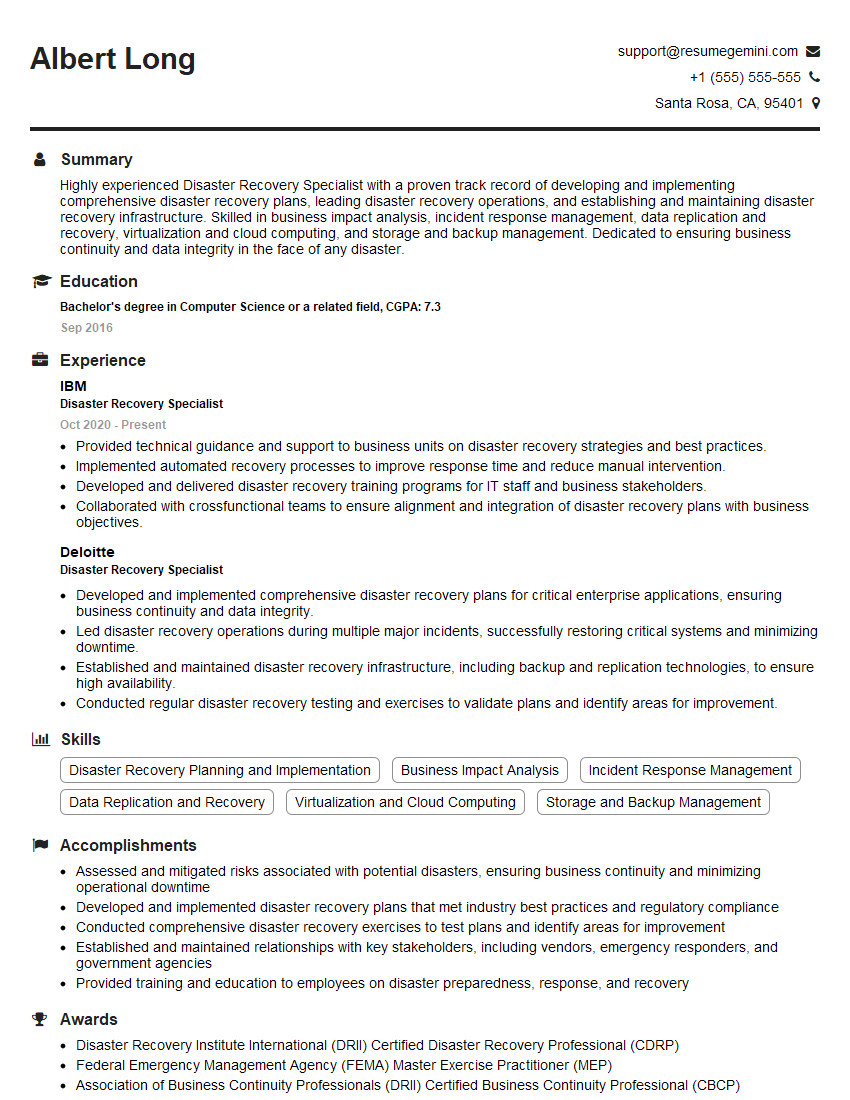
Disaster Recovery Specialist Resume Sample
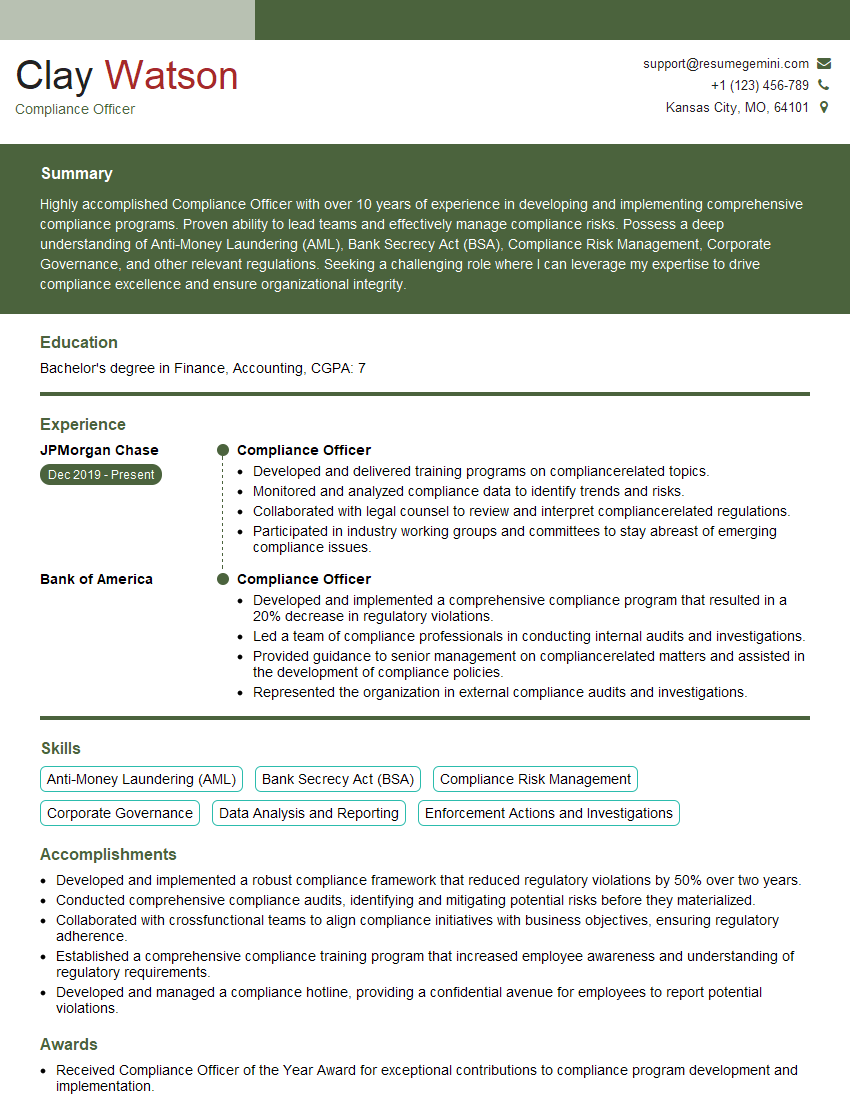
Compliance Officer Resume Sample
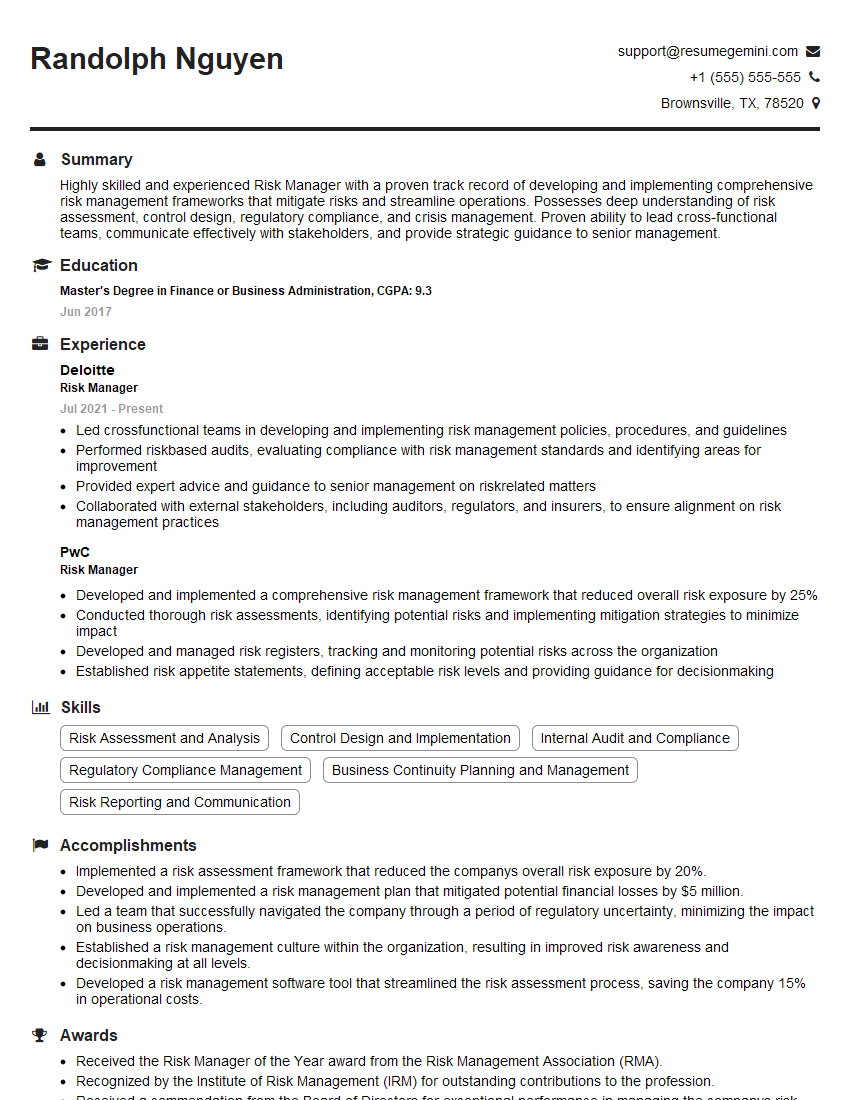
Risk Manager Resume Sample
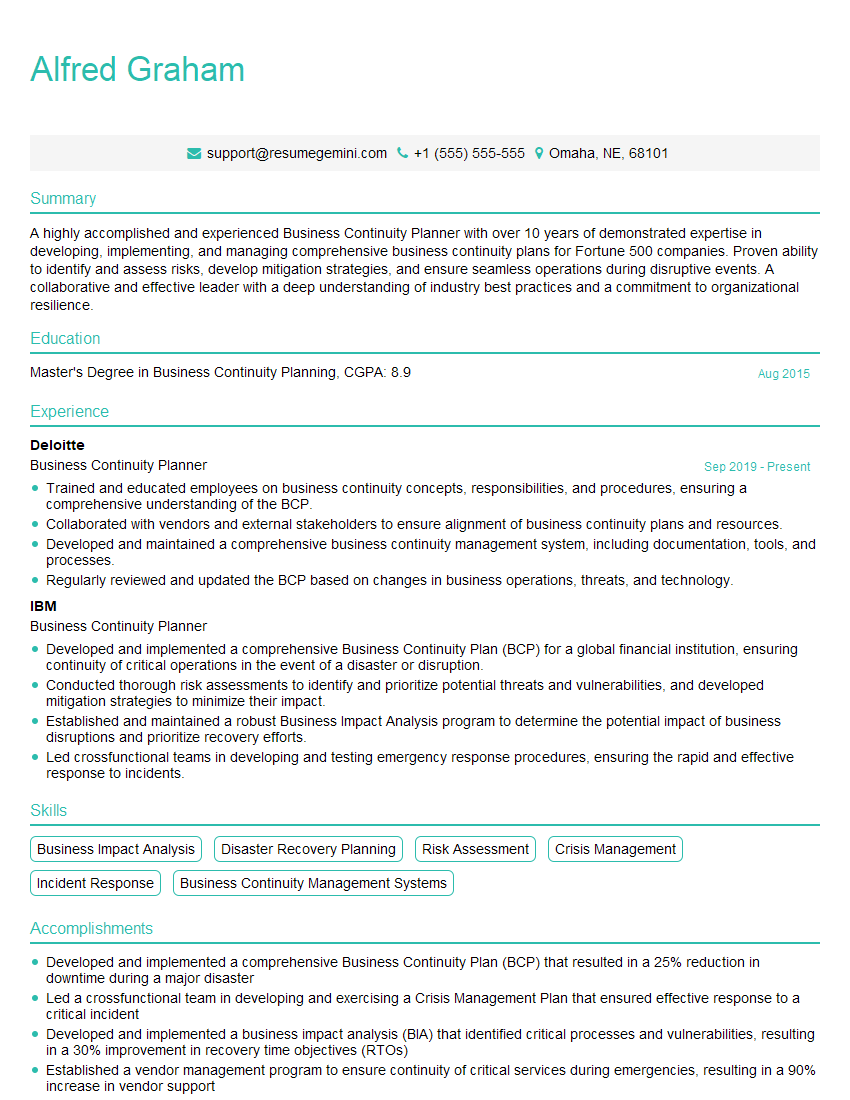
Business Continuity Planner Resume Sample
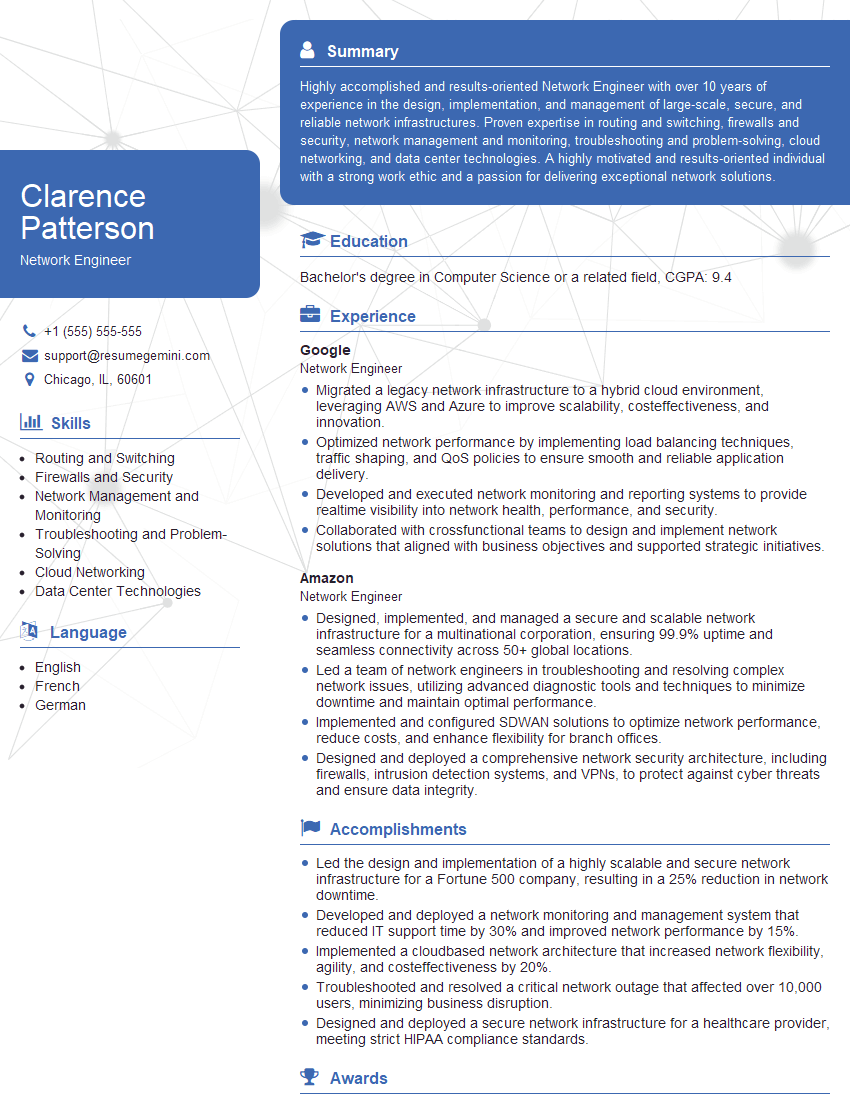
Network Engineer Resume Sample

Technical Support Engineer Resume Sample
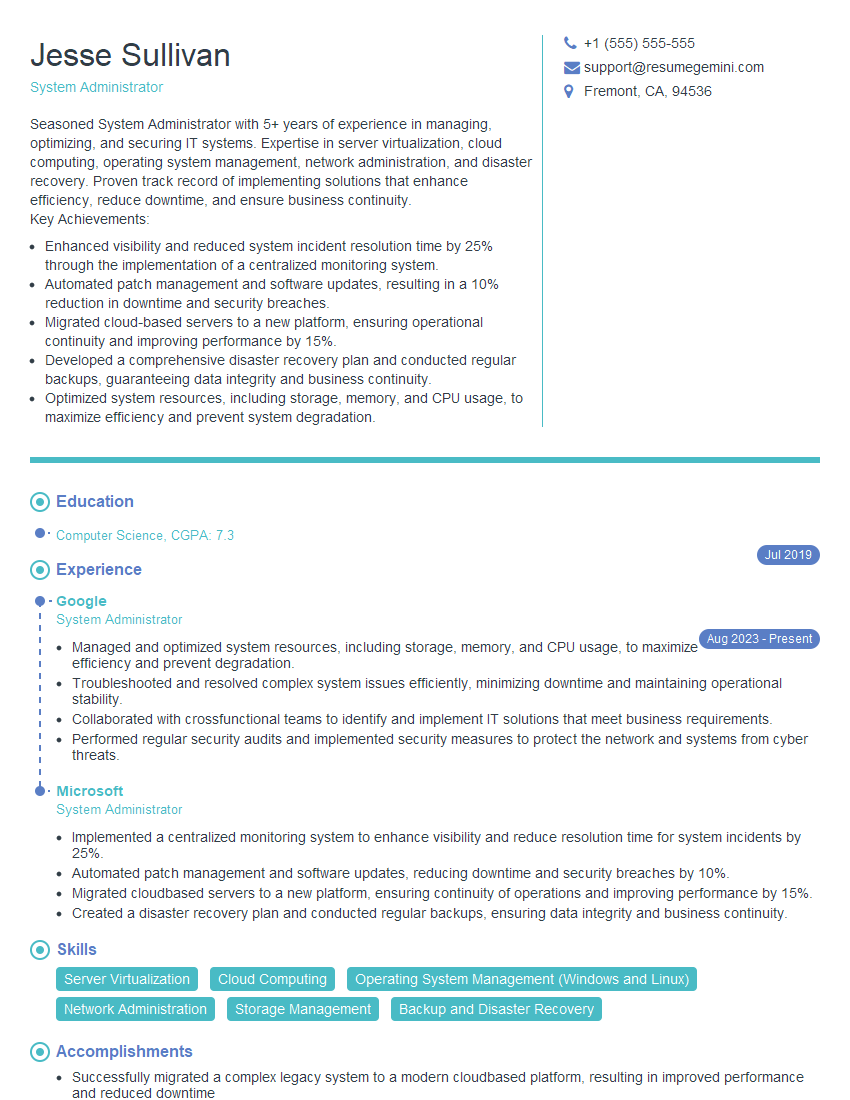
System Administrator Resume Sample
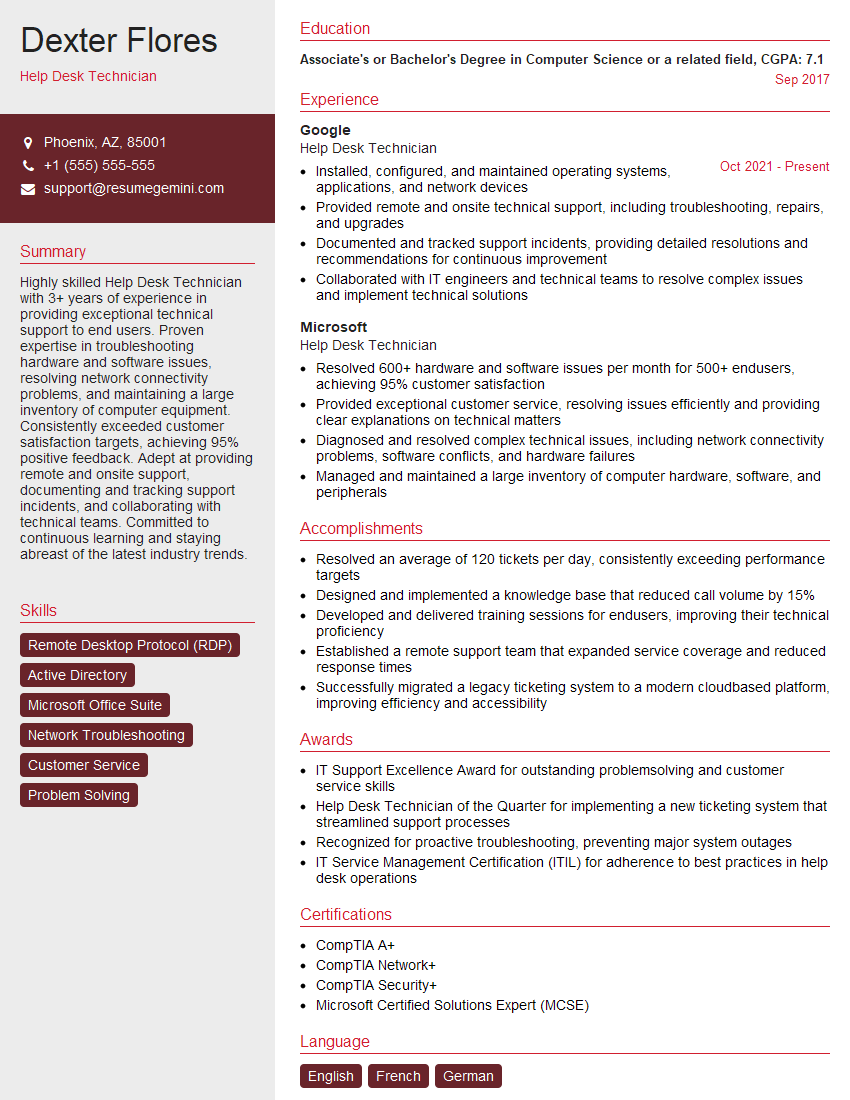
Help Desk Technician Resume Sample
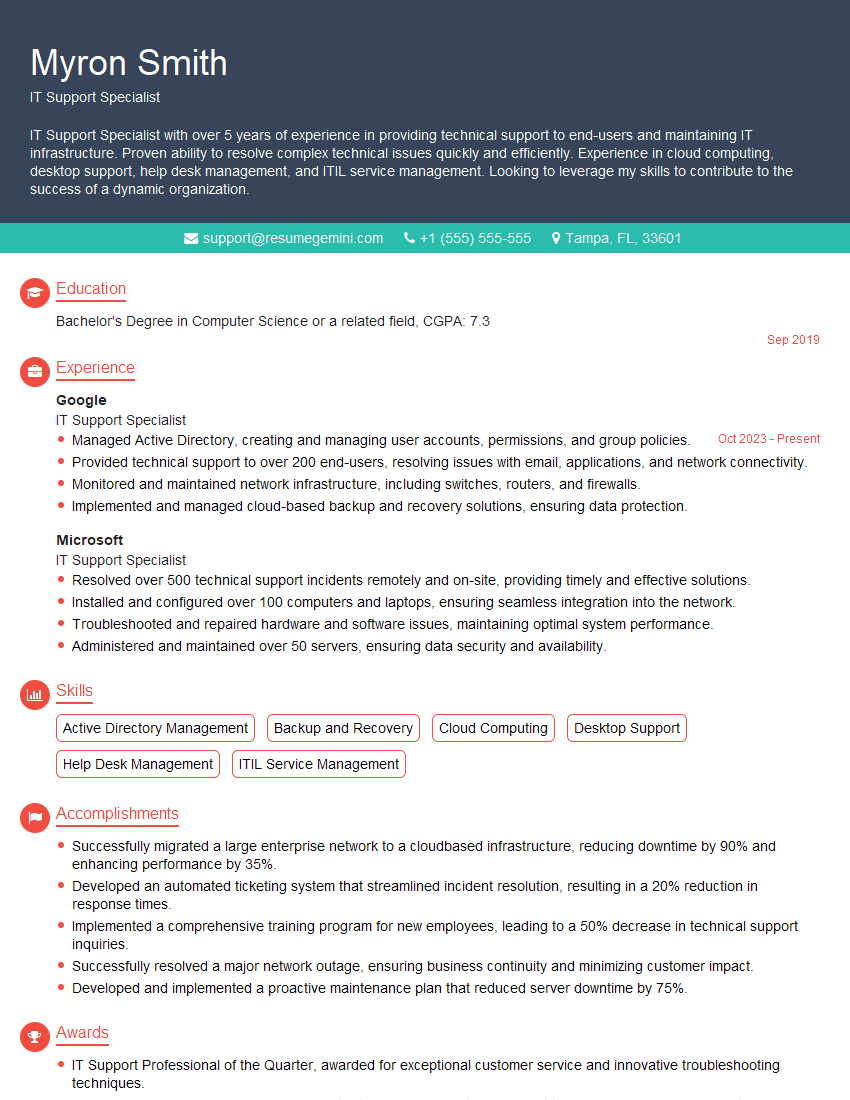
IT Support Specialist Resume Sample
Explore more articles
Users Rating of Our Blogs
Share Your Experience
We value your feedback! Please rate our content and share your thoughts (optional).
What Readers Say About Our Blog
Very informative content, great job.
good