Are you ready to stand out in your next interview? Understanding and preparing for Incident Response and Threat Hunting interview questions is a game-changer. In this blog, we’ve compiled key questions and expert advice to help you showcase your skills with confidence and precision. Let’s get started on your journey to acing the interview.
Questions Asked in Incident Response and Threat Hunting Interview
Q 1. Explain the incident response lifecycle.
The incident response lifecycle is a structured process for handling security incidents. Think of it as a carefully planned rescue mission – you need to contain the damage, understand what happened, and prevent it from happening again. It typically consists of these phases:
- Preparation: This involves creating incident response plans, establishing communication channels, defining roles and responsibilities, and building a strong security posture through preventative measures. This is like having a well-rehearsed fire drill – knowing who does what before the emergency hits.
- Identification: Detecting the incident through monitoring tools, security alerts, or user reports. This is like spotting the smoke from the fire.
- Containment: Isolating the affected systems or networks to limit the spread of the incident. This is about putting out the immediate flames to stop the fire from spreading.
- Eradication: Removing the root cause of the incident, such as malware or a compromised account. This is like completely extinguishing the fire.
- Recovery: Restoring affected systems and data to a functional state. This is rebuilding the structure damaged by fire.
- Post-Incident Activity: Analyzing the incident to identify weaknesses in security controls, implementing improvements to prevent future incidents, and documenting the entire process. This is the post-incident investigation and understanding of what went wrong, to ensure a similar incident is avoided in the future.
Each phase is crucial, and a thorough investigation and remediation are essential to minimize damage and prevent future breaches.
Q 2. Describe your experience with malware analysis.
My malware analysis experience spans several years, involving both static and dynamic analysis techniques. Static analysis involves inspecting the malware’s code without actually running it – think of it like examining a blueprint of a building to understand its structure. Dynamic analysis involves running the malware in a controlled environment – like a sandbox – to observe its behavior. I’m proficient in using tools like IDA Pro, Ghidra, and Wireshark to dissect malware samples, identify their capabilities (e.g., data exfiltration, ransomware encryption), and reverse-engineer their functionalities. For example, I recently analyzed a piece of ransomware that used a unique encryption algorithm. Through dynamic analysis, I was able to identify the encryption key generation process, which helped in developing a decryption tool for the victims.
My experience also includes using sandboxing environments like Cuckoo Sandbox and Any.Run to analyze the malware’s behavior in a controlled and safe environment. This allows me to observe its network communications, file system activities, and registry modifications without risking the compromise of any production systems.
Q 3. What are the key differences between threat hunting and incident response?
While both threat hunting and incident response are crucial for cybersecurity, they differ significantly in their approach and objectives. Incident response is reactive; it addresses a known security incident after it has already occurred. Think of it as cleaning up after a car accident.
Threat hunting, on the other hand, is proactive. It involves actively searching for threats within your environment before they trigger alerts or cause an incident. It’s like proactively patrolling your neighbourhood to prevent crime. It’s about identifying threats that may have evaded existing defenses or are otherwise undetectable by traditional security tools.
Here’s a table summarizing the key differences:
| Feature | Incident Response | Threat Hunting |
|---|---|---|
| Nature | Reactive | Proactive |
| Trigger | Security alert, user report, detected incident | Hypothesis-driven, planned searches |
| Goal | Contain, eradicate, recover from an incident | Identify and neutralize threats before they cause an incident |
| Focus | Specific known incident | Broad, looking for unknown threats |
Q 4. How do you prioritize alerts in a Security Operations Center (SOC)?
Prioritizing alerts in a SOC is critical to effectively manage the workload and address the most critical threats first. We utilize a multi-faceted approach that considers factors like:
- Severity: This is often based on predefined levels (e.g., critical, high, medium, low) and reflects the potential impact of the threat. A critical alert, such as a ransomware attack, requires immediate attention.
- Source: The reliability of the alert source is a key factor. Alerts from trusted sources with low false positive rates should be given higher priority. A known unreliable source might need further investigation.
- Context: Understanding the context of the alert helps in prioritizing. For instance, an alert related to a known compromised user account is more critical than one from an untrusted source.
- Correlation: Combining multiple alerts related to a single event allows better prioritization. Several alerts from different systems pointing to the same malicious activity indicates a higher priority threat than a single isolated alert.
- Asset Criticality: Alerts affecting critical systems or data should take precedence over those affecting less critical assets. An alert related to the financial database will always be higher priority than an alert from a less critical service.
We use a combination of automated tools and analyst judgment for prioritization, often employing a scoring system to assign a numerical priority level to each alert.
Q 5. What are common attack vectors and how would you mitigate them?
Common attack vectors – the pathways attackers use to breach systems – include:
- Phishing: Deceiving users into revealing sensitive information or clicking malicious links. Mitigation: Security awareness training, strong email filtering, multi-factor authentication (MFA).
- Malware: Malicious software designed to damage or steal data. Mitigation: Endpoint detection and response (EDR), regular software updates, robust anti-malware solutions.
- Exploiting vulnerabilities: Attackers exploiting known software weaknesses. Mitigation: Patch management, vulnerability scanning, penetration testing.
- Social Engineering: Manipulating individuals into divulging confidential data or performing actions that compromise security. Mitigation: Security awareness training, strict access control policies.
- Unpatched Software: Failing to update software with security patches can leave systems vulnerable to attacks. Mitigation: Patch Management process and tools, vulnerability scanning, and penetration testing.
- Weak Passwords: Using weak or easily guessable passwords. Mitigation: Password managers, strong password policies, multi-factor authentication (MFA).
Mitigating these threats requires a layered security approach, combining technical controls with security awareness training and strong security policies.
Q 6. Explain your experience with log analysis and correlation.
My experience with log analysis and correlation is extensive. I utilize various tools and techniques to collect, analyze, and correlate logs from different sources such as firewalls, intrusion detection systems (IDS), servers, and endpoints. This allows me to reconstruct timelines of events, identify patterns of malicious activity, and pinpoint the source of security incidents. Tools I frequently use include Splunk, ELK stack (Elasticsearch, Logstash, Kibana), and SIEM (Security Information and Event Management) solutions.
For example, I recently used log correlation to detect a sophisticated attack involving multiple compromised accounts. By correlating authentication logs, network traffic logs, and file system activity logs, I was able to trace the attacker’s actions, identify the compromised accounts, and ultimately contain the breach.
Log analysis often involves using regular expressions (regex) to filter and extract relevant information from large volumes of log data. For example, using regex to identify specific patterns associated with malicious activities in web server access logs.
grep -E 'Suspicious pattern' access.logQ 7. How do you identify and respond to phishing attacks?
Identifying and responding to phishing attacks requires a multi-layered approach. The first step is educating users to recognize phishing attempts. This includes training on identifying suspicious emails (poor grammar, unexpected attachments, urgent requests), verifying sender addresses, and avoiding clicking on unknown links. This is a critical human firewall. Technical measures are also key, including:
- Email Filtering: Implementing robust email filters that scan incoming emails for malicious content, URLs, and attachments.
- Anti-phishing Solutions: Deploying dedicated anti-phishing solutions that analyze email content and URLs for phishing indicators.
- URL Analysis: Investigating the legitimacy of URLs before clicking them using online tools or sandbox environments.
- Security Awareness Training: Continuously training employees to identify and report suspicious emails and phishing attempts.
- Incident Response Plan: Establish a plan for handling suspected phishing incidents, involving isolating affected systems, collecting evidence, and conducting thorough investigations.
Upon identifying a phishing email or attack, the immediate response should focus on containing the breach, which could involve changing passwords, resetting compromised accounts, and scanning for malware. A thorough investigation is then necessary to understand the scope of the attack and implement necessary security improvements.
Q 8. Describe your experience with network forensics.
Network forensics is the process of collecting and analyzing data from computer networks to investigate security incidents. Think of it like detective work, but instead of fingerprints, we analyze network traffic. My experience involves utilizing various tools to capture and analyze network packets, identifying malicious activities such as data exfiltration, lateral movement, and command-and-control communications. I’m proficient in using tools like Wireshark, tcpdump, and Zeek to examine network traces, identify anomalies, and reconstruct attack timelines. For example, I once investigated a suspected data breach by analyzing network flows. By identifying unusually high volumes of outbound traffic to a specific IP address, correlating it with suspicious login attempts, and reconstructing the sequence of events from the captured packets, we were able to pinpoint the compromised system and the exfiltrated data.
My experience also includes working with NetFlow and other network monitoring systems to identify unusual network patterns, which are often precursors to security incidents. I’m adept at correlating network data with other sources, such as security logs and endpoint data, to provide a comprehensive picture of the incident.
Q 9. What are the key components of a successful incident response plan?
A successful incident response plan hinges on several key components. Think of it as a well-rehearsed fire drill – you need to know what to do and when. First, you need a Preparation phase, which includes defining roles and responsibilities, establishing communication protocols, and identifying critical systems and data. Next, Identification – quickly detecting and confirming a security incident. Then, Containment – isolating the affected systems to prevent further damage. This could involve disconnecting a compromised machine from the network or shutting down a service. The Eradication phase focuses on removing the threat – deleting malware, patching vulnerabilities, and resetting compromised accounts. Recovery involves restoring systems and data from backups and verifying their integrity. Finally, Post-Incident Activity includes conducting a thorough root cause analysis, updating the incident response plan, and conducting employee training to prevent future incidents.
- Incident Response Team: Clearly defined roles and responsibilities.
- Communication Plan: How to communicate internally and externally during an incident.
- Data Backup and Recovery Strategy: Regular backups and a plan to restore systems quickly and safely.
- Forensics Procedures: A detailed plan for preserving evidence and conducting a thorough investigation.
Q 10. How do you handle data breaches?
Handling data breaches requires a swift and methodical approach. The first step is containment: immediately isolating affected systems to prevent further data loss and lateral movement. Then, identification: determining the scope of the breach, what data was accessed, and how it happened. This involves reviewing logs, analyzing network traffic, and potentially engaging with forensic specialists. The next phase is eradication: removing the threat, patching vulnerabilities, and resetting compromised accounts. Notification is critical – we must notify affected individuals and regulatory bodies as required by law. Finally, recovery involves restoring systems and data, and post-incident review to identify weaknesses in our security posture and improve our defenses.
For instance, in a recent breach involving a phishing attack, we quickly isolated the compromised account, analyzed the malware used, identified the compromised data, notified the affected users, and worked with law enforcement to investigate the attackers. We also implemented multi-factor authentication and enhanced security awareness training to prevent future attacks.
Q 11. Explain your experience with endpoint detection and response (EDR).
Endpoint Detection and Response (EDR) is a crucial layer of security that monitors endpoints (computers, laptops, servers) for malicious activity. My experience with EDR involves deploying and managing solutions from leading vendors, configuring alerts, and investigating suspicious events. EDR provides real-time visibility into endpoint behavior, allowing for early detection of threats that may evade traditional antivirus solutions. I’m proficient in analyzing EDR alerts, correlating them with other security data sources (like SIEM and network logs), and conducting in-depth investigations of suspected compromises. For example, I once used EDR to detect a zero-day exploit that was not yet identified by traditional antivirus software. The EDR detected unusual system calls and process behavior, allowing us to quickly contain the threat before significant damage was done.
I utilize EDR’s capabilities for threat hunting, proactively searching for indicators of compromise (IOCs) and malicious behavior within our environment. EDR’s forensic capabilities are invaluable for collecting detailed information about attacks, including malware artifacts and network connections, aiding in root cause analysis.
Q 12. What are the different types of malware and how do you detect them?
Malware comes in many forms, each requiring different detection techniques. Viruses replicate themselves and spread to other files or systems. Worms spread across networks without human interaction. Trojans disguise themselves as legitimate software. Ransomware encrypts data and demands a ransom for its release. Rootkits hide themselves deeply within the operating system, making detection difficult. Spyware monitors user activity and collects sensitive data. Adware displays unwanted advertisements.
Detecting malware involves a multi-layered approach. Traditional antivirus software relies on signature-based detection, identifying known malware signatures. Behavioral analysis monitors program behavior to identify suspicious activities. Heuristic analysis identifies patterns characteristic of malicious code, even if it’s previously unknown. Sandboxing runs suspicious files in an isolated environment to observe their behavior without risking harm to the system. Endpoint Detection and Response (EDR) provides real-time monitoring and threat hunting capabilities. Threat intelligence provides information about emerging threats and helps prioritize investigations.
Q 13. How do you perform root cause analysis of a security incident?
Root cause analysis (RCA) is crucial for preventing future incidents. It’s like a post-mortem for a security incident. It involves systematically investigating the incident to understand why it happened. I typically use a structured approach, such as the 5 Whys technique, repeatedly asking “why” to drill down to the root cause. I also utilize various data sources, including logs, network traffic analysis, and incident response reports. The goal is not just to identify what happened but to understand the underlying vulnerabilities and weaknesses that allowed the incident to occur.
For instance, if a phishing attack successfully compromised a system, the RCA process would involve analyzing the email, identifying the vulnerabilities exploited (e.g., lack of multi-factor authentication, outdated software), and determining the organizational weaknesses that led to the success of the attack (e.g., inadequate security awareness training). The outcome of the RCA would be specific, actionable recommendations to prevent similar incidents in the future.
Q 14. Explain your understanding of various threat intelligence sources.
Threat intelligence sources are diverse and critical for proactive security. Open-source intelligence (OSINT) includes publicly available information from security blogs, forums, and vulnerability databases. Commercial threat intelligence provides curated threat information from private companies specializing in security research. Government intelligence offers threat information from government agencies. Internal threat intelligence comes from analyzing an organization’s own security logs and data. Partnerships with other organizations can share valuable threat information. For instance, utilizing OSINT to track known malicious domains and IP addresses provides proactive insight into potential threats. Using commercial threat feeds enriches our understanding of emerging threats and enables proactive prevention efforts. Internal threat intelligence from our own systems alerts us to potential issues that may be unique to our environment.
Effective threat intelligence integration involves correlating data from multiple sources, prioritizing relevant information, and using that information to inform our security posture. Think of it as building a comprehensive picture of the threat landscape to proactively strengthen your defenses.
Q 15. How do you use threat intelligence to improve your security posture?
Threat intelligence is crucial for proactively strengthening our security posture. It’s essentially actionable information about existing and emerging threats. We use it in several ways:
- Identifying Vulnerabilities: Threat intelligence feeds highlight newly discovered vulnerabilities, allowing us to prioritize patching efforts based on the severity and likelihood of exploitation. For instance, if a critical vulnerability in our web server software is publicized, we immediately patch it to prevent attackers from leveraging it.
- Detecting Attacks: Threat intelligence provides indicators of compromise (IOCs), such as malicious IP addresses or specific malware signatures. We use these IOCs to configure our security tools (SIEM, endpoint detection and response) to actively look for and block these threats. If we know a specific phishing campaign is targeting our organization, we can create alerts for emails containing those specific malicious links or attachments.
- Improving Security Controls: Threat intelligence reports often recommend specific security controls or configurations to mitigate identified threats. This might include enabling multi-factor authentication, implementing stricter access controls, or enhancing firewall rules. For example, learning about a surge in ransomware attacks targeting a specific industry would prompt us to review and strengthen our backup and recovery procedures.
- Proactive Hunting: We use threat intelligence to guide our threat hunting activities. Instead of passively waiting for alerts, we actively search for indicators of malicious activity based on the latest threats. This allows us to identify and address threats before they cause significant damage.
Essentially, threat intelligence helps shift our approach from reactive incident response to proactive threat prevention.
Career Expert Tips:
- Ace those interviews! Prepare effectively by reviewing the Top 50 Most Common Interview Questions on ResumeGemini.
- Navigate your job search with confidence! Explore a wide range of Career Tips on ResumeGemini. Learn about common challenges and recommendations to overcome them.
- Craft the perfect resume! Master the Art of Resume Writing with ResumeGemini’s guide. Showcase your unique qualifications and achievements effectively.
- Don’t miss out on holiday savings! Build your dream resume with ResumeGemini’s ATS optimized templates.
Q 16. Describe your experience with vulnerability management.
Vulnerability management is a continuous process of identifying, assessing, and mitigating security vulnerabilities in our systems. My experience encompasses the entire lifecycle:
- Vulnerability Scanning: Regularly conducting automated vulnerability scans using tools like Nessus or OpenVAS to identify weaknesses in our systems and applications. We also utilize penetration testing, both internal and external, to simulate real-world attacks.
- Risk Assessment: Prioritizing vulnerabilities based on their severity (critical, high, medium, low) and exploitability. We use a risk matrix to consider factors like the likelihood of exploitation and the potential impact.
- Remediation: Developing and implementing mitigation strategies, which includes patching vulnerable systems, applying configuration changes, and implementing compensating controls. We track remediation progress closely and ensure that patches are applied in a timely manner.
- Reporting and Monitoring: Regularly reporting on the vulnerability status to management and tracking the effectiveness of our remediation efforts. We leverage vulnerability management dashboards to visualize our security posture.
A key element of my approach is integrating vulnerability management with threat intelligence. By cross-referencing identified vulnerabilities with known exploits and attack patterns, we prioritize remediation efforts effectively.
Q 17. How do you communicate security incidents to stakeholders?
Communicating security incidents effectively is critical. My approach focuses on clarity, timeliness, and transparency. I use a tailored approach depending on the audience and the severity of the incident:
- Initial Notification: For critical incidents, I provide a concise summary of the incident, its potential impact, and immediate actions taken. This notification goes to relevant stakeholders promptly, including senior management, IT operations, and legal.
- Detailed Reports: I follow up with detailed incident reports that outline the timeline of events, root cause analysis, and remediation steps. These reports provide a thorough overview for technical and non-technical audiences.
- Regular Updates: I provide regular updates on the incident’s status, including progress on remediation and any ongoing mitigation efforts. Transparency builds confidence and ensures everyone is informed.
- Visual Aids: I utilize visual aids, such as dashboards and charts, to communicate technical details effectively to non-technical stakeholders. This simplifies complex information and improves understanding.
- Post-Incident Review: Finally, after the incident is resolved, we conduct a post-incident review to identify lessons learned and improve our security posture. This often involves sharing findings with stakeholders and initiating remediation of systemic vulnerabilities.
Communication channels vary. Critical alerts might use phone calls or instant messaging, while detailed reports rely on email and incident management systems.
Q 18. Explain your experience with security information and event management (SIEM) systems.
I have extensive experience working with SIEM systems, such as Splunk and QRadar. These systems are invaluable for security monitoring and incident response. My experience includes:
- Log Management: Configuring and managing SIEM systems to collect and correlate security logs from various sources, including servers, network devices, and security tools.
- Alerting and Monitoring: Developing and tuning security rules and alerts to detect suspicious activities and security events. This involves analyzing log data to identify patterns and anomalies.
- Incident Response: Utilizing the SIEM system to investigate security incidents, identify the root cause, and gather evidence. The ability to quickly search and correlate log data within a SIEM significantly accelerates incident response.
- Reporting and Analysis: Generating reports and dashboards to provide insights into security trends and identify areas for improvement. This includes generating reports on security posture, security threats, and incident response activities.
- Integration with Other Tools: Integrating the SIEM with other security tools, such as threat intelligence platforms and vulnerability scanners, to improve overall security effectiveness.
For example, I’ve used Splunk’s search capabilities to quickly identify all devices that communicated with a known malicious IP address during a suspected intrusion.
Q 19. What are your preferred tools for incident response and threat hunting?
My preferred tools are chosen based on the specific task and context, but some favorites include:
- SIEM: Splunk and QRadar for log analysis, security monitoring, and incident response.
- Endpoint Detection and Response (EDR): CrowdStrike Falcon and Carbon Black for endpoint security, threat detection, and investigation.
- Threat Intelligence Platforms: ThreatConnect and Recorded Future for gathering and analyzing threat intelligence.
- Network Forensics Tools: Wireshark for network packet analysis and investigation of network-based attacks.
- Memory Forensics Tools: Volatility for memory analysis and investigation of malware activities.
- Security Orchestration, Automation, and Response (SOAR): Palo Alto Networks Cortex XSOAR for automating incident response tasks.
The choice of tools depends on the nature of the investigation. For network-based attacks, network forensics tools are essential. For malware analysis, memory forensics tools become critical. The SOAR tools are used heavily for automating repetitive tasks and workflows.
Q 20. Describe a time you had to deal with a critical security incident. What was your approach?
In a previous role, we experienced a ransomware attack. A phishing email successfully compromised a user account, granting attackers access to our network. My approach followed a structured incident response methodology:
- Preparation: Our pre-existing incident response plan was immediately activated. This included establishing a command center and assigning roles.
- Identification: We quickly identified the compromised systems using our SIEM and EDR tools. We isolated affected systems from the network to contain the spread of the ransomware.
- Containment: We worked to contain the spread of the malware, leveraging our endpoint security tools to block further infections.
- Eradication: Once containment was achieved, we began the eradication process, including cleaning and reinstalling affected systems from backups.
- Recovery: We restored data from our backups, prioritizing critical systems. This involved close coordination with our IT operations team.
- Post-Incident Activity: After recovery, we conducted a thorough forensic analysis, investigated the root cause (phishing email), and implemented preventative measures such as improved security awareness training and stricter access controls.
This incident highlighted the importance of robust backups, effective incident response planning, and ongoing security awareness training. The successful recovery stemmed from a well-defined process and team collaboration.
Q 21. How do you stay up-to-date on the latest security threats and vulnerabilities?
Staying current in cybersecurity is crucial. I employ a multi-faceted approach:
- Threat Intelligence Feeds: Subscribing to reputable threat intelligence feeds provides up-to-date information on emerging threats and vulnerabilities.
- Security Blogs and Newsletters: Regularly reading security blogs, such as those from KrebsOnSecurity and Threatpost, keeps me abreast of current events and emerging attack techniques.
- Industry Conferences and Webinars: Attending industry conferences like Black Hat and RSA Conference, and participating in webinars, exposes me to the latest research and insights from security experts.
- Certifications and Training: Pursuing certifications like SANS GIAC certifications and participating in training courses ensures my knowledge remains up-to-date with industry best practices.
- Security Communities: Engaging with security communities online and attending local meetups helps me learn from others and share experiences.
- Vulnerability Databases: Regularly monitoring vulnerability databases like the National Vulnerability Database (NVD) is essential to track newly discovered vulnerabilities.
Continuous learning is paramount in this rapidly evolving field. A proactive approach to staying informed ensures I can effectively address emerging threats and protect our organization.
Q 22. What are some common indicators of compromise (IOCs)?
Indicators of Compromise (IOCs) are clues that suggest a security breach has occurred or is underway. They can be thought of as digital fingerprints left behind by malicious actors. Identifying and analyzing IOCs is a crucial first step in incident response and threat hunting.
- Network IOCs: These involve network-related artifacts like suspicious IP addresses (e.g., known botnet C&C servers), domains (e.g., phishing sites), URLs (e.g., links to malware downloads), and unusual network traffic patterns (e.g., high volume of outbound connections to an unexpected destination).
- Host-based IOCs: These are found on compromised systems and include registry keys (e.g., unauthorized persistence mechanisms), files (e.g., malware executables), processes (e.g., suspicious running processes), and system events (e.g., unusual login attempts).
- Malware IOCs: These are specific characteristics of malware, such as hashes (MD5, SHA1, SHA256), file signatures, and code snippets. Think of these as unique identifiers for specific malware strains.
- Email IOCs: Malicious emails often contain IOCs like sender email addresses, subject lines, malicious attachments, or URLs embedded in the email body.
For example, finding a connection to a known command-and-control server (C&C) from a compromised machine would be a strong network IOC. Discovering a new, unknown executable file with unusual permissions on a server would be a host-based IOC.
Q 23. How do you validate IOCs?
Validating IOCs is critical to avoid false positives and wasted time. It involves verifying that the observed IOC truly indicates malicious activity, rather than benign behavior. Here’s a multi-step process:
- Cross-referencing with threat intelligence databases: Check reputable sources like VirusTotal, ThreatConnect, or MISP to see if the IOC is already known as malicious. This provides context and confirms whether the indicator has been seen in other attacks.
- Analyzing network traffic: For network IOCs, use tools like Wireshark or tcpdump to analyze the network packets associated with the suspicious IP address or domain. Look for patterns, protocols, and destinations that point to malicious activity.
- Reverse engineering malware: If you have a malware sample, use tools like IDA Pro or Ghidra to analyze its code and understand its functionality. This helps verify the malware’s capabilities and confirm its malicious intent.
- Contextual analysis: Consider the overall context of the IOC. A single suspicious event might not be indicative of compromise, but when combined with other indicators, it becomes stronger evidence.
- Reputation checks: Investigate the reputation of the identified domain or IP address using online reputation services. These services aggregate data from various sources to provide an overall risk score.
For instance, if you find a suspicious IP address, merely checking it against a threat intelligence database may not suffice. You would then need to further analyze the network traffic associated with that IP address to understand its behavior and potentially find more evidence of malicious activity.
Q 24. Explain your understanding of the MITRE ATT&CK framework.
The MITRE ATT&CK framework is a globally-accessible knowledge base of adversary tactics and techniques based on real-world observations. It provides a standardized language and model for describing adversary behavior. Think of it as a map of the adversary’s playbook.
It’s organized into tactics (high-level objectives, such as ‘Initial Access’ or ‘Lateral Movement’) and techniques (specific actions taken to achieve those tactics, like ‘Spearphishing Attachment’ or ‘Remote Services’). Using ATT&CK, security teams can:
- Develop more effective security controls: By understanding how adversaries operate, organizations can better protect against their attacks.
- Improve incident response: The framework helps to streamline investigations by providing a structured approach to analyzing adversary actions.
- Prioritize security investments: It allows organizations to focus on the most relevant security controls based on real-world adversary techniques.
- Measure security effectiveness: Organizations can track their progress in mitigating attacks against specific tactics and techniques.
I regularly use ATT&CK to map observed adversary activity during investigations, helping me prioritize my efforts and communicate findings effectively to stakeholders. This helps in building a comprehensive picture of the attack and developing efficient countermeasures.
Q 25. How do you investigate lateral movement within a network?
Investigating lateral movement—the process by which an attacker moves from one compromised system to others within a network—requires a systematic approach. I typically employ these steps:
- Identify the initial compromise: Pinpoint the system where the attacker first gained access. This often requires analyzing logs and identifying unusual activity.
- Analyze network traffic: Use network monitoring tools to identify communication between systems. Look for unusual connections, especially those using uncommon ports or protocols.
- Review system logs: Examine logs from compromised and potentially compromised systems for suspicious activity like unauthorized logins, file modifications, or process creation.
- Examine security event logs: Windows Event Logs, Syslog, and other security-related logs provide valuable insights into potential lateral movement. Pay particular attention to events related to authentication, access control, and file system activities.
- Memory forensics: Analyze memory dumps from potentially compromised systems to identify malicious processes and their activities (discussed more in the next answer).
- Use security information and event management (SIEM): SIEM tools aggregate security logs from various sources, making it easier to identify patterns and correlations indicating lateral movement.
For example, if an attacker gained initial access via phishing, I would look for network connections from the initial compromised machine to other servers or workstations within the network. Examining user account activity and file access logs on those potentially compromised systems would help me determine the extent of lateral movement.
Q 26. Describe your experience with memory forensics.
Memory forensics is the process of analyzing the contents of computer memory to uncover evidence of malicious activity. It involves capturing and analyzing RAM images (memory dumps) to identify running processes, network connections, and other artifacts that may not be persistent on the hard drive. It’s particularly useful for detecting malware that resides primarily in memory, making it invisible to traditional disk-based forensics.
My experience involves using tools like Volatility and Rekall to analyze memory dumps. I’ve used these tools to:
- Identify running malware processes: Analyze memory for suspicious processes, identifying their parent processes, loaded DLLs, and network connections.
- Recover deleted files: In some cases, parts of deleted files might still be present in memory.
- Reconstruct network activity: Analyze network connections and identify communication with external entities.
- Extract credentials: Recover passwords or other sensitive credentials stored in memory.
I once used memory forensics to identify a rootkit that had been hiding its presence on a server. By analyzing a memory dump, I was able to uncover the rootkit’s processes and network connections, providing crucial evidence for remediation.
Q 27. How do you handle incident response in a cloud environment?
Incident response in a cloud environment presents unique challenges due to the distributed nature of cloud infrastructure and the shared responsibility model. My approach involves:
- Understanding the cloud environment: Thoroughly understanding the specific cloud provider (AWS, Azure, GCP), services used, and network architecture is crucial. This includes knowledge of their logging and monitoring capabilities.
- Leveraging cloud-native tools: Utilize the cloud provider’s security tools and services, such as CloudTrail (AWS), Azure Activity Log (Azure), and Cloud Logging (GCP), to collect logs and investigate incidents.
- Restricting access: Immediately isolate potentially compromised resources by limiting their network access and user permissions. This helps contain the breach.
- Collaboration with cloud provider: Engage with the cloud provider’s security team to leverage their expertise and access to deeper forensic capabilities.
- Analyzing cloud logs: Meticulously analyze cloud logs for suspicious activity, looking for anomalies in resource usage, network traffic, and user access.
- Forensic analysis of cloud instances: If necessary, create forensic images of cloud instances to perform deeper analysis and malware analysis.
A recent incident involved a compromised AWS EC2 instance. Using CloudTrail logs, I identified suspicious API calls leading to the compromise. By working with the AWS security team, we were able to quickly isolate the instance and remediate the vulnerability.
Q 28. What are your salary expectations?
My salary expectations are commensurate with my experience and the requirements of this role. I am confident that my skills and experience in incident response and threat hunting, including my expertise in memory forensics and cloud security, make me a valuable asset to your organization. I am open to discussing a competitive salary range based on industry standards and the specific details of the compensation package.
Key Topics to Learn for Incident Response and Threat Hunting Interview
- Incident Response Lifecycle: Understand the key phases (Preparation, Identification, Containment, Eradication, Recovery, Lessons Learned) and how they apply in real-world scenarios.
- Threat Hunting Methodologies: Master proactive techniques like hypothesis-driven hunting, threat intelligence integration, and log analysis for identifying advanced threats.
- Malware Analysis Fundamentals: Gain practical experience in analyzing malware samples (static and dynamic analysis) to understand their behavior and impact.
- Network Security Monitoring: Learn to interpret network traffic, identify suspicious activity, and correlate events to detect intrusions.
- Security Information and Event Management (SIEM): Develop proficiency in using SIEM tools for threat detection, incident response, and security monitoring.
- Endpoint Detection and Response (EDR): Understand the capabilities of EDR solutions and how they aid in threat hunting and incident response.
- Vulnerability Management: Learn how to identify, assess, and mitigate vulnerabilities to prevent future incidents.
- Digital Forensics: Develop foundational knowledge in collecting, preserving, and analyzing digital evidence.
- Log Analysis & Correlation: Master the skills to effectively analyze various log sources (system, application, network) to identify anomalies and pinpoint malicious activity.
- Incident Response Playbooks and Procedures: Understand the importance of documented processes and how to effectively execute them during an incident.
- Threat Intelligence: Learn how to leverage threat intelligence feeds and resources to proactively identify and mitigate emerging threats.
- Problem-Solving & Critical Thinking: Practice your ability to analyze complex security incidents, formulate hypotheses, and develop effective solutions.
Next Steps
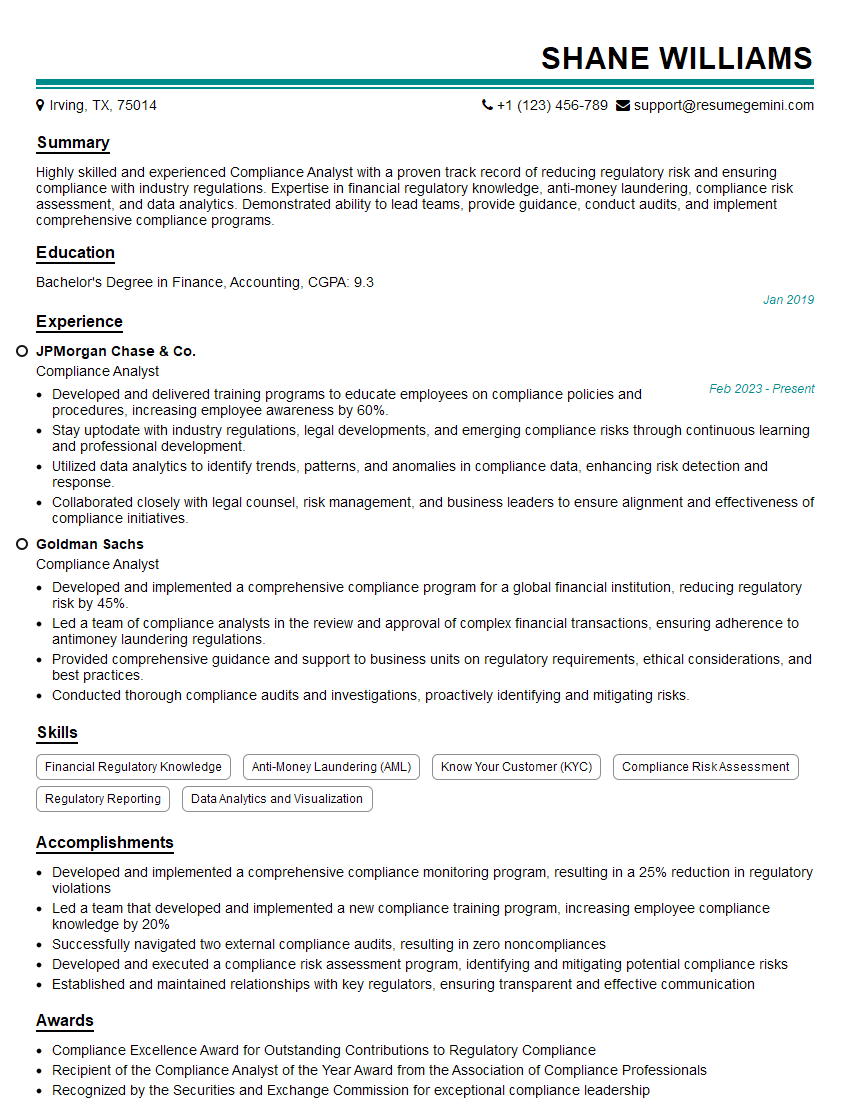
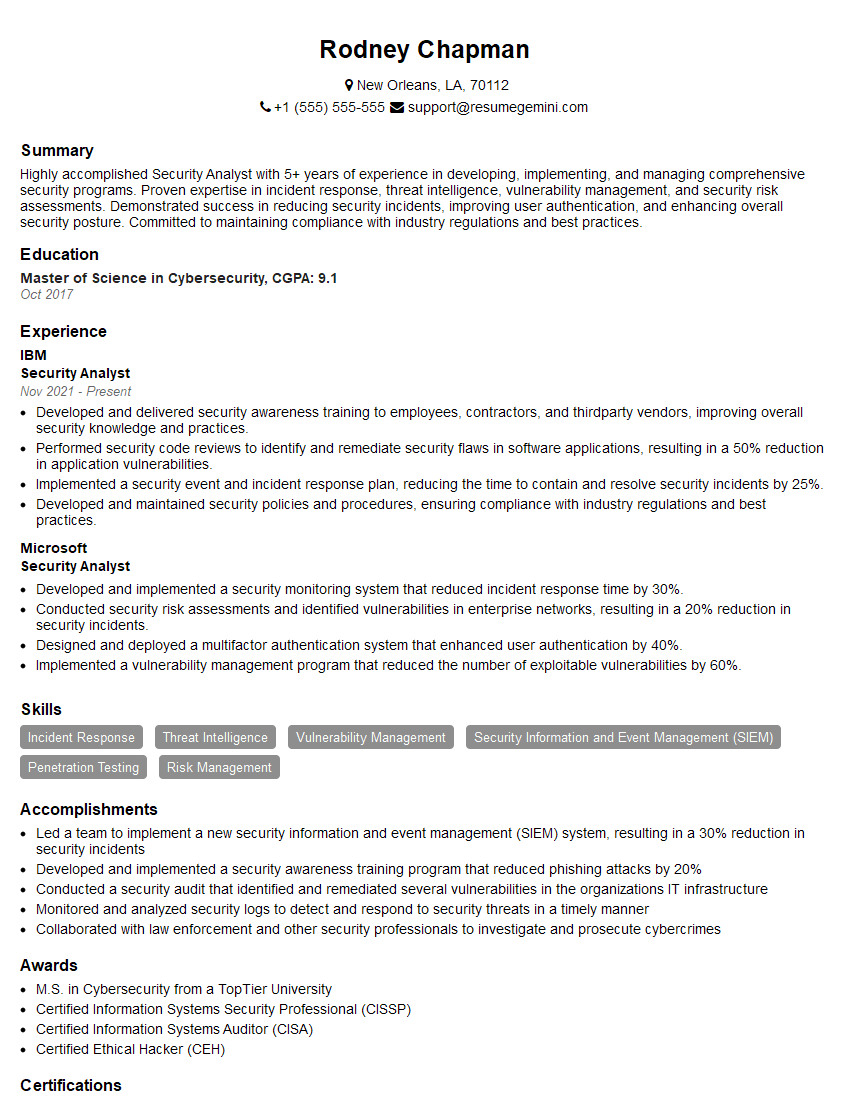
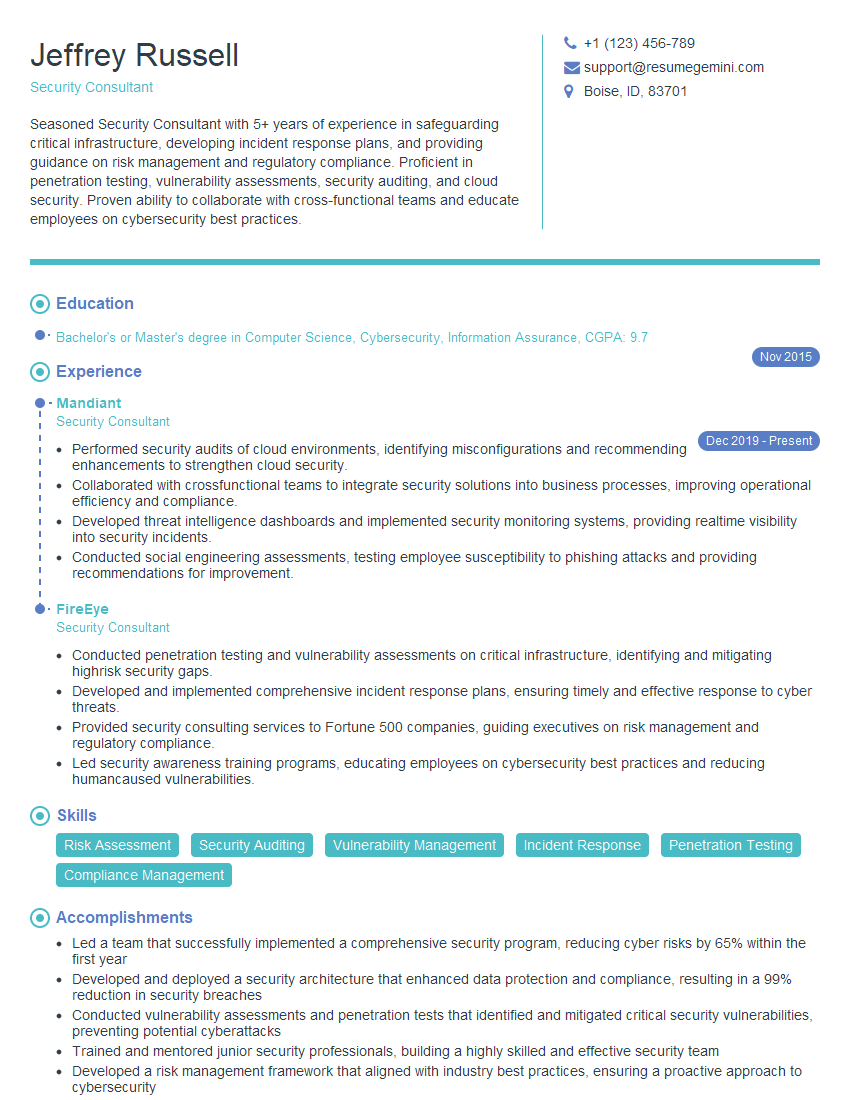
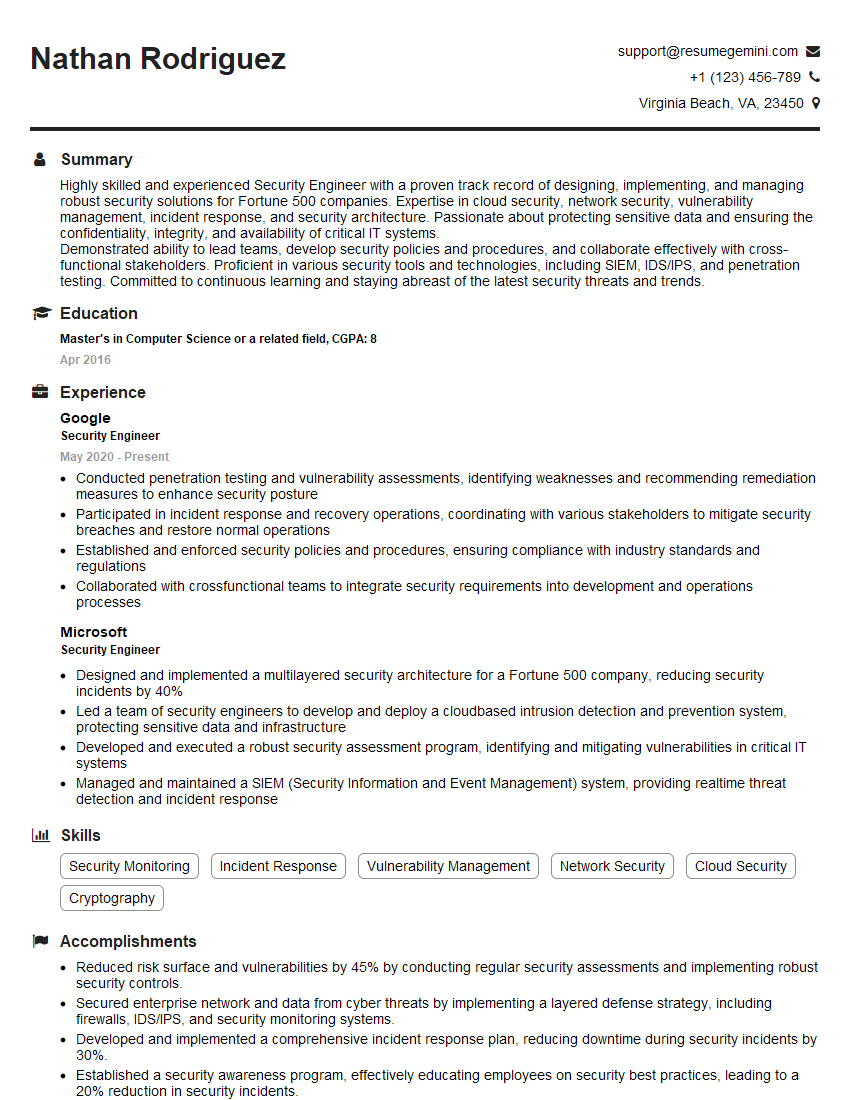
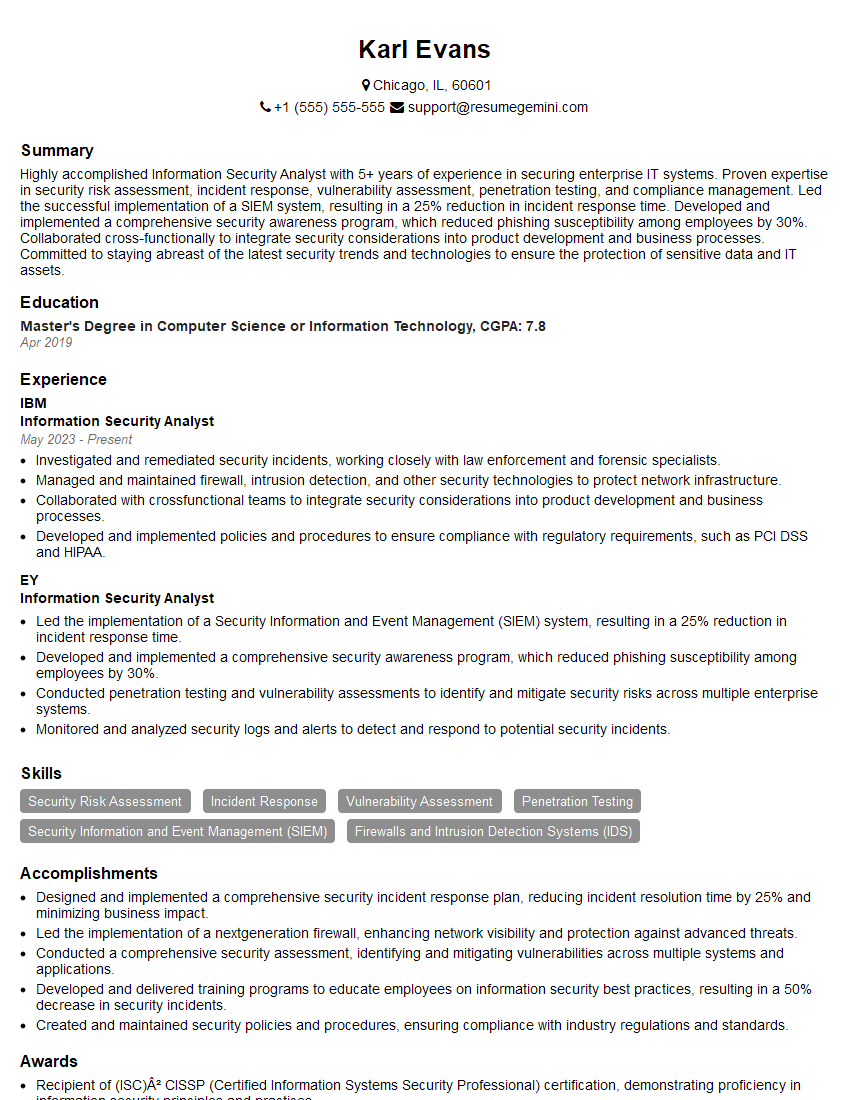
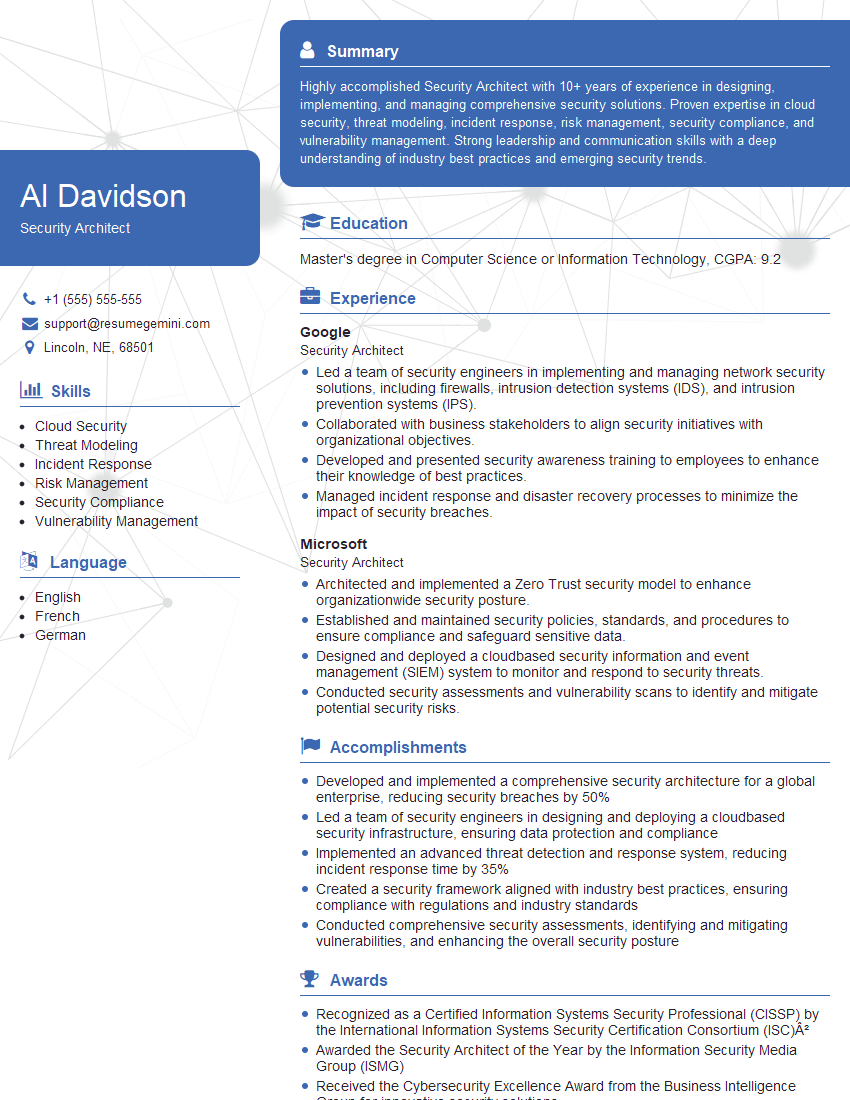
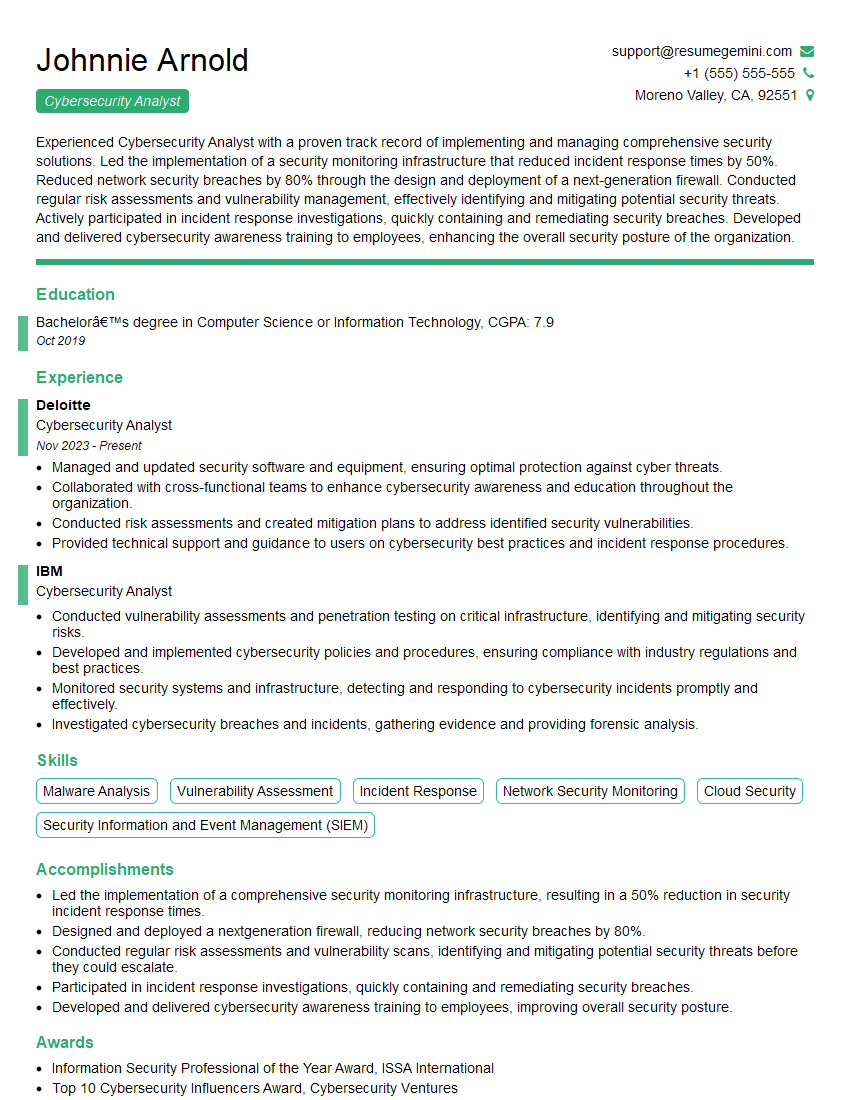
Mastering Incident Response and Threat Hunting opens doors to exciting and challenging careers with significant growth potential. To stand out, you need a resume that effectively showcases your skills and experience to Applicant Tracking Systems (ATS). Crafting an ATS-friendly resume is crucial for maximizing your job prospects. ResumeGemini is a trusted resource to help you build a professional and impactful resume that highlights your expertise in this in-demand field. Examples of resumes tailored to Incident Response and Threat Hunting are available to help you get started.

Explore more articles
Users Rating of Our Blogs
Share Your Experience
We value your feedback! Please rate our content and share your thoughts (optional).
What Readers Say About Our Blog
Very informative content, great job.
good