Interviews are opportunities to demonstrate your expertise, and this guide is here to help you shine. Explore the essential Industrial Process Optimization interview questions that employers frequently ask, paired with strategies for crafting responses that set you apart from the competition.
Questions Asked in Industrial Process Optimization Interview
Q 1. Explain the concept of Lean Manufacturing and its application in process optimization.
Lean Manufacturing is a systematic approach to identifying and eliminating waste in a manufacturing process. Think of it like decluttering your home – you remove anything that doesn’t add value. The core principle is to maximize customer value while minimizing waste. Waste, in this context, isn’t just discarded materials; it encompasses anything that doesn’t directly contribute to the creation of a product or service the customer wants.
In process optimization, Lean Manufacturing uses various tools and techniques, including:
- Value Stream Mapping: Visually mapping the entire process to identify all steps and pinpoint areas of waste.
- 5S Methodology: Organizing the workplace for efficiency (Sort, Set in Order, Shine, Standardize, Sustain).
- Kaizen (Continuous Improvement): Making small, incremental improvements over time.
- Kanban: A visual signaling system for managing workflow.
- Poka-Yoke (Error-Proofing): Designing processes to prevent errors from occurring.
For example, in a car manufacturing plant, Lean principles might be used to reduce the time a car spends waiting for parts (reducing wait time waste) or to streamline the assembly line to minimize unnecessary movements (reducing motion waste). The result is a more efficient, cost-effective, and higher-quality product.
Q 2. Describe your experience with Six Sigma methodologies (DMAIC or DMADV).
I have extensive experience with Six Sigma methodologies, particularly DMAIC (Define, Measure, Analyze, Improve, Control). I’ve led several projects using DMAIC to drastically improve various industrial processes. For instance, in a food processing plant, we used DMAIC to reduce the defect rate in a packaging line.
DMAIC Breakdown:
- Define: Clearly define the problem, its impact, and project goals. We identified inconsistent sealing on packaging as the problem, leading to customer complaints and product spoilage.
- Measure: Collect data to quantify the problem. We measured the defect rate, the types of defects, and the costs associated with them.
- Analyze: Identify the root causes of the problem. Root cause analysis revealed faulty sealing equipment and inconsistent operator procedures as the key drivers.
- Improve: Develop and implement solutions to address the root causes. This involved upgrading sealing equipment, implementing standardized operating procedures, and training operators.
- Control: Monitor the process to ensure that the improvements are sustained. We implemented SPC charts to track the defect rate and ensure consistent performance.
While I haven’t used DMADV (Define, Measure, Analyze, Design, Verify) as extensively, I understand its application in designing new processes from the ground up, ensuring quality is built in from the start. Both methodologies are valuable tools in my arsenal for optimizing processes.
Q 3. How would you identify bottlenecks in an industrial process?
Identifying bottlenecks requires a systematic approach. I typically use a combination of methods, starting with a thorough understanding of the process flow.
My Approach:
- Process Mapping: Create a visual representation of the process to identify potential bottlenecks.
- Data Analysis: Analyze historical data on cycle times, throughput, and resource utilization at each stage of the process. Look for areas with high cycle times or low throughput relative to others.
- Observations: Spend time observing the process firsthand to identify issues not immediately apparent from data analysis, such as equipment breakdowns, material handling inefficiencies, or skill gaps.
- Interviews: Talk to people involved in the process to gather their insights and perspectives on potential bottlenecks.
For example, in a semiconductor manufacturing facility, we identified a bottleneck at a specific etching step. Data analysis showed that the etching machine was running below capacity, and observations revealed frequent equipment malfunctions. By addressing the equipment issues and optimizing maintenance schedules, we significantly improved throughput at this stage.
Q 4. What are the key performance indicators (KPIs) you would use to measure process optimization success?
The KPIs used to measure process optimization success vary depending on the specific process and business objectives, but I generally focus on a few key metrics:
- Throughput: The amount of product or service produced per unit of time. Increased throughput signifies improved efficiency.
- Cycle Time: The time it takes to complete a single unit of work. Reduced cycle time indicates faster processing.
- Defect Rate: The percentage of defective products or services produced. Lower defect rates improve quality and reduce waste.
- Cost per Unit: The cost of producing a single unit of product or service. Reducing this improves profitability.
- Customer Satisfaction: Gathering feedback to determine whether the improved process delivers value to the customer.
I also track secondary KPIs to ensure that optimization efforts don’t negatively impact other aspects of the business, like employee safety or environmental impact. A balanced scorecard approach is crucial for comprehensive evaluation.
Q 5. Explain your understanding of Statistical Process Control (SPC).
Statistical Process Control (SPC) is a powerful methodology for monitoring and controlling industrial processes. It uses statistical methods to identify variations in a process and determine whether those variations are due to common causes (random fluctuations) or special causes (assignable causes).
Key Components of SPC:
- Control Charts: Graphical tools used to track process performance over time. Common control charts include X-bar and R charts, p-charts and c-charts.
- Control Limits: Statistically determined boundaries that define acceptable variation. Points outside these limits signal potential problems.
- Process Capability Analysis: Assesses the ability of a process to meet specified requirements.
SPC helps to prevent defects, reduce variability, and improve overall process performance. It’s essential for ensuring consistent quality and identifying potential issues before they escalate into major problems. Think of it as a process’s health check-up, allowing for proactive intervention rather than reactive firefighting.
Q 6. Describe a time you used data analysis to improve an industrial process.
In a previous role at a pharmaceutical manufacturing facility, we experienced unusually high rejection rates for a particular drug product due to inconsistencies in tablet weight. Using data analysis, specifically regression analysis and control charts, we discovered a strong correlation between ambient temperature fluctuations in the manufacturing area and the tablet weight variation.
Our Approach:
- We gathered historical data on tablet weight, ambient temperature, and other relevant parameters.
- Regression analysis revealed a statistically significant relationship between temperature and weight variations.
- We implemented a more robust temperature control system in the manufacturing area.
- Post-implementation, control charts showed a significant reduction in weight variation and rejection rates.
This experience highlighted the power of data analysis in uncovering hidden relationships and driving targeted process improvements. It resulted in significant cost savings and improved product quality.
Q 7. How do you prioritize process improvement projects?
Prioritizing process improvement projects requires a structured approach that considers both the potential impact and the feasibility of implementation. I typically use a framework that considers several factors:
- Financial Impact: Estimating the potential cost savings or revenue increase from each project.
- Strategic Alignment: Evaluating how well each project aligns with overall business objectives.
- Feasibility: Assessing the resources and time required to implement each project, including technical feasibility and potential risks.
- Urgency: Considering the immediacy of the problem and the potential impact of delays.
- Risk: Assessing the potential negative consequences of not addressing a problem.
I often use a prioritization matrix to visually represent these factors and rank projects accordingly. This approach ensures that resources are allocated to projects with the highest potential return on investment while managing risk and aligning with strategic goals. A simple example would be using a weighted scoring system to rank projects based on these factors, the highest score getting prioritized first.
Q 8. What software or tools are you proficient in for process optimization (e.g., Minitab, Arena Simulation)?
My proficiency in software for process optimization spans a range of tools, each suited to different aspects of the process. For statistical analysis and data interpretation, I’m highly proficient in Minitab, using its capabilities for design of experiments (DOE), regression analysis, and control charting to identify areas for improvement. For discrete event simulation, I’ve extensively used Arena Simulation to model complex systems, predict bottlenecks, and evaluate the impact of proposed changes before implementation. Additionally, I have experience with Python, leveraging libraries like SciPy and NumPy for advanced statistical modeling and optimization algorithms. Finally, I’m familiar with process mapping software like Lucidchart and Visio for visualizing workflows and identifying waste.
Q 9. Explain your experience with process simulation and modeling.
Process simulation and modeling are crucial for understanding and optimizing complex industrial processes. My experience involves building both discrete-event and continuous models. For example, in a previous project at a manufacturing plant, we used Arena to simulate the entire production line, from raw material input to finished goods output. This allowed us to identify bottlenecks in the assembly process, leading to a 15% reduction in cycle time. The model incorporated factors like machine breakdowns, worker efficiency, and material handling times. The results were validated against historical data, ensuring accuracy and reliability. Another project involved creating a continuous model in Python to optimize the temperature profile in a chemical reactor, maximizing yield while minimizing energy consumption. These models allowed us to explore ‘what-if’ scenarios, test different strategies, and quantify the potential benefits before implementing them in the real world, significantly reducing risk and cost.
Q 10. How would you handle resistance to change during a process optimization initiative?
Resistance to change is a common challenge in process optimization. I address this through a multi-pronged approach focusing on communication, collaboration, and demonstrating value. First, I ensure that all stakeholders understand the ‘why’ behind the optimization initiative, clearly outlining the potential benefits and addressing their specific concerns. This often involves presenting data-driven evidence showing the current inefficiencies and the projected improvements. Next, I actively involve stakeholders in the process, seeking their input and feedback at each stage. This collaborative approach transforms them from passive recipients of change to active participants, increasing buy-in. Finally, I implement changes incrementally, starting with small, easily demonstrable wins to build confidence and momentum. Celebrating successes along the way further reinforces the positive impact of the changes and fosters a culture of continuous improvement.
Q 11. Describe your experience with root cause analysis techniques (e.g., 5 Whys, Fishbone Diagram).
Root cause analysis is critical for identifying the underlying reasons for process issues. I am proficient in various techniques, including the 5 Whys and Fishbone (Ishikawa) diagrams. The 5 Whys is a simple yet effective method for drilling down to the root cause by repeatedly asking ‘why’ until the fundamental problem is identified. For instance, if production is delayed, we might ask: Why is production delayed? (Machine malfunction). Why did the machine malfunction? (Lack of preventative maintenance). Why was there a lack of preventative maintenance? (Insufficient training). Why was there insufficient training? (Budget constraints). Why were there budget constraints? (Poor planning). The Fishbone diagram visually organizes potential causes, categorized by factors like manpower, machinery, materials, methods, measurement, and environment. This approach helps to brainstorm comprehensively and systematically identify all potential root causes, even those less obvious. I often combine these techniques for a holistic understanding of the problem, leading to effective and lasting solutions.
Q 12. How do you measure the Return on Investment (ROI) of a process optimization project?
Measuring the ROI of a process optimization project requires a clear understanding of the costs and benefits. Costs include the time spent on analysis, implementation, training, and any capital investments. Benefits include cost savings (e.g., reduced material waste, lower labor costs), increased efficiency (e.g., shorter cycle times, higher throughput), improved quality (e.g., reduced defects), and enhanced customer satisfaction. I typically calculate ROI using a formula like:
ROI = (Total Benefits - Total Costs) / Total Costs
This formula expresses ROI as a percentage. A positive ROI indicates a profitable project. It’s crucial to quantify both costs and benefits using concrete data, such as historical performance metrics and projected improvements. Sometimes, intangible benefits, like improved employee morale or increased market share, are difficult to quantify directly. In these cases, I use qualitative assessments and expert judgment to estimate their monetary value, ensuring a comprehensive ROI calculation.
Q 13. Explain your understanding of different optimization algorithms (e.g., linear programming, genetic algorithms).
My understanding of optimization algorithms encompasses various techniques, each with its strengths and weaknesses. Linear programming is suitable for problems with linear objective functions and constraints. For example, optimizing the blend of raw materials to minimize cost while meeting certain quality specifications. I’ve used linear programming solvers like those in Python’s scipy.optimize library for such applications. Genetic algorithms are particularly useful for complex, non-linear problems where traditional methods are less effective. They are inspired by natural selection and involve iterative processes of selection, crossover, and mutation to find near-optimal solutions. I’ve used genetic algorithms to optimize complex scheduling problems or control parameters in dynamic systems, where a gradient-based approach would be computationally expensive or infeasible. The choice of algorithm depends heavily on the problem’s characteristics, including the complexity of the objective function, the nature of constraints, and the computational resources available.
Q 14. Describe your experience with Value Stream Mapping.
Value Stream Mapping (VSM) is a powerful lean manufacturing tool I’ve used extensively to visualize and analyze the flow of materials and information in a process. It helps identify areas of waste (MUDA) such as overproduction, waiting, transportation, inventory, motion, over-processing, and defects. In a recent project at a food processing facility, we used VSM to map the entire production line from raw ingredients to packaging. The map clearly highlighted bottlenecks in the packaging process, significant inventory buildup between production stages, and unnecessary movement of materials. Based on this analysis, we implemented improvements such as optimizing the layout, implementing a Kanban system for inventory management, and redesigning the packaging process, resulting in a significant reduction in lead time and waste. VSM’s visual nature facilitates communication and collaboration, making it a valuable tool for engaging stakeholders and driving improvements.
Q 15. How do you ensure that process improvements are sustainable over time?
Sustainability in process improvement isn’t just about implementing changes; it’s about embedding them into the organizational culture and ensuring they endure. This requires a multi-pronged approach.
- Standard Operating Procedures (SOPs): Clearly documented SOPs are crucial. These aren’t just static documents; they need to be regularly reviewed and updated to reflect ongoing improvements and lessons learned. Think of them as a living document.
- Training and Empowerment: Effective training is paramount. Employees need to understand *why* a change is beneficial, not just *how* to implement it. Empowering them to own the process and contribute to its continuous improvement fosters buy-in and sustainability.
- Performance Monitoring and Feedback Loops: Regular monitoring using Key Performance Indicators (KPIs) is essential. This allows for early detection of deviations from optimized performance. Feedback mechanisms should be in place to address any issues promptly. Think of it like a car’s dashboard – regular checks ensure everything runs smoothly.
- Technological Integration: Automation and digitalization play a critical role. Automated systems can maintain consistency and reduce human error, crucial for long-term process stability. Data-driven decision making helps to identify areas needing attention.
- Leadership Commitment: Sustainable improvement requires unwavering commitment from leadership. This involves allocating resources, providing support, and recognizing successes to reinforce the value of continuous improvement.
For example, in a manufacturing plant, we implemented a new inventory management system. We didn’t just install the software; we provided extensive training, developed detailed SOPs, and established a weekly review process to track inventory levels and make adjustments as needed. This ensured the system remained effective and the improvements were sustained.
Career Expert Tips:
- Ace those interviews! Prepare effectively by reviewing the Top 50 Most Common Interview Questions on ResumeGemini.
- Navigate your job search with confidence! Explore a wide range of Career Tips on ResumeGemini. Learn about common challenges and recommendations to overcome them.
- Craft the perfect resume! Master the Art of Resume Writing with ResumeGemini’s guide. Showcase your unique qualifications and achievements effectively.
- Don’t miss out on holiday savings! Build your dream resume with ResumeGemini’s ATS optimized templates.
Q 16. What is your experience with Kaizen events?
Kaizen events, or Kaizen blitzes, are focused improvement workshops aimed at rapidly identifying and resolving process bottlenecks. I have extensive experience leading and participating in numerous Kaizen events across various industries. My approach involves a structured methodology.
- Team Selection: Forming diverse teams with representatives from all relevant departments ensures a holistic perspective.
- Process Mapping: Clearly visualizing the current state of the process using value stream mapping is crucial. This helps identify areas for improvement.
- Brainstorming and Root Cause Analysis: Employing tools like 5 Whys or fishbone diagrams facilitates root cause identification. This goes beyond surface-level solutions.
- Implementation and Countermeasures: Developing concrete solutions and implementing them immediately is key. We also implement countermeasures to prevent recurring issues.
- Standardization and Documentation: Documenting all improvements and standardizing the process helps sustain the gains.
In one instance, we conducted a Kaizen event to optimize a packaging line in a food processing plant. By streamlining the workflow and eliminating unnecessary steps, we reduced processing time by 15% and improved overall efficiency significantly. The key to success was the team’s collaborative approach and the rapid implementation of the suggested improvements.
Q 17. Describe a time you had to troubleshoot a complex process issue.
During my time at a chemical processing plant, we experienced a significant drop in product yield. The initial troubleshooting efforts yielded no clear cause. The problem was multifaceted and required a systematic approach.
- Data Analysis: We started by meticulously examining historical data from the process control system, looking for patterns or anomalies. This revealed some inconsistencies in temperature and pressure readings during specific stages of the process.
- Root Cause Identification: We used statistical process control (SPC) techniques to identify outliers and pinpoint the specific stages where deviations were most pronounced. This led us to suspect a malfunction in a critical heat exchanger.
- Hypothesis Testing: We formulated several hypotheses about the potential causes of the malfunction (e.g., faulty sensors, scaling, leaks). We systematically tested each hypothesis through experiments and inspections.
- Solution Implementation: Our investigation confirmed scaling within the heat exchanger was reducing its efficiency. We implemented a chemical cleaning procedure to remove the scale and performed a thorough inspection of the exchanger for any structural damage.
- Monitoring and Prevention: After the cleaning, we implemented a preventative maintenance schedule including regular chemical cleaning and sensor calibration to prevent future occurrences.
This systematic approach, combining data analysis, root cause investigation, and preventative measures, allowed us to restore production yield and prevent future disruptions. The key takeaway was the importance of thorough data analysis and a structured troubleshooting process.
Q 18. How do you balance the need for process optimization with safety considerations?
Balancing process optimization with safety is not a trade-off; it’s a core principle. Safety should never be compromised for the sake of efficiency. My approach focuses on integrating safety into every stage of the optimization process.
- Hazard Identification and Risk Assessment (HIRA): Before any process changes are implemented, a thorough HIRA is conducted to identify potential hazards and assess their risks. This helps to mitigate risks proactively.
- Safety Procedures and Training: New safety procedures must accompany any process changes, ensuring employees are aware of and trained on the new risks and mitigation strategies. This empowers them to work safely.
- Protective Measures: Implementing appropriate safety equipment and protective measures is non-negotiable. This might include installing additional safety guards, improving ventilation, or implementing emergency shutdown systems.
- Continuous Monitoring and Auditing: Regular monitoring and auditing of safety procedures and equipment are crucial. This ensures that safety measures remain effective and that any issues are addressed promptly.
- Employee Involvement: Actively involving employees in the safety process is crucial. They often possess valuable insights and can contribute to identifying potential hazards and developing effective solutions.
For example, when optimizing a robotic welding process, we incorporated safety features like light curtains and emergency stop buttons, and we provided comprehensive training to operators on safe operating procedures. This ensured a significant improvement in efficiency without compromising worker safety.
Q 19. What is your experience with designing and implementing control charts?
Control charts are powerful tools for monitoring process performance and identifying deviations from expected behavior. I have significant experience designing and implementing various types of control charts, including:
- X-bar and R charts: Used to monitor the average and range of a continuous variable.
- p-charts: Used to monitor the proportion of nonconforming units in a sample.
- c-charts: Used to monitor the number of defects per unit.
The design process involves:
- Defining the Process: Clearly defining the process variable being monitored is crucial.
- Data Collection: Collecting sufficient data to establish baseline process performance is essential.
- Chart Selection: Selecting the appropriate chart type based on the type of data being monitored.
- Control Limits Calculation: Calculating control limits based on historical data using statistical methods.
- Interpretation and Action: Regularly monitoring the chart and taking appropriate action when points fall outside the control limits.
Example: An X-bar and R chart could be used to monitor the average diameter and variation in the diameter of manufactured parts. If a point falls outside the control limits, it indicates a potential issue that needs investigation.
Properly designed and interpreted control charts are essential for proactively identifying and addressing process variations, preventing defects, and ensuring consistent product quality.
Q 20. Explain your understanding of capacity planning and its relation to process optimization.
Capacity planning and process optimization are intrinsically linked. Capacity planning determines the maximum output a process can achieve, while process optimization aims to improve efficiency and effectiveness within those capacity constraints. Effective capacity planning informs optimization efforts, ensuring that improvements align with overall production goals.
- Demand Forecasting: Accurate demand forecasting is crucial for determining the required capacity. This informs the scale of any optimization projects.
- Capacity Analysis: Analyzing current capacity and identifying bottlenecks is a key step. Optimization efforts often focus on addressing these bottlenecks.
- Optimization Strategies: Process optimization strategies can focus on increasing capacity (e.g., adding equipment, improving throughput) or improving efficiency (e.g., reducing waste, improving workflow). Both are vital for meeting demand.
- Resource Allocation: Capacity planning helps to allocate resources efficiently. Knowing capacity limits allows for better resource allocation for optimization projects.
- Scenario Planning: Analyzing various scenarios (e.g., increased demand, equipment failure) and their impact on capacity helps to plan for unexpected events and develop contingency plans.
For instance, if capacity planning reveals a bottleneck in the packaging process of a manufacturing plant, process optimization efforts could focus on improving packaging speed, reducing downtime, or implementing automation to increase overall capacity and meet projected demand.
Q 21. How do you use data visualization to communicate process improvement results?
Data visualization is crucial for effectively communicating process improvement results. It transforms complex data into easily understandable and actionable insights. I use a range of techniques depending on the audience and the data.
- Charts and Graphs: Bar charts, line graphs, pie charts, and scatter plots are used to show trends, comparisons, and relationships between variables. They’re excellent for conveying key metrics and achievements.
- Dashboards: Interactive dashboards provide a holistic view of process performance, displaying key KPIs and allowing for deeper exploration of the data. They’re particularly useful for monitoring progress over time.
- Infographics: Visually appealing infographics can effectively communicate complex information to a broader audience, particularly stakeholders who aren’t deeply involved in the process.
- Storytelling: Presenting data as a compelling narrative helps to engage the audience and emphasize the impact of process improvements. This includes highlighting before-and-after comparisons and quantifying the benefits.
- Software Tools: I utilize tools such as Tableau, Power BI, and Excel to create visualizations. Choosing the right tool depends on the complexity of the data and the desired level of interactivity.
For example, when presenting results of a Lean Six Sigma project to senior management, I’d use a dashboard showing key metrics such as cycle time reduction, defect rate improvement, and cost savings, illustrated with clear charts and concise explanations. This visually compelling presentation would help them understand the significant impact of the improvements.
Q 22. What are some common pitfalls to avoid when implementing process optimization initiatives?
Implementing process optimization initiatives, while aiming for efficiency and cost reduction, often faces several pitfalls. One major issue is lack of clear objectives and metrics. Without defining specific, measurable, achievable, relevant, and time-bound (SMART) goals, it’s difficult to track progress and determine success. For instance, simply aiming to ‘improve efficiency’ is vague. A better goal would be ‘reduce production time by 15% within the next quarter by streamlining the assembly line process’.
Another common pitfall is underestimating resistance to change. People are creatures of habit, and any change, even if beneficial, can meet resistance. Effective communication, training, and employee involvement are crucial to mitigate this. A project I worked on involving a new software system for inventory management faced significant resistance initially. We addressed this by providing comprehensive training sessions, establishing a dedicated support team, and actively soliciting feedback from users, ultimately leading to successful adoption.
Furthermore, failing to consider the entire system is a frequent mistake. Optimizing one part of a process in isolation might create bottlenecks or inefficiencies elsewhere. A holistic approach, using techniques like system dynamics modeling, is essential to ensure that improvements in one area don’t negatively affect other areas. For example, optimizing only the production line without considering the delivery and warehousing processes can lead to increased inventory costs and storage issues.
Finally, lack of data-driven decision-making is detrimental. Reliance on gut feelings or anecdotal evidence rather than objective data can lead to ineffective solutions. Robust data collection, analysis, and reporting are crucial for informed decision-making throughout the optimization process.
Q 23. Describe your experience with different scheduling techniques (e.g., Gantt charts, Critical Path Method).
I have extensive experience using various scheduling techniques, including Gantt charts and the Critical Path Method (CPM). Gantt charts provide a visual representation of project timelines, tasks, and dependencies. They’re excellent for overall project planning and tracking progress. I’ve used them in numerous projects, such as the implementation of a new manufacturing process, allowing for a clear visualization of individual tasks’ durations and their sequencing.
The CPM, on the other hand, focuses on identifying the critical path – the sequence of tasks that determines the shortest possible project duration. By focusing on this critical path, resources can be allocated more effectively to minimize project completion time. In one project involving the construction of a new processing plant, utilizing CPM allowed us to pinpoint potential delays and efficiently manage resources to complete the project on time and within budget. We used software to dynamically update the CPM based on actual progress, allowing for proactive management of potential bottlenecks. In essence, Gantt charts offer a broader overview, while CPM provides a more focused approach on optimizing project schedule based on critical tasks.
Q 24. How do you stay current with the latest advancements in industrial process optimization?
Staying current in the rapidly evolving field of industrial process optimization requires a multifaceted approach. I actively participate in professional organizations like the Institute of Industrial Engineers (IIE) and attend industry conferences and webinars to learn about cutting-edge techniques and best practices. These events offer invaluable opportunities for networking and learning from experts in the field.
I also regularly read industry publications, journals, and online resources such as specialized websites and blogs focused on process optimization, automation, and data analytics. This keeps me updated on new methodologies, software tools, and technological advancements. For example, I recently learned about the application of machine learning algorithms in predictive maintenance, allowing for more efficient resource allocation and reducing downtime.
Furthermore, I engage in continuous learning through online courses and professional development programs offered by platforms like Coursera and edX. This ensures I remain proficient in relevant software and analytical tools and helps me adapt to emerging trends in areas like digital twins and AI-driven optimization. This proactive approach ensures that I’m always at the forefront of the latest advancements in the industry.
Q 25. What are your strengths and weaknesses in the context of process optimization?
My strengths lie in my analytical abilities, my problem-solving skills, and my ability to effectively communicate complex technical information to both technical and non-technical audiences. I’m adept at using data-driven approaches to identify areas for improvement and developing tailored solutions. I have successfully led and executed numerous optimization projects across various industries, consistently delivering positive results. For instance, my ability to effectively communicate project outcomes to senior management has often led to quick approval for further improvements.
One area where I’m actively working to improve is my delegation skills. While I’m comfortable handling multiple tasks, I’m focusing on becoming better at assigning responsibilities effectively to team members, allowing for greater efficiency and empowering my team to take on more ownership. This involves focusing on clearly defining roles, setting expectations, and providing regular feedback.
Q 26. How do you handle conflicting priorities when managing multiple process improvement projects?
Managing conflicting priorities in multiple process improvement projects necessitates a structured approach. I utilize a prioritization matrix that considers factors such as strategic alignment, urgency, impact, and resource availability. This allows me to objectively assess and rank projects based on their overall value and potential return on investment. Projects are categorized as high, medium, or low priority based on this assessment. This framework helps me allocate resources and dedicate my time effectively to the most critical projects first.
Open communication is also vital. I regularly communicate project priorities and resource allocation decisions to all stakeholders, ensuring transparency and managing expectations. This minimizes misunderstandings and fosters collaborative problem-solving when conflicts arise. For example, in a situation where two high-priority projects competed for the same resources, I facilitated a discussion with the project teams to identify potential synergies and collaboratively allocate resources based on mutual benefit.
Q 27. Describe your experience with implementing and managing change control processes.
I have extensive experience in implementing and managing change control processes, using a structured approach that ensures controlled and documented changes to processes and systems. This typically involves a formal request process where changes are proposed, reviewed, approved, and implemented following a defined workflow. This ensures that changes are thoroughly evaluated for potential impacts, minimizing the risk of introducing errors or inefficiencies. I’ve used various change management methodologies, adapting them based on the complexity of the project and organizational context.
The change control process usually involves a change request form, a review board, and a documented implementation plan. A version control system is also crucial, ensuring that all changes are tracked and documented. In a recent project involving a significant upgrade to our manufacturing execution system (MES), the rigorous change control process enabled a smooth transition, minimizing disruption to production and ensuring data integrity throughout the implementation.
Q 28. Explain your experience with process automation and its impact on optimization.
Process automation plays a crucial role in optimizing industrial processes. By automating repetitive tasks, we can reduce human error, improve consistency, and increase efficiency. I have extensive experience in implementing various automation solutions, including robotic process automation (RPA), programmable logic controllers (PLCs), and supervisory control and data acquisition (SCADA) systems. These technologies have significantly impacted optimization efforts by enabling real-time data collection, analysis, and control.
For instance, in a previous role, we automated a manual packaging process using robotic arms and vision systems. This automation resulted in a significant increase in throughput, reduced labor costs, and improved product quality consistency. The data collected from the automated system also provided valuable insights into process bottlenecks and areas for further optimization. Furthermore, integrating automation with advanced analytics tools, like machine learning, allows for predictive maintenance and proactive adjustments to the process, leading to even greater efficiency gains and minimized downtime.
Key Topics to Learn for Industrial Process Optimization Interview
- Process Modeling and Simulation: Understanding techniques like discrete event simulation, agent-based modeling, and system dynamics to predict process behavior and identify areas for improvement. Practical application includes optimizing production scheduling in a manufacturing plant.
- Statistical Process Control (SPC): Mastering control charts, capability analysis, and process capability indices (Cp, Cpk) to monitor and improve process consistency and reduce variability. Practical application involves identifying and eliminating sources of defects in a semiconductor fabrication process.
- Lean Manufacturing Principles: Applying concepts like Value Stream Mapping, 5S, Kaizen, and Kanban to eliminate waste and improve efficiency. Practical application: Streamlining a supply chain to reduce lead times and inventory costs.
- Six Sigma Methodology: Understanding DMAIC (Define, Measure, Analyze, Improve, Control) and DMADV (Define, Measure, Analyze, Design, Verify) methodologies for process improvement projects. Practical application: Reducing customer complaints through a systematic problem-solving approach.
- Data Analytics for Process Optimization: Utilizing data mining, regression analysis, and other statistical techniques to identify patterns and trends in process data, leading to informed decision-making. Practical application: Predicting equipment failures using predictive maintenance models.
- Optimization Algorithms: Familiarity with linear programming, nonlinear programming, and metaheuristic algorithms (genetic algorithms, simulated annealing) for finding optimal solutions to complex process problems. Practical application: Optimizing resource allocation in a refinery.
- Automation and Control Systems: Understanding Programmable Logic Controllers (PLCs), Supervisory Control and Data Acquisition (SCADA) systems, and other automation technologies for process control and monitoring. Practical application: Implementing automated quality control checks on a production line.
Next Steps
Mastering Industrial Process Optimization is crucial for career advancement, opening doors to leadership roles and higher earning potential. A strong resume is your first step to showcasing your skills and experience. Create an ATS-friendly resume to ensure your application gets noticed by recruiters and hiring managers. ResumeGemini is a trusted resource to help you build a professional and impactful resume that highlights your accomplishments and expertise in Industrial Process Optimization. Examples of resumes tailored to this field are available, providing you with a valuable template to get started.

Operations Manager Resume Sample
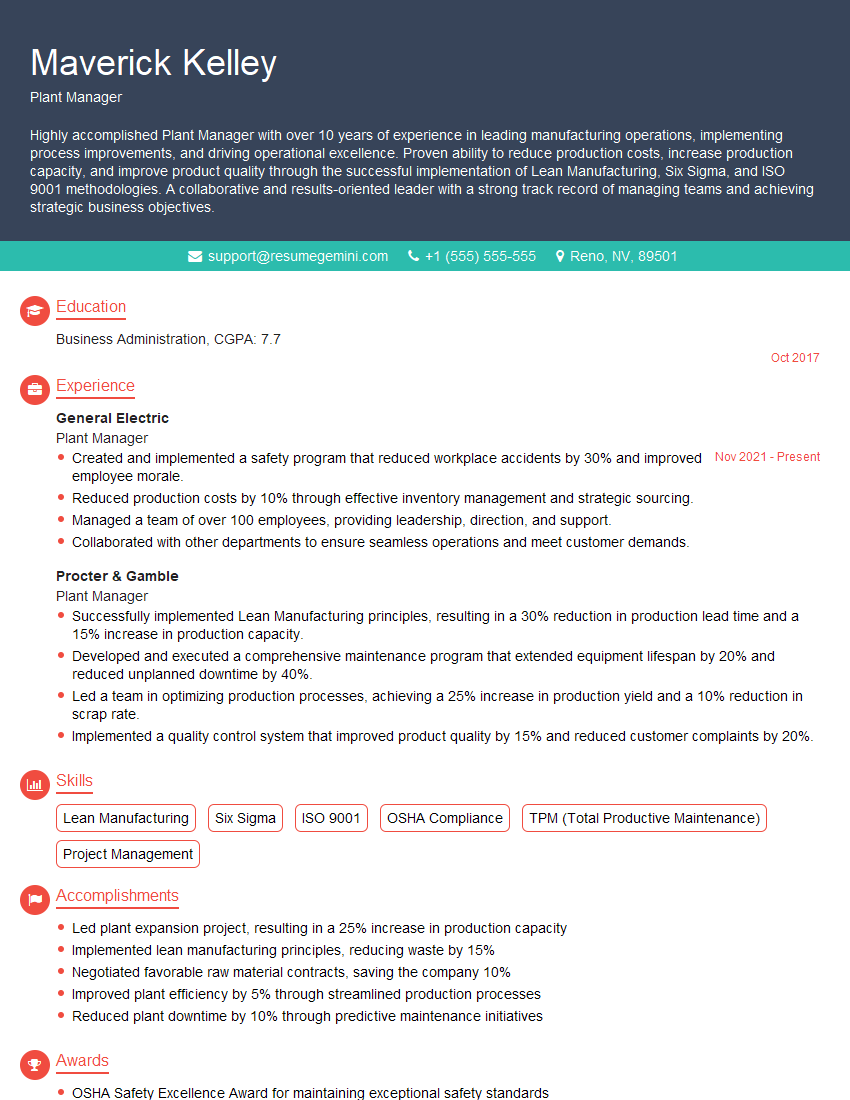
Plant Manager Resume Sample
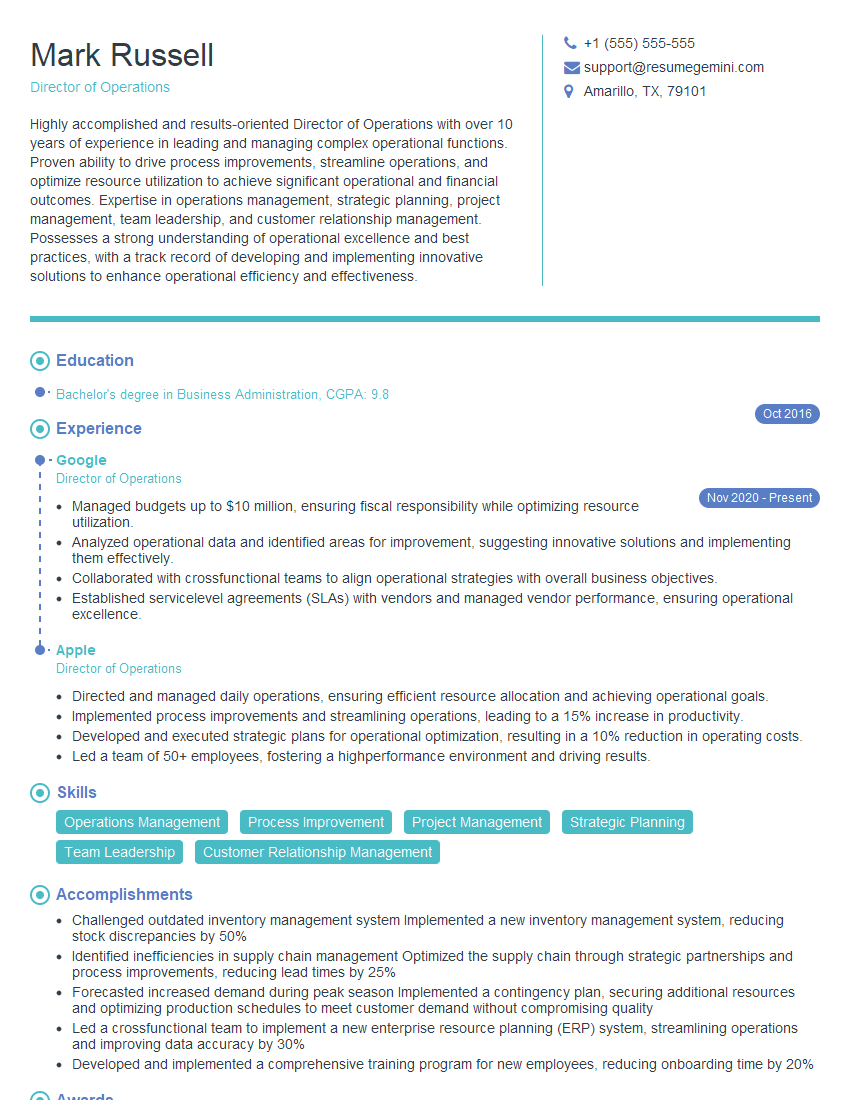
Director of Operations Resume Sample
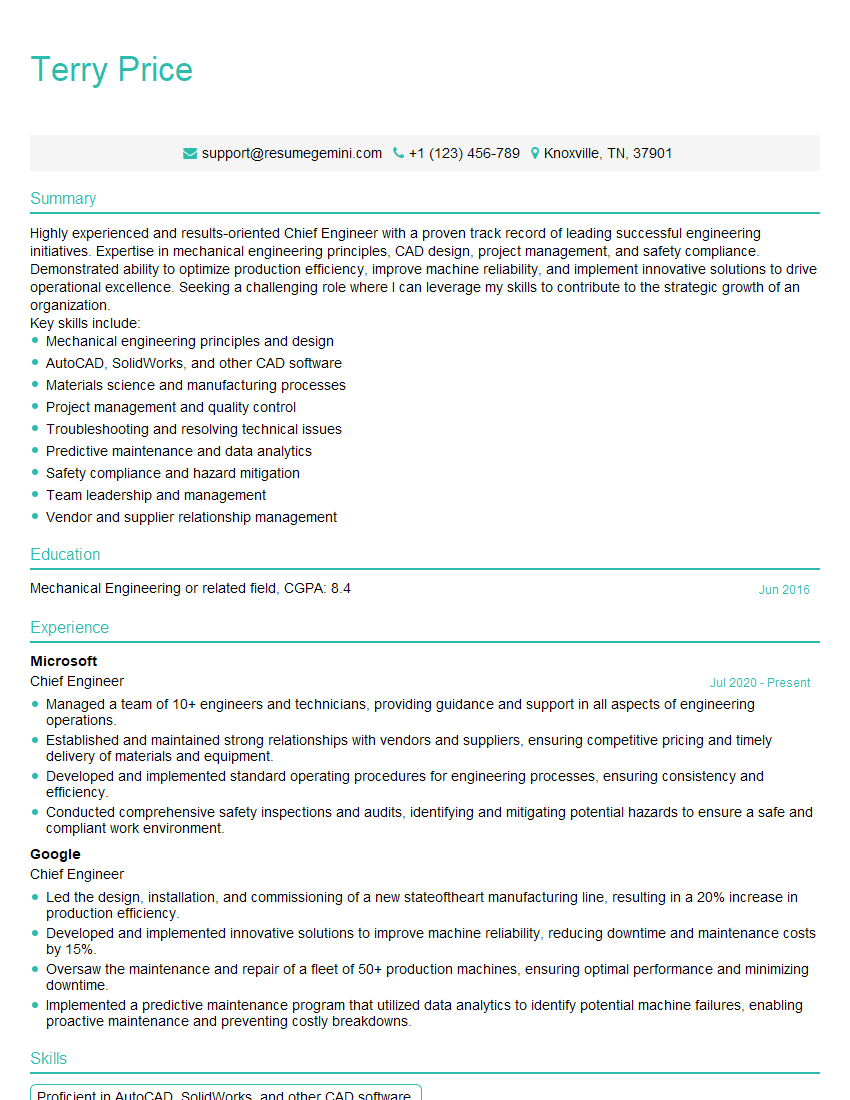
Chief Engineer Resume Sample
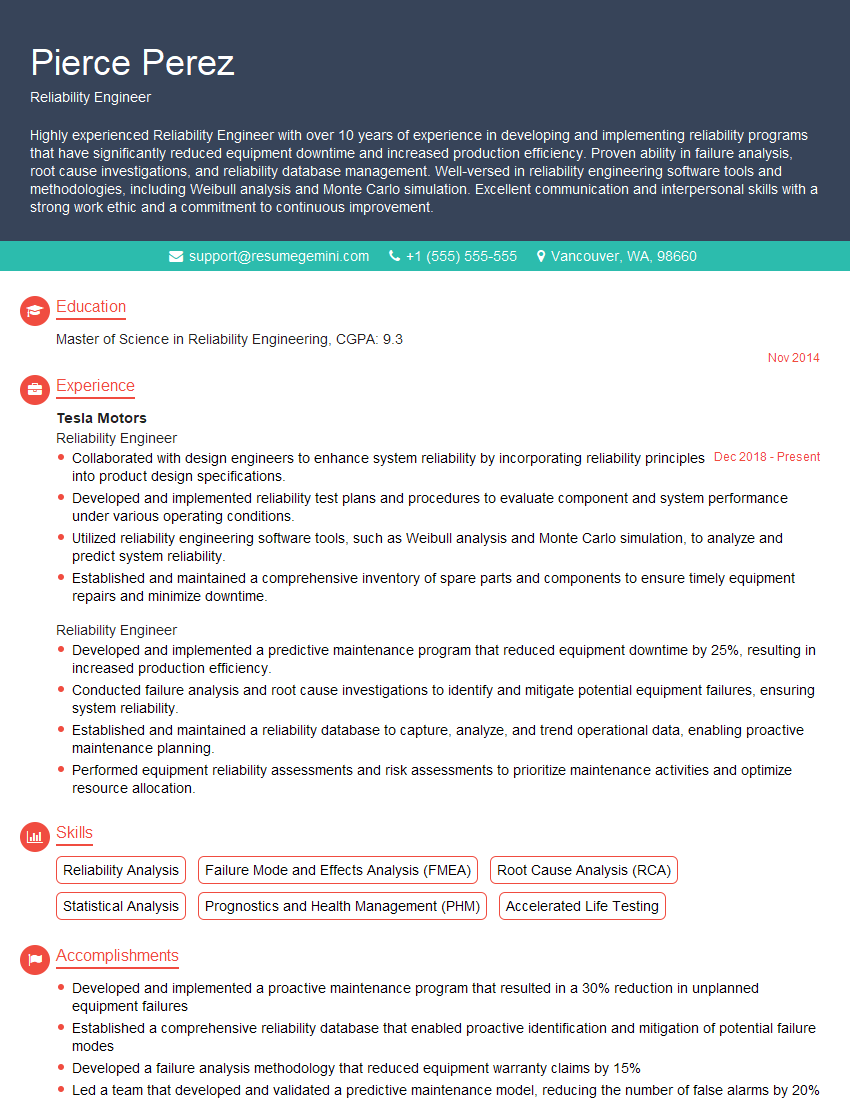
Reliability Engineer Resume Sample
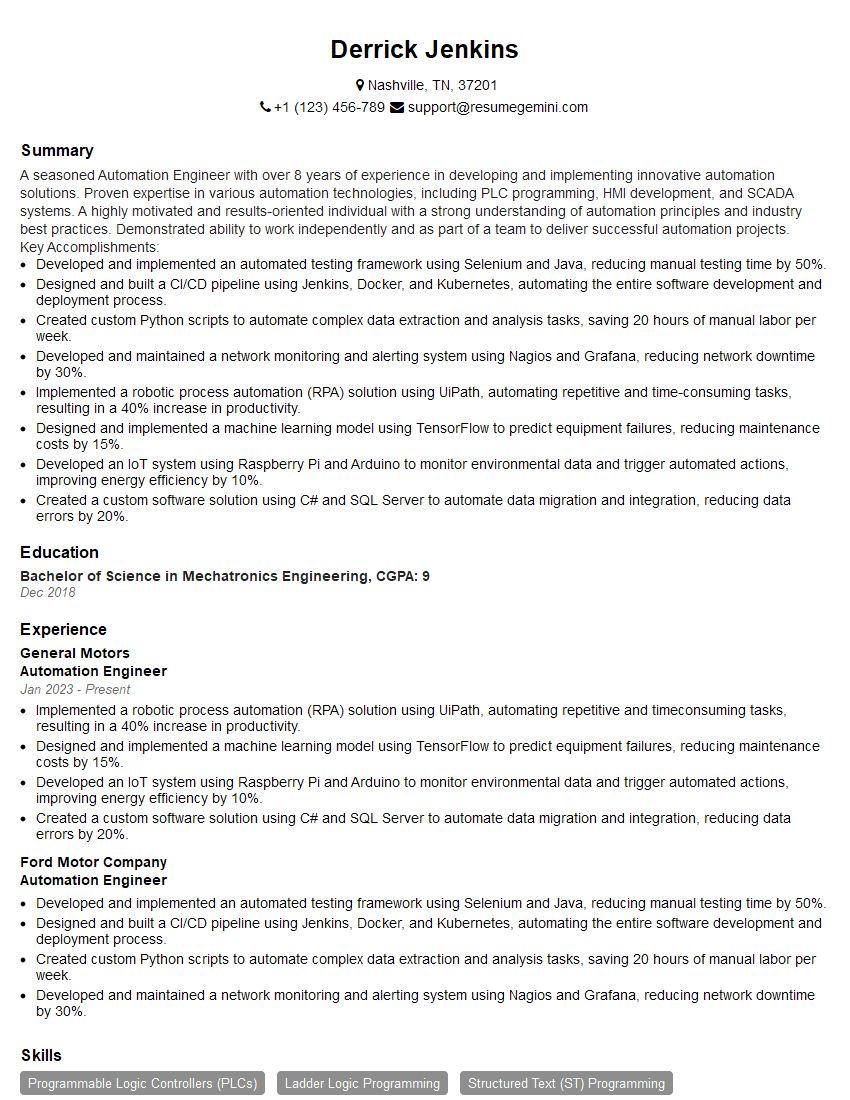
Automation Engineer Resume Sample

Operations Research Analyst Resume Sample
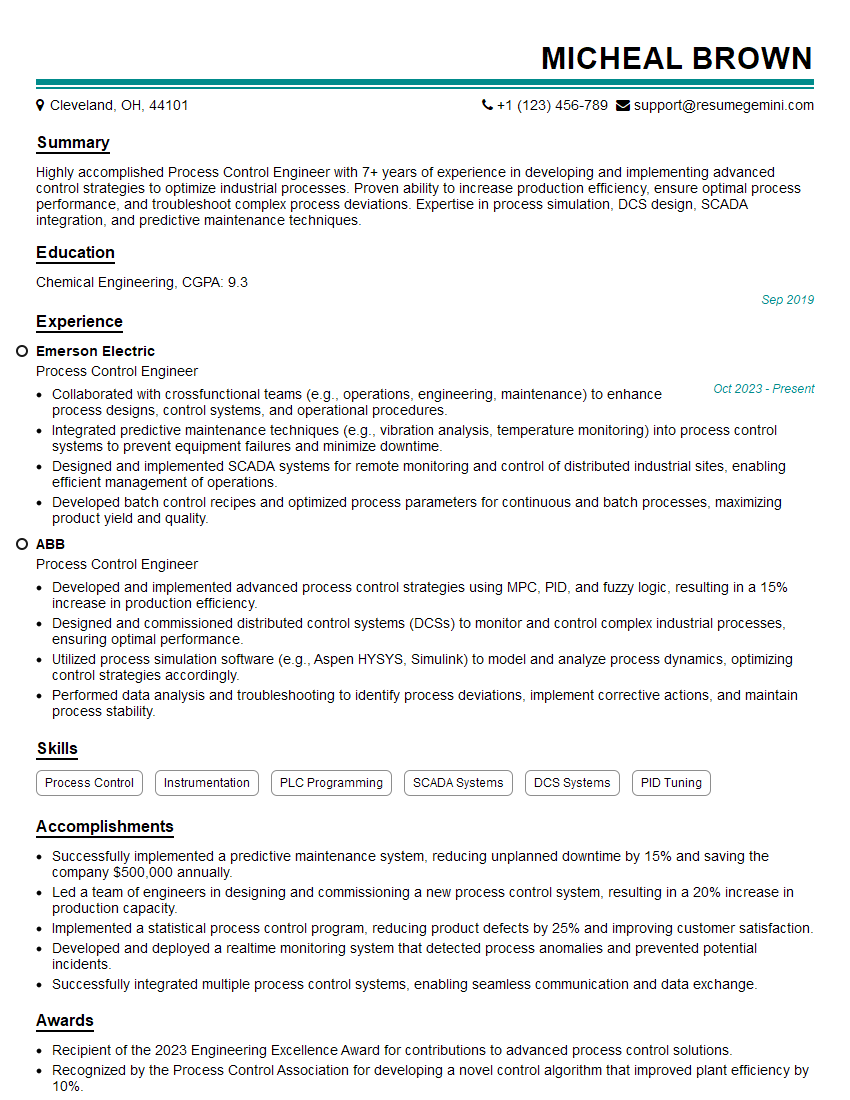
Process Control Engineer Resume Sample
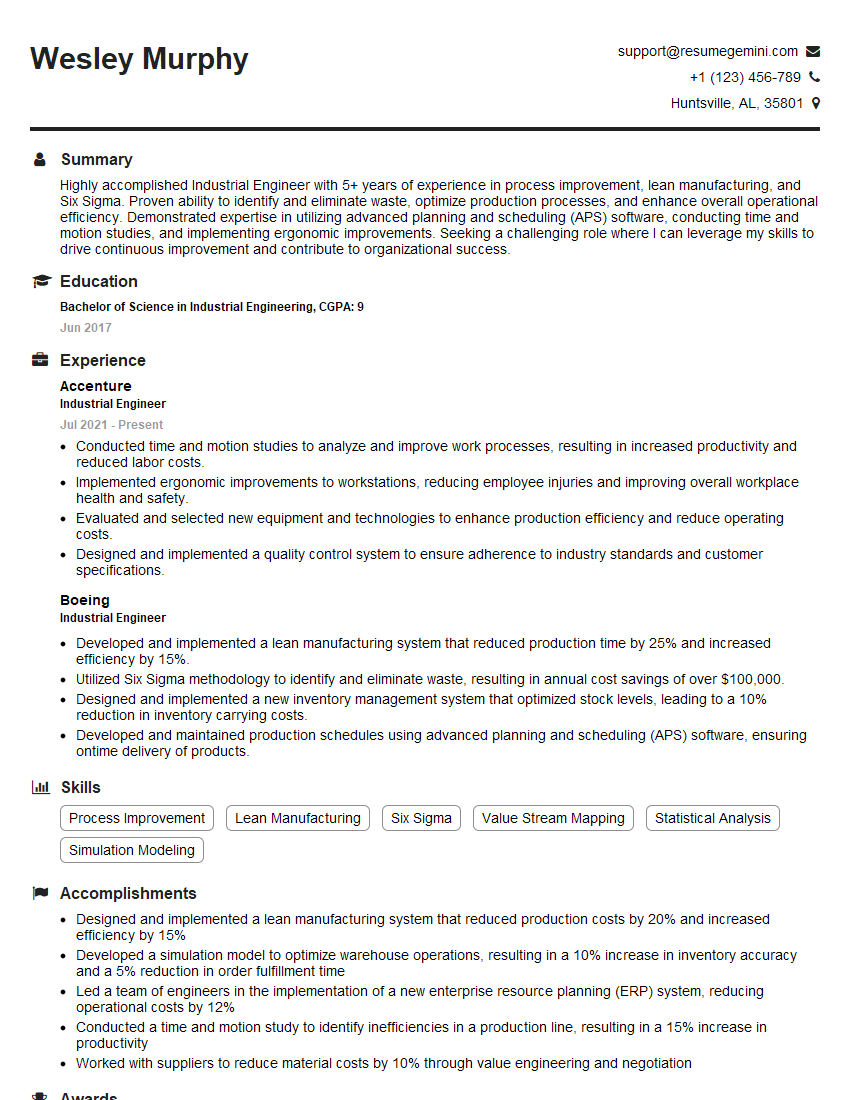
Industrial Engineer Resume Sample
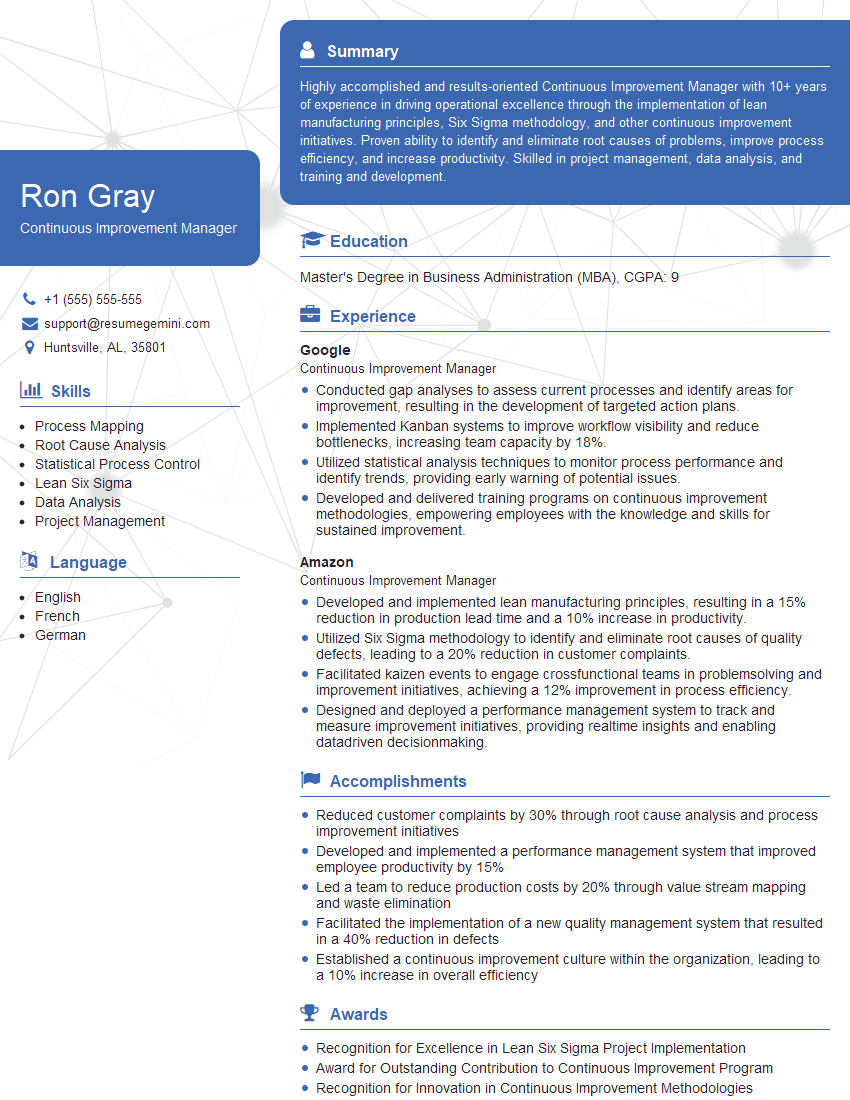
Continuous Improvement Manager Resume Sample
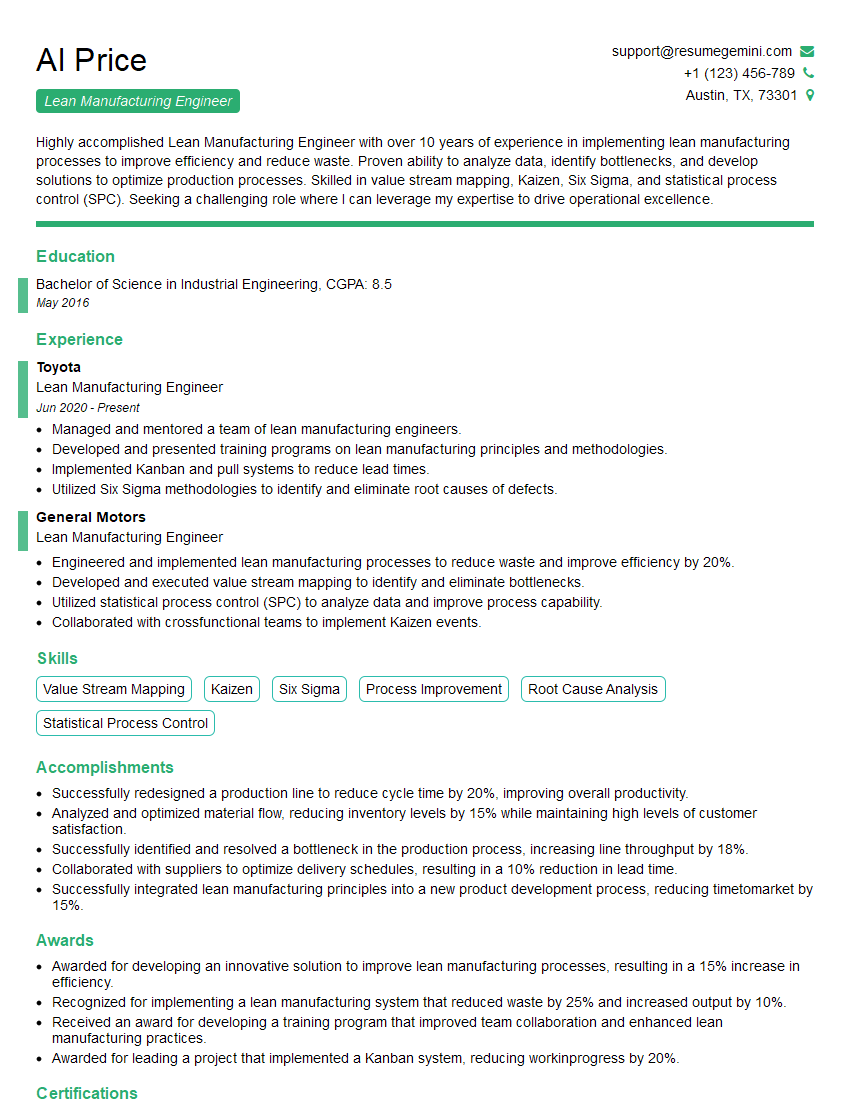
Lean Manufacturing Engineer Resume Sample
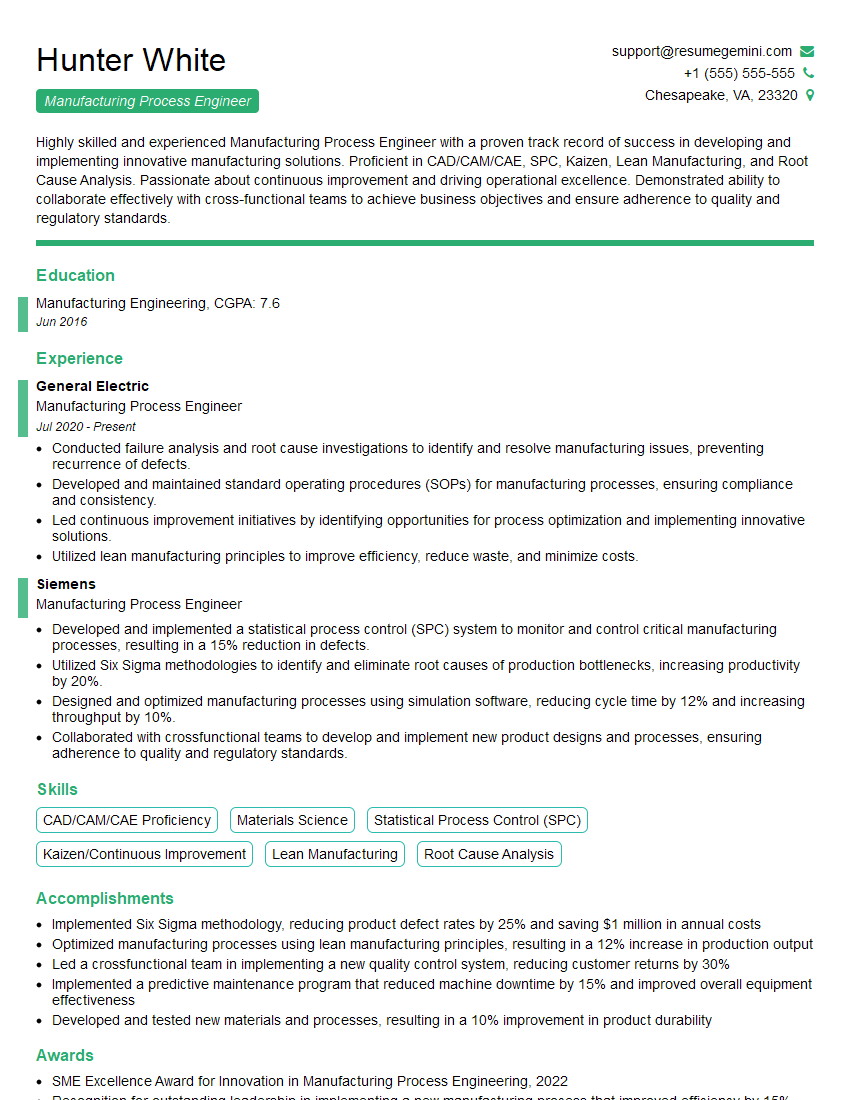
Manufacturing Process Engineer Resume Sample
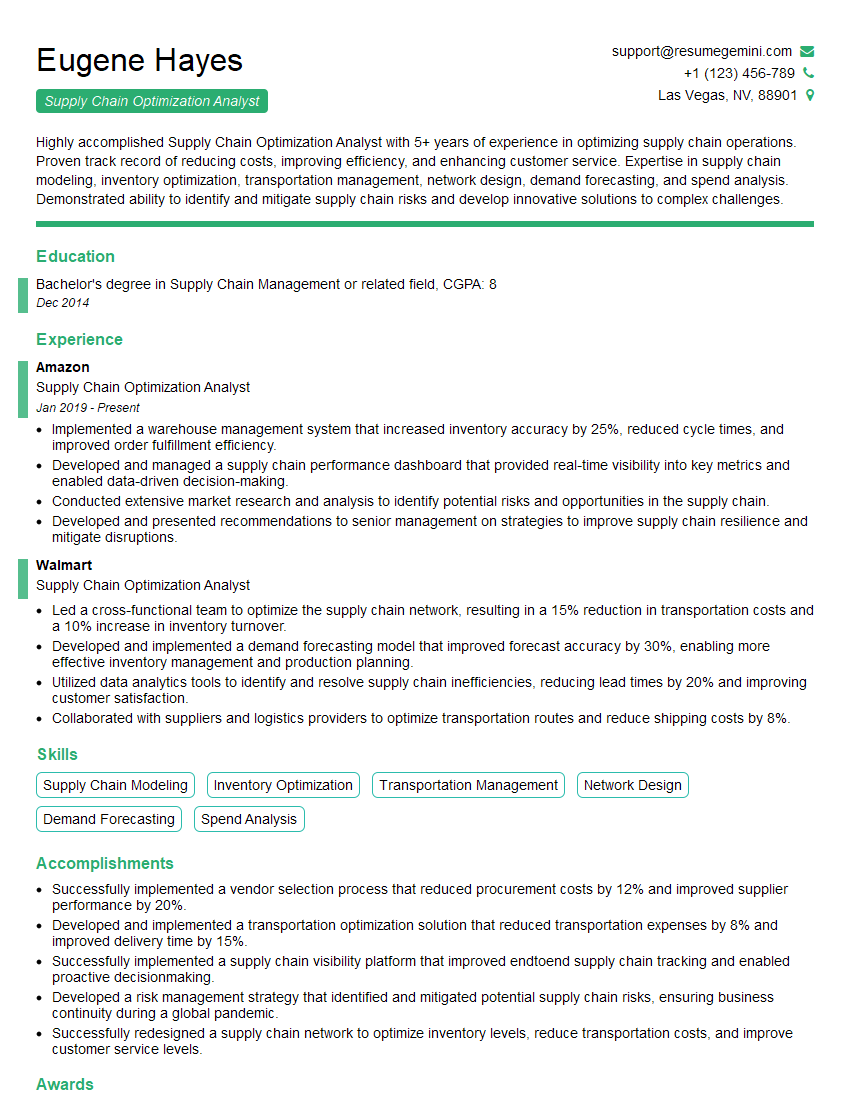
Supply Chain Optimization Analyst Resume Sample
- Operations Manager
- Plant Manager
- Director of Operations
- Chief Engineer
- Reliability Engineer
- Automation Engineer
- Operations Research Analyst
- Process Control Engineer
- Industrial Engineer
- Continuous Improvement Manager
- Lean Manufacturing Engineer
- Manufacturing Process Engineer
- Supply Chain Optimization Analyst
Explore more articles
Users Rating of Our Blogs
Share Your Experience
We value your feedback! Please rate our content and share your thoughts (optional).
What Readers Say About Our Blog
Very informative content, great job.
good