Interviews are opportunities to demonstrate your expertise, and this guide is here to help you shine. Explore the essential Industrial Safety Procedures interview questions that employers frequently ask, paired with strategies for crafting responses that set you apart from the competition.
Questions Asked in Industrial Safety Procedures Interview
Q 1. Describe your experience with OSHA regulations.
My experience with OSHA regulations is extensive. I’ve worked for over 10 years in industries subject to stringent OSHA compliance, ensuring adherence to standards across various sectors, including manufacturing and construction. This involved not only understanding the General Duty Clause but also specifics like the hazard communication standard (HazCom), process safety management (PSM) for highly hazardous chemicals, and lockout/tagout (LOTO) procedures. I’ve directly participated in OSHA inspections, proactively identifying potential hazards and collaborating with inspectors to address any non-compliance issues. My expertise includes staying updated on OSHA’s revisions and interpretations, translating complex regulations into practical, actionable safety plans for diverse workforces.
For example, during my time at Acme Manufacturing, we implemented a comprehensive HazCom program, updating Safety Data Sheets (SDS), providing employee training, and ensuring clear labeling of all hazardous materials. This proactive approach resulted in a significant reduction in chemical-related incidents and a more compliant and safer work environment.
Q 2. Explain your understanding of hazard identification and risk assessment.
Hazard identification and risk assessment is the cornerstone of any effective safety program. It’s a systematic process of identifying potential hazards (anything that could cause harm) within a workplace and then evaluating the likelihood and severity of harm resulting from those hazards. This helps prioritize safety interventions. The process typically involves several steps:
- Hazard Identification: This involves actively searching for hazards through methods like workplace inspections, job safety analysis (JSA), incident investigations, and employee feedback.
- Risk Assessment: Once hazards are identified, we assess the likelihood of an incident occurring (probability) and the potential severity of the resulting harm (consequence). This often uses a matrix to categorize risks as low, medium, or high.
- Risk Control: Based on the risk assessment, we implement control measures to eliminate or reduce the risk. This follows a hierarchy of controls: elimination, substitution, engineering controls, administrative controls, and lastly, personal protective equipment (PPE).
For instance, if a JSA reveals a risk of slips and falls in a wet area, the risk assessment might show high probability and medium severity. Control measures could include installing drainage systems (engineering), implementing a cleaning schedule (administrative), and providing non-slip footwear (PPE).
Q 3. How do you develop and implement safety training programs?
Developing and implementing safety training programs involves a multi-step process focused on creating a culture of safety. It begins with a needs assessment, identifying training gaps and specific hazards requiring attention. The training is then tailored to the identified needs, ensuring relevance and practicality. I prefer a blended learning approach, combining online modules, classroom sessions, and hands-on practical training. This variety keeps trainees engaged and ensures a better understanding of the material.
- Needs Assessment: Analyzing job descriptions, accident reports, and conducting employee surveys to pinpoint specific training needs.
- Curriculum Development: Creating engaging and interactive training materials, including presentations, videos, and quizzes, tailored to the target audience and their skill levels.
- Delivery: Utilizing a variety of methods to deliver the training effectively, including online platforms, instructor-led sessions, and simulations.
- Evaluation: Assessing training effectiveness through post-training tests, observation of behavior changes, and a review of accident rates. Regular refresher training is crucial to maintain proficiency.
At a previous company, we developed a comprehensive training program on machine guarding, incorporating virtual reality simulations to provide trainees with realistic experiences in handling hazardous machinery. This resulted in a significant improvement in employee safety behavior and a reduction in machine-related incidents.
Q 4. What methods do you use to investigate workplace accidents?
Investigating workplace accidents requires a systematic and thorough approach to identify root causes and prevent recurrence. My process typically involves:
- Securing the Scene: Prioritizing safety by ensuring the area is secure and preventing further incidents.
- Gathering Evidence: Collecting information through interviews with witnesses, reviewing records, examining equipment, and taking photographs.
- Analyzing the Data: Identifying contributing factors using techniques like root cause analysis (RCA), fault tree analysis (FTA), or the “5 Whys” method. This helps understand the chain of events that led to the accident.
- Developing Corrective Actions: Implementing measures to prevent similar accidents in the future. This could involve improving equipment, revising procedures, or enhancing training.
- Reporting and Documentation: Preparing a detailed accident report, including findings, corrective actions, and recommendations.
For instance, investigating a fall from height accident might reveal a lack of proper fall protection equipment, inadequate training on its use, and insufficient supervision. Corrective actions would include providing proper equipment, delivering enhanced training, and implementing stricter supervision protocols.
Q 5. How would you handle a situation involving a serious workplace injury?
Responding to a serious workplace injury requires immediate and decisive action. The first priority is to ensure the injured person receives the necessary medical attention. This involves calling emergency medical services (EMS) and following established emergency response procedures. Simultaneously, we need to secure the scene to prevent further harm, and begin gathering information about the incident. Once the immediate situation is stabilized, the focus shifts to:
- First Aid and Emergency Response: Ensuring prompt medical attention and activating the emergency response plan.
- Incident Investigation: Launching a thorough investigation to determine the root cause of the injury, similar to the process discussed in the previous question.
- Notification: Informing relevant parties, including the employee’s family, supervisors, and OSHA (if required).
- Employee Support: Providing support to the injured employee, addressing their physical and emotional well-being, and assisting with workers’ compensation claims.
Proper documentation is critical throughout this process, ensuring transparency and accountability.
Q 6. Describe your experience with implementing safety policies and procedures.
Implementing safety policies and procedures requires more than simply creating documents; it necessitates fostering a safety-conscious culture within the organization. This begins with the creation of clear, concise, and easily understood policies that align with OSHA regulations and best practices. These policies are then translated into practical, step-by-step procedures for daily tasks. Regular audits and inspections are needed to ensure compliance, and employee feedback is vital for continuous improvement.
Successful implementation includes:
- Leadership Commitment: Demonstrating visible support from senior management, emphasizing safety as a core value.
- Employee Involvement: Encouraging participation from employees at all levels, ensuring their input is considered in the development and implementation of safety programs.
- Regular Communication: Keeping employees informed through safety meetings, newsletters, and other communication channels.
- Performance Measurement: Tracking key safety metrics, such as accident rates and near-miss reports, to monitor progress and identify areas for improvement.
In my previous role, we successfully implemented a new safety management system that resulted in a 30% reduction in workplace accidents within a year, showcasing the power of a well-structured and well-communicated safety program.
Q 7. Explain your knowledge of lockout/tagout procedures.
Lockout/Tagout (LOTO) procedures are critical for preventing accidental energization or startup of machinery during maintenance or repair. LOTO is a safety procedure that uses locks and tags to isolate equipment from energy sources, preventing accidental activation while work is being performed. The process generally involves several key steps:
- Preparation: Identifying all energy sources connected to the equipment (electrical, hydraulic, pneumatic, etc.).
- Lockout/Tagout: Isolating the energy sources and applying appropriate lockout devices (locks) and tagging the equipment to indicate it’s locked out.
- Verification: Verifying that the equipment is de-energized using appropriate testing equipment (e.g., voltage testers).
- Work Performance: Performing the necessary maintenance or repair work.
- Tag Removal: Removing the lockout devices in a controlled manner, ensuring all personnel are clear from the equipment.
- Energy Restoration: Restoring the energy sources and verifying the equipment functions correctly.
Proper training and periodic audits are essential to ensure that LOTO procedures are followed consistently and effectively. Failing to follow proper LOTO procedures can lead to serious injuries or fatalities.
Imagine a scenario where a technician needs to repair a conveyor belt. Without LOTO, the conveyor might unexpectedly restart while the technician is working on it, leading to serious injury. A properly implemented LOTO procedure would prevent this, guaranteeing a safe working environment.
Q 8. How do you ensure compliance with relevant safety legislation?
Ensuring compliance with safety legislation is paramount. It’s not just about ticking boxes; it’s about fostering a safety culture. My approach is multifaceted. First, I meticulously review all relevant legislation – OSHA guidelines in the US, for instance, or equivalent regulations in other jurisdictions. This includes understanding specific regulations related to the industry and the work environment. Second, I develop and implement comprehensive safety management systems that integrate these regulations. This involves creating detailed safety policies and procedures, ensuring they’re accessible to all employees, and regularly reviewing and updating them. Third, I conduct regular training sessions, emphasizing practical application of the regulations. Finally, I leverage internal audits and external inspections to identify gaps and ensure continuous improvement. For example, in a previous role, we implemented a new chemical handling procedure based on updated OSHA guidelines, significantly reducing the risk of accidents. This involved retraining staff, modifying our safety data sheets, and procuring appropriate PPE.
Q 9. Describe your experience with conducting safety inspections.
Safety inspections are the cornerstone of proactive risk management. My experience encompasses conducting both routine and targeted inspections across various industrial settings. I use a systematic approach, employing checklists tailored to the specific hazards of each area. These checklists are based on recognised industry standards and address aspects like machine guarding, electrical safety, fire protection, and housekeeping. During the inspection, I document all findings, taking photographs and making detailed notes. This documentation is crucial for tracking progress, identifying trends, and demonstrating compliance. I’ve found that a collaborative approach is most effective – I involve employees in the inspection process to gain their insights and promote ownership of safety. This approach enhances the quality of the inspection and fosters a more safety-conscious environment. For instance, during a recent inspection in a manufacturing plant, I identified a potential tripping hazard near a machine. Following my report, this hazard was rectified promptly, preventing a potential accident.
Q 10. How do you communicate safety information effectively to workers?
Effective communication is key to a strong safety program. I believe in a multi-pronged approach. This begins with clear, concise, and accessible safety documentation – using plain language, visuals, and avoiding technical jargon. I utilize diverse communication channels, including toolbox talks, safety newsletters, posters, and online training modules. Interactive training sessions, incorporating real-life scenarios and quizzes, are particularly effective. It’s important to adapt the communication style to the audience; for example, I may use a more technical approach for engineers than for general laborers. Furthermore, I establish open communication channels to encourage employees to report hazards without fear of retribution. A ‘just culture’ is essential, where mistakes are seen as learning opportunities, not grounds for punishment. In my experience, fostering a culture of open dialogue has led to significant improvements in safety performance.
Q 11. What is your experience with personal protective equipment (PPE)?
My experience with PPE is extensive, ranging from selecting appropriate PPE based on risk assessments to ensuring its proper use and maintenance. This includes understanding different types of PPE, such as safety glasses, hearing protection, respirators, and protective clothing. I’m familiar with relevant standards and certifications, and I understand the importance of regular inspections and replacements. I ensure that the right PPE is provided to workers based on a comprehensive hazard assessment, and I conduct training sessions on the correct usage and limitations of the equipment. I also emphasize the importance of regular maintenance and proper storage of PPE to ensure its effectiveness. In one instance, we implemented a new respirator program in a facility with high levels of airborne dust. This included fitting tests to guarantee a proper seal and regular maintenance to extend the life and effectiveness of the respirators, significantly improving worker safety.
Q 12. How do you manage safety risks in a high-risk environment?
Managing safety risks in high-risk environments requires a proactive and layered approach. It begins with a thorough hazard identification and risk assessment, employing techniques like Job Safety Analysis (JSA) and HAZOP (Hazard and Operability) studies. This assessment helps prioritize risks and implement appropriate control measures – following the hierarchy of controls, from elimination and substitution to engineering controls, administrative controls, and finally, PPE. Regular monitoring and inspections are vital to ensure the effectiveness of these controls. Emergency response plans must be well-defined, regularly practiced, and readily accessible. Clear communication channels are essential, particularly in high-pressure situations. For instance, in a petrochemical plant, we implemented a comprehensive risk management program that included implementing advanced safety systems, conducting regular drills, and establishing a strong communication network to handle emergencies effectively.
Q 13. Explain your understanding of emergency response procedures.
Emergency response procedures are critical for minimizing harm during unforeseen events. My understanding covers a wide range of scenarios, including fire, chemical spills, and medical emergencies. Developing and implementing these procedures involves defining roles and responsibilities, establishing clear communication pathways, and providing regular training for all personnel. Emergency response plans should be regularly reviewed and updated based on lessons learned and changes in the working environment. Drills and simulations are crucial to ensure the plan’s effectiveness. For example, in a previous role, we conducted regular fire drills, including evacuation procedures, using different scenarios to test the efficacy of our emergency response plan. We also established a dedicated emergency response team with specialized training and equipment.
Q 14. What is your experience with developing and implementing safety audits?
Developing and implementing safety audits is a systematic approach to identify, assess, and address safety deficiencies. My experience includes designing audit programs tailored to specific risks, conducting audits following established protocols, and generating comprehensive reports with corrective actions. These audits cover a wide spectrum, from compliance checks to process safety reviews. The audits incorporate a range of methodologies including observation, interviews, document reviews, and data analysis. I use a combination of quantitative and qualitative data to evaluate safety performance. Following the audit, I collaborate with management to develop and implement corrective actions, track their progress, and conduct follow-up audits to ensure ongoing compliance. For example, a recent safety audit in a construction site identified gaps in fall protection protocols. My report detailed these gaps and provided recommendations leading to the implementation of improved safety measures.
Q 15. How do you improve safety performance within a team or organization?
Improving safety performance is a multifaceted process that requires a holistic approach, focusing on both proactive measures and reactive responses to incidents. It’s not just about rules and regulations; it’s about fostering a safety culture where everyone feels empowered and responsible.
- Leadership Commitment: Visible and unwavering commitment from leadership is paramount. Safety should be a core value, integrated into strategic goals and performance reviews. This sets the tone for the entire organization.
- Training and Education: Comprehensive and engaging safety training is crucial. This extends beyond initial onboarding and should include regular refresher courses, specialized training for specific roles, and simulations to prepare employees for real-world scenarios. For example, we might use virtual reality training to simulate emergency procedures in a refinery.
- Hazard Identification and Risk Assessment: Regular and thorough hazard identification and risk assessments, using methods like Job Safety Analyses (JSAs) and HAZOP (Hazard and Operability) studies, are vital for proactively identifying and mitigating potential dangers before accidents occur. Documenting these assessments and making them accessible to all is key.
- Communication and Feedback: Open communication channels are crucial. Employees should feel comfortable reporting near misses and hazards without fear of reprisal. Regular safety meetings, toolbox talks, and feedback mechanisms allow for continuous improvement and address concerns promptly.
- Incentive Programs: Positive reinforcement is effective. Rewarding safe behaviors and achievements through incentive programs can significantly boost motivation and participation in safety initiatives. This could be anything from gift cards to company-wide recognition.
- Data-Driven Decision Making: Analyzing safety data (leading and lagging indicators) helps pinpoint areas needing improvement and measure the effectiveness of safety interventions. We’ll discuss data-driven improvements in more detail later.
- Incident Investigation and Root Cause Analysis: Thorough investigation of all incidents, including near misses, using root cause analysis techniques allows for learning from mistakes and preventing recurrence. This is a critical component of continuous improvement.
In my experience, organizations that effectively integrate these elements create a positive safety culture where everyone is actively involved in preventing accidents.
Career Expert Tips:
- Ace those interviews! Prepare effectively by reviewing the Top 50 Most Common Interview Questions on ResumeGemini.
- Navigate your job search with confidence! Explore a wide range of Career Tips on ResumeGemini. Learn about common challenges and recommendations to overcome them.
- Craft the perfect resume! Master the Art of Resume Writing with ResumeGemini’s guide. Showcase your unique qualifications and achievements effectively.
- Don’t miss out on holiday savings! Build your dream resume with ResumeGemini’s ATS optimized templates.
Q 16. Describe your experience with conducting root cause analysis of accidents.
Root cause analysis is crucial for understanding why accidents happen, going beyond just the surface-level causes to identify the underlying systemic issues. I’ve extensively used techniques like the ‘5 Whys’ and Fishbone diagrams to conduct these analyses.
For example, in an incident involving a worker’s hand injury on a conveyor belt, the initial cause might seem to be a lack of personal protective equipment (PPE). However, the ‘5 Whys’ might reveal that the lack of PPE stemmed from inadequate training, which in turn was due to insufficient resources allocated to the safety department, and so on. This deeper analysis helps to identify and address systemic problems rather than simply treating symptoms. I always ensure that the analysis involves personnel directly involved in the incident, fostering ownership and a culture of continuous learning.
Fishbone diagrams are equally valuable. They visually map out potential contributing factors (such as equipment, environment, people, and process) to an incident, helping to visually organize the analysis and identify multiple potential root causes. This method is particularly useful when multiple factors might have contributed to a complex accident.
Following a root cause analysis, I always recommend implementing corrective actions to address the root causes, not just the symptoms. This involves developing and implementing improved procedures, providing additional training, modifying equipment, or allocating additional resources as necessary, and then monitoring the effectiveness of these corrective actions.
Q 17. How do you use data to drive safety improvements?
Data is the lifeblood of effective safety improvement. We use data to monitor trends, identify high-risk areas, and measure the effectiveness of our interventions. This data-driven approach helps move beyond gut feelings and subjective opinions to make objective and informed decisions.
- Leading Indicators: These are proactive measures that predict future performance. Examples include the number of safety training hours completed, the number of near misses reported, and the frequency of safety inspections. A decrease in leading indicators suggests an improvement in safety culture.
- Lagging Indicators: These are reactive measures that reflect past performance. Examples include the number of accidents, lost-time injury rates (LTIR), and the cost of incidents. A decrease in lagging indicators demonstrates successful safety interventions.
- Data Collection Methods: We utilize various methods for data collection including incident reports, near-miss reports, inspection checklists, observations, and safety audits. Data is carefully recorded, analyzed, and stored securely.
- Data Analysis and Reporting: Statistical methods, such as trend analysis and control charts, are used to analyze safety data. This allows us to identify patterns, outliers, and areas requiring immediate attention. Reports are then generated and disseminated to relevant stakeholders.
For instance, if our data shows a spike in hand injuries in a specific department, we would analyze the data further to understand the underlying causes, potentially through targeted observations or interviews. The data would then guide us toward implementing corrective actions, such as new training programs, updated safety procedures, or improved equipment. We consistently track and measure the effectiveness of our actions to ensure that they are producing the desired improvements.
Q 18. Explain your understanding of different types of workplace hazards (chemical, physical, biological).
Workplace hazards are broadly classified into chemical, physical, and biological categories, each requiring specific control measures.
- Chemical Hazards: These include substances that can cause harm through inhalation, ingestion, or skin contact. Examples include corrosive acids, toxic solvents, and flammable materials. Control measures might involve engineering controls (ventilation systems, enclosed processes), administrative controls (safe work procedures, personal protective equipment), and PPE (gloves, respirators, eye protection).
- Physical Hazards: These hazards involve physical forces or energies that can cause injury or illness. Examples include noise, vibration, radiation, extreme temperatures, and ergonomic hazards (e.g., repetitive strain injuries). Control measures might involve engineering controls (noise barriers, ergonomic workstations), administrative controls (work rotation, regular breaks), and PPE (hearing protection, safety glasses).
- Biological Hazards: These are hazards that stem from living organisms or their byproducts. Examples include bacteria, viruses, fungi, and bloodborne pathogens. Control measures include engineering controls (biological safety cabinets), administrative controls (infection control protocols, vaccination programs), and PPE (gloves, masks, protective clothing).
Identifying and controlling these hazards requires a comprehensive approach. This involves regular inspections, risk assessments, and the implementation of appropriate control measures, all tailored to the specific risks of the work environment.
Q 19. What is your experience with safety management systems (SMS)?
Safety Management Systems (SMS) are formalized, systematic approaches to managing safety risks. My experience involves implementing and auditing SMS across various industries. A robust SMS typically incorporates the following elements:
- Hazard Identification and Risk Assessment: Proactive identification and assessment of hazards using appropriate methodologies.
- Risk Control Measures: Implementation of control measures to eliminate or mitigate identified hazards, employing a hierarchy of controls (elimination, substitution, engineering controls, administrative controls, PPE).
- Emergency Response Plans: Development and regular testing of emergency response plans to effectively handle accidents or incidents.
- Training and Competency Assurance: Ensuring all personnel have the necessary training and competencies to perform their tasks safely.
- Internal Auditing and Monitoring: Regular internal audits to ensure the effectiveness of the SMS and compliance with regulations.
- Continuous Improvement: A commitment to continuous improvement through regular review and updating of the SMS based on audit findings, incident investigations, and performance data.
I have experience with implementing SMS compliant with international standards like ISO 45001. This involves conducting gap analyses, developing and implementing policies and procedures, providing training to personnel, and monitoring the effectiveness of the system through regular audits and performance reviews. A successful SMS isn’t just a document; it’s a living, breathing system integrated into the organizational culture.
Q 20. How do you measure the effectiveness of safety programs?
Measuring the effectiveness of safety programs involves tracking both leading and lagging indicators, as described earlier. We also use other key performance indicators (KPIs) to assess program success.
- Accident Rates: Tracking frequency and severity rates (e.g., total recordable incident rate (TRIR), lost time injury frequency rate (LTIFR)). Decreases in these rates indicate improvement.
- Near Miss Reporting Rates: An increase in near-miss reporting suggests improved employee engagement and proactive hazard identification.
- Employee Safety Training Completion Rates: High completion rates show commitment to training and competency development.
- Safety Observation Scores: Regular safety observations with scoring provide a snapshot of adherence to safe work practices.
- Employee Satisfaction Surveys: Gauging employee perceptions of safety culture and their comfort level in reporting hazards.
- Cost Savings: Successful safety programs reduce the costs associated with accidents, including medical expenses, lost productivity, and insurance claims.
By combining quantitative data (accident rates, training completion rates) with qualitative data (employee feedback, observation scores), we obtain a comprehensive picture of program effectiveness. Regular review of these KPIs allows for timely adjustments and continuous improvement.
Q 21. Describe your experience with working with safety committees.
Safety committees play a vital role in promoting a proactive safety culture. My experience includes working with various safety committees, from small teams in workshops to larger committees representing diverse departments in a plant.
Effective committees should be inclusive, representing all levels of the organization and including diverse perspectives. They should meet regularly to discuss safety concerns, review accident reports, implement corrective actions, and develop new safety initiatives. My role in these committees has typically involved facilitating meetings, ensuring effective communication, and helping to guide discussions towards actionable outcomes. I’ve also used these committees to drive engagement in safety improvements, ensuring that the collective wisdom and experience of the workforce is leveraged to improve safety performance.
Specifically, I’ve helped committees develop and implement: improved safety procedures; new training programs; enhanced risk assessments; and effective strategies for investigating incidents and identifying root causes. I also emphasize the importance of ensuring the committees’ recommendations are acted upon by management, making sure safety isn’t just discussed but also implemented.
Q 22. Explain your knowledge of different safety regulations (e.g., HAZOP, What-If analysis).
Hazard and Operability studies (HAZOP) and What-If analyses are two crucial proactive hazard identification techniques in industrial safety. HAZOP is a systematic, structured approach that examines deviations from the intended design or operating parameters of a process. It uses guide words (e.g., ‘no,’ ‘more,’ ‘less,’ ‘part of’) to explore potential hazards. A What-If analysis, on the other hand, is a more brainstorming-oriented technique where team members ask ‘What if’ questions about various aspects of the process or equipment to identify potential hazards. Both aim to prevent accidents before they occur.
HAZOP Example: Imagine a chemical mixing process. A HAZOP team might ask: ‘What if there is more reactant A than intended?’ This could lead to an exothermic reaction and potential overheating.
What-If Analysis Example: For the same process, a What-If analysis might involve questions like: ‘What if the power fails during mixing?’ or ‘What if a valve malfunctions?’
In practice, these techniques complement each other. HAZOP provides a rigorous, structured approach, while What-If analysis encourages creative thinking and broader hazard identification. Both are essential for creating a safe operating environment.
Q 23. How do you handle conflicts between production needs and safety requirements?
Balancing production needs and safety requirements is a constant challenge, but safety must always take precedence. It’s not about choosing one over the other, but about finding creative solutions that ensure both are met. This often requires proactive communication, collaboration, and a commitment to problem-solving.
My Approach: I’d first thoroughly assess the situation, identifying the specific production needs and the safety concerns. Then I’d explore alternative solutions: Can we adjust the production schedule? Can we modify the process to mitigate the risk? Are there safer technologies or equipment we can use? Often, a seemingly intractable conflict can be resolved by innovative thinking and collaboration across different departments. For example, if a production line needs to increase speed, causing concerns about operator fatigue, we might implement automation, introduce better ergonomic equipment, or adjust the shift patterns.
Ultimately, compromising safety is never an option. If a conflict cannot be resolved in a way that guarantees safety, then production needs must be adjusted. Safety is not just a guideline, it’s a non-negotiable requirement.
Q 24. How do you motivate employees to adopt safe work practices?
Motivating employees to adopt safe work practices requires a multi-pronged approach focusing on education, engagement, and recognition. It’s not just about issuing rules; it’s about building a safety culture where everyone feels responsible and empowered to contribute.
- Training and Education: Providing comprehensive and engaging safety training is crucial. This should go beyond basic rules and include practical demonstrations, interactive exercises, and real-life examples.
- Lead by Example: Management must actively demonstrate commitment to safety, following all rules and procedures themselves. This sends a clear message that safety is a top priority.
- Incentivization and Recognition: Rewarding safe behaviors through recognition programs, incentives, or even simple praise goes a long way in encouraging positive habits. This could include safety awards, team celebrations, or public acknowledgment of individuals who consistently demonstrate safe practices.
- Open Communication: Creating a safe space for employees to report hazards or near misses without fear of reprisal encourages proactive participation in safety. Regular safety meetings and feedback mechanisms are also essential.
Remember: A strong safety culture is built on trust, mutual respect, and a shared commitment to preventing accidents.
Q 25. Describe your experience with incident reporting and investigation.
Incident reporting and investigation are critical for learning from past mistakes and preventing future incidents. My approach involves a systematic and thorough investigation following a structured methodology.
- Immediate Response: First, ensure the scene is secure and provide necessary medical attention if required.
- Data Collection: Gather all relevant information, including witness statements, photographic evidence, equipment data, and any other potentially useful evidence.
- Root Cause Analysis: Use techniques like the ‘5 Whys’ to systematically investigate the root cause of the incident, not just the immediate trigger. This helps prevent similar incidents in the future.
- Corrective Actions: Once the root cause is identified, implement corrective actions to address the issue and prevent recurrence. This might include modifying equipment, updating procedures, or providing further training.
- Documentation: Maintain comprehensive records of the incident, investigation findings, corrective actions, and follow-up actions.
Example: In a previous role, a worker suffered a minor injury due to a faulty machine guard. The investigation revealed that regular inspections hadn’t been carried out, leading to the guard’s malfunction. Corrective actions included implementing a stricter inspection schedule, providing additional training on machine safety, and replacing the faulty guard with a more robust model. The entire process was carefully documented and shared with the team to prevent similar incidents.
Q 26. What is your experience with developing and implementing emergency plans?
Developing and implementing emergency plans requires careful planning and regular drills to ensure effectiveness. A comprehensive emergency plan needs to address all potential scenarios, including fire, chemical spills, equipment failure, and natural disasters.
My approach involves:
- Hazard Identification: Identify all potential emergencies relevant to the workplace.
- Emergency Response Procedures: Develop clear and concise procedures for each emergency, specifying roles, responsibilities, evacuation routes, and contact information.
- Emergency Equipment: Ensure adequate emergency equipment is available, well-maintained, and readily accessible (e.g., fire extinguishers, emergency showers, first-aid kits).
- Training and Drills: Regularly train employees on emergency procedures and conduct drills to ensure they are familiar with the plan and their roles. This builds confidence and helps identify any shortcomings in the plan.
- Communication Plan: Establish a clear communication system to ensure information flows effectively during an emergency.
- Post-Incident Review: Following any emergency, conduct a thorough review to identify areas for improvement in the plan or procedures.
Emergency plans are not ‘set-and-forget’ documents. They must be regularly reviewed, updated, and tested to ensure they remain effective and relevant to the changing workplace conditions.
Q 27. How do you stay current with the latest safety regulations and best practices?
Staying current with safety regulations and best practices is essential for maintaining a safe workplace. I utilize several methods to ensure I remain up-to-date.
- Professional Organizations: I actively participate in professional organizations such as the National Safety Council (NSC) or similar organizations, attending conferences, webinars, and workshops.
- Industry Publications: I subscribe to relevant industry journals and publications to keep abreast of new regulations, technologies, and best practices.
- Regulatory Websites: I regularly monitor relevant government websites for updates on safety regulations and compliance requirements.
- Training Courses: I participate in continuing education courses to enhance my knowledge and skills in various areas of industrial safety.
- Networking: I maintain a professional network of safety professionals to exchange information and learn from others’ experiences.
Continuous learning is crucial in the ever-evolving field of industrial safety. By staying updated, I can ensure that the safety protocols and procedures I implement are effective and compliant with the latest standards.
Q 28. Explain your approach to creating a strong safety culture within a workplace.
Creating a strong safety culture isn’t a one-time project; it’s an ongoing process that requires consistent effort and commitment from everyone in the organization. It’s about fostering a mindset where safety is integrated into every aspect of the work process, not just an afterthought.
My approach focuses on these key elements:
- Leadership Commitment: Visible and consistent leadership support for safety is paramount. Leaders should actively participate in safety initiatives, communicate the importance of safety, and hold individuals accountable for safe practices.
- Employee Involvement: Actively engaging employees in safety programs, encouraging reporting of hazards, and soliciting their input in developing safety procedures. This fosters a sense of ownership and shared responsibility.
- Communication and Training: Clear and consistent communication about safety expectations, procedures, and performance is critical. Regular training programs that are engaging and relevant keep safety top-of-mind.
- Accountability and Consequences: Establishing clear expectations and consequences for unsafe behavior sends a strong message about the seriousness of safety violations. However, it should focus on improvement and learning, not just punishment.
- Continuous Improvement: Regularly reviewing safety performance data, investigating incidents thoroughly, and using that knowledge to improve safety programs and procedures. This iterative approach ensures continual enhancement of safety measures.
Building a strong safety culture takes time and dedication. However, the resulting benefits – reduced accidents, increased productivity, and a more positive work environment – are well worth the investment.
Key Topics to Learn for Industrial Safety Procedures Interview
- Hazard Identification and Risk Assessment: Understand methodologies like HAZOP, What-If analysis, and Failure Modes and Effects Analysis (FMEA). Learn to practically apply these to real-world industrial scenarios.
- Personal Protective Equipment (PPE): Go beyond simply listing PPE; discuss selection criteria based on identified hazards, proper usage, limitations, and maintenance procedures. Be prepared to discuss specific examples.
- Emergency Response Procedures: Familiarize yourself with emergency action plans, evacuation procedures, and the role of various emergency response teams. Consider the practical application in different industrial settings.
- Lockout/Tagout (LOTO) Procedures: Master the theoretical understanding of LOTO and its practical implementation to prevent accidental energy release during maintenance. Be ready to discuss best practices and potential pitfalls.
- Safety Regulations and Compliance: Demonstrate knowledge of relevant OSHA (or equivalent international) standards and regulations pertaining to your specific industry. Discuss how compliance contributes to a safe work environment.
- Incident Investigation and Reporting: Understand the process of investigating industrial accidents, identifying root causes, and implementing corrective actions to prevent recurrence. Discuss different investigation methodologies.
- Safety Training and Communication: Explore effective methods for delivering safety training to workers, including different learning styles and communication strategies. Understand the importance of clear and consistent safety messaging.
- Safety Management Systems (SMS): Gain a comprehensive understanding of SMS frameworks and their implementation in various industries. Discuss the role of management commitment and employee involvement in maintaining a robust safety culture.
Next Steps
Mastering Industrial Safety Procedures is crucial for career advancement in this vital field. A strong understanding of these procedures demonstrates your commitment to workplace safety and enhances your value to any employer. To significantly boost your job prospects, focus on creating an ATS-friendly resume that highlights your skills and experience effectively. ResumeGemini is a trusted resource to help you build a professional and impactful resume. They provide examples of resumes tailored specifically to Industrial Safety Procedures, giving you a head start in crafting a document that stands out.
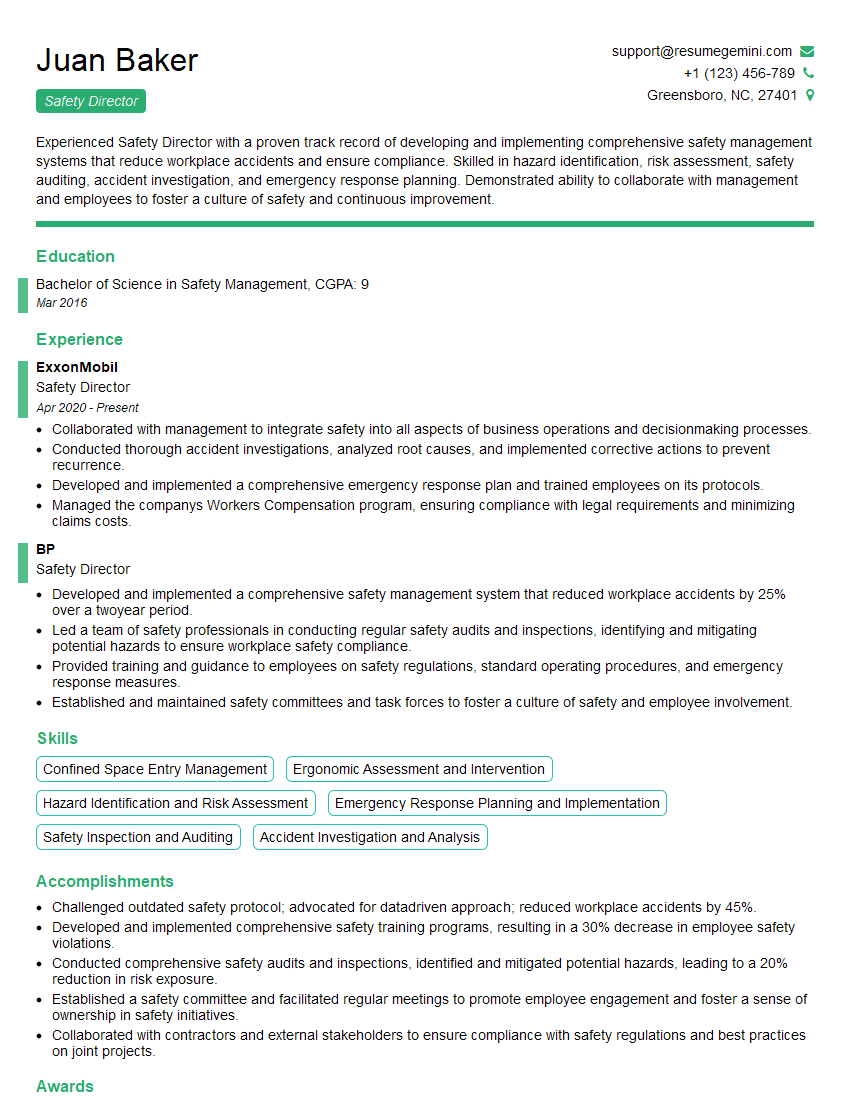
Safety Director Resume Sample
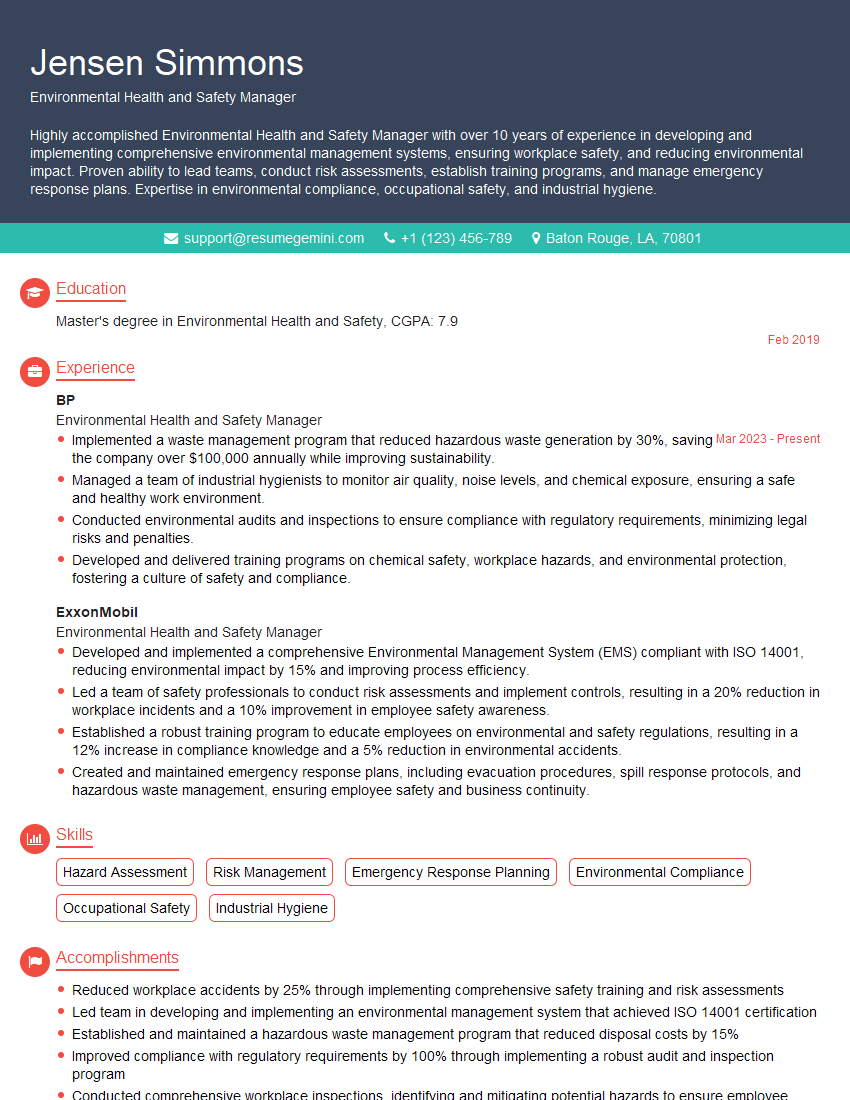
Environmental Health and Safety Manager Resume Sample
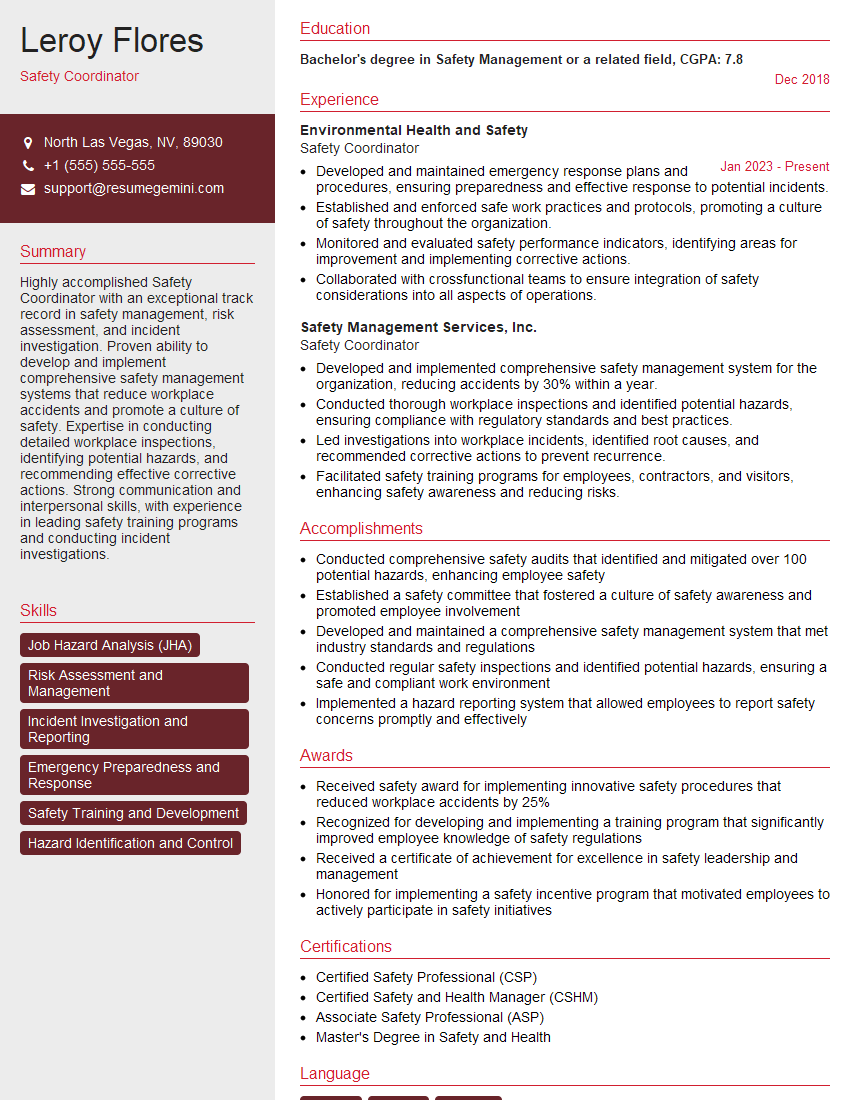
Safety Coordinator Resume Sample

Compliance Officer Resume Sample
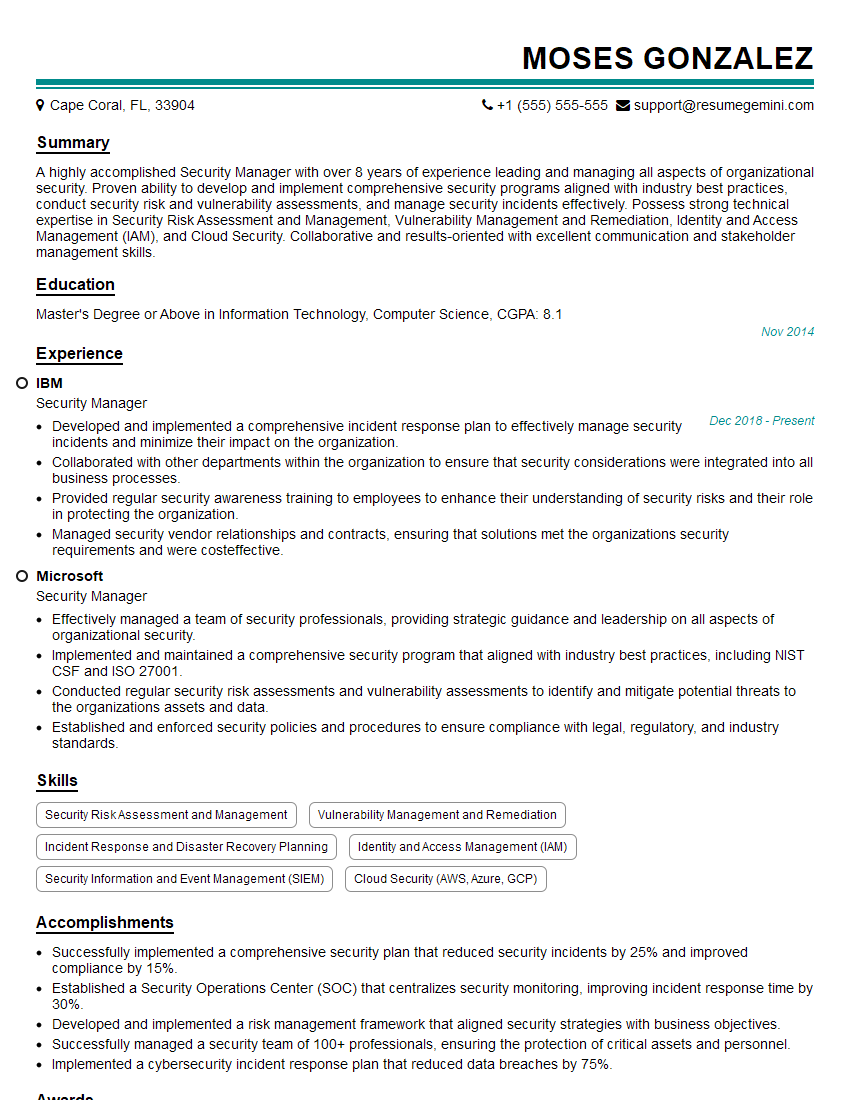
Security Manager Resume Sample
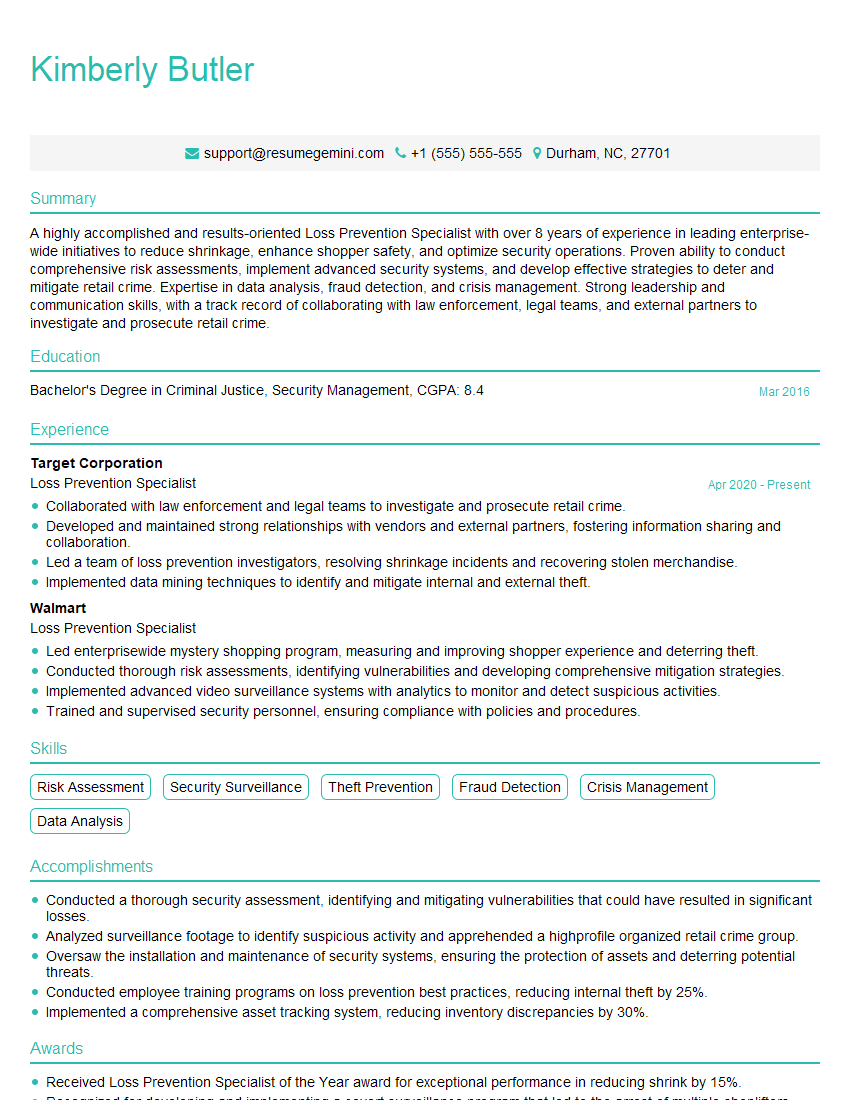
Loss Prevention Specialist Resume Sample
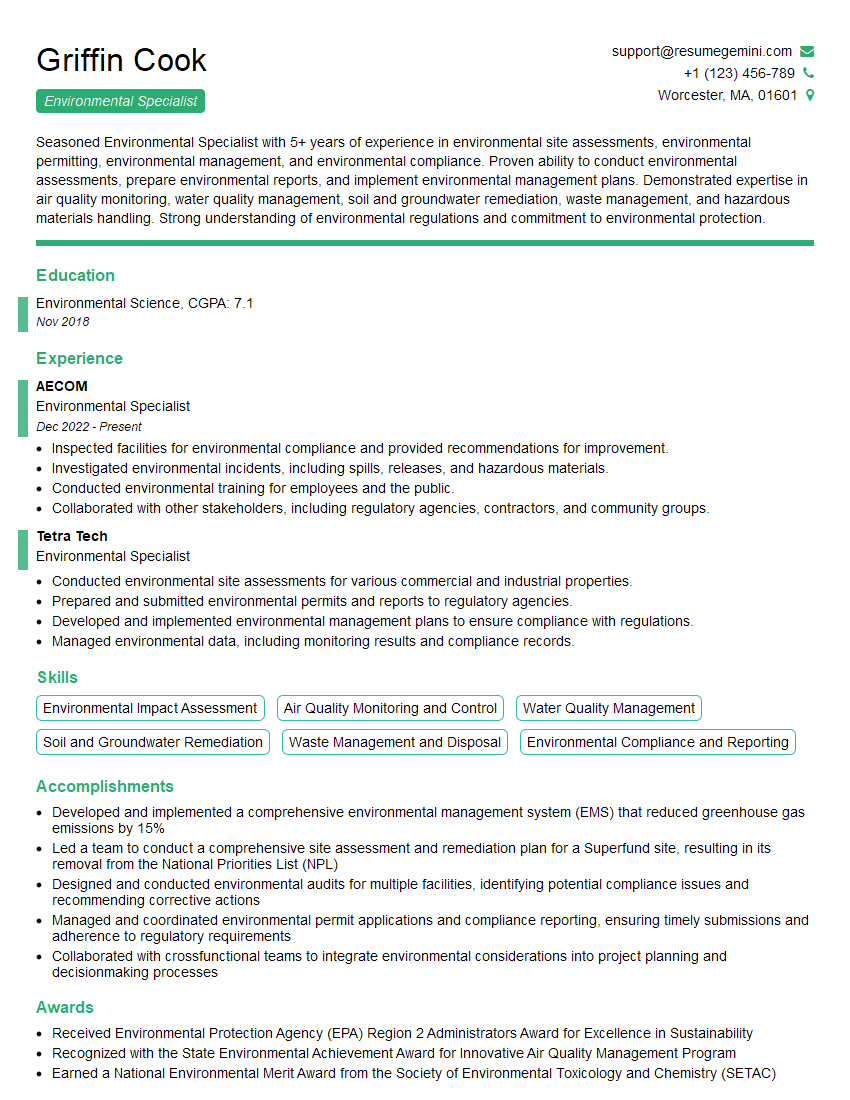
Environmental Specialist Resume Sample

Risk Management Specialist Resume Sample
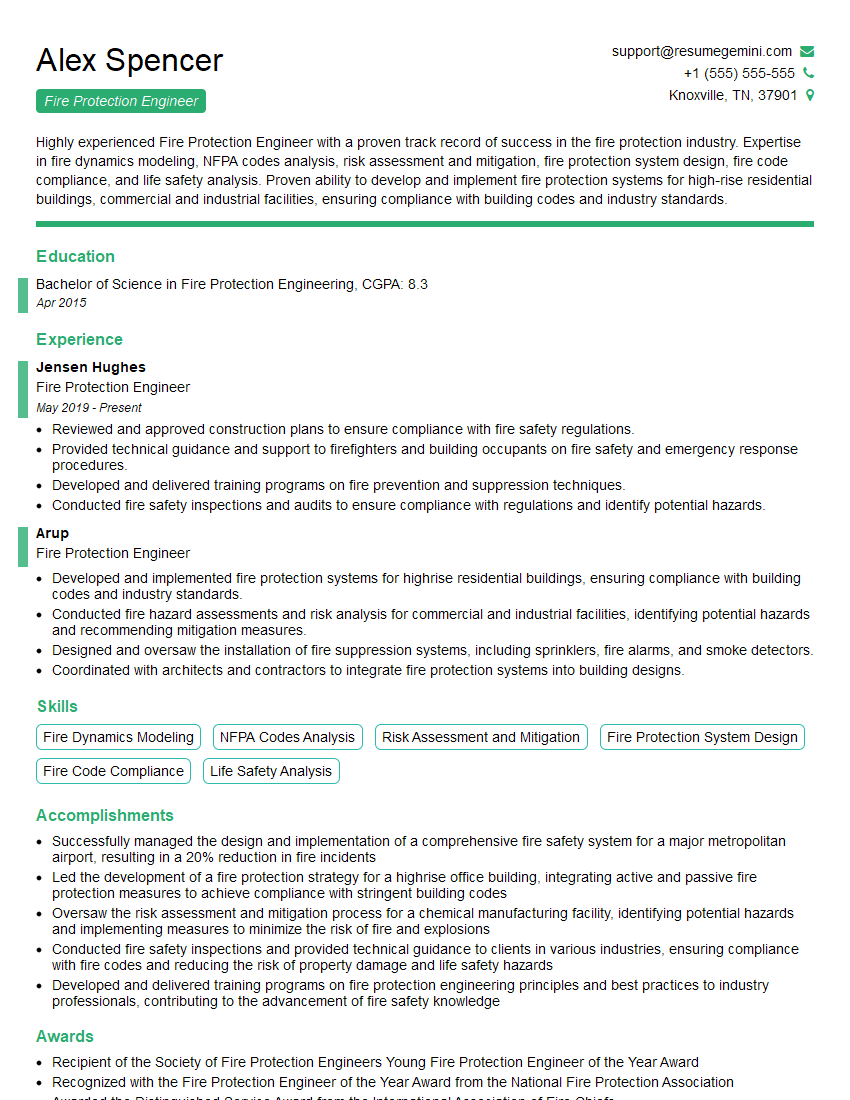
Fire Protection Engineer Resume Sample
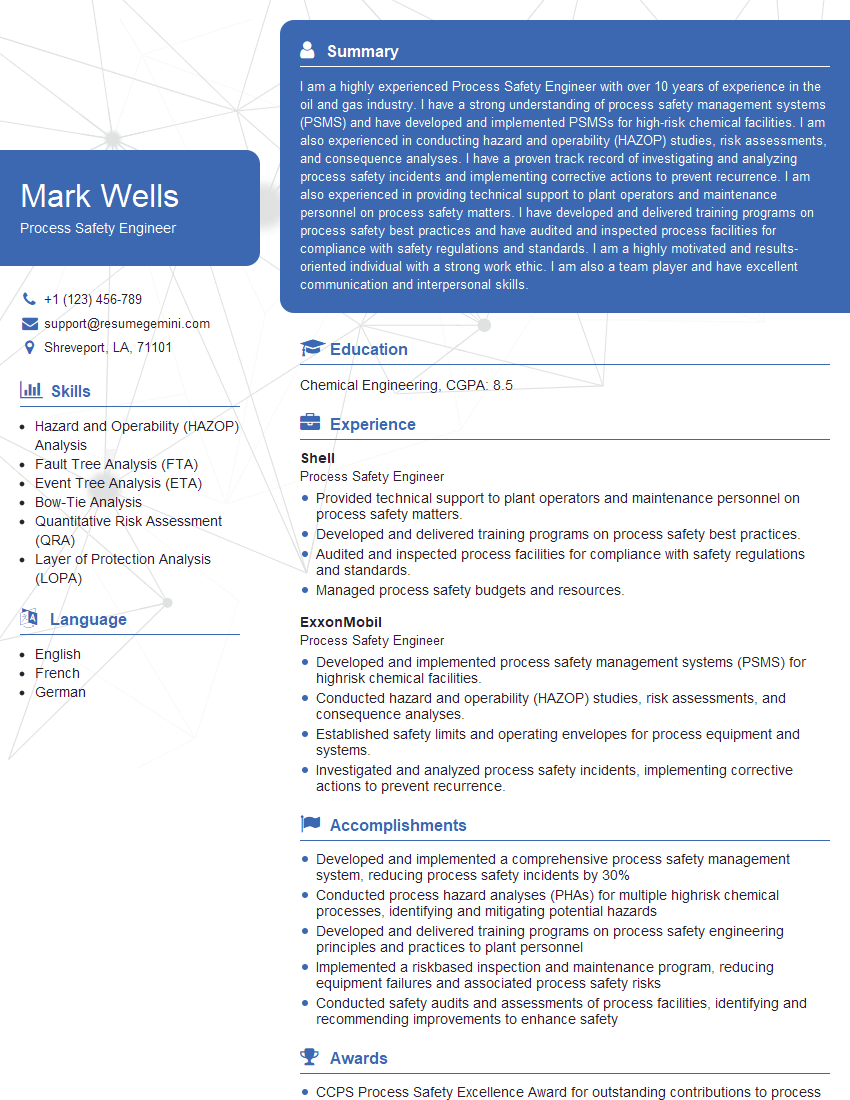
Process Safety Engineer Resume Sample
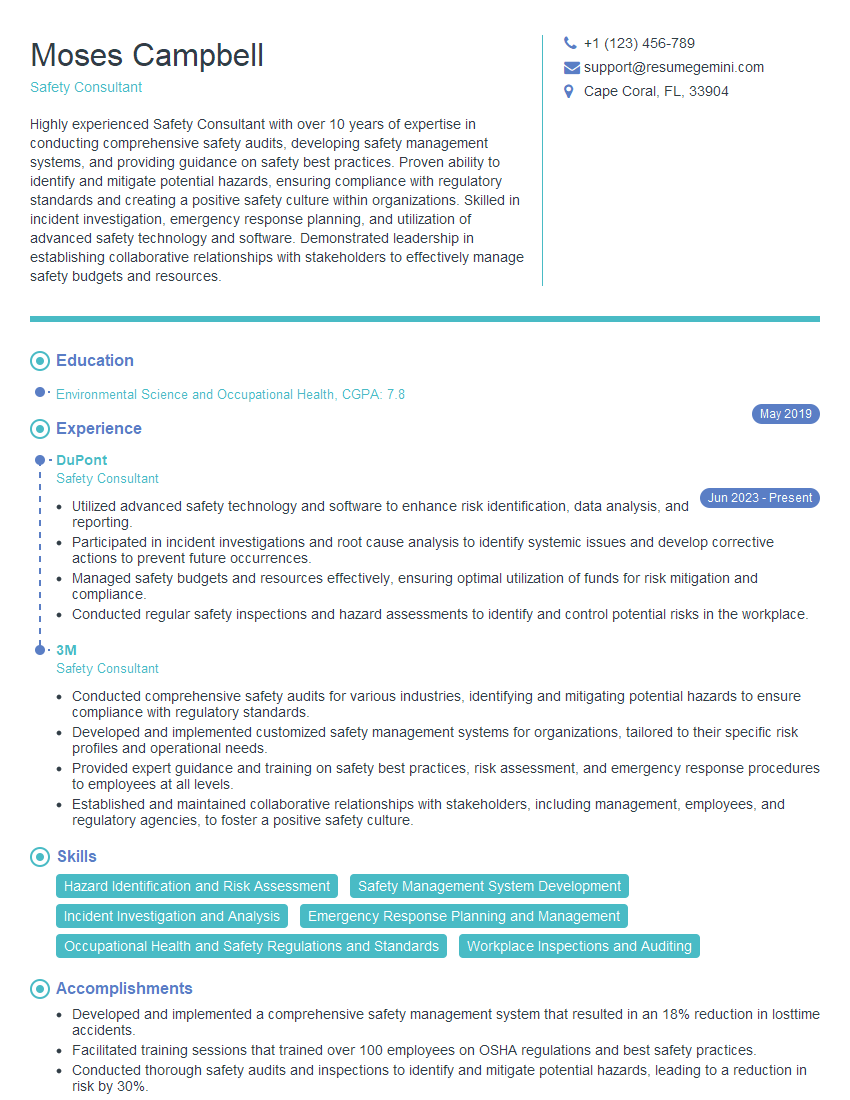
Safety Consultant Resume Sample
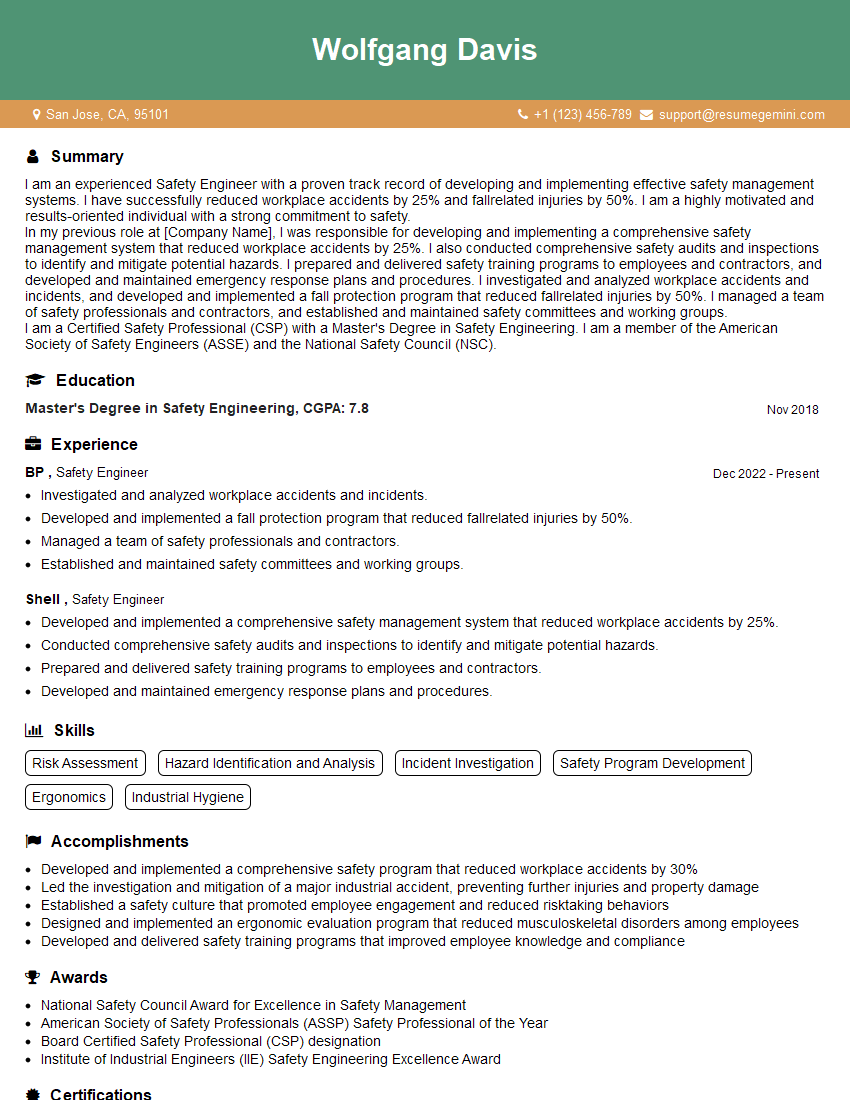
Safety Engineer Resume Sample
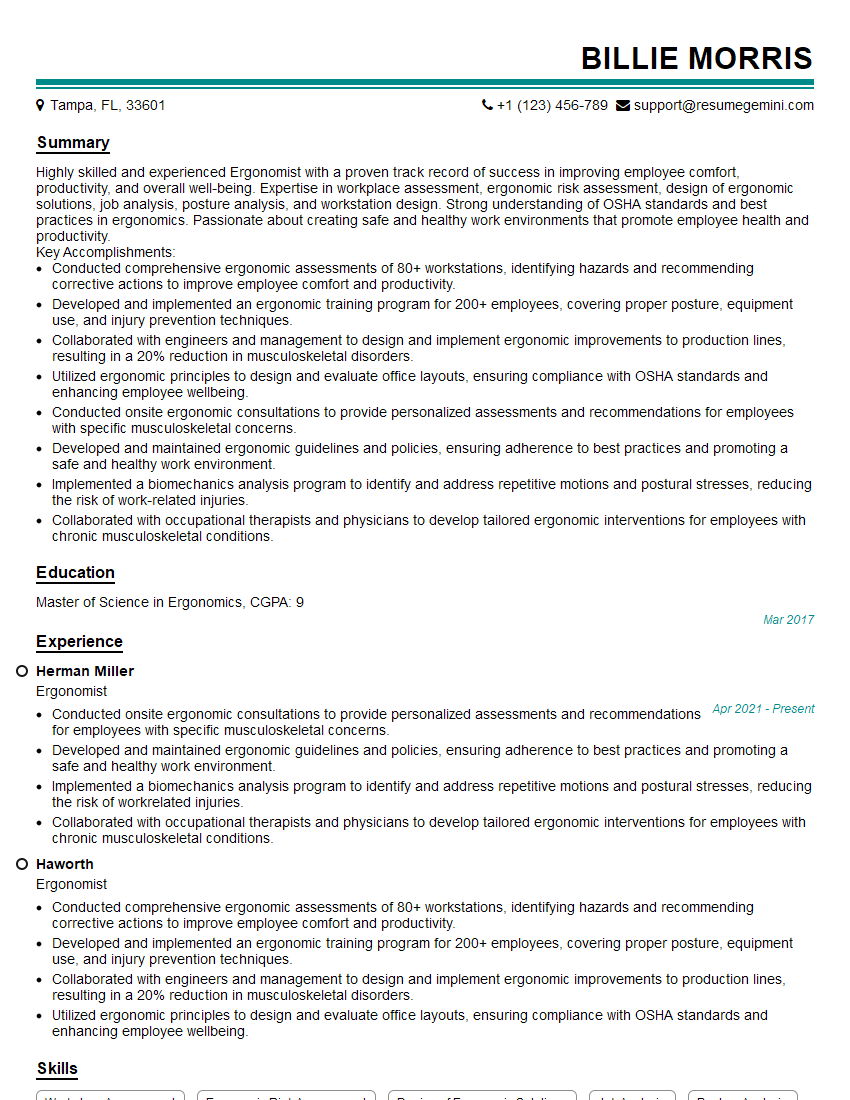
Ergonomist Resume Sample
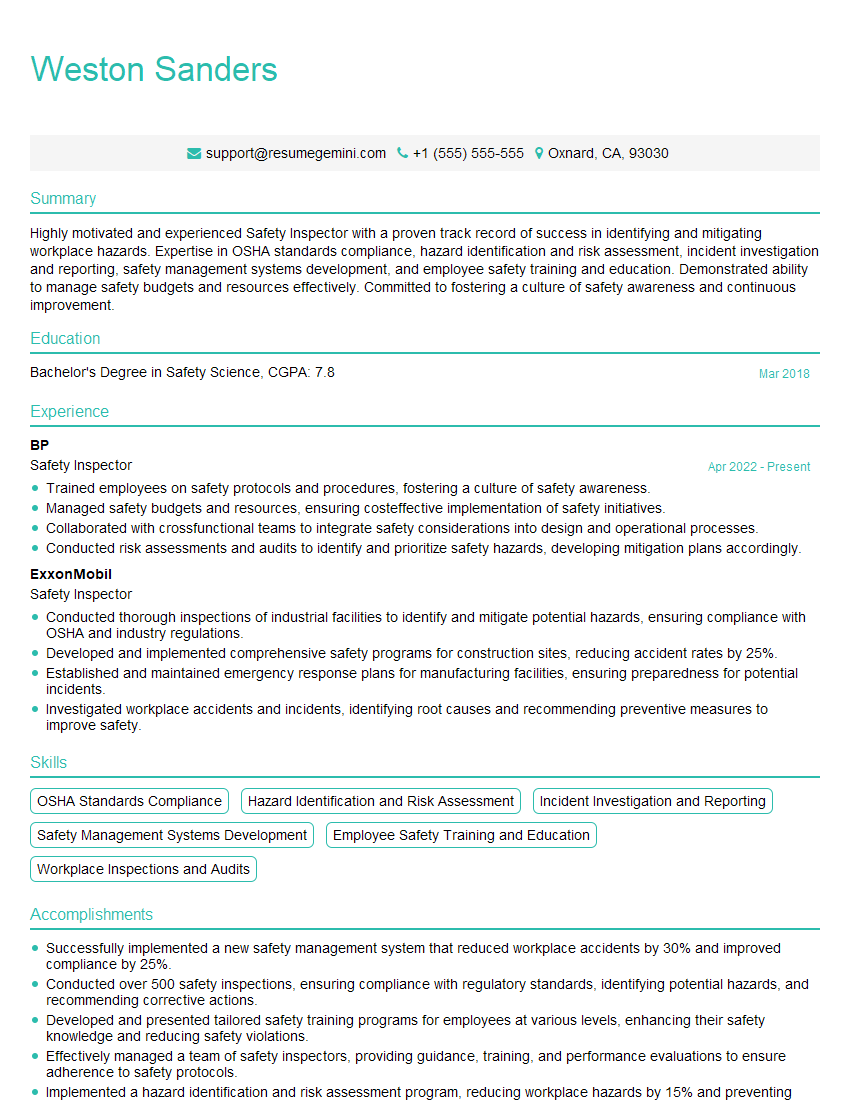
Safety Inspector Resume Sample
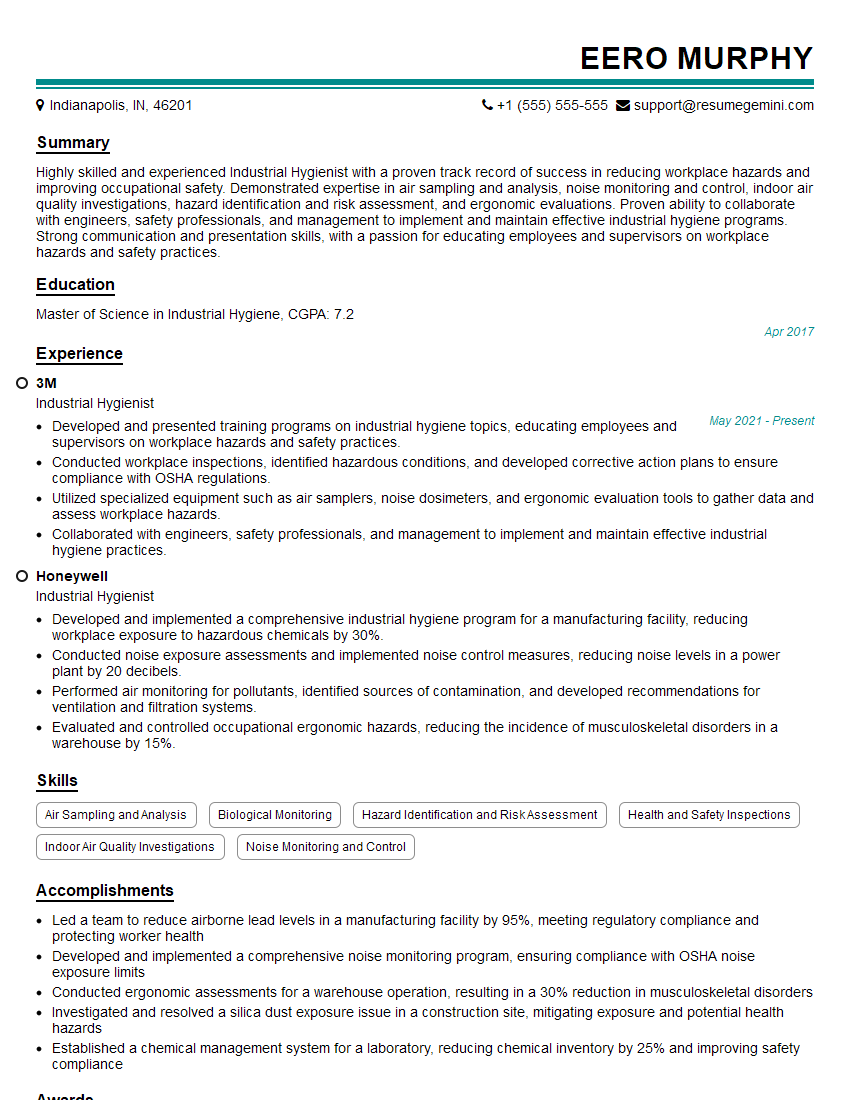
Industrial Hygienist Resume Sample
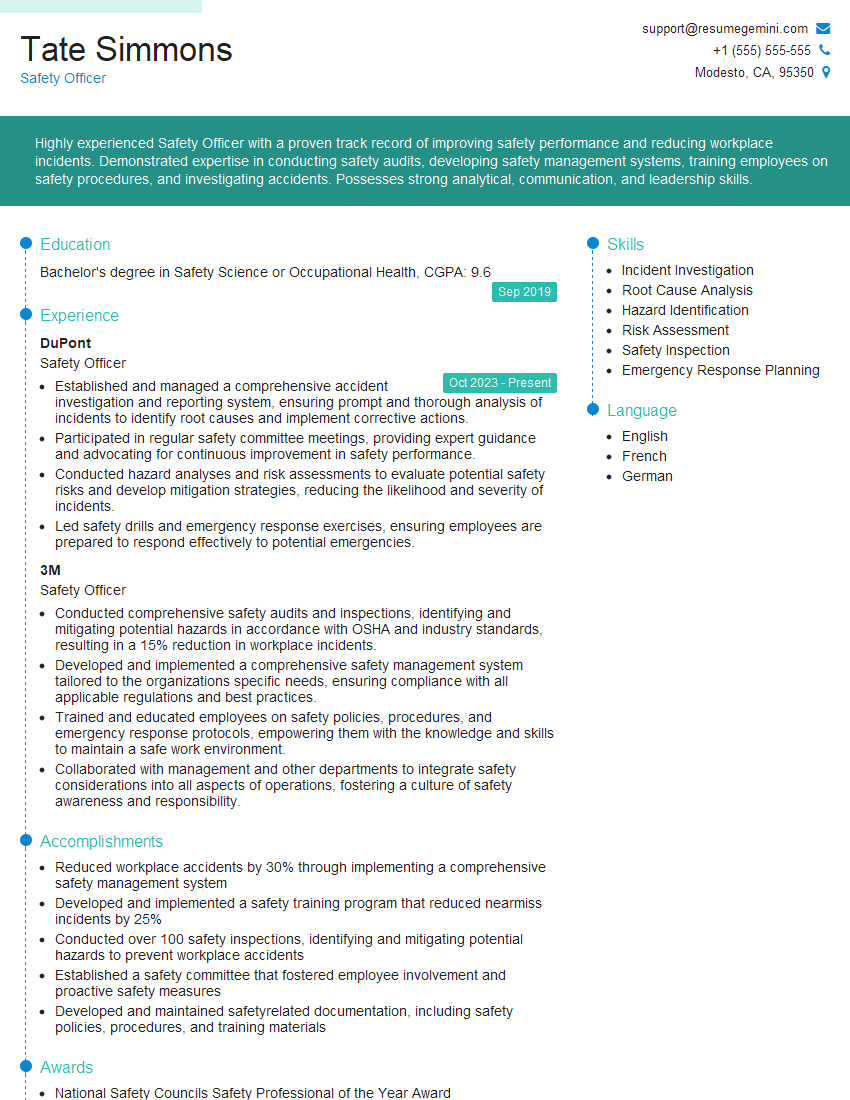
Safety Officer Resume Sample
- Safety Director
- Environmental Health and Safety Manager
- Safety Coordinator
- Compliance Officer
- Security Manager
- Loss Prevention Specialist
- Environmental Specialist
- Risk Management Specialist
- Fire Protection Engineer
- Process Safety Engineer
- Safety Consultant
- Safety Engineer
- Ergonomist
- Safety Inspector
- Industrial Hygienist
- Safety Officer
Explore more articles
Users Rating of Our Blogs
Share Your Experience
We value your feedback! Please rate our content and share your thoughts (optional).
What Readers Say About Our Blog
Very informative content, great job.
good