Interviews are more than just a Q&A session—they’re a chance to prove your worth. This blog dives into essential Use calipers and other measuring tools to ensure accuracy and precision interview questions and expert tips to help you align your answers with what hiring managers are looking for. Start preparing to shine!
Questions Asked in Use calipers and other measuring tools to ensure accuracy and precision Interview
Q 1. Explain the difference between accuracy and precision in measurement.
Accuracy refers to how close a measurement is to the true value, while precision refers to how close repeated measurements are to each other. Think of it like shooting arrows at a target. High accuracy means your arrows are clustered near the bullseye, regardless of how spread out they are. High precision means your arrows are clustered tightly together, but they might all be far from the bullseye if your aim is off. In measurement, a highly accurate and precise tool consistently gives readings very close to the true value with minimal variation between measurements.
For example, if the true length of a metal rod is 10cm, and a measurement gives 9.99cm, this is highly accurate. If repeated measurements yield 10.1, 10.2, and 10.0 cm, this shows less precision, despite fairly good accuracy. If repeated measurements yield 9.99cm, 9.98cm, and 10.00cm, we have both high accuracy and high precision.
Q 2. Describe the different types of calipers and their applications.
Several types of calipers exist, each suited for specific tasks:
- Vernier Calipers: These are versatile tools used for measuring internal and external dimensions, as well as depths. They offer high precision, typically to 0.01mm or 0.001 inches. I’ve used these extensively in mechanical engineering workshops.
- Dial Calipers: These feature a dial indicator that provides a direct reading of the measurement. They’re easier to read quickly than vernier calipers, though they can be slightly less precise. I often found these useful for quick checks during assembly.
- Digital Calipers: These calipers use an electronic sensor to display the measurement on a digital screen. They eliminate reading errors associated with vernier scales and provide immediate readings. These are becoming increasingly common in modern manufacturing for increased efficiency.
- Inside Calipers: These measure the inside diameter of objects like pipes or cylinders. They have curved legs that conform to the object’s shape. I’ve used these repeatedly for internal inspections.
- Outside Calipers: These are used for measuring the external dimensions of objects. These are simpler in design and commonly used.
Q 3. How do you calibrate a vernier caliper?
Calibrating a vernier caliper ensures its accuracy. This is usually done using a gauge block of known precision. Here’s the process:
- Clean the caliper: Remove any dirt or debris that might affect the measurement.
- Zero the caliper: Close the jaws completely and ensure the reading is zero. If not, adjust the zero setting mechanism (usually a small screw).
- Use a gauge block: Place a known gauge block (e.g., 25mm) between the jaws.
- Check the reading: The caliper’s reading should precisely match the gauge block’s dimensions. If there’s a discrepancy, adjust the calibration mechanism until it aligns correctly. It’s essential to be extremely gentle during adjustments, as forceful actions can damage the caliper.
- Repeat the process: Use several gauge blocks of different sizes to verify calibration across the caliper’s range.
Q 4. How do you measure the inside diameter of a pipe using calipers?
Measuring the inside diameter of a pipe using calipers requires using the appropriate type, namely inside calipers. Here’s how:
- Select the right tool: Choose inside calipers with legs that can comfortably reach across the pipe’s interior.
- Position the calipers: Carefully insert the caliper’s legs into the pipe, ensuring they are perpendicular to the pipe’s axis. Firm pressure ensures accurate measurement.
- Take the reading: Read the measurement from the caliper’s scale (vernier, dial, or digital).
- Repeat for consistency: Measure several times at different points along the pipe’s length and take the average to ensure accuracy. Piping irregularities may mean readings vary along its length.
Q 5. How do you measure the depth of a hole using a depth micrometer?
A depth micrometer is specifically designed to measure the depth of holes or recesses. Here’s how to use it:
- Extend the spindle: Extend the spindle until it gently touches the bottom of the hole.
- Zero the micrometer: Make sure to zero the micrometer before you start to avoid errors.
- Read the measurement: Read the depth from the micrometer’s scale. Depth micrometers often have both a thimble and a sleeve, so remember to read both to determine the full reading.
- Clean the spindle: It is important to clean the spindle and measuring surface after each measurement.
- Check for debris: Make sure there is no debris obstructing the measurement.
Q 6. What are the common sources of error when using calipers?
Several factors can introduce errors when using calipers:
- Parallax error: This occurs when the reading is viewed from an angle, not perpendicular to the scale.
- Zero error: The caliper isn’t zeroed correctly before measurement.
- Wear and tear: Worn or damaged jaws can lead to inaccurate measurements.
- Improper technique: Applying too much or too little pressure on the jaws can influence the measurement.
- Temperature changes: Temperature fluctuations can affect the dimensions of the caliper and the object being measured (thermal expansion).
- Improper handling: Dropping or mishandling can damage the mechanism and lead to inaccuracies.
Q 7. How do you compensate for parallax error when using measuring tools?
Parallax error is avoided by ensuring your eye is positioned directly above the scale when reading the measurement. Imagine a line perpendicular to the scale; your eye should be on this line to avoid misinterpreting the reading. For digital calipers, this is less of a concern, but maintaining proper posture still ensures accuracy.
Think of it like reading a ruler at an angle – the reading will appear different depending on your perspective. Proper alignment eliminates this distortion and guarantees a correct reading.
Q 8. What is the least count of a vernier caliper?
The least count of a vernier caliper is the smallest measurement it can accurately resolve. It’s determined by the difference between the smallest division on the main scale and the smallest division on the vernier scale. For instance, a common vernier caliper has a main scale with 1 mm divisions and a vernier scale with 10 divisions spanning 9 mm. This means each vernier division is 0.9 mm (9mm / 10 divisions). The difference between a main scale division (1 mm) and a vernier division (0.9 mm) is 0.1 mm, which is the least count. This means the caliper can measure to an accuracy of 0.1 mm (or 0.01 cm). Think of it like this: the vernier scale helps you ‘zoom in’ on the extra fraction of a millimeter between the main scale markings.
Q 9. What is the difference between a vernier caliper and a micrometer?
Both vernier calipers and micrometers are precision measuring instruments, but they differ in their design and measurement range. Vernier calipers are generally used for measuring external and internal dimensions, depths, and steps with a broader range (often up to 150 mm or more). Their measurement accuracy is typically around 0.1 mm. Micrometers, on the other hand, provide much higher precision, often measuring to 0.01 mm or even 0.001 mm. They excel in measuring small, precise dimensions and are better suited for smaller workpieces. Imagine trying to measure the thickness of a sheet of paper – a micrometer would be ideal, whereas a vernier caliper would be less precise for such a small object. The design is also different: vernier calipers use a sliding vernier scale against a main scale, while micrometers employ a rotating thimble to achieve finer measurement increments.
Q 10. How do you choose the appropriate measuring tool for a specific task?
Selecting the right measuring tool depends entirely on the task’s precision requirements and the size of the object being measured. For rough measurements, a simple ruler might suffice. If you need higher accuracy, within a 0.1 mm range, a vernier caliper is a good choice for larger objects. For extremely precise measurements down to 0.01 mm or even 0.001 mm, a micrometer is essential. Consider the range of the measurement too; a micrometer might not be suitable for measuring a large component. For example, when checking the diameter of a small screw, a micrometer is preferable; however, to determine the length of a long metal rod, a vernier caliper or even a measuring tape might be more efficient.
Q 11. What are the safety precautions when using measuring tools?
Safety when using measuring tools is paramount. Always handle the instruments carefully to avoid damage. Inspect the tools before each use for any defects like cracks or loose parts. Wear appropriate eye protection, especially when working with sharp instruments or potentially broken tools. Keep the measuring surfaces clean and free of debris to maintain accuracy. Never apply excessive force that might damage the instrument or workpiece. Store the tools properly in a protective case to avoid damage during storage. If using calipers or micrometers on a machine, ensure the machine is switched off and locked out before making any measurements. Remember, a damaged measuring instrument can compromise the accuracy and lead to costly mistakes.
Q 12. Explain the process of checking the zero error of a caliper.
Checking the zero error of a caliper is crucial for accurate measurements. Close the jaws of the caliper completely. If the zero lines on the main scale and vernier scale don’t perfectly align, there’s a zero error. If the vernier zero is to the right of the main scale zero, it’s a positive zero error; if it’s to the left, it’s a negative zero error. This error must be added to or subtracted from all subsequent measurements to get accurate results. For example, if there is a positive zero error of 0.05 mm, you would subtract this value from any measurement taken.
Q 13. How do you record measurements accurately and consistently?
Accurate and consistent measurement recording is essential. Always record the units (mm, cm, inches, etc.). Record measurements to the least count of the instrument. Don’t round off measurements prematurely, and avoid estimations. Use a standardized format like a notebook or digital spreadsheet to ensure clear documentation. Repeat measurements multiple times to check for consistency and to reduce the impact of random errors. If there’s any uncertainty, note this in your recording. The goal is to maintain a detailed and auditable record that other professionals can easily follow and understand.
Q 14. How do you handle damaged or malfunctioning measuring tools?
Damaged or malfunctioning measuring tools should never be used. Report the damage immediately to your supervisor. Attempting to use a broken tool can lead to inaccurate measurements, and potential injury. Damaged tools should be properly tagged and removed from service, ensuring they can’t be accidentally used. Depending on the tool and the damage, it might be possible to repair or replace it. Follow your workplace’s procedures for damaged equipment handling. Preventative maintenance, such as regular cleaning and calibration, can minimize the risk of damage and extend the lifespan of your measuring tools. Remember, accurate measurement is foundational to many processes; compromised tools lead to compromised results.
Q 15. What are the different units of measurement used in precision engineering?
Precision engineering demands accuracy down to fractions of a millimeter, so we utilize various units of measurement. The most common are the millimeter (mm) and the micrometer (µm), also known as a micron. In some applications, particularly within aerospace and specialized manufacturing, we might even use inches (in) and thousandths of an inch (0.001 in). Choosing the right unit depends entirely on the tolerance requirements of the specific job. For example, building a microchip necessitates micrometer precision, while assembling a larger mechanical component might only require millimeter accuracy.
We also frequently encounter derived units like square millimeters (mm²) for area measurements or cubic millimeters (mm³ ) for volume. Understanding these units and their interconversions is crucial for avoiding errors.
Career Expert Tips:
- Ace those interviews! Prepare effectively by reviewing the Top 50 Most Common Interview Questions on ResumeGemini.
- Navigate your job search with confidence! Explore a wide range of Career Tips on ResumeGemini. Learn about common challenges and recommendations to overcome them.
- Craft the perfect resume! Master the Art of Resume Writing with ResumeGemini’s guide. Showcase your unique qualifications and achievements effectively.
- Don’t miss out on holiday savings! Build your dream resume with ResumeGemini’s ATS optimized templates.
Q 16. How do you interpret measurement readings from different measuring instruments?
Interpreting readings requires understanding the instrument’s scale and resolution. For example, with digital calipers, the reading is directly displayed on an LCD screen, typically to a resolution of 0.01mm. Analog calipers, however, require careful observation of the vernier scale and main scale to obtain the measurement.
Let’s say we have an analog caliper reading 25mm on the main scale and the vernier scale lines up with the 7th mark which represents 0.07mm. The total measurement would be 25.07mm. With micrometers, we focus on the thimble and sleeve scales, interpreting their combined readings to achieve very high precision. Always consider the instrument’s resolution; a reading of 10.0mm from a caliper with 0.01mm resolution is less precise than a 10.000mm reading from a micrometer.
Consistent practice and familiarity with different instruments’ unique scales are key to accurate interpretation.
Q 17. What are the limitations of different measuring tools?
All measuring tools have limitations. Calipers, whether digital or analog, can suffer from wear and tear on their jaws, leading to inaccurate measurements. Their precision is limited by their resolution; a caliper reading to 0.01mm cannot measure to 0.001mm. Micrometers, although capable of higher precision, are more delicate and susceptible to damage from mishandling. They also require more skill to use accurately. Measuring tapes, commonly used for larger measurements, are susceptible to stretching and may not be suitable for high-precision work.
Environmental factors like temperature fluctuations can also affect accuracy. For example, the thermal expansion of the measuring tool itself can introduce errors. Therefore, understanding the tool’s limitations and accounting for potential errors is essential for reliable measurements.
Q 18. Describe your experience using digital calipers.
I have extensive experience using digital calipers in various manufacturing settings. I appreciate their ease of use and rapid readout. In my previous role, we used digital calipers daily to measure the dimensions of manufactured parts, ensuring they met strict tolerances. These calipers helped us identify and rectify minor inconsistencies in the manufacturing process. The digital display eliminates the need for complex vernier scale interpretation, reducing the risk of human error, which is especially beneficial in high-volume production.
I’m proficient in using various functions on digital calipers, such as depth measurement, inside measurement, and step measurement. I also understand the importance of zeroing the caliper before each measurement to maintain accuracy. Regular calibration ensures the reliability of the results obtained.
Q 19. Describe your experience using analog calipers.
My experience with analog calipers started early in my career. While digital calipers offer convenience, analog calipers provide a deeper understanding of measurement principles. Interpreting the vernier scale is a valuable skill that sharpens one’s attention to detail. In one instance, we used analog calipers to measure the thickness of delicate ceramic components where the slightest pressure from a digital caliper’s jaws could cause damage. The analog caliper’s gentler contact ensured the integrity of the components while still allowing us to obtain highly accurate measurements. Proper zeroing and careful handling are essential for consistent accuracy.
Q 20. How do you ensure the cleanliness of measuring tools?
Cleanliness is paramount for maintaining the accuracy and longevity of measuring tools. After each use, I meticulously clean the jaws and surfaces of calipers and micrometers using a soft, lint-free cloth. For stubborn debris, a gentle cleaning solution specifically designed for measuring instruments can be used, followed by thorough drying. Compressed air can be effective for removing dust particles from hard-to-reach areas. It’s crucial to avoid abrasive materials or harsh chemicals that could scratch or damage the measuring surfaces.
Regular cleaning prevents the buildup of dirt and debris that could affect measurement accuracy and cause premature wear and tear. Proper storage in a protective case also contributes to cleanliness and tool longevity.
Q 21. How do you maintain the accuracy of your measuring tools?
Maintaining accuracy involves regular calibration and careful handling. Digital calipers often have a calibration function, but a periodic check against a known standard is essential. Analog calipers require calibration with a gauge block or another highly accurate reference standard to ensure the vernier scale’s alignment.
Proper storage is vital – keeping the calipers in a protective case prevents damage and maintains accuracy. Avoid dropping or impacting the tools, as this can damage the jaws or the internal mechanism. Regular inspection for any signs of damage or wear is a proactive measure in maintaining tool accuracy.
Q 22. Explain how to use a micrometer to measure a small diameter.
Measuring small diameters with a micrometer requires precision and care. A micrometer, or micrometer caliper, is a precision instrument with a thimble and barrel that allows for extremely accurate measurements. Think of it like a very fine screw with a calibrated scale.
- Preparation: Ensure the micrometer is clean and properly zeroed. This involves closing the anvil and spindle completely and verifying the reading is zero. If not, you’ll need to adjust it using the appropriate mechanism on the micrometer.
- Measurement: Gently place the object to be measured between the anvil (the fixed jaw) and the spindle (the movable jaw). Turn the thimble slowly until you feel a slight resistance, indicating firm contact with the object. Do not overtighten, as this could damage the micrometer or the part being measured.
- Reading: The measurement is read in two parts: the main scale (barrel) and the vernier scale (thimble). The barrel shows the larger millimeter increments, while the thimble gives finer readings usually in hundredths of a millimeter. Add the readings together to get the final measurement. For example, if the barrel shows 10mm and the thimble shows 0.25mm, the total diameter is 10.25mm.
- Multiple Measurements: It’s crucial to take multiple readings at different points around the object’s circumference to account for any inconsistencies in shape or diameter. Average these readings for a more accurate representation.
For example, let’s say you’re measuring the diameter of a small wire. You would carefully place the wire between the anvil and spindle, taking several readings and averaging them to obtain a precise measurement. Remember to always clean the micrometer after each use to prevent debris from affecting future measurements.
Q 23. How would you measure the thickness of a thin sheet of material?
Measuring the thickness of a thin sheet of material demands accuracy. The choice of tool depends on the material’s thickness and characteristics. For very thin sheets, a micrometer might be too coarse.
- Micrometer (for slightly thicker sheets): If the material is thick enough, you can use a micrometer by carefully stacking several layers to obtain a measurable thickness. Then divide the total thickness by the number of layers. This minimizes the error associated with measuring a single, very thin sheet.
- Thickness Gauge: For extremely thin materials like foil or paper, a thickness gauge (sometimes called a feeler gauge) is often more suitable. These gauges are composed of a set of precisely-measured blades of varying thickness. You select the blade that fits snugly into the sheet, and its thickness gives the measurement.
- Digital Thickness Gauge: Advanced options include digital thickness gauges, which offer precise measurements with an electronic display. These are particularly useful for materials with non-uniform thicknesses.
- Multiple Measurements: As with any precision measurement, take multiple readings from different locations on the sheet and average the results to minimize measurement errors.
For instance, if you’re working with a sheet of very thin plastic, a digital thickness gauge would likely be the most precise option. If you’re measuring paper, a thickness gauge with blades would be appropriate.
Q 24. How do you deal with situations where measurements are inconsistent?
Inconsistent measurements are a common challenge in precision work. Identifying the root cause is crucial to achieving reliable results.
- Check Calibration: First, verify the calibration of your measuring instrument. A miscalibrated tool will always yield inaccurate results. Use a certified standard to check the accuracy of your instruments.
- Examine Technique: Review your measurement technique. Errors can arise from incorrect handling of the instrument, inconsistent pressure applied, or improper reading of the scale. Consistent technique is key.
- Environmental Factors: Consider environmental factors such as temperature and humidity. These can affect the dimensions of the object being measured, especially with materials that expand or contract significantly with temperature changes.
- Material Properties: The material itself can contribute to inconsistent measurements. For instance, a rough surface may make it challenging to obtain consistent contact with the measuring instrument.
- Multiple Readings and Analysis: Take multiple measurements at different points on the object and look for patterns in the discrepancies. Consider using statistical analysis (like calculating standard deviation) to quantify the variation.
Imagine you’re measuring a metal shaft, and readings vary significantly. You’d check the micrometer’s calibration, ensure your grip is consistent, and take multiple readings before concluding whether the shaft has inconsistencies in diameter. If inconsistencies persist, further investigation might be needed.
Q 25. Describe your experience with statistical process control (SPC) related to measurements.
Statistical Process Control (SPC) is fundamental to ensuring consistent and accurate measurements. My experience with SPC involves applying control charts and other statistical methods to monitor measurement processes.
- Control Charts: I’ve extensively used control charts, such as X-bar and R charts, to track the average and range of measurements over time. These charts allow us to identify trends, shifts, and other patterns that indicate process instability.
- Capability Analysis: I’ve performed capability analyses to determine whether a measurement process is capable of meeting specific tolerances. This involves calculating indices like Cp and Cpk to assess process performance.
- Data Analysis: I’m proficient in using statistical software to analyze measurement data, identify outliers, and understand sources of variation. This data-driven approach helps identify and resolve measurement issues.
- Process Improvement: SPC isn’t just about monitoring; it’s about using data to improve the measurement process. By identifying sources of variation and implementing corrective actions, we can significantly reduce measurement error and improve process consistency.
In a manufacturing setting, we used SPC to monitor the diameter measurements of a critical part. By charting the data, we identified a machine-related issue causing increased variability, which was corrected, leading to significantly improved process capability.
Q 26. How do you handle discrepancies between different measurement readings?
Discrepancies between measurement readings demand careful investigation. Several steps can help resolve this.
- Repeat Measurements: First, repeat the measurements using the same instrument and technique. If the discrepancy persists, explore other possibilities.
- Check Equipment: Ensure all equipment is properly calibrated and functioning correctly. A simple calibration check can resolve many discrepancies.
- Multiple Instruments: If possible, take measurements using different instruments to eliminate instrument error as a possible source of the difference.
- Assess Operator Error: Ensure consistent technique is followed. Errors can arise from incorrect handling of the instrument or inconsistent application of force.
- Environmental Influence: Consider environmental factors such as temperature and humidity, which can subtly affect measurements.
- Data Analysis: For multiple readings, apply statistical analysis to identify outliers and assess the overall consistency of the data. This helps determine if the discrepancy is significant or within acceptable limits.
For example, if two different micrometers give significantly different readings for the same object, the calibration of both devices must be checked to determine if one or both are faulty.
Q 27. Explain your experience with different types of measuring systems (e.g., CMM, optical comparators).
My experience encompasses a range of measuring systems, each with its own strengths and applications.
- Coordinate Measuring Machines (CMMs): CMMs are incredibly versatile for measuring complex three-dimensional parts. I’m proficient in operating various types of CMMs, including those using touch probes, laser scanning, or optical systems. I understand the importance of proper probe calibration, fixturing, and data analysis in ensuring accurate CMM measurements.
- Optical Comparators: Optical comparators are excellent for measuring two-dimensional features, particularly when high magnification and precision are required. I have experience using optical comparators to inspect parts against master templates or CAD models. I’m familiar with both shadowgraph and projected image techniques.
- Other Systems: My experience extends to other instruments like dial indicators, height gauges, and laser distance meters. I understand the principles of operation and limitations of each system, enabling me to select the most appropriate tool for any measurement task.
For example, for checking the dimensions of a complex injection-molded part, a CMM with laser scanning capability would be the preferred tool, allowing for fast and accurate three-dimensional mapping of the part’s surface. Conversely, a simpler optical comparator might be sufficient for verifying the dimensions of a small, two-dimensional part against a known standard.
Q 28. Describe a time you had to troubleshoot a measurement problem. How did you solve it?
During a project involving the manufacture of precision gears, we encountered inconsistencies in the tooth profile measurements. Initial measurements using a CMM suggested that a significant number of gears were outside tolerance, potentially leading to a costly production delay.
My troubleshooting steps included:
- Repeatability and Reproducibility: We first meticulously checked the repeatability of the CMM measurements by taking multiple readings of the same gear. The results confirmed the initial inconsistencies.
- Calibration Verification: We then verified the CMM’s calibration using certified standards. This ruled out instrument error as the primary cause.
- Fixture Analysis: We examined the fixturing used to hold the gears during the CMM measurements. We found that the clamping system was introducing slight distortions in the gear’s geometry. This was identified through careful observation and analysis of measurement differences across multiple clamping locations.
- Process Review: We reviewed the gear manufacturing process. We discovered a slight variation in the cutting tool’s wear, leading to marginal differences in the gear teeth profiles.
- Solution Implementation: We implemented a revised fixturing system that minimized distortions and scheduled regular tool maintenance to control wear and maintain dimensional consistency. This resolved the measurement inconsistencies.
This experience highlighted the importance of thorough investigation, focusing on every potential source of error, from equipment to process variables, before drawing conclusions about dimensional integrity.
Key Topics to Learn for Use Calipers and Other Measuring Tools Interview
- Understanding Measurement Systems: Become proficient in both metric (mm, cm) and imperial (inches) systems, and confidently convert between them. Practice calculating tolerances and understanding their significance.
- Calipers: Types and Usage: Familiarize yourself with different types of calipers (vernier, digital, dial) and their appropriate applications. Master techniques for accurate zeroing, measuring internal and external dimensions, depths, and step measurements. Practice handling calipers with care to ensure longevity and precision.
- Other Measuring Tools: Expand your knowledge beyond calipers. Learn to use micrometers, rulers, protractors, and other relevant tools. Understand their limitations and when each tool is most appropriate for specific tasks.
- Precision and Accuracy: Differentiate between precision and accuracy in measurement. Understand the sources of error and how to minimize them. Develop strategies for verifying measurements and identifying potential inaccuracies.
- Practical Applications: Consider real-world scenarios where precise measurements are crucial. Think about manufacturing, machining, quality control, or engineering applications. Be prepared to discuss how accurate measurements impact the final product or process.
- Problem-Solving and Troubleshooting: Prepare for questions that require you to troubleshoot measurement issues. For instance, how would you handle a malfunctioning caliper, or how would you resolve discrepancies between multiple measurements?
- Safety Procedures: Demonstrate awareness of safety protocols when using measuring tools. This includes proper handling, storage, and maintenance to avoid injury and ensure accurate readings.
Next Steps
Mastering the use of calipers and other measuring tools is essential for success in many technical fields, opening doors to exciting career opportunities and higher earning potential. To significantly improve your job prospects, it’s vital to create a resume that showcases your skills effectively and is optimized for Applicant Tracking Systems (ATS). ResumeGemini is a trusted resource that can help you build a professional and impactful resume tailored to your specific skills and experience. Examples of resumes tailored to highlight expertise in using calipers and other measuring tools are available through ResumeGemini to help you get started.

Quality Control Manager Resume Sample
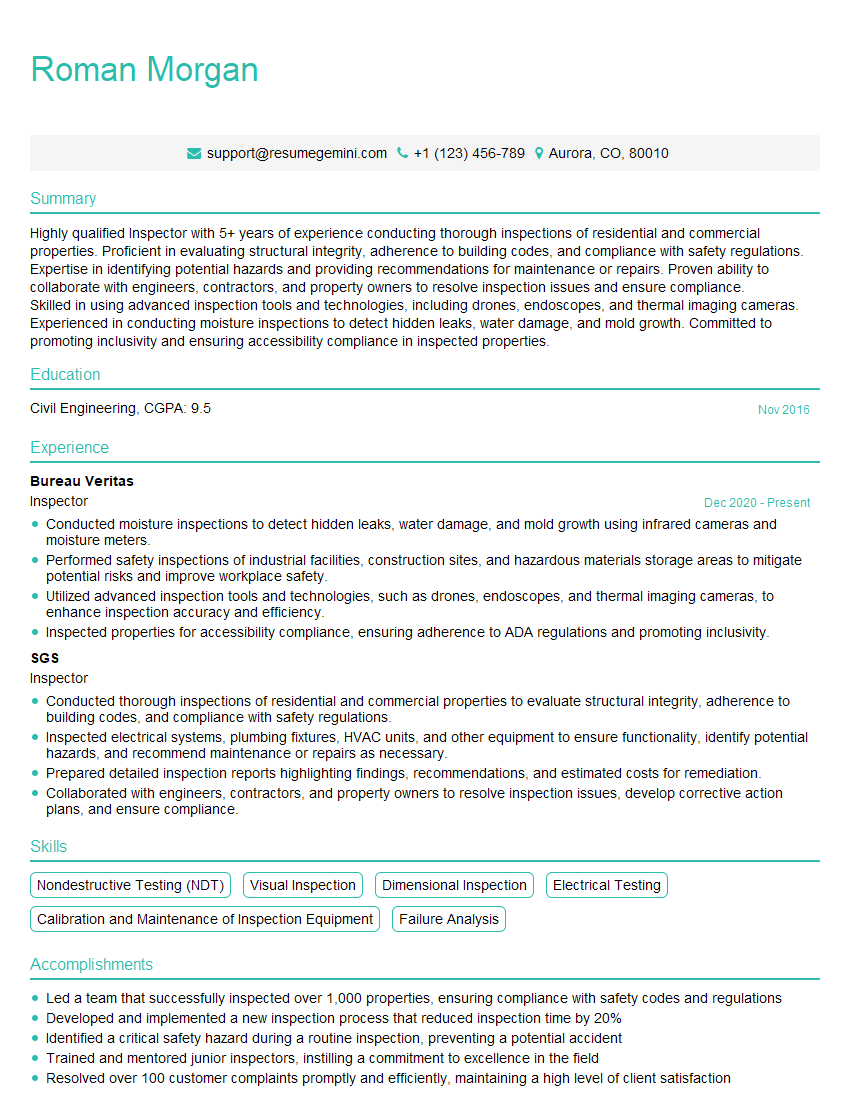
Inspector Resume Sample
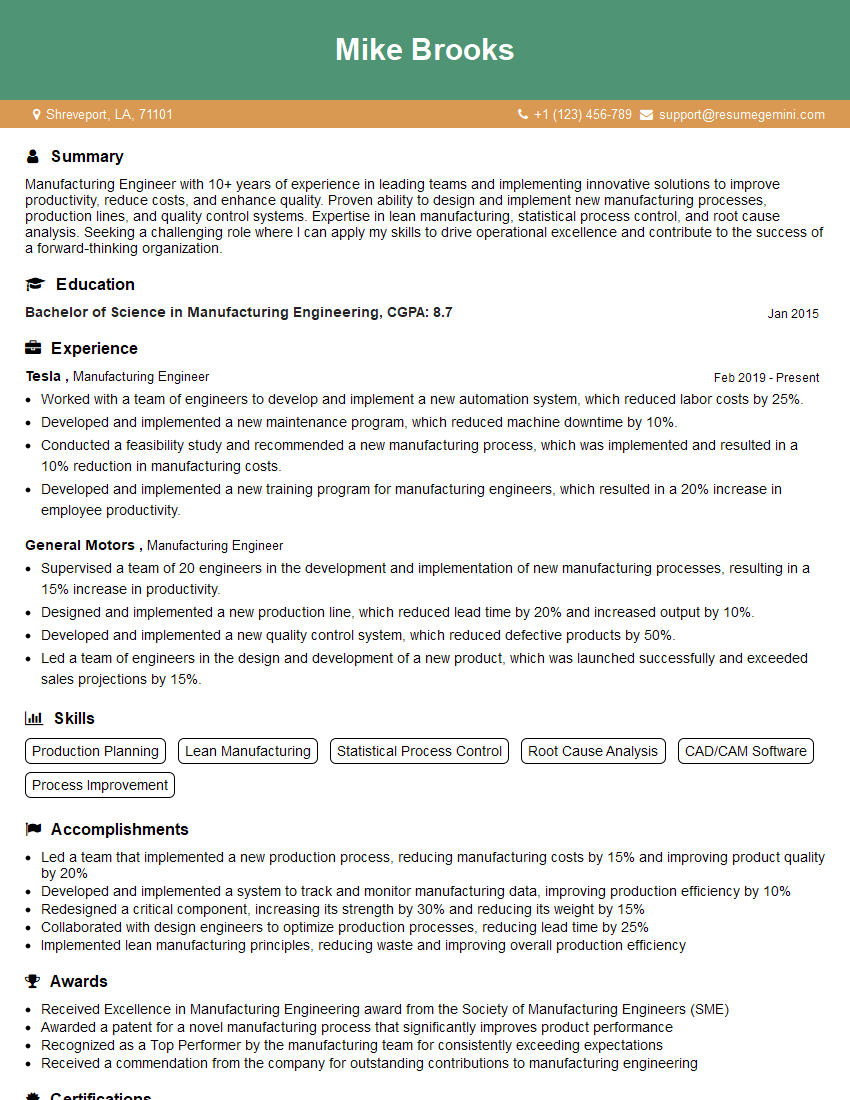
Manufacturing Engineer Resume Sample

Metrologist Resume Sample

Quality Assurance Technician Resume Sample

Quality Control Engineer Resume Sample
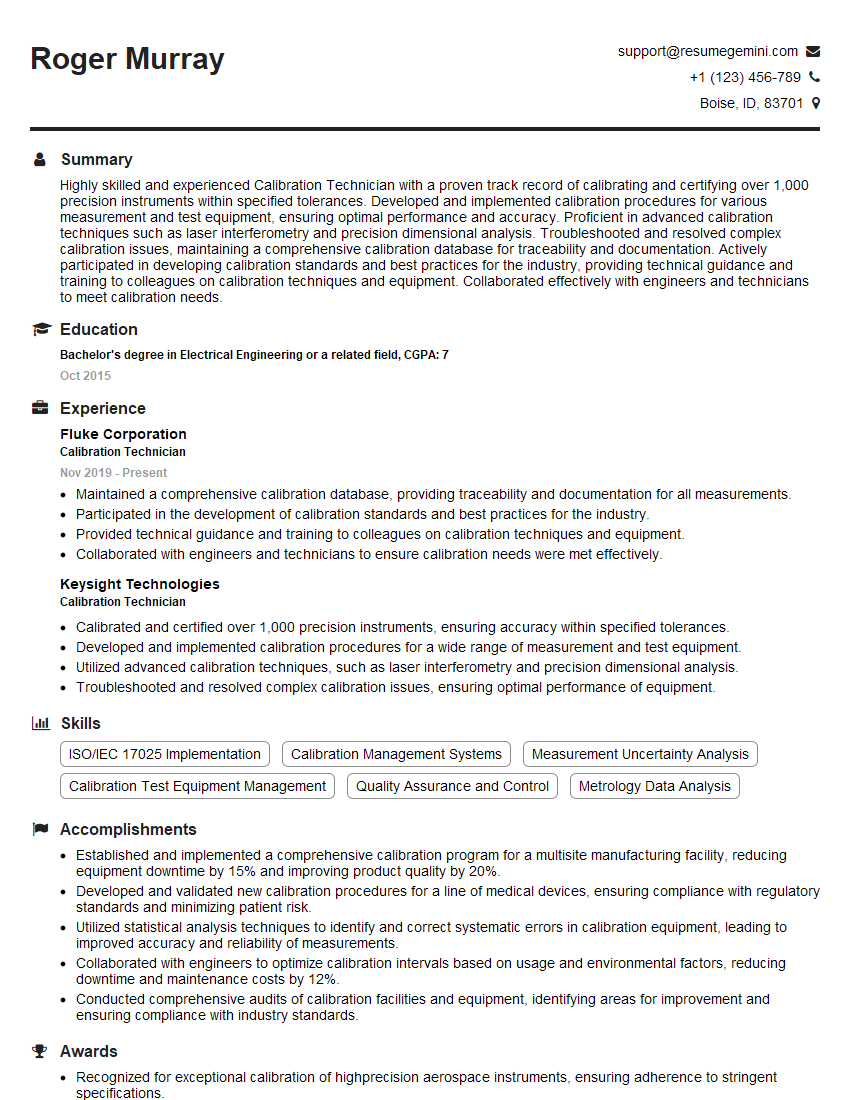
Calibration Technician Resume Sample

Manufacturing Technician Resume Sample
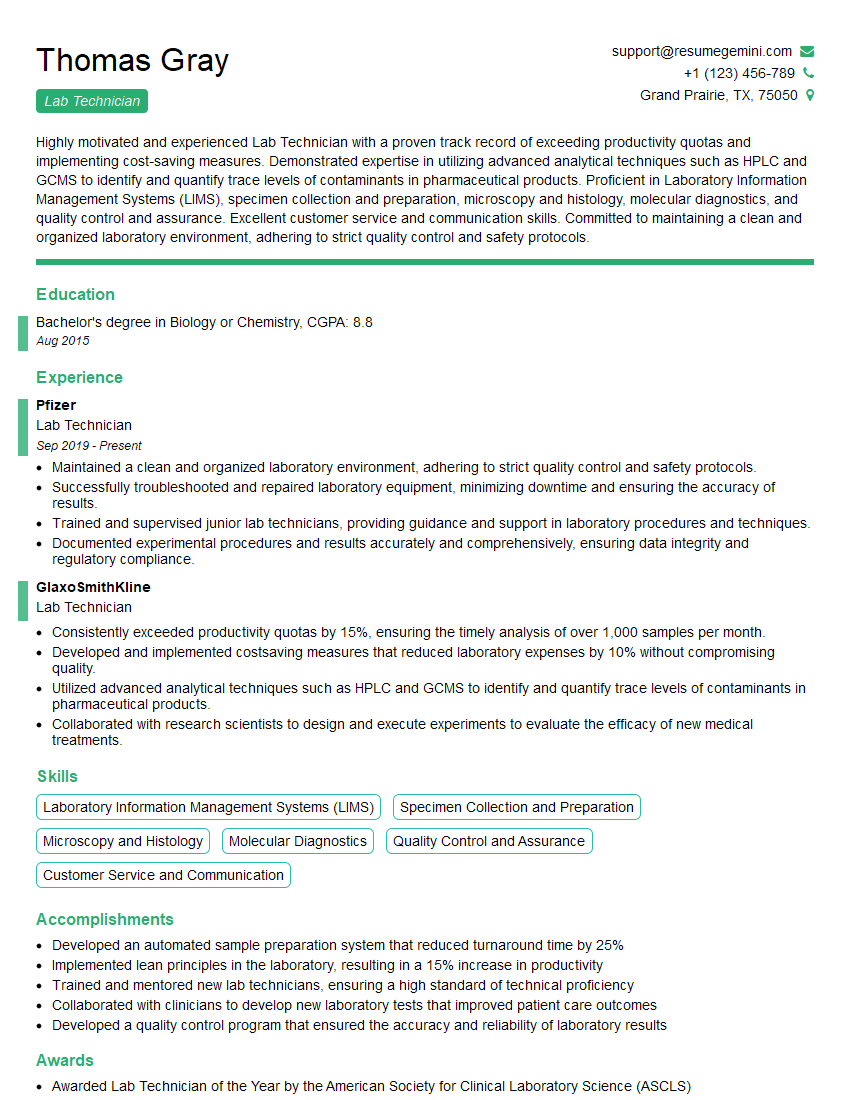
Lab Technician Resume Sample

Research Technician Resume Sample
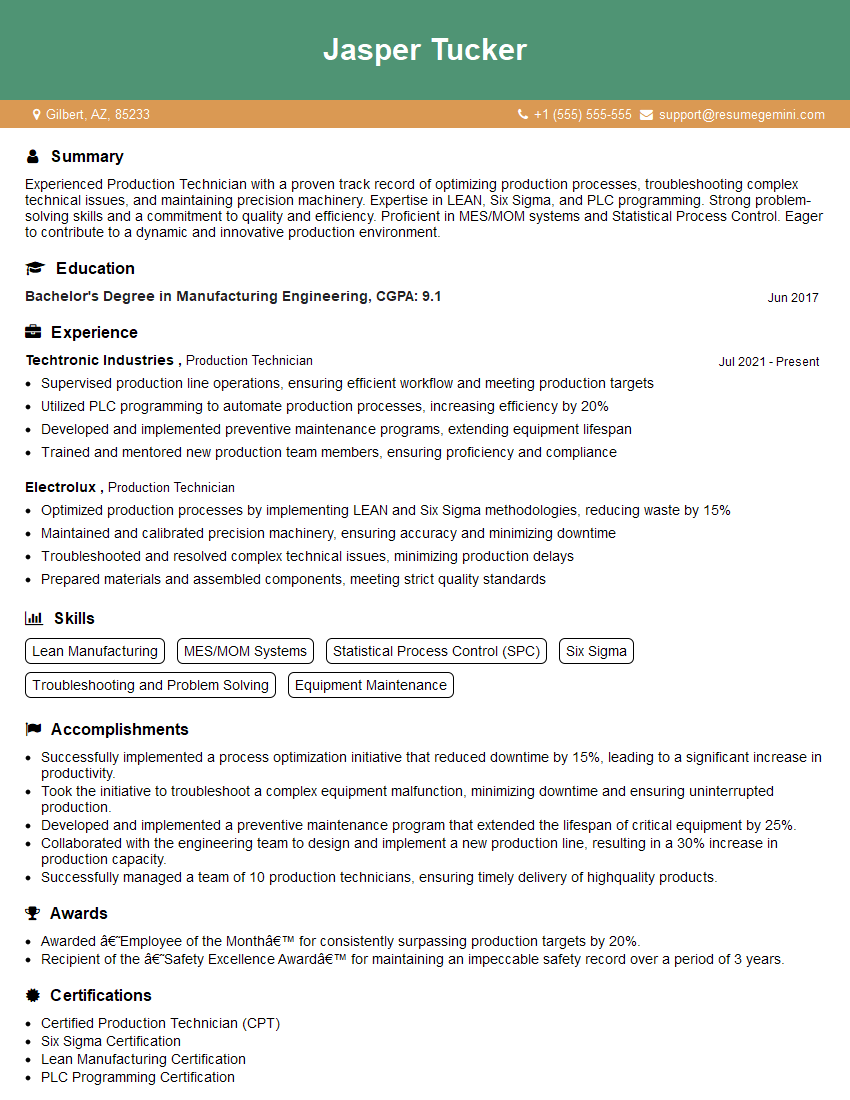
Production Technician Resume Sample
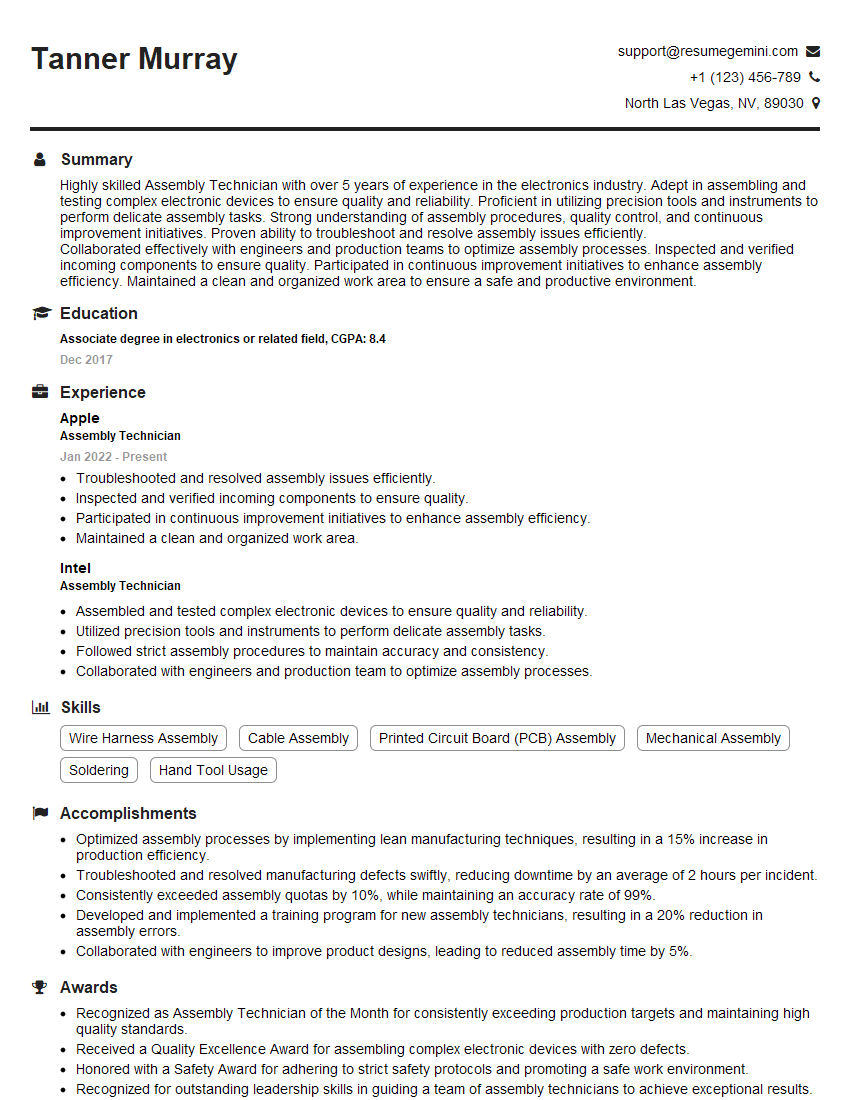
Assembly Technician Resume Sample
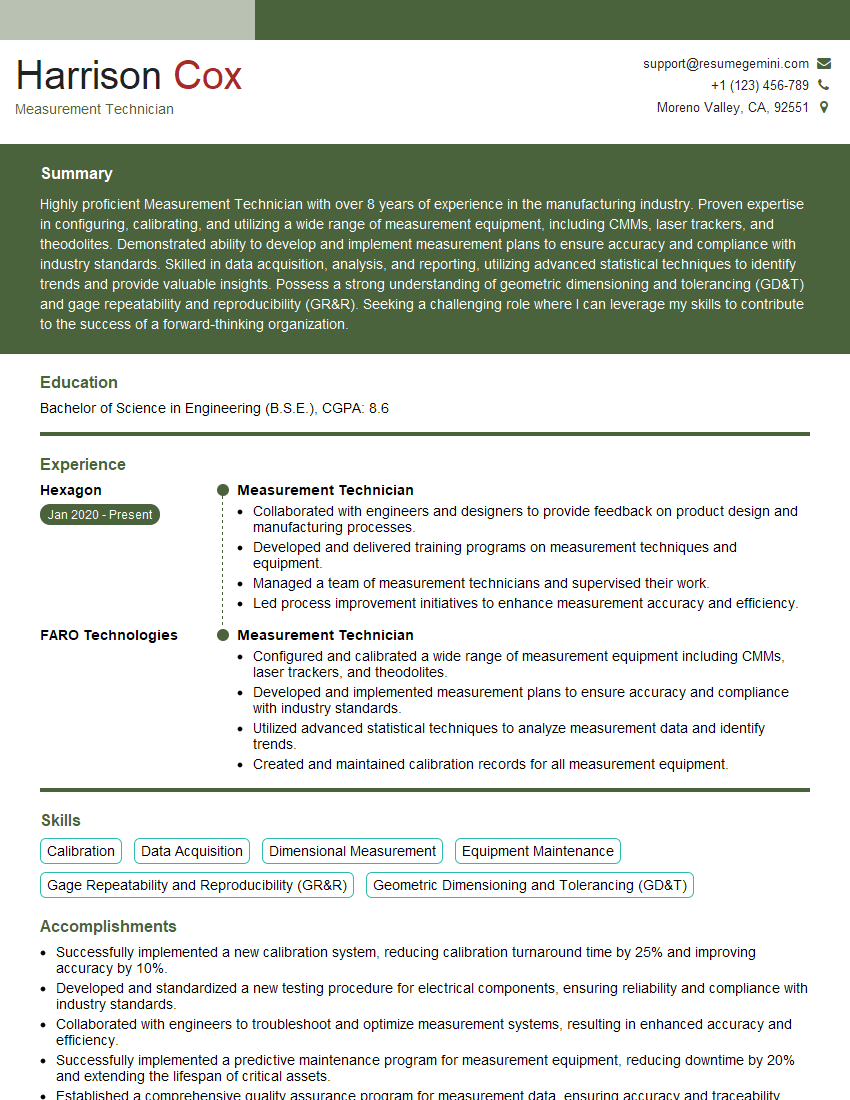
Measurement Technician Resume Sample
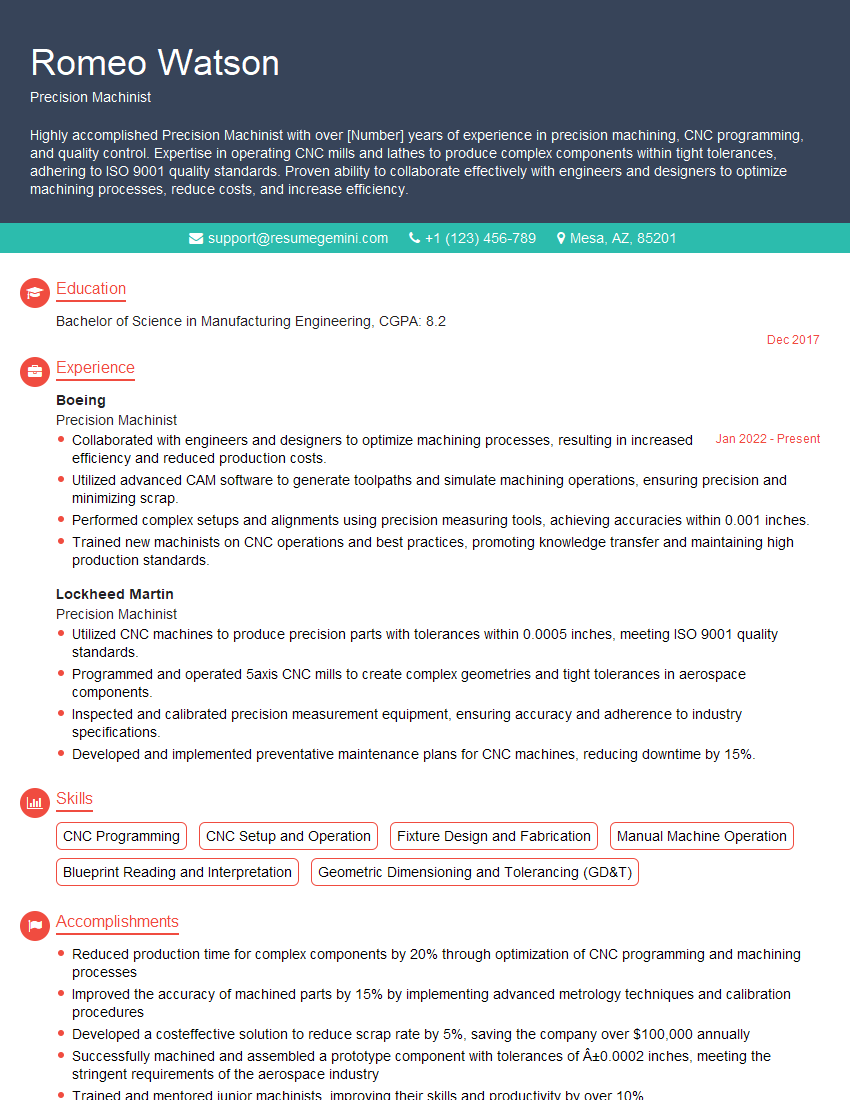
Precision Machinist Resume Sample
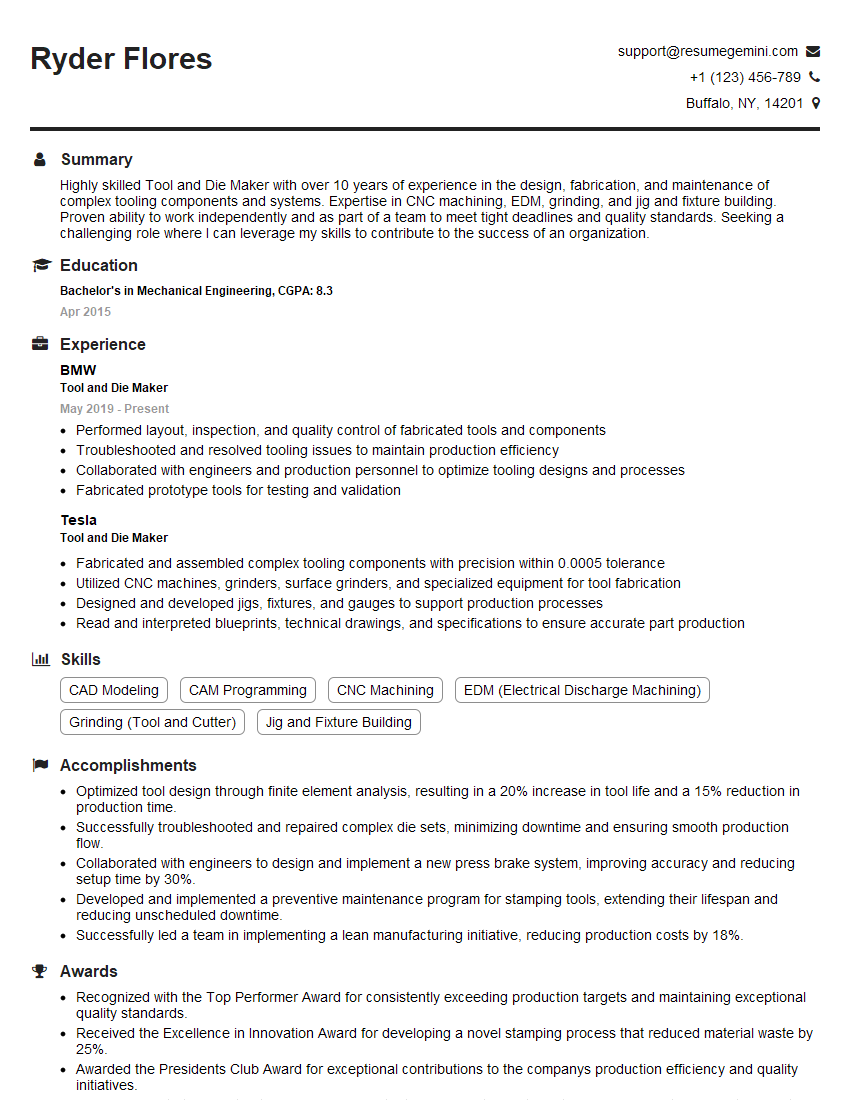
Tool and Die Maker Resume Sample
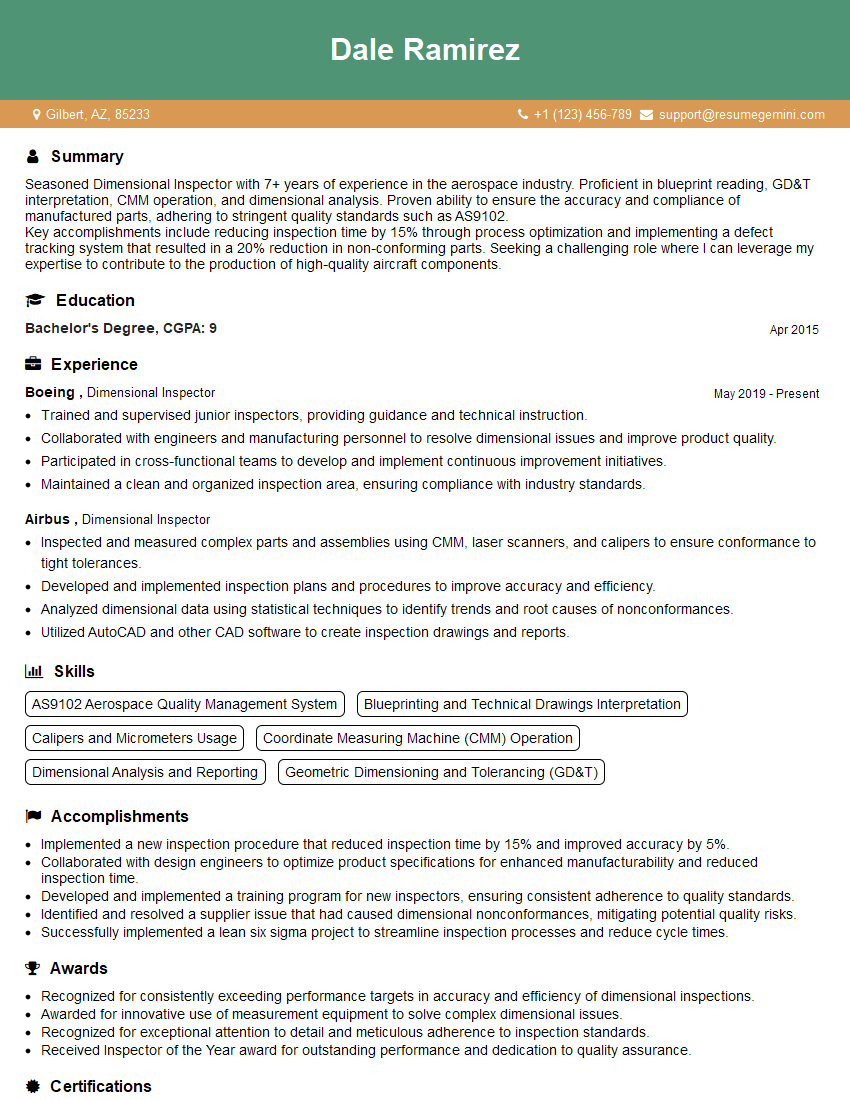
Dimensional Inspector Resume Sample
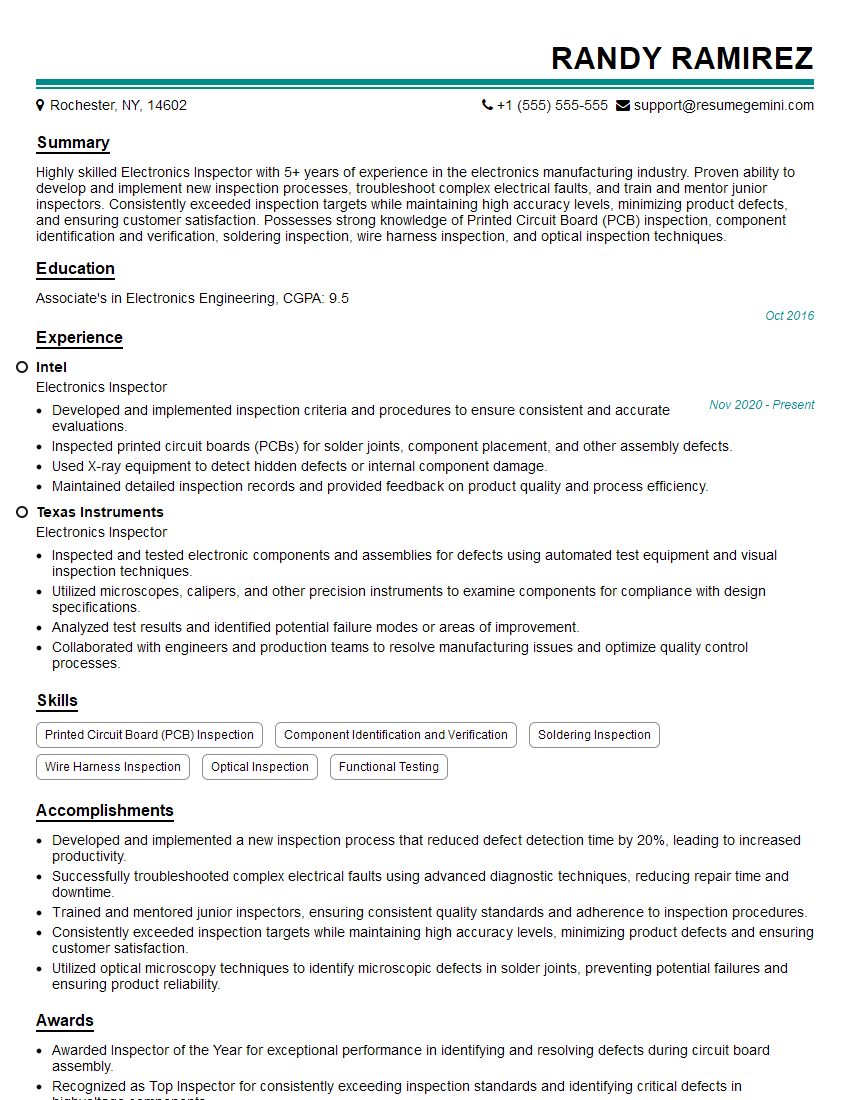
Electronics Inspector Resume Sample
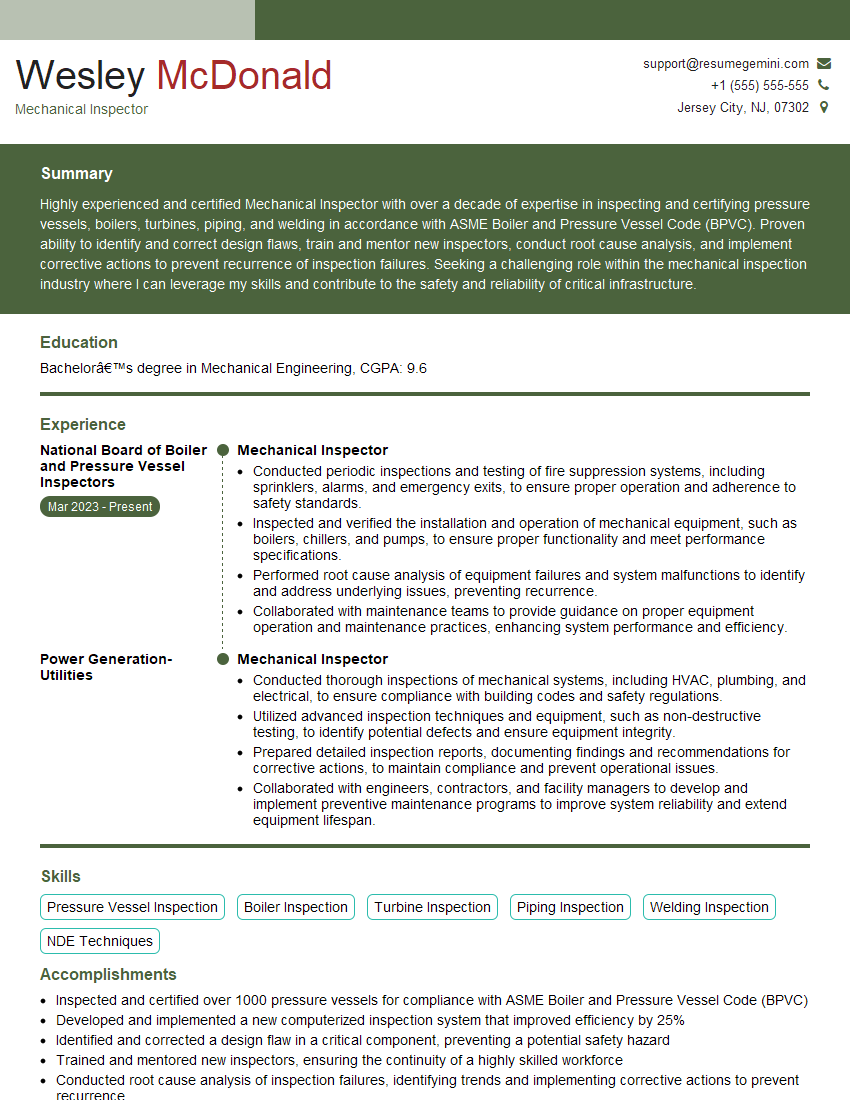
Mechanical Inspector Resume Sample

Quality Control Inspector Resume Sample
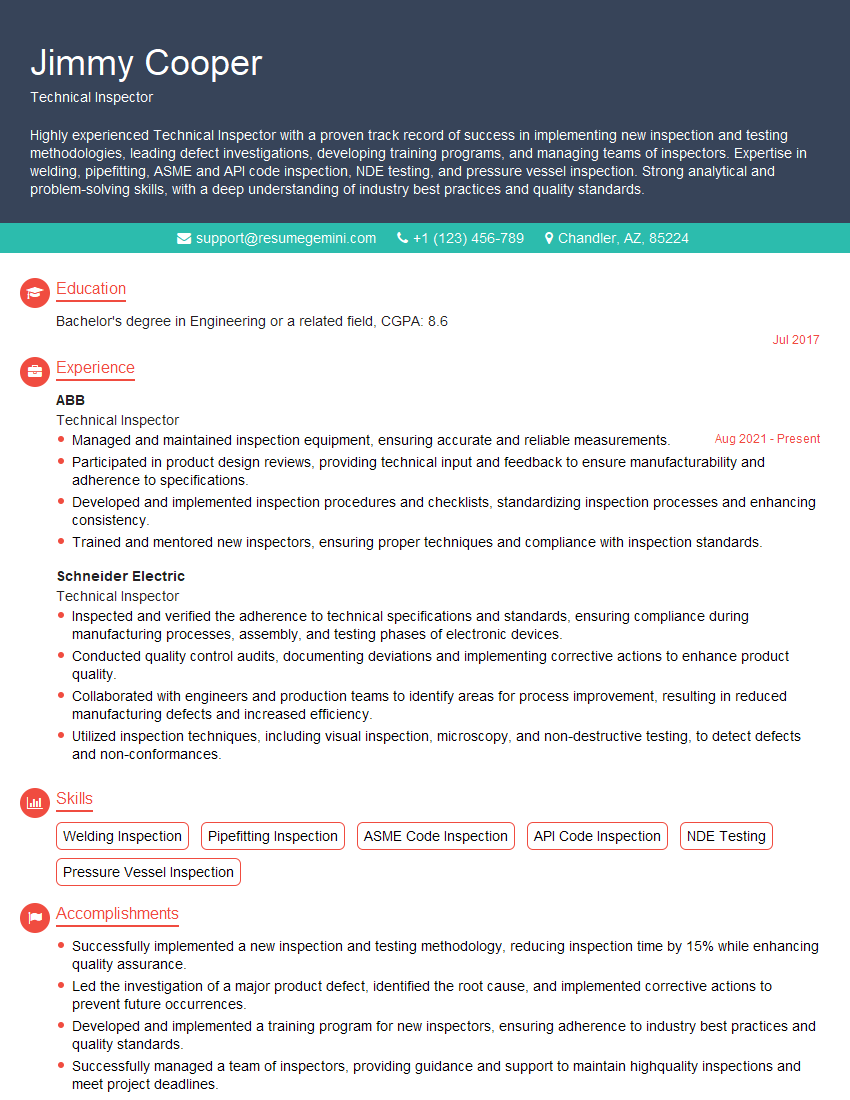
Technical Inspector Resume Sample
- Quality Control Manager
- Inspector
- Manufacturing Engineer
- Metrologist
- Quality Assurance Technician
- Quality Control Engineer
- Calibration Technician
- Manufacturing Technician
- Lab Technician
- Research Technician
- Production Technician
- Assembly Technician
- Measurement Technician
- Precision Machinist
- Tool and Die Maker
- Dimensional Inspector
- Electronics Inspector
- Mechanical Inspector
- Quality Control Inspector
- Technical Inspector
Explore more articles
Users Rating of Our Blogs
Share Your Experience
We value your feedback! Please rate our content and share your thoughts (optional).
What Readers Say About Our Blog
Very informative content, great job.
good