Interviews are opportunities to demonstrate your expertise, and this guide is here to help you shine. Explore the essential Injury Prevention and Rehabilitation Knowledge interview questions that employers frequently ask, paired with strategies for crafting responses that set you apart from the competition.
Questions Asked in Injury Prevention and Rehabilitation Knowledge Interview
Q 1. Describe the biomechanics of a common workplace injury, such as carpal tunnel syndrome.
Carpal tunnel syndrome (CTS) arises from compression of the median nerve as it passes through the carpal tunnel in the wrist. Biomechanically, repetitive or forceful hand and wrist movements, especially in flexion and extension, contribute significantly. Imagine constantly typing or using a vibrating tool – these actions repeatedly narrow the carpal tunnel, increasing pressure on the median nerve.
The repetitive movements lead to inflammation of the tendons within the tunnel, causing swelling. This swelling, along with anatomical variations like a smaller carpal tunnel or bone spurs, further compresses the median nerve. The resulting pressure reduces blood flow to the nerve, leading to its dysfunction and the characteristic symptoms of CTS, such as numbness, tingling, and pain in the thumb, index, middle, and part of the ring finger.
Poor posture, awkward hand positions, and forceful gripping exacerbate the problem. For example, a cashier who spends hours scanning items with their wrist in a constantly flexed position is at high risk. Understanding the biomechanics helps us target interventions such as ergonomic adjustments, modifying work tasks, and implementing strengthening and stretching exercises to alleviate pressure and improve nerve gliding.
Q 2. Explain the principles of therapeutic exercise in rehabilitation.
Therapeutic exercise in rehabilitation is designed to restore function, improve strength, increase range of motion, and enhance neuromuscular control after injury or surgery. The core principles guide the selection and progression of exercises:
- Specificity: Exercises should target the specific muscles and movements affected by the injury. For example, following a knee injury, exercises focusing on quadriceps strengthening and hamstring flexibility are crucial.
- Progressive Overload: Gradually increasing the intensity, duration, or difficulty of exercises to challenge the body and promote adaptation. This could involve increasing weight lifted, repetitions performed, or resistance used.
- Individualization: Exercise programs must be tailored to the individual patient’s needs, considering their age, fitness level, injury severity, and other relevant factors. What works for one patient might not be suitable for another.
- Functional Integration: Exercises should mimic real-life activities to improve the patient’s ability to perform daily tasks. For example, practicing stair climbing after a lower limb injury.
- Pain Management: Exercises should be performed within a pain-free or tolerable range to avoid re-injury. Pain is a protective mechanism, and ignoring it can be detrimental to healing.
These principles ensure that the rehabilitation program is safe, effective, and promotes optimal recovery.
Q 3. What are the different types of therapeutic modalities used in rehabilitation, and when would you apply each?
Therapeutic modalities are various treatments used in conjunction with therapeutic exercise to facilitate healing and pain management. The choice of modality depends on the specific injury, stage of healing, and patient response.
- Thermotherapy (heat): Increases blood flow, reduces muscle spasm, and promotes relaxation. Used in the subacute phase of healing (after the initial inflammatory phase). Example: Heat packs for muscle stiffness.
- Cryotherapy (cold): Reduces inflammation, pain, and swelling. Applied in the acute phase of injury (immediately after trauma). Example: Ice packs for acute sprains.
- Electrical Stimulation: Can reduce pain, stimulate muscle contraction, and promote tissue healing. Used for pain management, muscle strengthening, and edema reduction. Example: TENS (Transcutaneous Electrical Nerve Stimulation) for chronic pain.
- Ultrasound: Uses sound waves to heat deep tissues, promoting healing and reducing pain and inflammation. Useful for soft tissue injuries like tendinitis.
- Laser Therapy: Low-level laser therapy (LLLT) stimulates cellular repair and reduces inflammation. Used for wound healing and pain relief.
It’s crucial to understand the physiological effects of each modality to select the most appropriate treatment for each patient at the right stage of healing. A comprehensive plan might incorporate several modalities over the course of rehabilitation.
Q 4. How do you assess a patient’s functional capacity?
Assessing a patient’s functional capacity involves evaluating their ability to perform activities of daily living (ADLs) and work-related tasks. This is a crucial step in creating an effective rehabilitation program and determining readiness for return to work or normal activities.
Assessment methods include:
- Observation: Observing the patient’s movement patterns, posture, and gait during daily tasks.
- Subjective Reporting: Obtaining a detailed history of the injury, symptoms, and limitations from the patient.
- Functional Tests: Using standardized tests to measure strength, range of motion, balance, and coordination. Examples include the Berg Balance Scale, timed up-and-go test, and specific tests for activities like lifting, carrying, or reaching.
- Work Simulation: Simulating work-related tasks in a controlled environment to assess the patient’s ability to perform their job safely and efficiently.
The results from these assessments provide a baseline to measure progress during rehabilitation and guide the creation of an individualized exercise program.
Q 5. Outline the stages of tissue healing.
Tissue healing is a complex process that typically involves several overlapping stages:
- Hemostasis: Immediately after injury, blood clots form to stop bleeding and create a framework for healing.
- Inflammation: This phase (lasting days to weeks) involves vasodilation (increased blood flow), swelling, pain, and the recruitment of immune cells to clean up debris and fight infection. This is a crucial step, even though it’s uncomfortable.
- Proliferation: This phase (lasting weeks to months) involves the formation of new blood vessels (angiogenesis), collagen production, and the rebuilding of tissue. This is where the ‘repair’ work is done.
- Remodeling: This final phase (months to years) involves the reorganization of collagen fibers to increase strength and restore function. This is the slow process of getting back to near-normal tissue properties.
Understanding these stages is crucial for appropriate management of the injury. Early intervention focusing on controlling inflammation and promoting blood flow is key. Later stages focus on strengthening and restoring function.
Q 6. Describe your approach to patient education regarding injury prevention.
Patient education is paramount in injury prevention. My approach involves a collaborative, interactive process tailored to the individual patient’s learning style and comprehension level.
I use a combination of methods:
- Clear Explanations: Providing clear and concise explanations of the injury mechanism, risk factors, and prevention strategies using simple language and relatable examples.
- Visual Aids: Employing diagrams, videos, or other visual aids to illustrate key concepts and make information more engaging.
- Hands-on Demonstrations: Showing patients the correct techniques for body mechanics, lifting, and performing exercises.
- Personalized Recommendations: Providing specific recommendations based on the patient’s occupation, lifestyle, and individual risk factors.
- Follow-up and Reinforcement: Providing opportunities for follow-up questions and reinforcing key messages to ensure understanding and compliance.
For example, if I’m working with a construction worker, I might focus on proper lifting techniques and the importance of using appropriate tools. With an office worker, ergonomics and workstation setup would be key areas.
Q 7. How do you modify exercise programs to accommodate individual patient needs and limitations?
Modifying exercise programs to accommodate individual needs and limitations is a cornerstone of effective rehabilitation. Consideration must be given to pain tolerance, range of motion, strength, and overall fitness level. Modifications might include:
- Reducing Intensity: Lowering weight, resistance, or repetitions during strength training exercises.
- Altering Exercise Selection: Substituting exercises that are too difficult or painful with easier alternatives. For example, using an incline instead of a flat bench for chest presses.
- Modifying Range of Motion: Limiting the range of motion during an exercise to avoid pain or further injury.
- Adjusting Exercise Form: Modifying the technique to reduce stress on specific joints or muscle groups. A therapist might show a patient how to reduce spinal loading during lifting.
- Using Assistive Devices: Utilizing assistive devices such as resistance bands or weights to make exercises more manageable and provide support.
- Frequent Monitoring and Adjustments: Continuously monitoring the patient’s progress and making adjustments to the exercise program as needed.
Regular communication with the patient and attentive observation are crucial for effective modification. The goal is to progressively challenge the patient while ensuring their safety and comfort. For example, a patient recovering from a rotator cuff injury might initially use light weights and only partial range of motion, gradually increasing the load and range as they improve.
Q 8. Explain the importance of proper body mechanics in preventing injuries.
Proper body mechanics are the foundation of injury prevention. It’s about using your body efficiently to minimize stress on muscles, joints, and ligaments. Think of it like this: a well-oiled machine operates smoothly, whereas a poorly maintained one breaks down easily. Incorrect posture, awkward lifting techniques, and repetitive strain are common culprits leading to injuries.
For example, lifting heavy objects with your back straight and bending at the knees, instead of bending at the waist, significantly reduces strain on the spine. Similarly, maintaining good posture while sitting at a desk prevents back pain and neck stiffness. By understanding and applying principles of body mechanics – such as proper alignment, efficient movement, and balanced posture – we can dramatically decrease the risk of musculoskeletal injuries in daily life and occupational settings.
- Alignment: Maintaining the natural curves of the spine.
- Posture: Avoiding prolonged positions that strain muscles and joints.
- Lifting techniques: Bending at the knees, keeping the back straight, and lifting close to the body.
- Ergonomics: Designing workstations to accommodate the body’s natural movements and posture.
Q 9. What are the key components of a comprehensive rehabilitation program?
A comprehensive rehabilitation program is multifaceted and tailored to the individual’s specific needs and injury. It’s not just about fixing the immediate problem but also about preventing future occurrences. Key components usually include:
- Assessment: A thorough evaluation to determine the extent of the injury, functional limitations, and any underlying conditions.
- Goal Setting: Collaboratively establishing realistic, achievable goals with the patient, focusing on functional improvements and return to activities.
- Therapeutic Exercise: Targeted exercises to improve range of motion, strength, flexibility, and endurance. This could include manual therapy, stretching, strengthening, and neuromuscular re-education.
- Modalities: Using therapeutic interventions such as heat, cold, ultrasound, or electrical stimulation to manage pain and inflammation.
- Functional Training: Practice of activities of daily living (ADLs) to improve functional independence.
- Patient Education: Teaching the patient about their injury, proper body mechanics, and home exercise programs to ensure long-term success.
- Progression: Gradually increasing the intensity and difficulty of exercises as the patient recovers.
- Return to Activity: A phased approach to safely and progressively return to work, sports, or recreational activities.
Imagine a patient recovering from a knee injury. The program might start with range of motion exercises, progress to strengthening exercises, then functional training such as stair climbing and finally, return to jogging.
Q 10. How do you evaluate the effectiveness of a rehabilitation program?
Evaluating rehabilitation effectiveness requires a multi-pronged approach combining objective and subjective measures. We look for improvements in both physical function and the patient’s quality of life.
- Objective Measures: These are quantifiable data, such as range of motion measurements (using a goniometer), strength testing (using dynamometry), functional tests (e.g., timed up-and-go test), and gait analysis.
- Subjective Measures: These assess the patient’s perceived improvements, such as pain levels (using a visual analogue scale), functional limitations (using questionnaires), and overall satisfaction with the program. Regular feedback from the patient is crucial.
- Functional Outcomes: The ultimate measure is the patient’s ability to perform activities of daily living independently and return to their desired level of activity. For example, can a patient climb stairs without pain or assistance? Can a worker return to their previous job?
Regular assessments at scheduled intervals allow for adjustments to the program, ensuring it remains effective and tailored to the patient’s progress. For instance, if strength gains are slower than anticipated, we might modify the exercise program.
Q 11. Describe different types of assistive devices and their applications.
Assistive devices play a vital role in rehabilitation, providing support, improving mobility, and promoting independence. The choice of device depends on the individual’s specific needs and the nature of their impairment.
- Crutches: Provide support for ambulation, reducing weight-bearing on injured lower extremities.
- Walkers: Offer greater stability than crutches, ideal for individuals with balance impairments.
- Canes: Provide additional support and stability, particularly for those with unilateral weakness.
- Prosthetics: Artificial limbs that replace missing body parts, restoring function and improving quality of life.
- Orthoses (Braces): Support and stabilize joints, improving alignment and reducing pain. Examples include knee braces, ankle braces, and back braces.
- Wheelchairs: Provide mobility for individuals with significant mobility limitations.
For example, a patient recovering from a stroke might use a walker initially for stability, progressing to a cane as balance improves. Someone with an amputated leg would require a prosthetic limb to restore mobility. The choice and fitting of these devices are critical to ensure proper function and prevent further injury.
Q 12. Explain the role of gait analysis in rehabilitation.
Gait analysis is a comprehensive evaluation of a person’s walking pattern. It helps identify abnormalities in gait, providing valuable insights into the underlying causes of mobility problems and guiding rehabilitation strategies. Using various tools like visual observation, motion capture systems, and pressure sensors, we can objectively assess different aspects of gait.
- Identifying Gait Deviations: Detects deviations such as limping, uneven step length, or abnormal joint movements.
- Assessing Muscle Function: Evaluates muscle strength, coordination, and timing during gait cycles.
- Determining Joint Mechanics: Assesses joint range of motion and stability.
- Evaluating Balance and Stability: Identifies risk factors for falls.
- Guiding Rehabilitation: Informs the development of targeted exercise programs to address identified gait abnormalities. For instance, if a patient displays a ‘toe-out’ gait pattern, strengthening the hip abductor muscles would be a key component of the rehabilitation.
A patient with cerebral palsy might exhibit a spastic gait pattern. Gait analysis would help identify the specific muscle imbalances and joint limitations, allowing for a customized rehabilitation program focused on stretching, strengthening, and improving coordination to optimize their walking pattern.
Q 13. How do you adapt a rehabilitation program for a patient with a comorbidity (e.g., diabetes, heart disease)?
Adapting a rehabilitation program for a patient with comorbidities requires careful consideration of their overall health status. The program must be modified to address the specific needs and limitations imposed by the comorbidity while achieving the rehabilitation goals.
- Diabetes: Exercise intensity and duration may need to be adjusted to avoid hypoglycemia. Wound care and prevention are crucial due to impaired healing.
- Heart Disease: Exercise intensity must be closely monitored to prevent cardiac stress. Regular monitoring of vital signs (heart rate, blood pressure) is essential. The program may incorporate low-impact aerobic exercises.
- Osteoporosis: Weight-bearing exercises may be limited to protect against fractures. Emphasis on balance and fall prevention is important.
For example, a patient with diabetes and a knee injury would have a rehabilitation program that balances the need for strengthening exercises with the risks of hypoglycemia. The exercise intensity would be adjusted based on blood glucose monitoring and the patient’s tolerance. Close collaboration between the physical therapist, physician, and other healthcare professionals is crucial to ensure patient safety and optimal outcomes.
Q 14. What are the common contraindications for various therapeutic modalities?
Contraindications for therapeutic modalities are conditions or situations where the use of a particular modality could be harmful or ineffective. These vary depending on the specific modality.
- Heat: Contraindicated in cases of acute inflammation, bleeding, impaired sensation, and certain skin conditions.
- Cold: Contraindicated in individuals with cold urticaria (cold allergy), Raynaud’s phenomenon, and peripheral vascular disease.
- Ultrasound: Contraindicated over pregnant uteri, eyes, and reproductive organs. Caution is required over areas with impaired sensation.
- Electrical Stimulation: Contraindicated in patients with pacemakers, deep vein thrombosis, and over the heart or pregnant uterus.
For example, applying heat to an acutely inflamed joint would worsen the swelling and pain. Similarly, applying cold therapy to someone with Raynaud’s phenomenon could trigger a severe vasoconstriction event. A thorough understanding of these contraindications is crucial for safe and effective use of therapeutic modalities.
Q 15. Discuss the importance of patient compliance in rehabilitation.
Patient compliance is absolutely crucial for successful rehabilitation. It’s the extent to which a patient follows the prescribed treatment plan, including exercises, medication adherence, lifestyle changes, and attending therapy sessions. Without it, even the best-designed rehabilitation program will likely fail to achieve its goals. Think of it like building a house – you need all the bricks laid correctly and in the right order for a strong structure. Similarly, a patient needs to consistently follow their rehabilitation plan to build strength, regain function, and prevent future injuries.
- Improved Outcomes: Higher compliance leads to faster recovery, reduced pain, and improved functional abilities. A patient diligently performing their home exercises will see improvements quicker than one who is inconsistent.
- Reduced Complications: Following the treatment plan helps prevent complications, such as re-injury or the development of secondary issues. For example, a patient neglecting their prescribed range of motion exercises post-surgery could develop stiffness and further limitations.
- Increased Patient Satisfaction: Patients who actively participate in their rehabilitation tend to be more satisfied with their progress and feel more empowered in their recovery journey. They feel a sense of accomplishment and control over their health.
To encourage compliance, we need to foster a strong therapist-patient relationship built on trust, clear communication, and setting realistic expectations. We also utilize tools like educational materials, regular check-ins, goal setting, and motivational interviewing techniques.
Career Expert Tips:
- Ace those interviews! Prepare effectively by reviewing the Top 50 Most Common Interview Questions on ResumeGemini.
- Navigate your job search with confidence! Explore a wide range of Career Tips on ResumeGemini. Learn about common challenges and recommendations to overcome them.
- Craft the perfect resume! Master the Art of Resume Writing with ResumeGemini’s guide. Showcase your unique qualifications and achievements effectively.
- Don’t miss out on holiday savings! Build your dream resume with ResumeGemini’s ATS optimized templates.
Q 16. How do you manage pain in a rehabilitation setting?
Pain management is a multifaceted approach in rehabilitation. It’s not just about masking pain with medication, but understanding its source and implementing strategies to reduce it while allowing for safe functional improvements. We use a combination of methods, always prioritizing a holistic approach.
- Pharmacological Interventions: This includes over-the-counter pain relievers like ibuprofen or acetaminophen, and, in some cases, prescription medications such as opioids (used cautiously and judiciously due to potential side effects), and anti-inflammatory drugs.
- Physical Modalities: These are non-pharmacological treatments, including heat or ice therapy, ultrasound, electrical stimulation, and therapeutic massage. These address inflammation, muscle spasm, and pain directly.
- Therapeutic Exercise: Carefully designed exercises strengthen muscles, improve joint mobility, and reduce pain by restoring proper biomechanics. For example, a patient with knee pain might benefit from strengthening exercises for quadriceps and hamstrings.
- Manual Therapy: Techniques like joint mobilization and soft tissue mobilization performed by a physical therapist can help reduce pain and improve joint function. This approach aims to restore proper joint mechanics and reduce restrictions.
- Patient Education: Understanding the source of pain and how to manage it empowers patients and promotes self-efficacy. For example, teaching a patient proper posture techniques can alleviate back pain.
The choice of pain management techniques depends on the individual patient, their condition, and the stage of rehabilitation. We always monitor the patient’s response and adjust the plan accordingly, working collaboratively to find the best balance between pain relief and functional improvement. The ultimate goal is not to eliminate all pain, but to manage it effectively and enable the patient to engage in meaningful activities.
Q 17. Explain your understanding of evidence-based practice in rehabilitation.
Evidence-based practice (EBP) in rehabilitation means integrating the best available research evidence with clinical expertise and patient values to make informed decisions about patient care. It’s not just about following the latest trends, but critically evaluating the scientific literature and applying it appropriately. We avoid relying solely on anecdotal evidence or personal preferences.
- Formulating a Clinical Question: The process starts by clearly identifying a specific problem or question related to a patient’s condition (e.g., ‘What is the most effective exercise program for improving knee ROM after ACL reconstruction?’).
- Searching for Evidence: We systematically search for high-quality research, focusing on randomized controlled trials, meta-analyses, and systematic reviews. Relevant databases like PubMed and PEDro are crucial.
- Critically Appraising the Evidence: We evaluate the validity, reliability, and applicability of the studies, considering factors like sample size, study design, and the generalizability of findings.
- Integrating Evidence with Clinical Expertise and Patient Values: We incorporate our professional judgment, experience, and knowledge of the patient’s unique circumstances, preferences, and beliefs into the treatment plan.
- Evaluating Outcomes: We continuously monitor the patient’s progress and modify the plan as needed based on the evidence and the patient’s response.
For example, when selecting a specific exercise for a patient with rotator cuff tendinitis, I would consult the latest research on effective exercises, consider the patient’s pain levels and functional abilities, and incorporate my clinical expertise to design an individualized program that’s safe, effective, and aligned with the patient’s goals.
Q 18. Describe your experience with documentation and record keeping in a clinical setting.
Accurate and thorough documentation is vital in rehabilitation, both for legal reasons and for ensuring continuity of care. It’s a crucial component of patient safety and effective communication among healthcare professionals. My experience involves utilizing Electronic Health Records (EHRs) and following established clinical documentation guidelines.
- Patient History: Detailed information on the patient’s medical history, current condition, symptoms, and functional limitations.
- Assessment Findings: Objective measurements such as range of motion, strength, and functional tests, as well as subjective observations about the patient’s pain and progress.
- Treatment Plan: Clearly outlined goals, interventions, and the rationale behind the chosen treatment approaches.
- Progress Notes: Regular updates on the patient’s response to treatment, any modifications to the plan, and overall progress towards goals.
- Discharge Summary: A comprehensive overview of the patient’s rehabilitation journey, including their final status and recommendations for ongoing care.
I am proficient in using various EHR systems and I ensure my documentation is concise, accurate, and easily understandable by other healthcare professionals. I adhere to strict confidentiality protocols and maintain the highest standards of data security.
Q 19. How do you communicate effectively with patients and their families?
Effective communication is the cornerstone of successful rehabilitation. It involves not only conveying medical information but building a strong therapeutic alliance with the patient and their family. I employ several communication strategies to ensure mutual understanding and trust.
- Active Listening: I pay close attention to what the patient and their family are saying, both verbally and nonverbally, showing genuine interest and empathy.
- Clear and Simple Language: I avoid medical jargon and explain complex information in a way that is easy to understand. I check for understanding frequently.
- Patient Education: I provide comprehensive information about their condition, treatment plan, and expected outcomes in a way that empowers them to actively participate in their recovery.
- Collaboration and Shared Decision-Making: I involve the patient and their family in developing the treatment plan, respecting their preferences and values, and empowering them to take ownership of their recovery.
- Nonverbal Communication: I use appropriate body language, eye contact, and tone of voice to convey warmth, compassion, and professionalism.
For example, if a patient is anxious about surgery, I would spend time listening to their concerns, answering their questions patiently, and providing reassurance. I also involve the family in discussions, ensuring they feel included and informed. I believe in open communication, creating a safe space for them to express themselves honestly.
Q 20. How do you work collaboratively with other healthcare professionals?
Collaboration is essential in rehabilitation. I work closely with a multidisciplinary team, including physicians, nurses, occupational therapists, social workers, and other healthcare professionals, to provide comprehensive and coordinated care. This collaborative approach ensures the best possible outcome for the patient.
- Regular Communication: I participate in team meetings, attend rounds, and maintain open communication with other members of the healthcare team to discuss the patient’s progress, any challenges, and to coordinate treatment plans.
- Shared Goals: We work together to establish shared goals for the patient’s rehabilitation and ensure all interventions are aligned with these goals.
- Respectful Communication: I value the expertise of all team members, respecting their perspectives and contributions. I communicate constructively, acknowledging differing viewpoints and seeking consensus.
- Information Sharing: I contribute relevant information about the patient’s progress and treatment plan to other healthcare professionals, using appropriate communication channels like EHRs or direct communication.
- Case Conferencing: We regularly discuss complex cases in a multidisciplinary setting to formulate the most effective treatment strategies.
For example, in the case of a stroke patient, I collaborate closely with occupational therapists to address activities of daily living, speech therapists to improve communication, and social workers to support the patient’s social and emotional well-being. This integrated approach optimizes the patient’s recovery and improves their overall quality of life.
Q 21. Describe your experience with different types of orthotics and prosthetics.
My experience encompasses a range of orthotics and prosthetics, and understanding their application is crucial for effective rehabilitation. Orthotics are devices that support or correct musculoskeletal deformities, while prosthetics replace missing limbs or body parts.
- Orthotics: I have experience with various types, including ankle-foot orthoses (AFOs) for gait abnormalities, knee orthoses for instability, spinal orthoses for scoliosis or other spinal conditions, and custom-fabricated orthoses for specific needs. I understand how to assess the patient’s needs, fit and adjust devices, and provide appropriate education on their use and care.
- Prosthetics: My experience includes working with patients who have undergone amputations, assisting with the selection and fitting of prosthetic limbs, and providing rehabilitation to optimize their functional use. This includes training in gait, range of motion, strength, and proper use of the prosthetic device. I also understand the different types of prosthetic components, materials, and socket designs.
- Assessment and Fitting: A crucial part of my role involves accurately assessing the patient’s needs and ensuring the proper fit and function of orthotics and prosthetics. This requires a detailed understanding of biomechanics and anatomy.
- Patient Education: Education on proper use, maintenance, and care of orthotics and prosthetics is vital to ensure patient compliance and successful outcomes. This includes hygiene, skin care, and recognizing potential problems.
For instance, I’ve worked with patients using AFOs to improve their gait after a stroke, and with amputees using advanced prosthetic technology to regain mobility and independence. Each case requires a personalized approach, considering the individual’s needs and goals.
Q 22. What are the ethical considerations in injury prevention and rehabilitation?
Ethical considerations in injury prevention and rehabilitation are paramount. They center around patient autonomy, beneficence, non-maleficence, and justice. Autonomy means respecting the patient’s right to make informed decisions about their care, even if those decisions differ from our recommendations. Beneficence requires us to act in the patient’s best interest, always striving to maximize benefit and minimize harm. Non-maleficence is the duty to avoid causing harm, both intentionally and unintentionally. This includes considering potential side effects of treatments and ensuring proper informed consent. Finally, justice involves ensuring fair and equitable access to care, regardless of socioeconomic status, race, or other factors. For example, a patient might refuse a recommended surgery; we must respect this decision while continuing to offer support and explore alternative options. Another example is ensuring that all patients, regardless of their ability to pay, receive the same standard of high-quality care.
Q 23. How do you adapt your approach to patients with different cultural backgrounds?
Adapting my approach to patients with different cultural backgrounds is crucial for effective care. It involves understanding and respecting diverse beliefs, values, and communication styles. I begin by actively listening and asking open-ended questions to understand their perspectives on health, illness, and treatment. For instance, some cultures may prefer family involvement in decision-making, while others may value individual autonomy. I consider the use of interpreters when necessary to ensure clear communication. I also adjust my communication style to be more patient and culturally sensitive, being mindful of non-verbal cues and potential language barriers. A practical example is incorporating traditional healing practices into the rehabilitation plan, if appropriate and safe, and working collaboratively with family members to support the patient’s recovery journey. For example, I’ve worked with patients who preferred acupuncture in conjunction with physical therapy, integrating this preference seamlessly into their treatment program.
Q 24. Explain your understanding of return-to-work programs.
Return-to-work (RTW) programs aim to facilitate a safe and timely return to employment for injured workers. These programs involve a multidisciplinary approach, often including physicians, physical therapists, occupational therapists, and case managers. The process typically begins with a thorough assessment of the worker’s functional capacity and job demands. We then develop an individualized plan that gradually increases the worker’s activity levels, focusing on improving strength, endurance, and job-specific skills. The plan might involve modified duties, gradual return to full-time work, or vocational retraining if needed. Throughout the process, regular communication with the employer is crucial to ensure workplace modifications are in place and the worker’s progress is appropriately monitored. A successful RTW program prioritizes the worker’s safety and well-being while balancing the needs of the employer. A successful example would be gradually increasing a construction worker’s lifting capacity after a back injury, starting with light tasks and progressively increasing weight over several weeks.
Q 25. Describe your experience with functional assessments and outcome measures.
Functional assessments and outcome measures are essential components of injury prevention and rehabilitation. Functional assessments evaluate a patient’s ability to perform activities of daily living (ADLs) and work-related tasks. Examples include range of motion testing, strength assessments, and gait analysis. Outcome measures, on the other hand, provide quantitative data to track progress and determine the effectiveness of interventions. I routinely use standardized outcome measures such as the Oswestry Disability Index for low back pain or the Functional Independence Measure (FIM) for patients with neurological conditions. These measures allow me to track changes over time, compare patient progress to normative data, and demonstrate the impact of treatment. By regularly documenting progress using these tools, I can adjust the treatment plan as needed, ensuring the patient is receiving the most effective care. For example, a patient recovering from a knee injury might use the Knee Injury and Osteoarthritis Outcome Score (KOOS) to track their progress in pain, function, and quality of life.
Q 26. What are the common causes of low back pain and how do you manage it?
Low back pain (LBP) is a common ailment with numerous causes. These can range from muscle strains and sprains (often due to poor posture or lifting techniques) to degenerative disc disease, spinal stenosis, and even facet joint dysfunction. Management involves a multifaceted approach. Initially, I focus on thorough history taking and physical examination to identify the underlying cause. This may include imaging studies (X-rays, MRI) in selected cases. Treatment often starts with conservative measures such as education on proper body mechanics, exercise therapy (strengthening and stretching exercises), manual therapy (e.g., spinal manipulation), and modalities like heat or ice. Medication, such as analgesics and anti-inflammatory drugs, may be used for pain control. For persistent or severe cases, interventions like epidural injections or surgery may be considered. For example, a patient with LBP due to muscle strain would benefit from a core-strengthening program and ergonomic adjustments at work, while a patient with spinal stenosis may require surgical decompression.
Q 27. How do you assess and manage risk factors for falls in the elderly population?
Assessing and managing fall risk in the elderly involves a comprehensive approach. Risk factors include age-related changes in balance and gait, medication side effects, visual impairments, environmental hazards (e.g., loose rugs, poor lighting), and underlying medical conditions. Assessment involves reviewing medical history, conducting a physical examination (assessing balance, gait, and strength), and performing standardized fall risk assessment tools, such as the Timed Up and Go (TUG) test or the Berg Balance Scale. Management strategies address modifiable risk factors. This includes implementing home modifications (e.g., removing tripping hazards, installing grab bars), exercise programs (focused on balance and strength training), medication review to minimize side effects, and vision correction as needed. Patient and caregiver education is crucial, empowering them to participate actively in fall prevention. For instance, a patient with poor balance might benefit from Tai Chi classes, while another may need a walker to enhance stability.
Q 28. Describe your experience with sports injury prevention and management.
My experience in sports injury prevention and management encompasses a wide range of activities. Prevention involves designing and implementing injury-prevention programs, focusing on factors like proper training techniques, conditioning, equipment fitting, and warm-up/cool-down routines. For example, I’ve worked with youth soccer teams to develop programs aimed at reducing anterior cruciate ligament (ACL) injuries through plyometric training and neuromuscular exercises. Management of sports injuries involves accurate diagnosis, utilizing imaging and clinical examination, followed by appropriate treatment. This might include immobilization, bracing, physical therapy, or surgical intervention depending on the severity and nature of the injury. Throughout the rehabilitation process, I collaborate closely with coaches and athletes to facilitate a safe and effective return to sport. A practical example involves designing a customized rehabilitation program for a basketball player recovering from a hamstring strain, gradually progressing through functional exercises and return-to-play drills to minimize the risk of re-injury.
Key Topics to Learn for Injury Prevention and Rehabilitation Knowledge Interview
- Biomechanics of Injury: Understanding the forces and mechanisms leading to common injuries. Consider practical applications like analyzing movement patterns to identify risk factors.
- Rehabilitation Principles and Techniques: Mastering therapeutic exercises, modalities (e.g., heat, ice, ultrasound), and manual therapy techniques. Think about how to adapt these techniques for different patient populations and injury types.
- Assessment and Evaluation Methods: Familiarize yourself with various assessment tools and methods used to diagnose injuries and track rehabilitation progress. Consider case studies demonstrating your problem-solving skills in this area.
- Injury Prevention Strategies: Develop a strong understanding of designing and implementing injury prevention programs, including exercise prescription, workplace ergonomics, and risk factor modification. Think about how to communicate these strategies effectively to diverse groups.
- Evidence-Based Practice: Understanding the importance of using current research to guide clinical decision-making. Practice critically evaluating research articles and applying findings to real-world scenarios.
- Patient Communication and Education: Mastering effective communication techniques for explaining complex medical information to patients and their families. Consider role-playing scenarios to enhance your skills.
- Legal and Ethical Considerations: Understanding relevant laws and ethical guidelines related to injury prevention and rehabilitation. This includes informed consent, patient confidentiality, and professional boundaries.
- Rehabilitation Technologies and Modalities: Familiarity with emerging technologies and modalities used in rehabilitation, such as virtual reality, robotics, and telehealth.
Next Steps
Mastering Injury Prevention and Rehabilitation Knowledge is crucial for career advancement in this dynamic field. Demonstrating a strong understanding of these concepts will significantly enhance your interview performance and open doors to exciting opportunities. To maximize your job prospects, create a compelling and ATS-friendly resume that highlights your skills and experience. ResumeGemini is a trusted resource that can help you build a professional and impactful resume. Examples of resumes tailored to Injury Prevention and Rehabilitation Knowledge are available to guide you. Investing time in crafting a strong resume will significantly increase your chances of landing your dream job. Good luck!
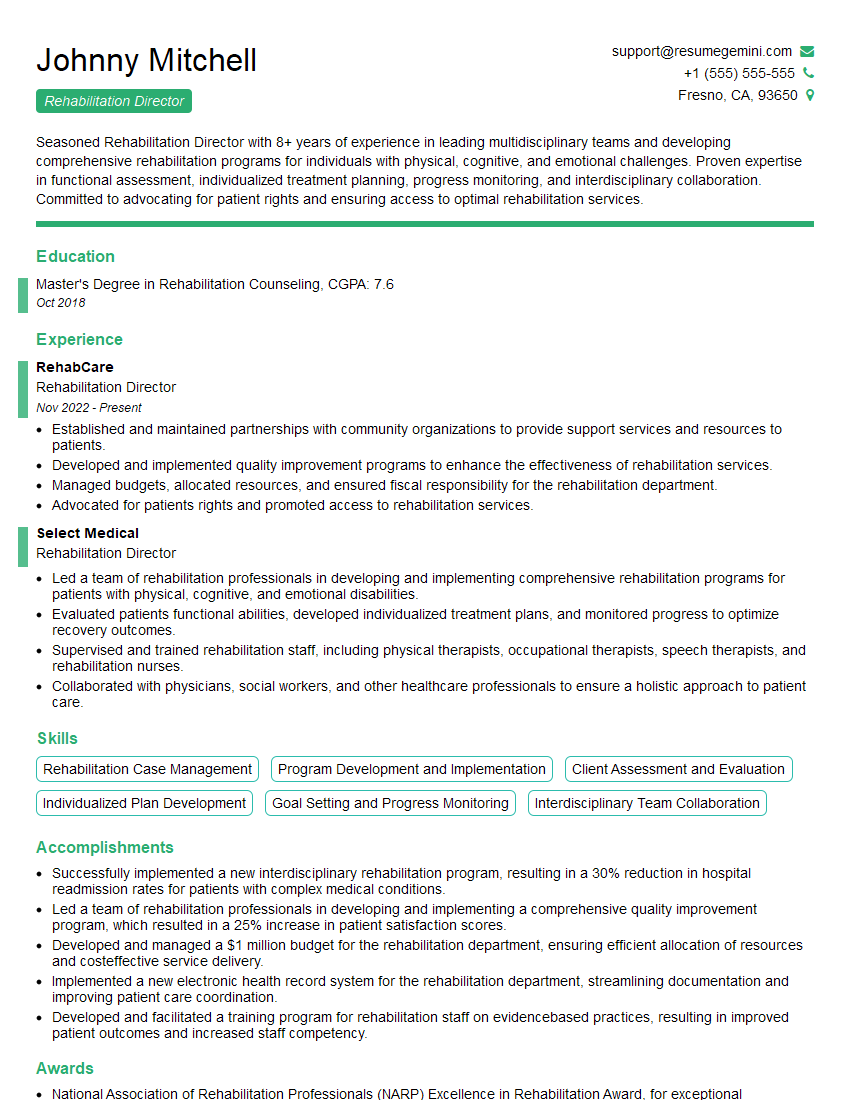
Rehabilitation Director Resume Sample
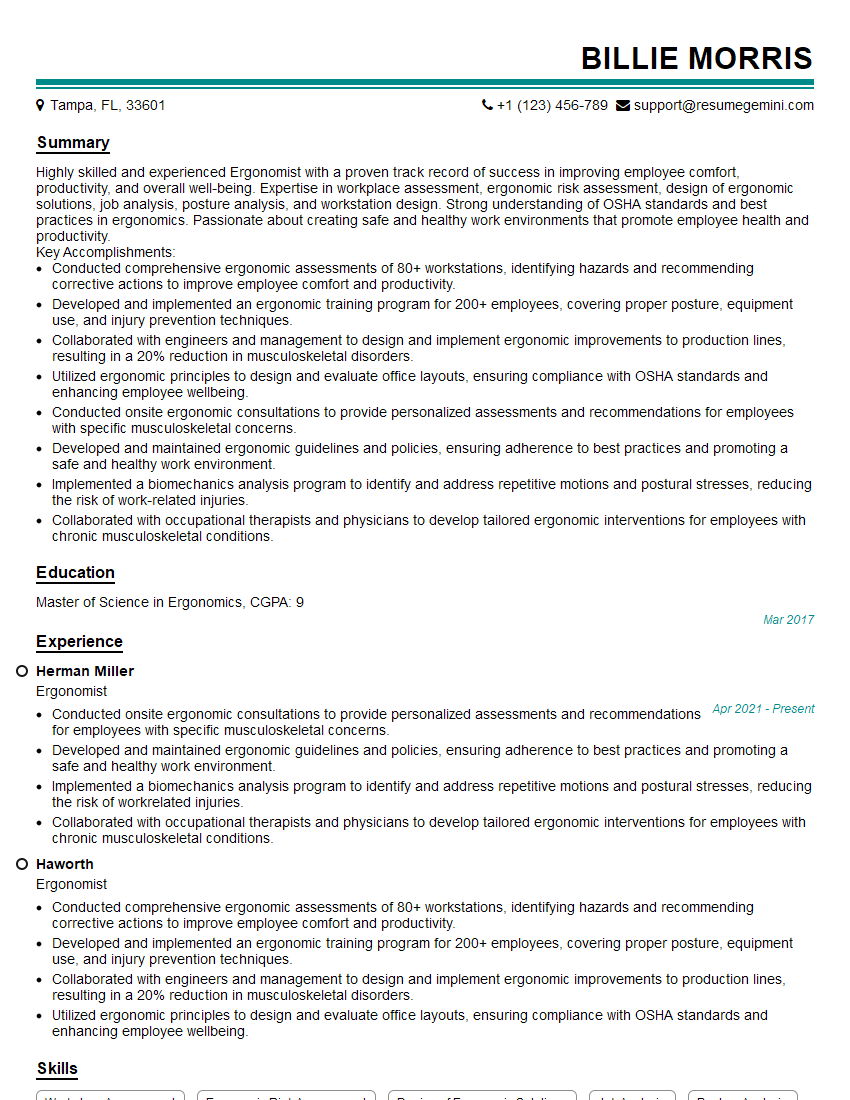
Ergonomist Resume Sample
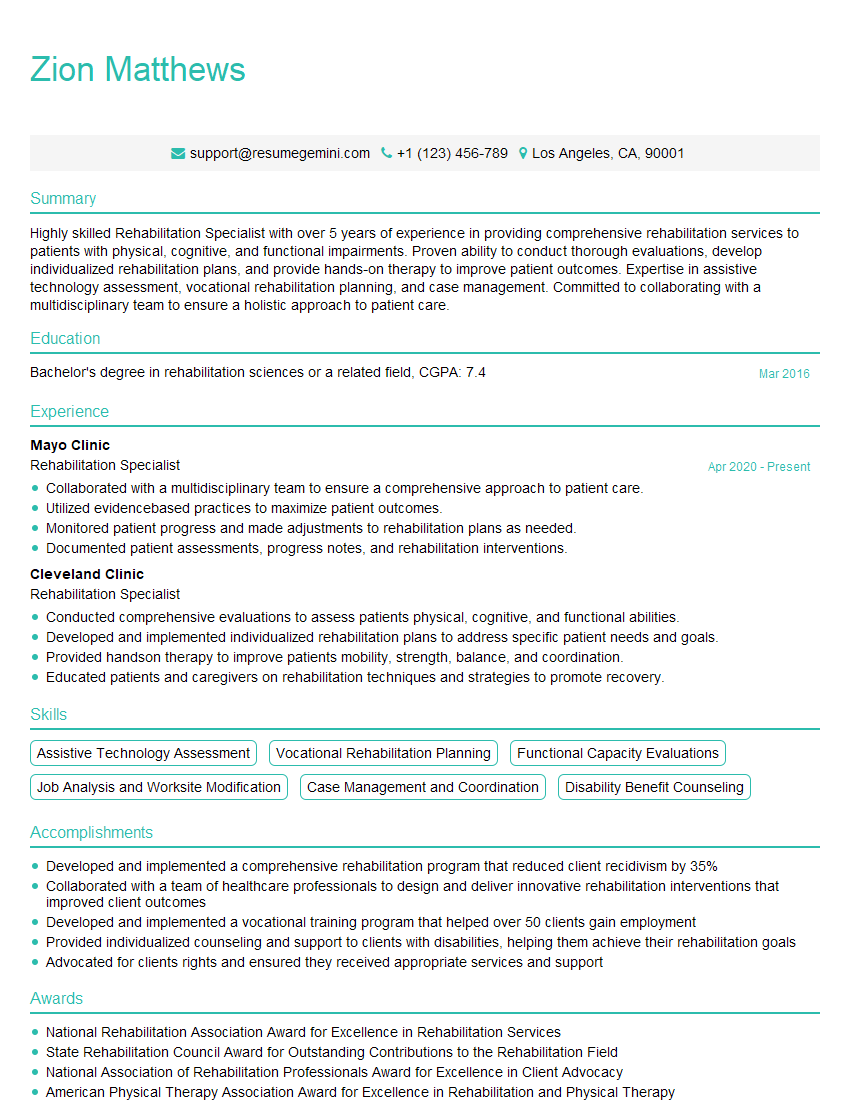
Rehabilitation Specialist Resume Sample
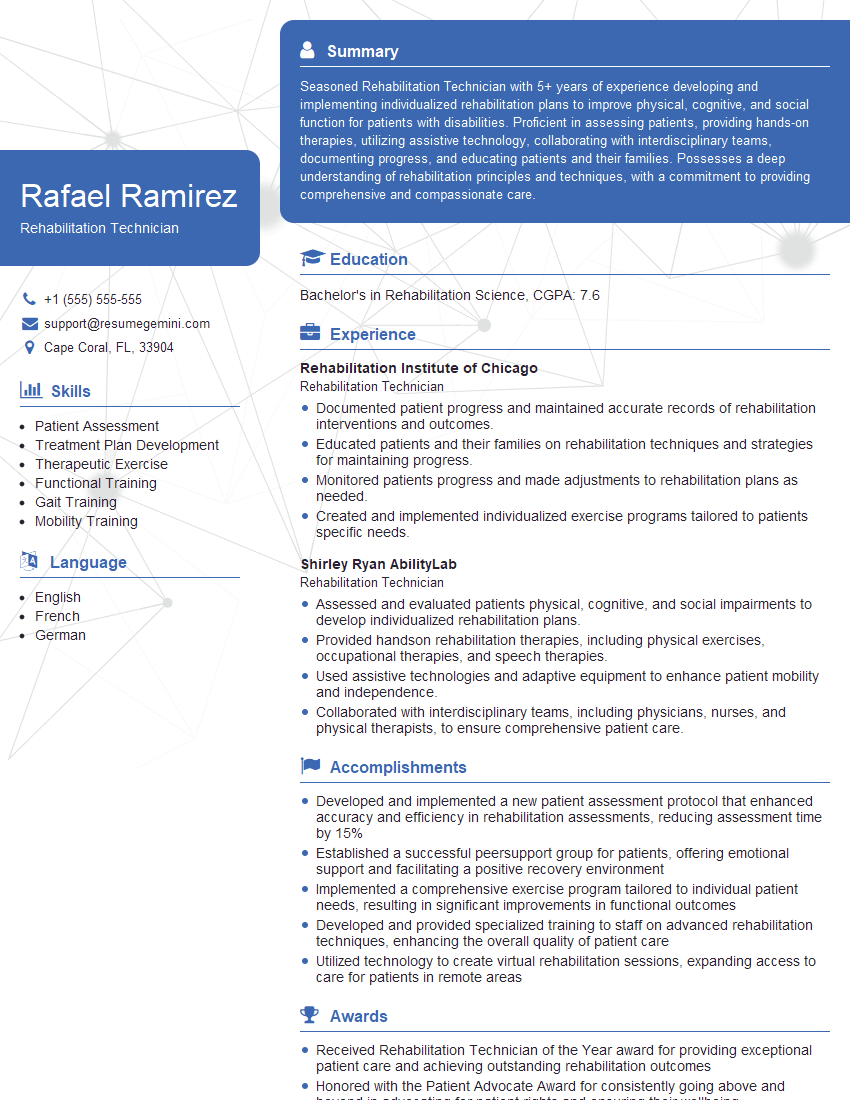
Rehabilitation Technician Resume Sample
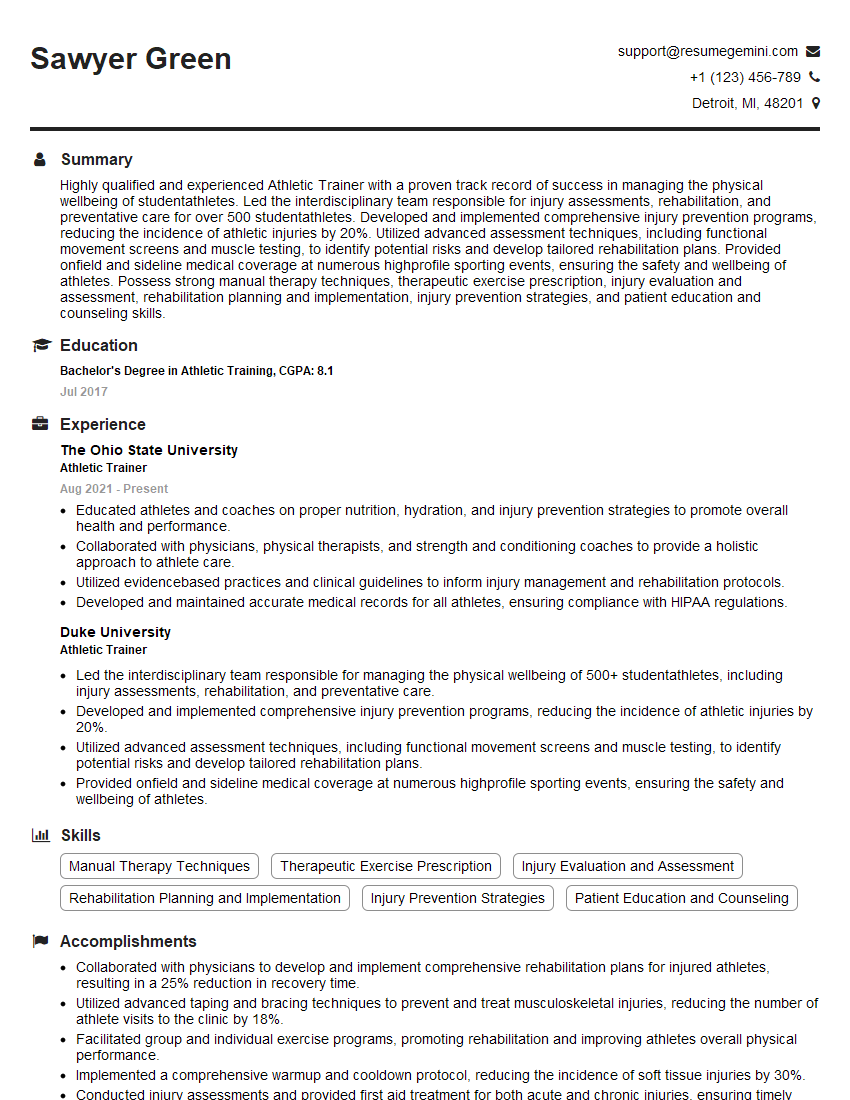
Athletic Trainer Resume Sample
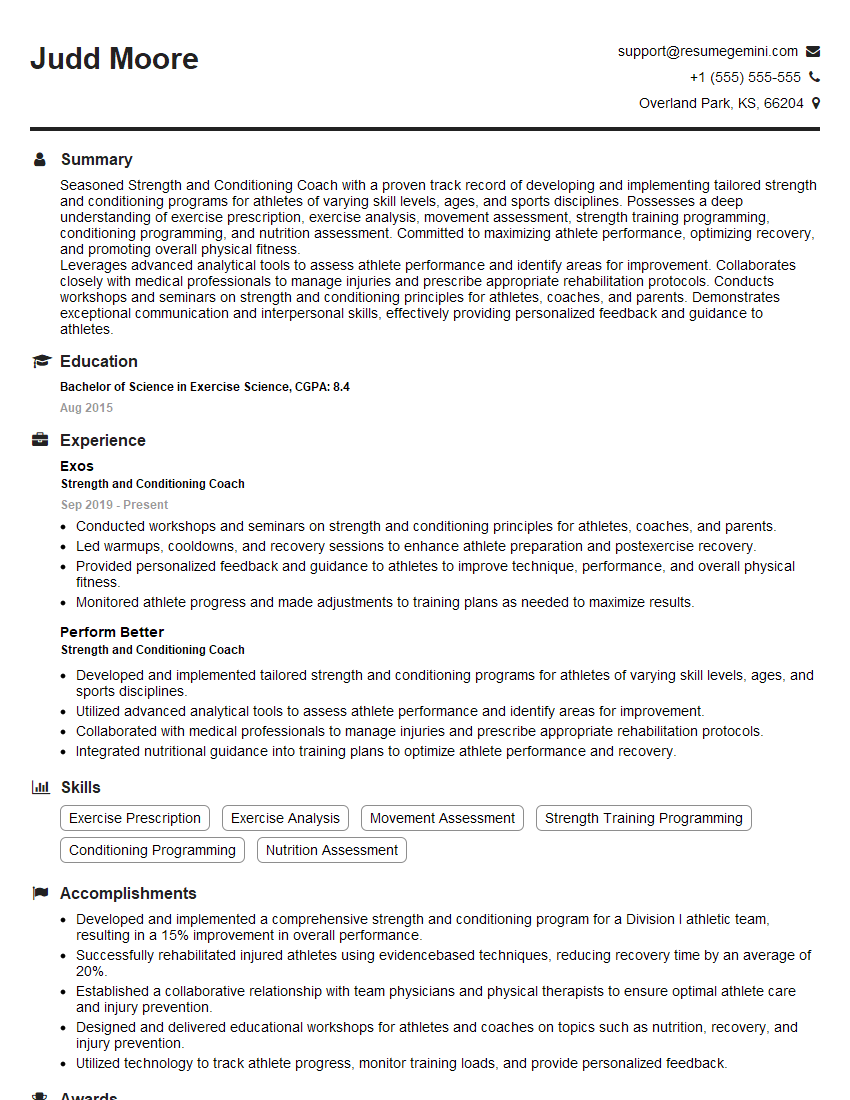
Strength and Conditioning Coach Resume Sample
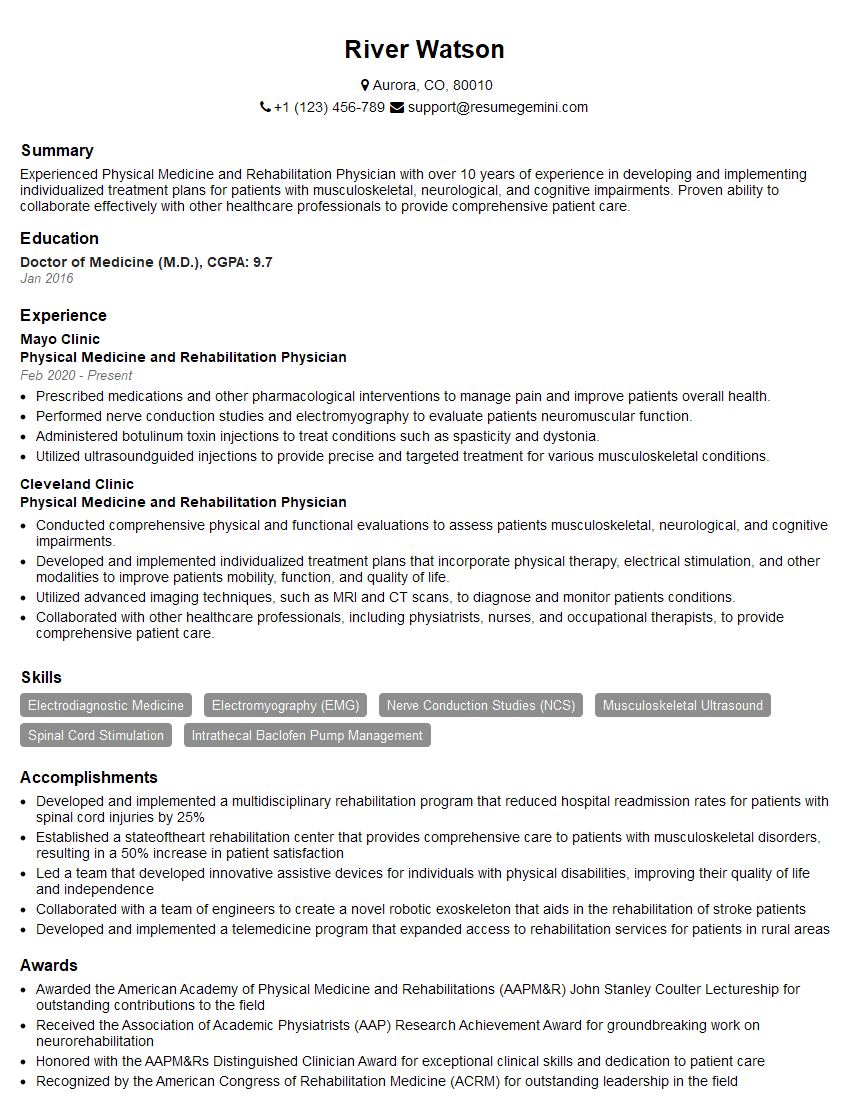
Physical Medicine and Rehabilitation Physician Resume Sample
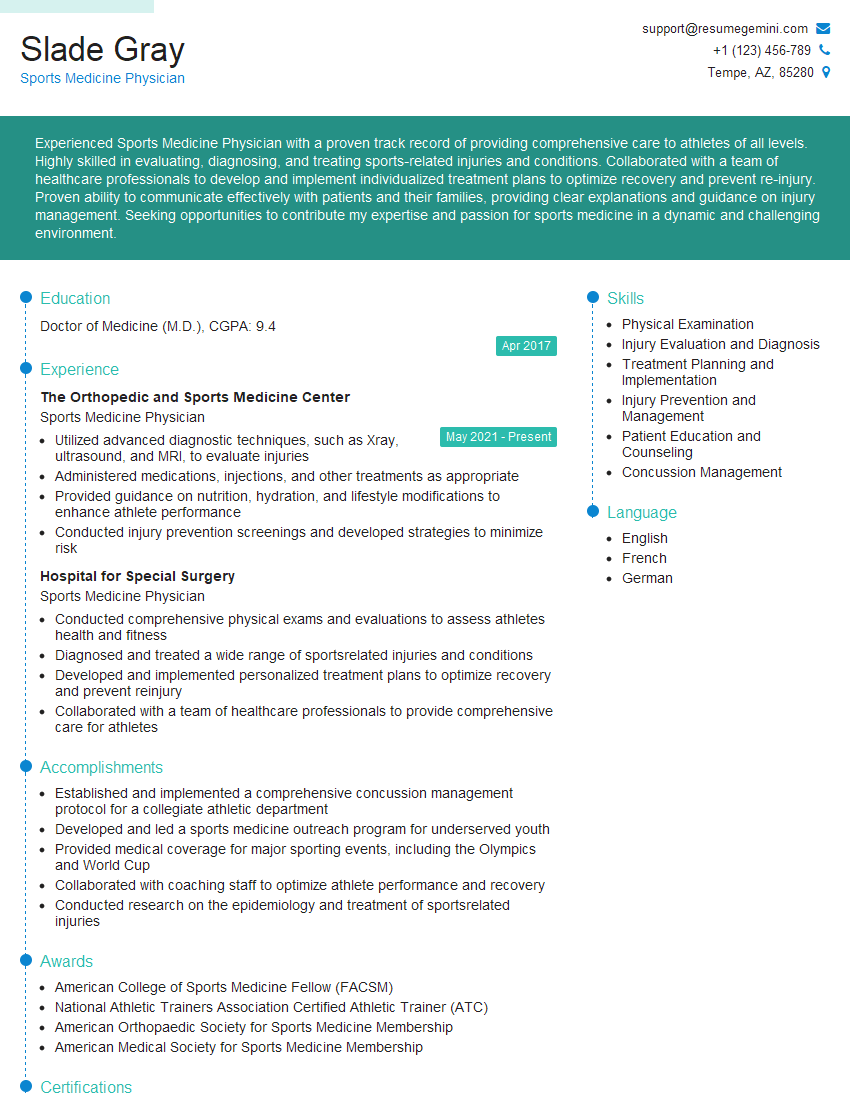
Sports Medicine Physician Resume Sample
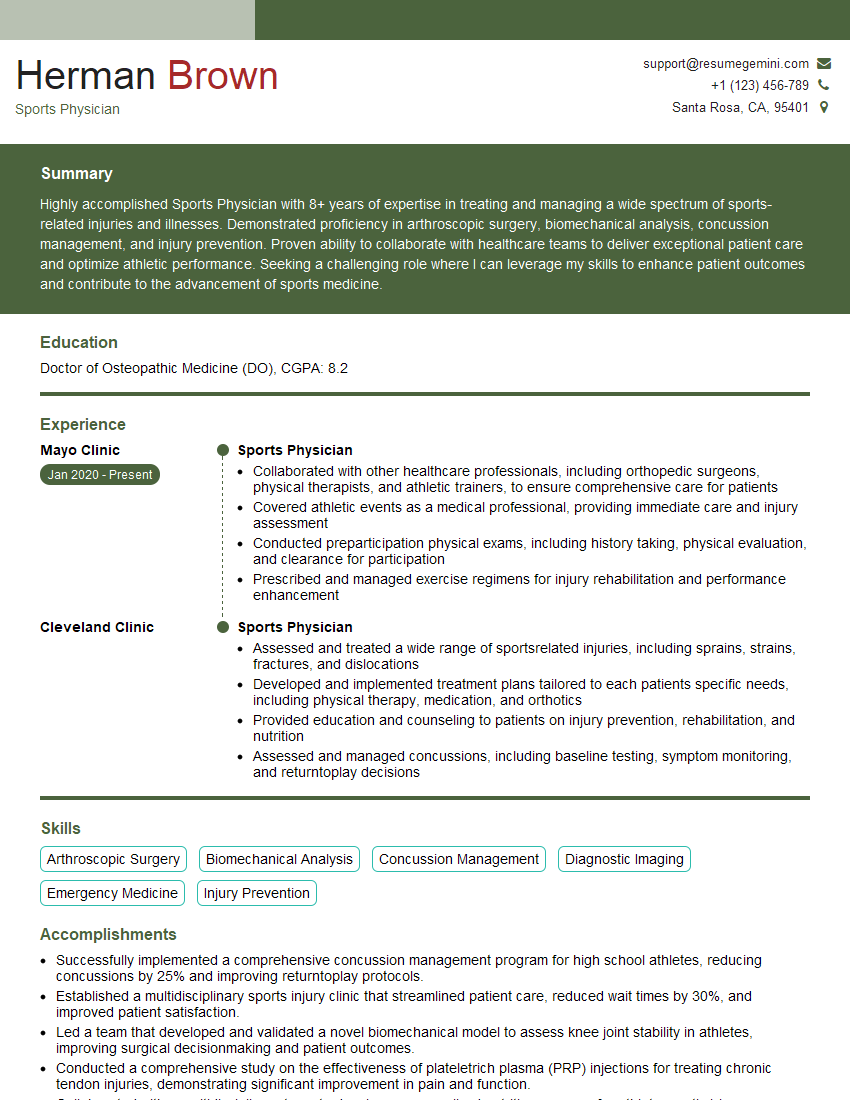
Sports Physician Resume Sample
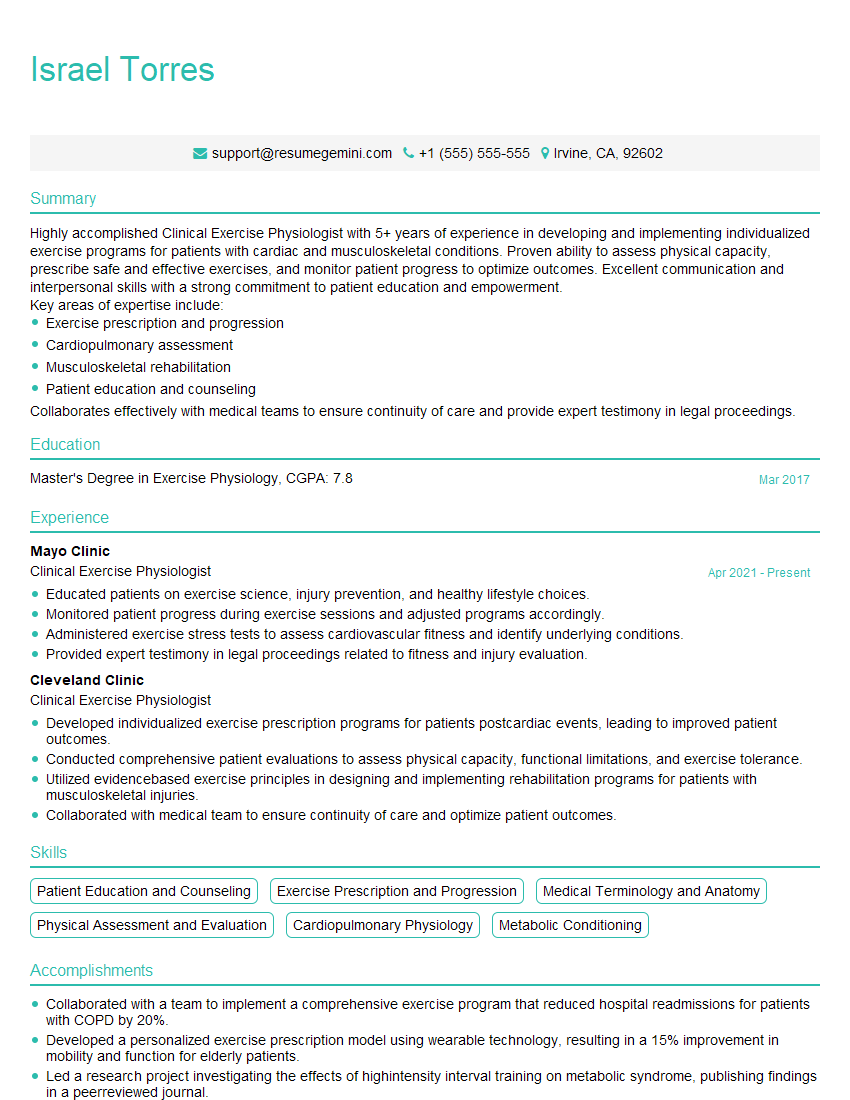
Clinical Exercise Physiologist Resume Sample
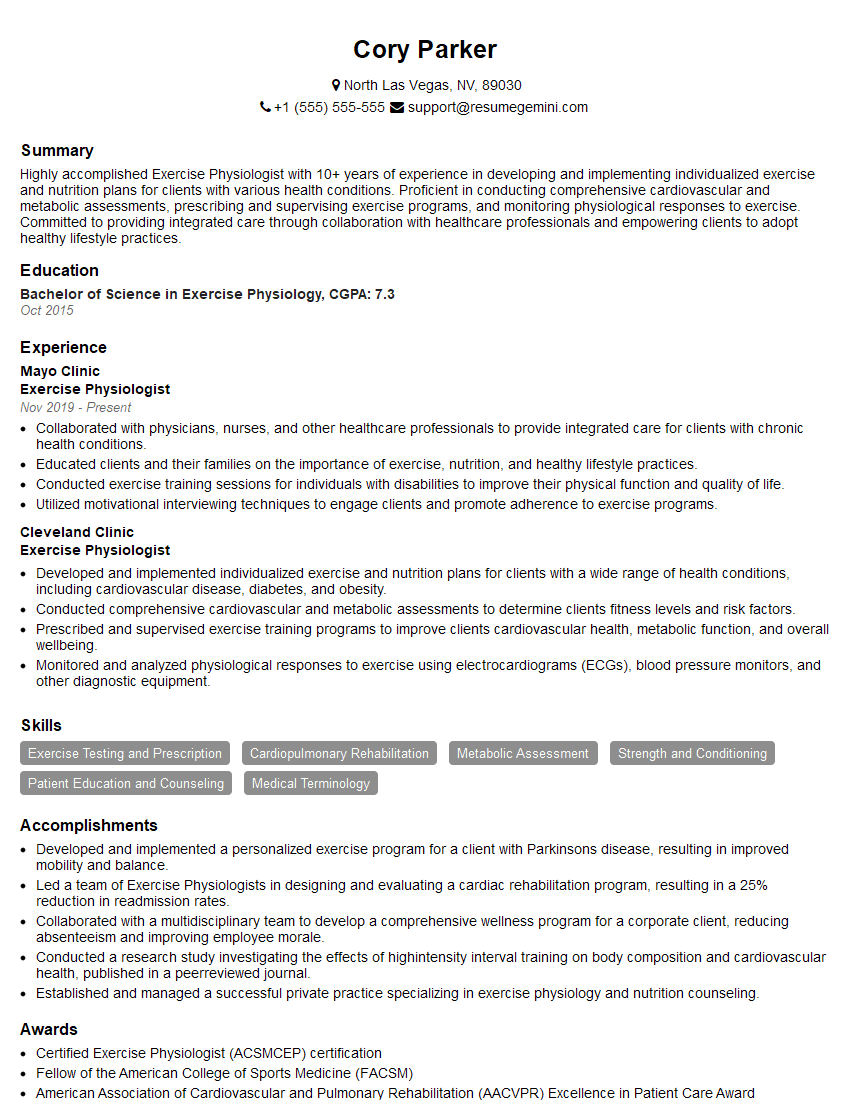
Exercise Physiologist Resume Sample
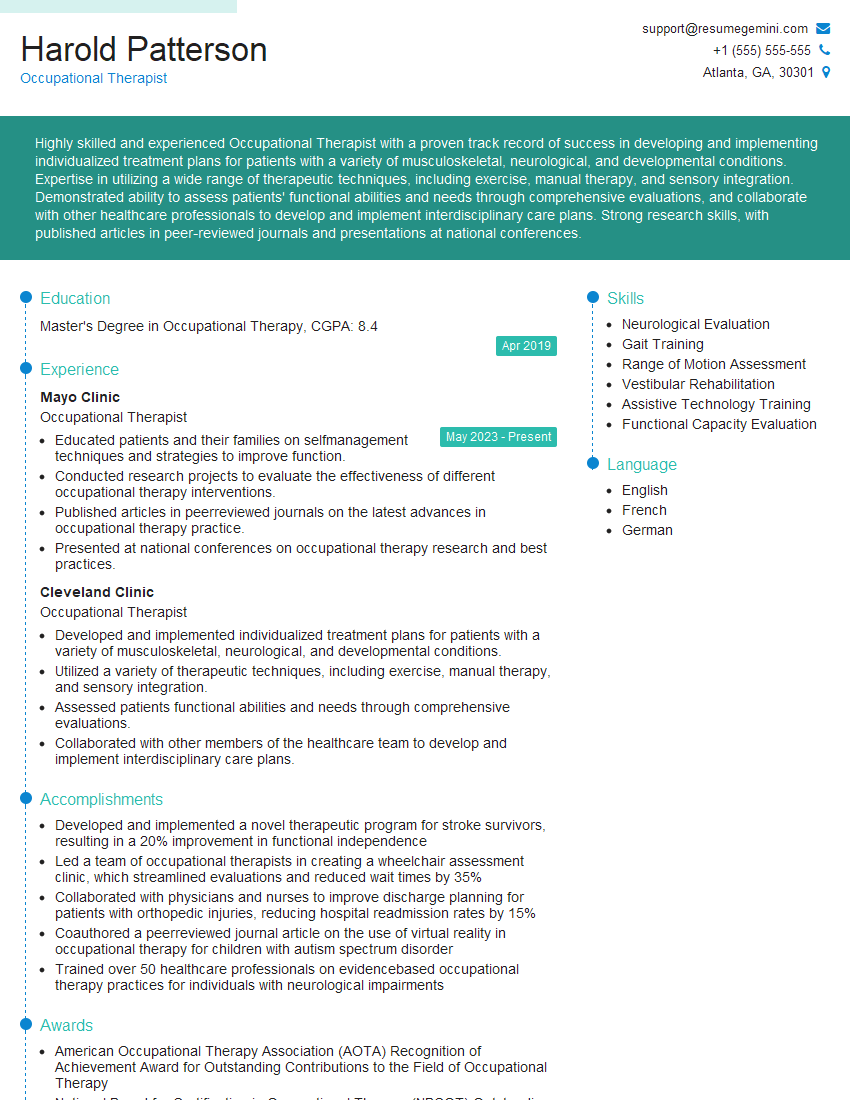
Occupational Therapist Resume Sample
- Rehabilitation Director
- Ergonomist
- Rehabilitation Specialist
- Rehabilitation Technician
- Athletic Trainer
- Strength and Conditioning Coach
- Physical Medicine and Rehabilitation Physician
- Sports Medicine Physician
- Sports Physician
- Clinical Exercise Physiologist
- Exercise Physiologist
- Occupational Therapist
Explore more articles
Users Rating of Our Blogs
Share Your Experience
We value your feedback! Please rate our content and share your thoughts (optional).
What Readers Say About Our Blog
Very informative content, great job.
good