Cracking a skill-specific interview, like one for Inspect material for defects and remove damaged pieces, requires understanding the nuances of the role. In this blog, we present the questions you’re most likely to encounter, along with insights into how to answer them effectively. Let’s ensure you’re ready to make a strong impression.
Questions Asked in Inspect material for defects and remove damaged pieces Interview
Q 1. Describe your experience with various inspection methods.
My experience encompasses a wide range of inspection methods, tailored to the specific material and application. This includes visual inspection, the most fundamental method, where I carefully examine the material for any visible flaws. This can range from simple cracks and scratches to more subtle inconsistencies in color or texture. Beyond visual inspection, I’m proficient in using various tools and techniques. For instance, I utilize dimensional inspection methods like calipers and micrometers to ensure precise measurements are within tolerance. I also regularly employ non-destructive testing (NDT) methods such as ultrasonic testing (UT) to detect internal flaws in materials like metals and composites, or magnetic particle inspection (MPI) for detecting surface and near-surface cracks in ferromagnetic materials. Finally, I have experience with liquid penetrant testing (LPT), a highly effective method for finding surface-breaking defects in non-porous materials. The choice of method always depends on the material’s properties, the type of defects expected, and the required level of detail.
For example, in one project involving a batch of steel components, visual inspection revealed minor surface scratches. However, using ultrasonic testing, we identified a previously undetected internal void in one component which would have caused catastrophic failure. This highlights the importance of using a multi-faceted approach to inspection.
Q 2. How do you identify and classify different types of material defects?
Identifying and classifying material defects requires a systematic approach. I begin by visually inspecting the material, noting any surface anomalies. Then, based on the nature of the defect, I classify it into different categories. Common defect types include:
- Surface defects: Scratches, dents, gouges, cracks, pitting, and corrosion.
- Internal defects: Voids, inclusions (foreign material embedded in the material), porosity (small holes), cracks, and laminations (layers separating).
- Dimensional defects: Deviations from specified dimensions, such as variations in thickness, length, or width.
- Geometric defects: Incorrect angles, warpage, or other deviations from specified shapes.
The classification helps determine the severity of the defect and appropriate corrective actions. For instance, a small surface scratch might be acceptable, while a large internal crack would necessitate rejection of the component. The classification process also informs the choice of repair methods if possible.
Q 3. What are the common causes of material damage in your field?
Material damage in my field stems from various sources, often interacting in complex ways. Manufacturing processes themselves can introduce defects. For example, improper casting can lead to voids in metal parts, while incorrect welding techniques can result in cracks or porosity. Handling and storage are other significant contributors. Dropping or mishandling materials can cause dents, scratches, or even fractures. Improper storage, especially in harsh environmental conditions, can accelerate corrosion or cause deterioration. Environmental factors, such as exposure to extreme temperatures, humidity, or corrosive substances, can also degrade materials over time. Finally, design flaws, while not directly causing damage during manufacturing, can lead to premature failure during use and thus be considered a form of ‘damage’ during inspection.
Think of it like this: a tiny scratch might seem insignificant, but if it’s on a crucial structural component, it could act as a stress concentrator, potentially causing a failure under load much earlier than expected.
Q 4. Explain your process for documenting and reporting defects.
Documentation and reporting are crucial for maintaining traceability and facilitating corrective actions. My process involves a thorough and detailed record of every defect identified. I use standardized forms to record the type of defect, its location, size, severity, and any relevant contextual information. Photographs and/or sketches are included to visually document the defect. For example, using a specialized software, I can overlay measurements and annotations directly on an image of the defect. This detailed approach ensures accurate and unambiguous reporting. The completed forms are then submitted to the relevant team (quality control, engineering, etc.) for review and decision-making regarding repair or rejection of the affected materials. This systematic approach also facilitates future analysis to identify trends and prevent similar defects from occurring again.
Q 5. How do you prioritize defects based on severity and risk?
Prioritizing defects is essential for efficient resource allocation and ensuring timely corrective actions. I use a risk-based approach, considering factors such as the severity of the defect and its potential impact on the final product or structure’s performance and safety. A critical defect, such as a large crack in a load-bearing component, demands immediate attention. Minor defects that don’t significantly affect functionality might be given lower priority. I typically use a defect severity rating system. This often involves a scale (e.g., 1-5, where 1 is minor and 5 is critical). Risk is then calculated using a formula that considers both severity and probability of failure resulting from the defect. This allows me to quickly identify the most critical issues that need to be addressed first.
Q 6. Describe your experience using inspection tools and equipment.
My experience encompasses a wide range of inspection tools and equipment. Basic tools like calipers, micrometers, rulers, and magnifying glasses are routinely used for visual inspection and dimensional checks. For non-destructive testing, I am proficient with ultrasonic testing equipment, including probes, couplants, and flaw detectors. I’m also skilled in using magnetic particle inspection equipment, including yokes, prods, and fluorescent magnetic particle suspensions. In addition, I regularly utilize liquid penetrant testing kits, including penetrants, developers, and cleaning agents. I am familiar with both conventional and digital imaging systems for documenting defects, enabling me to create detailed records. The selection of equipment is always based on the material’s properties and the type of defects anticipated.
Q 7. How do you ensure the accuracy and reliability of your inspections?
Ensuring accuracy and reliability is paramount in my work. I achieve this through several key measures. First, I adhere to strict procedures and standardized methods for each inspection technique. Regular calibration and maintenance of inspection equipment are essential to maintain accuracy. Calibration certificates are kept updated and readily available. Second, I always strive for consistency and objectivity in my assessments. The use of standardized defect classification systems and checklists minimizes bias and ensures that inspections are performed consistently. Third, regular quality control checks and audits are undertaken to validate inspection procedures and the performance of inspectors. Cross-checking with other inspectors on complex cases is also a standard practice. Finally, continuous professional development keeps me updated with latest techniques and advancements in material inspection practices, thus ensuring accurate and reliable inspections.
Q 8. How do you handle discrepancies or disagreements about defect classifications?
Discrepancies in defect classification are inevitable, especially when dealing with complex materials or subjective assessments. My approach prioritizes clear communication and a well-defined process. First, I ensure all parties involved (inspectors, supervisors, engineers) are using the same standardized defect classification system, perhaps a checklist or a visual guide. If a disagreement arises, we revisit the original criteria. This often involves reviewing high-resolution images or even examining the material sample itself under magnification or with specialized testing equipment. We carefully analyze the nature and extent of the defect – size, depth, location, and impact on functionality. In cases where there’s still disagreement, we escalate it to a senior inspector or a designated quality control team, who have the authority to make a final determination. Sometimes a second opinion from an independent expert is needed. The entire process is documented meticulously, including images, notes, and the rationale behind the final classification, so we learn from any inconsistencies in the future.
Q 9. What is your experience with different types of material (e.g., metal, plastic, wood)?
My experience spans a wide range of materials. I’m proficient in inspecting metals, including ferrous and non-ferrous alloys (steel, aluminum, brass) for defects like cracks, pitting, corrosion, and dimensional inaccuracies. I utilize various non-destructive testing methods such as visual inspection, ultrasonic testing, and magnetic particle inspection, depending on the material and suspected type of defect. With plastics, I have expertise in identifying molding flaws (sink marks, flash), stress cracking, and degradation due to UV exposure or chemical reactions. I’m experienced with various plastics, from thermoplastics (ABS, polypropylene) to thermosets (epoxy). My background also includes inspecting wood for knots, cracks, warping, decay, and insect damage. Here, my focus is often on grain orientation and assessing the material’s structural integrity. I frequently use specialized tools like moisture meters for comprehensive evaluation.
Q 10. How familiar are you with industry-specific quality standards (e.g., ISO 9001)?
I’m very familiar with ISO 9001 and other relevant quality management systems. My understanding extends beyond mere compliance; I actively apply the principles of quality control and continuous improvement within my work. ISO 9001’s focus on documented procedures, internal audits, and corrective actions directly informs my daily work, ensuring consistency and traceability throughout the inspection process. I’m also familiar with industry-specific standards for materials testing and defect acceptance criteria, and I ensure my inspection methodologies align with these guidelines. For example, in aerospace manufacturing, I would be intimately familiar with the stringent standards like AS9100, which are significantly more rigorous than the general ISO 9001 requirements.
Q 11. Describe a situation where you had to identify a critical defect. How did you handle it?
In a previous role, we were manufacturing high-pressure hydraulic tubing. During a routine inspection, I noticed a hairline crack in a section of tubing that was almost invisible to the naked eye. This was a critical defect, as failure could lead to catastrophic consequences. My immediate response was to immediately flag the part and halt the production line. I then used a magnifying glass and a dye penetrant inspection to confirm the presence and extent of the crack. This confirmed the defect. The affected batch of tubing was quarantined. A thorough root cause analysis was undertaken to determine the source of the crack, which was traced back to a flaw in the manufacturing process. Appropriate corrective actions were implemented, including adjusting machine settings and retraining personnel. This incident highlighted the importance of meticulous inspection and the immediate response needed when a critical defect is identified.
Q 12. What are your strategies for minimizing material damage during handling and storage?
Minimizing material damage involves a multi-pronged approach. First, proper handling procedures are crucial. This includes using appropriate lifting equipment (forklifts, cranes), wearing protective gloves to avoid scratching or contaminating the material, and ensuring that materials are transported and stored in a manner that prevents impacts or excessive vibrations. Second, adequate storage is key. I make sure materials are properly stacked and supported to prevent warping or damage. Appropriate environmental conditions (temperature and humidity) are maintained for materials that are sensitive to environmental factors. For example, certain plastics may become brittle in cold temperatures or absorb moisture and degrade in humid conditions. Third, using protective packaging such as padding, wraps, and containers helps to prevent scratches and damage during transit and storage. Regular inspections of stored materials are also important to catch potential issues early.
Q 13. How do you maintain a clean and organized inspection work area?
Maintaining a clean and organized workspace is essential for efficient and accurate inspection. I start by establishing a clear layout for the inspection area, segregating materials according to type and condition. I utilize labeled bins, racks, and storage containers to organize parts and tools. Regular cleaning is crucial, removing debris and ensuring that surfaces are free from contaminants that could interfere with the inspection process. I make sure to use appropriate cleaning agents and avoid anything that could damage the materials under inspection. Proper lighting is also vital, as it allows me to identify even minor defects. Keeping accurate records of my work and discarding waste materials properly adds to the organization and cleanliness of the inspection area.
Q 14. Describe your experience with statistical process control (SPC).
My experience with Statistical Process Control (SPC) involves using control charts (X-bar and R charts, for example) to monitor process variations and identify trends indicating potential problems. I use this to analyze the data from my inspections. Understanding SPC allows me to move beyond simply identifying defects; it helps me understand the root cause of defects. By tracking defect rates over time, I can identify patterns and correlate them to specific factors in the manufacturing process. This allows for proactive adjustments to minimize defects and improve process consistency. For example, if I notice a sudden increase in a specific type of defect, I can work with the production team to investigate potential causes like machine wear, variations in raw materials, or changes in operating procedures. SPC is invaluable for improving quality and efficiency.
Q 15. Explain the importance of preventative maintenance in material inspection.
Preventative maintenance in material inspection is crucial because it shifts the focus from reactive problem-solving to proactive prevention. Think of it like regular check-ups for your car – catching small issues early prevents major breakdowns later. In material inspection, this means regularly checking materials for wear, tear, and potential defects before they cause larger problems or failures down the line. This can significantly reduce costs associated with repairs, replacements, and downtime.
For instance, regularly inspecting the structural integrity of a bridge’s support beams can prevent catastrophic collapses. Early detection of minor cracks allows for timely repairs, saving both money and lives. Similarly, in manufacturing, regular inspection of raw materials can prevent defective products from reaching the consumer, protecting brand reputation and reducing waste.
- Reduced Downtime: Identifying and addressing issues early prevents costly production halts.
- Cost Savings: Repairing small defects is much cheaper than replacing entire components.
- Improved Safety: Proactive maintenance identifies potential hazards before they cause accidents or injuries.
- Enhanced Product Quality: Consistent material quality ensures consistent product quality.
Career Expert Tips:
- Ace those interviews! Prepare effectively by reviewing the Top 50 Most Common Interview Questions on ResumeGemini.
- Navigate your job search with confidence! Explore a wide range of Career Tips on ResumeGemini. Learn about common challenges and recommendations to overcome them.
- Craft the perfect resume! Master the Art of Resume Writing with ResumeGemini’s guide. Showcase your unique qualifications and achievements effectively.
- Don’t miss out on holiday savings! Build your dream resume with ResumeGemini’s ATS optimized templates.
Q 16. How do you effectively communicate inspection results to your team?
Effective communication of inspection results is paramount. I use a multi-pronged approach, tailoring my communication to the audience and the severity of the findings. For routine inspections with minor issues, a concise email or quick team meeting summarizing the findings and suggested corrective actions is sufficient. For critical defects, I prefer a formal report with detailed photographic or video evidence, presented in a face-to-face meeting with the relevant stakeholders.
Clarity is key. I avoid technical jargon whenever possible, explaining findings in simple, understandable language. I always focus on the ‘so what?’ – what are the implications of these defects, and what needs to be done to address them? Visual aids like charts and graphs are incredibly helpful for illustrating trends or the location of defects. For instance, a heat map showing the concentration of defects in a specific area can be much more impactful than a long paragraph of text.
Finally, I encourage open dialogue and questions. Making myself available to answer questions and address concerns ensures everyone is on the same page and understands the necessary actions.
Q 17. What software or systems do you use for tracking and managing defects?
Throughout my career, I’ve utilized various software and systems for defect tracking and management. Many manufacturing environments leverage Computerized Maintenance Management Systems (CMMS) such as SAP PM or Maximo. These systems allow for detailed recording of inspections, defect identification, assignment of corrective actions, and tracking of progress. They often include features for generating reports, visualizing defect trends, and managing preventative maintenance schedules.
In smaller settings or for specific projects, I’ve used simpler solutions like spreadsheets (Excel or Google Sheets) to create customized tracking systems. These can be highly effective for smaller teams, allowing for flexibility in data entry and analysis. Regardless of the system used, the key is maintaining consistent data entry practices and ensuring the system is accessible and easy to use for all involved personnel.
Q 18. How do you handle situations where inspection deadlines are tight?
Tight inspection deadlines require a strategic and adaptable approach. My first step is to prioritize the inspection based on risk. I focus on areas with the highest potential for failure or safety hazards first. This ensures that critical defects are identified and addressed promptly.
Effective time management is crucial. I break down the inspection into smaller, manageable tasks, allocating specific timeframes for each. This allows me to track progress and identify potential delays early. I leverage technology to streamline the process, using digital checklists, automated data entry, and efficient reporting tools. Furthermore, if necessary, I communicate transparently with stakeholders, outlining potential challenges and adjusting priorities as needed.
Teamwork is essential. In high-pressure situations, collaboration becomes even more important. Clear communication and the delegation of specific tasks to team members can greatly improve efficiency.
Q 19. Describe your experience with different types of non-destructive testing.
My experience encompasses several non-destructive testing (NDT) methods. These techniques allow for the examination of materials without causing damage. I’m proficient in:
- Visual Inspection: The most basic method, involving visual examination for surface defects.
- Ultrasonic Testing (UT): Uses high-frequency sound waves to detect internal flaws. I’ve used this extensively to inspect welds and castings for cracks or voids.
- Radiographic Testing (RT): Employs X-rays or gamma rays to create images of internal structures, identifying defects like porosity or inclusions. I’ve used this for inspecting complex assemblies and castings.
- Magnetic Particle Testing (MT): Detects surface and near-surface cracks in ferromagnetic materials. I have experience using this method for the inspection of pipelines and other critical components.
- Liquid Penetrant Testing (PT): Identifies surface-breaking defects by applying a penetrating dye. This method is often used to inspect welds and castings.
The choice of NDT method depends on the material type, the type of defects expected, and the accessibility of the component.
Q 20. What are your methods for verifying the effectiveness of corrective actions?
Verifying the effectiveness of corrective actions is as important as the actions themselves. My approach involves a multi-step process:
- Re-inspection: A thorough re-inspection of the affected area is carried out to confirm that the defect has been successfully addressed.
- Documentation: All corrective actions and re-inspection results are meticulously documented, including photographs or videos as evidence.
- Performance Monitoring: In some cases, ongoing performance monitoring is required to ensure that the corrective action remains effective over time. This might involve regular inspections or testing.
- Root Cause Analysis: For recurring defects, a root cause analysis is performed to identify and eliminate the underlying issue, preventing similar problems in the future.
For instance, after repairing a crack in a structural component, I would conduct a re-inspection using ultrasonic testing to verify the repair’s integrity. Any further issues would prompt a root cause analysis to identify the source of the initial defect and prevent recurrence.
Q 21. How do you ensure the safety of yourself and others during the inspection process?
Safety is paramount during inspections. I strictly adhere to all relevant safety regulations and company protocols. This includes wearing appropriate Personal Protective Equipment (PPE), such as safety glasses, gloves, and hard hats, depending on the specific inspection and environment. I am always mindful of potential hazards, such as working at heights or near heavy machinery.
Before starting any inspection, I conduct a thorough risk assessment, identifying potential hazards and developing mitigation strategies. For instance, if working at heights, I would ensure appropriate fall protection measures are in place. I regularly receive training on relevant safety procedures and equipment use, ensuring my knowledge is up to date. I also emphasize proactive communication with my team and others in the vicinity, ensuring everyone is aware of my activities and potential hazards.
Reporting any unsafe conditions or incidents is mandatory. I believe in a culture of safety where everyone feels comfortable reporting concerns without fear of retribution.
Q 22. How do you stay updated on the latest industry standards and best practices?
Staying current in the materials inspection field requires a multi-pronged approach. I actively participate in professional organizations like ASQ (American Society for Quality) and attend their conferences and webinars to learn about new techniques, standards updates (like those from ASTM International), and emerging technologies. I also regularly read industry publications, both print and online, focusing on journals and trade magazines specializing in materials science and quality control. Finally, I believe in continuous learning through online courses and certifications, ensuring my skills are up-to-date with the latest advancements in non-destructive testing (NDT) methods and other relevant areas.
For example, recently I completed a course on advanced ultrasonic inspection techniques, which has significantly improved my ability to detect subsurface flaws in metal components. This proactive approach guarantees I’m always applying the most effective and up-to-date methodologies.
Q 23. How do you adapt your inspection techniques to different materials and products?
Adaptability is key in materials inspection. My approach varies significantly depending on the material’s properties and the product’s complexity. For instance, inspecting a delicate ceramic component requires a much gentler hand and different tools than inspecting a thick steel plate. I tailor my techniques based on several factors:
- Material Type: Metals require techniques like visual inspection, ultrasonic testing, or magnetic particle testing. Ceramics might necessitate dye penetrant testing or visual inspection with magnification. Composites often need specialized techniques like X-ray inspection.
- Product Geometry: Complex shapes demand flexible inspection methods. A simple visual check might suffice for a flat sheet, but a complex casting may need a combination of techniques like X-ray and dye penetrant testing.
- Defect Types: The types of defects I expect to find (surface cracks, internal voids, etc.) will influence my choice of inspection methods. For instance, if I’m looking for surface cracks, dye penetrant testing is a highly effective method.
I regularly calibrate my equipment, ensuring its accuracy across different materials, and constantly refine my skills to handle diverse challenges. For example, I recently had to inspect a batch of carbon fiber reinforced polymer (CFRP) components. This required familiarizing myself with the unique challenges of inspecting this composite material, and I successfully employed a combination of visual inspection, ultrasonic testing, and thermography to detect delaminations and fiber breakage.
Q 24. Describe a time you had to deal with a difficult or uncooperative colleague during an inspection.
During an inspection of a large batch of aluminum castings, I encountered a colleague who was resistant to using the new, more efficient inspection protocol we’d been trained on. He preferred his older, less thorough method, claiming the new one was too time-consuming. Instead of confrontation, I approached the situation diplomatically. I showed him data comparing the effectiveness and efficiency of both methods – the new protocol detected significantly more defects in less time. I also offered to work alongside him during the inspection, demonstrating the new techniques and answering any questions he had. Through patience and collaboration, we successfully completed the inspection using the improved protocol, and he eventually acknowledged its superior effectiveness. This experience underscored the importance of open communication and collaborative problem-solving in a team setting.
Q 25. How do you handle situations where you find a defect that’s difficult to identify or categorize?
When faced with a difficult-to-identify defect, a systematic approach is essential. I start with a thorough visual inspection, using magnification tools as needed. Then, I employ various non-destructive testing (NDT) methods depending on the material and suspected defect type. This might involve ultrasonic testing, X-ray inspection, dye penetrant testing, or magnetic particle inspection. If these methods are inconclusive, I document the defect meticulously, including photographic evidence and detailed descriptions of its location, appearance, and any surrounding anomalies. I then consult with senior colleagues or materials experts to discuss the findings and determine the best course of action, often involving further specialized analysis.
For example, I once encountered an unusual anomaly in a titanium alloy component. Initial NDT methods yielded unclear results. After thorough documentation, I consulted a metallurgy expert, who recommended further analysis using electron microscopy. This revealed microscopic cracks invisible to standard NDT techniques. This highlights the importance of collaboration and advanced analytical techniques when dealing with complex cases.
Q 26. What are your strategies for preventing defects from occurring in the first place?
Preventing defects is proactive, not reactive. My strategies focus on several key areas:
- Process Control: Close monitoring of the manufacturing process is paramount. This includes regular calibration of equipment, adherence to standardized procedures, and implementing statistical process control (SPC) to identify trends and potential issues before they become defects.
- Materials Selection: Choosing the right materials for the intended application is crucial. This involves considering the material’s properties, environmental conditions, and expected stresses.
- Operator Training: Well-trained operators are less likely to introduce defects. This includes thorough instruction on proper handling, processing techniques, and safety procedures. Regular refresher training keeps skills sharp and ensures consistency.
- Regular Audits: Periodic inspections of equipment, processes, and workspaces help identify potential weaknesses before they lead to defects. This allows for corrective actions before significant problems arise.
For instance, by implementing a new, more precise cutting tool in a manufacturing process, we reduced the occurrence of surface imperfections in a particular component by over 70%. This demonstrates the direct impact of focusing on proactive process improvement.
Q 27. Describe your experience with root cause analysis for material defects.
Root cause analysis (RCA) is fundamental in materials inspection. When a defect is discovered, I use a structured approach, often employing methods like the ‘5 Whys’ or fishbone diagrams. I gather data from various sources: inspection reports, process records, operator feedback, and material certificates. I carefully analyze the sequence of events leading to the defect, identifying contributing factors and ultimately determining the root cause. This investigation is not just about finding the immediate cause but also understanding the underlying systemic issues that allowed the defect to occur. The goal is not only to correct the immediate problem but to prevent similar issues from happening in the future. I meticulously document my findings and recommendations to ensure effective corrective actions.
For example, during an RCA of cracks in a welded joint, I traced the issue back to an improperly calibrated welding machine, combined with insufficient operator training on correct welding parameters. Addressing both these issues prevented future recurrence of similar defects.
Q 28. How do you balance speed and accuracy during the inspection process?
Balancing speed and accuracy is a constant challenge. It’s not about rushing but about efficient and effective inspection. My strategy combines:
- Prioritization: I focus on high-risk areas and critical components first. This allows for efficient allocation of inspection time and resources.
- Automation: Where appropriate, I utilize automated inspection systems to enhance speed and consistency. This is particularly helpful for repetitive tasks or large-scale inspections.
- Sampling Techniques: Statistical sampling plans allow for efficient inspection of large batches without inspecting every single item. These plans are carefully designed to ensure a representative sample is examined.
- Optimized Techniques: I employ the most efficient inspection methods suitable for the material and defect type. This avoids unnecessary testing and reduces overall inspection time.
For example, by implementing a computer vision system for automated surface defect detection, we were able to significantly increase inspection throughput while maintaining accuracy, improving our overall efficiency and reducing inspection costs.
Key Topics to Learn for Inspecting Material for Defects and Removing Damaged Pieces Interview
- Visual Inspection Techniques: Understanding different methods for identifying defects (e.g., visual examination, dimensional checks, surface analysis).
- Defect Classification: Learning to categorize defects based on severity, type (e.g., scratches, cracks, dents), and location.
- Material Properties and Failure Modes: Knowing how material properties influence defect formation and how different failure modes manifest.
- Quality Control Standards and Procedures: Familiarity with relevant industry standards and best practices for quality control inspections.
- Safe Removal Techniques: Mastering safe and efficient methods for removing damaged pieces while minimizing further damage.
- Documentation and Reporting: Understanding the importance of accurate and thorough documentation of findings, including photographic evidence.
- Problem-Solving and Decision-Making: Developing skills to analyze situations, identify root causes of defects, and propose effective solutions.
- Use of Inspection Tools and Equipment: Familiarity with common inspection tools (e.g., calipers, micrometers, magnifying glasses) and understanding their limitations.
- Understanding Safety Regulations and Procedures: Prioritizing safety in the workplace and adhering to relevant safety protocols.
Next Steps
Mastering the skills related to inspecting material for defects and removing damaged pieces is crucial for career advancement in many manufacturing and quality control roles. These skills demonstrate attention to detail, problem-solving abilities, and commitment to quality – highly valued attributes in any industry. To increase your job prospects, creating an ATS-friendly resume is essential. ResumeGemini is a trusted resource that can help you build a professional resume that highlights your skills and experience effectively. Examples of resumes tailored to this specific area are available to guide you. Take this opportunity to showcase your expertise and land your dream job!
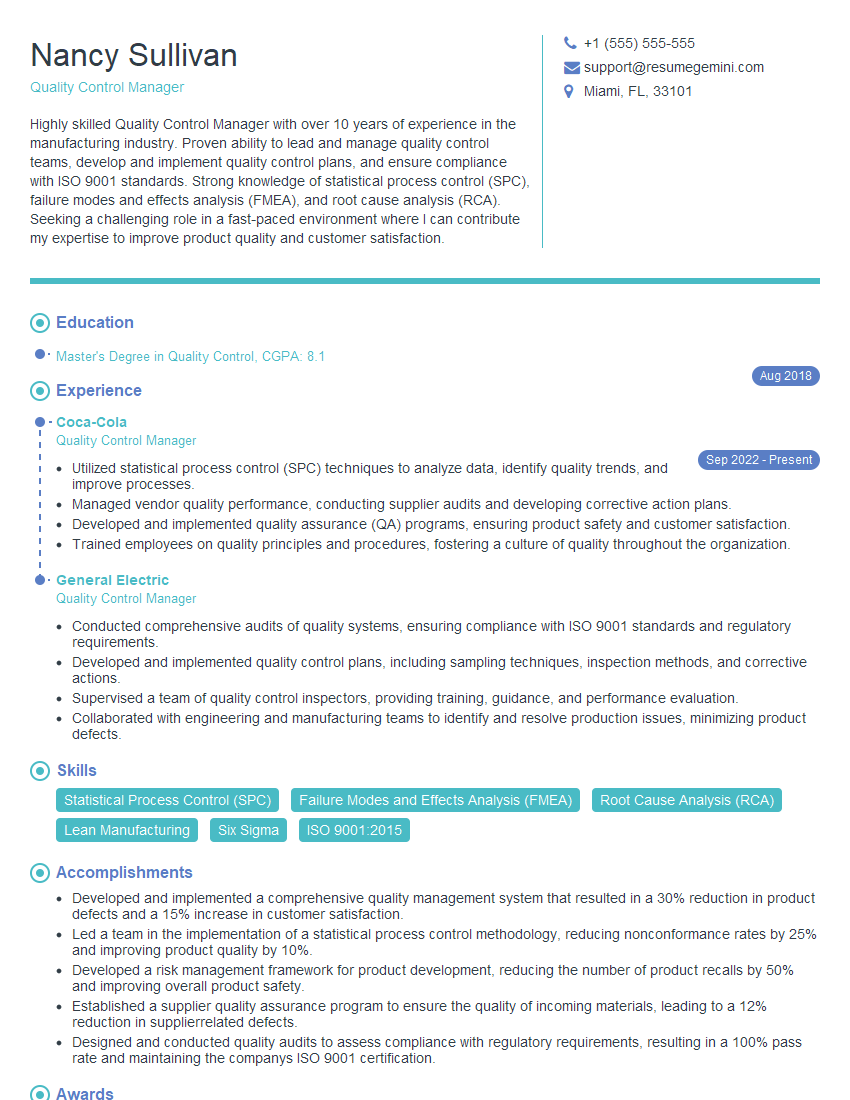
Quality Control Manager Resume Sample
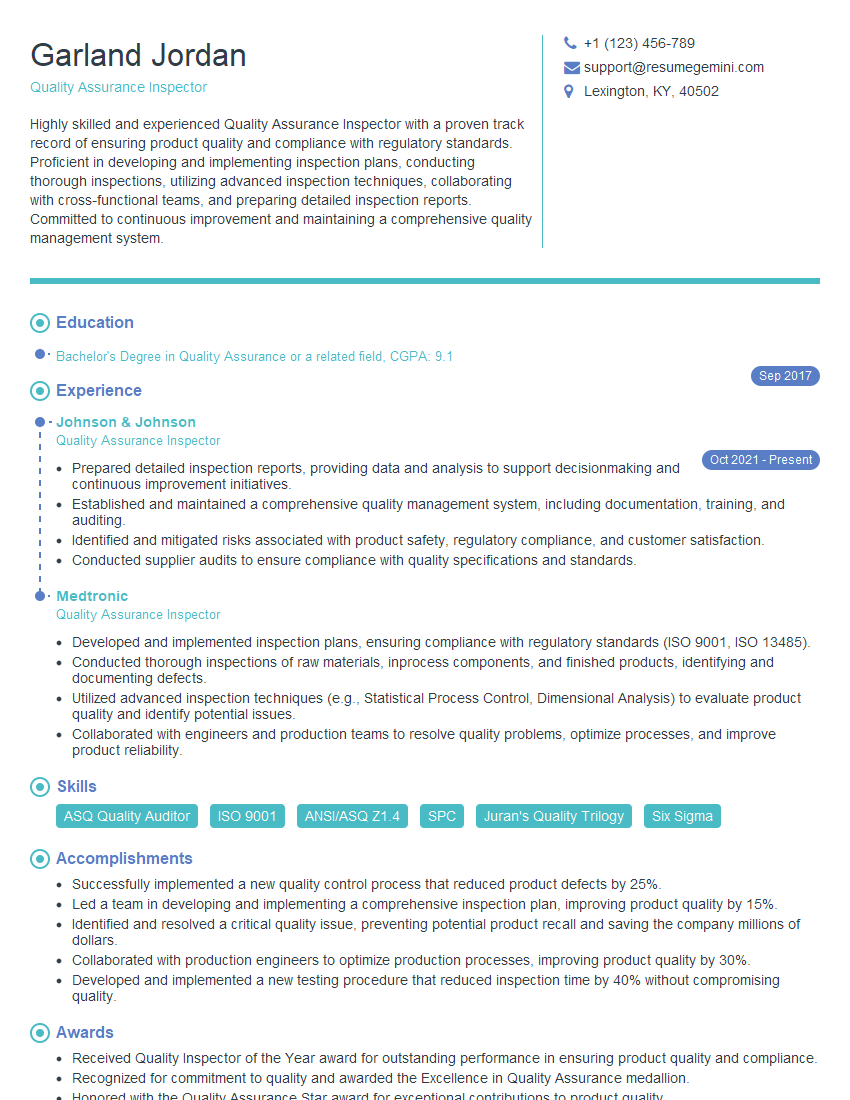
Quality Assurance Inspector Resume Sample
Logistics Specialist Resume Sample
Supply Chain Specialist Resume Sample
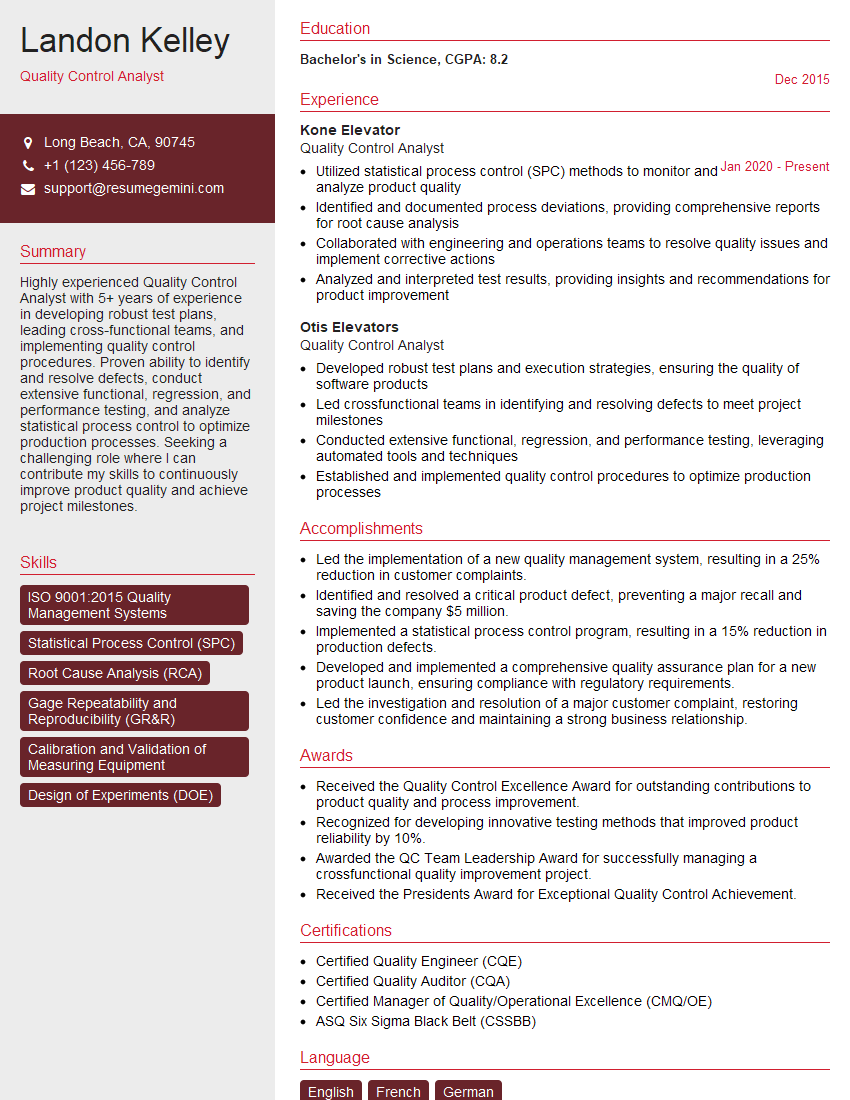
Quality Control Analyst Resume Sample
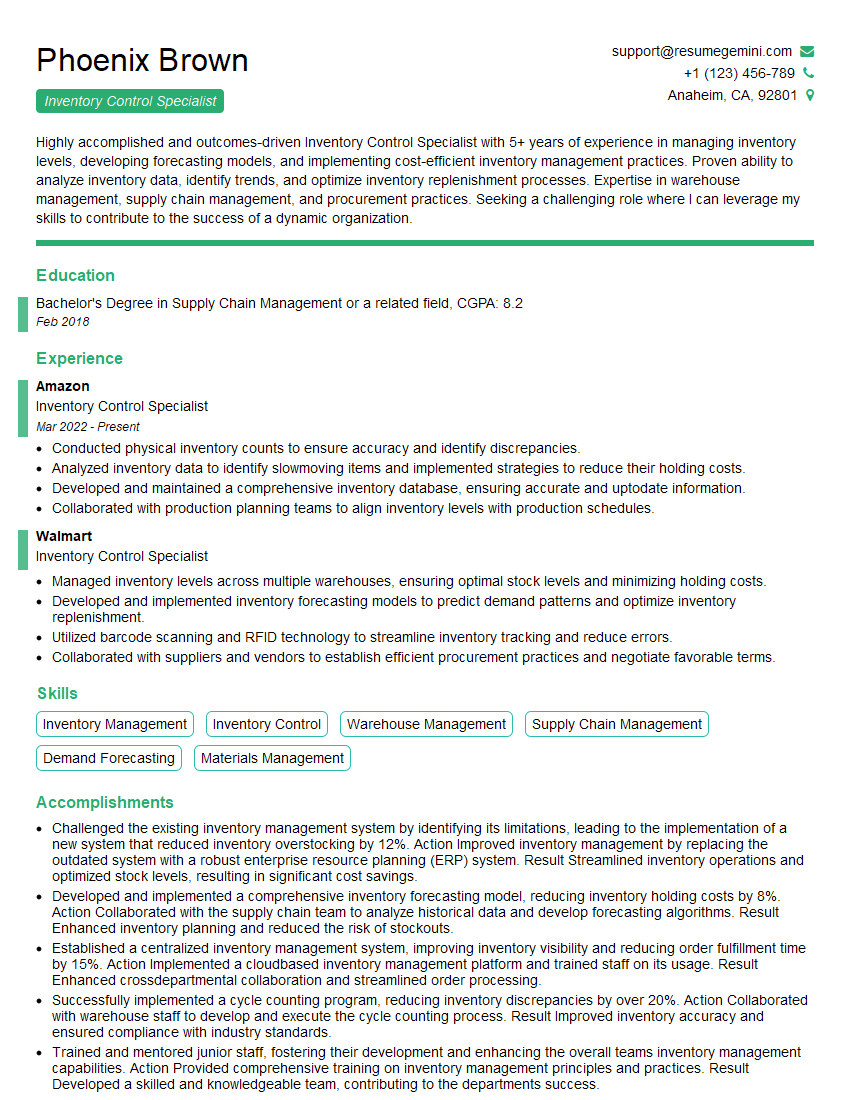
Inventory Control Specialist Resume Sample
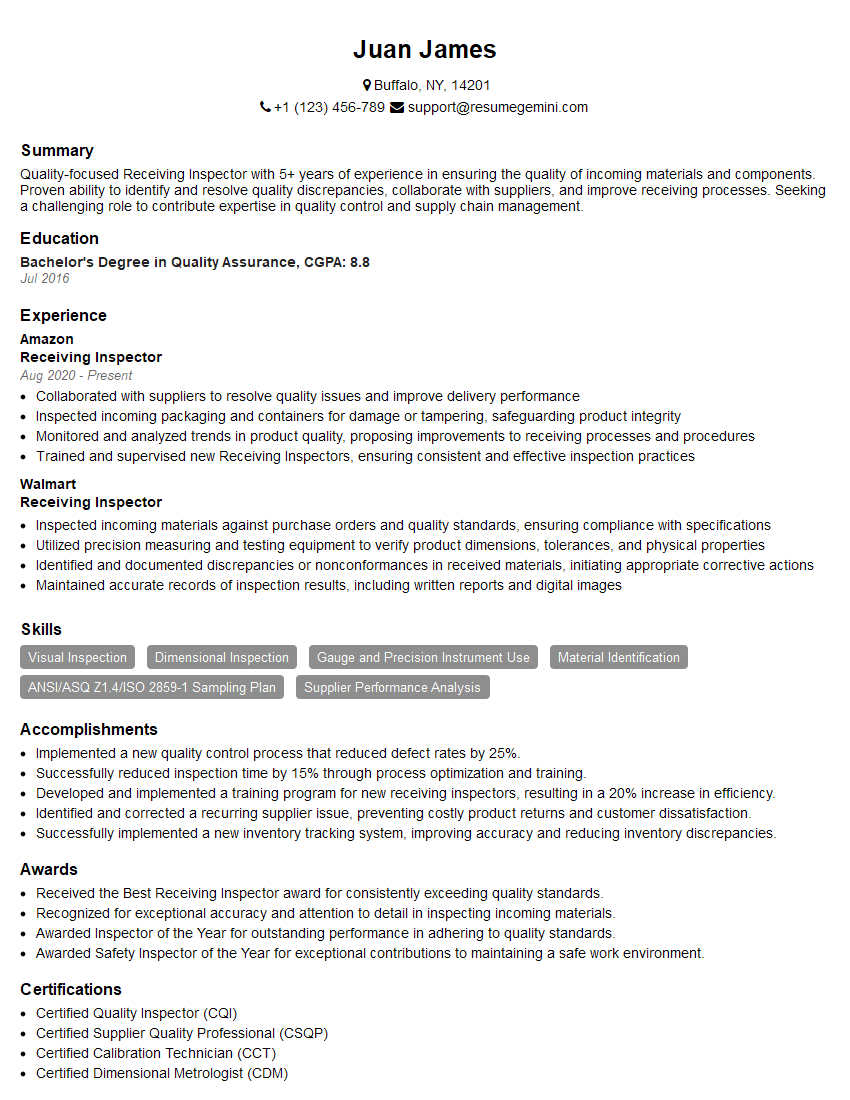
Receiving Inspector Resume Sample
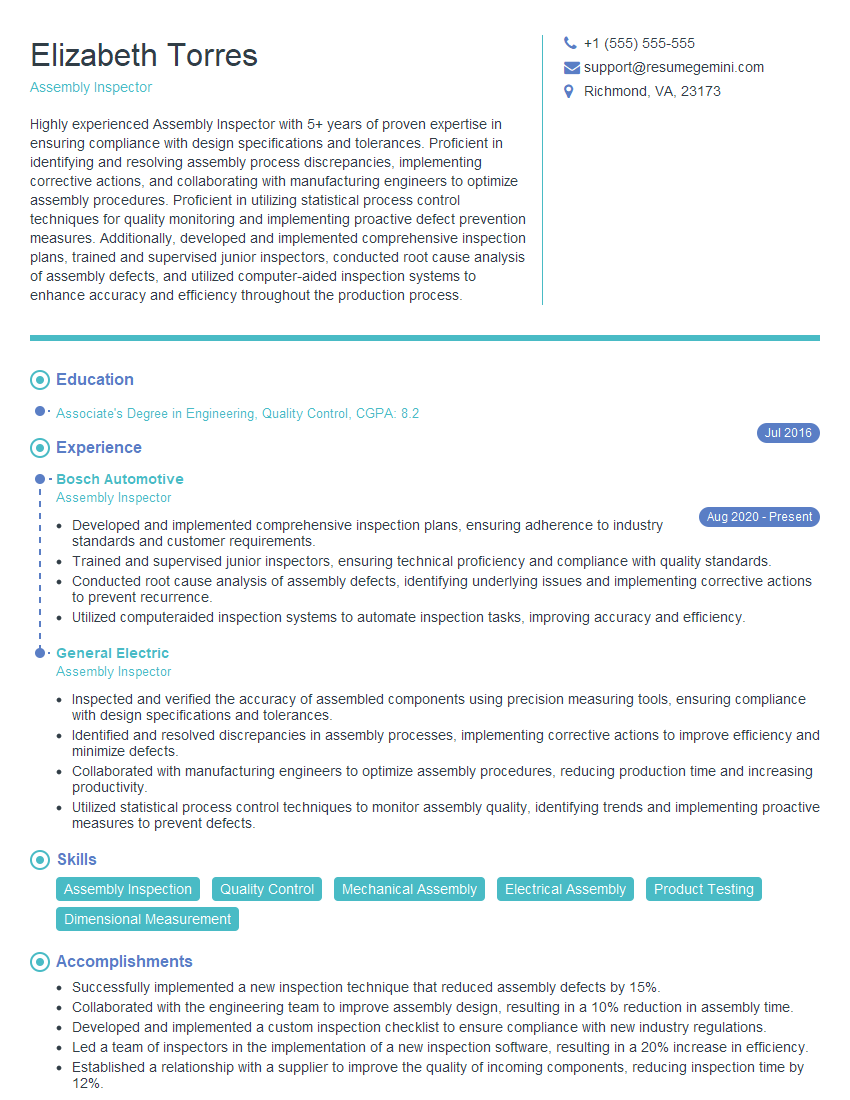
Assembly Inspector Resume Sample
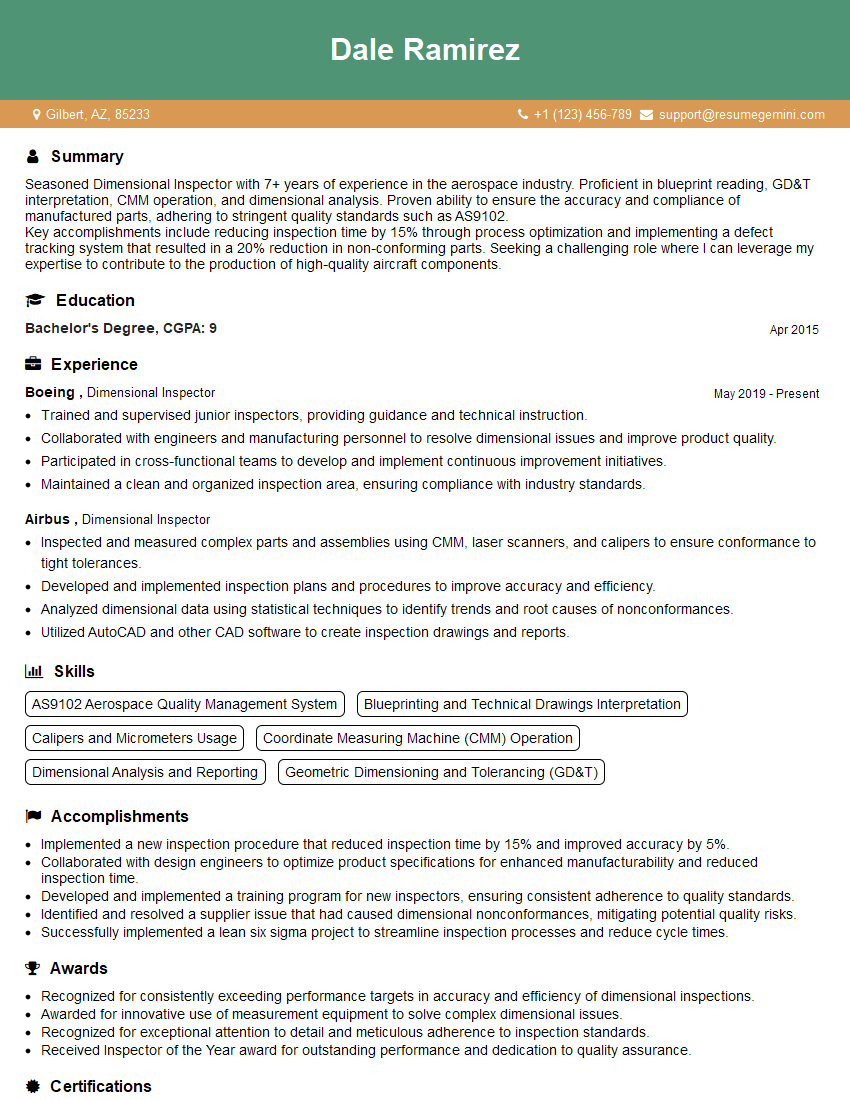
Dimensional Inspector Resume Sample
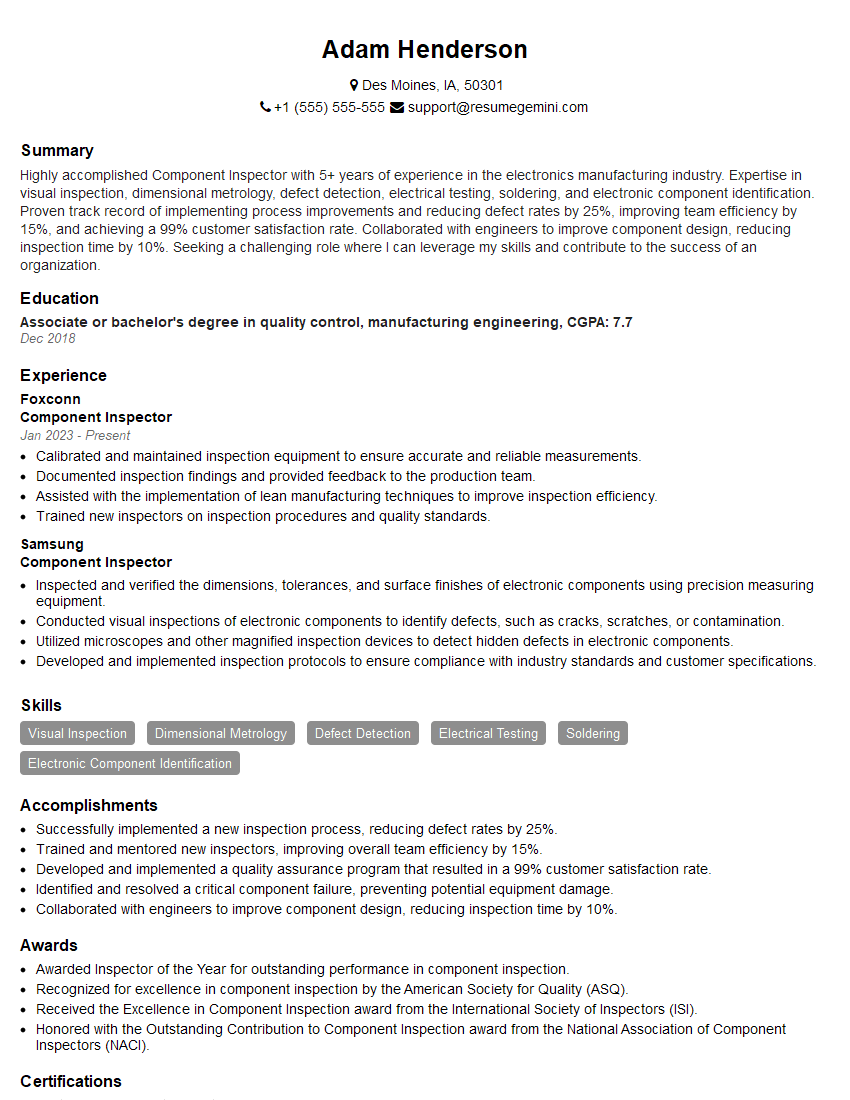
Component Inspector Resume Sample
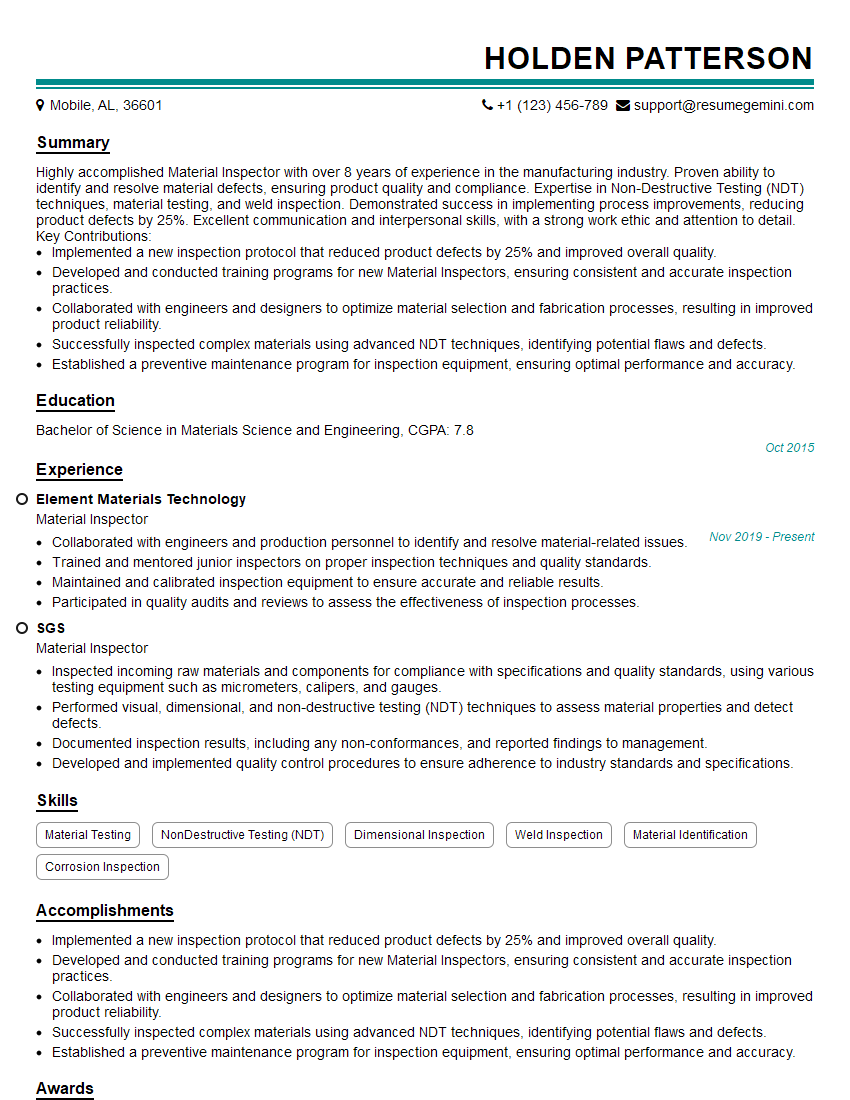
Material Inspector Resume Sample
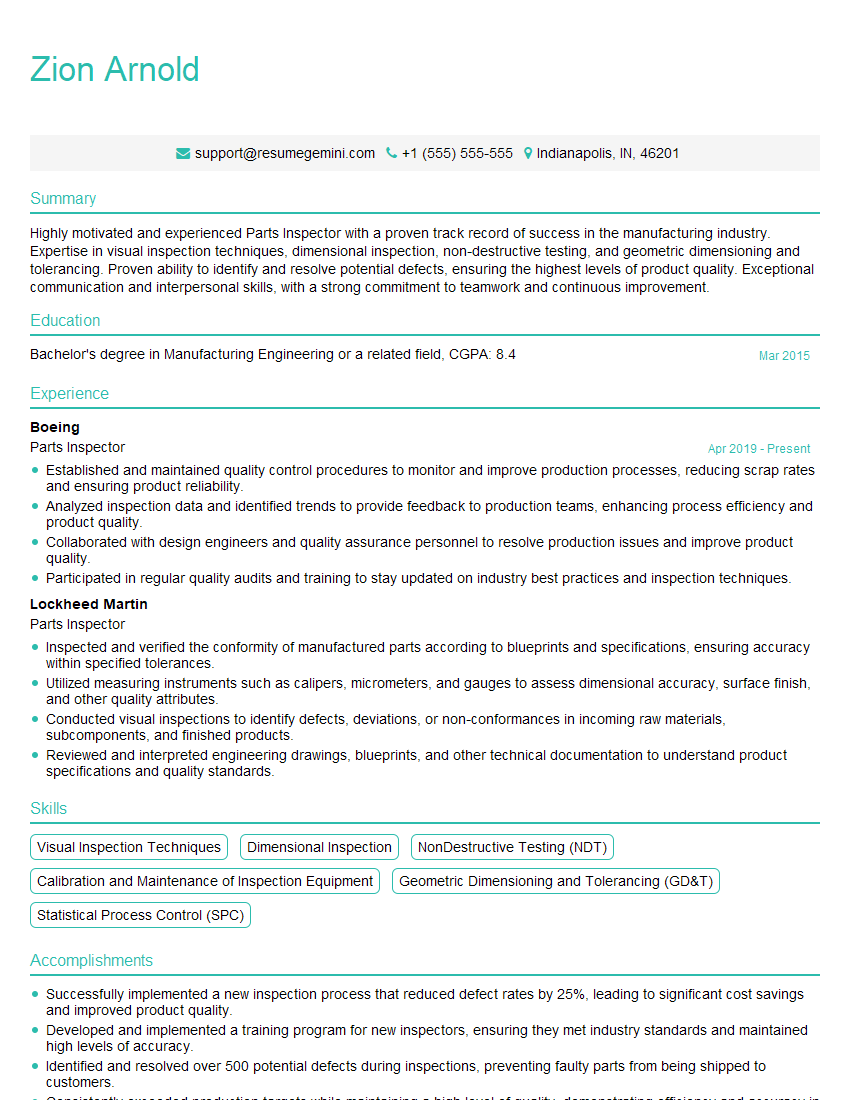
Parts Inspector Resume Sample
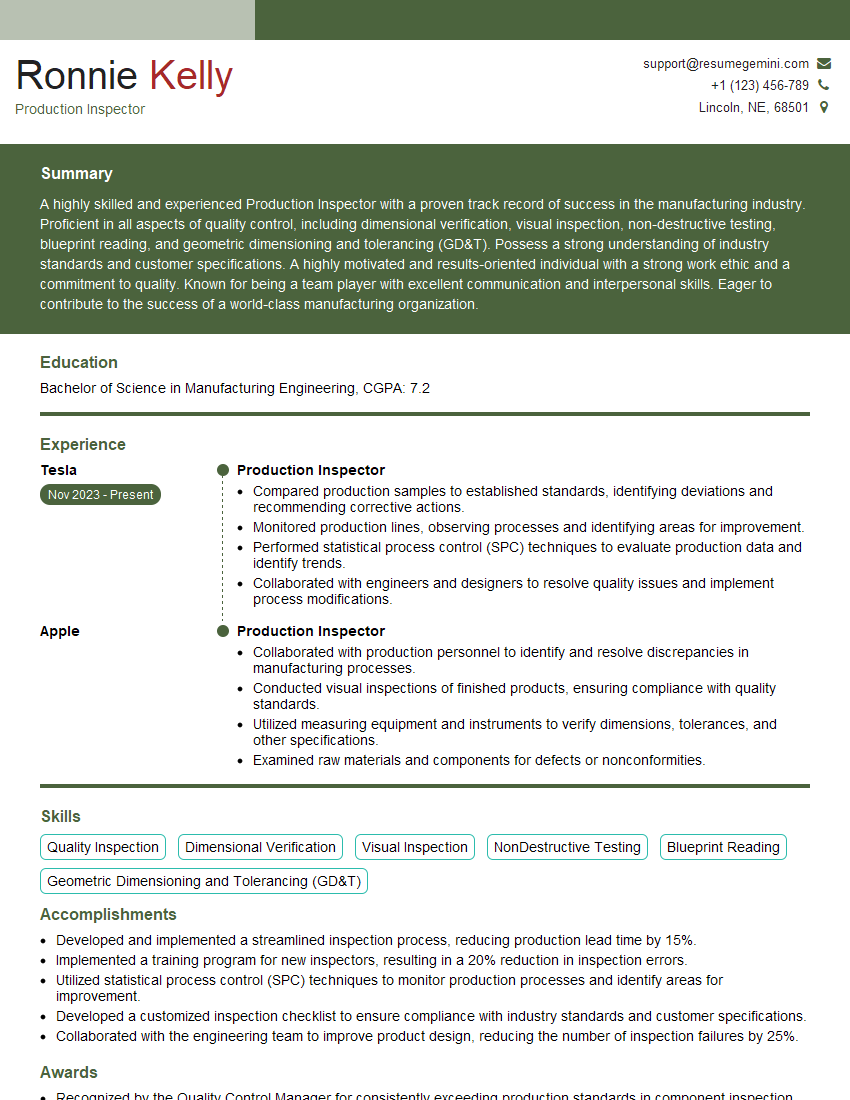
Production Inspector Resume Sample
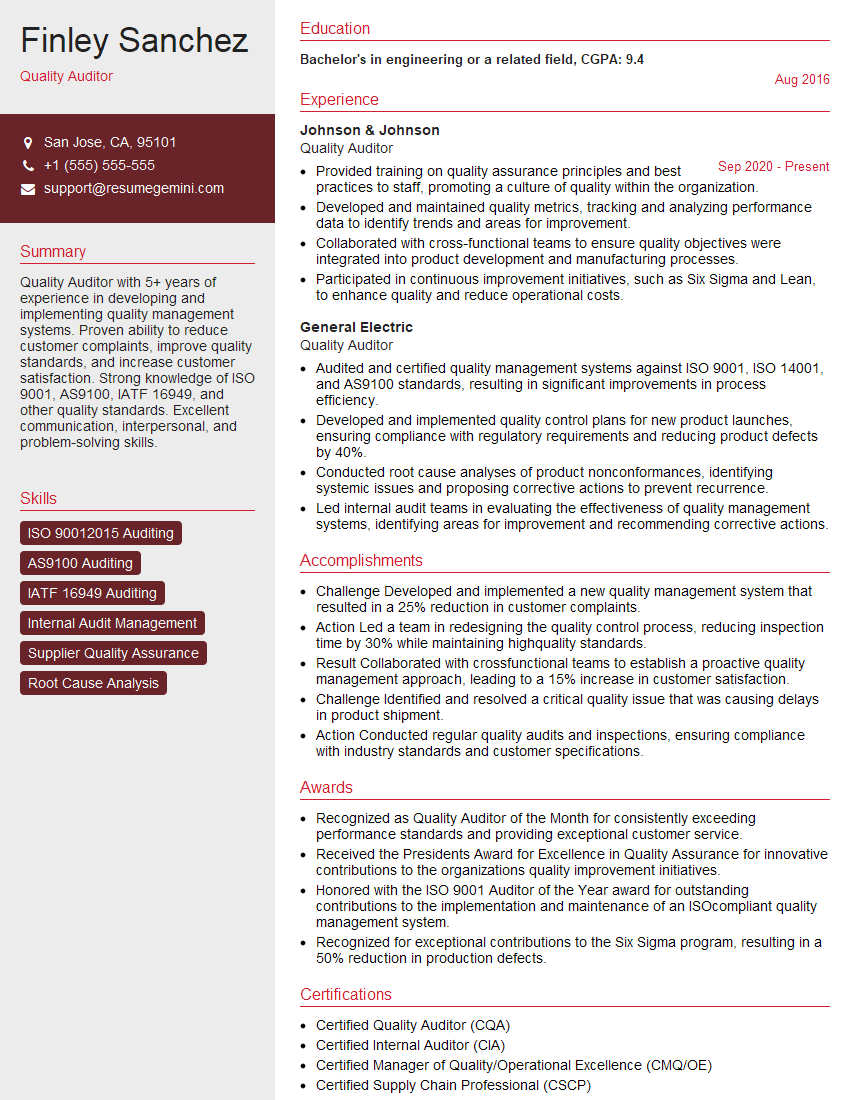
Quality Auditor Resume Sample

Quality Control Inspector Resume Sample
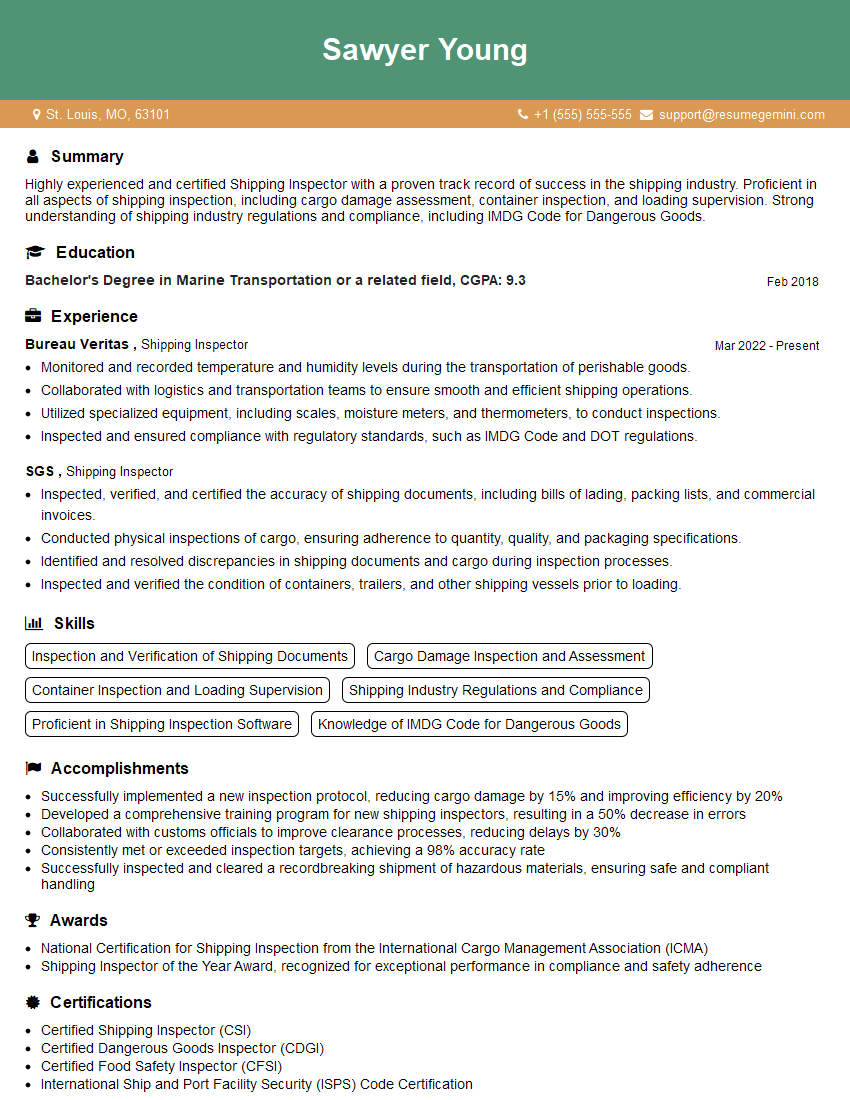
Shipping Inspector Resume Sample
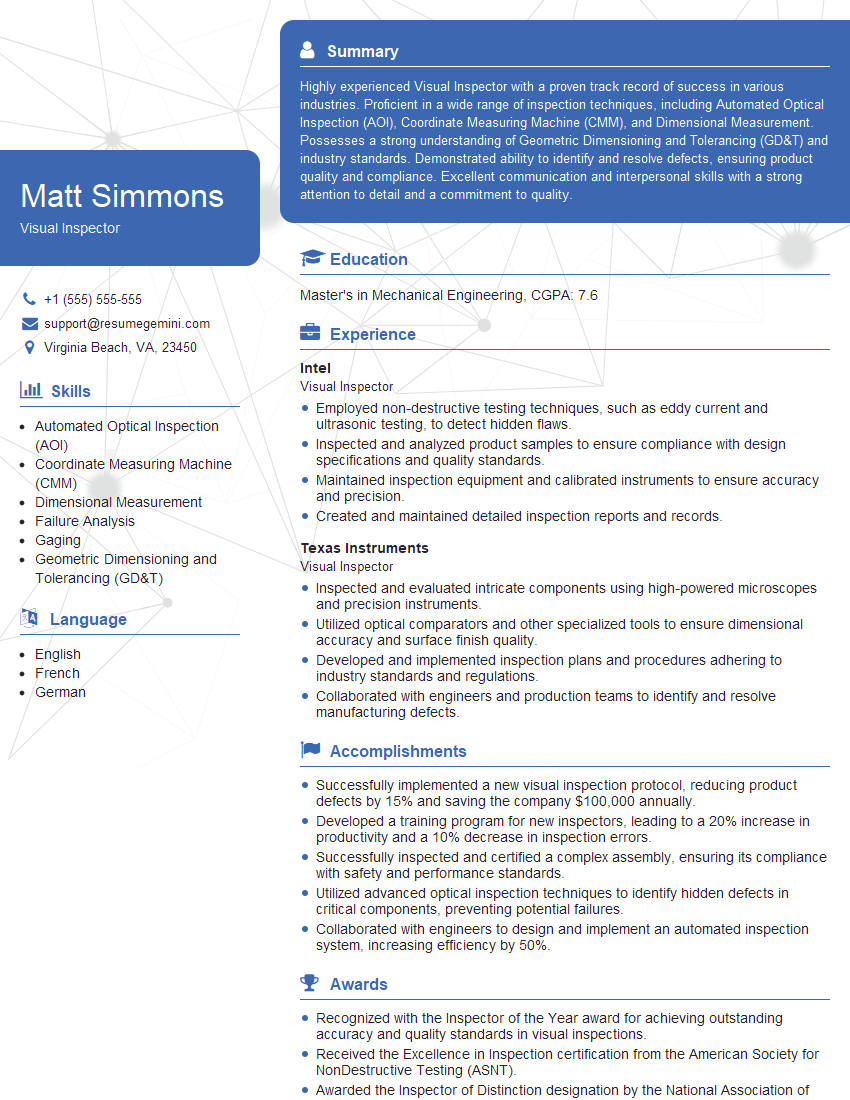
Visual Inspector Resume Sample
- Quality Control Manager
- Quality Assurance Inspector
- Logistics Specialist
- Supply Chain Specialist
- Quality Control Analyst
- Inventory Control Specialist
- Receiving Inspector
- Assembly Inspector
- Dimensional Inspector
- Component Inspector
- Material Inspector
- Parts Inspector
- Production Inspector
- Quality Auditor
- Quality Control Inspector
- Shipping Inspector
- Visual Inspector
Explore more articles
Users Rating of Our Blogs
Share Your Experience
We value your feedback! Please rate our content and share your thoughts (optional).
What Readers Say About Our Blog
Very informative content, great job.
good