Cracking a skill-specific interview, like one for Installation and Removal, requires understanding the nuances of the role. In this blog, we present the questions you’re most likely to encounter, along with insights into how to answer them effectively. Let’s ensure you’re ready to make a strong impression.
Questions Asked in Installation and Removal Interview
Q 1. Describe your experience with different types of installation tools and equipment.
My experience with installation tools and equipment spans a wide range, from basic hand tools to specialized automated systems. I’m proficient with power tools like drills, impact wrenches, and saws, crucial for tasks like mounting equipment or preparing infrastructure. I also have extensive experience with lifting equipment such as hoists and forklifts, essential for handling heavy machinery and ensuring safety. Beyond the physical tools, I’m familiar with various software-controlled installation systems, including automated robotic installation arms used in high-precision manufacturing settings. For network installations, I’ve worked with cable testers, crimping tools, and fiber optic fusion splicers. Each installation demands a tailored toolset, and I’m adept at selecting and using the most appropriate tools for the specific job at hand.
For example, during a recent server rack installation, I utilized a combination of hand tools for cable management, a power drill for securing the rack to the floor, and a hoist to lift the heavy server equipment into the rack. In a separate project involving delicate fiber optic cabling, specialized fiber optic tools were critical to avoid damage.
Q 2. Explain your process for troubleshooting installation issues.
My troubleshooting process for installation issues is methodical and follows a structured approach. It starts with a careful review of the installation documentation and a thorough assessment of the physical setup. I then systematically check for common problems such as loose connections, power issues, software conflicts, or environmental factors. I rely heavily on diagnostic tools, both hardware and software, to pinpoint the exact source of the problem.
For instance, if a network connection fails, I’d first check the physical cable for damage, then use a cable tester to verify signal integrity. I might then move to software diagnostics to rule out issues with network configuration or drivers. If the problem persists, I’d escalate to more advanced troubleshooting steps, potentially involving remote diagnostics or contacting vendors for support. Documentation of each step is crucial for efficiency and future reference.
Q 3. How do you ensure safety protocols are followed during installation and removal?
Safety is paramount in all installation and removal activities. My approach begins with a comprehensive risk assessment, identifying potential hazards and implementing appropriate control measures. This includes using proper personal protective equipment (PPE) such as safety glasses, gloves, and steel-toed boots, depending on the specific task. I meticulously follow all relevant safety regulations and company policies. For example, using lockout/tagout procedures when working with electrical equipment is non-negotiable. When working at heights or with heavy equipment, I always utilize appropriate safety harnesses, lifts, or other protective measures. Before starting any work, I conduct a thorough site survey to identify and mitigate potential hazards, such as trip hazards or electrical risks.
Safety briefings are conducted with the team before commencing any operation, emphasizing the importance of adhering to safety protocols. Regular safety checks and proactive hazard identification are also part of my routine. A commitment to safe work practices is not merely a set of rules; it’s a fundamental aspect of my approach, and a habit ingrained through years of experience.
Q 4. What is your experience with different types of installation documentation?
I have experience with various types of installation documentation, from simple checklists and diagrams to complex, multi-volume manuals. I’m adept at interpreting technical drawings, schematics, wiring diagrams, and assembly instructions. I’m also familiar with different formats, including printed documents, online manuals, and interactive installation guides. Understanding and utilizing the provided documentation efficiently is key to performing installations accurately and safely. Experience with different documentation systems helps me to quickly find relevant information and adapt my approach to various projects. For example, I’ve worked with documents that include exploded diagrams of complex assemblies, step-by-step visual guides, troubleshooting guides, and warranty information.
Q 5. Describe a time you had to adapt your installation process to an unexpected challenge.
During a server room upgrade, we encountered an unexpected challenge: the new server racks were slightly wider than the pre-existing floor space. The original installation plan wouldn’t work without significant modifications. Instead of scrapping the project, I assessed the situation, measured the space discrepancies, and devised a solution. We opted to slightly adjust the location of some supporting infrastructure, creating the necessary space for the wider racks. This involved careful coordination with the electrical and HVAC teams to avoid disrupting existing connections and airflow. This adaptation required meticulous planning, precise measurements, and efficient communication with the rest of the team, ultimately ensuring the project’s success despite the initial setback.
Q 6. How do you prioritize tasks during a high-volume installation or removal project?
During high-volume projects, task prioritization is crucial for efficiency. I employ a combination of techniques, often starting with a detailed project plan that outlines all tasks, their dependencies, and estimated completion times. High-priority tasks, like those impacting critical systems or with tight deadlines, are identified and tackled first. I use tools like Gantt charts or project management software to visualize the project timeline and dependencies. Regular progress meetings ensure that the plan adapts to changing conditions. Moreover, I prioritize tasks that create the most significant impact early on, ensuring a steady workflow and minimizing potential delays. This avoids bottlenecks and maintains project momentum, maximizing efficiency throughout the entire process.
Q 7. What software or systems do you have experience using to manage installations?
My experience includes various software and systems for installation management. I’m proficient in using Computer Aided Design (CAD) software for reviewing blueprints and creating installation plans. I’m also experienced with project management software such as MS Project or Jira for task tracking and resource allocation. For network installations, I use network management tools for IP address assignment, network configuration, and troubleshooting. Additionally, I’ve worked with enterprise-level asset management systems for tracking installed equipment, warranties, and maintenance schedules. These tools enable me to efficiently manage installations, track progress, and maintain comprehensive records throughout the entire lifecycle of the project.
Q 8. Describe your experience with working from blueprints or schematics.
Working from blueprints and schematics is fundamental to successful installations and removals. It’s like having a detailed map before embarking on a journey. My experience encompasses interpreting various types of technical drawings, including mechanical, electrical, and plumbing schematics. I’m proficient in understanding symbols, dimensions, and specifications to plan the installation or removal process accurately. For example, during a recent HVAC system installation, the blueprints clearly indicated ductwork placement, pipe routing, and equipment locations, allowing me to pre-plan the workflow and anticipate potential challenges, like fitting components in tight spaces or coordinating with other trades.
I’m comfortable working with both 2D and 3D models, utilizing software like AutoCAD to visualize the project and identify potential conflicts beforehand. This proactive approach minimizes on-site errors and reduces rework, ultimately saving time and resources. I meticulously review the blueprints to understand the sequence of operations and ensure all necessary materials and equipment are available before commencing any work.
Q 9. How familiar are you with different safety regulations related to installation and removal?
Safety is paramount in installation and removal. My familiarity with safety regulations is extensive, covering OSHA guidelines, local building codes, and industry-specific best practices. I’m well-versed in lockout/tagout procedures (LOTO), fall protection protocols, and the safe handling of power tools and equipment. I understand the importance of risk assessments and hazard identification, and I regularly conduct thorough site surveys to pinpoint potential hazards before starting any work. For instance, while removing asbestos-containing materials, we followed strict protocols involving proper protective gear, containment procedures, and waste disposal regulations. These regulations were followed meticulously to ensure the safety of myself and my team and to comply with all environmental requirements.
I also make sure my team is properly trained and equipped with the necessary Personal Protective Equipment (PPE), and I am always ready to respond to unforeseen safety concerns, demonstrating my commitment to creating a safe working environment for everyone.
Q 10. Explain your experience with handling hazardous materials during installation or removal.
Handling hazardous materials requires specialized training and a rigorous approach. My experience includes working with various hazardous substances, including asbestos, refrigerants, and lead-based paints. I’m certified in the safe handling and disposal of these materials, following all relevant regulations and procedures. Each project involving hazardous materials starts with a detailed risk assessment. We develop a comprehensive plan that outlines the necessary safety precautions, protective equipment, and disposal methods. For example, when removing asbestos-containing insulation, we used specialized suits, respirators, and containment procedures to prevent airborne fiber release. All waste was properly packaged and transported to a licensed disposal facility, ensuring full compliance with environmental regulations.
Detailed documentation of all hazardous material handling activities is maintained for traceability and regulatory compliance. This ensures accountability and allows us to continuously improve our procedures.
Q 11. How do you manage your time effectively during complex installations?
Effective time management during complex installations relies on careful planning and execution. I utilize project management techniques like critical path analysis to identify tasks with the longest durations and dependencies, allowing for efficient sequencing of activities. Before initiating work, I create a detailed schedule that includes tasks, durations, resource allocation, and potential delays. This ensures that the project progresses smoothly without unnecessary delays.
For example, during a large-scale server room installation, I coordinated the delivery of equipment, cabling, and power supplies meticulously to avoid conflicts. This included working with vendors to ensure timely deliveries. Regular progress meetings with the team and the client ensured transparency and allowed for proactive problem-solving. Continuous monitoring and adjustment of the schedule helps us to stay on track and meet deadlines.
Q 12. Describe your approach to quality control during the installation process.
Quality control is a continuous process, integrated into every stage of the installation. I implement a multi-layered approach that starts with thorough material inspection upon delivery, ensuring quality and specifications are met. During installation, regular quality checks are performed to verify alignment, functionality, and adherence to blueprints. This might involve using precision measuring tools or testing electrical systems for proper voltage and current.
For instance, while installing a precision machinery system, every component was inspected before and after installation. Alignment was verified using laser tools, and functionality was tested rigorously to ensure smooth operation. Post-installation inspections and functional testing are crucial final steps to guarantee the entire system operates as designed. Documentation of all quality checks ensures traceability and supports any necessary warranty claims.
Q 13. How do you communicate effectively with clients or colleagues regarding installation updates?
Effective communication is crucial for successful installations. I maintain open and proactive communication with both clients and colleagues, using a variety of methods to provide timely updates. This includes regular progress reports (written and verbal), email updates, and on-site meetings. I use clear and concise language, avoiding technical jargon when communicating with non-technical individuals. I also strive to be responsive to questions and concerns, addressing them promptly and professionally.
For example, during a recent office relocation project, I sent daily email updates to the client, providing information about progress, any challenges encountered, and anticipated completion timelines. This kept the client informed and mitigated potential misunderstandings.
Q 14. How do you ensure the safe and proper disposal of removed materials?
Safe and proper disposal of removed materials is a critical aspect of my work, guided by environmental regulations and best practices. I ensure all materials are sorted and categorized based on their type and hazardous content. This includes segregating recyclable materials, hazardous waste, and regular waste. Each type of waste is handled according to the relevant regulations, using licensed disposal facilities where required.
For example, during the decommissioning of an old server room, we carefully removed and segregated electronic waste, following the e-waste recycling guidelines. We ensured proper documentation for each waste stream to maintain a complete audit trail. This approach minimizes environmental impact and ensures compliance with all applicable regulations.
Q 15. Describe your experience working with diverse teams during installations.
Throughout my career, I’ve collaborated with diverse teams on numerous installations, ranging from small, specialized units to large, multi-disciplinary groups. Effective teamwork is crucial in installations, as each member brings unique skills and perspectives. For instance, during a recent industrial equipment installation, our team included engineers, electricians, technicians, and safety officers. My approach centers around clear communication, fostering a collaborative environment, and leveraging individual strengths. I actively encourage open dialogue, ensuring everyone feels comfortable contributing ideas and concerns. Recognizing different communication styles is key – some individuals prefer concise instructions, while others need more detailed explanations. I tailor my communication to suit the individual, ensuring everyone is on the same page. For example, with more technical team members, I use precise technical language while communicating with less technically oriented team members, I use plain language and visual aids. This inclusive approach ensures everyone’s input is valued and contributes to a successful installation.
Career Expert Tips:
- Ace those interviews! Prepare effectively by reviewing the Top 50 Most Common Interview Questions on ResumeGemini.
- Navigate your job search with confidence! Explore a wide range of Career Tips on ResumeGemini. Learn about common challenges and recommendations to overcome them.
- Craft the perfect resume! Master the Art of Resume Writing with ResumeGemini’s guide. Showcase your unique qualifications and achievements effectively.
- Don’t miss out on holiday savings! Build your dream resume with ResumeGemini’s ATS optimized templates.
Q 16. How do you handle disagreements or conflicts within the team during an installation?
Disagreements are inevitable in any team environment, especially during complex installations. My strategy focuses on proactive conflict resolution, prioritizing open and respectful communication. I typically begin by actively listening to all parties involved, ensuring everyone feels heard and understood. Once we’ve clearly identified the points of contention, I guide the team toward finding a mutually agreeable solution. This often involves brainstorming alternative approaches, considering the pros and cons of each option. For example, during the installation of a complex network system, a disagreement arose concerning cable routing. One team member favored a more aesthetically pleasing route, while another prioritized ease of access for future maintenance. Instead of imposing a solution, I facilitated a discussion, ultimately leading to a compromise that satisfied both concerns. If a resolution isn’t immediately apparent, I’m adept at using techniques like mediation, facilitating a structured discussion that helps team members find common ground. The key is to maintain a professional and respectful atmosphere, ensuring that the final solution prioritizes the project’s success.
Q 17. What are your strategies for preventing installation errors or mistakes?
Preventing installation errors is paramount. My approach is multifaceted and emphasizes meticulous planning, thorough preparation, and rigorous quality control. Before any installation begins, we conduct a thorough review of the installation plan, including detailed schematics and checklists. This often involves a pre-installation meeting with the entire team to discuss potential challenges and address any questions. We also employ a robust system of double-checking measurements and verifying components. For example, when installing precision machinery, we use multiple measuring tools and independently verify each measurement to eliminate potential errors. We adhere strictly to safety protocols and utilize appropriate personal protective equipment (PPE) throughout the entire process. Furthermore, I encourage a culture of proactive reporting, empowering team members to raise concerns without hesitation. This collaborative approach ensures any potential issues are addressed promptly, minimizing the risk of errors.
Q 18. Describe your experience with post-installation support or maintenance.
Post-installation support is crucial for ensuring the long-term success of any project. My experience encompasses providing comprehensive support, from troubleshooting minor issues to performing major system maintenance. I typically develop a detailed maintenance plan that outlines regular inspections, preventative measures, and potential troubleshooting steps. For example, after installing a new HVAC system, we scheduled regular checkups to monitor performance, clean filters, and address any potential issues before they escalate. We also establish clear communication channels to address client concerns and provide prompt assistance whenever needed. In some cases, this has involved creating a dedicated online portal or a direct phone line for clients to contact us for support. Proactive communication, coupled with comprehensive documentation, ensures a smooth transition and minimizes disruption to the client’s operations. Maintaining open communication with the client during this phase is key to building trust and ensuring ongoing satisfaction.
Q 19. How familiar are you with different types of fasteners and their applications?
My familiarity with fasteners extends to a wide range, including screws, bolts, rivets, nails, and other specialized fasteners. I understand their various materials (e.g., steel, stainless steel, aluminum), thread types (e.g., coarse, fine), and drive types (e.g., Phillips, slotted). Selecting the appropriate fastener depends on several factors, including the materials being joined, the required strength, the application environment, and aesthetic considerations. For instance, when working with wood, I might use wood screws, while installing metal components often requires bolts and nuts. I’m proficient in using torque wrenches to ensure the fasteners are tightened to the correct specification, preventing damage and ensuring structural integrity. Choosing the right fastener isn’t just about strength; it’s also about preventing corrosion or ensuring the fastener doesn’t damage the material it’s fastening. For example, using stainless steel fasteners in a marine environment prevents corrosion. Understanding these nuances is crucial for ensuring a secure and reliable installation.
Q 20. Explain your experience with different types of measuring tools and techniques.
I’m proficient in using a variety of measuring tools and techniques, from basic rulers and tape measures to more sophisticated laser measuring devices and digital calipers. The choice of tool depends on the specific application and the required precision. For example, when installing drywall, a tape measure is sufficient, but precision machining requires the accuracy of digital calipers. I also understand various measuring techniques, including using reference points, establishing baselines, and employing indirect measurement methods when necessary. For complex installations, I often use laser levels to ensure precise alignment and levelness. Understanding measurement tolerances and the potential for error in different tools and methods is important for accuracy. I always double-check measurements and utilize multiple tools whenever precision is critical, ensuring the accuracy of the work. My experience includes using advanced tools like 3D scanners and CAD software for complex installations, integrating digital design with physical execution.
Q 21. How do you maintain your tools and equipment to ensure proper operation?
Maintaining tools and equipment is vital for ensuring safety and optimal performance. My routine involves regular cleaning, lubrication, and inspection of all tools after each use. Damaged or worn tools are immediately replaced or repaired to prevent accidents and ensure accurate work. I also store tools properly, protecting them from moisture, dust, and damage. This systematic approach prevents tool malfunction and extends their lifespan. For example, power tools are regularly inspected for damage to cords and plugs, and their functionalities are tested before each use. Proper storage in designated toolboxes helps to preserve the tools’ condition, especially when working in challenging or damp environments. Regular maintenance is not just about prolonging tool life; it’s an important safety precaution that prevents injuries during installations.
Q 22. What is your experience with using specialized lifting or rigging equipment?
My experience with specialized lifting and rigging equipment is extensive. I’m proficient in using various types of cranes, hoists, slings, and rigging hardware, including chain hoists, wire rope slings, and various types of lifting beams. Safety is paramount, so I always adhere to manufacturer’s specifications and relevant safety regulations. For example, when lifting a heavy transformer for a substation installation, I meticulously planned the lift, ensuring proper weight distribution, secure rigging points, and the presence of qualified riggers and spotters. This included a thorough pre-lift inspection of all equipment and a risk assessment of potential hazards like overhead obstructions or uneven ground.
I’ve also worked with more specialized equipment like vacuum lifters for delicate glass panels or magnetic lifters for steel components. The key is understanding the specific capabilities and limitations of each piece of equipment and selecting the appropriate one for the task at hand. Improper use can lead to accidents and damage, so experience and training are crucial.
Q 23. Describe your experience with different types of materials commonly used in installations.
I have worked with a wide array of materials during installations, including steel, aluminum, various types of plastics, wood, concrete, and composites. Understanding the properties of each material is key to successful installation. For instance, working with steel requires knowledge of its strength, weight, and potential for corrosion. I’d use different fastening techniques depending on the steel’s thickness and the application. With aluminum, its lighter weight and susceptibility to scratching would dictate gentler handling and protective measures.
Working with composites requires careful consideration of their specific properties – some are incredibly strong, others more brittle. I’ve also worked extensively with plastics; the right type of plastic for outdoor use is vastly different from one used indoors and proper UV protection might be necessary. Each material presents unique challenges and opportunities, and my experience allows me to select appropriate tools, techniques, and safety precautions for each.
Q 24. How do you adapt to changing requirements or specifications during an installation?
Adaptability is crucial in installation and removal. I’ve encountered numerous situations where specifications changed mid-project. My approach involves first thoroughly understanding the changes and their impact on the overall installation plan. I then collaborate with the project team – engineers, clients, and other tradespeople – to assess the feasibility and potential challenges of incorporating the changes. This often involves revisiting the risk assessment to account for the new factors.
For example, on a recent project, the client decided to change the location of a major component. We adapted by re-calculating the necessary support structures, adjusting the rigging plan, and re-sequencing tasks to minimize delays and ensure safety. Open communication and proactive problem-solving are key to navigating these kinds of changes effectively.
Q 25. How do you ensure compliance with relevant industry standards and codes?
Compliance is a non-negotiable aspect of my work. I am familiar with and adhere to all relevant industry standards and codes, including OSHA regulations, ANSI standards, and any client-specific requirements. This involves proper use of personal protective equipment (PPE), following safe work practices, maintaining detailed documentation, and completing required certifications. Regular updates on safety regulations and best practices ensure that my work remains compliant.
Before any installation, I conduct a thorough review of applicable codes and regulations, ensuring all team members are aware and trained in the necessary safety procedures. This commitment to compliance not only ensures the safety of myself and my team but also prevents potential legal and financial liabilities.
Q 26. Explain your experience working in different environments (e.g., indoor, outdoor, confined spaces).
My experience spans a diverse range of environments. I’ve worked indoors in cleanrooms, manufacturing facilities, and office buildings. Outdoor projects have included wind turbine installations, pipeline work, and large-scale infrastructure projects. I’ve also worked in confined spaces, requiring specific training and safety protocols. Each environment presents unique challenges—from extreme weather conditions outdoors to limited access and ventilation in confined spaces. For example, working at height on a wind turbine requires specialized fall protection equipment and rigorous training, while confined space entry necessitates proper gas monitoring and rescue procedures.
Regardless of the environment, I prioritize safety and utilize the appropriate equipment and procedures to mitigate potential risks. A thorough understanding of the specific hazards associated with each environment is critical to ensure a safe and efficient installation or removal process.
Q 27. Describe your experience with troubleshooting electrical or mechanical issues during installations.
Troubleshooting electrical and mechanical issues is a regular part of my work. My experience encompasses diagnosing problems with hydraulic systems, pneumatic systems, electrical wiring, and control systems. I use a systematic approach to troubleshooting, starting with a visual inspection, followed by the use of diagnostic tools like multimeters, pressure gauges, and thermal cameras. I’m adept at reading schematics and interpreting diagnostic codes to pinpoint the source of the problem.
For example, during the installation of a large industrial machine, we encountered a problem with its hydraulic system. Through careful observation and testing, I identified a faulty pressure sensor that was causing the system to malfunction. Replacing the sensor resolved the issue and allowed the installation to proceed efficiently.
Q 28. What is your understanding of risk assessment related to installation and removal?
Risk assessment is fundamental to safe installation and removal practices. Before undertaking any project, I conduct a thorough risk assessment, identifying potential hazards such as falls, electrical shock, crushing injuries, and exposure to hazardous materials. This assessment includes considering the specific environmental factors, the equipment being used, and the experience levels of the team members. The results inform the development of a detailed safety plan that outlines the necessary precautions and procedures to mitigate those identified risks.
This plan includes selecting appropriate PPE, developing safe work procedures, implementing emergency response plans, and performing regular safety checks throughout the installation process. My experience ensures I consistently prioritize a proactive approach to safety, making risk assessment an integral part of every project.
Key Topics to Learn for Installation and Removal Interview
- Safety Procedures and Regulations: Understanding and adhering to relevant safety protocols, including lockout/tagout procedures, proper use of personal protective equipment (PPE), and hazard identification.
- Tools and Equipment: Familiarity with a range of tools and equipment used in installation and removal, including their proper operation and maintenance. This includes understanding the limitations and capabilities of each tool.
- Installation Techniques: Mastering various installation methods, considering factors like precision, efficiency, and minimizing damage to surrounding areas. This might involve understanding different types of fasteners, adhesives, or specialized equipment.
- Removal Techniques: Developing efficient and safe methods for removing components, considering disassembly procedures, material handling, and waste disposal. This includes understanding how to avoid damage during removal.
- Troubleshooting and Problem Solving: Developing the ability to identify and resolve common installation and removal problems, including diagnosing malfunctions and performing preventative maintenance.
- Blueprint Reading and Technical Drawings: Understanding and interpreting technical drawings, schematics, and other documentation to accurately perform installations and removals.
- Quality Control and Inspection: Implementing quality control measures to ensure installations are performed correctly and meet specifications. Understanding inspection procedures and documentation.
- Material Handling and Logistics: Understanding safe and efficient practices for handling materials of varying sizes and weights, including proper lifting techniques and use of material handling equipment.
- Documentation and Reporting: Accurately documenting installation and removal procedures, including completion reports and any encountered issues.
Next Steps
Mastering installation and removal techniques is crucial for career advancement in many technical fields, opening doors to specialized roles and increased earning potential. A well-crafted resume is your key to unlocking these opportunities. Creating an ATS-friendly resume ensures your application gets noticed by recruiters and hiring managers. We highly recommend using ResumeGemini to build a professional and impactful resume tailored to your skills and experience in Installation and Removal. ResumeGemini offers examples of resumes specifically designed for this field to help you create a winning application.
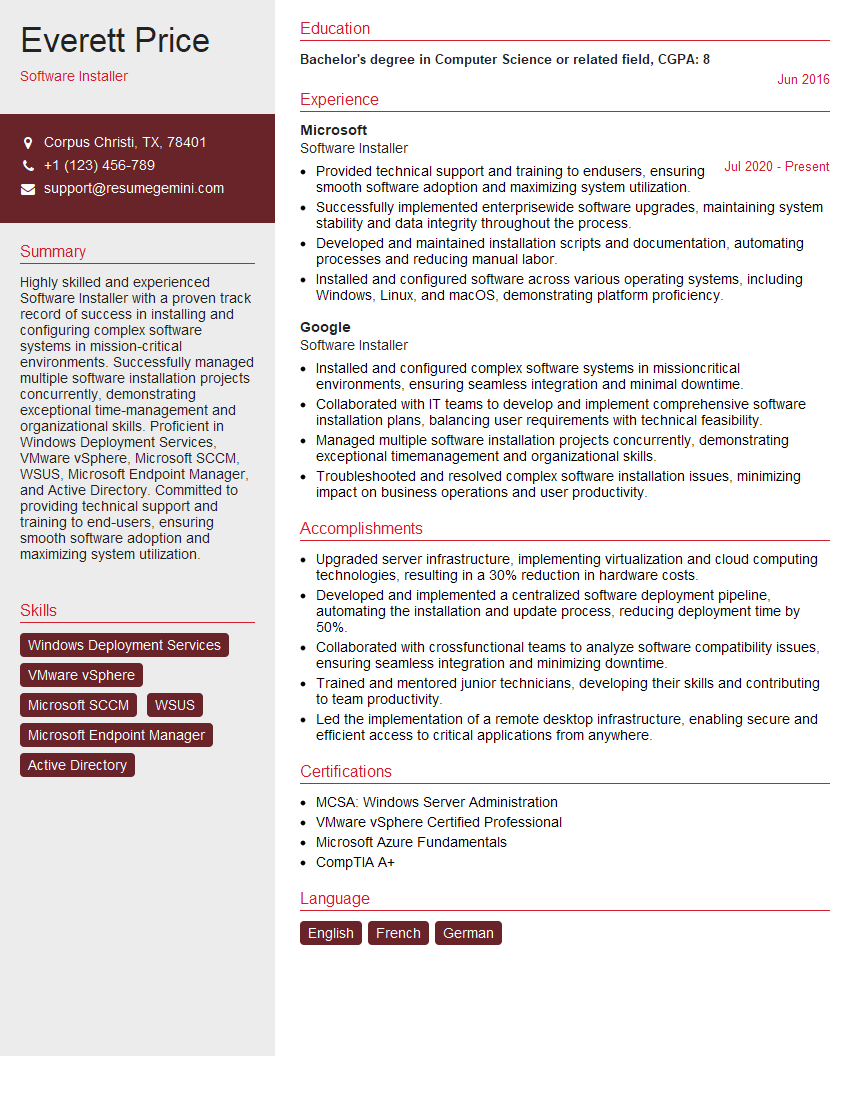
Software Installer Resume Sample
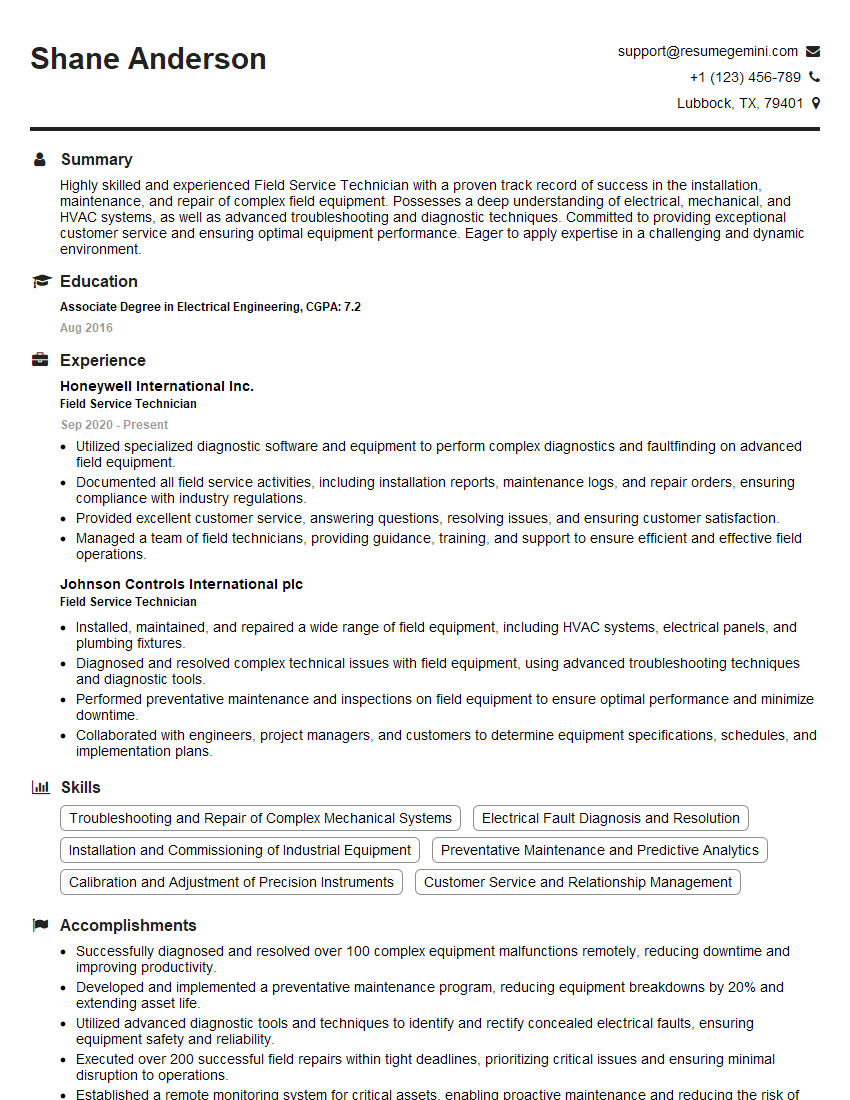
Field Service Technician Resume Sample
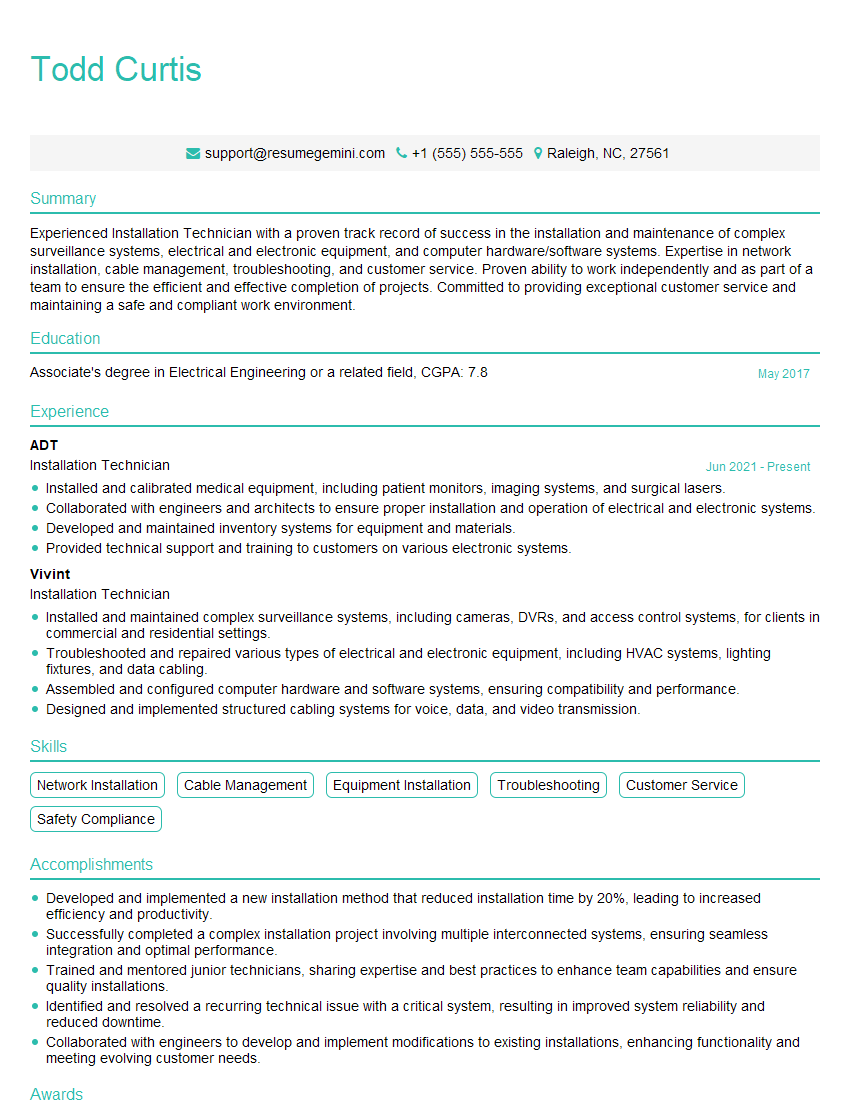
Installation Technician Resume Sample
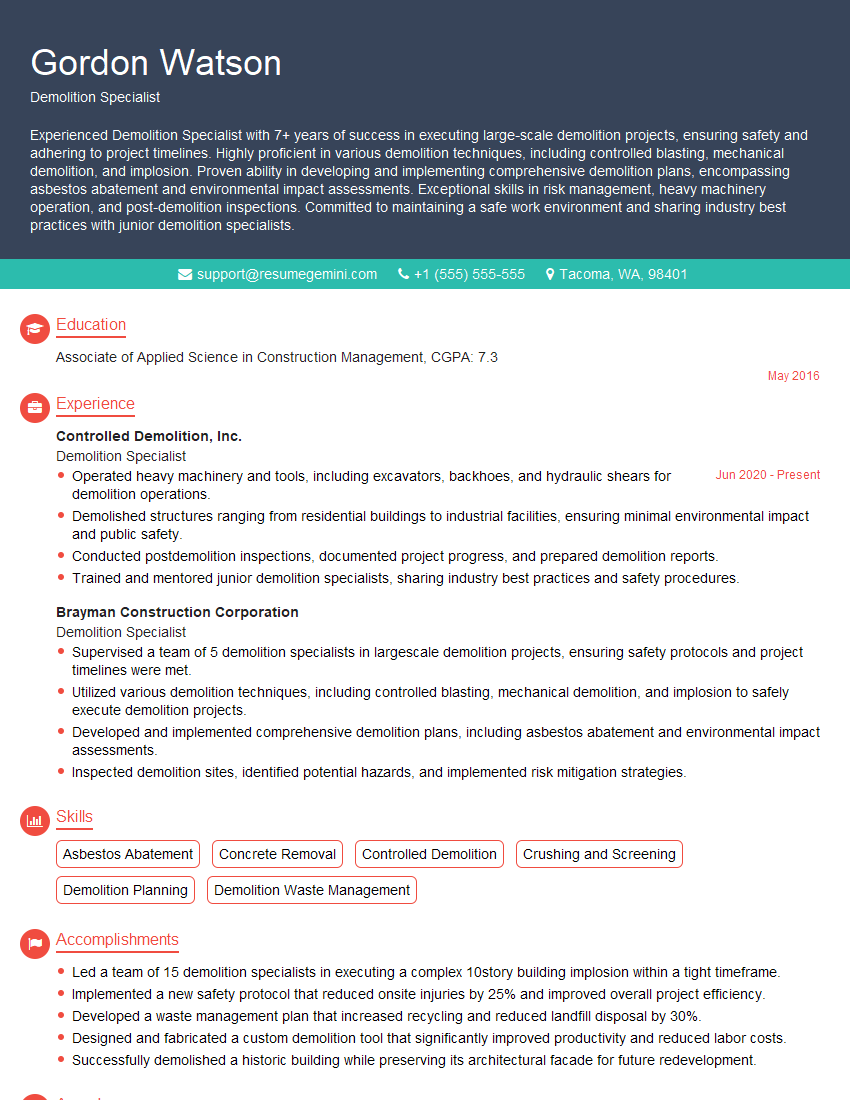
Demolition Specialist Resume Sample
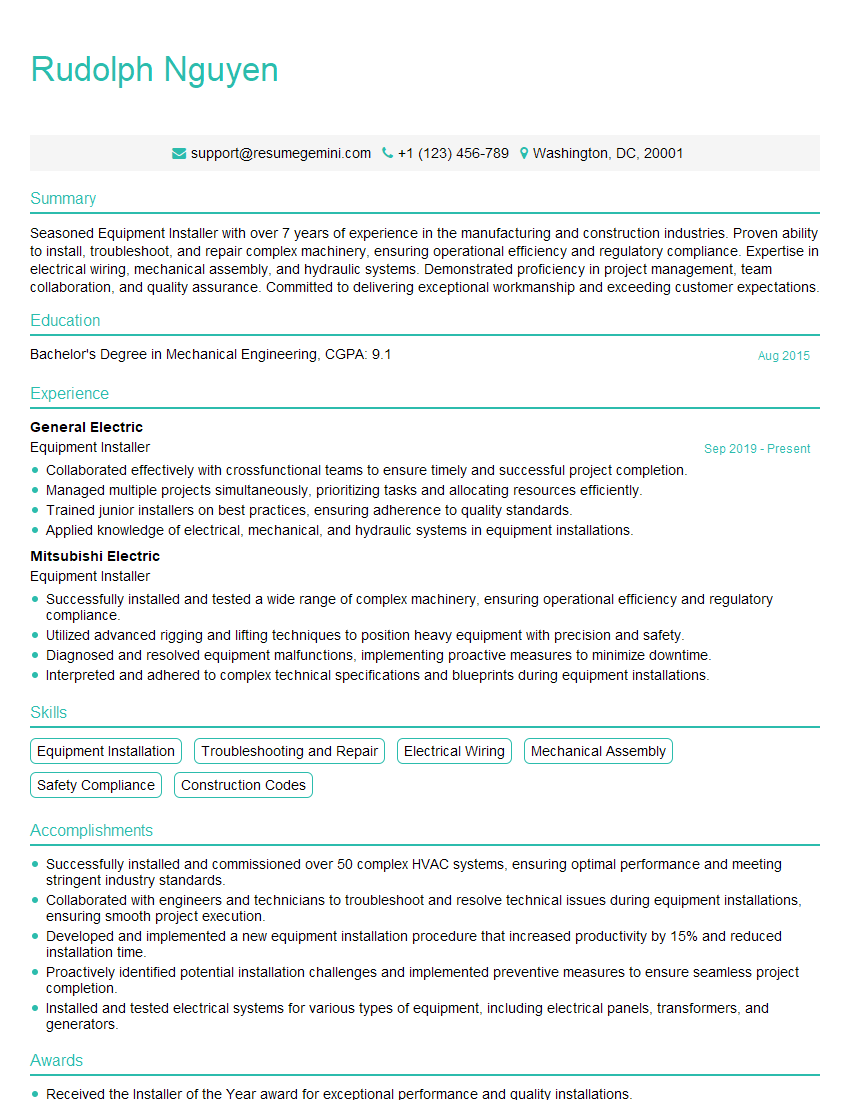
Equipment Installer Resume Sample
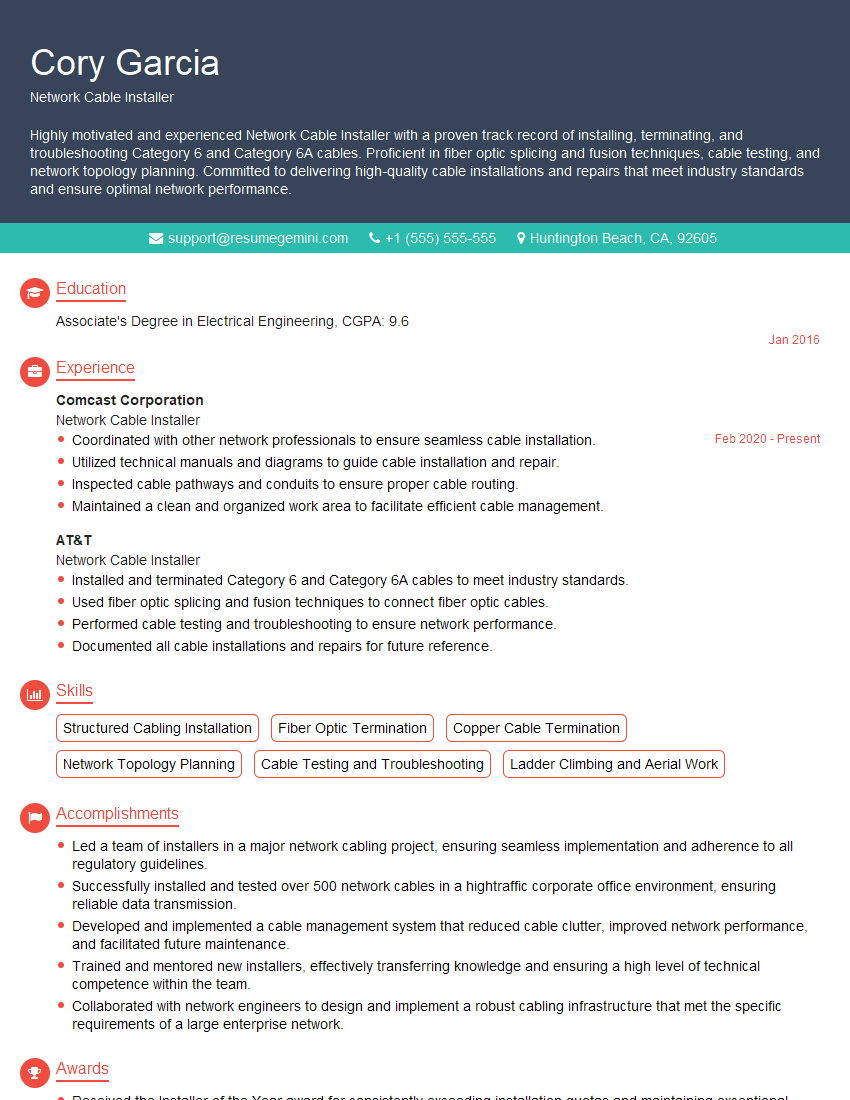
Network Cable Installer Resume Sample
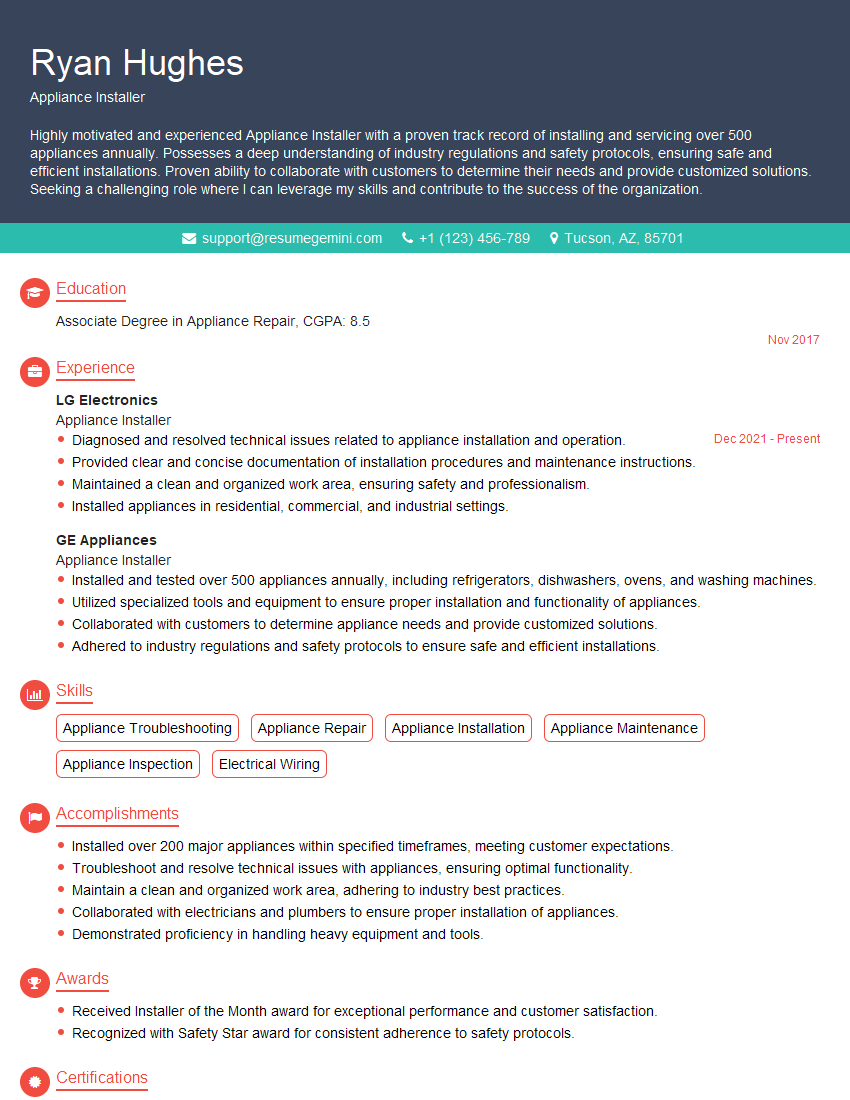
Appliance Installer Resume Sample
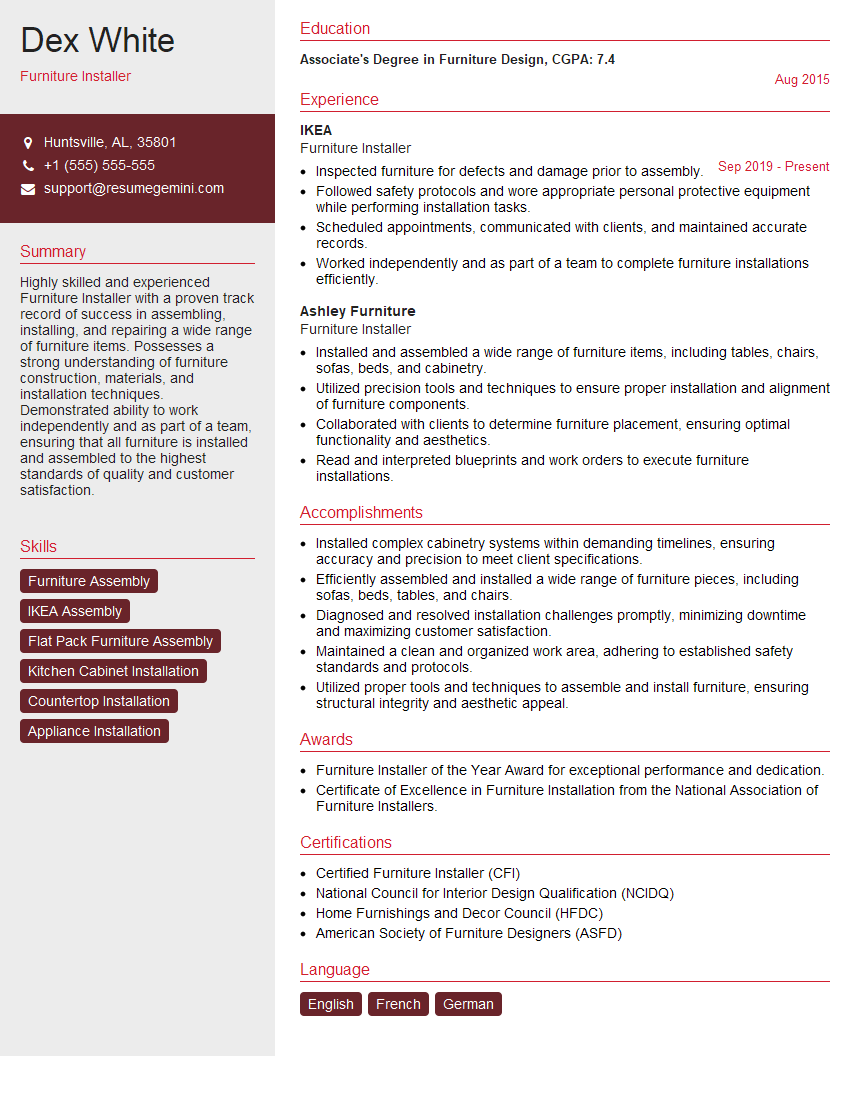
Furniture Installer Resume Sample
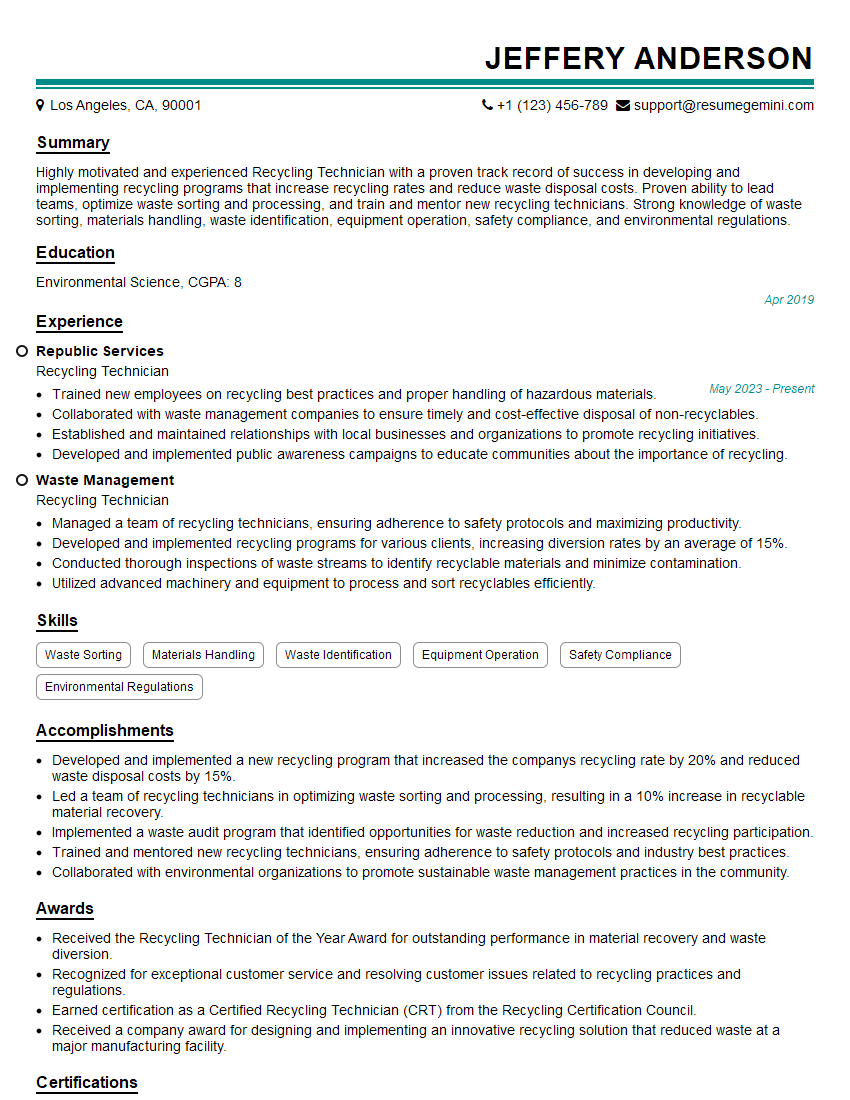
Recycling Technician Resume Sample
Explore more articles
Users Rating of Our Blogs
Share Your Experience
We value your feedback! Please rate our content and share your thoughts (optional).
What Readers Say About Our Blog
Very informative content, great job.
good