Interviews are opportunities to demonstrate your expertise, and this guide is here to help you shine. Explore the essential Integrity and Ethical Conduct interview questions that employers frequently ask, paired with strategies for crafting responses that set you apart from the competition.
Questions Asked in Integrity and Ethical Conduct Interview
Q 1. Describe a situation where you had to uphold ethical standards despite pressure to compromise.
Upholding ethical standards under pressure is a crucial aspect of professional integrity. It requires a strong moral compass and the courage to resist compromising one’s values, even when facing potentially negative consequences. In a previous role, our team was under immense pressure to meet a tight deadline for a software release. Management strongly hinted that cutting corners on testing – a process crucial for ensuring the software’s safety and reliability – would be acceptable. However, I knew that releasing untested software would be unethical and potentially harmful to users. I voiced my concerns, highlighting the potential risks and the long-term reputational damage to the company. Initially, I faced resistance, but by presenting a detailed risk assessment and suggesting alternative strategies to meet the deadline without compromising quality, I was able to convince my team and management to prioritize ethical conduct. The project was delayed slightly, but the subsequent release was successful and problem-free, demonstrating the importance of prioritizing ethical practices even under pressure.
Q 2. How would you handle a conflict of interest in the workplace?
A conflict of interest arises when an individual’s personal interests could potentially compromise their professional judgment or objectivity. Handling these situations requires transparency and proactive measures. My approach involves immediately disclosing any potential conflicts to my supervisor and relevant parties. For example, if I were evaluating a vendor for a contract and had a personal relationship with a representative from one of the bidding companies, I would fully disclose this to avoid any appearance of bias. The next step would be to either recuse myself from the decision-making process or work within established guidelines to ensure fairness and objectivity, potentially by having another team member take the lead in the evaluation.
Q 3. Explain your understanding of corporate social responsibility.
Corporate Social Responsibility (CSR) encompasses a company’s commitment to operating ethically and sustainably, considering its impact on society and the environment beyond its immediate business interests. It’s about going beyond mere compliance with legal requirements and actively contributing to the well-being of stakeholders, including employees, customers, communities, and the planet. A company demonstrating strong CSR might engage in ethical sourcing, reduce its carbon footprint, support local communities through charitable initiatives, and promote diversity and inclusion within its workforce. Think of it as a company’s social license to operate – demonstrating that they are acting as responsible members of society and building trust with their stakeholders.
Q 4. What are the key components of a strong ethical framework?
A strong ethical framework comprises several key components:
- A clear code of conduct: This document outlines the organization’s values and expected behaviors, providing a standard for decision-making.
- Effective ethics training: Regular training ensures employees understand the code of conduct and how to apply ethical principles in various situations.
- Whistleblowing mechanisms: Confidential channels for reporting unethical behavior are crucial for fostering accountability and preventing wrongdoing.
- Independent oversight: An ethics committee or similar body can provide objective guidance and investigate potential violations.
- Consequences for unethical behavior: Clearly defined consequences for violations reinforce the seriousness of ethical misconduct.
- Leadership commitment: Strong ethical leadership is paramount; leaders must model ethical behavior and actively promote a culture of integrity.
Q 5. Describe a time you reported unethical behavior. What was the outcome?
I once witnessed a colleague falsifying expense reports. After considering the implications carefully, I decided to report the behavior through the company’s established whistleblowing channel. This involved providing detailed documentation and evidence of the misconduct. The company launched an internal investigation, which confirmed my report. The colleague was disciplined, facing a combination of sanctions including a written warning and mandatory ethics training. The outcome reinforced the importance of reporting unethical behavior and highlighted the company’s commitment to its code of conduct. While the situation was difficult, it reaffirmed my belief in the importance of speaking up when faced with ethical violations.
Q 6. How do you prioritize ethical considerations when making business decisions?
Ethical considerations are paramount when making business decisions. I use a structured approach that incorporates the following:
- Identifying stakeholders: Determining who will be affected by the decision (employees, customers, community, environment, etc.).
- Assessing potential impacts: Evaluating both the positive and negative consequences of the decision on each stakeholder.
- Applying ethical principles: Considering fairness, transparency, honesty, accountability, and respect for individuals and the environment.
- Seeking diverse perspectives: Consulting with colleagues and relevant parties to gain different viewpoints and identify potential ethical blind spots.
- Documenting the decision-making process: Maintaining a record of the rationale behind the decision, including the ethical considerations taken into account.
Q 7. What is your understanding of whistleblowing protections?
Whistleblowing protections are legal safeguards designed to protect individuals who report unethical or illegal activities within an organization from retaliation. These protections vary by jurisdiction but generally prohibit employers from taking adverse actions against whistleblowers, such as termination, demotion, or harassment, for reporting misconduct in good faith. Key aspects often include confidentiality provisions to protect the whistleblower’s identity and processes for investigating reports. The goal is to encourage the reporting of unethical behavior by assuring individuals that they will not face negative consequences for doing the right thing. It’s crucial to understand the specific protections available in your location and to report misconduct through the appropriate channels, ensuring you’re adhering to the correct processes and procedures.
Q 8. How do you ensure compliance with relevant laws and regulations?
Ensuring compliance with relevant laws and regulations is paramount to maintaining ethical conduct. It involves a proactive and multi-faceted approach. This begins with a thorough understanding of all applicable laws and regulations, including industry-specific standards and internal policies. This understanding is not a one-time event but requires ongoing monitoring for updates and changes.
Secondly, I actively seek training and professional development opportunities to stay abreast of evolving legal landscapes. This may involve attending workshops, webinars, or pursuing relevant certifications. For example, staying updated on GDPR (General Data Protection Regulation) or HIPAA (Health Insurance Portability and Accountability Act) is crucial depending on the industry.
Finally, I implement and maintain robust compliance systems. This includes regular audits, thorough documentation of processes, and clear lines of accountability. If irregularities are detected, I establish a clear process for reporting and addressing them, ensuring prompt corrective action and preventing future occurrences. Think of it like regularly servicing a car – preventative maintenance ensures it runs smoothly and avoids costly breakdowns.
Q 9. How would you address a situation where a colleague was behaving unethically?
Addressing unethical behavior in a colleague requires a thoughtful and measured approach. The first step is to gather all the facts; ensure I have a complete understanding of the situation before taking action. I would then consider the severity of the unethical conduct and the potential consequences. In cases of minor infractions, a private, informal conversation with the colleague might be sufficient to address the issue and offer guidance. I would focus on the impact of their actions, not on personal attacks.
However, for more serious breaches of ethics or repeated offenses, I would escalate the matter. This could involve discussing the issue with a supervisor or HR department. Throughout the process, maintaining confidentiality and fairness is crucial, adhering to company policy and procedures. For example, if a colleague is falsifying data, a private conversation might be the initial step, but if it continues, reporting to management is necessary to protect the integrity of the organization.
My approach always prioritizes a restorative solution, aiming to address the unethical behavior while preserving the professional relationship where possible, while upholding organizational integrity and ethical standards.
Q 10. What are some common ethical dilemmas faced in your field?
Ethical dilemmas are common in many fields, and mine is no exception. A frequent challenge is balancing confidentiality with the need to report wrongdoing. For example, discovering a colleague is engaging in unsafe practices that could jeopardize the safety of others presents a difficult choice between loyalty and responsibility. Another dilemma involves conflicts of interest, such as receiving gifts or favors from clients that could influence professional judgment. There’s also the pressure to compromise ethical standards to meet unrealistic deadlines or achieve ambitious targets.
Another common issue is the use of company resources for personal gain, which is a clear breach of ethical conduct. Each situation requires a careful evaluation of the ethical principles at stake and the potential consequences of different courses of action. In all cases, I would prioritize upholding ethical principles and acting in accordance with professional standards.
Q 11. Describe your experience with risk assessment and mitigation related to ethical conduct.
Risk assessment and mitigation related to ethical conduct are critical for ensuring responsible decision-making. My approach begins with identifying potential ethical risks within a project or organization. This might involve brainstorming sessions, reviewing past incidents, and analyzing industry best practices. Once risks are identified, I use a framework to evaluate their likelihood and potential impact. This allows me to prioritize the most critical areas needing attention.
Next, I develop and implement mitigation strategies. These might include strengthening ethical guidelines, providing additional training, establishing clear reporting mechanisms, or incorporating ethical considerations into decision-making processes. For example, if a risk assessment reveals a potential for data breaches, mitigation strategies would focus on improving data security protocols and employee training on data handling. I also regularly review and update the risk assessment and mitigation plan, ensuring it remains effective and relevant.
Q 12. How do you promote ethical behavior within a team or organization?
Promoting ethical behavior within a team or organization requires a multifaceted strategy, beginning with establishing a clear code of conduct. This code needs to be easily accessible, understandable, and regularly communicated to all team members. Beyond just a written document, it’s crucial to foster a culture of open communication where ethical concerns can be raised without fear of retribution. This is achieved by leading by example, consistently demonstrating ethical conduct in all interactions and decisions.
Regular training sessions on ethical dilemmas and best practices reinforce the commitment to ethical principles. These sessions should encourage discussion and scenario-based learning to improve decision-making in challenging situations. Finally, recognizing and rewarding ethical behavior fosters a positive feedback loop and strengthens the ethical culture. This might involve publicly acknowledging ethical actions or incorporating ethical conduct into performance evaluations.
Q 13. What is your approach to resolving ethical conflicts among team members?
Resolving ethical conflicts among team members necessitates a fair, impartial, and collaborative approach. The first step is to create a safe and respectful environment where all parties feel comfortable expressing their concerns. I would encourage open dialogue, ensuring each person feels heard and understood. Active listening and neutral facilitation are key to this process. It is important to understand the perspectives of each team member involved.
Next, I would facilitate a collaborative discussion to identify common ground and explore potential solutions. The goal isn’t necessarily to find a single ‘winner,’ but to find a resolution that is ethically sound and respects the interests of all parties. Mediation techniques can be employed to help navigate disagreements. If the conflict remains unresolved, it might be necessary to escalate the issue to a higher authority, following established organizational protocols.
Q 14. Explain the importance of transparency and accountability in maintaining ethical standards.
Transparency and accountability are cornerstones of maintaining ethical standards. Transparency ensures that all actions and decisions are open to scrutiny, minimizing the opportunity for unethical behavior to go undetected. This involves open communication, clear documentation of processes, and readily accessible information. For example, transparent financial reporting prevents conflicts of interest and promotes trust.
Accountability means that individuals are held responsible for their actions. Clear lines of responsibility, well-defined roles, and effective oversight mechanisms ensure that those who violate ethical standards face consequences. This promotes ethical behavior by demonstrating that there are real repercussions for unethical conduct. In short, transparency shines a light on potential problems, while accountability ensures corrective action is taken.
Q 15. How familiar are you with relevant codes of ethics (e.g., AICPA, etc.)?
I’m very familiar with numerous codes of ethics, particularly those relevant to my professional background. My understanding extends beyond simply rote memorization; I actively apply these principles in my daily work. For example, I’m deeply versed in the AICPA (American Institute of Certified Public Accountants) Code of Professional Conduct, which emphasizes principles like integrity, objectivity, and due professional care. I’m also familiar with codes relevant to other fields, such as the ACM (Association for Computing Machinery) Code of Ethics and Professional Practice for software developers, and various industry-specific codes. My understanding encompasses not only the specific rules, but also the underlying ethical frameworks that guide these codes. I believe that these codes act as a compass, directing decision-making in complex and often ambiguous situations.
Understanding these codes isn’t just about compliance; it’s about cultivating a strong ethical foundation. I continually update my knowledge to account for evolving standards and best practices in ethical conduct.
Career Expert Tips:
- Ace those interviews! Prepare effectively by reviewing the Top 50 Most Common Interview Questions on ResumeGemini.
- Navigate your job search with confidence! Explore a wide range of Career Tips on ResumeGemini. Learn about common challenges and recommendations to overcome them.
- Craft the perfect resume! Master the Art of Resume Writing with ResumeGemini’s guide. Showcase your unique qualifications and achievements effectively.
- Don’t miss out on holiday savings! Build your dream resume with ResumeGemini’s ATS optimized templates.
Q 16. Describe a time you had to make a difficult ethical decision. What was the process?
One challenging ethical dilemma I faced involved a project where I discovered a potential conflict of interest within my team. A senior team member, a friend from outside work, had a significant financial stake in a vendor we were considering. While the vendor was technically qualified, their bid was significantly higher than the others.
My process involved several steps:
- Identifying the conflict: I recognized the conflict of interest and its potential to compromise the objectivity of our decision-making.
- Gathering information: I reviewed all vendor proposals and sought further clarification on the price discrepancies. I also examined the team member’s declaration of interests, if applicable.
- Considering options: I evaluated different approaches, including discussing my concerns with my manager, seeking a second opinion from another senior member of a different team, and considering the potential consequences of each option.
- Decision-making: I chose to speak with my manager about my concerns. We then discussed the matter with the senior team member and ensured full transparency within the decision-making process. A more cost-effective alternative was then explored and eventually chosen.
- Documentation: All communications and discussions were properly documented to provide a clear record of the process.
The outcome was a more ethical and cost-effective choice for our organization. The process reinforced my commitment to transparency and the importance of prioritizing ethical considerations in even difficult team situations.
Q 17. How would you handle a situation where you witness unethical behavior by a senior manager?
Witnessing unethical behavior from a senior manager requires a careful and considered approach. I would prioritize protecting myself, my organization, and upholding ethical standards.
- Document the behavior: I would meticulously document the unethical action, including dates, times, witnesses, and any supporting evidence.
- Consider the severity: The severity of the unethical behavior will dictate the urgency of my response. A minor infraction might warrant a private conversation, while serious misconduct might require immediate reporting to higher authorities.
- Seek guidance: I would seek guidance from a trusted mentor, an ethics advisor within the organization, or even a legal professional. Depending on company policy and the level of risk, this consultation is crucial.
- Internal reporting mechanisms: Most organizations have established internal procedures for reporting ethical concerns. I would follow these procedures carefully, ensuring that my report is factual and detailed.
- Escalate if necessary: If the internal channels prove ineffective, I might need to consider reporting the behavior to external regulatory bodies, depending on the nature of the misconduct and its legal implications.
It’s essential to remember that whistle-blowing is a serious step with potential personal consequences. Carefully weighing risks and benefits and seeking appropriate counsel are paramount.
Q 18. What measures would you implement to foster an ethical work environment?
Creating a strong ethical work environment is a continuous process requiring multiple strategies. It’s not just about having a code of conduct; it’s about creating a culture of ethical behavior.
- Develop a robust code of ethics: The code needs to be clear, concise, and accessible to all employees, outlining expected behaviors and consequences of violations.
- Ethics training: Regular and engaging training sessions are crucial, covering ethical dilemmas, conflict resolution, and the implications of unethical actions.
- Whistleblower protection: Employees must feel safe reporting unethical conduct without fear of retaliation. Robust protection is a must.
- Open communication: Creating a culture where employees feel comfortable raising ethical concerns openly is vital. This includes providing various channels for reporting.
- Lead by example: Managers and leaders must embody ethical conduct in their daily actions. Their behavior sets the tone for the entire organization.
- Regular audits and reviews: Periodic reviews of ethical policies and procedures ensure they remain relevant and effective.
The goal is to create an environment where integrity isn’t just expected, it’s actively nurtured and rewarded.
Q 19. How do you ensure the ethical sourcing of materials or services?
Ensuring ethical sourcing involves a multifaceted approach that extends beyond simply finding the cheapest option. It requires due diligence and a commitment to social and environmental responsibility.
- Supplier Code of Conduct: Implementing a supplier code of conduct that outlines expectations regarding labor practices, environmental sustainability, and ethical business operations is paramount.
- Due Diligence: Thoroughly vetting potential suppliers involves auditing their operations, verifying their compliance with regulations, and assessing their environmental impact.
- Transparency and Traceability: Establishing transparent and traceable supply chains allows for better monitoring and accountability. Knowing where materials originate and how they are produced is essential.
- Third-Party Audits: Utilizing independent third-party audits can provide an objective assessment of supplier practices and ensure compliance.
- Continuous Improvement: Ethical sourcing isn’t a one-time effort. Regularly reviewing and improving sourcing strategies is crucial to ensure ongoing compliance and sustainability.
The ultimate goal is to create a supply chain that aligns with organizational values and promotes fairness, environmental responsibility, and respect for human rights.
Q 20. Describe your understanding of data privacy regulations and ethical data handling.
My understanding of data privacy regulations and ethical data handling is extensive. I’m familiar with regulations like GDPR (General Data Protection Regulation), CCPA (California Consumer Privacy Act), and HIPAA (Health Insurance Portability and Accountability Act), among others. These regulations establish strict rules around the collection, storage, use, and disposal of personal data. Ethical data handling goes beyond mere compliance; it emphasizes principles of transparency, fairness, and accountability.
Ethical data handling involves:
- Data Minimization: Collecting only necessary data and limiting its scope.
- Purpose Limitation: Using data only for the specific purpose stated at the time of collection.
- Data Security: Implementing robust security measures to protect data from unauthorized access, use, or disclosure.
- Transparency and Consent: Being transparent about data collection practices and obtaining informed consent from individuals.
- Accountability: Taking responsibility for data protection and handling any breaches responsibly.
Ignoring these principles can lead to significant legal and reputational damage. Ethical data handling is not only a legal requirement but also a crucial aspect of building and maintaining trust with stakeholders.
Q 21. How do you assess the ethical implications of new technologies or processes?
Assessing the ethical implications of new technologies and processes requires a structured approach. I use a framework that considers various perspectives and potential impacts.
- Identify potential impacts: What are the potential societal, environmental, and individual impacts of this technology or process? This includes considering both positive and negative consequences.
- Stakeholder analysis: Who are the stakeholders affected by this technology or process (employees, customers, community, the environment)? What are their interests and concerns?
- Risk assessment: What are the potential risks associated with this technology or process? This includes risks related to privacy, security, bias, discrimination, job displacement, and environmental harm.
- Ethical frameworks: Applying established ethical frameworks, such as utilitarianism (greatest good for the greatest number), deontology (duty-based ethics), and virtue ethics, can help assess the moral dimensions of the technology or process.
- Transparency and accountability: How will transparency and accountability be ensured throughout the development and deployment of the technology or process?
- Mitigation strategies: How can potential negative impacts be mitigated or reduced? This might involve designing safeguards, implementing ethical guidelines, or developing regulatory mechanisms.
This structured approach ensures a comprehensive evaluation of ethical considerations before implementing new technologies or processes, promoting responsible innovation and minimizing potential harm.
Q 22. How do you balance ethical considerations with business objectives?
Balancing ethical considerations with business objectives is a crucial aspect of responsible leadership. It’s not about choosing one over the other, but rather finding a synergistic approach where ethical conduct strengthens the business, not hinders it. This involves a thoughtful process of identifying potential ethical conflicts, assessing risks, and proactively developing solutions that align with both the company’s values and its bottom line.
For example, a company might face pressure to cut corners on quality control to meet production deadlines and increase profits. However, an ethical leader would recognize that sacrificing quality could lead to product recalls, damaged reputation, and ultimately, greater financial losses. Instead, they would explore solutions like streamlining processes, investing in better technology, or reallocating resources to ensure both deadlines and ethical standards are met. This might involve short-term costs, but the long-term benefits of maintaining integrity far outweigh the risks.
This balancing act often involves using ethical frameworks such as utilitarianism (maximizing overall good), deontology (adhering to moral duties), or virtue ethics (cultivating moral character) to guide decision-making. Open communication with stakeholders, including employees, customers, and shareholders, is essential to ensure transparency and build trust.
Q 23. What are the potential legal consequences of unethical behavior in the workplace?
Unethical behavior in the workplace can have severe legal consequences, ranging from fines and lawsuits to criminal charges. The specific repercussions depend on the nature and severity of the misconduct, as well as the applicable laws and regulations. Examples of unethical behavior with significant legal ramifications include:
- Fraud and embezzlement: Misappropriation of company funds or assets can lead to criminal prosecution and imprisonment.
- Discrimination and harassment: Violations of equal opportunity employment laws can result in substantial fines and legal action from affected employees.
- Breach of contract: Failure to uphold contractual agreements can lead to civil lawsuits and financial penalties.
- Insider trading: Illegal trading of company securities based on non-public information is a serious crime with significant penalties.
- Data privacy violations: Failing to protect sensitive employee or customer data can result in substantial fines and reputational damage under laws like GDPR or CCPA.
Companies are also legally obligated to establish and maintain a system of internal controls designed to prevent and detect unethical behavior. Failure to do so can expose them to greater legal liability.
Q 24. Describe your understanding of due diligence and its role in ethical decision-making.
Due diligence is the process of investigating and verifying information to ensure that decisions are made with accurate and complete knowledge. In ethical decision-making, due diligence plays a critical role by mitigating risks and promoting transparency. It involves thoroughly examining all relevant facts, considering potential consequences, and seeking diverse perspectives before making a judgment.
For example, before launching a new product, a company might conduct due diligence to ensure that its manufacturing processes are environmentally sound and don’t violate labor laws in the countries where it sources materials. They might examine supply chains, conduct audits, and consult with experts to ensure compliance with relevant regulations and ethical standards. This proactive approach reduces the risk of future scandals or legal challenges.
The scope of due diligence varies depending on the context, but it generally involves:
- Information gathering: Researching all relevant facts and data.
- Risk assessment: Identifying and evaluating potential negative consequences.
- Consultation: Seeking advice from experts and stakeholders.
- Verification: Confirming the accuracy of information.
- Documentation: Keeping thorough records of the due diligence process.
By conducting thorough due diligence, organizations can demonstrate their commitment to ethical practices and mitigate potential reputational and legal risks.
Q 25. How do you stay current on changes in ethical standards and regulations?
Staying current on changes in ethical standards and regulations requires a proactive and multi-faceted approach. The ethical landscape is constantly evolving, influenced by technological advancements, societal shifts, and legal reforms. To stay informed, I utilize several methods:
- Professional development: Attending conferences, webinars, and workshops related to ethics and compliance. Many professional organizations offer continuing education opportunities in this area.
- Industry publications and journals: Regularly reviewing publications specific to my field, which often discuss emerging ethical challenges and best practices.
- Legal and regulatory updates: Monitoring changes in relevant laws and regulations through government websites and legal databases. Subscription services that provide alerts on new legislation are also helpful.
- Networking: Engaging with colleagues and experts in my field through professional associations and online communities to share knowledge and insights.
- Ethical case studies and analyses: Studying real-world examples of ethical dilemmas and their resolutions helps develop critical thinking skills and improve judgment.
Continuous learning is essential to ensure that my ethical framework is adaptable and responsive to the evolving needs of the business environment.
Q 26. What are your personal values and how do they influence your ethical decision-making?
My personal values significantly influence my ethical decision-making. I strongly believe in honesty, integrity, fairness, and respect for others. These values are not merely abstract concepts but guiding principles that inform my actions and choices. For instance, honesty compels me to be transparent and truthful in all my interactions, while integrity demands consistency between my words and actions. Fairness guides me to treat everyone equitably, and respect encourages me to consider the perspectives and well-being of others.
In practical terms, these values translate to a commitment to transparency, accountability, and due process in my professional life. If a situation arises where I must choose between maximizing personal gain and upholding these values, I prioritize ethical conduct. This might involve turning down opportunities that compromise my integrity or challenging unethical practices within an organization. My adherence to these values isn’t always easy, but I believe it’s essential to build strong relationships based on trust and mutual respect.
Q 27. Describe a time you had to advocate for ethical principles in a challenging situation.
In a previous role, I witnessed a situation where a colleague was manipulating data to meet unrealistic performance targets. While this behavior initially seemed to benefit the team in the short term, I knew it was fundamentally unethical and risked serious consequences in the long run, potentially including legal repercussions. My initial reaction was to discuss my concerns directly with the colleague, explaining the potential implications and suggesting alternative approaches. When this didn’t result in a change, I escalated the issue to my supervisor.
This was a challenging situation, as it required me to confront a colleague and potentially damage working relationships. However, I believed it was my ethical responsibility to act. My supervisor investigated the matter, and ultimately, corrective actions were taken. While the situation was uncomfortable, it reinforced the importance of advocating for ethical principles, even when facing professional risks. This experience taught me the value of documenting concerns, and having clear communication protocols in place to deal with situations that compromise ethical conduct.
Key Topics to Learn for Integrity and Ethical Conduct Interviews
- Defining Integrity: Understanding the core principles of honesty, trustworthiness, and moral uprightness in professional contexts. Explore how these principles translate into everyday actions.
- Ethical Decision-Making Frameworks: Learn about various models (e.g., utilitarianism, deontology) and how to apply them to real-world dilemmas faced in the workplace. Practice analyzing ethical scenarios and justifying your decisions.
- Conflict of Interest: Identifying and managing potential conflicts between personal interests and professional obligations. Develop strategies for transparently disclosing and resolving conflicts.
- Whistleblowing and Reporting Mechanisms: Understand the importance of reporting unethical behavior and the processes involved. Explore the ethical considerations and potential consequences of whistleblowing.
- Corporate Social Responsibility (CSR): Discuss the role of ethical conduct in a company’s broader social impact and how individuals contribute to responsible business practices.
- Data Privacy and Security: Explore the ethical implications of handling sensitive information and the importance of maintaining confidentiality and data protection.
- Professional Conduct and Communication: Examine the importance of respectful communication, maintaining professional boundaries, and fostering a positive work environment.
- Practical Application: Prepare examples from your past experiences (academic, volunteer, or professional) demonstrating your commitment to integrity and ethical conduct. Focus on how you navigated challenging situations and upheld ethical standards.
Next Steps
Mastering integrity and ethical conduct is paramount for career advancement. It demonstrates maturity, builds trust with colleagues and clients, and is essential for long-term success in any professional field. To enhance your job prospects, create an ATS-friendly resume that highlights your ethical qualifications. ResumeGemini is a trusted resource that can help you build a professional resume that showcases your skills and experience effectively. Examples of resumes tailored to highlight integrity and ethical conduct are available to guide you through the process.
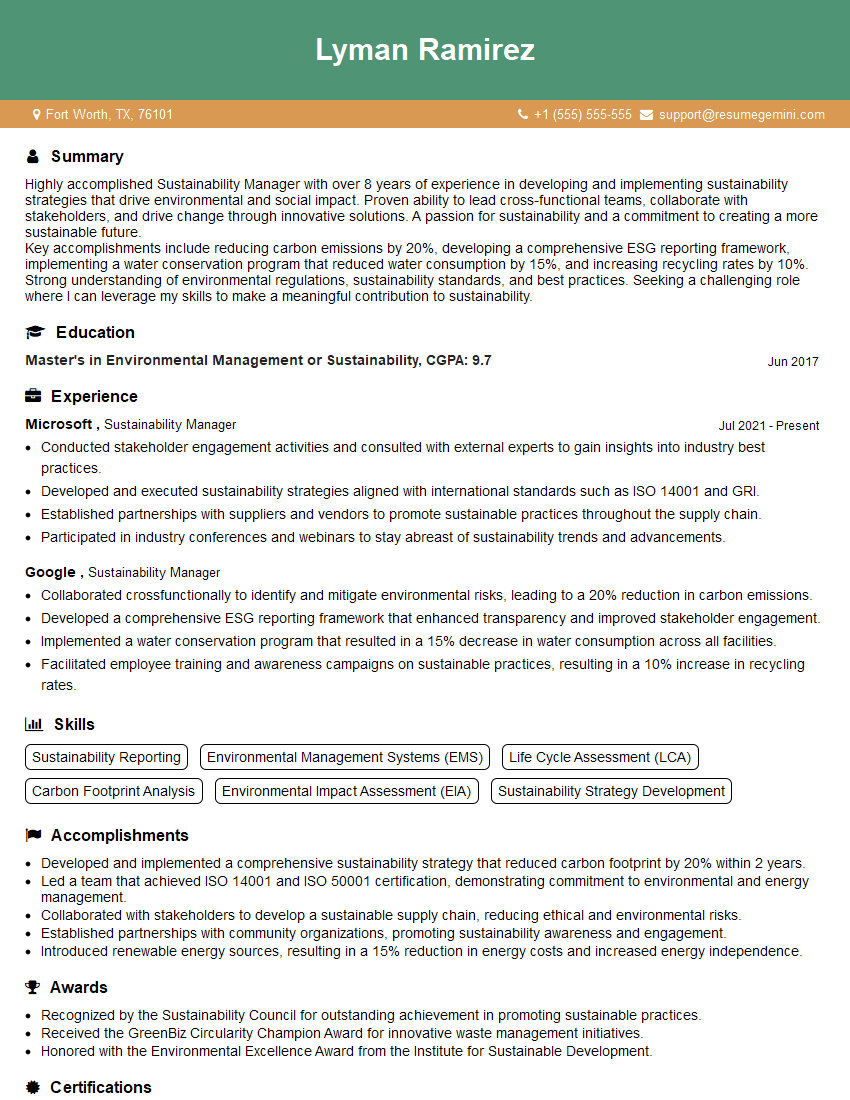
Sustainability Manager Resume Sample
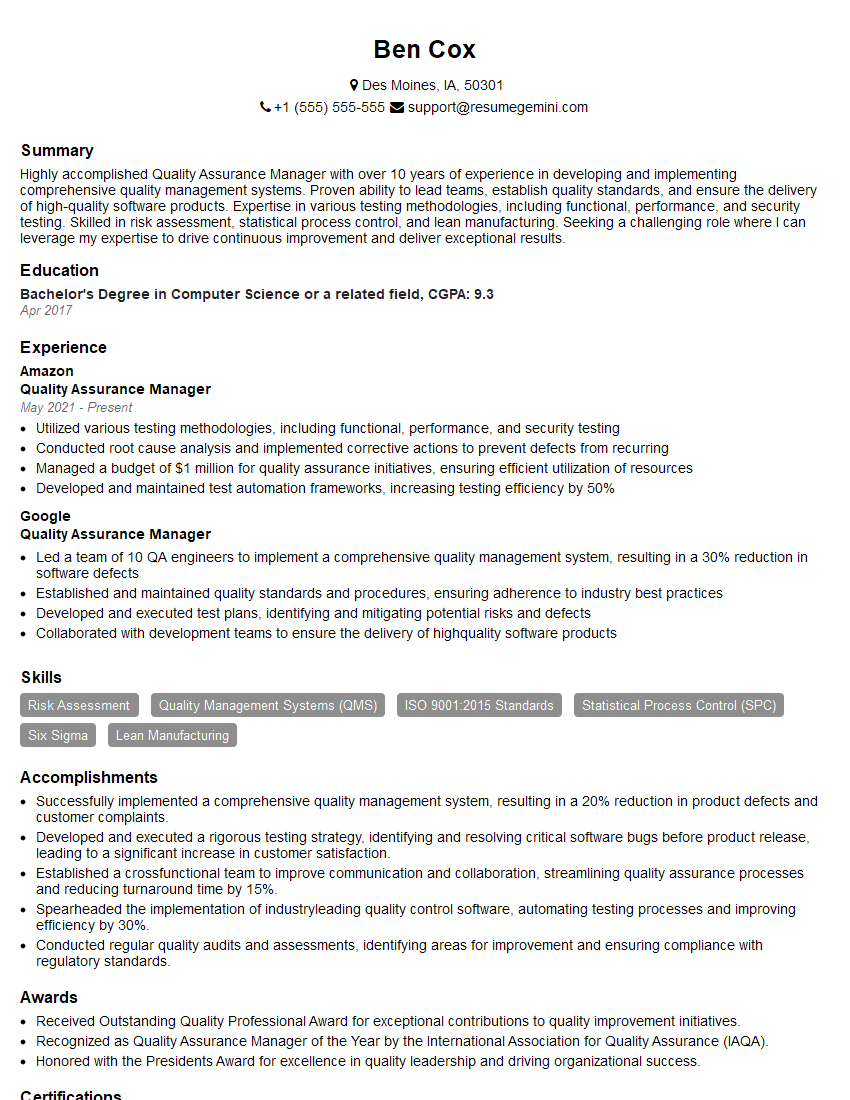
Quality Assurance Manager Resume Sample
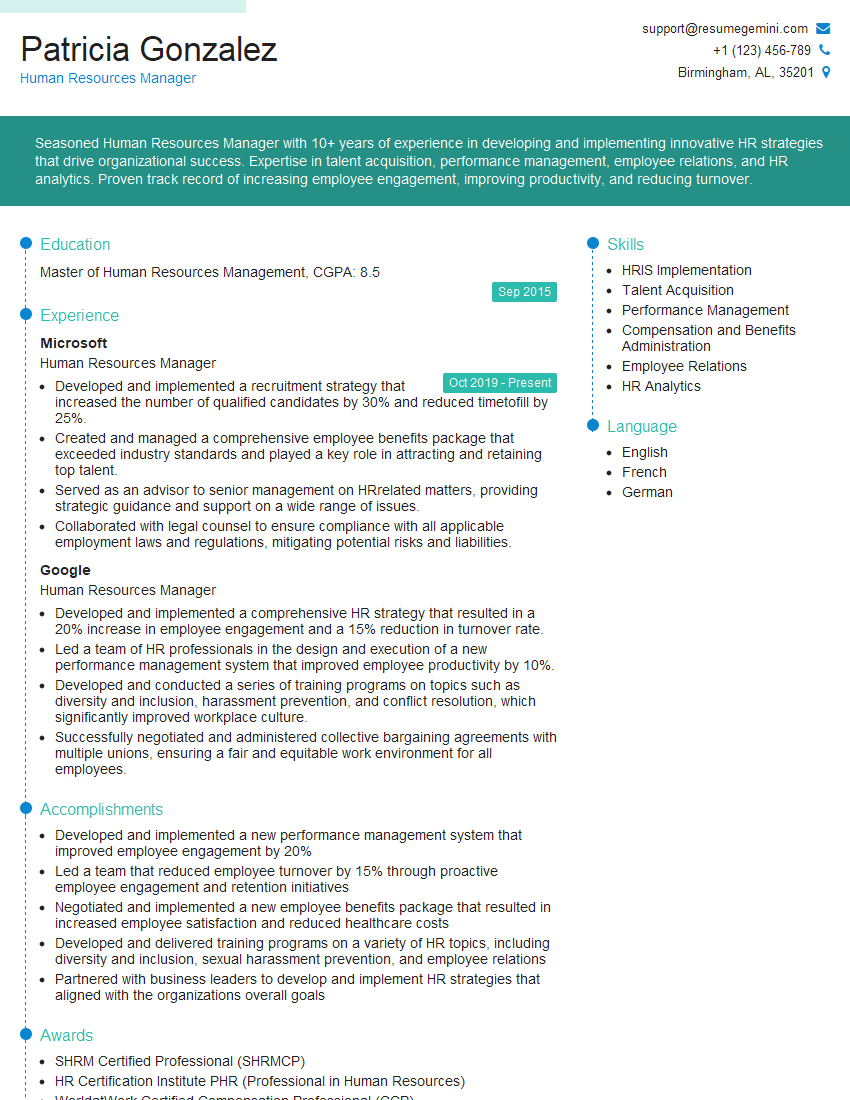
Human Resources Manager Resume Sample
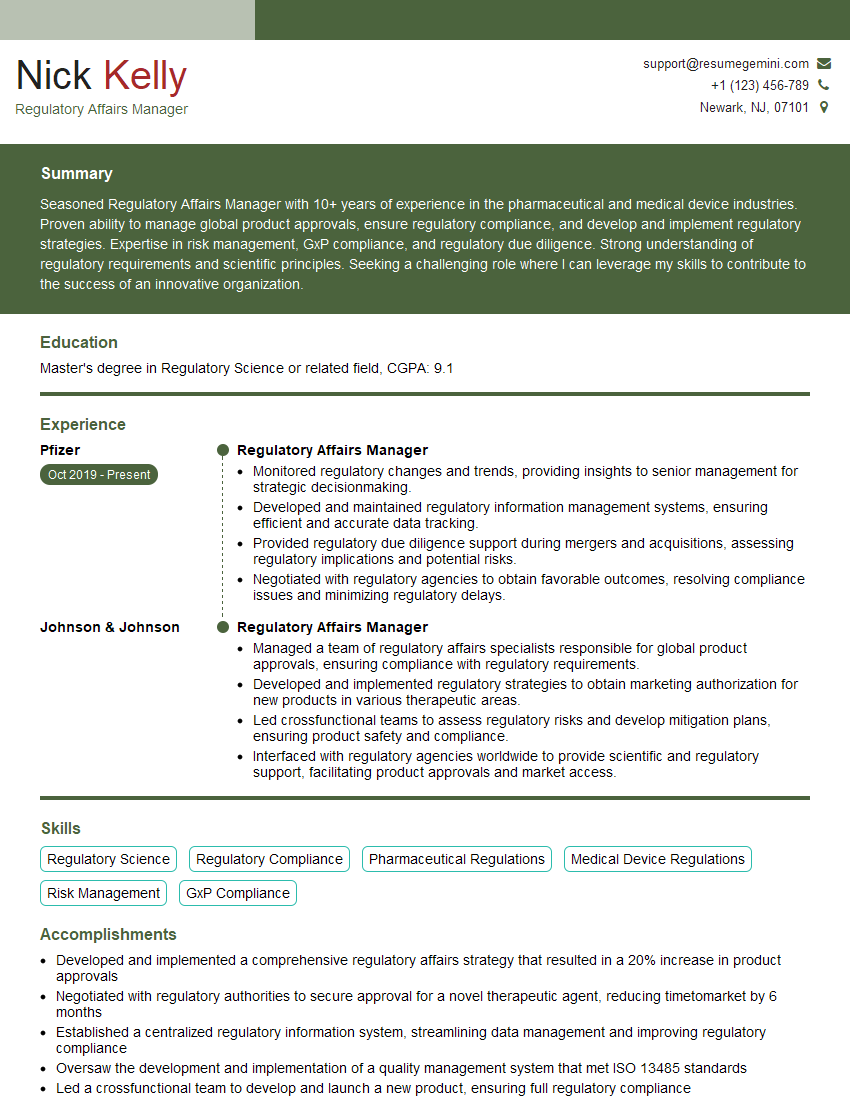
Regulatory Affairs Manager Resume Sample
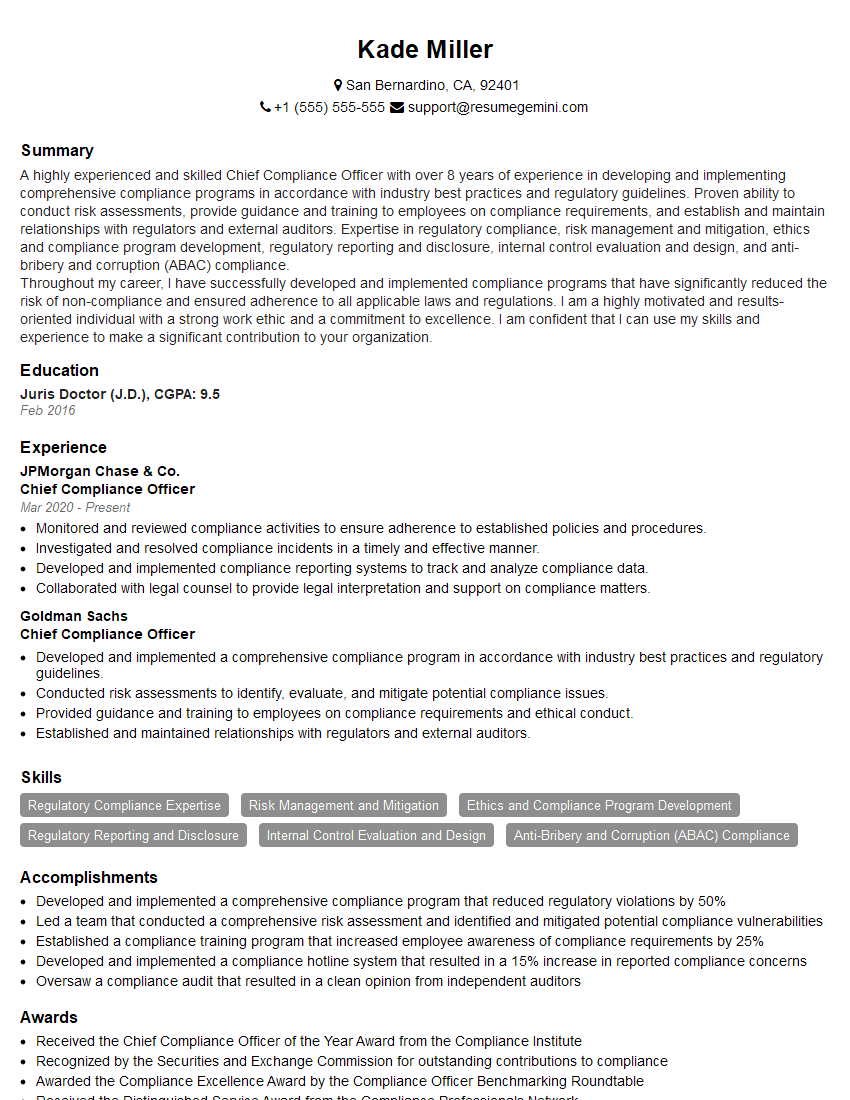
Chief Compliance Officer Resume Sample
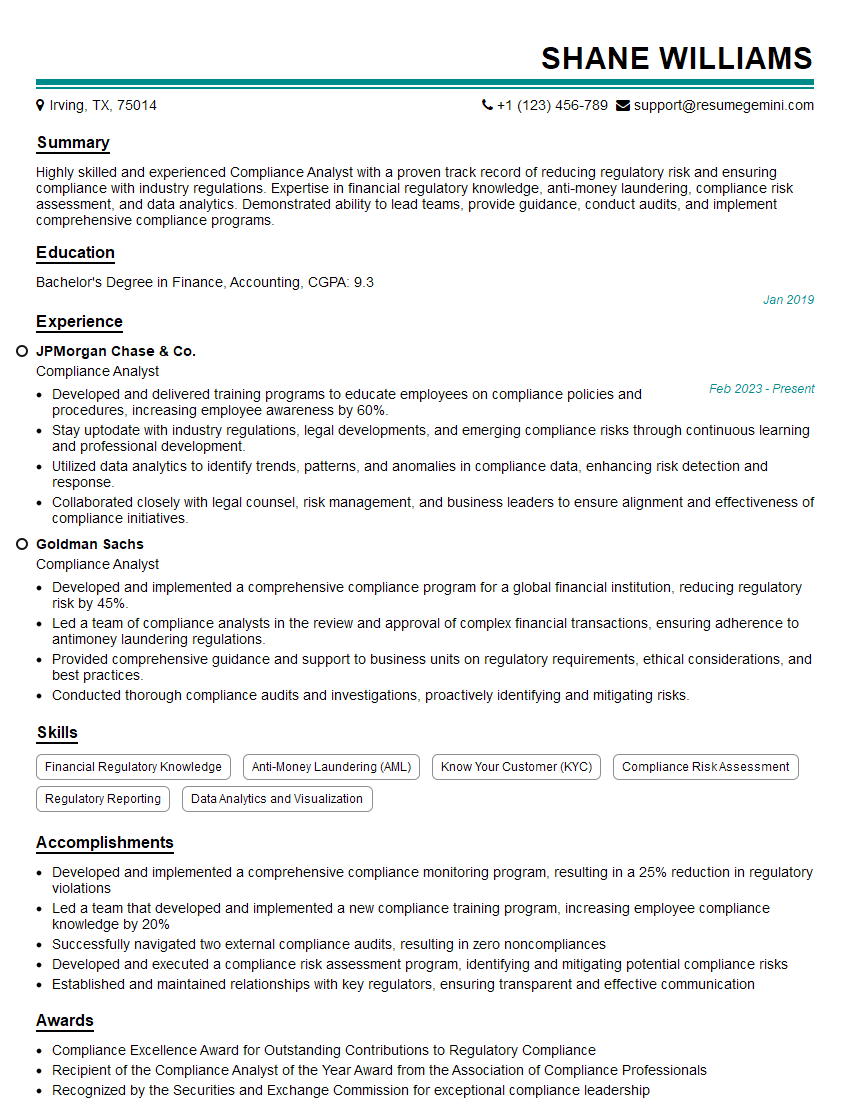
Compliance Analyst Resume Sample
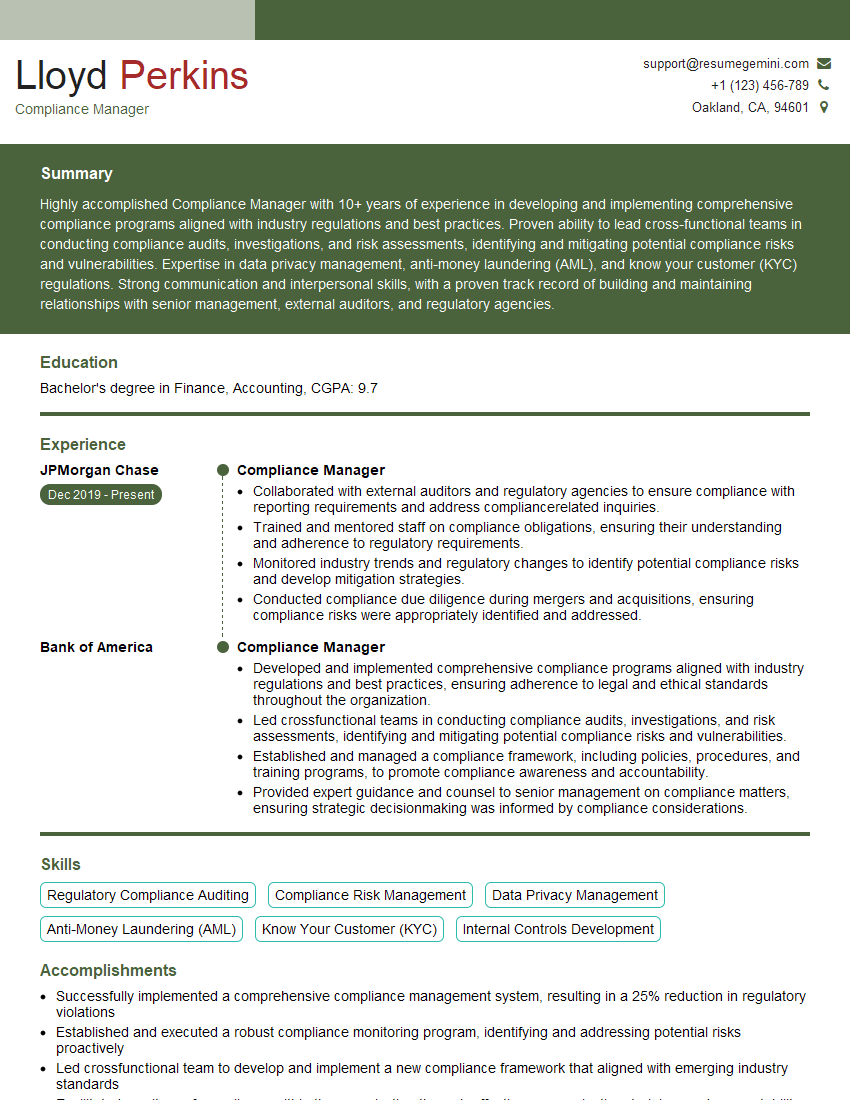
Compliance Manager Resume Sample
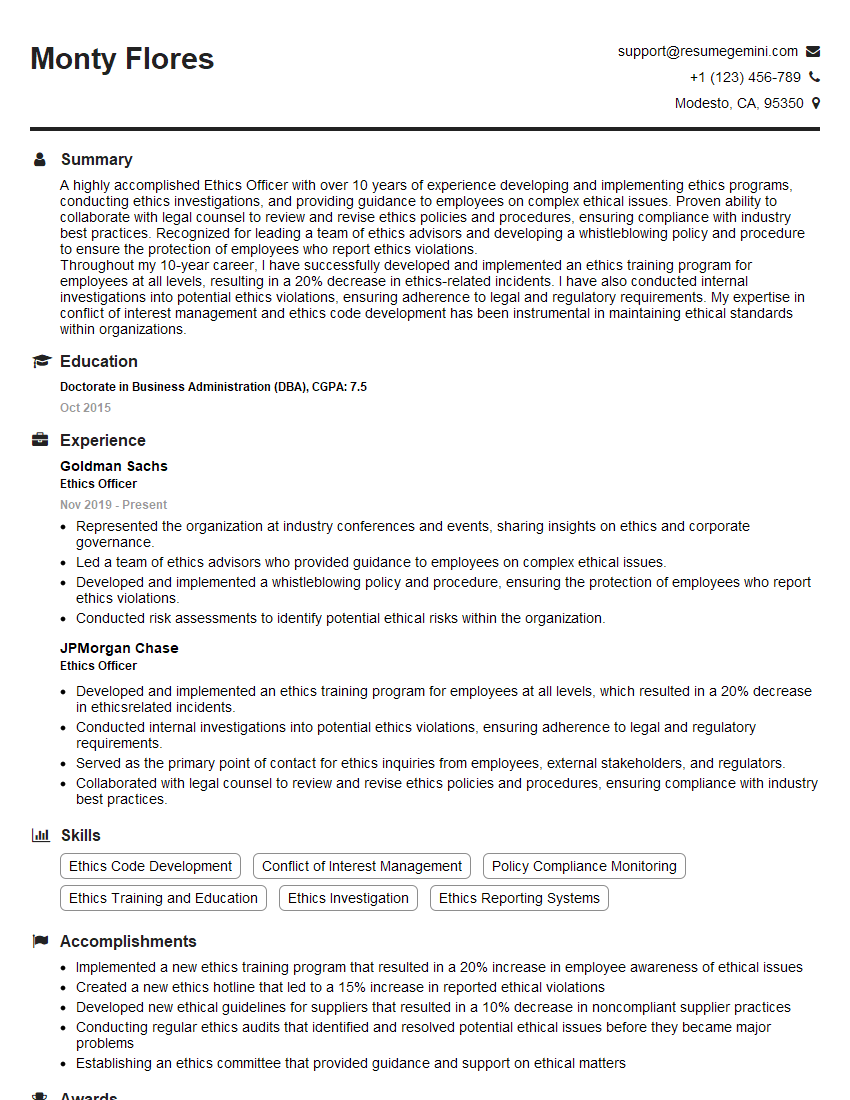
Ethics Officer Resume Sample
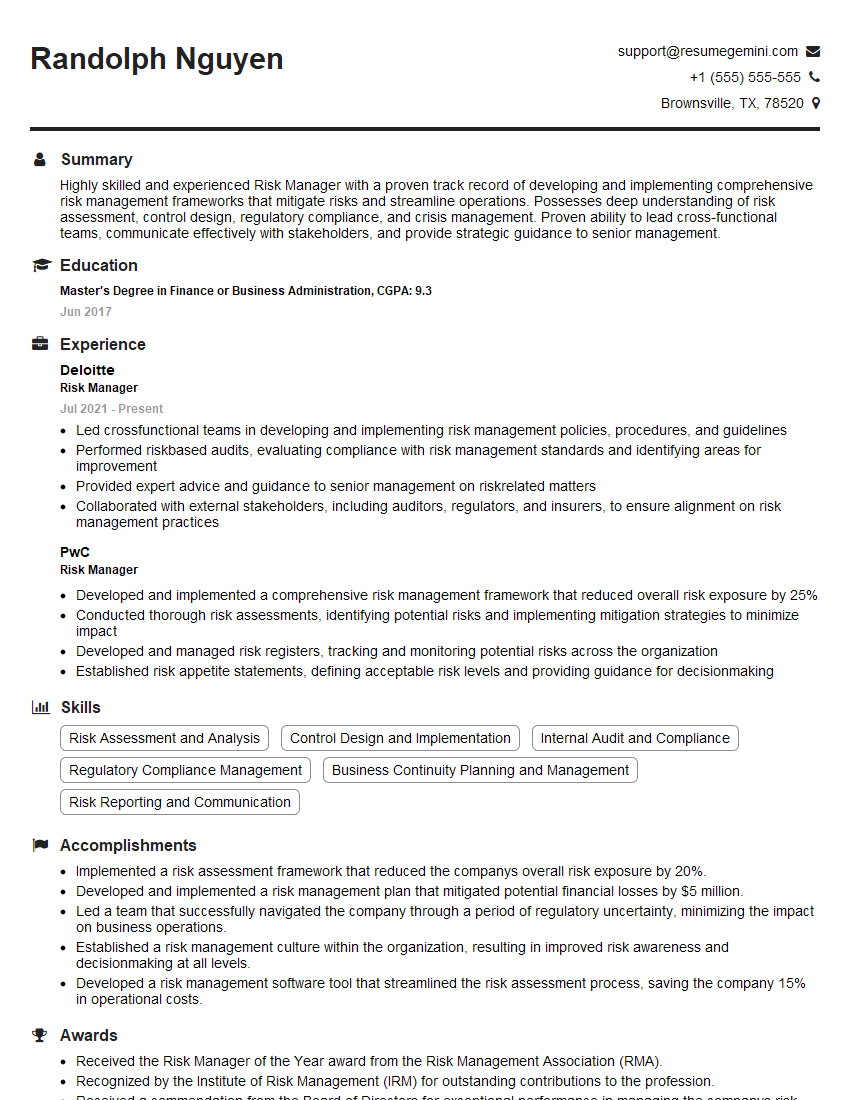
Risk Manager Resume Sample
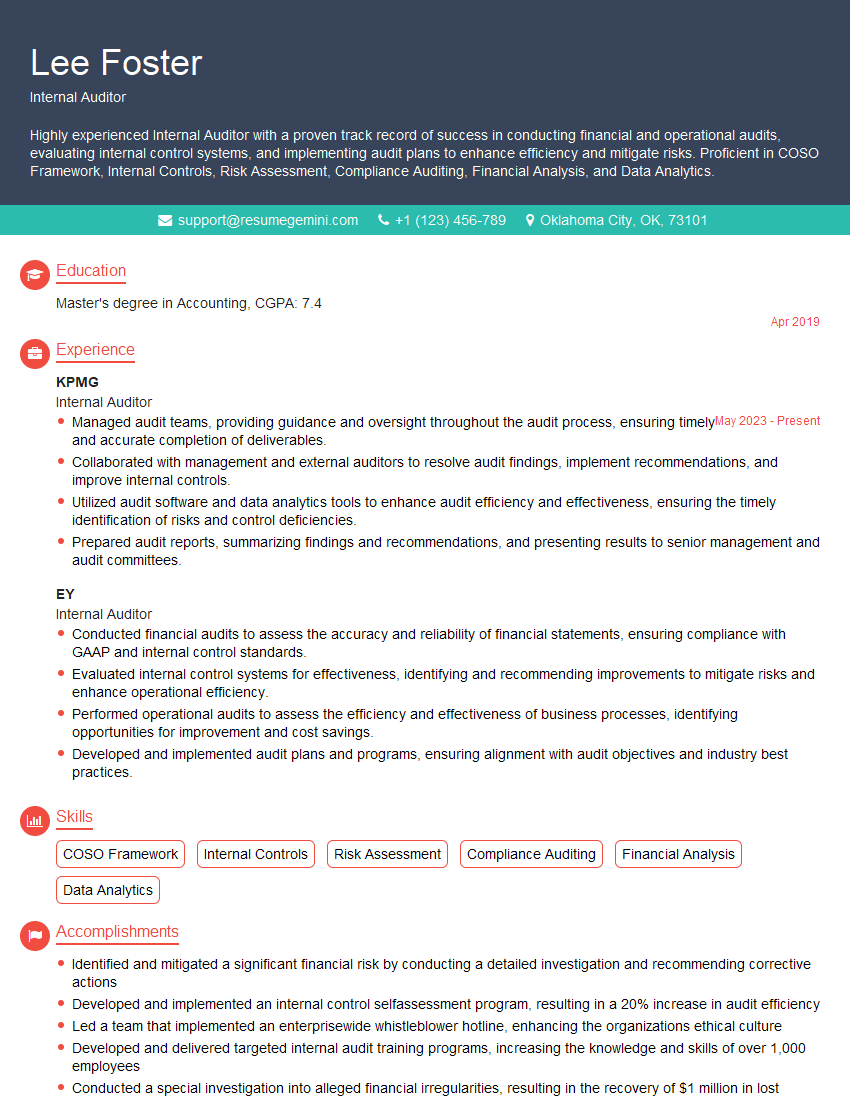
Internal Auditor Resume Sample
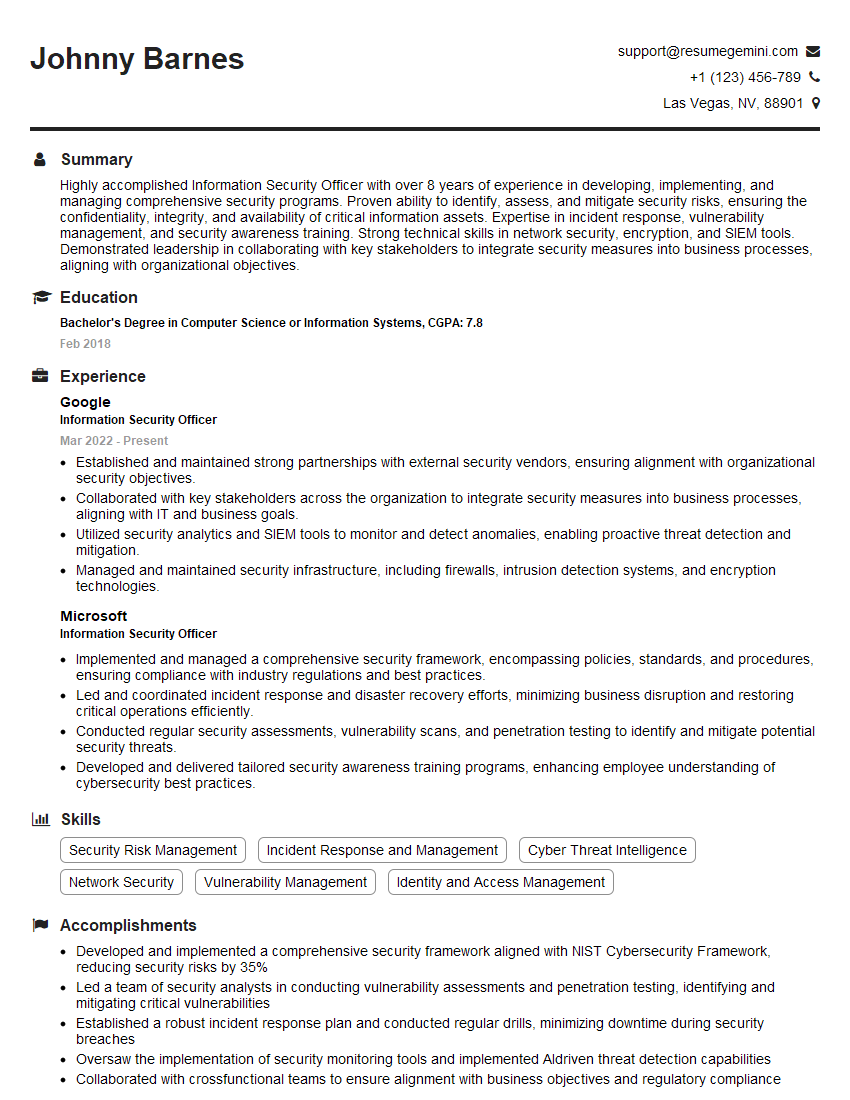
Information Security Officer Resume Sample
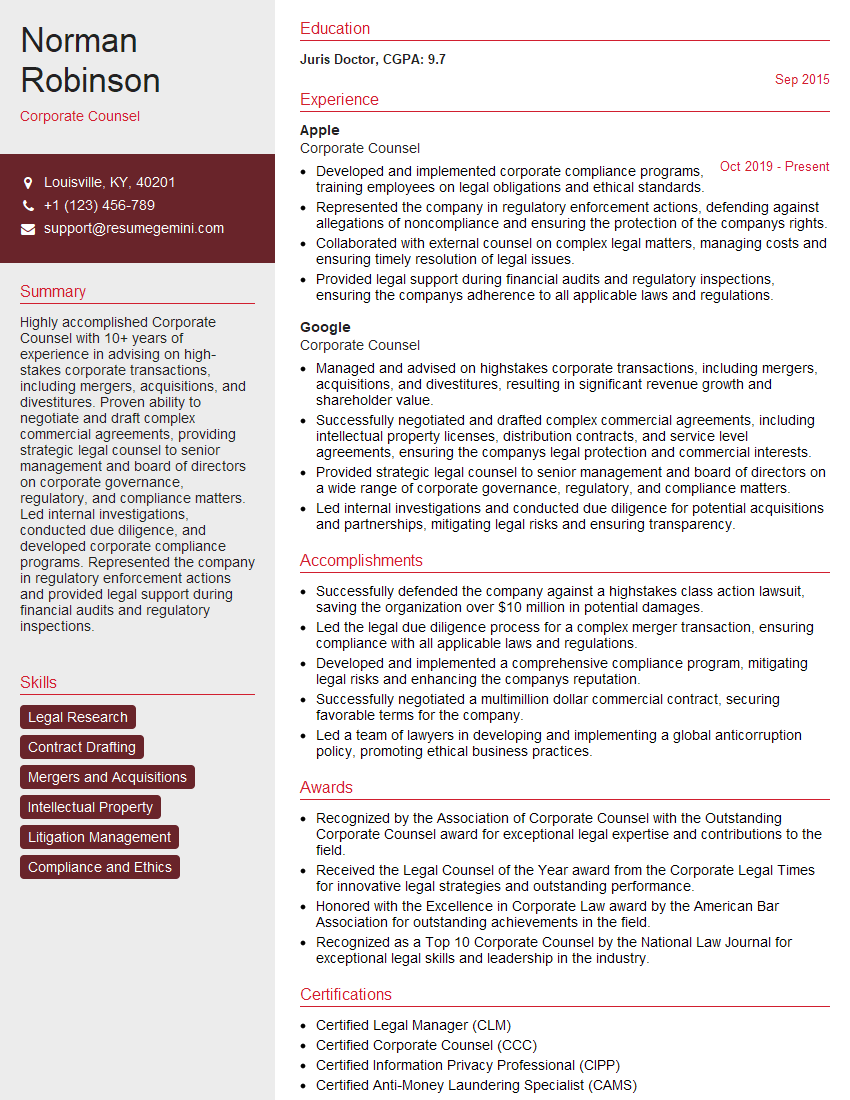
Corporate Counsel Resume Sample
Explore more articles
Users Rating of Our Blogs
Share Your Experience
We value your feedback! Please rate our content and share your thoughts (optional).
What Readers Say About Our Blog
Very informative content, great job.
good