The right preparation can turn an interview into an opportunity to showcase your expertise. This guide to Intelligence Reporting and Writing interview questions is your ultimate resource, providing key insights and tips to help you ace your responses and stand out as a top candidate.
Questions Asked in Intelligence Reporting and Writing Interview
Q 1. Explain the difference between open-source intelligence (OSINT) and human intelligence (HUMINT).
Open-Source Intelligence (OSINT) and Human Intelligence (HUMINT) are two distinct methods of intelligence gathering, differing primarily in their sources. OSINT utilizes publicly available information, while HUMINT relies on direct human contact and relationships.
OSINT involves collecting data from publicly accessible sources such as news articles, social media, government websites, academic papers, and commercial databases. Think of it like a detective piecing together clues from a crime scene that’s visible to the public. For example, analyzing social media posts to understand public sentiment towards a political candidate or tracking shipping manifests to identify potential illegal activity. The process is often automated, utilizing tools to scour vast amounts of online data.
HUMINT, on the other hand, is a more clandestine and relationship-driven process. It involves cultivating relationships with individuals who possess privileged information, often in exchange for compensation or protection. Think of it as developing an informant network. This could involve recruiting sources within a target organization, using covert methods to gather sensitive data, or managing long-term relationships with individuals who can provide crucial insights. Examples include recruiting an insider within a company to obtain confidential business plans, or using a network of contacts to verify the authenticity of a potential threat.
In short, OSINT is publicly accessible and often easily automated, while HUMINT is confidential and relies on building trust and developing human relationships.
Q 2. Describe your experience with intelligence report writing, including different report formats.
My experience in intelligence report writing spans over [Number] years, encompassing various formats tailored to the specific audience and intelligence needs. I’ve crafted numerous reports, ranging from concise executive summaries to detailed analytical assessments. Common formats include:
- Executive Summaries: Concise overviews providing key findings and recommendations for senior decision-makers. These are typically one to two pages in length and focus on the most critical intelligence.
- Analytical Reports: In-depth assessments providing context, analysis, and evidence-based conclusions. These are more detailed and often include multiple sections: Introduction, Methodology, Findings, Analysis, and Conclusions/Recommendations.
- Situation Reports (SITREPs): Time-sensitive reports providing updates on a specific situation or event. These prioritize speed and clarity and are often used in rapidly evolving contexts, like crises or emergencies.
- Threat Assessments: Reports evaluating potential threats, their likelihood, and the potential impact. These help decision-makers understand and manage risks.
I’ve also developed specialized reports, such as those focusing on competitive analysis for a business intelligence context or strategic forecasting for national security matters. My reports consistently incorporate data visualization where appropriate, transforming complex information into easily digestible charts and graphs.
Q 3. How do you ensure accuracy and objectivity in your intelligence reports?
Ensuring accuracy and objectivity in intelligence reports is paramount. My approach is multi-faceted and incorporates several key steps:
- Source Corroboration: I always strive to corroborate information from multiple independent sources before including it in a report. This reduces reliance on any single potentially biased source.
- Fact-Checking and Verification: Every piece of information is meticulously verified through reputable sources. I utilize various fact-checking techniques and cross-reference data to ensure accuracy.
- Bias Awareness: I actively acknowledge and mitigate personal biases throughout the writing process. This includes careful attention to language and framing to avoid subjective interpretations.
- Data Transparency: My reports explicitly state the sources and methodologies used, allowing for transparency and enhancing the credibility of the findings.
- Peer Review: I encourage and participate in rigorous peer review processes, allowing others to scrutinize my analysis and identify potential flaws or biases.
By adhering to these principles, I maintain the highest standards of accuracy and objectivity, providing decision-makers with reliable and trustworthy information.
Q 4. What methods do you use to verify the credibility of intelligence sources?
Verifying the credibility of intelligence sources is critical. My methods involve a combination of techniques, including:
- Past Performance: Evaluating the track record of a source. Has this source provided accurate information in the past? What is their reputation among other sources?
- Source Motivation: Assessing the underlying motivations of the source. Are they seeking personal gain, revenge, or are they genuinely concerned about the issue? Understanding the motive can help to interpret the information critically.
- Triangulation: Cross-referencing information from multiple sources to establish consistency and verify claims. This is a powerful technique to validate the reliability of information.
- Open-Source Verification: Using publicly available information to corroborate information provided by a source. This independent verification greatly enhances credibility.
- Physical Verification (if possible): When appropriate and feasible, performing on-site investigations or physical verification of claims.
I treat source assessment as an ongoing process; continual evaluation is essential to maintain trust and ensure the integrity of the intelligence gathered.
Q 5. How do you handle conflicting information from multiple sources?
Conflicting information from multiple sources is commonplace in intelligence work. My approach involves a systematic process to resolve these discrepancies:
- Identify and Document Conflicts: Carefully note all conflicting information, including the sources and specific points of divergence.
- Evaluate Source Credibility: Assess the reliability of each source involved, considering their track record, motivation, and potential biases.
- Analyze the Evidence: Examine the supporting evidence for each conflicting piece of information, paying close attention to the quality and quantity of the evidence.
- Seek Additional Information: Attempt to gather more information to resolve the conflicts, using open-source research or further HUMINT/OSINT efforts.
- Present All Information: Even if a resolution isn’t achieved, transparently present all conflicting information in the report, clearly indicating the uncertainties and limitations of the available data.
- Qualitative Assessment: Sometimes a quantitative resolution isn’t possible, and relying on a nuanced qualitative assessment of the overall situation and sources becomes necessary.
The goal is not to necessarily eliminate conflict, but to present a comprehensive picture of the available intelligence, including areas of uncertainty. This allows decision-makers to make informed judgments despite incomplete information.
Q 6. Explain your understanding of the intelligence cycle.
The intelligence cycle is a continuous process of gathering, analyzing, and disseminating intelligence information. It’s often depicted as a loop, emphasizing its iterative nature. The key phases are:
- Planning and Direction: Defining the intelligence requirements, identifying specific needs for information, and setting priorities.
- Collection: Gathering information from various sources (HUMINT, OSINT, SIGINT, etc.).
- Processing: Transforming raw data into usable intelligence— cleaning, organizing, and verifying information.
- Analysis and Production: Interpreting data to identify trends, draw conclusions, and produce intelligence reports.
- Dissemination: Sharing intelligence with the appropriate decision-makers.
- Feedback: Evaluating the effectiveness of the intelligence produced and adjusting the process accordingly.
Understanding the intelligence cycle is fundamental to efficient and effective intelligence work. Each phase is interconnected, and any weakness in one phase can negatively impact the entire process. Think of it as a well-oiled machine— if one part falters, the entire system suffers.
Q 7. Describe your experience with data analysis and visualization techniques for intelligence reporting.
Data analysis and visualization are crucial for transforming raw data into actionable intelligence. My experience includes utilizing various techniques, such as:
- Statistical Analysis: Employing statistical methods (regression analysis, hypothesis testing) to identify trends and patterns within datasets.
- Data Mining: Utilizing data mining techniques to uncover hidden relationships and insights within large datasets.
- Network Analysis: Visualizing relationships between entities (individuals, organizations, etc.) to understand complex interactions and networks.
- Geographic Information Systems (GIS): Using mapping software to spatially analyze data and present geographical insights.
- Data Visualization: Creating charts, graphs, and maps to communicate complex information clearly and effectively. This often involves using tools like Tableau or Power BI.
For example, in a recent project analyzing social media data, I utilized network analysis to map the connections between various extremist groups. The visualization clearly showed the relationships, helping to understand the spread of propaganda and identify key influencers. This visual representation was critical in supporting the final intelligence report.
Q 8. How do you prioritize competing intelligence requirements?
Prioritizing competing intelligence requirements involves a systematic approach that balances urgency, importance, and feasibility. It’s not simply a matter of tackling the loudest or most pressing request first. Instead, I use a multi-faceted approach.
- Urgency/Impact Matrix: I create a matrix plotting urgency (high, medium, low) against the potential impact of fulfilling each requirement (high, medium, low). High-impact, high-urgency items take precedence.
- Resource Allocation: I consider the resources (personnel, time, technology) required for each task. Sometimes, even a high-priority task might be deferred if resources are heavily committed elsewhere. A realistic assessment of available resources is crucial.
- Stakeholder Consultation: Open communication with stakeholders helps clarify priorities. This ensures alignment on what information is most critical and what can be addressed later. This collaborative approach prevents misunderstandings and wasted effort.
- Prioritization Framework: Employing frameworks like MoSCoW (Must have, Should have, Could have, Won’t have) provides a structured way to categorize requirements and prioritize accordingly. This allows for a clear understanding of what is essential versus desirable.
For example, if I’m working on a potential terrorist threat, that would immediately become a high-urgency, high-impact task, even if other requests seem equally important initially. The matrix helps visualize these priorities.
Q 9. How do you tailor your intelligence reports to different audiences?
Tailoring intelligence reports to different audiences is critical for effective communication. A highly technical report wouldn’t be suitable for a political leader, while a simplified summary would be insufficient for a specialized analyst team. I adapt my reports based on:
- Audience Knowledge: I adjust the level of technical detail. For technical audiences, I include jargon and in-depth analysis. For non-technical audiences, I use plain language and focus on key findings.
- Audience Needs: I focus on the information most relevant to each audience. For example, a military commander needs details on troop movements, while a diplomat needs information on political implications.
- Report Format: I choose an appropriate format for each audience. A short briefing slide deck might be suitable for a quick update, while a detailed written report is needed for thorough analysis.
- Security Classification: I strictly adhere to security protocols when preparing reports for audiences with varying clearance levels.
Imagine writing a report on a foreign country’s military buildup. For the President, the report would focus on strategic implications and potential responses. For the military’s intelligence branch, it would provide detailed assessments of equipment, troop numbers, and capabilities, including specific intelligence sources and methods.
Q 10. Explain your experience using intelligence analysis software or tools.
I have extensive experience using a variety of intelligence analysis software and tools. These range from commercial off-the-shelf (COTS) solutions to government-specific systems. My expertise includes:
- Data visualization tools: I’m proficient in using tools like Tableau and Qlik Sense to create interactive dashboards and visualizations, enabling effective communication of complex datasets and trends.
- Link analysis software: I’ve used tools like Palantir to identify relationships and patterns within large datasets, uncovering connections between individuals, organizations, or events.
- Geographic Information Systems (GIS): I’m experienced using ArcGIS to map data geographically, providing a visual understanding of events and trends in a spatial context.
- Data mining and analytical software: My skills encompass the use of statistical software such as R and Python to analyze large datasets, identify patterns, and create predictive models. This enables evidence-based forecasting.
For instance, in one project, I used Palantir to map out a suspected terrorist network, identifying key individuals and their relationships, which proved crucial in disrupting their operations. The visualization capabilities allowed for easy understanding and presentation of complex connections.
Q 11. How do you assess the credibility and reliability of open-source information?
Assessing the credibility and reliability of open-source information (OSINT) requires a critical and methodical approach. I follow these steps:
- Source Evaluation: I assess the reputation and authority of the source. Is it a well-known news organization, a reputable academic institution, or an individual blog? The source’s track record is vital.
- Content Verification: I cross-reference the information with other sources to confirm accuracy and consistency. Discrepancies raise red flags.
- Bias Detection: I identify any potential biases in the information. Does the source have an agenda? Are there any omissions or skewed perspectives? Recognizing bias is essential for objective assessment.
- Data Corroboration: I look for corroborating evidence from multiple independent sources to strengthen the validity of the information. Multiple sources confirming the same information increases confidence.
- Date and Time Stamps: I consider the timeliness of the information, ensuring it remains relevant and hasn’t been superseded by more recent events.
For example, if I find information about a political event on a social media platform, I’d verify it by checking reputable news agencies and official government sources. Discrepancies would prompt further investigation and a more cautious assessment.
Q 12. Describe a situation where you had to analyze complex data sets to produce a concise and informative report.
During an investigation into a sophisticated cyberattack, I had to analyze a massive dataset of network logs, security alerts, and financial transactions. The data was complex, unstructured, and from various sources.
My approach involved:
- Data Cleaning and Preprocessing: I started by cleaning and formatting the data to ensure consistency and remove irrelevant information. This crucial initial step removed noise and improved analytical clarity.
- Data Exploration and Visualization: I used visualization tools to identify patterns and outliers within the dataset. This revealed suspicious network activity and financial transactions.
- Statistical Analysis: I applied statistical techniques to identify significant correlations between different data points, supporting specific hypotheses about the attack’s origin and methods. Statistical significance strengthened our claims.
- Report Writing: I distilled the findings into a concise and informative report, focusing on the key findings and their implications. The report highlighted the attack’s timeline, actors, methods, and impact.
The final report, despite the massive dataset, focused on the most critical aspects: the attacker’s identity, methods of compromise, and the financial losses incurred. Conciseness was key to quick and effective response from decision-makers.
Q 13. How do you identify and mitigate bias in your intelligence assessments?
Identifying and mitigating bias in intelligence assessments is paramount to ensuring objectivity and accuracy. Bias can stem from various sources, including:
- Cognitive Biases: These are systematic errors in thinking that affect our judgment. Confirmation bias (favoring information confirming existing beliefs) and anchoring bias (over-relying on initial information) are common examples. Awareness is the first step.
- Cultural Biases: Our cultural background and experiences can unconsciously shape our interpretation of information. Recognizing potential cultural biases in sources and our own thinking is essential.
- Motivational Biases: Our desires and motivations can influence how we interpret information, leading to biased assessments. A conscious effort to be objective is vital.
To mitigate bias, I use several strategies:
- Structured Analytic Techniques: Using methods like analysis of competing hypotheses (ACH) forces a structured and systematic evaluation of multiple perspectives, reducing the influence of personal biases.
- Devil’s Advocacy: Actively challenging my own assessments and assumptions by considering alternative explanations prevents overconfidence and promotes critical thinking.
- Team Review and Collaboration: Discussing findings with colleagues from diverse backgrounds provides valuable insights and reduces the impact of individual biases. Peer review is indispensable.
- Transparency and Documentation: Clearly documenting my analytical process and reasoning allows for scrutiny and helps identify potential biases.
By employing these techniques, I strive for more objective and robust assessments.
Q 14. How do you ensure the security and confidentiality of classified intelligence information?
Ensuring the security and confidentiality of classified intelligence information is paramount and requires adherence to strict protocols. My approach includes:
- Classification and Handling Procedures: I meticulously follow all classification guidelines, ensuring that information is handled appropriately based on its sensitivity. This includes appropriate storage, transmission, and access controls.
- Secure Communication Channels: I use secure communication channels, such as encrypted email and secure messaging systems, for transmitting classified information. I never use unsecure channels, and adhere to communication protocols.
- Access Control and Need-to-Know Basis: I strictly adhere to the principle of need-to-know. Information is only shared with individuals who require it for their duties. Unnecessary access is avoided.
- Data Storage and Protection: I ensure that all classified information is stored securely, using encrypted storage devices and adhering to all security regulations. Physical and digital security is non-negotiable.
- Regular Security Training: I actively participate in regular security awareness training to stay updated on the latest threats and best practices. Constant updates are needed in the ever-changing security landscape.
- Incident Reporting: I immediately report any suspected security breaches or unauthorized access attempts to the appropriate authorities. Immediate reporting is crucial for minimizing damage.
Maintaining the confidentiality of classified information is not just a procedure, but a professional responsibility and ethical imperative. Any lapse in security can have severe consequences.
Q 15. Describe your experience with threat assessment and risk analysis.
Threat assessment and risk analysis are crucial for proactive intelligence work. Threat assessment involves identifying potential threats, analyzing their capabilities and intentions, and determining their likelihood of acting. Risk analysis then takes this further by evaluating the potential impact of those threats should they materialize. Think of it like this: threat assessment is identifying the wolves in the forest; risk analysis is determining how much damage a wolf pack might inflict on your sheep.
In my experience, I’ve used various frameworks, including the STRIDE threat model (Spoofing, Tampering, Repudiation, Information disclosure, Denial of service, Elevation of privilege) and the Diamond Model of intrusion analysis, to systematically identify and evaluate threats. For instance, during my time at [Previous Organization Name], I assessed the risk posed by a potential cyberattack on our critical infrastructure. This involved identifying vulnerabilities in our systems, analyzing the potential attackers’ capabilities (e.g., state-sponsored actors, hacktivists), and quantifying the potential financial and reputational damage. The analysis led to the implementation of enhanced security measures, successfully mitigating significant risk.
Career Expert Tips:
- Ace those interviews! Prepare effectively by reviewing the Top 50 Most Common Interview Questions on ResumeGemini.
- Navigate your job search with confidence! Explore a wide range of Career Tips on ResumeGemini. Learn about common challenges and recommendations to overcome them.
- Craft the perfect resume! Master the Art of Resume Writing with ResumeGemini’s guide. Showcase your unique qualifications and achievements effectively.
- Don’t miss out on holiday savings! Build your dream resume with ResumeGemini’s ATS optimized templates.
Q 16. How do you stay current with emerging trends and technologies in intelligence analysis?
Staying current in the rapidly evolving world of intelligence analysis requires a multifaceted approach. I regularly read publications from organizations like the CIA’s Open Source Center, the National Security Agency, and reputable academic journals focusing on intelligence studies and technology. I actively participate in professional development through conferences like [Mention relevant conferences] and webinars hosted by leading experts.
Furthermore, I leverage online resources such as open-source intelligence (OSINT) platforms and specialized databases to track emerging threats and technological advancements. For instance, I utilize tools that monitor dark web activity to identify potential threats before they manifest in the physical world. Continuous learning is key to remaining effective in this dynamic field.
Q 17. What are some ethical considerations in intelligence reporting?
Ethical considerations in intelligence reporting are paramount. The core principle is adhering to the highest standards of accuracy, objectivity, and integrity. This means ensuring that all information presented is thoroughly vetted, properly sourced, and devoid of bias or personal opinion.
- Privacy: Protecting the privacy of individuals is essential. Information gathered should only be used for legitimate intelligence purposes and never shared inappropriately.
- Transparency: The methods used in acquiring and analyzing intelligence should be transparent, at least to the appropriate authorities and stakeholders.
- Accuracy: Reporting should be factually accurate and avoid speculation or exaggeration.
- Legality: All activities must comply with relevant laws and regulations.
For example, if I discover sensitive personal information during an investigation, I’m obligated to ensure it is handled according to established protocols and privacy laws. Protecting sources and methods is equally vital to maintaining the integrity of the intelligence process.
Q 18. Explain the concept of ‘all-source intelligence’ and its practical applications.
All-source intelligence refers to the integration of information from diverse sources to gain a comprehensive understanding of an issue. This includes not just traditional intelligence sources like human intelligence (HUMINT) and signals intelligence (SIGINT), but also open-source intelligence (OSINT), geospatial intelligence (GEOINT), and measurement and signature intelligence (MASINT).
Imagine investigating a suspected terrorist group. HUMINT might provide information from informants, SIGINT could intercept communications, GEOINT might show movement patterns via satellite imagery, and OSINT could reveal the group’s online presence. Integrating all this data creates a much richer and more accurate picture than any single source could provide. This holistic approach leads to more informed decision-making and more effective counter-terrorism strategies.
Q 19. How do you present complex information in a clear and concise manner?
Presenting complex information clearly and concisely requires careful planning and execution. I begin by identifying the key takeaways and structuring the report logically, using headings, subheadings, bullet points, and visuals like charts and graphs to break down complex information into digestible chunks. I employ a storytelling approach, leading the reader through the analysis, highlighting key findings and avoiding technical jargon whenever possible. I always ensure that the report’s language is appropriate for the intended audience, tailoring complexity to their level of understanding.
For example, instead of presenting raw data, I might create a chart illustrating trends over time or a map highlighting geographical distribution. Using clear and concise language and avoiding unnecessary technical terms will ensure the information is accessible and impactful.
Q 20. What strategies do you employ to ensure timely and efficient intelligence reporting?
Timely and efficient intelligence reporting requires meticulous planning and strong organizational skills. I use project management techniques to prioritize tasks, set deadlines, and allocate resources effectively. This includes defining clear objectives, establishing reporting schedules, and employing collaboration tools to facilitate efficient teamwork. I regularly review and refine my processes to ensure optimal efficiency.
Furthermore, I utilize automated tools where appropriate to streamline data analysis and report generation. For instance, I utilize scripting and data visualization tools to automate data processing, freeing up my time to focus on analysis and interpretation. Proactive communication with stakeholders is vital to ensure everyone is informed and aligned on priorities.
Q 21. Describe your experience in using different analytic methods (e.g., trend analysis, competitive analysis).
I have extensive experience in employing various analytic methods. Trend analysis involves identifying patterns and changes in data over time. For example, tracking the frequency of specific keywords in online forums can reveal emerging threats or societal trends. Competitive analysis, on the other hand, focuses on comparing the capabilities and strategies of different actors, such as rival companies or nation-states. This helps in understanding the competitive landscape and anticipating future actions.
I also utilize other methods such as scenario planning (developing plausible future outcomes based on different assumptions), link analysis (identifying relationships between entities), and network analysis (visualizing relationships between individuals or organizations) to generate insights from complex datasets. The choice of method depends on the specific intelligence problem and the available data. In my previous role, using trend analysis on social media data helped predict a surge in civil unrest, allowing for proactive security measures.
Q 22. How do you handle pressure and deadlines in a fast-paced intelligence environment?
In the fast-paced world of intelligence, pressure and deadlines are the norm, not the exception. My approach is multifaceted. First, I prioritize tasks using a combination of urgency and impact. I employ time management techniques like the Eisenhower Matrix (urgent/important) to categorize tasks and focus on high-impact activities first. Second, I break down large projects into smaller, manageable chunks with clearly defined milestones and deadlines. This allows for better progress tracking and prevents feeling overwhelmed. Third, I proactively communicate potential delays or challenges to my team and supervisors, ensuring transparency and collaboration in finding solutions. For example, during a critical investigation where we needed a report within 24 hours, I delegated tasks based on team members’ strengths, used available tools to automate repetitive tasks, and held short, frequent check-ins to ensure alignment and address any roadblocks immediately. This proactive approach helped us deliver the report on time and to the required standard.
Q 23. How do you collaborate with other analysts and stakeholders?
Collaboration is fundamental in intelligence analysis. I believe in fostering open communication and mutual respect. I actively participate in team meetings, contribute my insights, and listen attentively to the perspectives of others. I leverage various collaborative tools like shared documents and project management software for seamless information exchange and task coordination. I’m also adept at synthesizing information from diverse sources and perspectives, ensuring a comprehensive understanding of the situation. For instance, in a recent project involving multiple analysts specializing in different areas (e.g., open-source intelligence, signals intelligence, human intelligence), I facilitated regular brainstorming sessions, ensuring each analyst’s expertise contributed to the final report. Clear communication and respect for diverse viewpoints are crucial for successful teamwork and cohesive, well-rounded reports.
Q 24. What is your experience with developing and presenting intelligence briefings?
I have extensive experience developing and presenting intelligence briefings tailored to different audiences, from senior leadership to operational teams. My approach emphasizes clarity, conciseness, and visual impact. I start by clearly defining the briefing’s objective and target audience. Then, I structure the briefing logically, using a clear narrative to guide the audience through the key findings. Visual aids, like charts, maps, and infographics, are crucial for enhancing comprehension. Finally, I practice my delivery extensively to ensure confidence and effectiveness. For example, in a recent briefing to senior military commanders on a potential terrorist threat, I used a combination of maps showcasing potential targets, timelines illustrating the threat’s evolution, and concise bullet points summarizing key intelligence findings. The briefing’s clarity and visual impact ensured the commanders grasped the threat’s urgency and potential consequences effectively.
Q 25. Describe your proficiency in using geographic information systems (GIS) for intelligence analysis.
Geographic Information Systems (GIS) are invaluable for intelligence analysis. My proficiency in GIS software allows me to visualize, analyze, and present spatial data effectively. I can integrate various data sources—satellite imagery, social media data, crime statistics—to create comprehensive maps and analyses. This includes creating thematic maps to identify patterns, proximity analysis to understand relationships between locations, and geo-referencing intelligence reports to add context and improve understanding. For example, in an investigation of drug trafficking routes, I used GIS to overlay satellite imagery with GPS data from intercepted shipments to identify key transit points and smuggling networks. The visual representation facilitated a clearer understanding of the network’s complexity and helped prioritize law enforcement efforts.
Q 26. Explain how you ensure your intelligence reports are both timely and accurate.
Balancing timeliness and accuracy in intelligence reporting is crucial. My approach involves a rigorous process of verification and validation. I employ multiple sources to corroborate information, using a structured methodology to assess the credibility and reliability of each source. I utilize established intelligence community standards for data handling and analysis. Moreover, I maintain meticulous records of sources and methodologies to ensure transparency and traceability. While speed is important, I prioritize accuracy, understanding that inaccurate intelligence can be far more harmful than a slightly delayed report. For example, before including information from a potentially unreliable source, I would cross-reference it with multiple other credible sources to ensure the information is accurate and consistent.
Q 27. How do you manage the workload and priorities when faced with multiple urgent tasks?
Managing multiple urgent tasks requires a structured approach. I begin by prioritizing tasks based on urgency and impact, using a system like the Eisenhower Matrix. I then break down large tasks into smaller, manageable components. I set realistic deadlines for each component and track my progress regularly. Proactive communication with supervisors and team members is crucial to managing expectations and addressing potential conflicts. Delegating tasks where appropriate can also significantly improve efficiency. For example, if faced with a high-priority briefing alongside a longer-term research project, I would prioritize the briefing, delegating some aspects of the research to team members where possible, and outlining a realistic timeline for the longer-term project.
Q 28. Describe your understanding of different intelligence community standards and procedures.
I possess a deep understanding of various intelligence community standards and procedures, including those related to data handling, classification, and dissemination. I am familiar with the principles of source evaluation, information validation, and reporting standards. I am also well-versed in security protocols and procedures to ensure the confidentiality, integrity, and availability of sensitive information. My experience includes working with different classification levels and adhering to strict guidelines for information handling. This ensures compliance with regulations and protects sensitive national security information. I’m also familiar with common intelligence formats and analytic techniques for writing clear and concise reports and briefings.
Key Topics to Learn for Intelligence Reporting and Writing Interview
- Information Gathering and Analysis: Understanding various intelligence sources, methods of data collection, and techniques for analyzing raw data to identify key trends and patterns.
- Report Structure and Formatting: Mastering the art of crafting clear, concise, and impactful intelligence reports adhering to established formats and style guides. This includes understanding the importance of executive summaries, logical flow, and evidence-based arguments.
- Writing Style and Clarity: Developing a writing style that is objective, precise, and free of bias. Practicing conveying complex information in a readily understandable manner for diverse audiences.
- Data Visualization and Presentation: Effectively presenting findings through charts, graphs, and other visual aids to enhance understanding and impact. Knowing how to choose the appropriate visualization for the data and audience.
- Threat Assessment and Risk Analysis: Developing a strong understanding of threat assessment methodologies and how to articulate risk levels and potential consequences clearly and concisely within reports.
- Ethical Considerations and Security Protocols: Understanding and adhering to ethical guidelines and security protocols related to handling sensitive information and protecting classified data.
- Problem-Solving and Critical Thinking: Demonstrating the ability to analyze complex situations, identify key challenges, and develop well-reasoned conclusions and recommendations.
- Collaboration and Teamwork: Understanding the importance of collaboration and teamwork in intelligence gathering and reporting, and demonstrating how you contribute effectively to a team environment.
Next Steps
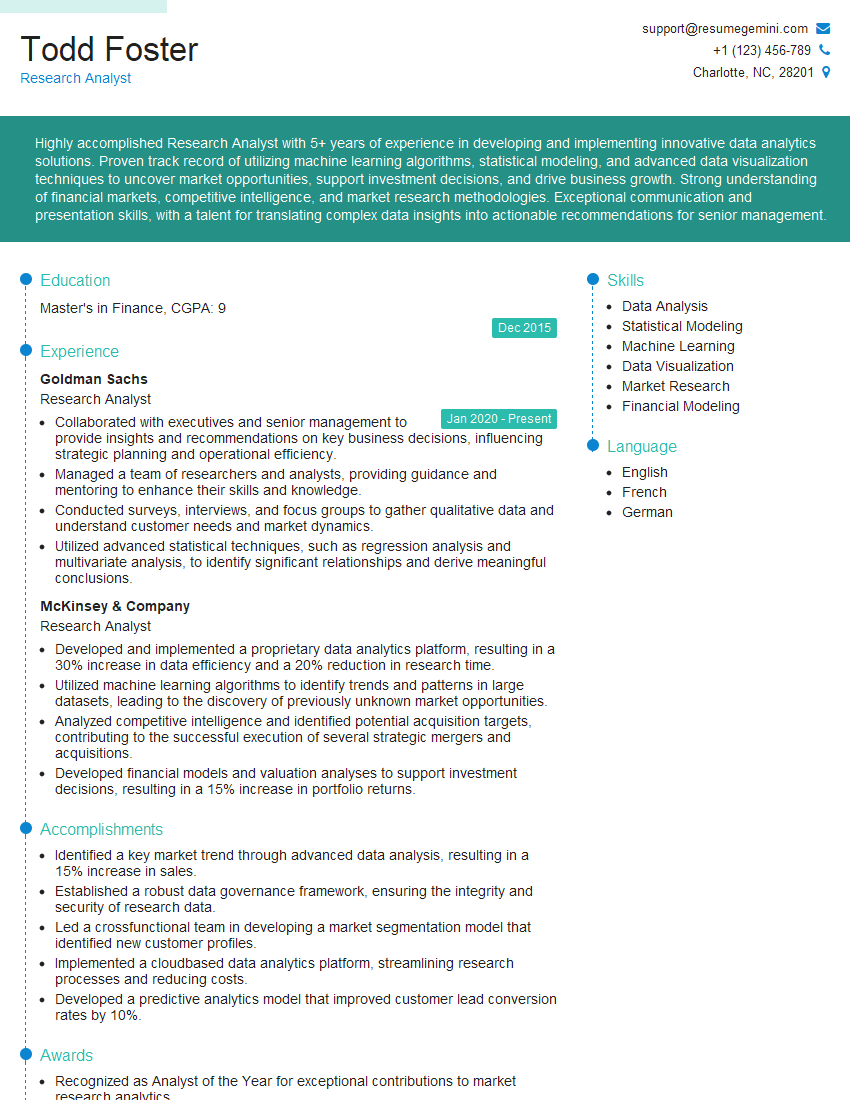
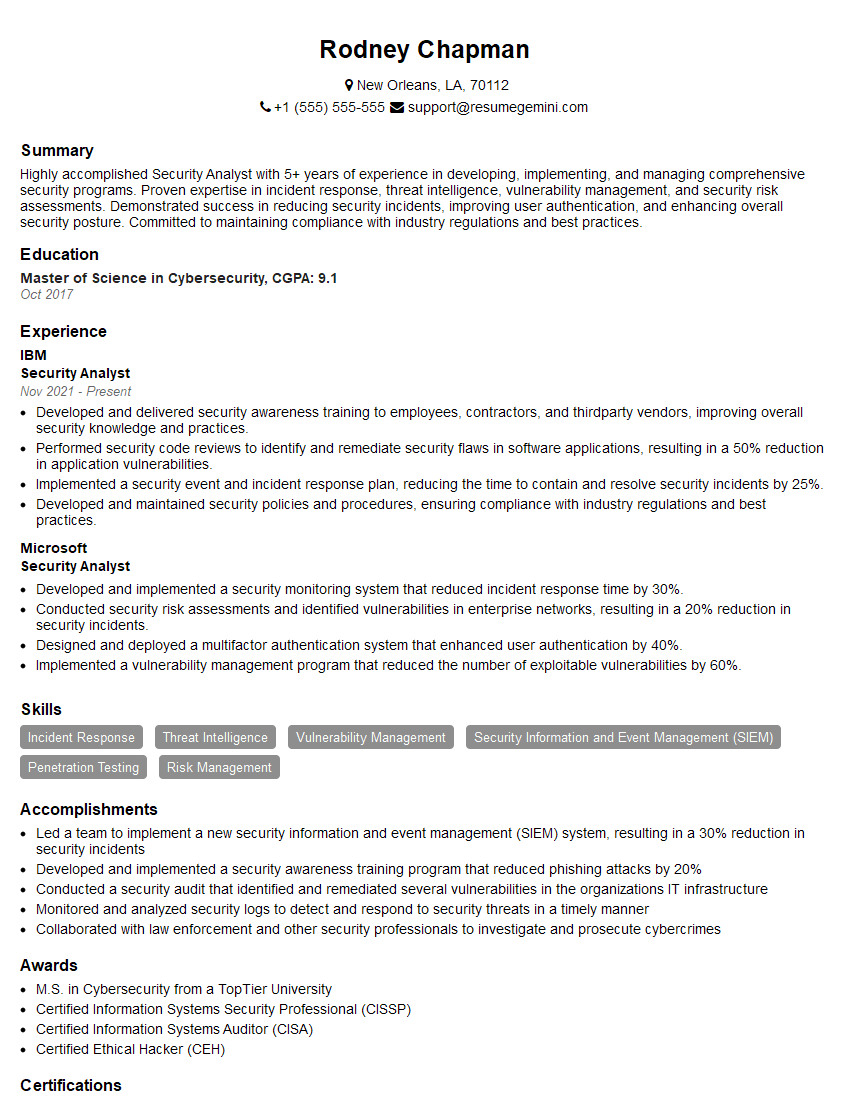
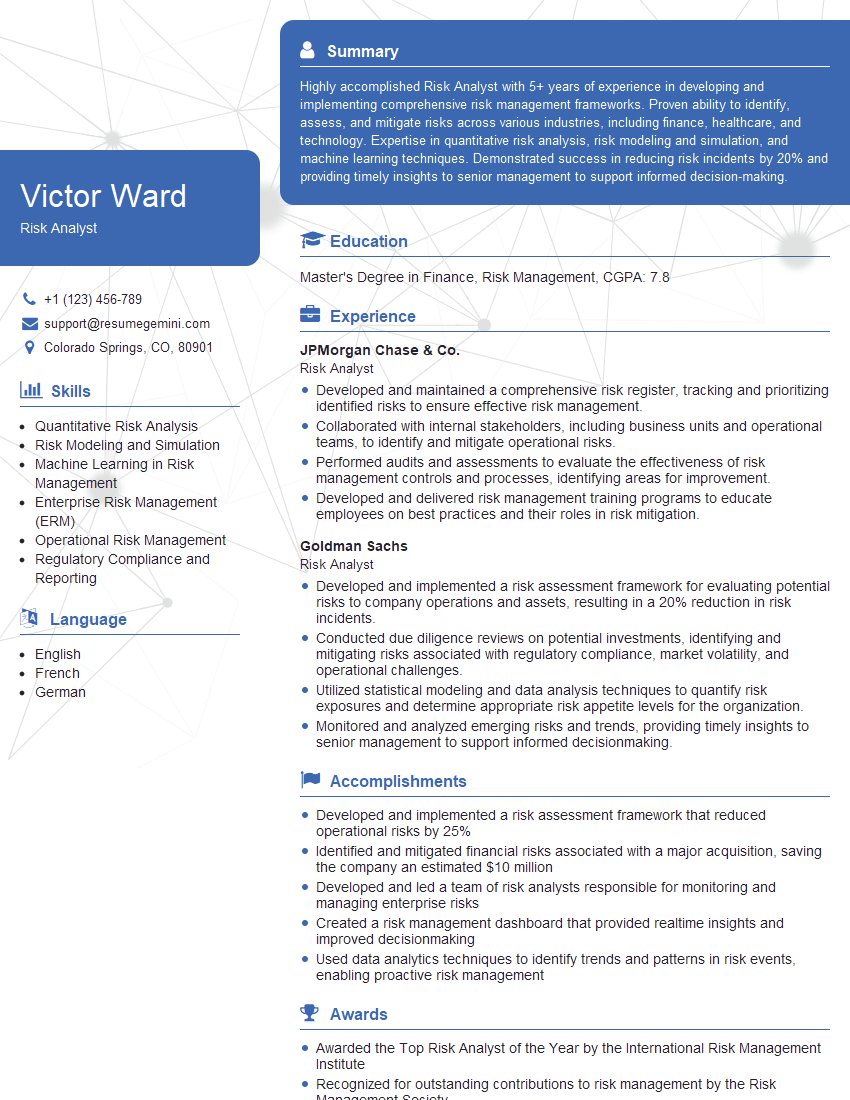
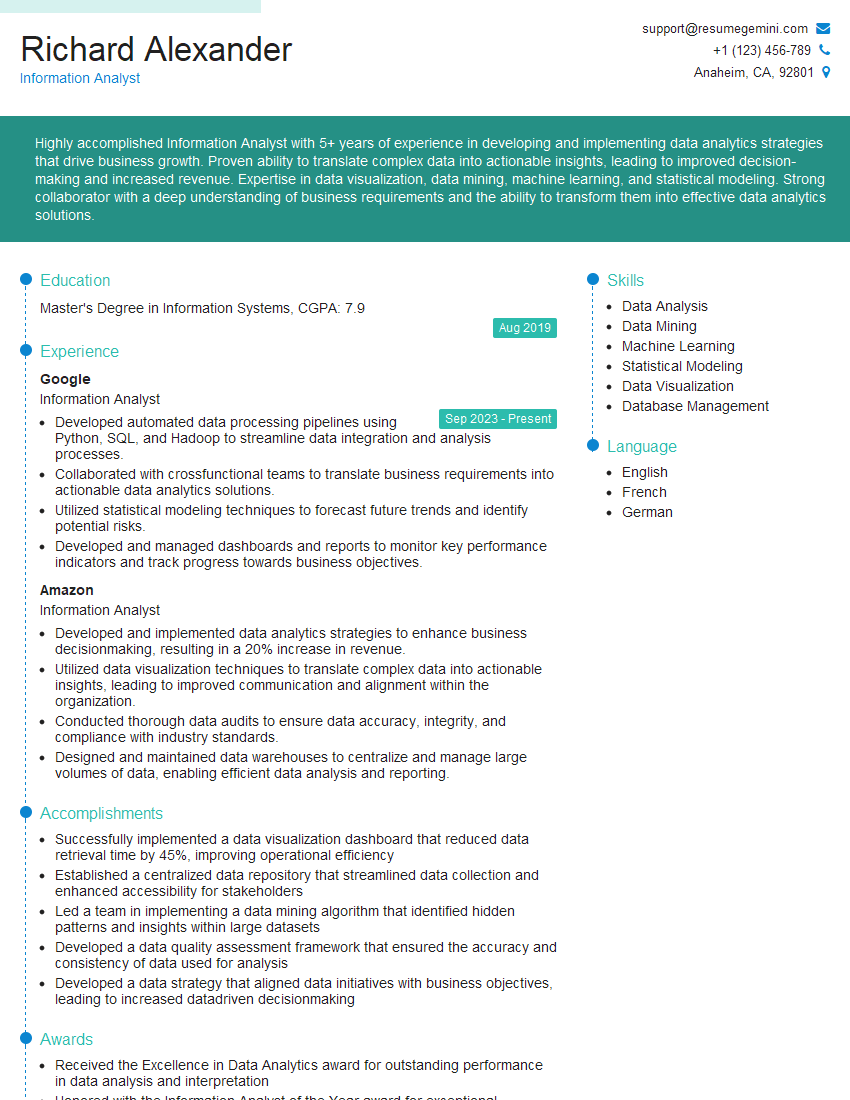
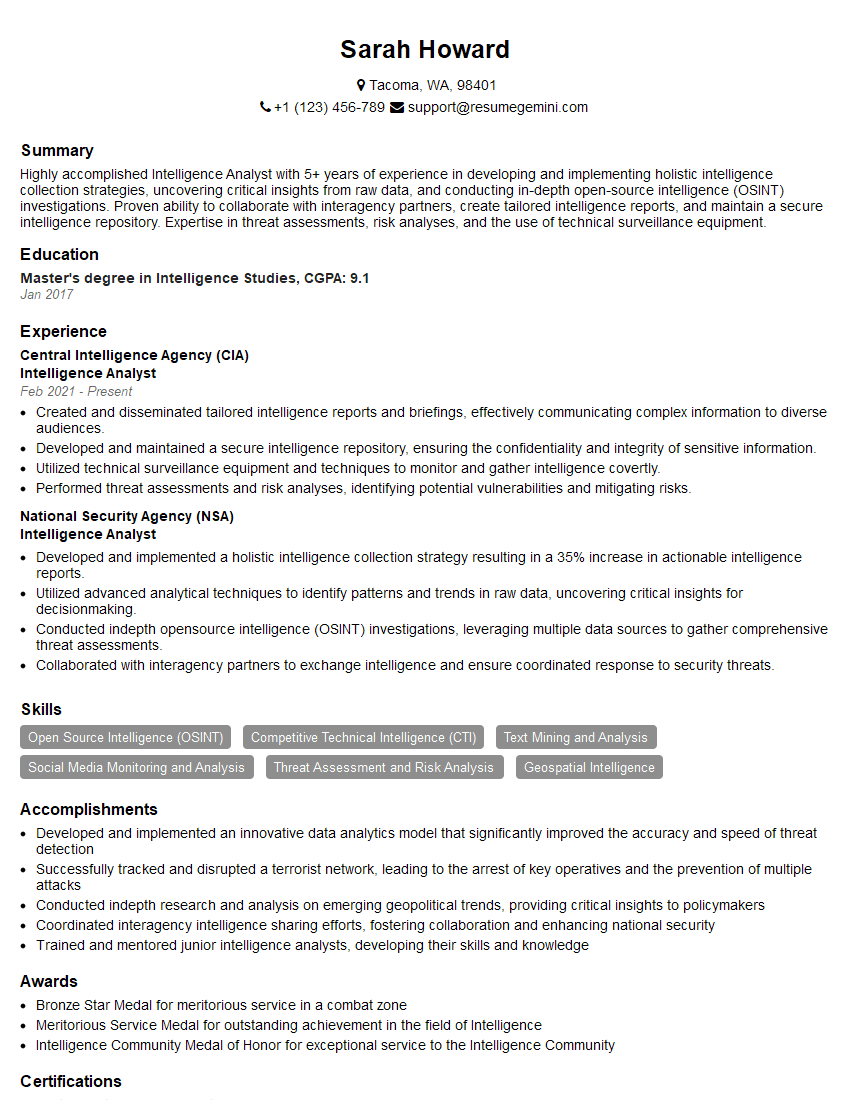
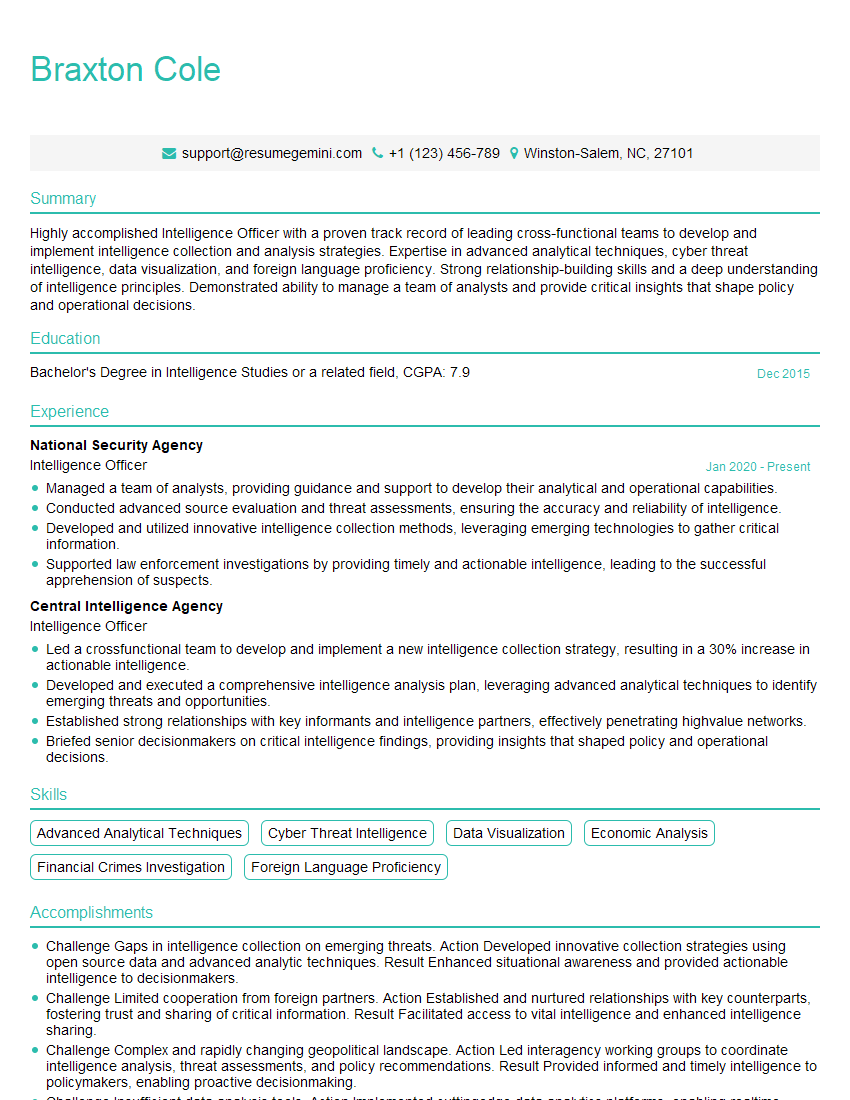
Mastering Intelligence Reporting and Writing is crucial for career advancement in the intelligence field, opening doors to leadership roles and specialized assignments. A strong, ATS-friendly resume is your key to unlocking these opportunities. Make your qualifications shine by crafting a compelling and targeted resume using ResumeGemini. ResumeGemini provides a streamlined and user-friendly platform to build a professional resume, and we offer examples of resumes tailored to Intelligence Reporting and Writing to guide you. Invest the time to build a resume that truly reflects your expertise and experience – it’s an investment in your future success.
Explore more articles
Users Rating of Our Blogs
Share Your Experience
We value your feedback! Please rate our content and share your thoughts (optional).
What Readers Say About Our Blog
Very informative content, great job.
good