Interviews are more than just a Q&A session—they’re a chance to prove your worth. This blog dives into essential Interdisciplinary Collaboration (Engineering, Marketing, Production) interview questions and expert tips to help you align your answers with what hiring managers are looking for. Start preparing to shine!
Questions Asked in Interdisciplinary Collaboration (Engineering, Marketing, Production) Interview
Q 1. Describe your experience working on cross-functional teams involving engineering, marketing, and production.
My experience with cross-functional teams spanning engineering, marketing, and production is extensive. I’ve consistently found that successful collaboration hinges on open communication, mutual respect, and a shared understanding of the overall product goals. In one project, we launched a new smart home device. The engineering team focused on technical specifications (power consumption, connectivity protocols, etc.), the marketing team on target audience (millennials interested in tech and sustainability), and the production team on manufacturing scalability and cost-effectiveness. We held regular joint meetings, utilized collaborative project management tools (like Jira), and ensured clear communication channels. This allowed each team to understand the dependencies and constraints of the others, ultimately leading to a successful product launch. I’ve also found that creating a shared document outlining key deliverables, timelines, and responsibilities is vital for alignment.
- Open Communication: Regular meetings and transparent information sharing are crucial.
- Shared Goals: Establishing a common understanding of the product vision is essential.
- Collaborative Tools: Utilizing project management software enhances efficiency and transparency.
Q 2. Explain a time you had to bridge communication gaps between engineers and marketers.
In a previous project involving a new software application, the engineers focused on the technical feasibility of certain features, while the marketing team emphasized the features’ marketability. The engineers, using technical jargon, described limitations in processing speed, while the marketers, focused on the user experience, wanted a smoother, faster interface. To bridge the gap, I facilitated workshops where both teams could present their perspectives. I encouraged engineers to translate technical details into user-centric language (‘Reduces load time by 30%’ instead of ‘Optimized database queries’). I also helped marketers understand the engineering constraints, emphasizing realistic expectations. The result was a compromise—a slightly less feature-rich, but more robust and marketable, product. Visual aids, such as mockups and flowcharts, were key in facilitating this understanding.
Q 3. How would you manage conflicting priorities between production deadlines and marketing campaign launches?
Balancing production deadlines and marketing campaign launches requires careful prioritization and proactive communication. I typically use a prioritization matrix that weighs the business impact of each task against its urgency. This allows us to identify critical path activities and potential bottlenecks. For example, if a key marketing campaign needs product features not yet ready for production, we might decide to launch a smaller-scale campaign or push the campaign back slightly. This requires open communication between all teams to understand the implications of each decision. Transparency is key; everyone should understand the trade-offs involved in altering timelines.
- Prioritization Matrix: Weigh business impact against urgency.
- Critical Path Analysis: Identify essential tasks and dependencies.
- Risk Assessment: Evaluate potential consequences of delays.
Q 4. Describe your approach to resolving conflicts between engineering specifications and marketing requirements.
Resolving conflicts between engineering specifications and marketing requirements often necessitates a collaborative approach focused on finding mutually acceptable solutions. One effective strategy is to involve all stakeholders in a brainstorming session. Each team explains their rationale, and together, we explore alternative designs or features that satisfy both engineering constraints and marketing needs. For example, a marketing team might want a sleek, minimalist design, while the engineers might cite technical challenges in achieving that design within a specific budget. In such cases, we might compromise on a design that incorporates key elements of both preferences, perhaps using a less expensive material that still provides an appealing aesthetic.
Q 5. How do you ensure alignment of engineering design with marketing’s target audience?
Aligning engineering design with marketing’s target audience involves deep understanding of the target audience’s needs and preferences. We begin by conducting thorough market research (surveys, focus groups, competitor analysis) to inform design choices. This involves directly engaging the marketing team, who are often the closest to the target audience. For example, if the target audience is environmentally conscious, the design might incorporate sustainable materials. Furthermore, we conduct usability testing throughout the design process, seeking feedback from potential users on various design iterations. Iterative feedback helps us ensure the design resonates with the target demographic.
Q 6. Explain your process for translating technical specifications into easily understandable marketing materials.
Translating technical specifications into understandable marketing materials requires simplifying complex information without sacrificing accuracy. I employ a two-step process. First, I work with engineers to create a simplified ‘technical summary’ that avoids excessive jargon. Then, I work with the marketing team to translate this summary into compelling marketing copy, using analogies and visuals to explain complex ideas. For instance, instead of stating ‘The processor uses a 16-core architecture,’ we might say ‘This incredibly powerful processor will run your most demanding apps effortlessly.’ This process ensures the information is both accurate and engaging for the intended audience.
Q 7. How would you measure the success of a product launch that required significant interdisciplinary collaboration?
Measuring the success of a product launch that involves significant interdisciplinary collaboration requires a multi-faceted approach. We use a combination of key performance indicators (KPIs) across different areas. This could include sales figures (measuring market penetration and revenue), customer satisfaction ratings (surveys and reviews), marketing campaign performance metrics (website traffic, social media engagement), and production efficiency data (manufacturing costs and lead times). Analyzing these KPIs helps us understand the overall success and identify areas for improvement in future projects. For instance, a high customer satisfaction score combined with strong sales figures would indicate a successful launch.
Q 8. Describe a time you identified a critical risk during the product development process that involved multiple departments.
During the development of a smart home security system, we identified a critical risk related to the system’s cloud connectivity. Engineering prioritized robust security features, leading to a complex, resource-intensive system. Marketing, however, pushed for a simpler, more affordable product to reach a broader market. Production was caught in the middle, facing challenges in manufacturing a product that met both the security requirements and the cost constraints. I identified this as a critical risk because the conflicting priorities threatened to compromise both the product’s security (a key selling point) and its market viability. We addressed this by forming a cross-functional risk assessment team, engaging representatives from engineering, marketing, and production. Through collaborative brainstorming and data analysis (specifically, market research on consumer willingness to pay for heightened security features), we reached a compromise: a tiered system offering a basic, affordable version with core features and a premium version with enhanced security. This solution satisfied both the market demands and security standards.
Q 9. How do you facilitate effective communication and collaboration in a fast-paced environment?
In fast-paced environments, effective communication is crucial. I utilize a multi-pronged approach: regular, short, and focused meetings; a central project management platform (like Asana or Jira) for task tracking and communication; and consistent use of visual aids (like Kanban boards) to track progress. This transparency helps maintain clarity and prevents bottlenecks. Furthermore, I foster a culture of open communication by actively encouraging feedback and using informal channels (like instant messaging) for quick updates and clarification. Building trust and rapport within the team is equally crucial. For example, during the development of a new mobile app, daily stand-up meetings, using a shared project management board helped keep everyone informed, resolved immediate issues quickly, and ensured accountability.
Q 10. How do you ensure that the production process meets both engineering standards and marketing objectives?
Balancing engineering standards and marketing objectives requires a collaborative, iterative process. Early integration of marketing input into the engineering design phase is crucial. This involves translating marketing requirements (e.g., target market, price point, desired features) into technical specifications and design constraints. Regular design reviews involving all stakeholders facilitate alignment and address potential conflicts proactively. For example, during the production phase of a new line of headphones, we used Design for Manufacturing and Assembly (DFMA) principles. DFMA ensured that the product design was manufacturable within the required cost and timeline, while still meeting the marketing team’s specifications on aesthetics and features. This iterative approach, where feedback from production informs engineering refinements and marketing strategies, is key to achieving a seamless production process that meets all requirements.
Q 11. How have you used data to inform decision-making in a cross-functional setting?
Data-driven decision-making is essential for effective cross-functional collaboration. In a recent project involving the launch of a new software product, we used A/B testing data to inform marketing campaign strategies. The marketing team gathered data on customer engagement with different ad creatives and landing pages, and this data informed the engineering team’s prioritization of features. For instance, data revealing a higher user engagement with a particular feature led the engineering team to focus on improving that feature, rather than others. This collaborative analysis, using a shared dashboard to visualize the data, improved the overall efficiency of both teams and optimized the product features for our target market.
Q 12. What tools or methodologies have you used to improve interdisciplinary collaboration?
I have utilized several tools and methodologies to improve interdisciplinary collaboration. Project management software (like Jira or Asana) facilitates task assignment, progress tracking, and communication. Regular cross-functional meetings, employing structured agendas and clear action items, maintain alignment. Design thinking workshops help foster creativity and find innovative solutions to design challenges by bringing together diverse perspectives. In one project, we employed a Kanban board to visualize workflow, identify bottlenecks and improve collaboration between engineering and production, ensuring smooth handoff of tasks and efficient resource allocation. The visual nature of the Kanban board encouraged transparent communication and proactive problem-solving.
Q 13. Describe a time you successfully navigated a conflict between different departments’ priorities.
During the development of a new medical device, the engineering team prioritized stringent safety standards, leading to delays and increased costs. Marketing, on the other hand, pushed for an accelerated launch to capitalize on market opportunities. The resulting conflict threatened the project’s timeline and budget. To resolve this, I facilitated a facilitated workshop utilizing a conflict resolution framework. This involved defining each department’s objectives, identifying the root cause of the conflict (misaligned expectations and communication gaps), and brainstorming collaborative solutions. The outcome was a revised timeline that balanced safety standards with market demands. Crucially, we established transparent communication channels and a shared understanding of the project’s critical success factors.
Q 14. How do you handle disagreements regarding product features and functionality?
Disagreements regarding product features and functionality are common. My approach focuses on a structured evaluation process. We start by clearly defining the problem statement and the target user needs. Then, we gather data from market research, user feedback, and competitive analysis. Using this data, we evaluate proposed features against predefined criteria, such as feasibility, cost-effectiveness, and alignment with the overall product vision. We use a prioritization matrix to rank features based on their impact and effort involved. Finally, we present the prioritized feature list to all stakeholders, explaining the rationale behind the decisions. This approach ensures transparency, data-driven decision-making, and reduces the likelihood of subjective biases influencing the final outcome.
Q 15. Describe your experience with Agile or similar methodologies for cross-functional collaboration.
Agile methodologies, such as Scrum and Kanban, are crucial for effective cross-functional collaboration. They emphasize iterative development, frequent communication, and adaptability. My experience includes leading several product development cycles using Scrum, where engineers, marketers, and production staff worked in self-organizing teams. We held daily stand-up meetings to track progress, identify roadblocks, and coordinate tasks. Sprint reviews ensured alignment on deliverables and gathered feedback from stakeholders. For instance, in a recent project developing a new smart home device, using a Kanban board visually helped to manage and prioritize tasks across engineering (hardware/software development), marketing (campaign planning and materials creation), and production (manufacturing and supply chain). The transparency offered by this visual management system reduced misunderstandings and conflicts significantly. This also facilitated quick adaptations to shifting priorities or unexpected challenges, keeping everyone on the same page and ensuring a smooth workflow.
Career Expert Tips:
- Ace those interviews! Prepare effectively by reviewing the Top 50 Most Common Interview Questions on ResumeGemini.
- Navigate your job search with confidence! Explore a wide range of Career Tips on ResumeGemini. Learn about common challenges and recommendations to overcome them.
- Craft the perfect resume! Master the Art of Resume Writing with ResumeGemini’s guide. Showcase your unique qualifications and achievements effectively.
- Don’t miss out on holiday savings! Build your dream resume with ResumeGemini’s ATS optimized templates.
Q 16. How do you ensure that all stakeholders are informed and involved throughout the product lifecycle?
Keeping stakeholders informed and involved requires a multi-pronged approach. Regular communication is key – this could involve weekly status meetings, email updates, or project management software like Jira or Asana. I also believe in creating easily accessible documentation, such as project wikis or shared online folders, containing key information. In addition to formal communication channels, informal check-ins – a quick conversation in the hallway or an impromptu team lunch – can be incredibly effective in fostering transparency and building relationships. Crucially, I create opportunities for stakeholders to directly participate. This could include surveys, focus groups, or even simply incorporating their feedback directly into design iterations. For example, during the launch of a new line of skincare products, I regularly sought feedback from the marketing team about packaging and branding, production about manufacturing feasibility, and engineers on the product development progress. Their active involvement ensured a cohesive and successful product launch.
Q 17. How do you deal with a situation where one department is consistently underperforming?
Addressing underperformance requires a careful and empathetic approach. I wouldn’t immediately jump to blame; instead, I’d investigate the root cause. This might involve one-on-one meetings with team members, analyzing workflow processes, and identifying potential resource constraints. Is the department lacking the necessary skills, tools, or support? Are there unrealistic deadlines or unclear expectations? Once the root cause is understood, we can develop targeted solutions. This might include providing additional training, reallocating resources, or revising project timelines. Open communication and collaboration are vital. I would work closely with the underperforming department, along with other departments, to develop an action plan and provide the necessary support for improvement. For instance, if the production department was consistently falling behind, I’d look into whether they needed additional staff, advanced equipment, or a re-evaluation of their production processes. Regular check-ins and progress monitoring would ensure everyone remains accountable and the problem is addressed effectively.
Q 18. How would you create a shared understanding of project goals among engineers, marketers, and production staff?
Creating a shared understanding requires a well-defined project charter that clearly articulates the project goals, objectives, and key performance indicators (KPIs). This document should be co-created with representatives from all departments to ensure buy-in and ownership. We would then conduct workshops or training sessions to review this document and clarify roles and responsibilities. Visual aids like mind maps, flowcharts, and product mockups can help illustrate the project and foster a shared vision. Regular cross-functional meetings, using tools like whiteboards or collaborative online platforms, would further cement the understanding and address any emerging questions or concerns. In the smart home device project, we used a shared online document outlining product specifications, marketing strategies, and production plans. This created a single source of truth, easily accessible to everyone involved, and facilitated a shared understanding of the project goals.
Q 19. Describe your process for gathering feedback from various stakeholders.
My process for gathering feedback is iterative and multi-faceted. It begins with defining clear feedback goals and target audience. Then, I’d employ various methods to capture feedback. These include surveys (for quantitative data), interviews (for in-depth qualitative insights), focus groups (for group discussions and dynamic feedback), and usability testing (particularly valuable for engineers and marketers). I also use online collaboration tools to facilitate ongoing feedback throughout the project lifecycle. A critical part of the process is analyzing the gathered feedback to identify common themes, areas for improvement, and potential risks. This analysis then informs the next steps and iterations of the product development cycle. For the skincare line, I used a combination of customer surveys, internal team feedback, and pre-launch beta tests to guide improvements before the official market release.
Q 20. How would you manage competing timelines and budgets across different departments?
Managing competing timelines and budgets requires proactive planning and resource allocation. This begins with a detailed project schedule outlining all tasks and dependencies across different departments. We then allocate resources effectively, considering skills, capacity, and availability within each department. To address timeline conflicts, I would employ techniques like critical path analysis to identify the most critical tasks and prioritize their completion. Budget management would involve creating a detailed budget breakdown for each department, regularly tracking expenditures, and identifying any potential cost overruns early on. Open communication and collaboration are key. I would ensure that all departments are aware of the overall budget constraints and that everyone works together to find solutions for any issues that arise. This might involve adjusting timelines, re-prioritizing tasks, or finding cost-effective alternatives without compromising the final product quality.
Q 21. What are your preferred methods for conflict resolution in a team setting?
My preferred conflict resolution methods emphasize collaboration and mutual understanding. I believe in fostering a safe and open environment where team members feel comfortable expressing their concerns and perspectives. My approach involves active listening, seeking to understand each perspective, and focusing on finding a mutually agreeable solution. I sometimes use collaborative problem-solving techniques, such as brainstorming or root cause analysis, to identify the underlying issues. If necessary, I facilitate mediation or conflict resolution sessions to guide the team towards a consensus. In some cases, a compromise might be necessary, where all parties concede slightly to reach a common ground. The goal is always to find a solution that addresses the needs of all parties involved and strengthens the team’s working relationships.
Q 22. How do you build trust and rapport with individuals from diverse backgrounds and disciplines?
Building trust and rapport across diverse teams starts with genuine curiosity and active listening. It’s about understanding individual perspectives, not just their technical contributions. I begin by engaging in informal conversations to learn about team members’ backgrounds, interests, and working styles. This helps me tailor my communication and approach to each individual. For example, I once worked with an engineer who was very detail-oriented and preferred written communication. I ensured that all project updates and decisions were documented meticulously. Conversely, our marketing lead was highly extroverted and thrived on brainstorming sessions. I made sure to incorporate opportunities for open discussions and collaborative idea generation. The key is to show respect for differences and find common ground, focusing on shared goals rather than emphasizing disciplinary divides. I actively seek feedback, demonstrating that I value their input and am committed to creating a safe and inclusive space for everyone.
Q 23. Explain your approach to fostering a collaborative work environment.
Fostering collaboration means cultivating a culture of shared responsibility, open communication, and mutual respect. This includes establishing clear communication channels (e.g., regular team meetings, project management software) and defining roles and responsibilities upfront. I believe in promoting a culture of psychological safety, where team members feel comfortable sharing ideas, asking questions, and even voicing concerns without fear of judgment or retribution. Regular team-building activities can also strengthen relationships and boost morale. For instance, I’ve used icebreaker games at the start of projects to help individuals get to know each other, promoting better understanding and easing communication barriers. It’s also crucial to celebrate successes and acknowledge individual and team achievements, reinforcing the value of collaborative work and fostering a sense of shared accomplishment. Finally, regular feedback sessions allow me to address issues promptly and proactively adjust our processes to optimize teamwork.
Q 24. How do you ensure that the voice of the customer is considered throughout the development process?
Integrating the customer voice is paramount. This involves employing several strategies throughout the development lifecycle. We start by conducting thorough market research to understand customer needs and preferences. This often includes surveys, focus groups, and competitive analyses. During the design phase, we use techniques like user story mapping to ensure that all features directly address customer pain points. Prototypes and minimum viable products (MVPs) allow us to gather real-time feedback from target users, enabling iterative improvements before launching the final product. In the marketing phase, customer feedback informs messaging and campaign targeting strategies. Post-launch, we consistently monitor customer reviews, social media sentiment, and support tickets to identify areas for enhancement. This continuous feedback loop is essential for creating products that truly resonate with the target audience. For example, during a recent project, user testing revealed that a particular feature was confusing to some users. Based on this feedback, we redesigned the interface, making it more user-friendly and improving the overall customer experience.
Q 25. Describe your approach to leading and motivating a cross-functional team.
Leading a cross-functional team necessitates a blend of strong communication, delegation skills, and a clear understanding of individual strengths. I adopt a servant leadership style, focusing on empowering team members and providing support. This means actively listening to their concerns, offering guidance, and removing obstacles that prevent them from achieving their goals. I believe in setting a clear vision and establishing measurable objectives. Each individual should understand how their contribution fits into the overall project roadmap. Regular progress updates, coupled with open forums for discussion, ensure transparency and facilitate prompt resolution of issues. I also encourage knowledge sharing within the team, recognizing that expertise resides across different disciplines. By fostering a collaborative spirit and celebrating collective achievements, I can motivate team members and build a high-performing, engaged group. For instance, in a recent project, I delegated specific tasks based on individual expertise, providing each team member with opportunities to showcase their skills and contribute their unique perspective.
Q 26. How would you handle a situation where a critical production issue impacts a marketing campaign?
A critical production issue impacting a marketing campaign requires a swift, coordinated response. The first step involves activating a crisis communication plan, engaging all stakeholders (engineering, marketing, and potentially legal) immediately. We would conduct a thorough assessment to understand the scope and impact of the production issue, determining the root cause and developing a mitigation plan. The marketing campaign would be temporarily paused or adjusted as needed. For example, if a software bug is affecting the functionality of an online campaign, we might create a holding page with alternative contact information until the bug is fixed. Transparent communication with customers is crucial; we’d proactively address the issue and explain the steps being taken to rectify it. Once the production issue is resolved, we would re-evaluate the marketing strategy to determine the best course of action, potentially adjusting timelines or messaging to minimize negative impact. Post-incident, a thorough review and a detailed report help us learn from the experience, improving our preparedness for future events.
Q 27. How do you prioritize tasks in a complex project with multiple interdependent components?
Prioritizing tasks in a complex project requires a structured approach. I often utilize a combination of methods such as MoSCoW (Must have, Should have, Could have, Won’t have) analysis and dependency mapping. The MoSCoW method helps categorize tasks based on their criticality, while dependency mapping visualizes task interrelationships, highlighting sequential dependencies. This aids in identifying critical paths and bottlenecks. Furthermore, we incorporate risk assessment, identifying potential roadblocks and assigning contingency plans. We track progress using project management software (e.g., Jira, Asana) and employ agile methodologies (e.g., Scrum, Kanban), allowing for iterative adjustments based on changing priorities or unexpected events. Regular prioritization meetings keep the team aligned and ensure that everyone understands the current focus. Finally, using techniques like the Eisenhower Matrix (urgent/important) helps to focus efforts on high-impact activities while proactively managing potential delays.
Q 28. Describe your experience in utilizing project management tools for interdisciplinary collaboration.
My experience with project management tools for interdisciplinary collaboration is extensive. I have effectively used tools like Jira, Asana, and Microsoft Project to manage complex projects involving engineers, marketers, and production teams. These tools facilitate task assignment, progress tracking, and communication. Jira’s Kanban boards, for instance, allow for visual representation of workflow, providing transparency across teams. Asana’s collaborative features allow different teams to communicate and share updates on tasks effectively. Microsoft Project’s Gantt charts enable clear visualization of project timelines and dependencies, assisting in identifying potential conflicts and ensuring timely completion. The selection of the tool is always determined by the specific project needs and team preferences. Beyond software, I use various communication tools like Slack or Microsoft Teams to promote immediate communication and support spontaneous collaboration among the team.
Key Topics to Learn for Interdisciplinary Collaboration (Engineering, Marketing, Production) Interview
Ace your interview by mastering these key areas of interdisciplinary collaboration. Remember, showcasing your understanding of the interplay between engineering, marketing, and production is crucial.
- Understanding Project Goals & Alignment: Learn how to effectively translate engineering specifications into marketing messages and production timelines. Consider how each discipline contributes to the overall success of a product launch.
- Communication & Collaboration Strategies: Explore effective communication techniques across different teams with varying technical expertise and priorities. Practice active listening and conflict resolution strategies.
- Trade-off Analysis & Decision-Making: Develop your skills in analyzing trade-offs between engineering feasibility, marketing demands (e.g., pricing, features), and production capabilities (e.g., cost, scalability).
- Risk Management & Contingency Planning: Understand how to identify potential challenges and develop mitigation strategies in a collaborative setting. Consider the impact of delays or unexpected issues on all three disciplines.
- Data-Driven Decision Making: Learn to interpret and utilize data from engineering, marketing (e.g., customer feedback, market research), and production (e.g., yield rates, production costs) to inform strategic decisions.
- Agile Methodologies & Project Management: Familiarize yourself with project management techniques suitable for interdisciplinary teams, emphasizing iterative development and adaptability.
- Intellectual Property & Legal Considerations: Understand the importance of protecting intellectual property and navigating legal considerations related to product development and launch.
Next Steps
Mastering interdisciplinary collaboration is vital for career advancement in today’s dynamic business environment. It demonstrates valuable soft skills and a holistic understanding of product development, leading to greater responsibility and career progression. To maximize your job prospects, create a compelling and ATS-friendly resume that showcases your skills and experience effectively. ResumeGemini is a trusted resource that can help you build a professional and impactful resume, designed to get noticed by recruiters. We offer examples of resumes tailored specifically to roles involving Interdisciplinary Collaboration (Engineering, Marketing, Production) to help you get started.
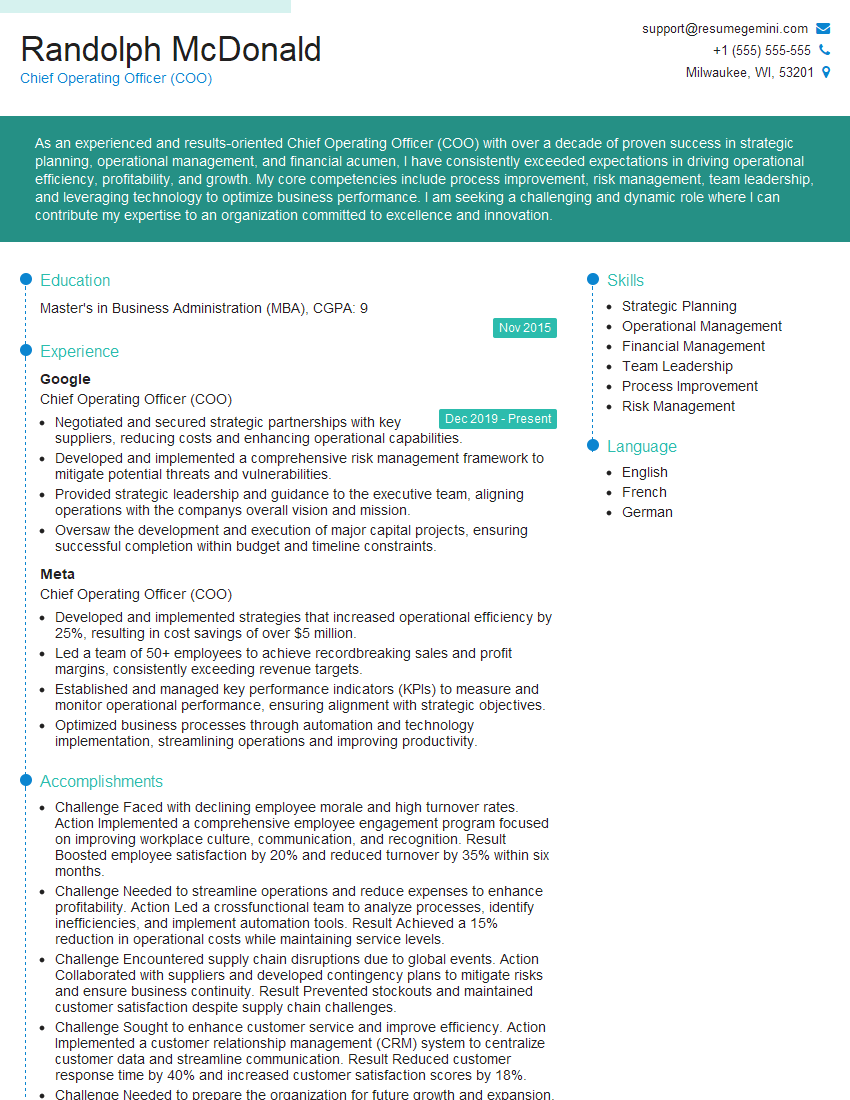
Chief Operating Officer (COO) Resume Sample
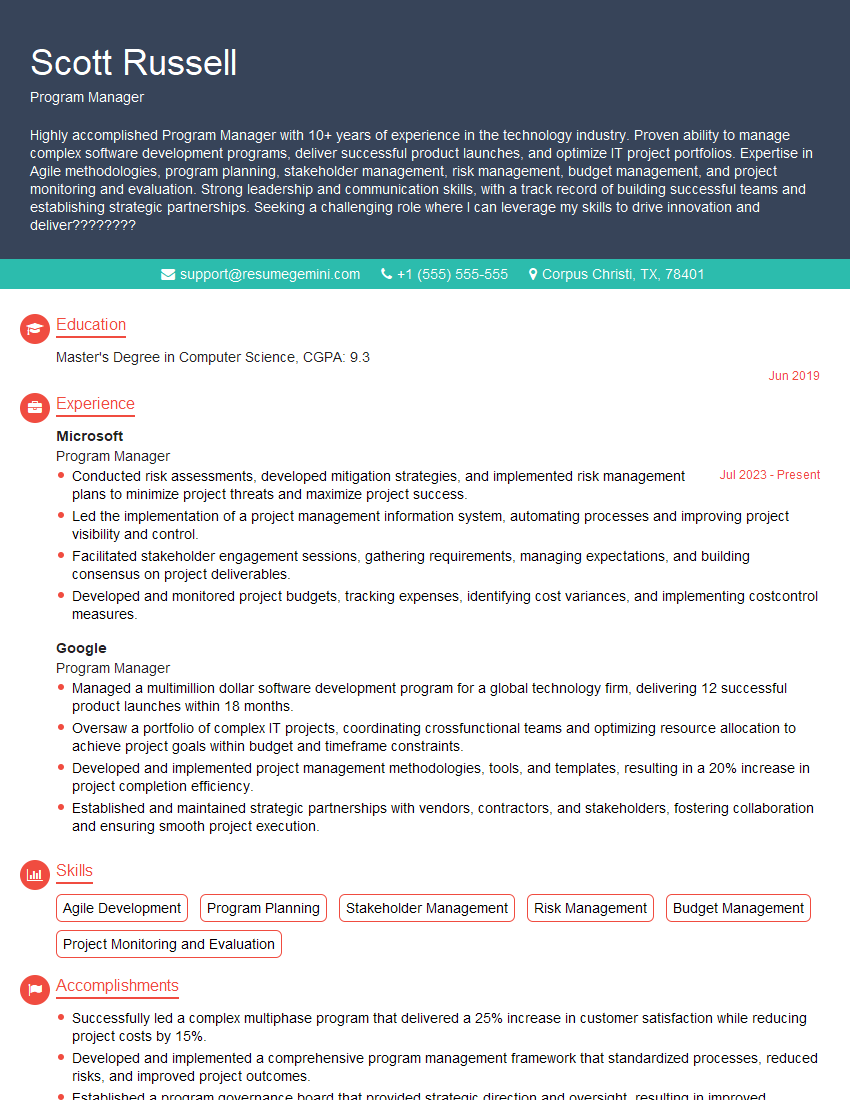
Program Manager Resume Sample

Operations Manager Resume Sample
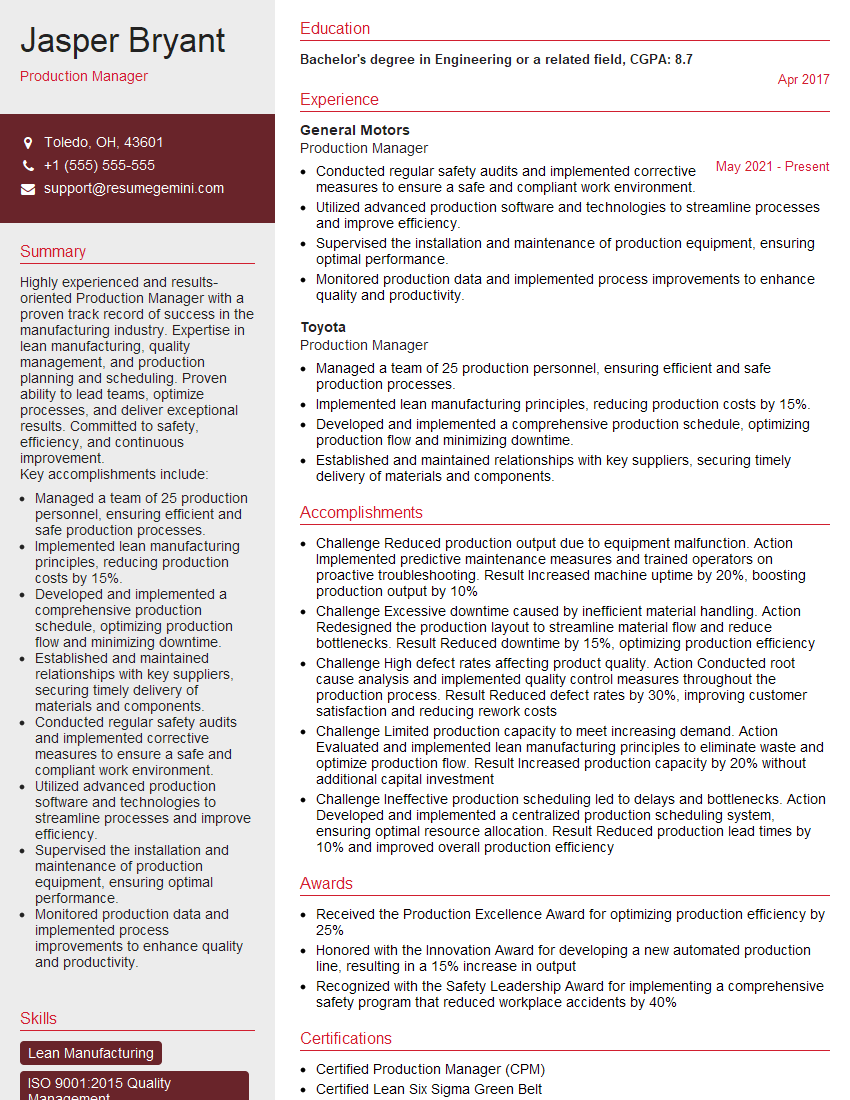
Production Manager Resume Sample
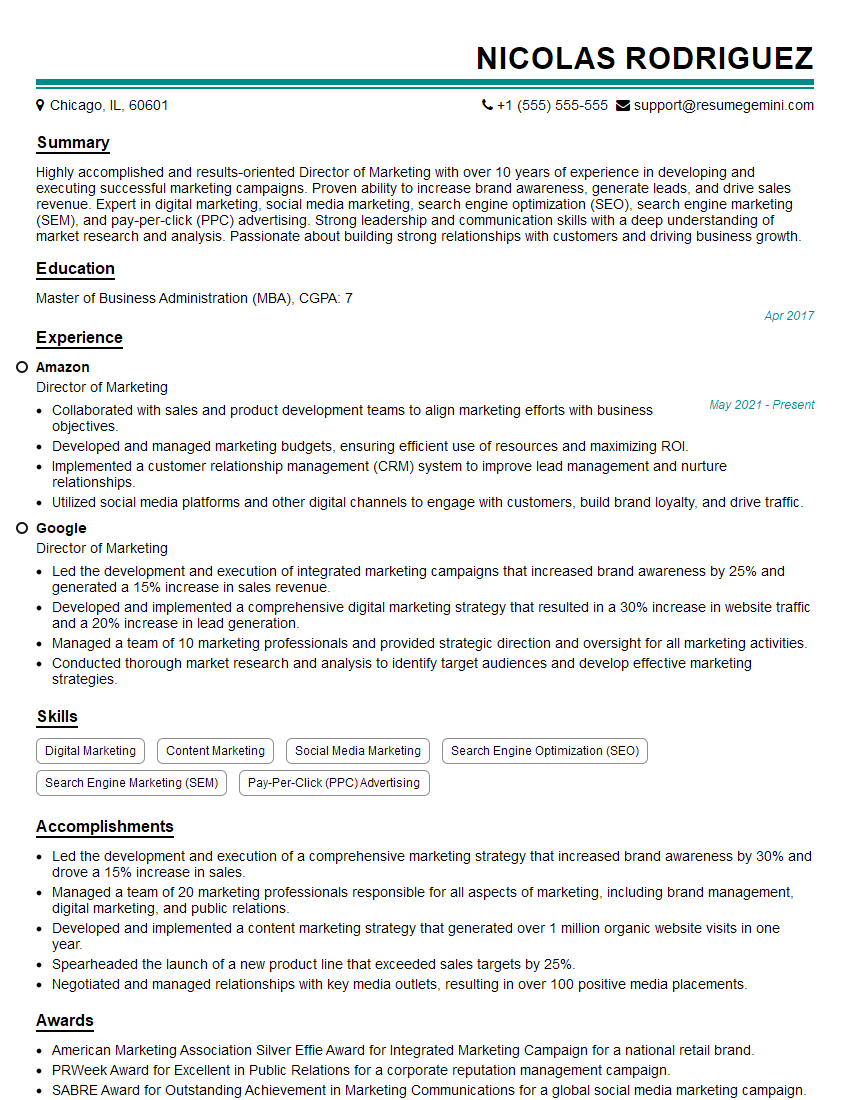
Director of Marketing Resume Sample
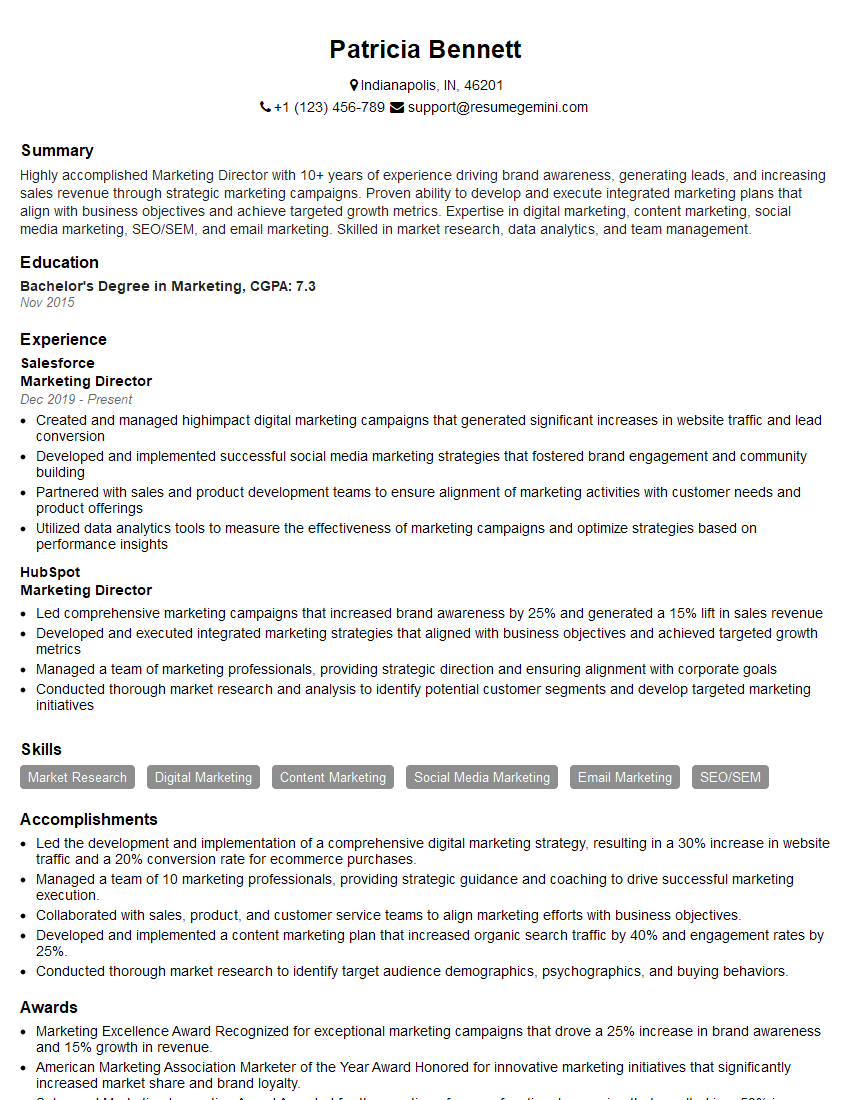
Marketing Director Resume Sample
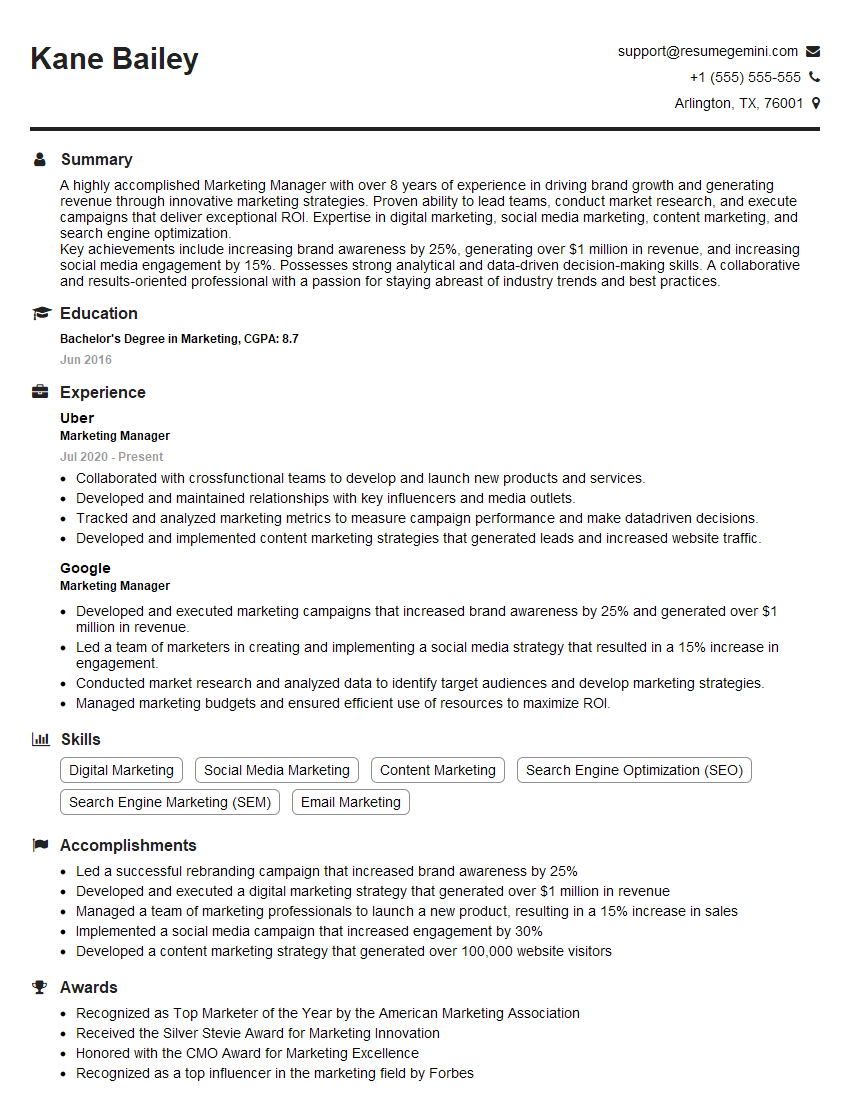
Marketing Manager Resume Sample
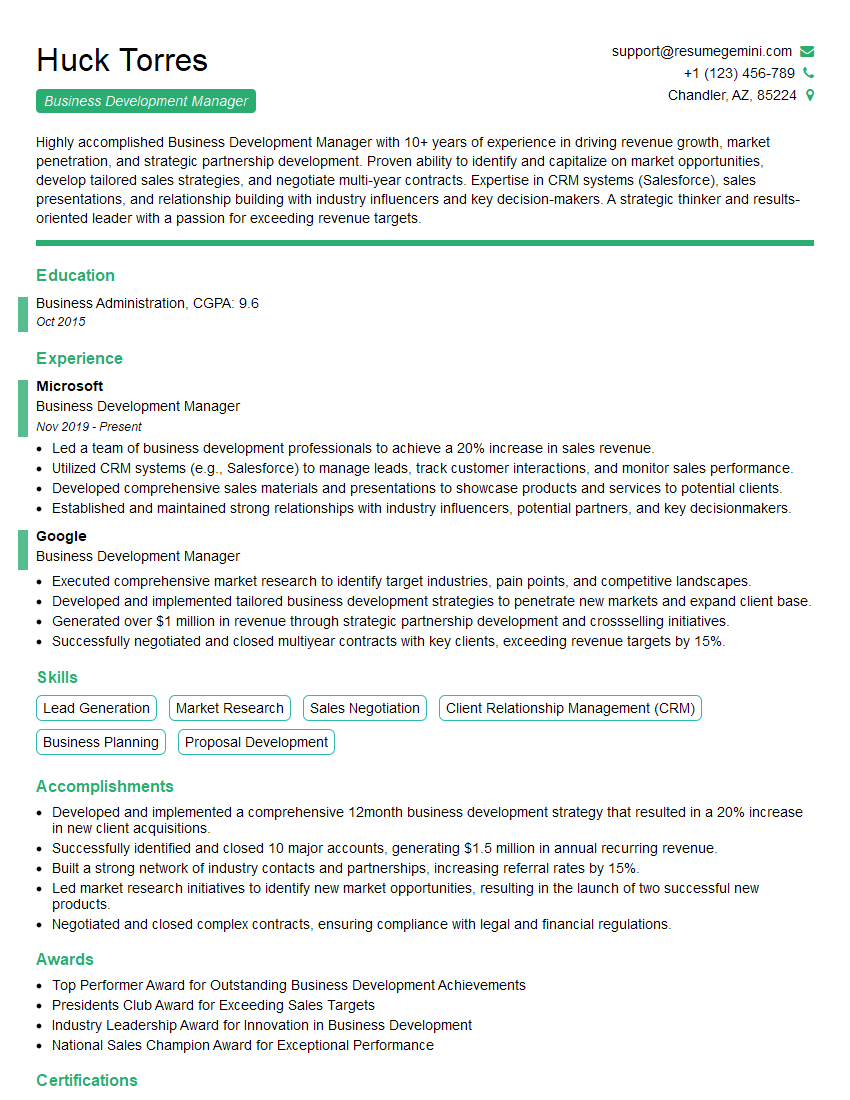
Business Development Manager Resume Sample
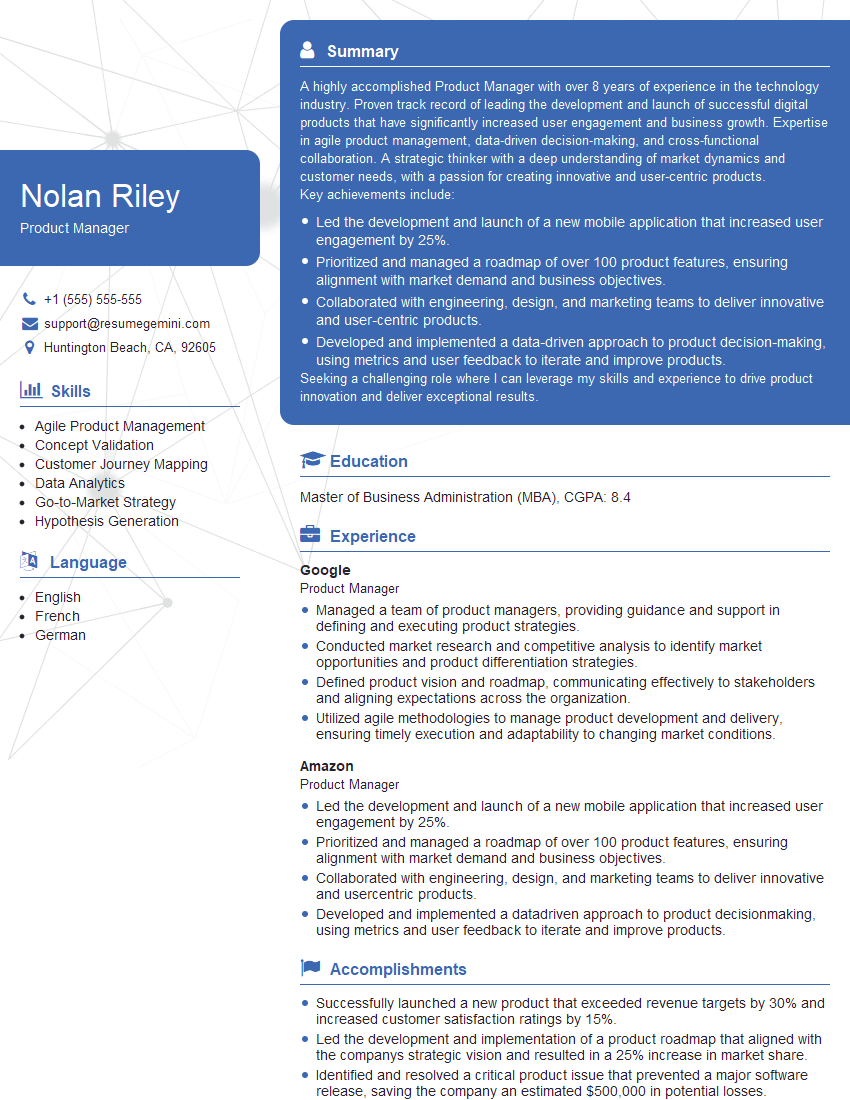
Product Manager Resume Sample
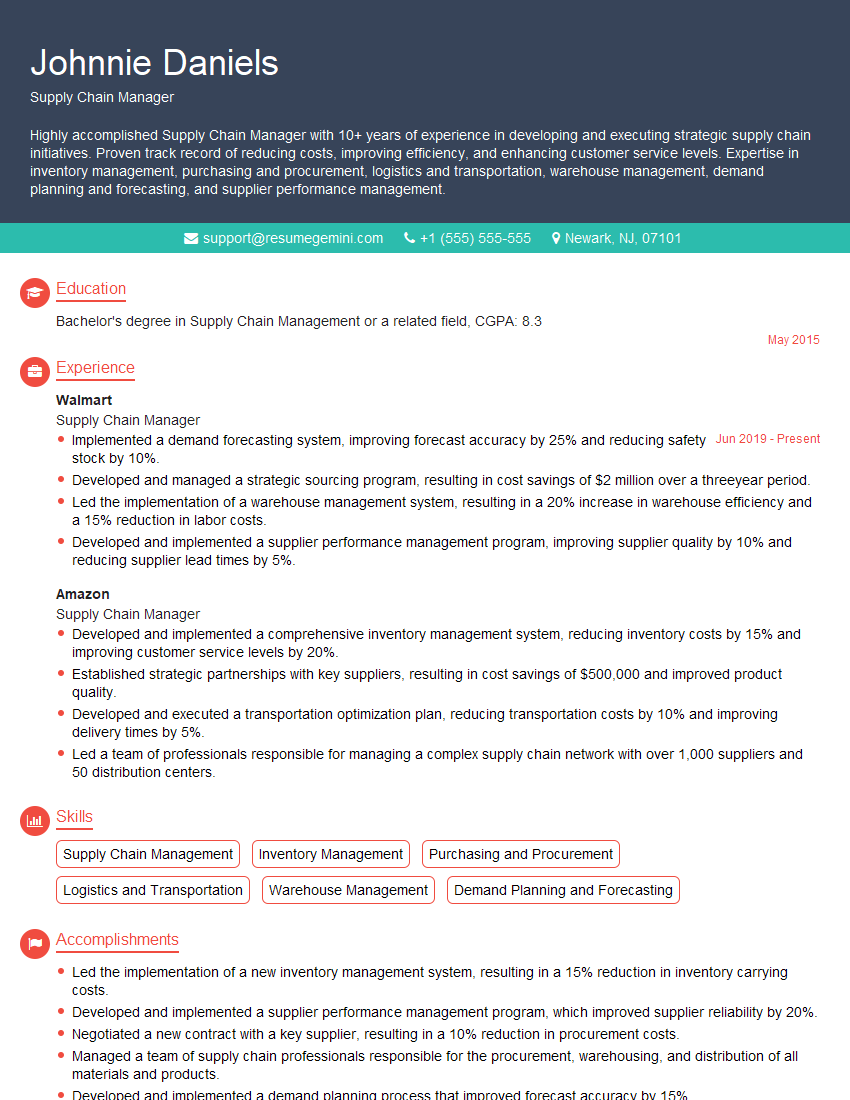
Supply Chain Manager Resume Sample

Project Manager Resume Sample
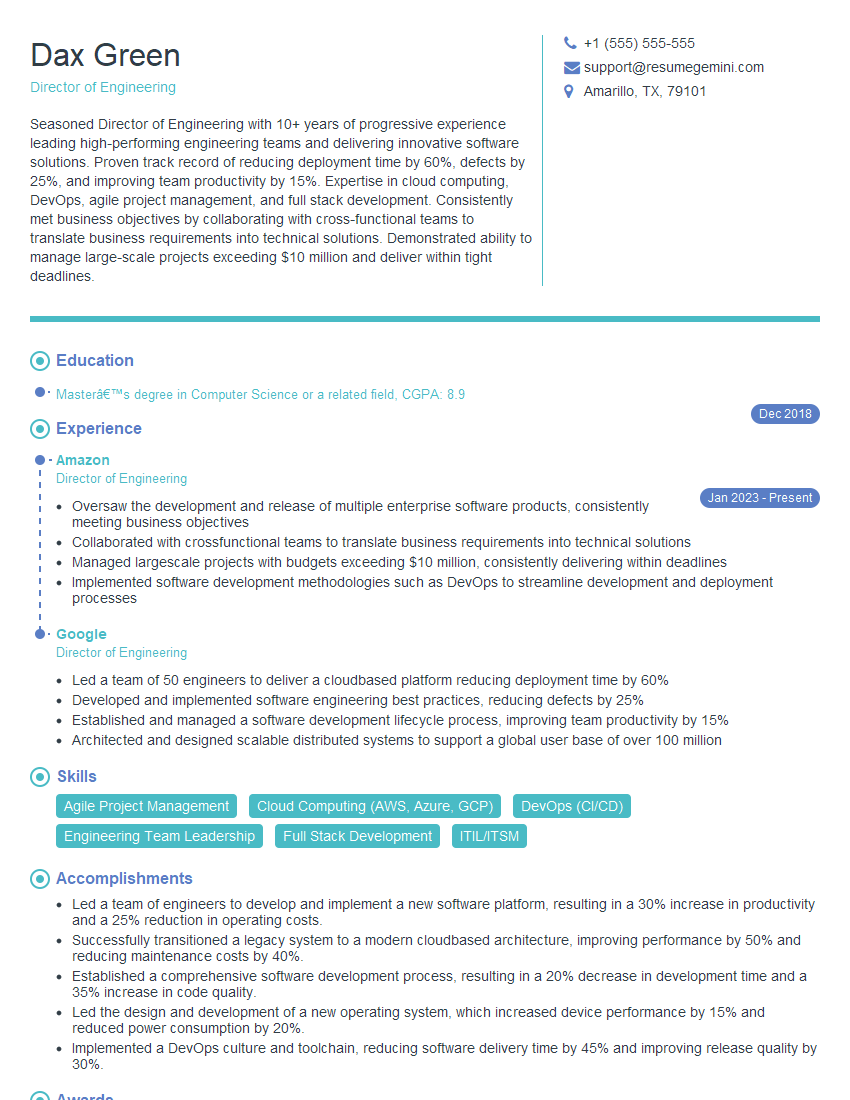
Director of Engineering Resume Sample
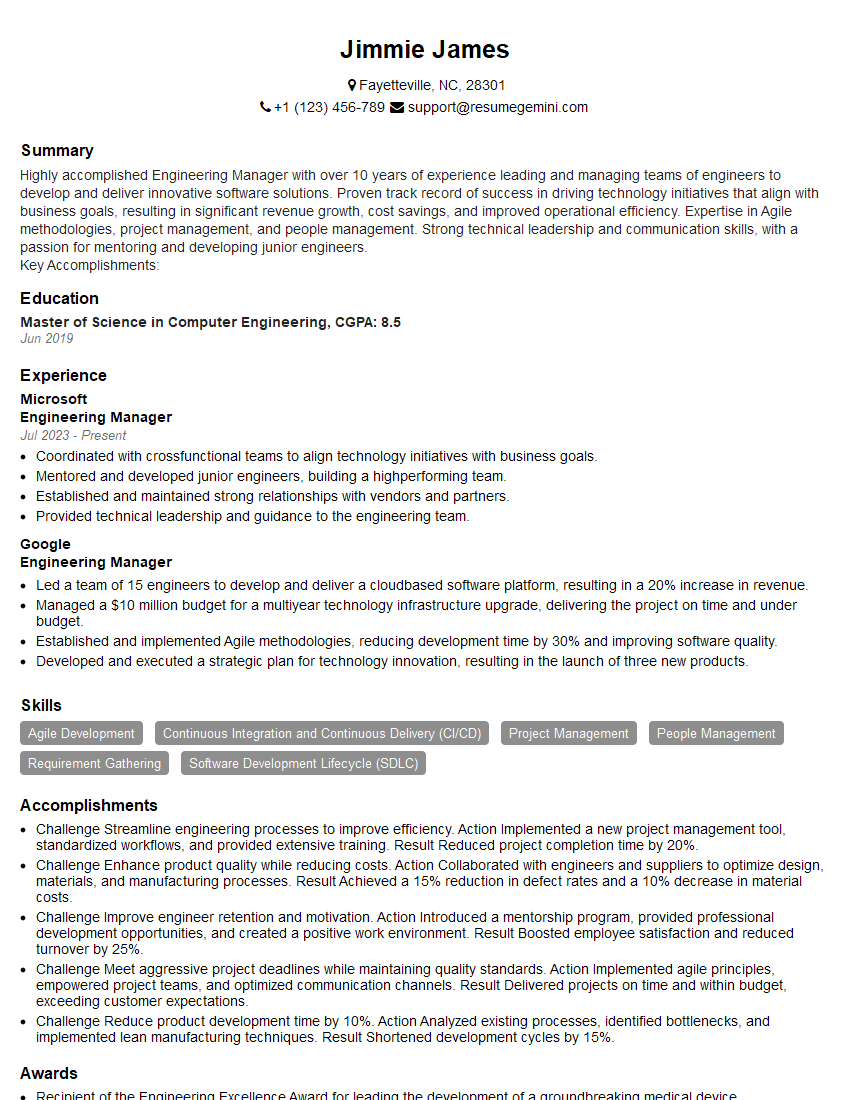
Engineering Manager Resume Sample
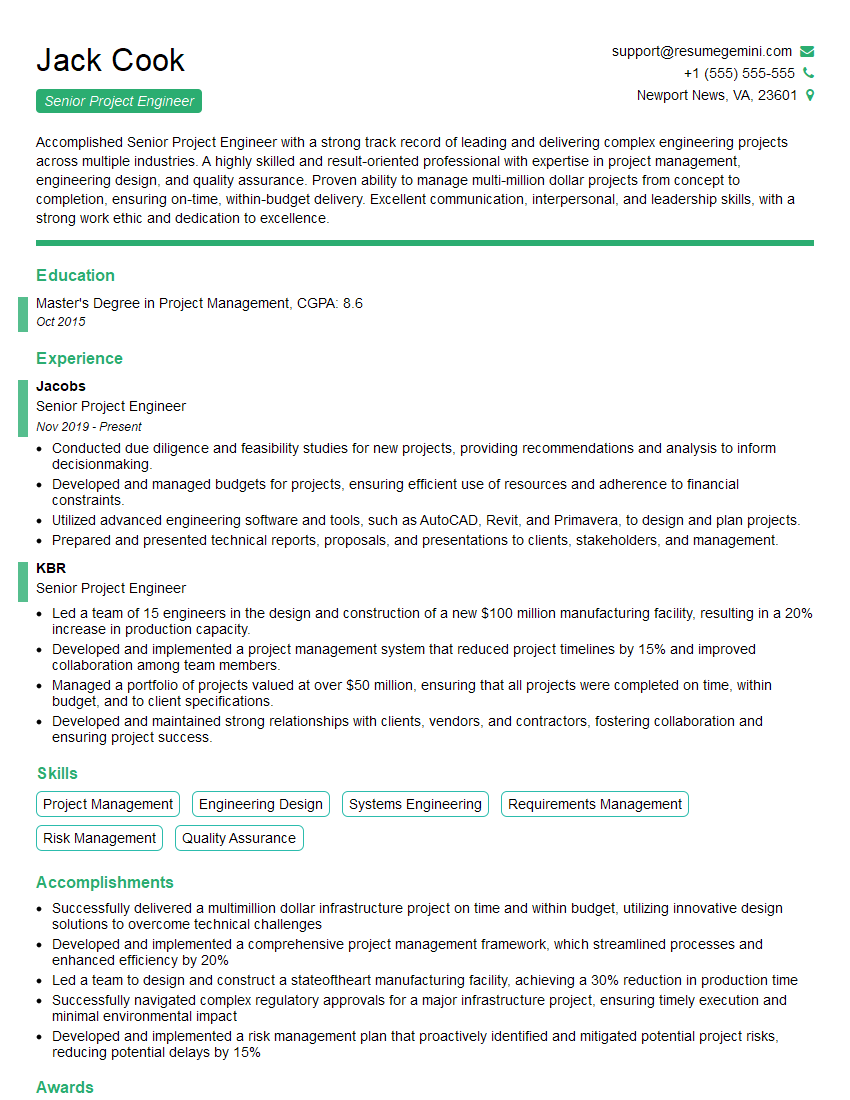
Senior Project Engineer Resume Sample
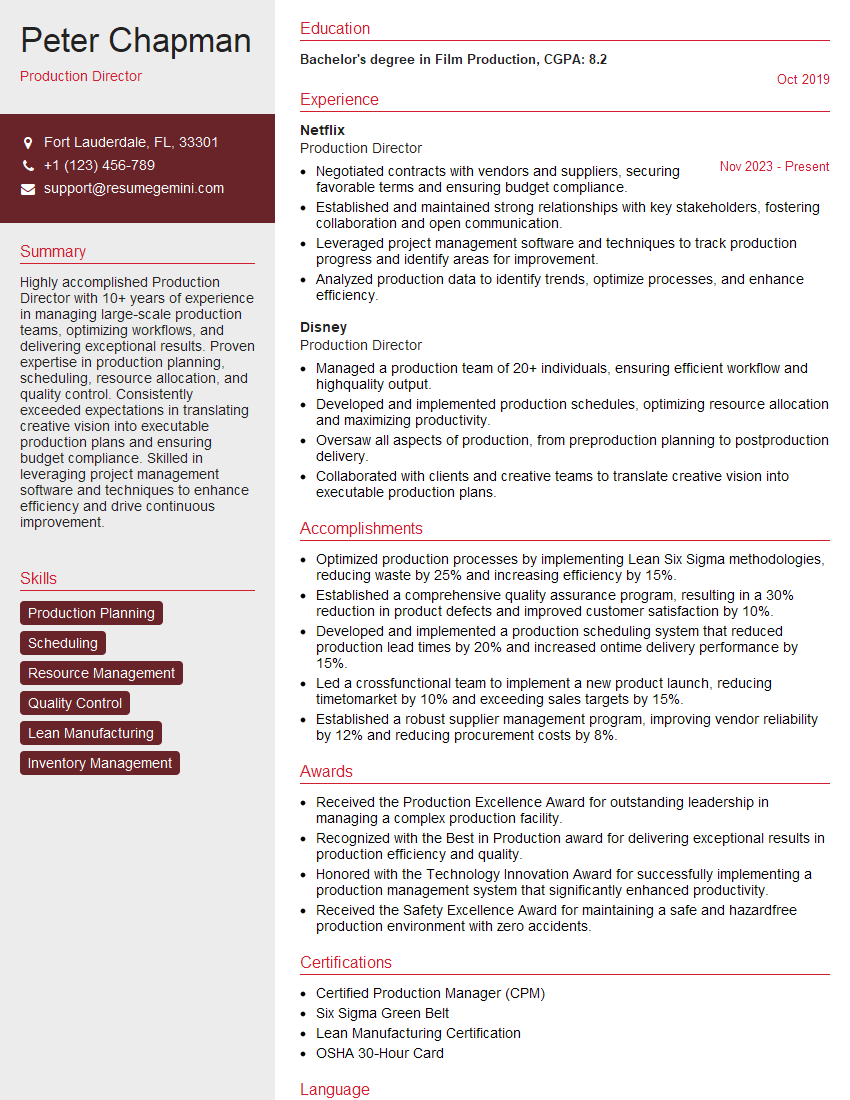
Production Director Resume Sample
- Chief Operating Officer (COO)
- Program Manager
- Operations Manager
- Production Manager
- Director of Marketing
- Marketing Director
- Marketing Manager
- Business Development Manager
- Product Manager
- Supply Chain Manager
- Project Manager
- Director of Engineering
- Engineering Manager
- Senior Project Engineer
- Production Director
Explore more articles
Users Rating of Our Blogs
Share Your Experience
We value your feedback! Please rate our content and share your thoughts (optional).
What Readers Say About Our Blog
Very informative content, great job.
good