Interviews are opportunities to demonstrate your expertise, and this guide is here to help you shine. Explore the essential Trailer Restraint interview questions that employers frequently ask, paired with strategies for crafting responses that set you apart from the competition.
Questions Asked in Trailer Restraint Interview
Q 1. What are the primary regulations governing trailer restraint?
Trailer restraint regulations are crucial for ensuring road safety and preventing accidents. These regulations vary by country and region, but generally aim to standardize the securement of cargo to prevent shifting, falling, or causing instability during transit. Key governing bodies often include national transportation departments and international organizations like the UNECE (United Nations Economic Commission for Europe). These regulations often specify minimum requirements for tie-down systems, including the number and type of restraints needed based on cargo weight, dimensions, and type. For example, the number of tie-downs required for a load of lumber would differ from a load of palletized goods.
Specific regulations may dictate aspects like:
- Tie-down strength: The minimum breaking strength of straps, chains, or other restraints.
- Securement points: Designated locations on the trailer for attaching restraints.
- Cargo distribution: Guidelines for distributing weight evenly within the trailer.
- Load shifting prevention: Methods to prevent cargo from shifting during transit, such as dunnage.
- Documentation: Requirements for documenting the securement process.
Failing to comply with these regulations can lead to significant fines and legal repercussions. It is essential for anyone involved in transporting cargo to familiarize themselves with the applicable regulations in their jurisdiction.
Q 2. Explain the different types of trailer restraint systems.
Trailer restraint systems encompass various methods and equipment used to secure cargo. The best system depends on the cargo type, weight, dimensions, and transportation conditions. Common types include:
- Chain Restraints: Durable and strong, often used for heavier loads. Careful attention must be paid to proper hook engagement and avoiding sharp bends.
- Webbing Restraints: Made from synthetic materials like polyester, offering flexibility and strength. They come in various widths and breaking strengths and are relatively lightweight.
- Strap Restraints: Similar to webbing, straps are commonly used with ratchet binders for adjustable tensioning. They are easier to handle than chains but require proper tensioning techniques.
- Winch Restraints: Used for heavier or bulkier loads, requiring secure anchorage points on the trailer and proper operation of the winch.
- Friction Restraints: These systems utilize friction to hold the load, such as a bulkhead in a container, reducing movement. However, they are often used in conjunction with other systems.
- Load Securement Systems: Integrated systems, such as in some flatbed trailers, that provide securement points and standardized procedures. These are designed for ease of use and increased security.
Each type has its advantages and disadvantages, and proper selection is vital for effective and safe cargo transport.
Q 3. Describe the proper techniques for securing various cargo types.
Securing various cargo types requires adapting the restraint system to the specific characteristics of the load. A general principle is to distribute weight evenly and use enough restraints to prevent movement in any direction. The technique varies depending on whether the load is palletized, loose, or bulky.
- Palletized Cargo: Generally secured using straps or chains around the perimeter of the pallets, ensuring sufficient tension to prevent shifting. Proper pallet stacking and use of blocking and bracing are also crucial.
- Loose Cargo: Requires careful consideration of load distribution and potential for shifting. Compartmentalization, dunnage (material used for bracing), and multiple tie-downs are necessary to prevent movement. Imagine securing a load of lumber—proper spacing and additional bracing between pieces is essential.
- Bulk Cargo: Often requires specialized techniques, potentially using a combination of methods such as netting, tarps, and multiple tie-downs to contain the material. A load of gravel, for example, requires proper containment to prevent spillage and loss of material.
Always consult the manufacturer’s guidelines for specific tie-down recommendations for different cargo types. Remember, using too few or improperly applied tie-downs could compromise safety.
Q 4. How do you assess the weight and center of gravity of a load?
Accurately assessing load weight and center of gravity (CG) is fundamental to safe trailer restraint. The weight dictates the strength of restraints needed, while the CG influences the stability of the load. Methods for assessment include:
- Weighing Scales: The most accurate method; weigh each individual piece or pallet if possible, summing the weights to determine the total load.
- Weight Estimates: Use manufacturer’s specifications for items of known size, like pallets, but account for additional weight from packaging or loose materials. This method is less precise and requires experience.
- Visual Inspection & Experience: Experienced professionals can estimate weight based on size and type of material, but this is subjective and less reliable than actual weighing.
- Center of Gravity (CG): The CG is determined by identifying the load’s balance point. For symmetrical loads, it’s the geometric center. For irregular loads, visual inspection and experience are used to estimate it. An uneven CG can impact stability; a high CG makes the load more susceptible to tipping.
The better the accuracy of these estimations, the safer the load securement strategy can be.
Q 5. What are the implications of improper trailer restraint?
Improper trailer restraint poses significant risks, including:
- Accidents: Shifting or unsecured cargo can cause loss of control, leading to rollovers, jackknifing, and collisions. Imagine a unsecured load shifting during braking, potentially leading to a dangerous scenario.
- Cargo Damage: Improperly secured cargo may be damaged during transport due to shifting or impact.
- Property Damage: Unsecured cargo can fall off the trailer, causing damage to roads, other vehicles, or property.
- Injuries or Fatalities: Unsecured cargo can cause injuries or fatalities to drivers, passengers, or other road users.
- Legal Consequences: In the event of an accident caused by improper restraint, significant legal and financial liabilities can arise.
Preventing these outcomes demands meticulous attention to detail in cargo securement procedures and adherence to regulations.
Q 6. How do you inspect a trailer for damage before loading?
Inspecting a trailer before loading is a critical step in preventing accidents and ensuring safe transport. A thorough inspection should cover:
- Structural Integrity: Check for damage to the trailer frame, floor, walls, and any other structural components. Look for cracks, rust, or signs of previous damage.
- Tie-Down Points: Inspect all tie-down points for damage, wear, or corrosion. Ensure that they are securely attached and capable of supporting the anticipated load.
- Brakes & Lights: Verify that the trailer’s brakes and lights are functioning correctly.
- Tires: Check tire pressure and tread depth.
- Doors & Latches: Inspect doors and latches to ensure they are securely closed and functioning properly.
- Floor Condition: Examine the trailer floor for any damage such as holes or weak spots that may impact the securement of the cargo.
Any damage should be noted and addressed before loading commences. Documenting the inspection can prove crucial in case of any future incidents.
Q 7. What are the different types of tie-down devices and their applications?
Tie-down devices are essential components of trailer restraint systems. Several types are available, each with specific applications:
- Ratchet Straps: Versatile and widely used, ratchet straps provide adjustable tension and are suitable for a wide range of cargo. They require proper tensioning to effectively secure the load. Incorrect use can weaken the straps.
- Chain & Binder: Heavy-duty tie-downs suitable for very heavy loads. Chains require proper hook engagement to prevent slippage or breakage.
- Webbing Straps: Similar to ratchet straps but may not have an adjustable mechanism. They often rely on a friction buckle or other securing device.
- Cargo Nets: Useful for smaller, less densely packed items or to contain loose cargo, preventing shifting or falling. They should be selected to appropriately handle the weight and volume of material.
- Winches: For larger loads requiring significant restraint force, winches allow for more controlled securement. They require appropriate mounting points.
- Bridles: Used for spreading the load over multiple tie-down points and are often utilized when the load’s center of gravity does not align with the tie-down points.
The choice of tie-down device depends on factors like the cargo weight, shape, and fragility. Improper selection or use can compromise safety.
Q 8. Explain the use of winches and come-alongs in trailer restraint.
Winches and come-alongs are crucial tools in trailer restraint, providing the mechanical advantage needed to secure heavy or bulky loads. Winches, typically powered by hand or electricity, use a drum and cable to pull and tighten restraints. Come-alongs, on the other hand, are manually operated pulling devices that use a ratchet mechanism for controlled tightening. They are particularly useful for smaller adjustments and in situations where a winch might be overkill or inaccessible.
Think of it like this: a winch is like a powerful crane for your straps, capable of handling significant tension. A come-along is more like a strong hand, ideal for fine-tuning the tension and making final adjustments. Both play vital roles in ensuring the load is securely fastened and remains stable during transit.
For example, a winch might be used to initially tension the chains securing a large piece of construction equipment, while come-alongs are then employed to perfectly adjust individual straps or chains, ensuring even pressure distribution and preventing shifting.
Q 9. Describe the process for securing an oversized or overweight load.
Securing oversized or overweight loads demands meticulous planning and execution, going beyond standard securing practices. The process starts with a thorough assessment of the load’s dimensions, weight, and center of gravity. This informs the choice of appropriate securing equipment – chains, straps, and blocking/bracing materials.
The next step involves strategically placing the load on the trailer to distribute the weight evenly and minimize the risk of shifting. Oversized loads may require special permits and potentially escort vehicles. Securing devices need to be properly rated to handle the load’s weight and potential forces during transit. Multiple tie-downs are essential, strategically positioned to prevent movement in any direction. Blocking and bracing may be necessary to prevent shifting or damage to the load or trailer.
Imagine transporting a large steel beam: we’d use heavy-duty chains secured to multiple points on the beam and the trailer’s frame, along with wood blocks to prevent any lateral movement. This would be supplemented by detailed documentation, noting the exact placement, securing method, and the equipment’s weight capacity.
Q 10. What are the potential hazards associated with improper load securement?
Improper load securement poses significant hazards, impacting safety and potentially resulting in severe accidents. The most obvious risk is load shifting or falling off during transit, potentially causing damage to property or injury or death to those nearby. This could lead to vehicle rollovers or jackknifing, especially on curves or during sudden braking.
- Damage to Property: A shifting load can cause damage to the trailer, the towing vehicle, or surrounding infrastructure.
- Personal Injury: Loose cargo can injure drivers, other motorists, or pedestrians.
- Traffic Accidents: Unsecured loads can lead to collisions by causing the vehicle to swerve or lose control.
- Legal Liabilities: Improper load securement can result in hefty fines and legal repercussions.
For instance, a poorly secured stack of lumber could shift during a sudden stop, causing a chain reaction leading to a serious accident. This underlines the paramount importance of meticulous adherence to safe loading and securing practices.
Q 11. How do you handle challenging weather conditions during loading and securing?
Challenging weather conditions significantly impact load securement. High winds, heavy rain, or snow can compromise the integrity of securing devices and increase the risk of load shifting. In such scenarios, extra precautions are paramount. This includes using additional tie-downs and potentially reducing speed.
For high winds, consider additional securing points and the use of wind-resistant tarps to prevent the load from being blown around. In the case of heavy rain or snow, ensuring the load is waterproofed and protected to prevent shifting or damage is crucial. Extreme weather might even necessitate postponing transportation until conditions improve, prioritizing safety above all else. For example, transporting a load of sensitive electronic equipment in heavy rain would require extra protective measures to avoid water damage.
Q 12. Explain the importance of documentation in trailer restraint.
Documentation is essential for verifying compliance with regulations and establishing accountability in case of accidents. It provides irrefutable proof that proper procedures were followed and that the load was secured correctly. This documentation should include details such as:
- Date and time of loading and securing
- Description of the load (weight, dimensions, and center of gravity)
- Type and number of securing devices used
- Details of the securing method and points
- Photographs or video evidence of the secured load
- Names and signatures of personnel involved
Imagine a scenario where a load shifts during transit. Detailed documentation becomes crucial evidence, either to support your adherence to regulations or to identify areas for improvement in your procedures. In short, thorough documentation offers both legal protection and operational efficiency.
Q 13. How do you ensure compliance with DOT and FMCSA regulations?
Compliance with DOT (Department of Transportation) and FMCSA (Federal Motor Carrier Safety Administration) regulations is mandatory for safe and legal transportation of goods. These regulations outline detailed requirements for securing different types of cargo, encompassing vehicle specifications, securing methods, and documentation. Regular training, updated knowledge of regulations, and proactive compliance checks are vital.
This includes familiarizing yourself with the latest regulations, inspecting equipment regularly for wear and tear, and ensuring all personnel involved are trained in proper load securement techniques. Compliance isn’t simply a matter of following rules but of adopting a safety-first mindset across every aspect of the transportation process.
Q 14. What are the consequences of failing to comply with trailer restraint regulations?
Failure to comply with trailer restraint regulations carries severe consequences. These can include:
- Fines and Penalties: Significant fines imposed by regulatory agencies for violations.
- Vehicle Impoundment: Authorities may impound the vehicle until the violations are rectified.
- Loss of Operating Authority: In serious cases, companies might lose their operating licenses.
- Insurance Issues: Insurance companies might refuse to cover accidents caused by non-compliance.
- Legal Liability: Serious accidents resulting from non-compliance can result in costly lawsuits and legal repercussions.
The impact extends beyond financial penalties; it undermines public safety and erodes trust. Compliance is not just about avoiding penalties but about ensuring the safety of everyone on the road.
Q 15. Describe your experience with different types of cargo.
My experience encompasses a wide range of cargo types, from bulky construction materials like steel beams and lumber to delicate electronics and palletized goods. I’ve secured everything from oversized machinery requiring specialized techniques to smaller, individually packaged items needing careful distribution to prevent damage. Understanding the unique characteristics of each cargo type—its weight, dimensions, center of gravity, and susceptibility to damage—is crucial for selecting the appropriate restraint methods.
- Heavy machinery: This requires robust tie-downs, possibly with the use of chains and winches, ensuring secure attachment points on both the machine and the trailer.
- Palletized goods: While seemingly straightforward, proper stacking and securing are vital to prevent shifting. This often involves using load bars, straps, and corner protectors.
- Loose materials: Such as gravel or sand, demand careful consideration of the trailer’s construction and the use of tarps and potentially specialized bulkheads to contain the load.
Career Expert Tips:
- Ace those interviews! Prepare effectively by reviewing the Top 50 Most Common Interview Questions on ResumeGemini.
- Navigate your job search with confidence! Explore a wide range of Career Tips on ResumeGemini. Learn about common challenges and recommendations to overcome them.
- Craft the perfect resume! Master the Art of Resume Writing with ResumeGemini’s guide. Showcase your unique qualifications and achievements effectively.
- Don’t miss out on holiday savings! Build your dream resume with ResumeGemini’s ATS optimized templates.
Q 16. How do you address unexpected issues during the loading process?
Unexpected issues during loading are a reality, and effective problem-solving is essential. My approach is systematic. First, I identify the problem – for example, a damaged pallet, missing securement equipment, or an unexpected change in the cargo’s dimensions. Then, I assess the risk – is the issue minor, impacting load stability, or potentially unsafe? Finally, I implement a solution, which might involve finding replacement equipment, adjusting the load configuration, or consulting with supervisors to decide if the load is safe to transport.
For instance, if a pallet is damaged, I would assess its structural integrity. If it’s compromised, I wouldn’t risk using it and would either find a replacement or rearrange the load, ensuring all other pallets are securely restrained. Documentation of the issue and the corrective actions taken is crucial.
Q 17. What are your strategies for preventing cargo shift during transit?
Preventing cargo shift involves a multi-pronged approach: proper loading techniques, appropriate securement hardware, and regular inspections. The principle is to distribute the weight evenly across the trailer, minimize the cargo’s center of gravity, and use sufficient restraint points to prevent movement in all directions.
- Weight distribution: Heavier items should be placed lower and toward the center of gravity.
- Securement: Using a combination of straps, chains, and wedges to secure the load to the trailer’s floor and walls. The number of securement points is essential, and they need to be tensioned correctly.
- Blocking and bracing: Using blocks and bracing to prevent shifting between individual items or units.
- Regular inspections: Before and during transit, regular checks are needed to ensure securement remains effective.
Imagine building a Lego tower – you wouldn’t just stack the blocks; you’d use strong connections to prevent it from collapsing. Similarly, securing cargo isn’t just about placing it on the trailer, it’s about creating a rigid, stable structure that can withstand the forces of transportation.
Q 18. Describe your experience with load securement training programs.
I’ve participated in numerous load securement training programs, covering various aspects, including hazard recognition, proper use of equipment, and regulatory compliance. These programs have included hands-on training sessions with different types of securement hardware and simulated loading scenarios to develop practical skills and enhance risk assessment capabilities. I’m certified in using various types of load securement equipment and am always keen to update my skills with the latest industry best practices.
One particular program emphasized the importance of understanding the different types of straps and their limitations. We learned about the critical role of proper tensioning and the use of appropriate ratchet straps for varying weights and cargo types.
Q 19. How do you maintain your knowledge of current trailer restraint regulations?
Staying current with trailer restraint regulations is critical. I achieve this through several avenues: subscribing to industry publications, attending regular workshops and seminars, and actively participating in professional organizations. Furthermore, I regularly review official government websites and regulatory documents to ensure my knowledge base is up-to-date. This proactive approach allows me to adapt to changes and maintain compliance with all relevant safety standards.
Keeping abreast of changes in legislation is akin to a doctor staying updated on medical breakthroughs—it’s not just about professional responsibility, but about ensuring safety and minimizing risks.
Q 20. Explain your experience using different types of load securement hardware.
My experience extends across a wide array of load securement hardware, including:
- Ratchet straps: These are versatile and commonly used for securing palletized goods and other packaged items. I’m proficient in selecting appropriate strap widths and ensuring correct tension.
- Webbing straps: These are often used in conjunction with ratchet straps for added security and are excellent for securing lighter, less dense items.
- Chains and binders: Used for heavy and bulky items requiring robust securement, often in conjunction with winches for tensioning. Safety procedures are critical when using these.
- Load bars and beams: These are essential for distributing weight evenly across the trailer, particularly with palletized goods.
- Corner protectors: These help protect sensitive goods from damage during transit.
Knowing which type of hardware to use for a given cargo and load configuration is critical for effective securement.
Q 21. What is your understanding of the relationship between load securement and vehicle stability?
Load securement is intrinsically linked to vehicle stability. Improperly secured cargo can shift during transit, altering the vehicle’s center of gravity and significantly impacting its stability. This can lead to swaying, reduced maneuverability, and in extreme cases, rollovers. Conversely, a properly secured load maintains the vehicle’s center of gravity within safe parameters, improving handling and safety.
Think of it like balancing a stack of books on a tray. If the books are not stacked securely, a slight movement can upset the balance. Similarly, securement ensures the load remains balanced, enhancing the vehicle’s stability and preventing accidents.
Q 22. How do you balance safety and efficiency in load securement?
Balancing safety and efficiency in load securement is a crucial aspect of transportation. It’s about finding the optimal point where securement is robust enough to prevent accidents without adding excessive time or cost to the process. Think of it like building a bridge – you need strong materials and a sound design (safety), but you also need to build it efficiently (without excessive resources or time).
We achieve this balance through:
- Proper Training: Well-trained personnel understand the appropriate techniques and regulations, allowing them to secure loads quickly and correctly.
- Standardized Procedures: Having clear, documented procedures ensures consistency and minimizes errors, leading to both safety and efficiency.
- Using Appropriate Equipment: Employing the correct straps, chains, winches, and other equipment, tailored to the load’s characteristics, streamlines the process and ensures securement. Using the wrong equipment leads to wasted time and compromises safety.
- Regular Inspections: Routine checks of equipment and securing methods prevent issues from escalating and improve efficiency by proactively addressing potential problems.
- Technology: Load securement software can help calculate the required amount of restraint, optimize placement, and track maintenance, leading to both safety and efficiency improvements.
Q 23. How would you handle a situation where a load is improperly secured?
Discovering an improperly secured load is a serious safety issue. My immediate response would be to halt any further movement of the vehicle. Safety is paramount.
Next, I would:
- Assess the situation: Determine the severity of the problem. Is the load partially shifted? Is there a risk of immediate shifting or falling?
- Isolate the area: Ensure the area is secured to prevent any unauthorized access or accidental contact with the load.
- Correct the problem: With appropriate safety precautions in place, I’d use the necessary equipment to correctly secure the load. This might involve adding more restraints, repositioning the load, or even unloading and reloading it.
- Document everything: I’d create a detailed report, including photos and descriptions of the initial problem, the corrective actions taken, and the final secured state of the load. This documentation is critical for future analysis and preventative measures.
- Investigate the cause: Find out why the load was improperly secured. Was it due to training, improper equipment, time pressure, or something else?
Ultimately, the goal is not just to fix the immediate problem but also to understand and prevent it from recurring.
Q 24. Describe a time you had to troubleshoot a load securement problem.
During a shipment of oversized steel coils, we encountered a situation where the standard load-securing methods were proving ineffective. The coils were shifting despite using the recommended number of chains and securing points. The problem wasn’t immediately obvious.
My troubleshooting steps involved:
- Visual Inspection: I carefully examined the coils and the securement points. The coils were slightly more oblong than anticipated, creating weak points in the securement.
- Load Analysis: I considered the center of gravity and potential shifting points, considering the weight distribution.
- Consult with Experts: I consulted with load securing equipment engineers, who recommended using specialized coil cradles to redistribute weight and improve stability.
- Testing and Adjustment: We implemented the cradle solution, testing the load’s stability using different driving scenarios.
The solution was successful, and by using the coil cradles, we averted a potentially hazardous situation. The incident prompted us to refine our load securement procedures, including more detailed load assessments for unusually shaped cargo.
Q 25. What are your preferred methods for documenting load securement procedures?
Effective documentation of load securement procedures is essential for safety, compliance, and continuous improvement. My preferred methods are:
- Digital checklists: Using software or apps that allow for electronic checklists that are easily updated and auditable, with space for notes and photo uploads of the secured load.
- Pre-trip inspections: Creating a standardized pre-trip inspection form that documents every aspect of load securement, including equipment condition, calculations of restraint requirements, and verification of the drivers’ understanding.
- Digital photography and video: Taking pictures or videos of the secured load before departure acts as visual documentation which strengthens the record.
- Centralized database:Storing all documentation (checklists, images, and reports) in a centralized, easily accessible database ensures easy retrieval and sharing of information across the organization.
This layered approach ensures that everything is documented, easily accessible, and consistently followed.
Q 26. How do you communicate effectively with drivers regarding load securement?
Effective communication with drivers regarding load securement is crucial for safety. I focus on:
- Clear and concise instructions: Providing drivers with simple, step-by-step instructions for load securement, tailored to the specific type of load.
- Hands-on training: Regular training sessions that cover theory and practical application of load securement techniques ensures confidence and competency.
- Open communication channels: Creating a system where drivers can easily communicate any concerns or difficulties, without fear of reprisal.
- Regular feedback: Providing regular feedback to drivers, both positive and constructive, helps to reinforce safe practices and identify areas for improvement.
- Using multiple communication methods: A mix of written instructions, training videos, and in-person demonstrations ensures everyone understands the procedures.
By fostering open communication, I help ensure that drivers understand and follow load securement procedures and feel comfortable raising concerns.
Q 27. What are your strategies for continuous improvement in load securement practices?
Continuous improvement in load securement practices is a dynamic process that requires consistent attention and proactive measures. My strategies include:
- Regular safety audits: Conducting frequent audits of load securement practices to identify areas needing improvement, reviewing compliance with regulations, and addressing any identified deficiencies.
- Incident investigation: Thoroughly analyzing any incidents involving load shifts or other security-related issues to pinpoint the root causes and develop effective preventative measures.
- Data analysis: Using data gathered from inspections and audits to identify trends, weaknesses, and areas requiring additional training or process refinements.
- Employee feedback: Creating a culture of safety where employees feel comfortable providing feedback and contributing ideas for improvement, thus fostering a collective approach to safety.
- Staying updated with regulations and best practices: Keeping abreast of changes in regulations, industry standards, and emerging best practices to stay ahead of the curve and maintain the highest level of safety.
Continuous improvement is an ongoing process; it’s not a one-time event. It demands consistent engagement, a willingness to learn, and an unwavering commitment to safety.
Q 28. How do you stay updated on the latest best practices for trailer restraint?
Staying updated on the latest best practices for trailer restraint is critical for maintaining safety and compliance. My strategies include:
- Professional memberships: Joining professional organizations related to transportation and logistics provides access to publications, conferences, and networking opportunities that offer valuable insights into the latest trends and best practices.
- Industry publications: Regularly reading trade magazines and journals related to transportation safety, load securing, and related fields to stay informed about new techniques, technologies, and regulations.
- Online resources: Utilizing reputable online resources, government websites, and industry associations’ websites for information on current regulations, guidelines, and best practices.
- Conferences and workshops: Attending industry conferences and workshops allows for direct interaction with experts, sharing experiences, and learning about the latest advancements in load securement.
- Training courses: Participating in regular training courses to stay current on safe loading practices, regulatory updates and the latest technologies related to load securement.
Staying informed is an ongoing commitment, essential for maintaining a high standard of safety in load securement.
Key Topics to Learn for Trailer Restraint Interview
- Types of Trailer Restraint Systems: Understand the differences between various restraint methods (e.g., chains, straps, winches) and their appropriate applications.
- Regulations and Compliance: Familiarize yourself with relevant safety regulations and industry best practices regarding securing cargo and preventing accidents.
- Proper Securing Techniques: Master the practical skills of correctly applying different restraint systems based on cargo type, weight, and transportation conditions.
- Inspection and Maintenance: Learn how to inspect and maintain trailer restraint equipment to ensure its functionality and longevity, highlighting safety checks.
- Risk Assessment and Mitigation: Understand how to assess potential risks associated with inadequate restraint and implement preventative measures.
- Emergency Procedures: Be prepared to discuss procedures for handling emergencies related to trailer restraint failure.
- Load Distribution and Weight Management: Learn about optimal weight distribution techniques to prevent shifting and improve safety.
- Impact of Weather Conditions: Understand how weather impacts securing techniques and the implications for safe transportation.
- Troubleshooting Common Issues: Develop your problem-solving skills by considering common challenges and their solutions in trailer restraint.
Next Steps
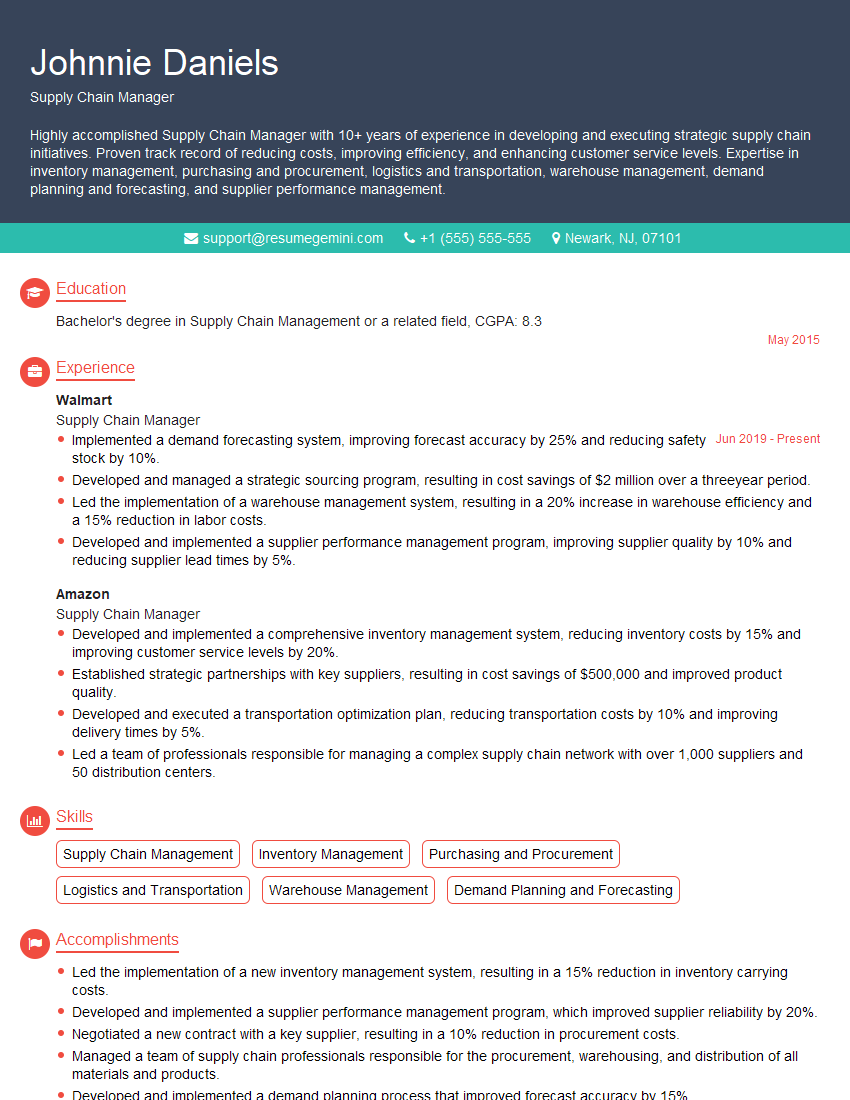
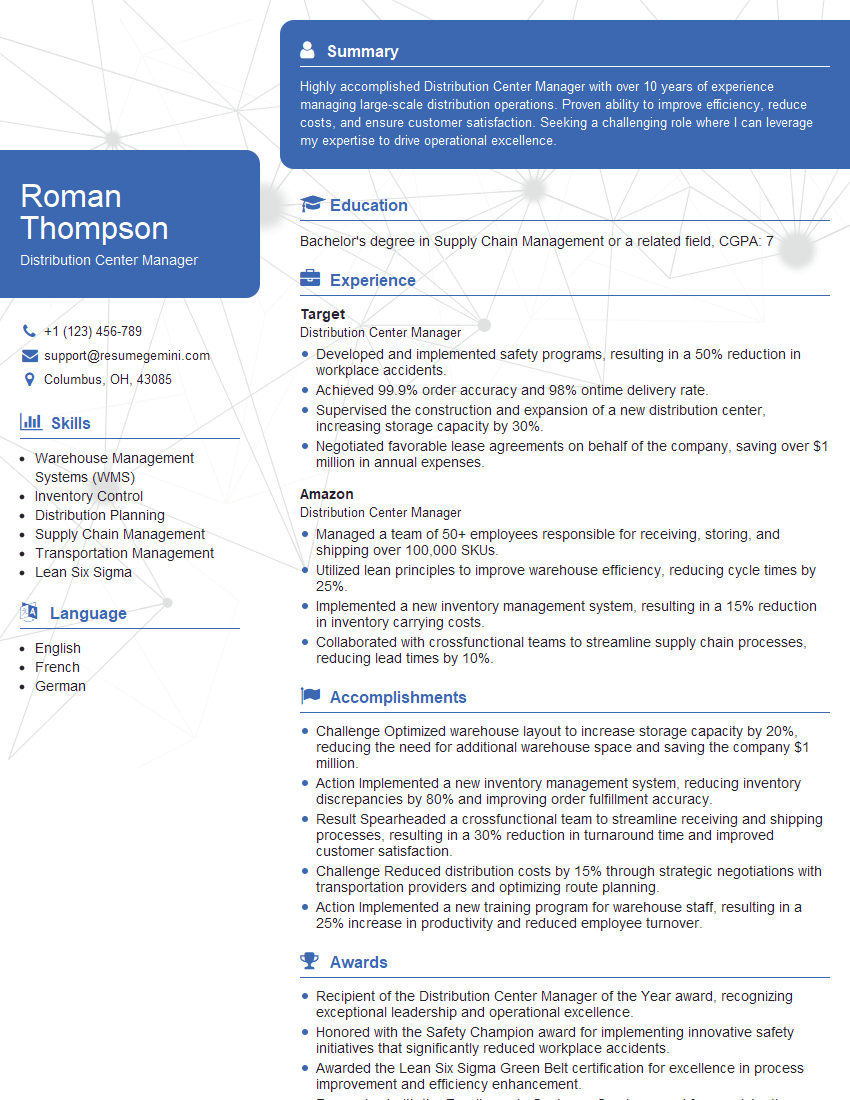
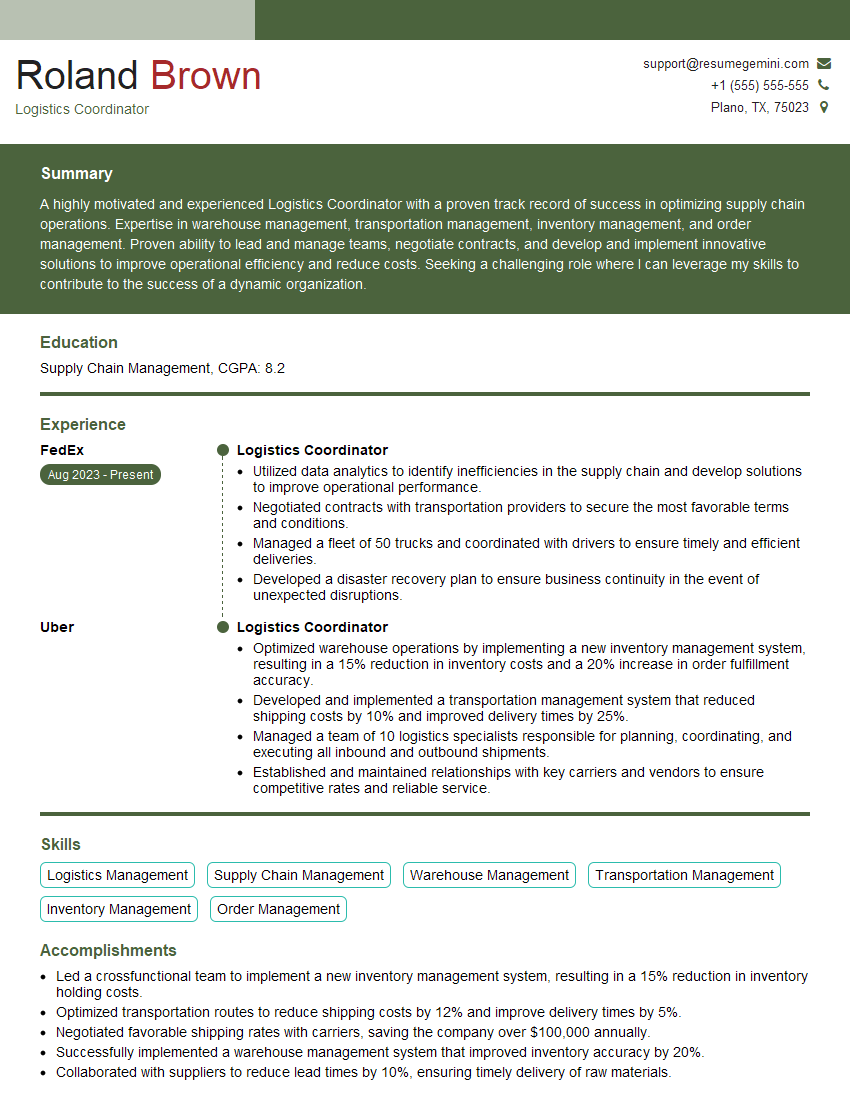
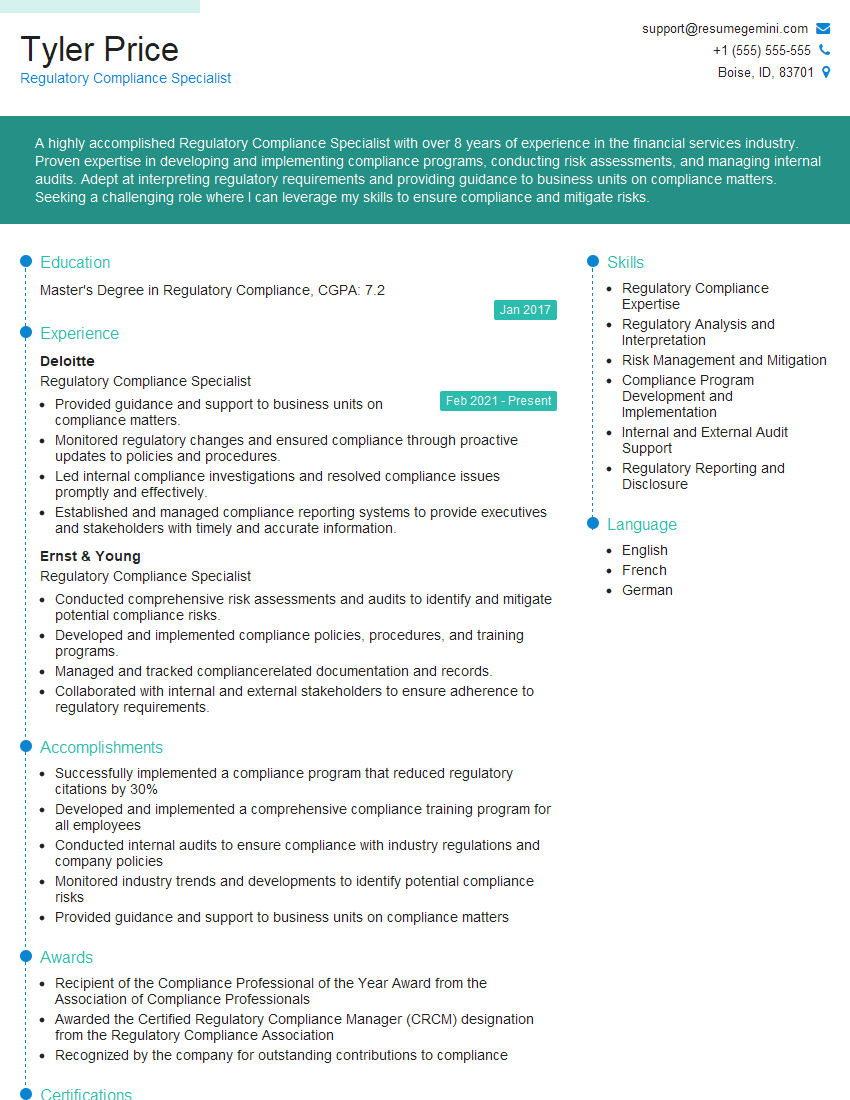
Mastering trailer restraint is crucial for a successful and safe career in transportation and logistics. It demonstrates your commitment to safety and efficiency, opening doors to higher-responsibility roles and increased earning potential. To enhance your job prospects, building an ATS-friendly resume is essential. ResumeGemini is a trusted resource that can help you create a professional and impactful resume, showcasing your skills and experience effectively. We provide examples of resumes tailored to the Trailer Restraint field to help you get started.


Explore more articles
Users Rating of Our Blogs
Share Your Experience
We value your feedback! Please rate our content and share your thoughts (optional).
What Readers Say About Our Blog
Very informative content, great job.
good