Interviews are opportunities to demonstrate your expertise, and this guide is here to help you shine. Explore the essential International Safety Management (ISM) Compliance interview questions that employers frequently ask, paired with strategies for crafting responses that set you apart from the competition.
Questions Asked in International Safety Management (ISM) Compliance Interview
Q 1. Describe the key elements of the International Safety Management (ISM) Code.
The International Safety Management (ISM) Code is a mandatory international standard for the safe management and operation of ships and for pollution prevention. It’s not just about rules; it’s about establishing a safety culture within a shipping company. Think of it as a comprehensive safety manual for the entire organization. The key elements are:
- Safety and Environmental Protection Policy: The company must have a clearly defined policy committing to safety and environmental protection. This isn’t a generic statement; it needs to be specific to the company’s operations and demonstrably implemented.
- Accountability: Clear lines of responsibility and authority are crucial. Everyone needs to understand their role in maintaining safety and complying with the ISM Code.
- Resources and Personnel: The company must provide sufficient resources, including training and equipment, to support the SMS (Safety Management System). This means investing in well-trained personnel and providing the tools they need to do their jobs safely.
- Developing and Implementing an SMS: This involves documenting procedures, conducting risk assessments, and developing emergency response plans. Think of this as creating the detailed operating instructions for the company’s safety systems.
- Internal Audits: Regular internal audits ensure the SMS is effective and being followed. This is like a company-wide health check for safety.
- Management Review: Senior management must regularly review the performance of the SMS and make necessary improvements. This is crucial for demonstrating a real commitment to safety from the top down.
- Nonconformities, Corrective Actions and Preventive Actions: Systems need to be in place to identify and address safety issues, preventing recurrence. This emphasizes continuous improvement.
For example, a company operating tankers would have a much more detailed SMS regarding cargo handling and spill prevention than a company operating passenger ferries.
Q 2. Explain the role of the Designated Person Ashore (DPA).
The Designated Person Ashore (DPA) is the critical link between the shore-based management and the ship’s operations. They’re essentially the company’s safety representative on land, responsible for ensuring compliance with the ISM Code. Think of them as the onshore captain for safety matters.
Their key roles include:
- Overseeing the SMS: Ensuring the system is effective and being followed on all vessels.
- Liaising with Masters: Providing guidance and support to the Masters on safety-related issues.
- Monitoring compliance: Reviewing reports, investigation findings, and audit results.
- Ensuring resources are available: Making sure ships have the necessary equipment, training, and support to comply with the ISM Code.
- Promoting a safety culture: Championing safety awareness and best practices throughout the company.
Imagine a scenario where a vessel experiences an engine failure. The DPA would be involved in investigating the incident, ensuring corrective actions are implemented, and preventing similar incidents in the future.
Q 3. What are the responsibilities of the ship’s Master regarding ISM compliance?
The Master of the ship holds ultimate responsibility for the safety of the vessel, the crew, passengers (if applicable), and the marine environment. Regarding ISM compliance, the Master’s responsibilities include:
- Implementing the SMS onboard: Ensuring the company’s SMS is effectively implemented on their vessel, following all procedures and instructions.
- Ensuring safe operation: Maintaining a safe working environment and complying with all safety regulations.
- Reporting incidents and nonconformities: Reporting any accidents, near misses, or deviations from established procedures to the company immediately.
- Participating in audits: Cooperating fully with internal and external audits.
- Promoting a safety culture: Fostering a strong safety culture amongst the crew by leading by example and emphasizing safety as a priority.
For instance, if a crewmember suggests a safety improvement, the Master is responsible for evaluating it and, if appropriate, implementing it. They are not just a manager; they are the guarantor of safety on board.
Q 4. How does a Safety Management System (SMS) contribute to a company’s overall safety performance?
A well-implemented Safety Management System (SMS) is the backbone of a company’s overall safety performance. It’s not just a tick-box exercise; it’s a proactive approach that identifies and mitigates risks before they cause accidents or incidents. It translates to fewer accidents, less downtime, and lower insurance premiums.
Here’s how it contributes:
- Proactive Risk Management: The SMS identifies potential hazards and implements controls to minimize risks. This is far more effective than reacting to incidents after they occur.
- Improved Communication: Clear procedures and communication channels enhance teamwork and responsiveness during emergencies.
- Consistent Procedures: Standardized procedures reduce errors and inconsistencies across the fleet.
- Continuous Improvement: The SMS provides a framework for continuous learning and improvement based on lessons learned from incidents and audits.
- Enhanced Reputation: Demonstrating a commitment to safety improves the company’s reputation and builds trust with clients and stakeholders.
For a shipping company, a robust SMS can mean the difference between a reputation for safety and excellence or one riddled with incidents and fines.
Q 5. What is a Safety Management System (SMS) audit, and what are its objectives?
A Safety Management System (SMS) audit is a systematic, independent examination of the SMS to determine its effectiveness and compliance with the ISM Code. It’s not about finding fault; it’s about identifying areas for improvement and ensuring the system is truly delivering on its promise of enhancing safety.
The objectives include:
- Assessing Compliance: Verifying that the company’s SMS meets the requirements of the ISM Code.
- Identifying Strengths and Weaknesses: Highlighting areas where the SMS is performing well and where improvements are needed.
- Promoting Continuous Improvement: Providing recommendations for enhancing the effectiveness of the SMS.
- Ensuring a Safety Culture: Assessing whether a strong safety culture has been effectively established.
- Demonstrating Due Diligence: To flag managers and shareholders of potential issues so they can take steps to avoid accidents and potential liabilities.
Think of it like a doctor’s check-up; it’s preventative, and identifying problems early on is key to maintaining overall health, in this case, the safety health of a shipping operation.
Q 6. Describe the process of conducting an internal ISM audit.
Conducting an internal ISM audit involves a systematic process. It’s essential to have a team of trained auditors who are familiar with the company’s SMS and the ISM Code. The process typically includes:
- Planning: Defining the scope, objectives, and timeline of the audit. This includes identifying the specific areas of the SMS to be reviewed.
- Document Review: Examining relevant documentation, such as the SMS manual, procedures, training records, and incident reports.
- Interviews: Conducting interviews with personnel at various levels to gather information about their roles, responsibilities, and experiences.
- Observations: Observing onboard operations to assess whether procedures are being followed.
- Verification: Verifying that the SMS is implemented effectively and consistently.
- Reporting: Preparing a report detailing the findings, including any nonconformities, and recommendations for corrective actions.
- Follow-up: Monitoring the implementation of corrective actions.
A practical example would involve auditing the emergency response plan. Auditors might review the plan’s documentation, observe drills, and interview crew members about their understanding and readiness.
Q 7. What are the main differences between internal and external ISM audits?
The main differences between internal and external ISM audits lie in their purpose, scope, and authority. Both are crucial for ensuring safety, but they play different roles.
| Feature | Internal Audit | External Audit |
|---|---|---|
| Purpose | To identify areas for improvement within the company’s SMS. | To verify compliance with the ISM Code and assess the effectiveness of the SMS. |
| Scope | Typically covers specific areas of the SMS or a particular vessel. | Usually more comprehensive, covering multiple aspects of the SMS and potentially multiple vessels. |
| Authority | Carried out by company personnel; findings are internal. | Carried out by an independent, accredited auditor; findings can have significant external implications, potentially leading to non-conformities that could impact certification. |
| Frequency | Regularly scheduled, often annually or more frequently. | Usually conducted every few years, depending on the company’s classification society or flag state requirements. |
In short, internal audits are preventative measures to continually improve the SMS, while external audits are a validation that the SMS meets minimum industry standards and demonstrates to the company and other stakeholders that they are complying with the legal requirements of the ISM Code.
Q 8. How are non-conformities identified and addressed during an ISM audit?
Non-conformities in an ISM audit are identified through a systematic process involving document review, interviews, and observations of actual practices onboard. Think of it like a detective investigating a crime scene – every detail is important. Auditors examine the company’s Safety Management System (SMS) documentation against the ISM Code requirements. Discrepancies, unsafe practices, inadequate procedures, or lack of evidence of compliance are all flagged as non-conformities. For example, if the audit reveals a lack of evidence for regular safety drills or deficiencies in the reporting system for near-miss incidents, these would be considered non-conformities.
Addressing non-conformities involves a multi-step process. First, the auditor will clearly document the finding, detailing the deficiency and its impact on safety. The company then must develop and implement corrective actions to rectify the situation. This often involves updates to procedures, additional training, or new equipment. Finally, the effectiveness of the corrective action is verified through follow-up audits or inspections, ensuring the problem is truly resolved and won’t recur. This is akin to fixing the broken part and then testing to make sure the whole machine works again.
Q 9. Explain the concept of ‘corrective action’ within the ISM Code.
Corrective action within the ISM Code is the process of identifying, analyzing, and rectifying non-conformities and implementing preventive actions to stop them from recurring. It’s a systematic approach to problem-solving ensuring safety doesn’t suffer due to a simple oversight. Imagine a ship experiencing a near miss due to faulty equipment. Corrective action would involve: (1) identifying the faulty equipment; (2) investigating the root cause (was it lack of maintenance? Poor design?); (3) fixing the equipment; (4) implementing a preventative measure (new maintenance schedule, improved training). The key is not just fixing the immediate problem but also preventing future similar incidents.
The process generally includes a detailed root cause analysis, development of a corrective action plan with assigned responsibilities and deadlines, implementation of the plan, and verification of its effectiveness. Documentation at each stage is crucial to demonstrate compliance and continuous improvement.
Q 10. Describe the role of the Company Safety Management System (CSMS).
The Company Safety Management System (CSMS) is the heart of an organization’s commitment to safety. It’s a structured and documented system that outlines the company’s policies, procedures, and responsibilities related to safety and environmental protection. Think of it as the company’s safety rulebook, ensuring consistent standards across all its operations. It encompasses all aspects of safety management, from training and risk assessment to emergency response and accident investigation. A well-designed CSMS integrates seamlessly with the vessel’s SMS, providing overall guidance and ensuring consistent application of safety principles.
The CSMS guides the development of the ship’s SMS, provides resources and support, and ensures the company is complying with ISM Code requirements. It’s continuously updated and improved based on lessons learned and best practices. A strong CSMS is the foundation of a safe and effective maritime operation.
Q 11. What are the key performance indicators (KPIs) used to measure the effectiveness of an ISM system?
Key Performance Indicators (KPIs) for measuring the effectiveness of an ISM system are crucial for demonstrating continuous improvement. These aren’t just arbitrary numbers; they provide valuable insights into the system’s strengths and weaknesses. Some common KPIs include:
- Accident/Incident Rates: A lower rate indicates improved safety performance.
- Near Miss Reporting Rates: High reporting indicates a culture of proactive safety reporting.
- Timely Completion of Corrective Actions: Quick resolution of issues minimizes their impact.
- Training Completion Rates: Ensuring all crew members receive necessary training.
- Audit Findings and Non-conformities: Tracking the number and severity of findings from internal and external audits.
- Safety Culture Survey Results: Assessing crew perception of safety and their involvement in safety processes.
By monitoring these KPIs, companies can track their progress towards safety excellence, identify areas needing improvement, and demonstrate their commitment to continuous improvement within their SMS.
Q 12. How do you ensure that the crew is properly trained and competent regarding ISM procedures?
Ensuring crew competency in ISM procedures is paramount. It’s not just about ticking boxes in a training record; it’s about creating a safety-conscious workforce. A comprehensive training program is the cornerstone of this. This involves a mix of initial training before joining the vessel and continuous refresher training throughout their employment.
Training should cover all aspects of the ISM Code, including emergency procedures, safety drills, hazard identification, risk assessment, reporting procedures, and the use of safety equipment. The training should be relevant to the crew’s specific roles and responsibilities and delivered using various methods, including classroom sessions, online modules, simulations, and on-the-job training. Regular competency assessments, both theoretical and practical, ensure the crew remains proficient and up-to-date with the latest procedures and any changes to regulations.
Crucially, the training should foster a culture of safety awareness and encourage active participation from all crew members. Feedback mechanisms and regular safety meetings are invaluable in this regard. Think of it as building a team where everyone is empowered and equipped to contribute to safety.
Q 13. How are safety management system objectives established and reviewed?
Safety management system objectives are established at both the company and ship levels. They should be SMART – Specific, Measurable, Achievable, Relevant, and Time-bound. At the company level, objectives might focus on reducing overall accident rates, improving the efficiency of safety management processes, or strengthening the safety culture. At the ship level, objectives are more specific to the vessel’s operation and could focus on, for instance, reducing near-miss incidents or improving the timeliness of hazard reporting.
These objectives are established through a participatory process, involving input from relevant personnel at all levels. Regular reviews, ideally annually, ensure the objectives remain relevant, achievable, and contribute to overall safety performance. Reviews should consider past performance against targets, changes in the operating environment, and lessons learned from incidents or accidents. This cyclical process allows for adjustments and improvement of the system, making sure the objectives always support continuous improvement of safety.
Q 14. Explain the importance of maintaining accurate records in an ISM system.
Maintaining accurate records is not just about paperwork; it’s the backbone of a robust and auditable ISM system. Records demonstrate compliance with regulations, track progress toward objectives, and provide valuable data for continuous improvement. Think of it as a ship’s logbook – it chronicles its journey and any significant events. Accurate records are critical during audits to show evidence of compliance with ISM Code requirements and to illustrate how non-conformities were identified and addressed.
Essential records include training records, audit reports, incident reports, maintenance logs, emergency response plans, and safety meetings minutes. A well-organized system, often utilizing a digital database, makes access to these records easy and efficient. Consistent and thorough record-keeping ensures transparency and accountability, providing the foundation for a truly effective and demonstrably safe operation. Without such records, the efficacy of the entire system is called into question.
Q 15. How do you deal with emergencies and safety incidents under the ISM Code?
The ISM Code mandates a robust emergency preparedness and response system. Dealing with emergencies and safety incidents involves a structured approach prioritizing the safety of personnel, the environment, and the vessel. This begins with pre-emptive measures, such as regular drills and training, and extends to prompt and effective responses during actual incidents.
Upon encountering an emergency, the company’s emergency response plan (ERP) is immediately activated. This plan, tailored to specific vessel types and operational contexts, outlines clear procedures for communication, evacuation, damage control, and reporting. For example, a fire necessitates activating the fire alarm, following established fire-fighting protocols, and initiating communication with relevant authorities. A man overboard situation triggers a specific sequence of actions including launching a lifeboat, deploying emergency flares, and contacting the coast guard.
Following the incident, a thorough investigation is conducted to determine the root cause, employing techniques like fault tree analysis or ‘5 Whys’. This analysis informs corrective actions, preventing recurrence and updating procedures as needed. Documentation is meticulously maintained throughout this process, providing evidence of compliance with the ISM Code and continuous improvement efforts. Let’s say a near-miss resulted in a container falling overboard; post-incident analysis might reveal inadequate securing procedures, leading to immediate improvements in cargo handling and training.
Career Expert Tips:
- Ace those interviews! Prepare effectively by reviewing the Top 50 Most Common Interview Questions on ResumeGemini.
- Navigate your job search with confidence! Explore a wide range of Career Tips on ResumeGemini. Learn about common challenges and recommendations to overcome them.
- Craft the perfect resume! Master the Art of Resume Writing with ResumeGemini’s guide. Showcase your unique qualifications and achievements effectively.
- Don’t miss out on holiday savings! Build your dream resume with ResumeGemini’s ATS optimized templates.
Q 16. Describe your experience with port state control inspections and related ISM requirements.
Port State Control (PSC) inspections are vital for verifying ISM Code compliance. My experience encompasses numerous PSC inspections across various vessel types and flags. These inspections assess the vessel’s compliance with international and national regulations, including those specified under the ISM Code. Inspectors verify the existence and implementation of the Safety Management System (SMS), reviewing documentation such as the Safety Management Certificate (SMC), the Document of Compliance (DOC), and related procedures.
PSC inspections are not merely a checklist exercise; they assess the practical application of the SMS. Inspectors may scrutinize maintenance records, emergency preparedness procedures, crew competency levels, and the effectiveness of risk assessments. Non-compliances, ranging from minor deficiencies to serious safety concerns, are noted and addressed through corrective actions. A common area of inspection is the vessel’s ability to effectively manage hazardous cargo and waste disposal in accordance with MARPOL regulations and the ISM Code. For instance, a deficiency might involve inadequate training records for hazardous materials handling. Such deficiencies can lead to detention of the vessel until satisfactory corrective actions are implemented.
Q 17. Explain the process for reporting near misses and accidents under the ISM system.
Reporting near misses and accidents is crucial for continuous improvement within the ISM system. A dedicated reporting system, often involving a designated safety officer or a reporting mechanism within the company’s intranet, encourages proactive reporting. The process typically begins with an immediate notification, followed by a thorough investigation.
Near misses, even without resulting in physical damage or injury, are treated with the same seriousness as accidents. They represent valuable learning opportunities. Information gathered includes details of the event, contributing factors, and potential consequences. Root cause analysis, utilizing methods like the ‘5 Whys’ or fishbone diagrams, helps identify systemic issues. This information is documented, analyzed, and used to develop and implement corrective actions, preventative measures, or revisions to existing procedures. For example, a near miss involving a crane almost striking a lifeboat would prompt an investigation, likely revealing inadequate communication protocols or insufficient training, ultimately resulting in updated procedures and further training for crane operators.
The reports are then analyzed at a higher level, potentially including review by senior management, to identify patterns or trends that might point to larger systematic issues that require more widespread solutions. This feedback loop is essential for the continued effectiveness of the SMS.
Q 18. What are the challenges involved in implementing and maintaining an effective ISM system?
Implementing and maintaining an effective ISM system presents several significant challenges. One of the most prominent is securing the full commitment and involvement of all personnel throughout the organization. A successful SMS depends on a strong safety culture fostered through consistent training, open communication, and active participation from every level, from the CEO to the deckhand. This requires consistent reinforcement from all levels of management.
Another challenge is the cost involved, encompassing training, software, audits, and maintaining updated documentation. Balancing these costs with the long-term benefits of increased safety and compliance can be complex, particularly for smaller companies. Further challenges include ensuring the system remains effective as operations, technology, and regulations evolve. Regular reviews and audits are key to adapting to these changes, preventing the system from becoming outdated or ineffective.
The constant pressure to meet operational deadlines can also lead to shortcuts and potentially compromise safety procedures. Maintaining a strong safety culture and prioritizing safety over schedule requires ongoing vigilance and leadership commitment. Finally, ensuring consistent application of the system across multiple vessels or geographical locations is crucial for maintaining uniform safety standards.
Q 19. How do you ensure that the ISM system remains up-to-date with changes in legislation and best practices?
Keeping the ISM system current requires a proactive approach to monitoring legislative changes and industry best practices. This involves subscribing to relevant maritime publications, participating in industry conferences, and maintaining active communication with classification societies, regulatory bodies, and other stakeholders in the industry.
Regular internal audits and management reviews are vital for identifying areas needing updates. These reviews assess the effectiveness of existing procedures and identify gaps or areas for improvement. The company should also actively participate in industry-wide safety initiatives and share best practices across different departments or subsidiaries. For instance, if new regulations emerge regarding ballast water management, the SMS needs to be updated to reflect the changes in legislation, training needs to be updated, and operational procedures need to be changed to comply with new regulations. Any changes made need to be thoroughly documented.
Q 20. What are the legal responsibilities associated with non-compliance with the ISM Code?
Non-compliance with the ISM Code carries significant legal and financial consequences. The severity of penalties varies depending on the nature and extent of non-compliance, the flag state, and the port state. Potential repercussions include:
- Detention of the vessel: PSC inspectors can detain a vessel found to be in serious non-compliance until corrective actions are implemented.
- Financial penalties: Significant fines can be levied against the company and/or the vessel’s owner.
- Withdrawal of the Safety Management Certificate (SMC): This renders the vessel non-compliant and potentially prevents it from operating.
- Legal actions: In cases of serious incidents resulting from non-compliance, legal proceedings and claims for compensation might be initiated.
- Reputational damage: Non-compliance can significantly harm a company’s reputation, affecting its ability to secure contracts and operate effectively.
These consequences underscore the critical importance of maintaining strict adherence to the ISM Code.
Q 21. Describe your experience with documenting and implementing safety policies and procedures.
Documenting and implementing safety policies and procedures is a fundamental aspect of the ISM system. My experience involves developing and implementing these policies across various vessel types and operational contexts. This includes creating comprehensive safety manuals, detailing procedures for all aspects of vessel operation, maintenance, and emergency response.
The process begins with a thorough risk assessment, identifying potential hazards and evaluating their likelihood and severity. This assessment informs the development of preventive measures and safety procedures. Procedures are written in clear and concise language, easily understood by crew members with diverse linguistic backgrounds. Procedures are regularly updated reflecting lessons learned from past incidents and operational experience. For instance, a procedure for mooring might be revised following an incident, incorporating specific steps to prevent a similar occurrence. Training materials and assessments are developed to ensure crew comprehension and competency. Finally, regular drills and exercises are conducted to ensure personnel proficiency in applying the procedures. The entire process is thoroughly documented, maintained, and readily available to all crew members.
Q 22. How do you promote a safety-conscious culture within a maritime organization?
Promoting a safety-conscious culture isn’t about issuing rules; it’s about fostering a mindset where safety is everyone’s top priority. It requires a multi-pronged approach.
Leadership Commitment: Visible and consistent commitment from senior management is crucial. This means actively participating in safety meetings, acknowledging safety achievements, and holding individuals accountable for safety lapses. Think of it like the captain of a ship – their actions set the tone for the entire crew.
Open Communication: Establishing a culture where everyone feels comfortable reporting hazards, near misses, and incidents without fear of retribution is paramount. This requires open channels of communication – suggestion boxes, regular safety meetings, and easily accessible reporting systems.
Training and Education: Regular, comprehensive safety training must be provided to all crew members, covering relevant procedures, emergency response, and risk assessment. It shouldn’t be a one-time event but an ongoing process, adapting to evolving challenges and technologies.
Incentivization and Recognition: Rewarding safe behavior through recognition programs, bonuses, or simply verbal praise motivates individuals and reinforces positive actions. This could involve celebrating milestone achievements like accident-free periods.
Leading by Example: Safety must be demonstrated, not just preached. Management and senior crew members must consistently adhere to safety procedures and be seen actively promoting a safe work environment. This is critical to building trust and demonstrating genuine commitment to safety.
Q 23. How do you manage conflicts that may arise concerning safety issues?
Conflicts regarding safety are inevitable. Effective conflict resolution requires a structured approach that prioritizes safety above all else.
Identify the Root Cause: The first step involves understanding the core issue fueling the conflict. Is it a disagreement over procedures, a lack of resources, personal differences, or something else?
Facilitate Open Dialogue: Create a safe space for all involved parties to express their concerns without interruption. Active listening is critical; aim to understand each perspective.
Focus on Solutions, Not Blame: The objective is to find a solution that ensures safety, not to assign blame. Brainstorming collaborative solutions often yields the best outcomes.
Document Everything: Maintain detailed records of the conflict, the discussions, and the agreed-upon resolution. This creates transparency and accountability.
Escalate if Necessary: If the conflict remains unresolved, it may need to be escalated to a higher authority, like a safety officer or senior management. They can offer guidance, mediation, or make binding decisions.
For example, a disagreement between the deck crew and the engine room crew over access to a specific area during maintenance can be resolved through collaborative planning, clearly defined procedures, and designated communication channels.
Q 24. What is your understanding of the role of risk assessment in safety management?
Risk assessment is the systematic process of identifying hazards, analyzing their potential risks, and implementing appropriate control measures. It’s the cornerstone of a robust safety management system (SMS).
Hazard Identification: This involves systematically identifying potential dangers within the organization’s operations. This could involve reviewing past incidents, conducting walkthroughs, and engaging crew input.
Risk Analysis: This stage involves evaluating the likelihood and severity of each identified hazard. This often uses a matrix, considering factors like frequency of occurrence and potential consequences.
Risk Control: Once risks are assessed, appropriate control measures are implemented to mitigate those risks. These may include implementing new procedures, providing additional training, improving equipment, or introducing engineering controls.
Review and Update: Risk assessments are not static documents. They must be regularly reviewed and updated to reflect changes in operations, regulations, or technology.
A practical example would be assessing the risk of a fall from height during deck maintenance. The risk assessment would identify the hazard (height), analyze the likelihood and severity of a fall, and then implement controls such as providing harnesses, safety nets, or restricting access.
Q 25. Explain your experience with different types of safety audits (internal, external, etc.).
My experience encompasses various safety audits, each with its unique purpose and approach.
Internal Audits: These are conducted by the organization itself to assess its own SMS against established standards and procedures. They provide a snapshot of the current state of safety, allowing for early identification of gaps and weaknesses. I’ve led numerous internal audits, using checklists and conducting interviews with crew members to ensure a comprehensive review.
External Audits: These are conducted by external, independent bodies, often classification societies or regulatory authorities. They provide an objective assessment of the SMS’s compliance with relevant regulations and industry best practices. I’ve participated in many external audits, providing necessary documentation and answering questions from the auditors to demonstrate compliance. These audits are crucial for maintaining certifications.
Management System Audits: These audits are more focused on the effectiveness and efficiency of the company’s overall safety management systems, including the documentation, process flows, and overall system design.
Through these audits, I have gained valuable insights into different auditing methodologies, best practices, and the importance of continuous improvement in safety management.
Q 26. How do you ensure continuous improvement in the safety management system?
Continuous improvement in a safety management system is an iterative process, not a one-time effort. It involves a cycle of monitoring, measuring, analyzing, and acting to improve safety performance.
Data Collection and Analysis: Regularly collect data on safety incidents, near misses, and audit findings. Analyzing this data can help identify trends and areas needing improvement.
Performance Monitoring: Establish key performance indicators (KPIs) to track safety performance. This could include the number of accidents, the frequency of near misses, or the effectiveness of implemented controls. Regular reporting on these KPIs helps assess progress.
Corrective Actions: Following incident investigation, implement effective corrective actions. This goes beyond just fixing immediate problems, addressing underlying systemic issues. Regular review of the effectiveness of these actions is crucial.
Management Review: Senior management must regularly review the overall safety performance of the organization and the effectiveness of the SMS. This is a key opportunity to identify areas needing further improvement and to adjust strategies.
Proactive Measures: Don’t just react to incidents; proactively anticipate potential hazards and implement preventive measures. This is a cornerstone of continuous improvement and contributes to the safety culture.
For instance, a high number of near misses involving crane operations might lead to enhanced training, improved equipment inspections, or the implementation of a new operating procedure.
Q 27. What are your preferred methods for communicating safety information to crew members?
Effective communication is critical for ensuring safety information reaches all crew members and is understood clearly. My preferred methods include a multi-channel approach:
Toolbox Talks: Short, informal meetings held regularly to discuss specific safety topics, address near misses, or reinforce key procedures. These promote engagement and two-way communication.
Safety Newsletters/Bulletins: Regularly published newsletters or bulletins that share important safety information, best practices, and updates on regulations. These are useful for disseminating information to a wider audience.
Formal Training Sessions: Structured training sessions covering specific safety topics, with hands-on demonstrations and assessments to ensure comprehension. This is particularly crucial for complex procedures or new technologies.
Visual Aids: Utilizing posters, infographics, and videos to convey key safety messages in a visually appealing and easily understood format. Visuals are highly impactful and enhance retention.
Digital Platforms: Utilizing company intranets or dedicated apps to share important safety information, updates, and training materials. This is particularly useful for crew members who spend time away from the central areas of the vessel.
Face-to-Face Communication: Regular communication between supervisors and crew members to discuss safety concerns, address any questions or anxieties and promote open dialogue.
The key is to tailor the communication method to the specific audience and the message’s complexity. Using multiple methods ensures maximum reach and understanding.
Q 28. Describe your experience with investigating safety incidents and implementing preventive measures.
Investigating safety incidents is crucial for preventing future occurrences. My approach is thorough and systematic, following a well-defined procedure:
Immediate Response: Ensure the immediate safety of personnel and the affected area, reporting the incident to relevant authorities as required.
Fact-Finding: Gather all relevant information – witness statements, photographs, video footage, damage assessments, and any other documentation that could help explain what happened.
Root Cause Analysis: Employ techniques like the “5 Whys” or fault tree analysis to determine the underlying causes of the incident, going beyond the immediate symptoms to understand the systemic factors that contributed.
Corrective Actions: Develop and implement corrective actions to prevent similar incidents from happening in the future. This could include changes in procedures, training, equipment, or management practices.
Documentation: Maintain detailed records of the investigation, including findings, conclusions, and implemented corrective actions. This serves as a valuable resource for future reference.
Follow-Up: Verify the effectiveness of implemented corrective actions and ensure that the required changes have indeed been made.
For example, an investigation into a near miss involving a falling object during cargo operations might reveal shortcomings in securing procedures or the need for additional training. Corrective actions would then focus on improving those procedures and training accordingly, enhancing future safety. This investigation would be formally documented and reported upon.
Key Topics to Learn for International Safety Management (ISM) Compliance Interview
- ISM Code Understanding: A thorough grasp of the core principles and requirements of the ISM Code, including its purpose and application across various maritime operations.
- Safety Management System (SMS) Implementation: Practical experience in developing, implementing, maintaining, and auditing an effective SMS, encompassing risk assessment, hazard identification, and preventative measures.
- Company Safety & Environmental Protection Policy: Understanding the role of a robust company policy in driving safety culture and compliance, and the ability to explain its practical implementation.
- Internal Audits & Non-conformities: Experience conducting internal audits, identifying non-conformities, and implementing corrective actions to ensure continuous improvement within the SMS framework.
- Documentation & Record Keeping: The importance of meticulous record-keeping, documentation control, and the ability to demonstrate compliance through robust documentation practices.
- Emergency Preparedness & Response: Knowledge of emergency procedures, drills, and the practical application of contingency plans in various scenarios, including accident investigation and reporting.
- Human Element & Training: Understanding the crucial role of human factors in safety management, including crew competence, training programs, and the importance of a strong safety culture.
- Legal & Regulatory Compliance: Familiarity with relevant international and national regulations, including their implications for operational safety and compliance requirements.
- Continuous Improvement: Demonstrating an understanding of the principles of continuous improvement within the SMS, including methods for analyzing safety performance data and implementing proactive measures.
- Port State Control Inspections: Understanding the processes involved in Port State Control inspections, the potential consequences of non-compliance, and strategies for successful inspections.
Next Steps
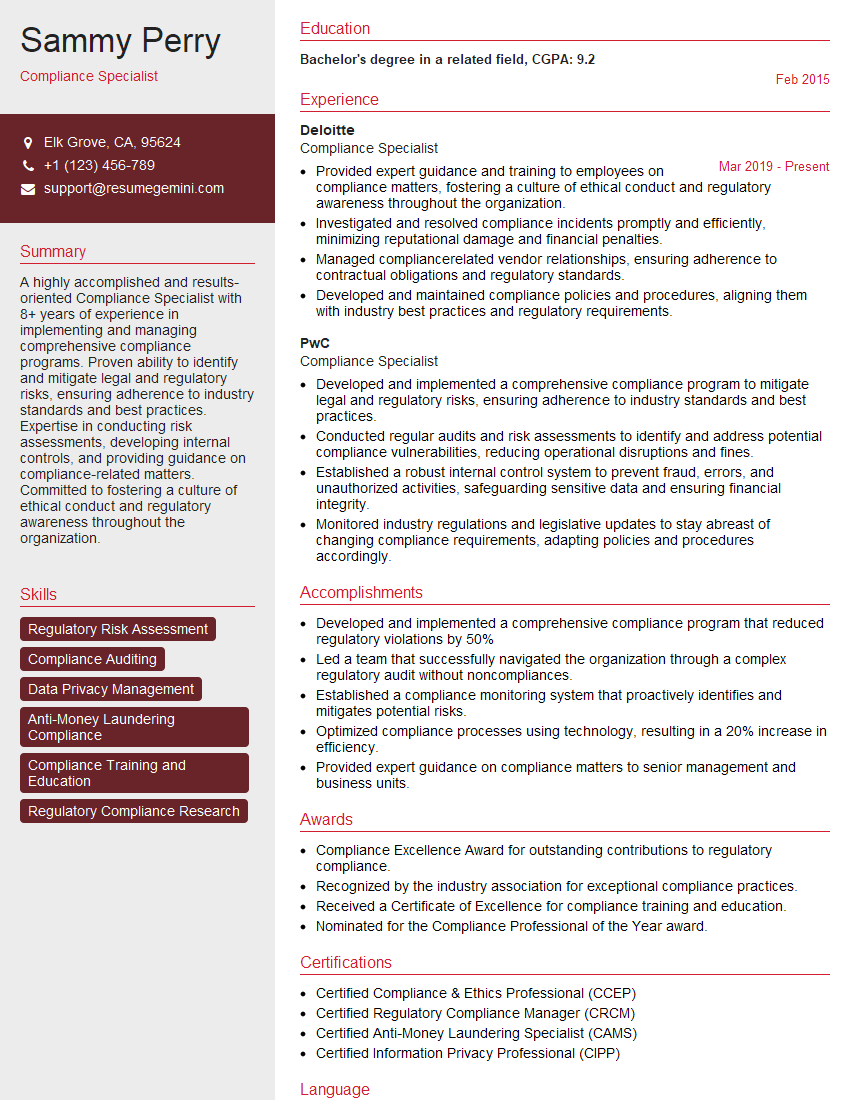
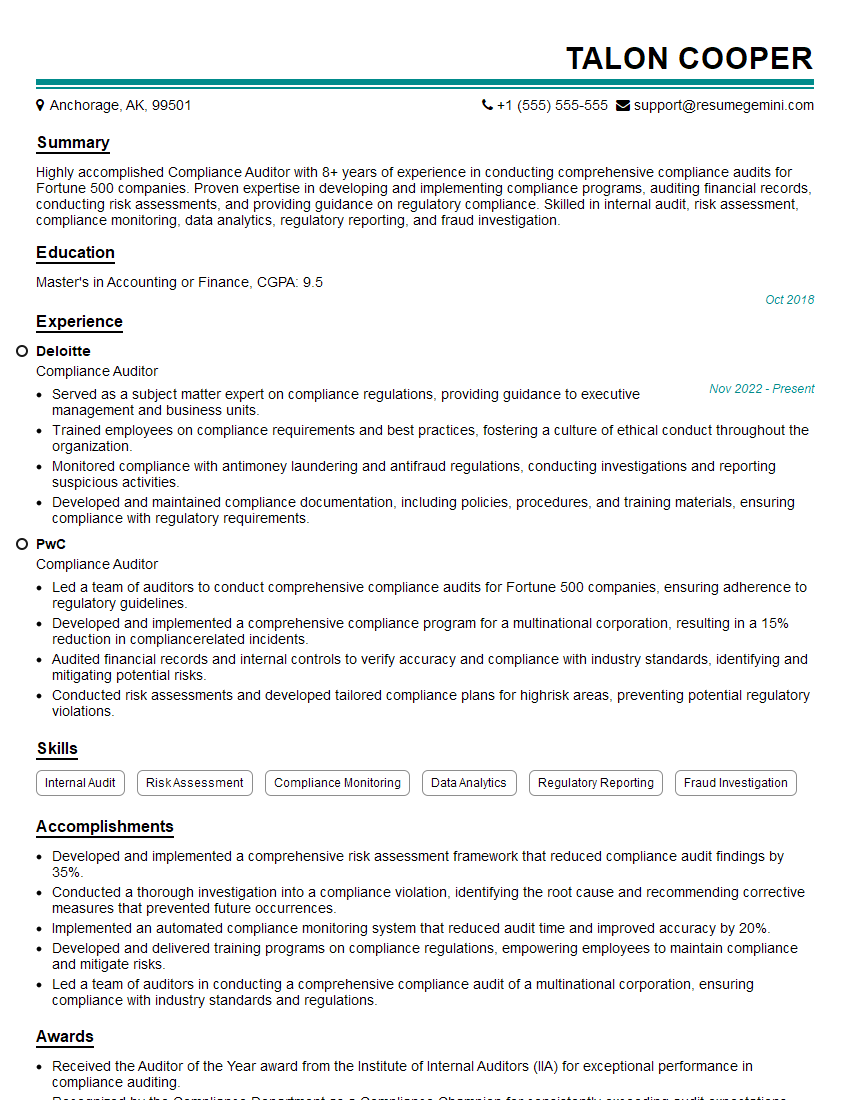
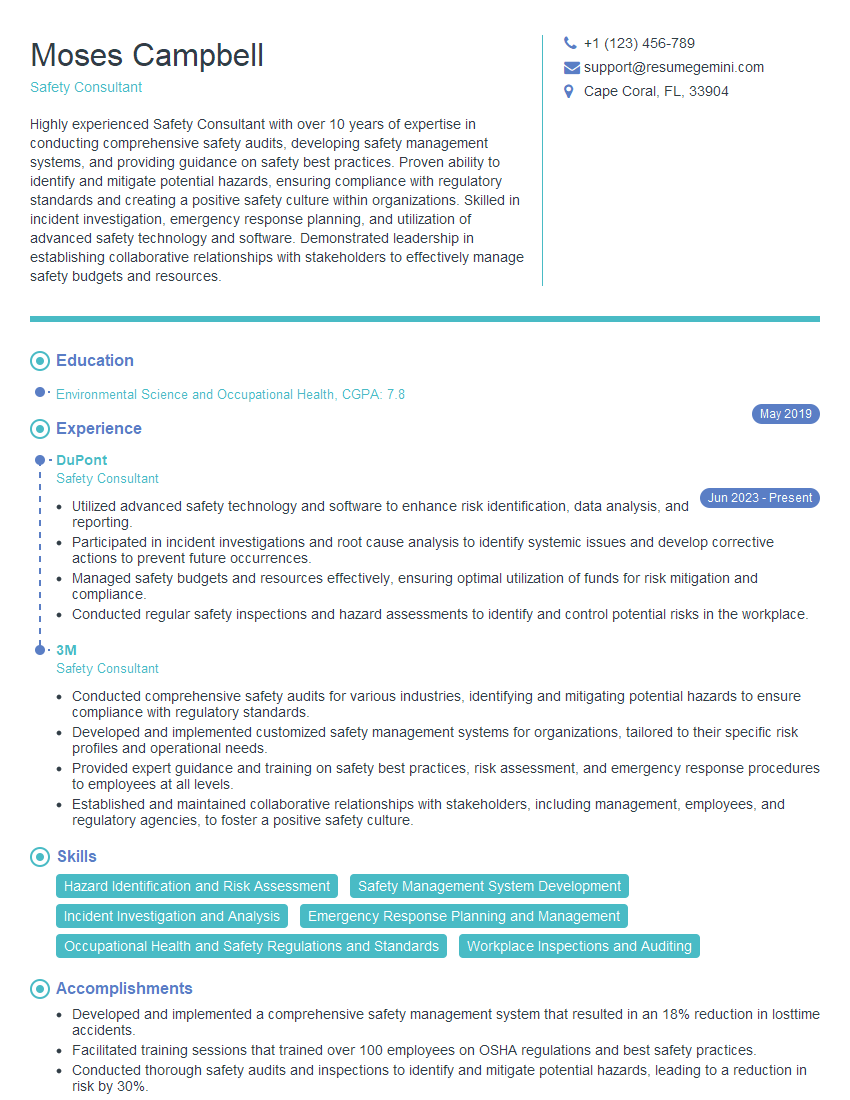
Mastering International Safety Management (ISM) Compliance is crucial for advancing your career in the maritime industry and demonstrating your commitment to safety and operational excellence. A strong understanding of these principles will set you apart from other candidates and open doors to exciting opportunities. To maximize your job prospects, invest time in creating an ATS-friendly resume that highlights your relevant skills and experience. ResumeGemini is a trusted resource that can help you build a professional and impactful resume tailored to the specific requirements of ISM Compliance roles. Examples of resumes optimized for International Safety Management (ISM) Compliance positions are available to guide you.
Explore more articles
Users Rating of Our Blogs
Share Your Experience
We value your feedback! Please rate our content and share your thoughts (optional).
What Readers Say About Our Blog
Very informative content, great job.
good