The right preparation can turn an interview into an opportunity to showcase your expertise. This guide to International Standards (e.g., ISO 9001, AS9100) interview questions is your ultimate resource, providing key insights and tips to help you ace your responses and stand out as a top candidate.
Questions Asked in International Standards (e.g., ISO 9001, AS9100) Interview
Q 1. Explain the PDCA cycle and how it relates to ISO 9001.
The PDCA cycle, or Plan-Do-Check-Act cycle, is a fundamental iterative process for continuous improvement. Think of it as a wheel constantly turning, driving progress. It’s deeply ingrained in ISO 9001, forming the backbone of a robust Quality Management System (QMS).
- Plan: This stage involves defining objectives, processes, and resources needed to achieve those objectives. For example, if your objective is to reduce customer complaints, you’d plan specific actions, such as implementing a new customer feedback system or improving employee training.
- Do: Implement the planned actions. This is the execution phase where the new system or process is put into practice. In our customer complaint example, this is the actual implementation of the new feedback system and training programs.
- Check: Monitor and measure the results. Gather data to assess whether the implemented changes are achieving the desired outcomes. This could involve analyzing customer complaint rates, employee satisfaction surveys, or other relevant metrics.
- Act: Analyze the results from the ‘Check’ phase. Based on your findings, you’ll either standardize the successful improvements or take corrective actions if the plan didn’t work as expected. If the new system reduced complaints, you might formalize it as a company standard. If not, you’d re-evaluate the plan and start the cycle again.
In ISO 9001, the PDCA cycle isn’t just a suggestion; it’s a core principle that underpins continuous improvement across all aspects of the QMS. The standard encourages organizations to proactively identify areas for improvement and implement changes based on data-driven insights.
Q 2. Describe the difference between corrective and preventive action.
Corrective and preventive actions (CAPA) are both vital components of a robust QMS, addressing nonconformities but with distinct focuses.
- Corrective Action: This addresses a *past* problem. It’s reactive, focusing on fixing a defect or nonconformity that has already occurred. For example, if a batch of products fails a quality inspection, corrective action would involve identifying the root cause of the failure, removing the defective products, and preventing them from reaching the customer. It’s about resolving the *immediate* issue.
- Preventive Action: This addresses a *potential* future problem. It’s proactive, aiming to prevent similar nonconformities from happening in the future. Using our previous example, preventive action might involve adjusting the manufacturing process parameters to prevent future batches from failing inspection, or improving the training of the personnel involved in production to minimize errors.
The key difference lies in the timing. Corrective action deals with existing problems; preventive action tackles problems *before* they occur. A well-functioning QMS utilizes both effectively to minimize risks and ensure consistent quality.
Q 3. What are the key elements of a Quality Management System (QMS)?
A Quality Management System (QMS) is a collection of interrelated or interacting elements that work together to establish a framework for managing and improving quality. Key elements include:
- Leadership and Commitment: Top management’s commitment to quality is crucial. This sets the tone for the entire organization.
- Customer Focus: Understanding and meeting customer requirements is paramount. This includes actively seeking customer feedback.
- Process Approach: Managing activities as interconnected processes enhances efficiency and control. Processes must be defined, monitored, and improved continuously.
- Risk-Based Thinking: Identifying and mitigating potential risks and opportunities proactively safeguards quality.
- Improvement: Continuous improvement is fundamental to achieving organizational excellence and exceeding customer expectations. This relies heavily on data analysis and the PDCA cycle.
- People Involvement: Empowering employees at all levels to contribute to quality improvement is key. Training and competence are essential elements.
- Evidence-Based Decision Making: Data analysis and evidence are used to make informed decisions, avoiding guesswork.
- Relationship Management: Managing relationships with suppliers and other stakeholders is critical for maintaining a consistent supply chain and quality.
These elements work synergistically to create a QMS that consistently delivers high-quality products or services.
Q 4. How do you ensure compliance with ISO 9001 requirements?
Ensuring compliance with ISO 9001 demands a multi-faceted approach. It’s not a one-time event but a continuous process.
- Documentation: Develop and maintain a comprehensive Quality Manual and other documented procedures that outline how the organization meets the ISO 9001 requirements. This includes documented processes, work instructions, records, and forms.
- Internal Audits: Regular internal audits assess the effectiveness of the QMS and identify areas for improvement. These audits should be planned, conducted, and documented according to a defined schedule.
- Management Review: Top management periodically reviews the QMS performance to ensure its suitability, adequacy, and effectiveness. This includes reviewing audit findings, customer feedback, and performance indicators.
- Corrective and Preventive Actions (CAPA): Implement a robust CAPA system to address nonconformities and prevent recurrence. This involves investigating root causes and implementing effective corrective and preventive actions.
- Training and Competence: Ensure employees are trained and competent to perform their jobs and understand their roles within the QMS.
- Supplier Management: Manage suppliers to ensure they meet the organization’s quality requirements. This might involve supplier audits and agreements.
- External Audits (Certification): Undergo regular external audits by a certified third-party organization to verify compliance with ISO 9001 requirements and obtain certification.
Compliance is a journey, not a destination. Constant monitoring, evaluation, and improvement are essential to maintain compliance over time.
Q 5. Explain the importance of internal audits in maintaining a QMS.
Internal audits are crucial for maintaining a robust QMS. They are an essential mechanism for identifying weaknesses and ensuring continuous improvement.
- Early Problem Detection: Internal audits help identify nonconformities early, preventing them from escalating into larger problems. This proactive approach saves time, resources, and potential reputational damage.
- Verification of Compliance: Audits verify that the QMS is operating effectively and that all documented procedures and processes are being followed consistently. This ensures compliance with ISO 9001 requirements and other relevant standards.
- Objective Assessment: Internal audits provide an unbiased assessment of the QMS, helping management understand its strengths and weaknesses. The audit process is designed to provide objective data.
- Continuous Improvement: By identifying areas for improvement, internal audits enable the organization to implement corrective and preventive actions, ultimately leading to a more robust and effective QMS. They are a fundamental part of the PDCA cycle.
- Employee Awareness: The audit process helps raise awareness among employees regarding their roles and responsibilities in maintaining the QMS. It fosters a culture of quality and compliance.
Think of internal audits as a regular health checkup for your QMS. They ensure that the system is functioning correctly and identify any issues that need addressing before they become major problems.
Q 6. What are the key differences between ISO 9001 and AS9100?
While both ISO 9001 and AS9100 are quality management system standards, AS9100 is specifically tailored for the aerospace industry, building upon the foundation of ISO 9001.
- Focus and Scope: ISO 9001 is a generic standard applicable to various industries, while AS9100 is focused on the unique requirements of the aerospace industry, including safety and reliability concerns.
- Requirements: AS9100 includes additional requirements beyond ISO 9001, addressing specific concerns within aerospace, such as configuration management, process control in manufacturing processes critical to safety and more stringent requirements for product traceability.
- Regulatory Compliance: AS9100 often aligns more closely with regulatory requirements specific to the aerospace sector.
- Auditing and Certification: AS9100 certification requires adherence to more stringent audit criteria compared to ISO 9001 certification, reflecting the increased safety sensitivity of aerospace products.
In essence, AS9100 takes the fundamental principles of ISO 9001 and adapts them to the more demanding context of the aerospace industry, incorporating higher levels of safety, reliability, and traceability.
Q 7. Describe your experience conducting root cause analysis.
Root cause analysis is a crucial problem-solving technique I’ve frequently used. My approach generally follows these steps:
- Problem Definition: Clearly and concisely define the problem. Avoid ambiguity and ensure everyone involved understands the issue. For example, instead of “high defect rate,” we might specify, “unacceptably high defect rate in the welding process of component X, resulting in 5% rejection rate.”
- Data Gathering: Gather data related to the problem from various sources, including production records, inspection reports, employee interviews, and supplier information. The goal is to understand the problem’s context and magnitude.
- Root Cause Identification: Use appropriate tools like the ‘5 Whys,’ Fishbone diagrams (Ishikawa diagrams), or Fault Tree Analysis to systematically uncover the root cause(s). These tools help us move beyond superficial symptoms to the underlying issues.
- Verification: Once potential root causes are identified, verify them through further data analysis or experiments. This step ensures that the identified cause is indeed the root cause and not just a contributing factor.
- Corrective Action Implementation: Develop and implement effective corrective actions to address the root cause. This might involve process improvements, employee training, equipment upgrades, or changes in supplier relationships.
- Verification of Effectiveness: Monitor and measure the effectiveness of the implemented corrective actions to ensure the problem has been resolved and doesn’t reoccur. This typically involves tracking relevant metrics over time.
For instance, in a previous role, we experienced a recurring issue with component failures. Using the 5 Whys, we uncovered that inadequate operator training led to incorrect assembly, resulting in failures. We addressed this by implementing a comprehensive retraining program, drastically reducing the failure rate.
Q 8. How do you measure the effectiveness of your QMS?
Measuring the effectiveness of a Quality Management System (QMS) isn’t a single metric but a holistic process. We need to look at multiple indicators to get a complete picture. Think of it like checking your health – you wouldn’t just check your weight; you’d consider blood pressure, cholesterol, and overall fitness.
- Customer Satisfaction: Regular surveys, feedback forms, and reviews provide direct insights into how well we meet customer needs and expectations. For example, tracking Net Promoter Score (NPS) helps quantify customer loyalty.
- Internal Audit Results: Consistent, robust internal audits uncover weaknesses in processes before they escalate into larger problems. Trends identified in audit reports highlight areas needing improvement. For instance, repeatedly failing to document a particular process step suggests training or procedural deficiencies.
- Process Performance Indicators (KPIs): We define and monitor key metrics related to our processes. Examples include defect rates, cycle times, on-time delivery, and yield. Tracking these KPIs over time shows process efficiency and effectiveness. For instance, a steadily decreasing defect rate indicates process improvements.
- Management Review Effectiveness: The management review meeting, a key element of ISO 9001, assesses the performance of the QMS and identifies opportunities for improvement. Minutes from these meetings should show a clear plan for addressing identified issues. For example, a review might reveal a need for investment in new equipment to improve efficiency.
- Continuous Improvement Initiatives: Tracking the number and success rate of implemented corrective and preventive actions (CAPA) demonstrates our commitment to continual improvement. For example, documenting the successful implementation of a new training program aimed at reducing errors.
By combining data from these areas, we build a comprehensive picture of our QMS effectiveness, allowing for data-driven decision-making and continuous improvement.
Q 9. How would you handle a nonconformity discovered during an audit?
Handling a nonconformity discovered during an audit follows a structured process. Think of it like treating a wound – you need to clean it, treat the infection, and prevent future occurrences.
- Immediate Containment: The first step is to immediately prevent further production or delivery of nonconforming products or services. This might involve isolating affected batches, halting a process, or implementing temporary controls.
- Root Cause Analysis: We then investigate the root cause of the nonconformity using appropriate tools like 5 Whys, Fishbone diagrams, or Pareto analysis. The goal is not just to address the symptom, but to understand the underlying issues.
- Corrective Action: Based on the root cause analysis, we implement corrective actions to eliminate the nonconformity and prevent recurrence. This could involve retraining staff, improving equipment, updating procedures, or refining processes.
- Preventive Action: To prevent similar nonconformities in the future, we implement preventive actions. These actions anticipate potential problems before they occur. Examples include improving risk assessment processes or introducing more robust quality checks.
- Verification and Validation: After implementing corrective and preventive actions, we verify their effectiveness to ensure they truly resolve the problem and prevent future occurrences. We then document all actions taken.
- Documentation: Every step of this process is meticulously documented, including the nonconformity details, root cause analysis findings, corrective and preventive actions, and verification results. This ensures traceability and transparency.
Effective nonconformity management is vital for continual improvement and maintaining our commitment to quality.
Q 10. Explain your understanding of risk-based thinking within ISO 9001.
Risk-based thinking is fundamental to ISO 9001:2015 and beyond. It’s about proactively identifying, analyzing, and addressing potential risks and opportunities that could affect the ability of the QMS to achieve its objectives. Think of it as preventative maintenance – you address potential problems before they become major issues.
ISO 9001 emphasizes incorporating risk-based thinking throughout the entire QMS, from planning and implementation to operation and improvement. This involves:
- Risk Identification: Identifying potential risks and opportunities that could affect product quality, customer satisfaction, or operational efficiency. This might involve brainstorming sessions, hazard analyses, or reviewing past performance data.
- Risk Analysis: Evaluating the likelihood and severity of identified risks. This could involve using qualitative or quantitative methods to assess the potential impact of each risk.
- Risk Response Planning: Developing and implementing appropriate responses to identified risks. This might involve implementing preventative measures, implementing mitigating controls, or accepting the risk if the impact is deemed low.
- Risk Monitoring and Review: Regularly monitoring and reviewing the effectiveness of risk responses and updating the risk assessment as needed. Changes in the business environment or the introduction of new technologies may create new risks or alter the likelihood of existing risks.
By systematically managing risks, we enhance the effectiveness of the QMS and improve our ability to achieve planned outcomes. For example, regularly reviewing supplier performance to identify potential supply chain disruptions is a crucial aspect of risk-based thinking in procurement.
Q 11. What are some common challenges in implementing and maintaining an ISO 9001 compliant QMS?
Implementing and maintaining an ISO 9001-compliant QMS presents several challenges. These often stem from a lack of understanding, inadequate resources, or resistance to change.
- Resistance to Change: Employees may resist adopting new processes or procedures, particularly if they’re accustomed to older methods. This requires clear communication, training, and engagement to foster buy-in.
- Lack of Management Commitment: A successful QMS requires strong leadership support and commitment from top management. Without this, initiatives may lack resources and momentum.
- Inadequate Resources: Implementing and maintaining a QMS requires investment in training, documentation, software, and potentially new equipment. Lack of resources can hinder progress.
- Maintaining Documentation: Document control is crucial, but keeping documentation up-to-date and accessible can be challenging, especially in dynamic environments. A robust document management system is essential.
- Understanding and Applying Standards: ISO 9001 can be complex, and interpreting and applying its requirements effectively requires expertise and training.
- Continuous Improvement: While the standard encourages continuous improvement, implementing and tracking these improvements requires dedication and resources. Effective KPI monitoring is crucial for identifying opportunities.
Addressing these challenges requires a proactive approach, including robust training programs, clear communication strategies, and strong leadership commitment to ensuring the QMS is not just implemented but fully embedded in the organization’s culture.
Q 12. Describe your experience with document control within a QMS.
Document control is the backbone of any effective QMS. It ensures that all documents are current, accurate, and readily available to those who need them. Imagine trying to build a house with outdated blueprints – chaos would ensue.
My experience involves implementing and maintaining a robust document control system, including:
- Document Creation and Review: Establishing procedures for creating, reviewing, and approving documents to ensure accuracy and completeness before release.
- Document Distribution and Access: Employing a secure system for distributing documents to authorized personnel, ensuring only the latest versions are used. This often involves utilizing a document management system.
- Document Revision Control: Tracking changes to documents using a revision control system. This allows us to easily identify the current version and access previous versions if necessary.
- Document Storage and Retention: Maintaining a secure and organized system for storing both physical and electronic documents, ensuring easy retrieval and adherence to retention policies.
- Document Obsoletion: Managing the process of retiring obsolete documents, ensuring they are properly archived and are not inadvertently used.
In past roles, I’ve utilized both electronic document management systems and more traditional filing systems, always focusing on ensuring clear version control and secure access to ensure the right information is available at the right time.
Q 13. How do you ensure traceability of materials and products?
Ensuring traceability of materials and products is crucial for identifying and addressing issues, meeting regulatory requirements, and maintaining customer confidence. Think of it like tracking a package – you need to know where it is at all times.
Traceability is achieved through a combination of methods:
- Unique Identification: Assigning unique identification numbers or codes to materials and products at each stage of production and delivery. This could involve batch numbers, serial numbers, or RFID tags.
- Detailed Records: Maintaining accurate records of all materials used, processes involved, and personnel involved in each step. This might include electronic databases, production logs, or other tracking systems.
- Supplier Traceability: Tracking the origin of materials and components received from suppliers. This often involves collaborating with suppliers to ensure they can trace their materials as well.
- Process Documentation: Maintaining clear and detailed process documentation outlining all steps involved in manufacturing or processing. This enables us to trace the product’s journey through the production process.
- Calibration and Verification Records: Tracking calibration and verification records for all equipment used in the production process. This is essential for ensuring the accuracy and reliability of the data collected.
Implementing a comprehensive traceability system enables efficient recall procedures, faster problem-solving, and ensures compliance with regulatory requirements and customer specifications.
Q 14. Explain your knowledge of statistical process control (SPC).
Statistical Process Control (SPC) is a powerful tool for monitoring and improving process stability and capability. It uses statistical methods to analyze process data and identify variations that indicate a process is going out of control. Think of it like a doctor monitoring vital signs – subtle changes can be early indicators of a problem.
SPC relies on the use of control charts, which graphically display data collected over time. Common types include:
- X-bar and R charts: Used to monitor the average (X-bar) and range (R) of a process variable.
- p-charts: Used to monitor the proportion of nonconforming units.
- c-charts: Used to monitor the number of defects per unit.
By analyzing data plotted on these charts, we can identify:
- Common Cause Variation: Normal, inherent variation within a process. This is usually acceptable and can’t be easily eliminated.
- Special Cause Variation: Unusual variation that indicates a problem in the process, requiring investigation and corrective action.
SPC provides valuable insights into process performance, allowing us to predict potential problems, take proactive corrective action, and reduce waste. For example, if a control chart shows a sudden increase in the number of defects, we know we need to investigate the root cause and implement corrective actions.
Q 15. Describe your experience with process mapping and improvement.
Process mapping is the visual representation of a process’s flow, from start to finish. It’s crucial for identifying inefficiencies and bottlenecks. Process improvement, then, is the systematic application of methods to optimize these processes. My experience includes using various mapping techniques, such as flowcharts, swim lane diagrams, and value stream mapping, across diverse industries.
For example, in a previous role at an aerospace manufacturing company (following AS9100 standards), we used value stream mapping to analyze the assembly process of a critical component. The map revealed a significant delay caused by a bottleneck at the inspection station. By implementing a parallel inspection process and some minor adjustments to the workflow, we reduced lead times by 20% and improved overall efficiency.
Another example involved using SIPOC (Suppliers, Inputs, Process, Outputs, Customers) diagrams to clearly define the scope of a process and identify key stakeholders and requirements before embarking on any improvement initiatives. This ensured buy-in and clarity across the project team.
Career Expert Tips:
- Ace those interviews! Prepare effectively by reviewing the Top 50 Most Common Interview Questions on ResumeGemini.
- Navigate your job search with confidence! Explore a wide range of Career Tips on ResumeGemini. Learn about common challenges and recommendations to overcome them.
- Craft the perfect resume! Master the Art of Resume Writing with ResumeGemini’s guide. Showcase your unique qualifications and achievements effectively.
- Don’t miss out on holiday savings! Build your dream resume with ResumeGemini’s ATS optimized templates.
Q 16. What are the key requirements for managing nonconforming product?
Managing nonconforming product is a critical aspect of any Quality Management System (QMS). It involves identifying, containing, evaluating, and correcting or disposing of products that don’t meet predetermined specifications. Key requirements typically include:
- Identification and Containment: Immediately isolate the nonconforming product to prevent further use or distribution.
- Evaluation: Determine the root cause of the nonconformity and its impact. This often involves a thorough investigation and may include internal audits, failure analysis, or corrective action reports.
- Corrective Action: Implement measures to prevent recurrence. This might involve process improvements, employee training, or equipment upgrades.
- Disposition: Decide how to handle the nonconforming product: rework, repair, scrap, or concession.
- Documentation: Maintain detailed records of all actions taken, including investigation findings, corrective actions, and disposition decisions.
For instance, if a batch of components fails a dimensional inspection, we’d immediately quarantine them, investigate the cause (e.g., faulty tooling, operator error), implement corrective actions (e.g., tool calibration, retraining), and document the entire process. The disposition could involve scrapping the defective parts and issuing a concession for acceptable deviations if rework isn’t feasible.
Q 17. How do you ensure continuous improvement within a QMS?
Continuous improvement is the backbone of a robust QMS. It’s achieved through a cyclical process of planning, doing, checking, and acting (PDCA). ISO 9001 explicitly emphasizes this. My approach incorporates several key elements:
- Regular Internal Audits: These identify areas needing improvement and ensure compliance with standards and internal procedures.
- Management Reviews: Periodic high-level reviews of the QMS’s performance, effectiveness, and suitability. This ensures alignment with strategic objectives.
- Data Analysis: Tracking key performance indicators (KPIs) helps identify trends and opportunities for improvement.
- Corrective and Preventive Actions (CAPA): A systematic process for addressing nonconformities and preventing future occurrences.
- Employee Involvement: Encouraging and empowering employees to suggest improvements is vital. This often involves using suggestion boxes, process improvement teams, or regular feedback sessions.
For example, using data from our internal audits, we identified a recurring issue with incorrect labeling. This led to a corrective action of enhanced training for the labeling team and implementing a double-checking system, thus reducing labeling errors significantly.
Q 18. Explain your understanding of customer satisfaction within the context of ISO 9001.
Customer satisfaction is paramount in ISO 9001. It’s not just about meeting requirements; it’s about exceeding expectations and building long-term relationships. ISO 9001 requires organizations to understand and meet customer needs and expectations. This is achieved through various means:
- Customer Feedback Mechanisms: Gathering feedback through surveys, feedback forms, and direct communication.
- Understanding Customer Requirements: Clearly defining customer needs and expectations through contract review, specifications, and communication.
- Monitoring Customer Satisfaction: Tracking metrics such as customer satisfaction scores (CSAT), Net Promoter Score (NPS), and complaint rates.
- Proactive Communication: Maintaining open and transparent communication with customers regarding project status, potential issues, and improvements.
In a previous project, we implemented a customer feedback program that involved regular surveys and personal follow-up calls. The data revealed some unmet expectations regarding delivery times. Addressing this led to process improvements that not only met customer expectations but resulted in increased customer loyalty and repeat business.
Q 19. How do you manage changes within a QMS?
Managing changes within a QMS requires a structured approach to ensure the integrity of the system isn’t compromised. This typically involves:
- Change Control Process: A documented procedure for proposing, reviewing, approving, implementing, and verifying changes.
- Risk Assessment: Evaluating potential impacts of the changes on the QMS and its effectiveness.
- Documentation Updates: Updating relevant documents to reflect the changes.
- Communication: Informing relevant stakeholders about the changes and their implementation.
- Verification: Confirming that the changes have been implemented correctly and effectively.
For example, if we need to upgrade our software, we’d follow the change control process, assessing potential risks (e.g., data migration issues, training requirements), documenting the changes, updating procedures, and verifying the functionality of the upgraded system. This approach ensures a smooth transition and minimizes disruption.
Q 20. Describe your experience with internal and external audits.
I have extensive experience conducting both internal and external audits. Internal audits assess the effectiveness of our QMS against established standards (e.g., ISO 9001, AS9100). External audits are performed by independent certification bodies to verify compliance and maintain certification.
In internal audits, I’ve led teams in conducting audits against checklists, reviewing documentation, and interviewing personnel. This has allowed us to proactively identify areas for improvement and ensure adherence to company policies and standards. For external audits, I’ve collaborated with auditors, provided necessary documentation, and answered questions to ensure a successful audit and maintenance of certifications.
The process includes planning the audit scope, developing audit checklists, conducting on-site observations, reviewing records, interviewing employees, and preparing audit reports. Both types of audits are crucial for continuous improvement and demonstrating compliance with quality management standards.
Q 21. How do you utilize key performance indicators (KPIs) to track QMS performance?
KPIs are essential for monitoring QMS performance. They provide quantifiable data that allows us to track progress towards objectives and identify areas needing attention. The KPIs used depend on the specific context and industry but typically include:
- Customer Satisfaction Scores (CSAT): Measuring customer satisfaction with products and services.
- Defect Rates: Tracking the number of defects per unit or batch.
- On-Time Delivery Rate: Monitoring the percentage of orders delivered on time.
- Lead Times: Measuring the time it takes to complete a process or produce a product.
- Internal Audit Findings: Tracking the number and severity of findings from internal audits.
- Customer Complaints: Monitoring the number and type of customer complaints.
By regularly reviewing these KPIs and analyzing trends, we can identify areas for improvement, measure the effectiveness of corrective actions, and ensure the QMS is continually improving. For instance, if our defect rate increases, we would investigate the root cause and implement corrective actions, tracking the effect of these actions on future defect rates.
Q 22. What is your experience with quality management software?
My experience with quality management software spans several years and various platforms. I’ve worked extensively with enterprise-level solutions like Oracle E-Business Suite, SAP PLM, and cloud-based systems such as Veeva Vault. My expertise goes beyond simply using these systems; I understand their integration with other business processes, including ERP and CRM systems. This allows me to leverage data for effective quality management, from tracking non-conformances and corrective actions to analyzing trends and identifying areas for improvement. For example, in a previous role, I implemented a new QMS system that streamlined our audit process, reducing audit time by 30% and improving efficiency significantly. I’m also proficient in using more specialized software for specific quality tools, such as statistical process control (SPC) software for analyzing process capability and identifying opportunities for variation reduction.
Q 23. Explain your understanding of the 8 quality management principles.
The eight quality management principles, as outlined in ISO 9001, are foundational to any successful QMS. They guide organizations towards achieving sustainable improvements. Let’s break them down:
- Customer Focus: Understanding and meeting customer needs and expectations is paramount. This involves actively soliciting feedback and continuously improving products and services to enhance customer satisfaction.
- Leadership: Leaders establish unity of purpose and direction of the organization. They create and maintain an internal environment where employees are empowered to contribute fully to the organization’s objectives.
- Engagement of People: Competent, empowered, and engaged people at all levels are essential to achieving sustained success. This includes providing the right training, resources, and opportunities for growth.
- Process Approach: Identifying, understanding, and managing interconnected processes as a system contributes to efficiency and effectiveness. This is often visualized using process maps and flowcharts.
- Improvement: Continual improvement should be a permanent objective of the organization. This involves regularly reviewing processes, identifying areas for enhancement, and implementing changes to improve effectiveness and efficiency.
- Evidence-based Decision Making: Decisions should be based on the analysis of data and information. This ensures objective assessment and reduces reliance on intuition or assumptions.
- Relationship Management: Building and maintaining mutually beneficial relationships with suppliers and other stakeholders contributes to a stable and supportive supply chain.
- Results Orientation: Achieving results means focusing on the effectiveness and efficiency of processes to achieve the organization’s quality objectives.
Think of these principles as interconnected elements of a well-oiled machine; if one falters, the entire system suffers. In my experience, organizations that truly embrace these principles see significant improvements in performance and customer satisfaction.
Q 24. How do you ensure the effectiveness of training programs within a QMS?
Ensuring the effectiveness of training programs within a QMS is crucial. My approach is multi-faceted and focuses on several key areas:
- Needs Assessment: Before designing any training, a thorough needs assessment is conducted to identify skill gaps and training requirements. This is done through surveys, interviews, and performance reviews.
- Curriculum Development: Training materials are developed to be engaging, relevant, and aligned with the organization’s specific needs and quality objectives. They should include practical exercises and real-world examples.
- Delivery Method: The training method should be appropriate for the target audience and learning style. This might involve classroom instruction, e-learning, on-the-job training, or a blended approach.
- Evaluation: The effectiveness of the training is measured through pre- and post-training assessments, observation, and performance evaluations. This helps to identify areas needing improvement and ensures that the training is achieving its intended outcomes.
- Documentation: All training records, including attendance, assessments, and evaluation results, are meticulously maintained to ensure traceability and compliance.
For instance, in my previous role, we implemented a new training program for our quality inspectors. Post-training assessments showed a 20% improvement in their inspection accuracy, directly impacting product quality and reducing waste.
Q 25. Describe a situation where you had to resolve a quality issue. What was your approach?
In a previous role, we experienced a significant increase in customer complaints regarding a specific component’s failure. My approach involved a structured problem-solving methodology, including:
- Problem Definition: We clearly defined the problem—increased customer complaints related to component X failure—quantifying the issue with data on the number of complaints and associated costs.
- Root Cause Analysis: We used a combination of tools, including
fishbone diagrams(Ishikawa diagrams) andPareto charts, to identify the root causes. The fishbone diagram helped us brainstorm potential contributing factors (materials, process, equipment, personnel), while the Pareto chart helped us prioritize the most significant causes based on the frequency of occurrence. - Corrective Actions: Based on the root cause analysis, we implemented corrective actions, which included improving the supplier selection process, enhancing the in-process inspection procedure, and retraining the relevant personnel.
- Verification and Validation: We monitored the effectiveness of the implemented corrective actions by tracking the number of customer complaints and performing regular audits. This ensured the problem was resolved and prevented recurrence.
- Preventive Actions: Once the problem was resolved, we implemented preventive actions to prevent similar issues from arising in the future. This included implementing a more robust quality control system and developing a more rigorous preventative maintenance schedule for the production equipment.
This structured approach ensured that we not only resolved the immediate problem but also put in place measures to prevent future occurrences. The result was a significant decrease in customer complaints and an improvement in overall product quality.
Q 26. Explain your familiarity with different quality tools (e.g., Pareto charts, fishbone diagrams).
I’m proficient in using various quality tools to analyze data and identify areas for improvement. Here are some examples:
- Pareto Charts: These charts visually represent the frequency of occurrence of different factors, allowing for prioritization of efforts. They’re excellent for identifying the ‘vital few’ causes contributing to the majority of problems. For example, I used a Pareto chart to show that 80% of product defects stemmed from two specific processes, allowing us to focus our improvement efforts there.
- Fishbone Diagrams (Ishikawa Diagrams): These diagrams help to brainstorm and categorize potential root causes of a problem. By visually organizing potential contributing factors (materials, methods, manpower, machinery, measurement, environment), it helps identify potential areas for improvement. I’ve used these extensively in root cause analysis to effectively identify the underlying reasons for recurring issues.
- Control Charts (SPC): These charts monitor process variability over time. They help detect shifts in the process mean or increases in variation, allowing for proactive intervention before defects occur. I have used these to track key process parameters in manufacturing, identifying opportunities for process optimization and reduction of waste.
- Histograms: These charts visually represent the frequency distribution of data, showing the range and center of the data. This is useful for understanding process capability and identifying potential issues with process consistency.
My experience with these and other tools such as scatter diagrams and flowcharts allows me to effectively analyze quality data and develop data-driven solutions to quality problems.
Q 27. How would you handle conflicting requirements from different stakeholders?
Handling conflicting requirements from different stakeholders requires a diplomatic yet assertive approach. My strategy involves:
- Clearly Define Requirements: The first step is to ensure a clear understanding of each stakeholder’s requirements, ensuring they are documented and well-defined.
- Facilitate Communication: Create a platform for open communication and discussion among all stakeholders. This could be a meeting, a collaborative document, or a series of one-on-one conversations.
- Prioritize Requirements: Employ a prioritization matrix to weigh the importance of each requirement based on factors such as impact on the project goals, risk, and feasibility. This often involves assigning weights to criteria and scoring each requirement.
- Negotiate and Compromise: Facilitate a negotiation process to find common ground and compromise solutions. This might involve exploring alternative solutions that satisfy most, if not all, stakeholder needs.
- Document Decisions: Meticulously document the agreed-upon requirements and the rationale behind the decisions. This ensures transparency and avoids future misunderstandings.
It’s crucial to approach such situations with empathy and understanding, recognizing that each stakeholder has valid concerns. The goal is to find a solution that balances all interests while maintaining project integrity and quality.
Q 28. Describe your experience with implementing corrective actions and verifying their effectiveness.
Implementing corrective actions and verifying their effectiveness is a critical part of any QMS. My approach involves:
- Identify and Document Non-Conformances: Thoroughly document the non-conformances, including the nature of the defect, its impact, and the affected parts. This includes using a formalized non-conformance reporting system.
- Root Cause Analysis: Conduct a thorough root cause analysis, using appropriate tools such as
fishbone diagrams,5 Whys, orfault tree analysisto identify the underlying causes of the non-conformances. - Develop Corrective Actions: Develop effective corrective actions that address the root causes. These actions should be specific, measurable, achievable, relevant, and time-bound (SMART).
- Implement Corrective Actions: Implement the corrective actions, ensuring that all involved parties understand their roles and responsibilities.
- Verify Effectiveness: Monitor the effectiveness of the implemented corrective actions by tracking relevant metrics. This may involve revisiting the affected process after implementation and comparing metrics before and after to demonstrate improvement. This could include measuring defect rates, customer complaints, or other relevant key performance indicators.
- Document Results: Document the results of the corrective actions, including evidence of effectiveness and any necessary follow-up actions.
For example, in a past project involving a recurring equipment malfunction, we implemented a preventive maintenance schedule alongside operator retraining. We then tracked equipment downtime, which reduced significantly, demonstrating the effectiveness of our corrective actions. Regular monitoring ensures that the implemented changes are sustainable and that the problem does not reoccur.
Key Topics to Learn for International Standards (e.g., ISO 9001, AS9100) Interview
- Quality Management System (QMS) Fundamentals: Understand the core principles of a QMS, its purpose, and how it contributes to organizational success. Be prepared to discuss the Plan-Do-Check-Act (PDCA) cycle in detail.
- ISO 9001:2015/21 Key Clauses: Focus on the requirements related to risk-based thinking, leadership commitment, internal audits, management review, and continual improvement. Prepare examples of how you have applied these clauses in previous roles.
- Documentation and Records Management: Understand the importance of maintaining accurate and controlled documentation within a QMS. Be ready to discuss document control procedures and record retention policies.
- Internal Audits and Corrective Actions: Discuss your experience conducting internal audits, identifying nonconformities, and implementing effective corrective and preventive actions (CAPA).
- AS9100 Specifics (if applicable): If applying for a role involving aerospace quality, thoroughly understand the differences and additions AS9100 brings to the ISO 9001 framework, such as requirements related to safety and the supply chain.
- Practical Application: Be ready to discuss real-world scenarios where you’ve applied your knowledge of these standards to solve problems, improve processes, or meet customer requirements. Quantify your achievements whenever possible.
- Problem-Solving Methodologies: Demonstrate familiarity with various problem-solving techniques like root cause analysis (e.g., 5 Whys, fishbone diagrams) and their application within a QMS context.
Next Steps
Mastering International Standards like ISO 9001 and AS9100 significantly enhances your career prospects in numerous industries. These qualifications demonstrate your commitment to quality and your ability to work within rigorous frameworks. To maximize your chances of landing your dream role, crafting an ATS-friendly resume is crucial. This ensures your application is effectively screened by applicant tracking systems. We highly recommend leveraging ResumeGemini as a trusted resource to build a professional and impactful resume. ResumeGemini provides examples of resumes tailored to International Standards like ISO 9001 and AS9100, helping you showcase your expertise effectively.
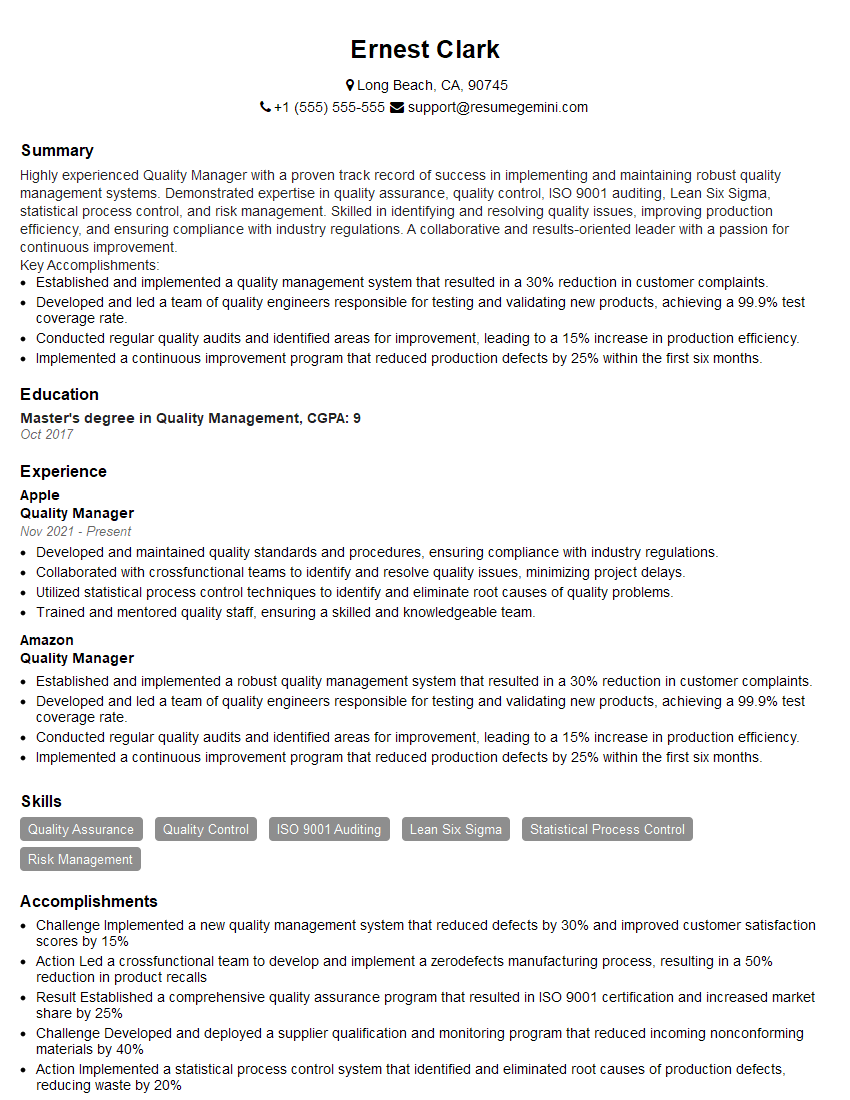
Quality Manager Resume Sample
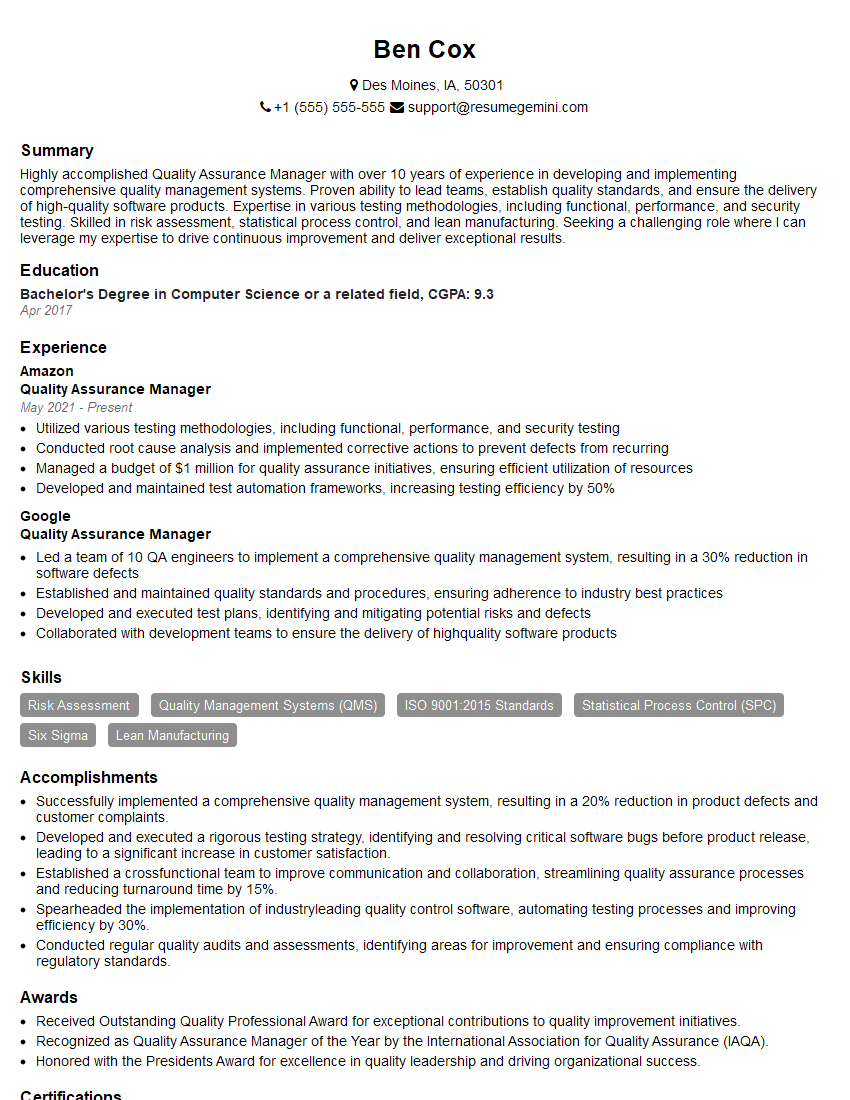
Quality Assurance Manager Resume Sample
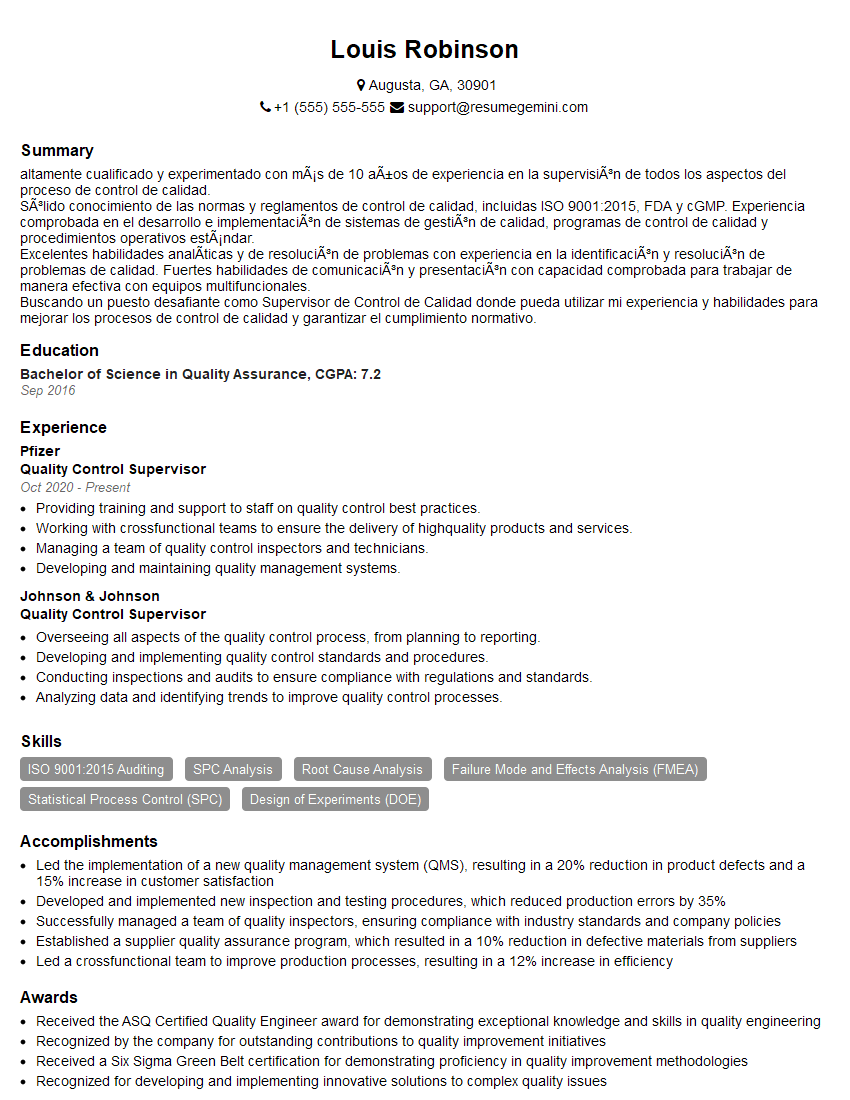
Quality Control Supervisor Resume Sample
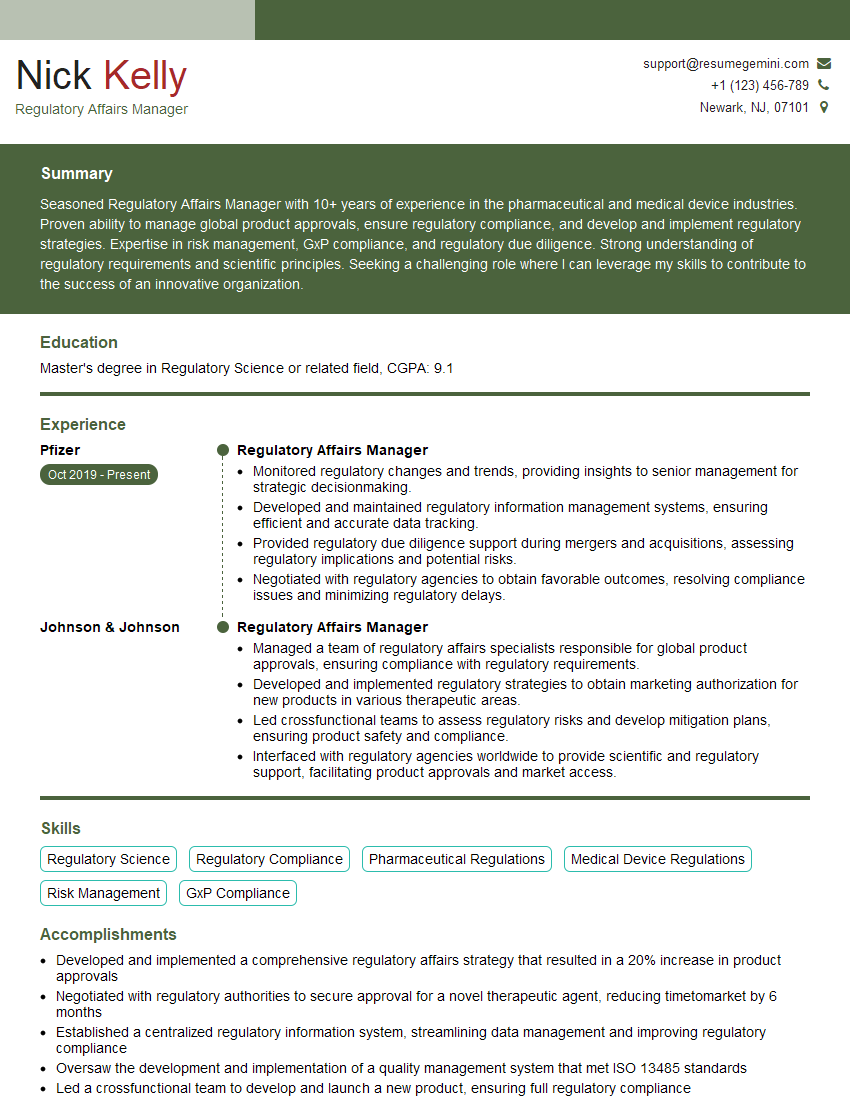
Regulatory Affairs Manager Resume Sample
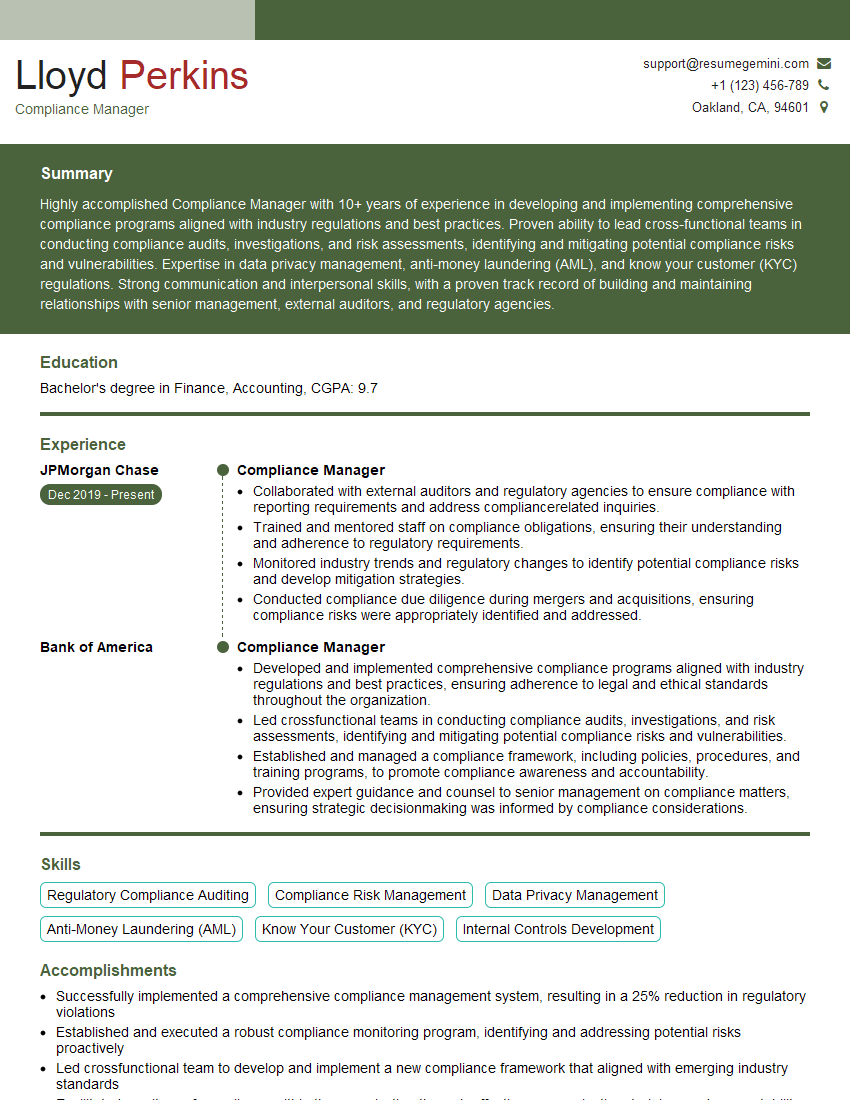
Compliance Manager Resume Sample
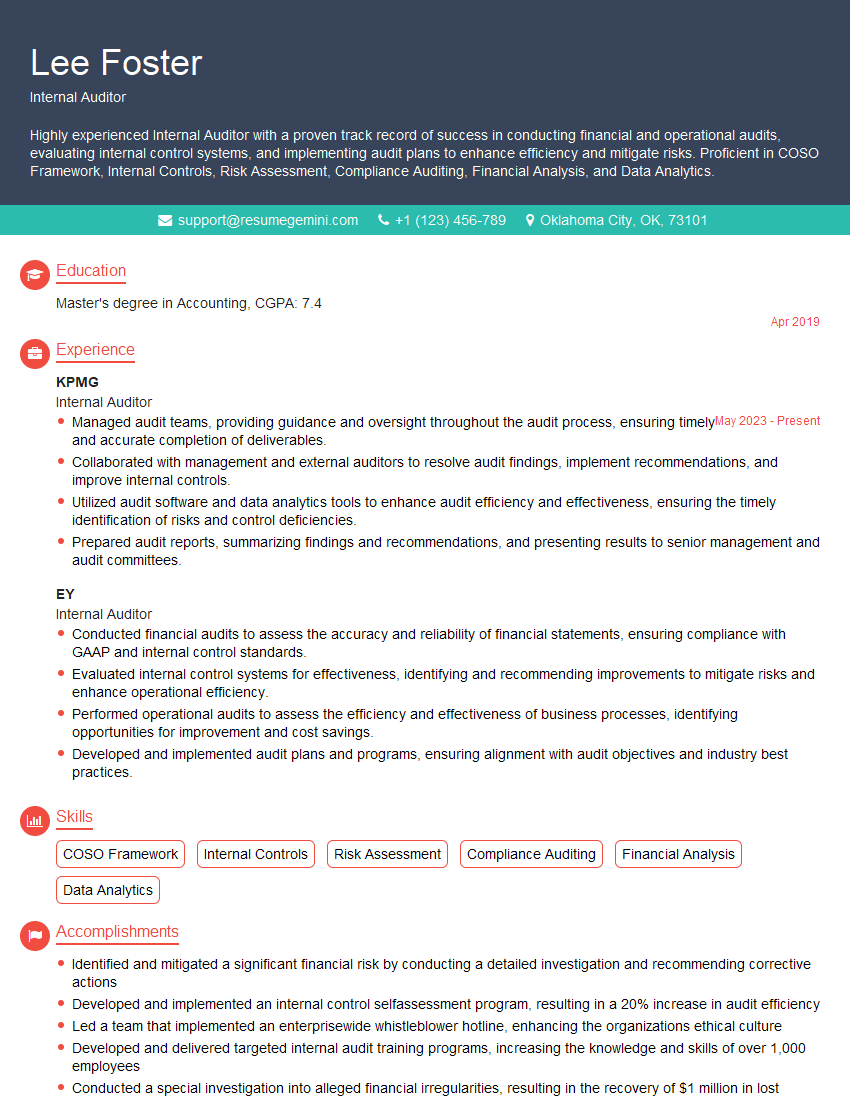
Internal Auditor Resume Sample
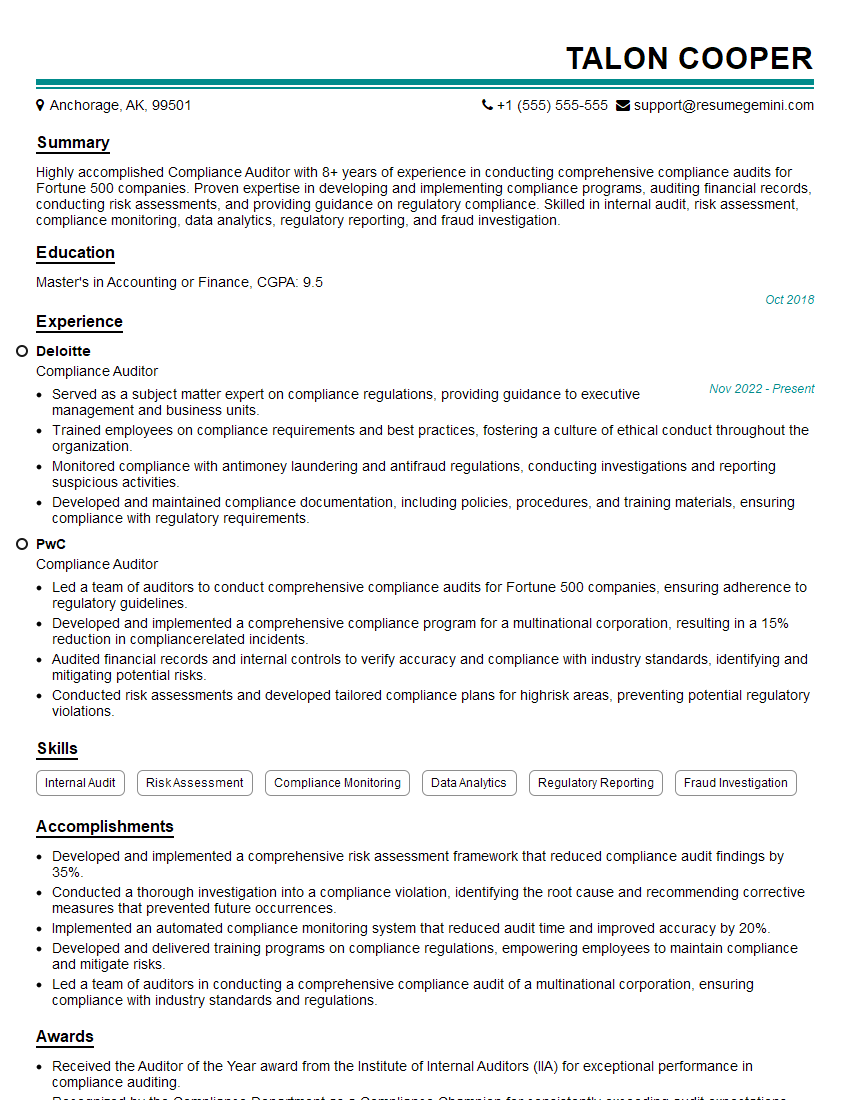
Compliance Auditor Resume Sample
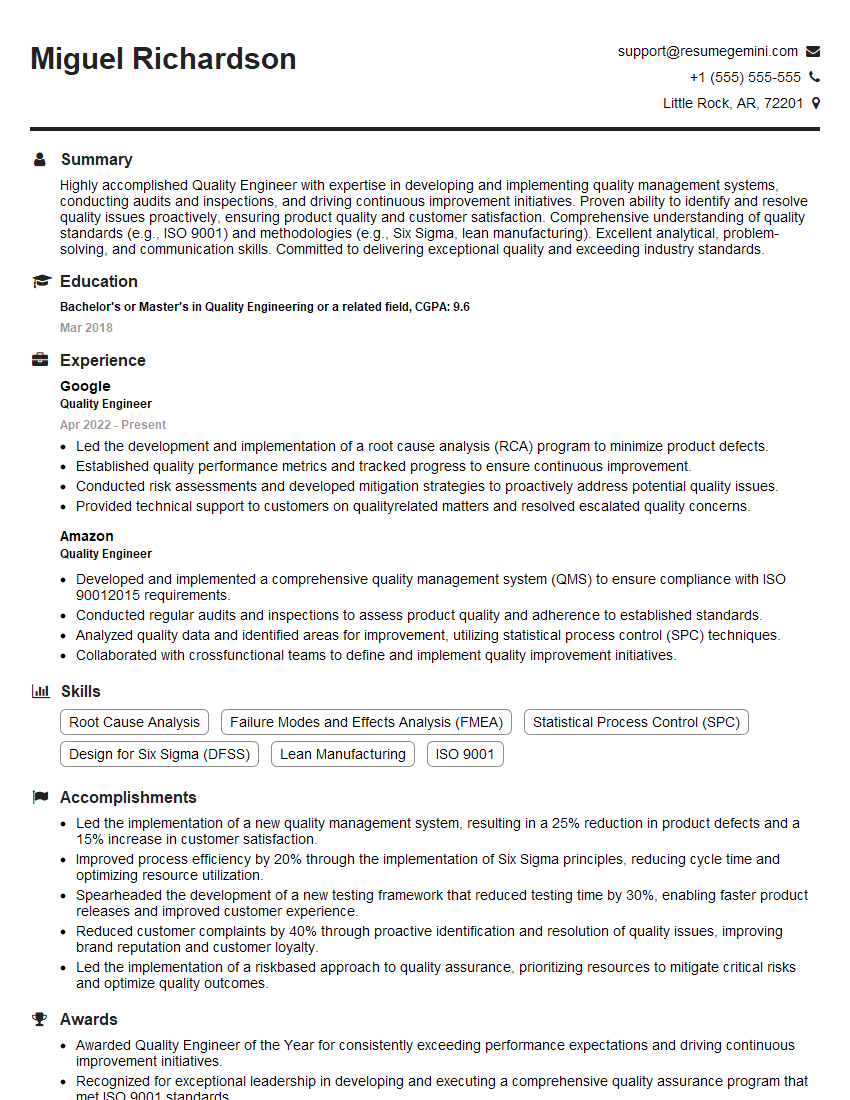
Quality Engineer Resume Sample
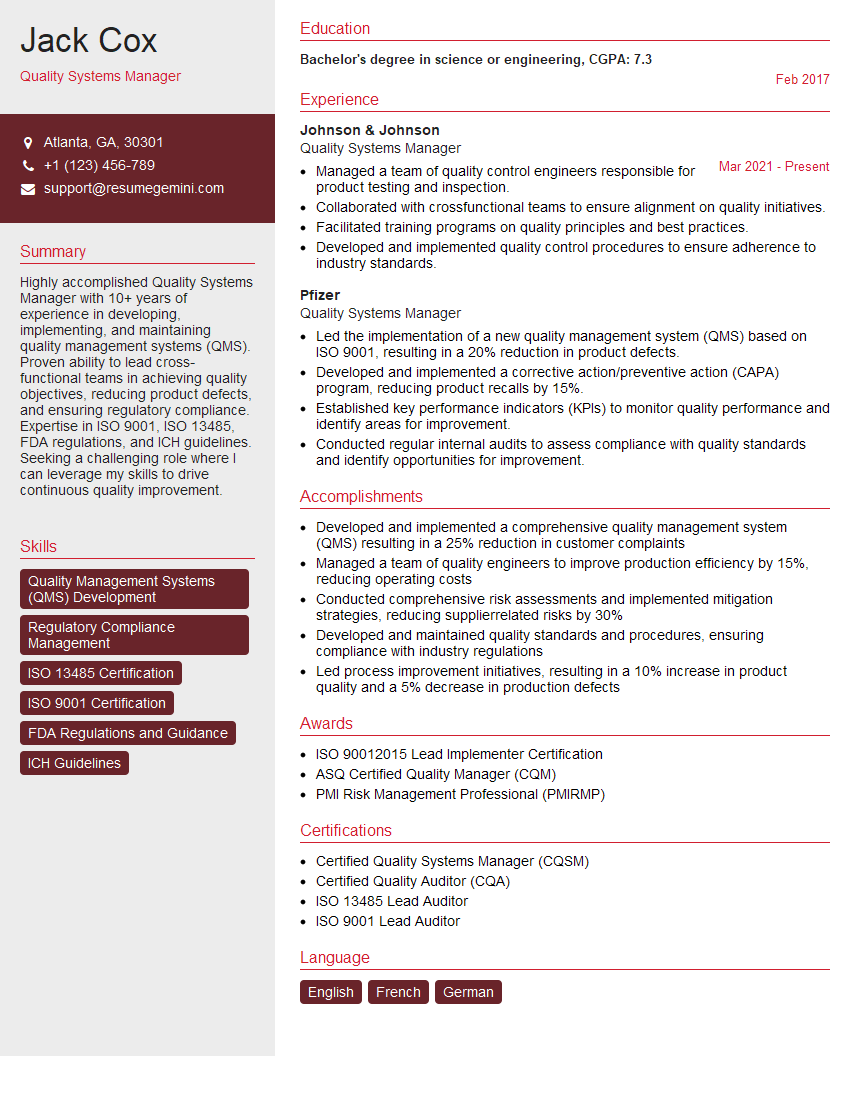
Quality Systems Manager Resume Sample
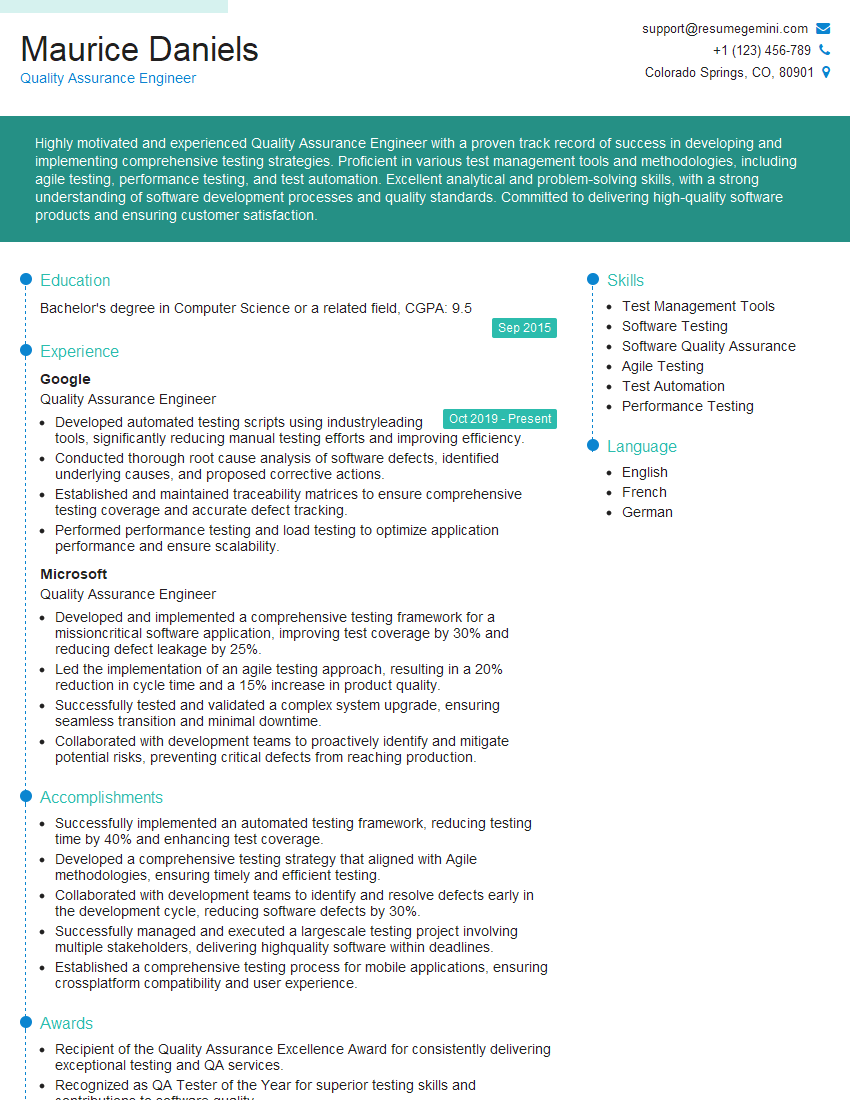
Quality Assurance Engineer Resume Sample
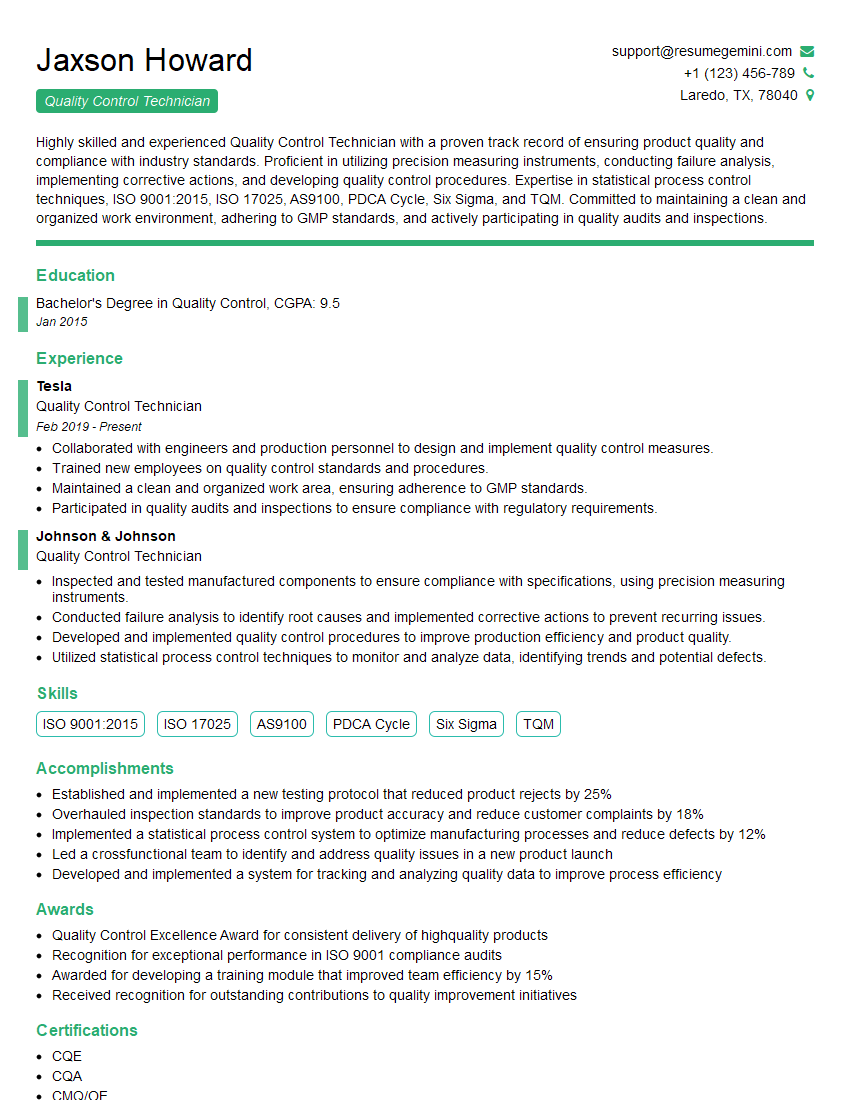
Quality Control Technician Resume Sample
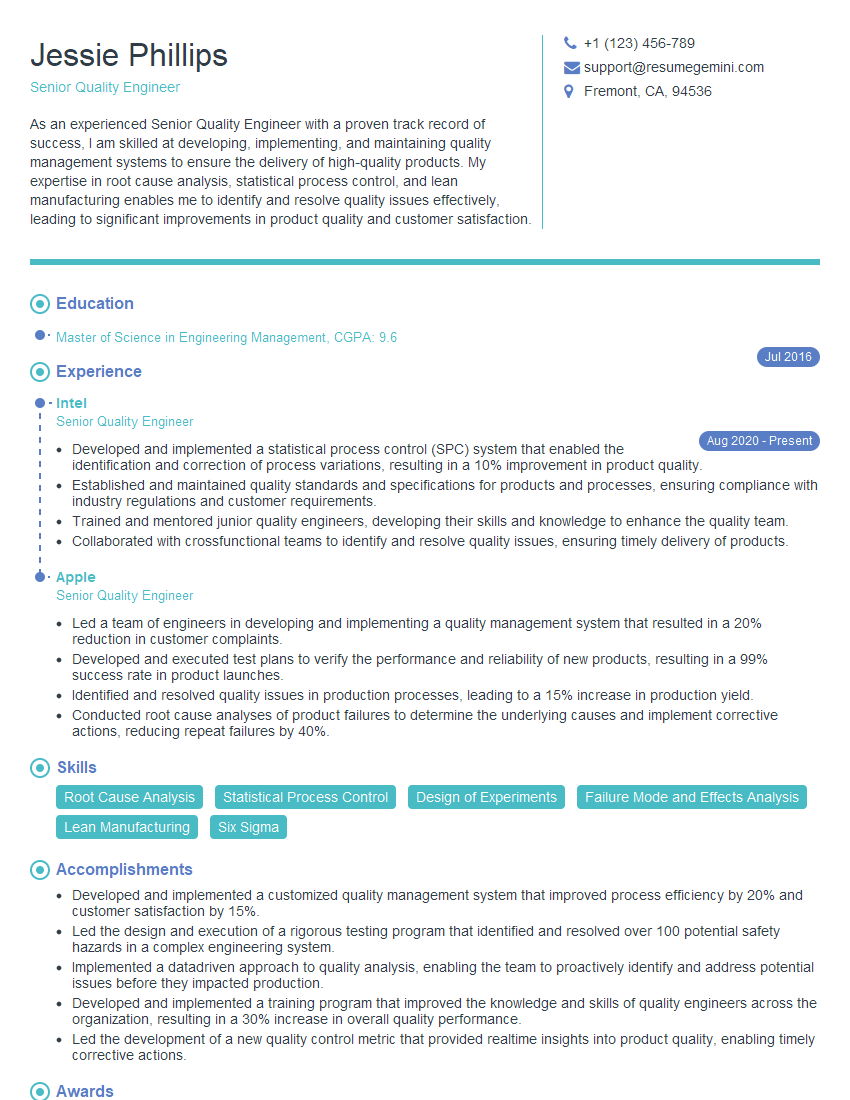
Senior Quality Engineer Resume Sample
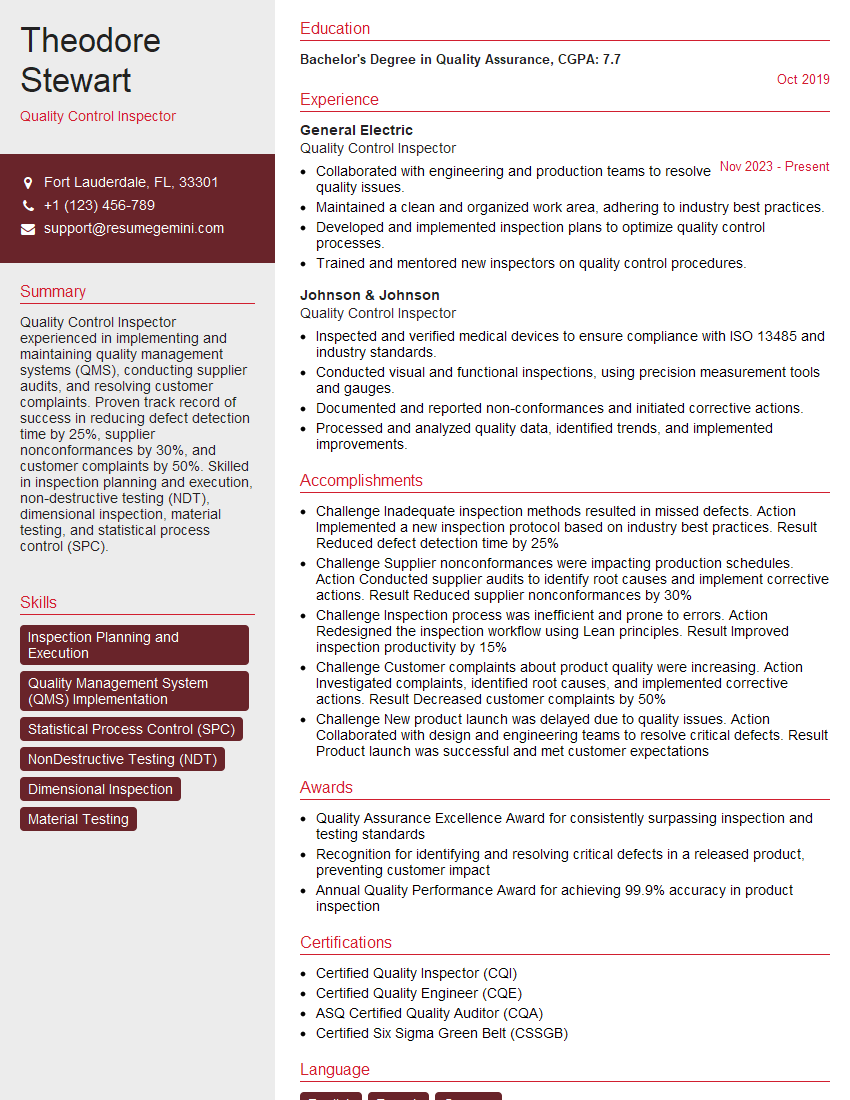
Quality Control Inspector Resume Sample
Explore more articles
Users Rating of Our Blogs
Share Your Experience
We value your feedback! Please rate our content and share your thoughts (optional).
What Readers Say About Our Blog
Very informative content, great job.
good