Preparation is the key to success in any interview. In this post, we’ll explore crucial Interpersonal and Teamwork interview questions and equip you with strategies to craft impactful answers. Whether you’re a beginner or a pro, these tips will elevate your preparation.
Questions Asked in Interpersonal and Teamwork Interview
Q 1. Describe a situation where you had to negotiate a compromise within a team.
Negotiation is a crucial skill in teamwork, requiring a balance between advocating for your ideas and finding common ground. A successful compromise benefits all parties involved. In one project, our team was tasked with developing a new marketing campaign. The design team favored a bold, avant-garde approach, while the marketing team preferred a more conservative, traditional style. Initially, these opposing views created tension. To bridge the gap, I facilitated a brainstorming session where each team presented their rationale, highlighting the pros and cons of their respective approaches. We identified shared goals – increased brand awareness and customer engagement – and then explored design elements that incorporated aspects of both styles. The final campaign incorporated some bold elements but maintained a level of professionalism acceptable to the marketing team. This collaborative compromise resulted in a campaign that exceeded initial expectations.
Q 2. How do you handle conflict within a team setting?
Conflict is inevitable in any team; how it’s handled determines the team’s success. My approach is based on understanding the root cause, facilitating open communication, and finding mutually acceptable solutions. I start by actively listening to all parties involved, ensuring everyone feels heard and understood. This often requires empathy and reframing perspectives, acknowledging each person’s feelings and concerns. If the conflict is directly between two team members, I may facilitate a private conversation, guiding them toward a resolution. In more complex cases, I might convene a meeting involving all stakeholders to openly discuss the issue and collaboratively develop solutions. The goal isn’t to declare a ‘winner’ but to find a solution that respects everyone’s concerns and contributes to the overall team objective. Ultimately, successful conflict resolution strengthens the team and improves communication.
Q 3. Explain your approach to delegating tasks effectively.
Effective delegation isn’t simply assigning tasks; it’s about empowering team members to excel. I begin by assessing each team member’s skills, strengths, and interests. This allows me to match tasks to individual capabilities, fostering a sense of ownership and motivation. Clear expectations are crucial. When delegating, I provide clear instructions, deadlines, and expected outcomes. I also ensure the team member has the necessary resources and support. Regular check-ins are vital to monitor progress, provide guidance, and address any challenges. Furthermore, I encourage open communication, making myself available for questions and support. Finally, I acknowledge and appreciate the team member’s contributions, reinforcing their value to the team. For example, instead of just saying ‘finish the report,’ I would say, ‘I’d like you to complete the market analysis report by Friday. Let’s discuss the data sources you plan to use tomorrow morning so we can ensure it aligns with our overall strategy.’
Q 4. Describe a time you had to motivate a team member who was underperforming.
Motivating an underperforming team member requires a sensitive and supportive approach. I begin by having a private conversation, establishing open communication and trust. I focus on understanding the root cause of the underperformance; are there personal issues, lack of training, unclear expectations, or insufficient resources? Once I identify the core issue, I can develop a tailored action plan. This may involve providing additional training, clarifying roles and responsibilities, offering mentoring, or adjusting workloads. Setting achievable goals and regularly tracking progress provides motivation and encouragement. Positive reinforcement is vital; acknowledging even small improvements fosters confidence and encourages continued progress. In one instance, a team member consistently missed deadlines. After a conversation, it became clear they felt overwhelmed by the scope of their responsibilities. By breaking down their tasks into smaller, more manageable segments and providing regular feedback, their performance significantly improved.
Q 5. How do you build rapport with colleagues from diverse backgrounds?
Building rapport with colleagues from diverse backgrounds requires genuine curiosity and respect for individual differences. I begin by actively listening to understand their perspectives, experiences, and communication styles. I make a conscious effort to learn about their cultures and backgrounds, showing interest in their unique contributions. I avoid making assumptions and adapt my communication style accordingly. In meetings, I ensure everyone has an opportunity to share their ideas and I actively solicit diverse perspectives, demonstrating that everyone’s input is valued. I also strive to create a safe and inclusive environment where everyone feels comfortable expressing themselves. Small gestures such as learning a few phrases in a colleague’s native language or acknowledging cultural celebrations can go a long way in building trust and rapport.
Q 6. Give an example of how you’ve used active listening to resolve a workplace issue.
Active listening is about truly understanding the other person’s message, not just waiting for your turn to speak. In a previous role, a disagreement arose between two team members regarding project timelines. One felt the deadlines were unrealistic, the other felt they were achievable. Instead of jumping in with solutions, I used active listening techniques. I paraphrased each person’s concerns, summarizing their viewpoints to confirm understanding. I asked clarifying questions to delve deeper into their perspectives and concerns. This demonstrated genuine interest in their positions. By actively listening, I identified the underlying issue – a lack of communication regarding project dependencies. Once both team members clearly understood each other’s perspectives, we collaboratively adjusted the timelines and established a more effective communication protocol.
Q 7. How do you provide constructive criticism to a team member?
Constructive criticism aims to help improve performance, not to criticize the person. My approach focuses on being specific, focusing on behaviors rather than personality traits. I start by acknowledging the team member’s strengths and positive contributions before addressing areas needing improvement. I frame my feedback in terms of observable behaviors and their impact, rather than making subjective judgments. For example, instead of saying ‘You’re disorganized,’ I might say, ‘I’ve noticed that the project documentation lacks consistent formatting. This makes it difficult for others to understand and use the information. How can we improve the organization and presentation of these documents?’ I also provide specific suggestions for improvement, empowering the team member to take ownership of their development. Finally, I end the conversation on a positive note, reiterating my confidence in their abilities and offering my support.
Q 8. Describe your preferred method for giving and receiving feedback.
My approach to feedback is built on the principle of mutual respect and continuous improvement. When giving feedback, I prefer a direct yet empathetic style. I start by focusing on observable behaviors and their impact, rather than making personal judgments. For example, instead of saying “You’re disorganized,” I might say, “I noticed the project timeline wasn’t updated, which made it difficult for the team to track progress.” I always frame feedback constructively, offering specific suggestions for improvement. I also ensure the recipient feels safe and comfortable enough to receive this feedback honestly and without feeling attacked.
When receiving feedback, I actively listen, ask clarifying questions to ensure full understanding, and avoid getting defensive. I appreciate both positive and constructive criticism, recognizing that it’s crucial for my growth. I summarize the feedback to ensure understanding and then discuss how I can apply it effectively in the future. The key is to create a two-way dialogue—a collaborative process of learning and growth.
Q 9. How do you ensure everyone’s voice is heard during team meetings?
Ensuring everyone’s voice is heard in team meetings requires a structured approach and conscious effort. I employ several strategies to achieve this. First, I set clear ground rules at the beginning of meetings, emphasizing respectful communication and encouraging active participation from all members. Secondly, I utilize techniques like round-robin discussions, where each person gets a chance to share their thoughts before moving on. This prevents more dominant voices from overshadowing others. For larger teams, I might use breakout sessions to facilitate smaller, more intimate discussions before reconvening for a summary. I also actively solicit input from quieter members, perhaps by directly asking, “What are your thoughts on this, [team member’s name]?” Finally, using visual aids like whiteboards or shared documents can encourage quieter members to contribute their ideas in a written form.
Q 10. How do you handle disagreements respectfully and productively?
Disagreements are inevitable in any team, but how we handle them defines our effectiveness. My approach focuses on respectful communication and collaborative problem-solving. I encourage team members to express their viewpoints clearly and calmly, avoiding personal attacks or emotional outbursts. Active listening is key—I ensure each person feels heard and understood before attempting to find common ground. We then focus on identifying the root cause of the disagreement, separating the problem from the people involved. I encourage brainstorming solutions collaboratively, considering diverse perspectives and evaluating the pros and cons of each option. Finally, we reach a mutually agreeable solution or compromise that addresses the concerns of all parties. If consensus cannot be reached, I help to facilitate a structured decision-making process that ensures fairness and transparency.
Q 11. Describe a time you had to adapt your communication style to a specific audience.
In a previous project involving a diverse team, including engineers, marketing professionals, and executives, I had to adapt my communication style to ensure clarity and efficiency. With the engineers, I used precise technical language and focused on data-driven analysis. With the marketing team, I emphasized the creative aspects and the value proposition for the end-user. Finally, when communicating with executives, I summarized key findings concisely, highlighting the impact and strategic implications of the project. This tailored approach ensured that each audience received information in a format they could easily understand and act upon, fostering effective collaboration across different departments.
Q 12. How do you contribute to a positive and collaborative team environment?
Contributing to a positive and collaborative team environment is a multifaceted effort. I actively foster open communication by encouraging team members to share their ideas and concerns openly. I celebrate team successes and acknowledge individual contributions to build morale and recognition. I also actively participate in team-building activities to strengthen relationships and promote camaraderie. Furthermore, I promote a culture of mutual respect and support, helping team members when needed and offering constructive feedback to facilitate improvement. Finally, I actively work to resolve conflicts quickly and effectively, preventing small issues from escalating into larger problems that could negatively impact team morale and productivity.
Q 13. How do you manage your time effectively when working on multiple projects simultaneously?
Effective time management when juggling multiple projects requires a structured approach. I utilize project management tools, such as Kanban boards or agile methodologies, to visualize tasks, deadlines, and dependencies. I prioritize tasks based on urgency and importance, focusing on high-impact activities first. I break down large projects into smaller, more manageable tasks to prevent feeling overwhelmed. Regularly reviewing my to-do list and adjusting priorities as needed is crucial. I also set realistic deadlines and avoid over-committing. Finally, effective communication with stakeholders is vital to keep them informed and manage expectations, ensuring alignment and preventing potential conflicts or delays.
Q 14. Describe a situation where you had to overcome a communication barrier within a team.
During a project launch, we encountered a significant communication barrier between our development team and the marketing team. The developers were using highly technical jargon that the marketing team struggled to comprehend, leading to misunderstandings and delays in the marketing campaign. To overcome this, I facilitated a workshop where the developers explained their technical aspects in simpler terms, using analogies and visual aids to enhance understanding. We also established a shared glossary of terms to ensure consistency in communication. This collaborative effort improved cross-functional understanding, resolving the communication bottleneck and enabling the successful launch of the product.
Q 15. How do you prioritize tasks when working collaboratively with a team?
Prioritizing tasks in a collaborative setting requires a blend of individual responsibility and team alignment. I typically use a combination of methods, starting with a clear understanding of project goals and deadlines. Then, I employ a prioritization framework such as the Eisenhower Matrix (urgent/important), MoSCoW method (Must have, Should have, Could have, Won’t have), or simply ranking tasks by their impact on the overall project.
Crucially, this process isn’t done in isolation. I ensure open communication with the team, presenting my proposed prioritization, explaining my rationale, and inviting feedback and suggestions. This collaborative approach ensures buy-in and avoids individual frustration. We might use tools like a shared Kanban board to visually represent priorities and track progress.
For example, in a recent project developing a new software feature, we used the MoSCoW method. We collectively decided that core functionality (Must have) needed to be completed first, followed by desirable enhancements (Should have), while less critical features were deferred (Could have/Won’t have). This ensured we met our deadlines and delivered the most impactful aspects of the project.
Career Expert Tips:
- Ace those interviews! Prepare effectively by reviewing the Top 50 Most Common Interview Questions on ResumeGemini.
- Navigate your job search with confidence! Explore a wide range of Career Tips on ResumeGemini. Learn about common challenges and recommendations to overcome them.
- Craft the perfect resume! Master the Art of Resume Writing with ResumeGemini’s guide. Showcase your unique qualifications and achievements effectively.
- Don’t miss out on holiday savings! Build your dream resume with ResumeGemini’s ATS optimized templates.
Q 16. Explain your experience with different collaboration tools (e.g., Slack, Microsoft Teams).
I’m proficient in several collaboration tools, each offering unique advantages. Slack is excellent for quick communication, file sharing, and creating channels for specific projects or teams. Its informal nature makes it ideal for quick questions and informal brainstorming. Microsoft Teams, on the other hand, is more robust, providing features like integrated video conferencing, task management (with Planner), and robust file storage within dedicated teams. I’ve found it particularly useful for larger projects needing more structure.
My experience includes using Slack for agile development sprints, leveraging its channels for daily stand-ups and quick feedback loops. I’ve used Microsoft Teams extensively for larger projects with cross-functional teams, facilitating meetings, sharing documents, and tracking tasks efficiently. My choice of tool depends on the project’s size, complexity, and team dynamics. I find that combining the best features of both platforms often yields optimal results.
Q 17. How do you identify and leverage individual team members’ strengths?
Identifying and leveraging individual strengths is vital for effective teamwork. This starts with active listening during team introductions and initial project discussions. I look for indications of expertise, skills, and preferred working styles. Regular one-on-one check-ins and informal conversations help me better understand each team member’s capabilities and aspirations.
Then, I strategically assign tasks based on these identified strengths. This not only boosts individual morale and productivity but also ensures that the overall project benefits from the team’s collective expertise. For instance, if a team member demonstrates strong analytical skills, I’ll assign them tasks requiring data analysis. If someone excels at communication, I’ll entrust them with client presentations or internal reporting. This personalized approach creates a more engaging and productive work environment.
Q 18. Describe a time you successfully resolved a team conflict through mediation.
In a previous project, a disagreement arose between two team members regarding the best approach to a design challenge. One advocated for a more traditional method, while the other preferred a more innovative, albeit riskier, approach. The tension was impacting team morale and productivity.
To resolve this, I initiated a facilitated discussion, ensuring a safe space for both individuals to express their viewpoints without interruption. I actively listened, paraphrasing their points to ensure mutual understanding. I then helped them identify shared goals and values, highlighting the ultimate objective of the project—successful completion. We collaboratively explored the pros and cons of each approach, eventually reaching a compromise that incorporated elements from both methods, reducing risk while still retaining the innovative spirit.
The key to success was creating a neutral environment, actively listening to both sides, and focusing on collaborative problem-solving rather than assigning blame.
Q 19. How do you handle situations where team members have differing opinions?
Differing opinions are inherent in collaborative work and often lead to better outcomes. I approach such situations by fostering open dialogue and respectful debate. I encourage everyone to fully articulate their viewpoints, providing ample opportunities for clarification and questioning. I use techniques like brainstorming or mind-mapping to visually explore all perspectives.
The goal is not to force consensus but to identify areas of agreement and potential compromise. I facilitate constructive discussion, helping the team explore the rationale behind different opinions and find common ground. If necessary, I may suggest using data-driven decision-making or objective criteria to evaluate different options. Ultimately, I strive to reach a decision that is both effective and respects the contributions of all team members.
Q 20. How do you ensure transparency and accountability within a team?
Transparency and accountability are cornerstones of effective teamwork. I ensure transparency by regularly communicating project updates, goals, and challenges to the team. This is done through various channels, including regular team meetings, updates in project management software (like Asana or Jira), and informal check-ins.
Accountability is fostered by clearly defining roles and responsibilities from the outset. Each team member is aware of their specific contributions and deadlines. We use progress tracking tools to monitor individual and team progress, providing regular feedback and addressing any roadblocks promptly. Open and honest communication prevents misunderstandings and promotes a sense of shared ownership.
Q 21. Describe a time when you needed to build consensus among team members.
In a past project involving the redesign of a company website, the team had strongly divergent opinions regarding the overall design aesthetic. Some favored a minimalist approach, while others preferred a bolder, more visually striking design.
To build consensus, I organized a series of workshops where we explored different design styles and their implications. We used mood boards and design examples to visually represent the different approaches. Each team member had the chance to present their preferred style and explain their reasoning. We then engaged in a structured discussion to identify the core values and goals for the website’s redesign. This collaborative process allowed us to distill a unified vision that incorporated elements from all preferred styles, resulting in a final design that was both effective and aesthetically pleasing to all team members.
Q 22. How do you contribute to team decision-making processes?
Effective team decision-making hinges on collaborative input and structured processes. I contribute by actively listening to all viewpoints, ensuring everyone feels heard. I then synthesize these perspectives, highlighting key considerations and potential trade-offs. I’m adept at facilitating discussions, guiding the team towards a consensus by focusing on shared goals and identifying common ground. I’m also comfortable challenging assumptions when necessary to ensure a well-rounded evaluation of options. For instance, in a previous project involving a marketing campaign, I noticed a team member had overlooked a crucial demographic. By highlighting this, we adjusted our strategy to incorporate their needs, resulting in a more effective campaign.
I believe in utilizing frameworks like the Nominal Group Technique (NGT) or a simple prioritization matrix to structure the decision-making process. This ensures all ideas are considered and objectively evaluated, preventing groupthink and promoting fair consideration of various approaches.
Q 23. How do you measure the success of a team project?
Measuring the success of a team project goes beyond simply meeting deadlines. It requires a multifaceted approach, considering both qualitative and quantitative metrics. Quantitative success might include completing the project on time and within budget, achieving specified performance targets, or seeing a measurable increase in sales or efficiency. However, equally important are qualitative factors such as team cohesion, improved process efficiency, increased skills development among team members, and the overall satisfaction of stakeholders.
For example, in a recent software development project, success was measured not only by the timely launch of the application but also by positive user feedback and a decrease in customer support tickets related to prior software version issues. We also tracked team morale through regular check-ins, showing that collaboration improved over the course of the project. A balanced scorecard approach, which incorporates both these quantitative and qualitative aspects, provides a comprehensive evaluation.
Q 24. How have you improved your interpersonal and teamwork skills over time?
My interpersonal and teamwork skills have evolved significantly over the years, largely through conscious effort and experience. I’ve actively sought opportunities to work in diverse teams, engaging with individuals who possess different perspectives and work styles. I’ve learned to adapt my communication style, using active listening to understand diverse viewpoints and offering constructive feedback in a sensitive manner. I’ve also pursued training in conflict resolution and negotiation, honing my ability to mediate disagreements and find mutually agreeable solutions. Additionally, I regularly reflect on my team interactions, identifying areas for improvement and incorporating new strategies into my practice.
For example, early in my career, I struggled with direct confrontation. Through focused self-reflection and training, I learned to deliver critical feedback in a tactful and respectful manner, focusing on specific behaviors and their impact rather than making personal attacks. This has considerably improved my ability to foster productive discussions and manage conflicts constructively.
Q 25. Describe a time you mentored or coached a team member.
I mentored a junior team member who was struggling with delegation and time management. I started by having regular one-on-one meetings to understand her challenges and concerns. We used a time-blocking technique to help her prioritize tasks and identified tasks that could be delegated. I modeled effective delegation by showing her how to clearly outline expectations, provide necessary resources, and set deadlines. I also provided constructive feedback on her performance, focusing on both her strengths and areas for development. Finally, I ensured she received regular recognition for her accomplishments, fostering her confidence and motivation.
The result was a significant improvement in her efficiency and ability to manage her workload. She became more confident in her role and took on additional responsibilities. This mentoring experience strengthened my own coaching skills, reaffirming the value of patience, empathy, and providing the right resources and support for the mentee’s growth.
Q 26. How do you stay organized and manage your workload in a team environment?
Staying organized and managing my workload in a team environment involves using a combination of tools and strategies. I rely heavily on project management software (such as Jira or Asana) to track tasks, deadlines, and dependencies. I create detailed to-do lists, breaking down large projects into smaller, manageable steps. I regularly prioritize tasks based on urgency and importance, using methods like the Eisenhower Matrix (urgent/important). I also practice effective communication, keeping my team informed of my progress and any potential roadblocks. Furthermore, I’m proactive in seeking clarification and support when needed, preventing unnecessary delays.
For example, in a fast-paced project with multiple overlapping deadlines, utilizing a Kanban board helped visualize the workflow, allowing for quick identification and resolution of bottlenecks and preventing task overload.
Q 27. Describe a situation where you had to adapt your approach due to a team member’s personality.
In a previous project, I worked with a team member who had a very introverted personality. Initially, I attempted to foster collaboration through group brainstorming sessions, which proved to be unproductive as this team member remained largely silent. Recognizing this, I adapted my approach by scheduling one-on-one meetings to discuss project assignments and solicit their input. This allowed them to contribute their valuable insights in a more comfortable setting. I also made a conscious effort to acknowledge their contributions during team meetings, making sure their ideas were heard and valued.
By adapting my communication style and recognizing the individual’s preferences, I was able to tap into their expertise and strengthen team performance. This experience highlighted the importance of understanding individual work styles and adapting communication strategies to maximize team efficiency.
Q 28. How do you foster trust and respect within a team?
Fostering trust and respect within a team is crucial for success. I achieve this by prioritizing open and honest communication, actively listening to team members, and valuing their contributions. I strive to create a psychologically safe environment where team members feel comfortable sharing their ideas and concerns without fear of judgment. I also demonstrate transparency in my actions and decision-making, explaining the rationale behind choices and openly addressing challenges. Celebrating successes and acknowledging individual contributions are equally important in building morale and strengthening team bonds. Furthermore, actively participating in team-building activities can foster stronger relationships and boost morale.
For example, during a particularly stressful period on a project, I organized a team dinner to help alleviate stress and foster camaraderie. This informal setting allowed us to connect on a personal level and reinforce our commitment to one another, enhancing our trust and teamwork in the process.
Key Topics to Learn for Interpersonal and Teamwork Interview
- Active Listening & Communication: Understanding nonverbal cues, practicing empathetic responses, and effectively conveying your ideas in diverse settings. Practical application: Describe a situation where you successfully mediated a conflict or built consensus within a team.
- Conflict Resolution & Negotiation: Identifying conflict sources, employing collaborative problem-solving techniques, and finding mutually beneficial solutions. Practical application: Illustrate how you navigated a disagreement within a group project, focusing on the process and outcome.
- Collaboration & Teamwork Dynamics: Understanding different team roles, contributing effectively as a team member, and adapting to various team structures. Practical application: Explain your approach to teamwork, including how you leverage individual strengths to achieve shared goals.
- Leadership & Influence: Inspiring and motivating others, delegating tasks effectively, and providing constructive feedback. Practical application: Describe a time you took initiative to lead a team or project, highlighting your leadership style and its impact.
- Emotional Intelligence: Recognizing and managing your own emotions and understanding the emotions of others to build strong relationships. Practical application: Provide an example demonstrating your ability to manage your emotions in a challenging interpersonal situation.
- Giving & Receiving Feedback: Providing constructive criticism and responding positively to feedback from others to foster continuous improvement. Practical application: Share an example of how you provided or received feedback that resulted in positive change.
Next Steps
Mastering interpersonal and teamwork skills is crucial for career advancement. These skills are highly valued by employers across all industries, significantly impacting your ability to collaborate effectively, lead teams, and navigate workplace challenges. To significantly boost your job prospects, focus on creating a strong, ATS-friendly resume that highlights these capabilities. ResumeGemini is a trusted resource to help you build a professional and impactful resume tailored to showcase your interpersonal and teamwork strengths. Examples of resumes specifically designed to highlight these skills are available, providing you with a practical guide for crafting your own.
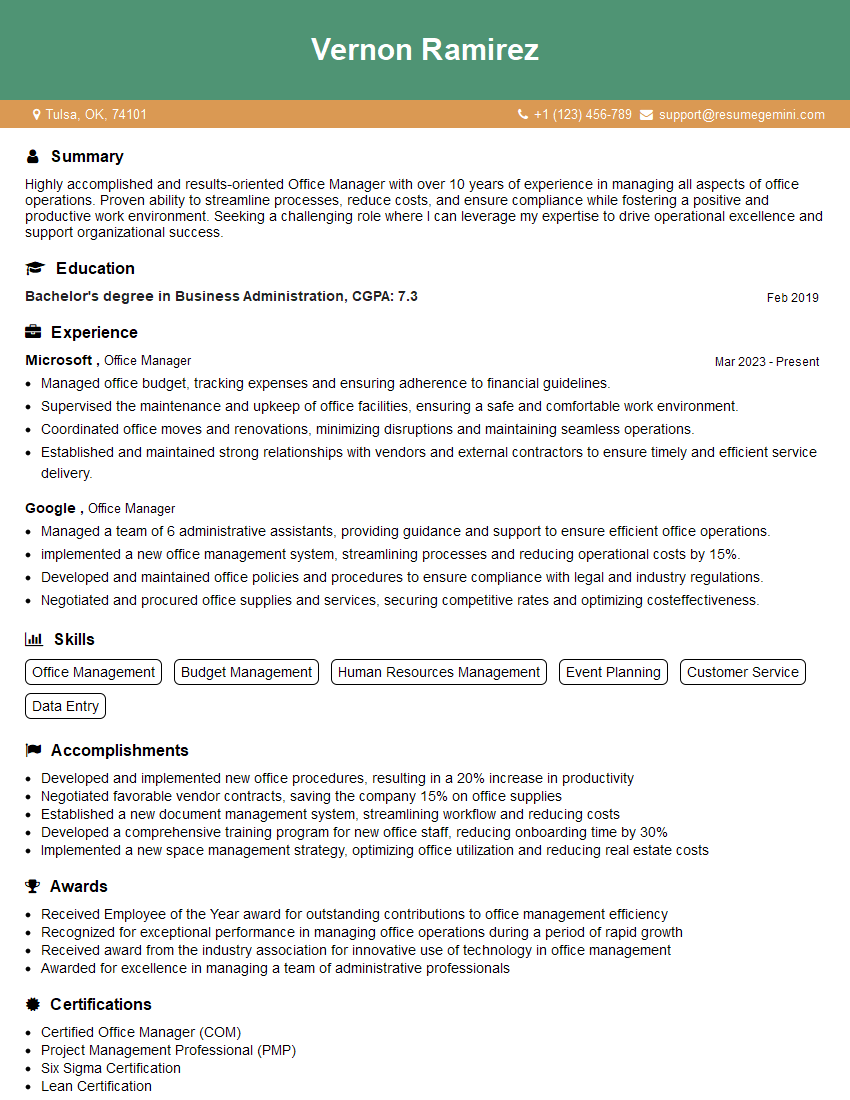
Office Manager Resume Sample

Operations Manager Resume Sample
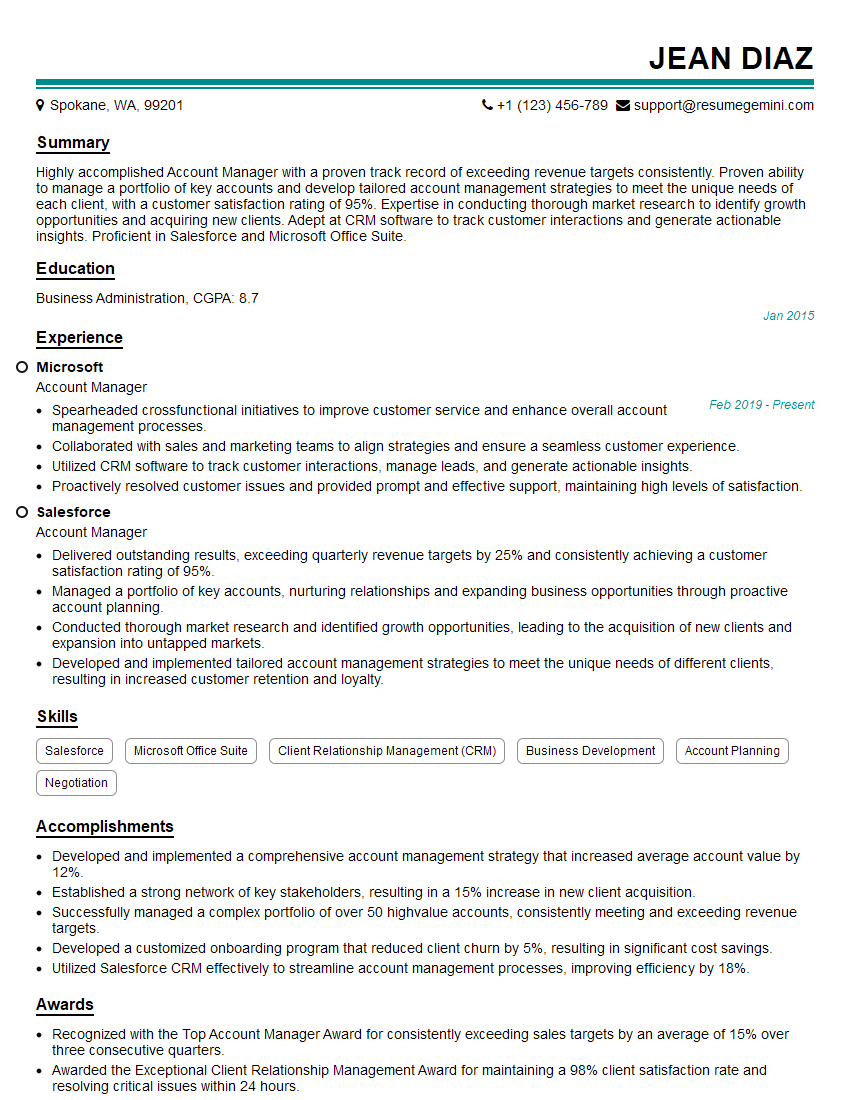
Account Manager Resume Sample
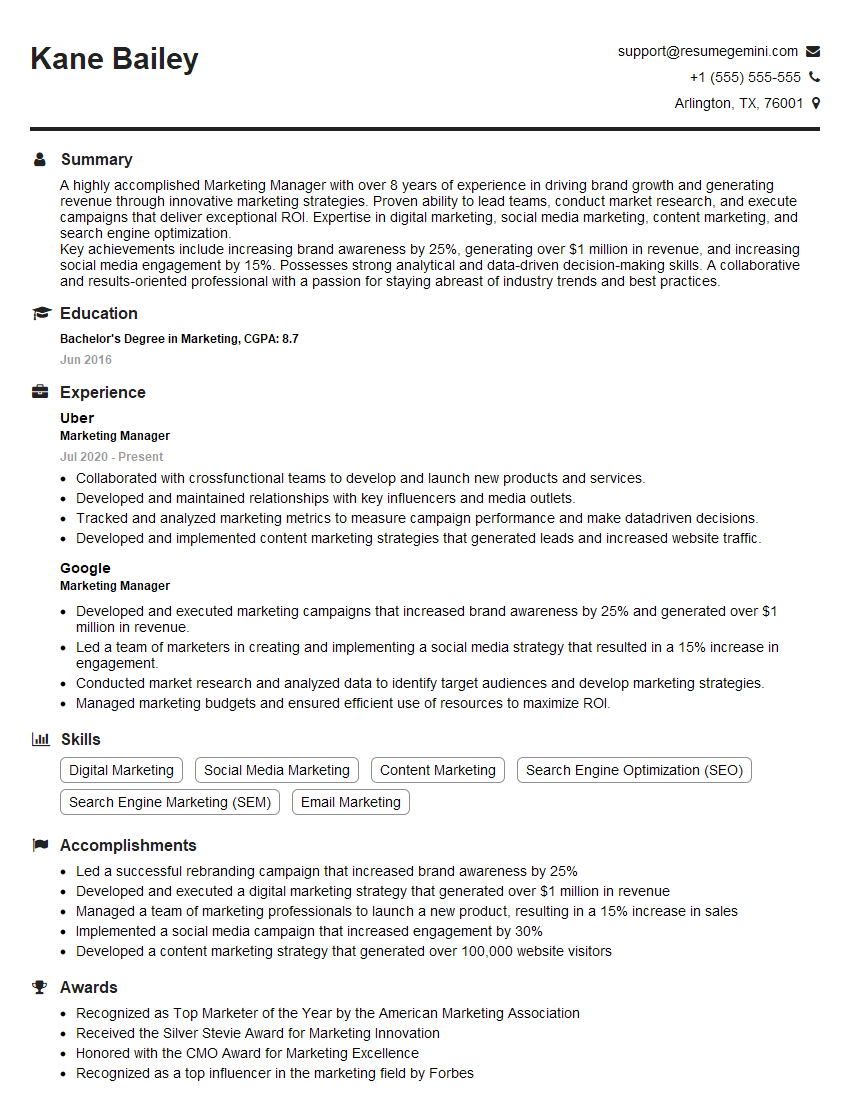
Marketing Manager Resume Sample
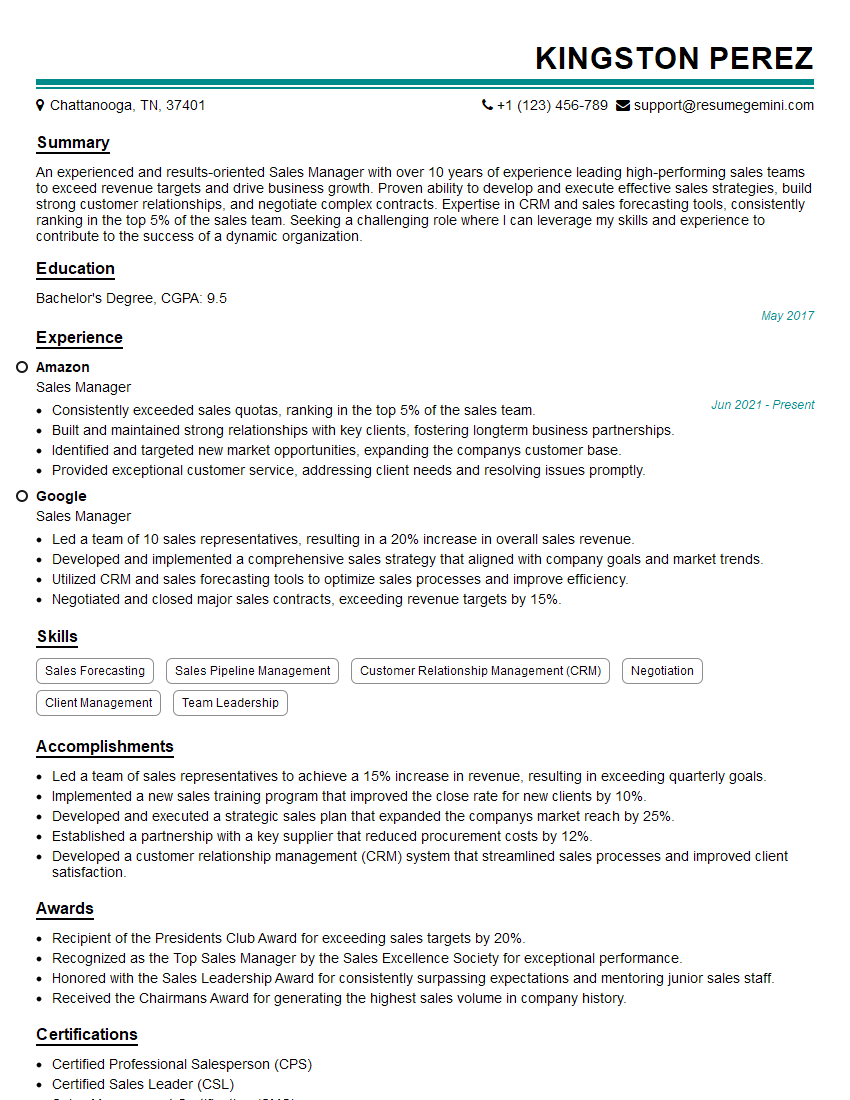
Sales Manager Resume Sample
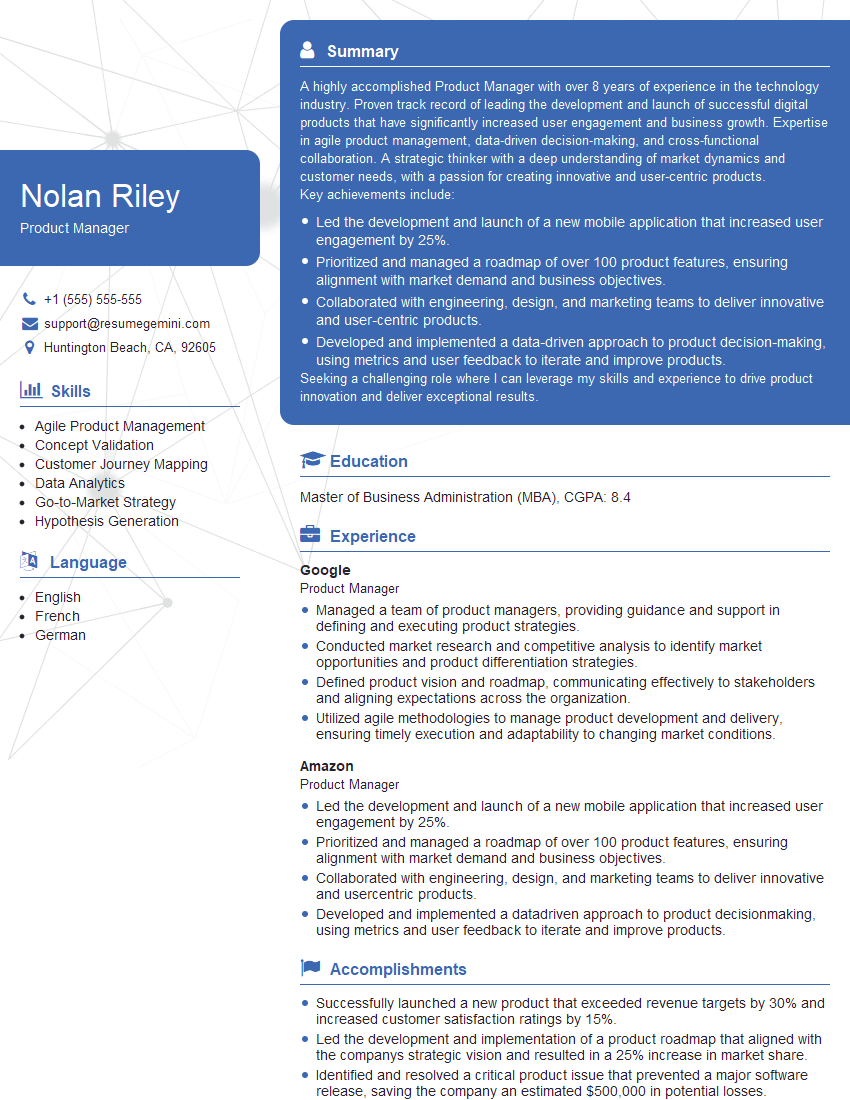
Product Manager Resume Sample
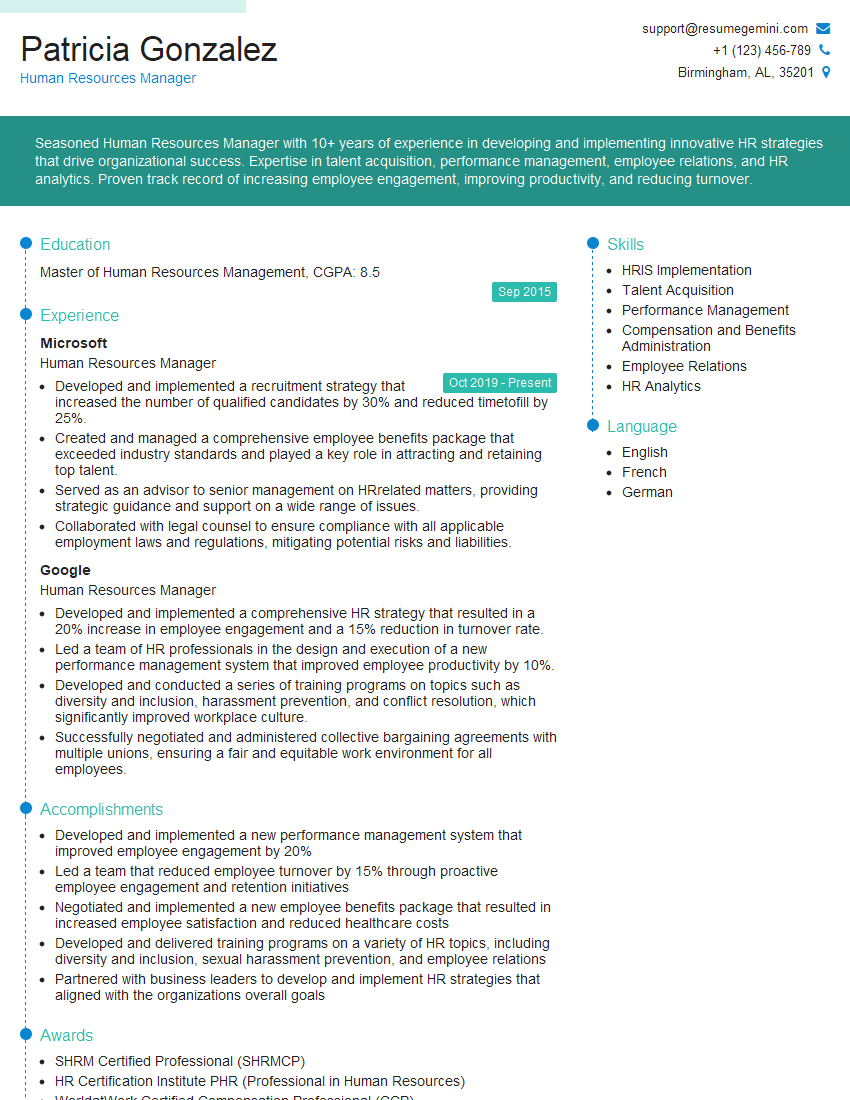
Human Resources Manager Resume Sample
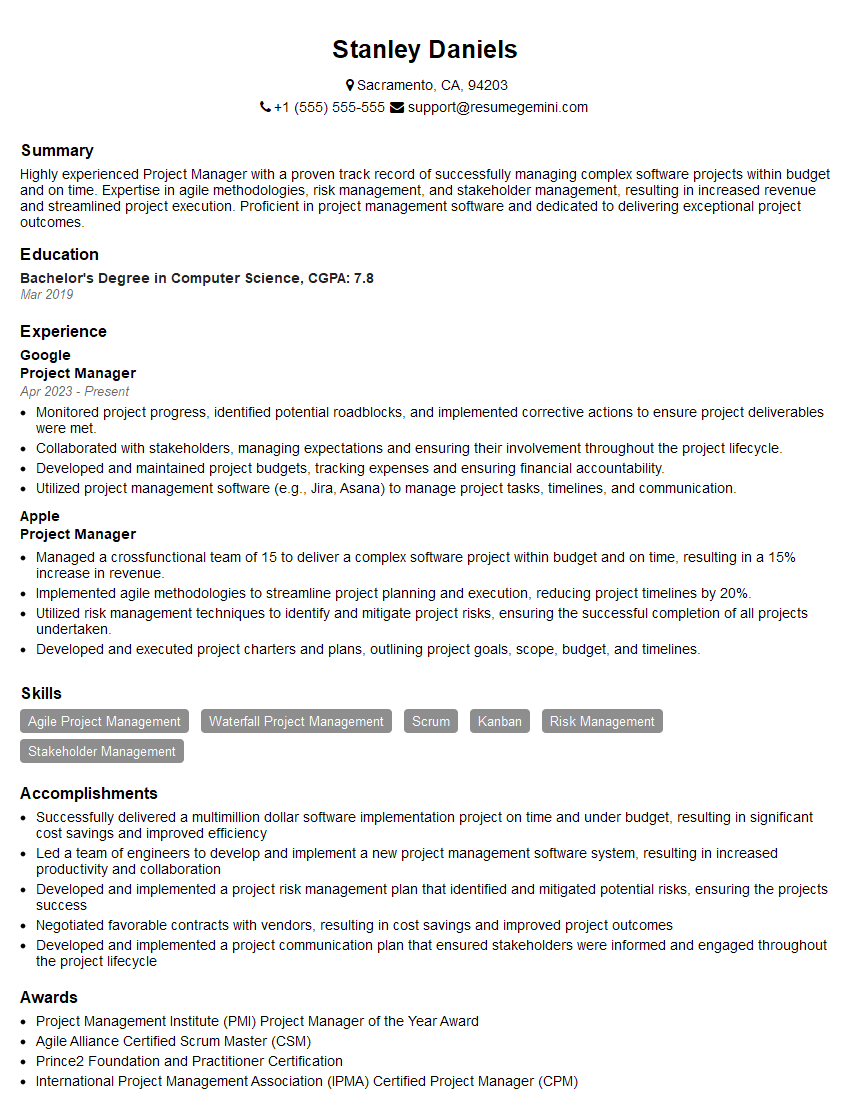
Project Manager Resume Sample
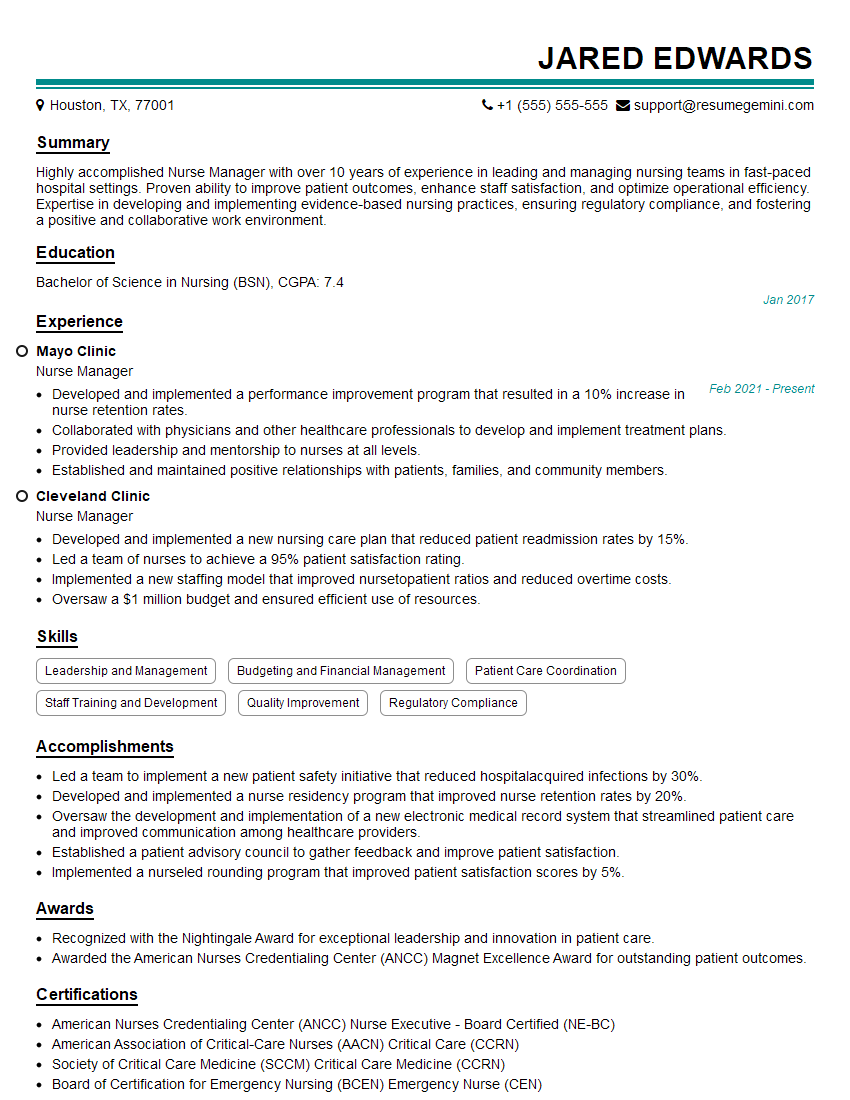
Nurse Manager Resume Sample
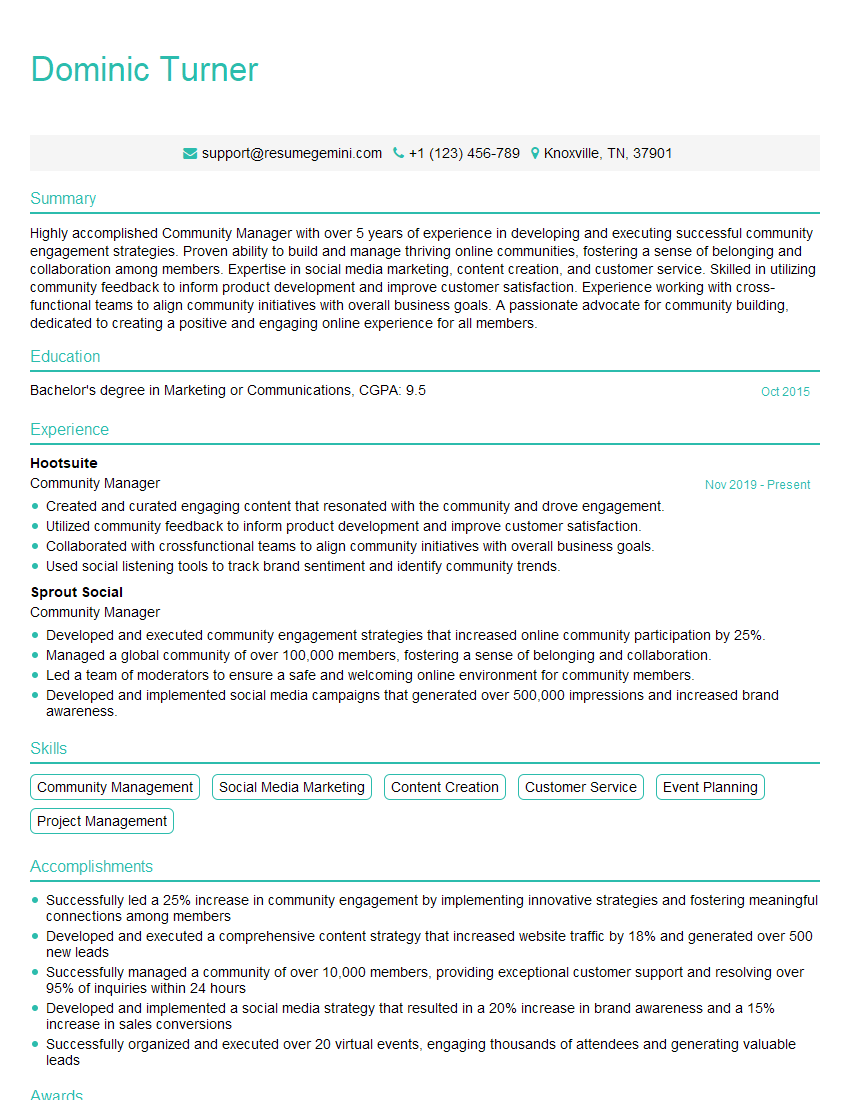
Community Manager Resume Sample
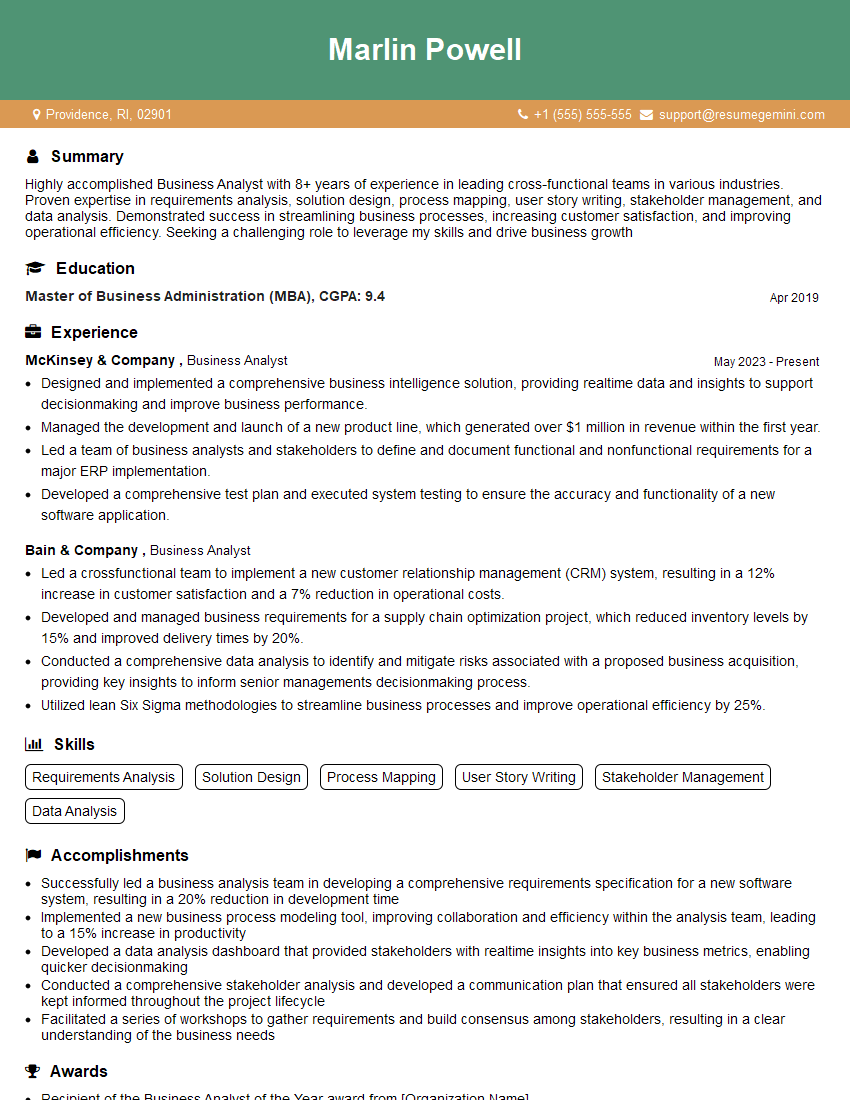
Business Analyst Resume Sample
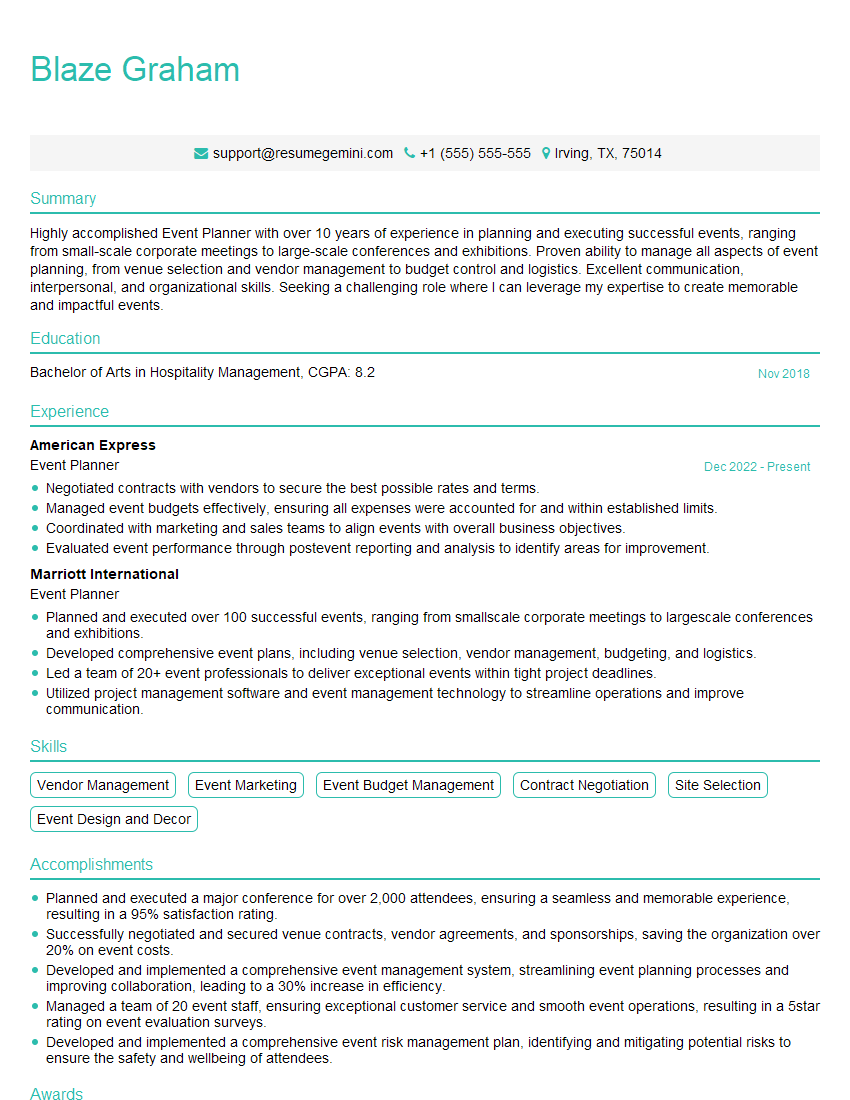
Event Planner Resume Sample
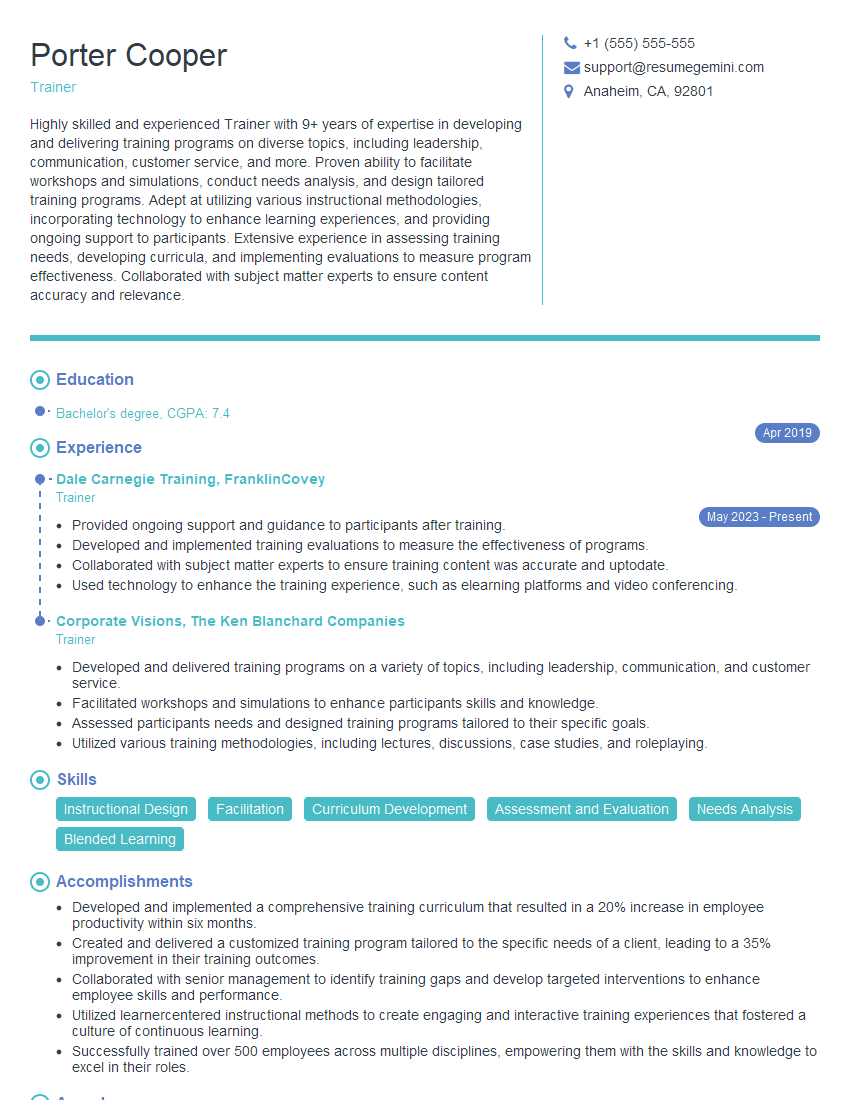
Trainer Resume Sample

Social Media Manager Resume Sample
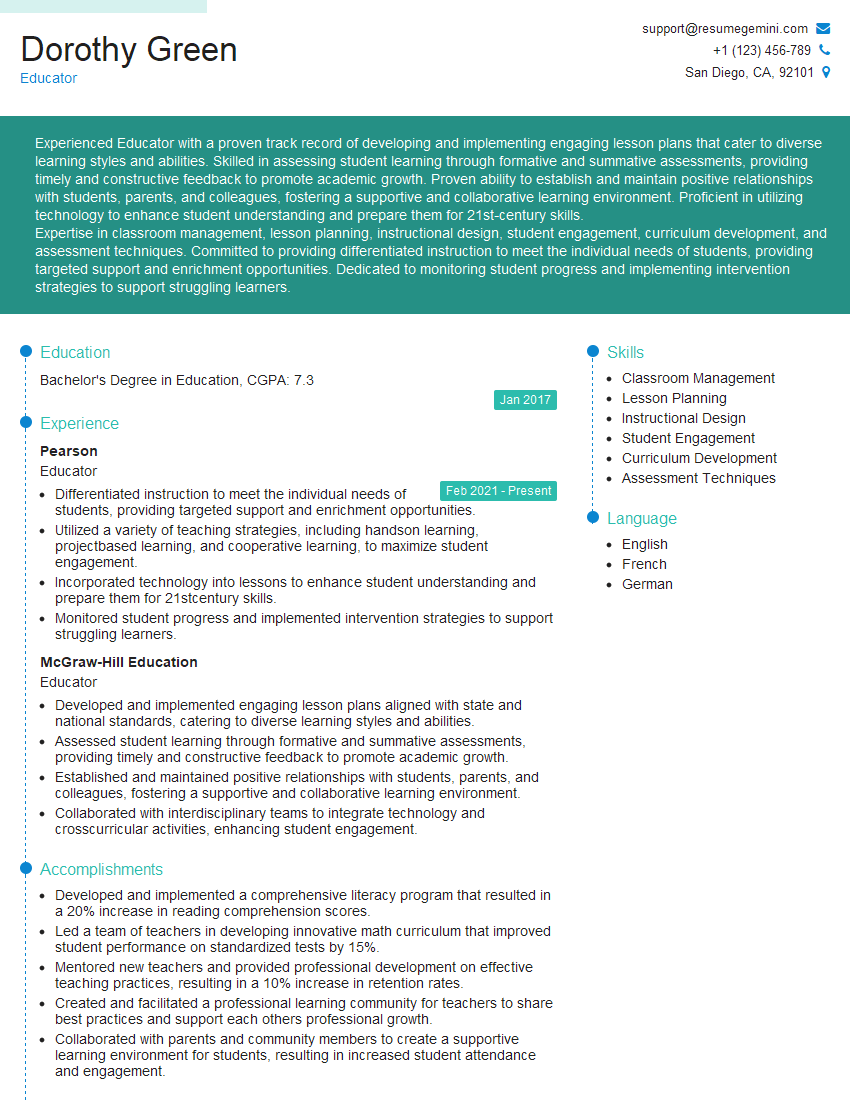
Educator Resume Sample
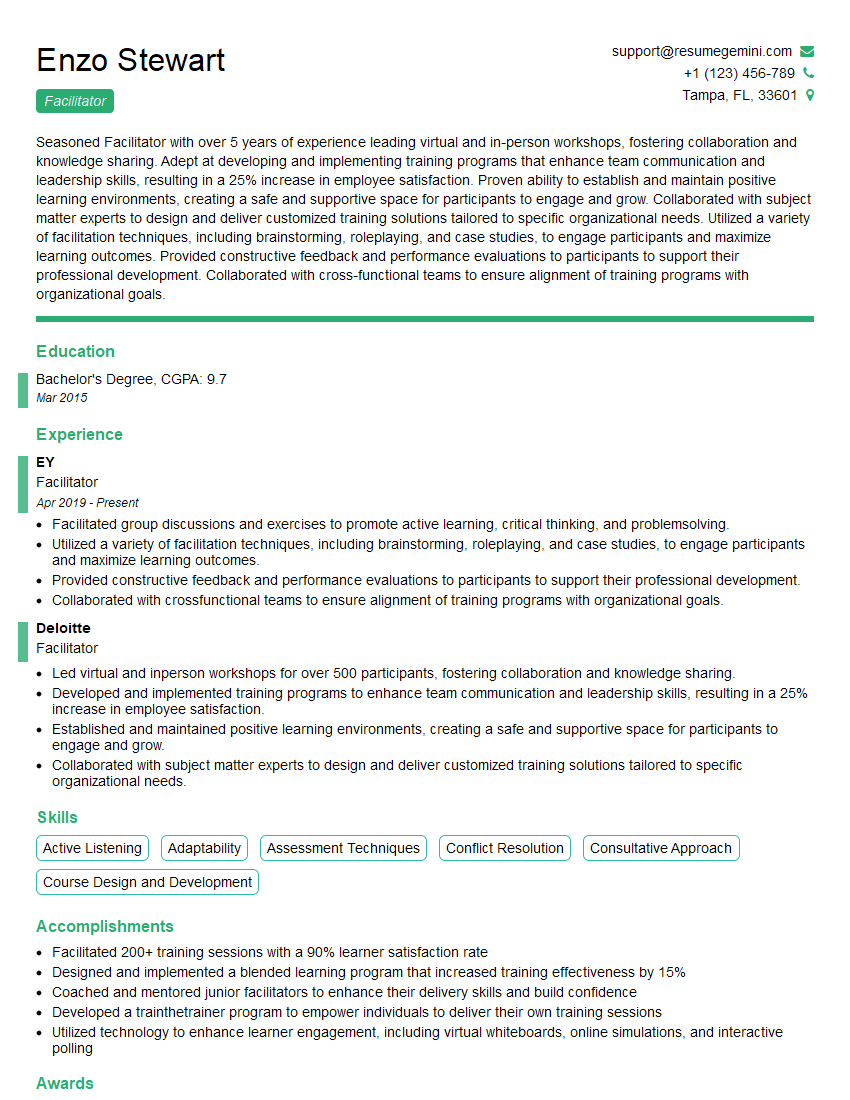
Facilitator Resume Sample
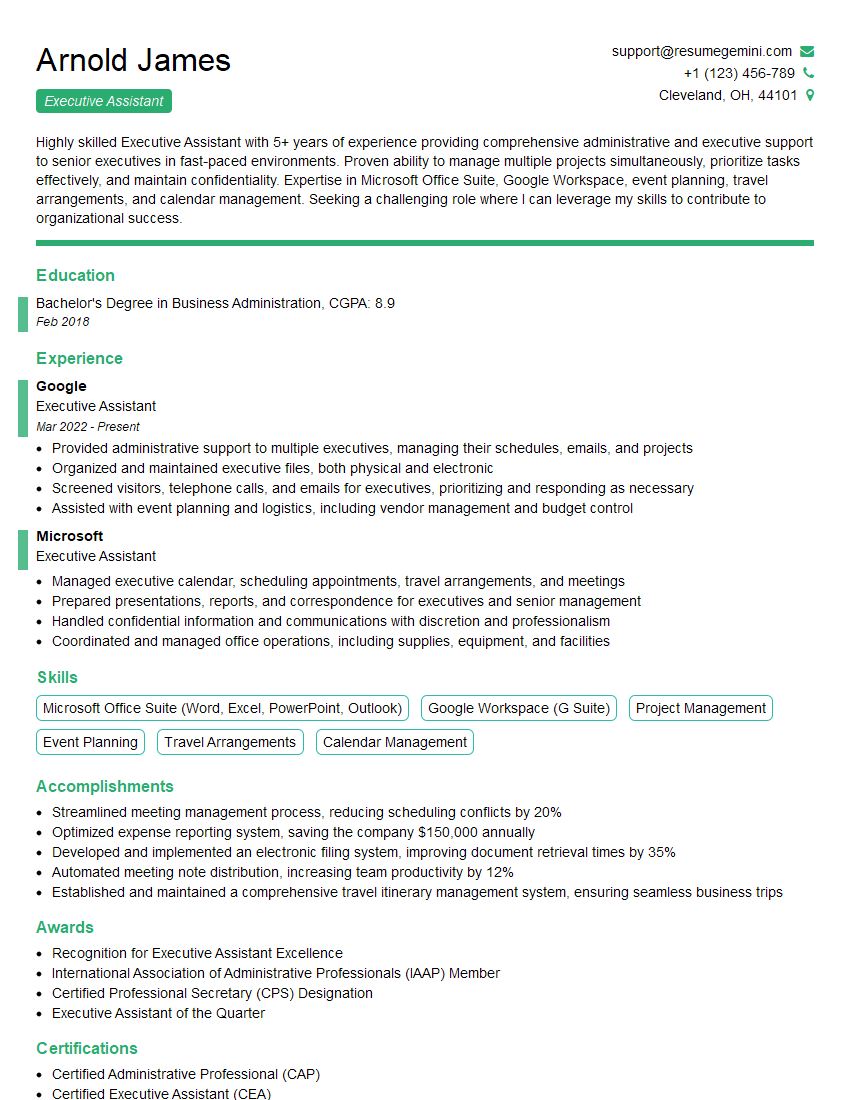
Executive Assistant Resume Sample
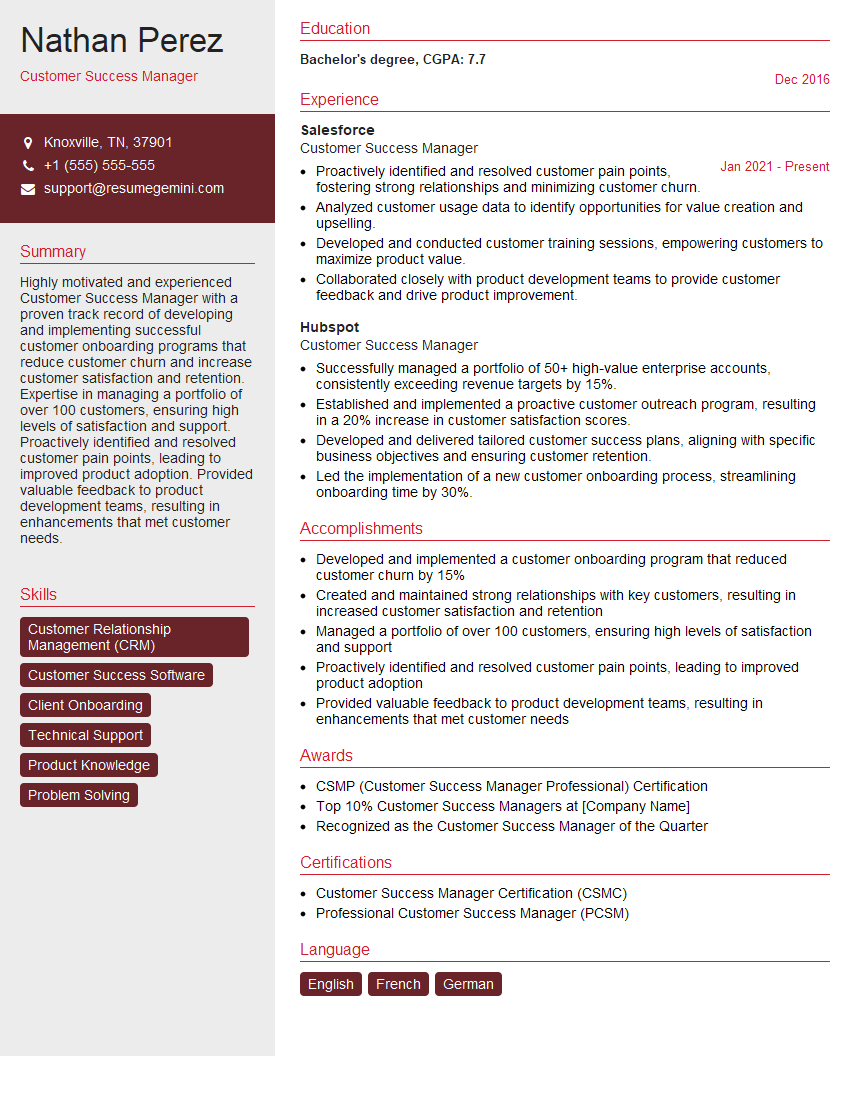
Customer Success Manager Resume Sample
Explore more articles
Users Rating of Our Blogs
Share Your Experience
We value your feedback! Please rate our content and share your thoughts (optional).
What Readers Say About Our Blog
Very informative content, great job.
good