Every successful interview starts with knowing what to expect. In this blog, we’ll take you through the top Interpersonal Skills (Collaboration) interview questions, breaking them down with expert tips to help you deliver impactful answers. Step into your next interview fully prepared and ready to succeed.
Questions Asked in Interpersonal Skills (Collaboration) Interview
Q 1. Describe a time you had to negotiate a compromise within a team.
Negotiation is a crucial collaborative skill. It’s about finding mutually acceptable solutions, not necessarily winning or losing. In one project, my team was tasked with designing a new marketing campaign. The design team favored a bold, unconventional approach, while the marketing team preferred a more traditional, data-driven strategy. Instead of forcing a decision, I facilitated a discussion where each side explained their rationale. We used a compromise framework, identifying core objectives (reach, engagement, brand alignment) and ranking them. We then brainstormed solutions that satisfied as many high-priority objectives as possible. The result was a campaign blending bold visuals with targeted messaging – a compromise that leveraged the strengths of both approaches, creating a superior outcome than either team had initially proposed.
Q 2. How do you handle conflict within a team environment?
Conflict is inevitable in teamwork. My approach involves addressing conflict directly, but constructively. I focus on understanding the root cause, not just the symptoms. I usually employ active listening to understand each person’s perspective and then rephrase their concerns to ensure clarity. I encourage a focus on shared goals, reminding the team of the overall objectives. For example, if two team members are clashing over design choices, I’d facilitate a discussion clarifying the goals of the design (e.g., user experience, brand consistency), and then work with them to find a solution that aligns with those goals. Sometimes, simply clarifying misunderstandings resolves the conflict. If not, I might suggest using a decision-making framework, like voting or a weighted scoring system, to reach a consensus.
Q 3. Explain your approach to resolving disagreements among team members.
Resolving disagreements requires empathy and a structured approach. I begin by creating a safe space for open communication, ensuring all voices are heard without interruption or judgment. I use techniques like summarizing each perspective to confirm understanding and identify points of agreement and disagreement. I then guide the team towards a collaborative solution through brainstorming or using conflict resolution methods, like the ‘win-win’ approach which seeks solutions benefiting all parties. For instance, if team members disagree on a project timeline, I’d encourage them to explore the reasons for their differing views – perhaps resource constraints or differing estimations of task complexity. By collaboratively analyzing the situation, we can create a revised, realistic timeline that everyone accepts.
Q 4. Describe your experience working on a cross-functional team.
Working on cross-functional teams has honed my collaboration skills significantly. In a previous role, I was part of a team that included engineers, designers, marketers, and sales professionals, developing a new software product. The challenge lay in aligning diverse perspectives and expertise. To navigate this, we established clear communication channels, regular meetings with defined agendas, and roles for each team member. We used project management tools to track progress and ensure transparency. Crucially, we emphasized shared understanding of the overall product vision to avoid siloed thinking. Active listening, patience, and recognizing the value of each team member’s contribution were essential in creating a cohesive and productive environment.
Q 5. How do you ensure everyone’s voice is heard in a team meeting?
Ensuring everyone’s voice is heard requires proactive strategies. I start by setting clear guidelines for respectful communication and participation at the beginning of each meeting. This includes using techniques like round-robin introductions where everyone shares a brief update, establishing time limits for each discussion point, and explicitly calling on quieter team members to share their insights. I also utilize online collaboration tools to facilitate asynchronous communication, allowing members to contribute their ideas outside of formal meeting times. This ensures that even introverted members have an opportunity to participate effectively.
Q 6. How do you contribute to a positive and collaborative team culture?
Contributing to a positive and collaborative culture involves consistent effort and mindful actions. I foster a culture of trust and respect by being reliable, actively listening to team members’ concerns, and providing constructive feedback. I celebrate team successes to boost morale and encourage collaboration by recognizing individual and team contributions. I promote open communication by being approachable and transparent, facilitating open dialogue, and creating a psychologically safe space where people feel comfortable expressing ideas and concerns without fear of judgment. Small acts, like offering help, thanking colleagues, and recognizing achievements, go a long way in building positive team dynamics.
Q 7. How do you manage competing priorities within a team project?
Managing competing priorities within a team project requires a structured approach. I start by clearly defining all project tasks and dependencies, visualizing them using project management tools like Gantt charts or Kanban boards. The team then collaboratively prioritizes tasks based on urgency, importance, and resource availability. This may involve using a prioritization matrix or a simple ranking exercise. Regular check-ins and progress updates ensure we stay on track. If unforeseen challenges arise, we use agile methodologies, allowing for flexibility and adjustments. Open communication and transparency regarding resource constraints and potential delays are crucial for maintaining team morale and achieving project success.
Q 8. Describe a situation where you had to influence a team towards a shared goal.
Influencing a team towards a shared goal requires a blend of strong communication, empathy, and persuasive leadership. It’s not about forcing compliance, but about creating buy-in and shared ownership.
In a previous project, our team was tasked with launching a new software feature within a tight deadline. Initial feedback revealed a lack of consensus on the best approach. Some team members favored a rapid, iterative development cycle, while others preferred a more methodical, risk-averse approach. To resolve this, I initiated a series of collaborative workshops. We brainstormed various approaches, analyzed their pros and cons, and utilized a prioritization matrix to weigh potential risks and rewards. Through active listening and respectful dialogue, we identified common ground and crafted a hybrid approach that incorporated elements from both perspectives. This collaborative decision-making process resulted in increased team cohesion and a shared sense of ownership over the project, ultimately leading to a successful launch on time.
Key elements of this process included:
- Active listening: Truly understanding different viewpoints.
- Collaborative problem-solving: Finding solutions that accommodate multiple needs.
- Transparency and open communication: Ensuring everyone feels heard and informed.
- Building consensus: Finding common ground and reaching a mutually agreeable plan.
Q 9. How do you handle a team member who is underperforming?
Addressing underperformance requires a delicate balance of empathy, constructive feedback, and clear expectations. It’s crucial to avoid public shaming and instead focus on providing support and guidance.
My approach starts with a private, one-on-one meeting with the team member. I begin by expressing my concern in a supportive manner, focusing on the impact of the underperformance rather than placing blame. I then collaboratively work to identify the root cause – are there skill gaps? Is there a lack of clarity regarding responsibilities? Are there personal issues affecting their work?
Once the root cause is identified, we collaboratively develop a plan of action. This might involve additional training, mentorship, adjusted workload, or seeking external resources. Regular check-ins are crucial to track progress and provide ongoing support. If the underperformance persists despite these interventions, I would escalate the issue to the appropriate management level.
Example: A team member consistently missed deadlines. After a private conversation, we discovered that they were overwhelmed by an unexpected personal matter and struggling to manage their workload effectively. We adjusted their tasks and provided extra support to help them catch up, and eventually they caught up and improved.
Q 10. How do you build trust and rapport with colleagues?
Building trust and rapport is fundamental for effective collaboration. It’s built over time through consistent actions and a genuine interest in colleagues. Think of it as building a foundation for a strong team.
My approach involves:
- Active listening and empathy: Showing genuine interest in their perspectives and experiences.
- Open communication: Being transparent, honest, and approachable. Sharing relevant information proactively.
- Reliability and consistency: Following through on commitments and being someone colleagues can depend on.
- Respectful interactions: Valuing diverse opinions and fostering a culture of mutual respect.
- Showing appreciation: Acknowledging individual contributions and celebrating team successes.
For instance, I make a point of learning about my colleagues’ interests outside of work, creating opportunities for casual conversations and building stronger interpersonal connections.
Q 11. What strategies do you use to facilitate effective team communication?
Effective team communication requires a multi-faceted approach that considers various communication styles and preferences. It’s not just about talking, it’s about ensuring everyone is heard and understands.
My strategies include:
- Regular team meetings: Establish clear agendas, encourage open discussion, and assign action items.
- Utilizing various communication channels: Email for formal updates, instant messaging for quick queries, project management tools for task tracking and collaboration.
- Active listening and clear communication: Ensuring messages are concise and easily understood. Regularly summarizing key points and clarifying any misunderstandings.
- Providing regular feedback: Both positive reinforcement and constructive criticism. Use feedback mechanisms like 360 degree feedback and regular performance appraisals.
- Creating a safe space for communication: Encouraging open dialogue, acknowledging differing opinions and resolving conflict constructively.
Q 12. How do you ensure that all team members understand their roles and responsibilities?
Ensuring all team members understand their roles and responsibilities is essential for avoiding confusion and maximizing productivity. Clear roles and responsibilities are the foundation of a well-functioning team.
My approach involves:
- Clearly defined roles: Develop job descriptions that outline responsibilities, accountabilities, and reporting structures.
- Team charter: Create a document that outlines team goals, values, and working agreements.
- Regular check-ins: Conduct regular one-on-one meetings to discuss progress, address concerns, and provide clarification.
- Training and mentorship: Provide opportunities for skill development and knowledge sharing.
- Utilizing project management tools: Employ tools that allow for transparent task assignment and progress tracking.
For instance, I use a project management software that clearly outlines roles and responsibilities for each task or phase of a project. This ensures everyone is aware of their individual contributions and how they fit into the larger picture.
Q 13. Describe a time you had to adapt your communication style to suit different team members.
Adapting communication style is key to effective collaboration, as individuals have different communication preferences and learning styles. What works for one person might not work for another.
I’ve found that adjusting my communication style based on individual needs significantly improves team cohesion and productivity. For example, some team members might prefer concise, direct communication (e.g., email updates), while others respond better to more detailed, conversational exchanges (e.g., in-person meetings or phone calls).
In one instance, I was working with a team that included both highly experienced senior engineers and recent graduates. With the senior engineers, I primarily used direct, results-oriented communication. With the recent graduates, I employed a more supportive, mentorship-oriented approach, providing frequent feedback and clear explanations. This tailored approach ensured that everyone felt understood and valued.
Q 14. How do you provide constructive feedback to colleagues?
Providing constructive feedback is crucial for professional growth and team improvement. It’s about guiding improvement, not delivering criticism.
My approach focuses on the following principles:
- Specificity: Focus on specific behaviors and their impact, rather than making generalizations.
- Timeliness: Deliver feedback as soon as possible after the event to maximize impact.
- Balance: Highlight both strengths and areas for improvement. Start with positive feedback before addressing areas for growth.
- Focus on behavior, not personality: Describe observable actions and their consequences, avoiding judgmental language.
- Collaboration: Frame feedback as a collaborative process, involving the recipient in identifying solutions.
For example, instead of saying “You’re not a good team player,” I would say “In the recent project meeting, I noticed you didn’t actively participate in the brainstorming session. This made it difficult to get everyone’s input. How can we ensure your insights are included in future meetings?”
Q 15. How do you manage expectations within a team setting?
Managing expectations in a team is crucial for success. It involves clearly communicating goals, roles, and timelines to each team member, ensuring everyone is on the same page. This process begins with a collaborative discussion where team members actively participate in defining goals and deliverables. Then, I utilize a system of regular check-ins – both individual and group – to track progress, address roadblocks, and adjust expectations as needed. This proactive approach prevents misunderstandings and keeps everyone motivated and aligned. For example, during a project launch, I’d first establish clear, measurable objectives with my team. We’d then break down the tasks into smaller, manageable chunks, assigning responsibilities and deadlines based on individual skill sets and capacity. Finally, I’d use project management tools to monitor progress and ensure transparency.
Furthermore, I believe in open communication where team members feel comfortable voicing concerns or suggesting adjustments. This allows for flexibility and prevents unrealistic expectations from derailing the project. If adjustments need to be made to deadlines or deliverables, I ensure the entire team is informed and understands the rationale behind the change.
Career Expert Tips:
- Ace those interviews! Prepare effectively by reviewing the Top 50 Most Common Interview Questions on ResumeGemini.
- Navigate your job search with confidence! Explore a wide range of Career Tips on ResumeGemini. Learn about common challenges and recommendations to overcome them.
- Craft the perfect resume! Master the Art of Resume Writing with ResumeGemini’s guide. Showcase your unique qualifications and achievements effectively.
- Don’t miss out on holiday savings! Build your dream resume with ResumeGemini’s ATS optimized templates.
Q 16. Describe a time you had to mentor or coach a colleague.
In a previous role, I mentored a junior colleague who was struggling with data analysis techniques. I noticed she was overwhelmed by the complexity of the statistical software we were using. My approach was to start with a thorough needs assessment – understanding her current skill level and identifying specific areas where she needed improvement. We began with foundational training, using hands-on exercises and real-world examples relevant to her tasks. I provided regular feedback and guidance, encouraging her to experiment and ask questions. We also scheduled regular check-in sessions to review progress and address any lingering challenges. The key was to build her confidence and empower her to learn at her own pace. Within a few months, she was independently handling complex data analyses, exceeding expectations.
Q 17. How do you handle pressure and deadlines within a team environment?
Handling pressure and deadlines effectively involves a multifaceted approach. Firstly, I advocate for proactive planning. This means breaking down large projects into smaller, manageable tasks with clearly defined milestones and timelines. This provides a sense of control and allows for efficient monitoring of progress. Secondly, open and honest communication is paramount. Keeping the team informed about deadlines, challenges, and potential bottlenecks helps prevent surprises and promotes collaboration in problem-solving. If a deadline is in jeopardy, I work with the team to identify solutions, potentially re-allocating resources or adjusting priorities. This may involve a transparent discussion about the trade-offs involved. Finally, I emphasize the importance of work-life balance, encouraging the team to take breaks and avoid burnout. This is crucial for maintaining morale and productivity under pressure.
Q 18. What is your preferred method for sharing updates and progress within a team?
My preferred method for sharing updates and progress combines several strategies to ensure effective and timely communication. I utilize a project management software (like Asana or Jira) to track task completion, deadlines, and overall project progress. This centralized platform ensures transparency and accessibility for all team members. In addition, I hold regular team meetings (both formal and informal) to discuss progress, address concerns, and facilitate open dialogue. For quick updates, I prefer using instant messaging platforms (Slack or Microsoft Teams) to share quick updates, announcements, or to address urgent issues. This multi-channel approach ensures all team members receive updates in their preferred manner and keeps everyone well-informed.
Q 19. How do you measure the success of team collaboration efforts?
Measuring the success of team collaboration goes beyond simply completing a project. I evaluate success using a combination of qualitative and quantitative metrics. Quantitative measures include project completion rates, adherence to timelines and budgets, and client satisfaction scores. However, equally important are qualitative measures, such as team morale, individual growth, and the efficiency of the collaborative process itself. Were there improvements in communication or workflow? Did team members gain new skills or experience? Did the project foster a positive and productive team dynamic? I often use feedback surveys and team retrospectives to gauge the overall effectiveness of our collaboration efforts and identify areas for improvement.
Q 20. What is your approach to delegating tasks effectively?
Effective delegation is about matching the right task to the right person based on their skills, experience, and capacity. It’s not just about offloading work but empowering team members to take ownership and develop their capabilities. Before delegating a task, I clarify expectations clearly, ensuring the team member understands the goals, deliverables, and deadlines. I also provide the necessary resources and support. I offer guidance and mentorship without micromanaging. Regular check-ins allow me to provide support, address roadblocks, and celebrate achievements. The goal is to foster a sense of responsibility and accomplishment in the team member, strengthening their skills and confidence.
Q 21. How do you motivate a team to achieve its goals?
Motivating a team involves creating a positive and supportive environment where each member feels valued and empowered. I begin by setting clear and achievable goals that are aligned with the team’s skills and interests. I encourage open communication, fostering a culture of trust and collaboration. Recognizing and celebrating both individual and collective achievements is crucial – this can be through informal praise, public acknowledgment, or small rewards. Providing opportunities for professional development and growth shows commitment to the team’s long-term success and increases their motivation. Finally, I lead by example, demonstrating dedication, enthusiasm, and a commitment to achieving shared goals. By fostering a sense of purpose and shared ownership, I create an environment where team members are intrinsically motivated to reach their full potential.
Q 22. How do you handle situations where team members have conflicting opinions?
Conflicting opinions are inevitable in teamwork. The key is to view them not as obstacles, but as opportunities for richer, more robust solutions. My approach focuses on fostering respectful dialogue and collaborative problem-solving.
- Active Listening: I prioritize understanding each team member’s perspective before offering my own. This involves truly listening, asking clarifying questions, and summarizing to ensure I’ve grasped their point accurately.
- Identifying Common Ground: Even amidst disagreement, there’s usually shared goals or underlying values. Highlighting these commonalities helps to build bridges and reduce tension.
- Structured Discussion: I often facilitate discussions using a structured approach, perhaps using a decision-making framework like nominal group technique or a simple pro/con list, to ensure everyone has a voice and that we move towards a solution systematically.
- Compromise and Negotiation: Finding a solution that satisfies everyone completely may not always be possible. In such cases, constructive negotiation and compromise are crucial, focusing on what’s achievable while respecting all viewpoints.
- Mediation (if necessary): If conflicts become particularly intense, I’m willing to act as a neutral mediator, facilitating a productive conversation and helping parties find common ground.
For example, in a previous project, two team members had strongly opposing views on the best software to use. Instead of dismissing either opinion, I facilitated a discussion where each person presented their case, emphasizing the pros and cons of each software. We identified areas of overlap and eventually chose a solution that incorporated the best aspects of both options.
Q 23. Describe your experience using collaboration tools and technologies.
I’m proficient in using a variety of collaboration tools to enhance team effectiveness. My experience includes using project management software such as Jira and Asana for task assignment, progress tracking, and communication. I’ve also utilized communication platforms like Slack and Microsoft Teams for real-time discussions, file sharing, and quick updates. Furthermore, I’m comfortable using video conferencing tools such as Zoom and Google Meet for virtual meetings and brainstorming sessions. My experience extends to using document collaboration tools like Google Docs and Microsoft Office 365, which allow for simultaneous editing and real-time feedback.
In addition to these tools, I’m adept at utilizing cloud storage solutions like Dropbox and Google Drive for easy access and sharing of project documents and resources. I understand the importance of choosing the right tool for the right job and adapt my choices based on project needs and team preferences.
Q 24. How do you adapt your approach to collaboration based on the team’s size and composition?
Adapting my collaboration approach to team size and composition is essential for optimal performance. With smaller teams (e.g., 2-5 members), a more informal, less structured approach might be sufficient. Open communication, quick decision-making, and close collaboration are key.
- Smaller Teams: Frequent informal check-ins, direct communication, and shared decision-making are highly effective.
- Larger Teams: A more structured and formal approach is necessary, including clearly defined roles, regular meetings with agendas, and the use of project management software to track progress and maintain organization.
Team composition also influences my strategy. For teams with members possessing diverse skill sets or backgrounds, I’ll focus on creating an inclusive environment where everyone’s expertise is valued and utilized. This may involve establishing clear communication protocols and providing opportunities for individuals to showcase their skills and contribute effectively. For example, I might delegate tasks based on individual strengths, pair up team members with complementary skills, and create diverse subgroups to solve particular challenges. In essence, my approach is flexible and responsive to the unique characteristics of each team.
Q 25. How do you identify and address potential conflicts before they escalate?
Proactive conflict resolution is crucial. My approach involves identifying potential conflicts early and addressing them before they escalate. This often involves:
- Regular Check-ins: Frequent communication, both one-on-one and as a team, allows me to gauge individual morale and identify brewing issues before they become significant problems.
- Clear Expectations and Roles: Setting clear expectations from the outset regarding responsibilities, deadlines, and communication protocols minimizes misunderstandings and prevents conflicts related to roles and responsibilities.
- Open Communication Channels: Creating a safe and comfortable space for team members to express their concerns or disagreements is vital. This could involve anonymous feedback mechanisms or regularly scheduled sessions focused on conflict resolution.
- Proactive Risk Assessment: Identifying potential points of friction during project planning is key. For example, if there are competing priorities or limited resources, addressing these challenges early helps prevent conflicts down the line.
For instance, in a past project, I anticipated potential conflicts between two team members with vastly different work styles. To proactively address this, I scheduled a pre-project meeting to discuss expectations and establish clear communication protocols. This proactive step ensured a smooth workflow and prevented any significant conflicts.
Q 26. Describe a time you had to facilitate a brainstorming session.
I recently facilitated a brainstorming session for developing a new marketing campaign. To ensure a productive and inclusive session, I employed several strategies:
- Setting Clear Objectives: The session’s purpose was clearly defined beforehand: to generate creative ideas for a new marketing campaign targeting a younger demographic.
- Establishing Ground Rules: I emphasized respect for all ideas, encouraged active listening, and prohibited criticism during the idea-generation phase.
- Techniques to Boost Creativity: I used brainstorming techniques like ‘brainwriting’ (writing ideas individually first before sharing) and ‘mind mapping’ to encourage diverse thinking and participation.
- Recording and Categorizing Ideas: All ideas were recorded on a whiteboard for everyone to see. After the initial brainstorming, we categorized and prioritized the ideas based on feasibility and impact.
- Actionable Outcomes: The session concluded with a clear list of actionable ideas, assigning ownership and deadlines to various team members.
The result was a diverse range of innovative ideas that exceeded expectations. The structured approach ensured everyone felt heard and contributed meaningfully, leading to a more creative and effective outcome.
Q 27. How do you ensure that all team members feel valued and respected?
Creating a culture of appreciation and respect is crucial. I focus on several key strategies to ensure every team member feels valued:
- Regular Acknowledgement: Regularly acknowledging and appreciating individual contributions, both big and small, is vital. This might involve verbal praise during meetings, sending thank-you notes, or publicly recognizing achievements.
- Equal Opportunity for Participation: I create opportunities for each team member to contribute their unique skills and perspectives. This involves delegating tasks that align with individual strengths and providing a platform for everyone to share their insights.
- Active Listening and Empathy: Listening attentively and demonstrating empathy for individual concerns are key to fostering trust and respect. I ensure everyone feels heard and understood.
- Inclusive Decision-Making: Involving all team members in decision-making processes ensures that everyone’s voice is considered, creating a sense of ownership and shared responsibility.
- Providing Constructive Feedback: Providing regular feedback, both positive and constructive, helps team members grow and develop, showcasing a genuine interest in their professional journey.
For example, I once noticed a junior team member consistently offering valuable insights during meetings but seemed hesitant to speak up. By acknowledging their contributions specifically and offering encouragement, I helped them feel more confident and valued within the team.
Q 28. How do you build consensus among team members with differing perspectives?
Building consensus amidst differing perspectives requires careful facilitation and a commitment to finding common ground. My approach is:
- Understanding the ‘Why’: Understanding the underlying reasons behind differing perspectives is crucial. Asking open-ended questions like ‘What are your concerns?’ or ‘Why do you feel this is important?’ can help uncover motivations and values.
- Finding Common Goals: Focusing on shared objectives helps unite the team despite differing opinions on the ‘how.’ It’s about reminding everyone of the overall mission and working together to find the best path to achieve it.
- Exploring Options and Trade-offs: Generating multiple options and evaluating them against agreed-upon criteria allows for exploring trade-offs and finding a solution that balances various needs and preferences.
- Decision-Making Framework: Using a structured decision-making framework, such as a weighted scoring system, helps ensure objectivity and transparency in the process.
- Compromise and Negotiation: In the end, consensus might mean finding a solution that isn’t perfect for everyone, but is acceptable and workable for the entire team.
In a recent project, team members had conflicting views on the project timeline. By understanding the reasons for their differing opinions (some were concerned about workload, others about risks), we worked together to create a more flexible timeline that incorporated feedback from all stakeholders, leading to a sense of collective ownership and smoother project execution.
Key Topics to Learn for Interpersonal Skills (Collaboration) Interview
- Active Listening: Understanding and responding effectively to others’ perspectives. Practical application: Describe a situation where you successfully resolved a conflict by truly listening to all parties involved.
- Effective Communication: Clearly conveying your ideas and actively seeking clarification. Practical application: Give an example demonstrating your ability to communicate complex information concisely and persuasively to a diverse team.
- Teamwork & Conflict Resolution: Working collaboratively towards shared goals and managing disagreements constructively. Practical application: Explain how you navigated a challenging team dynamic or resolved a conflict within a group project.
- Empathy & Emotional Intelligence: Understanding and responding appropriately to the emotions of others. Practical application: Describe a time you understood and addressed the emotional needs of a team member impacting their performance.
- Negotiation & Compromise: Finding mutually beneficial solutions through discussion and compromise. Practical application: Share an example where you successfully negotiated a solution that satisfied all stakeholders.
- Delegation & Trust: Assigning tasks effectively and fostering trust within a team. Practical application: Describe a situation where you successfully delegated tasks, monitored progress, and supported team members.
- Giving & Receiving Feedback: Providing constructive criticism and accepting feedback gracefully. Practical application: Explain how you give and receive feedback in a way that fosters growth and improvement.
Next Steps
Mastering interpersonal skills, particularly collaboration, is crucial for career advancement. Strong collaboration skills are highly sought after by employers and directly impact your ability to contribute effectively to teams, lead projects, and build strong professional relationships. To maximize your job prospects, create an ATS-friendly resume that clearly highlights your collaborative achievements. ResumeGemini is a trusted resource for building professional, impactful resumes. We provide examples of resumes tailored to showcase strong interpersonal skills and collaboration experience – explore our examples to see how you can effectively highlight your abilities!
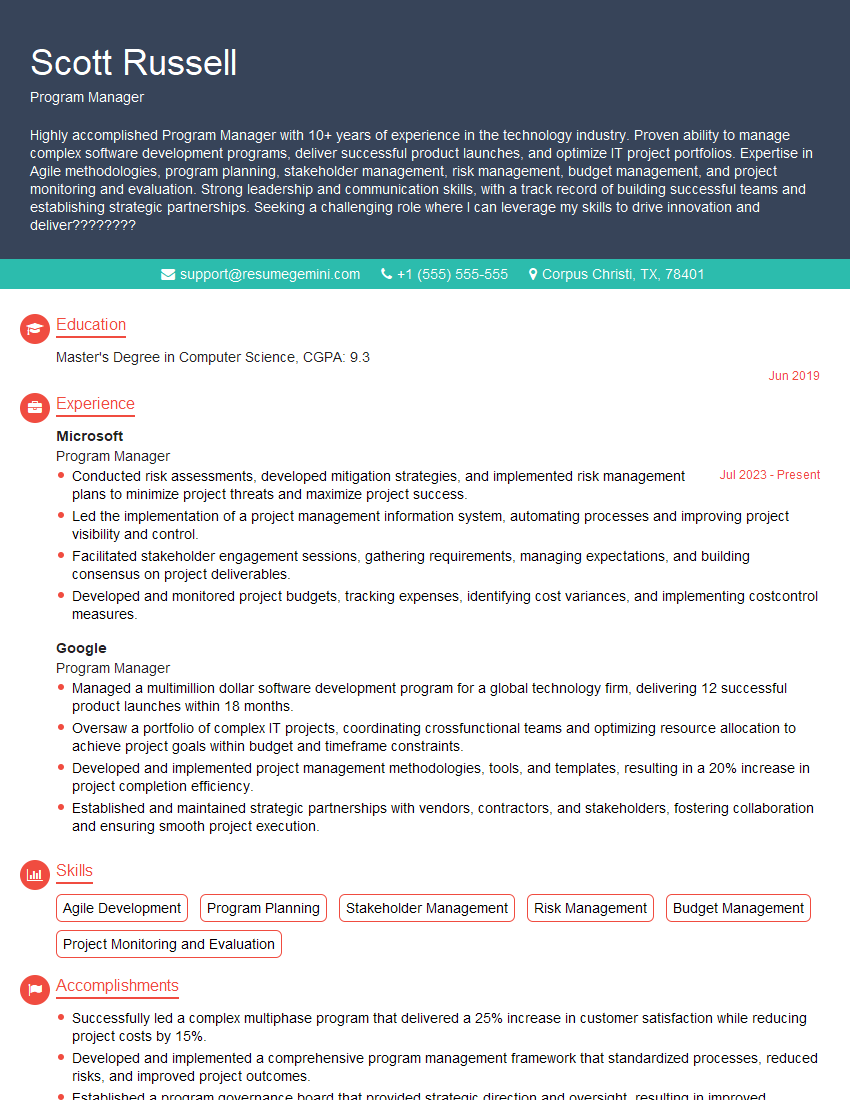
Program Manager Resume Sample
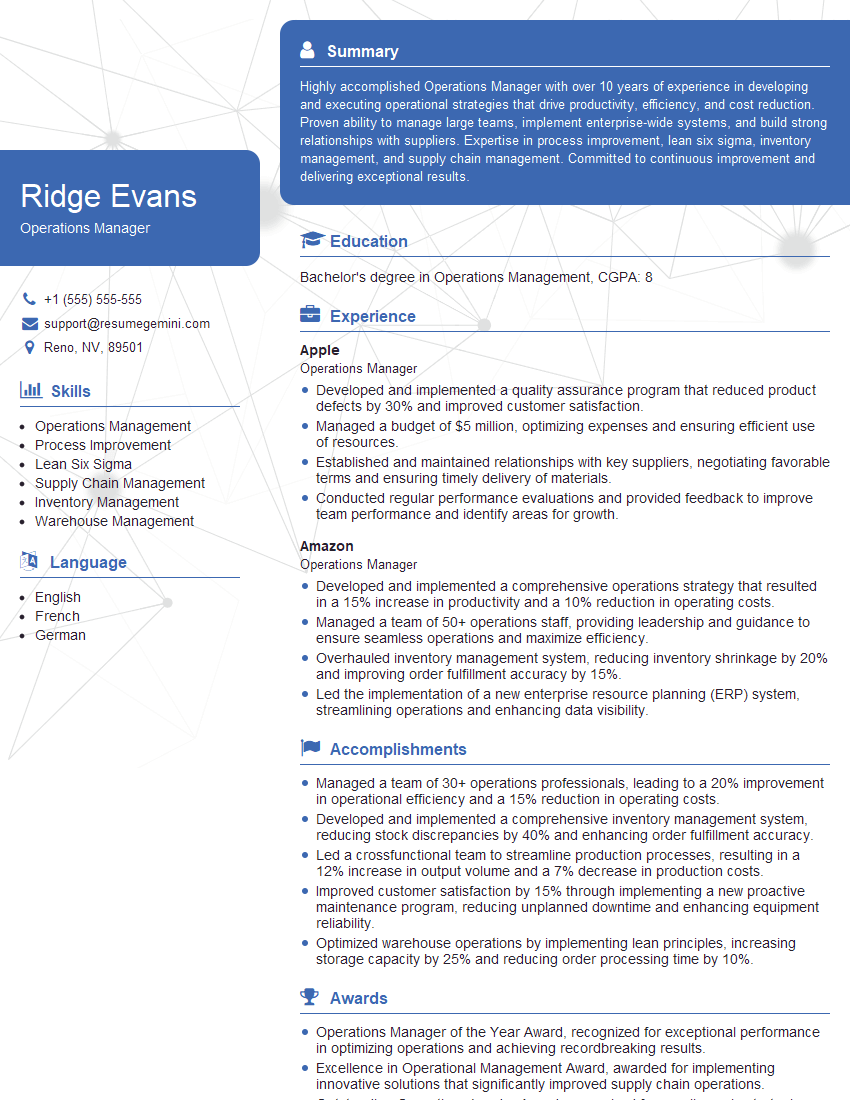
Operations Manager Resume Sample
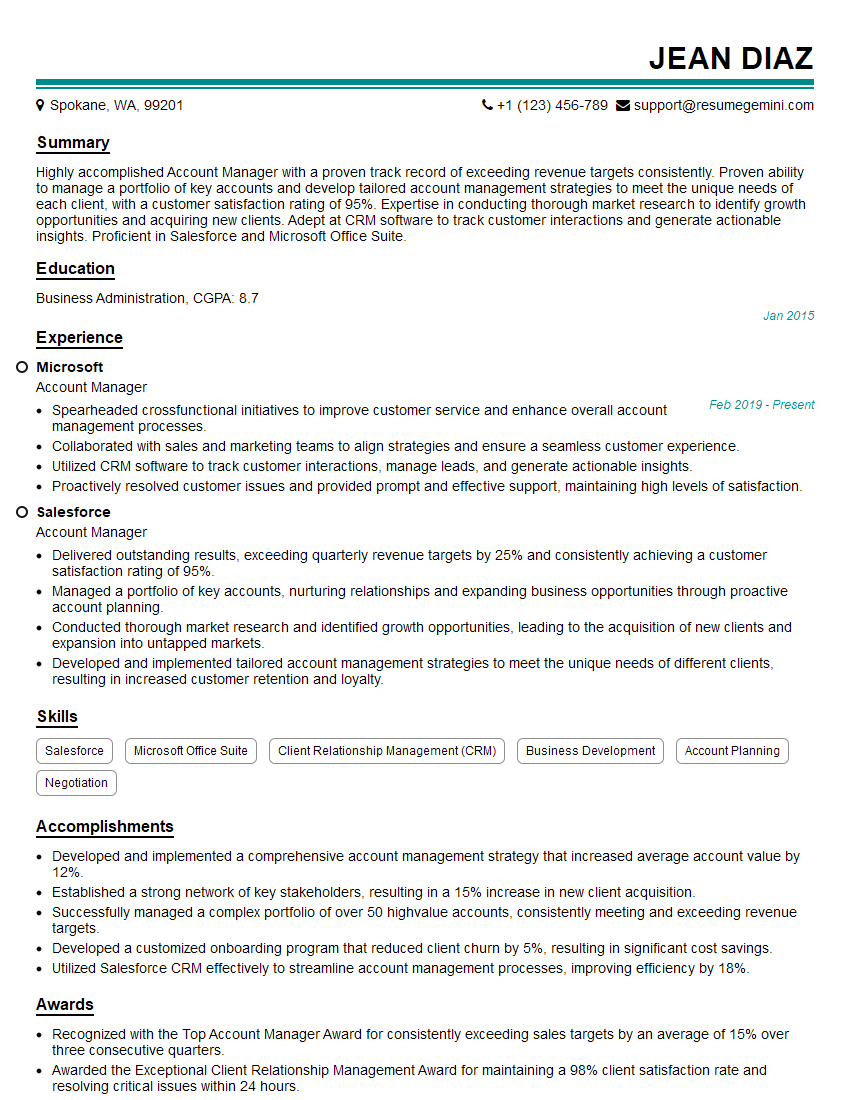
Account Manager Resume Sample
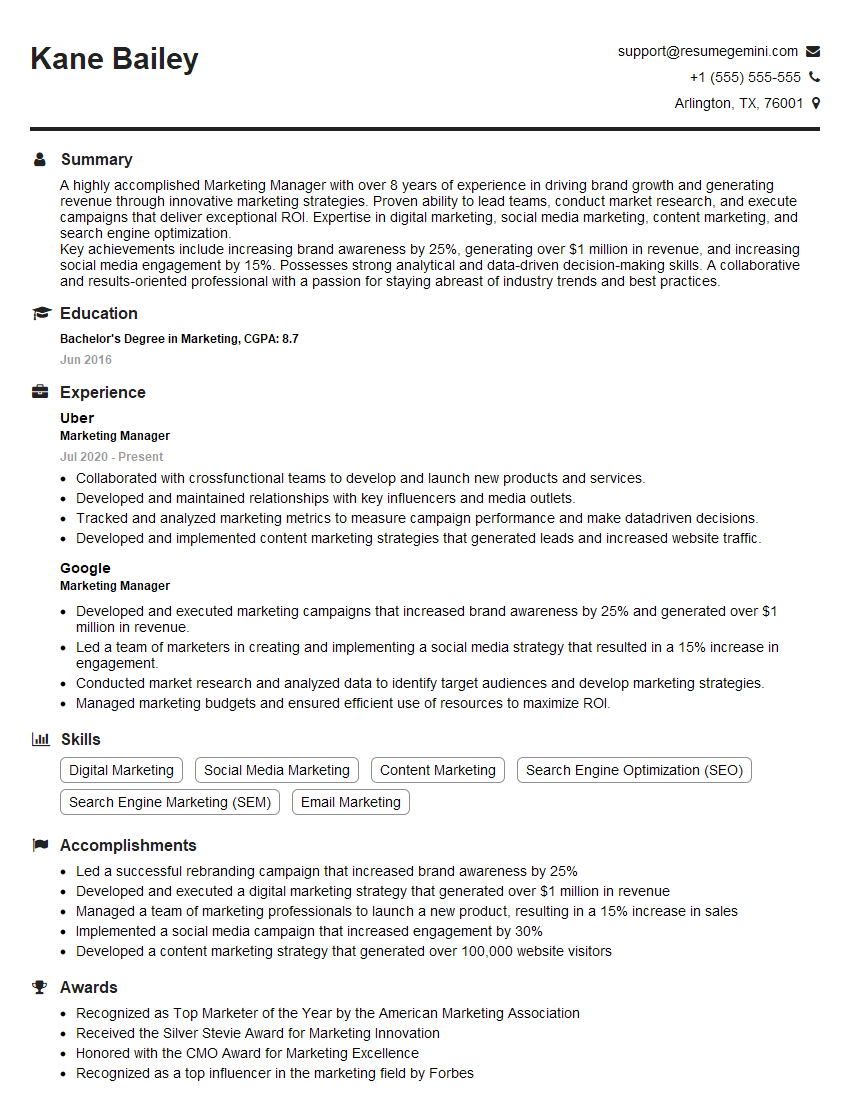
Marketing Manager Resume Sample
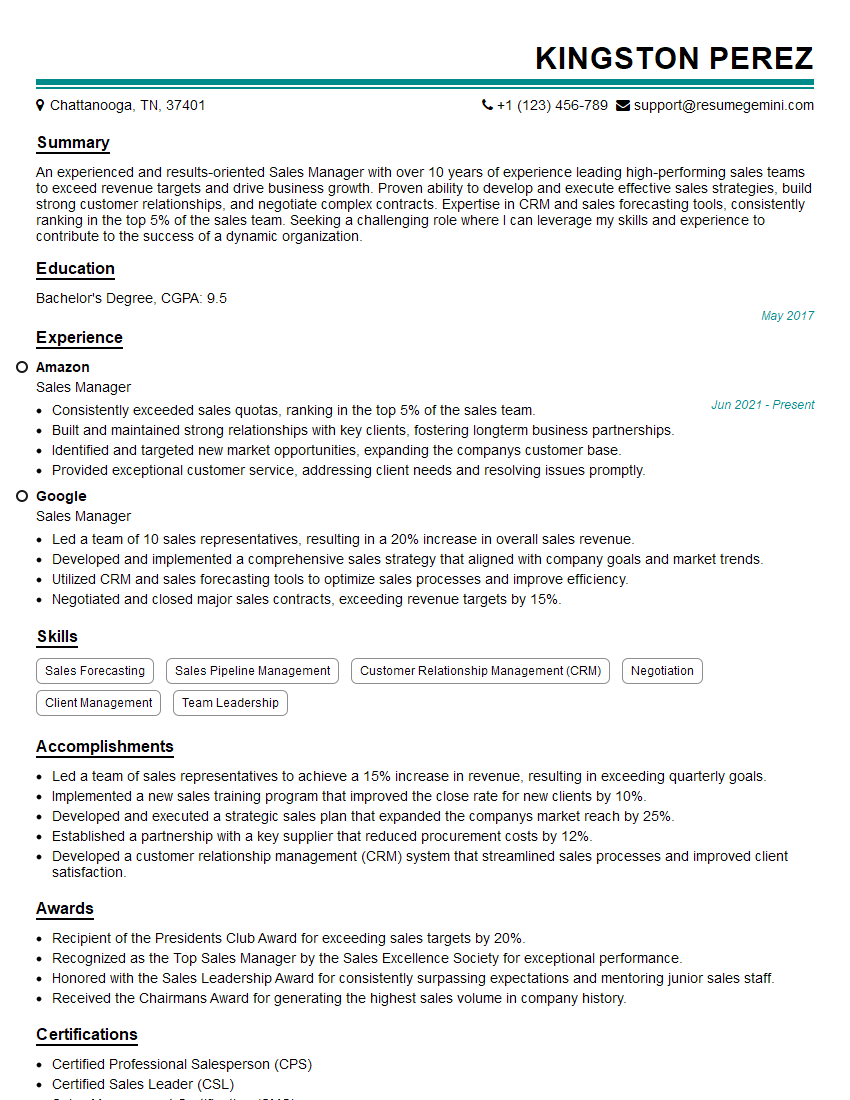
Sales Manager Resume Sample
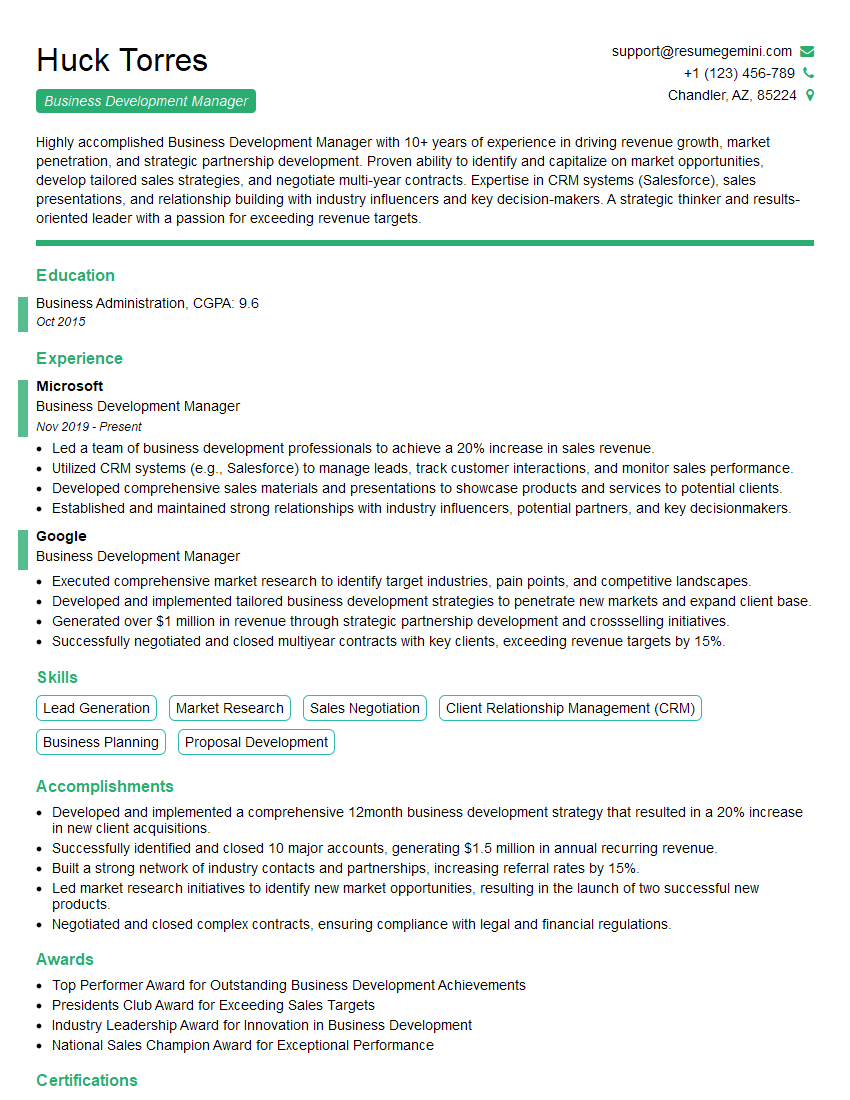
Business Development Manager Resume Sample
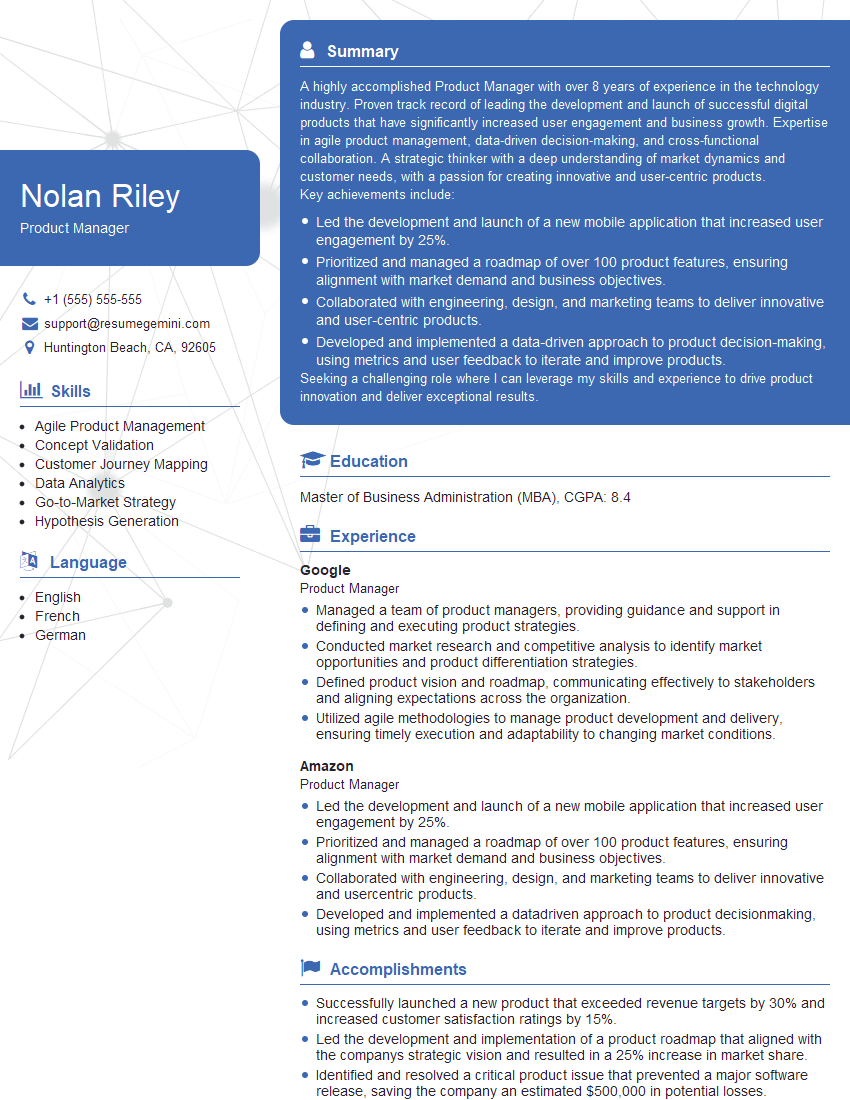
Product Manager Resume Sample
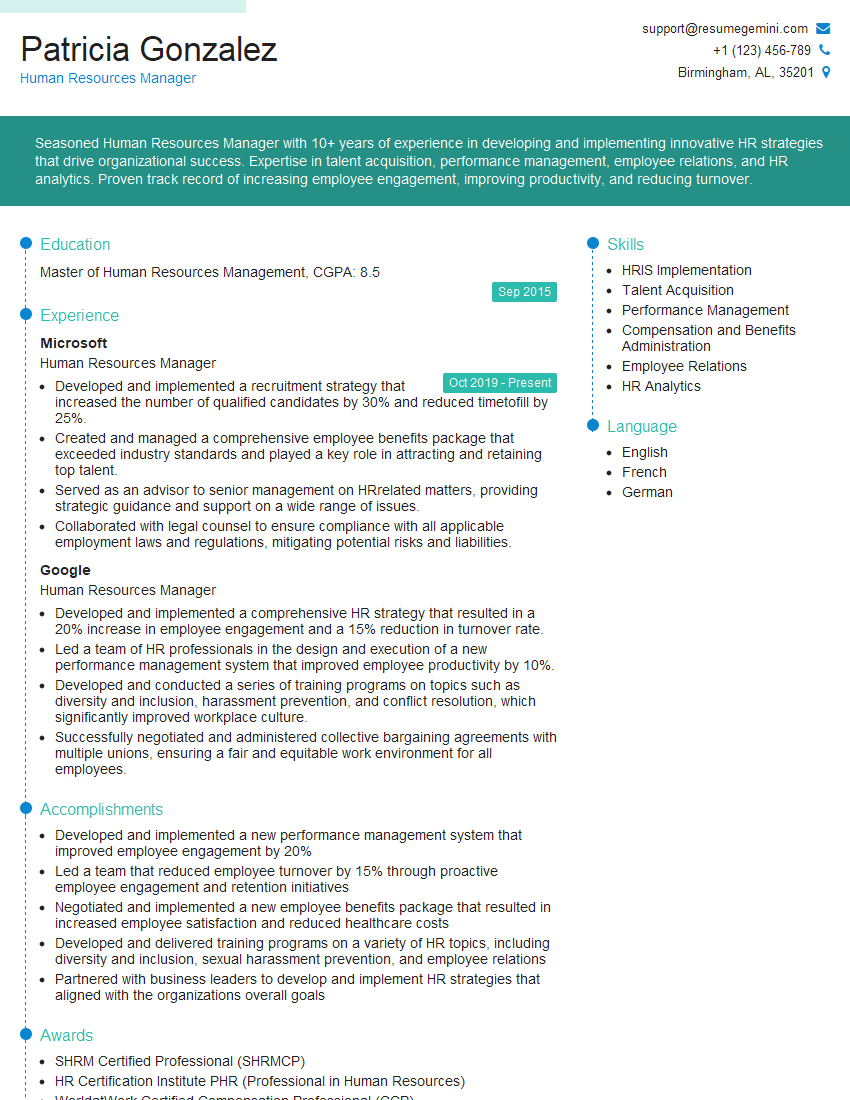
Human Resources Manager Resume Sample
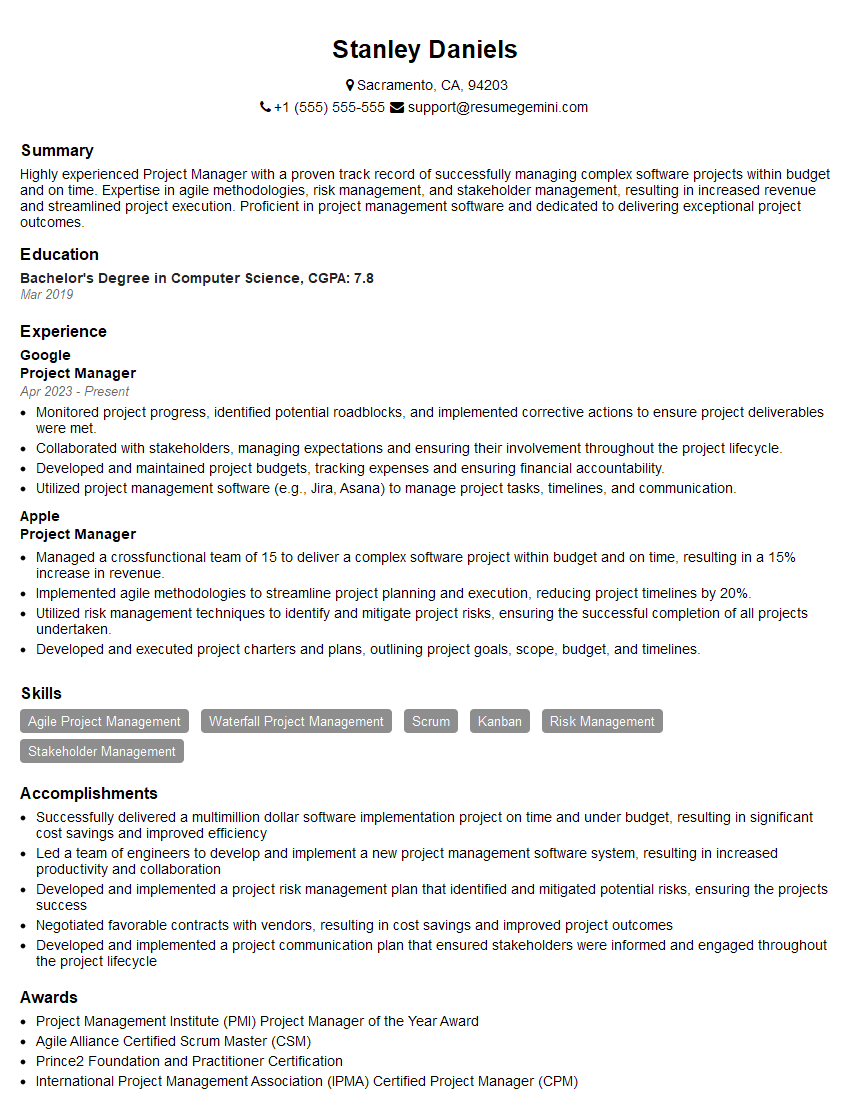
Project Manager Resume Sample
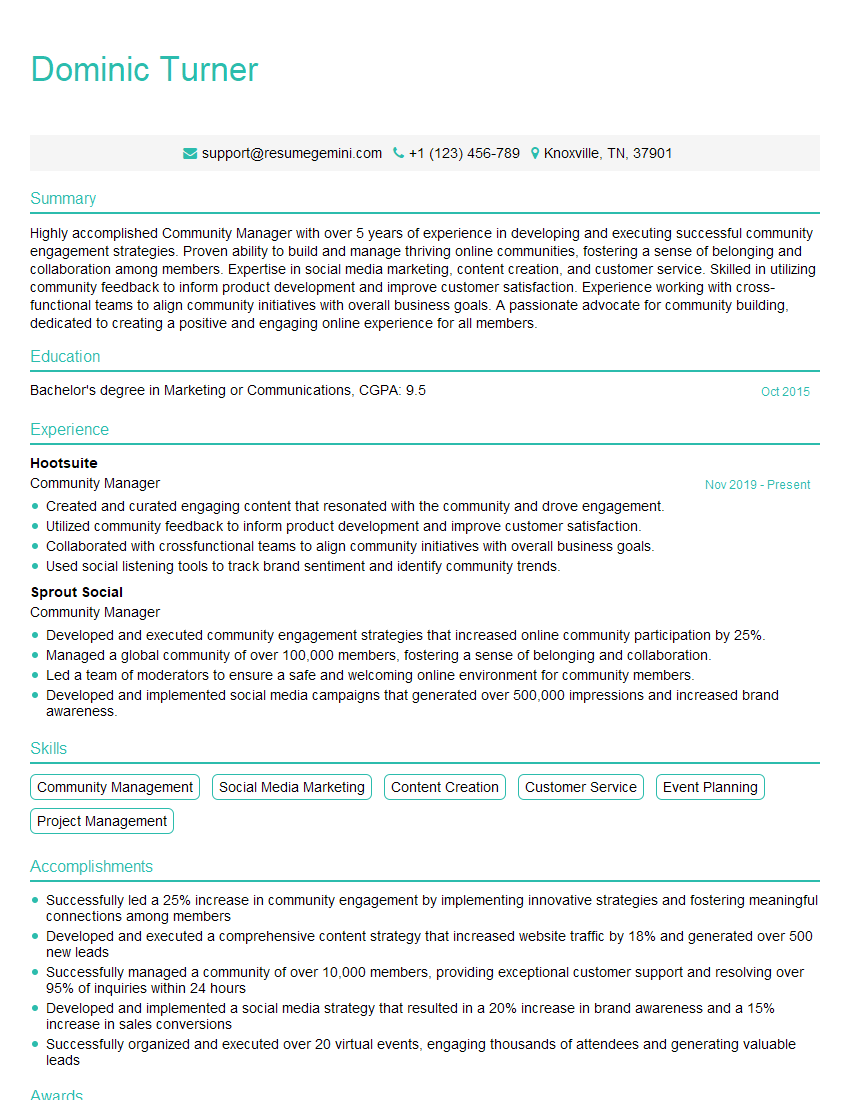
Community Manager Resume Sample

Social Media Manager Resume Sample
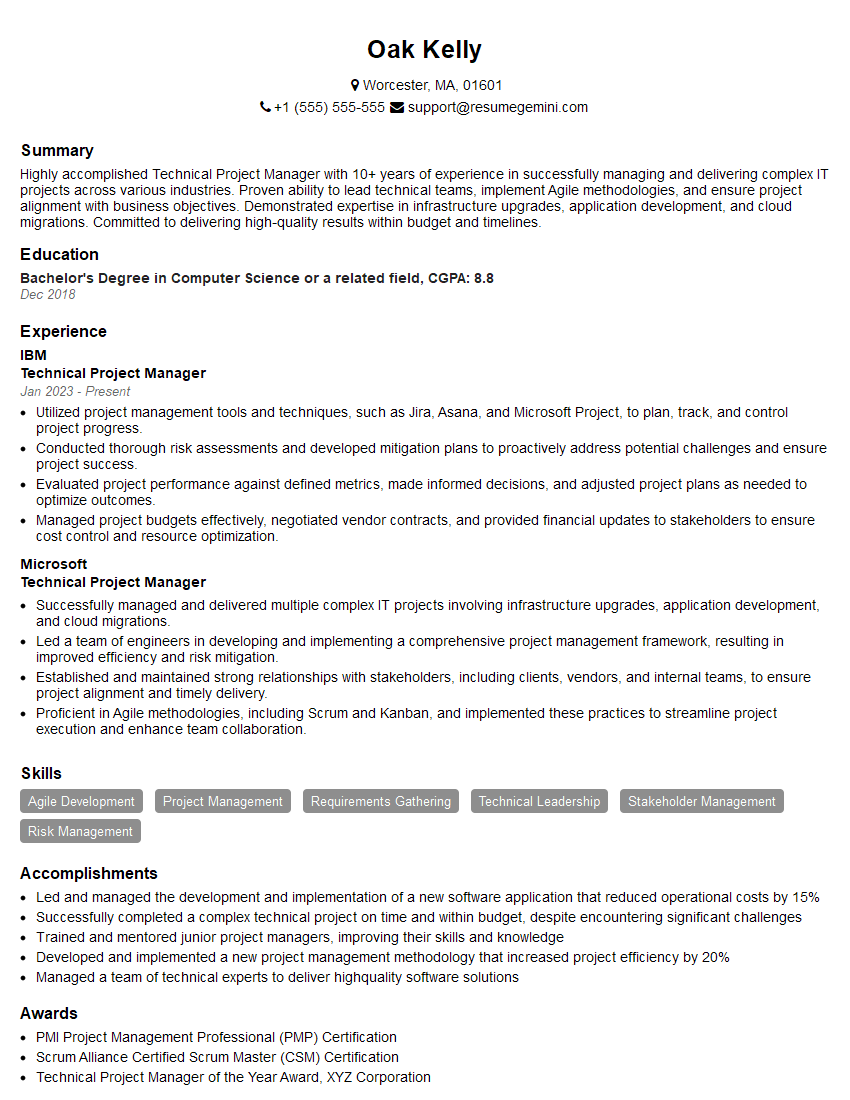
Technical Project Manager Resume Sample
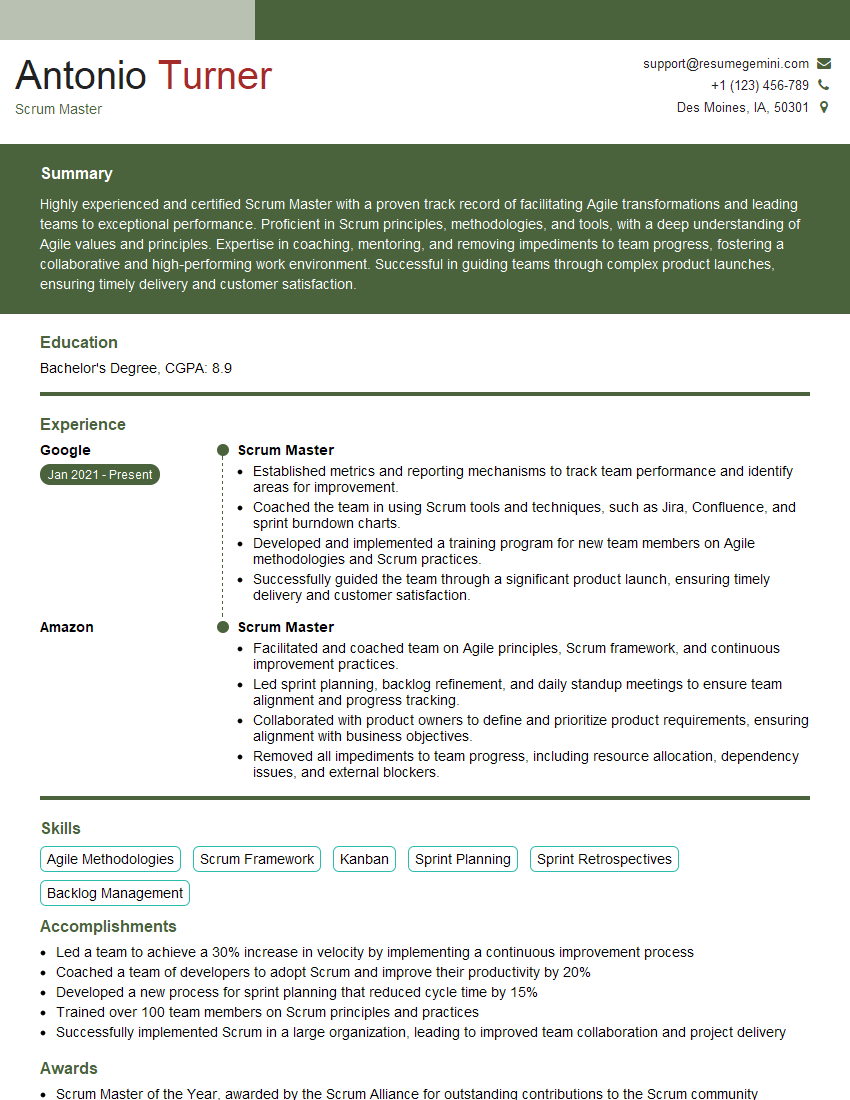
Scrum Master Resume Sample
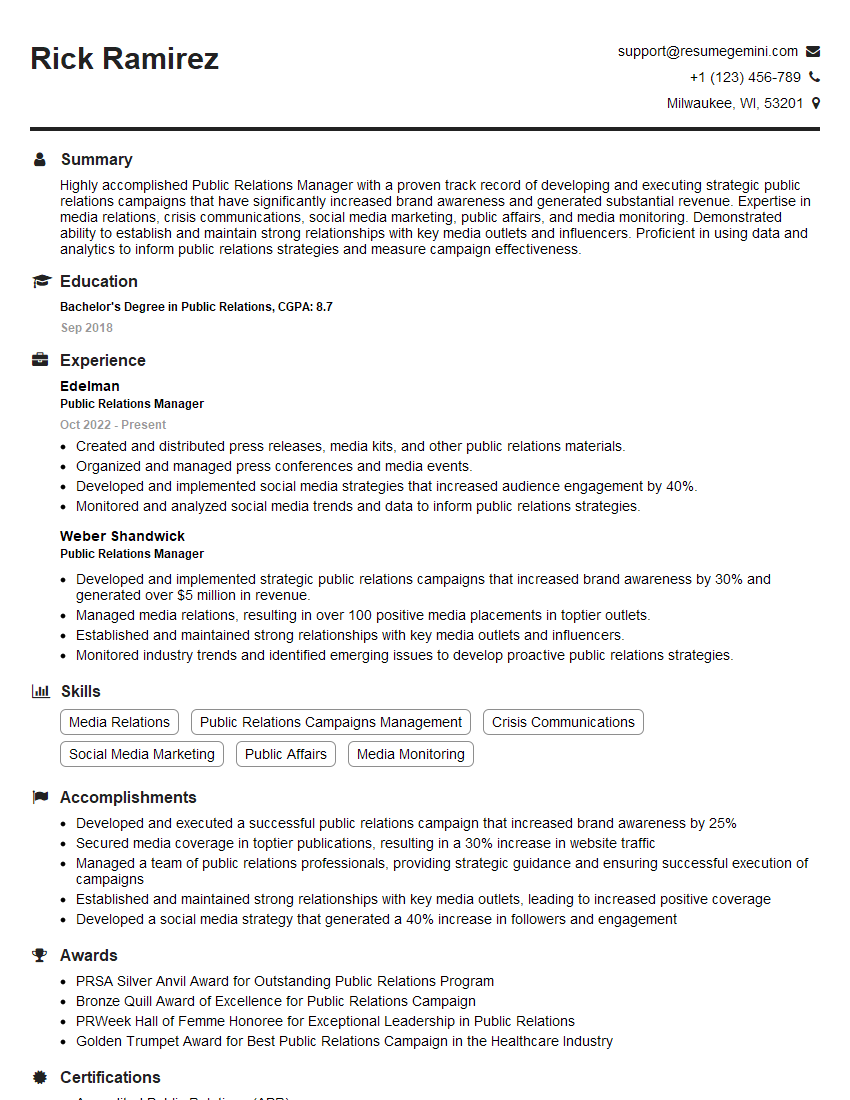
Public Relations Manager Resume Sample
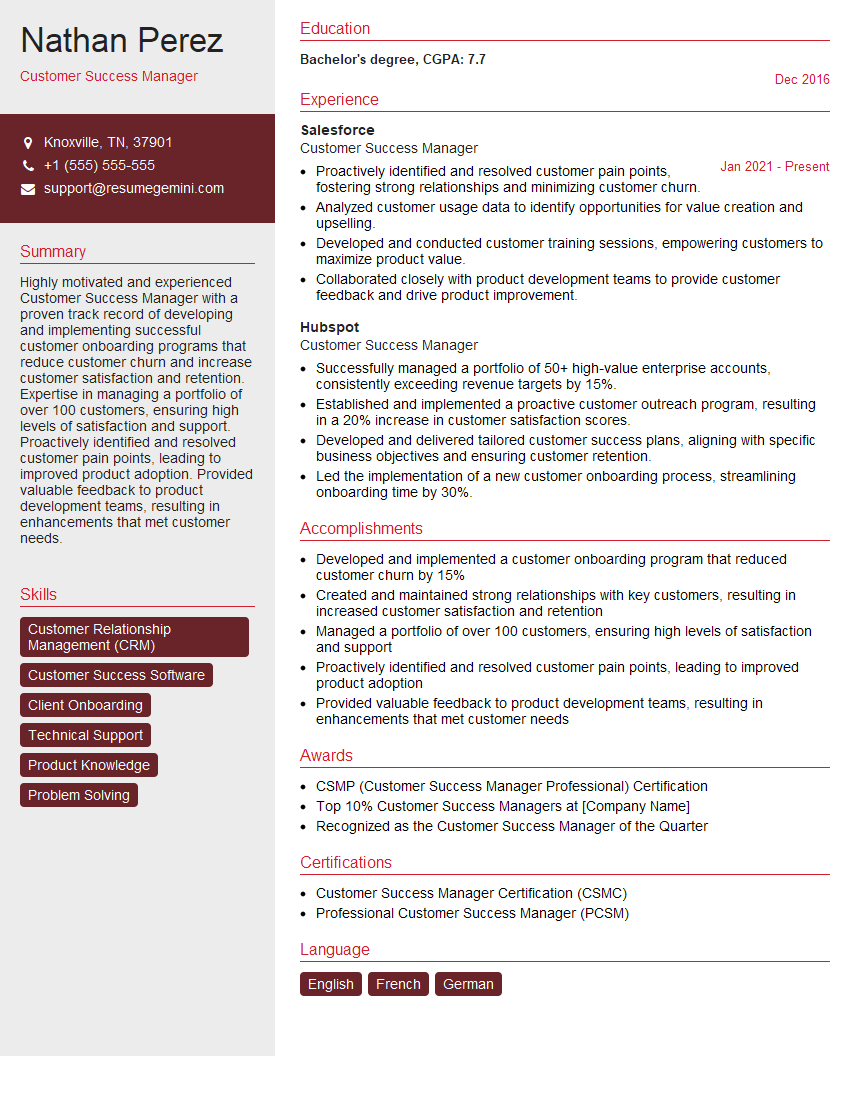
Customer Success Manager Resume Sample
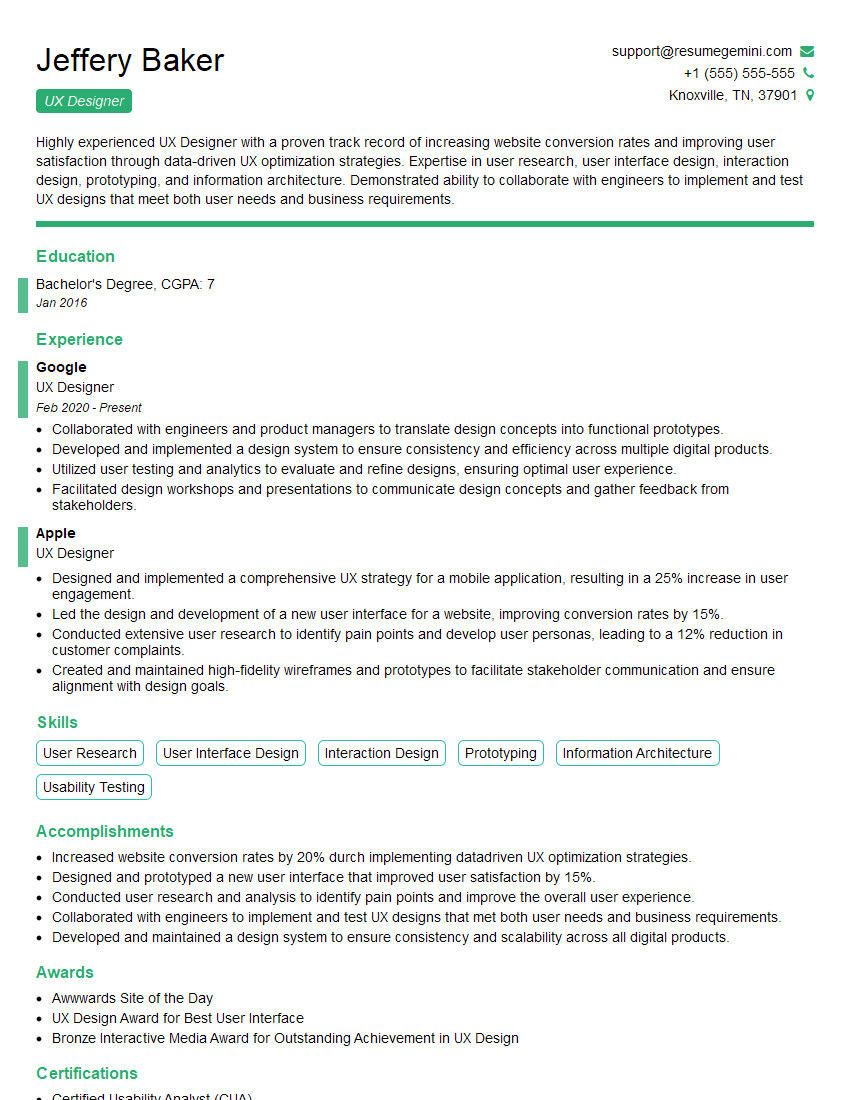
UX Designer Resume Sample
- Program Manager
- Operations Manager
- Account Manager
- Marketing Manager
- Sales Manager
- Business Development Manager
- Product Manager
- Human Resources Manager
- Project Manager
- Community Manager
- Social Media Manager
- Technical Project Manager
- Scrum Master
- Public Relations Manager
- Customer Success Manager
- UX Designer
Explore more articles
Users Rating of Our Blogs
Share Your Experience
We value your feedback! Please rate our content and share your thoughts (optional).
What Readers Say About Our Blog
Very informative content, great job.
good