Unlock your full potential by mastering the most common Interpretation and Storytelling interview questions. This blog offers a deep dive into the critical topics, ensuring you’re not only prepared to answer but to excel. With these insights, you’ll approach your interview with clarity and confidence.
Questions Asked in Interpretation and Storytelling Interview
Q 1. Explain the difference between interpretation and storytelling.
Interpretation and storytelling are closely related but distinct processes. Interpretation focuses on explaining the meaning or significance of something – data, an artwork, a historical event – often objectively. It aims to clarify and elucidate. Storytelling, on the other hand, takes that interpretation and weaves it into a narrative, engaging the audience emotionally and intellectually. It’s about crafting a compelling sequence of events with a beginning, middle, and end, designed to evoke a specific response. Think of interpretation as providing the raw material, while storytelling is the art of building with it.
For example, interpreting a set of financial charts involves analyzing the data and explaining the trends. Storytelling using that same data might involve weaving a narrative about the company’s performance, its challenges, and its potential for future growth, perhaps focusing on the human element of the decisions that led to the results presented in the charts.
Q 2. Describe a time you had to simplify complex information for a specific audience.
I once worked on a project explaining the complexities of climate change to a group of elementary school children. The scientific data was dense and overwhelming – greenhouse gas emissions, carbon footprints, global temperature anomalies. To simplify this, I used relatable analogies. For example, instead of discussing atmospheric concentrations of CO2, I explained how the earth’s atmosphere is like a blanket, and how adding more CO2 makes the blanket thicker, leading to more heat being trapped. I also incorporated visual aids like simple diagrams and engaging stories about animals affected by climate change. The key was to connect with their level of understanding and make the information accessible and memorable.
Q 3. How do you adapt your storytelling approach based on the audience and context?
Adapting my storytelling approach hinges on understanding the audience’s prior knowledge, their interests, and the context of the situation. For a technical audience, I might focus on detailed explanations and data-driven insights. For a more general audience, I would favor narrative structure, vivid imagery, and relatable examples. The context also matters: a formal presentation requires a different tone and style compared to a casual conversation. For instance, a presentation to a board of directors will demand a more formal, data-heavy approach compared to a casual explanation to a colleague.
I employ active listening and observation to assess the audience and adjust my language, tone, and examples accordingly. Sometimes pre-event questionnaires or informal conversations help significantly.
Q 4. What are the key elements of a compelling narrative?
A compelling narrative needs several key ingredients:
- A strong protagonist: Someone the audience can connect with and root for.
- A clear conflict or challenge: This creates tension and keeps the audience engaged.
- A well-defined plot: A structured sequence of events that leads to a satisfying resolution.
- Emotional resonance: The story should evoke feelings in the audience; it could be joy, sadness, excitement, or fear.
- Meaningful theme or message: Something the audience can take away from the story and reflect upon.
- Effective pacing: A balance between exposition and action to maintain audience interest.
Consider the classic hero’s journey structure as a robust framework for crafting engaging narratives. Its predictable stages make it easy for an audience to follow and connect with the narrative.
Q 5. How do you ensure your interpretation is accurate and unbiased?
Ensuring accuracy and avoiding bias requires a rigorous approach. Firstly, I rely on credible sources and verify information from multiple perspectives. I meticulously cite my sources and acknowledge any limitations of the data or interpretations. Secondly, I actively seek out diverse viewpoints and challenge my own assumptions. This includes considering alternative explanations and acknowledging the complexities of the subject matter. Transparency and acknowledging potential biases are crucial; clearly stating my interpretations and the underlying data helps ensure objectivity and allows the audience to make informed judgements.
Q 6. How do you use visual aids to enhance your storytelling?
Visual aids are crucial for enhancing storytelling. They can simplify complex information, make it more memorable, and keep the audience engaged. The choice of visual aids depends on the context and message. I might use charts and graphs to represent data, images or videos to illustrate points, or even interactive elements to enhance participation. It’s crucial to ensure visuals are clear, concise, and directly support the narrative. Over-using visuals or employing distracting elements can hinder comprehension. The goal is to use visuals to augment, not replace, the narrative.
Q 7. Explain your process for developing a narrative structure.
My narrative development process usually follows these steps:
- Understanding the objective: What message or insight do I want to convey?
- Audience analysis: Who am I telling the story to, and what is their existing knowledge and expectations?
- Information gathering: Collecting relevant data, evidence, and examples.
- Structuring the narrative: Choosing a narrative arc (e.g., chronological, problem-solution, comparative) that best fits the message and audience.
- Developing the plot: Identifying key events, building tension, and creating a satisfying resolution.
- Selecting visual aids: Choosing appropriate visuals to support the narrative and enhance understanding.
- Rehearsing and refining: Practicing the delivery and incorporating feedback to ensure clarity and impact.
I often use mind-mapping techniques during the structuring phase to visualize the flow of the narrative and ensure a logical and engaging sequence of events.
Q 8. Describe your experience with data visualization and storytelling.
Data visualization and storytelling are intrinsically linked. Effective storytelling transforms raw data into compelling narratives. My experience involves leveraging various visualization tools – from simple bar charts to interactive dashboards – to present complex datasets in a clear, concise, and engaging manner. I consider the audience’s understanding and tailor the visualizations accordingly. For instance, for a technical audience, I might use detailed charts and graphs, while for a non-technical audience, I might opt for simpler visuals like infographics or animated explainer videos. I always focus on highlighting key insights and trends that resonate with the narrative.
For example, in a project analyzing website traffic, instead of simply presenting a table of numbers, I used a geographical heatmap to show traffic patterns across different regions. This immediately revealed regional variations in user engagement, which then became the central point of my narrative. I then further explained the variances with supporting data points and analysis.
Q 9. How do you handle conflicting interpretations of information?
Conflicting interpretations are inherent to data analysis and storytelling. My approach involves a structured process:
- Identify the source of conflict: Is the disagreement due to different methodologies, data selection, or underlying assumptions?
- Examine the evidence: Critically review the supporting data for each interpretation, looking for biases or limitations.
- Engage in open dialogue: Facilitate a discussion with stakeholders involved, encouraging them to explain their reasoning. The goal isn’t necessarily to reach a single ‘correct’ interpretation, but to understand the different perspectives.
- Present multiple perspectives: When appropriate, acknowledge the existence of conflicting interpretations in the final narrative, highlighting the uncertainty and explaining the basis for each view. Transparency is key.
- Focus on areas of agreement: Even with conflicting interpretations, there are usually areas of consensus. Highlight these shared understandings to build a foundation for further discussion.
For example, in a project analyzing the effectiveness of a marketing campaign, one team interpreted the results as a success based on increased website traffic, while another team pointed to a lack of conversions as evidence of failure. By carefully examining the data and engaging both teams in a discussion, we were able to identify that the campaign successfully increased brand awareness (traffic) but lacked a clear call to action, leading to low conversions. This led to a more nuanced and accurate narrative.
Q 10. How do you identify the core message or theme in complex data sets?
Identifying the core message in complex datasets requires a systematic approach:
- Data exploration and cleaning: Begin with thorough data exploration to understand the structure, identify outliers, and handle missing values. Data cleaning is crucial for accurate analysis.
- Statistical analysis: Employ appropriate statistical methods (regression, clustering, etc.) to identify significant relationships and patterns within the data.
- Visualization: Create multiple visualizations to explore the data from different angles. This often reveals unexpected insights and helps identify the central theme.
- Pattern recognition: Look for recurring trends, anomalies, or correlations. These patterns often hint at the underlying story.
- Contextualization: Consider the broader context in which the data was collected. Understanding the context is vital for accurate interpretation.
Think of it like finding the main character in a novel – you need to explore the different characters and plot lines to understand who drives the main narrative. Similarly, by exploring various aspects of the data, the core message begins to emerge.
Q 11. How do you create a narrative arc that engages the audience?
Creating an engaging narrative arc involves structuring the story to build tension, create interest, and provide a satisfying resolution. I apply a classic narrative structure:
- Setup: Begin by introducing the context and establishing the problem or question the data seeks to answer.
- Rising action: Present the data and insights in a logical sequence, building tension and anticipation. Use suspenseful pacing to keep the audience engaged.
- Climax: Reveal the most significant findings or insights. This is the peak of the narrative, where the main problem or question is addressed.
- Falling action: Provide additional context or supporting details to clarify and explain the findings.
- Resolution: Summarize the key takeaways and offer concluding thoughts. Leave the audience with a clear understanding of the story’s significance.
For example, a presentation on climate change could start with the alarming rise in global temperatures, gradually unveil the impact on various ecosystems, and conclude with a call to action to mitigate the crisis. This creates a compelling narrative arc.
Q 12. How do you incorporate emotional intelligence into your storytelling?
Emotional intelligence is crucial for effective storytelling. It allows you to connect with the audience on a deeper level and make the story more impactful:
- Empathy: Understand the audience’s perspective, needs, and concerns. Tailor the story to resonate with their emotional landscape.
- Authenticity: Be genuine and transparent in your presentation. Avoid overly dramatic or manipulative storytelling techniques.
- Emotional resonance: Use language and visuals that evoke emotion. This helps to create a lasting impression and foster engagement.
- Self-awareness: Be aware of your own biases and how they might influence your storytelling.
- Relationship building: Build rapport with the audience through active listening and engaging conversation. This creates a trusting environment for receiving the message.
For example, when presenting data about poverty, focusing solely on statistics can feel cold and impersonal. However, by sharing personal anecdotes or highlighting human stories, the data gains emotional weight and resonates more strongly with the audience, ultimately increasing the effectiveness of the message.
Q 13. Describe your experience with different storytelling formats (e.g., written, visual, oral).
My experience encompasses various storytelling formats:
- Written: I’ve written numerous reports, articles, and blog posts, using clear and concise language to convey complex information effectively. I’m proficient in adapting my style to suit the specific audience and publication.
- Visual: I create engaging presentations, infographics, and dashboards, selecting the most appropriate visuals to enhance the narrative. I am comfortable working with data visualization tools like Tableau and Power BI.
- Oral: I’ve presented data-driven stories to diverse audiences, tailoring my delivery style, language, and visual aids to suit the context. I’m skilled in handling Q&A sessions and adapting to audience feedback.
The choice of format depends on the audience, the message, and the desired outcome. A detailed report might be appropriate for a technical audience, while a concise presentation would be more suitable for a general audience. I am adept at seamlessly blending these formats to maximize the impact of my storytelling.
Q 14. How do you assess the effectiveness of your storytelling?
Assessing the effectiveness of storytelling involves both quantitative and qualitative methods:
- Quantitative metrics: These include audience engagement (e.g., time spent viewing, number of downloads, social media shares), changes in knowledge or attitude (measured through surveys or assessments), and measurable behavioral changes (e.g., increased website traffic, product sales).
- Qualitative feedback: Collecting feedback through surveys, interviews, or focus groups helps gauge the audience’s understanding, emotional response, and overall perception of the story. Observing audience reactions during presentations provides valuable insights.
- A/B testing: Experimenting with different storytelling approaches (e.g., varying the visuals, narrative structure, or language) and comparing their effectiveness can help optimize future narratives.
A combination of these methods provides a holistic picture of the story’s success and allows for iterative improvement. For example, tracking website traffic after a presentation and conducting post-presentation surveys helps assess the impact and identify areas for refinement.
Q 15. How do you incorporate audience feedback into your narrative development?
Audience feedback is crucial for narrative development. It’s not just about confirming if the story is ‘liked,’ but understanding how it resonates (or doesn’t) with the intended audience. I actively solicit feedback through various methods – post-presentation questionnaires, informal discussions, online surveys, and even social media monitoring. This feedback informs revisions on multiple levels:
- Clarity and Comprehension: Feedback highlights areas where the narrative was unclear, confusing, or lacked sufficient context. For example, if many respondents misunderstood a key plot point, I’d revise that section to improve clarity, perhaps adding a visual aid or expanding the explanation.
- Emotional Impact: I analyze feedback to see if the intended emotional arc was achieved. Did the story evoke the desired feelings? If not, I might need to adjust the pacing, character development, or use of language to enhance emotional resonance. For instance, if a scene intended to be suspenseful felt dull, I’d consider adding a cliffhanger or amplifying the stakes.
- Cultural Sensitivity and Inclusivity: Feedback helps identify instances where the narrative may have inadvertently offended or excluded certain groups. This feedback is invaluable for ensuring the story is respectful and inclusive. For example, if a character portrayal was deemed stereotypical, I would work to create a more nuanced and authentic representation.
Essentially, audience feedback is a continuous iterative process that refines the narrative until it effectively connects with the target audience.
Career Expert Tips:
- Ace those interviews! Prepare effectively by reviewing the Top 50 Most Common Interview Questions on ResumeGemini.
- Navigate your job search with confidence! Explore a wide range of Career Tips on ResumeGemini. Learn about common challenges and recommendations to overcome them.
- Craft the perfect resume! Master the Art of Resume Writing with ResumeGemini’s guide. Showcase your unique qualifications and achievements effectively.
- Don’t miss out on holiday savings! Build your dream resume with ResumeGemini’s ATS optimized templates.
Q 16. What are some common pitfalls to avoid when interpreting information?
Interpreting information is a delicate process, prone to several pitfalls. Avoiding these requires a mindful approach. Some common mistakes include:
- Confirmation Bias: This involves selectively interpreting information to confirm pre-existing beliefs. To mitigate this, I consciously seek out diverse perspectives and challenge my own assumptions.
- Oversimplification: Reducing complex information to overly simplistic narratives can lead to misleading conclusions. I strive for accuracy and nuance, acknowledging complexities and uncertainties whenever appropriate.
- Bias from Source: The credibility and potential biases of the information source must always be critically evaluated. For instance, relying solely on anecdotal evidence or biased news sources is problematic. I ensure that information is corroborated from multiple reputable sources.
- Ignoring Context: Information should always be considered within its broader context. Failing to do so can lead to erroneous interpretations. This includes considering historical background, cultural influences, and any limitations of the data itself.
- Jumping to Conclusions: Drawing conclusions prematurely before thoroughly analyzing all available evidence is a serious pitfall. I meticulously examine all aspects of the information before forming an opinion.
By being aware of these pitfalls and employing rigorous critical thinking, I ensure my interpretations are accurate, fair, and well-supported.
Q 17. How do you handle criticism of your interpretation or storytelling?
Criticism, when constructive, is a valuable tool for growth. I approach criticism with an open mind, recognizing that differing perspectives can enrich my understanding and improve my storytelling. My approach involves:
- Active Listening: I carefully listen to the critique without interrupting or becoming defensive. I aim to understand the critic’s point of view.
- Seeking Clarification: If the criticism is unclear, I ask clarifying questions to fully grasp the concerns.
- Self-Reflection: I critically examine the criticism to determine its validity. Does it point to a genuine flaw in my interpretation or storytelling?
- Responding Respectfully: Even if I disagree with the criticism, I respond respectfully, acknowledging the critic’s time and effort. I might explain my rationale, but ultimately, I’m open to the possibility of adjusting my work based on valid concerns.
- Learning and Improvement: I see criticism as an opportunity to learn and improve my skills. I incorporate constructive feedback into future projects.
Constructive criticism, when handled effectively, enhances the quality of storytelling and fosters professional growth. Even negative criticism can often highlight areas needing improvement.
Q 18. How do you use metaphors and analogies to enhance understanding?
Metaphors and analogies are powerful tools for enhancing understanding. They bridge the gap between the abstract and the concrete, making complex ideas more accessible and memorable. I use them strategically to:
- Simplify Complex Concepts: For instance, explaining a complex economic principle using the analogy of a household budget makes it more relatable to a non-expert audience.
- Illustrate Relationships: A metaphor can effectively illustrate the relationship between two seemingly disparate concepts. For example, comparing the human brain to a computer helps explain its functions in a simple, understandable way.
- Evoke Emotion: Well-chosen metaphors can powerfully evoke emotions and create a deeper connection with the audience. A metaphor describing a character’s emotional state can be far more impactful than a simple description.
- Improve Recall: Information presented through metaphors and analogies tends to be better remembered than information presented in a purely abstract way.
When using metaphors and analogies, it’s crucial to ensure they are appropriate for the audience and context, avoiding those that are overly simplistic, clichéd, or potentially offensive.
Q 19. How do you ensure your storytelling is culturally sensitive?
Cultural sensitivity is paramount in storytelling. A story that is insensitive or offensive to a particular group can severely damage its impact and credibility. My approach involves:
- Research and Consultation: I conduct thorough research to understand the cultural context of my narrative. This might involve consulting experts or community members from the relevant cultural groups.
- Authentic Representation: I strive to portray characters and cultures accurately and avoid stereotypes. This requires careful consideration of language, customs, values, and beliefs.
- Avoidance of Appropriation: I am mindful not to appropriate or misrepresent cultural elements. I ensure that any use of cultural elements is respectful and done with proper attribution.
- Seeking Feedback: I actively solicit feedback from members of the cultural groups represented in my story to ensure accurate and sensitive portrayal.
- Awareness of Nuance: Cultural norms vary greatly and what might be acceptable in one culture may be offensive in another. I approach each cultural element with careful consideration and nuance.
By prioritizing research, consultation, and feedback, I aim to create stories that are not only entertaining but also respectful and inclusive of all cultures.
Q 20. How do you maintain audience engagement throughout a long narrative?
Maintaining audience engagement throughout a long narrative requires careful planning and execution. Key strategies include:
- Compelling Opening: The beginning needs to immediately grab the audience’s attention and establish a clear hook. This could involve an intriguing mystery, a captivating character introduction, or a powerful scene.
- Strategic Pacing: Varying the pace keeps the audience invested. Alternating between high-action scenes and moments of reflection prevents monotony.
- Character Development: Well-developed characters, with relatable motivations and flaws, are essential for audience engagement. The audience needs to care about what happens to the characters.
- Clear Structure: A well-structured narrative with a clear beginning, middle, and end ensures that the audience understands the progression of the story. A logical and compelling plotline is vital.
- Cliffhangers and Foreshadowing: Strategic use of cliffhangers and foreshadowing keeps the audience guessing and eager to learn what happens next.
- Interactive Elements: If possible, incorporating interactive elements such as questions, polls, or games can enhance audience engagement.
- Breaks and Transitions: In longer narratives, incorporating breaks, transitions, or summary points helps to prevent audience fatigue.
A carefully planned narrative structure, engaging characters, and dynamic pacing are key to keeping the audience captivated from beginning to end.
Q 21. What techniques do you use to build suspense or intrigue?
Building suspense and intrigue involves crafting a narrative that keeps the audience on the edge of their seats. Techniques I use include:
- Mysterious Circumstances: Introducing an unexplained event or mystery at the beginning immediately sparks curiosity.
- Hints and Clues: Subtly dropping hints and clues about upcoming events creates anticipation and encourages audience participation in piecing together the puzzle.
- Rising Stakes: Gradually increasing the stakes throughout the narrative increases tension and suspense.
- Ticking Clock: Introducing a time limit adds pressure and urgency, further amplifying suspense.
- Foreshadowing: Subtly hinting at future events without revealing too much builds anticipation and keeps the audience engaged.
- Unreliable Narrator: Using an unreliable narrator can sow doubt and suspicion, adding an extra layer of intrigue.
- Unexpected Twists: Surprise twists and turns keep the audience guessing and prevent predictability.
By mastering these techniques, I create narratives that are not only engaging but also leave a lasting impact on the audience.
Q 22. Describe a time you had to translate complex technical information into a simpler format.
Simplifying complex technical information requires a deep understanding of both the subject matter and the target audience. The key is to translate the technical jargon into plain language, using analogies and relatable examples to illustrate complex concepts. I remember working on a project explaining the intricacies of a new AI algorithm to a group of non-technical stakeholders. Instead of using terms like ‘gradient descent’ and ‘backpropagation,’ I used the analogy of finding the lowest point in a valley by taking small steps downhill. This made the concept of iterative optimization immediately understandable. I also focused on the algorithm’s practical applications – how it improved efficiency and accuracy – rather than getting bogged down in the theoretical details. Visually appealing charts and diagrams further aided comprehension, supplementing the narrative with clear, concise data representation.
Q 23. How do you create a narrative that resonates with a diverse audience?
Creating a narrative that resonates with a diverse audience necessitates considering multiple perspectives and cultural contexts. It’s crucial to avoid language or imagery that might be exclusionary or offensive. Instead, I focus on universal themes – the human experience, overcoming challenges, achieving goals – that transcend cultural boundaries. For example, a story about perseverance and teamwork can resonate with people from all walks of life. I also utilize diverse characters and settings to create a sense of inclusivity, reflecting the multifaceted nature of the audience. A strong narrative structure that incorporates elements of surprise, suspense, or humor can further engage the audience and maintain their interest. Finally, pre-testing the narrative with representatives of the target audience provides invaluable feedback and ensures inclusivity.
Q 24. How do you balance accuracy and creativity in your storytelling?
Balancing accuracy and creativity in storytelling is a delicate act. Accuracy ensures credibility; creativity ensures engagement. I achieve this balance by starting with a strong foundation of factual information, meticulously researched and verified. Then, I weave the facts into a compelling narrative structure, employing literary devices like metaphors, analogies, and imagery to make the information more accessible and memorable. However, I never compromise accuracy for the sake of a good story. If creative license necessitates simplification, I clearly state any such deviations from the original data. It’s about finding the sweet spot where the truth is presented in a captivating and unforgettable manner. Consider a documentary – it needs to be factually accurate, yet engaging storytelling can make even complex scientific concepts accessible and captivating.
Q 25. How do you use storytelling to influence decision-making?
Storytelling is a powerful tool for influencing decision-making because it connects with people on an emotional level, making information more memorable and impactful. Instead of presenting cold, hard facts and figures, I craft narratives that illustrate the potential consequences of different choices. For instance, a story about a successful company implementing a specific strategy can be more persuasive than a dry statistical report. This approach makes the decision-making process more engaging and fosters a better understanding of the potential outcomes. A strong narrative framework, combined with compelling evidence, facilitates better comprehension and promotes more informed, effective decision-making.
Q 26. Describe a time you used storytelling to solve a problem.
In a previous project, we faced a significant communication challenge – getting a large team to collaborate effectively across multiple time zones. We tried various approaches, but they weren’t effective. Then, I crafted a story about a group of explorers facing similar challenges while on an expedition. This relatable narrative highlighted the importance of teamwork, clear communication, and mutual respect – precisely the aspects that needed improvement in our team. The story resonated strongly with the team, sparking crucial discussions and fostering a stronger sense of camaraderie and mutual understanding. This collaborative storytelling approach was significantly more effective than earlier communication strategies, significantly boosting team efficiency and reducing inter-team conflict.
Q 27. How familiar are you with different narrative frameworks (e.g., Freytag’s pyramid)?
I am very familiar with various narrative frameworks, including Freytag’s pyramid, which outlines the classic five-part structure of a play: exposition, rising action, climax, falling action, and resolution. I also utilize other models like the Hero’s Journey (monomyth), which emphasizes transformation and growth, and the narrative arc, a more flexible structure that adapts to various story lengths and types. My understanding of these frameworks allows me to tailor the narrative structure to the specific needs of the message and the audience. For example, if the message is complex, a more structured approach like Freytag’s pyramid might be beneficial. If the message focuses on personal transformation, the Hero’s Journey would be more suitable. The choice of the framework depends on the context and desired impact.
Key Topics to Learn for Interpretation and Storytelling Interview
- Understanding Diverse Audiences: Analyze audience needs, cultural backgrounds, and communication styles to tailor your interpretation and storytelling approach effectively.
- Message Framing and Adaptation: Practice translating complex information into clear, concise, and engaging narratives suitable for various contexts (e.g., presentations, reports, client interactions).
- Active Listening and Empathetic Interpretation: Develop skills in actively listening to understand nuances, underlying emotions, and unspoken messages to accurately convey the original intent.
- Narrative Structure and Techniques: Master storytelling techniques like plot development, characterization, conflict resolution, and the use of imagery and metaphors to create compelling narratives.
- Ethical Considerations in Interpretation and Storytelling: Understand the ethical responsibilities involved in accurately representing information and respecting the perspectives of all involved parties.
- Nonverbal Communication and Body Language: Recognize the power of nonverbal cues in communication and how they impact the effectiveness of your interpretation and storytelling.
- Conflict Resolution and Mediation through Storytelling: Explore how storytelling can be used to facilitate understanding and resolution in challenging situations.
- Data Visualization and Storytelling: Learn how to effectively communicate data-driven insights through compelling narratives and visual aids.
- Storytelling across different mediums: Adapt your storytelling approach for various platforms, including written reports, presentations, and multimedia formats.
Next Steps
Mastering interpretation and storytelling is crucial for career advancement across numerous fields, enhancing communication, collaboration, and leadership skills. A strong, ATS-friendly resume is your key to unlocking these opportunities. To significantly improve your resume and showcase your abilities effectively, consider using ResumeGemini. ResumeGemini provides a user-friendly platform to build professional resumes, and we offer examples of resumes tailored specifically to highlight skills in Interpretation and Storytelling to help you get started.

Communications Manager Resume Sample
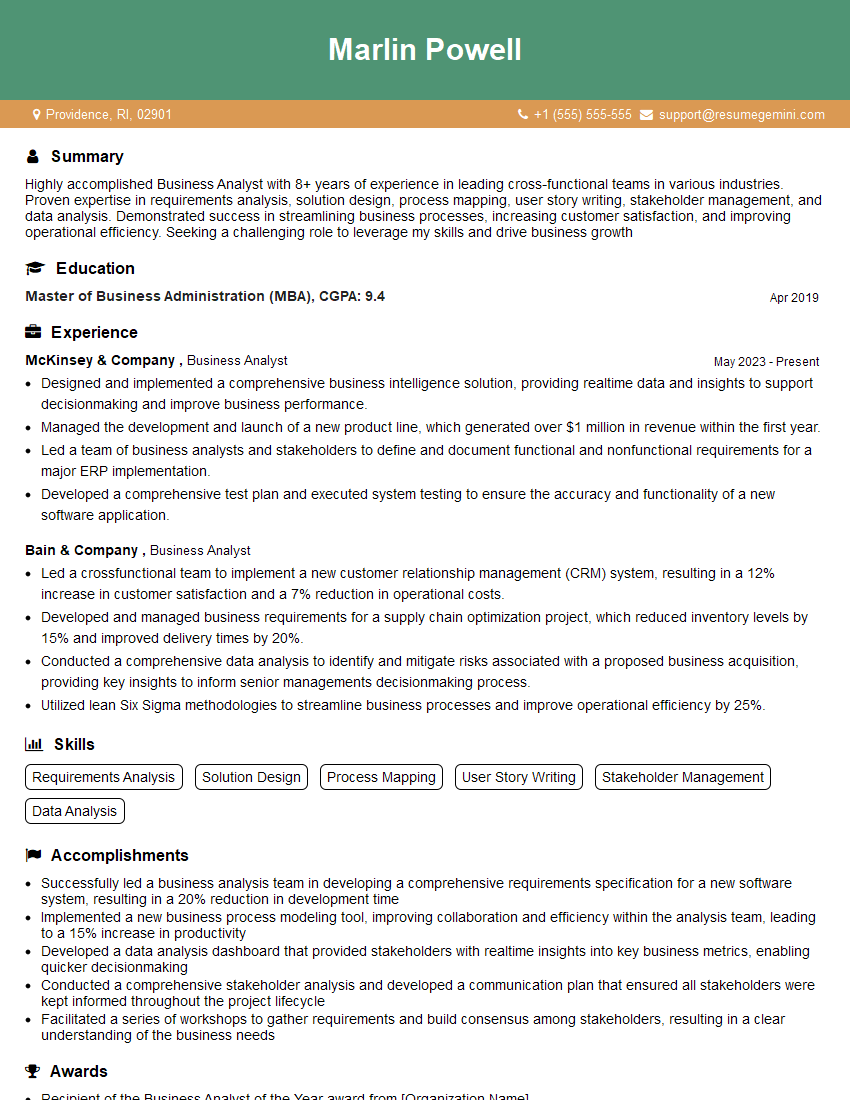
Business Analyst Resume Sample
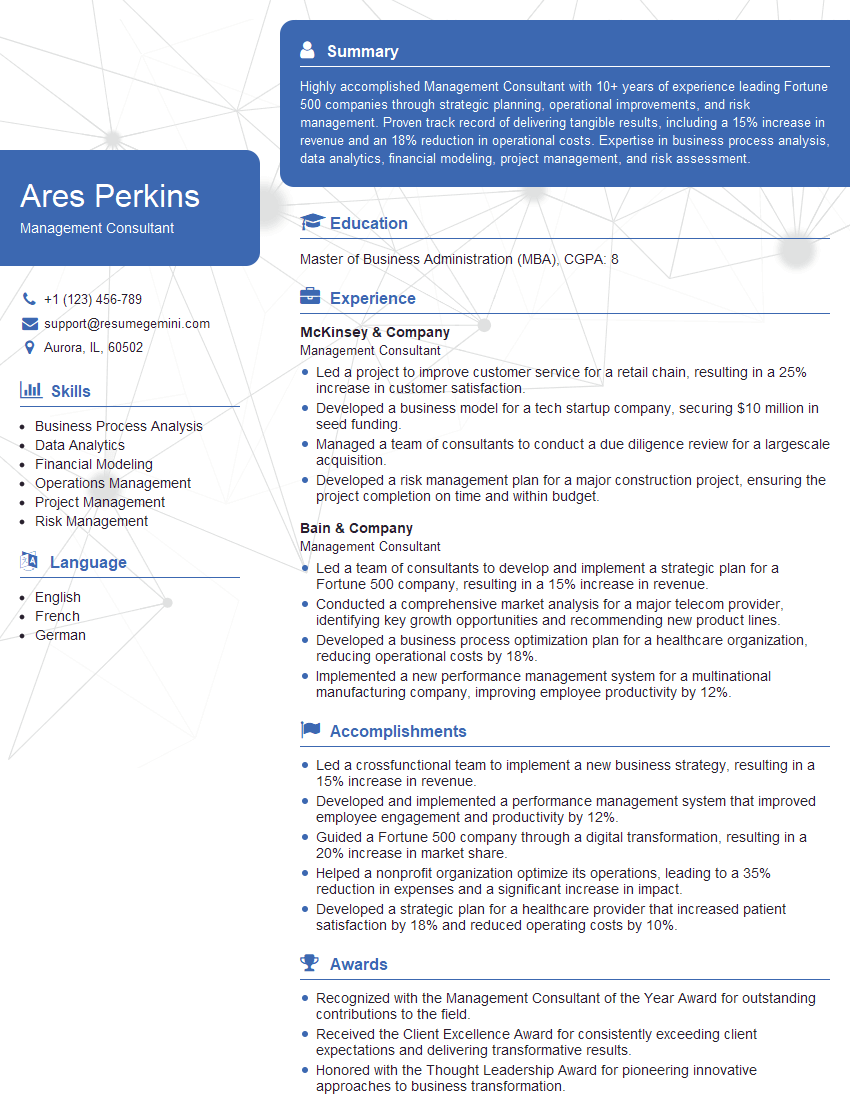
Management Consultant Resume Sample
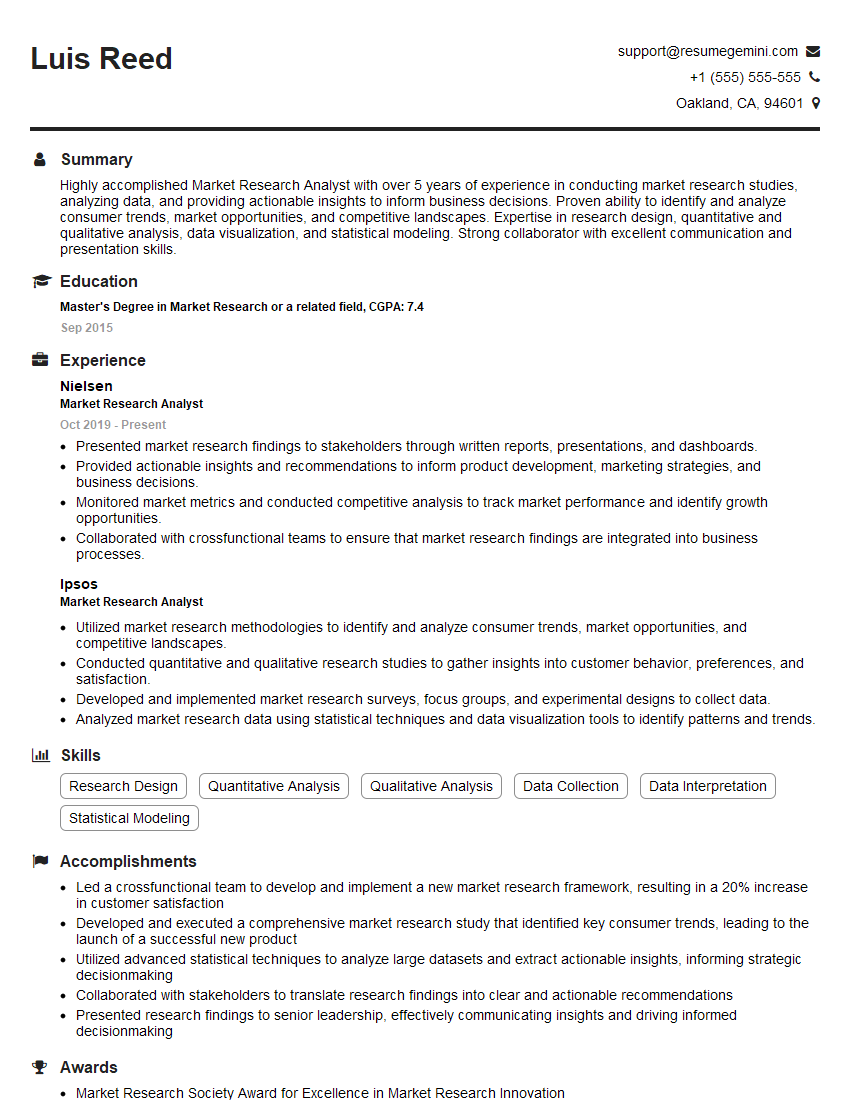
Market Research Analyst Resume Sample

Information Architect Resume Sample
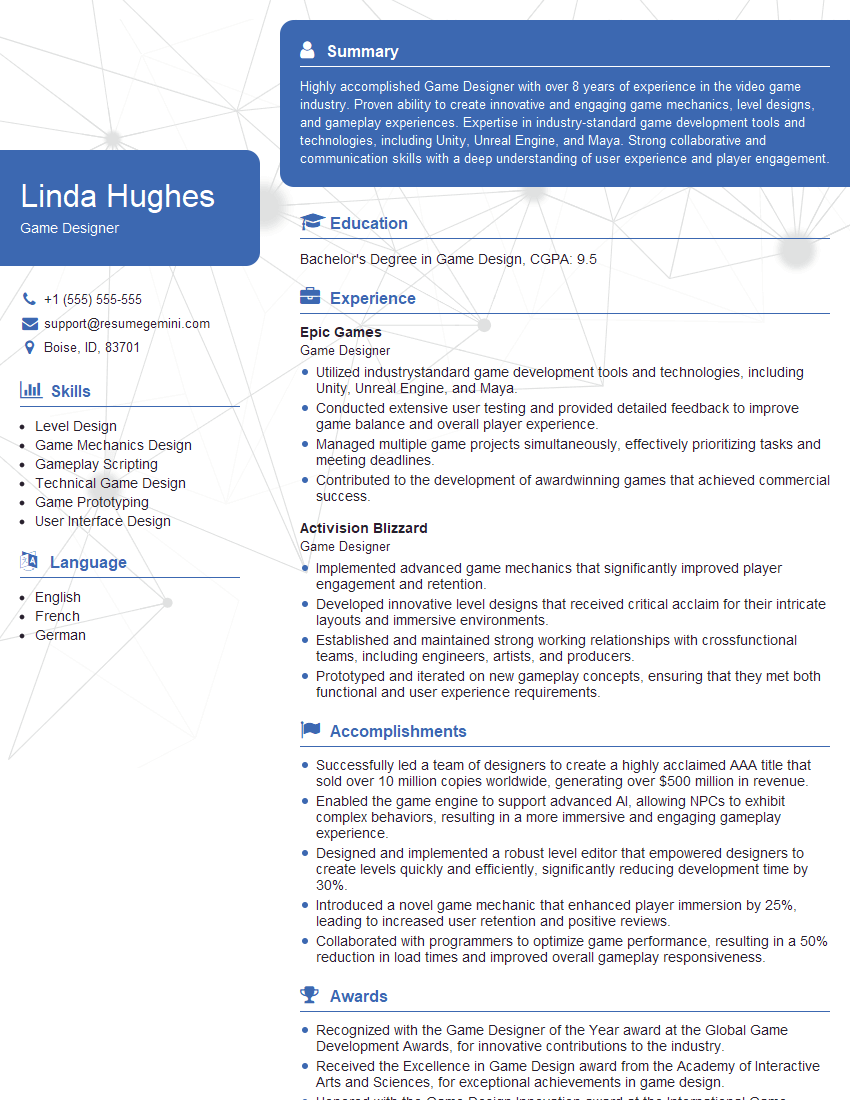
Game Designer Resume Sample

Content Strategist Resume Sample
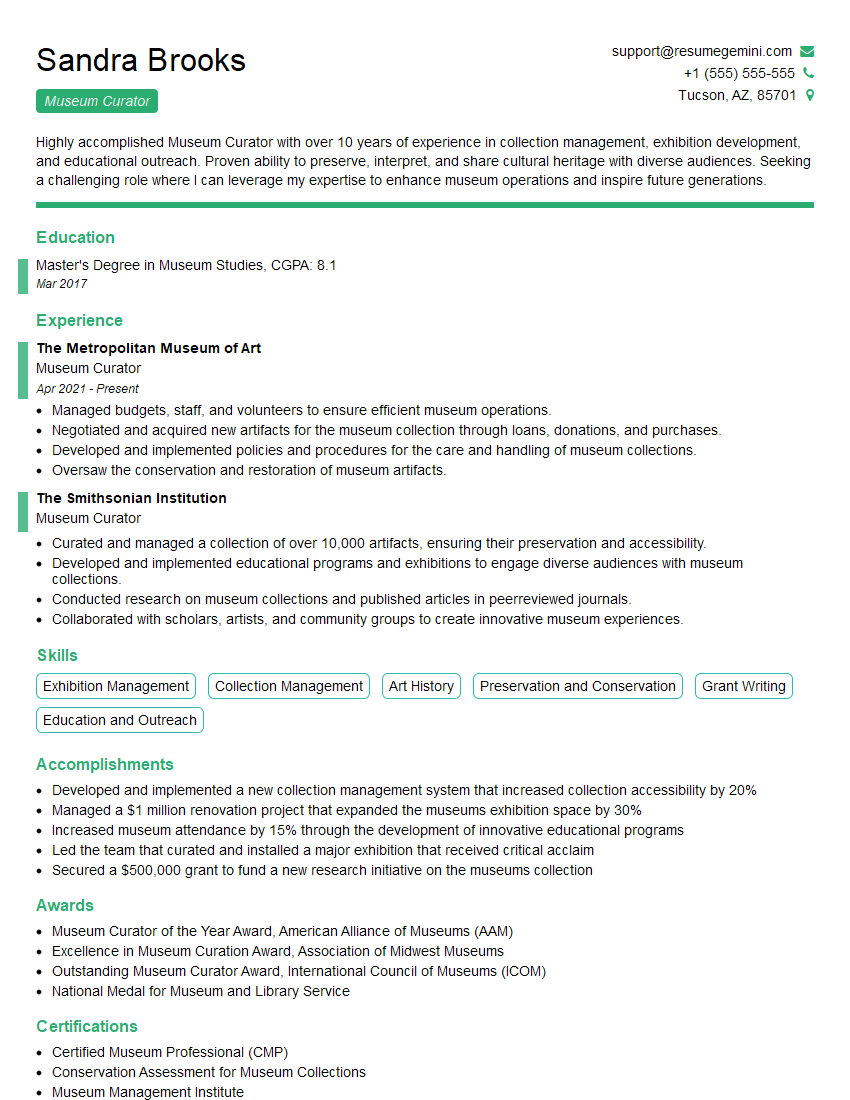
Museum Curator Resume Sample
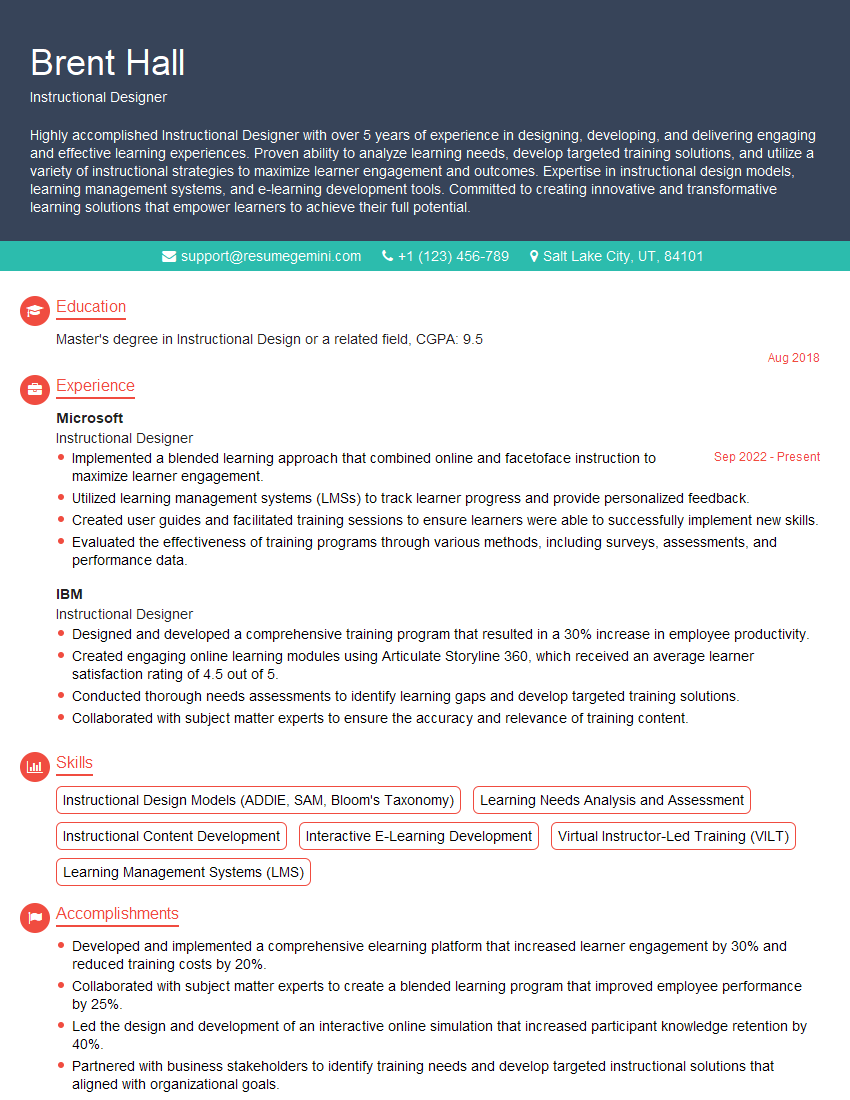
Instructional Designer Resume Sample
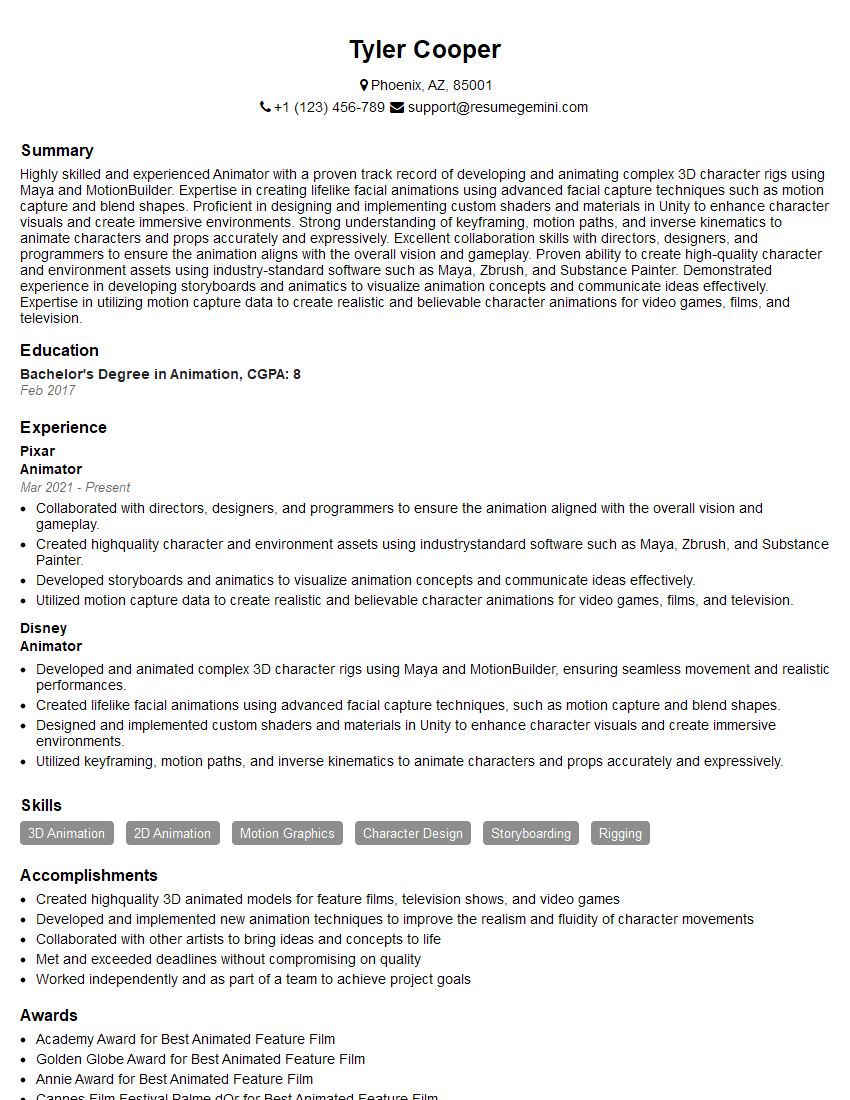
Animator Resume Sample
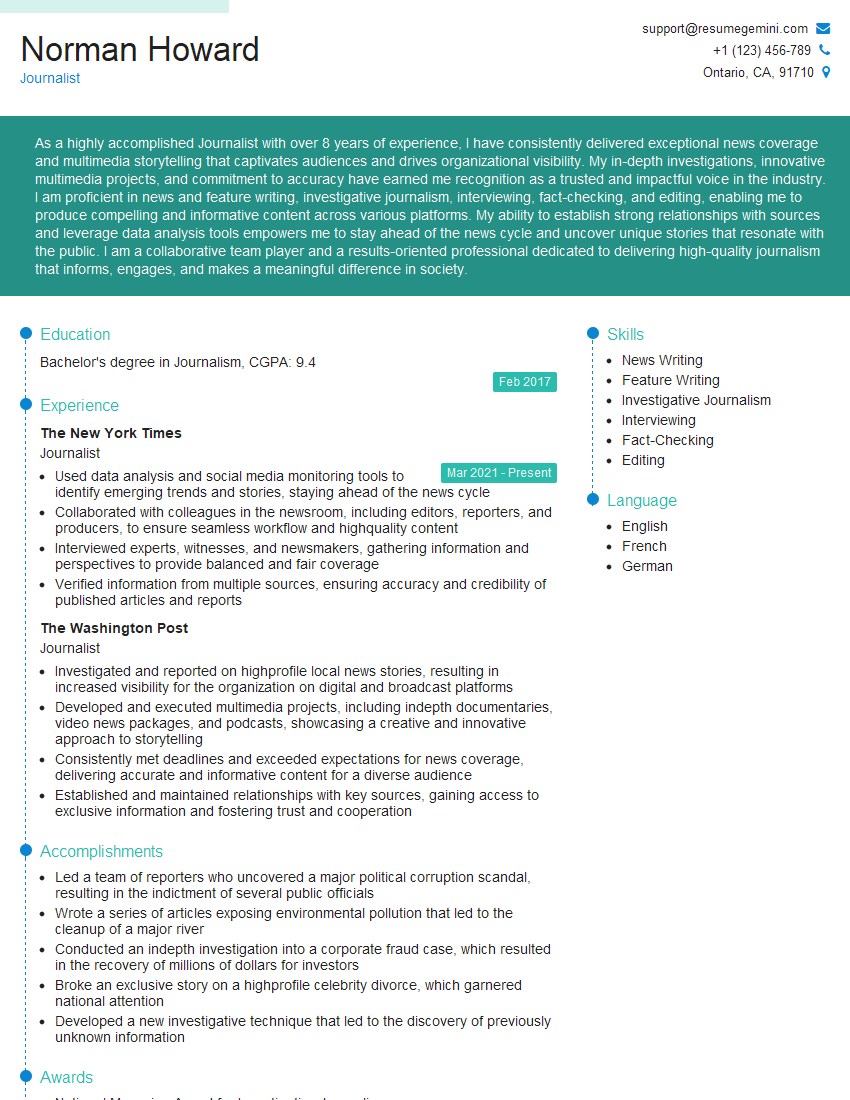
Journalist Resume Sample

Technical Writer Resume Sample
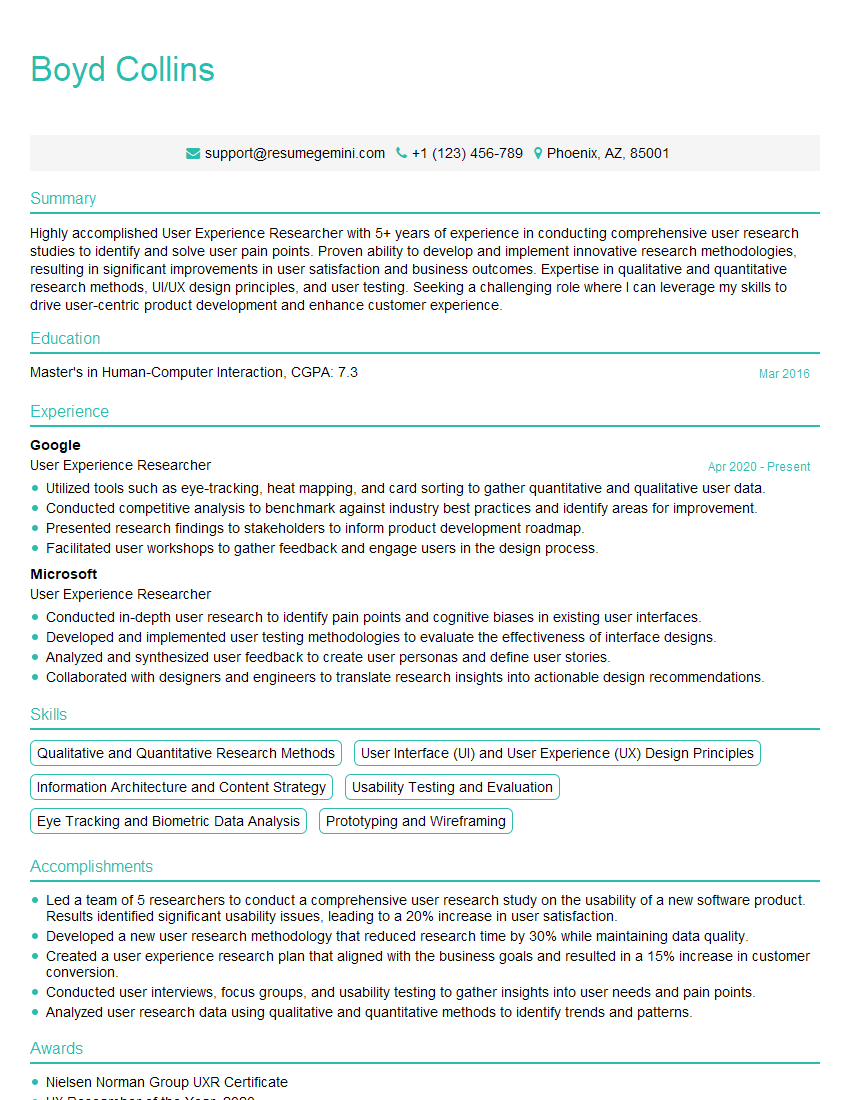
User Experience Researcher Resume Sample
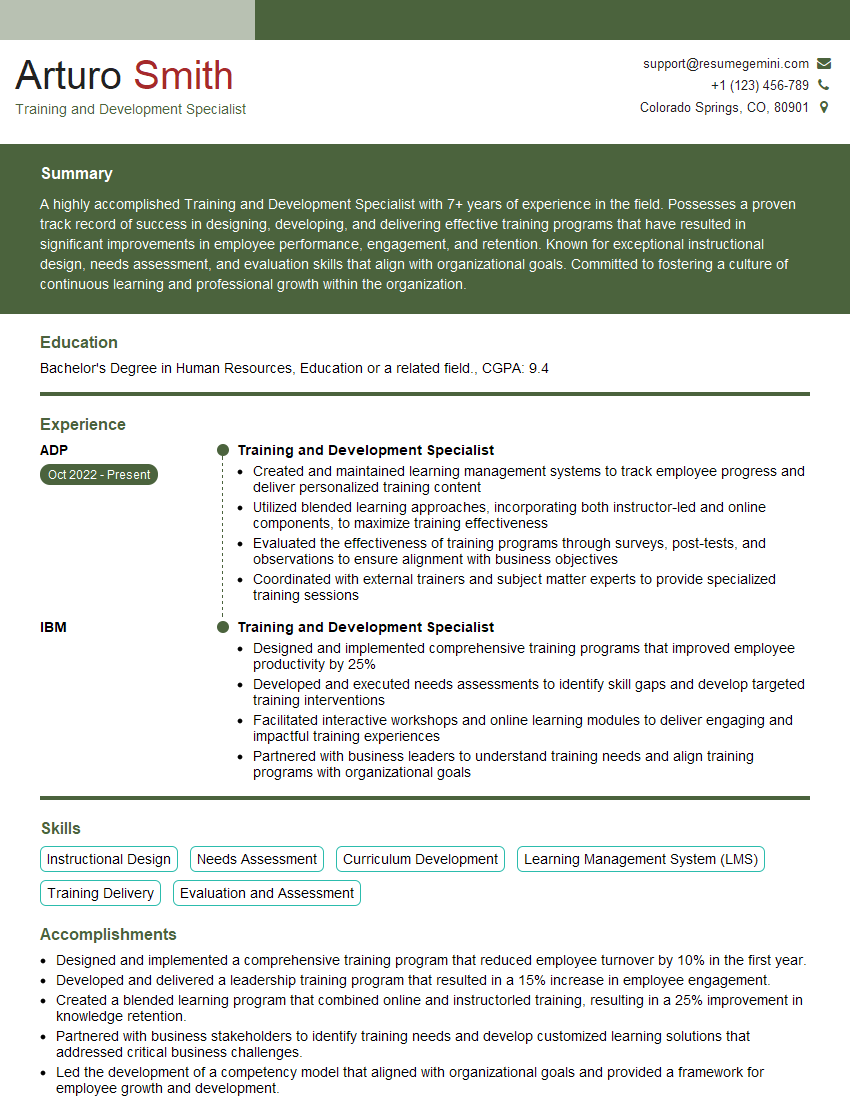
Training and Development Specialist Resume Sample
Explore more articles
Users Rating of Our Blogs
Share Your Experience
We value your feedback! Please rate our content and share your thoughts (optional).
What Readers Say About Our Blog
Very informative content, great job.
good