Unlock your full potential by mastering the most common Interpreting Load Orders and Shipping Documents interview questions. This blog offers a deep dive into the critical topics, ensuring you’re not only prepared to answer but to excel. With these insights, you’ll approach your interview with clarity and confidence.
Questions Asked in Interpreting Load Orders and Shipping Documents Interview
Q 1. Explain the significance of an Incoterm in a shipping document.
Incoterms, or International Commercial Terms, are standardized trade terms published by the International Chamber of Commerce (ICC). They define the responsibilities of buyers and sellers in international trade transactions, specifically regarding delivery of goods. These terms are crucial because they clarify who is responsible for costs (freight, insurance, etc.) and risks associated with transporting goods from the seller’s premises to the buyer’s premises. They’re essential parts of shipping documents because they remove ambiguity and prevent disputes. For instance, an Incoterm like CIF (Cost, Insurance, and Freight) indicates that the seller is responsible for the cost of the goods, insurance, and freight to the named port of destination. Conversely, FOB (Free On Board) means the seller’s responsibility ends when the goods are loaded onto the vessel at the named port of shipment.
Including the correct Incoterm in the shipping documents, such as the commercial invoice and bill of lading, ensures both parties understand their obligations and liabilities, facilitating smooth transactions and minimizing potential conflicts.
Q 2. How do you identify potential discrepancies between a load order and a bill of lading?
Identifying discrepancies between a load order (a document listing goods ready for shipment) and a bill of lading (a document issued by the carrier acknowledging receipt of goods for transport) requires a meticulous line-by-line comparison. Focus on these key aspects:
- Quantity: Compare the number of units, packages, and total weight specified in both documents. Any discrepancy immediately flags a potential problem. For example, a load order might state 100 cartons, but the bill of lading only lists 98.
- Description of Goods: Verify that the description of the goods (including product codes, sizes, and other identifying characteristics) is identical in both documents. Inconsistent descriptions can indicate incorrect loading or misidentification.
- Packaging Details: Match the packaging details such as type of packaging, number of pallets, and any special handling instructions. Differences here could indicate damaged goods or mispacking.
- Shipping Marks and Numbers: These unique identifiers should be identical to ensure goods are correctly identified throughout the shipping process. Missing or incorrect markings lead to significant delays and potential misdelivery.
Discrepancies need to be immediately reported to the relevant parties involved, including the shipper, carrier, and consignee, to initiate corrective actions. Think of it like a recipe: Every ingredient (item) and its quantity must match perfectly in both the list (load order) and the final dish (the goods received).
Q 3. What are the key elements you check in a commercial invoice?
A commercial invoice is a crucial document for international trade acting as a detailed bill of sale. When reviewing one, you should check:
- Seller and Buyer Information: Accurate and complete contact details are crucial for communication and payment.
- Date of Invoice: This establishes a timeline for the transaction.
- Invoice Number: Unique identification for tracking purposes.
- Description of Goods: Comprehensive and accurate details, including product codes, quantities, unit price, and total value.
- Incoterms: The specified Incoterms clarify the responsibilities of buyer and seller.
- Terms of Payment: Clearly stated payment terms, like Letter of Credit or open account.
- Currency: The currency in which the transaction is conducted.
- Total Value of Goods: Accurate calculation of the total invoice value, including any applicable taxes or duties.
Inconsistencies in these elements can lead to delays in customs clearance or payment disputes. Consider the commercial invoice as the foundational document upon which the entire transaction rests – accuracy is paramount.
Q 4. Describe the process of verifying the accuracy of a packing list.
Verifying a packing list’s accuracy requires a systematic approach. Begin by comparing the information on the packing list against other shipping documents, such as the commercial invoice and load order. Pay close attention to:
- Quantity of Items: Match the number of items listed on the packing list with the actual items packed.
- Item Description: Confirm that the descriptions match the actual items. Differences in product codes, sizes, or types need attention.
- Packaging Details: Verify the type of packaging, quantity of packaging units (cartons, pallets, etc.), and any special handling instructions.
- Weight and Dimensions: Compare the weight and dimensions listed with the actual weight and dimensions of the packaged goods. Discrepancies may indicate errors in packing or labeling.
- Packaging Condition: Note any damage to the packaging. This is crucial for claims processing in case of damage during transit.
Often, a physical check of the goods against the packing list before shipment provides a crucial level of verification. Think of this as quality control – ensuring all items are packaged accurately and the documentation reflects reality.
Q 5. How do you handle discrepancies between the load order quantity and the actual quantity received?
Discrepancies between the load order quantity and the actual quantity received require immediate investigation. The first step is to thoroughly review all shipping documents to identify potential causes: errors in counting, damage during transit, or theft. Next, I would:
- Contact the Carrier: File a claim with the carrier to report the shortage and initiate an investigation into what happened.
- Communicate with the Shipper: Inform them about the discrepancy and provide copies of the relevant documents.
- Document Everything: Maintain a detailed record of all communications, investigations, and any supporting evidence.
- Conduct an Internal Audit: Depending on the severity and frequency of the discrepancies, an internal audit may be necessary to identify and rectify any weaknesses in the company’s internal processes.
Resolution depends on the nature of the discrepancy and the terms outlined in the contract of carriage. Accurate documentation is crucial for claims resolution and preventing future incidents.
Q 6. What are the common errors found in load orders or shipping documents?
Common errors in load orders and shipping documents include:
- Incorrect Quantities: Miscounting items during packing or loading.
- Inaccurate Descriptions: Using vague or inaccurate descriptions of goods.
- Missing Information: Omitting essential details like product codes, weights, dimensions, or Incoterms.
- Typographical Errors: Simple mistakes in spelling or numbers.
- Conflicting Information: Discrepancies between different documents (e.g., load order vs. bill of lading).
- Incorrect Addresses: Using wrong shipping addresses.
- Missing or Incorrect HS Codes (Harmonized System Codes): Essential for customs clearance.
These errors often lead to delays, additional costs, and potential legal issues. Regular training and quality control procedures are critical for minimizing these errors.
Q 7. How do you ensure compliance with customs regulations when reviewing shipping documentation?
Ensuring compliance with customs regulations when reviewing shipping documentation is vital to avoid delays, penalties, and legal repercussions. This involves meticulous checks for:
- Accurate HS Codes: Correct classification of goods using the Harmonized System Codes is crucial for determining applicable tariffs and duties.
- Country of Origin: Accurate declaration of the country of origin is essential for trade compliance.
- Complete and Accurate Commercial Invoice: The commercial invoice must meet all customs requirements in terms of information and formatting.
- Certificates of Origin: If required by the importing country, ensure that all necessary certificates are included.
- Compliance with Sanctions and Embargoes: Verify that the shipment does not violate any international trade sanctions or embargoes.
- Correct Declaration of Value: Accurate declaration of the goods’ value prevents customs issues and ensures fair payment of duties.
Staying updated on constantly evolving customs regulations and utilizing resources such as the World Customs Organization website is essential. Think of this as navigating a complex legal landscape; accurate documentation acts as your compass and map.
Q 8. Explain the importance of proper documentation in preventing shipping delays.
Accurate and complete shipping documentation is the cornerstone of efficient and timely logistics. Think of it as a detailed roadmap for your shipment – without it, carriers, customs officials, and other stakeholders are navigating blind. Missing or inaccurate information leads to delays at every stage, from loading to customs clearance to final delivery.
- Incorrect addresses: A simple typo in the recipient’s address can cause significant delays, potentially leading to the shipment being returned or lost.
- Missing customs declarations: Incomplete or inaccurate customs declarations can result in lengthy holds at customs, causing significant delays and potentially incurring penalties.
- Lack of hazardous materials documentation: Failure to properly document hazardous materials can lead to safety concerns, shipment rejection, and hefty fines.
Proper documentation ensures everyone involved is on the same page, reducing the chances of miscommunication and avoiding costly delays.
Q 9. How would you identify and resolve a conflict between the shipping instructions and the load order?
Conflicts between shipping instructions and load orders are a common challenge. My approach involves a methodical investigation and collaborative resolution. I first carefully compare the two documents, highlighting discrepancies. Then, I prioritize the source of each instruction.
- Verify the source: Determine which document carries higher authority. For example, a signed contract often supersedes a verbal instruction. I’d cross-check with the client or the relevant parties to clarify ambiguous instructions.
- Contact relevant parties: I’d reach out to the shipper, consignee, and the carrier to resolve the conflict. Open communication is crucial. Sometimes a simple misunderstanding can be cleared up quickly with a phone call.
- Document the resolution: Once a resolution is reached, I document the changes and communicate them to all involved parties. This creates an audit trail and ensures everyone is aware of the final instructions.
For example, if the load order shows a different delivery address than the shipping instructions, I’d immediately contact the shipper to confirm the correct address. Failing to resolve this would lead to a failed delivery.
Q 10. How do you prioritize tasks when dealing with multiple urgent shipping orders?
Prioritizing urgent shipping orders requires a systematic approach. I utilize a combination of factors to determine the order of tasks.
- Delivery deadlines: Shipments with the closest deadlines are prioritized. This often involves a visual prioritization tool like a Kanban board.
- Potential impact of delay: Shipments with significant consequences for delay (e.g., perishable goods or critical components) are prioritized over others.
- Order value: High-value shipments might warrant immediate attention to minimize potential financial losses.
- Carrier constraints: Considering carrier availability and schedules. Certain carriers may have limited capacity or specific deadlines.
I use a combination of task management software and a personal checklist to keep track of progress and ensure that critical tasks are addressed promptly. I regularly review my priorities to account for unexpected changes or emergencies.
Q 11. Describe your experience using TMS or ERP systems for managing shipping documents.
I have extensive experience utilizing Transportation Management Systems (TMS) and Enterprise Resource Planning (ERP) systems for managing shipping documents. These systems streamline the entire shipping process, significantly reducing manual effort and improving accuracy.
In previous roles, I’ve used systems like SAP TM and Oracle Transportation Management. These platforms enable efficient tracking of shipments, automated document generation, and real-time visibility into the supply chain. They provide valuable reporting and analytics for optimizing shipping processes. For example, in SAP TM, I efficiently managed load tenders, created shipping labels, and tracked shipments throughout their journey. The integration with other systems, such as ERP, provided a seamless flow of information from order placement to delivery confirmation.
Q 12. What is your process for tracing a shipment using the provided documentation?
My process for tracing a shipment begins with a thorough review of the available documentation. This usually includes the Bill of Lading (BOL), packing slip, and any tracking numbers provided by the carrier.
- Identify the tracking number: This is the crucial piece of information for tracking the shipment’s progress.
- Access the carrier’s website: I use the tracking number to access the carrier’s website and track the shipment’s location and status in real-time. This provides updates on pick-up, transit, and delivery.
- Contact the carrier: If the online tracking information is insufficient or unavailable, I contact the carrier directly to request updates and investigate any potential delays.
- Review documentation for potential delays: If there are any delays, I scrutinize the documentation for potential causes – customs issues, incorrect paperwork, or other logistical problems.
By systematically reviewing the available data and communication with the carrier, I can efficiently resolve any tracking issues and provide timely updates to the relevant parties.
Q 13. Explain your understanding of different freight terms (e.g., FOB, CIF, DDP).
Freight terms define the responsibilities of the buyer and seller regarding shipping costs and risks. Understanding these terms is vital for accurate documentation and avoiding disputes.
- FOB (Free On Board): The seller is responsible for delivering the goods to the named port of shipment. The buyer assumes responsibility for the goods once they are loaded onto the vessel.
- CIF (Cost, Insurance, and Freight): The seller is responsible for the cost of the goods, insurance, and freight to the named port of destination. The risk of loss transfers to the buyer once the goods are on board the vessel at the port of shipment.
- DDP (Delivered Duty Paid): The seller is responsible for delivering the goods to the named place of destination, including all costs and risks involved, such as customs duties and taxes. This is the most comprehensive and buyer-friendly incoterm.
Choosing the right incoterm is crucial for correctly allocating costs and responsibilities. Incorrectly defining them can lead to significant financial disputes between buyers and sellers.
Q 14. How do you handle missing or incomplete shipping documentation?
Handling missing or incomplete shipping documentation requires immediate action to avoid delays and potential losses. My approach involves a proactive and investigative process.
- Identify the missing information: First, I determine precisely what information is missing and its significance to the shipment.
- Contact the relevant parties: I reach out to the shipper, consignee, or other relevant parties to obtain the missing documentation. This may involve email, phone calls, or even a visit.
- Reconstruct information (if possible): In some cases, it might be possible to reconstruct missing data from other available information, such as purchase orders or prior shipments.
- Document the issue and resolution: I meticulously record the missing information, the steps taken to recover it, and the eventual resolution of the issue. This is for audit purposes and future reference.
- Escalate if necessary: If the missing information cannot be obtained, I escalate the matter to senior management for resolution, possibly involving legal action.
For instance, if a Bill of Lading is missing, I’d immediately contact the shipper and the carrier. The delay caused by missing documents impacts efficiency and can be very costly.
Q 15. What are some common issues with international shipping documentation?
Common issues with international shipping documentation often stem from inconsistencies, inaccuracies, or missing information. These can lead to significant delays, increased costs, and even the seizure of goods. Here are some examples:
- Incomplete or inaccurate information: Incorrect addresses, missing contact details, or inaccurate descriptions of goods can cause delays in customs clearance or delivery. For example, a misspelled address could result in the shipment being sent to the wrong location, leading to significant delays and potentially extra costs.
- Missing or invalid documentation: Failure to provide necessary documents, such as certificates of origin, commercial invoices, or packing lists, can halt the shipment at customs. This is particularly true when dealing with regulated goods.
- Discrepancies between documents: Inconsistencies between the information provided on different documents (e.g., the commercial invoice and the packing list) can lead to delays and investigation by customs officials. For instance, a mismatch in the quantity of goods declared can result in delays and potential fines.
- Incorrect classification of goods: Misclassifying goods according to the Harmonized System (HS) codes can lead to incorrect customs duties and taxes being levied. A wrong HS code can lead to disputes and extra expenses.
- Poorly prepared documentation: Documents that are illegible, poorly organized, or lack essential details can make it difficult for customs officials to process the shipment efficiently, leading to delays.
Addressing these issues requires meticulous attention to detail throughout the shipping process, using standardized templates, and thorough verification of all information before submission.
Career Expert Tips:
- Ace those interviews! Prepare effectively by reviewing the Top 50 Most Common Interview Questions on ResumeGemini.
- Navigate your job search with confidence! Explore a wide range of Career Tips on ResumeGemini. Learn about common challenges and recommendations to overcome them.
- Craft the perfect resume! Master the Art of Resume Writing with ResumeGemini’s guide. Showcase your unique qualifications and achievements effectively.
- Don’t miss out on holiday savings! Build your dream resume with ResumeGemini’s ATS optimized templates.
Q 16. How do you ensure the safety and security of goods during shipment?
Ensuring the safety and security of goods during shipment involves a multi-layered approach. This begins with proper packaging to protect against damage during transit. Think of it like packing a fragile item for a long journey—you wouldn’t just throw it in a box! Here’s a breakdown:
- Proper Packaging: Using appropriate packaging materials based on the nature of the goods is crucial. Fragile items need extra cushioning, while liquids require leak-proof containers. Robust packaging ensures the goods arrive undamaged.
- Secure Loading and Handling: Goods need to be properly secured within the container or transport vehicle to prevent shifting during transit. This might involve using straps, bracing, or other securing methods to avoid damage or loss.
- Insurance Coverage: Cargo insurance is vital to protect against loss or damage during transit. This provides financial protection in case of unforeseen events like accidents or theft.
- Security Seals and Tracking: Using tamper-evident security seals and real-time tracking systems allows for monitoring the shipment’s location and condition throughout its journey. This offers an additional layer of security against theft or tampering.
- Compliance with Regulations: Adherence to international shipping regulations and safety standards is non-negotiable. This includes proper documentation for hazardous materials and compliance with customs rules and regulations. Failing to do so can lead to severe penalties.
By implementing these measures, businesses can significantly reduce the risk of damage, loss, or theft during shipment, protecting both their goods and their reputation.
Q 17. Explain the importance of accurate weight and measurement details on shipping documents.
Accurate weight and measurement details are paramount in international shipping for several crucial reasons. These details are essential for several key aspects of the shipping process:
- Accurate Freight Calculation: Shipping costs are usually calculated based on the weight and volume of the shipment. Inaccurate dimensions lead to incorrect charges, potentially causing disputes with shipping carriers.
- Customs Duties and Taxes: Customs authorities use weight and volume information to assess duties and taxes. Incorrect information can lead to disputes and delays in clearing customs.
- Proper Container Selection: Accurate dimensions help determine the appropriate type and size of container to ensure the shipment fits safely and efficiently.
- Safe and Efficient Handling: Accurate weight information is vital for safe loading and unloading, preventing damage to goods or equipment.
- Compliance with Regulations: Many shipping regulations specify weight and volume limits for various modes of transport. Incorrect measurements can lead to non-compliance and penalties.
Imagine trying to ship a heavy item in a container too small – it’s a recipe for disaster! Accuracy ensures a smooth and cost-effective shipment.
Q 18. What is your experience with different types of shipping containers?
My experience encompasses a wide range of shipping containers, each suited for different needs and cargo types:
- Dry Freight Containers (Standard Containers): These are the most common type, used for general cargo that doesn’t require temperature control or special handling. Variations include sizes like 20ft and 40ft.
- Refrigerated Containers (Reefer Containers): These containers maintain a specific temperature, vital for perishable goods like produce or pharmaceuticals. They have built-in refrigeration units controlled through remote monitoring systems.
- Open-Top Containers: These have a removable roof, making it easier to load and unload oversized or heavy items that cannot fit through a standard container door. They’re often used for machinery or bulky materials.
- Flat Rack Containers: Similar to open-top, they have no roof or sides, enabling the transportation of unusually shaped or large cargo exceeding standard container dimensions.
- Tank Containers: Used for transporting liquids or gases in bulk, these containers feature specialized tanks designed for specific chemical or hazardous materials.
- Special Purpose Containers: This category includes containers designed for specific uses like hazardous materials, livestock, or even vehicles.
Choosing the right container is crucial for protecting goods and ensuring compliance. Experience helps in selecting the most suitable container for a specific shipment based on its contents and transport requirements.
Q 19. How do you interpret hazardous materials declarations in shipping documents?
Interpreting hazardous materials declarations requires careful attention to detail and a thorough understanding of relevant regulations, such as the International Maritime Dangerous Goods (IMDG) Code. These declarations are crucial for safety and compliance. Key elements to review include:
- Proper Classification: The declaration must accurately classify the hazardous material according to the appropriate UN number and class. This is critical for proper handling and transport.
- Packaging Requirements: The declaration should specify the correct packaging type and markings required for the safe containment of the hazardous material, ensuring proper containment to avoid leaks or spills.
- Quantity and Emergency Contact Information: The correct quantity of the hazardous material being shipped must be declared, along with emergency contact information needed in case of accidents or incidents.
- Special Handling Instructions: Any special handling instructions or precautions should be clearly indicated to ensure the safety of handlers and the integrity of the shipment.
- Shipping Papers: This includes the correct use of forms like the Dangerous Goods Declaration (DGD), verifying its accuracy and completeness.
Misinterpreting or neglecting these declarations can lead to serious accidents, legal ramifications, and significant financial penalties. Proficiency in deciphering these documents ensures safe and compliant transportation of hazardous materials.
Q 20. How do you maintain accurate records of shipping documents?
Maintaining accurate records of shipping documents is critical for several reasons, including compliance, auditing, and efficient tracking. My approach involves a combination of electronic and physical record-keeping.
- Electronic Database: I use a secure, well-organized electronic database to store digital copies of all shipping documents. This allows for easy retrieval, search, and analysis. A good database management system with search capabilities is essential.
- Physical Filing System: While electronic records are essential, retaining physical copies is also beneficial for auditing or in cases of electronic system failure. A well-organized physical filing system can provide a backup and allow quick access in case of a digital system malfunction.
- Version Control: Document version control is essential, especially with revisions or amendments. It prevents confusion and ensures that all parties are working with the most up-to-date information.
- Regular Backups: Regularly backing up both electronic and physical records safeguards against data loss or damage. Cloud-based backups provide an additional layer of security.
- Data Security: Implementing robust data security measures, such as access controls and encryption, protects sensitive shipping information from unauthorized access.
By combining electronic and physical systems with careful organization and data security measures, I can ensure accurate and easily accessible records for all shipping activities.
Q 21. What is your approach to problem-solving when facing unexpected issues in shipping?
My approach to problem-solving in shipping involves a systematic and proactive strategy. It starts with identifying the issue and gathering all relevant information.
- Identify the Problem: Clearly define the problem, gathering details such as the nature of the issue, its impact, and any relevant deadlines.
- Gather Information: Collect all relevant information related to the issue, including shipping documents, communication records, and any available tracking data.
- Analyze the Situation: Analyze the gathered information to determine the root cause of the problem and assess potential solutions.
- Develop Solutions: Develop a range of potential solutions, considering their feasibility, cost, and potential impact.
- Implement the Solution: Select the most appropriate solution and implement it carefully, following established procedures.
- Monitor and Evaluate: Monitor the effectiveness of the implemented solution, making adjustments as necessary. Evaluate the outcome and identify lessons learned to prevent similar issues in the future.
- Communication: Maintain clear and consistent communication with all stakeholders throughout the process, keeping them informed of progress and developments.
For example, if a shipment is delayed due to customs clearance issues, I would promptly contact the relevant parties to understand the reasons for the delay, gather the necessary documentation to resolve the issue, and implement a solution to get the shipment moving as quickly as possible while keeping all parties informed.
Q 22. Describe your experience with different modes of transportation (e.g., air, sea, land).
My experience spans all major modes of transportation – air, sea, and land. I understand the unique characteristics of each, including their cost-effectiveness, speed, and suitability for different cargo types. For example, air freight is ideal for time-sensitive, high-value goods, but it’s significantly more expensive than sea freight. Sea freight, while slower, is the most cost-effective for large volumes of less urgent goods. Land transportation, encompassing trucking and rail, often serves as the first or last mile in a multi-modal shipment, connecting ports and airports to final destinations. I’ve successfully managed shipments using all three, optimizing the mode based on factors like delivery deadlines, budget constraints, and the nature of the goods.
- Air Freight: Experienced in handling air waybills, coordinating with airlines, and managing customs clearance for expedited deliveries.
- Sea Freight: Proficient in interpreting Bills of Lading (B/Ls), managing containerization, and tracking shipments via vessel schedules and online tracking systems.
- Land Freight: Experienced in working with trucking companies, arranging for cargo insurance, and managing delivery schedules via route optimization and tracking systems.
Q 23. How do you ensure timely delivery of goods, considering potential delays?
Ensuring timely delivery requires proactive risk management and meticulous planning. I begin by meticulously reviewing the entire shipping process, from order placement to final delivery. This includes assessing potential delays such as port congestion, customs clearance bottlenecks, inclement weather, or unforeseen logistical challenges. I then implement contingency plans. This might involve selecting alternative routes, securing backup transportation options, or building in buffer time into the delivery schedule. Real-time tracking and communication with all stakeholders – carriers, customs brokers, and clients – are crucial. For example, if I anticipate a delay due to port congestion, I proactively inform the client and explore solutions like rerouting the shipment or utilizing expedited freight for a critical part of the delivery. My focus is not just on meeting deadlines but also on transparently communicating any potential deviations and their impact.
Q 24. What software or tools are you proficient in using for managing shipping documents?
I’m proficient in several software and tools commonly used in shipping and logistics. My expertise includes:
- Transportation Management Systems (TMS): I’ve used systems like Oracle Transportation Management and SAP Transportation Management to plan, execute, and track shipments. These systems streamline the entire process, from route optimization to document management.
- Electronic Data Interchange (EDI): I am proficient in using EDI to exchange shipping documents electronically with carriers and customers, reducing paperwork and processing time.
- Freight forwarding software: I have experience with various freight forwarding platforms that allow for real-time tracking, document management, and communication with stakeholders.
- Microsoft Office Suite: I use Excel for data analysis, PowerPoint for presentations, and Word for report generation.
I am also adept at utilizing online tracking portals offered by various carriers to monitor shipments in real-time.
Q 25. How do you communicate effectively with clients and stakeholders regarding shipping updates?
Effective communication is paramount. I utilize a multi-faceted approach to ensure all stakeholders are kept informed. This involves regular updates via email, phone calls, and sometimes video conferencing, especially for critical situations. I tailor my communication to the specific audience, using clear and concise language to avoid jargon. I provide regular shipment updates, proactive notifications about potential delays, and prompt responses to inquiries. I maintain detailed records of all communications to ensure transparency and accountability. For example, I might provide daily shipment updates to clients via email and reserve phone calls for addressing critical or urgent concerns.
Q 26. Describe a time you had to resolve a complex shipping issue. What was your approach?
In one instance, a shipment of temperature-sensitive pharmaceuticals was delayed due to a sudden and unexpected closure of a major highway because of severe weather. This posed a significant risk to the product integrity and delivery deadlines. My approach was systematic:
- Assessment: I immediately assessed the impact of the closure on the planned route and the potential risks to the cargo.
- Alternative Route Identification: I collaborated with the trucking company to identify an alternative route that avoided the highway closure. This required careful evaluation considering distance, time constraints, and potential road conditions.
- Communication: I promptly notified the client and the regulatory agencies about the delay and the mitigation strategy we were employing.
- Monitoring & Adjustment: I closely monitored the shipment’s progress on the alternative route, making necessary adjustments and keeping the client updated with real-time information.
- Documentation: I meticulously documented all communication and actions taken to ensure compliance and traceability.
Through swift action and clear communication, we successfully delivered the shipment with minimal impact despite the unforeseen circumstance. This highlighted the importance of having well-defined contingency plans and proactive communication protocols.
Q 27. How do you stay updated on current regulations and best practices in shipping and logistics?
Staying current with industry regulations and best practices is crucial. I achieve this through a combination of methods:
- Professional Organizations: I actively engage with professional organizations like the Council of Supply Chain Management Professionals (CSCMP) to stay abreast of industry trends and regulatory changes.
- Industry Publications: I regularly read trade publications and journals to stay informed about the latest innovations and challenges in the shipping and logistics industry.
- Webinars and Conferences: I participate in industry webinars and conferences to learn from experts and network with peers.
- Government Agencies: I regularly check websites of relevant government agencies like the U.S. Customs and Border Protection (CBP) to stay updated on changes in import/export regulations.
This continuous learning process ensures that my knowledge and practices remain relevant and compliant.
Q 28. What are your salary expectations for this role?
My salary expectations for this role are in the range of [Insert Salary Range] annually. This is based on my experience, skills, and the market value for similar positions with comparable responsibilities.
Key Topics to Learn for Interpreting Load Orders and Shipping Documents Interview
- Understanding Load Orders: Deciphering order details, including item descriptions, quantities, weights, and dimensions. Understanding different order types and their implications.
- Analyzing Shipping Documents: Interpreting Bills of Lading (BOLs), packing lists, commercial invoices, and certificates of origin. Identifying key information such as shipper and consignee details, incoterms, and customs declarations.
- Identifying Discrepancies: Recognizing inconsistencies between load orders and shipping documents. Developing strategies for resolving discrepancies and reporting them effectively.
- Freight Classification and Charges: Understanding different freight classes and their impact on shipping costs. Calculating freight charges and identifying potential cost-saving opportunities.
- Logistics Terminology and Processes: Familiarizing yourself with industry-standard terminology and common logistics processes such as warehousing, transportation modes, and customs procedures.
- Practical Application: Scenario-based problem solving – imagine you find a discrepancy; how would you approach the issue? Practice interpreting real-world examples of shipping documents and load orders.
- Technology & Systems: Understanding the role of Transportation Management Systems (TMS) and other software in managing load orders and shipping documents. Familiarity with data entry and verification processes.
Next Steps
Mastering the interpretation of load orders and shipping documents is crucial for advancing your career in logistics, supply chain management, and related fields. These skills demonstrate attention to detail, accuracy, and problem-solving abilities – highly valued by employers. To maximize your job prospects, invest time in crafting an ATS-friendly resume that effectively showcases your expertise. ResumeGemini is a trusted resource that can help you build a professional and impactful resume tailored to your specific skills. Examples of resumes tailored to Interpreting Load Orders and Shipping Documents are available within ResumeGemini to guide you through the process. Take the initiative – a strong resume is your key to unlocking exciting career opportunities.

Operations Manager Resume Sample
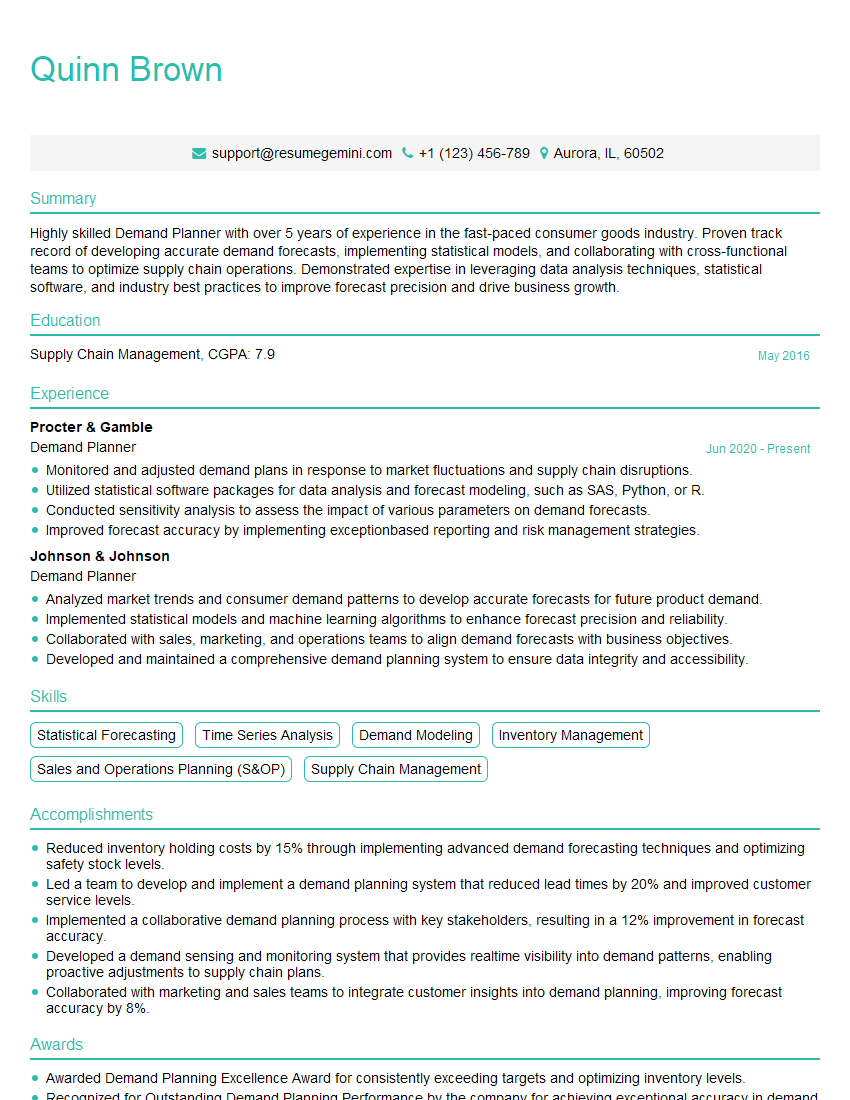
Demand Planner Resume Sample

Supply Chain Manager Resume Sample
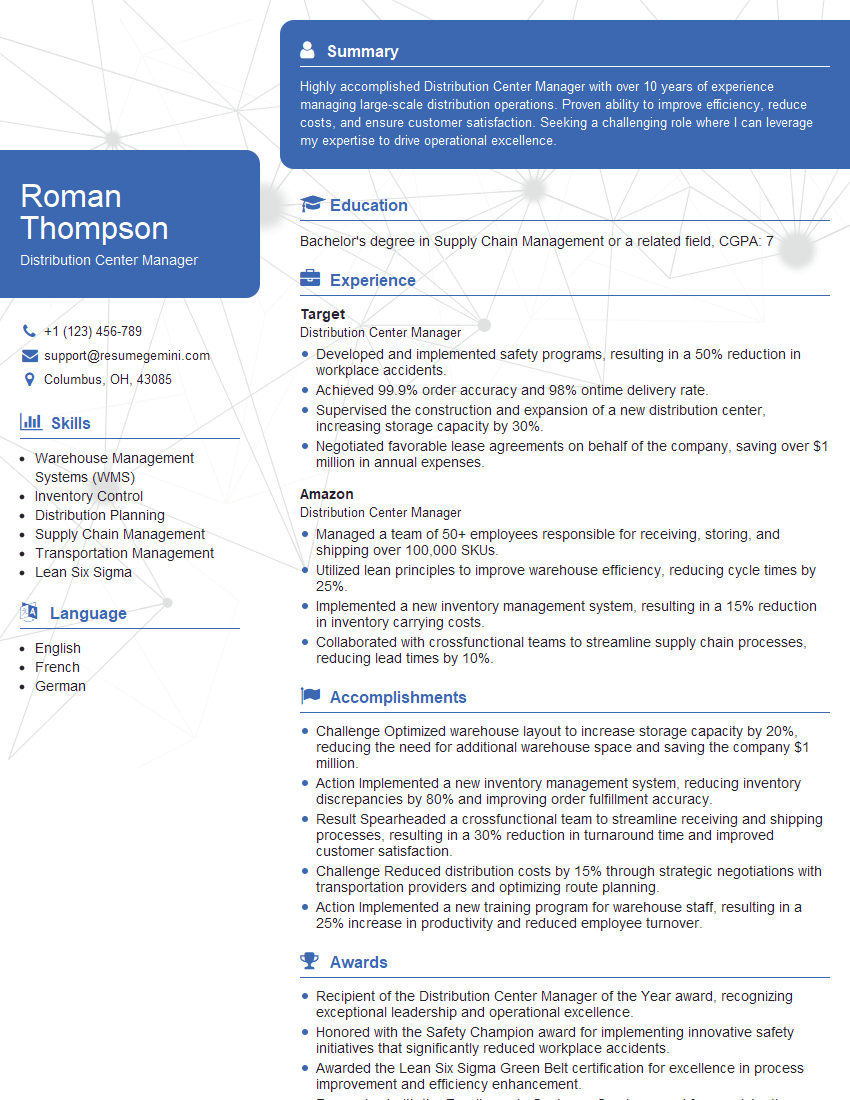
Distribution Center Manager Resume Sample
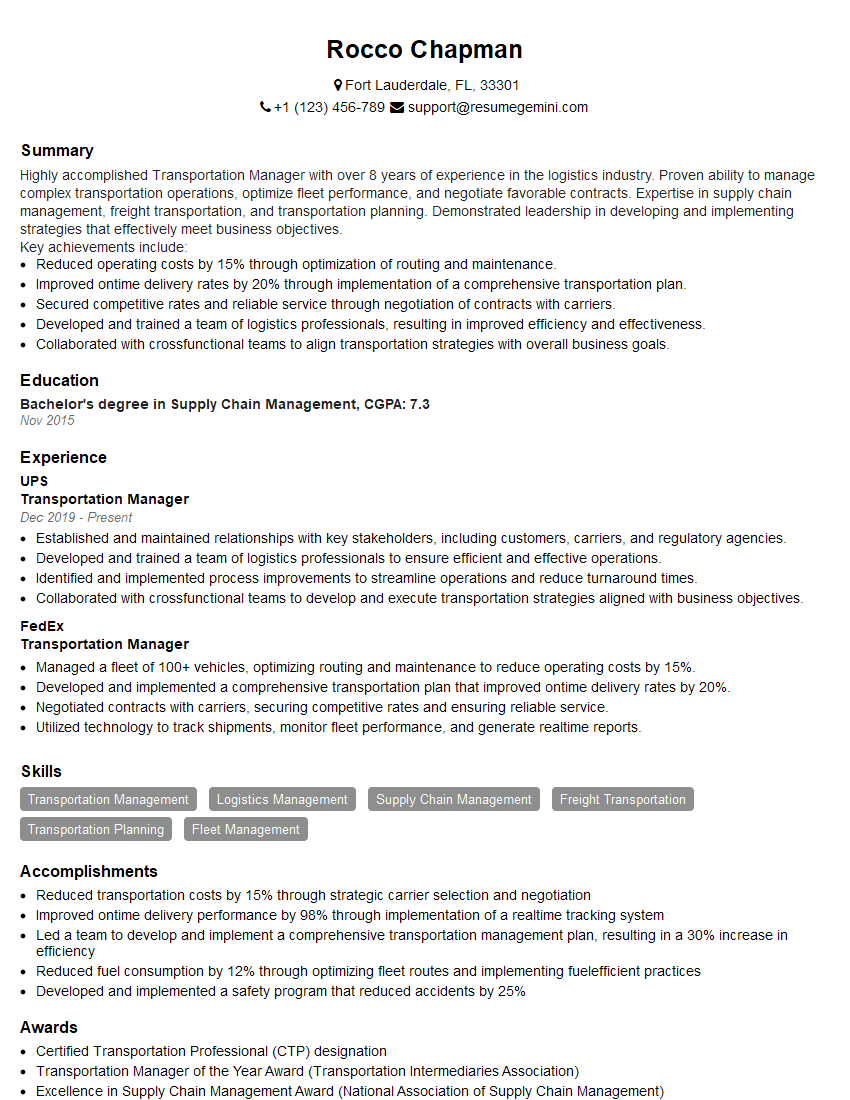
Transportation Manager Resume Sample
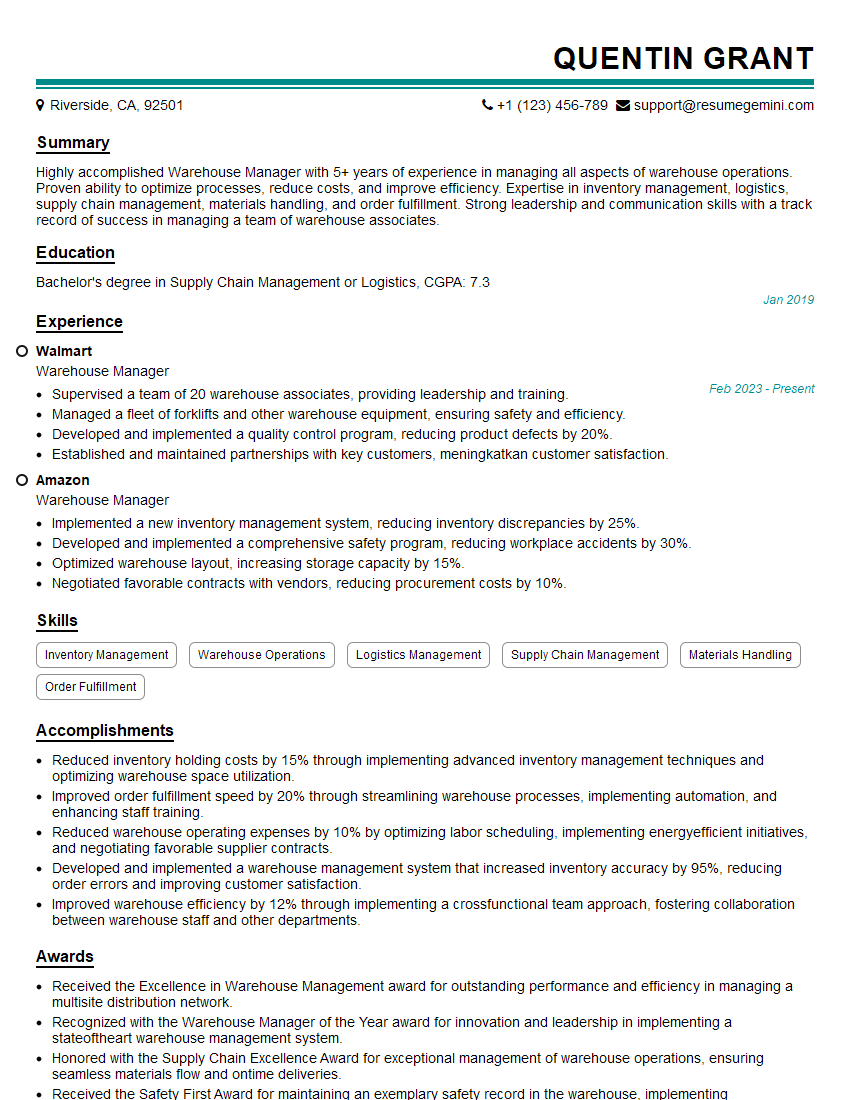
Warehouse Manager Resume Sample
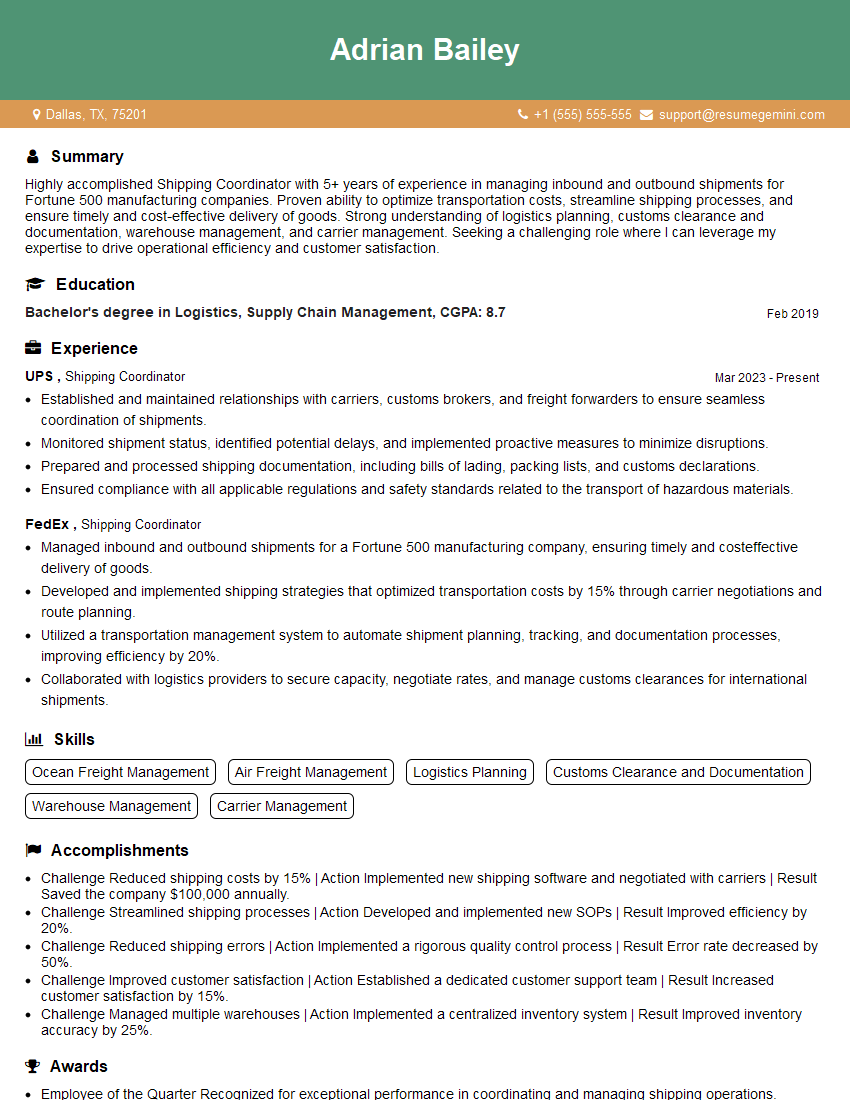
Shipping Coordinator Resume Sample
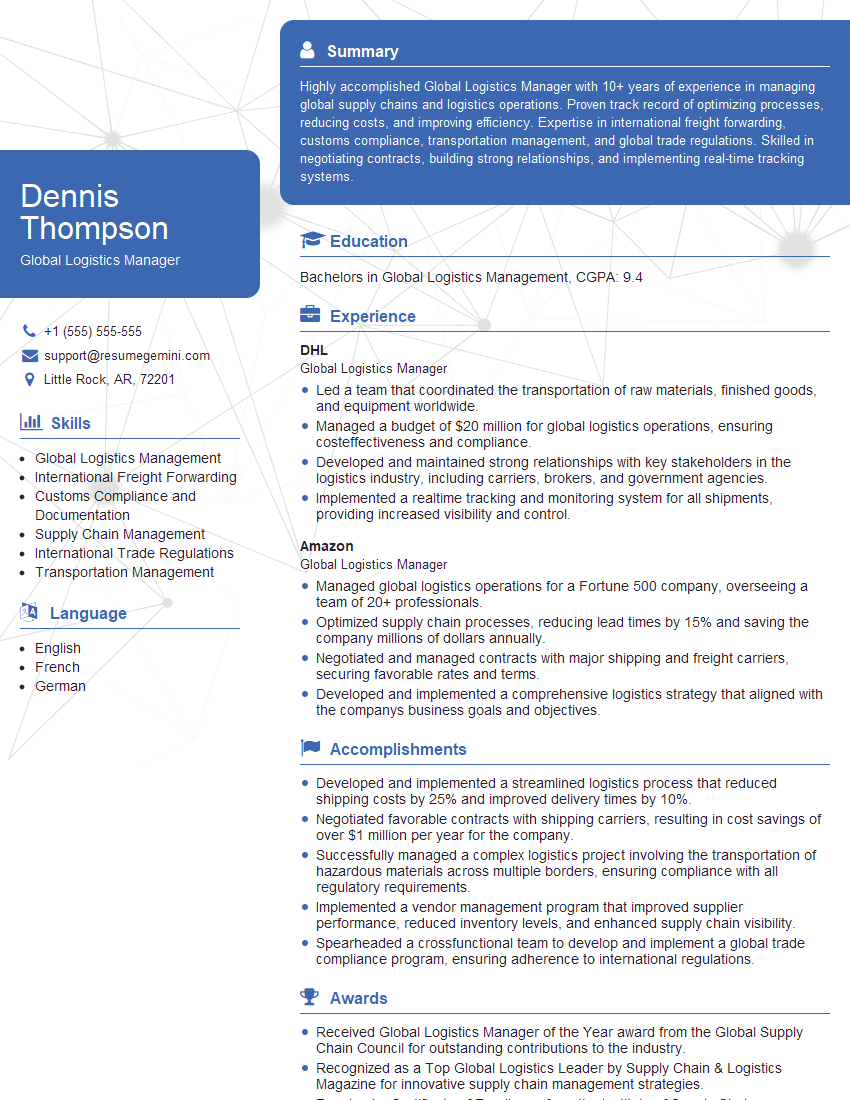
Global Logistics Manager Resume Sample
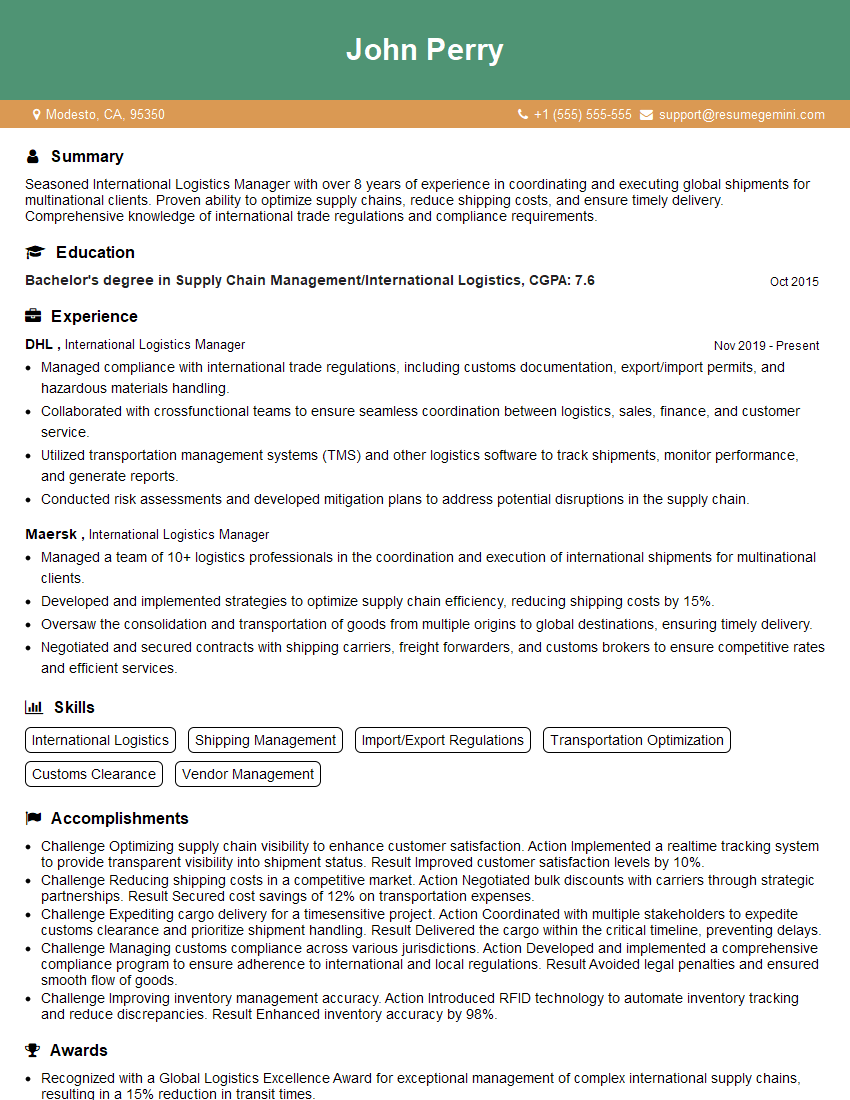
International Logistics Manager Resume Sample
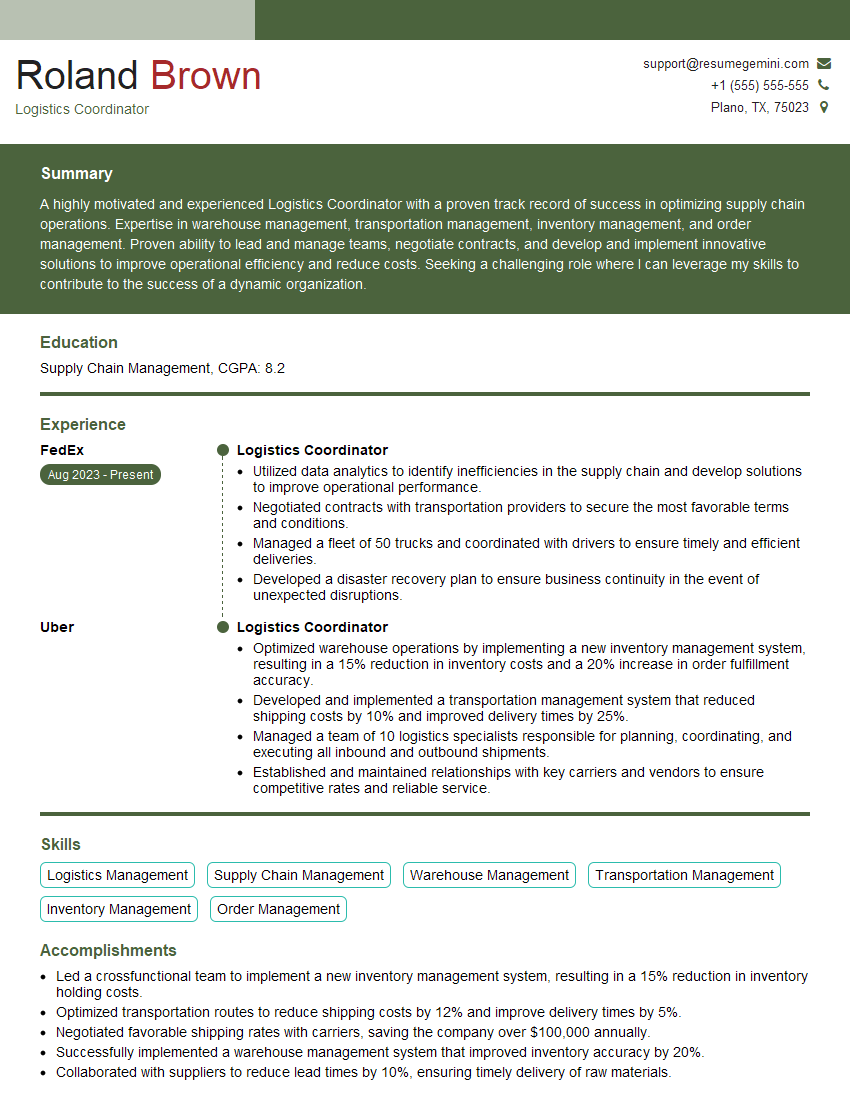
Logistics Coordinator Resume Sample
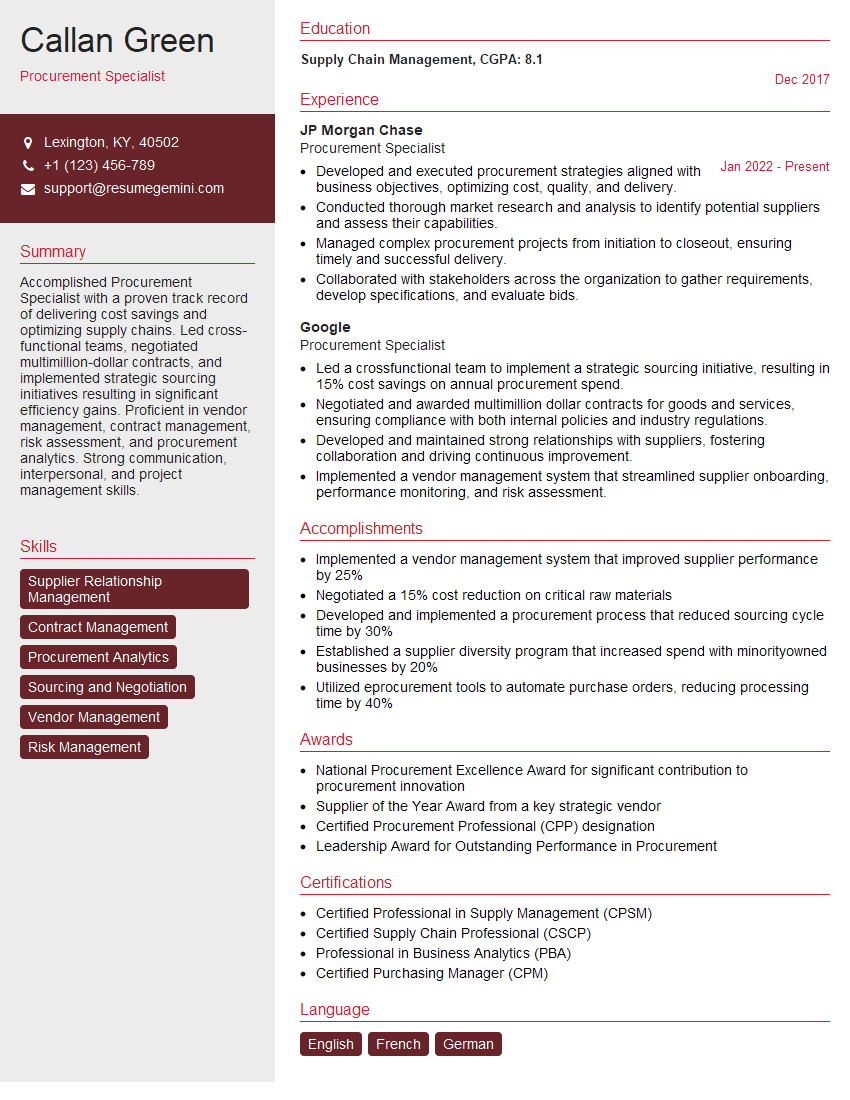
Procurement Specialist Resume Sample
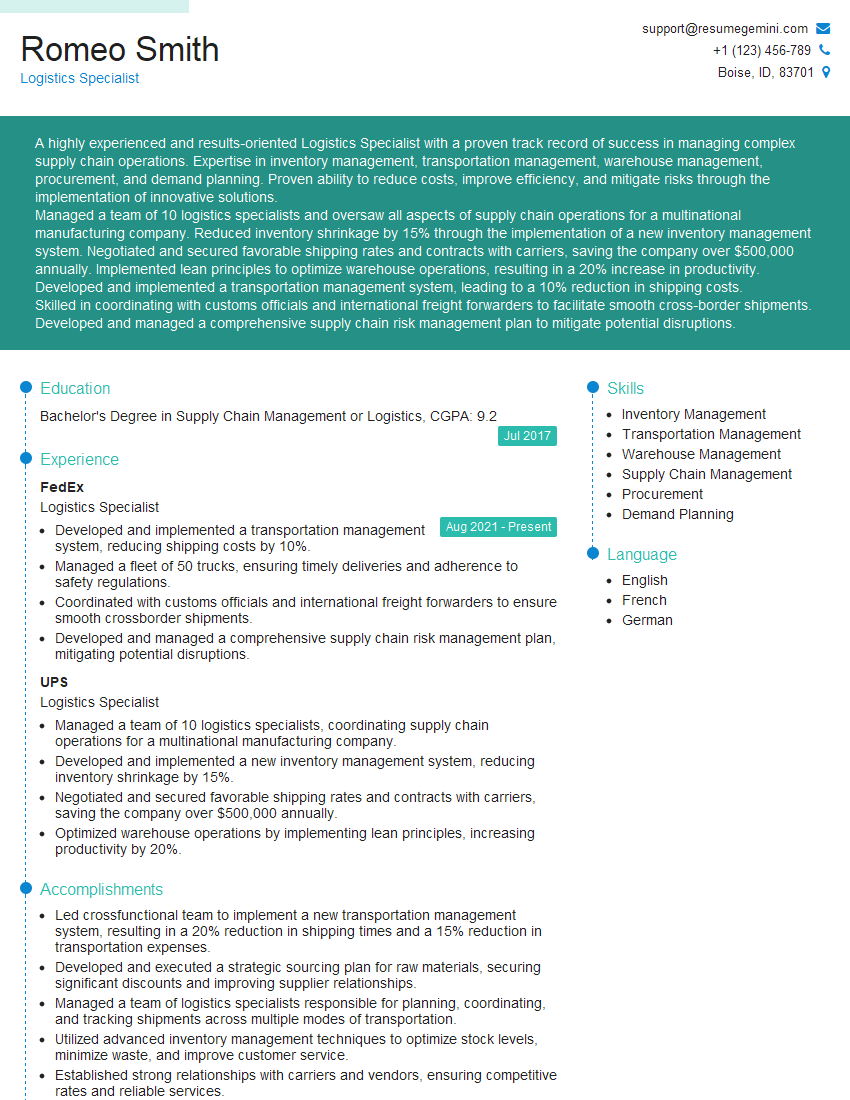
Logistics Specialist Resume Sample
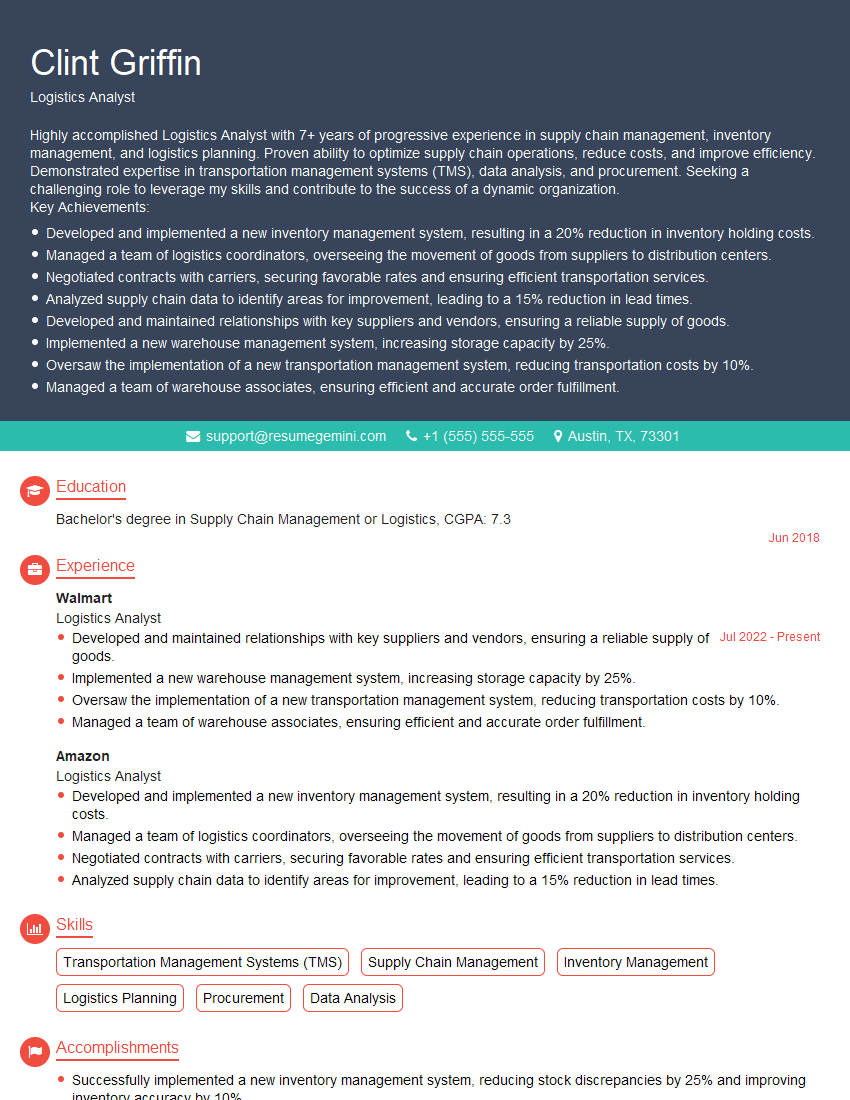
Logistics Analyst Resume Sample
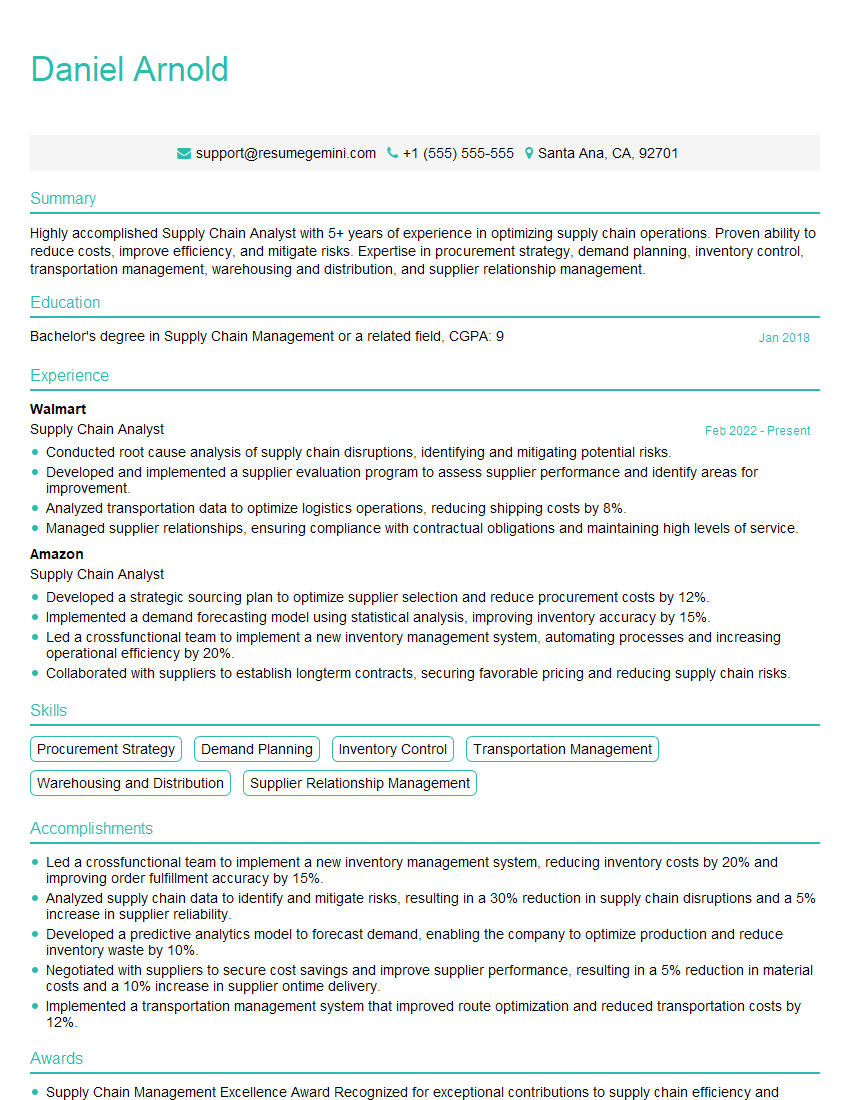
Supply Chain Analyst Resume Sample
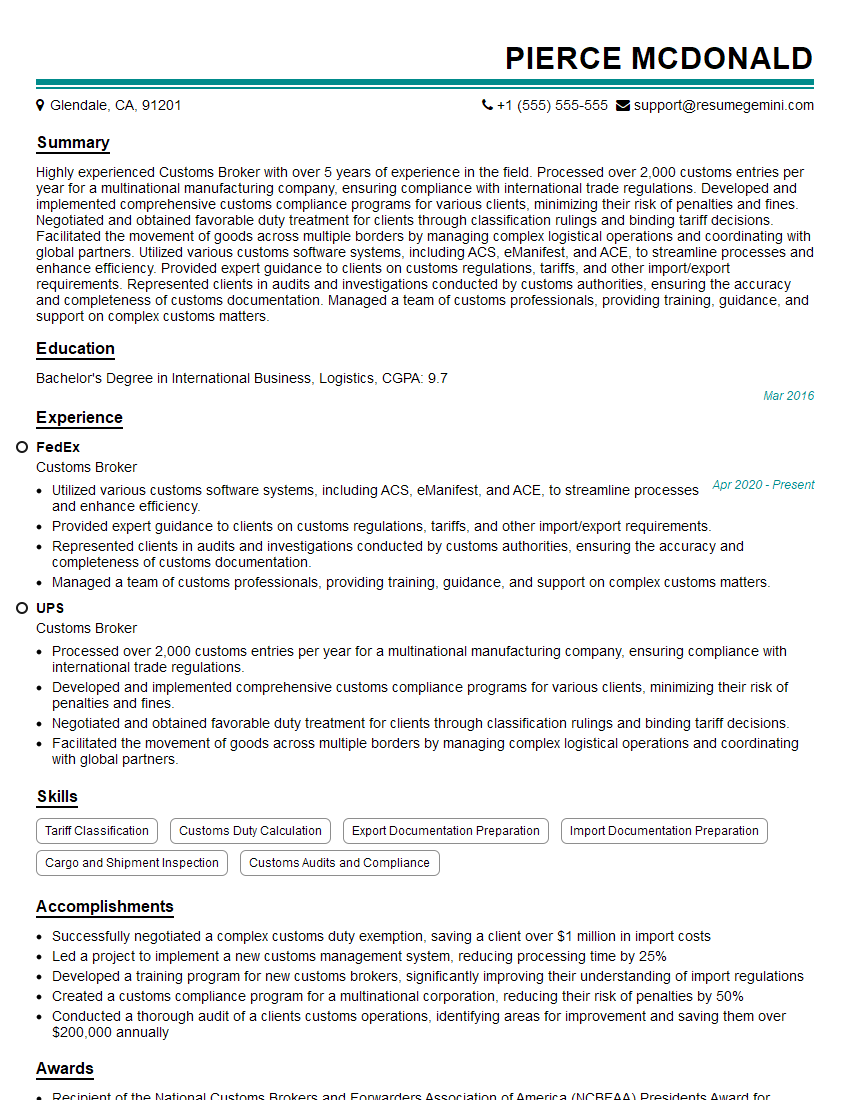
Customs Broker Resume Sample
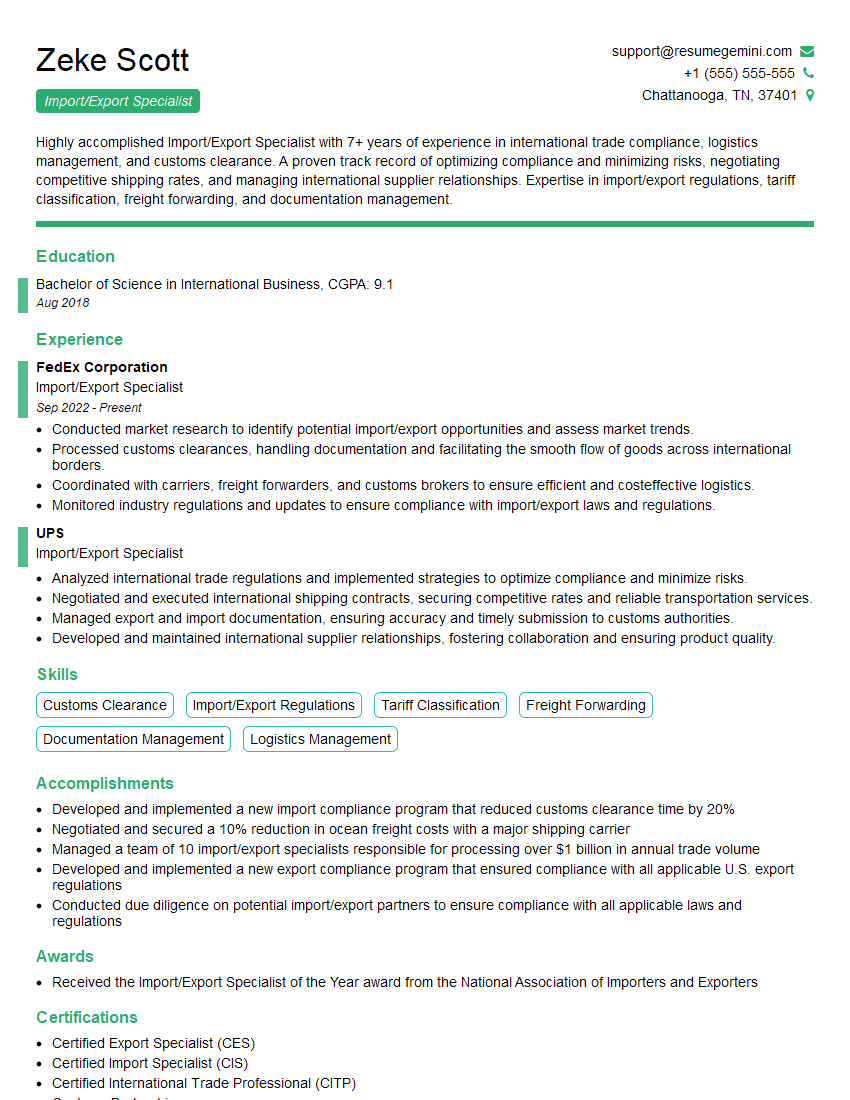
Import/Export Specialist Resume Sample
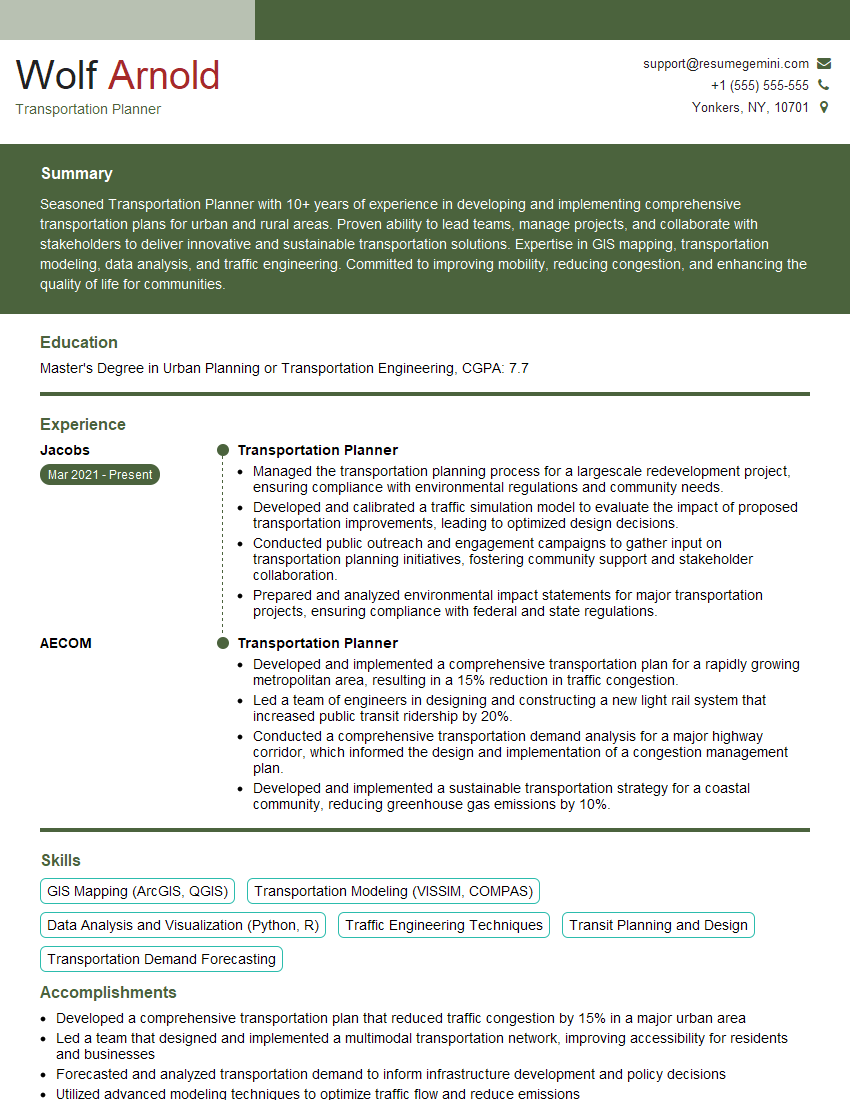
Transportation Planner Resume Sample
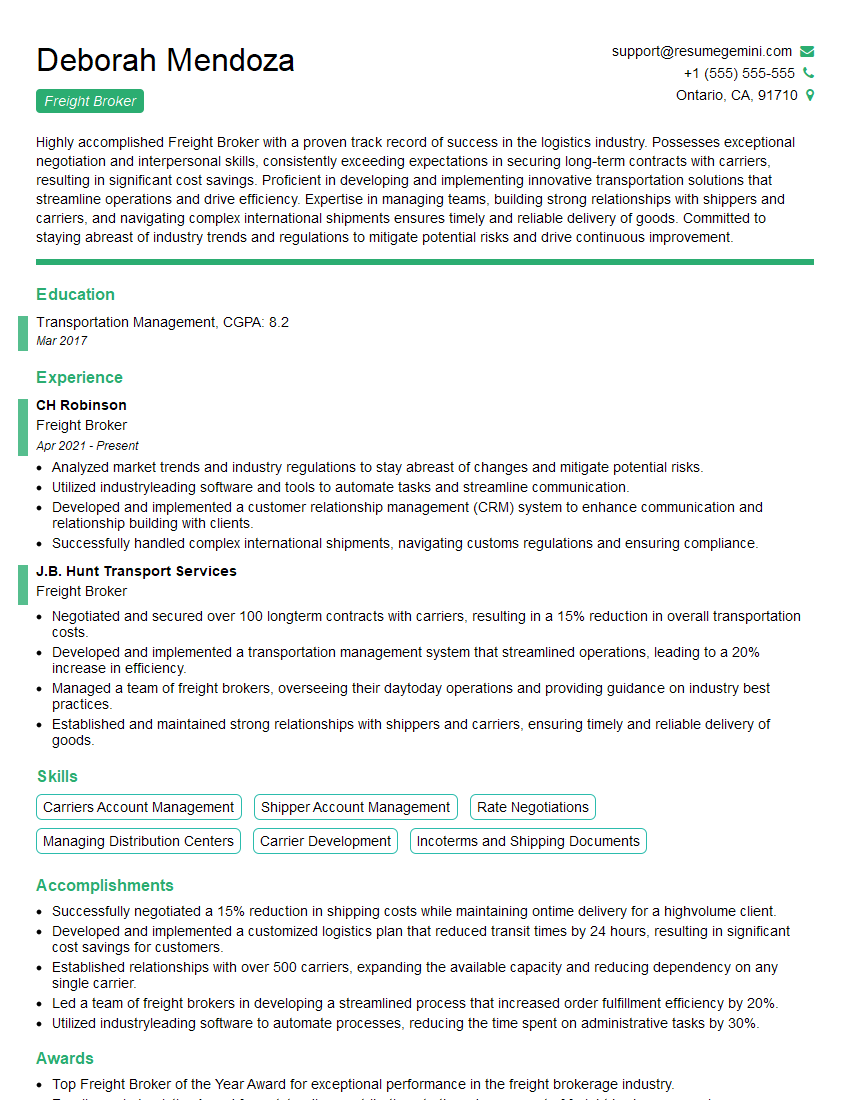
Freight Broker Resume Sample
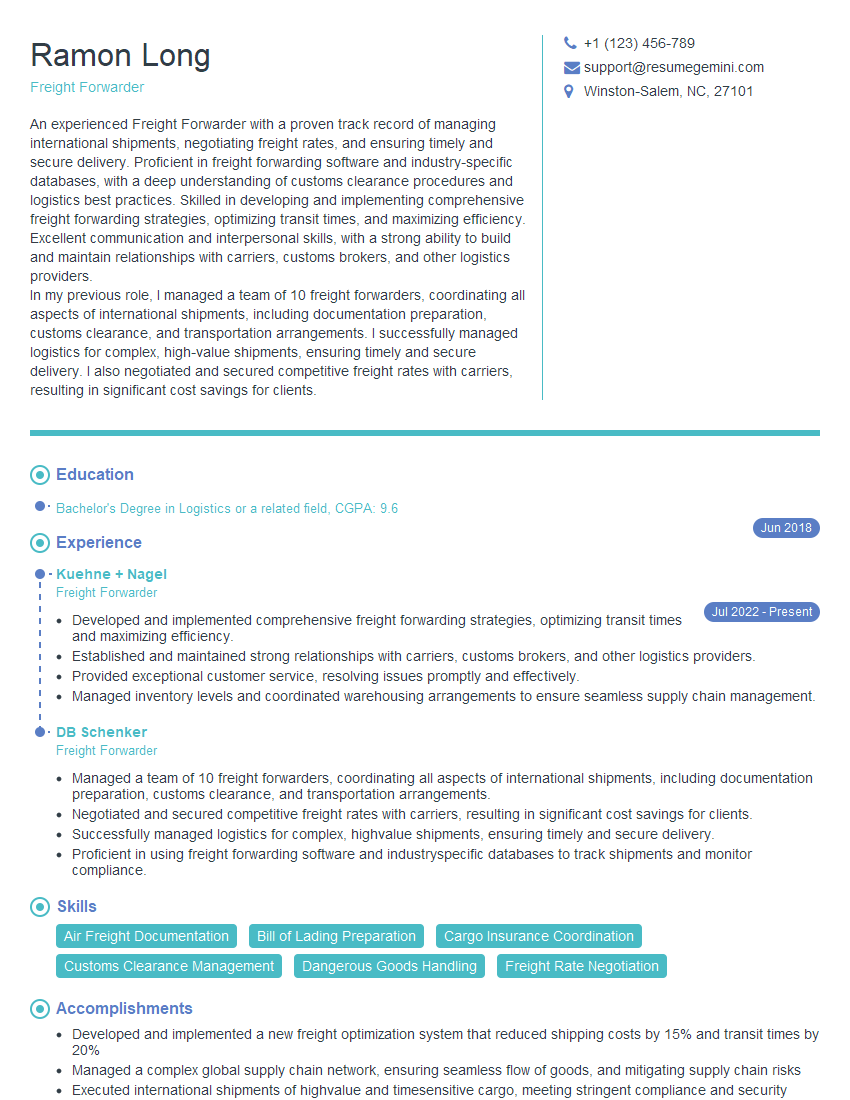
Freight Forwarder Resume Sample
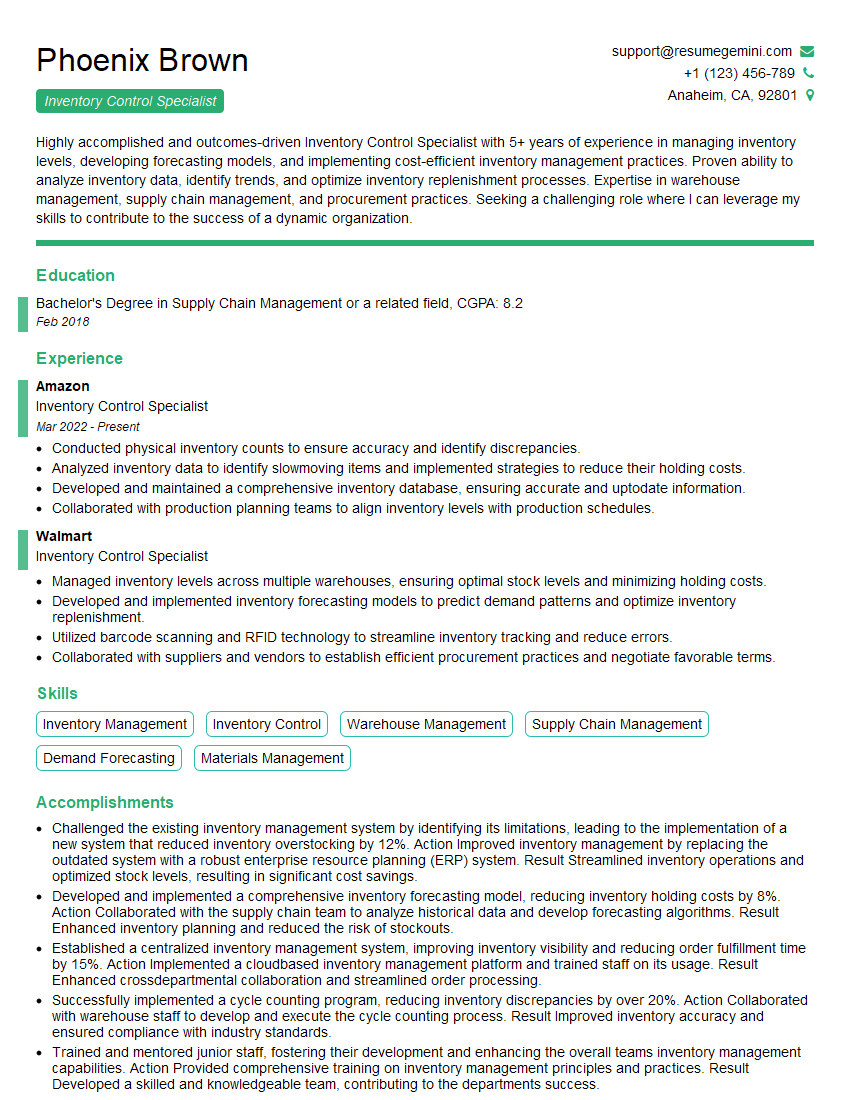
Inventory Control Specialist Resume Sample
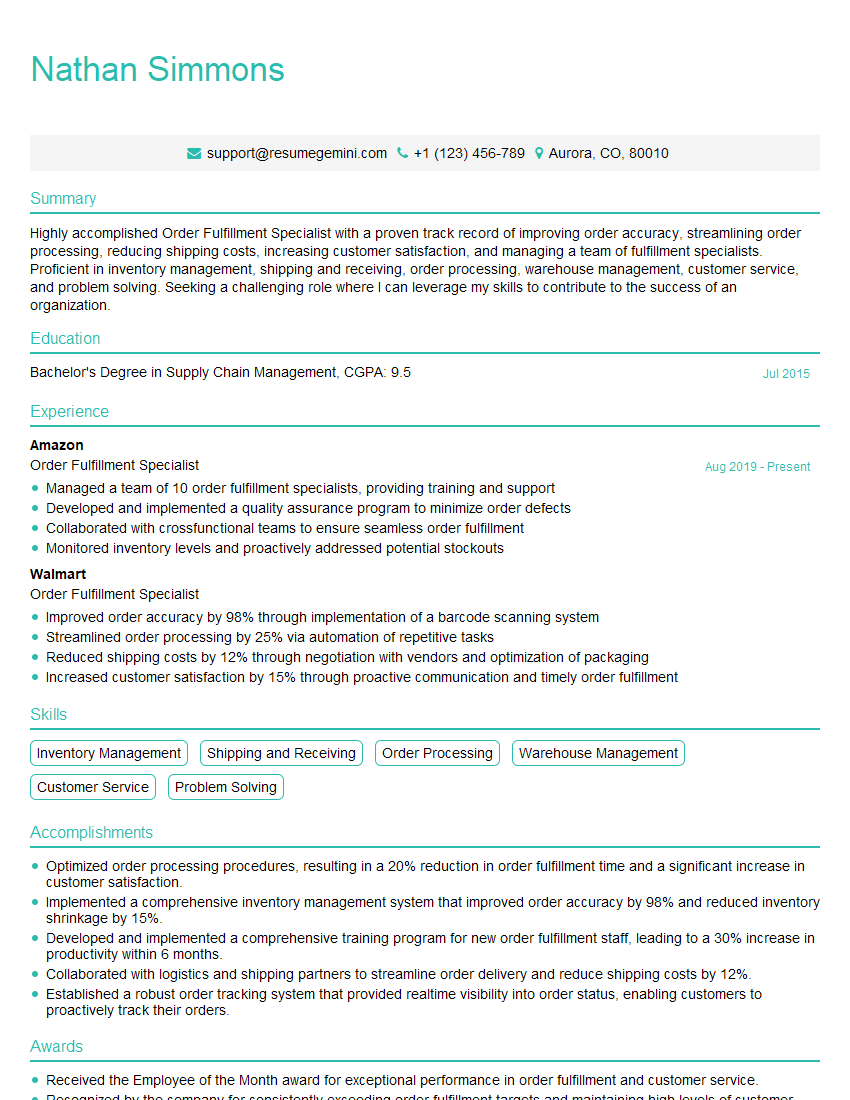
Order Fulfillment Specialist Resume Sample
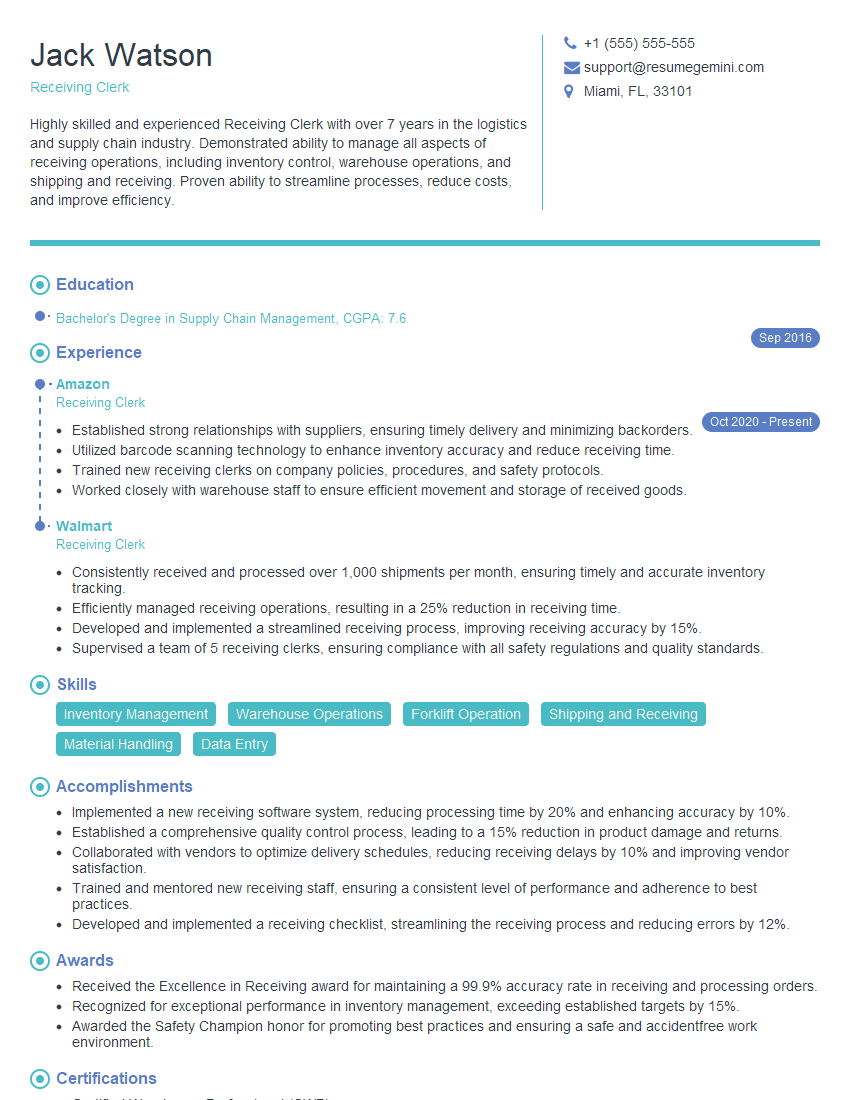
Receiving Clerk Resume Sample
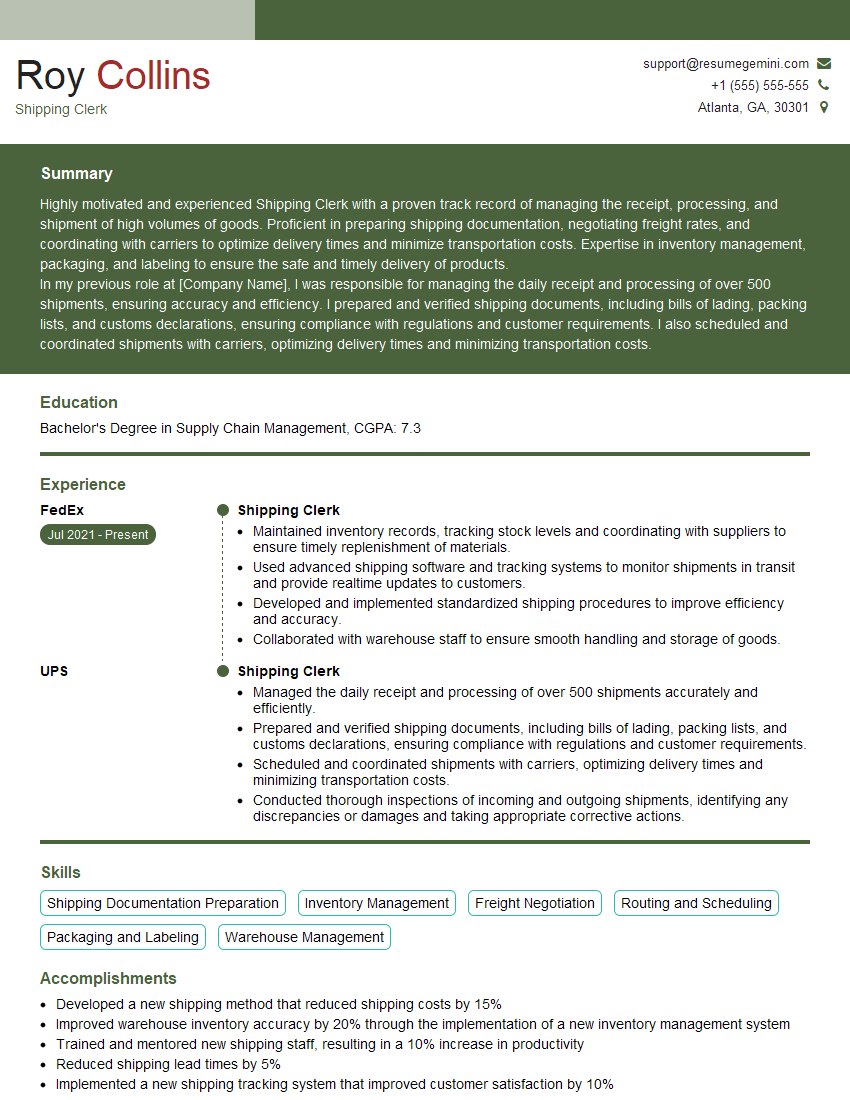
Shipping Clerk Resume Sample
- Operations Manager
- Demand Planner
- Supply Chain Manager
- Distribution Center Manager
- Transportation Manager
- Warehouse Manager
- Shipping Coordinator
- Global Logistics Manager
- International Logistics Manager
- Logistics Coordinator
- Procurement Specialist
- Logistics Specialist
- Logistics Analyst
- Supply Chain Analyst
- Customs Broker
- Import/Export Specialist
- Transportation Planner
- Freight Broker
- Freight Forwarder
- Inventory Control Specialist
- Order Fulfillment Specialist
- Receiving Clerk
- Shipping Clerk
Explore more articles
Users Rating of Our Blogs
Share Your Experience
We value your feedback! Please rate our content and share your thoughts (optional).
What Readers Say About Our Blog
Very informative content, great job.
good