Are you ready to stand out in your next interview? Understanding and preparing for Inventory Control and Accounting interview questions is a game-changer. In this blog, we’ve compiled key questions and expert advice to help you showcase your skills with confidence and precision. Let’s get started on your journey to acing the interview.
Questions Asked in Inventory Control and Accounting Interview
Q 1. Explain the difference between FIFO and LIFO inventory costing methods.
FIFO (First-In, First-Out) and LIFO (Last-In, First-Out) are two common methods for assigning costs to inventory. They differ significantly in how they match costs with sales, impacting the cost of goods sold (COGS) and ultimately the net income reported on the financial statements.
FIFO assumes that the oldest inventory items are sold first. Imagine a bakery; the first croissants baked are the first ones sold. This means the cost of goods sold reflects the cost of the oldest inventory, while the ending inventory reflects the cost of the most recent purchases. During periods of inflation, FIFO results in a lower COGS and higher net income because older, cheaper inventory is being sold.
LIFO, conversely, assumes that the newest inventory items are sold first. Think of a stack of pancakes; you eat the top one (the last one cooked) first. This means the cost of goods sold reflects the cost of the most recent purchases, while the ending inventory reflects the cost of the oldest inventory. In inflationary periods, LIFO results in a higher COGS and lower net income.
Example: Let’s say a company purchases 10 units at $10 each and then 10 units at $12 each. If they sell 15 units:
- FIFO: COGS = (10 units * $10) + (5 units * $12) = $160. Ending inventory = 5 units * $12 = $60.
- LIFO: COGS = (10 units * $12) + (5 units * $10) = $170. Ending inventory = 5 units * $10 = $50.
The choice between FIFO and LIFO depends on various factors, including industry practices, tax implications, and management’s goals. LIFO is not permitted under IFRS (International Financial Reporting Standards).
Q 2. Describe your experience with inventory cycle counting.
Inventory cycle counting is a crucial part of maintaining accurate inventory records. Instead of performing a full physical inventory count annually, cycle counting involves regularly counting smaller portions of the inventory throughout the year. This approach minimizes disruptions to operations and allows for more frequent identification and correction of discrepancies.
In my previous role at [Previous Company Name], we implemented a cycle counting program using a stratified sampling approach. We categorized inventory based on value (A, B, C items – see ABC analysis below) and frequency of use. High-value, fast-moving ‘A’ items were counted more frequently (e.g., weekly) than lower-value, slow-moving ‘C’ items (e.g., monthly). This targeted approach maximized efficiency while maintaining accuracy. We utilized barcode scanners and inventory management software to streamline the process and ensure data integrity. The system generated reports highlighting discrepancies and areas requiring further investigation.
This system reduced our annual physical inventory count time by 75% while maintaining a high level of inventory accuracy, leading to reduced stockouts and improved operational efficiency.
Q 3. How do you handle inventory discrepancies?
Inventory discrepancies—the differences between the recorded inventory and the physical count—require a methodical approach to resolution. The first step is to identify the nature and extent of the discrepancy. This often involves reviewing the cycle counting data, purchase orders, sales invoices, and other relevant documentation.
Investigation: Discrepancies can stem from various sources, including data entry errors, theft, damage, misplacement, or inaccurate product tracking. A thorough investigation is crucial. This might involve interviewing warehouse personnel, checking security footage, or reviewing process workflows for potential weaknesses.
Correction: Once the cause is identified, corrective actions are implemented. This might involve adjusting inventory records, implementing improved data entry controls, enhancing security measures, and improving staff training. If shrinkage (loss due to theft, damage, or obsolescence) is significant, its cause needs to be determined and a solution implemented.
Documentation: Detailed documentation of the entire process, including the discrepancy, the investigation, the corrective actions, and the final resolution is crucial for maintaining audit trails and preventing future occurrences.
Q 4. What are the key performance indicators (KPIs) you use to measure inventory performance?
Several key performance indicators (KPIs) are critical for assessing inventory performance. These include:
- Inventory Turnover Ratio: This measures how efficiently inventory is used and sold during a period. A higher ratio generally indicates better efficiency.
Inventory Turnover = Cost of Goods Sold / Average Inventory - Days Sales of Inventory (DSI): This shows the number of days it takes to sell the average inventory. A lower DSI is preferable.
DSI = (Average Inventory / Cost of Goods Sold) * 365 - Inventory Holding Costs: This represents the cost of storing and maintaining inventory, including storage fees, insurance, obsolescence, and potential spoilage. Minimizing these costs is a key goal.
- Stockout Rate: This tracks the percentage of orders that cannot be fulfilled due to insufficient inventory. A lower rate indicates better inventory management.
- Fill Rate: The percentage of customer demand that is fulfilled from stock. Higher fill rates are desirable.
- Inventory Accuracy: This measures how closely the recorded inventory aligns with the physical inventory. A high accuracy rate is essential for efficient operations.
Monitoring these KPIs provides valuable insights into the health of inventory processes and areas for improvement.
Q 5. Explain your understanding of the ABC analysis method for inventory management.
ABC analysis is a critical inventory management technique that categorizes inventory items based on their consumption value. It recognizes that not all items contribute equally to the overall inventory value. The method helps prioritize inventory management efforts and resources.
Categories:
- A-items: These represent a small percentage of total inventory items (e.g., 10-20%) but account for a significant portion (e.g., 70-80%) of the total inventory value. These require tight control, frequent monitoring, and accurate forecasting.
- B-items: These are intermediate items, constituting a moderate percentage of both the number of items and the total inventory value. They require moderate control and monitoring.
- C-items: These are the majority of inventory items (e.g., 50-70%) but represent a small percentage (e.g., 5-10%) of the total inventory value. They require less stringent control.
Application: ABC analysis enables businesses to focus their resources on managing the most valuable items (A-items) more effectively while applying simpler, less resource-intensive methods to manage B and C items. This leads to improved inventory accuracy, reduced carrying costs, and increased overall efficiency.
Q 6. How do you ensure accurate inventory records?
Ensuring accurate inventory records necessitates a multi-faceted approach involving robust systems and processes. Key elements include:
- Accurate Data Entry: Implementing strict data entry procedures, using barcode scanners and other technologies to minimize manual errors, and employing checks and balances to verify data integrity are crucial. Regular training of personnel is essential.
- Regular Cycle Counting: As discussed earlier, regular cycle counting, ideally implemented with a stratified approach, is indispensable for maintaining accuracy.
- Effective Inventory Software: Utilizing a sophisticated inventory management system that integrates with other business systems (e.g., ERP) can automate many inventory processes and eliminate data silos. Real-time tracking and reporting capabilities help maintain accuracy and highlight potential discrepancies promptly.
- Strong Internal Controls: Establishing clear processes and segregation of duties is vital to mitigate the risk of fraud or errors. Regular audits can help verify the accuracy of inventory records.
- Physical Security: Adequate security measures, including proper storage facilities, access controls, and security personnel, are necessary to prevent theft and damage.
A combination of these measures will significantly improve the accuracy of inventory records, leading to better inventory management and financial reporting.
Q 7. Describe your experience with inventory software or systems (e.g., SAP, Oracle).
I have extensive experience working with enterprise-level inventory management systems, specifically SAP and Oracle. At [Previous Company Name], I was responsible for the implementation and ongoing management of an SAP ERP system’s inventory module. This involved configuring the system to meet our specific business needs, including setting up inventory locations, defining item master data, and configuring the inventory costing methods. My responsibilities also included training users, troubleshooting system issues, and generating reports for inventory analysis.
In my prior role at [Another Previous Company], I worked with Oracle’s inventory management system. My experience there included developing and optimizing reporting processes, integrating the inventory system with other business applications, and supporting various aspects of the inventory cycle, including cycle counting, physical inventory, and inventory reconciliation. This experience has given me a comprehensive understanding of the complexities of managing inventory data using sophisticated systems. I am proficient in utilizing the reporting and analytical tools within these systems to gain actionable insights into inventory performance.
Q 8. How do you manage obsolete or slow-moving inventory?
Managing obsolete or slow-moving inventory is crucial for maintaining profitability and optimizing warehouse space. It’s like cleaning out your closet – you need to get rid of items that aren’t serving a purpose. My approach involves a multi-pronged strategy:
- Identification: Regularly analyze inventory turnover rates. Items with low turnover for extended periods are flagged. I use ABC analysis to prioritize high-value, slow-moving items for immediate attention.
- Price Reduction/Sales Promotion: Discounts and promotions can help move slow-moving items. We might bundle them with faster-selling products or offer special deals to clear them out.
- Donation or Liquidation: If items are significantly obsolete or beyond repair, donating them to charity can offer a tax benefit. Otherwise, liquidating through online marketplaces or specialized wholesalers can generate some revenue.
- Process Improvement: Analyzing *why* an item is slow-moving is key. Is it due to poor forecasting, changing market demands, or ineffective marketing? Addressing the root cause prevents future accumulation of obsolete inventory.
- Inventory Write-Down: Sometimes, acknowledging a loss is necessary. I ensure appropriate accounting procedures are followed when writing down the value of obsolete inventory to reflect its current market value.
For example, in a previous role, we identified a line of outdated electronics. We initially discounted them, then donated the remaining stock to a local tech school, documenting everything for tax purposes. This proactive approach prevented further storage costs and tied up less working capital.
Q 9. Explain the concept of safety stock and how it’s determined.
Safety stock acts as a buffer against unexpected demand fluctuations, lead time variations, and supply chain disruptions. Think of it as having an emergency stash of your favorite snacks – you’re covered if the grocery store runs out!
Determining the optimal safety stock level involves considering several factors:
- Demand Variability: How much does demand fluctuate from period to period? Higher variability necessitates a larger safety stock.
- Lead Time Variability: How much does the time to replenish inventory vary? Uncertain lead times require more safety stock.
- Service Level: What probability of stockout are you willing to accept? A higher desired service level (e.g., 99% probability of meeting demand) requires more safety stock.
- Cost of Stockout vs. Holding Costs: Balancing the cost of running out of stock (lost sales, customer dissatisfaction) against the cost of holding extra inventory is crucial.
We often use statistical methods, such as calculating the standard deviation of demand and lead time, to estimate safety stock. Software programs and inventory management systems can simplify these calculations.
For instance, if the standard deviation of demand is 10 units and the lead time is 2 weeks, with a desired service level of 95%, a safety stock calculation would be performed to arrive at an optimal quantity. This could vary depending on the inventory management techniques employed (e.g., EOQ, Reorder Point).
Q 10. How do you forecast inventory needs?
Accurate inventory forecasting is essential to avoid stockouts and overstocking. It’s like planning a party – you need to estimate how much food and drink to buy to ensure everyone is satisfied, without having leftovers.
My approach combines several forecasting techniques:
- Time Series Analysis: Examining historical sales data to identify trends and seasonality. This is particularly useful for products with established sales patterns.
- Market Research: Gathering insights on current market conditions, competitor activities, and anticipated changes in demand. This can include surveys, focus groups, or analysis of external market reports.
- Causal Modeling: Identifying factors that influence demand, such as advertising campaigns, price changes, or economic indicators, and incorporating them into the forecast.
- Qualitative Methods: Utilizing expert opinions, sales force estimations, and customer feedback to refine the forecast. This is useful when historical data is limited or unreliable.
I often employ a combination of these methods, validating my forecasts against several scenarios. For example, for a new product launch, I rely more heavily on market research and sales force estimates, while for established products, time series analysis forms a solid base.
Q 11. Describe your experience with inventory audits.
Inventory audits are vital for ensuring accuracy and identifying discrepancies. I’ve been involved in numerous audits, both physical and cyclical, across various industries. A physical count involves verifying the actual stock against the inventory records, while cyclical counts involve verifying a smaller portion of the inventory at regular intervals.
My experience includes:
- Planning and Preparation: Developing a detailed audit plan, including the scope, timeline, and team assignments. This also entails coordinating with warehouse staff and ensuring all necessary resources are available.
- Execution: Leading and supervising the counting process, ensuring accuracy and consistency. This can involve using barcode scanners and inventory management software to streamline the process.
- Reconciliation: Comparing the physical count results with the inventory records, identifying and investigating discrepancies. This might necessitate tracing back transactions to pinpoint errors.
- Reporting and Follow-up: Documenting findings, providing recommendations for improvement, and tracking the resolution of discrepancies.
In one instance, a discrepancy revealed a data entry error that had been causing inaccurate stock levels for several months. Addressing the root cause, rather than just correcting the numbers, is paramount.
Q 12. How do you identify and resolve inventory shrinkage?
Inventory shrinkage – the difference between recorded inventory and actual inventory – can be frustrating but can often be addressed. Think of it as a slow leak in your financial resources.
Identifying and resolving shrinkage involves a systematic approach:
- Regular Cycle Counts: Performing frequent, smaller counts helps detect shrinkage early, before it becomes significant. This allows for quicker identification and resolution of issues.
- Improved Inventory Management System: Implementing robust software with real-time tracking and alerts can minimize discrepancies. This minimizes the potential for manual errors and facilitates better monitoring.
- Strengthened Security Measures: Implementing security cameras, access controls, and improved procedures for receiving and shipping goods reduces theft and loss.
- Employee Training: Educating employees on proper inventory handling, procedures, and the importance of accuracy helps minimize errors.
- Investigating Discrepancies: Thoroughly investigating any discrepancies to identify the root cause – whether it’s theft, damage, obsolescence, or error in recording.
For instance, we once discovered significant shrinkage in a particular warehouse. After investigation, we identified a weakness in our receiving process. Implementing stricter procedures and staff training significantly reduced shrinkage in subsequent periods.
Q 13. Explain the impact of inventory on the balance sheet and income statement.
Inventory has a significant impact on both the balance sheet and the income statement. It’s a crucial aspect of a company’s financial health.
- Balance Sheet: Inventory is a current asset, reported at its historical cost (or lower of cost or market). It directly affects the company’s working capital and liquidity. A high inventory level ties up significant capital that could be invested elsewhere.
- Income Statement: The cost of goods sold (COGS) directly reflects inventory usage. Accurate inventory valuation is crucial for calculating COGS, which in turn impacts gross profit and net income. Overvaluation of inventory can inflate profits, while undervaluation can understate them.
For example, if a company overstates its inventory, its assets will appear higher than they actually are, potentially misleading investors and creditors. Conversely, understating inventory will lower the COGS, artificially inflating the profits.
Q 14. What are the common causes of inventory errors?
Inventory errors can stem from various sources. It’s like a game of telephone – the message gets distorted as it passes through different hands.
- Data Entry Errors: Manual data entry is prone to mistakes, especially in high-volume environments. This can involve incorrect quantities, incorrect item codes, or inaccurate pricing.
- Inaccurate Physical Counts: Errors during physical inventory counts due to human error, improper training, or inadequate equipment.
- Poor Inventory Management Systems: Lack of a robust inventory management system or using outdated systems can lead to inaccuracies and inefficiencies.
- Lack of Employee Training: Inadequate training on inventory procedures can lead to errors in receiving, storing, and handling inventory.
- Theft or Damage: Shrinkage due to theft or damage can lead to inventory discrepancies.
- Obsolescence: Failure to identify and write down obsolete inventory can overstate inventory values.
Implementing a robust inventory management system with automated processes, proper training, regular audits, and strong internal controls can minimize these errors.
Q 15. How do you contribute to a positive team environment in an inventory control setting?
A positive team environment in inventory control is crucial for efficiency and accuracy. I contribute by fostering open communication, actively listening to colleagues’ ideas, and offering support and constructive feedback. I believe in collaborative problem-solving, sharing knowledge readily, and celebrating team successes. For instance, in a previous role, we implemented a peer-review system for inventory adjustments, which significantly improved accuracy and reduced errors. This not only improved our workflow but also fostered a sense of shared responsibility and mutual respect within the team.
Furthermore, I actively participate in team-building activities and encourage a culture of continuous improvement, where we openly discuss challenges and brainstorm solutions together. This collaborative approach not only boosts morale but also ensures everyone feels valued and heard, resulting in a more efficient and productive work environment.
Career Expert Tips:
- Ace those interviews! Prepare effectively by reviewing the Top 50 Most Common Interview Questions on ResumeGemini.
- Navigate your job search with confidence! Explore a wide range of Career Tips on ResumeGemini. Learn about common challenges and recommendations to overcome them.
- Craft the perfect resume! Master the Art of Resume Writing with ResumeGemini’s guide. Showcase your unique qualifications and achievements effectively.
- Don’t miss out on holiday savings! Build your dream resume with ResumeGemini’s ATS optimized templates.
Q 16. Explain your understanding of inventory turnover.
Inventory turnover is a crucial financial ratio that measures how efficiently a company sells its inventory. It shows how many times a company sells and replaces its inventory during a specific period, usually a year. A higher turnover ratio generally indicates strong sales and efficient inventory management, while a low ratio might suggest slow sales, obsolete stock, or overstocking.
The formula for inventory turnover is: Cost of Goods Sold / Average Inventory. The average inventory is calculated by adding the beginning and ending inventory values for the period and dividing by two. For example, if a company has a Cost of Goods Sold of $1,000,000 and an average inventory of $200,000, its inventory turnover ratio would be 5 (1,000,000 / 200,000 = 5). This means the company sold and replaced its entire inventory five times during the year.
Understanding inventory turnover helps businesses make informed decisions regarding purchasing, pricing, and sales strategies. A consistently low turnover rate might necessitate a review of pricing, marketing, or product selection, while a very high turnover might indicate potential stock-out issues requiring adjustments to ordering practices.
Q 17. Describe your experience with variance analysis related to inventory.
Variance analysis in inventory focuses on identifying and explaining the differences between planned (budgeted) and actual inventory levels, costs, and turnover. This involves comparing actual results against expectations and investigating the root causes of any discrepancies. I have extensive experience in conducting variance analysis, using both qualitative and quantitative methods.
For example, I’ve used variance analysis to investigate significant discrepancies in inventory costs. This involved analyzing purchasing records, identifying price fluctuations from suppliers, and determining whether changes in material costs, shipping fees, or currency exchange rates were the contributing factors. We also analyzed variances in inventory levels by comparing actual stock on hand with forecasts and sales data. This helped identify potential issues such as inaccurate demand forecasting, production delays, or theft.
My approach involves a systematic process: First, I identify the variance. Second, I analyze potential causes, considering factors like market fluctuations, production inefficiencies, or unexpected demand. Third, I propose corrective actions to mitigate future variances and improve forecasting accuracy. This data-driven approach enables better inventory management, cost control, and ultimately, improved profitability.
Q 18. How do you stay current with best practices in inventory control and accounting?
Staying current with best practices in inventory control and accounting is crucial in today’s dynamic business environment. I achieve this through a multifaceted approach:
- Professional Development: I actively participate in industry conferences, webinars, and workshops to learn about new technologies, methodologies, and regulatory changes.
- Industry Publications: I regularly read trade journals, magazines, and online resources focusing on inventory management, supply chain logistics, and accounting best practices. This keeps me updated on the latest trends and innovative solutions.
- Networking: Engaging with other professionals in the field through online forums and professional organizations allows me to share experiences and learn from others’ insights and challenges.
- Continuing Education: I pursue relevant certifications and courses to enhance my expertise in specific areas, such as advanced inventory management techniques or specific accounting software.
This commitment to lifelong learning ensures I remain proficient and adaptable in this ever-evolving field.
Q 19. What is your experience with implementing new inventory management systems or processes?
I have significant experience in implementing new inventory management systems and processes. In a previous role, we transitioned from a manual inventory tracking system to an enterprise resource planning (ERP) system. This involved several key steps:
- Needs Assessment: We carefully analyzed our existing processes, identified pain points, and defined the requirements for a new system.
- System Selection: We evaluated different ERP options based on factors like cost, functionality, scalability, and integration with our existing accounting software.
- Data Migration: We carefully migrated our existing inventory data into the new system, ensuring data integrity and accuracy.
- Training and Implementation: We provided comprehensive training to our team on the new system’s features and functionality. This involved hands-on workshops and ongoing support during the transition phase.
- Post-Implementation Review: Following the implementation, we conducted a thorough review to assess the system’s effectiveness, identify areas for improvement, and fine-tune processes.
The successful implementation resulted in significant improvements in inventory accuracy, reduced lead times, and improved overall efficiency.
Q 20. Describe a time you had to make a difficult decision regarding inventory management.
In one instance, we faced a critical shortage of a key component due to an unexpected delay from our supplier. This threatened to halt production and significantly impact our delivery timelines. The decision was whether to air freight the component at a significantly higher cost, or to delay production and potentially miss critical deadlines with our customers.
After carefully evaluating the potential consequences of each option – considering the financial impact of the air freight, the potential loss of sales and customer goodwill from a delay, and the impact on our production schedule – we decided to air freight the component. While it was a costly solution, it minimized the disruption to our production and prevented significant damage to our reputation with customers. The decision was difficult, but the thorough analysis and prioritization of minimizing negative impact guided us to the best course of action.
Q 21. How do you manage the relationship between inventory control and purchasing?
The relationship between inventory control and purchasing is symbiotic and requires close collaboration. Effective inventory control relies on accurate demand forecasting and efficient purchasing to ensure optimal stock levels. Conversely, purchasing decisions are directly influenced by inventory levels, minimizing excess stock while avoiding shortages.
To manage this relationship effectively, I establish clear communication channels between the inventory control and purchasing departments. This includes regular meetings to review inventory levels, discuss upcoming demand forecasts, and coordinate purchase orders. I also use technology to streamline this communication, employing systems that integrate inventory management and purchasing data. This allows for real-time monitoring of stock levels and automatic generation of purchase orders based on pre-defined parameters.
Furthermore, I advocate for a collaborative approach to supplier relationship management. Building strong relationships with key suppliers ensures reliable delivery and helps mitigate risks associated with supply chain disruptions. This holistic approach ensures inventory control and purchasing work in harmony to optimize inventory levels, minimize costs, and maximize efficiency.
Q 22. How familiar are you with lean manufacturing principles and their application to inventory?
Lean manufacturing principles aim to eliminate waste and maximize efficiency throughout the entire production process. In inventory management, this translates to minimizing excess inventory (holding costs), reducing lead times, and improving overall responsiveness to customer demand. I’m very familiar with techniques like Just-in-Time (JIT) inventory, Kanban systems, and value stream mapping, all designed to optimize inventory levels.
For instance, in a previous role, we implemented a Kanban system for a key component. This involved carefully analyzing demand, setting appropriate buffer stock levels, and using visual cues (Kanban cards) to signal when replenishment was needed. This significantly reduced our warehousing costs and prevented stockouts. We also used value stream mapping to identify bottlenecks in our supply chain, streamlining the process and reducing lead times. This involved meticulously tracking materials from order to delivery. Implementing these lean principles resulted in a 20% reduction in inventory holding costs within six months.
Q 23. How do you prioritize tasks when dealing with multiple inventory issues?
Prioritizing inventory issues requires a systematic approach. I typically use a framework combining urgency and impact. I use a matrix where issues are categorized based on their urgency (how quickly they need addressing) and impact (how significant the consequences of ignoring them would be).
- High Urgency, High Impact: Immediate action. This might include addressing a critical stockout of a high-demand product or resolving a major system error causing inaccurate inventory data.
- High Urgency, Low Impact: Requires prompt attention but might not require immediate resolution. This could be something like addressing a minor discrepancy in a routine inventory count.
- Low Urgency, High Impact: Requires planning and prioritization within a reasonable timeframe. Examples include implementing a new inventory management system or optimizing warehousing layouts.
- Low Urgency, Low Impact: These can often be delegated or scheduled for later. An example could be a minor process improvement suggestion that is not time-sensitive.
This matrix allows me to focus on the most critical issues first, ensuring resources are allocated effectively.
Q 24. Describe your experience with physical inventory counts.
I have extensive experience with physical inventory counts, employing both cycle counting and full-scale physical inventories. Cycle counting involves regularly counting smaller portions of inventory instead of a complete count all at once which minimizes disruption to operations. It allows for the identification and correction of inaccuracies more frequently. Full-scale physical inventories, on the other hand, involve a complete count of all inventory, usually conducted annually or less often, offering a comprehensive snapshot of inventory accuracy.
In a previous role, we transitioned from annual full-scale counts to a more efficient cycle counting system. This reduced downtime significantly, improved data accuracy, and allowed us to identify and address discrepancies more proactively. We used barcode scanners and inventory management software to streamline the process, minimizing errors and improving efficiency. We also implemented robust reconciliation procedures to ensure accuracy between the physical count and the system records, resulting in increased confidence in our inventory data.
Q 25. What are your strengths and weaknesses in inventory control and accounting?
My strengths lie in my analytical skills, attention to detail, and ability to integrate inventory control with accounting principles. I’m proficient in using inventory management software, conducting cycle counting and full physical inventory counts, and analyzing inventory data to identify trends and areas for improvement. I’m also adept at reconciling inventory records with financial statements, ensuring accuracy and preventing discrepancies.
An area for improvement is my experience with implementing advanced inventory optimization techniques such as forecasting models that predict future demand with high precision. While I have theoretical knowledge in this area, gaining more practical experience would enhance my skillset even further. I’m actively seeking opportunities to develop my expertise in this area through professional development courses and real-world projects.
Q 26. How do you handle pressure in a fast-paced inventory environment?
Fast-paced inventory environments require adaptability and a structured approach. I thrive under pressure by prioritizing tasks effectively (as described earlier), maintaining clear communication with my team, and leveraging technology to streamline processes. I believe in proactive planning and building in buffer time to account for unexpected issues. It’s crucial to stay calm, focus on solutions, and delegate tasks efficiently when necessary.
For example, during a period of unexpectedly high demand, we used our inventory management system to track real-time inventory levels and prioritize orders based on urgency and customer needs. By communicating proactively with suppliers, we ensured timely replenishment of key items, minimizing the impact of the surge. I also found that by regularly checking my workflow and adjusting tasks as needed I could minimize potential mistakes and prevent issues from escalating.
Q 27. How do you use data analytics to improve inventory management?
Data analytics plays a crucial role in improving inventory management. I use data to gain insights into inventory turnover rates, identify slow-moving or obsolete items, and optimize reorder points and safety stock levels. This involves analyzing historical sales data, lead times, and demand forecasts. Tools like Excel, SQL, and specialized inventory management software are essential for this process.
For instance, by analyzing historical sales data, we identified a seasonal pattern in the demand for a particular product. This allowed us to adjust our inventory levels accordingly, reducing storage costs during low-demand periods while avoiding stockouts during peak seasons. We also used ABC analysis to classify inventory items based on their value and demand, allowing us to focus our efforts on managing the most critical items effectively. This helped in allocating resources more efficiently.
Key Topics to Learn for Your Inventory Control and Accounting Interview
Mastering these key areas will significantly boost your interview confidence and showcase your expertise.
- Inventory Valuation Methods: Understand FIFO, LIFO, and weighted-average cost methods, their implications on financial statements, and the ability to apply them in different inventory scenarios. Consider the impact of choosing one method over another on profitability and tax liability.
- Inventory Management Techniques: Explore techniques like ABC analysis, economic order quantity (EOQ), and safety stock calculations. Be prepared to discuss how these methods optimize inventory levels, minimize costs, and prevent stockouts or overstocking. Think about real-world applications in diverse industries.
- Inventory Control Systems: Familiarize yourself with various inventory control systems (e.g., perpetual vs. periodic inventory systems). Be ready to discuss the advantages and disadvantages of each, and how technology plays a role in modern inventory management (e.g., barcode scanning, RFID). Consider the impact of data accuracy on decision-making.
- Cost Accounting Principles: Understand the principles of direct and indirect costs related to inventory, including manufacturing overhead allocation. Be able to trace costs through the production process and demonstrate your understanding of cost of goods sold (COGS) calculations. Prepare to discuss variance analysis and its importance in cost control.
- Internal Controls and Audits: Understand the importance of internal controls in preventing inventory theft, fraud, and errors. Be prepared to discuss common internal control procedures and how they relate to auditing practices. Consider the role of technology in strengthening internal controls.
- Financial Reporting and Analysis: Understand how inventory is reported on the balance sheet and income statement. Be prepared to discuss inventory turnover ratios and other key performance indicators (KPIs) used to assess inventory efficiency and profitability. Consider how inventory impacts cash flow.
Next Steps: Unlock Your Career Potential
Proficiency in Inventory Control and Accounting is highly sought after, opening doors to exciting career opportunities and substantial growth within finance and operations. To maximize your chances of landing your dream role, it’s crucial to present your skills effectively. Crafting an ATS-friendly resume is essential to ensure your application gets noticed. ResumeGemini is a trusted resource to help you build a professional and impactful resume that highlights your unique qualifications.
Examples of resumes tailored to Inventory Control and Accounting positions are available to help guide your resume creation process. Invest the time to build a strong resume – it’s your first impression!
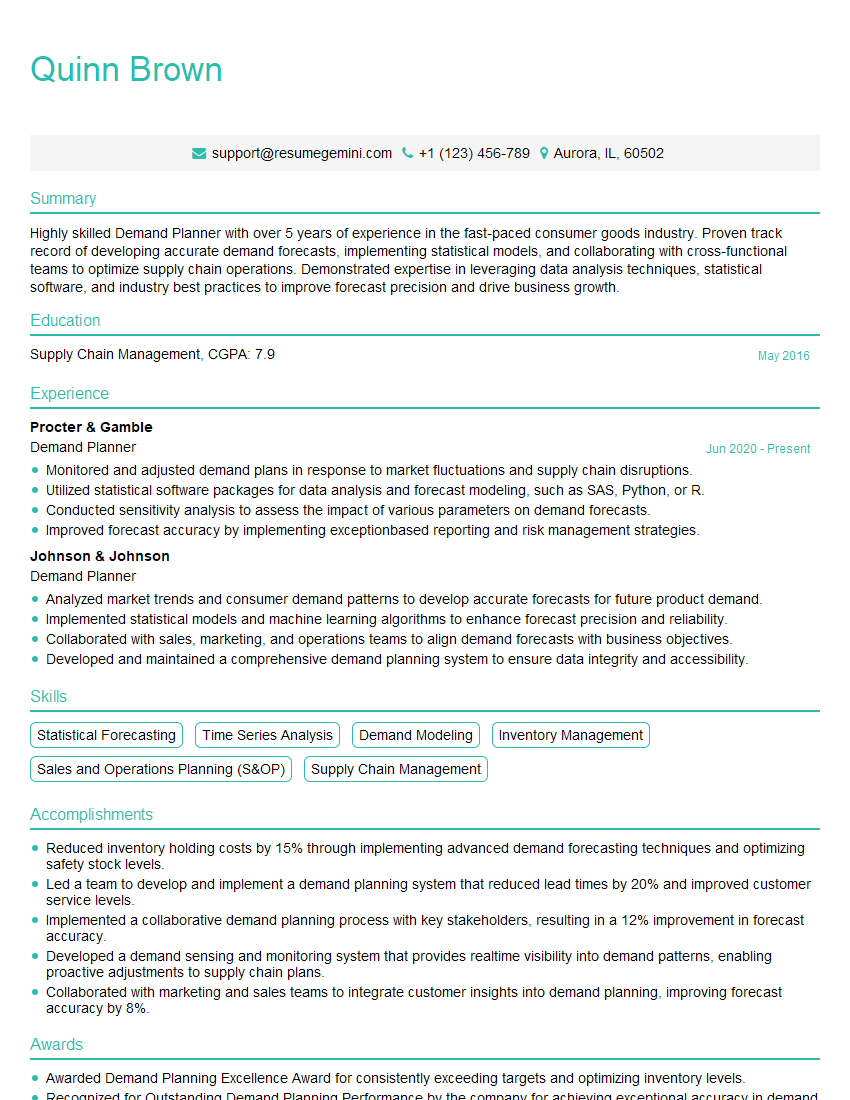
Demand Planner Resume Sample
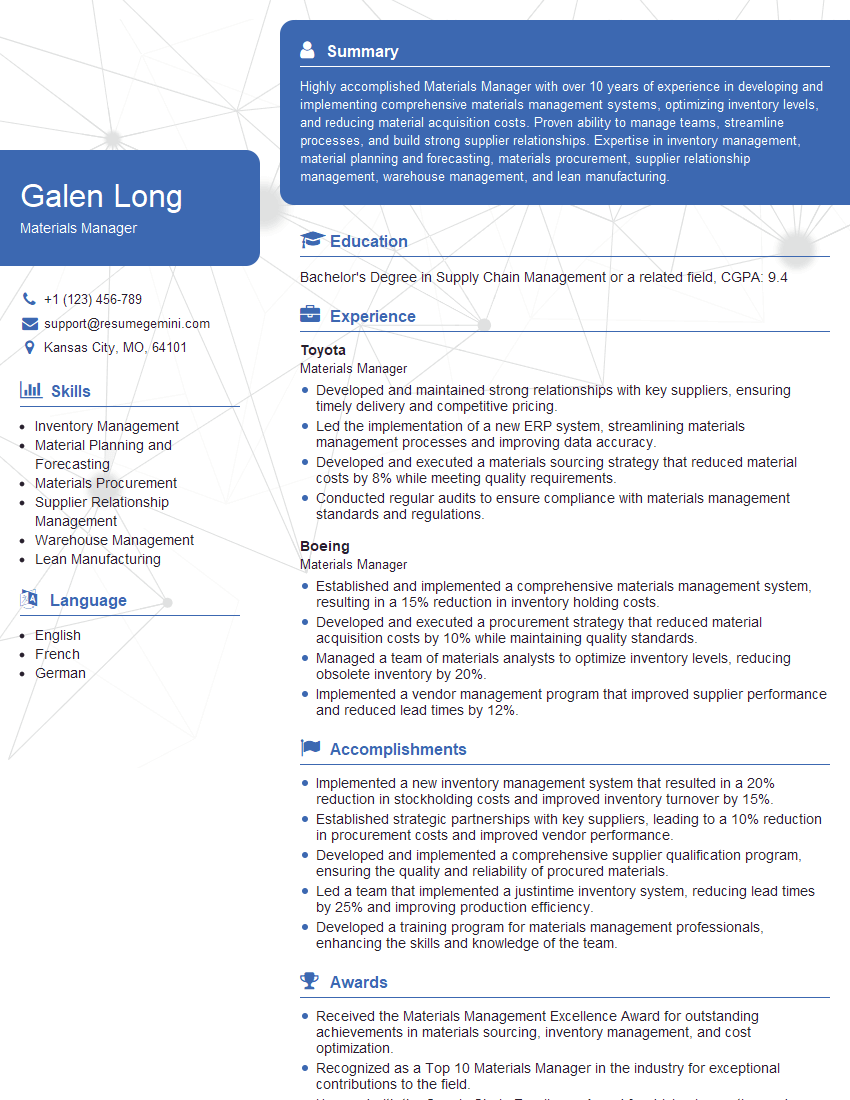
Materials Manager Resume Sample
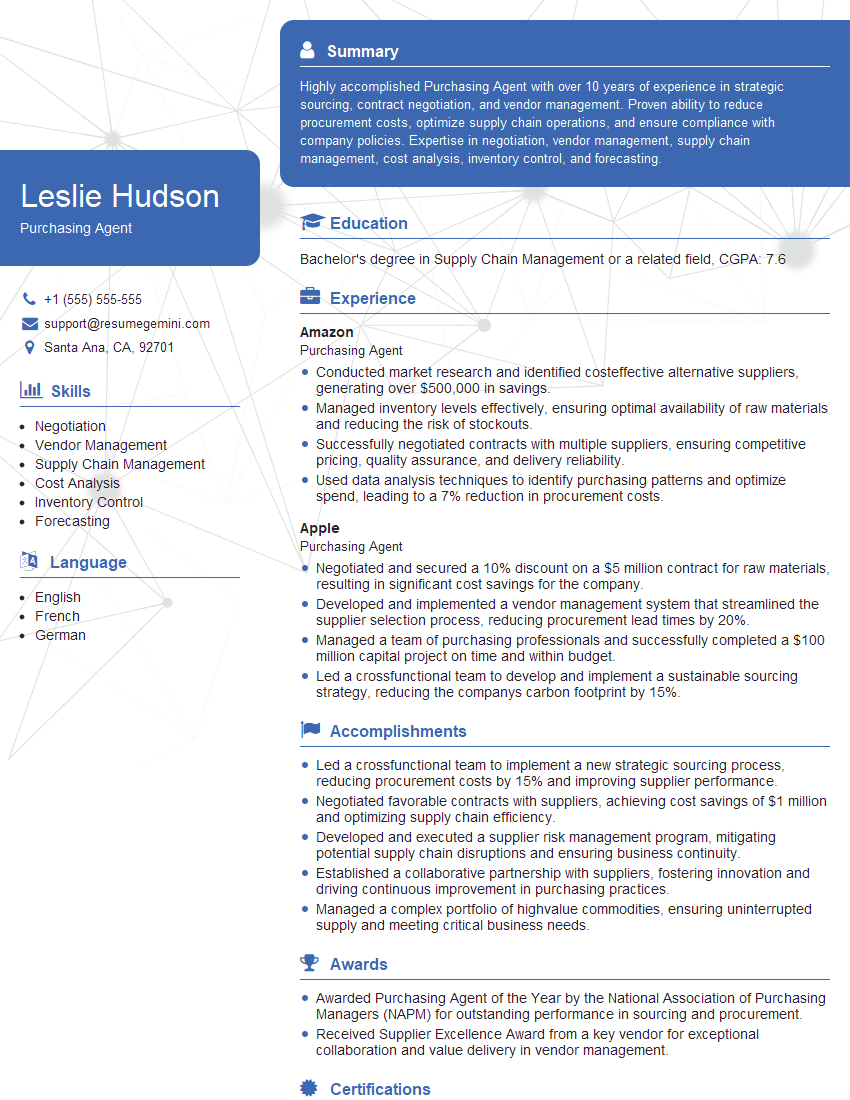
Purchasing Agent Resume Sample
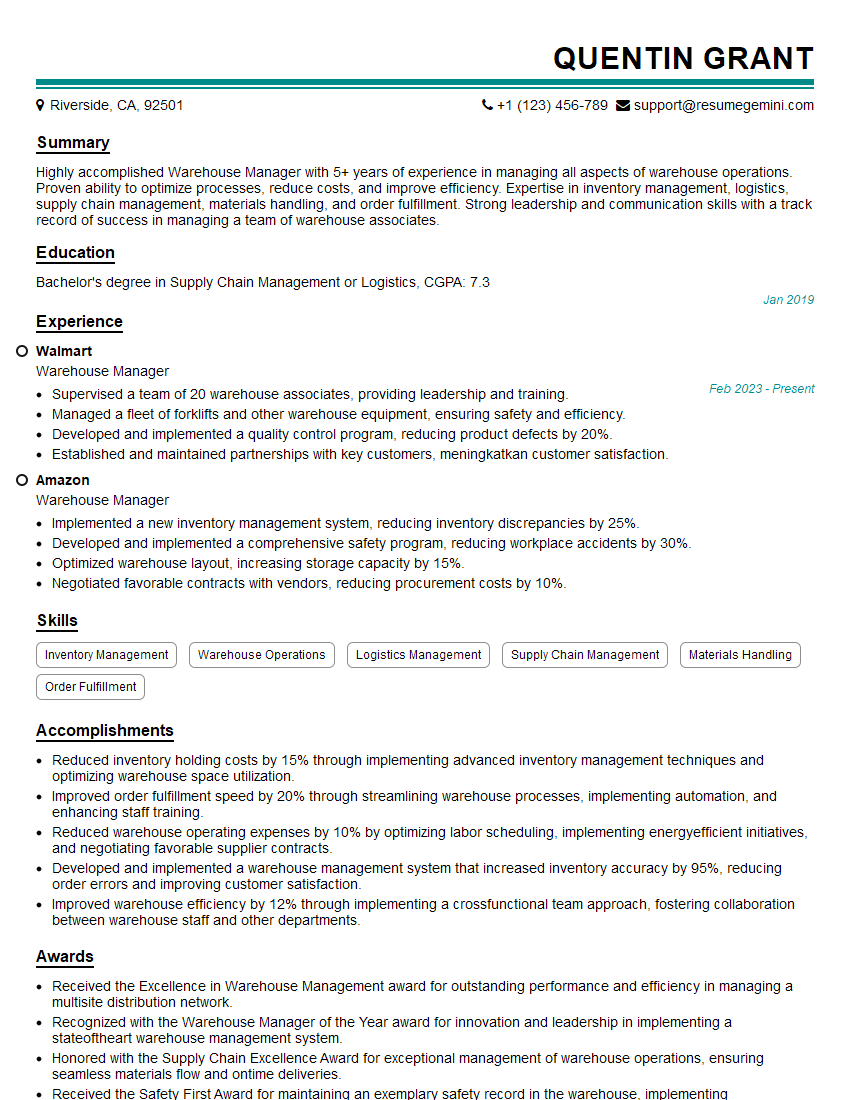
Warehouse Manager Resume Sample
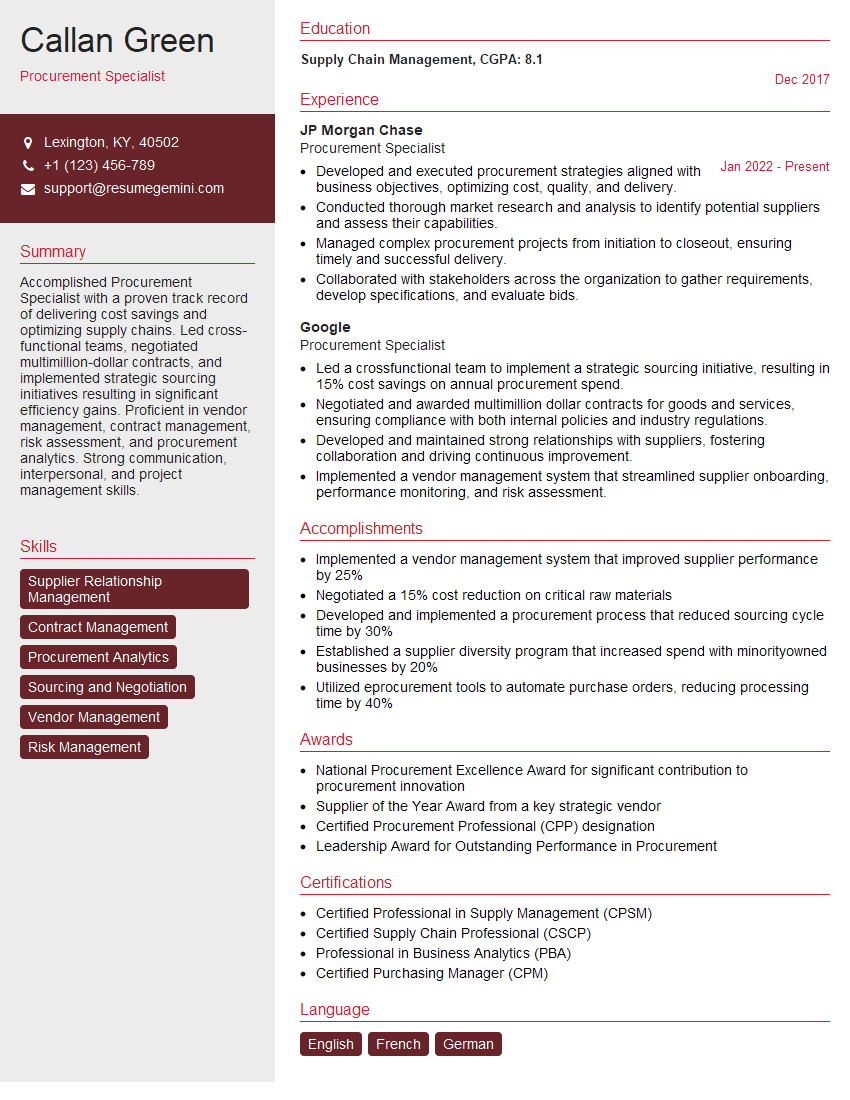
Procurement Specialist Resume Sample
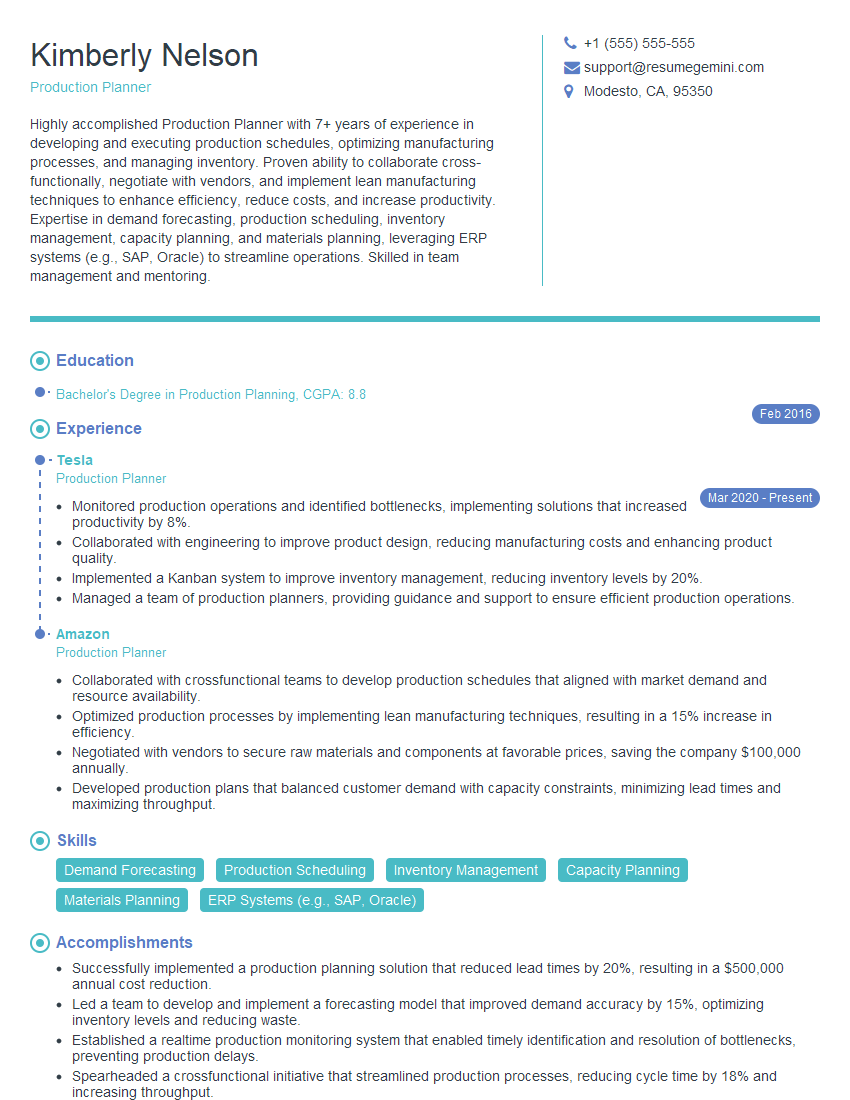
Production Planner Resume Sample
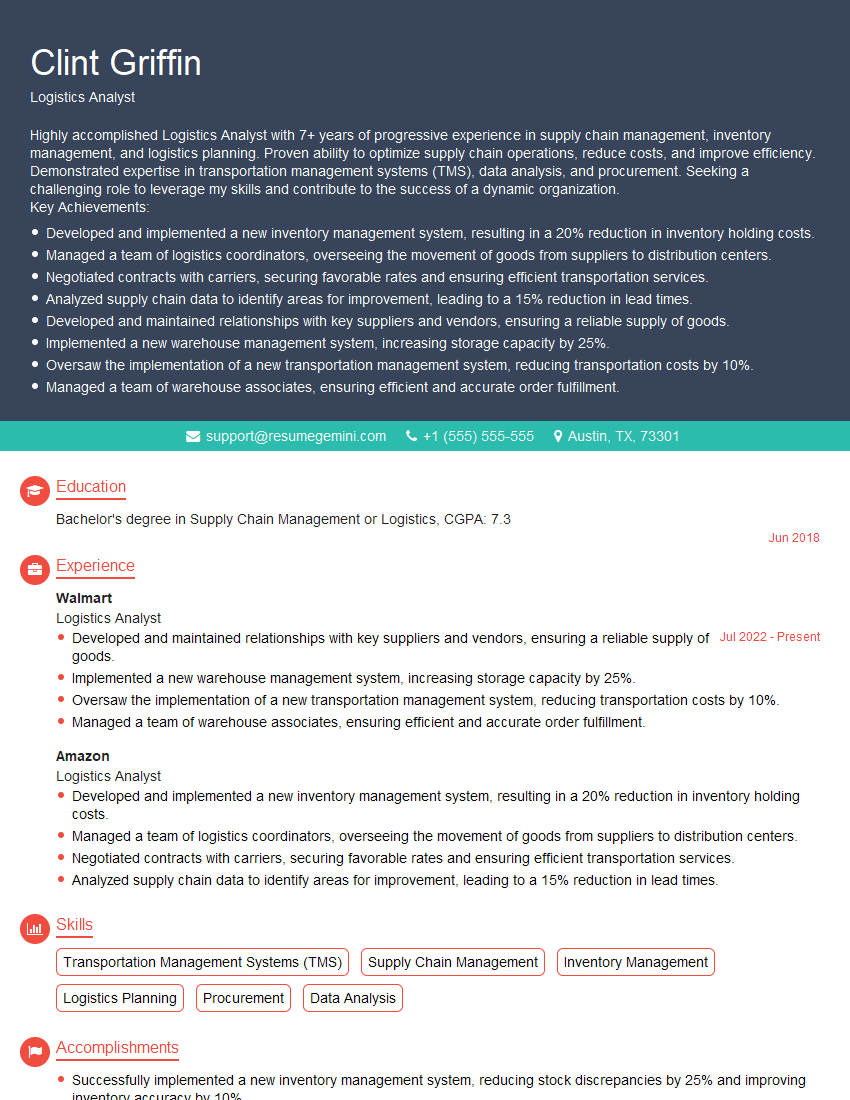
Logistics Analyst Resume Sample
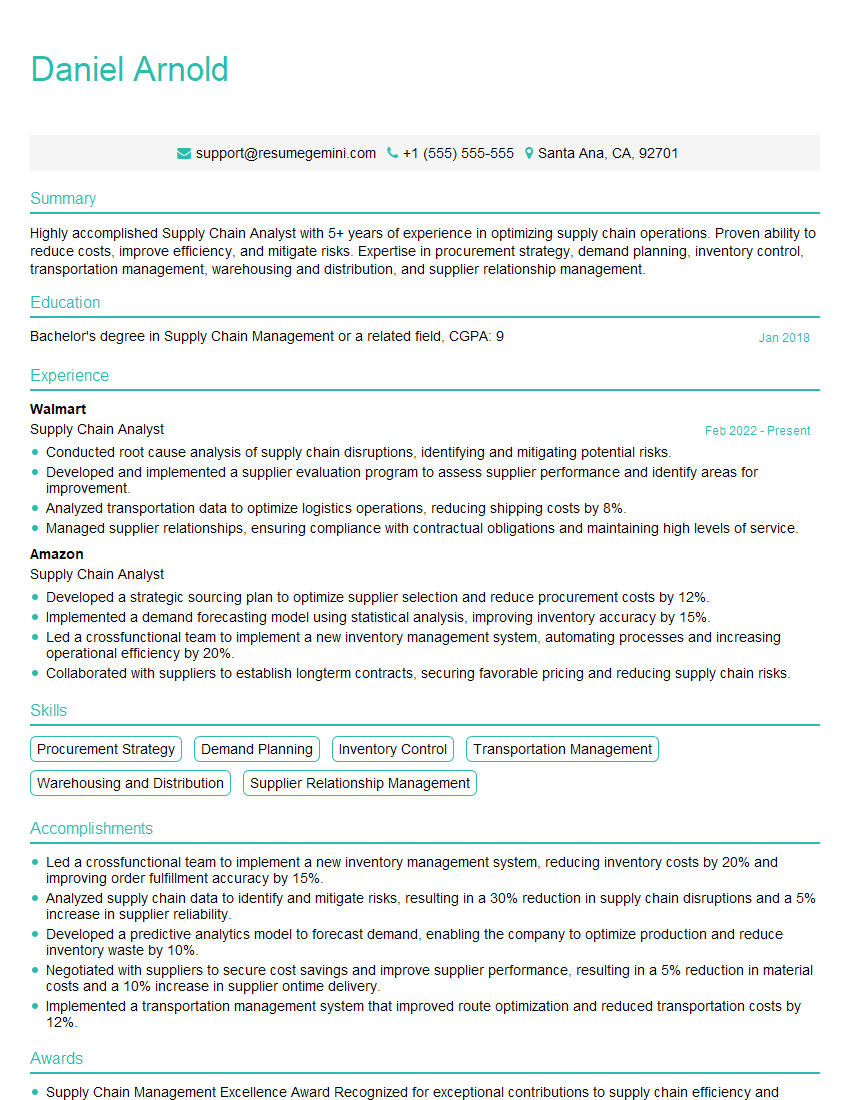
Supply Chain Analyst Resume Sample
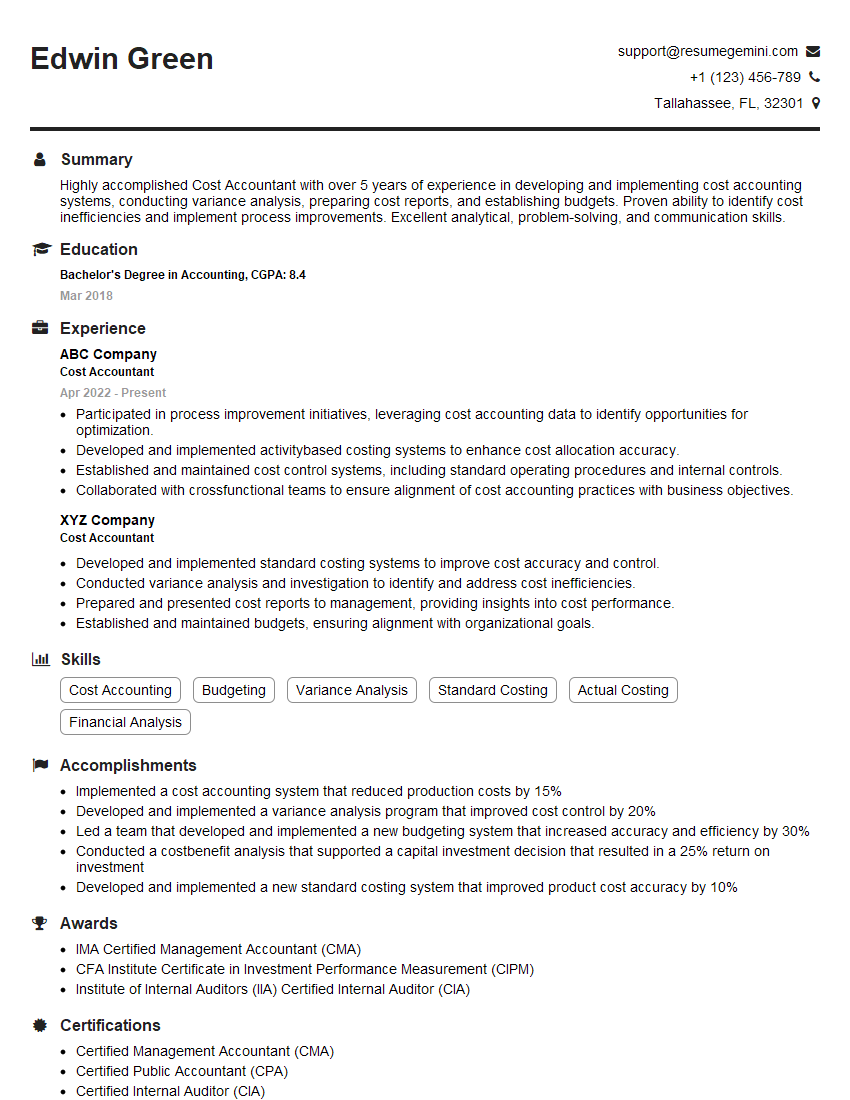
Cost Accountant Resume Sample
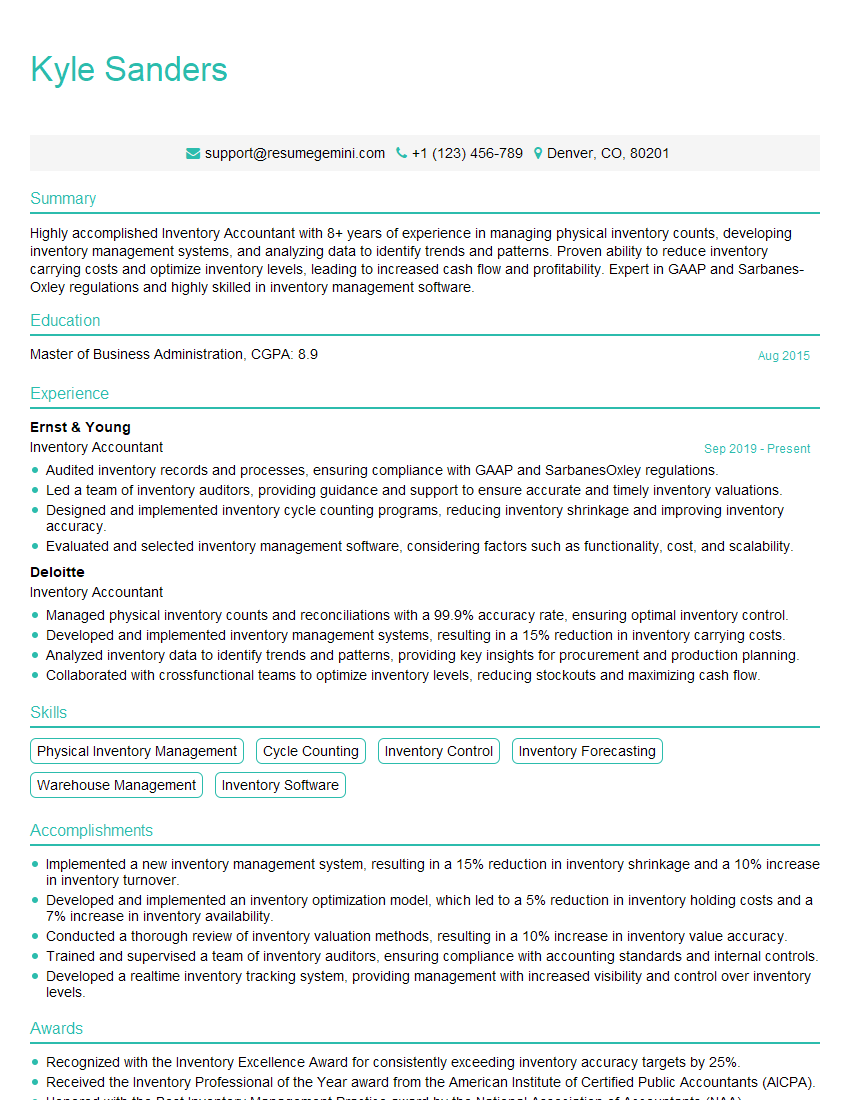
Inventory Accountant Resume Sample
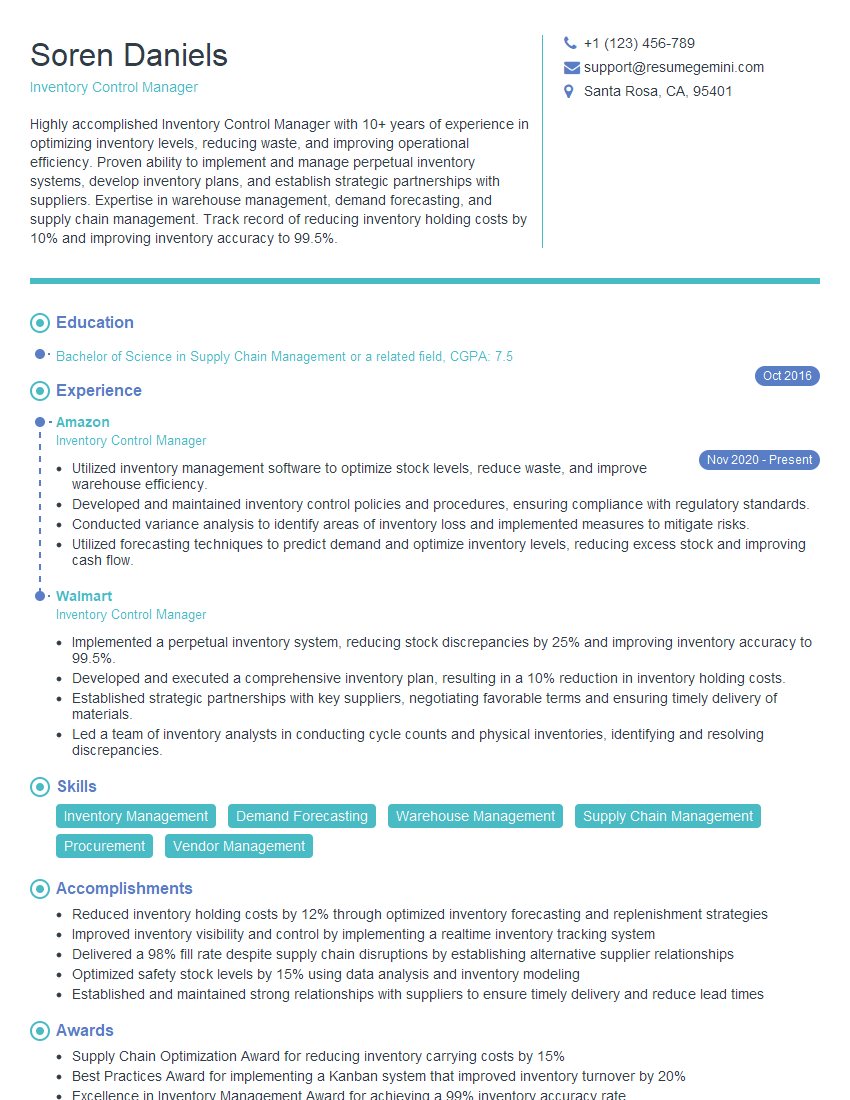
Inventory Control Manager Resume Sample
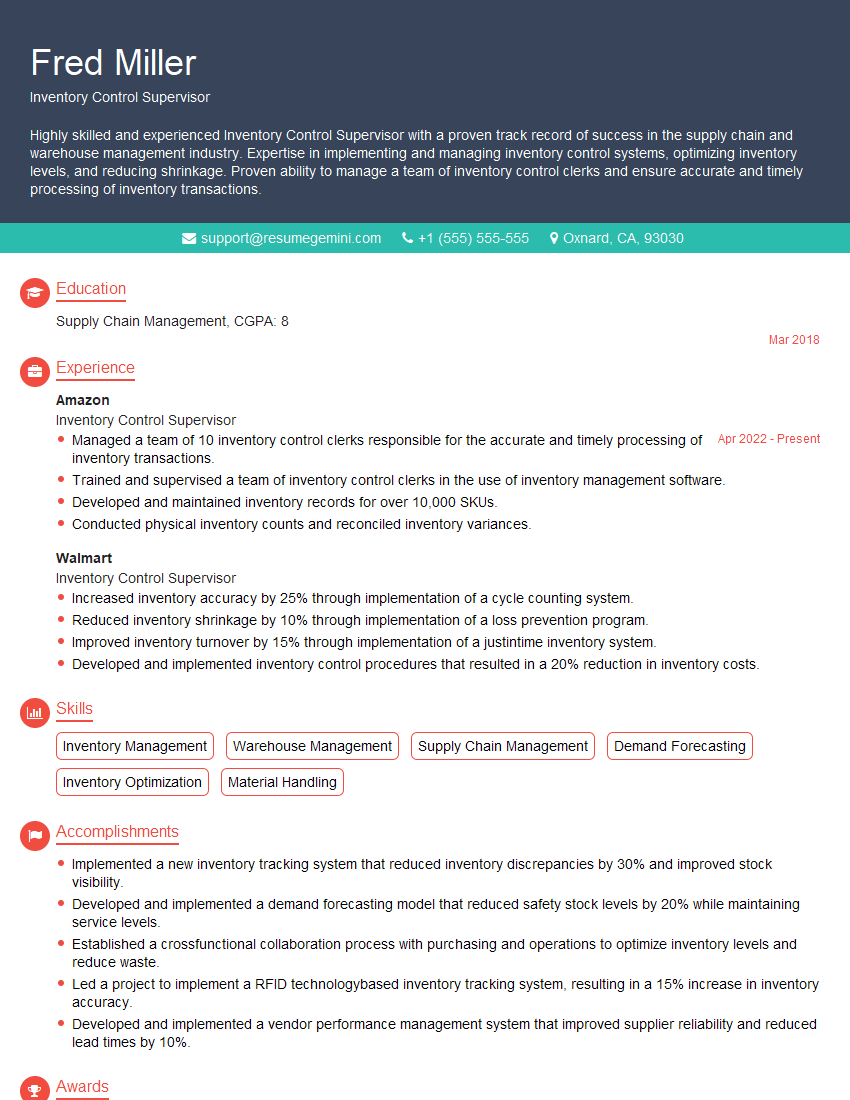
Inventory Control Supervisor Resume Sample
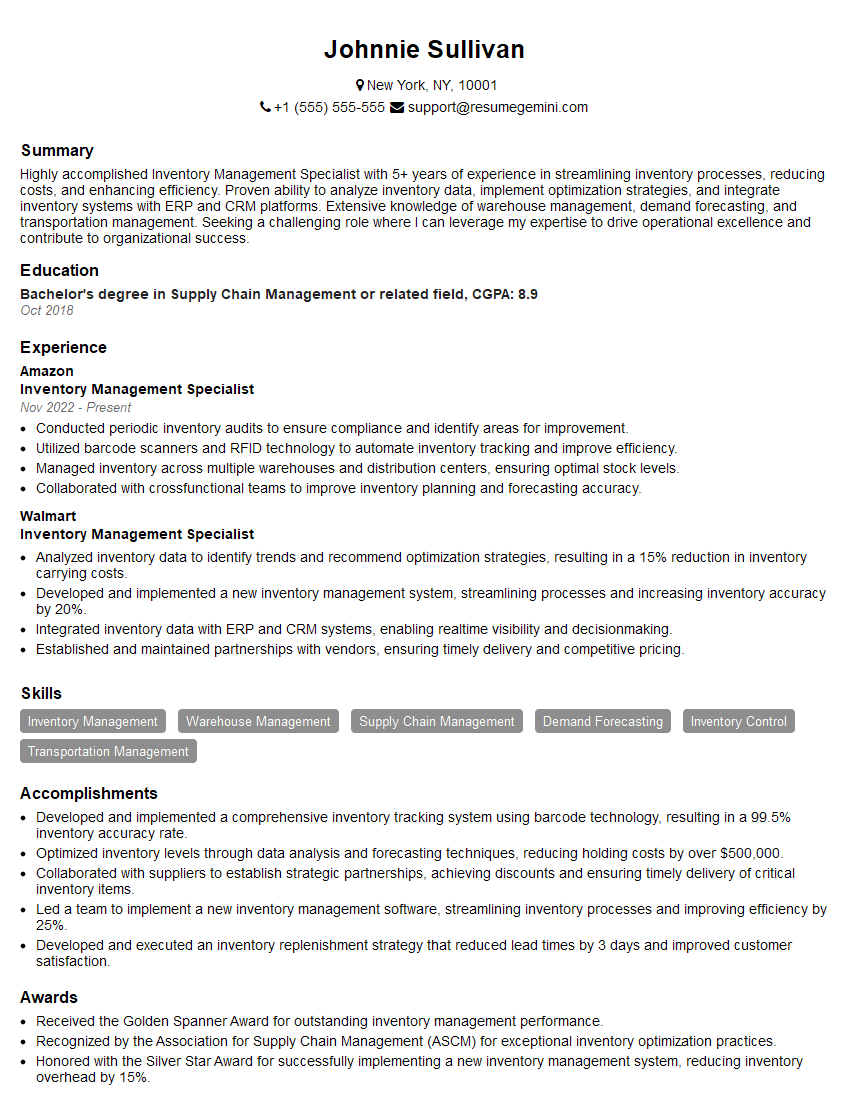
Inventory Management Specialist Resume Sample
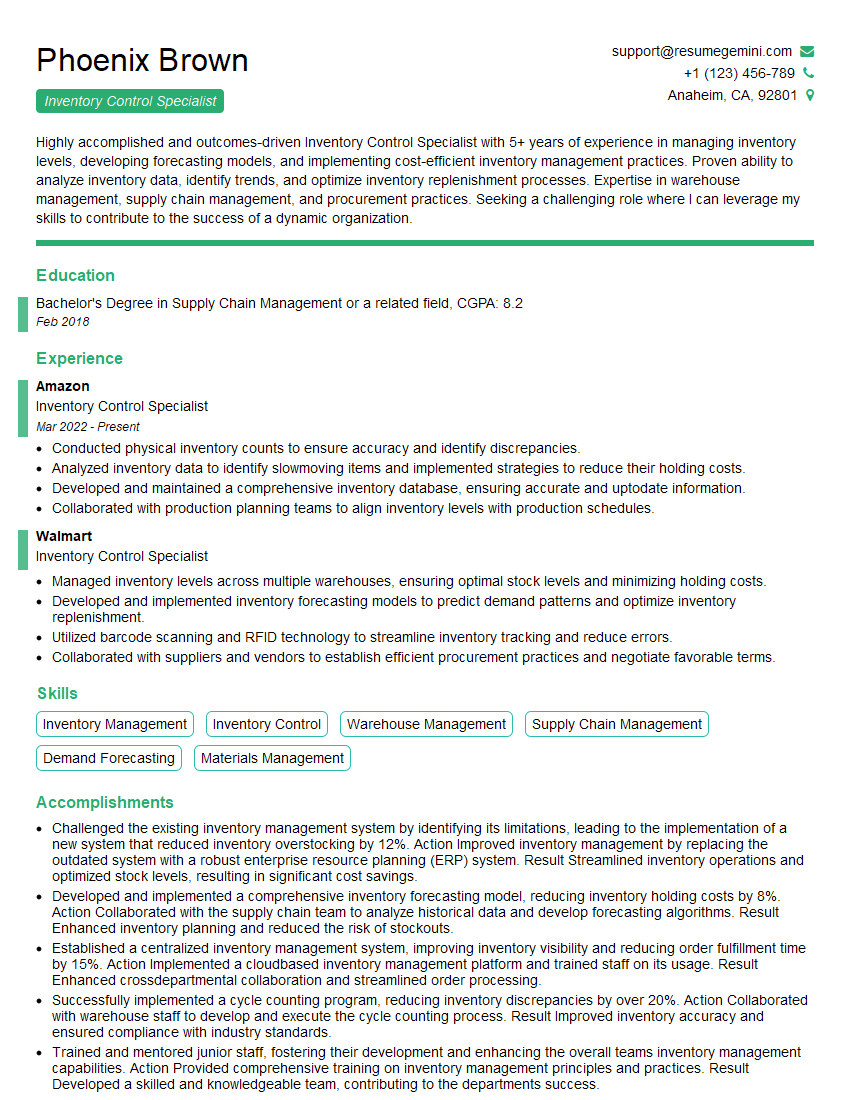
Inventory Control Specialist Resume Sample
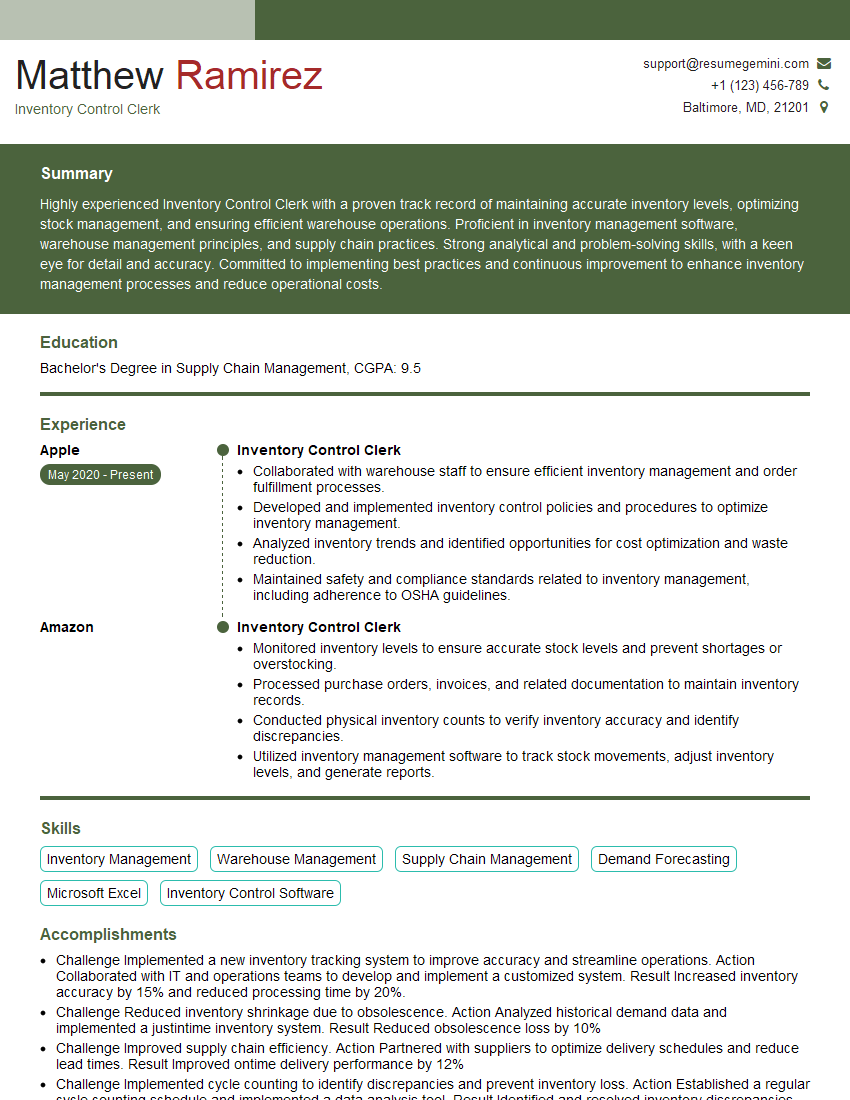
Inventory Control Clerk Resume Sample
- Demand Planner
- Materials Manager
- Purchasing Agent
- Warehouse Manager
- Procurement Specialist
- Production Planner
- Logistics Analyst
- Supply Chain Analyst
- Cost Accountant
- Inventory Accountant
- Inventory Control Manager
- Inventory Control Supervisor
- Inventory Management Specialist
- Inventory Control Specialist
- Inventory Control Clerk
Explore more articles
Users Rating of Our Blogs
Share Your Experience
We value your feedback! Please rate our content and share your thoughts (optional).
What Readers Say About Our Blog
Very informative content, great job.
good