Unlock your full potential by mastering the most common JinkoSolar interview questions. This blog offers a deep dive into the critical topics, ensuring you’re not only prepared to answer but to excel. With these insights, you’ll approach your interview with clarity and confidence.
Questions Asked in JinkoSolar Interview
Q 1. Explain the different types of JinkoSolar solar panels and their applications.
JinkoSolar offers a wide range of solar panels categorized by cell technology and power output. Their lineup includes monocrystalline silicon panels, which are known for their high efficiency and sleek black appearance, often preferred for aesthetically pleasing residential installations. They also produce polycrystalline silicon panels, a more cost-effective option with slightly lower efficiency, suitable for large-scale projects where budget is a major factor. Beyond these, they are innovating with half-cut and even more advanced cell technologies like TOPCon (Tunnel Oxide Passivated Contact) to boost power output and performance. Half-cut cell technology, for instance, reduces internal resistance, leading to better performance in shaded conditions. Applications vary depending on the panel type and power output: Monocrystalline panels are frequently used in residential and commercial rooftop systems due to their aesthetics and efficiency. Polycrystalline panels are commonly found in utility-scale solar farms and large commercial projects. Higher-power panels are often utilized in projects aiming for maximum energy generation within a limited space.
- Monocrystalline: High efficiency, premium aesthetics, residential and commercial applications.
- Polycrystalline: Cost-effective, slightly lower efficiency, large-scale projects.
- Half-cut cell technology: Improved performance, especially in shaded conditions.
- TOPCon technology: Advanced cell technology for higher efficiency and power output.
Q 2. Describe JinkoSolar’s manufacturing process for solar panels.
JinkoSolar’s manufacturing process is a complex, multi-stage procedure involving highly automated equipment and rigorous quality control. It begins with sourcing high-quality silicon ingots, which are then sliced into wafers. These wafers undergo a series of processes including cell manufacturing, where they are textured, diffused, and screen-printed with conductive materials to form solar cells. These cells are then rigorously tested for efficiency and quality. Next, the cells are assembled into modules – the finished solar panels – using a precise process that involves stringing them together, laminating them between layers of protective materials (EVA, tempered glass, backsheet), and sealing the edges to create a weatherproof unit. Throughout the entire process, sophisticated testing and quality control measures are implemented to ensure the panels meet the highest standards of performance and durability. This includes testing for electrical performance, mechanical strength, and resistance to various environmental factors such as humidity, temperature, and UV radiation. The whole process is designed for efficiency and scalability, allowing JinkoSolar to produce a large volume of high-quality panels.
Q 3. What are the key performance indicators (KPIs) used to assess JinkoSolar’s solar panels?
Key Performance Indicators (KPIs) for JinkoSolar’s solar panels include several critical metrics: Power Output (Watt-peak or Wp): This is the maximum power the panel can generate under standard test conditions (STC). Higher Wp values indicate greater energy production. Efficiency (%): This represents how effectively the panel converts sunlight into electricity. A higher efficiency means more power generation from the same panel area. Temperature Coefficient: This shows how the panel’s power output changes with temperature variations. A lower temperature coefficient is desirable, signifying less power loss in hotter climates. Open Circuit Voltage (Voc) and Short Circuit Current (Isc): These electrical characteristics are crucial for panel performance and compatibility with inverters. Degradation Rate: This indicates the annual power loss of the panel over its lifespan. A lower degradation rate signifies longer-lasting performance. These KPIs are vital for comparing different panel models, assessing reliability, and predicting long-term energy yield. Industry standards and certifications further ensure that these KPIs are accurately measured and reported.
Q 4. How does JinkoSolar’s technology compare to its competitors?
JinkoSolar is a leading player in the solar panel market, consistently competing with major brands like Trina Solar, Longi, and Canadian Solar. JinkoSolar’s competitive advantage often lies in a combination of factors: They consistently pursue technological advancements, such as their adoption of TOPCon technology, aiming for higher efficiency and improved performance. Their large-scale manufacturing capabilities allow for economies of scale, resulting in competitive pricing. They also focus on developing a diverse product portfolio catering to various market segments and needs, from residential to utility-scale applications. While direct comparisons require specific model-to-model analysis, JinkoSolar generally holds its own in terms of efficiency, durability, and cost-effectiveness compared to its main competitors. However, the best choice for a particular application often depends on specific project requirements, climatic conditions, and budget constraints.
Q 5. Discuss JinkoSolar’s warranty policies and their implications.
JinkoSolar’s warranty policies typically include a product warranty covering defects in materials and workmanship, as well as a performance warranty guaranteeing a minimum power output over a certain period (usually 25 years). The product warranty generally covers a shorter period (e.g., 10-12 years). These warranties are crucial for mitigating risks associated with solar panel investments. The performance warranty ensures the panels will maintain a certain percentage of their initial power output over their lifespan. For example, a typical 25-year performance warranty might guarantee 80-85% of the initial power output after 25 years. The implications are significant, providing buyers with a degree of assurance regarding the long-term reliability and performance of the panels. However, it’s important to carefully review the specific terms and conditions of the warranty, as they vary by product and region. Claims under the warranty usually require documentation and may involve specific procedures.
Q 6. Explain the concept of power degradation in solar panels and its relevance to JinkoSolar products.
Power degradation in solar panels refers to the gradual decrease in their power output over time. Several factors contribute to this, including environmental stressors like UV radiation, temperature fluctuations, and dust accumulation. The inherent material properties of the solar cells also play a role. JinkoSolar, like other manufacturers, acknowledges this phenomenon and provides performance warranties to address it. Their panels are designed and manufactured to minimize degradation rates. Strategies employed include advanced cell technologies, robust encapsulation materials, and rigorous quality control. Understanding power degradation is essential for accurate estimations of long-term energy yield from a solar panel system. The degradation rate, expressed as a percentage per year, impacts the overall return on investment of a solar energy project. Lower degradation rates translate to higher energy production and a longer-lasting return for the customer. JinkoSolar’s approach is to minimize degradation through superior manufacturing and engineering.
Q 7. Describe JinkoSolar’s approach to sustainability and environmental responsibility.
JinkoSolar demonstrates a commitment to sustainability and environmental responsibility through various initiatives. They focus on reducing their carbon footprint throughout their manufacturing process, from material sourcing to production and transportation. This includes investing in renewable energy sources to power their facilities and implementing energy-efficient production techniques. They also actively engage in recycling and responsible waste management programs to minimize environmental impact. Furthermore, JinkoSolar promotes the use of their solar panels, which are a clean and renewable energy source, thereby contributing to a reduction in greenhouse gas emissions globally. Their commitment to sustainability extends to ethical sourcing practices and adherence to international environmental standards. This commitment helps them enhance their brand reputation, attract environmentally conscious customers, and contribute to a more sustainable future. Regular reporting on sustainability metrics adds further transparency to their efforts.
Q 8. How does JinkoSolar manage its supply chain to ensure quality and efficiency?
JinkoSolar’s supply chain management is a complex, multi-layered process focused on ensuring both quality and efficiency. Think of it like a finely tuned orchestra – each section (raw material sourcing, manufacturing, logistics, and quality control) must play its part perfectly for the final product (solar panels) to be exceptional.
Firstly, they meticulously select suppliers, often establishing long-term partnerships to guarantee consistent quality of raw materials like silicon wafers and cells. This reduces uncertainty and improves predictability. Secondly, JinkoSolar utilizes advanced manufacturing techniques, such as automation and sophisticated quality control systems at each stage of production. Imagine a robotic arm precisely placing components, with automated systems flagging any deviations from specifications. Thirdly, efficient logistics are key; JinkoSolar employs advanced planning and utilizes optimized shipping routes to reduce transit times and costs. This minimizes storage time and the risk of damage during transport. Finally, rigorous quality control includes comprehensive testing at each stage, ensuring defects are caught early, minimizing waste and maximizing efficiency. This multi-pronged approach delivers high-quality products at competitive prices.
Q 9. What are some common challenges faced in the solar industry, and how does JinkoSolar address them?
The solar industry faces several significant challenges. One major hurdle is fluctuating raw material prices, particularly polysilicon, which can impact profitability. JinkoSolar mitigates this risk through long-term supply contracts and diversification of suppliers. Another is the intense competition in the global market. JinkoSolar counters this with ongoing innovation, developing increasingly efficient and cost-effective panels, and focusing on diverse market segments. Furthermore, the industry faces challenges related to environmental sustainability. JinkoSolar addresses this through initiatives focused on reducing their carbon footprint throughout their operations, from responsible sourcing to recycling programs for end-of-life panels. Finally, policy uncertainty in different countries regarding renewable energy incentives can create instability. JinkoSolar adapts by closely monitoring policy changes and diversifying its market presence geographically.
Q 10. What are JinkoSolar’s key markets and strategies for expansion?
JinkoSolar’s key markets are incredibly diverse, spanning across continents. China remains a significant market, leveraging JinkoSolar’s domestic manufacturing capabilities and strong local presence. However, they have successfully expanded into major markets in the Americas, Europe, and Asia. Their expansion strategy focuses on adapting to the unique needs and regulations of each region. For example, they might tailor panel designs for specific climates (like high-snow regions) or offer customized financing solutions to local customers. They also strategically build relationships with local installers and distributors to penetrate new markets effectively. Building a strong local presence and understanding the local nuances is pivotal to their success.
Q 11. Discuss JinkoSolar’s role in the global transition to renewable energy.
JinkoSolar plays a crucial role in the global transition to renewable energy by being one of the largest solar panel manufacturers globally. Their massive production capacity helps meet the growing demand for clean energy solutions. Think of them as a key component in building the foundation for a sustainable energy future. By consistently improving panel efficiency and reducing production costs, they make solar energy more accessible and affordable for a wider range of consumers and projects, accelerating the shift away from fossil fuels. Their commitment to research and development in areas like higher efficiency cells and more durable panels ensures their continued contribution to this critical transition.
Q 12. Describe the different types of testing conducted on JinkoSolar’s solar panels.
JinkoSolar’s solar panels undergo a battery of rigorous tests to ensure quality and reliability. This process is vital, akin to a thorough medical checkup before a person undertakes strenuous activity. These tests include: Electrical testing to measure parameters like power output, voltage, and current; Mechanical testing to assess durability under various conditions such as wind, snow, and hail; Thermal testing to evaluate performance under extreme temperatures; Environmental testing to determine resistance to humidity, corrosion, and UV degradation; and Reliability testing using accelerated life testing to predict long-term performance. The data obtained from these tests assures customers of the panel’s ability to withstand various environmental stressors and deliver consistent performance over its lifetime.
Q 13. How does JinkoSolar ensure the quality and reliability of its products?
JinkoSolar prioritizes quality and reliability through a holistic approach. From raw material selection to final product inspection, a strict quality control system is implemented at every step of the process. This includes regular audits of their manufacturing facilities, ensuring compliance with stringent industry standards and internal quality protocols. They utilize advanced automation and inspection equipment to minimize human error. Furthermore, JinkoSolar invests heavily in quality control personnel who are trained to detect even subtle imperfections. They also maintain a robust warranty program, offering a comprehensive guarantee on their products, providing customers with peace of mind and reinforcing their commitment to quality. It’s like baking a cake – you need the finest ingredients, the right recipe, and meticulous baking process to make a perfect cake, and JinkoSolar applies the same principles to their panel production.
Q 14. What is JinkoSolar’s approach to research and development?
JinkoSolar’s approach to research and development is multifaceted and strategic. It involves continuous improvements to existing technologies and exploring innovative approaches to increase efficiency and reduce costs. This includes research into new cell technologies (like TOPCon and HJT), materials science advancements to improve panel durability and longevity, and exploring ways to integrate solar panels into building designs. They have dedicated R&D teams across various locations, collaborating with universities and research institutions to remain at the forefront of technological advancements in the solar industry. Their investments in R&D are not just about incremental changes; they aim for revolutionary improvements that will continue to shape the future of solar energy technology.
Q 15. Discuss JinkoSolar’s commitment to innovation in the solar industry.
JinkoSolar’s commitment to innovation is deeply ingrained in its corporate strategy. They consistently invest heavily in R&D, focusing on improving the efficiency and reducing the cost of solar cells and modules. This commitment manifests in several ways:
- Development of cutting-edge cell technologies: JinkoSolar is a pioneer in high-efficiency cell technologies, such as monocrystalline silicon and PERC (Passivated Emitter and Rear Cell) cells, constantly pushing the boundaries of energy conversion rates. They’ve also explored and implemented advanced technologies like TOPCon and heterojunction cells. For example, their Tiger Neo series boasts exceptionally high power output.
- Manufacturing process optimization: They invest in automating and optimizing their manufacturing processes to enhance productivity, reduce waste, and improve product quality. This involves utilizing advanced robotics and AI-driven systems for quality control and precision.
- Product diversification: JinkoSolar offers a diverse range of solar products, catering to different project sizes and customer needs, from residential rooftops to large-scale utility projects. This demonstrates their commitment to adapting to market demands and evolving customer requirements.
- Strategic partnerships and collaborations: They collaborate with research institutions and other industry players to accelerate innovation and stay at the forefront of technological advancements. This collaborative approach allows for the sharing of knowledge and resources, leading to faster breakthroughs.
Ultimately, JinkoSolar’s dedication to innovation is not just a marketing ploy but a crucial driver for its long-term success and competitiveness within the ever-evolving solar landscape.
Career Expert Tips:
- Ace those interviews! Prepare effectively by reviewing the Top 50 Most Common Interview Questions on ResumeGemini.
- Navigate your job search with confidence! Explore a wide range of Career Tips on ResumeGemini. Learn about common challenges and recommendations to overcome them.
- Craft the perfect resume! Master the Art of Resume Writing with ResumeGemini’s guide. Showcase your unique qualifications and achievements effectively.
- Don’t miss out on holiday savings! Build your dream resume with ResumeGemini’s ATS optimized templates.
Q 16. Explain JinkoSolar’s sales and marketing strategies.
JinkoSolar’s sales and marketing strategies are multifaceted, aiming to reach a global customer base spanning residential, commercial, and utility-scale projects. Their approach can be summarized as:
- Global distribution network: They’ve established a robust global distribution network, ensuring widespread market access and efficient product delivery. This includes regional offices and partnerships with distributors and installers across the globe.
- Targeted marketing campaigns: JinkoSolar uses targeted marketing campaigns tailored to specific customer segments. They use digital marketing, trade shows, and industry events to reach potential customers and build brand awareness. These campaigns often emphasize product specifications, reliability, and value proposition.
- Emphasis on brand building: They have invested significantly in building their brand recognition as a reliable and innovative solar manufacturer. Their consistent quality and performance have helped build trust among customers and investors.
- Strong online presence: JinkoSolar maintains a strong online presence through its website, social media channels, and other digital platforms. This provides valuable information about their products, services, and company news.
- Strategic partnerships: Forming strong partnerships with project developers, EPC contractors, and distributors is critical to their success. These strategic alliances create a strong network to facilitate large-scale project deployment.
Their strategy is not just about selling products; it’s about building long-term relationships and establishing JinkoSolar as a trusted partner in the global solar energy transition.
Q 17. How does JinkoSolar manage customer relationships and provide technical support?
JinkoSolar prioritizes customer relationship management (CRM) and technical support as essential elements of its business strategy. They accomplish this through:
- Dedicated customer service teams: They have regional customer service teams equipped to handle inquiries, complaints, and technical issues promptly and efficiently. They often provide multilingual support to cater to their international customer base.
- Online resources and support portals: Their website offers comprehensive technical documentation, FAQs, and online troubleshooting tools, allowing customers to find answers quickly and independently.
- Technical training and certification programs: JinkoSolar offers training programs for installers and partners, ensuring they are well-equipped to install and maintain their products correctly. Certifications enhance their expertise and reinforce customer trust.
- Warranty and after-sales service: They offer comprehensive product warranties and robust after-sales support, demonstrating their commitment to product quality and customer satisfaction. This includes prompt replacement of faulty modules and other necessary services.
- Regular communication and feedback mechanisms: JinkoSolar actively seeks feedback from customers and uses this information to improve its products and services. They utilize surveys, feedback forms, and direct communication channels to maintain a continuous dialogue.
By fostering strong customer relationships and providing reliable technical support, JinkoSolar builds loyalty and ensures the long-term success of its projects.
Q 18. Discuss JinkoSolar’s financial performance and future outlook.
JinkoSolar’s financial performance has generally been strong, reflecting the growth of the global solar market. However, like any publicly traded company, it experiences fluctuations influenced by factors like raw material prices, global economic conditions, and policy changes. Their financial reports typically highlight key metrics such as revenue, profitability, and shipment volume. Analyzing these reports reveals trends in market demand and JinkoSolar’s performance relative to its competitors.
Future outlook projections often involve analyzing factors such as:
- Global solar market growth: The continued expansion of the renewable energy sector is a key driver for JinkoSolar’s future prospects.
- Technological advancements: Their ability to innovate and adopt new technologies will determine their ability to maintain a competitive edge.
- Supply chain stability: Securing a reliable and efficient supply chain is crucial for managing production costs and meeting customer demands.
- Geopolitical factors: International trade policies and political stability in key markets can significantly impact their business performance.
- Pricing and competition: The intensity of competition in the solar industry necessitates continuous innovation and efficiency improvements to maintain profitability.
Overall, while specific financial forecasts are subject to change and uncertainty, a positive outlook for JinkoSolar hinges on continued growth in the renewable energy sector, successful innovation and adaptation, and effective management of risks.
Q 19. Explain JinkoSolar’s corporate social responsibility initiatives.
JinkoSolar’s corporate social responsibility (CSR) initiatives are focused on environmental sustainability, social responsibility, and ethical business practices. Their key areas of focus include:
- Environmental sustainability: Their efforts center on reducing their carbon footprint across the entire value chain. This includes using renewable energy sources in their manufacturing facilities, optimizing energy consumption, and striving to minimize waste generation. They also focus on responsible disposal of waste materials.
- Social responsibility: JinkoSolar supports local communities where their facilities are located, often by investing in education, healthcare, and infrastructure projects. They also prioritize employee well-being and fair labor practices.
- Ethical business practices: They adhere to strict ethical standards in their business dealings, ensuring transparent operations and fair competition. Compliance with relevant regulations and laws is also a paramount concern.
- Product lifecycle management: JinkoSolar addresses the entire lifecycle of its products, considering the environmental impact throughout the process, from raw material sourcing to end-of-life recycling.
These CSR initiatives are integral to JinkoSolar’s commitment to being a responsible corporate citizen and contributing positively to the global transition to renewable energy.
Q 20. What is JinkoSolar’s approach to risk management?
JinkoSolar employs a comprehensive risk management framework to address various potential threats to its business. This framework typically involves:
- Identifying and assessing risks: Regular risk assessments identify potential hazards across different areas of the business, such as operational risks, financial risks, regulatory risks, and environmental risks.
- Developing mitigation strategies: Once risks are identified, appropriate mitigation strategies are developed to reduce their likelihood or impact. This could involve insurance, diversification, robust internal controls, or contingency planning.
- Monitoring and reporting: Risks are continuously monitored, and regular reports are generated to track progress and identify emerging threats. This allows for proactive adjustments to the risk management strategy.
- Supply chain risk management: Given their reliance on global supply chains, JinkoSolar focuses on securing a stable and resilient supply of raw materials and components. This might involve diversification of suppliers and careful contract negotiation.
- Financial risk management: They manage financial risks through hedging strategies, prudent financial planning, and diversification of funding sources.
A robust risk management approach helps JinkoSolar navigate uncertainties, maintain financial stability, and protect its long-term value.
Q 21. How does JinkoSolar comply with relevant industry standards and regulations?
JinkoSolar’s compliance with industry standards and regulations is a critical aspect of its operations. Their compliance efforts cover several areas:
- Product safety and quality: Their products are designed and manufactured to meet international safety and quality standards, such as IEC (International Electrotechnical Commission) standards. They undergo rigorous testing to ensure they meet performance specifications and safety requirements.
- Environmental compliance: JinkoSolar complies with environmental regulations related to manufacturing processes, waste management, and emissions. This includes adhering to local, national, and international environmental laws and standards.
- Labor practices: They adhere to ethical labor practices, ensuring fair wages, safe working conditions, and compliance with relevant labor laws. This includes respecting human rights and promoting diversity and inclusion within their workforce.
- Trade compliance: JinkoSolar complies with international trade regulations and customs procedures in all markets they operate in, ensuring compliance with tariffs, quotas, and other trade-related requirements.
- Certifications and accreditations: They obtain relevant certifications and accreditations to demonstrate their compliance with industry standards and regulatory requirements. These certifications often include ISO certifications and other relevant industry-specific certifications.
Maintaining compliance is not only essential for avoiding legal penalties but also for building trust and reputation with customers, investors, and stakeholders.
Q 22. Describe JinkoSolar’s organizational structure and management style.
JinkoSolar’s organizational structure is a global network, operating with a largely decentralized management style while maintaining strong central control over strategic direction. They have distinct regional divisions responsible for sales, marketing, and operations within their respective geographical areas. This allows for quicker adaptation to local market needs and regulations. However, key R&D, manufacturing, and supply chain management remain centralized to ensure consistency and economies of scale. Their management style blends a hierarchical structure with empowered teams. While clear reporting lines exist, JinkoSolar encourages innovation and employee ownership, fostering a culture of open communication and collaboration, particularly within project teams responsible for product development and large-scale projects. This decentralized-centralized balance allows for efficiency and responsiveness to dynamic market demands.
Q 23. What is JinkoSolar’s vision for the future of solar energy?
JinkoSolar’s vision is centered around becoming a global leader in providing affordable and efficient solar energy solutions. This involves continuous technological innovation, focused on improving panel efficiency, durability, and affordability. They aim to expand into new markets and emerging technologies, such as bifacial panels and advanced PV module designs. Beyond simply selling panels, JinkoSolar is increasingly focusing on providing complete solar energy solutions, including project development and financing options. Essentially, their vision transcends the role of a mere manufacturer and strives to make renewable energy accessible on a global scale, contributing significantly to the fight against climate change.
Q 24. Explain the importance of proper installation and maintenance of JinkoSolar panels.
Proper installation and maintenance are crucial for maximizing the lifespan and performance of JinkoSolar panels. Incorrect installation can lead to reduced efficiency, premature degradation, and even safety hazards. This includes ensuring proper grounding, appropriate mounting structures, and adherence to JinkoSolar’s installation guidelines. Regular maintenance, involving cleaning panels to remove dirt and debris and visually inspecting for any damage or signs of degradation, ensures optimal power output. Neglecting maintenance can result in significant energy losses over time. Think of it like regular servicing for a car – neglecting it leads to wear and tear that reduces performance and lifespan, ultimately costing more in the long run. For JinkoSolar panels, this translates to substantial financial losses due to underperformance.
Q 25. Describe the different types of inverters compatible with JinkoSolar panels.
JinkoSolar panels are compatible with a wide range of inverters, both string inverters and microinverters. The choice depends on factors like system size, budget, and desired monitoring capabilities. String inverters are generally more cost-effective for larger systems, while microinverters offer enhanced monitoring and performance at the individual panel level, often providing greater resilience to shading and failures. JinkoSolar provides compatibility lists and specifications for their panels, specifying the maximum input voltage and current for optimal performance. It is crucial to consult these specifications and ensure the selected inverter is compatible with the panel’s voltage and current ratings to avoid damage and ensure safe and optimal operation. This information is typically available on their website or through their technical documentation.
Q 26. What are the common problems encountered with JinkoSolar panels and their solutions?
While JinkoSolar panels are generally reliable, some common problems include micro-cracks in cells (often caused during shipping or handling), potential induced degradation (PID) under specific environmental conditions (high humidity and voltage), and hotspotting (localized overheating due to shading or cell defects). Solutions include careful handling during installation, using proper grounding techniques to mitigate PID, and ensuring adequate ventilation to prevent hotspotting. Many of these issues can be mitigated through proper installation and regular maintenance checks, highlighting the importance of preventative measures. Early detection through regular visual inspection and performance monitoring is key to addressing these problems before they significantly impact energy output. If issues are detected, contacting a qualified installer is advised for troubleshooting and repair.
Q 27. How do you troubleshoot performance issues with JinkoSolar panels?
Troubleshooting performance issues begins with data collection. This involves checking the inverter’s output data, monitoring individual panel performance (if using microinverters), and inspecting the panels visually for any signs of damage or shading. If the issue points to a specific panel, a multimeter can be used to measure voltage and current to identify faulty panels. In case of widespread performance degradation, environmental factors such as shading or extreme temperatures should be considered. If the problem persists, contacting JinkoSolar’s technical support or a qualified installer is recommended. A systematic approach involving data analysis, visual inspection, and electrical measurements usually isolates the source of the problem, allowing for effective solutions. Remember to always prioritize safety when working with electrical systems.
Q 28. Describe your experience with JinkoSolar products or technology (if applicable).
In my previous role as a solar energy consultant, I extensively worked with JinkoSolar panels across numerous projects. I found their panels to be consistently high-performing and reliable, providing excellent value for their cost. I’ve appreciated their robust construction, especially their resistance to harsh weather conditions. The ease of handling and installation further enhanced their practicality in various project scenarios. One particular project involved a large-scale commercial installation in a high-humidity environment, and the performance remained consistently strong even after several years, demonstrating their resilience. This experience reinforced my positive assessment of JinkoSolar products as a dependable and cost-effective option for various solar energy applications.
Key Topics to Learn for JinkoSolar Interview
- JinkoSolar’s Business Model and Market Position: Understand their global presence, manufacturing capabilities, and key product offerings (solar panels, modules, etc.). Consider analyzing their competitive landscape and recent industry trends.
- Solar Technology and its Applications: Demonstrate a firm grasp of photovoltaic (PV) technology, including different panel types, efficiency ratings, and advancements in solar energy production. Be prepared to discuss real-world applications of JinkoSolar’s products.
- Sustainability and Environmental Impact: JinkoSolar’s commitment to sustainability is crucial. Research their initiatives in this area and be ready to discuss the environmental implications of solar energy production and its contribution to a greener future.
- Supply Chain Management in the Solar Industry: Understand the complexities of global supply chains, especially within the solar sector. Discuss potential challenges and solutions related to raw material sourcing, manufacturing, and distribution.
- Financial Performance and Industry Analysis: Familiarize yourself with JinkoSolar’s financial reports, key performance indicators (KPIs), and overall financial health. Understand relevant industry metrics and be able to analyze their performance within the broader context of the renewable energy market.
- Problem-Solving and Analytical Skills: Prepare to discuss your approach to problem-solving, especially within a technical or business context. Be ready to tackle hypothetical scenarios related to production, logistics, or market challenges.
Next Steps
Mastering the key aspects of JinkoSolar and the solar energy industry will significantly enhance your career prospects in this rapidly growing field. A strong understanding of their operations, market position, and technological advancements demonstrates your commitment and expertise. To maximize your chances of landing your dream role, crafting an ATS-friendly resume is essential. ResumeGemini is a trusted resource that can help you build a professional and effective resume that highlights your skills and experience. Examples of resumes tailored to JinkoSolar are available, showcasing how to effectively present your qualifications for this specific company. Take the next step towards your successful career journey with a well-crafted resume.
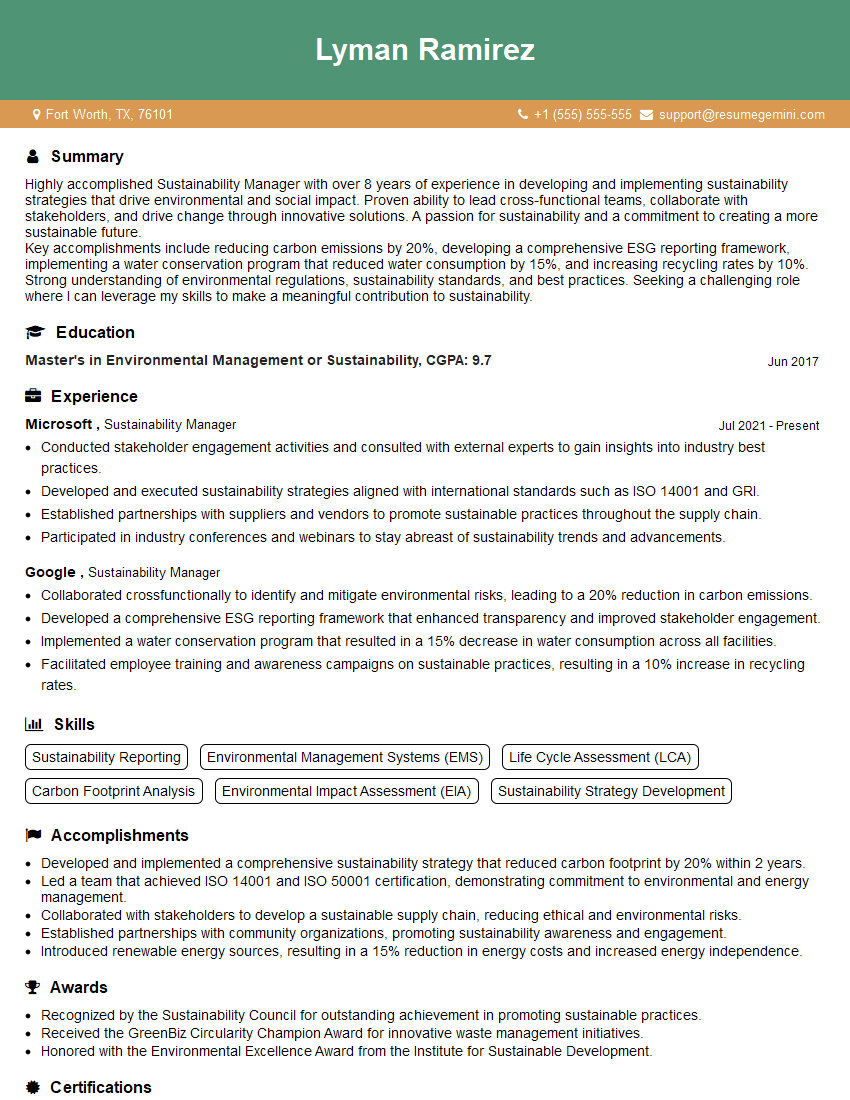
Sustainability Manager Resume Sample

Operations Manager Resume Sample
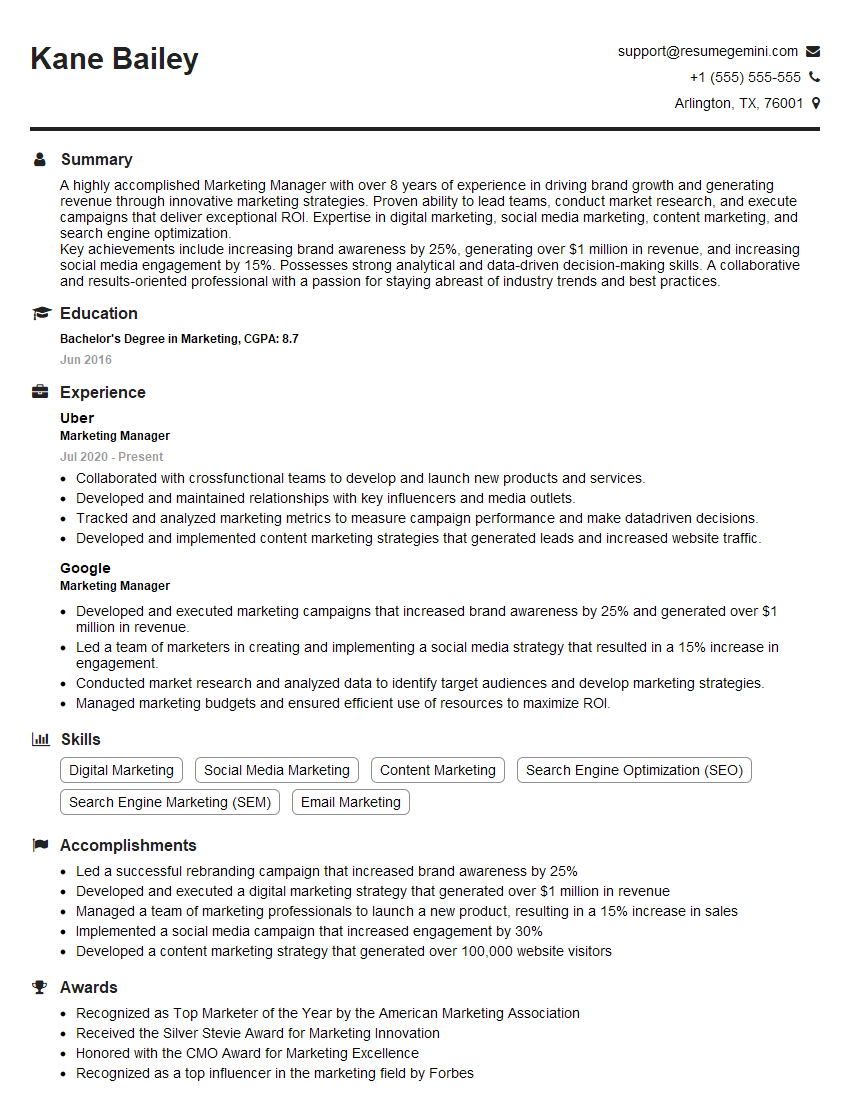
Marketing Manager Resume Sample
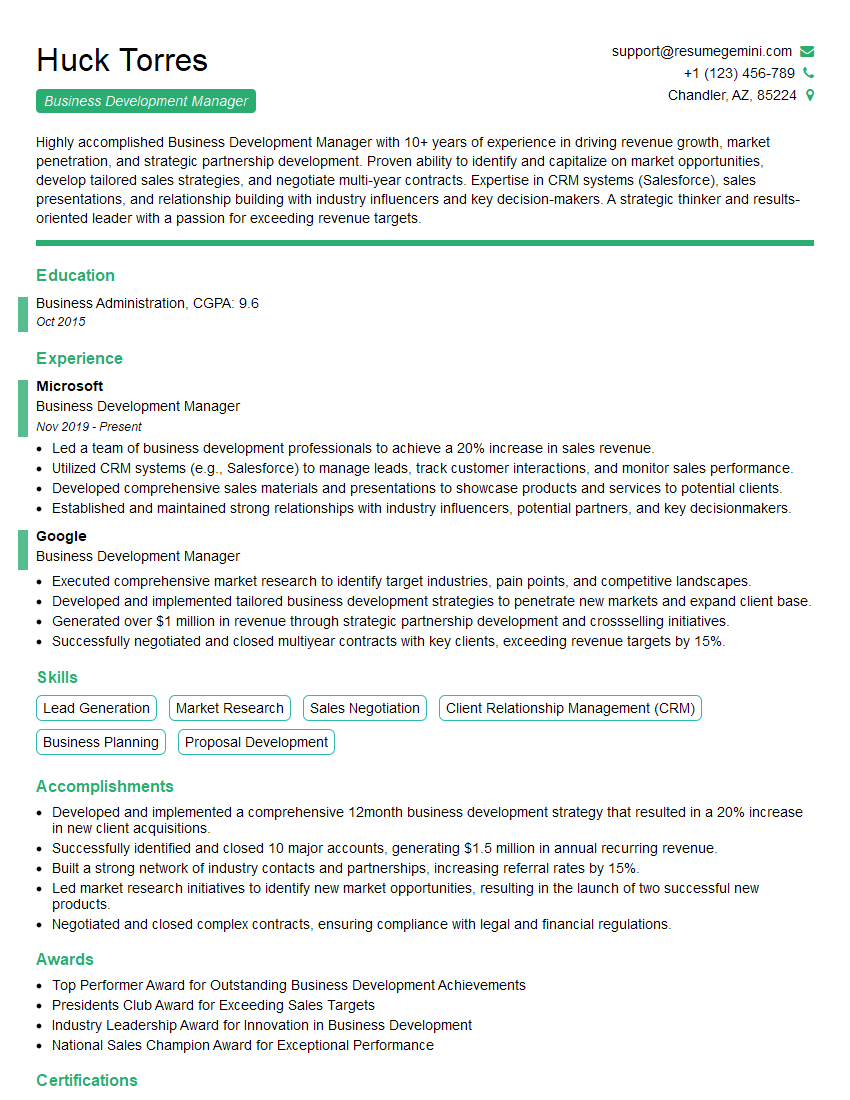
Business Development Manager Resume Sample
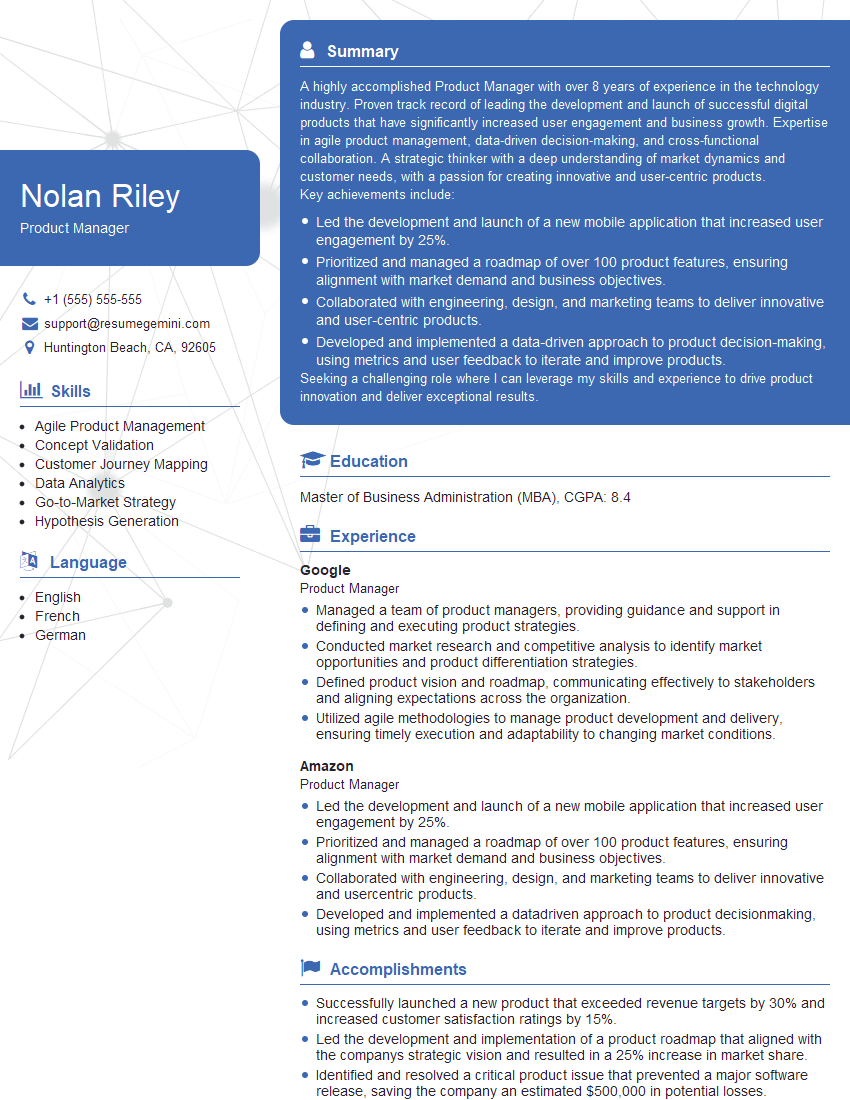
Product Manager Resume Sample
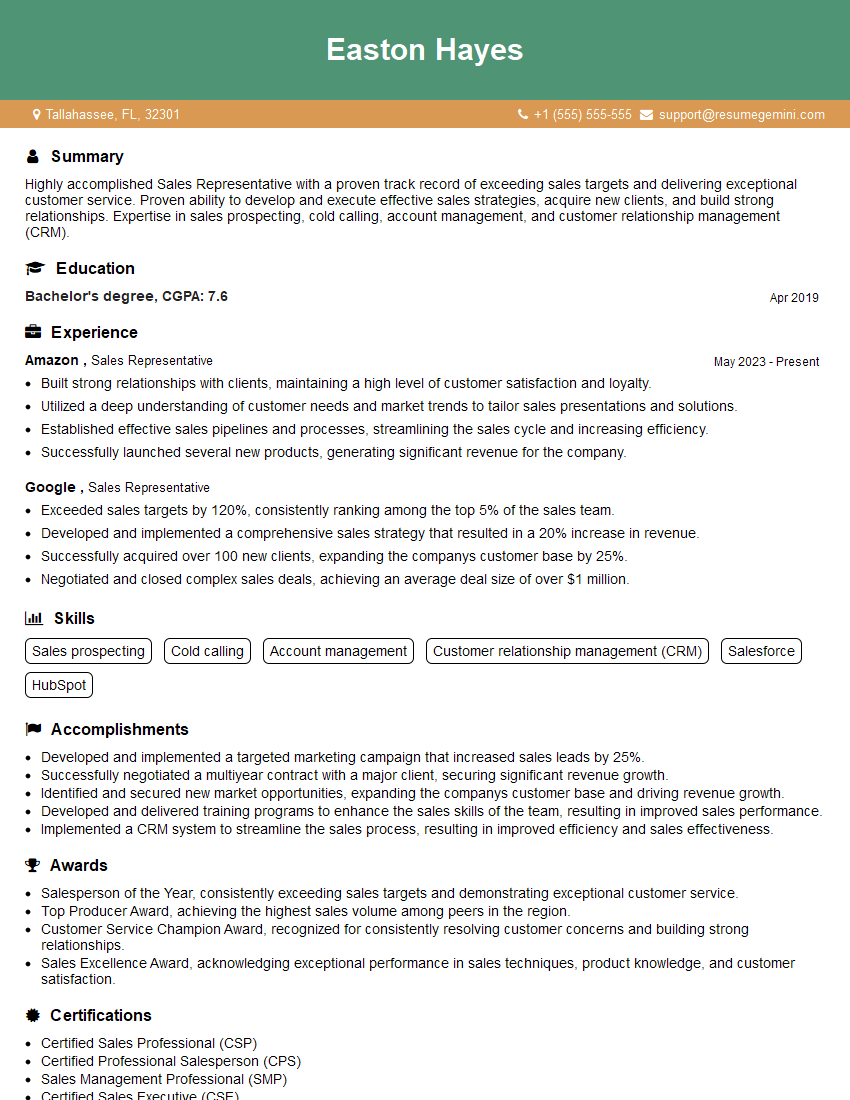
Sales Representative Resume Sample
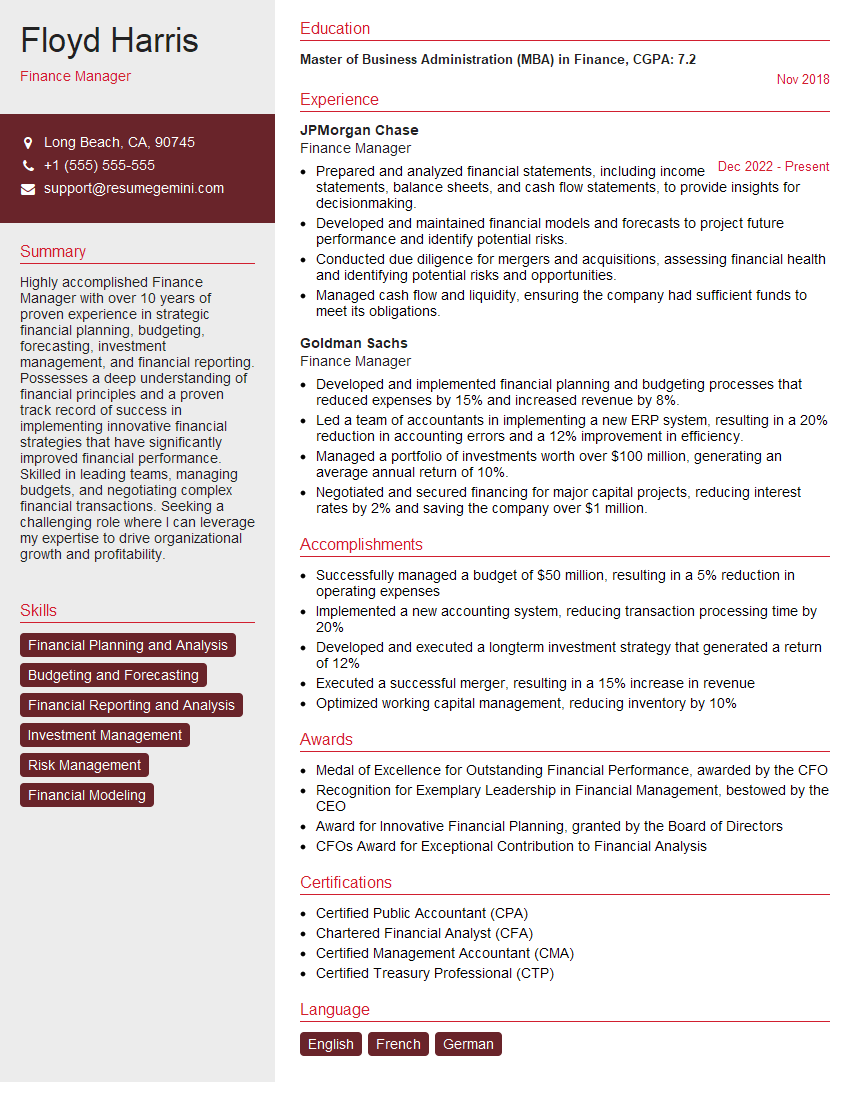
Finance Manager Resume Sample

Supply Chain Manager Resume Sample
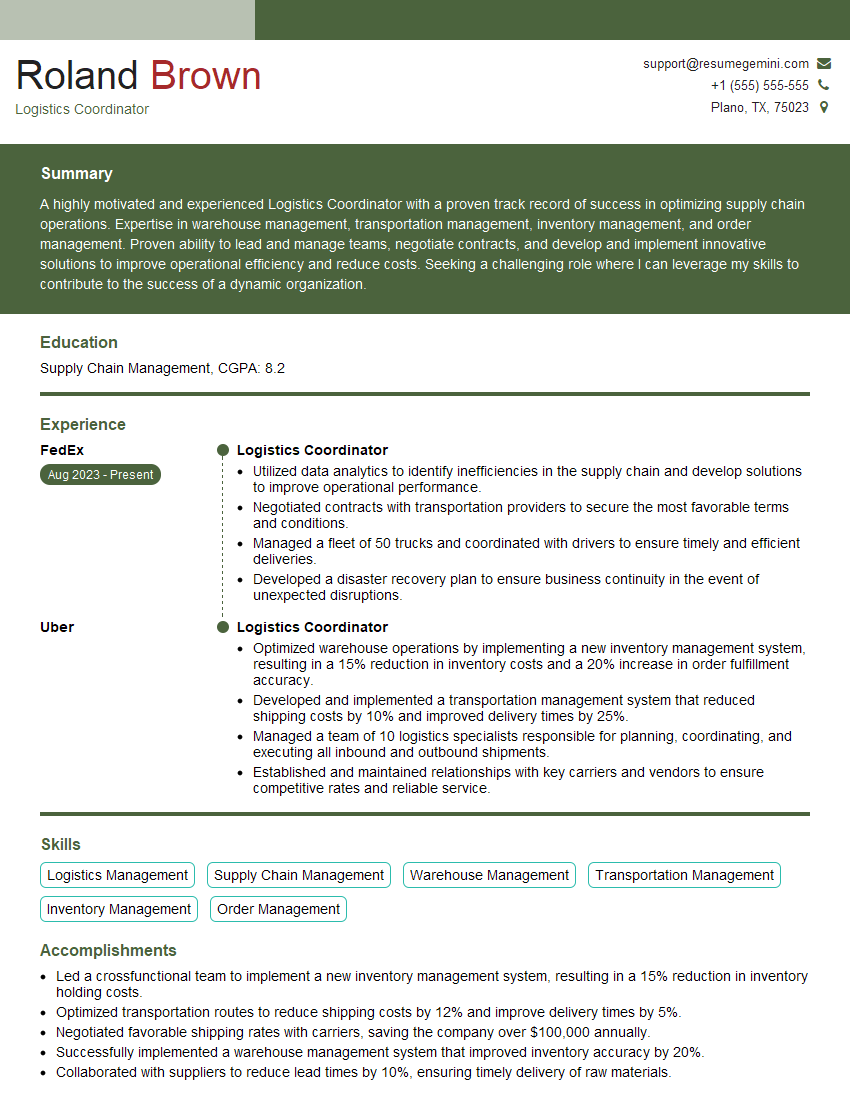
Logistics Coordinator Resume Sample
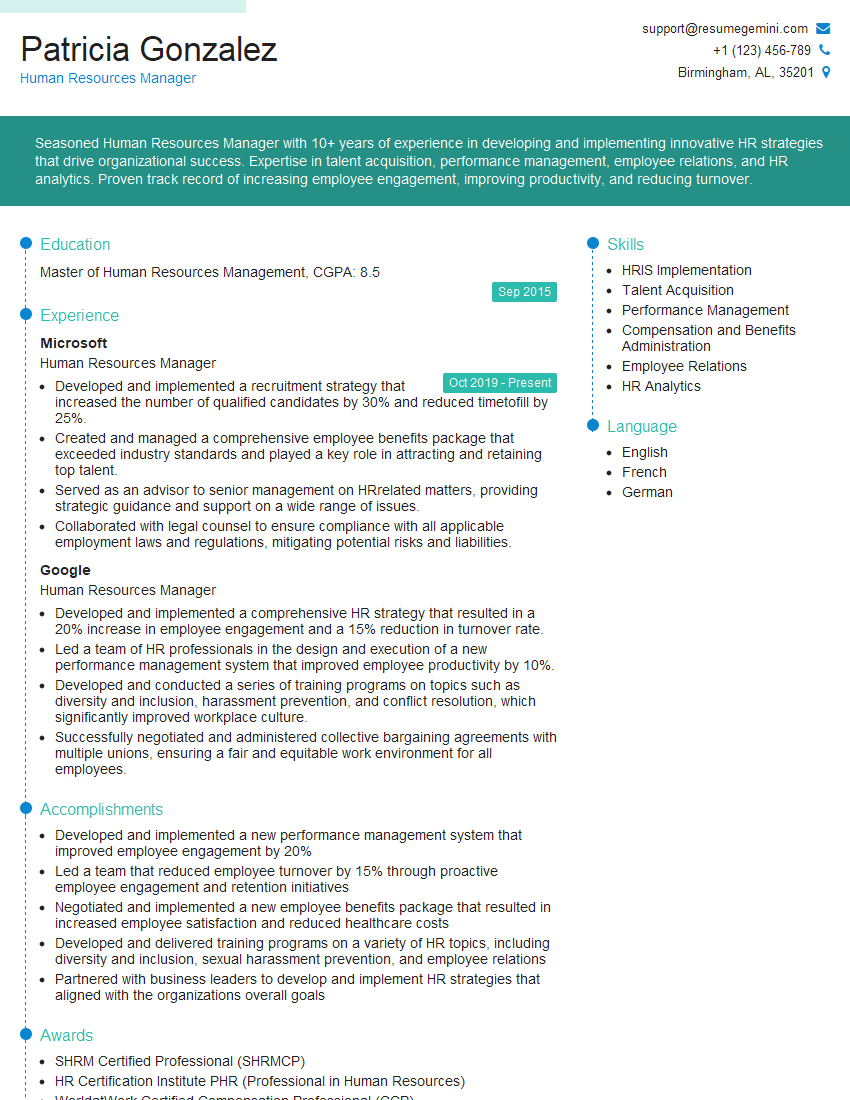
Human Resources Manager Resume Sample

Project Engineer Resume Sample
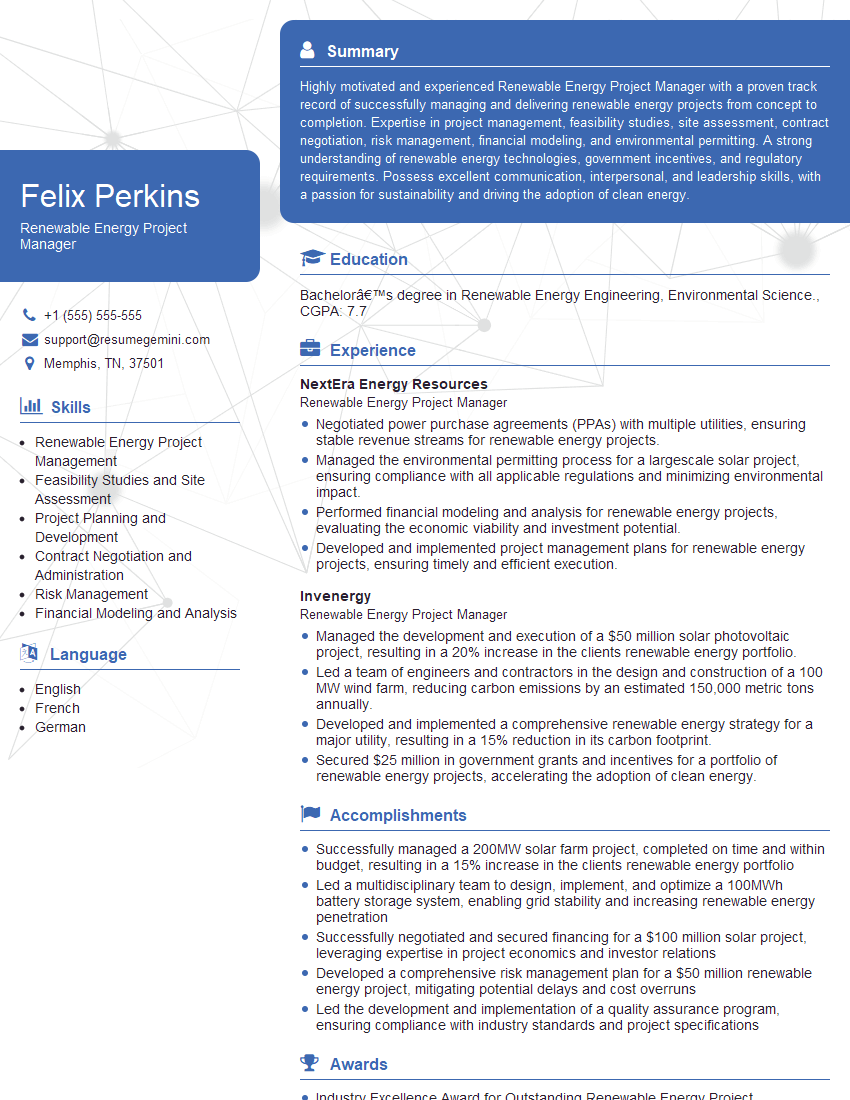
Renewable Energy Project Manager Resume Sample

Data Analyst Resume Sample
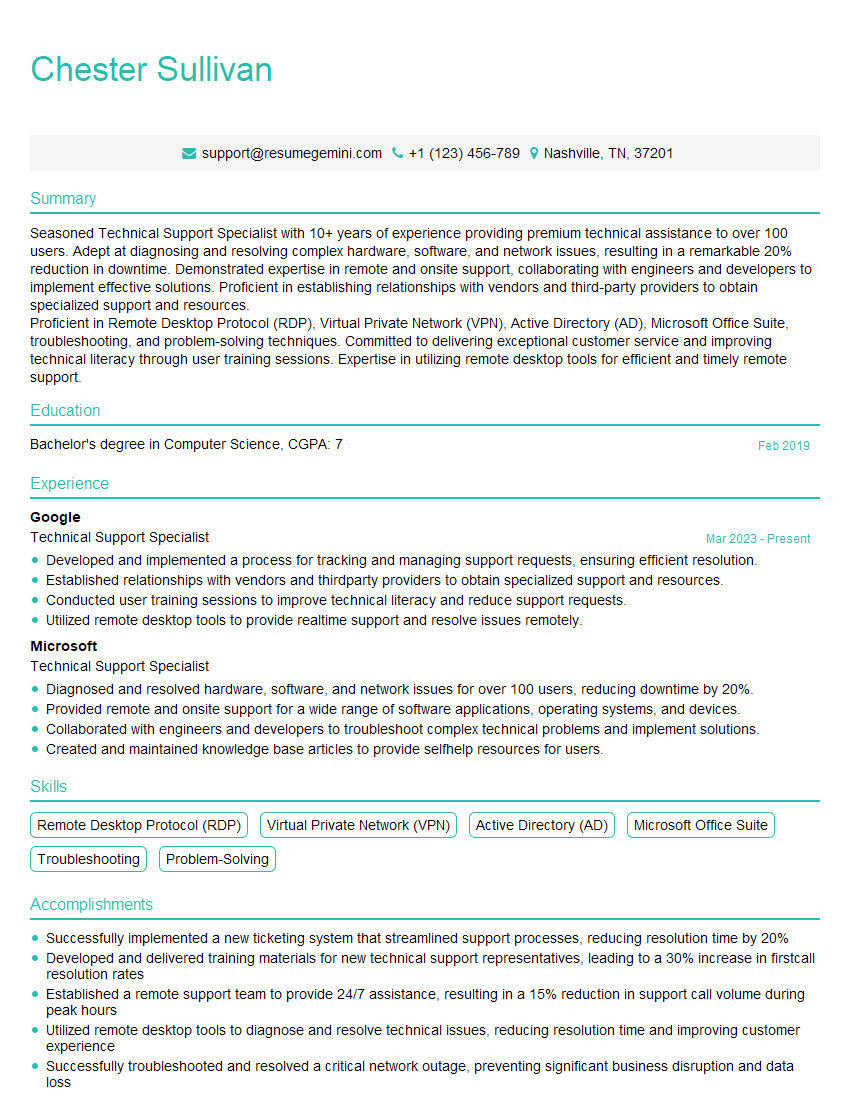
Technical Support Specialist Resume Sample
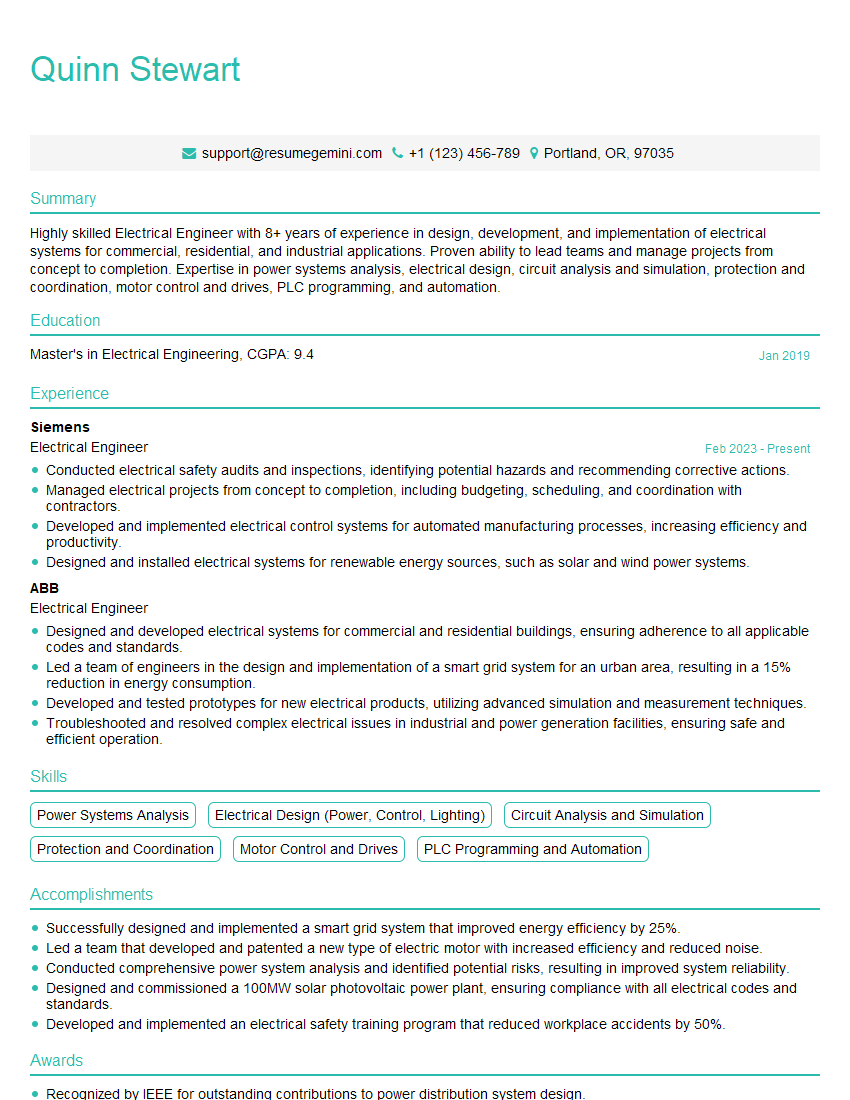
Electrical Engineer Resume Sample
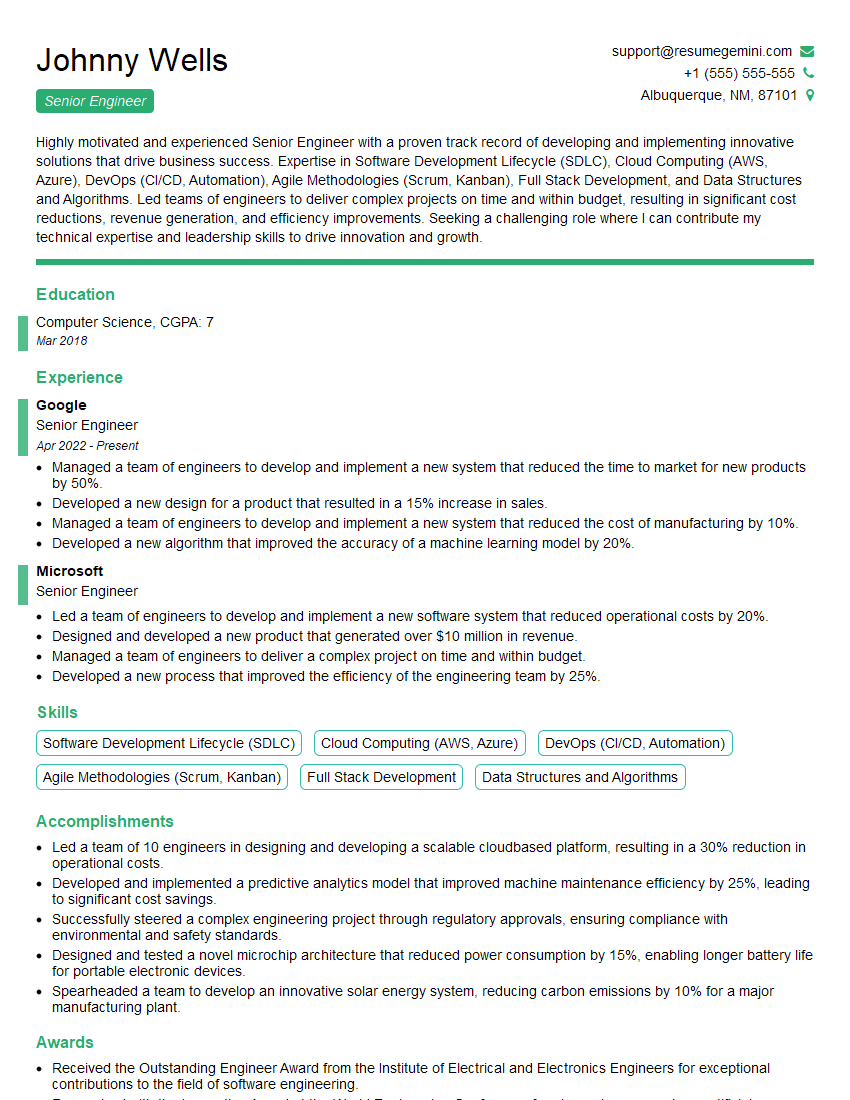
Senior Engineer Resume Sample
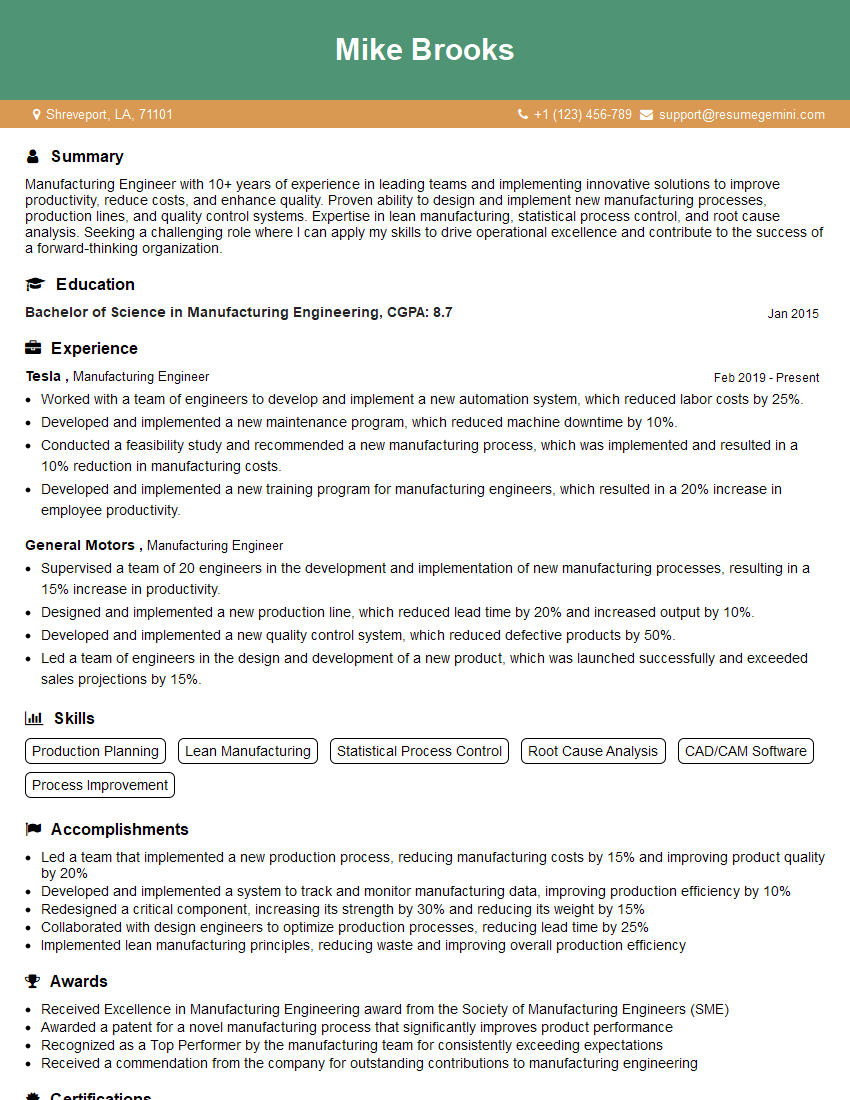
Manufacturing Engineer Resume Sample
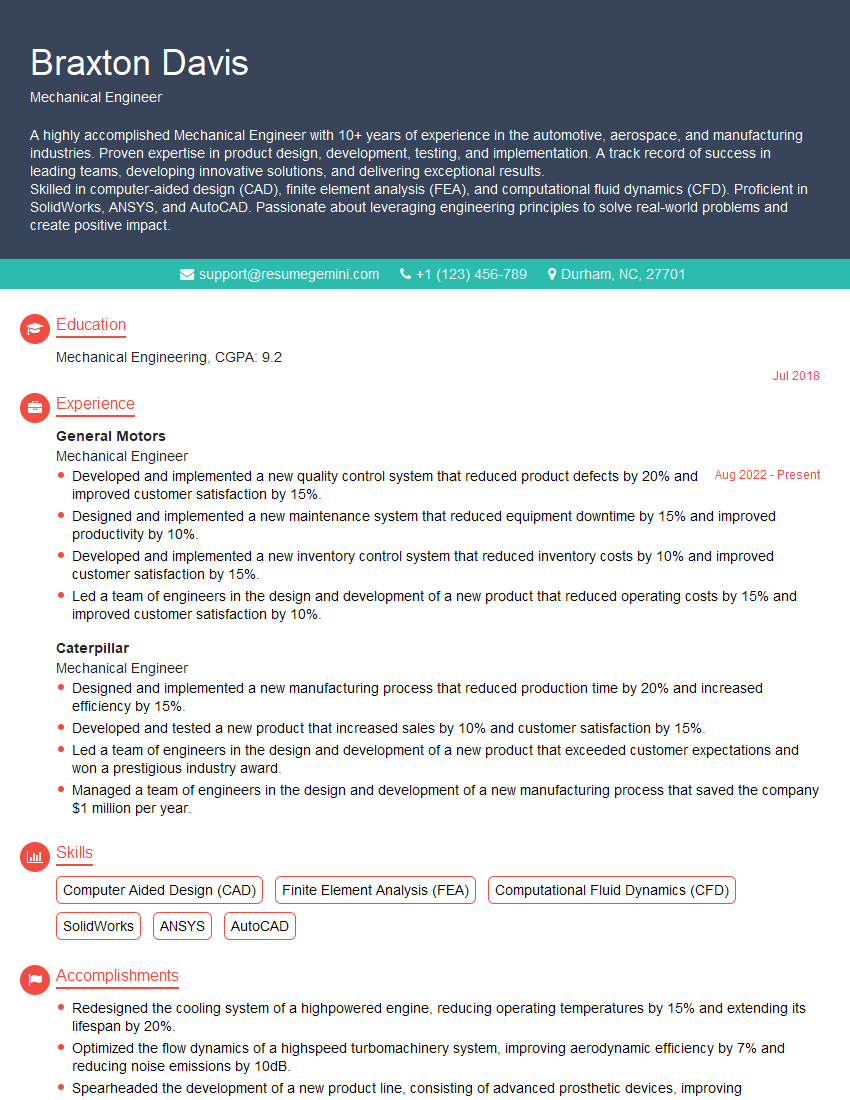
Mechanical Engineer Resume Sample
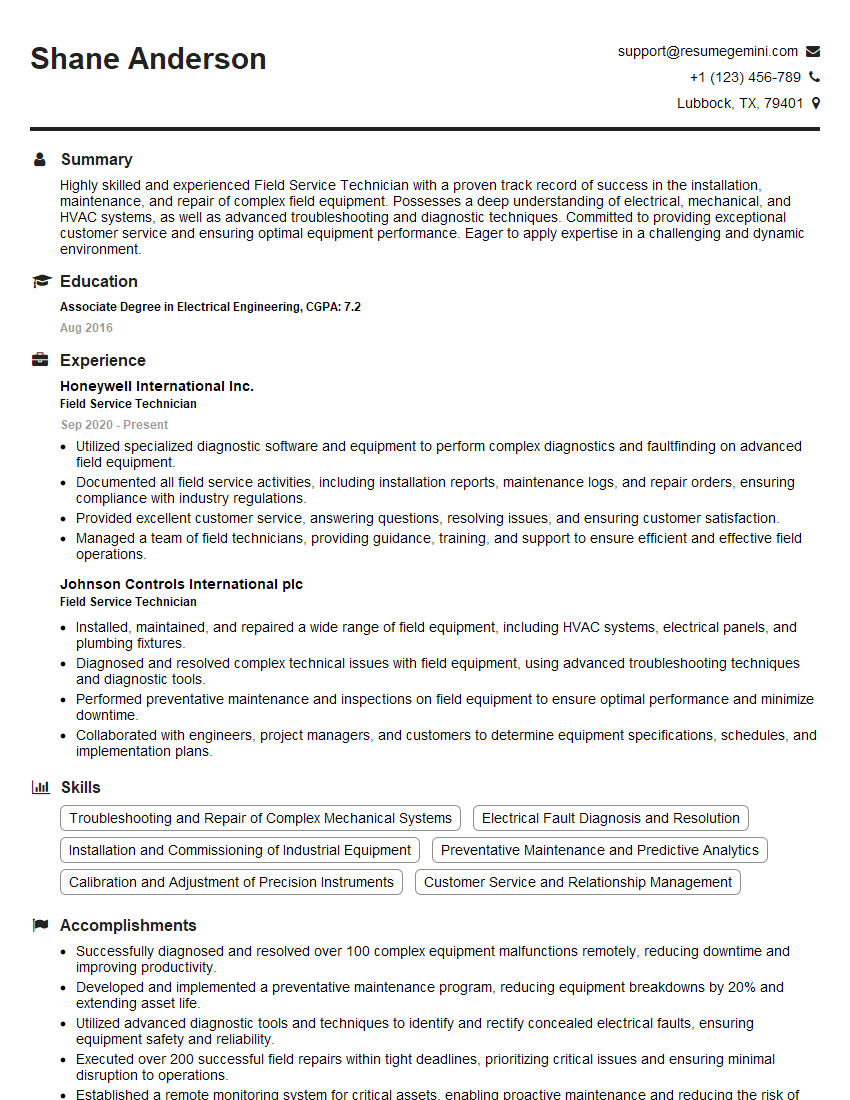
Field Service Technician Resume Sample
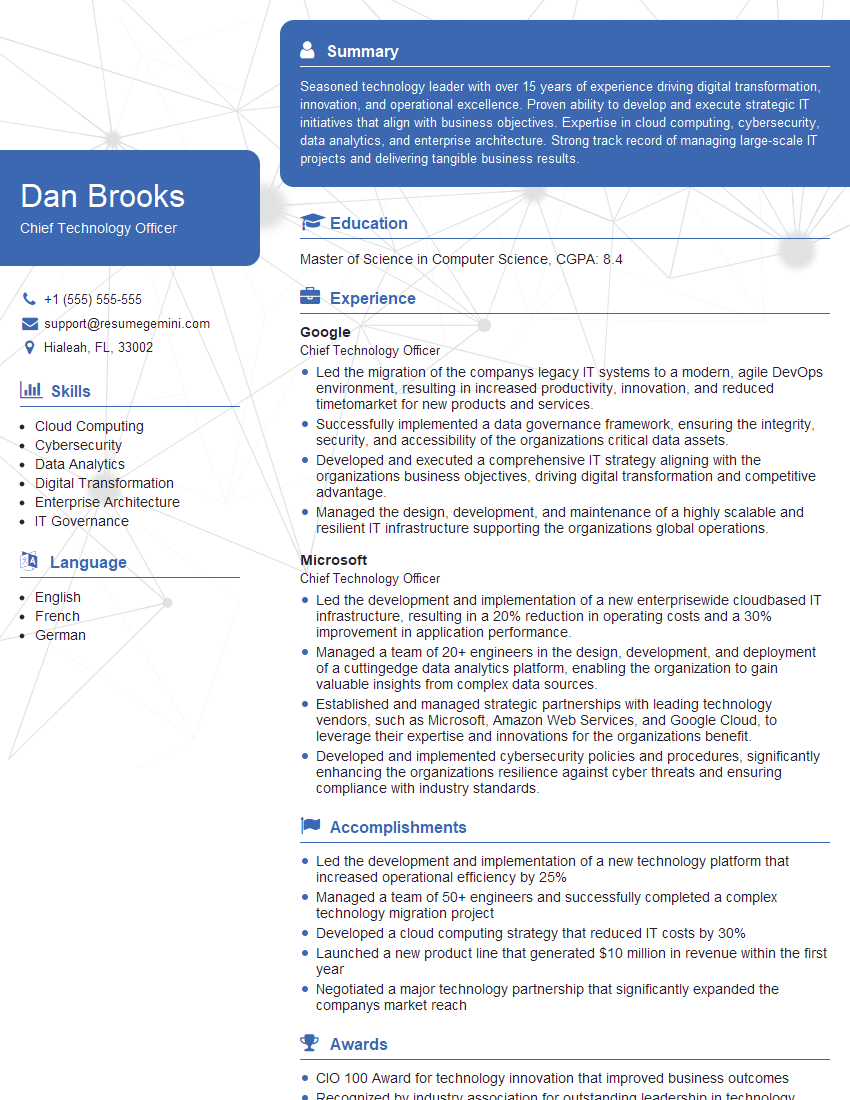
Chief Technology Officer Resume Sample
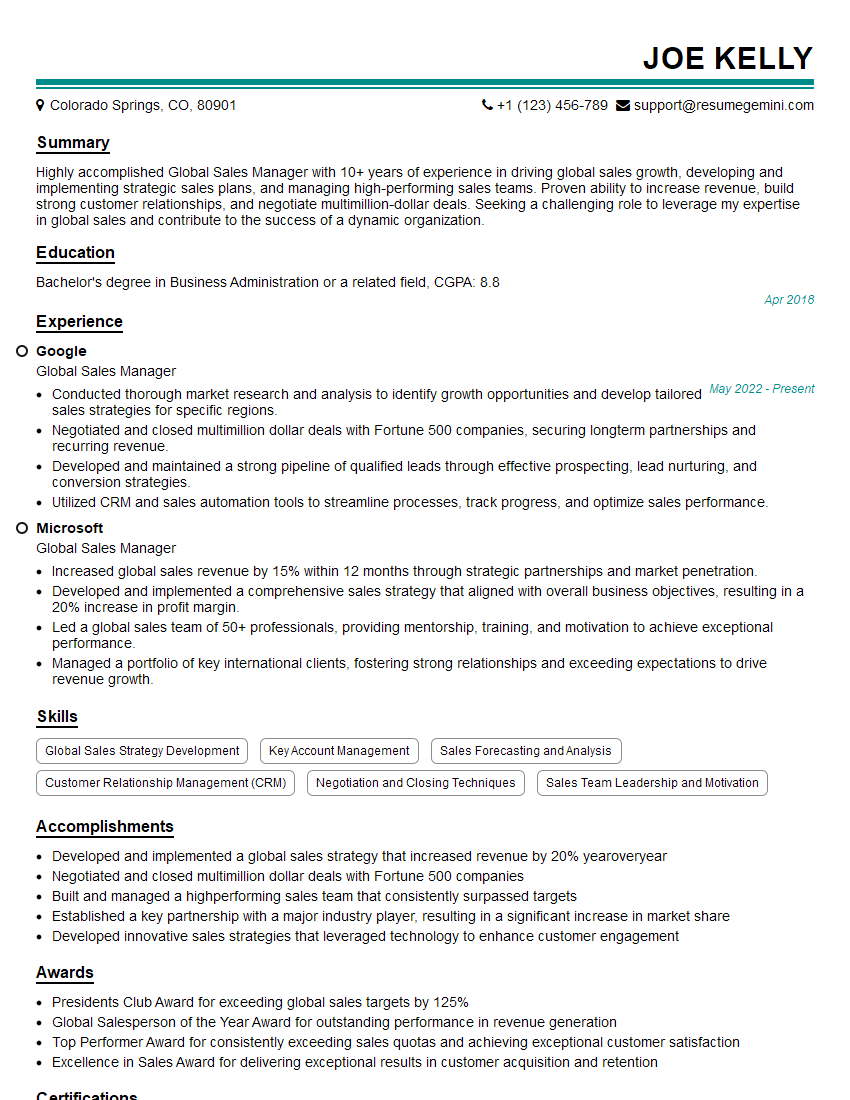
Global Sales Manager Resume Sample
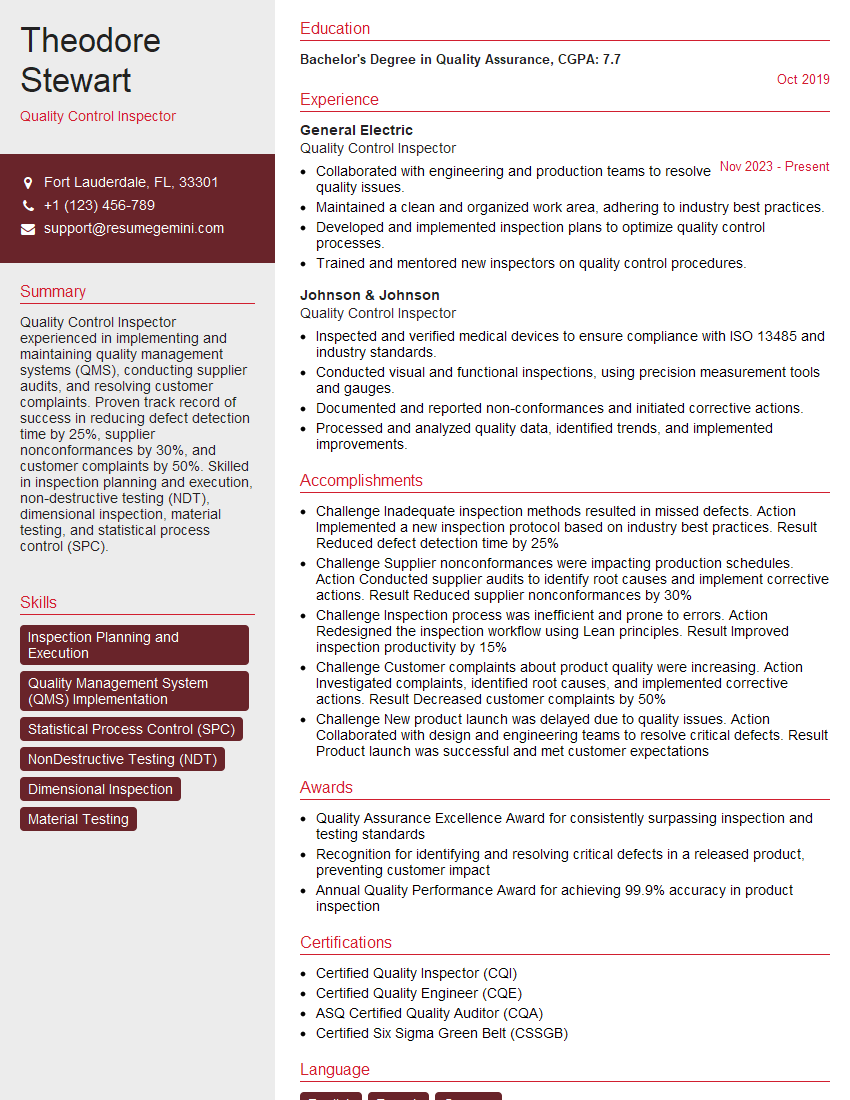
Quality Control Inspector Resume Sample
- Sustainability Manager
- Operations Manager
- Marketing Manager
- Business Development Manager
- Product Manager
- Sales Representative
- Finance Manager
- Supply Chain Manager
- Logistics Coordinator
- Human Resources Manager
- Project Engineer
- Renewable Energy Project Manager
- Data Analyst
- Technical Support Specialist
- Electrical Engineer
- Senior Engineer
- Manufacturing Engineer
- Mechanical Engineer
- Field Service Technician
- Chief Technology Officer
- Global Sales Manager
- Quality Control Inspector
Explore more articles
Users Rating of Our Blogs
Share Your Experience
We value your feedback! Please rate our content and share your thoughts (optional).
What Readers Say About Our Blog
Very informative content, great job.
good