Unlock your full potential by mastering the most common Job Analysis and Compensation Planning interview questions. This blog offers a deep dive into the critical topics, ensuring you’re not only prepared to answer but to excel. With these insights, you’ll approach your interview with clarity and confidence.
Questions Asked in Job Analysis and Compensation Planning Interview
Q 1. Explain the difference between job analysis and job evaluation.
Job analysis and job evaluation are closely related but distinct processes within compensation planning. Job analysis is the systematic process of collecting and analyzing information about a job to determine its duties, responsibilities, and required knowledge, skills, and abilities (KSAs). Think of it as understanding what a job entails. Job evaluation, on the other hand, takes the output of job analysis – the job descriptions – and systematically compares jobs to determine their relative worth within an organization. This helps determine the appropriate pay level for each role; essentially, it figures out how much each job should pay.
Example: A job analysis of a Software Engineer role would detail tasks like coding, testing, debugging, and collaborating with teams. The job evaluation would then compare this to other roles (e.g., Project Manager, Data Scientist) to determine if a Software Engineer should be paid more, less, or the same, based on factors like complexity, skill requirements, and responsibility.
Q 2. Describe the various methods used in job analysis.
Several methods are employed in job analysis, each with its strengths and weaknesses. Common approaches include:
- Observation: Directly observing employees performing the job to understand their tasks and responsibilities. This is great for understanding the physical aspects of a job, but might miss less visible tasks.
- Interviews: Structured or unstructured conversations with job incumbents (those currently holding the position) and supervisors to gather information about the job’s duties and requirements. Provides in-depth qualitative data, but can be time-consuming and susceptible to bias.
- Questionnaires/Surveys: Standardized questionnaires distributed to job incumbents to collect information on tasks, responsibilities, and KSAs. Efficient for large numbers of employees but may lack depth and require careful design.
- Diaries/Logs: Job incumbents keep a detailed record of their daily activities, providing a comprehensive picture of their work. Excellent for capturing infrequent or unplanned tasks, but relies on employee accuracy and motivation.
- Work Sampling: Observing random samples of an employee’s work to get a representative picture. This method is more efficient than continuous observation but may miss less frequently performed tasks.
Often, organizations use a combination of these methods to gain a comprehensive understanding of the job.
Q 3. What are the key components of a job description?
A comprehensive job description includes several key components:
- Job Title: A clear and concise title reflecting the job’s nature (e.g., Senior Marketing Manager).
- Job Summary: A brief overview of the job’s purpose and main responsibilities.
- Essential Duties and Responsibilities: A detailed list of the core tasks and responsibilities of the job, often presented with quantifiable metrics where possible (e.g., “Manage a marketing budget of $500,000”).
- Knowledge, Skills, and Abilities (KSAs): The specific knowledge, skills, and abilities needed to perform the job successfully (e.g., Proficiency in Excel, strong communication skills, project management experience).
- Education and Experience: The minimum education and experience required for the role (e.g., Bachelor’s degree in Marketing, 5 years of experience).
- Working Conditions: Description of the physical environment and work schedule (e.g., office environment, 40 hours per week).
- Reporting Relationships: Who the employee reports to and who reports to them.
A well-written job description is crucial for attracting qualified candidates, ensuring consistent performance expectations, and providing a basis for compensation decisions.
Q 4. How do you determine the appropriate compensation for a new role?
Determining appropriate compensation for a new role is a multi-step process. It involves:
- Conducting a job analysis: Thoroughly analyze the new role to understand its duties, responsibilities, and required KSAs.
- Conducting a job evaluation: Compare the new role to existing roles within the organization to determine its relative worth.
- Performing a salary survey: Research the market rates for similar roles in the same geographic location and industry. This usually involves reviewing salary data from industry reports, online salary databases, and recruiting firms.
- Considering internal equity: Ensure that the compensation is fair and consistent with the pay levels of other comparable jobs within the organization.
- Considering individual contributions: For similar roles, different performance levels or unique contributions might justify different pay levels within a given range.
- Negotiation: The final compensation will often involve negotiation with the candidate, considering their experience, skills, and expectations.
Using a combination of internal and external data ensures fair and competitive compensation while maintaining internal consistency.
Q 5. What are the different types of compensation structures?
Compensation structures vary greatly depending on the organization’s size, industry, and strategic goals. Some common structures include:
- Salary: A fixed annual payment, often paid bi-weekly or monthly.
- Hourly Wage: Payment based on the number of hours worked.
- Commission: Payment based on sales performance, often used in sales roles.
- Bonus: A one-time payment earned by meeting specific performance goals.
- Profit Sharing: A share of company profits distributed among employees.
- Stock Options/ESPP: The right to buy company stock at a discounted price, encouraging employee ownership and aligning interests.
- Gainsharing: Incentive plans that reward employees for improvements in productivity and efficiency.
Many organizations use a hybrid approach, combining elements like salary with bonuses or commissions to motivate performance and attract talent.
Q 6. Explain the concept of pay equity and its importance.
Pay equity refers to the principle of equal pay for equal work, regardless of gender, race, or other demographic factors. It’s crucial for several reasons:
- Fairness and Justice: It ensures that employees are compensated fairly based on the value of their work, not on irrelevant personal characteristics.
- Legal Compliance: Many countries have laws prohibiting pay discrimination. Maintaining pay equity avoids legal risks and potential penalties.
- Improved Employee Morale and Productivity: Employees are more likely to be engaged and productive when they feel they are being treated fairly.
- Stronger Employer Brand: A commitment to pay equity enhances the employer’s reputation and helps attract top talent.
- Reduced Turnover: Fair compensation practices reduce employee dissatisfaction and improve retention.
Achieving pay equity requires regular audits of compensation practices, analysis of pay gaps, and proactive measures to address any disparities.
Q 7. How do you conduct a salary survey and interpret the data?
Conducting a salary survey and interpreting the data is critical for establishing competitive compensation. The process typically involves:
- Defining the target jobs: Clearly define the roles you’re surveying for, including job titles, responsibilities, and required KSAs.
- Identifying data sources: Use reputable sources such as industry reports, professional associations, online salary databases (e.g., Glassdoor, Salary.com), and recruiting firms.
- Collecting data: Gather salary information for comparable roles in similar geographic locations and industries. Consider factors like experience level, education, and performance metrics.
- Analyzing data: Calculate average salaries, salary ranges, and percentiles. Identify outliers and consider reasons for variations.
- Interpreting data: Consider the reliability and validity of the data. Factor in your organization’s size, location, and financial situation when interpreting the results.
- Adjusting for market conditions: Salary data should reflect current market conditions, considering inflation and industry trends.
Remember to use multiple data sources for a more robust understanding and to ensure the data is relevant to your specific circumstances. A poorly conducted salary survey can lead to inaccurate compensation decisions.
Q 8. What are some common challenges in compensation planning?
Compensation planning, while crucial for attracting and retaining talent, presents several challenges. One major hurdle is maintaining internal equity – ensuring fair pay across different roles within the organization based on their relative value. This requires robust job analysis and evaluation methods. Another challenge is ensuring external competitiveness – offering salaries that are competitive with the market rates for similar roles in similar industries and locations. This requires continuous market research and benchmarking. Budget constraints are a frequent issue, requiring careful prioritization and sometimes difficult trade-offs. Lastly, legal compliance – adhering to federal, state, and local laws regarding minimum wage, overtime pay, and equal pay – adds complexity and demands rigorous attention to detail.
For example, a company might struggle to balance paying a newly-hired data scientist competitively with the existing salaries of more experienced engineers, potentially impacting morale and retention. Or, a rapidly growing company might find that its initial compensation structure is no longer sustainable or competitive as the market changes.
Q 9. Describe your experience with different job evaluation methods (e.g., point factor, ranking).
I have extensive experience with various job evaluation methods. The point factor method is a widely used quantitative approach. It involves identifying compensable factors (e.g., skill, effort, responsibility, working conditions), assigning weights to each factor reflecting its relative importance, and then scoring each job based on the degree to which it embodies each factor. This results in a total point score that helps determine the relative worth of the job and, consequently, its pay grade. I’ve used this method to successfully structure compensation across diverse roles in several organizations.
In contrast, the ranking method is a simpler, qualitative approach where jobs are ranked from highest to lowest in terms of overall value to the organization. While less precise, it’s quicker and easier to implement, particularly in smaller organizations with fewer jobs. I’ve found it effective for initial assessments or when quick comparisons are needed. I’ve also worked with classification systems, which group jobs into pre-defined grades or levels based on similar duties and responsibilities. This offers a standardized approach but requires careful job descriptions to ensure accuracy of placement.
For example, during my previous role at XYZ Company, I implemented the point factor method to establish a transparent and fair compensation structure across a newly merged department. This helped resolve internal equity concerns and streamline the salary administration process.
Q 10. How do you handle salary negotiations with candidates?
Salary negotiations require a delicate balance of fairness and firmness. Before any negotiation, I thoroughly research the market rate for the specific role and location using reputable salary surveys and data sources. This empowers me to present a competitive and justified offer. During the conversation, I focus on a collaborative approach, seeking to understand the candidate’s expectations and career aspirations. I clearly outline the compensation package, including base salary, benefits, and potential bonuses, explaining the rationale behind each component. I actively listen to the candidate’s concerns and address them transparently. If the candidate’s expectations are outside the company’s budget, I explore alternative options like signing bonuses, performance-based incentives, or expedited promotion opportunities.
It’s important to remember that salary negotiations aren’t just about money; they’re about building a strong relationship with the candidate. Treating the candidate with respect and understanding builds trust and increases the likelihood of a successful outcome. A respectful ‘no’ is always better than a rushed ‘yes’ that might lead to resentment down the line.
Q 11. Explain the importance of internal equity in compensation.
Internal equity in compensation is paramount for maintaining employee morale, motivation, and productivity. It refers to the fairness of pay differences among jobs within the same organization. When employees perceive that their pay is fair relative to others doing similar or different work, it fosters a sense of value and commitment. Conversely, perceived inequities can lead to decreased job satisfaction, reduced productivity, and increased turnover. A well-designed compensation system ensures that pay is aligned with the relative value and complexity of each job, and the contributions of employees within different job roles. This involves careful job analysis, a robust evaluation system, and regular reviews to keep the compensation structure current and equitable.
For example, if a junior software developer is paid significantly less than an equally skilled and experienced administrative assistant with less demanding responsibilities, it can lead to resentment and demotivation amongst developers. Maintaining internal equity requires ongoing monitoring and adjustments based on market changes and internal promotions and movements.
Q 12. How do you ensure pay transparency and fairness?
Ensuring pay transparency and fairness requires a multi-pronged approach. First, it starts with clear and consistent job descriptions that accurately reflect the responsibilities and requirements of each role. This helps standardize evaluations and ensures that employees understand what their job entails and how it’s valued. Secondly, a transparent compensation structure, including clear pay grades and ranges, helps employees understand how salaries are determined. Communicating the compensation philosophy—the organization’s guiding principles regarding pay—also fosters transparency. Regular salary reviews and opportunities for feedback provide avenues for employees to express concerns or address perceived inequities. Providing training to managers on fair compensation practices is also vital. Finally, anonymous salary surveys can help identify potential gaps in pay equity and address them proactively.
For example, publishing salary ranges for each job family in an internal portal can create a more transparent environment. Regularly conducting compensation audits, potentially using external consultants, helps ensure objectivity and fairness.
Q 13. What are the legal considerations involved in compensation and benefits?
Legal considerations related to compensation and benefits are complex and vary across jurisdictions. Key areas include compliance with minimum wage laws, overtime regulations (e.g., Fair Labor Standards Act in the US), equal pay laws (preventing gender or race-based pay discrimination), and benefits requirements (e.g., provision of mandated leave, healthcare coverage). It’s crucial to understand and adhere to all applicable laws and regulations regarding employee classification (employee vs. independent contractor), non-discrimination, and tax implications of compensation and benefits packages. Furthermore, proper record-keeping is critical to demonstrate compliance and handle potential audits or legal challenges. Consulting with employment law experts is strongly recommended to ensure full compliance and to stay abreast of legislative changes.
Failure to comply can result in significant financial penalties, reputational damage, and legal actions. Regular legal reviews and updates on relevant laws are essential.
Q 14. How do you stay updated on current compensation trends?
Staying updated on compensation trends is critical for effective compensation planning. I utilize several methods to achieve this. I regularly review data from reputable salary survey providers such as Mercer, Willis Towers Watson, and Aon. I attend industry conferences and webinars focused on compensation and benefits, which offer insights into current market trends and best practices. I actively network with compensation professionals through professional organizations like the WorldatWork. I also subscribe to industry publications and journals that focus on HR and compensation. Finally, leveraging online resources, such as industry-specific job boards and government websites providing employment statistics, offers valuable data points. This multifaceted approach ensures that my understanding of compensation trends remains relevant and informed.
For example, monitoring the increasing demand for data science skills allows me to proactively adjust compensation ranges for related roles to remain competitive in the talent market.
Q 15. Describe your experience with compensation software or systems.
My experience with compensation software spans several systems, including market-leading solutions like Paylocity, ADP, and Workday. I’m proficient in using these platforms to manage various aspects of compensation, from data entry and analysis to reporting and compliance. For example, in a previous role at a large multinational corporation, I utilized Workday to administer salary increases, bonuses, and equity grants for over 5,000 employees across multiple countries. This involved configuring the system to align with local regulations and company policies, ensuring accurate and timely processing of compensation payments. My expertise extends beyond basic data entry; I’m skilled in leveraging the reporting capabilities of these systems to generate insightful compensation analyses, identify trends, and support strategic decision-making within the organization.
Beyond the major platforms, I’ve also worked with custom-built systems and spreadsheets, demonstrating adaptability and a strong understanding of compensation data management principles regardless of the technological infrastructure. This adaptability is critical because each organization has unique requirements and challenges regarding its compensation systems.
Career Expert Tips:
- Ace those interviews! Prepare effectively by reviewing the Top 50 Most Common Interview Questions on ResumeGemini.
- Navigate your job search with confidence! Explore a wide range of Career Tips on ResumeGemini. Learn about common challenges and recommendations to overcome them.
- Craft the perfect resume! Master the Art of Resume Writing with ResumeGemini’s guide. Showcase your unique qualifications and achievements effectively.
- Don’t miss out on holiday savings! Build your dream resume with ResumeGemini’s ATS optimized templates.
Q 16. How do you analyze compensation data to identify pay gaps?
Analyzing compensation data to identify pay gaps involves a multi-step process that goes beyond simply comparing average salaries between demographic groups. A robust analysis requires a nuanced approach that considers factors such as job level, experience, performance, location, and education.
- Data Collection: Gather comprehensive compensation data, including base salary, bonuses, benefits, and other forms of compensation. Ensure the data includes relevant demographic information (age, gender, race, ethnicity) but only to the extent legally permissible and ethically sound.
- Data Cleaning and Preparation: Cleanse the data to remove inconsistencies and outliers. This may involve handling missing values and standardizing data formats.
- Statistical Analysis: Use statistical methods, such as regression analysis, to control for factors that legitimately influence pay. This helps isolate the impact of demographic factors on compensation after accounting for other variables.
- Visualizations: Create clear visualizations (e.g., histograms, box plots) to illustrate pay disparities and identify trends. This allows for easier interpretation and communication of findings.
- Gap Analysis: Determine the magnitude and significance of any identified pay gaps. This involves comparing the predicted pay based on controlled factors to the actual pay received by different demographic groups.
For example, if a regression analysis reveals a statistically significant difference in pay between men and women even after adjusting for job title, experience, and performance, it points to a potential gender pay gap requiring further investigation and action.
Q 17. What are the key performance indicators (KPIs) for compensation planning?
Key Performance Indicators (KPIs) for compensation planning are crucial for measuring the effectiveness of the compensation strategy and ensuring alignment with business objectives. These KPIs can be broadly categorized into:
- Cost-Effectiveness: Total compensation costs as a percentage of revenue, average salary increase, cost per hire.
- Employee Satisfaction: Employee satisfaction with compensation and benefits, retention rate, employee turnover.
- Pay Equity: Pay gap analysis metrics (gender, race, ethnicity), salary competitiveness index.
- Compliance: Number of compensation-related compliance issues, audit findings related to compensation.
- Talent Acquisition: Time-to-hire, offer acceptance rate, cost per hire.
By tracking these KPIs, organizations can gain a comprehensive understanding of their compensation strategy’s impact on employee morale, talent acquisition, and overall financial performance. For example, a high employee turnover rate might indicate a need to reassess compensation competitiveness, while a widening pay gap suggests the need for proactive equity measures. Regular monitoring and analysis of these KPIs are essential for ongoing refinement of the compensation strategy.
Q 18. How do you develop a compensation budget?
Developing a compensation budget requires a detailed understanding of current compensation levels, anticipated changes, and future business needs. The process typically involves these steps:
- Forecast Headcount: Project the number of employees in each job category for the budget period.
- Analyze Current Compensation: Review current salaries, benefits costs, and other compensation elements.
- Market Research: Conduct salary surveys and benchmarking exercises to determine competitive compensation levels.
- Project Salary Increases: Estimate salary increases based on performance, market adjustments, and promotions.
- Budget for New Hires: Allocate funds for anticipated new hires, considering their salary and benefits.
- Include Contingencies: Account for unexpected costs or changes in market conditions.
- Allocate Resources: Distribute the total compensation budget across departments and job categories.
For example, if the company plans significant expansion, the budget will need to accommodate the increased headcount and associated compensation costs. Alternatively, a period of economic uncertainty may lead to a more conservative approach, prioritizing salary increases for high-performing employees while limiting general increases.
Q 19. Explain your understanding of different types of incentives and bonuses.
Incentives and bonuses are crucial components of a total compensation strategy, motivating employees and rewarding performance. Different types include:
- Performance-Based Bonuses: Tied to individual or team performance against pre-defined targets (e.g., sales targets, project completion).
- Profit-Sharing Plans: Distribute a portion of company profits among employees, encouraging collective success.
- Stock Options/ESPPs: Grant employees the right to purchase company stock at a predetermined price, aligning their interests with the company’s success.
- Commission-Based Pay: Rewards employees based on sales or revenue generated.
- Spot Bonuses: One-time awards for exceptional performance or contributions.
- Referral Bonuses: Incentivize employees to recruit high-quality candidates.
The choice of incentive program depends on the company’s overall goals, industry norms, and the nature of the work. For example, a sales team might be primarily incentivized through commissions, whereas a research and development team might receive performance-based bonuses tied to project milestones and innovation.
Q 20. How do you manage compensation changes due to promotions or performance reviews?
Managing compensation changes due to promotions or performance reviews requires a structured and transparent process. This typically involves:
- Performance Evaluation: Conduct thorough performance reviews, using objective criteria to assess employee contributions.
- Job Analysis: Update job descriptions to accurately reflect the responsibilities and required competencies associated with promotions.
- Salary Range Review: Ensure the proposed salary for a promotion or performance-based increase falls within the appropriate salary range for the new job level or adjusted performance level.
- Communication: Clearly communicate the rationale for compensation adjustments to employees, explaining the criteria used and the resulting impact on their total compensation.
- Documentation: Maintain accurate records of all compensation changes, including supporting documentation such as performance reviews and job descriptions.
For instance, if an employee receives a promotion, their salary adjustment should reflect the increased responsibilities and market value of the new position. Similarly, outstanding performance in a performance review should be appropriately recognized through salary increases or bonuses. Transparency and fair processes are crucial to maintaining employee morale and fostering a positive work environment.
Q 21. Describe your experience with benchmarking compensation.
Benchmarking compensation involves comparing an organization’s pay practices to those of its competitors or industry peers. This crucial process ensures that compensation remains competitive, attracting and retaining top talent. It involves:
- Identify Competitors: Determine which organizations are considered relevant benchmarks, based on factors like industry, size, location, and employee roles.
- Gather Data: Collect salary data from various sources such as salary surveys (e.g., Radford, Mercer, Willis Towers Watson), online job boards, and industry reports.
- Analyze Data: Analyze the collected data to determine the market pay rates for specific jobs or roles within the target organizations.
- Compare to Internal Data: Compare the benchmark data to the organization’s current compensation levels to identify any gaps or discrepancies.
- Adjust Compensation Strategy: Based on the comparison, adjust the organization’s compensation strategy to ensure it remains competitive.
For example, if benchmarking reveals that the organization’s software engineers are underpaid compared to similar roles at competitor companies, adjustments may be necessary to attract and retain qualified talent. This process is critical for ensuring a company remains competitive in attracting and retaining talent, and in making equitable and data-driven compensation decisions.
Q 22. How do you ensure compliance with relevant labor laws in compensation practices?
Ensuring compliance with labor laws in compensation is paramount. It involves a multifaceted approach that begins with a thorough understanding of all applicable federal, state, and local regulations. This includes laws related to minimum wage, overtime pay (like the Fair Labor Standards Act or FLSA), equal pay (like the Equal Pay Act), and anti-discrimination laws (like Title VII of the Civil Rights Act).
My approach involves:
- Regularly reviewing and updating compensation policies and practices: This ensures alignment with current legislation and prevents unintentional violations. I stay informed through professional organizations, legal updates, and consulting with employment law specialists.
- Conducting pay equity audits: These audits help identify and correct potential gender, race, or other forms of pay inequity, ensuring fairness and compliance with equal pay laws. This involves analyzing pay data for similar roles, adjusting for relevant factors like experience and performance, and then identifying and correcting discrepancies.
- Implementing robust documentation procedures: Meticulous record-keeping is crucial. This includes documentation of job descriptions, salary decisions, performance reviews, and any adjustments made to compensation. This provides a clear audit trail and protects the company in the event of a legal challenge.
- Providing comprehensive training to HR and management: Training ensures that everyone involved in compensation decisions understands and adheres to the relevant regulations. This includes understanding the nuances of exempt vs. non-exempt classifications under the FLSA.
For example, in a previous role, we implemented a system for automatically calculating overtime pay according to FLSA guidelines, eliminating manual calculations and significantly reducing the risk of errors. We also conducted regular pay equity audits, which led to targeted adjustments to ensure fair compensation across the organization.
Q 23. How do you address employee concerns related to compensation?
Addressing employee concerns regarding compensation requires empathy, transparency, and a clear communication strategy. It’s crucial to create a safe and open environment where employees feel comfortable expressing their concerns without fear of retribution.
My approach focuses on:
- Establishing clear communication channels: This can include regular town hall meetings, anonymous surveys, or one-on-one meetings with HR or management.
- Providing timely and informative responses: Employees need to know that their concerns are being heard and addressed promptly. If a full explanation isn’t immediately possible, setting clear expectations about when a response can be given is important.
- Demonstrating fairness and consistency in decision-making: Consistent application of compensation policies and practices reduces the likelihood of disputes. Transparency in the decision-making process, explaining factors influencing compensation decisions, strengthens trust.
- Utilizing internal dispute resolution mechanisms: Providing a structured process for handling compensation grievances ensures that concerns are addressed fairly and efficiently. This could involve internal appeals processes or mediation.
For instance, in a past situation, I helped resolve an employee’s salary concern by reviewing the job description, comparing their salary to market rates for similar positions, and then recommending a salary adjustment based on their performance and experience.
Q 24. What is your experience with creating and maintaining a compensation structure?
Creating and maintaining a sound compensation structure is fundamental to attracting, retaining, and motivating top talent. This involves a combination of internal and external equity considerations, along with a clear understanding of the organization’s compensation philosophy.
My experience encompasses:
- Conducting job analysis to determine job worth: This involves systematically collecting information about the tasks, duties, responsibilities, and knowledge required for each job. Methods include surveys, interviews, and observation.
- Developing job grading or job evaluation systems: These systems rank jobs based on their relative worth to the organization. Point factor systems or ranking methods are commonly used.
- Conducting salary surveys to determine market rates: Salary surveys provide external benchmark data to ensure that the organization’s pay is competitive.
- Developing salary ranges and grades: Salary ranges ensure internal equity by providing pay levels for different job grades, reflecting experience and performance.
- Regularly reviewing and updating the compensation structure: Market conditions and internal changes necessitate regular reviews and adjustments.
In a previous role, I spearheaded the redesign of our compensation structure, which resulted in improved internal equity, reduced employee turnover, and enhanced the organization’s ability to attract high-quality candidates.
Q 25. Describe your experience with performance-based pay systems.
Performance-based pay systems, also known as variable pay, tie compensation directly to individual or team performance. Effective implementation requires careful planning and consideration of various factors.
My experience includes designing and implementing various performance-based pay systems, including:
- Individual incentive plans: These reward individual achievements, such as sales commissions, bonuses tied to individual performance metrics, or profit sharing based on individual contributions.
- Team-based incentive plans: These reward team performance, fostering collaboration and shared responsibility. Examples include group bonuses based on collective targets or project-based incentives.
- Gainsharing plans: These distribute a portion of the company’s cost savings or productivity gains among employees. This promotes a culture of continuous improvement.
- Profit-sharing plans: These distribute a portion of the company’s profits among employees, typically based on a pre-determined formula.
The key to successful implementation is to ensure that:
- Performance metrics are clearly defined, measurable, achievable, relevant, and time-bound (SMART): Ambiguous metrics can lead to disputes and dissatisfaction.
- The system is transparent and fair: Employees must understand how their compensation is determined and feel that the system is equitable.
- The system aligns with the organization’s overall goals and strategy: It should drive the desired behaviors and outcomes.
In one project, I designed a gainsharing program that resulted in a 15% increase in productivity within a year by fostering collaboration and ownership among the teams.
Q 26. Explain how you would handle a situation where an employee’s salary is significantly below market rate.
Discovering an employee’s salary is significantly below market rate requires prompt and decisive action. This situation affects morale, retention, and can create equity issues within the team.
My approach would be:
- Conduct a thorough salary analysis: Compare the employee’s current salary to market rates for similar roles using reputable salary surveys and data.
- Document the findings: Create a comprehensive report detailing the market rate, the employee’s current salary, and the resulting discrepancy.
- Determine the cause of the discrepancy: Investigate why the salary is below market, possibly due to outdated salary data, internal inequities, or overlooked promotions.
- Develop a recommendation: Based on the analysis, propose a salary adjustment to bring the employee’s compensation closer to the market rate. This could involve a salary increase, a promotion with a corresponding increase, or a combination of both.
- Present the recommendation to management: Clearly explain the reasons for the proposed adjustment, highlighting the business case for maintaining a competitive compensation package.
- Communicate with the employee: Explain the salary adjustment decision in a positive and supportive manner, emphasizing the value of their contributions.
It’s crucial to address this issue swiftly and transparently to maintain employee trust and prevent further resentment. Ignoring such a discrepancy can lead to decreased morale and potentially legal issues.
Q 27. How do you handle situations where there’s a conflict between internal and external equity?
Conflicts between internal and external equity are common in compensation planning. Internal equity refers to fair pay comparisons within the organization, while external equity refers to competitive pay compared to the external market. Resolving these conflicts requires a balanced approach.
My approach would involve:
- Analyzing the root cause: Identify whether the disparity stems from outdated job descriptions, inaccurate market data, or inconsistencies in job evaluation.
- Prioritize based on strategic needs: Consider the criticality of the roles experiencing the conflict. High-demand, critical roles might require prioritizing external equity to remain competitive, even if it means adjustments to internal equity across the broader organization.
- Utilize salary range adjustments: This allows for flexibility in paying employees within a given grade while maintaining internal equity relative to other grades. The ranges should be regularly reviewed and updated.
- Implement communication strategies: Transparency is crucial. Clearly explain the reasoning behind any salary decisions to employees, demonstrating fairness and the organization’s commitment to equitable pay.
- Implement a phased approach: Instead of making immediate, large-scale changes, a phased approach might be necessary to manage the financial impact and employee perception. This could involve prioritizing certain departments or roles for adjustments.
Resolving these conflicts often requires a delicate balancing act, using data-driven decisions and open communication to maintain both internal fairness and market competitiveness.
Q 28. Describe your experience with different types of benefit plans.
My experience encompasses a wide range of benefit plans, including:
- Health insurance: This includes various options such as HMOs, PPOs, and high-deductible plans, with associated considerations for employee contributions and employer subsidies.
- Retirement plans: I have experience with 401(k) plans, including designing contribution matching programs and selecting investment options. I also have experience with defined benefit plans, understanding the associated actuarial calculations and funding requirements.
- Paid time off (PTO): This encompasses vacation, sick leave, and holidays, which need to align with industry standards and local laws.
- Life insurance: This includes term life insurance, whole life insurance, and other options, with varying levels of coverage and employee contribution structures.
- Disability insurance: This includes short-term and long-term disability coverage, protecting employees in case of illness or injury.
- Employee assistance programs (EAPs): These programs provide confidential support services to employees, addressing issues such as stress, mental health, and work-life balance.
- Flexible spending accounts (FSAs) and health savings accounts (HSAs): These accounts allow employees to set aside pre-tax dollars for healthcare expenses.
Selecting and managing benefit plans requires a deep understanding of employee needs and cost implications. Regular reviews are necessary to ensure that the benefit offerings remain competitive and effective in attracting and retaining employees. I prioritize analyzing employee satisfaction surveys and market trends to inform benefit plan design and updates.
Key Topics to Learn for Job Analysis and Compensation Planning Interview
- Job Analysis Techniques: Understand various methods like interviews, questionnaires, observations, and work diaries. Be prepared to discuss their strengths and weaknesses in different contexts.
- Compensation Structures: Master different pay structures (e.g., salary, hourly, commission) and their implications for budgeting and employee motivation. Consider the impact of benefits packages.
- Job Evaluation Methods: Familiarize yourself with ranking, classification, point factor, and factor comparison methods. Practice applying these methods to hypothetical job descriptions.
- Market-Based Compensation: Learn how to conduct salary surveys and interpret compensation data to establish competitive pay ranges. Discuss the challenges of finding relevant data.
- Legal and Ethical Considerations: Understand relevant employment laws (e.g., equal pay, minimum wage) and ethical considerations related to fair and transparent compensation practices.
- Performance Management & Compensation: Explore the link between performance appraisals and compensation adjustments, including merit increases, bonuses, and promotions.
- Compensation Planning & Budgeting: Discuss the process of developing and managing a compensation budget, considering factors such as cost of living and market trends.
- Data Analysis & Interpretation: Practice analyzing compensation data to identify trends, outliers, and potential areas for improvement. Be ready to present your findings clearly and concisely.
Next Steps
Mastering Job Analysis and Compensation Planning significantly enhances your marketability and opens doors to rewarding career opportunities in HR, management, and consulting. A strong understanding of these principles showcases your analytical skills, strategic thinking, and commitment to fair and effective workforce management. To maximize your job prospects, focus on creating an ATS-friendly resume that highlights your relevant skills and experience. ResumeGemini is a trusted resource that can help you build a professional and impactful resume, ensuring your qualifications stand out. We provide examples of resumes tailored to Job Analysis and Compensation Planning to guide your preparation. Let us help you make a strong impression on potential employers.
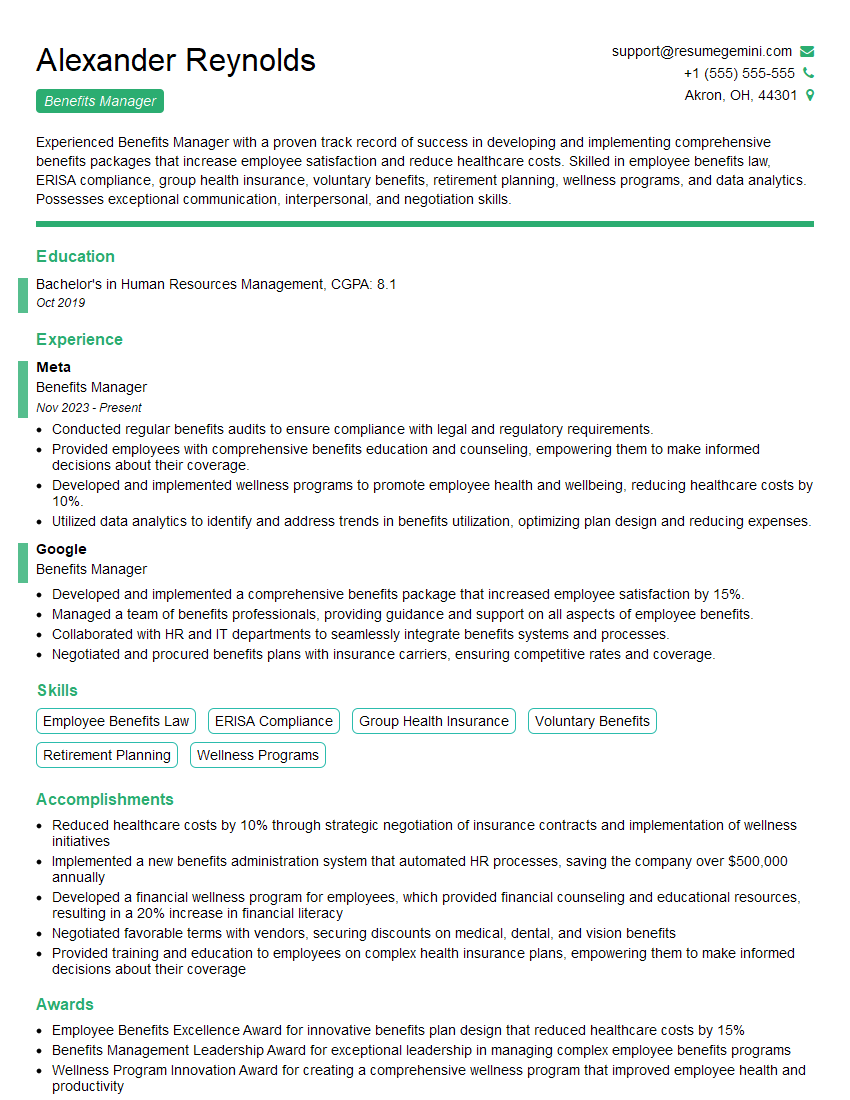
Benefits Manager Resume Sample
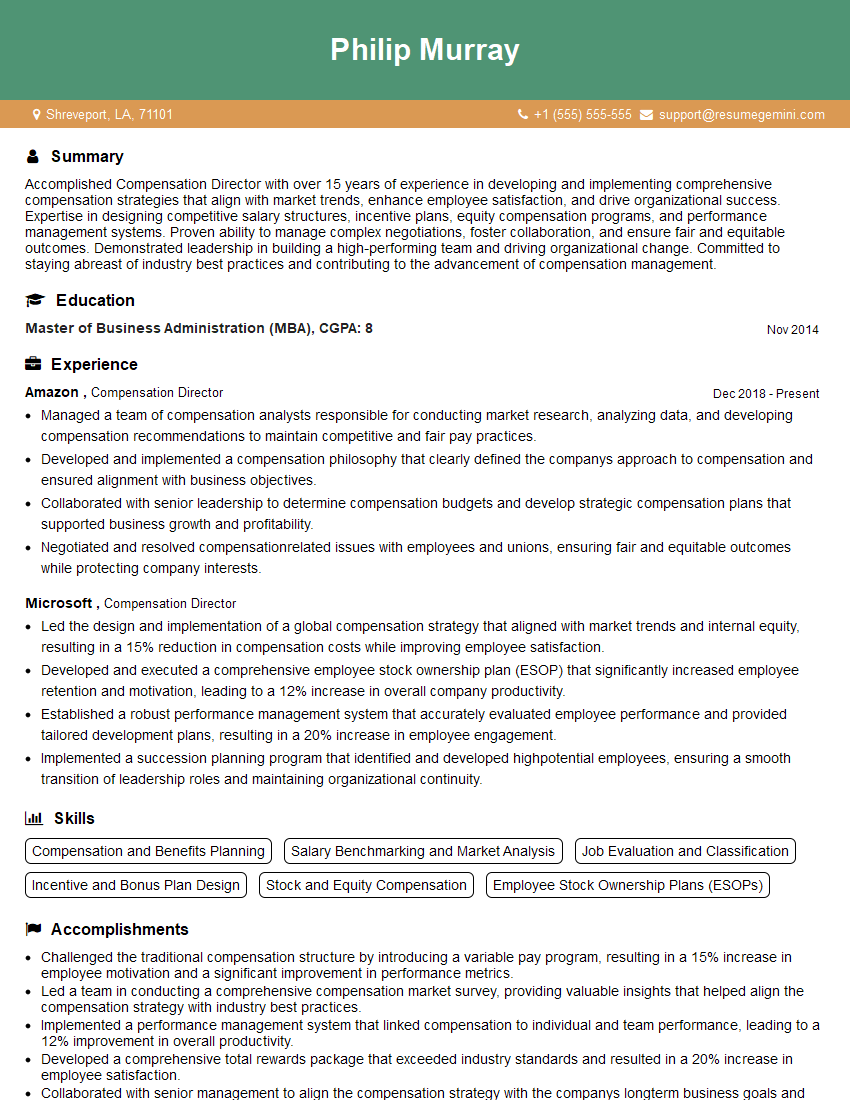
Compensation Director Resume Sample
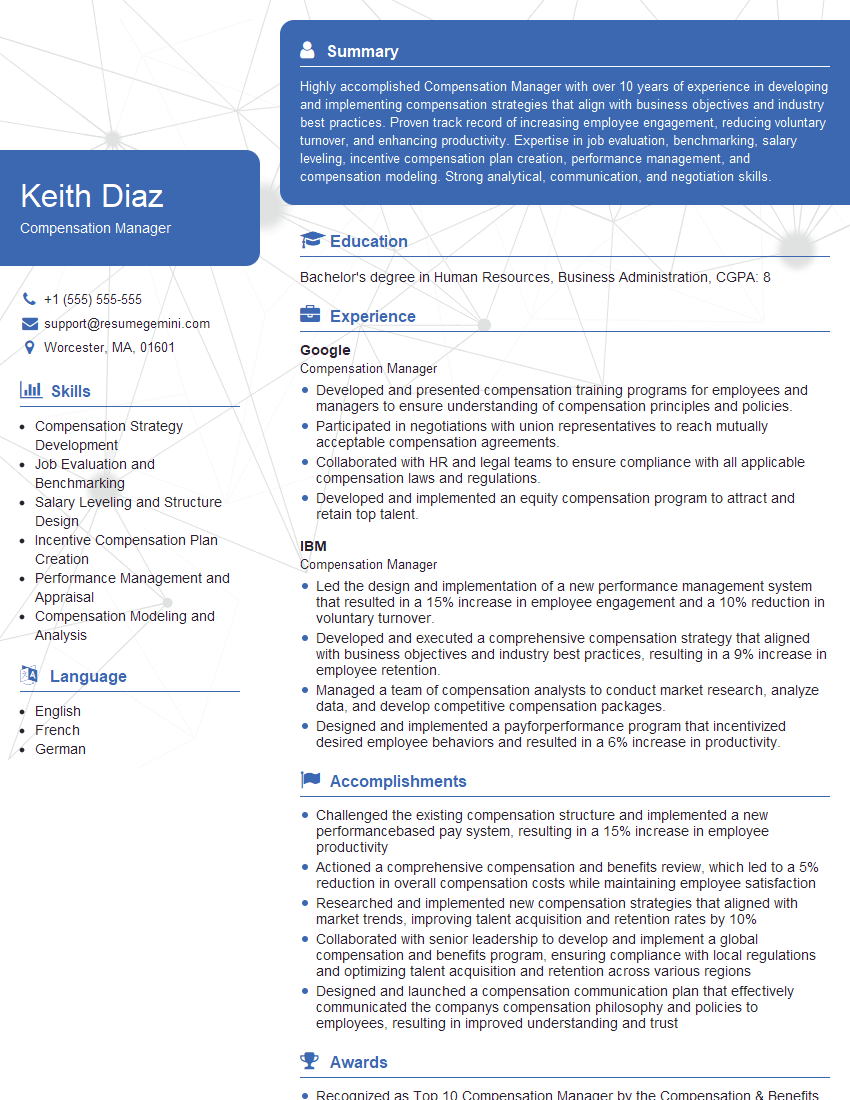
Compensation Manager Resume Sample
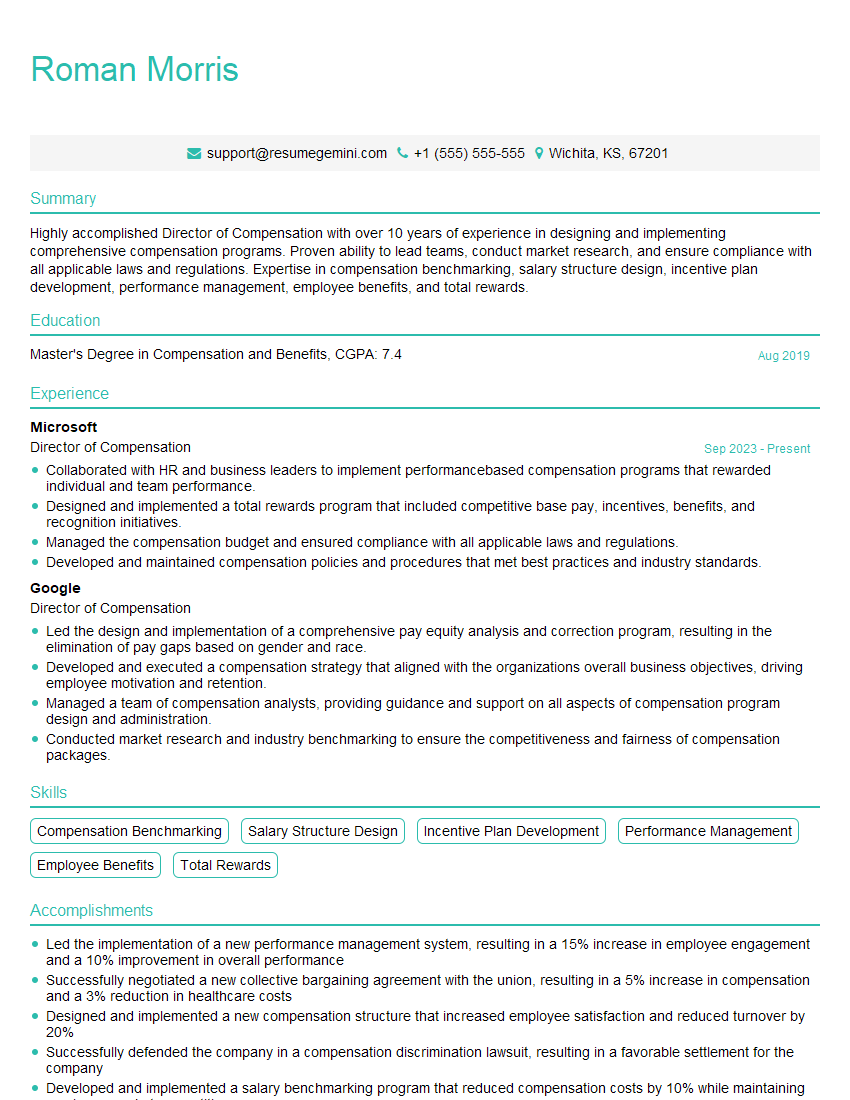
Director of Compensation Resume Sample
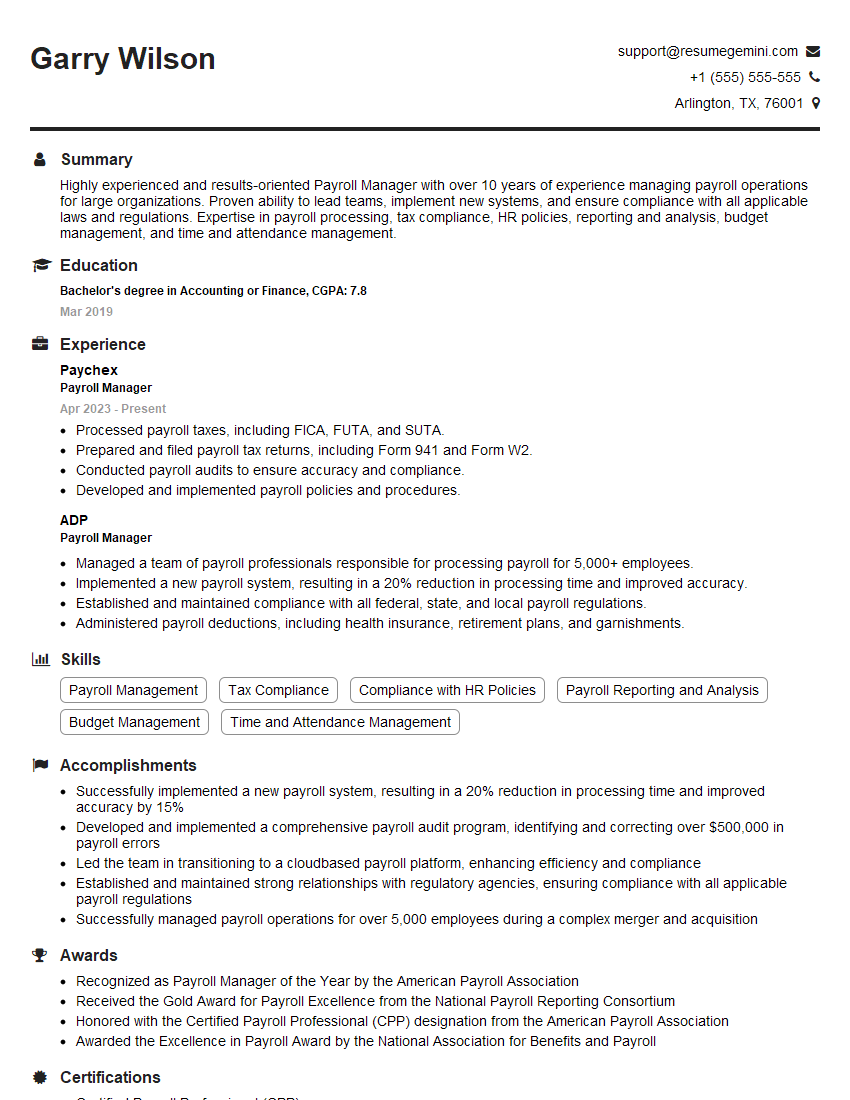
Payroll Manager Resume Sample
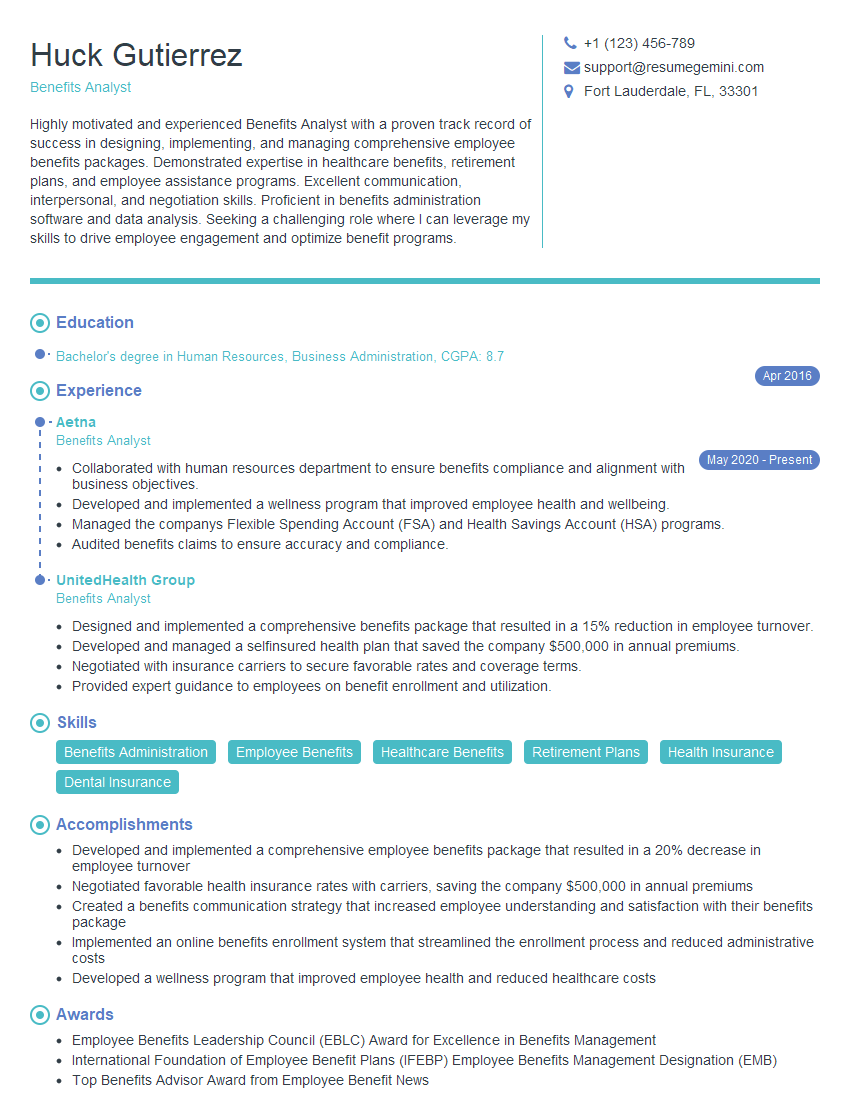
Benefits Analyst Resume Sample
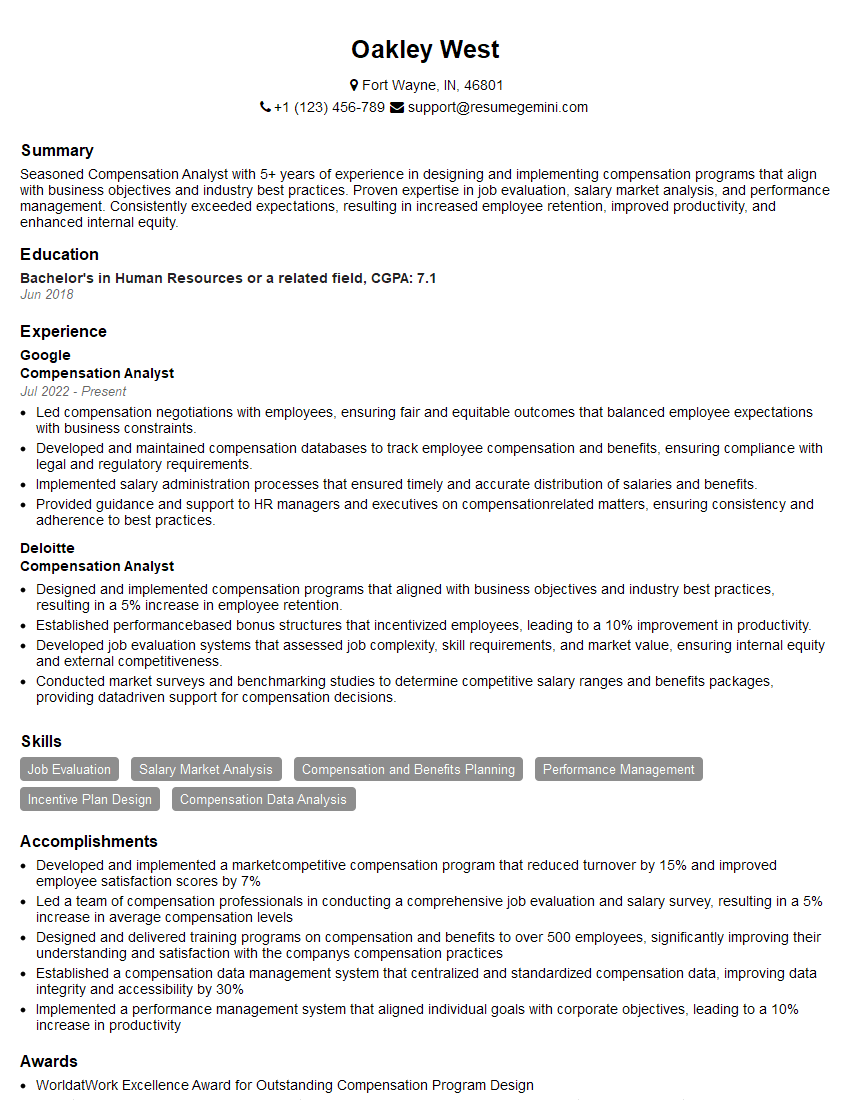
Compensation Analyst Resume Sample
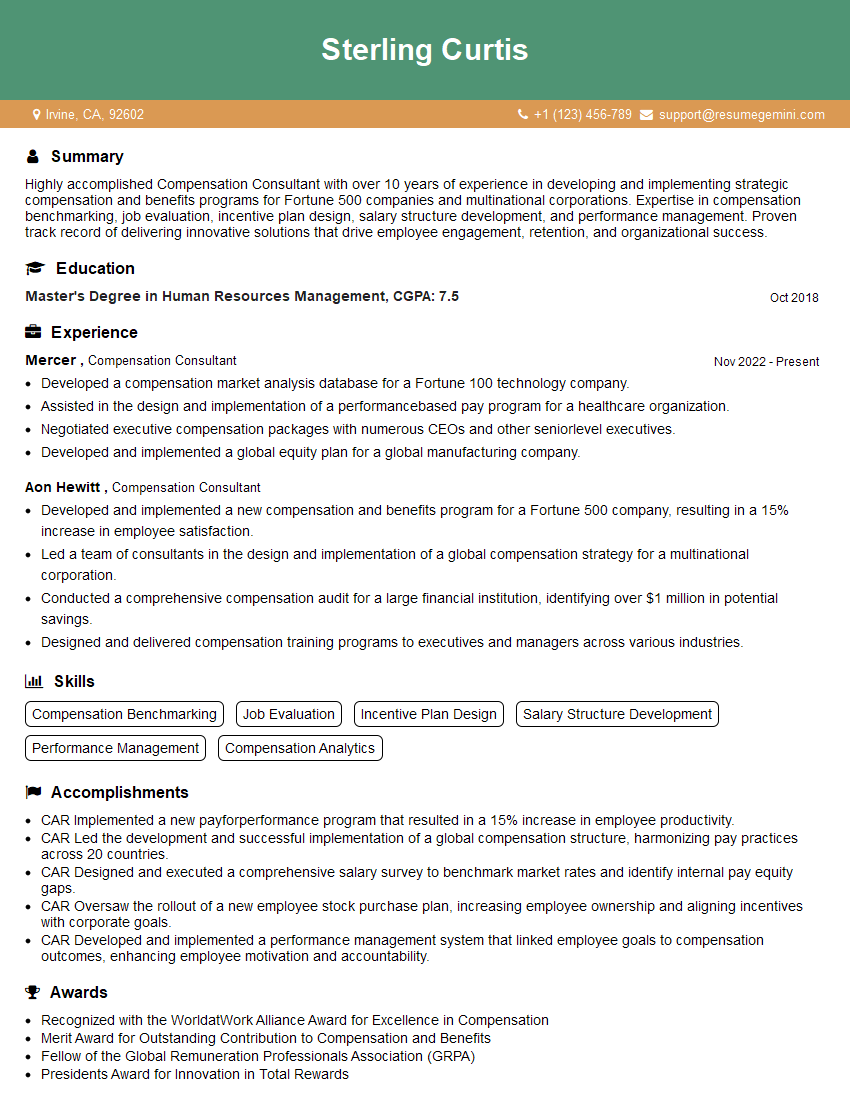
Compensation Consultant Resume Sample
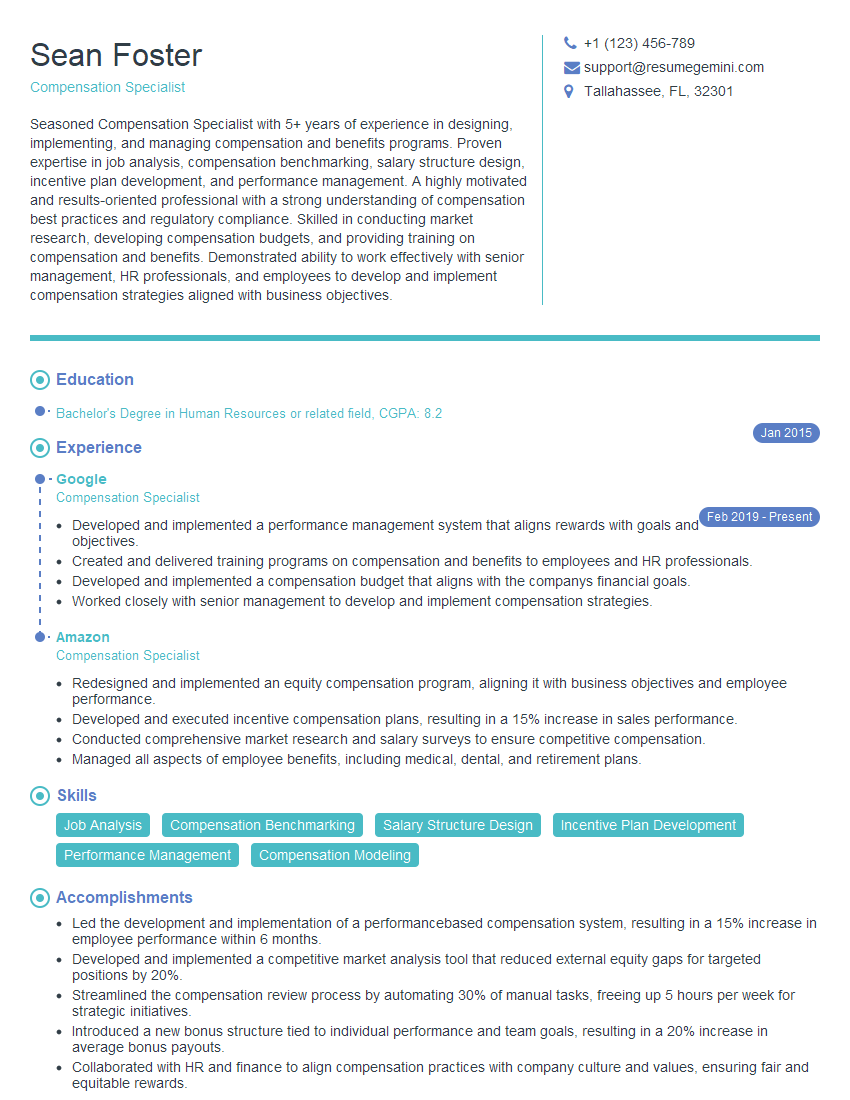
Compensation Specialist Resume Sample
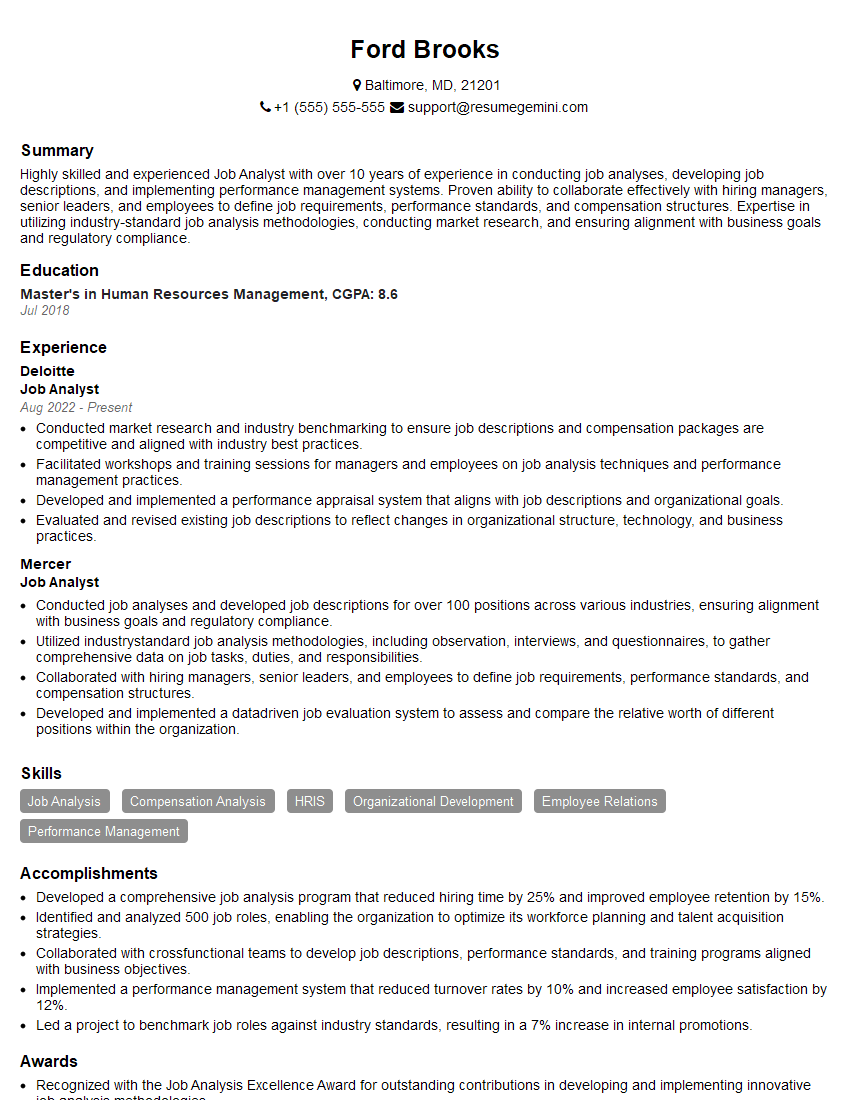
Job Analyst Resume Sample
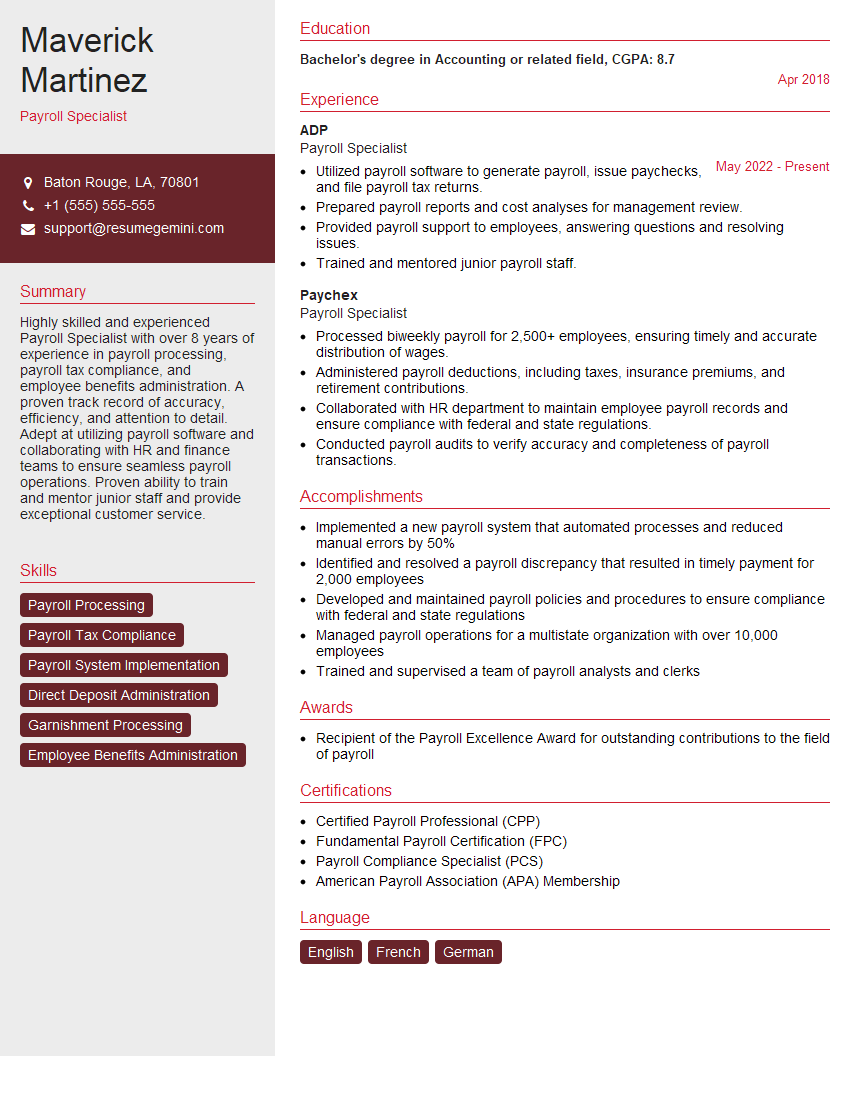
Payroll Specialist Resume Sample
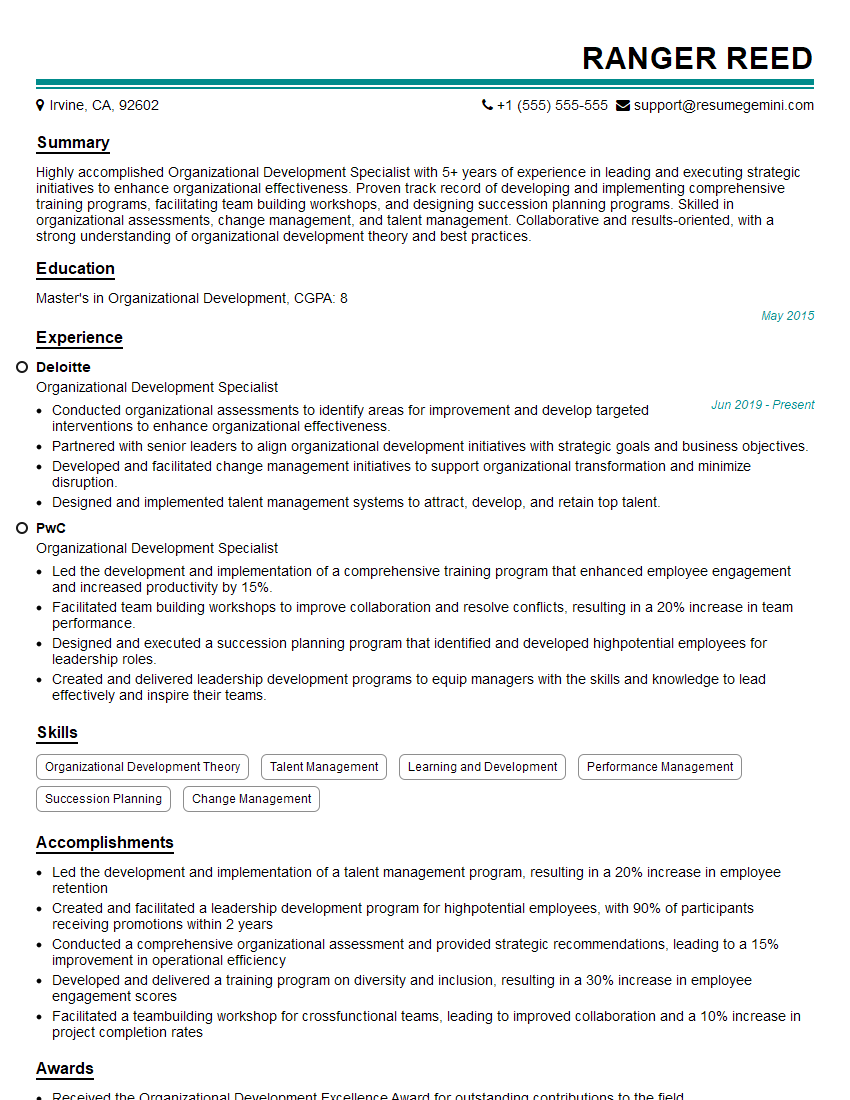
Organizational Development Specialist Resume Sample
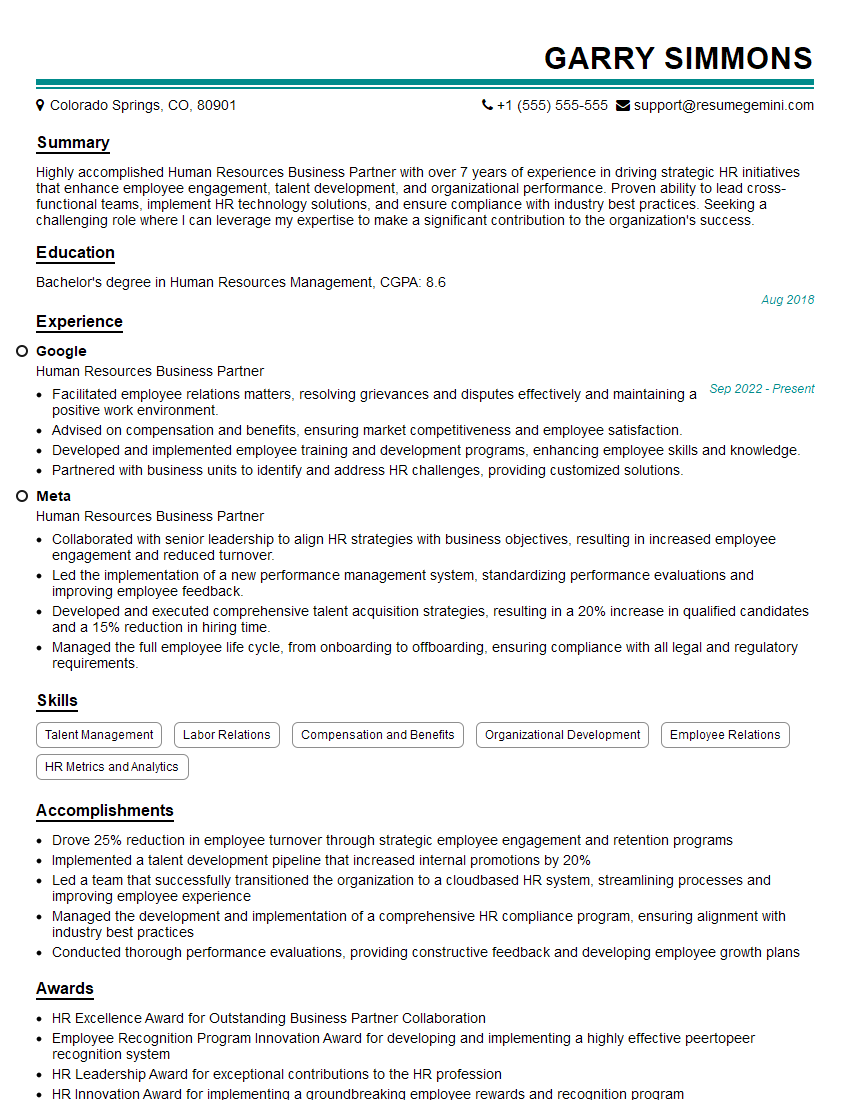
Human Resources Business Partner Resume Sample
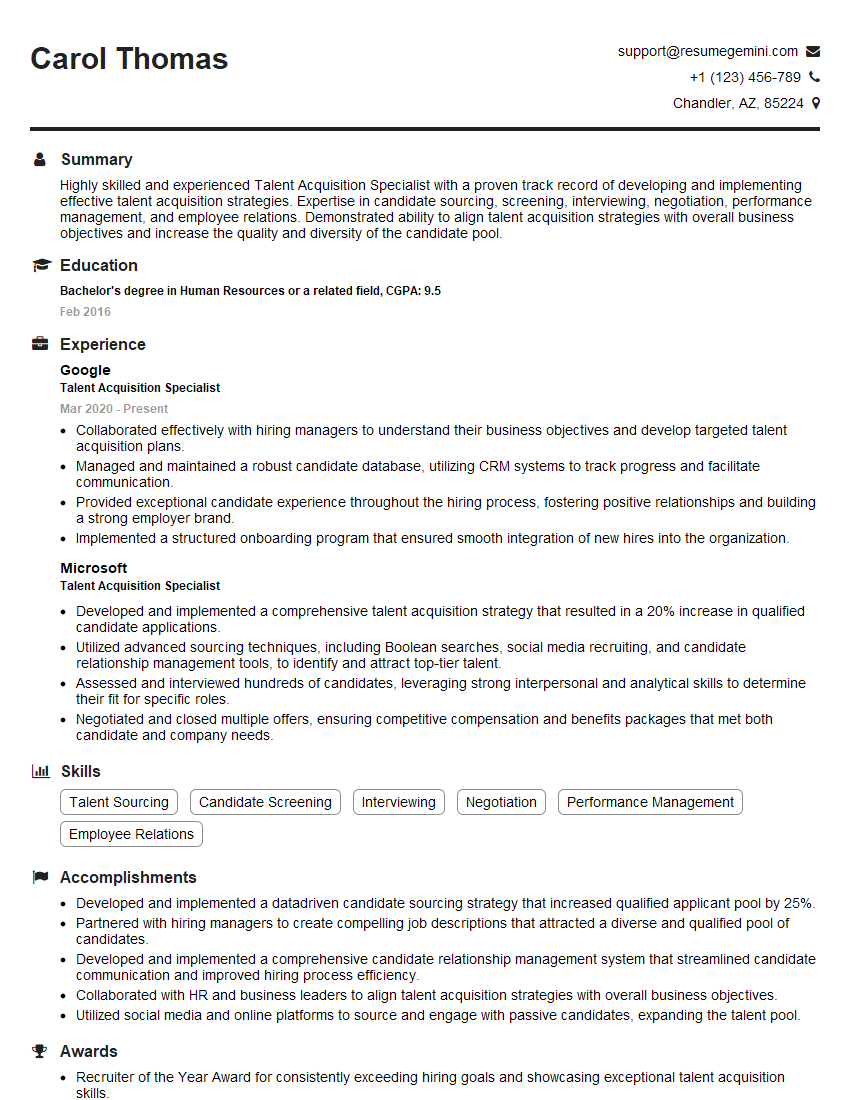
Talent Acquisition Specialist Resume Sample
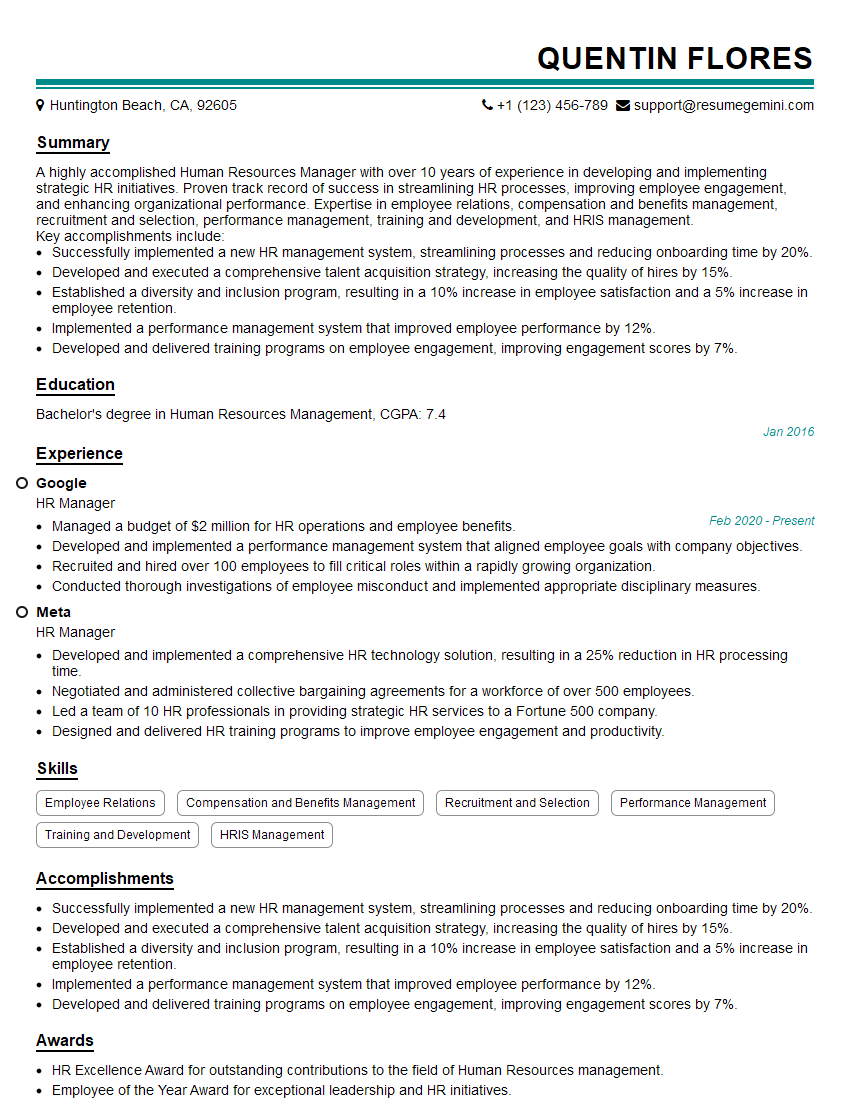
HR Manager Resume Sample
- Benefits Manager
- Compensation Director
- Compensation Manager
- Director of Compensation
- Payroll Manager
- Benefits Analyst
- Compensation Analyst
- Compensation Consultant
- Compensation Specialist
- Job Analyst
- Payroll Specialist
- Organizational Development Specialist
- Human Resources Business Partner
- Talent Acquisition Specialist
- HR Manager
Explore more articles
Users Rating of Our Blogs
Share Your Experience
We value your feedback! Please rate our content and share your thoughts (optional).
What Readers Say About Our Blog
Very informative content, great job.
good