Preparation is the key to success in any interview. In this post, we’ll explore crucial Kennel Management and Hygiene interview questions and equip you with strategies to craft impactful answers. Whether you’re a beginner or a pro, these tips will elevate your preparation.
Questions Asked in Kennel Management and Hygiene Interview
Q 1. Describe your experience with kennel cleaning and sanitation protocols.
My kennel cleaning and sanitation protocols are rigorous and adhere to the highest standards to prevent disease transmission. We employ a multi-step process starting with removing all waste and debris. This includes thoroughly cleaning food and water bowls, removing soiled bedding, and removing any fecal matter or urine. Following waste removal, we perform a thorough disinfection of all surfaces using EPA-registered disinfectants, paying close attention to high-traffic areas and spaces prone to bacteria build-up, such as food preparation areas. We also employ regular deep cleaning schedules involving scrubbing, rinsing, and disinfecting all enclosures, including walls, floors, and any fixtures. Finally, we ensure proper ventilation and air circulation to prevent mold and mildew growth. We meticulously document all cleaning activities and disinfectant use for traceability and compliance.
For example, in one instance, we identified a particularly stubborn strain of bacteria in a specific kennel. We immediately isolated that kennel, implemented a more intensive cleaning protocol using a stronger disinfectant solution, and then monitored the situation closely. Through careful documentation and vigilant cleaning, we successfully eradicated the bacterial issue, preventing its spread and protecting the health of other animals.
Q 2. What are the key signs of disease or illness in animals, and how would you respond?
Recognizing signs of illness is crucial for timely intervention. Key indicators can include lethargy, loss of appetite, changes in bowel movements (diarrhea or constipation), coughing or sneezing, nasal discharge, changes in urination, unusual skin conditions (rashes, sores), limping or difficulty walking, and changes in behavior such as increased aggression or withdrawal. I’m trained to observe subtle changes in animals’ behavior and physical condition.
My response would involve immediately isolating the affected animal to prevent contagion, carefully documenting the observed symptoms, and contacting the veterinarian immediately. We follow strict protocols for handling sick animals, using appropriate personal protective equipment (PPE) such as gloves and masks. Treatment would be administered under veterinary guidance.
For instance, I once noticed a dog exhibiting lethargy and loss of appetite. Upon closer examination, I found a slight limp. I immediately isolated the dog, informed the veterinarian, and followed their instructions for care. Early detection and prompt veterinary intervention led to a swift recovery.
Q 3. Explain your understanding of quarantine procedures in a kennel setting.
Quarantine procedures are essential in preventing disease outbreaks. Newly admitted animals, regardless of their health status, are initially placed in a separate, designated quarantine area for a specific duration, usually 7-14 days. This period allows us to monitor them closely for any signs of illness and to prevent exposure to other animals. We strictly control access to the quarantine area and ensure thorough cleaning and disinfection of the area between each animal’s stay.
During the quarantine period, we monitor the animals closely, observing for any symptoms. We also perform routine health checks and may perform tests as recommended by the veterinarian. Only after clearing the quarantine period without any signs of illness, can the animals be integrated into the general kennel population.
Think of it like a hotel’s safety precautions. Before allowing guests to use the facilities, they go through a check-in process. This ensures the safety of other guests and the facility.
Q 4. How do you maintain accurate animal records and handle data entry?
Maintaining accurate animal records is crucial for responsible animal care. We utilize a comprehensive database system, where each animal has a dedicated profile containing details such as breed, age, vaccination history, medical records (including any allergies or pre-existing conditions), arrival and departure dates, and any specific care instructions. Data entry is performed meticulously, with regular backups to ensure data integrity. We ensure that all data is secure and complies with privacy regulations.
The system allows for efficient record retrieval, facilitating seamless transitions and quick access to crucial information, for example, during emergencies or for communicating with owners. We regularly audit the database to ensure accuracy and compliance.
Q 5. What methods do you use to ensure the safety of both animals and staff?
Ensuring the safety of both animals and staff is paramount. We employ strict safety protocols, including regular training on animal handling techniques, and the use of appropriate PPE such as gloves, masks, and protective eyewear. We ensure all kennels and facilities are structurally sound, free from hazards, and regularly inspected. We conduct regular safety drills and maintain detailed emergency response plans. We stress safe handling practices with the animals to ensure minimal risk of bites or scratches.
Staff members receive training on recognizing signs of aggression in animals and safe ways to handle those situations, including the use of muzzles when necessary. For example, we have a clear protocol for handling animals known to be aggressive, including the use of specialized handling equipment and a designated staff member trained to interact with them.
Q 6. Describe your experience with different animal breeds and their specific needs.
My experience encompasses a wide range of breeds, from small, delicate breeds like Chihuahuas that require gentle handling to large, powerful breeds like Great Danes, who need appropriate space and exercise. I understand the diverse dietary needs, grooming requirements, and exercise tolerances of various breeds. For example, brachycephalic breeds like Bulldogs have unique respiratory challenges that require specific environmental considerations such as temperature and humidity control. Similarly, breeds prone to certain medical conditions need more attentive care and monitoring.
I stay updated on breed-specific information through professional development and resources and adapt my care approach to meet the unique needs of each animal. This means customizing dietary plans, exercise regimes, and overall care based on the individual breed and the animal’s specific needs and health status.
Q 7. How would you handle an aggressive or fearful animal in the kennel?
Handling aggressive or fearful animals requires a calm, patient, and knowledgeable approach. We prioritize safety for both the animal and the handler. We avoid sudden movements or loud noises which might trigger aggression or fear. We use positive reinforcement techniques when possible and employ appropriate restraint methods only when necessary and under guidance from our veterinary team, always prioritizing the animal’s welfare. We assess each animal’s body language to anticipate potential reactions.
For example, for a fearful animal, we might use a slow, calm approach, offering treats or toys from a distance to build trust. For an aggressive animal, we might use appropriate protective equipment like muzzles and utilize a calm voice and slow movements to minimize risk.
In cases of severe aggression, professional animal behaviorists are consulted to develop a tailored management plan that helps address the root causes of the animal’s aggressive behavior.
Q 8. How do you manage stress and maintain a positive attitude in a high-pressure environment?
Maintaining a positive attitude in a high-pressure kennel environment is crucial for both my well-being and the animals’ welfare. I manage stress through a multi-pronged approach. Firstly, I prioritize effective time management. This involves creating detailed daily schedules that account for all tasks, from cleaning to animal care, and adhering to them as closely as possible. This prevents feeling overwhelmed by a never-ending to-do list. Secondly, I believe in proactive problem-solving. Anticipating potential issues – such as a particularly aggressive dog during feeding time – allows me to develop strategies in advance, reducing stress during the actual event. For example, I might use a separate feeding area for that dog to minimize conflict. Thirdly, and just as importantly, I prioritize self-care. This includes taking regular breaks, ensuring sufficient sleep, and engaging in activities outside of work that help me de-stress and recharge, such as hiking or spending time with loved ones. Finally, I cultivate a supportive team environment. Open communication and mutual respect among staff members are essential to navigate stressful situations effectively. A collaborative spirit ensures that challenges are tackled as a team, lessening the individual burden.
Q 9. Explain your knowledge of various kennel equipment (e.g., cleaning supplies, feeding systems).
My knowledge of kennel equipment encompasses a wide range of tools and technologies vital for efficient and hygienic kennel management. Cleaning supplies include high-quality disinfectants, specifically chosen for their effectiveness against common canine pathogens, such as E. coli and Salmonella. We use enzymatic cleaners to break down organic matter, and hospital-grade disinfectants to eliminate harmful bacteria and viruses. Furthermore, I am proficient in using various cleaning equipment, including autoclaves for sterilization, pressure washers for thorough cleaning of outdoor runs, and specialized brushes and mops suitable for different surfaces. In terms of feeding systems, I am familiar with both automated and manual feeding methods. Automated systems offer benefits in terms of consistency and efficiency, particularly in larger kennels. However, they require regular maintenance and monitoring. Manual feeding allows for more individualized attention, which is important for animals with special dietary needs or health concerns. We use stainless steel bowls for easy cleaning and to prevent bacterial growth. I also have experience with different types of water bowls, ranging from automatic waterers to individual bowls, always choosing the appropriate option depending on the breed and age of the animals.
Q 10. How do you prevent and control the spread of infectious diseases within a kennel?
Preventing and controlling infectious diseases within a kennel is paramount. Our approach is multi-faceted and begins with strict biosecurity protocols. This includes implementing a thorough quarantine procedure for all new animals, isolating them for a minimum of 14 days to observe for any signs of illness before introducing them to the general population. Regular health checks and vaccinations are mandatory, tailored to each dog’s age and breed, adhering to veterinary recommendations. We also maintain a rigorous cleaning and disinfection schedule, focusing on high-touch surfaces and areas prone to contamination, using EPA-registered disinfectants appropriate for canine use. Staff members are trained in proper hygiene practices, including handwashing protocols and the correct use of Personal Protective Equipment (PPE) such as gloves and gowns when handling potentially infected animals or cleaning contaminated areas. Additionally, we monitor animals closely for any signs of illness and immediately isolate any animal exhibiting symptoms to prevent further spread. We maintain detailed health records for each animal, which allows us to track disease patterns and identify any potential outbreaks early. Regular pest control measures also help prevent the spread of certain diseases carried by vectors such as fleas or ticks. Finally, we maintain open communication with our veterinary partners to seek guidance and support during any potential outbreaks.
Q 11. Describe your experience with animal handling and restraint techniques.
Safe and effective animal handling is fundamental to my work. I am experienced in handling a wide variety of dog breeds, from small and timid to large and potentially aggressive animals. My approach is always calm, patient, and respectful, aiming to minimize stress for the animal. I employ positive reinforcement techniques, using treats and praise to encourage cooperation. When restraint is necessary for medical procedures or other essential tasks, I utilize appropriate techniques to ensure both the animal’s safety and my own. For example, I am skilled in different types of muzzling techniques, using only humane and properly fitted muzzles. I also utilize other restraint methods like towel wraps or gentle scruffing techniques for smaller dogs only when necessary and always with the utmost care and awareness of avoiding any injury. I am always mindful of body language and adjust my techniques to suit the individual animal. Experience allows me to quickly assess each animal’s temperament and choose the most appropriate handling methods. Ongoing professional development ensures I keep my skills and knowledge up-to-date. Continuous learning in this area is critical to maintaining high standards of animal welfare.
Q 12. How do you ensure the proper disposal of animal waste and other biohazardous materials?
Proper disposal of animal waste and biohazardous materials is crucial for maintaining a hygienic and safe environment. We adhere to strict protocols to prevent the spread of disease and protect both animal and human health. All animal waste is collected regularly and disposed of in sealed, designated containers. These containers are regularly emptied and the waste is disposed of according to local regulations, which may involve specialized waste removal services for biohazardous materials. Used bedding, litter, and other contaminated materials are also disposed of in a safe and responsible manner. We avoid direct contact with waste as much as possible using appropriate PPE and cleaning equipment. Sharp objects such as needles or broken glass are handled with extreme care and disposed of in designated puncture-resistant containers. All staff members receive comprehensive training on proper waste disposal procedures, emphasizing the importance of hygiene and safety. We maintain thorough records documenting waste disposal procedures to ensure compliance with local and national regulations. Regular audits and inspections help to ensure that our practices are consistently safe and effective.
Q 13. What is your experience with kennel design and layout for optimal animal welfare?
Kennel design and layout significantly impact animal welfare and operational efficiency. Optimal designs prioritize individual animal needs, minimizing stress and promoting enrichment. This means providing appropriate space for each animal, considering size and breed characteristics. Separate areas for quarantine, sick animals, and socialized groups are essential for infection control and minimizing stress in animals. Outdoor runs should provide opportunities for exercise and environmental stimulation, while indoor kennels should offer comfortable, clean, and secure resting areas. The layout should also be designed for easy cleaning and disinfection, with smooth surfaces, appropriate drainage, and access to utilities. Ideally, a well-designed kennel allows for efficient workflow, minimizing the time staff spend on tasks such as cleaning and feeding, allowing for more direct animal interaction. I’ve worked with kennels that incorporated natural light, ventilation, and sound-dampening features, which contribute greatly to minimizing stress levels and promoting animal welfare. Designing for ease of movement and accessibility for both staff and animals is also key to efficient operations. In my experience, the right layout ensures a happier, healthier environment for both the animals and the staff.
Q 14. How do you comply with all relevant health and safety regulations?
Compliance with health and safety regulations is non-negotiable. We maintain meticulous records documenting all aspects of our operations, ensuring that we meet all local, state, and federal requirements. This includes maintaining accurate records of animal health, vaccinations, and treatments; documented cleaning and disinfection protocols; and thorough training records for all staff members on relevant safety procedures and handling protocols. We conduct regular safety inspections to identify and address any potential hazards promptly. We ensure that our facility is properly licensed and that we adhere to all relevant building codes and environmental regulations. I actively participate in professional development to stay informed about changes in legislation and best practices. We work closely with local animal control authorities and veterinary services to ensure that our practices align with current guidelines and regulations. This proactive approach not only ensures the safety and well-being of our animals but also fosters trust and transparency with the wider community. Our commitment to compliance goes beyond merely meeting minimum standards; we continuously strive to exceed expectations, ensuring a safe and healthy environment for both animals and staff.
Q 15. What is your understanding of animal nutrition and feeding schedules?
Animal nutrition is fundamental to kennel management. It’s about providing the right balance of nutrients – proteins, carbohydrates, fats, vitamins, and minerals – to support each animal’s specific life stage, breed, and activity level. Feeding schedules depend on these factors. For example, a growing puppy needs a higher calorie diet than a senior dog, and a highly active breed will require more energy than a sedentary one.
I always tailor feeding plans to individual needs. This involves consulting with veterinarians, analyzing food labels to understand nutrient content, and carefully monitoring each animal’s weight and body condition. For instance, I use body condition scoring charts to assess if an animal is underweight, overweight, or ideal. Portion sizes and feeding frequency are adjusted accordingly. I also ensure fresh water is always available.
Implementing a clear feeding schedule ensures consistency and helps prevent digestive upset. I typically create a schedule that accounts for each animal’s specific needs, including multiple smaller meals for puppies or dogs with sensitive stomachs versus one or two larger meals for adults. Thorough record-keeping is vital – I meticulously document each animal’s diet, intake, and any observed changes in appetite or stool consistency, which are key indicators of health.
Career Expert Tips:
- Ace those interviews! Prepare effectively by reviewing the Top 50 Most Common Interview Questions on ResumeGemini.
- Navigate your job search with confidence! Explore a wide range of Career Tips on ResumeGemini. Learn about common challenges and recommendations to overcome them.
- Craft the perfect resume! Master the Art of Resume Writing with ResumeGemini’s guide. Showcase your unique qualifications and achievements effectively.
- Don’t miss out on holiday savings! Build your dream resume with ResumeGemini’s ATS optimized templates.
Q 16. How do you assess the overall health and well-being of the animals in your care?
Assessing animal health and well-being involves a holistic approach. It’s not just about the absence of disease, but ensuring they are thriving. My daily routine includes visual inspections of each animal, checking for any signs of illness – such as lethargy, unusual discharges, changes in appetite or elimination, skin conditions, or limping. I use a systematic approach, starting with observing their behavior, body posture, and coat condition.
Beyond visual inspection, I monitor weight regularly and record it, noting any significant changes. I also check their fecal matter for signs of parasites. If I detect any abnormalities, I promptly consult with a veterinarian. Regular preventative care, like vaccinations and parasite control, is crucial. I also create detailed health records for each animal, documenting their history, vaccinations, treatments, and any health concerns.
I pay close attention to environmental factors as well. Cleanliness, proper ventilation, and appropriate temperature control are paramount. Providing appropriate enrichment activities – such as toys, puzzle feeders, and social interaction (depending on the dog’s temperament and socialization history) – is crucial for their psychological well-being.
Q 17. Describe your experience with managing kennel inventory and supplies.
Efficient inventory management is critical in a kennel. I use a combination of methods to keep track of supplies. I maintain a detailed inventory list, both physical and digital, that includes everything from food and bedding to cleaning supplies and medications. This list specifies the quantity, supplier, and reorder point for each item. I regularly check stock levels and place orders well in advance to avoid running out of essential supplies. A robust inventory system minimizes waste and ensures we always have the necessary items on hand.
I use a first-in, first-out (FIFO) system for food and perishable items, to minimize spoilage. I regularly inspect all supplies for expiration dates and quality. For example, if I notice damage or spoilage, I immediately remove the affected items and record the incident, which helps track potential supply chain issues and prevent further losses. This detailed approach ensures we maintain optimal hygiene and prevent supply shortages.
Cost control is also a major aspect of inventory management. I regularly compare prices from different suppliers to negotiate better deals and explore cost-effective alternatives without compromising quality. I keep track of spending on supplies and analyze the data to identify potential areas for cost savings.
Q 18. How do you train and supervise kennel staff to maintain high standards?
Staff training is an ongoing process. I begin by outlining the kennel’s hygiene and animal welfare protocols. This includes detailed procedures for cleaning and disinfecting, handling animals safely and correctly, recognizing signs of illness, and administering medications. I create detailed training manuals with step-by-step instructions and diagrams. I provide regular hands-on training sessions and practice drills to reinforce these protocols.
I use role-playing and real-life scenarios to prepare staff for various situations, such as handling an aggressive dog or dealing with a medical emergency. Regular staff meetings are essential for discussing best practices, addressing challenges, and reinforcing safety procedures. We also use continuing education opportunities to keep staff updated on the latest advancements in animal care and hygiene. Ongoing feedback and performance reviews are conducted regularly to identify areas for improvement.
I foster a culture of collaboration and open communication. My staff knows that asking questions and voicing concerns is encouraged. Supervising staff involves regular observations, ensuring compliance with established protocols and providing timely support and guidance to maintain consistency in animal care.
Q 19. What are the common parasites and diseases affecting animals in a kennel environment?
Kennel environments can be breeding grounds for parasites and diseases if not properly managed. Common parasites include fleas, ticks, mites, and intestinal worms. These can cause significant health problems, ranging from skin irritation to severe anemia. Diseases such as kennel cough (canine infectious tracheobronchitis), parvovirus, and distemper are highly contagious and can spread rapidly in group settings.
Preventative measures are crucial. These include regular parasite control programs using appropriate medications, rigorous cleaning and disinfection protocols to eliminate parasites and pathogens, and effective quarantine procedures for new animals. Strict vaccination protocols are essential to protect against contagious diseases. Isolation of sick animals is critical to prevent the spread of infection within the kennel. I work closely with the veterinarian to develop and implement a comprehensive disease prevention and control plan.
Early detection is key. Regular health checks, vigilant monitoring for signs of illness, and prompt veterinary intervention are essential for effective disease management. Detailed record-keeping of each animal’s health history, including vaccinations and treatments, helps track potential outbreaks and implement effective control measures.
Q 20. How do you handle customer inquiries and complaints effectively?
Handling customer inquiries and complaints professionally and efficiently is vital for maintaining a positive reputation. I ensure all inquiries are responded to promptly and courteously, whether by phone, email, or in person. I provide clear and accurate information about our services, pricing, and kennel policies. I use active listening skills to understand the customer’s needs and concerns.
When dealing with complaints, I remain calm, empathetic, and professional. I listen carefully to the customer’s concerns without interrupting. I apologize sincerely for any inconvenience caused, even if it’s not directly our fault. I then investigate the complaint thoroughly and take appropriate action to resolve the issue. This may involve adjusting services, offering refunds, or improving our practices.
I document all customer interactions, including complaints, and any corrective actions taken. This documentation aids in identifying recurring issues and making improvements to our processes. Customer feedback is invaluable; it helps us continually improve our services and maintain high standards of customer satisfaction.
Q 21. What is your understanding of the legal responsibilities related to kennel operations?
Kennel operations are subject to various legal and regulatory requirements that vary by location. It’s essential to be fully compliant with all applicable laws and regulations. These typically include licensing requirements, zoning regulations, animal welfare laws, and health and safety standards. These laws often dictate minimum standards for kennel size, sanitation, ventilation, animal care, and staff training.
Understanding and adhering to these regulations is non-negotiable. This includes obtaining the necessary licenses and permits, ensuring our facilities meet all building codes and safety regulations, and complying with animal welfare standards. We have to maintain accurate records of all animals in our care, including their health records, vaccination history, and any treatments administered. Regular inspections by animal welfare authorities are anticipated and prepared for.
Staying informed about changes in legislation and regulations is crucial. I regularly consult relevant legal resources and attend industry conferences to stay updated on any changes that may impact kennel operations. Compliance is not just about avoiding penalties; it’s about ensuring the well-being of the animals and building a reputable business.
Q 22. How do you enforce kennel policies and procedures?
Enforcing kennel policies and procedures requires a multi-pronged approach that combines clear communication, consistent monitoring, and appropriate disciplinary action when necessary. It starts with creating a comprehensive policy manual that’s easily accessible to all staff. This manual should clearly outline expectations for animal care, hygiene protocols, safety procedures, and emergency response.
Training and Education: All staff, from kennel assistants to managers, receive thorough training on these policies. This includes hands-on demonstrations and regular refresher courses. For example, we conduct monthly quizzes to ensure everyone retains crucial information on disease prevention and handling techniques.
Regular Audits and Inspections: Surprise inspections are conducted to ensure adherence to procedures. This keeps staff vigilant and helps identify areas for improvement. We use checklists that cover everything from cleanliness of kennels to proper medication administration.
Clear Communication Channels: Open communication is vital. Staff are encouraged to report any issues or concerns without fear of retribution. Regular staff meetings provide a platform to address concerns and reinforce policy.
Progressive Discipline: For repeated violations, a progressive disciplinary system is in place, starting with verbal warnings, written warnings, and ultimately, termination in severe cases. Documentation is meticulously kept to ensure fairness and consistency.
For instance, if a staff member consistently fails to properly disinfect equipment, we’d first address it with a verbal warning, followed by written documentation and additional training. Continued negligence would lead to more serious consequences. This structured approach ensures everyone understands the importance of adhering to procedures and maintains the high standards of animal welfare we strive for.
Q 23. Describe your experience with emergency procedures in a kennel setting.
Emergency procedures are paramount in a kennel setting. My experience encompasses handling various scenarios, from minor injuries to life-threatening situations. We have detailed emergency protocols for everything from heatstroke and choking to allergic reactions and severe illness. These protocols are regularly reviewed and updated based on best practices and any lessons learned from past incidents.
Training and Drills: Staff participate in regular emergency drills to familiarize themselves with procedures. These drills cover scenarios like evacuations, handling aggressive animals during emergencies, and administering first aid. We even simulate power outages to ensure preparedness for various unexpected events.
Emergency Contact List: We maintain an up-to-date list of emergency contacts including veterinarians, animal rescue services, and specialized clinics. Knowing who to call and how quickly is crucial.
Designated Emergency Equipment: A well-stocked first-aid kit, oxygen tanks, and appropriate restraint equipment are readily accessible in designated locations throughout the facility. Regular checks ensure all items are in working order.
Documentation: Thorough documentation is critical. Detailed records are kept for each emergency incident, including the time, the animal involved, the actions taken, and the outcome. This data helps us improve our response protocols and identify areas for improvement.
For example, one time, a dog suffered a severe allergic reaction. Our staff followed the emergency protocol to the letter: administering the antihistamine from the first-aid kit, contacting the veterinarian immediately, and providing continuous monitoring until the vet arrived. The detailed documentation of this event helped us refine our procedures and enhance our emergency response capabilities.
Q 24. How do you monitor and maintain appropriate environmental conditions (temperature, humidity)?
Maintaining appropriate environmental conditions is crucial for animal welfare and disease prevention. This involves careful monitoring and adjustments to temperature and humidity levels, especially considering the diverse needs of different animal breeds and species.
Monitoring Systems: We utilize digital thermometers and hygrometers strategically placed throughout the kennel to provide real-time data on temperature and humidity. Data loggers provide historical records for analysis and compliance purposes.
Climate Control: The kennel is equipped with climate control systems, including heating and cooling units, to regulate temperature effectively. We also strategically use fans for improved air circulation, especially in warmer months.
Species-Specific Needs: Different species have varying temperature and humidity requirements. For example, reptiles require specific temperature gradients within their enclosures, while certain breeds of dogs are more susceptible to heatstroke. We tailor our climate control strategies to meet these specific needs.
Regular Maintenance: Regular maintenance of the climate control systems is essential to ensure their effectiveness and prevent breakdowns. We have a preventative maintenance schedule in place and engage qualified technicians for regular inspections and repairs.
For instance, during particularly hot summer months, we adjust the cooling system to maintain cooler temperatures for our canine residents and add extra fans to increase air circulation. For reptiles, we have specific thermostats and heat lamps to ensure they maintain their optimal temperature ranges.
Q 25. What is your approach to managing a diverse population of animals within the kennel?
Managing a diverse population of animals requires careful planning and a deep understanding of animal behavior. It’s essential to consider size, breed, temperament, and potential compatibility issues.
Individualized Care Plans: Each animal has a customized care plan outlining their specific needs, including diet, exercise, and enrichment activities. For example, a shy dog may require a quieter kennel area, while a playful puppy might need more frequent interaction.
Visual Barriers and Spatial Organization: The kennel design incorporates visual barriers to minimize stress from interactions between incompatible animals. We strategically position kennels to manage the flow of animals and limit potentially stressful encounters. This includes separating dominant animals and those exhibiting aggression.
Socialization and Enrichment: When appropriate, we introduce controlled socialization opportunities under close supervision. This might involve supervised play sessions for compatible dogs or providing enrichment activities to stimulate mental and physical well-being, such as puzzle feeders or interactive toys.
Staff Training: Staff receive comprehensive training in animal handling techniques, recognizing signs of stress and aggression, and implementing appropriate behavior modification strategies. They learn to adapt their approach based on the individual animal’s needs and temperament.
For example, we might pair a friendly, calm dog with a nervous newcomer to help the latter adjust to the kennel environment. However, we’d carefully monitor this interaction and separate them if any signs of stress or aggression emerge.
Q 26. Describe your experience with record-keeping and reporting of animal health status.
Accurate and thorough record-keeping is fundamental to responsible animal care. We maintain detailed records on each animal’s health status, including vaccination history, medical treatments, and any observed behavioral changes.
Electronic and Paper Records: We use a combination of electronic and paper-based systems for record-keeping. Electronic records offer ease of access and efficient data management, while paper records serve as a backup and can be readily accessed in case of technology failures.
Standardized Forms and Templates: We use standardized forms and templates to ensure consistency and completeness in recording information. These forms capture all relevant details, including the date, the animal’s ID, the procedure performed, and any observations.
Data Security and Privacy: Data security and privacy are paramount. Electronic records are password-protected, and physical records are stored securely. We comply with all relevant data privacy regulations.
Regular Reporting: We generate regular reports summarizing animal health status, including any outbreaks of disease, unusual behavioral patterns, or other significant events. These reports are used for internal monitoring and are shared with the veterinary team when necessary.
For instance, if an animal shows signs of illness, the details are recorded, including symptoms, treatment administered, and the veterinary professional’s recommendations. This creates a complete medical history for each animal, allowing for better care and efficient communication with veterinary professionals.
Q 27. How do you ensure the cleanliness and disinfection of kennel equipment and surfaces?
Maintaining cleanliness and disinfection is crucial for disease prevention and maintaining a healthy environment for the animals. This requires a rigorous cleaning and disinfection protocol that is meticulously followed by all staff.
Daily Cleaning: Kennels are cleaned and disinfected daily. This includes removing feces and urine, cleaning food and water bowls, and spot cleaning any soiled areas. We use environmentally safe and animal-friendly cleaning agents.
Regular Deep Cleaning: More thorough deep cleaning is performed on a regular schedule, typically weekly or bi-weekly, depending on the area and level of use. This includes scrubbing and disinfecting all surfaces, including walls, floors, and equipment.
Disinfection Protocols: We follow strict disinfection protocols, using EPA-registered disinfectants that are effective against a broad range of pathogens. We carefully follow the manufacturer’s instructions to ensure proper dilution and contact time.
Equipment Sanitization: All equipment, such as food bowls, grooming tools, and cleaning equipment, is regularly sanitized to eliminate any residual bacteria or viruses. This may involve washing in hot soapy water followed by disinfection.
Waste Disposal: Proper waste disposal is critical to prevent the spread of disease. Feces and other waste are disposed of properly, following all local regulations. We maintain separate bins for biohazardous waste.
For example, after cleaning a kennel, we use an EPA-registered disinfectant, ensuring a sufficient contact time to eliminate pathogens before returning any animals to the space. This layered approach minimizes the risk of disease transmission and promotes a hygienic environment for all the animals under our care.
Key Topics to Learn for Kennel Management and Hygiene Interview
- Kennel Design and Layout: Understanding optimal kennel design for different breeds and sizes, including considerations for ventilation, sanitation, and safety.
- Cleaning and Sanitation Protocols: Practical application of cleaning and disinfection techniques to prevent disease transmission and maintain a hygienic environment. This includes understanding different cleaning agents and their appropriate use.
- Waste Management: Safe and efficient methods for handling and disposing of animal waste, minimizing odor and environmental impact. This includes understanding relevant regulations.
- Disease Prevention and Control: Recognizing common canine illnesses, implementing preventative measures (vaccinations, parasite control), and understanding quarantine procedures.
- Animal Handling and Welfare: Safe and humane handling techniques, stress reduction strategies, and recognizing signs of illness or distress in animals.
- Record Keeping and Documentation: Maintaining accurate and detailed records of animal health, treatments, and kennel maintenance. Understanding the importance of accurate data for regulatory compliance.
- Emergency Procedures: Developing and implementing protocols for handling emergencies, such as injuries, illnesses, or escapes. This includes first aid knowledge for animals.
- Staff Management and Training: Supervising and training kennel staff on proper hygiene practices, animal handling, and safety procedures.
- Regulatory Compliance: Understanding and adhering to local, state, and federal regulations regarding animal welfare, hygiene, and safety.
- Inventory Management: Efficiently managing supplies, food, and medications, ensuring adequate stock levels while minimizing waste.
Next Steps
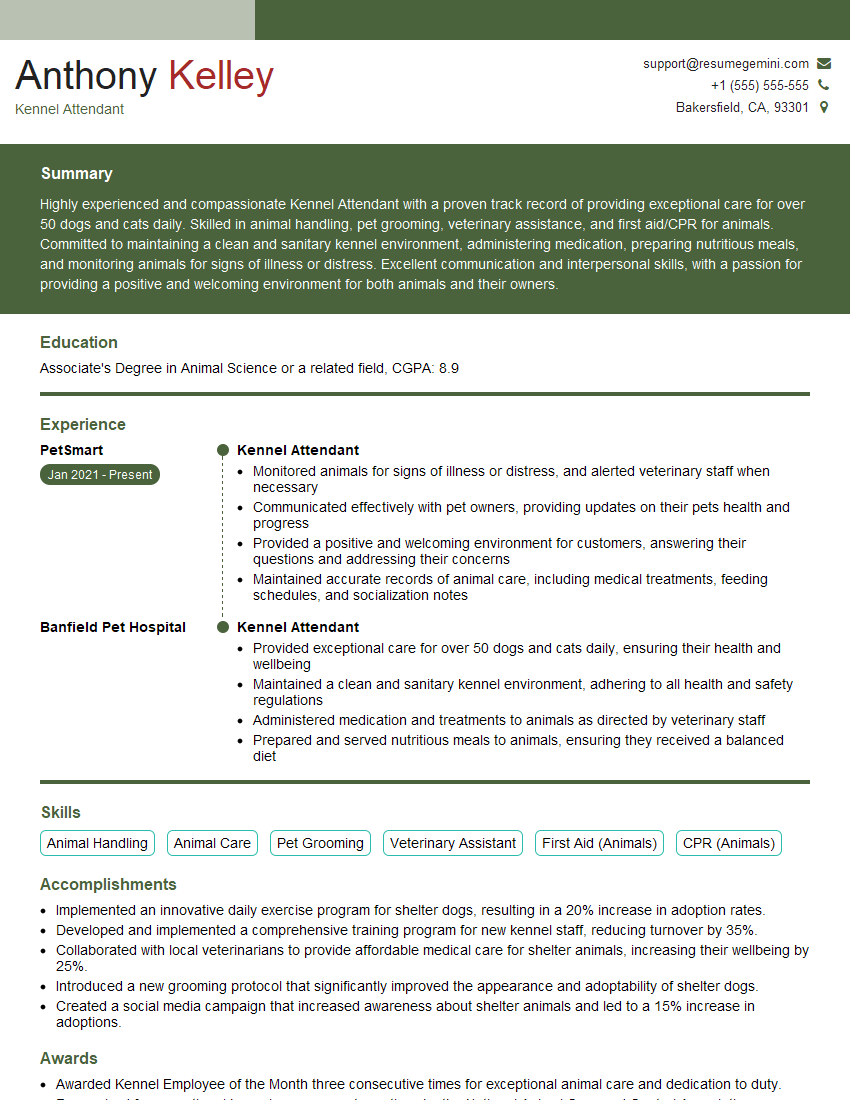
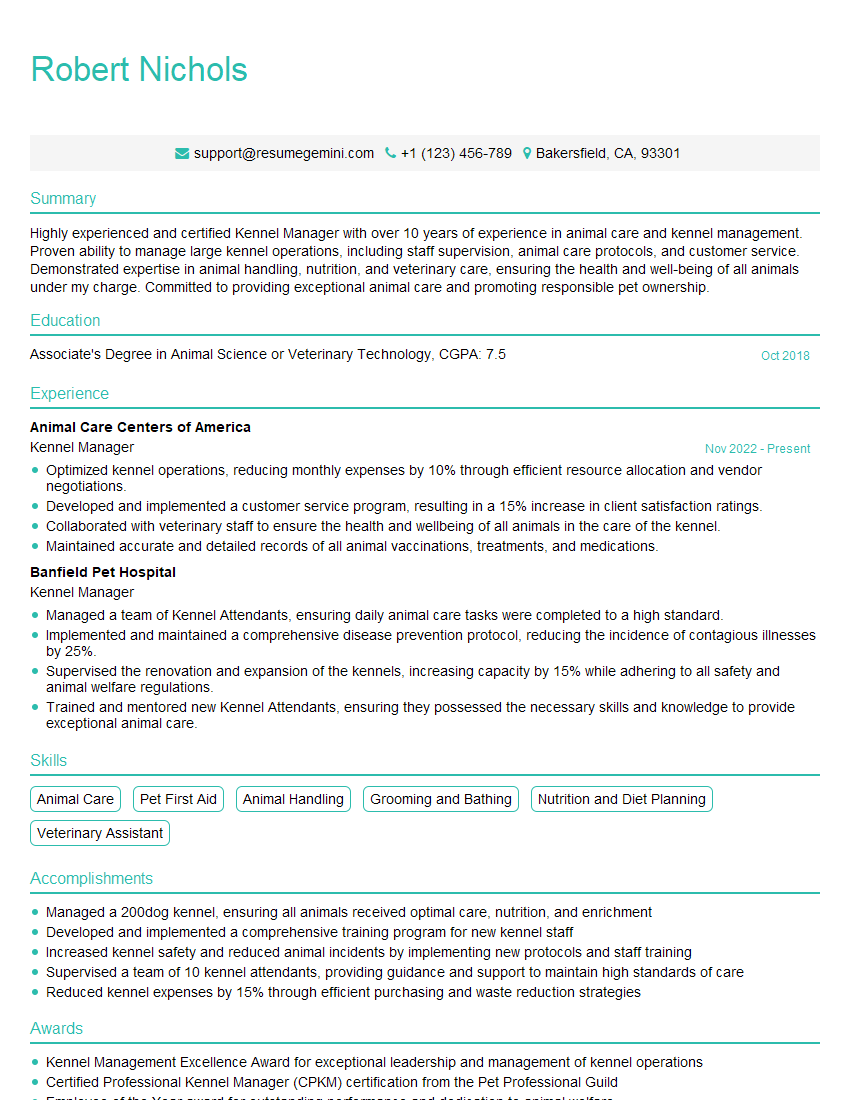
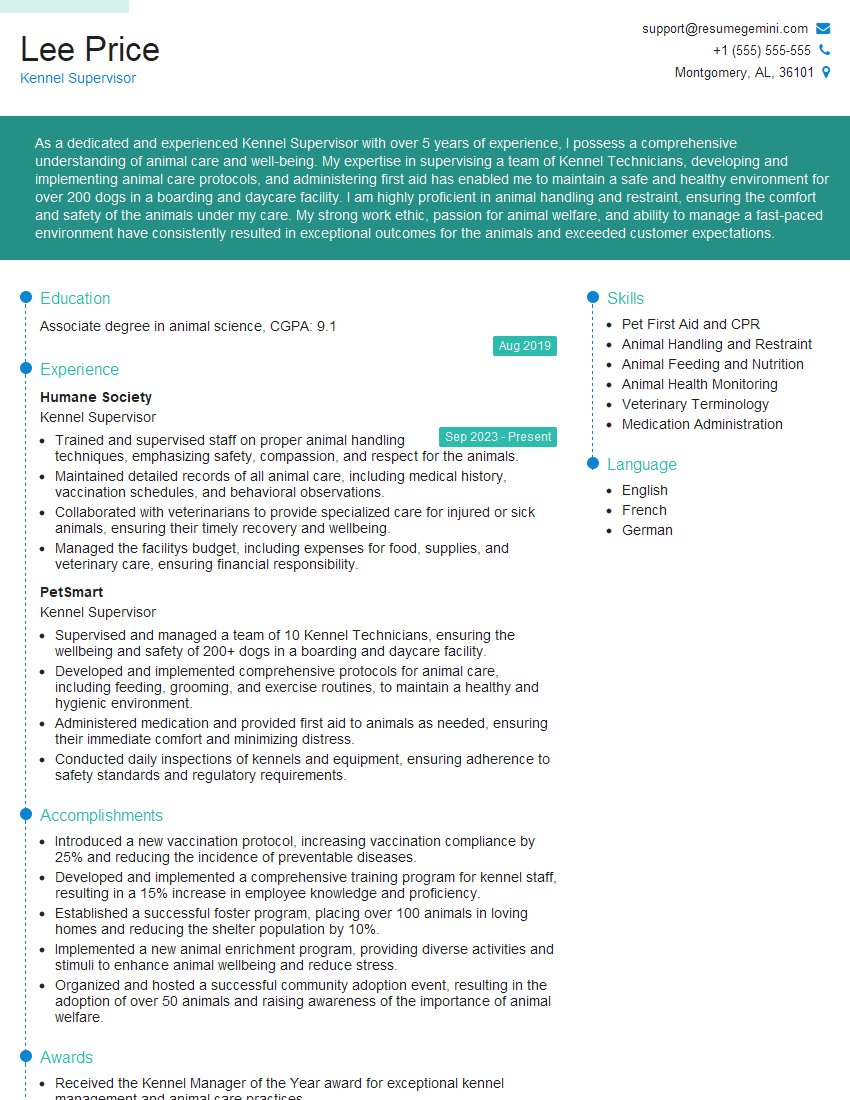
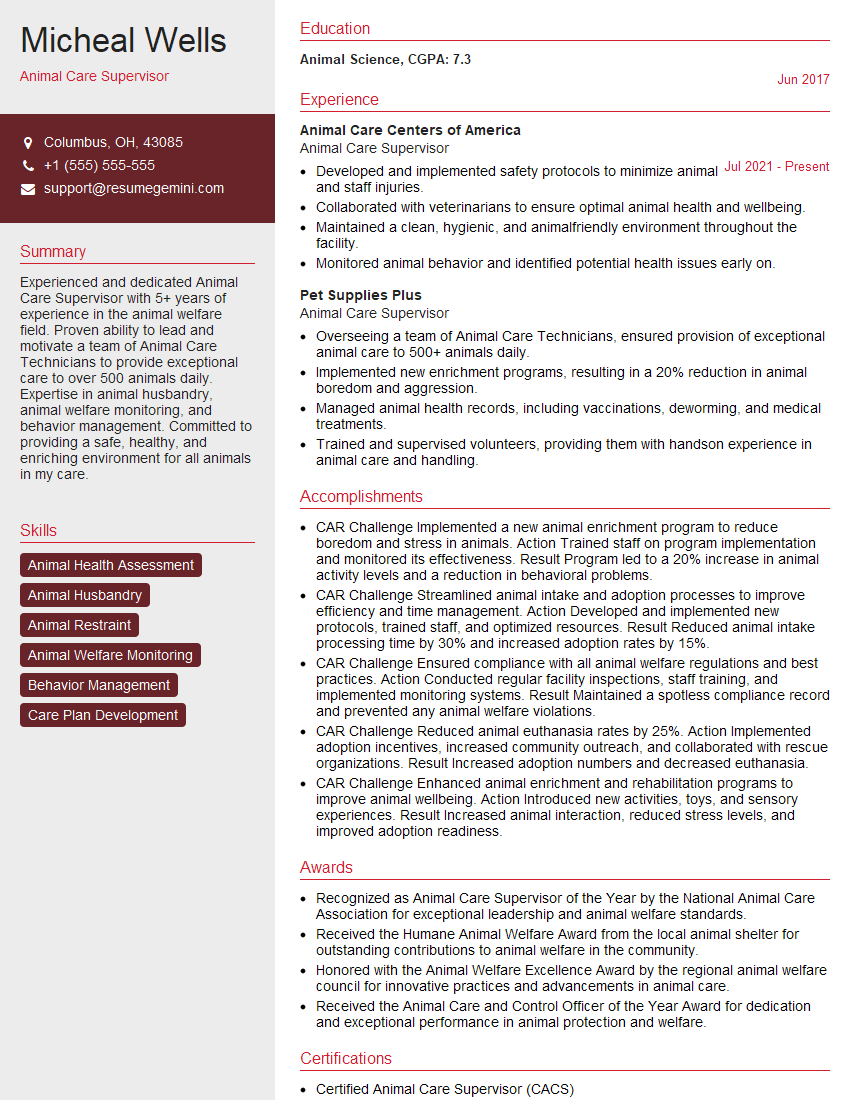
Mastering Kennel Management and Hygiene is crucial for a successful and rewarding career in animal care. It demonstrates your commitment to animal welfare and your ability to maintain a safe and healthy environment. To maximize your job prospects, it’s vital to create a compelling and ATS-friendly resume that highlights your skills and experience. ResumeGemini is a trusted resource that can help you build a professional and effective resume tailored to the specific requirements of Kennel Management and Hygiene roles. Examples of resumes specifically designed for this field are available to help you create a winning application.
Explore more articles
Users Rating of Our Blogs
Share Your Experience
We value your feedback! Please rate our content and share your thoughts (optional).
What Readers Say About Our Blog
Very informative content, great job.
good