Are you ready to stand out in your next interview? Understanding and preparing for Kennel Operations and Management interview questions is a game-changer. In this blog, we’ve compiled key questions and expert advice to help you showcase your skills with confidence and precision. Let’s get started on your journey to acing the interview.
Questions Asked in Kennel Operations and Management Interview
Q 1. Describe your experience with various dog breeds and their specific care requirements.
My experience encompasses a wide range of dog breeds, from small, delicate breeds like Chihuahuas requiring gentle handling and specialized diets, to large, powerful breeds like Great Danes needing robust exercise and specific joint care. Understanding breed-specific needs is paramount. For example, brachycephalic breeds (like Bulldogs and Pugs) are prone to respiratory issues and overheating, necessitating careful climate control and monitoring. Conversely, breeds like Siberian Huskies thrive in cooler climates and require significant exercise to avoid destructive behavior. My approach involves researching each breed’s temperament, exercise requirements, dietary needs, and potential health concerns before developing an individualized care plan. This includes considering things like coat type (requiring different grooming schedules), susceptibility to specific diseases, and ideal socialization practices.
- Example: A client brings in a Golden Retriever with a history of hip dysplasia. My care plan would incorporate controlled exercise, a joint-supporting diet, and regular monitoring for signs of discomfort.
- Example: A client brings in a Miniature Poodle. My care plan would include regular grooming to prevent matting and skin issues.
Q 2. Explain your method for identifying and addressing signs of illness or injury in kennel animals.
Identifying illness or injury starts with vigilant observation. I regularly check each animal for changes in behavior, appetite, energy levels, and bodily functions. Changes in posture, lameness, lethargy, unusual vocalizations, changes in stool or urine, excessive licking or scratching, and respiratory distress are all red flags. A thorough physical examination is also key – checking for wounds, masses, fever, and other abnormalities. I’m trained to take vital signs, such as temperature, heart rate, and respiratory rate, to establish a baseline and monitor changes. Any concerning finding prompts immediate action, ranging from contacting the owner for consultation to initiating first aid, depending on the severity. Severe cases require immediate veterinary attention.
Step-by-step approach:
- Observation: Note any changes in behavior or physical appearance.
- Physical Exam: Check temperature, heart rate, respiration, and look for wounds, swelling, or other abnormalities.
- Assessment: Determine the severity of the situation.
- Action: Contact the owner and/or veterinarian depending on the severity.
- Documentation: Meticulously record all observations, actions taken, and veterinary recommendations.
Q 3. How do you maintain a clean and sanitary environment in a kennel facility?
Maintaining a clean and sanitary environment is crucial to prevent the spread of disease and ensure animal welfare. My approach involves a rigorous cleaning schedule, encompassing daily and weekly deep cleaning procedures. Daily tasks include spot cleaning of individual kennels, removing waste, refilling water bowls, and cleaning food and water areas. Weekly deep cleans include thorough disinfection of all surfaces, kennels, and equipment with appropriate veterinary-grade disinfectants. I adhere strictly to established protocols for laundry, disposal of waste, and pest control. Proper ventilation and the control of moisture are also critical in preventing the growth of bacteria and fungi. We use appropriate cleaning and disinfecting agents, ensuring they are safe for the animals and effective against common pathogens. Furthermore, regular inspections are conducted to identify any potential areas of concern or build-up of debris.
Example: We use a color-coded cleaning system to ensure all surfaces are disinfected properly and avoid cross-contamination between cleaning areas.
Q 4. What is your approach to handling aggressive or fearful animals?
Handling aggressive or fearful animals requires patience, understanding, and specialized training. I use positive reinforcement techniques, avoiding forceful interventions that might exacerbate the problem. For aggressive dogs, I prioritize safety, using appropriate barriers (like muzzles or separate kennels) until I understand the root cause of the aggression (fear, territoriality, pain). Slow, deliberate movements and non-threatening body language are essential. We create a calm and predictable environment, avoiding sudden movements or loud noises. For fearful animals, a gradual desensitization and counter-conditioning approach is employed. This involves slowly exposing the dog to anxiety-provoking stimuli at a distance and a low intensity, while providing positive reinforcement (treats, praise). The goal is to gradually reduce the fear response and build trust. In some cases, professional help from a certified dog behaviorist might be required.
Q 5. Describe your experience administering medications to animals.
Administering medications requires careful attention to detail and adherence to strict protocols. I’m trained in various medication administration routes – oral, topical, and injectable (with specific training and only when authorized). Accurate record-keeping is paramount; I document each administration, including the medication’s name, dosage, route, time, and any observed side effects. Safety is a top priority – I use appropriate restraint techniques to minimize stress and risk of injury to both myself and the animal. Before administering any medication, I verify the animal’s identity, confirm the dosage against the prescription, and check for any potential contraindications. I also look for signs of adverse reactions following medication administration. In the case of injectable medications, maintaining sterile technique is critical to prevent infections.
Example: When administering oral medication, I may use a pill pocket or mix the medication with a tasty food to make it easier for the animal to consume.
Q 6. How do you ensure the safety and security of animals within the kennel?
Ensuring animal safety and security is a top priority. We have secure kennels with sturdy locking mechanisms to prevent escapes. The facility is regularly inspected for potential hazards, and all necessary safety measures are in place. Emergency procedures are established and regularly practiced to respond to emergencies (fire, medical, etc.). Staff receives training on safe handling and restraint techniques to minimize the risk of injury to both animals and staff. The facility is designed to minimize risk of injury from environmental hazards. We have protocols in place to manage potentially dangerous situations (e.g., fights between animals, a dog exhibiting aggressive behavior) quickly and effectively. Additionally, we maintain accurate records of each animal, including health history, vaccination records, and owner contact information.
Q 7. Explain your knowledge of animal behavior and how it impacts kennel management.
Understanding animal behavior is fundamental to effective kennel management. Animals exhibit a wide range of behaviors influenced by genetics, environment, and past experiences. Recognizing these behaviors – such as signs of stress (panting, excessive licking, yawning), fear (tail tucking, avoidance), or aggression (growling, barking, snapping) – enables us to create a calm and enriched environment, minimize stress, and provide tailored care. For example, understanding canine body language helps prevent conflicts between dogs and allows us to modify the environment (e.g., providing visual barriers) to reduce the likelihood of aggressive encounters. Employing positive reinforcement and minimizing aversive stimuli are crucial for promoting positive behavior and reducing stress. This includes providing appropriate enrichment activities (toys, puzzle feeders) to keep animals mentally and physically stimulated.
Example: Recognizing a dog is exhibiting signs of stress (excessive panting, pacing) in a group setting might prompt us to move it to a quieter kennel or provide it with a safe space away from the group.
Q 8. How do you manage kennel records and documentation effectively?
Effective kennel record management is the cornerstone of responsible pet care and smooth operations. It ensures accurate tracking of animals, their health, and their stay. We utilize a comprehensive system, typically a combination of digital and physical records.
- Digital Records: A database system (like a custom-built software or a veterinary practice management software) allows for quick access to information such as each animal’s name, breed, owner contact details, vaccination history, medical records, arrival and departure dates, any special needs or dietary requirements, and billing information. This data is regularly backed up to prevent loss.
- Physical Records: While digital is preferred for efficiency, physical copies of important documents, like signed contracts or veterinary certificates, are kept securely for auditing purposes and as a backup in case of technology failures. A well-organized filing system is vital.
- Daily Logs: We maintain detailed daily logs recording feeding schedules, medication administration, cleaning routines, and any observations about the animals’ behaviour or health. Any unusual occurrences are prominently noted and addressed promptly.
Think of it like a meticulous library for each animal – everything you need to know about their stay is readily available, ensuring both the animal’s well-being and efficient operations.
Q 9. How do you handle customer inquiries and complaints related to kennel services?
Handling customer inquiries and complaints requires a professional, empathetic, and efficient approach. Transparency and proactive communication are crucial.
- Immediate Acknowledgment: All inquiries, regardless of the medium (phone, email, in-person), are acknowledged promptly. This demonstrates respect for the customer’s time and concern.
- Active Listening: When addressing complaints, we listen actively to understand the customer’s perspective. This builds trust and allows for a better resolution.
- Clear Communication: We communicate clearly and concisely, providing factual information and explaining any procedures or decisions. Avoiding jargon is important, especially when speaking to pet owners who may not have an extensive veterinary background.
- Problem-Solving: We offer solutions, whether it’s scheduling a vet visit, adjusting a service, or offering a partial refund. We aim for a positive outcome that satisfies both parties, even if it requires some compromise.
- Follow-Up: After resolving a complaint, a follow-up call or email is made to check the customer’s satisfaction and address any lingering concerns.
For example, if a customer complains about their dog’s weight loss during their stay, we review their daily logs, investigate potential causes (e.g., illness, dietary changes), and discuss the findings with the customer, offering a solution like a veterinary consultation or a refund for inadequate care.
Q 10. What is your experience with different types of kennel housing and equipment?
My experience encompasses various kennel housing options, each with its pros and cons. The choice of housing depends on factors like the animal’s size, temperament, and social needs, as well as the kennel’s capacity and budget.
- Individual Runs: These are suitable for solitary animals or those with specific needs, like those who are recovering from surgery or have behavioral issues. Size must comply with local regulations.
- Group Runs: These are cost-effective for compatible animals, promoting social interaction and often enhancing their mental well-being. Careful consideration of dog size and temperament is critical to avoid conflict.
- Indoor/Outdoor Runs: Combining indoor and outdoor space offers the benefits of both, protecting animals from extreme weather and providing enrichment.
- Luxury Suites: These larger spaces provide greater comfort and enrichment opportunities, potentially including features like beds, toys, and even televisions. They’re often more expensive.
Equipment-wise, I’m familiar with various feeding systems (automatic feeders), cleaning equipment (pressure washers, automated cleaning systems), and safety features (secure fencing, escape-proof kennels).
Q 11. Describe your experience with animal enrichment programs.
Animal enrichment is crucial for maintaining the physical and psychological well-being of animals in a kennel setting. It helps reduce stress, boredom, and the development of behavioral problems.
- Puzzle Feeders: These feeders challenge dogs mentally and physically, making mealtimes more engaging.
- Interactive Toys: Toys that require problem-solving, such as Kongs filled with treats, provide mental stimulation.
- Social Interaction: For compatible animals, supervised playdates or group walks can be beneficial.
- Sensory Enrichment: Introducing new smells, sounds, or textures (e.g., different chew toys, safe exploration of new areas within the kennel) can stimulate the animal’s senses.
- Training and Exercise: Basic obedience training and short walks help to burn energy and keep dogs mentally engaged.
For example, a shy dog might benefit from gentle introductions to other calm dogs, while an energetic breed may need more vigorous playtime and training sessions to prevent frustration. Enrichment is tailored to each individual animal’s needs.
Q 12. How do you prevent and control the spread of disease within a kennel?
Disease prevention and control are paramount in kennel management. A multi-pronged approach is necessary:
- Strict Hygiene Protocols: Thorough cleaning and disinfection of all areas, equipment, and surfaces are essential. Regular laundry of bedding and towels is also important.
- Vaccination and Parasite Control: All incoming animals should have up-to-date vaccinations and be treated for parasites. This protects both the animals in our care and the staff.
- Quarantine Procedures: New arrivals are quarantined to prevent the introduction and spread of disease. This involves isolation in separate facilities for a designated period (see next answer).
- Staff Training: Staff must be trained on proper hygiene practices, including handwashing, disinfection protocols, and the recognition of early signs of illness.
- Biosecurity Measures: Implementing measures to limit the introduction of pathogens into the facility, such as foot baths and protective clothing, is key.
- Regular Veterinary Check-ups: Regular veterinary visits are scheduled to detect potential problems early on, and to ensure prompt treatment.
Think of it like creating a clean and safe haven, removing as many disease entry points as possible. Early detection is crucial; thorough and consistent cleaning is our first line of defense.
Q 13. Explain your understanding of quarantine procedures.
Quarantine procedures are designed to isolate newly arrived animals or those exhibiting signs of illness to prevent the spread of disease. This involves:
- Designated Quarantine Area: A separate, well-ventilated area, away from other animals, is reserved for quarantine purposes. This prevents cross-contamination.
- Observation Period: Animals are monitored closely for any signs of illness during a quarantine period, typically 10-14 days, depending on the risk assessment. The duration may be dictated by local laws and specific disease concerns.
- Restricted Access: Access to the quarantine area is limited to authorized personnel wearing appropriate protective clothing. This minimizes the risk of disease transmission.
- Separate Equipment: Dedicated cleaning supplies and feeding equipment are used in the quarantine area. This prevents the unintentional spread of pathogens.
- Veterinary Examination: A veterinary examination is typically conducted before and after the quarantine period to assess the animal’s health status.
Imagine a ‘clean room’ for animals, providing a safe period to assess their health without endangering the other residents. This is a critical step in biosecurity.
Q 14. How do you manage staff and delegate tasks effectively in a kennel setting?
Effective staff management is essential for smooth kennel operations and ensures high-quality animal care. This involves:
- Clear Roles and Responsibilities: Each staff member has a clearly defined role and set of responsibilities, avoiding confusion and duplication of tasks.
- Delegation of Tasks: Tasks are delegated appropriately based on the staff member’s skills and experience. This ensures efficiency and allows for specialization.
- Training and Development: Ongoing training and professional development are provided to staff to enhance their skills and knowledge in animal care and handling. This includes updates on best practices, new techniques, and safety procedures.
- Communication and Teamwork: Open and effective communication is encouraged among the team. Regular meetings, shift handovers, and open channels of feedback create a cooperative working environment.
- Performance Evaluation: Regular performance evaluations provide feedback and identify areas for improvement. It also helps in identifying outstanding employees and acknowledging contributions.
For instance, experienced staff might handle medical treatments, while newer team members may focus on cleaning and feeding. Clearly defined roles prevent overlaps and ensure a consistent level of care across the board. Regular team meetings help to identify and solve problems collectively.
Q 15. Describe your experience with inventory management of kennel supplies.
Effective inventory management in a kennel is crucial for smooth operations and cost control. It involves a multi-step process starting with identifying all necessary supplies, from food and bedding to cleaning agents and medications. I utilize a combination of methods to track inventory.
Spreadsheet System: I maintain a detailed spreadsheet, updated regularly, listing each item, its quantity on hand, reorder point, and supplier information. This allows for easy tracking of stock levels and timely ordering.
Visual Inventory: For frequently used items like food and cleaning supplies, I also implement a visual system. This might involve color-coded labels indicating low stock levels, prompting immediate action.
Regular Stock Takes: Periodic physical stock takes, at least monthly, are essential to verify the accuracy of the spreadsheet and identify any discrepancies. This minimizes waste due to spoilage or unnoticed depletion.
FIFO (First-In, First-Out): For perishable items like food, I strictly adhere to the FIFO principle, ensuring older stock is used first to minimize spoilage.
For example, during a busy summer, I noticed a rapid depletion of flea and tick preventative medication. My spreadsheet alerted me to this, allowing me to reorder promptly and avoid running out during a critical time.
Career Expert Tips:
- Ace those interviews! Prepare effectively by reviewing the Top 50 Most Common Interview Questions on ResumeGemini.
- Navigate your job search with confidence! Explore a wide range of Career Tips on ResumeGemini. Learn about common challenges and recommendations to overcome them.
- Craft the perfect resume! Master the Art of Resume Writing with ResumeGemini’s guide. Showcase your unique qualifications and achievements effectively.
- Don’t miss out on holiday savings! Build your dream resume with ResumeGemini’s ATS optimized templates.
Q 16. What is your approach to managing the budget for a kennel facility?
Budget management in a kennel requires a careful balance between providing high-quality care and maintaining profitability. My approach is multifaceted and involves detailed planning, consistent monitoring, and proactive adjustments.
Detailed Budgeting: I start by creating a detailed annual budget, broken down into categories like animal care (food, veterinary), staffing, utilities, maintenance, and marketing. This involves researching supplier costs, estimating animal needs, and projecting income based on occupancy rates.
Regular Monitoring: I track expenses and revenue regularly (at least monthly), comparing actual figures to the budgeted amounts. This helps to quickly identify any deviations and address potential problems proactively.
Cost Control Measures: I implement measures to control costs without compromising quality, such as negotiating with suppliers for bulk discounts, implementing energy-saving practices, and carefully scheduling staff hours to minimize overtime.
Contingency Planning: A vital element is building a contingency fund to cover unexpected expenses such as emergency veterinary care or equipment repairs.
For instance, if a significant increase in utility costs is anticipated, I might explore alternative suppliers or implement energy-efficient upgrades to minimize the impact on the budget.
Q 17. How do you ensure the health and safety of your staff while working in a kennel?
Ensuring staff health and safety is paramount. This involves a comprehensive approach addressing both physical and psychological well-being.
Safety Training: All staff receive thorough training on safe handling procedures for animals of varying sizes and temperaments. This includes proper lifting techniques, bite prevention strategies, and the use of personal protective equipment (PPE).
Hazard Identification & Control: Regular risk assessments are conducted to identify potential hazards, such as slips, trips, falls, animal bites, and exposure to cleaning chemicals. Appropriate control measures, like providing non-slip flooring and providing adequate ventilation, are implemented.
PPE Provision: Staff are provided with and trained in the proper use of PPE, such as gloves, eye protection, and sturdy footwear.
Emergency Procedures: Clear emergency procedures are established and practiced regularly, covering situations like animal bites, chemical spills, and medical emergencies.
Stress Management: The demanding nature of kennel work can lead to stress. We encourage open communication and provide resources to support staff well-being, such as access to employee assistance programs.
For example, after an incident involving a staff member being scratched by a cat, we reviewed our handling procedures and implemented additional safety training focusing on feline behavior and safe handling techniques.
Q 18. Describe your experience with emergency procedures in a kennel setting.
Emergency procedures are meticulously planned and regularly practiced to ensure swift and effective responses to various situations. Our procedures cover a wide range of scenarios.
Animal Emergencies: Protocols for dealing with animal injuries, illnesses, or escapes are clearly defined, including immediate first aid, contacting emergency veterinary services, and notifying owners.
Staff Injuries: Procedures for dealing with staff injuries, such as animal bites or chemical exposure, include immediate first aid, contacting emergency medical services, and reporting the incident for record-keeping and analysis.
Facility Emergencies: We have plans for fire, power outages, and severe weather events, including evacuation procedures, designated assembly points, and contact lists for emergency services.
Regular Drills: Regular drills are conducted to familiarize staff with procedures and identify areas for improvement. This includes mock scenarios that simulate different types of emergencies.
For instance, during a simulated fire drill, we identified a bottleneck in our evacuation process and adjusted the layout of emergency exits to improve efficiency.
Q 19. How do you handle situations involving animal escapes or injuries?
Animal escapes and injuries are handled with a calm, systematic approach prioritizing the safety of both animals and staff.
Escape Procedures: If an animal escapes, we immediately initiate a search and capture procedure. This includes using appropriate containment tools, employing safe handling techniques, and notifying the owner. We also review our security measures to prevent future escapes.
Injury Response: For animal injuries, immediate first aid is provided if possible, and veterinary care is sought immediately. Owners are kept informed throughout the process. The incident is thoroughly investigated to determine the cause and prevent similar occurrences.
Documentation: All incidents, including escapes and injuries, are meticulously documented, including details of the event, actions taken, and any subsequent follow-up.
For example, after a dog escaped due to a faulty latch on his kennel, we immediately replaced all latches with stronger, more secure models and conducted additional staff training on kennel security procedures.
Q 20. What is your understanding of animal welfare regulations and guidelines?
My understanding of animal welfare regulations and guidelines is comprehensive. I am familiar with relevant local, state, and national laws and standards pertaining to animal care, housing, and handling. This includes:
Species-Specific Requirements: Understanding the unique needs of different animal species and providing appropriate housing, enrichment, and care practices.
Hygiene and Sanitation: Maintaining high standards of hygiene and sanitation to minimize disease transmission and ensure animal health.
Handling and Restraint: Employing humane handling and restraint techniques to minimize stress and injury to animals during procedures.
Veterinary Care: Ensuring access to routine and emergency veterinary care, and maintaining accurate health records.
Record Keeping: Maintaining comprehensive and accurate records of animal intake, health, and any incidents, as required by regulations.
I regularly update my knowledge of relevant legislation and guidelines through professional development and staying informed on best practices in the industry. Compliance is not just a legal obligation but a fundamental aspect of providing responsible animal care.
Q 21. Describe your experience with training new kennel staff.
Training new kennel staff is a structured process that emphasizes both theoretical knowledge and practical skills. My approach involves:
Orientation and Onboarding: New staff receive a thorough orientation covering kennel policies, safety procedures, emergency protocols, and animal welfare standards.
Hands-on Training: Practical training is provided in animal handling techniques, cleaning and sanitation protocols, and record-keeping procedures. This often includes shadowing experienced staff and performing tasks under supervision.
Species-Specific Training: Training is tailored to the specific animals housed in the kennel, covering species-specific needs, handling techniques, and potential hazards.
Continuing Education: Ongoing training and professional development opportunities are provided to enhance staff skills and knowledge, fostering a culture of continuous improvement.
Mentorship Program: We utilize a mentorship program, pairing new staff with experienced colleagues to provide personalized guidance and support.
For example, when training new staff on handling large dogs, we use a step-by-step approach, starting with basic commands and gradually introducing more challenging scenarios, ensuring their safety and the welfare of the animals.
Q 22. How do you maintain effective communication with veterinarians and other animal care professionals?
Maintaining effective communication with veterinarians and other animal care professionals is paramount for the well-being of the animals in our care. I achieve this through several key strategies. Firstly, I prioritize clear and concise communication, both written and verbal. This includes detailed daily reports on each animal’s condition, any observed changes in behavior, and any administered medications. I utilize a combination of phone calls, emails, and secure online portals for quick and efficient information exchange, ensuring all parties have access to the same up-to-date information. For example, if an animal shows signs of illness, I immediately contact the vet, providing specific details on symptoms, onset, and any relevant history, using clear and precise medical terminology where necessary. Secondly, I build strong professional relationships based on trust and mutual respect. Regular meetings, informal check-ins, and open dialogue foster a collaborative environment where we can freely discuss concerns and best practices. I believe in open communication and proactively seeking advice when needed, acknowledging that everyone brings unique expertise to the table. Finally, I ensure that I consistently seek clarification if I have any doubts or ambiguities, making sure that all instructions are fully understood and implemented correctly.
Q 23. How do you handle stressful situations in a fast-paced kennel environment?
Stressful situations are inevitable in a fast-paced kennel environment. My approach focuses on proactive prevention and effective crisis management. Proactive measures include establishing clear protocols for handling emergencies, such as aggressive animal behavior or sudden illness. This involves thorough staff training on restraint techniques, emergency first aid, and efficient communication procedures. We conduct regular drills to ensure everyone is well-versed in these procedures. For example, we’ve practiced scenarios involving sudden illness in an animal, including simulating a veterinarian’s arrival, preparation for immediate care, and contacting pet owners. When a stressful situation does arise, I prioritize calmness and efficient problem-solving. I delegate tasks effectively to my team, ensuring everyone knows their role. My focus is on a methodical approach: assess the situation, identify the immediate needs, implement the pre-established protocols, and then debrief afterward to learn from the experience. This helps us improve our response plans for the future. It’s crucial to remain composed and reassure both the animals and the staff, fostering a sense of calm amidst the chaos.
Q 24. What are your strengths and weaknesses as a kennel manager?
One of my greatest strengths is my ability to build and maintain a highly motivated and effective team. I am adept at delegation, training, and fostering a positive and collaborative work environment. I also have a strong understanding of animal husbandry, including nutrition, hygiene, and disease prevention. This is complemented by my excellent organizational skills, ensuring the smooth operation of the kennel, from scheduling to record-keeping. My weakness used to be delegating tasks effectively, fearing that things might not be done to my standards. However, I’ve actively worked on this by focusing on training staff thoroughly and giving them ownership of their roles, providing support and guidance while giving them the freedom to excel. I believe in leading by example and fostering trust and open communication, and this has significantly improved my delegation skills. I am always seeking ways to improve my management skills through professional development, such as attending workshops and reading industry literature.
Q 25. Why are you interested in this particular kennel management position?
I am highly interested in this kennel management position because it aligns perfectly with my career aspirations and passion for animal welfare. Your kennel’s reputation for providing exceptional care and its commitment to employee development resonates deeply with my own values. I have been particularly impressed by [mention specific achievements or initiatives of the kennel, if known], and I believe my skills and experience can make a significant contribution to your continued success. The opportunity to work with a team that shares my dedication to animal well-being is truly exciting. I believe that my experience in managing [mention relevant experience] will be particularly beneficial in helping your kennel continue to thrive and maintain its high standards of care.
Q 26. What are your salary expectations?
My salary expectations are in line with the industry standard for experienced kennel managers with my qualifications and experience in a similar sized establishment. I am open to discussing this further once I have a better understanding of the full compensation package and benefits offered.
Q 27. What are your long-term career goals related to kennel management?
My long-term career goals include continuing to develop my expertise in kennel management, potentially pursuing further certifications or qualifications in veterinary technology or animal behavior. I also aspire to take on leadership roles within a larger animal care organization, possibly contributing to the development of innovative practices in animal welfare and husbandry. Ultimately, I envision myself as a leader in the field, contributing to the advancement of animal care standards and the promotion of ethical and compassionate practices.
Q 28. Do you have any questions for me?
Yes, I do have a few questions. Firstly, I’d like to learn more about the kennel’s specific training and development programs for its staff. Secondly, could you elaborate on the kennel’s approach to handling difficult or aggressive animals? Finally, what are the kennel’s key performance indicators (KPIs) and how is success measured?
Key Topics to Learn for Kennel Operations and Management Interview
- Animal Husbandry: Understanding canine breeds, health needs, dietary requirements, and common illnesses. Practical application: Describing your experience with preventative care, recognizing signs of illness, and implementing appropriate responses.
- Kennel Sanitation and Hygiene: Maintaining a clean and disease-free environment. Practical application: Explaining your knowledge of effective cleaning protocols, waste management, and disease prevention strategies.
- Staff Management and Training: Overseeing a team, delegating tasks, and ensuring consistent adherence to protocols. Practical application: Demonstrating your experience in teamwork, conflict resolution, and staff motivation.
- Record Keeping and Documentation: Maintaining accurate records of animal health, treatments, and client interactions. Practical application: Describing your experience with various record-keeping systems and your ability to maintain organized and detailed files.
- Safety Procedures: Implementing and enforcing safety protocols for both animals and staff. Practical application: Explaining your knowledge of safe handling techniques, emergency procedures, and risk assessment.
- Client Communication and Customer Service: Building positive relationships with clients and addressing concerns effectively. Practical application: Sharing examples of how you’ve handled difficult client situations or provided exceptional customer service.
- Budget Management and Financial Planning: Understanding and managing kennel finances, including inventory control and cost management. Practical application: Describing your experience in budgeting, forecasting, and cost control within a similar environment.
- Facility Maintenance and Repair: Ensuring the kennel facilities are well-maintained and in good working order. Practical application: Describing your experience with routine maintenance tasks and troubleshooting minor repairs.
Next Steps
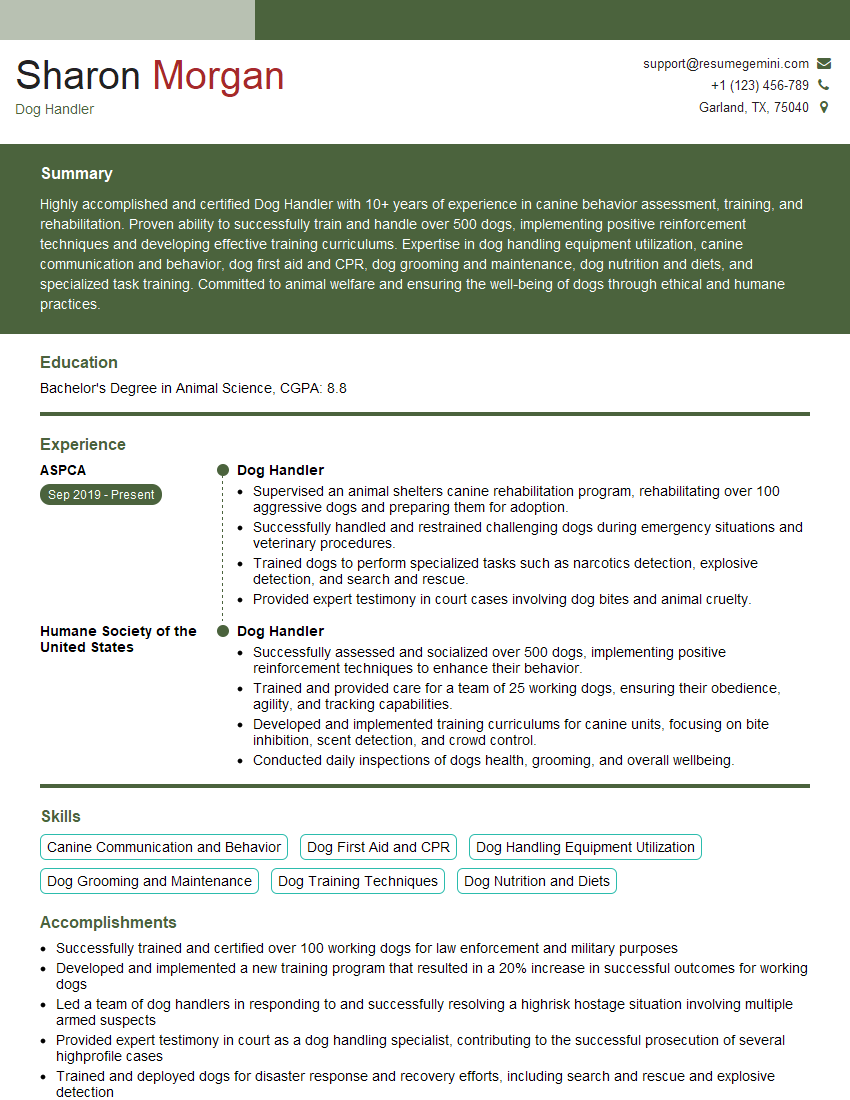
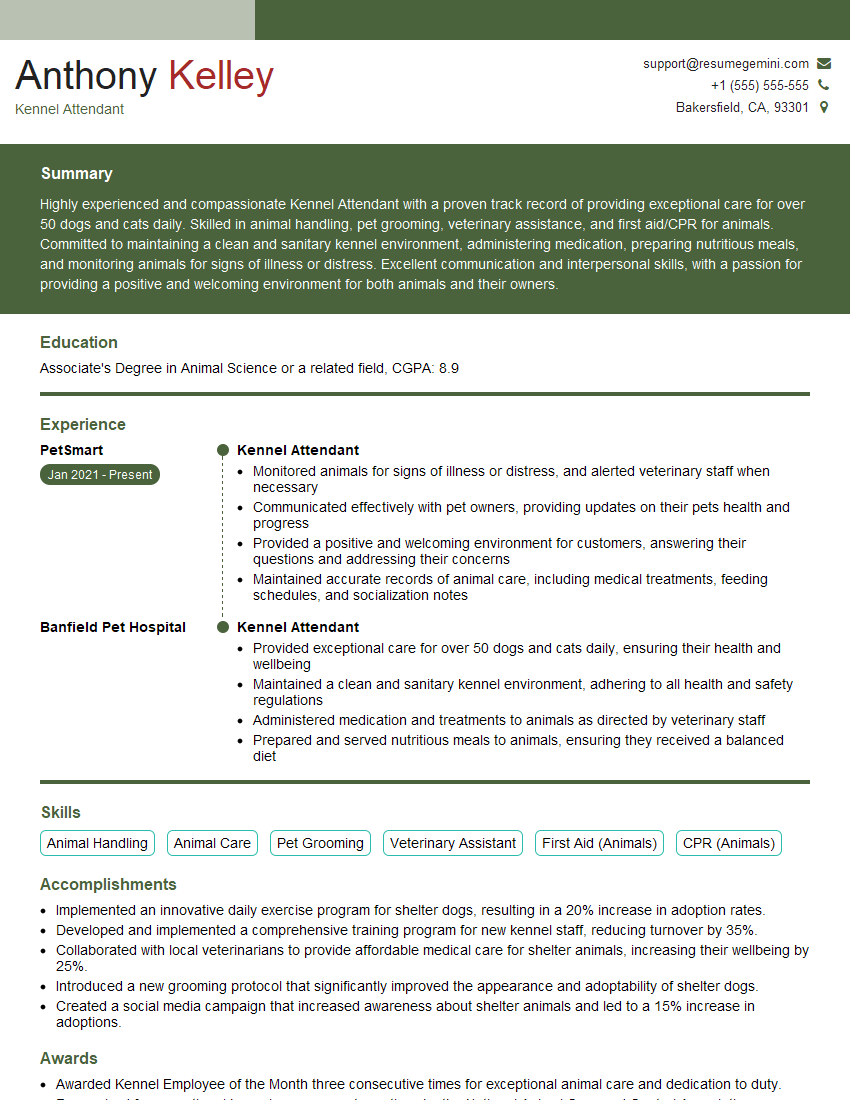
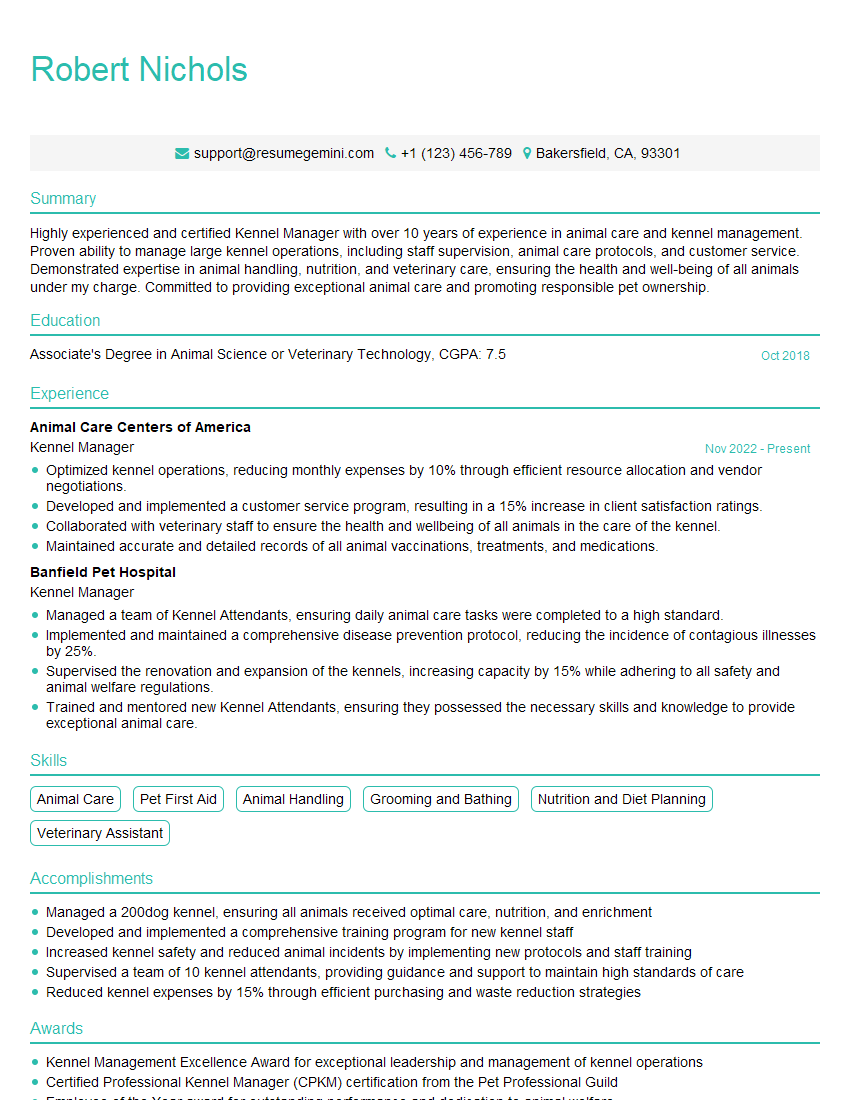
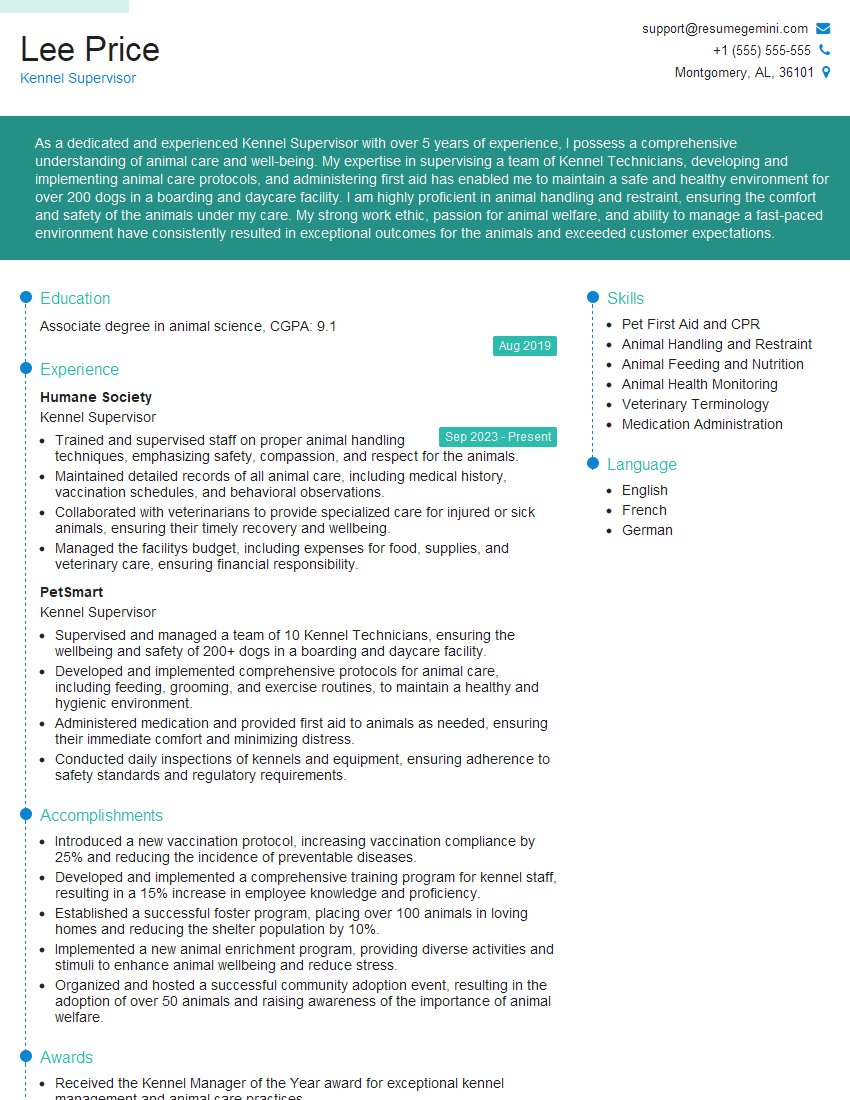
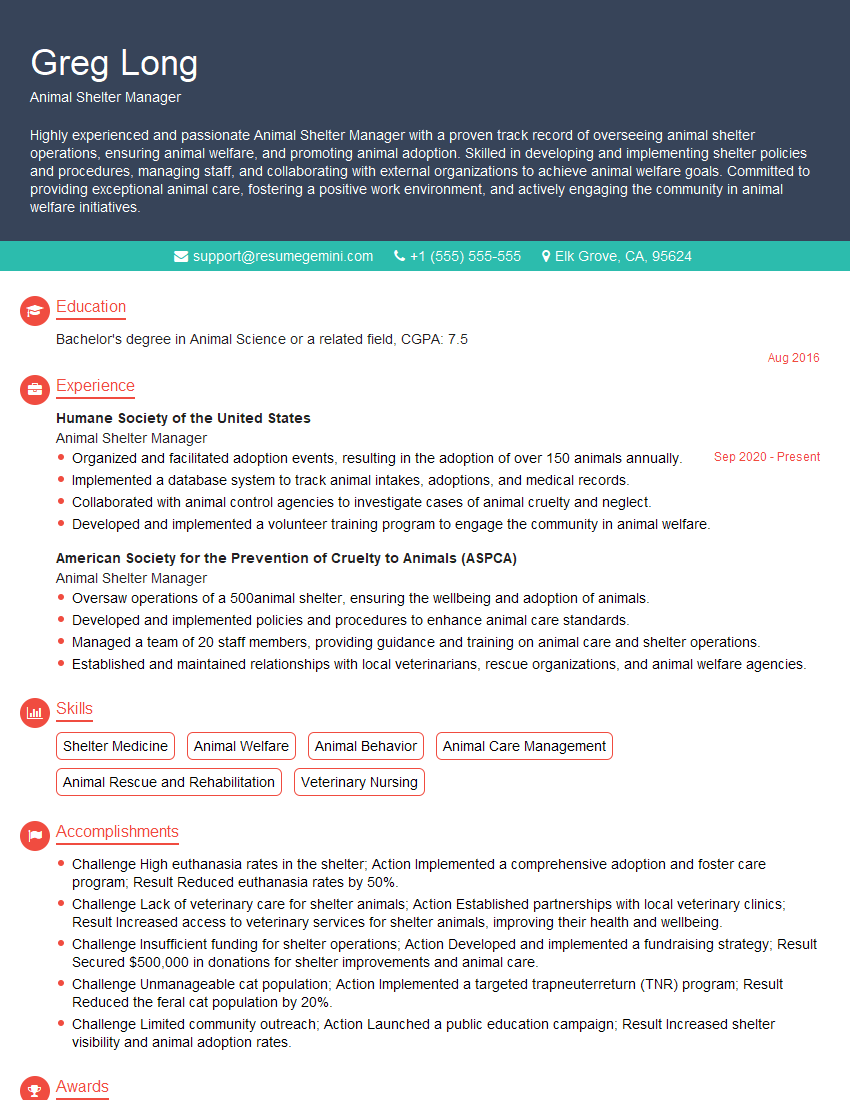
Mastering Kennel Operations and Management opens doors to rewarding career advancement, from senior management roles to specialized areas like canine rehabilitation or training. To maximize your job prospects, it’s crucial to present your skills effectively. Building an ATS-friendly resume is key to getting noticed by recruiters. ResumeGemini is a trusted resource that can help you craft a professional and impactful resume tailored to your experience. We provide examples of resumes specifically designed for Kennel Operations and Management professionals to help you get started.
Explore more articles
Users Rating of Our Blogs
Share Your Experience
We value your feedback! Please rate our content and share your thoughts (optional).
What Readers Say About Our Blog
Very informative content, great job.
good