Preparation is the key to success in any interview. In this post, we’ll explore crucial Knowledge of Acting Studios and Workshops interview questions and equip you with strategies to craft impactful answers. Whether you’re a beginner or a pro, these tips will elevate your preparation.
Questions Asked in Knowledge of Acting Studios and Workshops Interview
Q 1. Describe your experience managing budgets for acting studios or workshops.
Budget management for acting studios and workshops requires a multifaceted approach, balancing artistic vision with financial prudence. My experience involves meticulously tracking income and expenses, forecasting future needs, and securing funding through various avenues.
For example, I’ve successfully managed budgets ranging from $10,000 to $50,000 annually, encompassing instructor fees, venue rentals, marketing costs, materials (scripts, props), and administrative expenses. This involved creating detailed spreadsheets, using budgeting software like Google Sheets or QuickBooks to monitor cash flow and ensure we stayed within allocated funds. I’ve also explored grant applications and fundraising initiatives to supplement operational budgets.
In one instance, I identified a cost-saving opportunity by negotiating discounted rates with a local theatre for rehearsal space, leading to a 20% reduction in our annual venue rental expenses. Another successful strategy involved securing sponsorships from local businesses in exchange for promotional opportunities during workshops and performances.
Q 2. What teaching methodologies do you employ in acting workshops?
My teaching methodology integrates various techniques to cater to diverse learning styles. I believe in a student-centered approach, fostering creativity and collaboration. I employ a mix of:
- Practical Exercises: Scene work, improvisation games, and physical exercises are core to building acting skills. For example, I might use a simple improvisation game to enhance spontaneity and quick thinking.
- Text Analysis: We delve into scripts, exploring character motivations, subtext, and dramatic arc. This involves discussions, close readings, and individual character analyses.
- Character Development: Students develop characters through research, physicalization, and voice work. We explore techniques like Stanislavski’s system and Meisner technique to create believable and compelling characters.
- Feedback and Critique: Constructive feedback is crucial. I provide personalized guidance, promoting self-awareness and technical improvement. Students also learn to provide constructive feedback to their peers, enhancing their collaborative skills.
I constantly adapt my teaching style to suit the group’s needs and individual learning pace, ensuring everyone feels supported and challenged.
Q 3. How do you assess student progress in an acting class?
Assessing student progress is an ongoing process, combining formative and summative assessments. I utilize a holistic approach, going beyond simple grades.
Formative Assessments: These happen throughout the class. They involve observing students during exercises and rehearsals, providing feedback during class discussions, and reviewing individual character work. I maintain detailed notes on each student’s progress.
Summative Assessments: These happen at the end of a workshop or module. They might include:
- Final Scene Performances: Students present prepared scenes, demonstrating their technical proficiency and character development.
- Written Reflections: Students write about their learning journey, reflecting on their strengths, challenges, and areas for improvement.
- Peer Evaluations: Students provide feedback on each other’s work, promoting self-reflection and understanding of collaborative dynamics.
The combined data from these assessments provide a comprehensive understanding of each student’s progress, allowing for tailored feedback and future curriculum adjustments.
Q 4. Explain your approach to creating a safe and inclusive learning environment.
Creating a safe and inclusive learning environment is paramount. I achieve this through:
- Establishing Clear Expectations: A code of conduct is established at the beginning, outlining expectations for respectful communication and collaborative behavior. This includes addressing issues of harassment and discrimination.
- Open Communication: I foster open dialogue where students feel comfortable sharing their experiences and concerns without fear of judgment. Creating a space where students feel heard and valued is vital.
- Creating Diverse Content: I ensure the curriculum represents diverse voices and perspectives, challenging stereotypes and broadening students’ understanding of different cultures and experiences. This is reflected in script choices and acting exercises.
- Addressing Microaggressions: I actively intervene to address any microaggressions or instances of exclusion, promoting a culture of empathy and respect. Addressing these issues directly ensures a positive learning environment for all.
I believe that by actively promoting inclusivity, we create a space where students feel empowered to experiment, take risks, and express themselves authentically.
Q 5. What software or technology do you use to manage student records?
I primarily use Google Workspace (including Google Sheets, Google Docs, and Google Forms) for managing student records. Google’s collaborative features allow for efficient record-keeping, tracking attendance, sharing important documents, and facilitating communication between instructors and students.
Specifically, I use Google Sheets to maintain a comprehensive database of student information, including contact details, class registrations, attendance records, and performance evaluations. Google Forms are employed for collecting registration details, gathering student feedback, and conducting surveys. This integrated system ensures efficient organization and easy access to critical student information.
While I have explored other options, Google Workspace’s cost-effectiveness and ease of use make it the most practical solution for my needs.
Q 6. How do you handle conflict between students or staff?
Conflict resolution is a key skill for managing any group setting. My approach is to address conflicts promptly and fairly, promoting open communication and mutual understanding.
Steps I take include:
- Private Conversation: I typically begin by speaking individually with each involved party to understand their perspectives and concerns. This allows me to hear the situation from different viewpoints.
- Mediation: If needed, I facilitate a mediated conversation between the involved parties, creating a safe space for them to express their emotions and work towards a resolution.
- Setting Boundaries: I clearly communicate expectations for respectful behavior, reinforcing the established code of conduct. This clarifies unacceptable behaviors and their consequences.
- Seeking External Support: In cases of serious conflict or harassment, I consult with relevant authorities, such as the studio director or a human resources professional, to ensure the safety and well-being of everyone involved.
My goal is to foster a collaborative and respectful atmosphere, where conflicts are seen as opportunities for growth and learning.
Q 7. Describe your experience developing curriculum for acting programs.
Curriculum development is a dynamic process, continually evolving to meet the changing needs of students and the acting industry. My approach involves a detailed understanding of both pedagogical principles and industry standards.
The Process:
- Needs Assessment: I begin by identifying the target audience and their learning goals. This may involve surveying potential students or consulting industry professionals.
- Skill Mapping: I outline the key skills and knowledge students need to achieve, aligning them with industry standards and best practices.
- Content Selection: I select diverse texts, exercises, and techniques, catering to a wide range of learning styles and interests. This includes incorporating contemporary and classic plays, exploring diverse genres, and utilizing modern acting methodologies.
- Sequence & Structure: I structure the curriculum logically, building upon foundational skills and progressing to more advanced techniques. This ensures a clear path for learning and skill development.
- Assessment Integration: I embed assessments throughout the curriculum, utilizing a variety of methods to track student progress and provide meaningful feedback.
Through ongoing evaluation and feedback, I continually refine and adapt the curriculum to ensure its relevance and effectiveness. For example, I recently integrated workshops on on-camera acting techniques to reflect the growing importance of screen acting.
Q 8. What are your strategies for marketing acting studios or workshops?
Marketing acting studios and workshops requires a multi-pronged approach focusing on both online and offline strategies. Think of it like building a bridge between your studio and aspiring actors. One side is your compelling offering (classes, workshops, instructors), and the other is your target audience.
Online Marketing: This includes creating a professional website with high-quality photos and videos showcasing your studio and instructors. Social media marketing (Instagram, Facebook, TikTok) is crucial; share engaging content like behind-the-scenes footage, student work, testimonials, and short acting exercises. Targeted online advertising campaigns through platforms like Google Ads can reach specific demographics interested in acting. Email marketing is vital for nurturing leads and announcing new classes.
Offline Marketing: Collaborating with local theaters, schools, and community centers is essential. Flyers, posters, and brochures in strategic locations (community boards, coffee shops) can increase visibility. Participating in local events and festivals can provide opportunities to network and showcase your studio. Building relationships with local casting directors and agents opens doors for your students.
Content Marketing: Creating valuable content such as blog posts about acting techniques, industry insights, or audition tips establishes you as a thought leader. This attracts potential students seeking expertise and builds trust.
Example: I once successfully boosted enrollment by 30% in a semester by partnering with a local high school drama program, offering a discounted rate for their students. The partnership gave us access to a large pool of potential students, while the students benefitted from our professional training.
Q 9. How do you adapt your teaching style to different learning styles?
Adapting to diverse learning styles is paramount for effective teaching. I utilize a multi-sensory approach, catering to visual, auditory, and kinesthetic learners. Think of it like preparing a delicious meal with varied ingredients – everyone enjoys a different flavor profile!
Visual Learners: These students benefit from demonstrations, visual aids (charts, diagrams), and written materials. I use detailed handouts, show examples of successful techniques through video clips, and demonstrate exercises visually.
Auditory Learners: These students learn by listening and discussing. I incorporate lectures, group discussions, and feedback sessions where they can actively process information through verbal interaction. Audio recordings of scenes or monologues can aid their learning.
Kinesthetic Learners: These students learn best through physical activity. I incorporate improvisational exercises, movement work, and physical activities into the curriculum. Hands-on activities and role-playing significantly aid their understanding.
I also assess individual learning preferences through initial questionnaires and observation, allowing me to tailor my teaching approach dynamically throughout the course.
Q 10. What are your methods for providing constructive feedback to students?
Constructive feedback is crucial for student growth. My approach focuses on being specific, actionable, and encouraging. I avoid generic praise or criticism and concentrate on concrete elements of their performance.
Specific Feedback: Instead of saying ‘good job,’ I’ll say, ‘Your character’s motivation was clear in that scene; the subtle shift in your posture perfectly conveyed their internal conflict.’ I focus on what worked and what could be improved, citing specific examples.
Actionable Feedback: I don’t just point out flaws; I offer suggestions for improvement. For example, instead of saying ‘Your line delivery was rushed,’ I’ll suggest, ‘Try pausing slightly after that line to emphasize the weight of the words, then see how it changes the scene’s impact.’
Encouraging Feedback: I start with positive reinforcement before addressing areas needing improvement. This fosters a positive learning environment and builds confidence.
The Sandwich Method: I often structure feedback using the ‘sandwich method’: positive comment, constructive criticism, and another positive comment. This softens the blow of criticism and emphasizes their strengths.
I also encourage students to give each other feedback, fostering a collaborative learning environment where students learn from their peers.
Q 11. How do you maintain equipment and facilities in an acting studio?
Maintaining equipment and facilities is vital for a safe and productive learning environment. It’s a matter of proactive planning and consistent upkeep.
Regular Cleaning: Regular cleaning of the studio space is crucial, including floors, props, and furniture. A cleaning schedule should be established and adhered to.
Equipment Checks: Regular checks of sound and lighting equipment, props, and costumes are necessary to identify any damage or malfunction before it affects classes. A logbook to track repairs and maintenance schedules is beneficial.
Preventative Maintenance: Implementing a preventative maintenance program, such as regular servicing of lighting and sound equipment, extends their lifespan and reduces the likelihood of sudden failures.
Safety Inspections: Regular safety inspections of the studio to ensure fire exits are clear, emergency equipment is functioning, and the space is free from hazards are paramount.
Budget Allocation: A dedicated budget for equipment maintenance and repairs is essential. This ensures sufficient funds are available when needed.
Example: We have a monthly equipment check where each instructor is responsible for inspecting their assigned area for any issues. Any problems are documented, and repair or replacement is scheduled immediately.
Q 12. What experience do you have with casting and audition processes?
My experience with casting and audition processes is extensive. I’ve worked as both a casting assistant and a director, giving me a comprehensive understanding of the process from both sides. This ensures I can adequately prepare my students.
Audition Preparation: I coach students on preparing for auditions, including selecting appropriate material, developing compelling character choices, and mastering the art of cold reading. I also focus on presentation, including how to interact with casting directors and handle potential nerves.
Headshot and Resume Guidance: I advise students on creating professional headshots and resumes that effectively showcase their talents and experience.
Mock Auditions: I conduct mock auditions within the studio, providing feedback and refining techniques before students face real auditions. This helps reduce anxiety and improves performance quality.
Networking Opportunities: I actively network with casting directors and agents to create opportunities for my students to audition for real projects.
Example: I recently helped a student land a leading role in an independent film after coaching them through several mock auditions and providing feedback on their audition tape. We focused on refining their character arc and tightening their scene work.
Q 13. How do you handle scheduling conflicts and classroom logistics?
Effective scheduling and classroom logistics are crucial for a smooth-running acting studio. I use a combination of tools and strategies to manage these effectively.
Scheduling Software: I utilize scheduling software to manage class times, instructor availability, and student enrollment. This allows for easy adjustments and prevents conflicts.
Communication: Clear and consistent communication with students and instructors is essential to address any scheduling changes or conflicts promptly. Email, text messaging, or a dedicated communication platform can be used.
Classroom Setup: The physical classroom setup should be adaptable to different class sizes and activities. Flexible seating arrangements allow for various teaching methods (individual work, group exercises).
Contingency Planning: Having a plan for unexpected events, such as instructor absences or technical issues, is vital. Having substitute instructors or alternative activities ensures continuity in learning.
Example: When an instructor had a last-minute cancellation, I immediately contacted substitute instructors and informed the affected students within an hour, minimizing disruption.
Q 14. Describe your experience working with diverse student populations.
Working with diverse student populations is a rewarding aspect of my work. My approach emphasizes inclusivity and creating a safe, respectful learning environment for all. I believe in celebrating differences and leveraging them to enrich the learning experience.
Culturally Sensitive Curriculum: I ensure the curriculum includes diverse materials and perspectives, avoiding bias and reflecting the richness of different cultural experiences.
Inclusive Language: I use inclusive language in the classroom, avoiding stereotypes and promoting respect for all genders, sexual orientations, and backgrounds.
Addressing Microaggressions: I address any instances of microaggressions or discrimination immediately, fostering a culture of respect and understanding.
Student Support: I provide individualized support to students, recognizing that their learning styles and needs may vary due to their diverse backgrounds.
Example: I adapted a scene from a classic play to reflect the experiences of a diverse cast, encouraging students to bring their unique backgrounds and perspectives to their performances. This approach fostered a sense of ownership and enhanced the learning experience significantly.
Q 15. What are your strategies for promoting professional development among students?
Promoting professional development isn’t just about teaching acting techniques; it’s about fostering a holistic growth mindset. My strategy is multifaceted and focuses on:
- Mentorship Programs: Pairing advanced students with those just starting out provides invaluable guidance and real-world experience. For example, I’ve had senior students assist in directing scenes for younger students, bolstering their leadership skills and providing practical application for the younger actors.
- Industry Connections: We organize workshops and masterclasses led by casting directors, agents, and successful actors. This gives students practical advice and networking opportunities. One year, we hosted a renowned casting director who provided feedback on student headshots and reels, drastically improving their marketability.
- Portfolio Building: Students actively work on developing their showreels, headshots, and resumes throughout their time in the program. We offer guidance on self-marketing, including building online portfolios and showcasing their work effectively. This extends beyond simply learning lines; it’s about building a professional brand.
- Performance Opportunities: We prioritize student showcases, both internal and external, giving them a platform to perform and gain invaluable experience. This includes collaboration with local theatres to offer larger-scale productions to showcase their talent.
Career Expert Tips:
- Ace those interviews! Prepare effectively by reviewing the Top 50 Most Common Interview Questions on ResumeGemini.
- Navigate your job search with confidence! Explore a wide range of Career Tips on ResumeGemini. Learn about common challenges and recommendations to overcome them.
- Craft the perfect resume! Master the Art of Resume Writing with ResumeGemini’s guide. Showcase your unique qualifications and achievements effectively.
- Don’t miss out on holiday savings! Build your dream resume with ResumeGemini’s ATS optimized templates.
Q 16. How do you integrate technology into your acting classes?
Technology is seamlessly integrated into our classes to enhance the learning experience and mirror the industry. We use:
- Video Recording and Analysis: Students regularly record themselves performing scenes, enabling self-assessment and constructive feedback. We analyze their performance using slow-motion playback to address technical issues, such as posture, vocal projection, and emotional expression.
- Online Collaboration Tools: Platforms like Zoom facilitate virtual rehearsals and script breakdowns, ensuring continuity even when students can’t be physically present. This has proven particularly useful for students geographically dispersed or dealing with unexpected scheduling conflicts.
- Digital Script Annotation: Students use digital annotation tools to mark character motivations, beats, and other textual cues, fostering a deeper understanding of the script’s nuances and the character arc. This approach can help with memory and performance clarity.
- Virtual Production Software (Intro): For more advanced classes, we introduce basics of virtual production tools. This prepares them for future collaboration with digital media, a growing trend in the acting profession. Even basic familiarity with such tools provides a significant advantage.
Q 17. Explain your approach to addressing student learning difficulties.
Addressing student learning difficulties requires a sensitive and personalized approach. My methodology centers around:
- Individualized Attention: I conduct regular one-on-one sessions to understand each student’s unique challenges, whether they stem from shyness, lack of confidence, or specific technical difficulties.
- Differentiated Instruction: I adapt my teaching methods to cater to diverse learning styles. For example, a kinesthetic learner might benefit more from physical exercises and role-playing, while an auditory learner might respond better to recorded audio feedback.
- Positive Reinforcement and Encouragement: Building confidence is crucial. I focus on highlighting achievements and providing constructive criticism that focuses on improvement rather than solely on shortcomings. Celebrating small wins boosts morale and encourages perseverance.
- Collaboration with Specialists: In cases of severe learning difficulties, I collaborate with educational psychologists or speech therapists to provide additional support and resources. It’s important to know when to seek external help to ensure the student’s success.
Q 18. What is your experience with creating and managing performance schedules?
Creating and managing performance schedules requires meticulous planning and strong organizational skills. My experience involves:
- Detailed Scheduling Software: We use dedicated software to map out rehearsals, workshops, and performance dates, ensuring efficient time management. This helps avoid scheduling conflicts and maximizes rehearsal time.
- Clear Communication: Regular updates and clear communication are essential for keeping everyone informed about schedule changes or updates. We utilize email, shared calendars, and weekly meetings to ensure transparency.
- Contingency Planning: Unforeseen issues are inevitable. We have a robust contingency plan to address absences, technical difficulties, or unexpected delays. This plan involves having alternative plans or reserve actors.
- Space Allocation and Resource Management: We meticulously plan rehearsal space, props, costumes, and other resources, ensuring everything is readily available when needed. This minimizes disruptions during critical phases.
Q 19. What strategies do you use to maintain student engagement in workshops?
Maintaining student engagement in workshops requires creating a dynamic and stimulating learning environment. My strategies include:
- Interactive Exercises and Games: We incorporate improvisational games and interactive exercises to keep students actively involved and enhance their spontaneity and creative thinking. This allows for more engagement and less didactic learning.
- Varied Teaching Methods: We incorporate a variety of techniques, including scene work, monologue analysis, physical exercises, and voice training, to keep things fresh and prevent monotony. This addresses multiple learning styles as well.
- Student-Led Activities: We provide opportunities for students to lead exercises or discussions. This fosters a sense of ownership and empowers them to become active participants in their learning journey.
- Constructive Feedback and Peer Review: Students offer and receive feedback, which helps develop both their critical analysis and performance skills. This dynamic creates a collaborative environment where learning is mutual.
Q 20. Describe your experience with fundraising for acting programs.
Fundraising for acting programs requires a comprehensive strategy. My experience involves:
- Grant Writing: We actively seek grants from arts councils and foundations, meticulously preparing compelling proposals highlighting the program’s impact and educational value.
- Corporate Sponsorships: We approach local businesses and corporations, offering sponsorship packages in exchange for branding opportunities and recognition. This is often in exchange for tickets or opportunities to be included in the program.
- Individual Donations: We cultivate relationships with alumni, parents, and community members, appealing to their passion for the arts and their commitment to supporting young talent. This includes personalized pitches and thank yous.
- Fundraising Events: We organize fundraising events such as galas, showcases, and workshops to generate revenue and build community support for the program. These events are often opportunities to showcase student progress.
Q 21. How do you ensure compliance with relevant safety regulations?
Ensuring compliance with safety regulations is paramount. Our approach involves:
- Risk Assessment: We conduct regular risk assessments of our facilities and activities to identify potential hazards, such as trip hazards, fire risks, or equipment malfunctions. Addressing these hazards proactively is key.
- First Aid and Emergency Procedures: All staff are trained in first aid and emergency procedures, and we have clearly displayed emergency contact information and evacuation plans. Safety drills and preparedness are emphasized.
- Equipment Safety: We ensure all equipment, including lighting, sound systems, and props, is regularly inspected and maintained to meet safety standards. Proper maintenance schedules are essential here.
- Insurance and Legal Compliance: We maintain adequate insurance coverage and strictly adhere to all relevant health and safety regulations, ensuring proper permits and certifications are obtained. This protects both the students and the organization.
Q 22. What experience do you have with grant writing for arts programs?
My grant writing experience for arts programs spans over ten years, encompassing a wide range of successful applications. I’ve secured funding for various initiatives, including scholarships for underprivileged students, the purchase of specialized equipment (like professional lighting and sound systems), and the development of innovative curriculum. I understand the intricacies of grant proposals, from crafting compelling narratives that highlight the program’s impact to meticulously managing budgets and reporting requirements. For instance, a recent successful grant for a youth theatre program involved demonstrating the program’s positive effect on participants’ self-esteem and communication skills through pre- and post-program surveys and testimonials. My approach emphasizes strong research to identify suitable funding opportunities and a clear, concise presentation of the program’s value proposition.
Q 23. What are your strategies for building strong relationships with parents or guardians?
Building strong relationships with parents or guardians is crucial for the success of any acting program. My strategy involves open communication, transparency, and consistent engagement. I prioritize regular updates, whether through newsletters, emails, or parent-teacher conferences, to keep them informed about their child’s progress and the program’s activities. I create a welcoming environment where parents feel comfortable approaching me with questions or concerns. For example, I organize informal coffee mornings to foster a sense of community and allow parents to connect with each other and the instructors. Active listening and demonstrating genuine care for their children’s well-being are key to building trust and collaboration.
Q 24. Describe your experience evaluating the effectiveness of acting programs.
Evaluating the effectiveness of acting programs requires a multi-faceted approach. I utilize a combination of quantitative and qualitative methods. Quantitatively, I track student attendance, participation in performances, and grades on assignments. Qualitatively, I incorporate student feedback through surveys and informal conversations, observe students’ performances and acting skills, and solicit feedback from instructors. For example, I analyze pre- and post-program surveys to assess changes in students’ confidence levels and acting abilities. I also regularly review student work, looking for improvements in technical skills, character development, and storytelling. By combining these methods, I gain a holistic understanding of the program’s impact and identify areas for improvement.
Q 25. How do you incorporate feedback from students and staff to improve programs?
Incorporating feedback from students and staff is essential for continuous program improvement. I use various methods, including formal surveys, informal feedback sessions, and regular performance reviews. Student feedback, for example, might reveal challenges in understanding certain techniques or suggest improvements to the curriculum. Staff feedback could highlight issues with scheduling, resource allocation, or the effectiveness of teaching methodologies. I carefully analyze this feedback, identifying recurring themes and actionable insights. This could lead to curriculum adjustments, changes in teaching strategies, or improvements in program organization. I then communicate the changes implemented and the rationale behind them to both students and staff to ensure transparency and foster a collaborative environment.
Q 26. What experience do you have with collaborating with other arts organizations?
I have extensive experience collaborating with other arts organizations. This includes joint workshops, shared resources, and cross-promotional initiatives. For example, I’ve partnered with local theatre companies to offer students masterclasses with professional actors and directors. I’ve also collaborated with visual arts organizations to create multi-disciplinary performances. These collaborations provide students with expanded learning opportunities and enhance the overall quality and reach of our programs. I believe that partnerships strengthen the arts community and provide valuable networking opportunities for both students and instructors.
Q 27. Describe your experience with managing student discipline issues.
Managing student discipline issues requires a consistent and fair approach. I prioritize proactive measures, such as establishing clear expectations and rules from the outset and fostering a respectful learning environment. When issues arise, I address them promptly and calmly, using a restorative justice approach that focuses on understanding the root cause of the behavior and helping students learn from their mistakes. This may involve conversations with the student, involving parents or guardians, and in more serious cases, consequences in line with the program’s policies. Documentation of all incidents and interventions is crucial for transparency and accountability. The goal is always to create a supportive environment where students can learn and grow while adhering to respectful behavior standards.
Q 28. How do you ensure the financial sustainability of acting programs?
Ensuring the financial sustainability of acting programs requires a diverse funding strategy. This includes securing grants, fundraising through events (like showcases and galas), establishing tuition fees that are both competitive and reflect the program’s value, seeking sponsorships from local businesses, and applying for government funding. Developing a detailed budget that projects income and expenses is crucial. Regularly reviewing this budget and adapting to changing financial realities is equally important. Cost-effective practices, such as leveraging technology for communication and administration, can also contribute significantly to financial sustainability. Diversification of income streams is key to reducing reliance on any single source of funding and ensuring the long-term viability of the program.
Key Topics to Learn for Knowledge of Acting Studios and Workshops Interview
- Studio Structures and Pedagogies: Understanding different teaching methodologies employed by acting studios (e.g., Meisner, Stanislavski, etc.), their strengths, and weaknesses. This includes recognizing the philosophies behind each approach.
- Curriculum Design and Implementation: Analyzing the practical application of curriculum design within acting studios. How do workshops translate theoretical concepts into practical exercises? Consider the role of assessment and feedback.
- Workshop Facilitation and Leadership: Explore the skills needed to effectively lead and guide actors in workshop settings. This includes communication, group dynamics, and conflict resolution.
- Industry Collaboration and Partnerships: Understanding the relationships between acting studios, casting agencies, and other industry professionals. How do studios foster connections for their students?
- Marketing and Business Operations: Analyzing the business aspects of running an acting studio or workshop, including budgeting, marketing strategies, and student recruitment.
- Legal and Ethical Considerations: Familiarize yourself with legal and ethical responsibilities related to running a studio, such as contracts, safety regulations, and handling sensitive student information.
- Technological Integration: How technology (online platforms, recording equipment, etc.) enhances the learning experience and the business operations of acting studios and workshops.
Next Steps
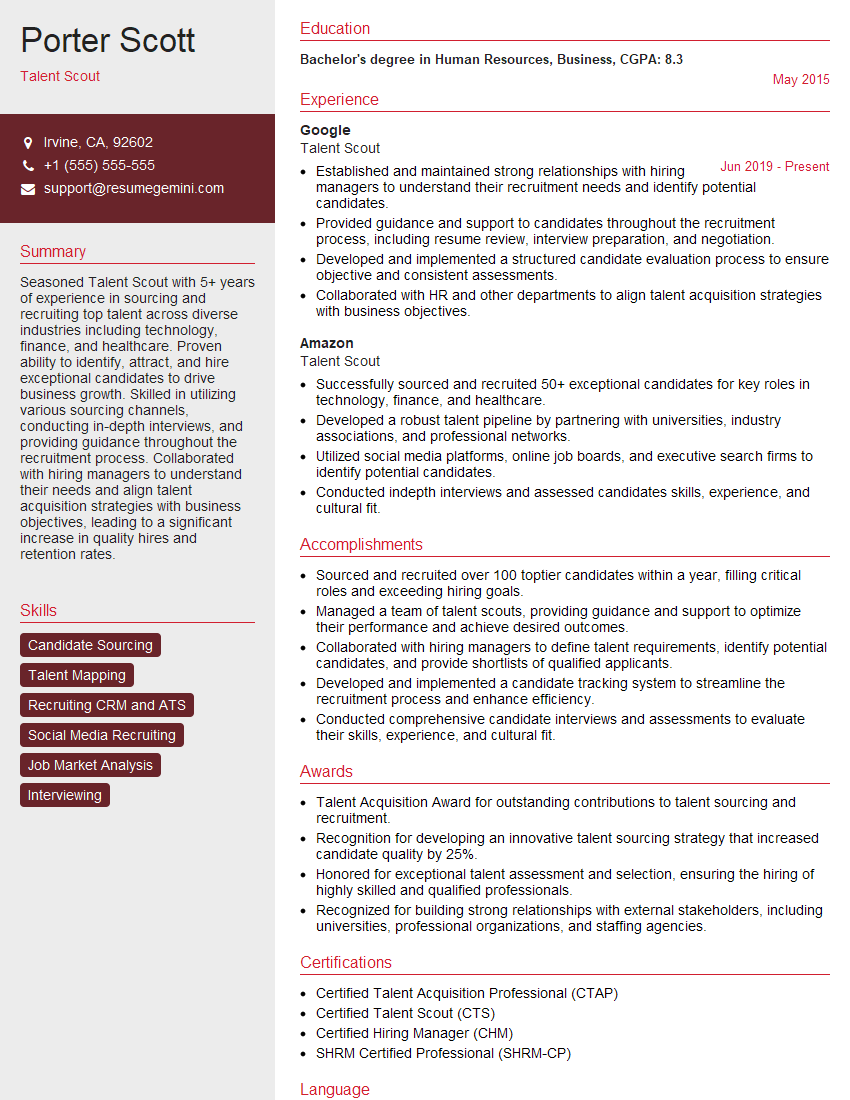
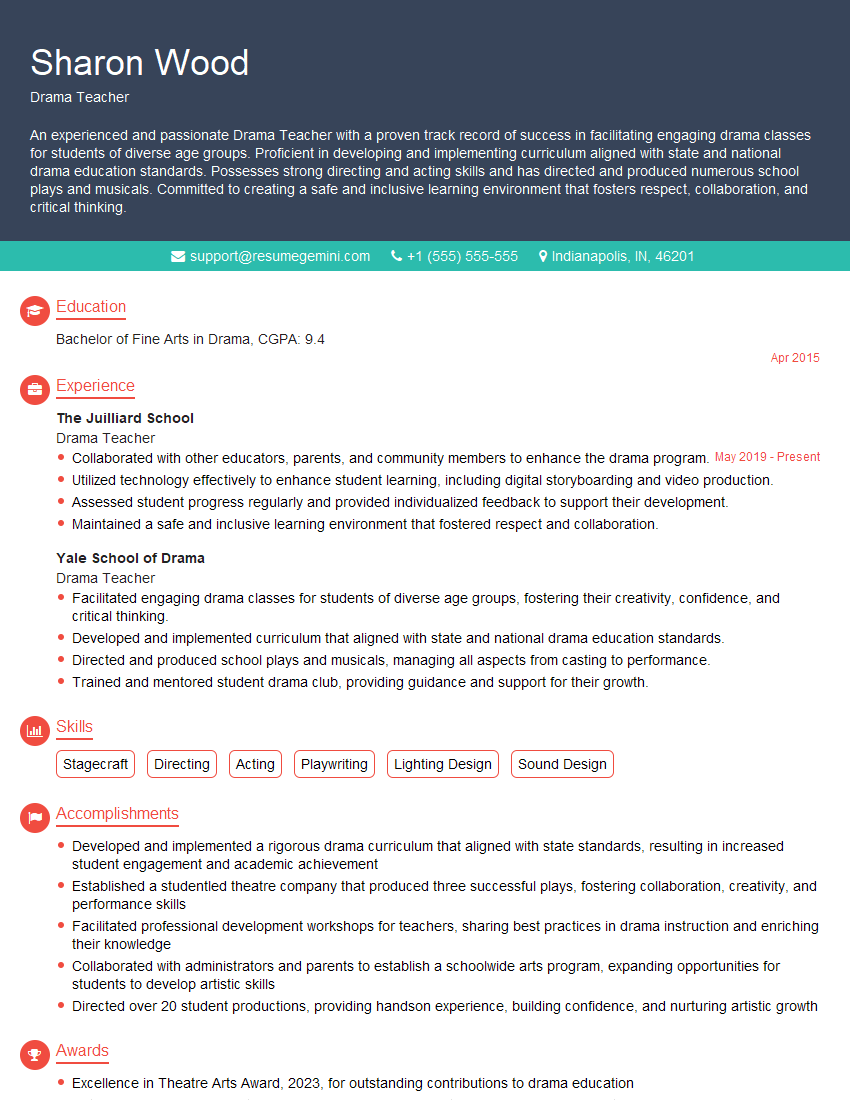
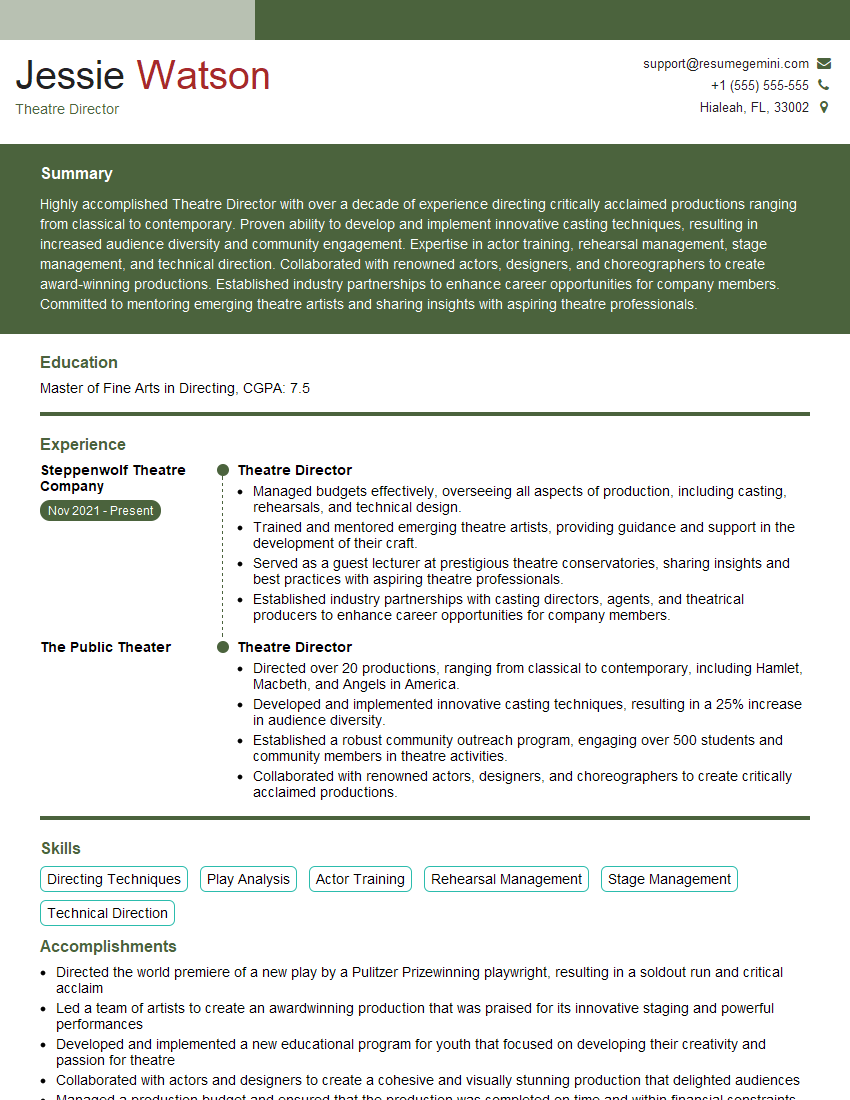
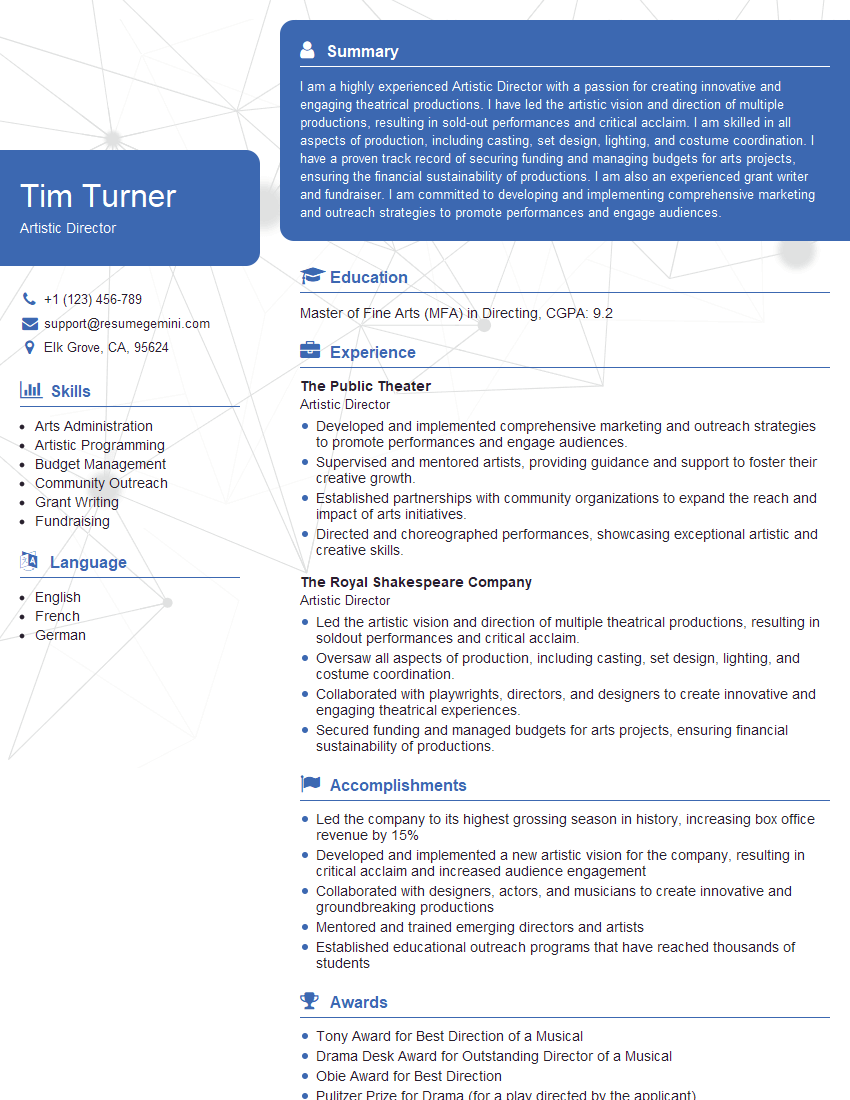
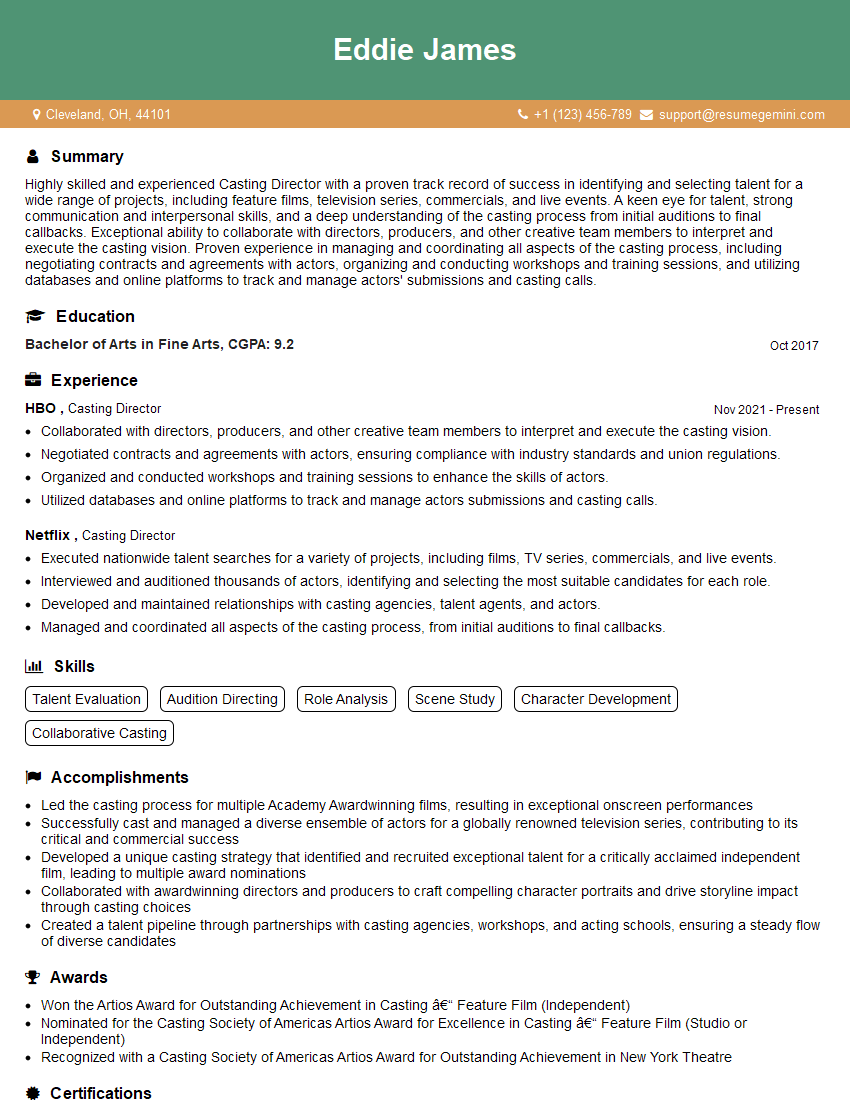
Mastering knowledge of acting studios and workshops significantly enhances your career prospects, whether you aim to become a studio director, workshop facilitator, or even a successful actor with a deeper understanding of the industry’s training ecosystem. To stand out, create an ATS-friendly resume that effectively showcases your relevant skills and experience. ResumeGemini is a trusted resource to help you build a professional and impactful resume, ensuring your qualifications are clearly presented to potential employers. Examples of resumes tailored to the Knowledge of Acting Studios and Workshops sector are available to guide you.
Explore more articles
Users Rating of Our Blogs
Share Your Experience
We value your feedback! Please rate our content and share your thoughts (optional).
What Readers Say About Our Blog
Very informative content, great job.
good