Interviews are opportunities to demonstrate your expertise, and this guide is here to help you shine. Explore the essential Knowledge of basic math and measurement interview questions that employers frequently ask, paired with strategies for crafting responses that set you apart from the competition.
Questions Asked in Knowledge of basic math and measurement Interview
Q 1. What is the formula for calculating the area of a circle?
The area of a circle is calculated using the formula A = πr², where ‘A’ represents the area, ‘π’ (pi) is a mathematical constant approximately equal to 3.14159, and ‘r’ represents the radius of the circle (the distance from the center of the circle to any point on the circle).
For example, if a circle has a radius of 5 cm, its area would be: A = π * 5² = 25π ≈ 78.54 cm². This formula is fundamental in various fields, from calculating the area of a pizza to determining the cross-sectional area of pipes in engineering.
Q 2. How do you convert inches to centimeters?
To convert inches to centimeters, you multiply the number of inches by 2.54. This is because 1 inch is defined as exactly 2.54 centimeters.
For instance, if you have 10 inches, the conversion to centimeters would be: 10 inches * 2.54 cm/inch = 25.4 cm. This conversion is crucial in international collaborations and manufacturing, ensuring consistent measurements across different systems.
Q 3. What is the difference between precision and accuracy in measurement?
Accuracy refers to how close a measurement is to the true or accepted value. Precision, on the other hand, refers to how close repeated measurements are to each other. Think of it like shooting arrows at a target:
- High accuracy, high precision: All arrows are clustered tightly near the bullseye.
- High precision, low accuracy: All arrows are clustered tightly together, but far from the bullseye.
- Low precision, low accuracy: Arrows are scattered all over the target.
- High accuracy, low precision: Arrows are scattered around the bullseye, but the average position is close to it.
In scientific work, both accuracy and precision are vital for reliable results. For example, a poorly calibrated scale might give precise readings, but if those readings are consistently off, the measurements lack accuracy.
Q 4. Explain the concept of significant figures.
Significant figures are the digits in a number that carry meaning contributing to its measurement resolution. They indicate the precision of a measurement. Rules for determining significant figures include:
- All non-zero digits are significant.
- Zeros between non-zero digits are significant.
- Leading zeros (zeros to the left of the first non-zero digit) are not significant.
- Trailing zeros (zeros to the right of the last non-zero digit) are significant only if the number contains a decimal point.
For example, 0.0045 has two significant figures (4 and 5), while 4500 has two significant figures, but 4500.0 has five significant figures. Using significant figures correctly ensures that calculations don’t imply a greater degree of accuracy than the measurements allow. This is especially crucial in scientific and engineering calculations.
Q 5. How do you calculate the volume of a rectangular prism?
The volume of a rectangular prism (a box-shaped object) is calculated by multiplying its length, width, and height. The formula is: V = l * w * h, where ‘V’ represents the volume, ‘l’ represents the length, ‘w’ represents the width, and ‘h’ represents the height.
For instance, a rectangular prism with a length of 10 cm, a width of 5 cm, and a height of 2 cm would have a volume of: V = 10 cm * 5 cm * 2 cm = 100 cm³. Understanding this is fundamental in various fields such as packaging, construction, and even calculating the volume of a container.
Q 6. What is the Pythagorean theorem, and how is it used?
The Pythagorean theorem states that in a right-angled triangle, the square of the hypotenuse (the side opposite the right angle) is equal to the sum of the squares of the other two sides (called legs or cathetus). The formula is: a² + b² = c², where ‘a’ and ‘b’ are the lengths of the legs, and ‘c’ is the length of the hypotenuse.
This theorem is used extensively in various fields such as surveying, construction, and navigation to calculate distances and angles. For example, if you know the lengths of two sides of a right-angled triangle, you can use the theorem to find the length of the third side. Imagine you’re trying to find the direct distance across a field, you could measure the sides and calculate the distance using the Pythagorean theorem.
Q 7. How do you convert fractions to decimals?
To convert a fraction to a decimal, you divide the numerator (the top number) by the denominator (the bottom number).
For example, to convert the fraction 3/4 to a decimal, you divide 3 by 4: 3 ÷ 4 = 0.75. Another example: 1/2 = 1 ÷ 2 = 0.5. This conversion is essential in various applications, from calculating percentages to expressing data in decimal form for computerized calculations and analysis.
Q 8. How do you calculate percentages?
Calculating percentages involves finding a fraction of a whole and expressing it as a value out of 100. The basic formula is: (Part / Whole) * 100 = Percentage.
Example 1: Let’s say you scored 45 out of 60 on a test. To find your percentage score, you’d calculate: (45 / 60) * 100 = 75%. This means you achieved 75% on the test.
Example 2: Imagine a store offers a 20% discount on a $50 item. To calculate the discount, you would find 20% of $50: (20/100) * $50 = $10. The discounted price would be $50 – $10 = $40.
In professional settings, percentages are crucial for analyzing data, tracking performance (e.g., sales growth, project completion), and understanding financial statements. For instance, a marketing team might analyze conversion rates (percentage of website visitors who make a purchase) to optimize campaigns.
Q 9. What is the formula for calculating the circumference of a circle?
The circumference of a circle is the distance around its edge. The formula is: Circumference = 2 * π * radius, where ‘π’ (pi) is approximately 3.14159 and the radius is the distance from the center of the circle to any point on its edge.
Example: If a circle has a radius of 5 cm, its circumference would be: 2 * 3.14159 * 5 cm ≈ 31.42 cm.
This calculation is used extensively in various fields, from engineering (calculating the size of pipes, wheels) to construction (designing circular structures) and even in everyday life (calculating the length of a circular track).
Q 10. How do you calculate the area of a triangle?
The area of a triangle represents the space enclosed within its three sides. The standard formula is: Area = (1/2) * base * height, where ‘base’ is the length of one side and ‘height’ is the perpendicular distance from that base to the opposite vertex (corner).
Example: If a triangle has a base of 6 meters and a height of 4 meters, its area would be: (1/2) * 6 m * 4 m = 12 square meters.
Calculating the area of triangles is crucial in fields like architecture (calculating the area of triangular roofs or walls), surveying (determining land areas), and computer graphics (creating and manipulating 3D shapes).
Q 11. Explain the concept of ratio and proportion.
A ratio is a comparison of two or more quantities, often expressed as a fraction or using a colon. A proportion is a statement that two ratios are equal.
Example: The ratio of apples to oranges in a fruit bowl is 3:2 (or 3/2). This means there are 3 apples for every 2 oranges. If we have a proportion, it might be: 3:2 = 6:4. Both ratios represent the same relationship; the number of apples is always 1.5 times the number of oranges.
Ratios and proportions are fundamental in many areas, including scaling recipes (doubling or halving ingredients), mixing chemicals (maintaining precise ratios), and map-making (representing distances on a smaller scale).
Q 12. How do you solve for ‘x’ in a simple linear equation?
Solving for ‘x’ in a simple linear equation involves isolating ‘x’ on one side of the equation. This often involves applying inverse operations (addition/subtraction, multiplication/division) to both sides to maintain the equation’s balance.
Example: Let’s solve for ‘x’ in the equation 2x + 5 = 11.
- Subtract 5 from both sides: 2x = 6
- Divide both sides by 2: x = 3
Therefore, x = 3. This fundamental skill is essential for solving problems in various fields, from physics (solving for velocity or acceleration) to finance (calculating interest rates).
Q 13. What is the order of operations (PEMDAS/BODMAS)?
The order of operations, often remembered by the acronyms PEMDAS (Parentheses, Exponents, Multiplication and Division, Addition and Subtraction) or BODMAS (Brackets, Orders, Division and Multiplication, Addition and Subtraction), dictates the sequence in which operations should be performed within a mathematical expression.
Example: Consider the expression: 10 + 5 * 2 – 32 + (4+2)
- Parentheses/Brackets first: (4+2) = 6
- Exponents/Orders next: 32 = 9
- Multiplication and Division (from left to right): 5 * 2 = 10
- Addition and Subtraction (from left to right): 10 + 10 – 9 + 6 = 17
The correct answer is 17. Following the order of operations is crucial for achieving accurate results in calculations, particularly those involving complex equations.
Q 14. How do you calculate the average (mean) of a set of numbers?
The average (mean) of a set of numbers is the sum of those numbers divided by the total count of numbers in the set. Formula: Average = (Sum of numbers) / (Number of numbers)
Example: To find the average of 5, 10, 15, and 20: (5 + 10 + 15 + 20) / 4 = 12.5. The average is 12.5.
Averages are ubiquitous in everyday life and professional settings. Businesses use averages to analyze sales figures, project timelines, or employee productivity. Scientists use averages to represent data trends and make predictions.
Q 15. How do you find the median of a set of numbers?
The median is the middle value in a dataset when the numbers are arranged in ascending order. Think of it as the ‘center point’ of your data.
Finding the Median:
- Step 1: Arrange the numbers. Put your set of numbers in order from least to greatest.
- Step 2: Find the middle. If you have an odd number of values, the median is the middle number. If you have an even number of values, the median is the average of the two middle numbers.
Example 1 (Odd number of values): Let’s say we have the set {2, 5, 8, 11, 15}. The middle number is 8, so the median is 8.
Example 2 (Even number of values): Consider the set {3, 6, 9, 12}. The two middle numbers are 6 and 9. The median is their average: (6 + 9) / 2 = 7.5
In real-world scenarios, the median is often preferred over the mean (average) when dealing with data that might have outliers (extremely high or low values) because it’s less sensitive to these extreme values. For instance, in calculating average income, the median provides a more accurate representation of the typical income because it’s not skewed by extremely high earners.
Career Expert Tips:
- Ace those interviews! Prepare effectively by reviewing the Top 50 Most Common Interview Questions on ResumeGemini.
- Navigate your job search with confidence! Explore a wide range of Career Tips on ResumeGemini. Learn about common challenges and recommendations to overcome them.
- Craft the perfect resume! Master the Art of Resume Writing with ResumeGemini’s guide. Showcase your unique qualifications and achievements effectively.
- Don’t miss out on holiday savings! Build your dream resume with ResumeGemini’s ATS optimized templates.
Q 16. What is the mode of a set of numbers?
The mode is the number that appears most frequently in a set of numbers. Think of it as the most ‘popular’ value.
Finding the Mode: Simply count how many times each number appears. The number that shows up most is the mode.
Example 1: In the set {1, 3, 3, 5, 7, 7, 7, 9}, the mode is 7 because it appears three times, more than any other number.
Example 2: A dataset can have more than one mode (bimodal, trimodal, etc.) if multiple numbers have the same highest frequency. For instance, in the set {2, 4, 4, 6, 6, 8}, both 4 and 6 are modes.
Example 3: If all numbers appear with the same frequency, there is no mode.
The mode is useful in many applications, such as determining the most popular product sold in a store or identifying the most common size of a particular clothing item in inventory management.
Q 17. How do you calculate the surface area of a cube?
A cube has six identical square faces. To find its surface area, we calculate the area of one face and then multiply by six.
Formula: Surface Area = 6 * side2 where ‘side’ is the length of one side of the cube.
Example: If a cube has sides of length 5 cm, its surface area is 6 * 52 = 6 * 25 = 150 cm2.
Understanding surface area is crucial in various fields, from packaging design (determining the amount of material needed) to construction (calculating the amount of paint required for a building).
Q 18. How do you calculate the volume of a cylinder?
A cylinder is a three-dimensional shape with two circular bases and a curved surface. Its volume is the space it occupies.
Formula: Volume = π * radius2 * height
Where:
- π (pi) is approximately 3.14159
- radius is the distance from the center of the circular base to its edge
- height is the perpendicular distance between the two bases
Example: A cylinder with a radius of 3 cm and a height of 10 cm has a volume of approximately 3.14159 * 32 * 10 = 282.74 cm3.
Calculating the volume of cylinders is essential in various applications, such as determining the capacity of tanks, pipes, or containers. For example, in civil engineering, it is necessary to calculate the volume of water that a cylindrical reservoir can hold.
Q 19. Explain the concept of unit conversion.
Unit conversion is the process of changing a measurement from one unit to another without altering its value. We do this using conversion factors – ratios that are equal to 1.
Example: Converting inches to centimeters. There are approximately 2.54 centimeters in one inch. The conversion factor is 2.54 cm/1 inch (or its reciprocal, 1 inch/2.54 cm). Multiplying a measurement in inches by this factor will give you the equivalent measurement in centimeters.
Unit conversion is essential in many fields where consistency and accuracy are vital. Imagine trying to build a house with dimensions in both feet and meters—a recipe for disaster! It ensures everyone is on the same page and that calculations are accurate.
Q 20. How do you convert metric units (e.g., kilometers to meters)?
The metric system is based on powers of 10, making conversions relatively straightforward.
Example: Kilometers to meters: There are 1000 meters in 1 kilometer. To convert kilometers to meters, multiply the number of kilometers by 1000.
10 kilometers * 1000 meters/kilometer = 10000 meters
Example: Meters to centimeters: There are 100 centimeters in 1 meter. To convert meters to centimeters, multiply the number of meters by 100.
5 meters * 100 centimeters/meter = 500 centimeters
Consistency in unit usage is paramount in fields like engineering and manufacturing, where even minor discrepancies can lead to significant errors.
Q 21. How do you interpret data presented in a graph or chart?
Interpreting graphs and charts involves understanding the visual representation of data to extract meaningful information.
Steps:
- Identify the type of graph/chart: Different types (bar graphs, pie charts, line graphs, scatter plots) convey data differently.
- Examine the axes and labels: Understand what the axes represent (e.g., time, quantity) and what the units are.
- Analyze trends and patterns: Look for increases, decreases, correlations, or outliers.
- Consider the scale: A carefully chosen or manipulated scale can influence how trends are perceived.
- Draw conclusions: Based on your analysis, summarize the key insights from the data.
Example: A line graph showing sales over time might reveal seasonal trends or the impact of a marketing campaign. A bar graph comparing sales of different products helps identify bestsellers. Understanding graphs and charts is crucial for data analysis in business, science, and many other fields.
Q 22. How would you estimate the dimensions of a room using only a measuring tape?
Estimating a room’s dimensions with just a measuring tape involves a systematic approach. First, I’d measure the length of one wall as accurately as possible. Then, I’d visually estimate the ratio of the length to the width. For example, if the length is approximately twice the width, I’d divide the measured length by two to get an approximate width. Next, I’d measure the length of a perpendicular wall to confirm the width, allowing me to account for any irregularities in the room’s shape. For height, I’d measure from floor to ceiling in one corner, assuming a consistent ceiling height throughout the room. If the room has unusual features, like a sloped ceiling or recessed areas, I’d break the measurement into smaller, manageable sections and sum the results. This combination of precise measurement and informed estimation provides a reliable estimate.
Example: I measure one wall to be 12 feet. Visually, the room appears to be about 1.5 times as long as it is wide. Therefore, I’d estimate the width to be 12 feet / 1.5 ≈ 8 feet. Measuring the adjacent wall would confirm this, perhaps showing it to be 7.8 feet due to slight inaccuracies in visual estimation.
Q 23. Describe a time you had to make a precise measurement in a real-world situation.
During a home renovation project, I needed to precisely measure the dimensions of a custom-built window frame to order a replacement. A simple estimation wouldn’t suffice; any slight inaccuracy could lead to a poorly fitting replacement. I used a high-precision tape measure, measuring the width and height in multiple places, documenting each measurement to account for any minor variations in the frame. I also used a square to ensure I was measuring along the perfectly perpendicular edges. I averaged the measurements for a highly accurate result. The replacement window fit perfectly, which validated the attention to detail in my measurements.
Q 24. What are some common tools used for measurement and what are their limitations?
Several common tools are used for measurement, each with its own limitations:
- Measuring Tape: Excellent for linear measurements but limited in its accuracy for curved surfaces or intricate shapes. Its accuracy also depends on its condition and how it’s used.
- Ruler: Accurate for short distances but impractical for large areas. Also limited to straight-line measurements.
- Vernier Caliper: Provides highly accurate measurements of small distances and diameters, but is less useful for large-scale projects. It requires some skill to use properly.
- Level: Crucial for determining whether a surface is horizontal or vertical, but doesn’t provide direct measurement of length or angle.
- Protractor: Measures angles accurately, but is limited to two-dimensional measurements.
Choosing the appropriate tool depends on the required accuracy and the object being measured. Always consider the limitations of the tool when interpreting the results.
Q 25. How would you handle a situation where you made a measurement error?
If a measurement error occurs, the first step is to identify and understand the source of the error. Was it due to improper tool use, reading the tool incorrectly, or some environmental factor? Documenting the measurement process helps in this identification. After pinpointing the error, I’d re-take the measurement, being extra cautious to avoid repeating the mistake. Depending on the nature of the project and the magnitude of the error, I might also consider taking multiple measurements and averaging them to improve accuracy or recalculate any subsequent computations that depend on the initial measurement.
Example: If I mistakenly measured a 10-foot wall as 9 feet, I would re-measure, paying close attention to my technique. I might also measure the wall again from the other end to check consistency. The corrected measurement would then be used to rectify any affected calculations.
Q 26. How do you calculate the slope of a line?
The slope of a line, often denoted as ‘m’, represents the steepness or incline of the line. It’s calculated as the ratio of the vertical change (rise) to the horizontal change (run) between any two distinct points on the line. The formula is:
m = (y2 - y1) / (x2 - x1)where (x1, y1) and (x2, y2) are the coordinates of two points on the line.
Example: If we have points (2, 4) and (6, 10), the slope would be (10 – 4) / (6 – 2) = 6 / 4 = 1.5. This means the line rises 1.5 units for every 1 unit of horizontal movement.
Q 27. How do you solve a system of linear equations?
Solving a system of linear equations involves finding the values of the variables that satisfy all equations simultaneously. Several methods exist:
- Substitution: Solve one equation for one variable and substitute that expression into the other equation.
- Elimination: Multiply equations by constants to make the coefficients of one variable opposites and add the equations to eliminate that variable.
- Graphical Method: Graph the lines represented by each equation; the intersection point represents the solution.
Example (Elimination): Solve the system: 2x + y = 7 and x – y = 2. Adding the equations directly eliminates ‘y’: 3x = 9, so x = 3. Substituting x = 3 into either equation gives y = 1. The solution is x = 3, y = 1.
Q 28. What is the concept of scale in drawings or maps?
Scale in drawings or maps represents the ratio between the dimensions on the drawing/map and the actual dimensions of the object or area being represented. It’s expressed as a ratio (e.g., 1:100) or a scale bar. A scale of 1:100 means that 1 unit on the drawing corresponds to 100 units in reality. This allows us to represent large objects or areas in a manageable size while preserving the proportions.
Example: A map with a scale of 1:10000 means that 1 cm on the map represents 10000 cm (or 100 meters) on the ground. This helps us understand distances and spatial relationships accurately, even when dealing with vast territories.
Key Topics to Learn for Knowledge of Basic Math and Measurement Interviews
- Number Systems and Operations: Understanding integers, decimals, fractions, and their relationships. Practice performing basic arithmetic operations accurately and efficiently.
- Ratio, Proportion, and Percentage: Mastering the concepts of ratio and proportion, calculating percentages, and applying these concepts to practical problems like scaling recipes or calculating discounts.
- Measurement Units and Conversions: Familiarize yourself with common units of measurement (metric and imperial) for length, weight, volume, and time. Practice converting between different units.
- Geometry Basics: Review fundamental geometric concepts such as area, perimeter, volume, and surface area of common shapes (squares, rectangles, circles, cubes, etc.).
- Data Interpretation and Analysis: Practice interpreting data presented in tables, charts, and graphs. Be comfortable with basic statistical concepts like averages (mean, median, mode).
- Practical Application: Consider how these mathematical concepts apply to real-world scenarios relevant to your target job. Think about examples from your past experiences where you used these skills.
- Problem-Solving Strategies: Develop a systematic approach to solving math problems. Practice breaking down complex problems into smaller, manageable steps.
Next Steps
Mastering basic math and measurement is crucial for success in many fields, demonstrating your attention to detail and analytical skills. A strong foundation in these areas significantly enhances your problem-solving abilities and opens doors to a wider range of career opportunities. To maximize your job prospects, create an ATS-friendly resume that clearly highlights your skills and experience. ResumeGemini is a trusted resource that can help you build a professional and impactful resume. We provide examples of resumes tailored to showcasing expertise in basic math and measurement to help you get started. Invest time in crafting a compelling resume—it’s your first impression with potential employers.
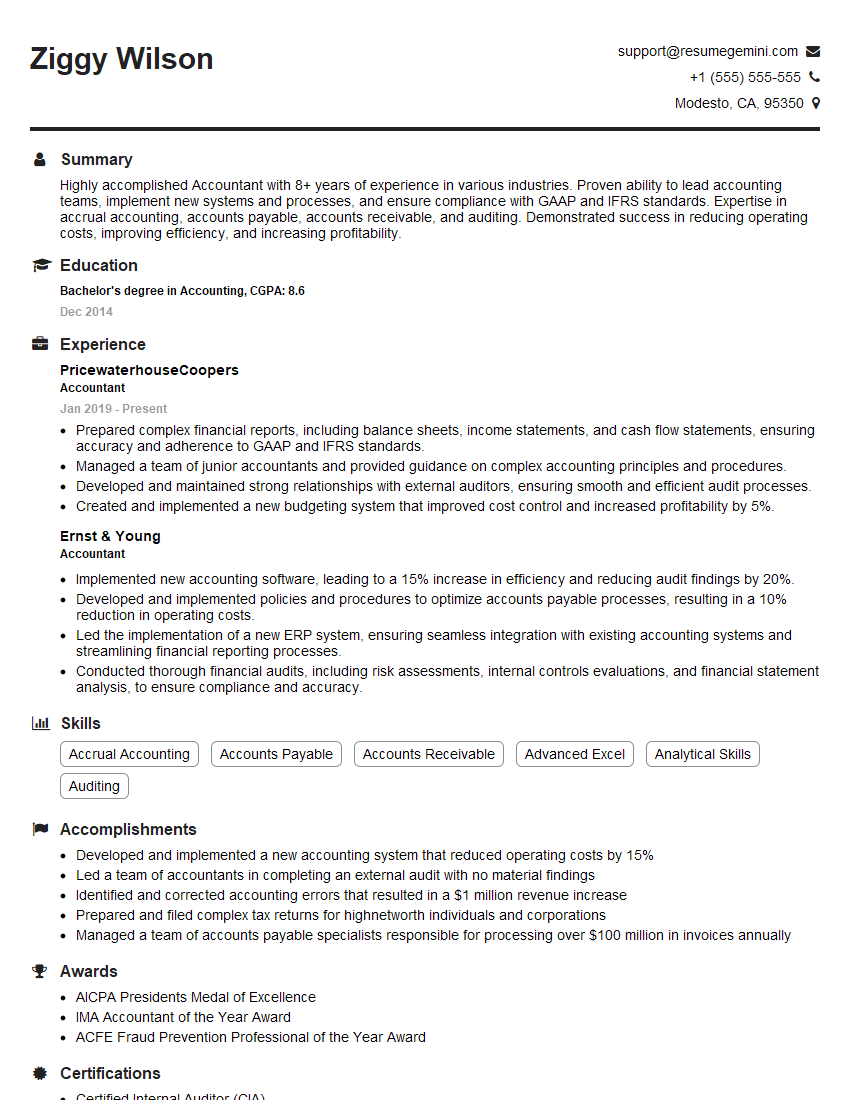
Accountant Resume Sample

Auditor Resume Sample

Bookkeeper Resume Sample
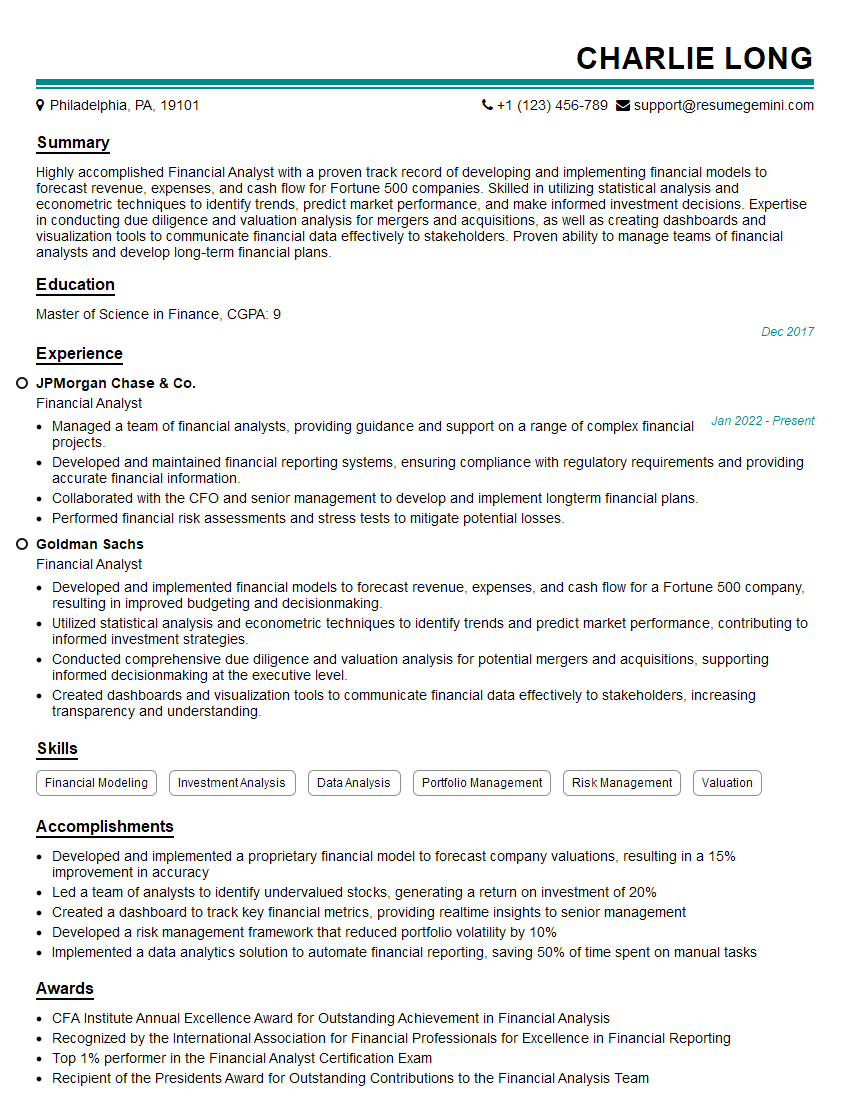
Financial Analyst Resume Sample

Data Analyst Resume Sample

Actuary Resume Sample
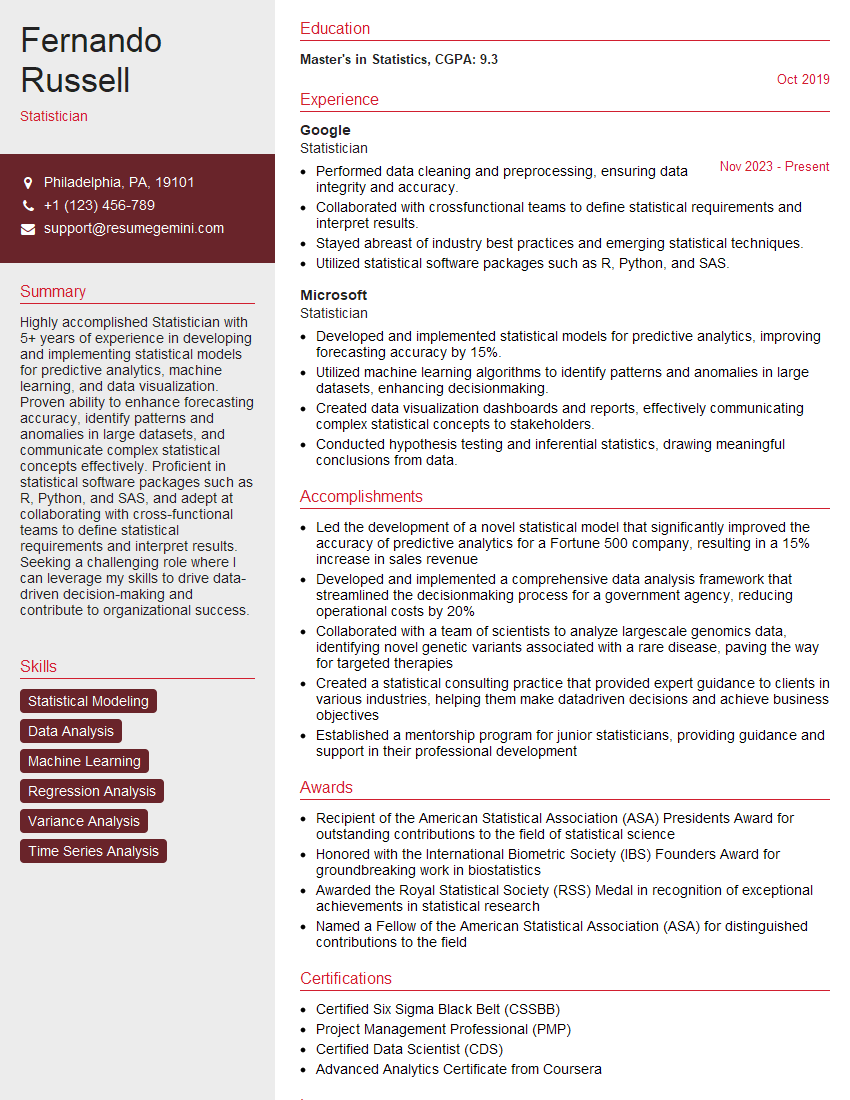
Statistician Resume Sample

Architect Resume Sample
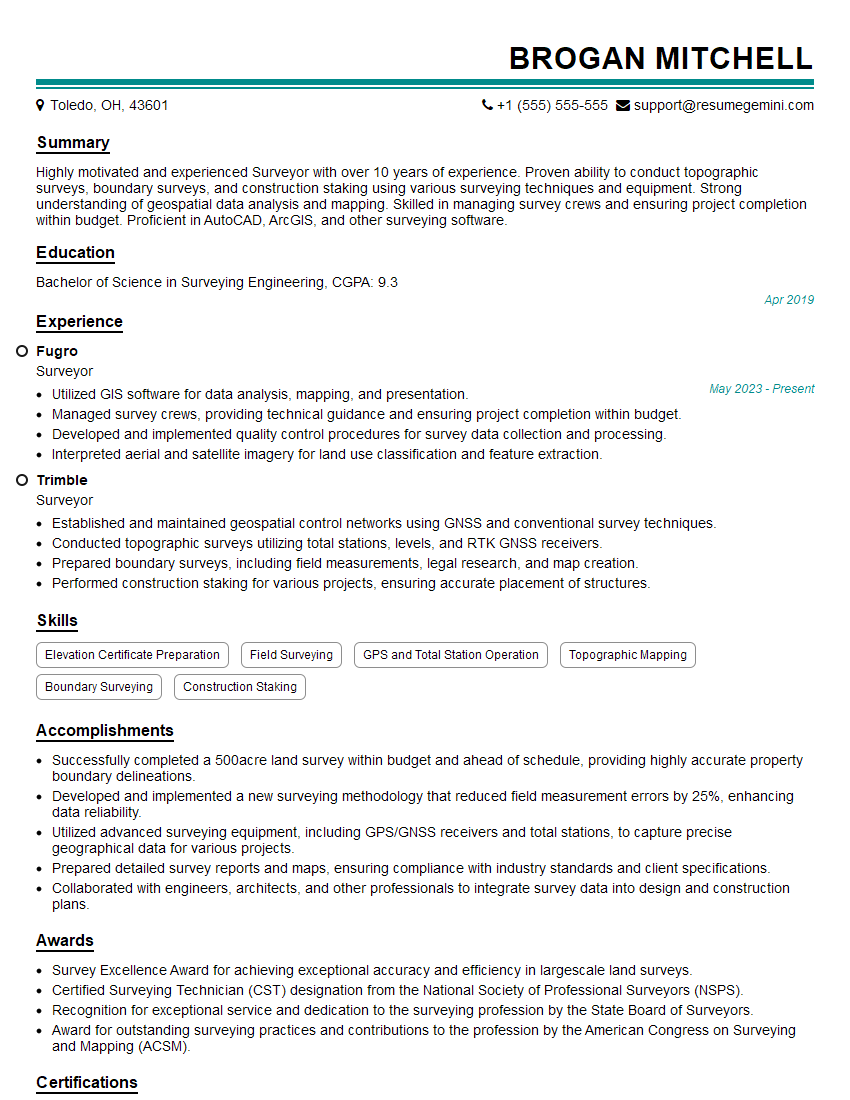
Surveyor Resume Sample

Civil Engineer Resume Sample
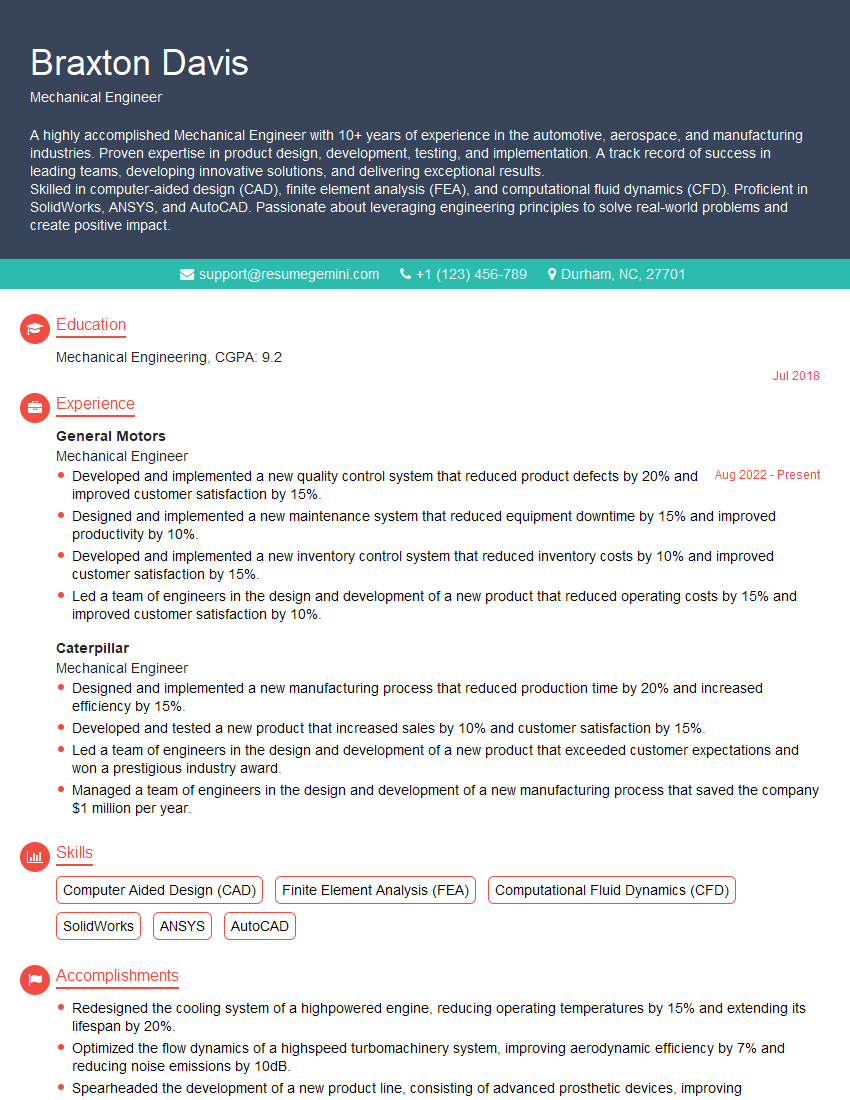
Mechanical Engineer Resume Sample

Drafter Resume Sample

Manufacturing Technician Resume Sample

Pharmacist Resume Sample

Cashier Resume Sample
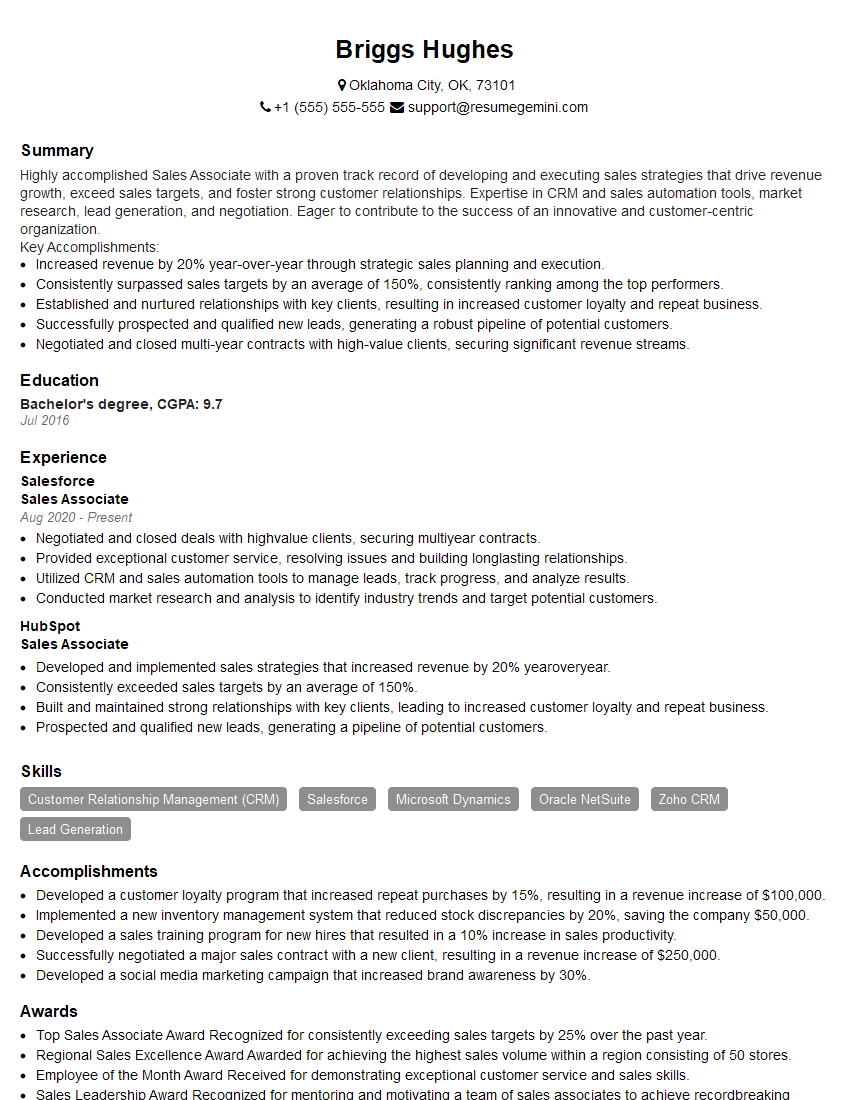
Sales Associate Resume Sample
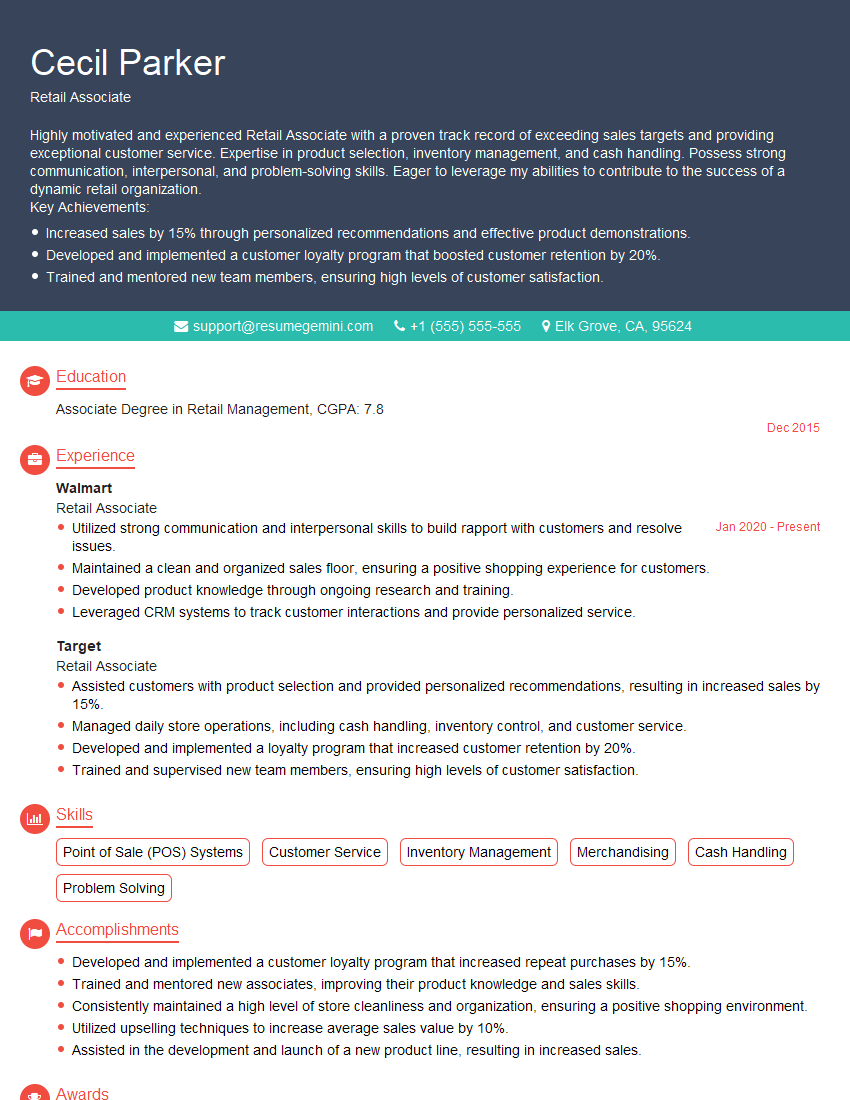
Retail Associate Resume Sample
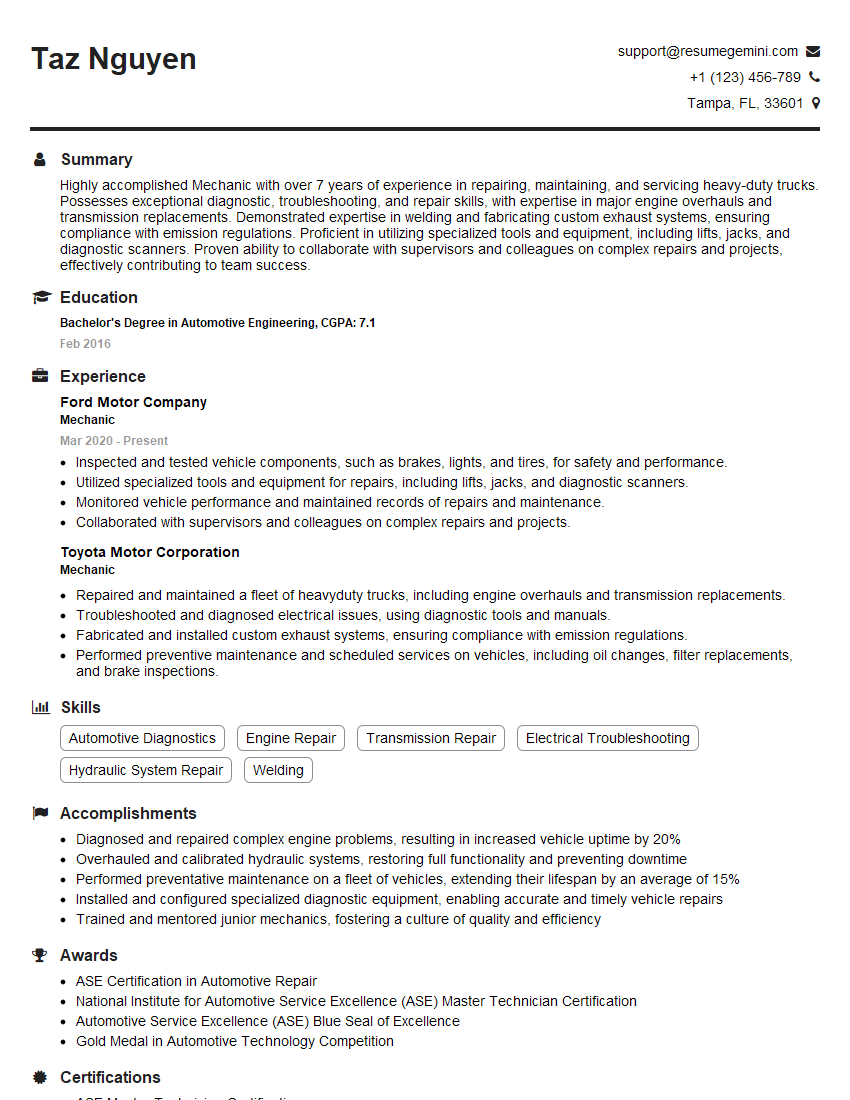
Mechanic Resume Sample

Construction Worker Resume Sample

Production Worker Resume Sample

Carpenter Resume Sample

Electrician Resume Sample

Plumber Resume Sample

Quality Control Inspector Resume Sample
- Accountant
- Auditor
- Bookkeeper
- Financial Analyst
- Data Analyst
- Actuary
- Statistician
- Architect
- Surveyor
- Civil Engineer
- Mechanical Engineer
- Drafter
- Manufacturing Technician
- Pharmacist
- Cashier
- Sales Associate
- Retail Associate
- Mechanic
- Construction Worker
- Production Worker
- Carpenter
- Electrician
- Plumber
- Quality Control Inspector
Explore more articles
Users Rating of Our Blogs
Share Your Experience
We value your feedback! Please rate our content and share your thoughts (optional).
What Readers Say About Our Blog
Very informative content, great job.
good