Cracking a skill-specific interview, like one for Knowledge of Cattle Behavior and Production, requires understanding the nuances of the role. In this blog, we present the questions you’re most likely to encounter, along with insights into how to answer them effectively. Let’s ensure you’re ready to make a strong impression.
Questions Asked in Knowledge of Cattle Behavior and Production Interview
Q 1. Describe the estrous cycle in cattle and its importance in reproductive management.
The estrous cycle in cattle, also known as the heat cycle, is the recurring period of sexual receptivity in a cow. It’s a crucial aspect of reproductive management because it dictates when a cow is fertile and ready for breeding. The cycle typically lasts around 21 days and can be divided into several stages:
- Proestrus: The initial phase, where the corpus luteum (a structure on the ovary) begins to regress, leading to a decrease in progesterone.
- Estrus (Heat): This is the period of sexual receptivity, lasting approximately 12-18 hours. The cow exhibits behavioral signs like restlessness, bellowing, mounting other cows, and standing to be mounted. This is the optimal time for artificial insemination or natural mating.
- Metestrus: Following estrus, ovulation occurs (the release of the egg), and the follicle on the ovary transforms into the corpus luteum.
- Diestrus: The longest phase, characterized by the presence of the corpus luteum, which produces progesterone to prepare the uterus for pregnancy. If pregnancy doesn’t occur, the corpus luteum regresses, and the cycle begins anew.
Effective reproductive management relies on accurate estrus detection. Farmers use various methods, including visual observation of behavioral changes, using heat detection patches or activity monitors, and employing specialized hormones to synchronize estrus in a group of cows. Accurate estrus detection directly impacts pregnancy rates and ultimately herd productivity.
Q 2. Explain different cattle breeding techniques and their effectiveness.
Cattle breeding techniques are diverse and their effectiveness depends on various factors, including the herd size, resources, and breeding goals. Common methods include:
- Natural Mating: This involves introducing a bull to the cows. It’s relatively inexpensive and simple but less precise in terms of timing and breeding selection. The bull’s genetics and fertility significantly influence the success of this method.
- Artificial Insemination (AI): This technique involves depositing semen, collected from a superior bull, directly into the cow’s uterus using a specialized instrument. AI offers greater control over breeding, enabling the use of superior genetics and preventing the spread of diseases. It requires skilled technicians and careful management of semen.
- Embryo Transfer (ET): Superior cows’ embryos are flushed from their reproductive tracts and transferred into recipient cows. ET allows for rapid genetic improvement within a herd, using genetically superior females. The process is more complex and costly, requiring skilled technicians.
- In Vitro Fertilization (IVF): In IVF, eggs are extracted from the cow and fertilized in a laboratory setting, then transferred to recipient cows. IVF is even more technically demanding and expensive than ET but can allow breeding of cows with fertility problems or those not responding to AI.
The choice of breeding technique depends on the individual farmer’s goals and resources. Larger operations often favor AI or ET for improved efficiency and genetic gain, while smaller farms might find natural mating more cost-effective.
Q 3. What are the key factors influencing cattle feed efficiency?
Feed efficiency in cattle refers to the animal’s ability to convert feed into productive output, such as meat or milk. Several factors significantly impact this:
- Breed Genetics: Certain breeds are naturally more efficient than others due to their metabolism and genetic predisposition. For example, some breeds are known for leaner meat production.
- Diet Quality: The nutrient content and digestibility of the feed are crucial. A balanced diet with sufficient protein, energy, vitamins, and minerals is essential for optimal performance. Poor-quality feed leads to lower efficiency.
- Animal Health: Parasites, diseases, and other health problems can reduce feed intake and nutrient utilization, directly impacting efficiency. Regular health checks are crucial.
- Management Practices: Factors like feeding frequency, feed storage, and minimizing feed waste all contribute to efficiency. Proper handling of feed can reduce waste and improve conversion rates.
- Environmental Conditions: Heat stress and other environmental challenges can negatively affect feed intake and digestibility, consequently decreasing efficiency.
Improving feed efficiency involves optimizing these factors. A holistic approach focusing on animal health, targeted nutrition, and proper management practices can significantly improve the profitability of cattle production.
Q 4. How do you manage cattle health and prevent common diseases?
Cattle health management is paramount for productive and profitable cattle operations. Prevention is key, focusing on:
- Biosecurity: Strict hygiene protocols, including quarantine of new animals and controlling access to the farm, help prevent the introduction of diseases.
- Vaccination Programs: Regular vaccinations against common diseases like bovine respiratory disease (BRD), bovine viral diarrhea (BVD), and leptospirosis are critical for herd immunity.
- Parasite Control: Regular deworming and fly control programs help reduce the burden of internal and external parasites, improving animal health and performance.
- Nutrition Management: Providing a balanced diet that meets the animals’ nutritional needs enhances their immune system and resistance to diseases.
- Regular Health Checks: Routine veterinary inspections help detect and treat diseases early, minimizing their impact on the herd.
- Appropriate Housing and Facilities: Well-designed facilities provide clean, dry, and comfortable environments, minimizing stress and supporting animal health.
For example, implementing a robust vaccination schedule tailored to the local disease prevalence reduces the risk of outbreaks. Early detection through regular health checks allows for prompt treatment, minimizing economic losses.
Q 5. What are the signs of stress in cattle, and how do you mitigate it?
Stress in cattle can manifest in several ways, impacting productivity and welfare. Signs include:
- Behavioral Changes: Restlessness, reduced activity, changes in feeding patterns (increased or decreased intake), aggression, or excessive vocalization.
- Physiological Changes: Increased heart rate and respiration, elevated body temperature, decreased milk production (in dairy cows), and reduced weight gain (in beef cattle).
- Immunological Changes: Weakened immune response, increasing susceptibility to diseases.
Mitigating stress involves creating a comfortable and predictable environment. This includes providing adequate space, access to clean water and appropriate shelter, minimizing handling stress, and ensuring a consistent feeding and management routine. Minimizing sudden changes and avoiding overcrowding are crucial. For instance, gradual introduction of new animals to a herd minimizes social stress. Implementing strategies that reduce handling stress, like using calm and gentle handling techniques, are also important.
Q 6. Discuss the principles of pasture management for optimal cattle grazing.
Pasture management for optimal cattle grazing involves a holistic approach to ensure both animal productivity and pasture sustainability. Key principles include:
- Rotational Grazing: Dividing pastures into smaller paddocks and rotating cattle between them allows for rest and recovery of the vegetation. This promotes pasture health and prevents overgrazing.
- Rest and Recovery: Allowing pastures sufficient time to recover between grazing periods is crucial for plant growth and resilience. The length of the rest period depends on factors like climate and pasture species.
- Stocking Rate: Matching the number of animals to the carrying capacity of the pasture is essential to prevent overgrazing and maintain pasture health. Overstocking leads to degraded pastures and reduced productivity.
- Species Selection: Choosing pasture species adapted to the climate and soil conditions ensures optimal growth and forage quality. Diverse pasture species provide nutritional balance and improve grazing efficiency.
- Weed Control: Regular weed management prevents competition with desirable pasture plants and maintains forage quality. Integrated pest management strategies should be employed.
- Fertilization: Nutrient management practices like soil testing and fertilization replenish essential nutrients, ensuring vigorous pasture growth.
Proper pasture management practices are essential for maximizing forage production, improving animal performance, and ensuring the long-term sustainability of the grazing land. Implementing rotational grazing, for example, can significantly increase pasture productivity and improve animal health.
Q 7. Explain the importance of genetic selection in cattle breeding programs.
Genetic selection is a cornerstone of modern cattle breeding programs. It involves selecting and mating animals with desirable traits to improve the overall genetic merit of the herd. The importance lies in:
- Improved Productivity: Selecting animals with superior genetics for traits like milk yield, meat quality, growth rate, and disease resistance results in more productive and profitable herds.
- Enhanced Efficiency: Genetic selection can improve feed efficiency, reducing production costs and increasing profitability. Breeding for improved feed conversion ratios directly impacts the bottom line.
- Increased Sustainability: Selecting for traits like disease resistance and heat tolerance reduces reliance on inputs like antibiotics and improves the adaptability of cattle to changing environmental conditions.
- Improved Animal Welfare: Genetic selection can improve animal health and welfare, reducing the need for interventions and improving overall herd health.
Modern genetic evaluation tools, like genomic selection, enable breeders to accurately predict an animal’s genetic merit based on its DNA. This allows for more precise selection decisions, accelerating genetic improvement within the herd. For example, selecting for increased milk production in dairy cattle directly translates to higher profitability. Similarly, selecting for disease resistance reduces veterinary costs and improves animal welfare.
Q 8. Describe different methods of cattle handling and their impact on animal welfare.
Cattle handling methods significantly impact animal welfare. Low-stress handling techniques prioritize minimizing fear and stress, leading to calmer animals and safer handling for humans. Conversely, rough or aggressive handling can cause injury, fear, and reduced productivity.
- Low-Stress Handling: This involves understanding cattle behavior – their flight zone, points of balance, and natural movement patterns. Handlers use slow movements, curved chutes, and quiet voices to guide cattle. Examples include using proper chute design, employing experienced handlers, and avoiding sudden movements or loud noises.
- Conventional Handling: This often employs less consideration for animal welfare, potentially using electric prods, yelling, and rapid movements. While sometimes necessary for short-term tasks, it elevates stress levels, which can suppress immunity, reduce reproductive efficiency, and increase the risk of injury.
- Training and Education: Well-trained handlers are critical. Training programs focusing on animal behavior, effective restraint techniques, and recognizing signs of stress are crucial for improving both safety and animal welfare. For example, a training program might cover how to use a gentle touch to guide a cow, how to recognize signs of fear (like wide eyes or a raised tail), and techniques to move cattle calmly through a chute.
In essence, choosing appropriate handling methods is not just about efficiency but directly affects the animals’ well-being and overall production.
Q 9. What are the nutritional requirements of cattle at different life stages?
Cattle nutritional requirements vary drastically across life stages, impacting growth, reproduction, and milk production. Meeting these needs is crucial for optimizing animal health and productivity.
- Pre-weaning Calves (0-6 months): Focus is on rapid growth. They need high-quality colostrum immediately after birth for immunity, followed by milk replacer or mother’s milk rich in protein and energy. Creep feeding (providing supplemental feed) may start around 2 months to encourage early intake of solid feeds.
- Growing Cattle (6-12 months): Energy needs shift to support continued growth. High-quality forages with appropriate protein supplementation are essential. Balanced mineral and vitamin supplementation is crucial.
- Finishing Cattle (12-24 months): Prioritizing weight gain for slaughter. High-energy diets, often supplemented with grains, are provided to maximize meat yield. Careful monitoring of feed efficiency is key.
- Breeding Females (Mature Cows): Nutrient requirements change based on pregnancy stage and lactation. Energy intake is heightened during pregnancy, especially in later stages. Lactating cows need considerable energy and protein to support milk production.
- Breeding Bulls: Need balanced nutrition to maintain reproductive health and breeding capacity. Sufficient energy and protein are necessary for optimal sperm production and libido.
Nutritional deficiencies at any stage can lead to poor growth, reduced fertility, compromised immunity, and decreased overall productivity. A balanced and tailored nutrition plan based on life stage and production goals is paramount.
Q 10. How do you assess body condition score in cattle and its implications?
Body condition scoring (BCS) is a visual assessment of an animal’s fat reserves. It’s a crucial tool for managing cattle health and productivity. It’s scored on a scale (typically 1-9), with 1 being emaciated and 9 being obese. A score of 5 is generally considered ideal.
- Assessment: Visual inspection of key areas like the backbone, ribs, hooks, and pins is performed. Palpation (feeling) may be used to assess the thickness of fat cover. Experienced professionals can accurately determine the BCS. A score of 3 is considered thin, while a score of 7 is considered overweight. A thin cow may be experiencing nutrient deficiencies, while an overweight cow is at a greater risk of metabolic problems.
- Implications: BCS directly impacts reproductive performance, health, and overall productivity. Underweight cows have reduced fertility and may not conceive, while overweight cows are at a greater risk of metabolic disorders (like ketosis) and calving difficulties. Regular BCS monitoring allows for timely adjustments in nutrition to optimize production and animal well-being. For example, a low BCS cow might need a diet that’s higher in energy, while a high BCS cow might need a diet that’s higher in fiber.
Regular BCS assessment is a cornerstone of good cattle management practice.
Q 11. Explain different cattle housing systems and their suitability.
Cattle housing systems vary widely depending on climate, production goals, and available resources. Selecting the right system is crucial for animal comfort and productivity.
- Pasture-Based Systems: Cattle graze freely on pastures, minimizing housing costs but requiring adequate land and pasture management. This system promotes natural behaviors and can be suitable for beef cattle but might require supplementary feed depending on pasture quality.
- Free-Stall Barns: Cattle have individual stalls for resting and lying down, with access to a feeding area and a manure management system. This provides good comfort and manure management but requires higher initial investment and ongoing maintenance.
- Tie-Stall Barns: Cattle are individually tied to their stalls, often limiting movement but providing better control over feeding and hygiene. This system is less common due to welfare concerns over restricted movement.
- Open-Lot Systems: Cattle are housed in open areas with shelters for protection from weather elements. This system is relatively low cost and suitable for regions with moderate climates but can offer limited protection from harsh weather.
The choice of system should consider factors like climate, herd size, available resources, and production goals. Careful planning and design are crucial for ensuring animal comfort and efficient operation.
Q 12. How do you manage parasite control in cattle?
Parasite control is essential for maintaining cattle health and productivity. Internal and external parasites can cause significant economic losses. A multi-pronged approach is often necessary.
- Regular Fecal Examinations: To identify the presence and type of internal parasites (like worms). This allows for targeted treatment and reduces the risk of developing resistance.
- Strategic Deworming: Using deworming medications only when necessary, based on fecal examination results and risk factors. This helps minimize the development of drug resistance.
- Pasture Management: Rotating pastures regularly helps break the parasite life cycle, reducing parasite buildup. Proper grazing management reduces the accumulation of parasite eggs and larvae.
- External Parasite Control: Managing external parasites (flies, lice) involves using appropriate insecticides, fly traps, and good hygiene practices. For example, spraying cattle with insecticides can help manage fly infestations.
- Breeding for Resistance: Selecting and breeding cattle with inherent resistance to common parasites is a long-term strategy for reducing parasite burdens.
Integrated parasite control programs should combine multiple strategies to maximize effectiveness and minimize the risks of drug resistance.
Q 13. Describe the process of weaning calves and its impact on animal health.
Weaning calves is the separation of calves from their mothers. It’s a stressful event for both cow and calf but is necessary for subsequent management.
- Methods: Abrupt weaning (sudden separation) causes significant stress, while gradual weaning (over several days or weeks) allows for a smoother transition. Gradual weaning can involve gradually reducing the calf’s access to its mother or using a fence-line weaning system, where the animals can see and smell each other, reducing the intensity of separation.
- Timing: Traditional weaning occurs around 6-8 months of age, but this can vary depending on the breed and management goals. Early weaning (around 4-6 weeks of age) can reduce the cost of feeding the cow but might need special attention to nutrition for the calf.
- Impact on Animal Health: Stress from weaning can suppress immunity, making calves more susceptible to disease. Proper nutrition, vaccination, and appropriate management practices are important during and after weaning to minimize these risks. Providing a familiar environment and plenty of quality feed can help reduce stress.
Careful planning and implementation of weaning strategies are crucial to minimize stress and ensure the health of both the cow and calf.
Q 14. What are the common causes of lameness in cattle and their treatment?
Lameness in cattle is a significant welfare and economic issue. It reduces productivity and can lead to culling. Several factors contribute.
- Infectious Causes: Foot rot, digital dermatitis, and other infectious conditions can cause severe lameness. These conditions often require antibiotic treatment or other targeted interventions, and good hygiene is key to prevent the spread.
- Trauma: Injuries from sharp objects, rough terrain, or fights can lead to lameness. Treatment depends on the severity of the injury, ranging from wound care to surgical repair.
- Metabolic Disorders: Conditions like milk fever and retained placenta can indirectly cause lameness through weakness and decreased mobility.
- Nutritional Deficiencies: Deficiencies in minerals like copper and selenium can affect hoof health and contribute to lameness. A balanced diet is crucial for preventing these deficiencies.
- Genetic Factors: Some breeds or individuals may be genetically predisposed to certain types of lameness.
Treatment varies depending on the cause, and prompt diagnosis is crucial for effective treatment. Regular hoof trimming, maintaining good hygiene, and providing a suitable environment can help minimize the occurrence of lameness.
Q 15. How do you identify and manage heat stress in cattle?
Heat stress in cattle is a serious concern, significantly impacting their productivity and well-being. It occurs when environmental conditions, primarily high temperatures and humidity, overwhelm the animal’s ability to regulate its body temperature. Identifying heat stress involves observing behavioral changes and physiological indicators.
- Behavioral Changes: Cattle may exhibit increased respiration rate (panting), reduced feed intake, decreased activity levels, and seeking shade or water excessively. They might also bunch together for mutual shade or stand with legs spread wide to maximize surface area for heat dissipation.
- Physiological Indicators: Rectal temperature is a key indicator; a temperature above 103°F (39.4°C) is a strong sign of heat stress. Other indicators include elevated heart rate and increased salivation. Severe cases can lead to dehydration and even death.
Management involves proactive measures to mitigate the effects of heat. These include providing adequate shade, access to fresh, clean water (possibly supplemented with electrolytes), proper ventilation in barns, and strategic grazing management to avoid peak heat periods. Fans and sprinklers can also provide valuable cooling, as can adjusting feeding times to cooler parts of the day. For severely affected animals, veterinary intervention may be necessary to address dehydration and other complications.
For example, I worked with a dairy farm experiencing significant milk production losses due to heat stress. By implementing shade structures, installing sprinklers, and adjusting their feeding schedule, we saw a marked improvement in milk production and overall herd health within a few weeks.
Career Expert Tips:
- Ace those interviews! Prepare effectively by reviewing the Top 50 Most Common Interview Questions on ResumeGemini.
- Navigate your job search with confidence! Explore a wide range of Career Tips on ResumeGemini. Learn about common challenges and recommendations to overcome them.
- Craft the perfect resume! Master the Art of Resume Writing with ResumeGemini’s guide. Showcase your unique qualifications and achievements effectively.
- Don’t miss out on holiday savings! Build your dream resume with ResumeGemini’s ATS optimized templates.
Q 16. Explain the importance of record keeping in cattle production.
Record keeping is absolutely crucial in successful cattle production. It forms the backbone of informed decision-making, allowing for the tracking of key performance indicators (KPIs) and the identification of areas for improvement. Accurate records provide valuable data for optimizing management practices and maximizing profitability.
- Animal Health: Recording vaccinations, treatments for illnesses, breeding dates, and calving information is essential for disease prevention and control, as well as for understanding herd health trends.
- Production Performance: Tracking milk yield, weight gain, feed intake, and reproductive performance provides insights into individual animal productivity and overall herd efficiency. This data can be used to identify superior animals for breeding.
- Financial Management: Detailed records on expenses (feed, veterinary care, labor), income (milk sales, livestock sales), and overall profit margins are necessary for effective financial planning and analysis.
- Regulatory Compliance: Many jurisdictions require farmers to maintain records for traceability and regulatory compliance, such as the National Animal Identification System (NAIS).
Think of record keeping as a detailed history of your herd; it allows you to make informed decisions regarding breeding, feeding, health management and marketing. Imagine trying to diagnose a health issue or identify a superior breeding animal without these data; it’s simply impossible. Effective software or well-designed spreadsheets can streamline this process.
Q 17. Describe different cattle marketing strategies.
Cattle marketing strategies vary depending on the type of cattle (beef, dairy), the scale of operation, and market conditions. The goal is to maximize returns while efficiently moving animals to slaughter or new owners.
- Direct Marketing: Selling directly to consumers or restaurants offers higher profit margins but requires more effort in marketing and logistics. Farmers’ markets, community-supported agriculture (CSA) programs, or direct-to-consumer sales online are examples.
- Auction Markets: Auction barns provide a centralized marketplace where farmers can sell their cattle to a broader range of buyers. This is a common method for both beef and dairy cattle.
- Contract Marketing: Agreements with processors or feedlots can provide price guarantees and potentially reduce marketing risks, often involving forward contracts for a set price.
- Cooperative Marketing: Joining a cooperative allows farmers to pool their resources and negotiate better prices with buyers, increasing market power and reducing individual risks.
The choice of marketing strategy often depends on the farmer’s preferences, resources, and market conditions. For instance, a small-scale farmer might opt for direct marketing to cultivate relationships with customers, while a large-scale operation might find auction markets or contract marketing more suitable.
Q 18. How do you implement biosecurity measures on a cattle farm?
Biosecurity is paramount in preventing the spread of diseases within and between cattle farms. It encompasses a range of practices aimed at minimizing the risk of introducing and spreading pathogens.
- Isolation and Quarantine: New animals should be isolated for a period of time before integrating them with the main herd to observe for any signs of disease. Animals showing signs of illness should be quarantined immediately.
- Hygiene and Sanitation: Maintaining clean facilities, including barns, pastures, and equipment, is crucial. Regular disinfection of surfaces and proper waste disposal help prevent the buildup of pathogens.
- Vector Control: Controlling pests like flies and ticks, which can transmit diseases, is vital. This involves using insecticides, fly traps, and good pasture management.
- Traffic Control: Limiting access to the farm and implementing strict hygiene protocols for anyone entering the premises minimizes the risk of introducing pathogens. This includes providing footbaths and changing clothes.
- Vaccination and Health Monitoring: Regular vaccinations and health checks help to maintain herd immunity and detect and manage outbreaks early.
Imagine a farm ignoring biosecurity: A single infected animal could easily wipe out the entire herd. Proper biosecurity measures are not just about protecting the individual farm, they protect the entire industry and food supply. A well-defined biosecurity plan, regularly reviewed and updated, is essential for every cattle operation.
Q 19. What are the key indicators of a healthy cattle herd?
A healthy cattle herd exhibits several key indicators. These signs provide a holistic view of the herd’s well-being and productivity.
- Bright, Alert Appearance: Healthy cattle are typically alert, responsive, and have a shiny coat. Dullness, listlessness, or rough coat can indicate underlying issues.
- Good Body Condition: Animals should have a healthy weight and body condition score (BCS), reflecting proper nutrition and overall health. Emaciation or excessive fat can be problematic.
- Normal Respiration and Heart Rate: Consistent with age and environmental conditions. Rapid breathing or an elevated heart rate can be a symptom of stress or illness.
- Healthy Appetite and Digestion: Cattle should have a good appetite and show normal defecation and urination patterns. Changes in these patterns might signal illness.
- Normal Reproductive Performance: Healthy reproductive rates are crucial for herd growth. Problems with breeding or calving can indicate health issues.
- Low Mortality Rates: A low number of deaths within the herd indicates effective health management and prevention of disease.
Monitoring these indicators, along with regular veterinary checkups, is key to maintaining a healthy and productive herd. Early detection of problems allows for timely intervention, preventing major health issues from developing. For example, a sudden drop in milk production in a dairy herd might be the first sign of a developing disease requiring prompt veterinary attention.
Q 20. Explain the impact of climate change on cattle production.
Climate change presents significant challenges to cattle production. Changes in temperature, precipitation patterns, and the frequency and intensity of extreme weather events can all negatively impact livestock health, productivity, and profitability.
- Heat Stress: Increased temperatures and humidity lead to heat stress, reducing productivity, reproductive efficiency, and overall animal welfare, as discussed previously.
- Drought: Water scarcity affects feed availability and animal health, reducing growth rates and milk production. Droughts can also lead to increased competition for resources and potential conflicts between farmers and other stakeholders.
- Extreme Weather Events: Floods, wildfires, and storms can cause significant damage to infrastructure, disrupt farming operations, and result in animal losses.
- Changes in Forage Production: Shifts in rainfall patterns can alter the quality and availability of pasture, affecting feed quality and requiring adjustments in feeding strategies.
- Spread of Pests and Diseases: Changes in climate can alter the distribution and prevalence of pests and diseases, potentially impacting herd health and requiring new control measures.
Adapting to climate change requires proactive measures such as developing drought-resistant forage varieties, implementing efficient irrigation systems, and improving livestock management practices to enhance resilience. This also includes investing in infrastructure that can withstand extreme weather events. It’s vital for the industry to engage in research and development to find innovative solutions to mitigate the impacts of climate change on cattle production.
Q 21. Describe different methods of cattle identification.
Cattle identification is essential for tracking individual animal performance, managing health records, and ensuring traceability throughout the supply chain. Several methods are commonly used:
- Ear Tags: Plastic or metal tags attached to the ears are a common and relatively inexpensive method. They usually contain a unique identification number.
- Branding: A hot iron or freeze brand is used to create a permanent mark on the animal’s hide. Branding is usually done on the animal’s flank or hip.
- Tattooing: Numbers or letters are tattooed into the animal’s ear. It is a permanent method, but the tattoo may become harder to read as the animal ages.
- Microchips: A small microchip is injected under the animal’s skin. A scanner is needed to read the unique identification number stored within the microchip. Microchips provide a more permanent and reliable form of identification.
- RFID (Radio-Frequency Identification) Tags: Electronic tags that emit a signal when scanned. They can be used with ear tags or other forms of implants. These are increasingly being adopted for their ability to record multiple pieces of data.
The choice of identification method often depends on factors such as cost, permanence, ease of use, and regulatory requirements. Some producers use a combination of methods to improve accuracy and reduce risks associated with lost or illegible tags. Implementing a reliable identification system is vital for efficient farm management and to meet traceability requirements within the beef industry.
Q 22. How do you monitor and manage cattle water intake?
Monitoring and managing cattle water intake is crucial for optimal animal health, productivity, and profitability. Water is essential for digestion, nutrient absorption, temperature regulation, and overall bodily functions. Insufficient water intake leads to reduced feed consumption, decreased milk production, and compromised reproductive performance. Conversely, excessive water intake might indicate underlying health issues.
Visual Observation: Regularly checking water troughs for sufficient water levels and cleanliness is the first step. Look for signs of muddy or contaminated water, which cattle will often avoid. Observe the cattle themselves; if they appear lethargic or excessively thirsty, it might signal a problem.
Water Meters: Installing flow meters on water sources provides quantitative data on daily water consumption. This helps track changes over time and identify anomalies. For instance, a sudden drop in water intake could indicate a health issue or a problem with the water source.
Weighing Systems: Monitoring daily weight gain or milk production in conjunction with water intake data helps assess the efficiency of water utilization. If weight gain is suboptimal despite sufficient feed, inadequate water intake could be a factor.
Strategic Water Placement: Ensure that water sources are easily accessible, particularly for young calves and pregnant cows. Multiple strategically placed water troughs can reduce competition and improve water access, especially during hot weather.
For example, I once worked on a farm where a sudden decrease in water consumption coincided with a rise in mastitis cases. By investigating the water source, we found contamination that was easily remedied, resulting in a significant improvement in herd health.
Q 23. What are the challenges of integrating technology in cattle farming?
Integrating technology in cattle farming presents several challenges despite its potential benefits. The key issues often revolve around cost, infrastructure, technical expertise, and data management.
High Initial Investment: Precision livestock farming technologies, such as sensors, automated feeders, and data analytics software, can be expensive to implement, particularly for smaller farms. This initial investment can be a significant barrier to entry.
Infrastructure Requirements: Many technologies require reliable internet connectivity and power sources, which may be lacking in rural areas where many cattle farms are located. This can limit the application of technology in certain locations.
Technical Expertise: Operating and maintaining these technologies requires a level of technical expertise that not all farmers possess. Training and support are crucial for successful adoption.
Data Management and Analysis: Generating vast amounts of data from various sources requires sophisticated systems for storage, processing, and interpretation. Farmers need tools and training to effectively utilize this data for decision-making. Data security is also a major concern.
Animal Welfare Concerns: The use of technology must always prioritize animal welfare. For example, poorly designed automated systems can cause stress or injury to cattle.
For instance, a farm might invest in automated milking systems, only to find that the learning curve for the staff is steep, and the system is prone to malfunctions due to power outages.
Q 24. Explain different methods for evaluating the quality of cattle feed.
Evaluating cattle feed quality involves assessing both its nutritional content and its physical characteristics. Methods vary depending on the resources available and the level of detail required.
Visual Inspection: Check for mold, foreign materials, and consistent color and texture. Discoloration, musty odor, or presence of weeds can indicate spoilage or poor quality.
Nutrient Analysis: Laboratory analysis is the most accurate way to determine the nutrient composition of feed. This involves testing for protein, energy (crude fiber, NDF, ADF), minerals (calcium, phosphorus, etc.), and vitamins. This helps to create a precise ration to meet the cattle’s nutritional requirements.
Near-Infrared Spectroscopy (NIRS): NIRS is a rapid and relatively inexpensive method for estimating the nutrient content of feed samples. It works by measuring the reflection of near-infrared light by the sample.
Digestibility Trials: These trials involve feeding cattle a specific diet and measuring the amount of nutrients absorbed. This provides a direct measure of the feed’s digestibility and utilization by the animal. It is resource-intensive but the gold standard for assessing digestibility.
Palatability Tests: Observing cattle’s feed intake can indicate the palatability of the feed. If cattle consistently reject a particular feed, it suggests palatability problems which might negatively affect nutrient intake even if the nutritional value is high.
For example, a visual inspection might reveal the presence of mycotoxins in hay, leading to further lab analysis to confirm and determine the extent of contamination.
Q 25. Describe the importance of proper manure management in cattle production.
Proper manure management is crucial for environmental protection, animal health, and economic efficiency in cattle production. Uncontrolled manure can lead to water pollution, air pollution (ammonia emissions), and the spread of disease. Effective manure management strategies are essential for sustainable cattle farming.
Storage and Handling: Manure should be stored and handled in a manner that minimizes environmental impact. This might involve using lagoons, solid storage, or anaerobic digesters to contain and manage manure effectively. Regular cleaning and maintenance of storage facilities are vital.
Nutrient Recovery: Manure is a valuable source of nutrients for crops. Effective manure management strategies can involve composting, spreading manure as fertilizer on fields (following regulations to prevent runoff), or using anaerobic digestion to produce biogas.
Disease Control: Proper manure management helps control the spread of pathogens and parasites. This involves timely removal of manure from cattle areas and careful handling to prevent contamination of water sources and grazing pastures.
Odor Control: Manure odor can be a significant nuisance to both farm workers and nearby residents. Strategies for odor reduction include proper storage, aeration, and application of odor-reducing agents.
Regulatory Compliance: Farmers must comply with local and national regulations regarding manure management. This may involve obtaining permits, adhering to specific spreading practices, and monitoring water quality.
For example, a farm might implement a composting system to reduce odor and create a valuable soil amendment, effectively turning a waste product into a resource.
Q 26. How do you assess the profitability of a cattle operation?
Assessing the profitability of a cattle operation requires a detailed analysis of both income and expenses. It involves calculating key financial indicators to determine the overall financial health and efficiency of the operation.
Revenue Streams: Identify all sources of income, including the sale of cattle, milk, beef, or other by-products. Accurate record-keeping is crucial for tracking revenue.
Cost Analysis: Categorize expenses into direct costs (feed, veterinary care, labor) and indirect costs (land rent, utilities, insurance). Detailed budgeting and expense tracking are vital for understanding cost structures.
Key Performance Indicators (KPIs): Calculate KPIs such as return on investment (ROI), net profit margin, and feed conversion ratio (FCR). These indicators provide a measure of profitability and efficiency.
Break-Even Analysis: Determine the minimum level of production needed to cover all costs. This helps to assess the operation’s financial viability and identify areas for improvement.
Market Analysis: Understanding market trends, prices for cattle and by-products, and the competition is crucial for long-term profitability. Effective marketing strategies can enhance revenue.
For example, a detailed cost analysis might reveal that feed costs are disproportionately high, prompting a review of feed sourcing and management strategies.
Q 27. How do you deal with aggressive or difficult cattle?
Handling aggressive or difficult cattle requires a combination of understanding animal behavior, using proper handling techniques, and maintaining safety. The goal is to address the underlying causes of aggression while ensuring both the animal’s and handler’s safety.
Understanding the Cause: Aggression can stem from various factors including pain, fear, hormonal changes, inadequate socialization, or poor handling practices. Identifying the root cause is crucial for finding effective solutions.
Safe Handling Techniques: Use calm and confident body language. Avoid sudden movements or loud noises. Employ proper equipment like cattle chutes, headgates, and halters to minimize risk to both the animal and the handler. Use flight zone knowledge to control movements.
Training and Socialization: Early socialization and proper training can reduce aggressive tendencies. Handling cattle calmly and consistently from a young age helps them become accustomed to human interaction.
Veterinary Attention: If aggression is related to pain or illness, veterinary examination and treatment are necessary.
Separation and Management: In some cases, aggressive animals may need to be separated from the herd to prevent injury to other animals. They might need a different management plan adjusted to their behavior.
For example, a bull exhibiting aggressive behavior might be castrated to reduce testosterone levels and mitigate aggression. Alternatively, providing adequate space and resources can ease competition and reduce aggression in a herd.
Q 28. Explain the role of vaccinations in maintaining cattle herd health.
Vaccinations play a vital role in maintaining cattle herd health and preventing economically significant diseases. A well-structured vaccination program is a cornerstone of a proactive approach to herd health management.
Disease Prevention: Vaccinations help prevent outbreaks of infectious diseases such as bovine respiratory disease (BRD), leptospirosis, and bovine viral diarrhea (BVD). These diseases can cause significant morbidity, mortality, and economic losses.
Improved Productivity: By preventing disease, vaccinations help ensure optimal animal health and productivity. This translates to improved milk production, increased weight gain, and enhanced reproductive performance.
Reduced Treatment Costs: Preventing disease through vaccination is far more cost-effective than treating sick animals. The cost of treatment, labor, and potential losses from decreased productivity significantly outweigh the cost of vaccination.
Biosecurity: Vaccination is a key element of a robust biosecurity plan. A well-vaccinated herd is better equipped to resist disease challenges from external sources.
Tailored Vaccination Programs: Vaccination protocols should be tailored to the specific needs of the herd based on factors such as age, breed, location, and disease prevalence in the region. A veterinarian should create a custom vaccination plan.
For example, a farm in a region with a high prevalence of BRD might implement a vaccination program focusing on BRD components, thereby reducing the incidence of respiratory disease and associated losses.
Key Topics to Learn for Knowledge of Cattle Behavior and Production Interview
- Cattle Behavior: Understanding herd dynamics, individual animal behavior (e.g., dominance hierarchies, stress responses), and the impact of environmental factors on behavior. Practical application: Developing humane handling techniques and predicting potential behavioral issues in various production scenarios.
- Nutrition and Feed Management: Knowledge of nutrient requirements at different life stages (e.g., calves, heifers, lactating cows), feed formulation, and efficient feed conversion. Practical application: Designing rations to optimize animal performance and minimize production costs while ensuring animal welfare.
- Reproduction and Breeding: Understanding reproductive cycles, breeding techniques (e.g., artificial insemination, estrus synchronization), and reproductive health management. Practical application: Implementing breeding strategies to maximize conception rates and improve overall herd fertility.
- Health and Disease Management: Identifying common cattle diseases, implementing preventative health measures, and understanding treatment protocols. Practical application: Developing biosecurity plans, recognizing early signs of illness, and applying appropriate vaccination and treatment strategies.
- Production Systems and Management: Understanding various cattle production systems (e.g., pasture-based, feedlot), managing grazing resources, and implementing sustainable practices. Practical application: Optimizing resource utilization, improving herd efficiency, and minimizing environmental impact.
- Data Analysis and Record Keeping: Understanding the importance of accurate record-keeping, data analysis techniques for evaluating herd performance, and using technology for data management. Practical application: Using performance data to make informed management decisions and improve overall profitability.
Next Steps
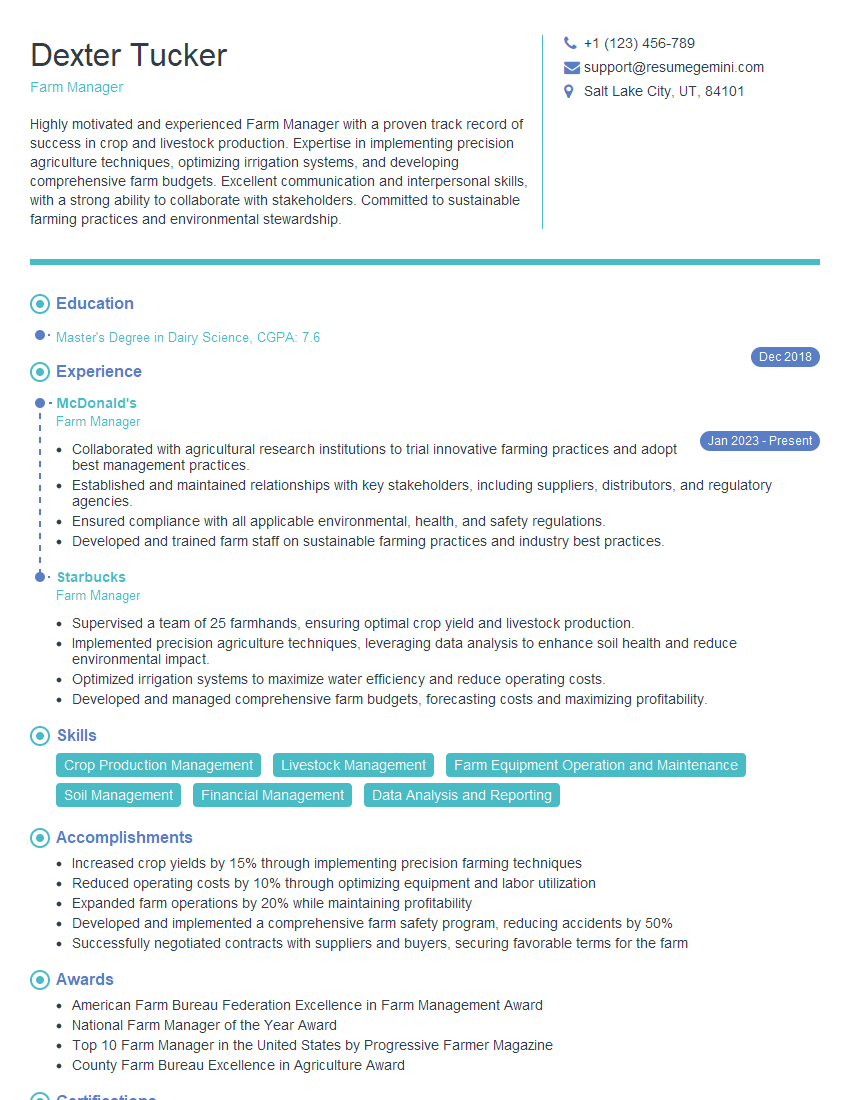
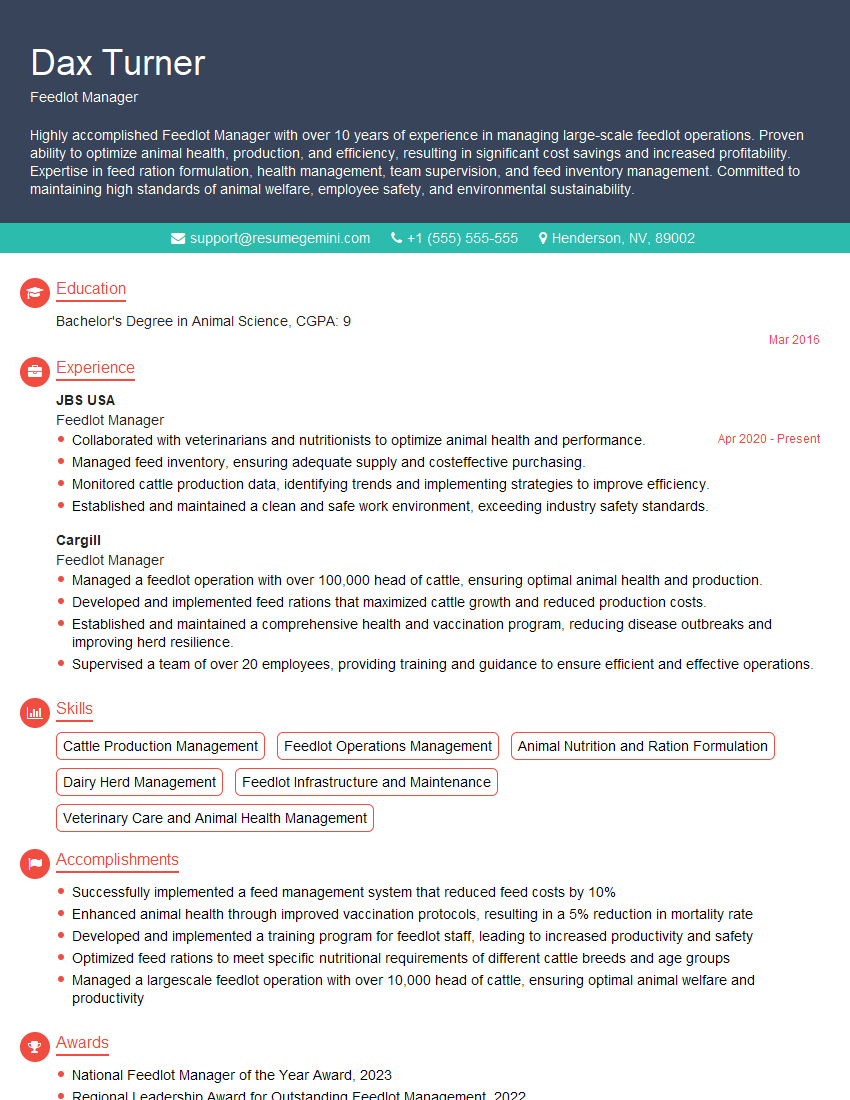
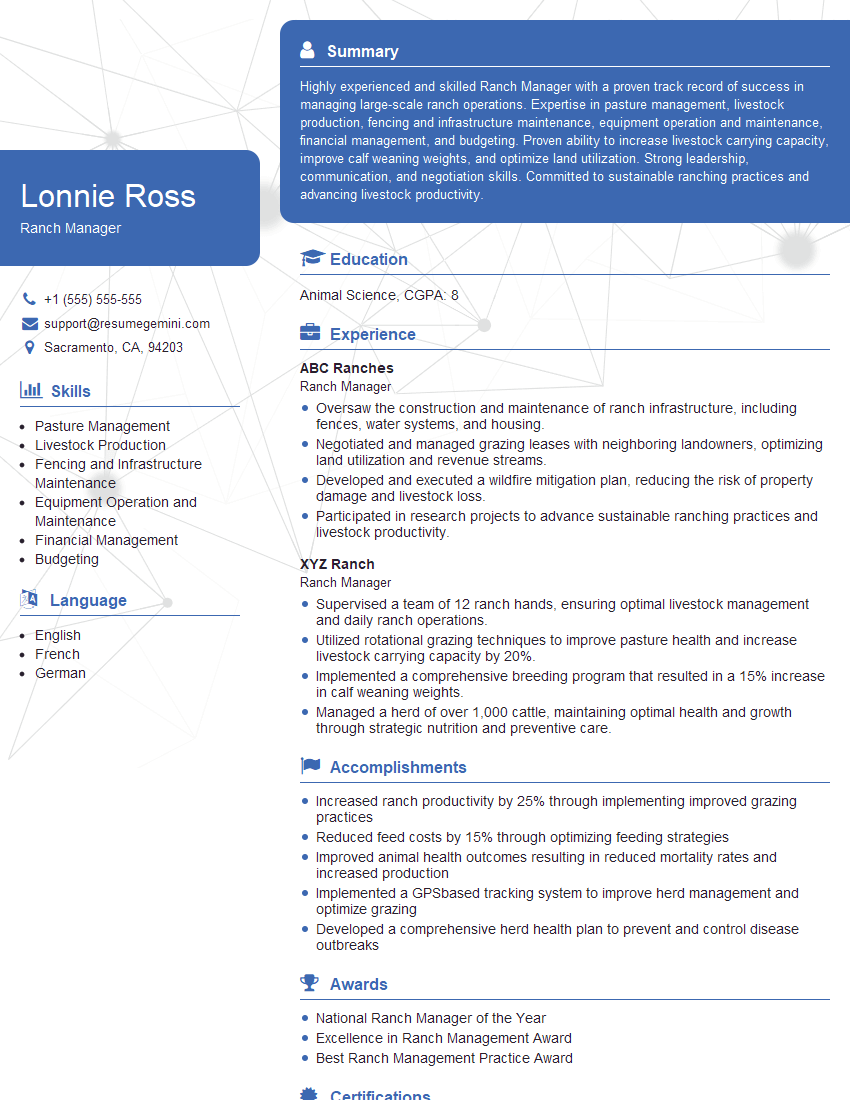
Mastering Knowledge of Cattle Behavior and Production is crucial for career advancement in the agricultural industry, opening doors to specialized roles and leadership opportunities. A strong resume is your key to unlocking these opportunities. Creating an ATS-friendly resume that highlights your skills and experience is essential. ResumeGemini is a trusted resource to help you build a professional and impactful resume that will get noticed. We provide examples of resumes tailored to Knowledge of Cattle Behavior and Production to help guide you. Take the next step towards your dream career today!
Explore more articles
Users Rating of Our Blogs
Share Your Experience
We value your feedback! Please rate our content and share your thoughts (optional).
What Readers Say About Our Blog
Very informative content, great job.
good