Cracking a skill-specific interview, like one for Workplace Culture and Values, requires understanding the nuances of the role. In this blog, we present the questions you’re most likely to encounter, along with insights into how to answer them effectively. Let’s ensure you’re ready to make a strong impression.
Questions Asked in Workplace Culture and Values Interview
Q 1. Describe your experience in developing and implementing a company’s cultural values.
Developing and implementing a company’s cultural values is a multifaceted process requiring careful planning, stakeholder engagement, and consistent reinforcement. It’s not just about creating a list of values; it’s about embedding them into the very fabric of the organization.
My approach begins with a thorough assessment of the existing culture. This involves surveys, interviews, focus groups, and observation to understand the current state, identify strengths and weaknesses, and gauge employee perceptions. Then, I work collaboratively with leadership and employees to define values that reflect the organization’s aspirations and resonate with its workforce. These values should be authentic, actionable, and easily understood. For example, at a previous company, we moved away from overly abstract values like ‘excellence’ to more concrete ones like ‘customer obsession’ and ‘continuous improvement,’ which were easier to measure and integrate into daily operations.
After defining the values, the real work begins: implementation. This involves integrating them into all aspects of the employee lifecycle – from recruitment and onboarding to performance management and rewards systems. We used storytelling to illustrate how the values were lived out in practice through employee spotlights and case studies. We also created internal communication campaigns, training programs, and regular reinforcement activities to ensure the values were not just words on a page, but guiding principles for every decision.
Finally, we built feedback mechanisms to continuously evaluate the effectiveness of the initiative and make necessary adjustments. It’s an ongoing process of refinement, ensuring the cultural values remain relevant and impactful.
Q 2. How would you measure the effectiveness of a workplace culture initiative?
Measuring the effectiveness of a workplace culture initiative requires a multi-pronged approach, focusing both on qualitative and quantitative data. Simply put, you need to see if your efforts have made a tangible difference.
- Employee Surveys: Regularly surveying employees about their satisfaction, engagement, and perceptions of the company culture provides valuable insights. Anonymous surveys promote honest feedback. I look for trends and patterns in responses rather than individual scores.
- Focus Groups and Interviews: Qualitative data from in-depth discussions can reveal nuances not captured in surveys. These can uncover underlying issues and gain a deeper understanding of employees’ experiences.
- Performance Metrics: Improvements in employee retention, productivity, innovation, and customer satisfaction can all indirectly indicate a positive impact on culture. For instance, a decrease in employee turnover could reflect a healthier and more engaged workforce.
- Diversity and Inclusion Metrics: Tracking representation across different demographics and measuring inclusion efforts showcases progress toward a truly diverse and inclusive environment. This might include employee resource group participation and promotion rates.
- Leadership Behavior Observation: Observing how leaders embody and model the desired values provides a critical assessment. Do leaders consistently demonstrate the values they espouse?
By combining these methods, you build a comprehensive picture of the initiative’s success. It’s important to establish baseline metrics before implementing any initiatives to track progress effectively.
Q 3. What strategies have you used to foster a positive and inclusive work environment?
Fostering a positive and inclusive work environment is crucial for employee well-being and organizational success. It’s about creating a sense of belonging for everyone.
- Diversity and Inclusion Training: Providing training on unconscious bias, microaggressions, and inclusive communication helps employees understand and address potential barriers to inclusivity. I also focus on training that encourages empathy and perspective-taking.
- Employee Resource Groups (ERGs): Supporting and empowering ERGs allows employees to connect with others who share similar backgrounds and experiences, fostering a sense of community and belonging. These groups provide valuable feedback and insight into the organization’s inclusivity efforts.
- Inclusive Hiring Practices: Implementing blind resume reviews and structured interviews helps mitigate unconscious bias in the hiring process. It’s also important to actively recruit from diverse talent pools.
- Flexible Work Arrangements: Offering flexible work options, such as remote work or flexible hours, caters to diverse employee needs and lifestyles, promoting work-life balance and greater inclusivity.
- Open Communication and Feedback Channels: Establishing clear and accessible channels for employees to share feedback and concerns fosters transparency and trust. Anonymous feedback mechanisms can encourage greater honesty.
Beyond these strategies, it’s crucial to actively listen to employees’ experiences and concerns. Regular check-ins and feedback sessions are essential to continuously improve the work environment and ensure it remains inclusive and supportive for everyone.
Q 4. Explain your approach to conflict resolution in a diverse workplace.
Conflict resolution in a diverse workplace requires a nuanced approach that values individual perspectives while promoting respectful dialogue and understanding. Ignoring conflict only exacerbates it.
My approach focuses on:
- Active Listening and Empathy: Before attempting to resolve the conflict, I ensure I understand each party’s perspective. This involves active listening, seeking clarification, and demonstrating empathy for their feelings and concerns. I avoid interrupting or judging.
- Neutral Facilitation: If I’m mediating a conflict, I act as a neutral facilitator, ensuring both parties have equal opportunity to express themselves. I guide the conversation towards a constructive resolution rather than assigning blame.
- Focus on Shared Goals: I help the parties identify common goals and interests to create a foundation for collaboration. Focusing on shared objectives can help diffuse tension and facilitate finding solutions.
- Cultural Sensitivity: I am mindful of cultural differences that might influence communication styles and conflict resolution preferences. I ensure I am adapting my communication style appropriately and not making assumptions based on cultural stereotypes.
- Documentation and Follow-up: Once a resolution is reached, it’s crucial to document the agreement and follow up to ensure the agreed-upon actions are implemented and the conflict doesn’t recur.
It’s important to remember that not all conflicts can be resolved immediately. Sometimes, it might require multiple conversations, mediation, or even involving HR.
Q 5. How do you address issues of low employee morale or engagement?
Addressing low employee morale and engagement requires a systematic approach that identifies the root causes and implements targeted interventions. It’s a sign something isn’t working.
My approach involves:
- Employee Surveys and Feedback: I begin by gathering data through surveys, focus groups, and one-on-one conversations to identify the underlying reasons for low morale and engagement. This helps pinpoint specific issues, such as workload, management style, lack of recognition, or limited opportunities for growth.
- Analysis of Performance Data: Examining trends in productivity, absenteeism, and turnover can provide additional insights into the problem. Are there specific departments or teams experiencing more significant issues?
- Targeted Interventions: Based on the data analysis, I develop and implement targeted interventions. These may include:
- Workload adjustments: Redistributing workloads, providing additional resources, or streamlining processes to reduce employee stress.
- Leadership training: Improving management skills to foster a more supportive and engaging work environment. This might focus on communication, feedback, and conflict resolution.
- Recognition and rewards programs: Implementing programs to publicly acknowledge and reward employee contributions.
- Career development opportunities: Providing opportunities for professional development, skill enhancement, and career advancement.
- Improved communication: Establishing more transparent and open communication channels.
- Monitoring and Evaluation: I continuously monitor the effectiveness of the interventions, making necessary adjustments as needed. This ensures the strategies are actually making a difference.
Addressing low morale and engagement requires a commitment to creating a positive and supportive work environment. It’s a collaborative effort, involving both management and employees.
Q 6. Describe a time you had to manage a cultural shift within an organization.
In a previous role, I managed a significant cultural shift from a highly hierarchical, siloed structure to a more collaborative and agile organization. The company had grown rapidly, and the old culture was hindering innovation and teamwork.
My approach was multi-pronged:
- Communicating the Vision: I began by clearly articulating the need for change and outlining the desired future state – a more collaborative, innovative, and customer-centric culture. This involved town hall meetings, internal communications, and leadership buy-in.
- Cross-functional Teams: I implemented cross-functional teams to break down silos and encourage collaboration across departments. This helped people from different areas understand each other’s work and perspectives.
- Training and Development: I invested in training programs focusing on collaboration, communication, and agile methodologies. This equipped employees with the skills they needed to succeed in the new culture.
- Recognition and Rewards: We implemented a new recognition and rewards system that celebrated collaborative efforts and innovative solutions. This reinforced the desired behaviours and values.
- Leadership Modeling: I emphasized that leadership needed to embody the new culture and actively model the desired behaviors. This was critical for ensuring the shift was genuine and not just a top-down initiative.
The process took time and required consistent communication, reinforcement, and adaptation based on feedback. There were challenges, but ultimately, the cultural shift resulted in improved collaboration, innovation, and increased employee engagement.
Q 7. What metrics would you use to assess the health of a company’s culture?
Assessing the health of a company’s culture requires a holistic approach, going beyond simple employee satisfaction scores. Several key metrics can paint a comprehensive picture.
- Employee Net Promoter Score (eNPS): This measures employee willingness to recommend the company as a great place to work. A high eNPS suggests positive sentiment and strong internal brand advocacy.
- Employee Engagement Scores: These scores, often derived from surveys, measure employees’ commitment and passion for their work and the organization. Look for trends across teams and departments.
- Employee Turnover Rate: High turnover rates often indicate underlying cultural issues, such as low morale or poor management. Analyzing reasons for departures can pinpoint specific areas for improvement.
- Diversity and Inclusion Metrics: Tracking diversity representation at all levels of the organization, along with metrics related to inclusion and belonging, provides insights into the fairness and equity of the workplace.
- Employee Feedback Frequency and Quality: Regular and candid feedback indicates a culture of open communication and trust. Analyze the nature of feedback to identify areas needing attention.
- Innovation Rate and Metrics: A healthy culture fosters creativity and innovation. Metrics like number of patents filed or new product launches can reflect the organizational culture’s effectiveness in supporting innovation.
- Safety Incident Rate: In many industries, safety incidents reflect the underlying culture of safety and responsibility. A lower rate can be an indicator of positive organizational health.
Combining these metrics provides a more complete and nuanced picture of the company’s cultural health. The specific metrics chosen will depend on the organization’s industry, size, and strategic goals.
Q 8. How do you promote open communication and feedback within a team?
Promoting open communication and feedback is crucial for a healthy team dynamic. It’s not just about having meetings; it’s about fostering a culture where everyone feels safe to share ideas, concerns, and even criticism without fear of retribution. I approach this through several key strategies:
Establishing clear communication channels: This could include regular team meetings, dedicated Slack channels for specific projects, or even anonymous feedback platforms. The key is providing multiple avenues for communication, catering to different communication styles.
Implementing regular feedback mechanisms: This goes beyond annual reviews. I advocate for regular check-ins (weekly or bi-weekly), 360-degree feedback processes, and the use of tools like pulse surveys to gauge team sentiment. These provide frequent opportunities for both upward and downward feedback.
Leading by example: Open communication starts at the top. I actively solicit feedback from my team, openly share my own vulnerabilities, and actively listen to diverse perspectives. This builds trust and encourages reciprocal openness.
Providing constructive feedback training: Training employees on how to give and receive feedback constructively is critical. This includes focusing on using the “Situation-Behavior-Impact” method to frame feedback, emphasizing solutions rather than solely pointing out problems.
Celebrating feedback: Highlighting how feedback has led to positive change demonstrates its value and encourages more open communication.
For example, in a previous role, I implemented a weekly ‘Kudos’ channel on Slack where team members could publicly acknowledge each other’s contributions. This simple act significantly boosted morale and fostered a more appreciative atmosphere.
Q 9. How do you ensure that company values are integrated into daily operations?
Integrating company values into daily operations requires more than just a mission statement on the website; it necessitates embedding those values into every aspect of the business, from hiring practices to performance reviews. My approach involves:
Defining and clarifying values: Values should be concise, easily understood, and actionable. They should not be vague aspirations but concrete principles that guide decision-making.
Connecting values to daily tasks: Each role should have clear expectations outlining how employees can embody the company values in their daily work. For example, if ‘innovation’ is a core value, employees should have opportunities to participate in brainstorming sessions and propose new ideas.
Embedding values in performance management: Company values should directly inform performance appraisals and bonus structures. Employees should be assessed not just on their output but also on how they demonstrate the company’s values.
Using values in recruitment and onboarding: Hiring managers should actively assess candidates’ alignment with company values, and onboarding should explicitly highlight and reinforce these values.
Celebrating value-driven behaviors: Publicly acknowledging and rewarding employees who exemplify company values reinforces their importance and encourages others to emulate those behaviors.
For instance, in a previous company, we incorporated our value of ‘customer centricity’ into our performance review system by specifically evaluating employee interactions with clients and their contributions to customer satisfaction.
Q 10. Describe your experience in designing and delivering employee training programs related to cultural values.
I have extensive experience designing and delivering training programs focused on workplace culture and values. My approach is highly interactive and engaging, moving beyond simple lectures to facilitate active learning and behavioral change.
Needs Assessment: Before developing any training, I conduct thorough needs assessments to understand the current state of cultural awareness and identify specific training gaps. This involves surveys, focus groups, and interviews to gather data.
Interactive Workshops: I utilize interactive workshops, including role-playing scenarios, case studies, and group discussions to encourage active participation and real-world application of learned concepts.
Gamification: I incorporate gamification elements, such as quizzes, challenges, and leaderboards, to make learning fun and engaging. This enhances knowledge retention and promotes a positive learning experience.
Reinforcement and Follow-up: Training is not a one-time event. I implement strategies for reinforcement, such as follow-up emails, online resources, and regular check-ins, to ensure lasting impact.
Measuring Effectiveness: I utilize pre- and post-training assessments, surveys, and observation to measure the effectiveness of the training and make necessary adjustments for future iterations.
For example, in my previous role, I developed a training program on inclusive leadership that resulted in a 25% improvement in employee perceptions of inclusive practices within six months of completion.
Q 11. How would you handle a situation where an employee’s behavior contradicts company values?
Addressing employee behavior that contradicts company values requires a fair, consistent, and supportive approach. My strategy involves:
Private Conversation: I would initiate a private conversation with the employee to understand the context of the behavior and their perspective. This is crucial to avoid jumping to conclusions.
Clear Expectations: I would reiterate the company’s values and explain how the employee’s actions violated those values. I would be specific about the behavior that needs to change, without resorting to personal attacks.
Performance Improvement Plan (PIP): If the behavior is a serious breach of company values or is recurring, a PIP might be necessary. This would outline clear expectations for improvement, provide support and resources, and establish a timeline for evaluation.
Consequences: In cases of persistent non-compliance, progressive disciplinary action, up to and including termination, may be necessary. This must be done in accordance with company policy and legal requirements.
Documentation: All interactions and decisions must be meticulously documented to ensure transparency and provide a record of the process.
It is essential to approach this situation with empathy and a focus on helping the employee understand the impact of their behavior. However, maintaining consistent enforcement of company values is equally important.
Q 12. How do you ensure that diversity and inclusion initiatives are effective and sustainable?
Ensuring diversity and inclusion initiatives are effective and sustainable requires a holistic and long-term approach. It’s not enough to implement programs; you must foster a culture of belonging.
Data-Driven Approach: Regularly collect data on diversity metrics across various levels of the organization to identify areas for improvement and track progress. This data should inform the design and evaluation of initiatives.
Inclusive Hiring Practices: Implement blind resume screening, diverse interview panels, and inclusive job descriptions to attract a broader range of candidates.
Employee Resource Groups (ERGs): Support and empower ERGs that represent different employee demographics. These groups provide valuable insights, foster community, and promote a sense of belonging.
Unconscious Bias Training: Provide training to all employees to help them recognize and mitigate their own unconscious biases. This is crucial for creating a fair and equitable workplace.
Mentorship and Sponsorship Programs: Establish programs that pair employees from underrepresented groups with senior leaders who can provide guidance and advocacy.
Continuous Feedback and Evaluation: Regularly solicit feedback from employees on the effectiveness of diversity and inclusion initiatives and adapt strategies based on this feedback.
Sustainability requires embedding diversity and inclusion into the company’s DNA, making it part of the everyday fabric of the organization rather than a separate program.
Q 13. What’s your experience with building a strong employer brand?
Building a strong employer brand requires crafting a compelling narrative that attracts top talent and fosters employee loyalty. It involves both internal and external strategies:
Internal Communications: Foster a positive and engaging work environment where employees feel valued and appreciated. This includes transparent communication, recognition programs, and opportunities for growth and development.
Employer Branding Campaign: Develop a clear employer value proposition that articulates the unique benefits of working for the company and resonates with target candidates.
Employee Advocacy: Encourage employees to act as brand ambassadors by sharing their positive experiences on social media and with their professional networks.
Online Presence: Maintain a strong online presence, including an updated careers page, engaging social media accounts, and positive reviews on job sites.
Candidate Experience: Ensure a positive candidate experience throughout the recruitment process, from application to onboarding. This leaves a lasting impression on potential employees.
For example, I helped a company revamp its employer branding by focusing on its commitment to employee well-being and creating a visually appealing careers page that highlighted employee testimonials and company culture. This resulted in a significant increase in high-quality applications.
Q 14. Describe your approach to assessing employee satisfaction and identifying areas for improvement.
Assessing employee satisfaction and identifying areas for improvement requires a multi-faceted approach. I utilize a combination of quantitative and qualitative methods:
Employee Surveys: Conduct regular employee surveys, including both anonymous and non-anonymous options, to gauge overall satisfaction and identify specific areas of concern.
Focus Groups: Organize focus groups to gather in-depth insights and perspectives from employees on specific topics.
Exit Interviews: Conduct thorough exit interviews with departing employees to understand their reasons for leaving and identify potential systemic issues.
Pulse Surveys: Use short, frequent pulse surveys to monitor employee sentiment and identify emerging issues quickly.
Stay Interviews: Conduct stay interviews with high-performing employees to understand what keeps them engaged and motivated.
Management Feedback: Solicit feedback from managers on team morale, productivity, and any challenges they are facing.
Data analysis is crucial to identify trends and patterns. Once areas for improvement are identified, I work with management to develop and implement solutions, measuring the impact of interventions over time to ensure effectiveness.
Q 15. How do you incorporate employee feedback into shaping workplace culture?
Incorporating employee feedback is crucial for shaping a positive and productive workplace culture. It’s not just about asking for opinions; it’s about actively listening, analyzing, and acting upon that feedback to create meaningful change.
My approach involves a multi-pronged strategy:
- Multiple Feedback Channels: I implement diverse methods for gathering feedback, including anonymous surveys, suggestion boxes, regular pulse surveys (short, frequent checks), focus groups, one-on-one meetings with managers, and 360-degree feedback initiatives.
- Transparent Communication: I ensure transparency in how feedback is collected, analyzed, and acted upon. Employees need to understand that their input matters and that their voices are heard. This includes sharing summaries of feedback and outlining action plans.
- Actionable Insights: Simply collecting feedback is insufficient. I analyze the data to identify trends and patterns, prioritizing issues based on impact and feasibility. This involves categorizing feedback, identifying recurring themes, and quantifying the sentiment expressed.
- Follow-up and Communication of Changes: It’s essential to communicate the actions taken based on the feedback. This demonstrates that their voices were heard and valued. Regular updates on progress keep employees engaged and invested in the process.
- Continuous Improvement: Workplace culture is dynamic; feedback mechanisms should be ongoing, allowing for continuous improvement and adaptation. Regularly reviewing and refining feedback processes is key to ensuring their effectiveness.
For example, in a previous role, we implemented an anonymous online survey. The feedback revealed a significant concern about work-life balance. Based on this, we introduced flexible working hours, enhanced parental leave policies, and provided resources for stress management. The subsequent survey showed a marked improvement in employee satisfaction and morale.
Career Expert Tips:
- Ace those interviews! Prepare effectively by reviewing the Top 50 Most Common Interview Questions on ResumeGemini.
- Navigate your job search with confidence! Explore a wide range of Career Tips on ResumeGemini. Learn about common challenges and recommendations to overcome them.
- Craft the perfect resume! Master the Art of Resume Writing with ResumeGemini’s guide. Showcase your unique qualifications and achievements effectively.
- Don’t miss out on holiday savings! Build your dream resume with ResumeGemini’s ATS optimized templates.
Q 16. How would you navigate a situation where company values conflict with individual preferences?
Navigating conflicts between company values and individual preferences requires a delicate balance of understanding, empathy, and firm but fair decision-making. It’s crucial to remember that while upholding company values is essential, fostering open communication and finding common ground is equally important.
My approach involves:
- Open Dialogue and Understanding: The first step is to have a frank, empathetic conversation with the individual to understand their perspective and concerns. Active listening is key to avoiding misunderstandings.
- Value Clarification: Clearly articulate the relevant company values and explain their importance to the organization’s mission and goals. Provide specific examples of how these values are applied in practice.
- Finding Common Ground: Explore whether there’s room for compromise or alternative solutions that respect both individual preferences and company values. Consider whether adjustments can be made to policies or procedures without compromising core values.
- Setting Expectations and Consequences: If a compromise is impossible, clearly explain the consequences of not adhering to company values. This needs to be done respectfully and fairly, focusing on behavior rather than personality.
- Support and Resources: If the conflict stems from personal challenges or differing perspectives, offer support, resources, or training to help the individual better understand and adapt to the company culture.
For instance, if a company values teamwork but an employee strongly prefers independent work, we might explore ways to leverage their skills in individual projects while still integrating their contributions into the overall team goals through regular check-ins and collaborative review sessions.
Q 17. How do you promote a culture of innovation and creativity within the workplace?
Promoting innovation and creativity necessitates a cultural shift that encourages experimentation, risk-taking, and open communication. It’s about creating an environment where employees feel empowered to generate new ideas and challenge the status quo.
Here’s how I approach it:
- Psychological Safety: Creating an environment where people feel safe to take risks and share unconventional ideas, even if they’re not fully formed or might initially be perceived as failures. This requires fostering trust, respect, and open communication.
- Empowerment and Autonomy: Give employees the freedom and resources to pursue their ideas. This involves providing adequate time, tools, and support, and minimizing bureaucratic hurdles.
- Cross-functional Collaboration: Encourage collaboration between departments and teams to facilitate the exchange of knowledge and perspectives. This can involve creating cross-functional project teams or organizing brainstorming sessions.
- Recognition and Reward: Recognize and reward innovative ideas and achievements, not just successful outcomes. This can include formal awards, informal recognition, or simply celebrating creative attempts.
- Learning and Development: Invest in employee training and development programs that enhance their creative thinking, problem-solving, and innovation skills.
- Tolerance for Failure: Encourage experimentation and embrace failure as a learning opportunity. This requires creating a culture where mistakes are seen as stepping stones to success rather than reasons for punishment.
One effective approach is to implement regular ‘hackathons’ or innovation challenges where employees can dedicate time to developing new solutions to existing problems, fostering a playful competitive spirit.
Q 18. Describe your experience in facilitating workshops or team-building activities related to culture.
I have extensive experience facilitating workshops and team-building activities designed to enhance workplace culture. My approach focuses on active participation, collaborative learning, and measurable outcomes.
Examples include:
- Values Clarification Workshops: These workshops involve collaborative discussions to define and articulate the company’s core values, ensuring alignment across teams and departments.
- Communication Skills Training: Workshops focused on improving communication, active listening, and conflict resolution skills, promoting better teamwork and understanding.
- Team-Building Activities: I’ve designed and led various activities, from escape rooms to problem-solving challenges, fostering collaboration, trust, and camaraderie among team members. The selection of activities is carefully matched to the specific needs and goals of the teams.
- Feedback and Appreciation Sessions: Structured sessions to provide and receive constructive feedback, enhancing self-awareness and team cohesion. This also involves training on delivering effective feedback.
In a previous company, I facilitated a series of workshops focused on improving communication across departments. This involved role-playing scenarios, group discussions, and feedback sessions. The result was a significant reduction in inter-departmental conflicts and an increase in cross-functional collaboration.
Q 19. How do you measure the impact of diversity and inclusion programs on business outcomes?
Measuring the impact of diversity and inclusion programs requires a multi-faceted approach that combines quantitative and qualitative data. It’s not enough to simply track participation numbers; we must assess the broader impact on business outcomes.
My approach involves:
- Employee Surveys: Regular surveys measuring employee satisfaction, engagement, inclusion, and perceptions of fairness. This allows for the tracking of progress and identification of areas requiring further attention.
- Performance Data: Analyzing key performance indicators (KPIs) like employee turnover rates, productivity levels, profitability, and innovation output to determine the correlation with diversity and inclusion initiatives.
- Customer Satisfaction Data: Assessing whether improved diversity and inclusion initiatives positively correlate with customer satisfaction rates and market share.
- Recruitment Metrics: Monitoring recruitment pipeline data to determine if diversity and inclusion programs effectively attract and retain a diverse workforce.
- Qualitative Feedback: Gathering qualitative feedback through focus groups, interviews, and informal conversations to gain deeper insights into employee experiences and perceptions.
For instance, a successful diversity program might show a reduction in employee turnover, increased innovation, improved customer satisfaction among diverse market segments, and a more representative workforce that better reflects the population it serves.
Q 20. How do you use technology to enhance employee engagement and foster positive culture?
Technology plays a vital role in enhancing employee engagement and fostering a positive workplace culture. The key is to use technology strategically to support human interaction, not replace it.
Here are some ways I utilize technology:
- Intranet and Collaboration Platforms: Utilizing platforms like Slack, Microsoft Teams, or internal wikis to facilitate communication, collaboration, knowledge sharing, and quick access to information.
- Employee Recognition Platforms: Leveraging platforms to recognize and reward employees for their contributions, boosting morale and promoting a culture of appreciation.
- Performance Management Systems: Implementing systems that streamline performance reviews, provide regular feedback, and track progress towards goals, leading to greater transparency and accountability.
- Learning Management Systems (LMS): Utilizing LMS to provide employees with access to training and development resources, enhancing their skills and promoting professional growth.
- Pulse Surveys and Feedback Tools: Using online platforms to gather regular, anonymous employee feedback, allowing for quick identification and resolution of emerging issues.
- Mental Health and Wellness Apps: Providing access to apps and resources that support employee well-being, reducing stress and promoting a healthy work-life balance.
For example, implementing a company-wide instant messaging system can significantly improve communication speed, accessibility, and informal collaboration amongst teams.
Q 21. How would you address concerns regarding workplace harassment or discrimination?
Addressing concerns regarding workplace harassment or discrimination requires a swift, thorough, and impartial response. It is paramount to create a safe and respectful environment where employees feel comfortable reporting such incidents without fear of retaliation.
My approach involves:
- Clear Policy and Procedure: Ensuring a clear, comprehensive, and easily accessible policy that defines harassment and discrimination, outlines reporting procedures, and guarantees confidentiality and protection from retaliation.
- Confidential Reporting Mechanism: Providing multiple, confidential channels for reporting incidents, including anonymous reporting options.
- Prompt Investigation: Conducting a thorough and impartial investigation of all reported incidents. This involves gathering evidence, interviewing witnesses, and ensuring due process for all parties involved.
- Disciplinary Action: Implementing appropriate disciplinary action, based on the findings of the investigation, for those found responsible for harassment or discrimination.
- Support for Victims: Providing support and resources for victims of harassment or discrimination, including access to counseling, legal assistance, and other necessary services.
- Prevention and Training: Implementing ongoing prevention programs, including regular training sessions for all employees on harassment and discrimination prevention, bystander intervention, and respectful workplace behavior.
It’s critical to emphasize that all reports are taken seriously, and swift action is taken to ensure a safe and respectful workplace. Maintaining confidentiality and protecting the rights of both the complainant and the respondent is crucial.
Q 22. Describe your experience with change management initiatives aimed at improving workplace culture.
Change management in workplace culture requires a holistic approach, moving beyond simple policy changes to a transformation of behaviors and beliefs. My experience involves leading initiatives that focused on data-driven assessments of existing culture, followed by collaborative strategy development. This included identifying key cultural gaps between desired and current states. For example, in one organization, we discovered a significant disconnect between stated values of collaboration and the actual siloed working practices across departments. We addressed this by implementing cross-functional project teams, coupled with targeted training on communication and conflict resolution skills, and regular feedback mechanisms to track progress and make adjustments. We also leveraged storytelling to showcase successful collaborative projects, emphasizing the positive outcomes and reinforcing desired behaviors.
Another successful initiative involved introducing a new performance management system. Instead of a solely top-down approach, we involved employees at all levels in the design and implementation process. This ensured buy-in and fostered a sense of ownership. We used focus groups, surveys, and one-on-one interviews to gather input and ensure the new system truly reflected our evolving cultural goals. The result was a system that was better received, more effective, and directly contributed to a more collaborative and supportive work environment.
Q 23. How do you balance the needs of employees with the strategic objectives of the organization regarding culture?
Balancing employee needs with organizational strategic objectives requires a delicate but crucial approach. It’s not about choosing one over the other, but rather finding synergies. This involves a robust communication strategy, ensuring transparency regarding company goals and how they relate to the employee experience. For instance, when implementing a new cost-cutting initiative, instead of simply announcing layoffs, we might involve employees in brainstorming solutions to achieve the cost-saving goals. This collaborative approach fosters a sense of shared responsibility and minimizes the negative impact on morale.
Regular pulse surveys and employee feedback mechanisms are essential tools to understand employee needs and concerns. This allows us to adapt our cultural initiatives to reflect the real-time feedback we receive. For example, if employee surveys consistently highlight work-life balance concerns, the organization might implement flexible work arrangements or additional support programs. This shows employees that their voices are heard and valued, leading to increased engagement and a stronger sense of ownership.
Q 24. What is your understanding of the link between workplace culture and employee retention?
The link between workplace culture and employee retention is undeniably strong. A positive and supportive culture significantly increases retention rates by fostering a sense of belonging, purpose, and job satisfaction. Employees are more likely to stay with organizations where they feel valued, respected, and challenged. Conversely, a toxic or negative culture, characterized by high stress, lack of recognition, or poor management, contributes significantly to high turnover rates. Employees actively seek out more positive and supportive work environments.
For example, an organization with a strong culture of recognition and appreciation, where employees feel their contributions are valued, will likely experience lower attrition. This can manifest in various ways, including regular feedback, opportunities for professional development, and a transparent and fair compensation structure. Measuring employee engagement, satisfaction, and turnover rates can directly show the correlation between culture and retention.
Q 25. How do you build trust and psychological safety within a team?
Building trust and psychological safety within a team is fundamental to creating a high-performing and engaged workforce. This starts with creating a culture of open communication where team members feel safe expressing their opinions, concerns, and even mistakes without fear of judgment or retribution. Leaders must demonstrate vulnerability, actively listening and acknowledging diverse perspectives.
Specifically, I use techniques such as establishing clear expectations and guidelines, promoting open dialogue, creating opportunities for team bonding, and consistently demonstrating fairness and transparency in decision-making. I also encourage team members to support each other, providing constructive feedback and celebrating successes together. For example, implementing regular team check-ins allows for early identification and addressing of concerns, preventing small issues from escalating into larger problems.
Q 26. Describe a time you had to address a cultural mismatch between different teams or departments.
In a previous role, I encountered a significant cultural mismatch between the sales and marketing teams. The sales team operated on a highly competitive, individualistic model focused on short-term gains, while the marketing team had a more collaborative, long-term approach emphasizing brand building. This resulted in conflicting priorities and inefficient communication.
To address this, I facilitated a series of workshops that brought members from both teams together. We used team-building activities to foster relationships and understanding, and we also worked to clarify roles and responsibilities, highlighting the interdependence of the two departments. We established shared goals and metrics that incentivized collaboration, and we implemented regular cross-functional meetings to improve communication and alignment. This ultimately led to a more unified and collaborative approach, significantly improving overall performance and team morale.
Q 27. How do you identify and cultivate cultural ambassadors within an organization?
Identifying and cultivating cultural ambassadors involves looking for individuals who embody the desired organizational values and actively promote a positive work environment. They are natural leaders who influence their peers through their behavior and actions. These individuals are often highly engaged, have strong communication skills, and demonstrate a genuine commitment to the organization’s mission and values.
To cultivate these ambassadors, I utilize a multi-pronged approach. This includes recognizing and rewarding their contributions, providing them with opportunities for leadership development, and empowering them to champion cultural initiatives. For example, we might create a peer mentorship program where cultural ambassadors mentor newer employees, or we might involve them in the design and implementation of cultural programs. This investment strengthens their commitment and expands their influence across the organization.
Q 28. How would you adapt your approach to building a positive workplace culture across different geographical locations or demographics?
Adapting a positive workplace culture across diverse geographical locations and demographics requires a nuanced approach that considers local customs, languages, and cultural norms. A one-size-fits-all approach will likely fail. It’s crucial to conduct thorough cultural assessments to understand the specific needs and preferences of each location and demographic group.
For example, when expanding into a new country, we would invest in local expertise to understand the cultural context. This might involve collaborating with local consultants or hiring individuals with in-depth knowledge of the local culture. We would also tailor communication materials and training programs to be culturally sensitive and inclusive, ensuring they resonate with the target audience. Finally, regular feedback and open communication channels are vital to ensure that our approach is effective and addresses the unique needs of each location.
Key Topics to Learn for Workplace Culture and Values Interview
- Defining Workplace Culture: Understanding the nuances of different organizational cultures (e.g., collaborative, competitive, innovative) and how to identify them.
- Core Values Identification: Analyzing a company’s stated values and assessing how they translate into daily practices and employee behavior.
- Culture Fit Assessment: Evaluating your own work style and values to determine compatibility with different organizational cultures and articulating this fit during the interview.
- Teamwork and Collaboration: Describing your experiences in collaborative settings, highlighting your contributions and problem-solving approaches within a team environment.
- Conflict Resolution: Explaining your approach to resolving workplace conflicts, emphasizing strategies that promote positive communication and teamwork.
- Adaptability and Change Management: Demonstrating your ability to adapt to evolving situations and embrace change within a dynamic work environment.
- Ethical Considerations: Discussing your understanding of ethical conduct in the workplace and how you would address ethical dilemmas.
- Communication Styles: Analyzing different communication styles and tailoring your approach to different audiences and situations.
- Leadership and Mentorship: Sharing examples of how you’ve demonstrated leadership qualities, either formally or informally, and how you approach mentoring or supporting colleagues.
- Diversity and Inclusion: Demonstrating your understanding of and commitment to diversity, equity, and inclusion within the workplace.
Next Steps
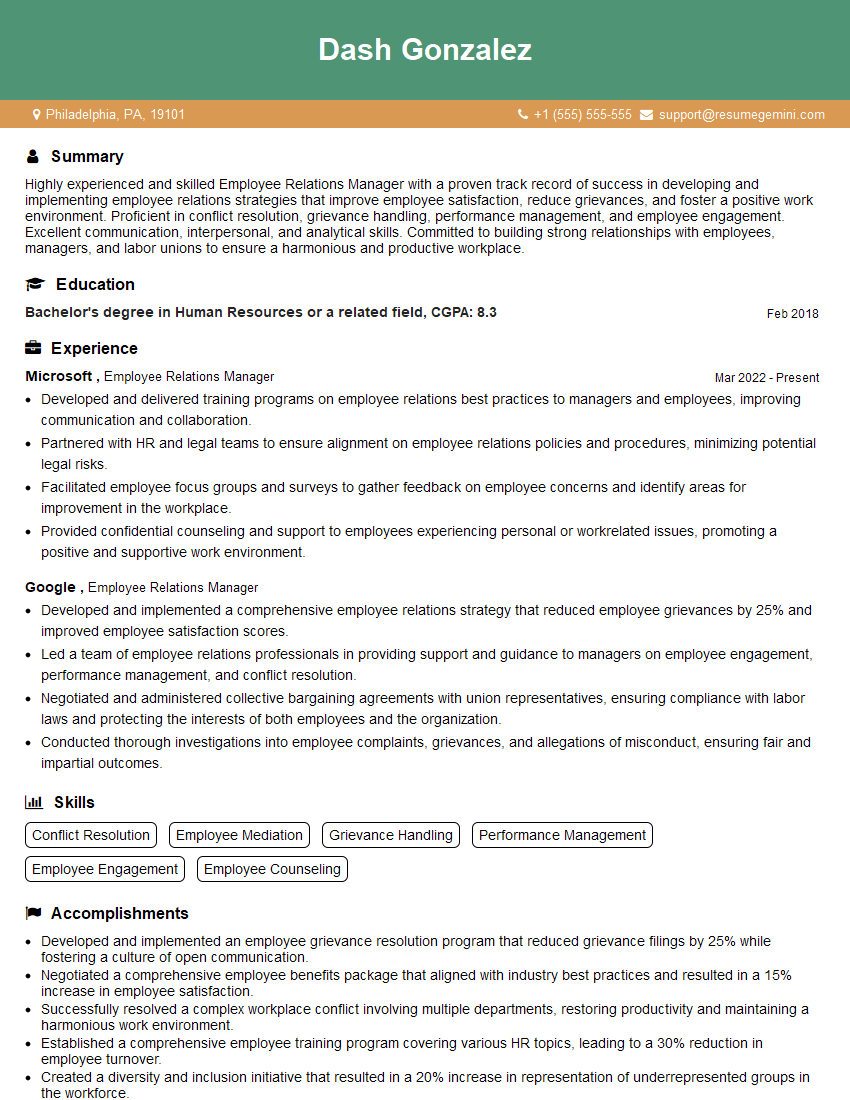
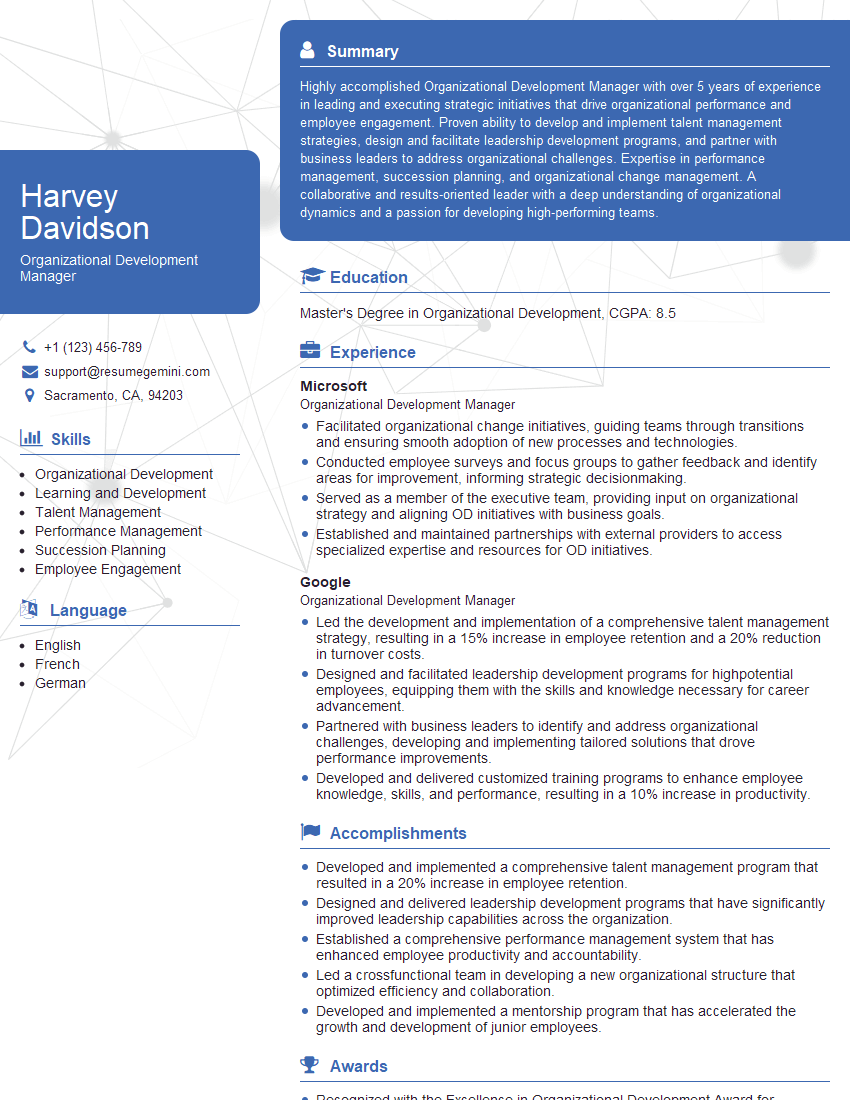
Mastering Workplace Culture and Values is crucial for career advancement. Understanding and articulating your alignment with a company’s culture significantly increases your chances of securing a position and thriving in your role. To enhance your job prospects, create an ATS-friendly resume that highlights your relevant skills and experiences. ResumeGemini is a trusted resource for building professional resumes, and we provide examples of resumes tailored to showcase your strengths related to Workplace Culture and Values. Use these resources to craft a compelling narrative that showcases your cultural fit and value proposition. This will significantly strengthen your application and help you land your dream job.
Explore more articles
Users Rating of Our Blogs
Share Your Experience
We value your feedback! Please rate our content and share your thoughts (optional).
What Readers Say About Our Blog
Very informative content, great job.
good